

.webp?language=en-US)

.webp?language=en-US)
Advertisement
2024 ASLA Professional Awards
Explore:
General Design Category
Honor Awards

African Ancestors Memorial Garden
The African Ancestors Memorial Garden at the International African American Museum (IAAM) in Charleston, SC, is an act of reconciliation and a significant testament to the African Diaspora's rich and profound history. This sacred space masterfully blends ecology, art, and history, offering a truth-based narrative that acts as an initial step towards reconciliation.
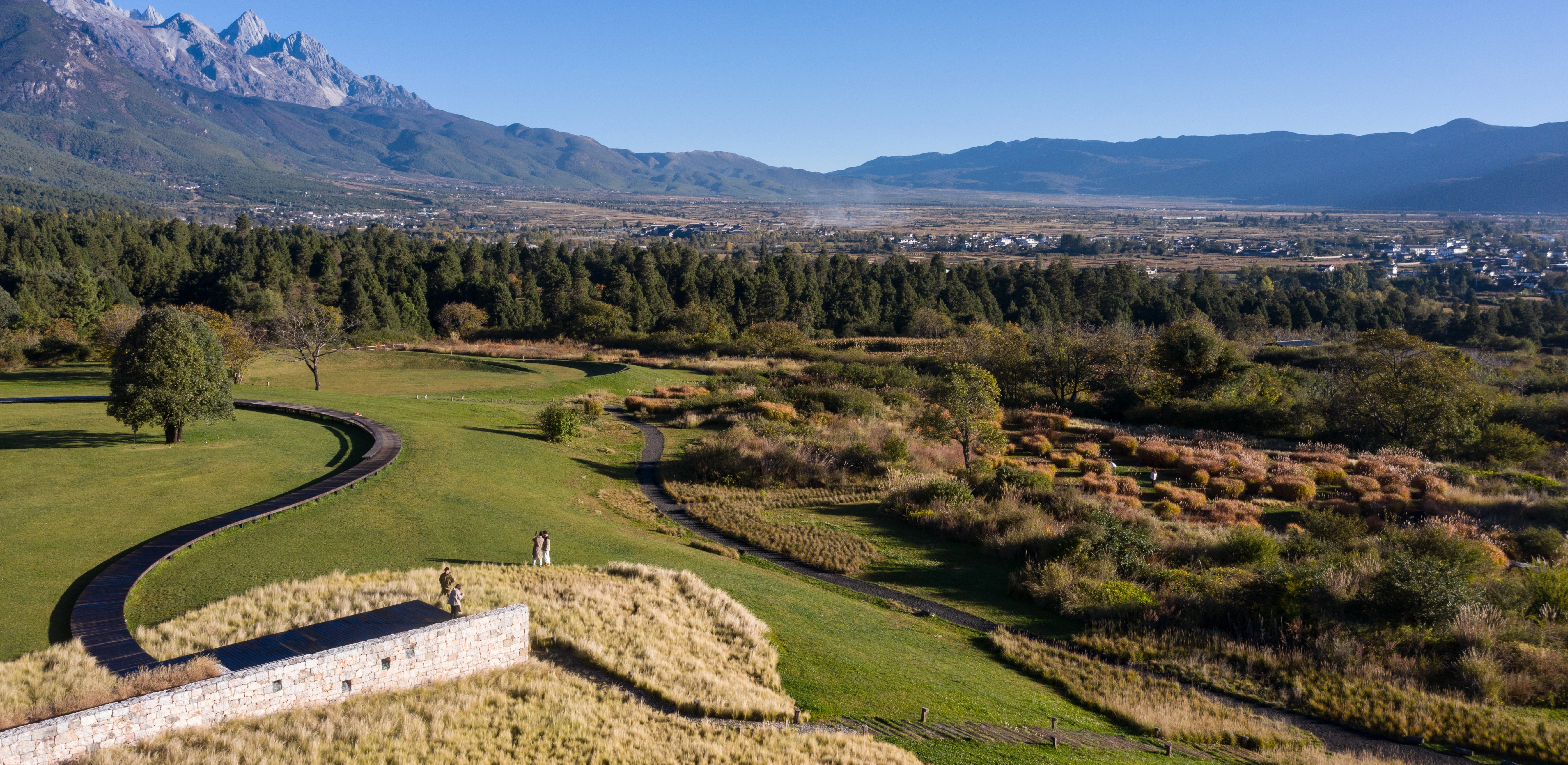
Alpine Garden and Amphitheater
The Alpine Garden, once a village dumpsite, was transformed as a model for habitat restoration, outdoor environment education and indigenous culture promotion in Yunnan multi-tribal region.
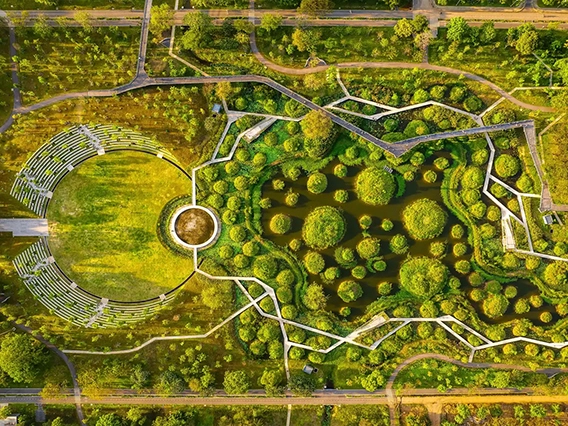
Benjakitti Forest Park: Transforming a Brown Field into an Urban Nature
In the bustling urban heart of Bangkok, a former tobacco factory has been transformed into a low-maintenance regenerative system that is climate resilient, filters contaminated water and provides much-needed wildlife habitat. In addition, Benjakitti Forest Park now provides the largest public recreational space for residents of downtown Bangkok and has become a new cultural symbol for the capital city.
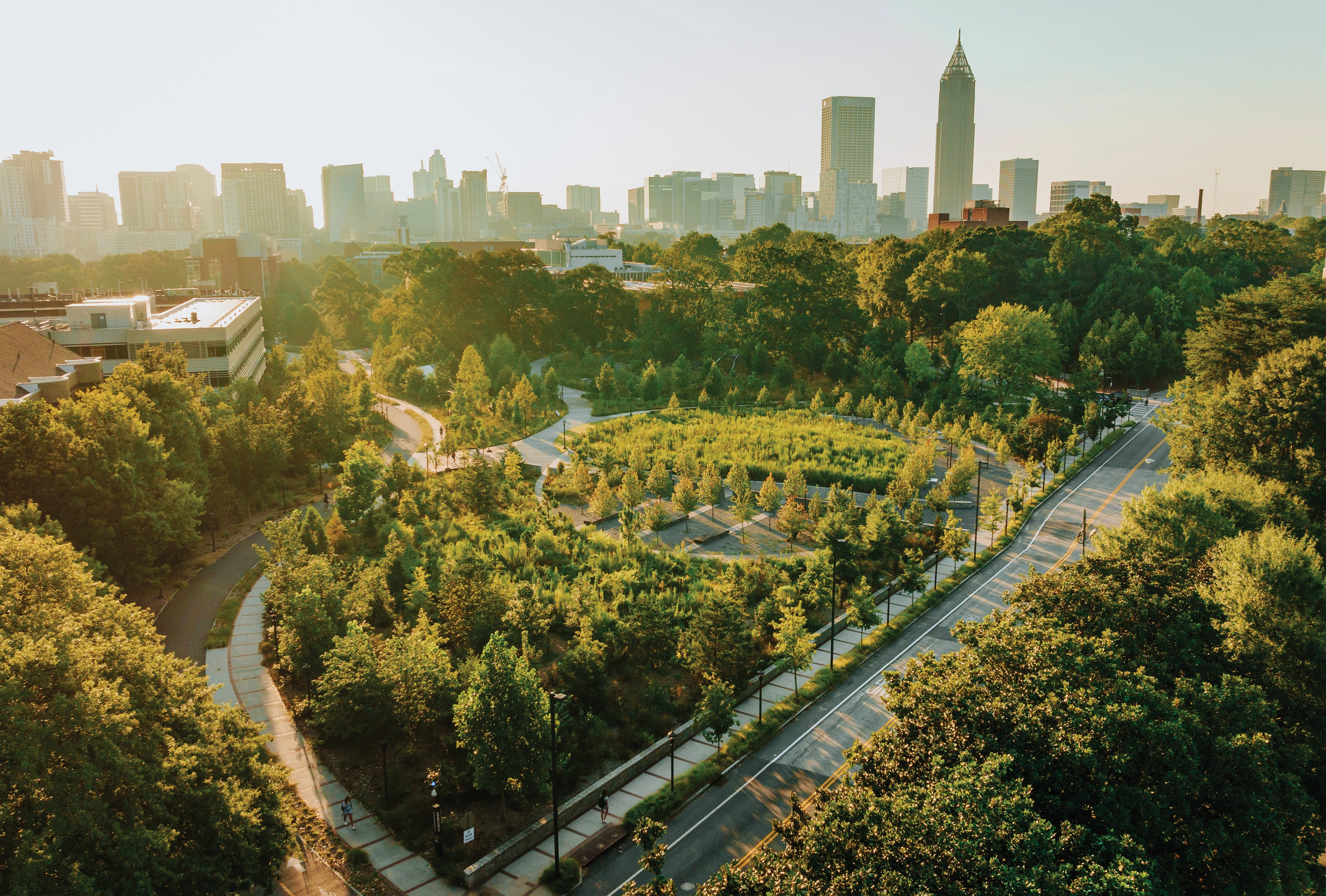
EcoCommons – Social and Ecological Resilience in the Campus Landscape
The 8-acre EcoCommons at Georgia Institute of Technology is an ecologically and socially driven pedagogical space, highlighting native ecologies and daylighting the site's nearly forgotten Civil Rights history. The design of the EcoCommons was conceived as three primary zones artfully connected by universally accessible paths.
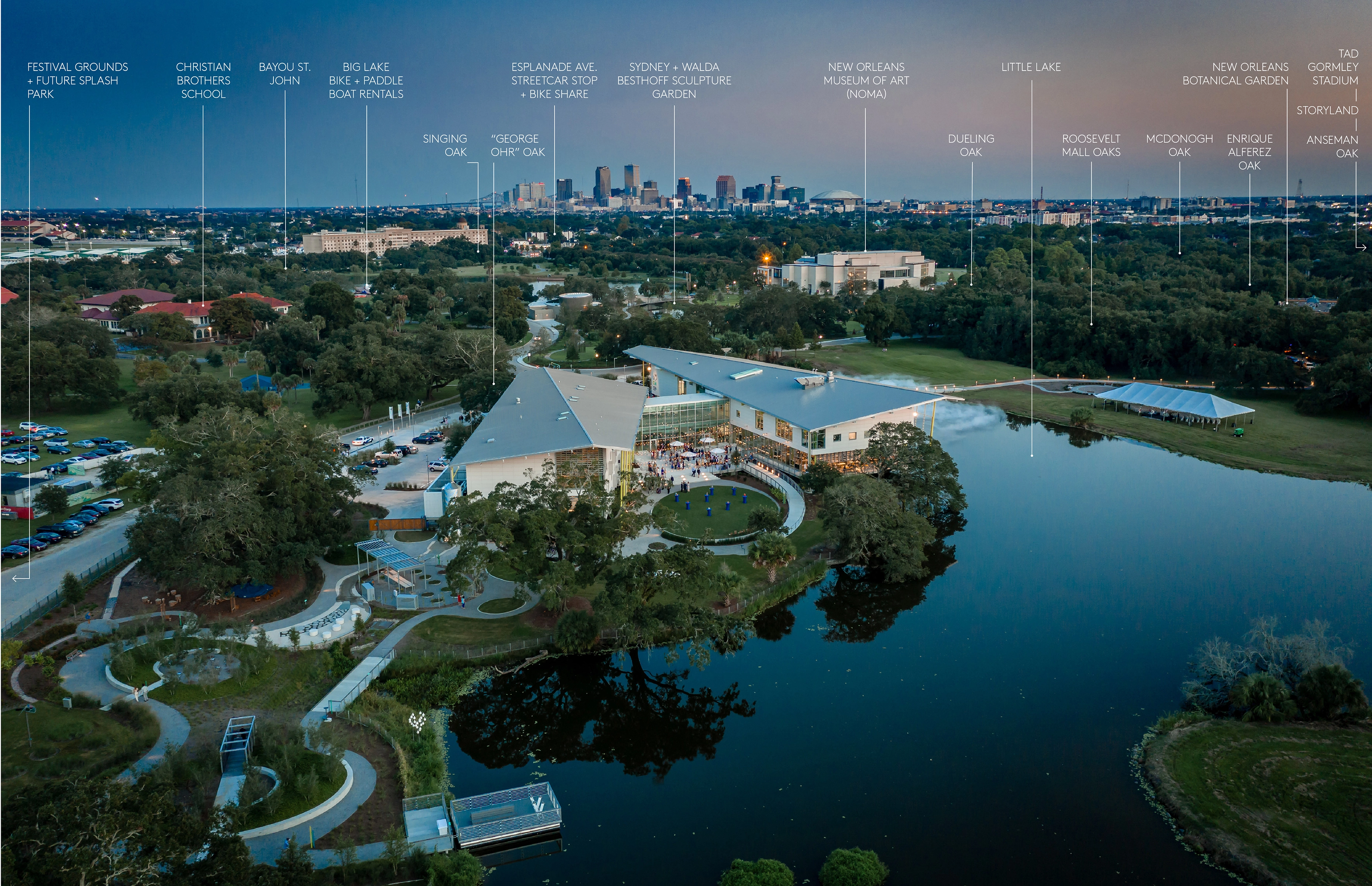
Louisiana Children’s Museum: A Joyous Landscape in City Park
Louisiana Children’s Museum envisioned a new model for children’s museums: a place where children and families in one of the nation’s most underserved regions would have a wealth of ways to explore the artistic, sensory and natural worlds. The City Park site is part of a collection of civic institutions sitting on the edge of a lagoon teeming with wildlife and provides an ideal living classroom.
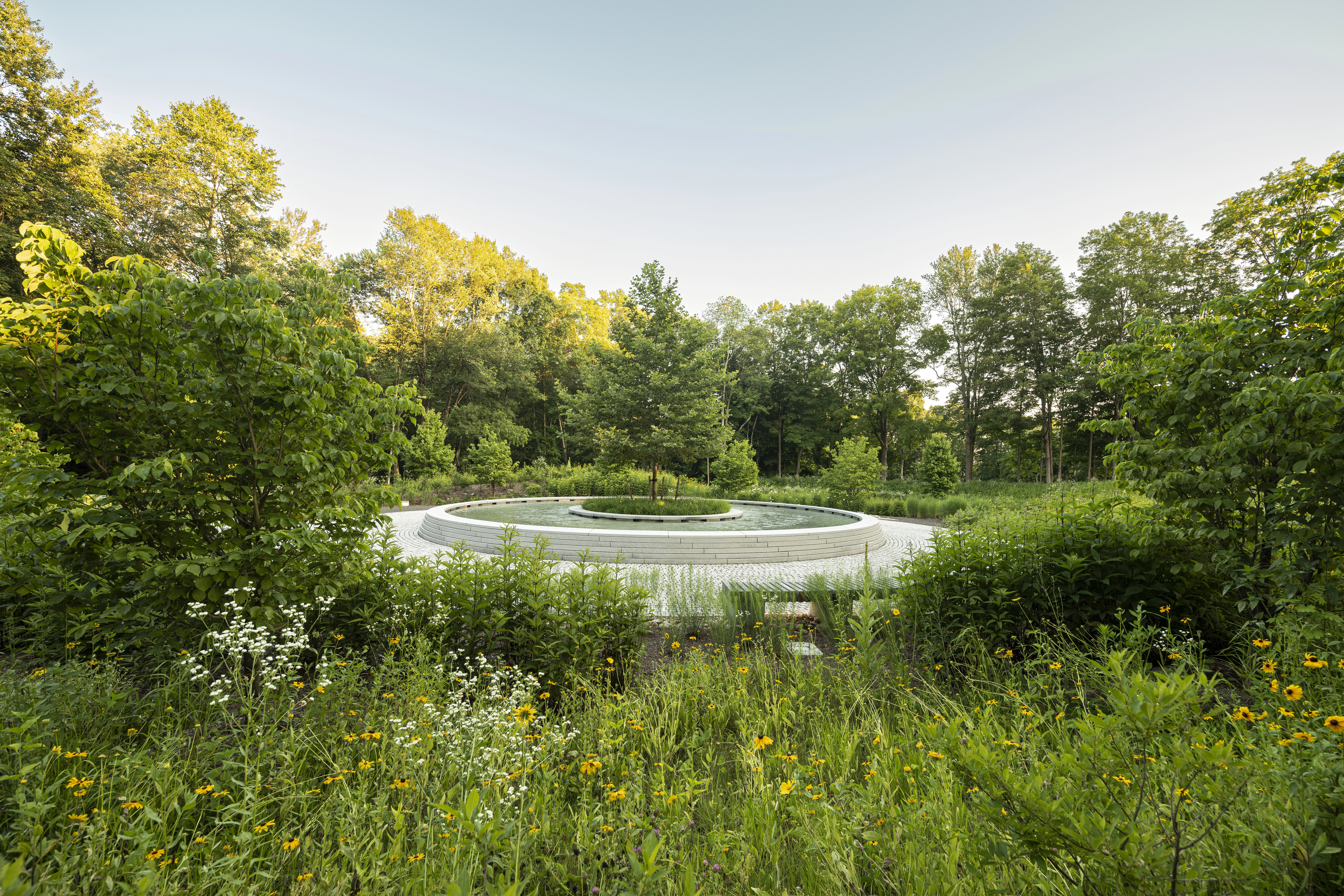
Sandy Hook Memorial: The Clearing
On December 14, 2012, 20 children and six educators were tragically slain at Sandy Hook Elementary School. Over the following decade, community members came together to create The Clearing, a nature-centric memorial funded by the town.
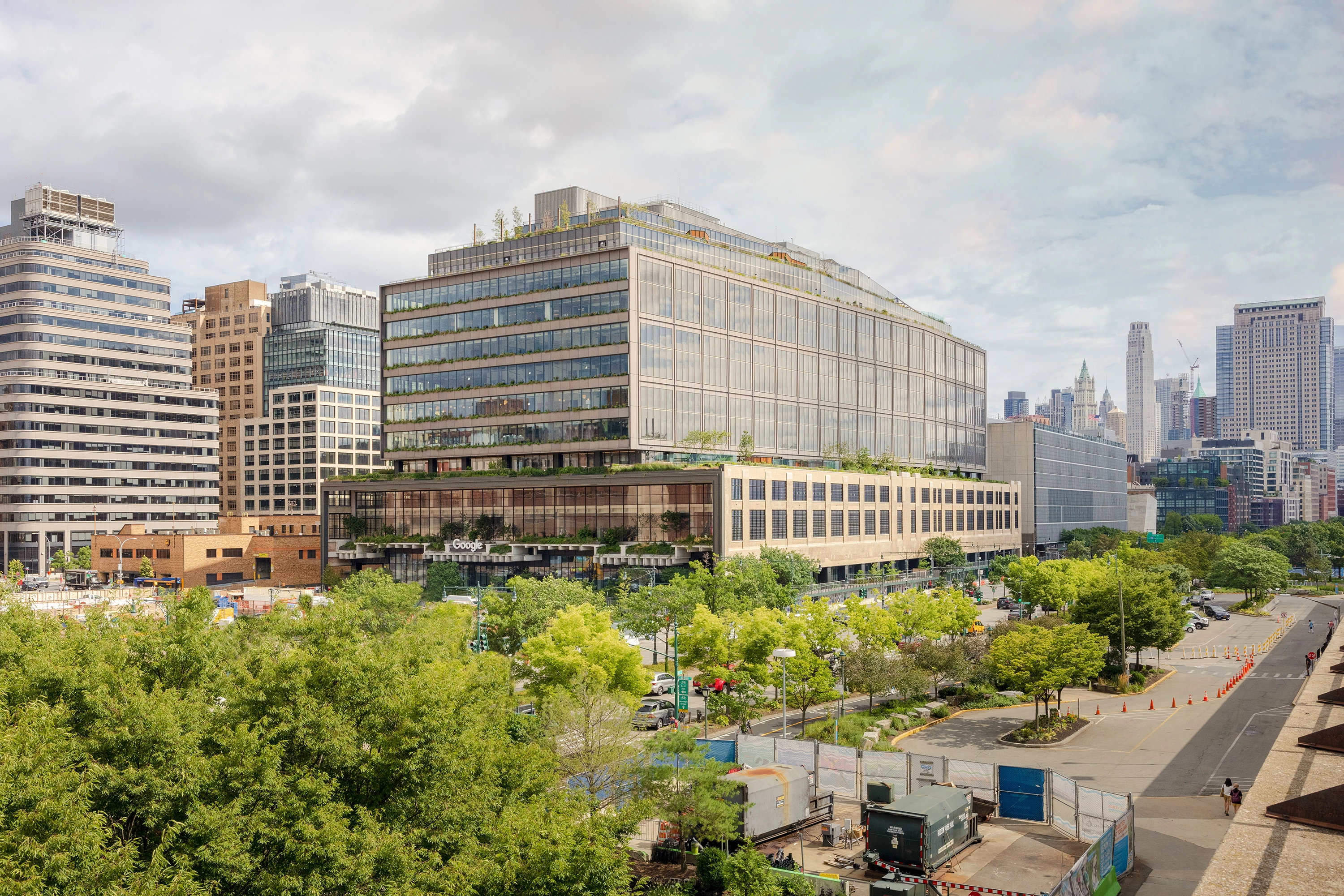
St. John’s Terminal: An Ecology for Technology and Innovation
The adaptive reuse of St. John’s Terminal has been skillfully engineered to support roughly 1.5 acres of native habitat across multiple terraces, seven stories of window boxes, planted train tracks in the building’s north façade, and a large public entry plaza. Sustainability, biophilia, and creating meaningful spaces that spark collaboration and imagination were all key to the landscape visioning and design.
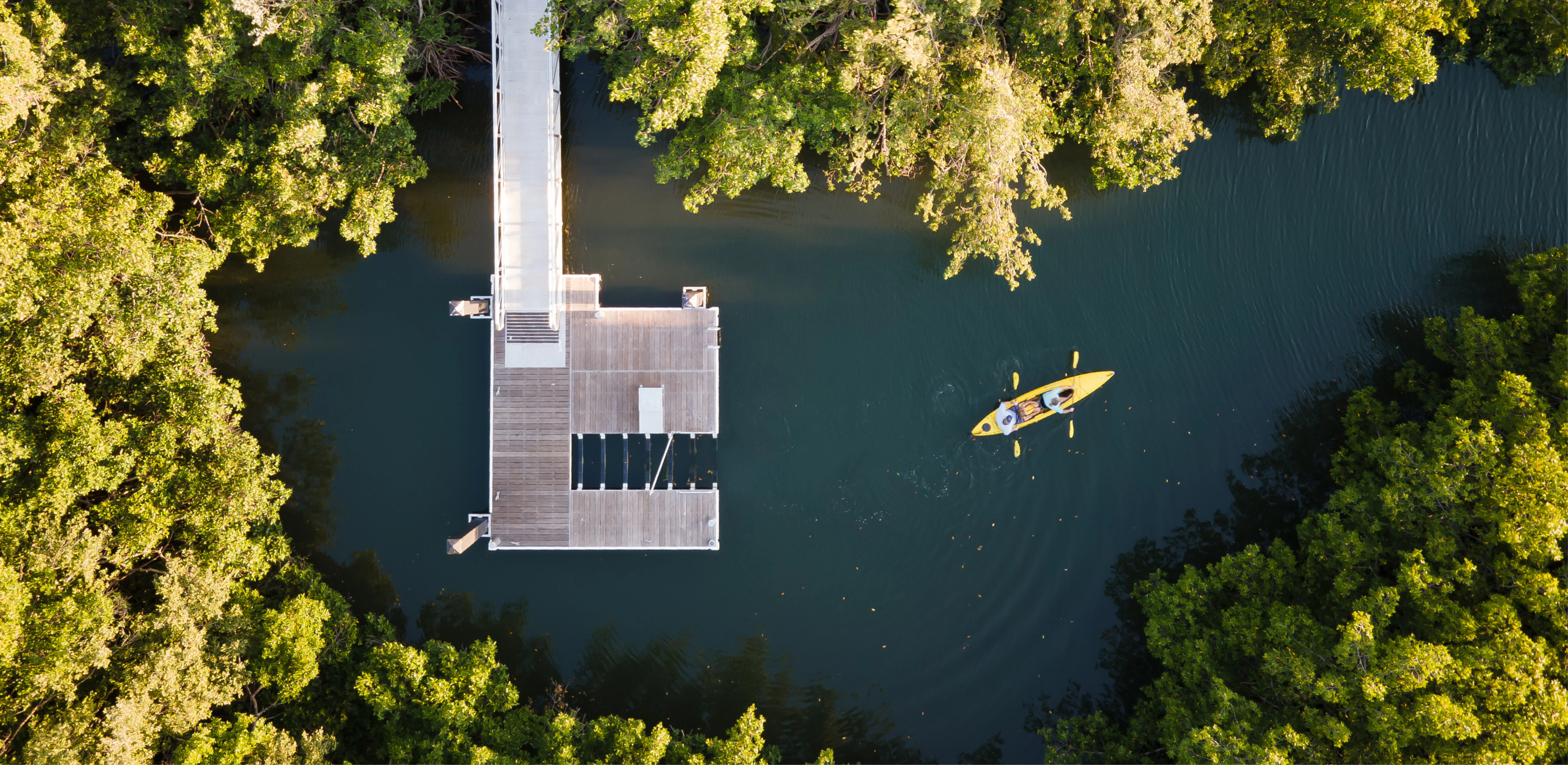
The Bay: “One Park for All” in Sarasota
A compelling first phase following an unprecedented and inclusive master planning process, The Bay is the City of Sarasota’s first signature waterfront park. Located where the city’s iconic Boulevard of the Arts meets the Sarasota Bay, The Bay is a living demonstration of 21st century sustainability principles, a memorable community gateway to and on the water, and, in its craft, a loving reflection of Sarasota’s unique natural and cultural context.
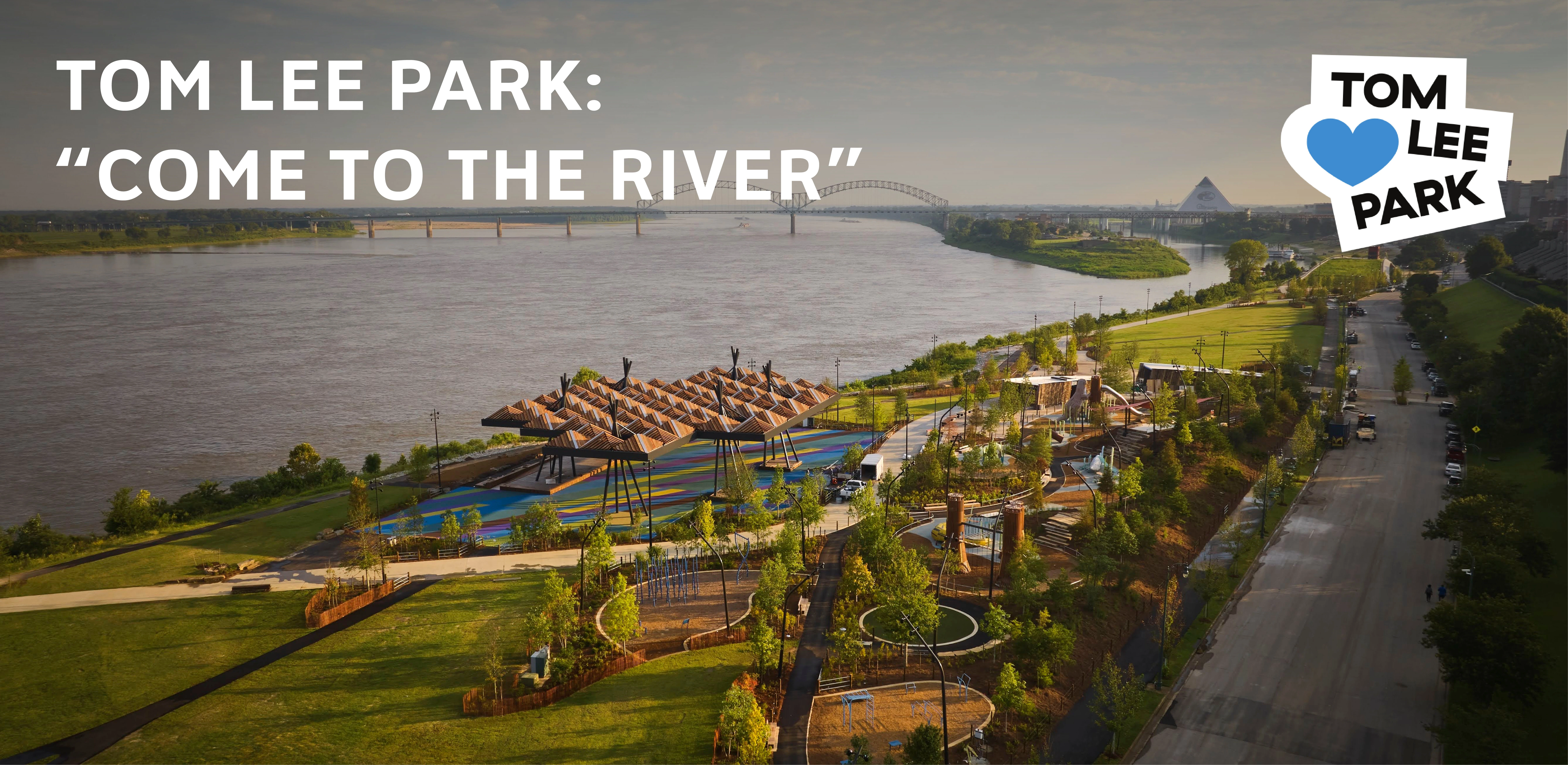
Tom Lee Park: "Come to the River"
Tom Lee Park is a 31-acre riverfront park on the Mississippi River in Memphis. It has been celebrated and cited as a national model for inclusive placemaking and ecological regeneration.
The park is named for Tom Lee, a Black river worker who became a hero after risking his own life to save 32 people from a capsized steamboat in 1925. The design celebrates Lee’s legacy of generosity, while still confronting conversations about justice.
Residential Design Category
Honor Awards
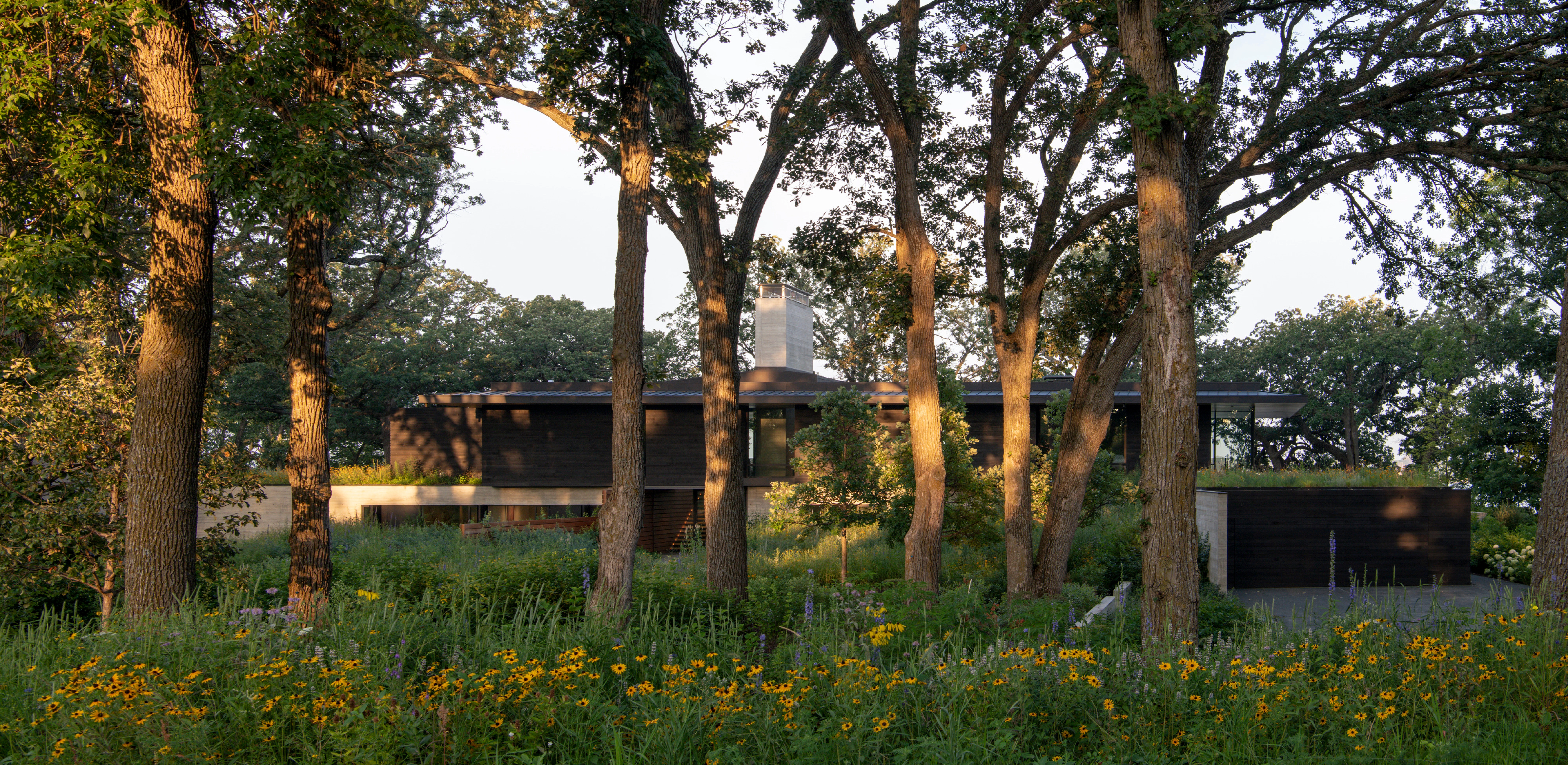
Highbank: The Restoration of a Lost Prairie
The holistic rehabilitation of an ecologically sensitive landscape, including protecting a unique shoreline along a midwestern glacial lake, ensures the enduring legacy of a family retreat.
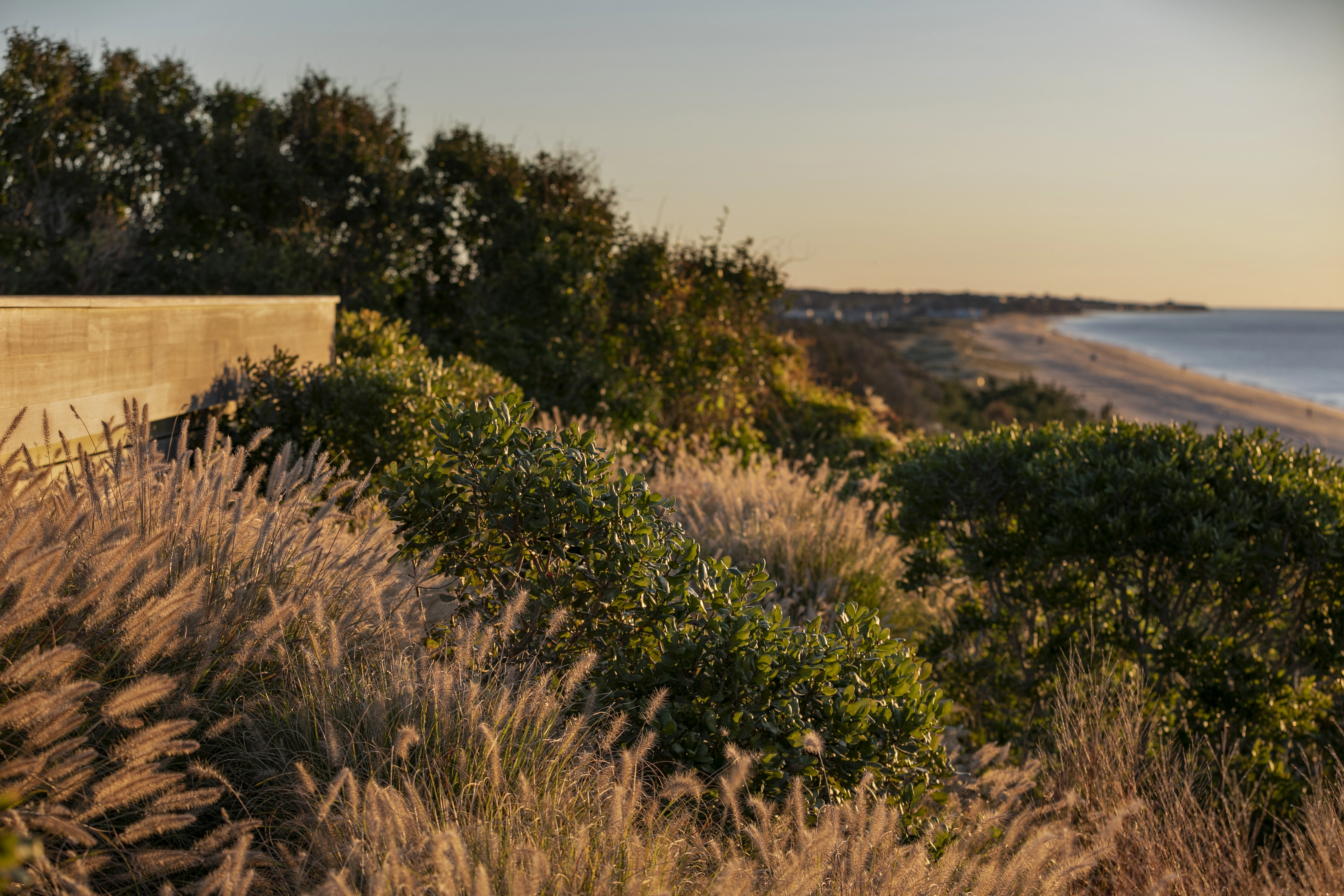
House on the Bluff
This renovated, modern beach house sits high on the Montauk bluffs with exceptional panoramic ocean views and privacy. Bordered by a nature preserve; this narrow, topographically challenging site presented many initial constraints that became the impetus for the design.
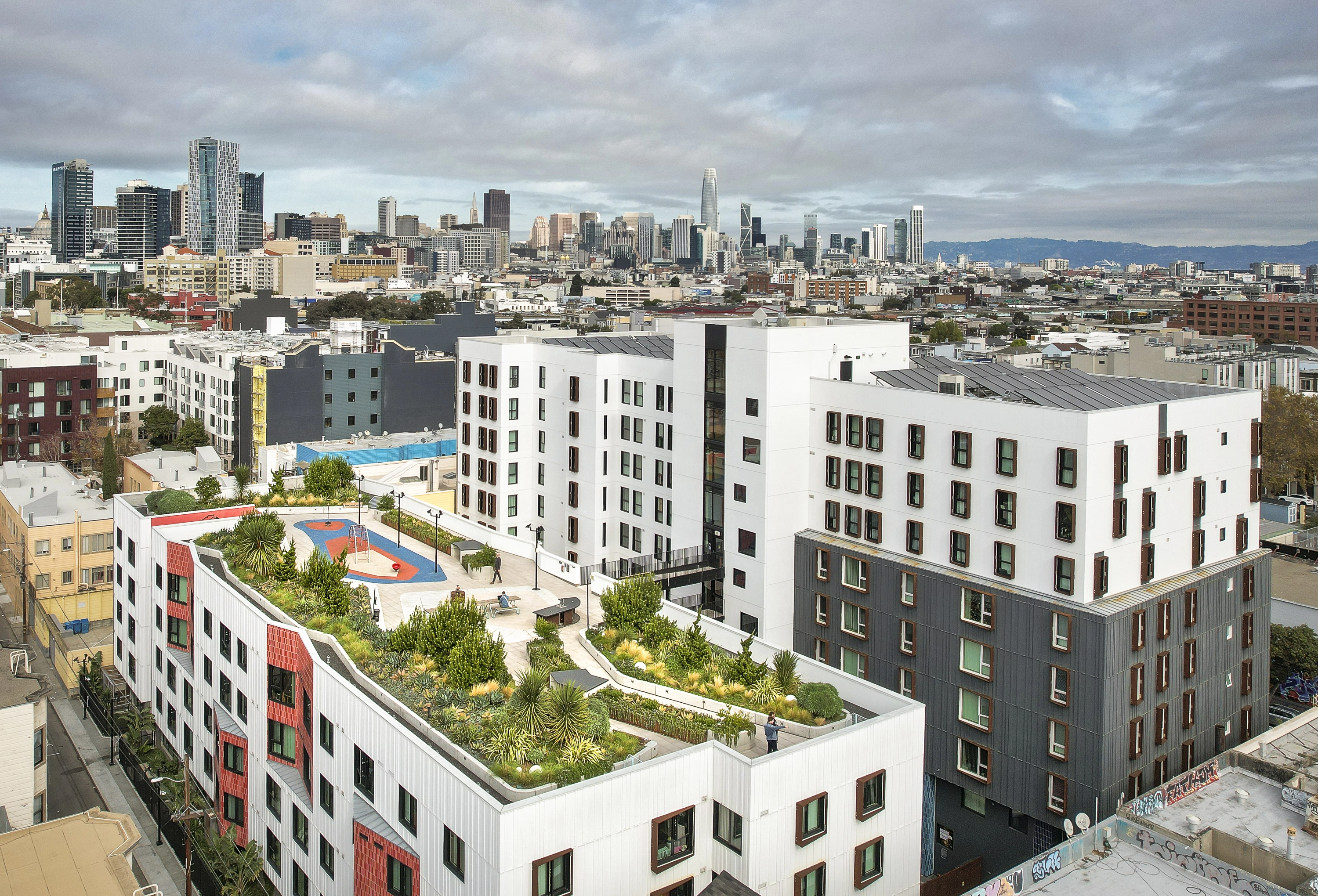
La Fénix at 1950
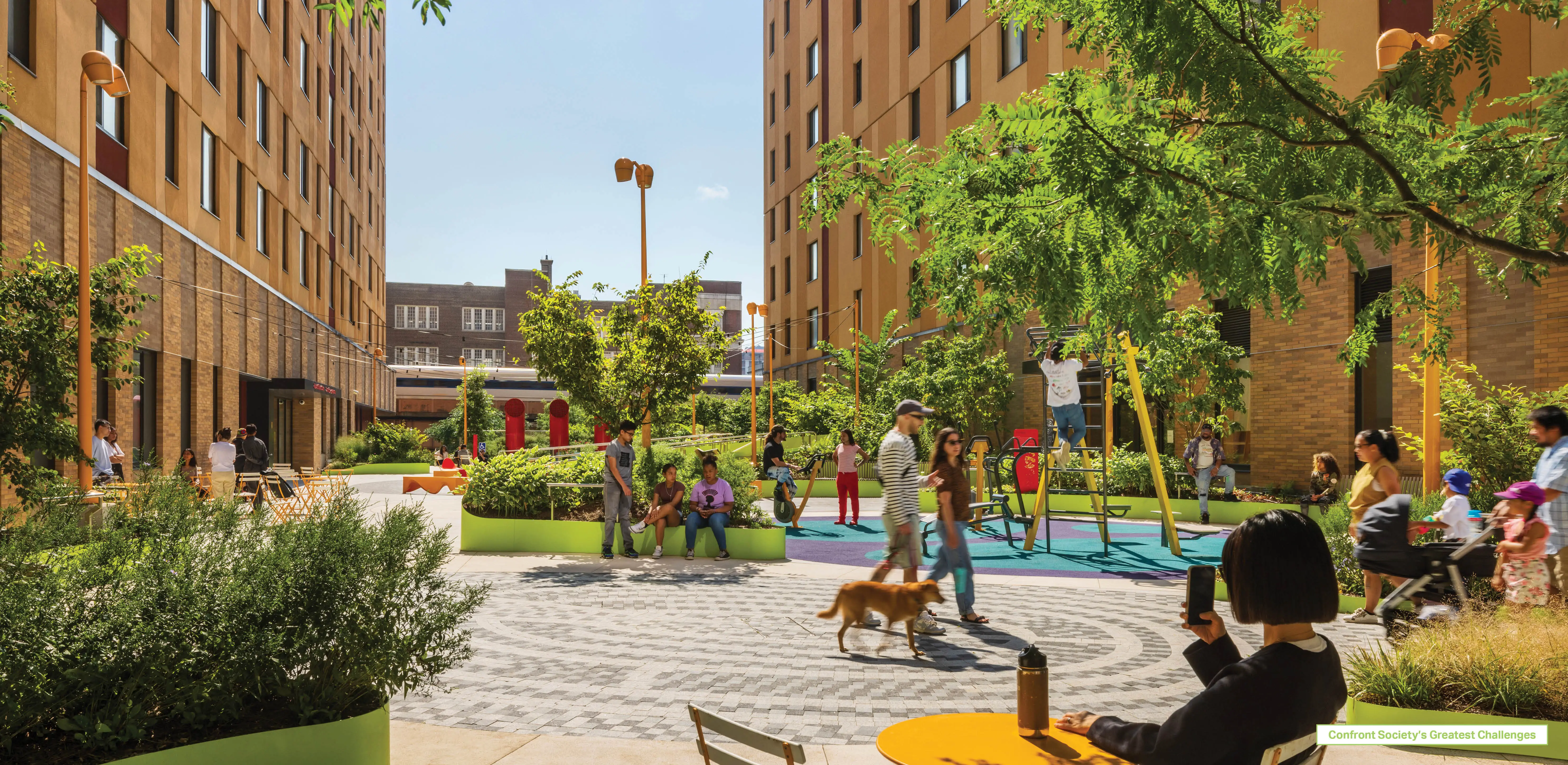
San Francisco’s Mission District has been an epicenter of gentrification for 25 years. La Fénix at 1950 provides 157 affordable homes for displaced and unhoused families in the Mission, as well as a home for nonprofit service providers. The ground level courtyard, or Zócalo, links amenities to encourage community building.
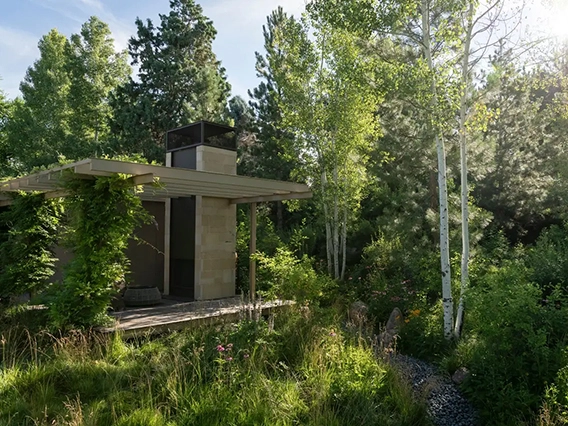
Nurturing Nature in the Mile High City
As cities grapple with the consequences of climate change, lush pockets of nature—including large-lot, urban parcels in historic neighborhoods that have been absorbed into a rapidly growing metropolitan area—can serve as effective and transferable case studies in reconnecting diverse ecologies and contributing community value to make urban spaces more habitable.
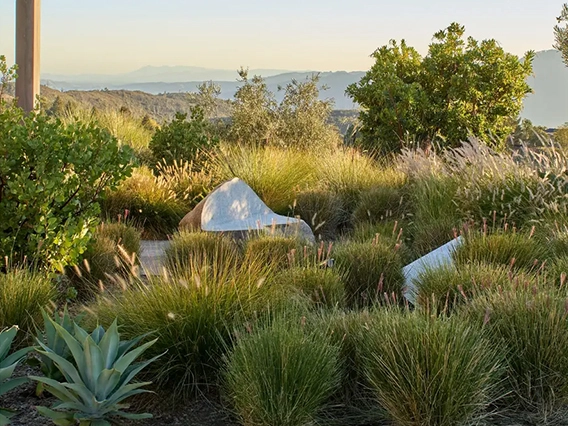
Trinity Road
The story of Trinity Road unfolded over the past five years and is fundamentally a story of fire resilience and succession of the surrounding forest. The garden was designed and the project considered completed when two wildfires ravaged the hills immediately surrounding the site. After the fires the landscape design team was brought in to create a new vision for the site that knit together the original planting and a new series of paths and gardens.
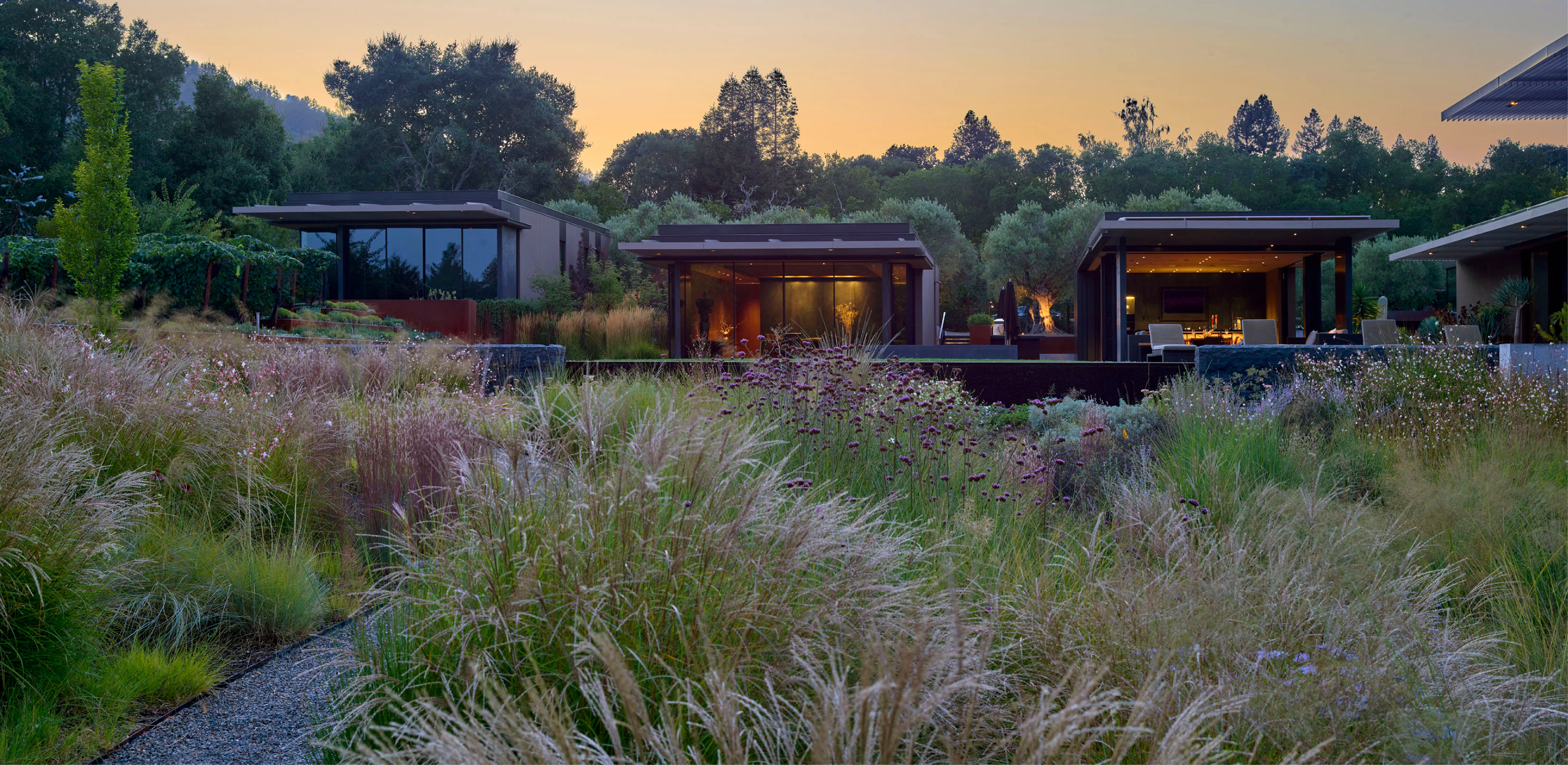
Uliveto
Located on the vegetative gradient between the oak savannah of the Santa Clara Valley and the redwood forests of the Santa Cruz mountains, the Uliveto residence seamlessly nestles into its three-acre site. From its conception, the design aimed to blend into its natural surroundings and borrow the vistas of the adjacent mountains.
Urban Design Category
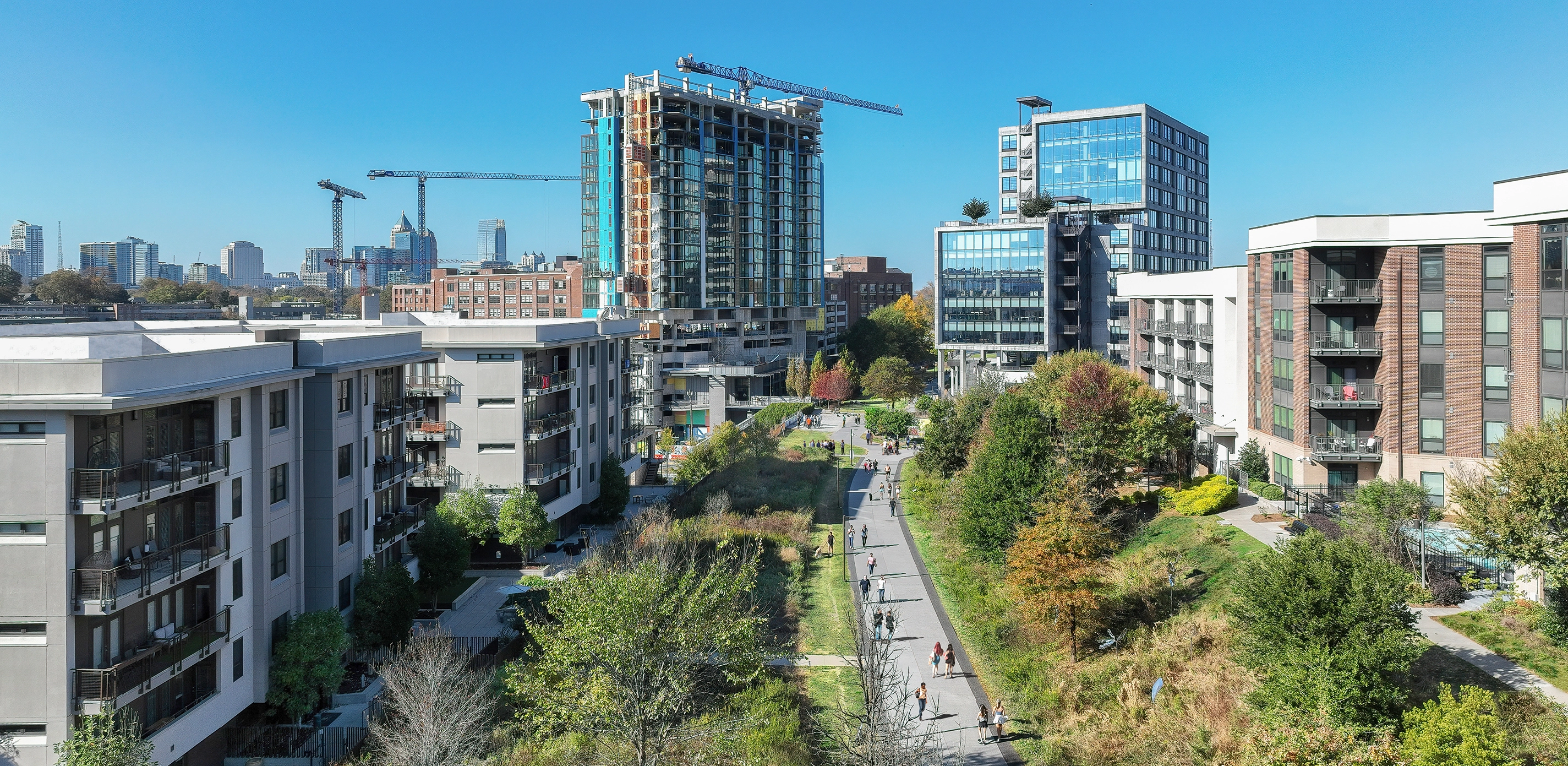
Atlanta BeltLine
Few planning projects achieve the environmental, social, and economic impact the Atlanta BeltLine has achieved for Atlanta. Known as a congested, car-dependent city with anemic public transport and insular neighborhoods, Atlanta has in two decades repurposed nearly 60 percent of the 22-mile rail corridor that encircles its city center. Multi-use public art trails now facilitate broader access to essential goods, services, and amenities while connecting diverse communities along the corridor.
Urban Design
Honor Awards
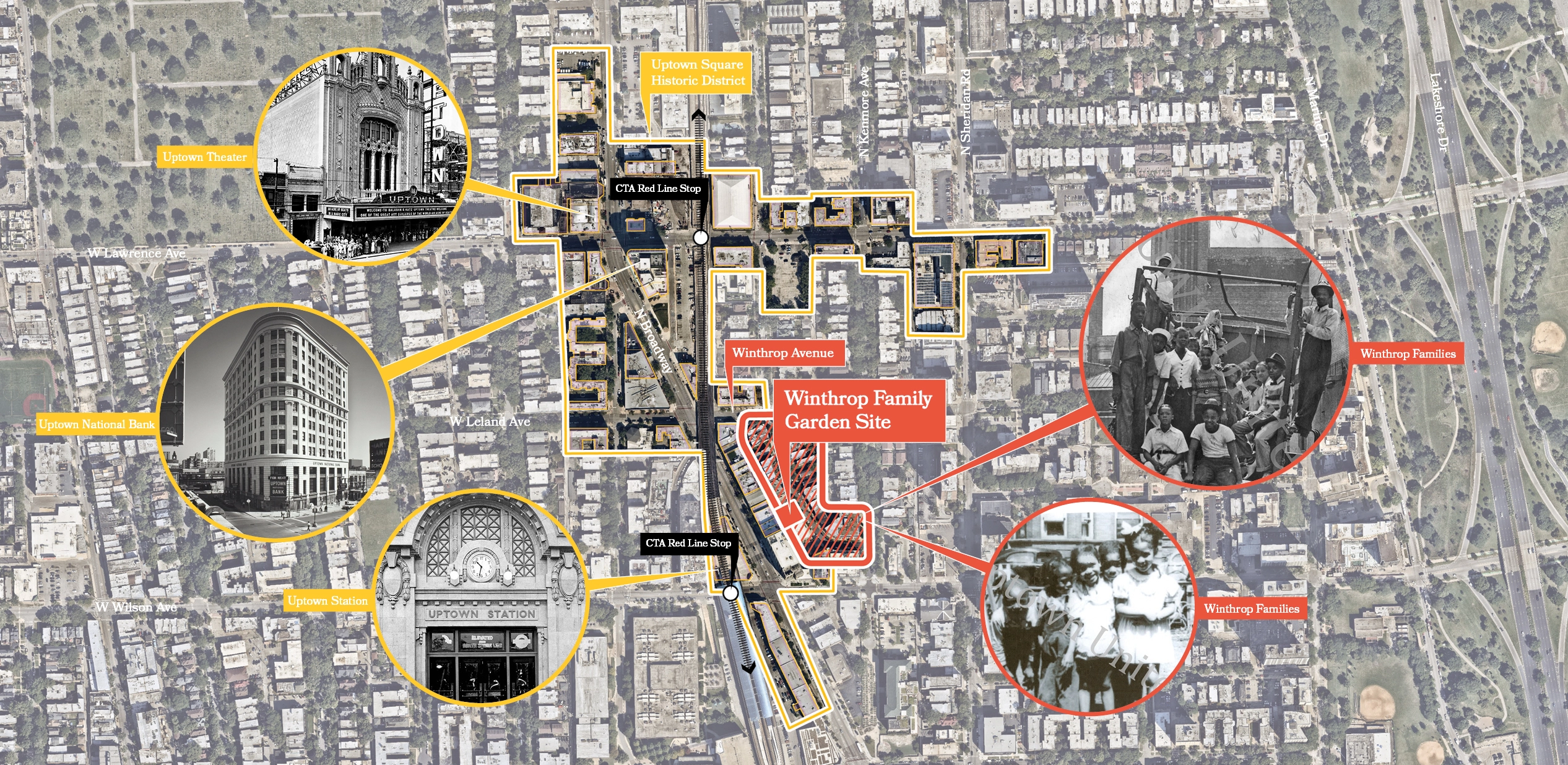
Celebrating Community Resiliency: An Equitable Garden Transformation
The Winthrop Family Historical Garden is a reimagined community space celebrating the rich heritage, resiliency, and legacy of Black families who helped found the Uptown’s cultural diversity despite racial segregation. The garden honors this powerful legacy of unity in the face of adversity while bringing together, educating, and empowering the community today.
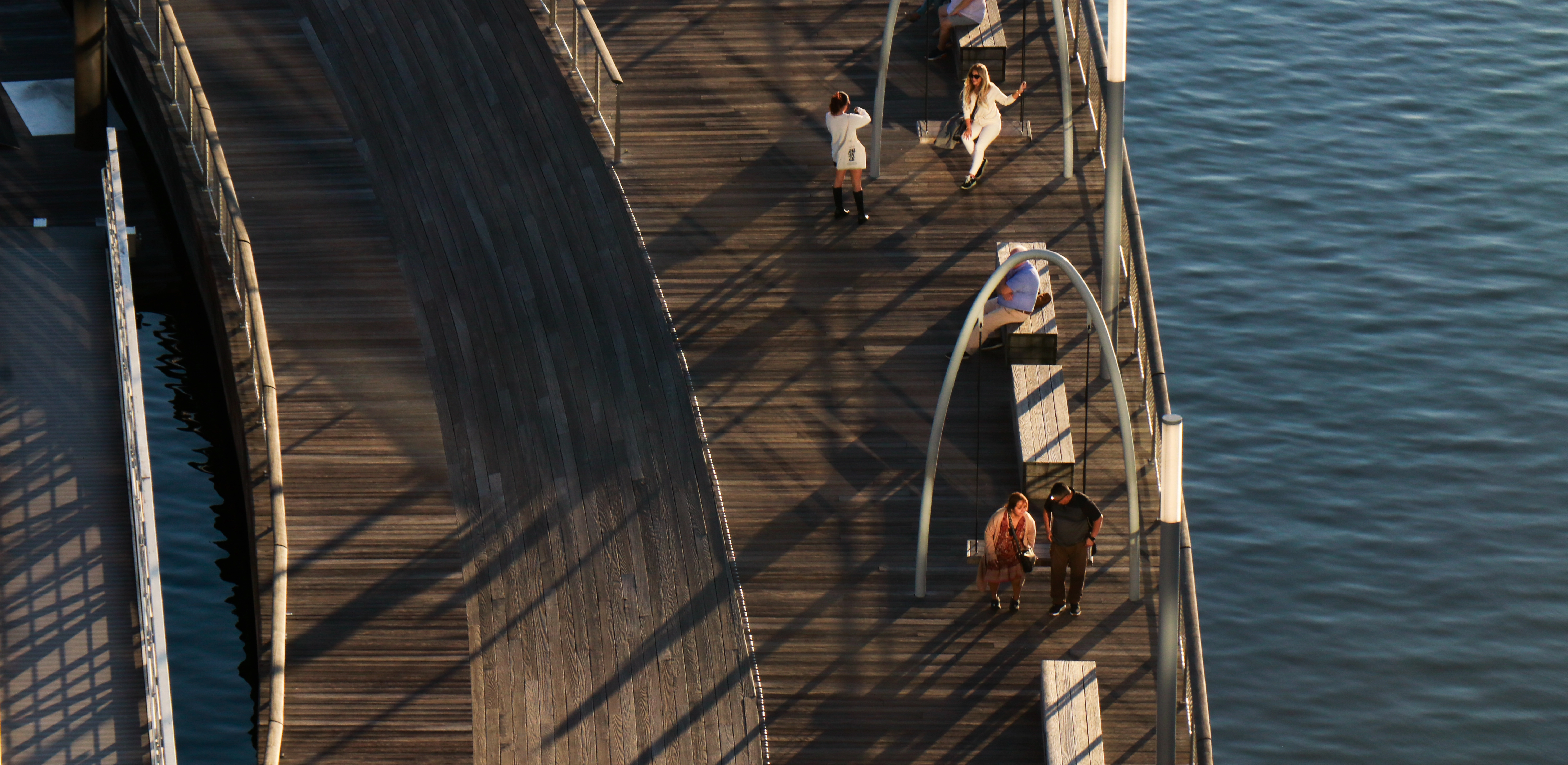
The Wharf’s 7th Street Park and Recreation Pier
The Wharf’s 7th Street Park and Recreation Pier draws a diverse mix of locals, visitors, and wildlife to a playful meeting point: a site that conceptually reflects the rise and fall of rolling current. A reimagined waterfront invites people to the water’s edge, uplifting spirits through accessible play and immersion in the local ecosystem.
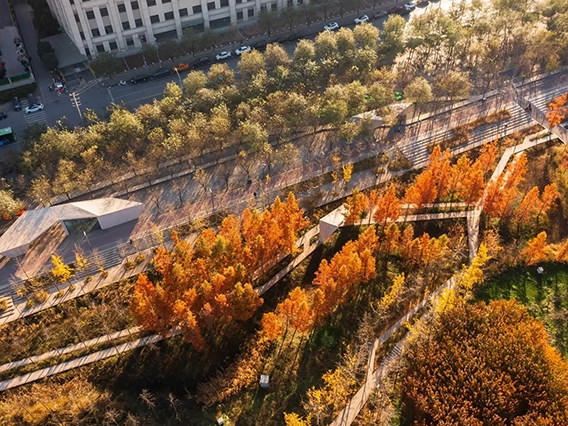
Urban Balcony Embracing Rewilded Nature
In a densely populated urban setting, this project unveils a rewilded natural area, revitalizing a former concrete waterway through innovative stormwater management. The design introduces a linear activity zone extending over four residential blocks, tailored for diverse social interactions. It underscores the vital role of landscape architecture in enriching the social and ecological aspects of urban living.
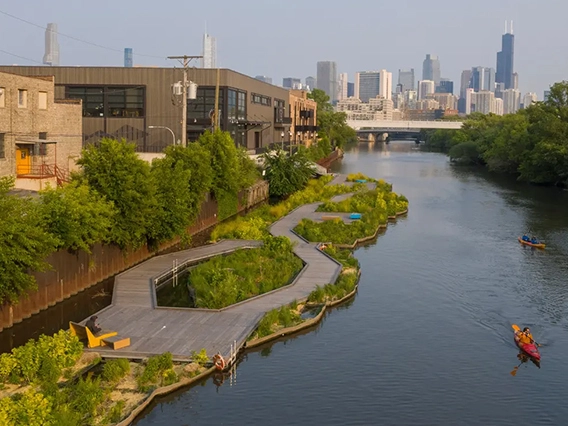
Wild Mile: Transforming an Urban River into a Floating Eco-Park
Initially conceived as a framework vision in conjunction with the modernization of the City of Chicago’s North Branch Industrial Corridor, the Wild Mile has proven a valuable model for revitalizing urban rivers throughout the world. Urban Rivers’ first phase of modular floating walkways and native plant beds are an accessible extension of public space. East of Goose Island, they provide wildlife habitat, educational programming, and a strong community atmosphere at the water’s edge.
Analysis & Planning Category
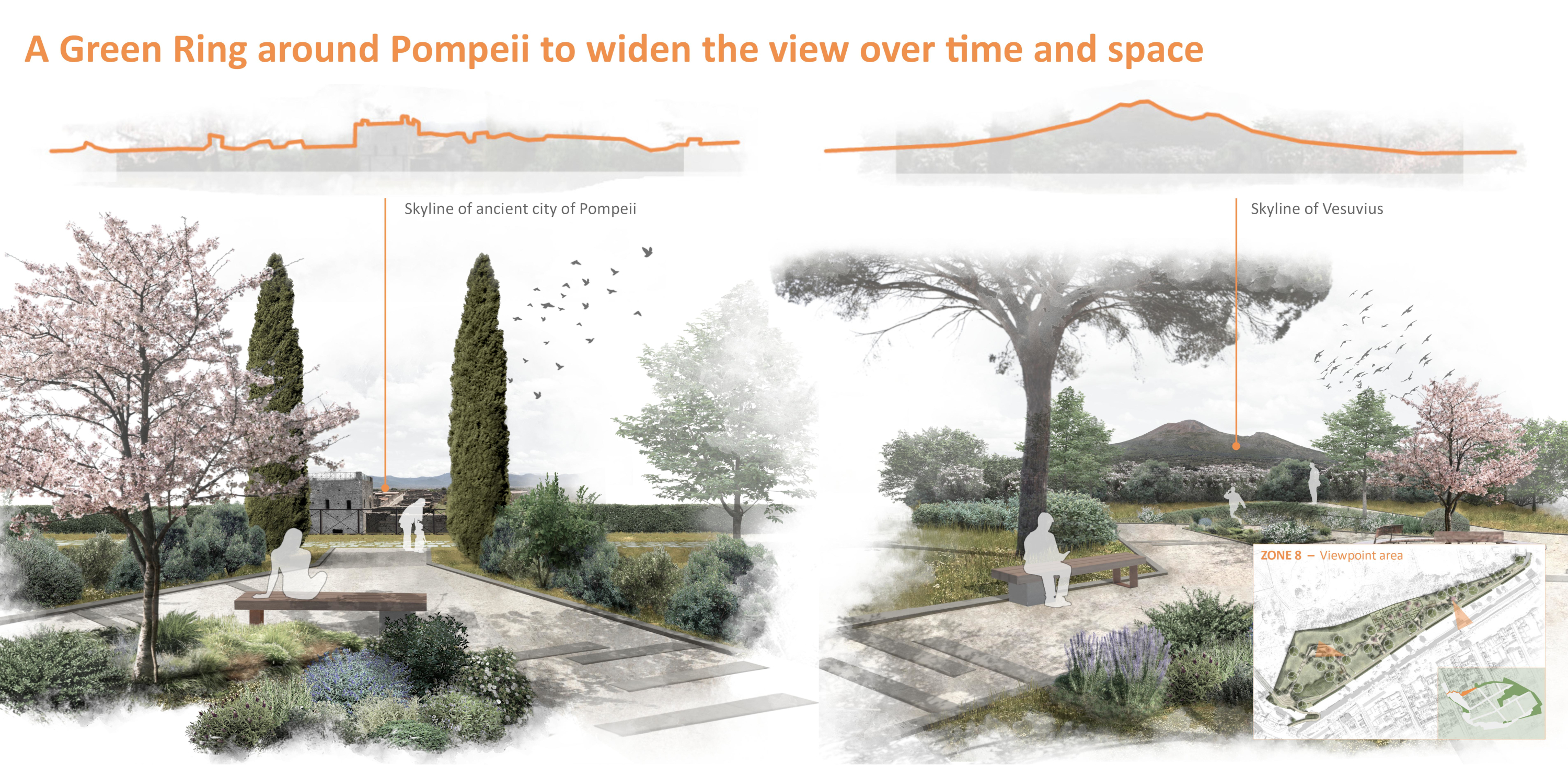
A Green Ring for the ancient city of Pompeii
A green ring of 4 km, surrounding the walls of ancient Pompeii, is planned as a buffer park where necropolises and extra urban Roman villas coexist with agriculture and forests.
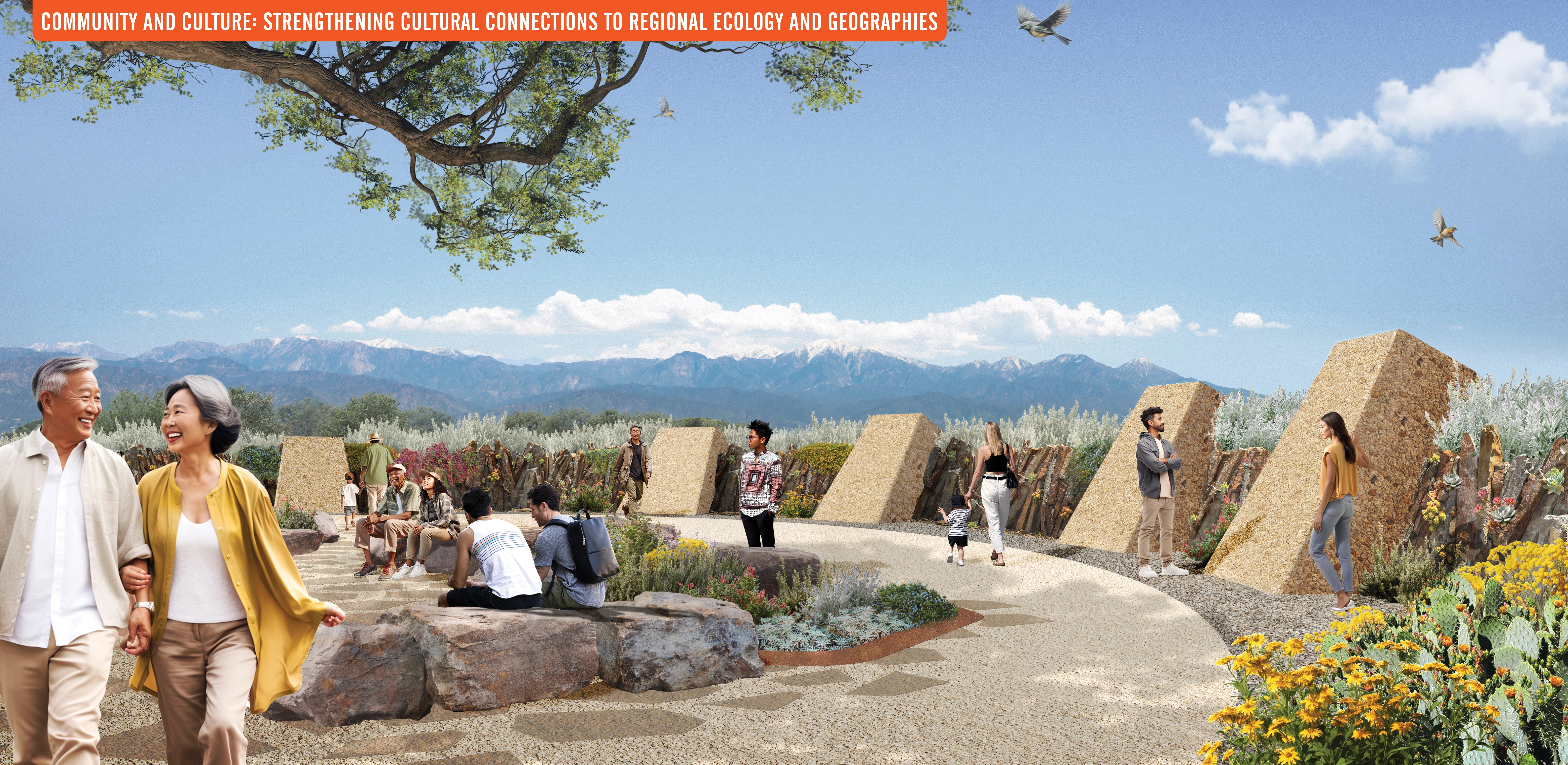
Puente Hills Landfill Park Implementation Plan
The Puente Hills Landfill was once the second largest landfill in the nation, receiving 150 million tons of refuse from across Los Angeles. For six decades, the growing mountain of waste contributed to environmental degradation and social inequity for nearby communities.
Analysis & Planning
Honor Awards
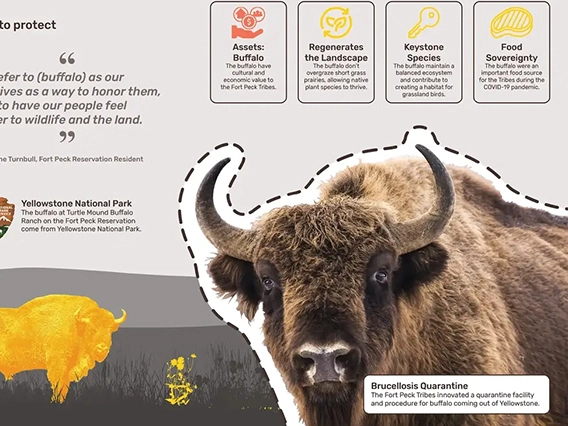
A Cultural Approach: The Fort Peck Tribes Hazard Mitigation Plan
In collaboration with the Fort Peck Assiniboine and Sioux Tribes, EPA, and FEMA, the Fort Peck Tribes Hazard Mitigation Plan (HMP) adopts a culturally responsive approach to hazard mitigation planning that features connection to place.
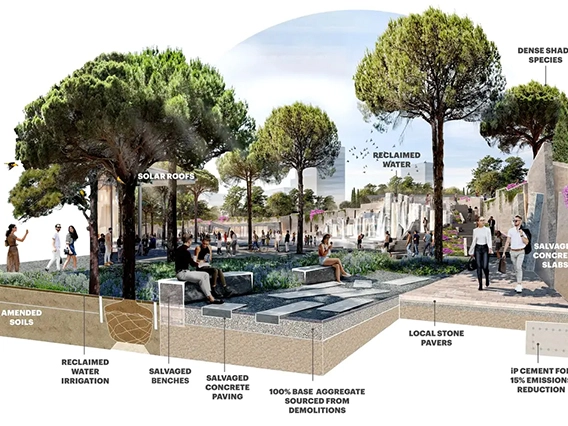
Ellinikon Park: Planning for Climate Action and Carbon Positivity
The decommissioning of the former Athens International Airport presented a once-in-a-generation opportunity to transform obsolete infrastructure into a resilient, climate-positive park. Planning and design decisions for the park were grounded in the overarching goal of achieving carbon neutrality within 35 years. The Ellinikon Park provides accessible and inclusive spaces for play, civic celebration, and democratic expression within an oasis of biodiversity.
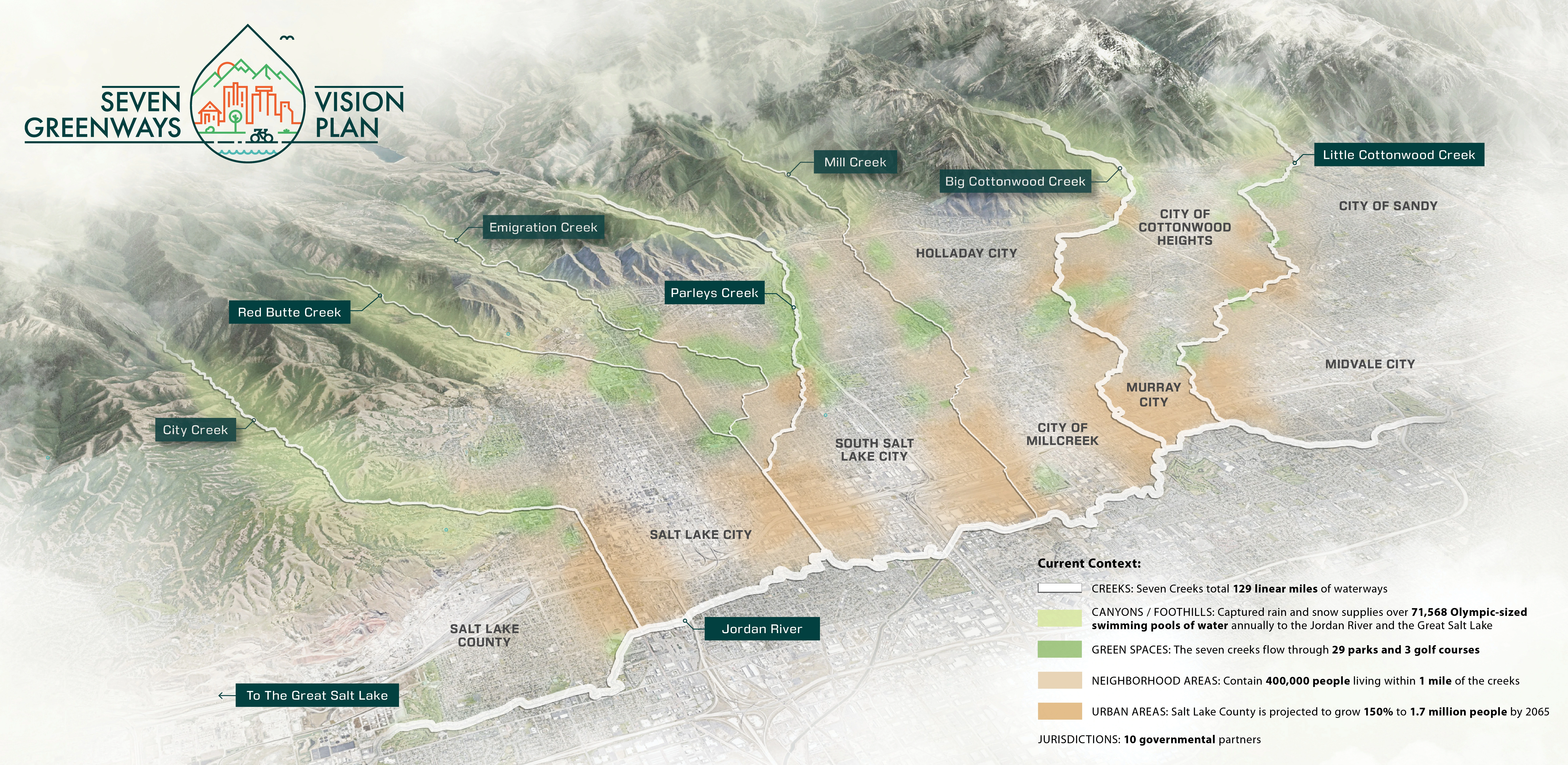
Seven Greenways: A Cooperative Vision for Water in the Arid West
The Great Salt Lake is on the brink of disappearance. Drying of the lakebed will cause ecological collapse and expose millions of people to toxic dust. Urgency for solutions grows amidst megadrought. This is the first regional plan of action: revive 129 miles of upstream waterways flowing through the mountains to the most populous and rapidly urbanizing area of Utah. Ten jurisdictions united through goals for revitalizing creeks and connecting communities to greenways.
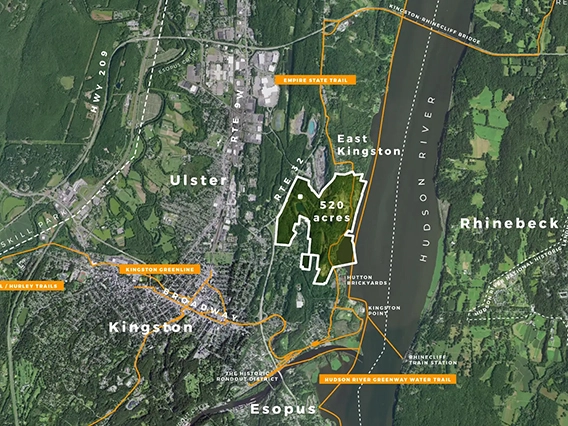
Sojourner Truth State Park for Scenic Hudson
The Framework Plan is an adaptable biodiversity focused long-term toolkit for transforming a 520-acre abandoned quarry along the Hudson River into a new state park.
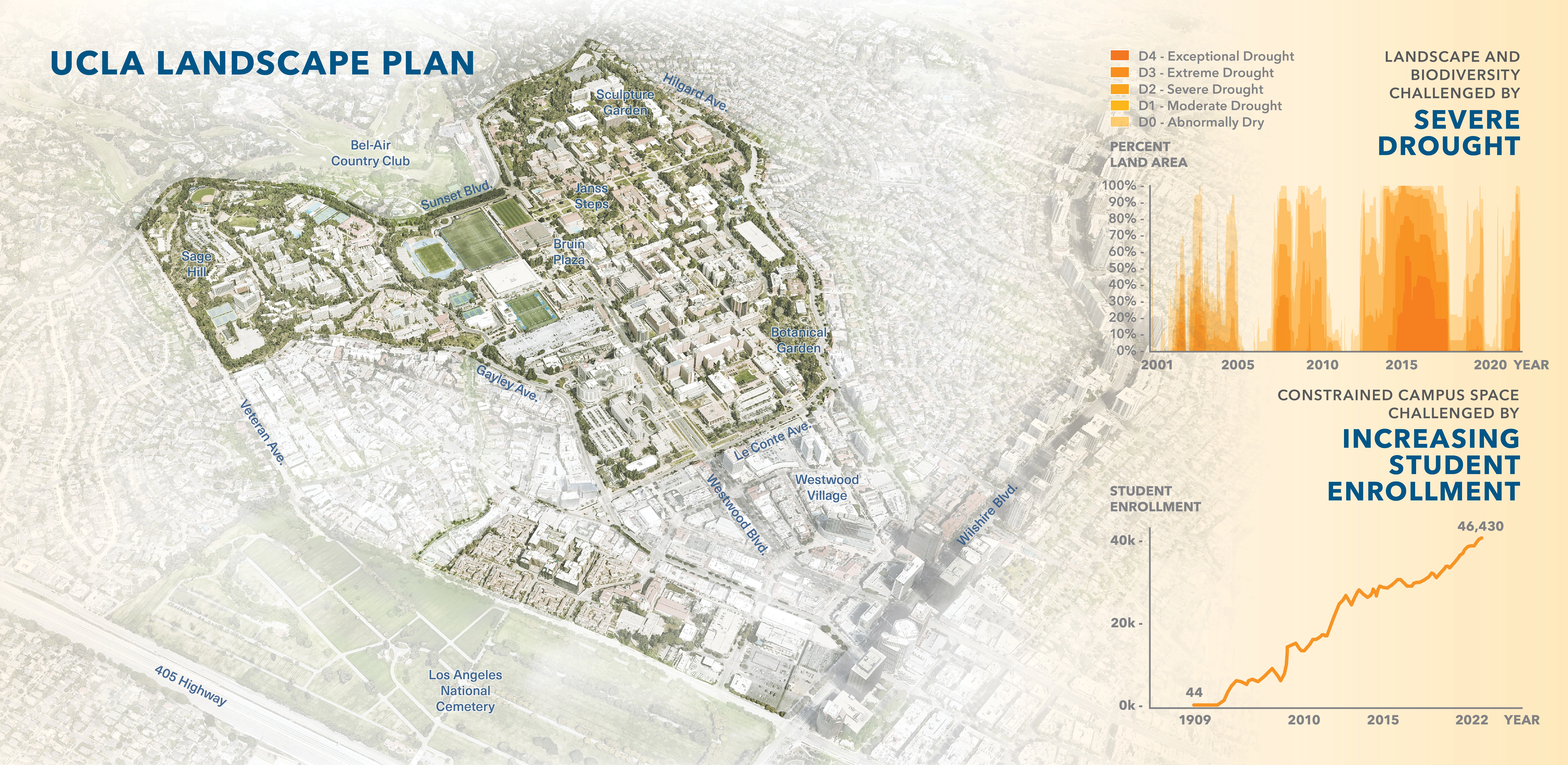
The Resilient Campus: Historic Ecology and Water Conservation at UCLA
California, like all the West, faces mounting pressures to reduce water use. Campuses are hubs for innovation that can lead revolutionary climate initiatives and catalyze cultural shifts through the manifestation of their built environments.
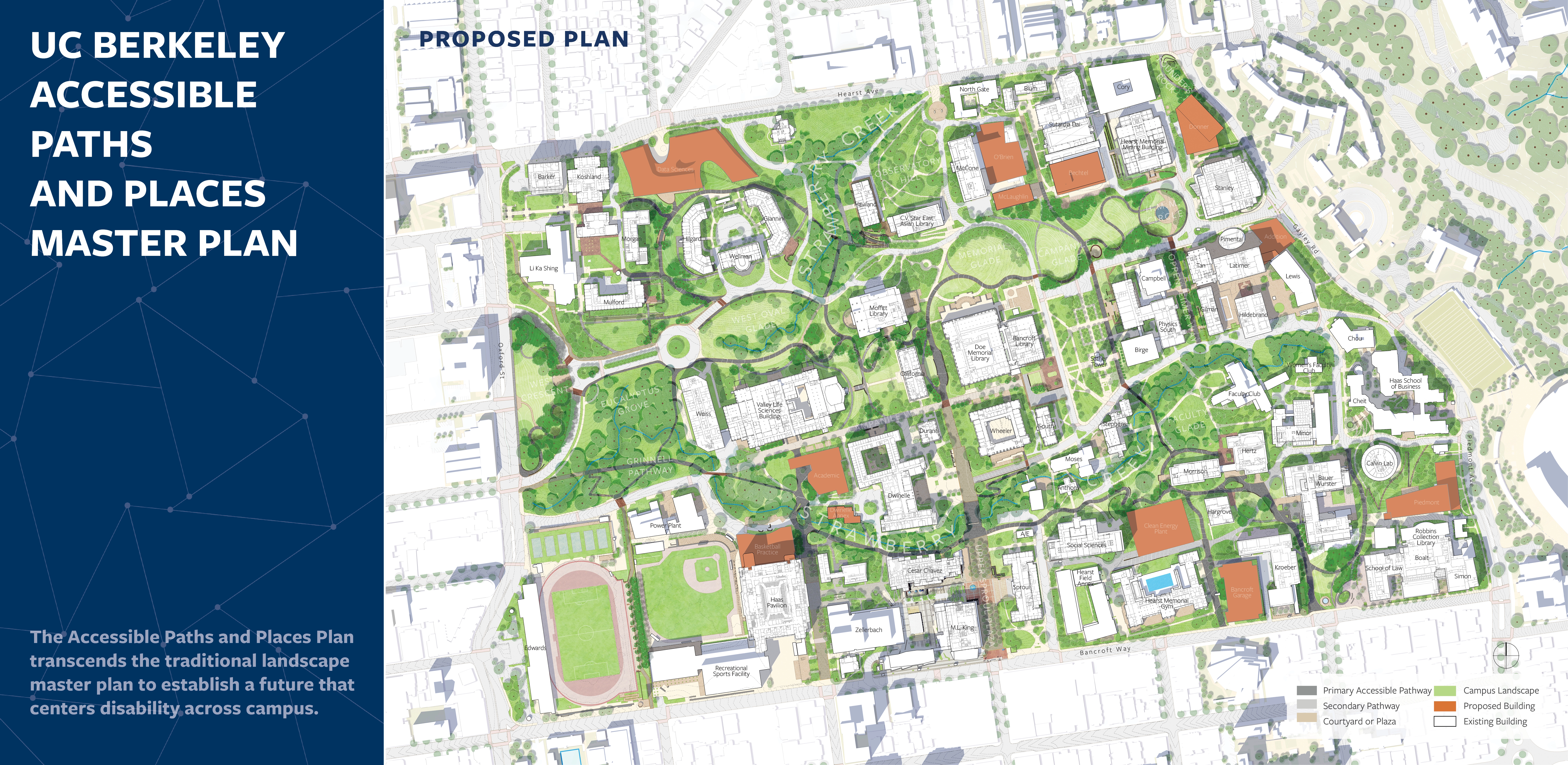
University of California, Berkeley Accessible Paths and Places Plan
As one of the first institutions in the country to accommodate students with disabilities, UC Berkeley plays a leading role in advancing equal access within the built environment. This novel project advances UC Berkeley’s legacy of disability rights advocacy and provides a precedent for American institutions in addressing accessibility.
Research Category
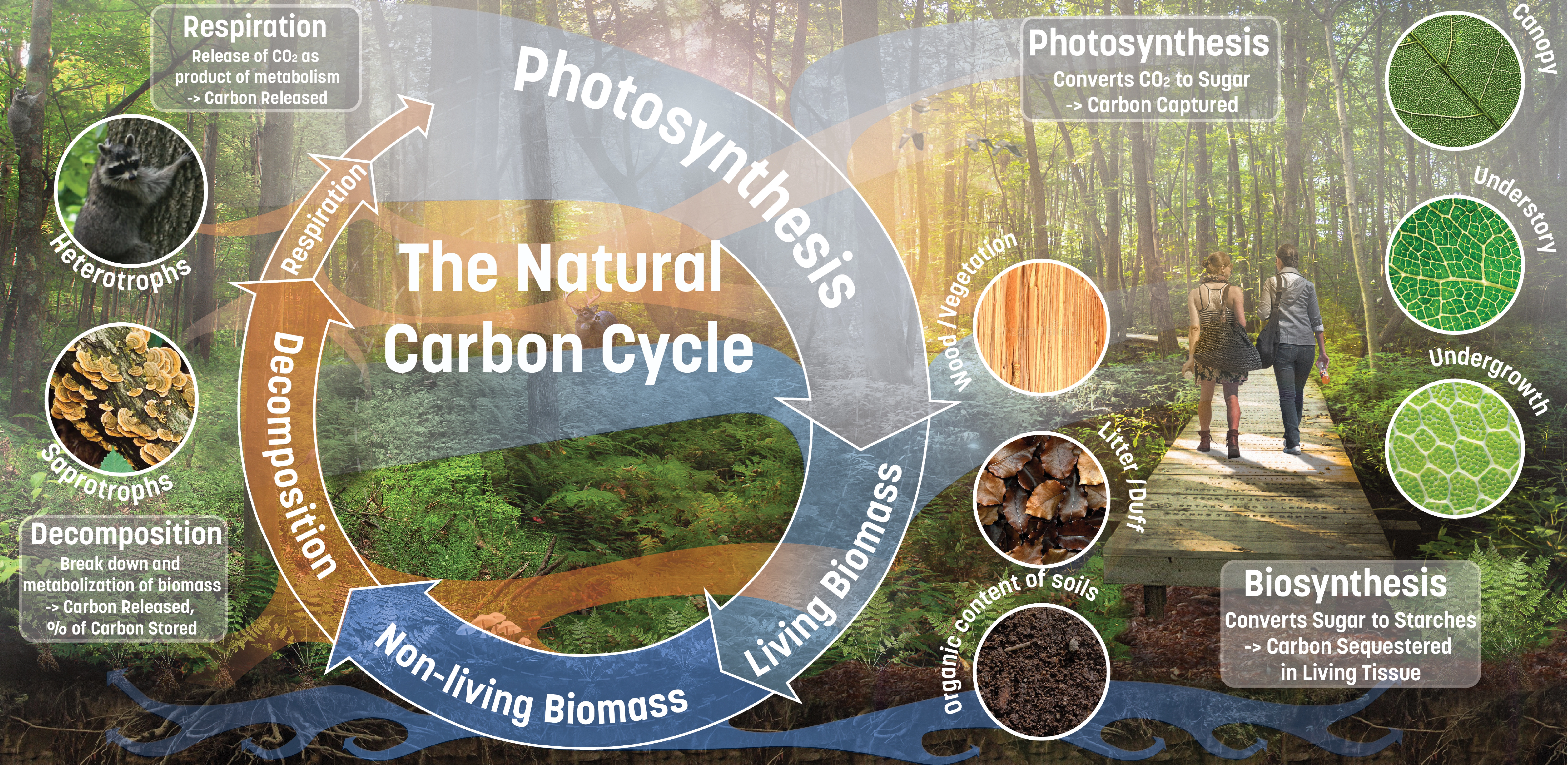
Designing with a Carbon Conscience
Carbon Conscience results from a multi-year investigation into how designers can make informed planning decisions related to climate impacts. This work included a literature review of over 400 sources, including architectural, industrial, ecological, and landscape white papers. Carbon Conscience is the only peer-reviewed dataset and application that brings landscape and architectural land uses together to study planning decisions from a whole project life cycle assessment perspective.
Research
Honor Awards
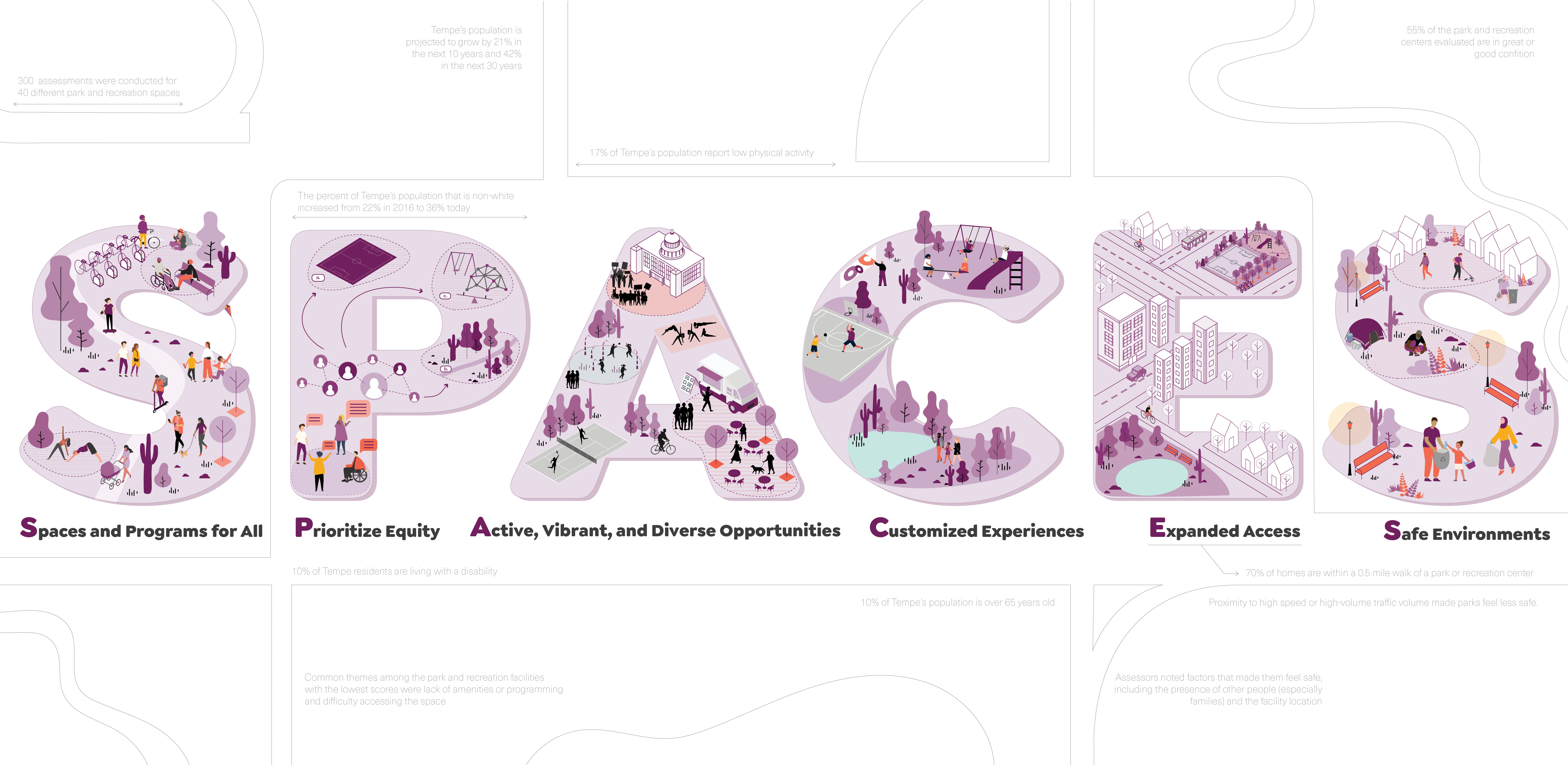
Assessing Public Space Diversity, Equity, and Inclusion: Tempe Study
A growing body of research examines the continued devastation of policies and bias facilitating inequities in park provision. This study provides the most comprehensive look at geographic-based disparities amidst diverse populations. It expands research to include public health and climate change implications and examination of city operations.
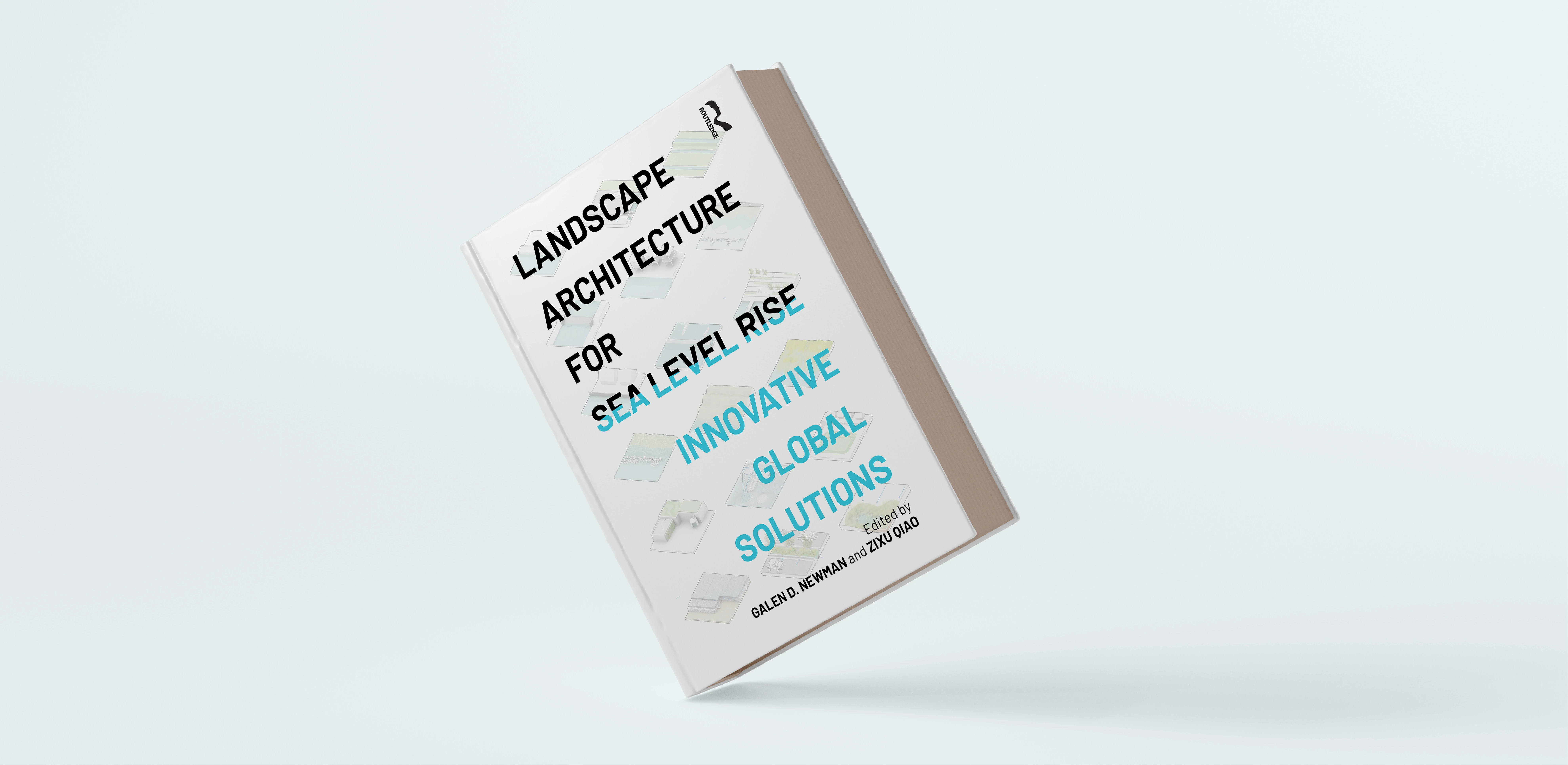
Landscape Architecture for Sea Level Rise: Innovative Global Solutions
This book showcases innovative measures for combating flooding and sea level rise. It identifies the appropriate mixture of integrated, multi-scalar flood protection mechanisms to reduce flood impacts. Illustrative, global cases identify and catalogue practical and innovative structural, non-structural, and hybrid mechanisms to combat flooding and sea level rise.
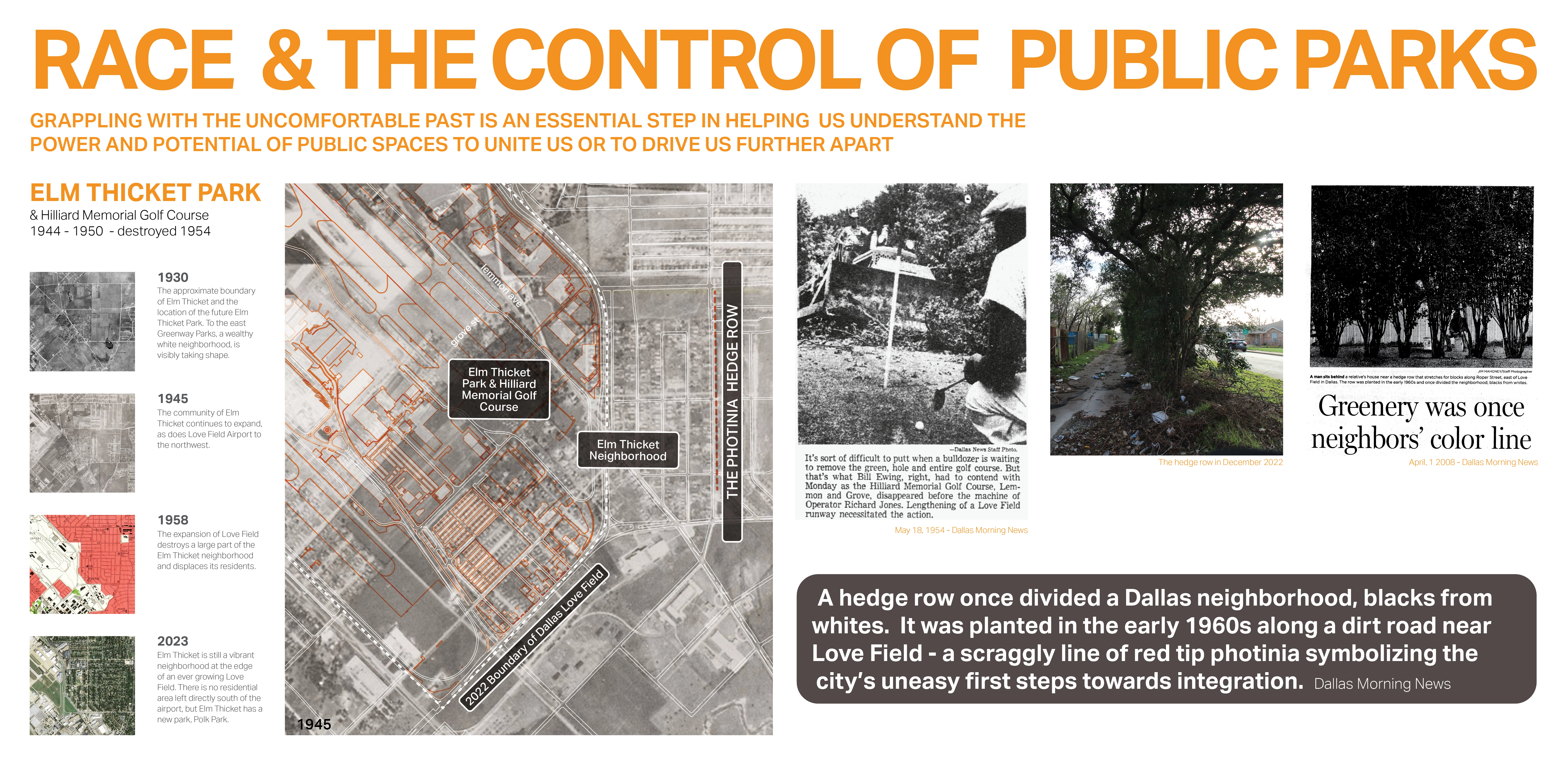
Race and the Control of Public Parks
This research uses a century long historical analysis of the public park system in Dallas, Texas, USA to uncover the physical and psychological ways in which public landscapes and the works of landscape architects have segregated urban spaces and how we might fight against these design practices. Through reframing past practice this work seeks to create a method for informing design thought and practices that seek to create a more just built environment.
Communications Category
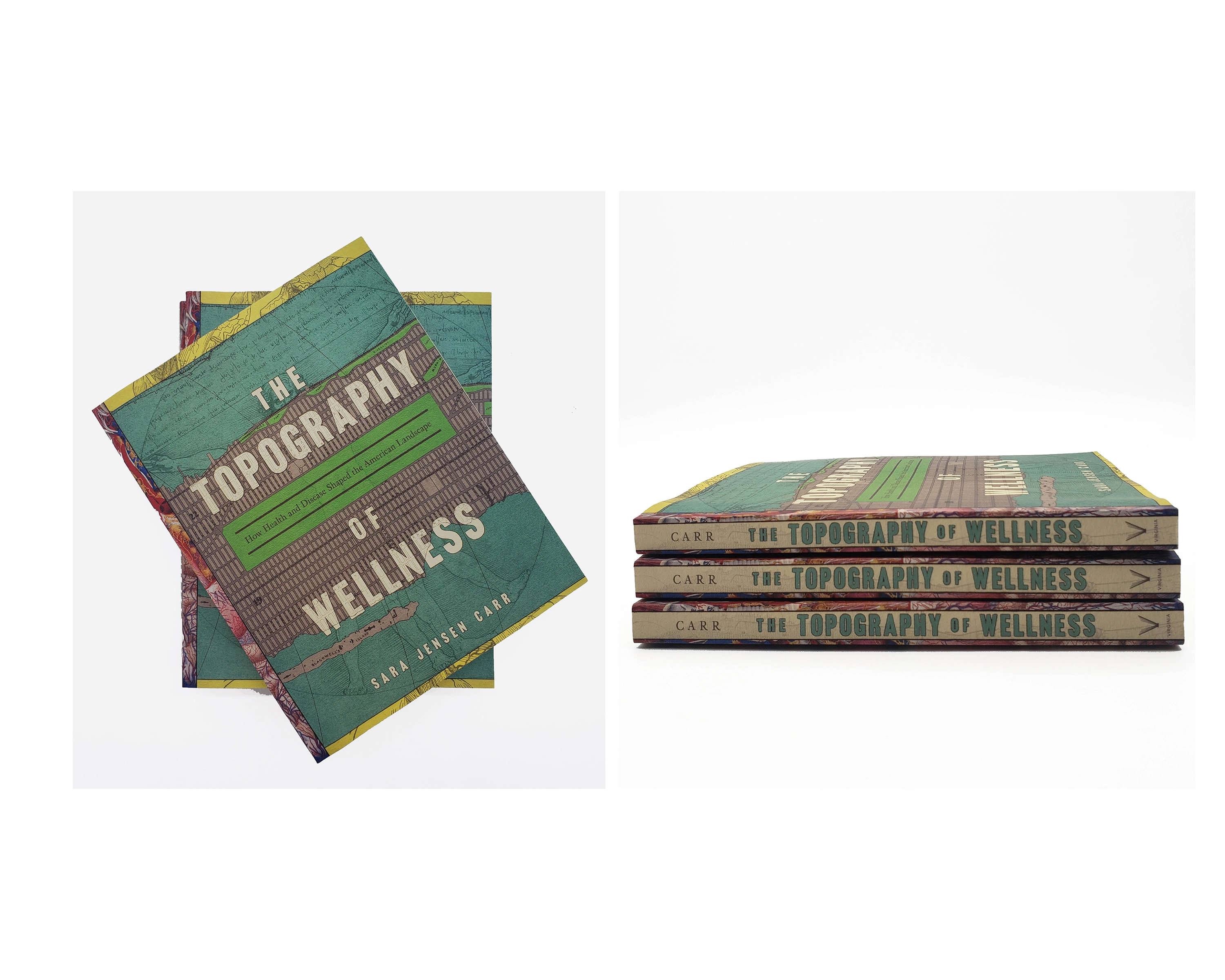
The Topography of Wellness
The Topography of Wellness: How Health and Disease Shaped the American Landscape is a chronological narrative of how six historical epidemics had a reciprocal relationship with urban landscapes, reflecting changing views of the power of design, pathologies of disease, and the epidemiology of the environment.
Communications
Honor Awards
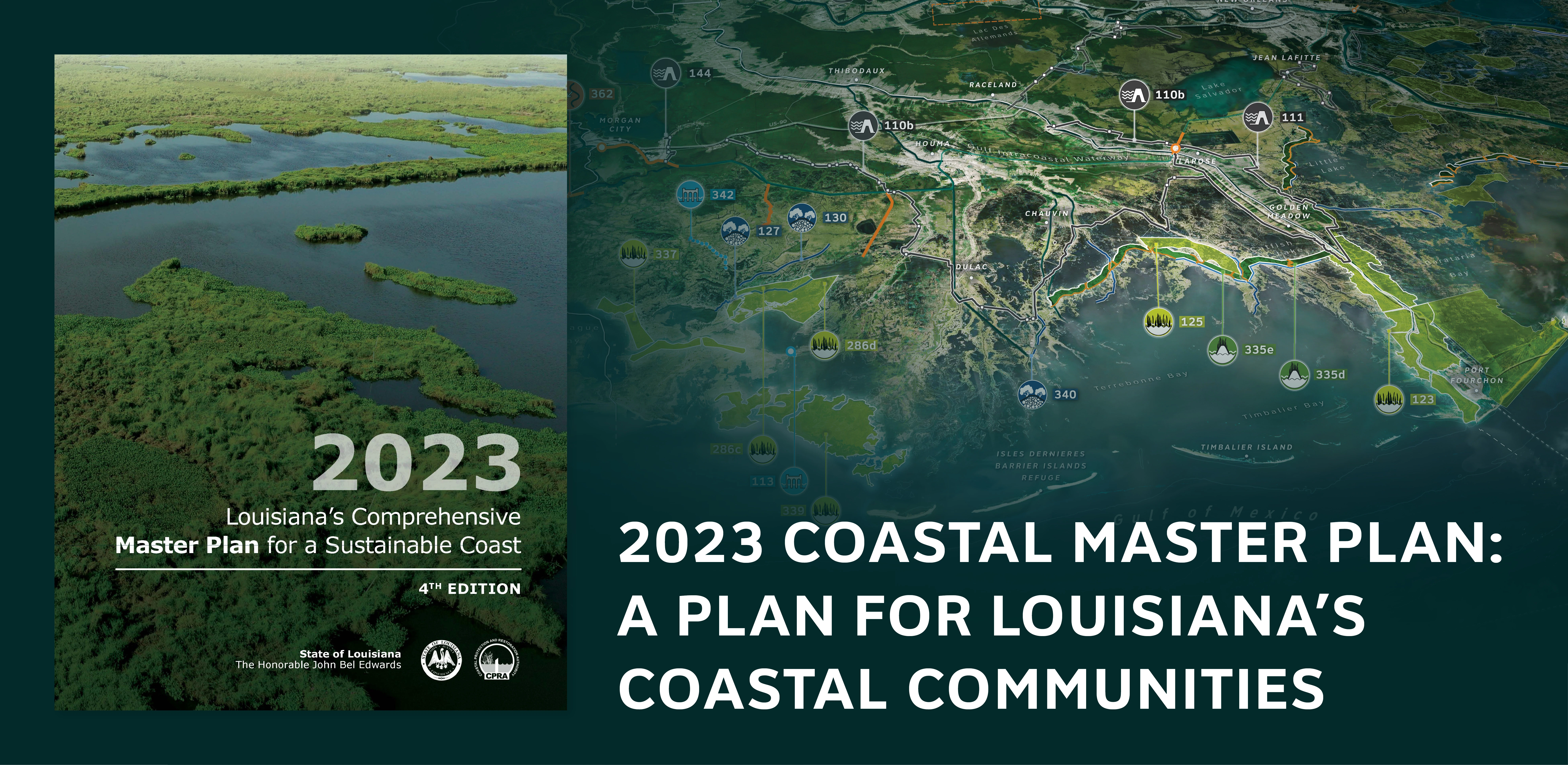
2023 Coastal Master Plan: A Plan for Louisiana's Coastal Communities
Louisiana is facing a land loss crisis. Over the past century, the state has experienced massive changes to its landscape that pose challenges to many Louisianans. The 2023 Coastal Master Plan is a living document that guides and summarizes the state’s coastwide investments in risk reduction and coastal restoration projects.
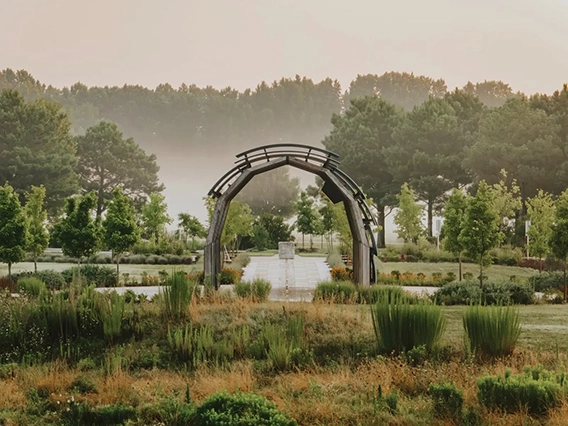
Connecting to Our Indigenous Histories at Machicomoco State Park
The Machicomoco design and interpretive plan was made collaboratively by several Virginia Algonquian Tribes, the Virginia Department of Conservation and Recreation, and faculty from William and Mary, and was led by the landscape architect. The plan focused on revealing the obscured history of Virginia's Algonquian landscape artfully and compellingly to a wide audience.
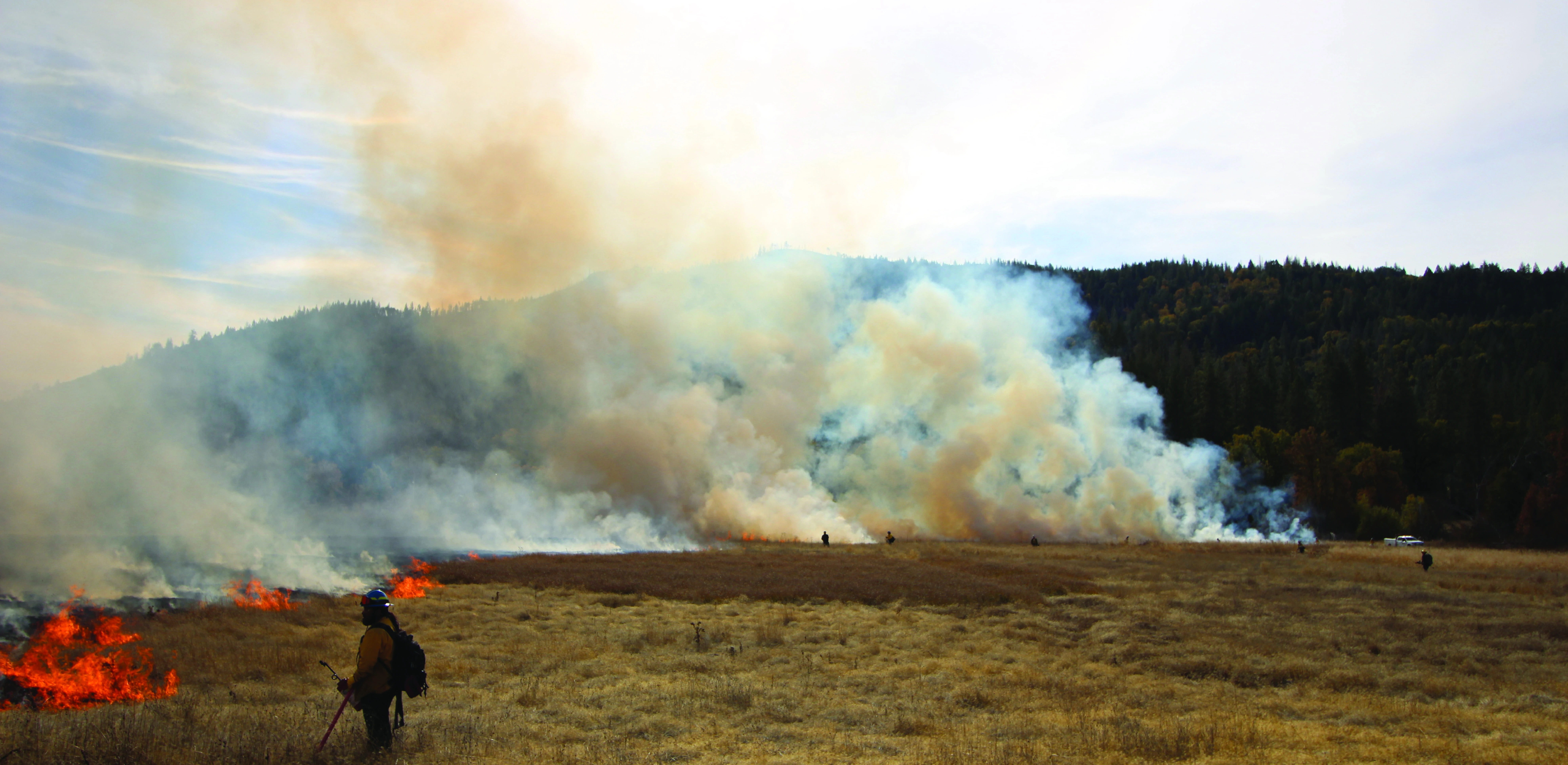
Design By Fire
Around the world, the impacts of wildfires are increasing and expanding. Design by Fire is a set of projects that examine these challenges and provoke conversations about the role design might play in intentionally shaping futures.
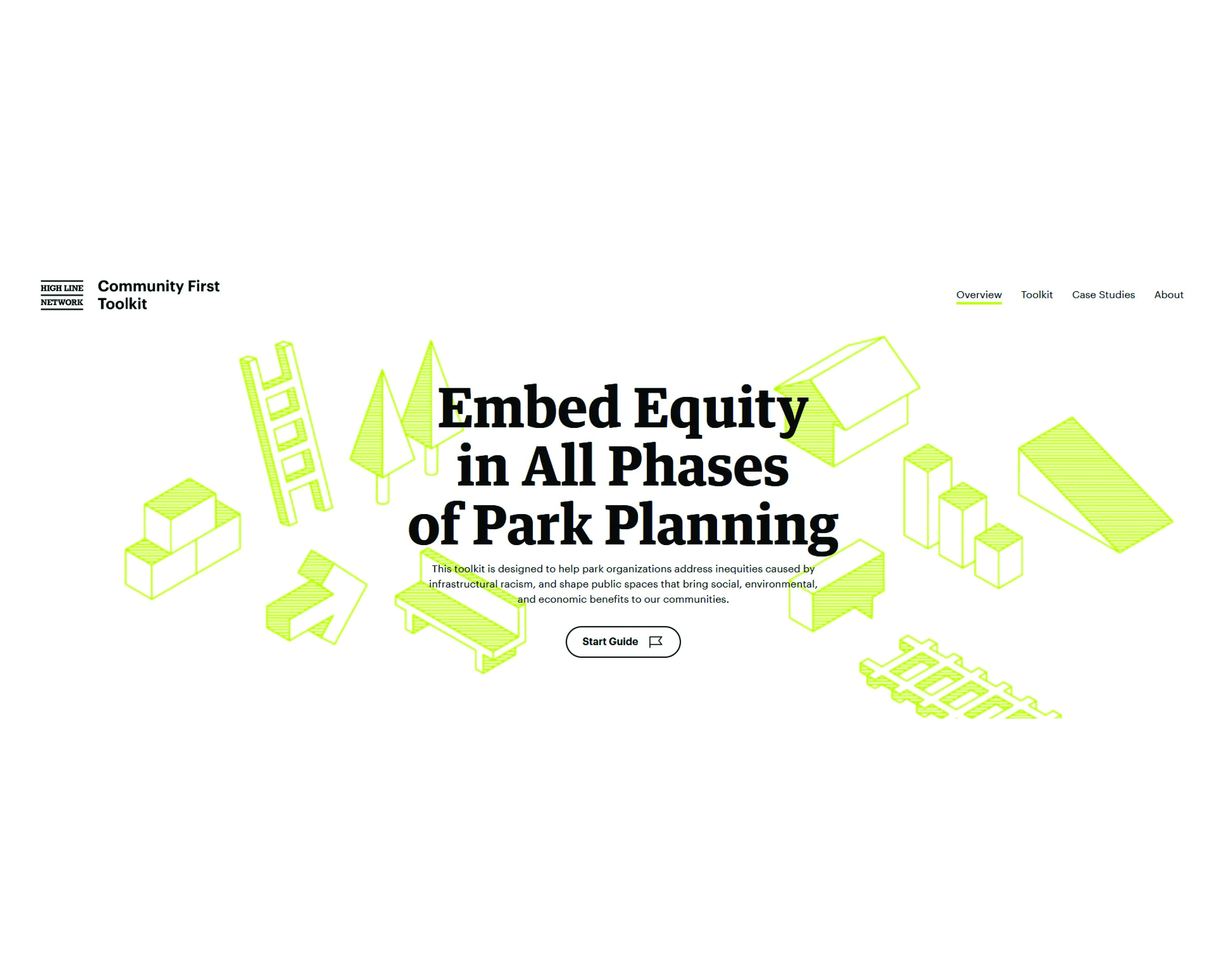
The Community First Toolkit: A Framework for Equitable Public Spaces
Communities across North America have faced uneven development for decades. The Community First Toolkit (CFT) provides a visionary, adaptable framework for public realm advocates to directly tackle infrastructural racism and embed equity at all stages of the design process.
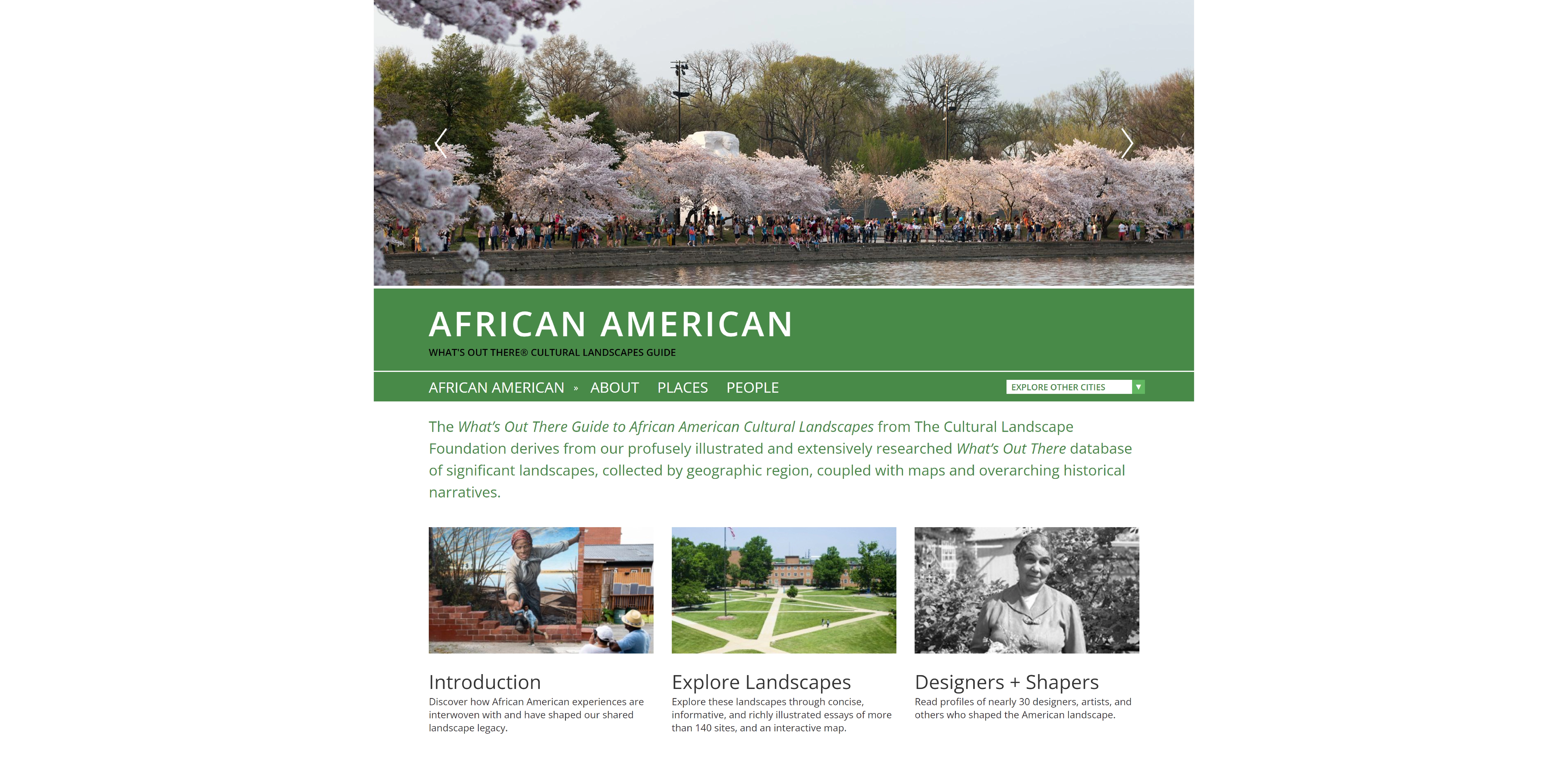
What’s Out There Guide to African American Cultural Landscapes
This unique, carefully vetted, profusely illustrated, ever growing digital guide to African American cultural landscapes was created by The Cultural Landscape Foundation (“TCLF”) and launched in February with nearly 150 sites and 30 biographies, and which documents, contextualizes, and highlights landscapes, some unknown, associated with African American cultural lifeways.
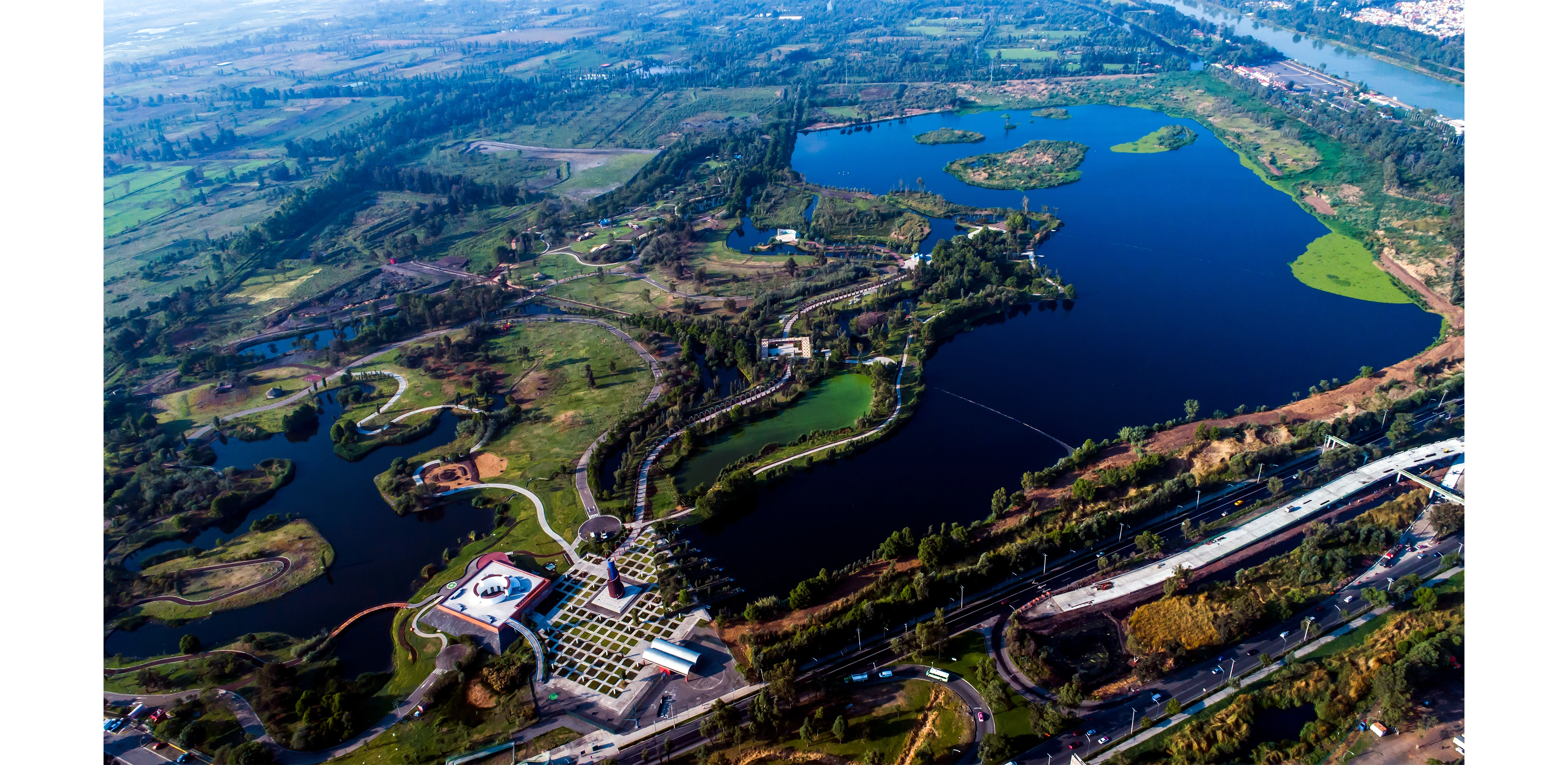
Xochimilco Ecological Park
Xochimilco was declared a WHS by UNESCO in 1988, as a unique place to conserve. A Cultural Landscape containing the CHINAMPAS, an intensive sustainable agronomic system; a landscape of prehispanic origin which survives today. The Plan for the 3,000 H. chinampa district included an ecological park, a plant market and sports park. The Park, with wetlands and lakes, an ecosystem sustaining more than 200 species of native and migratory birds.