

.webp?language=en-US)

.webp?language=en-US)
EcoCommons – Social and Ecological Resilience in the Campus Landscape


-
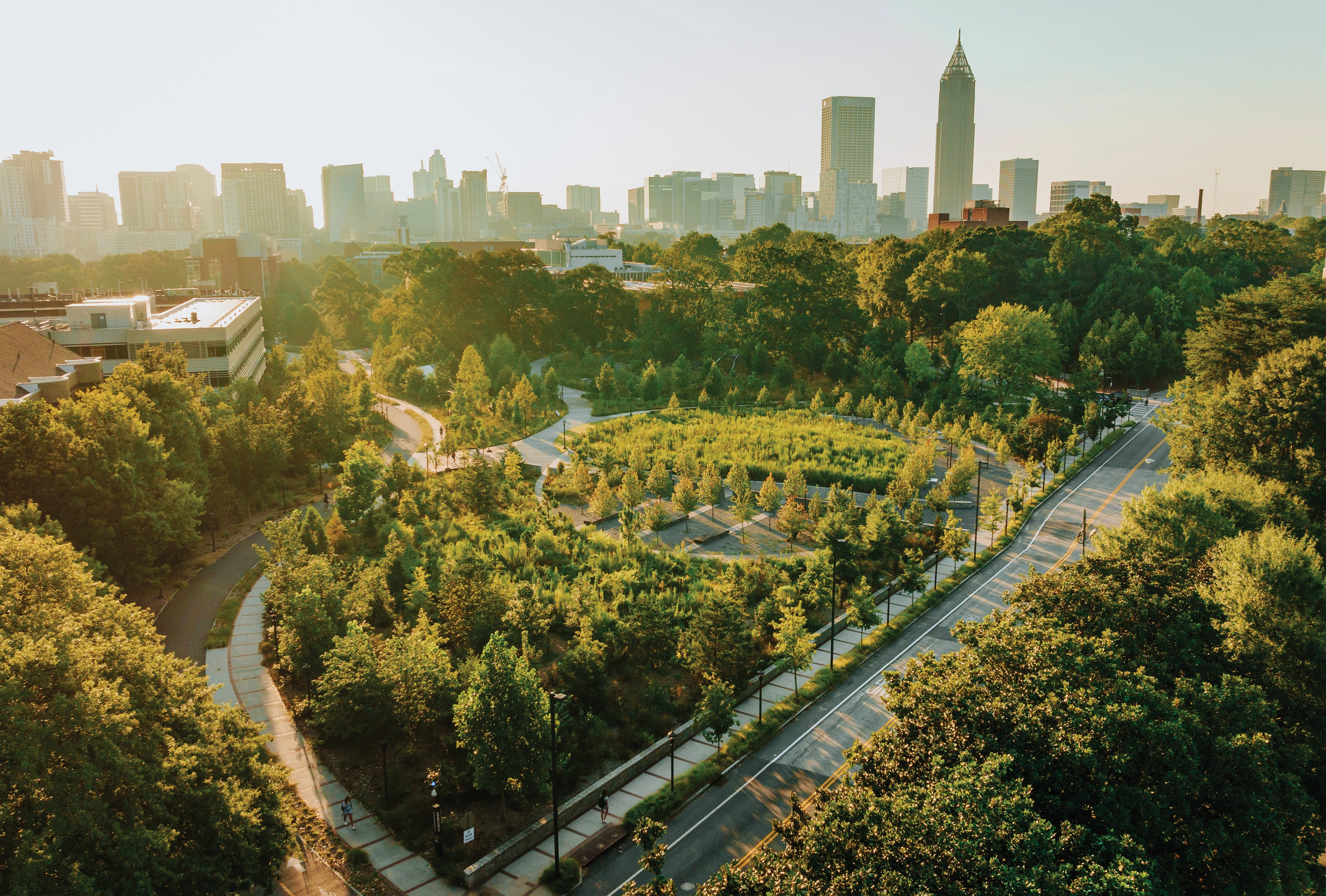
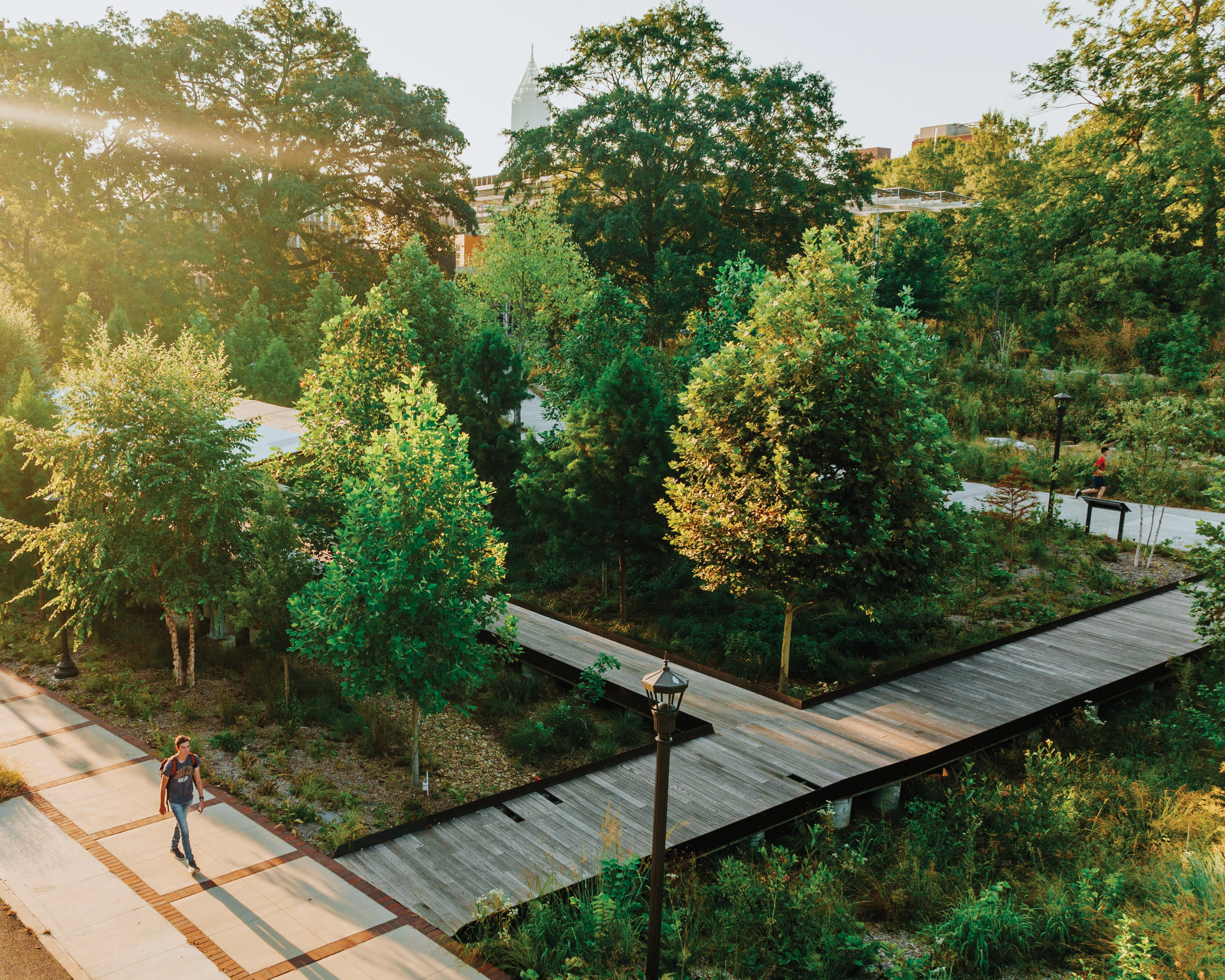
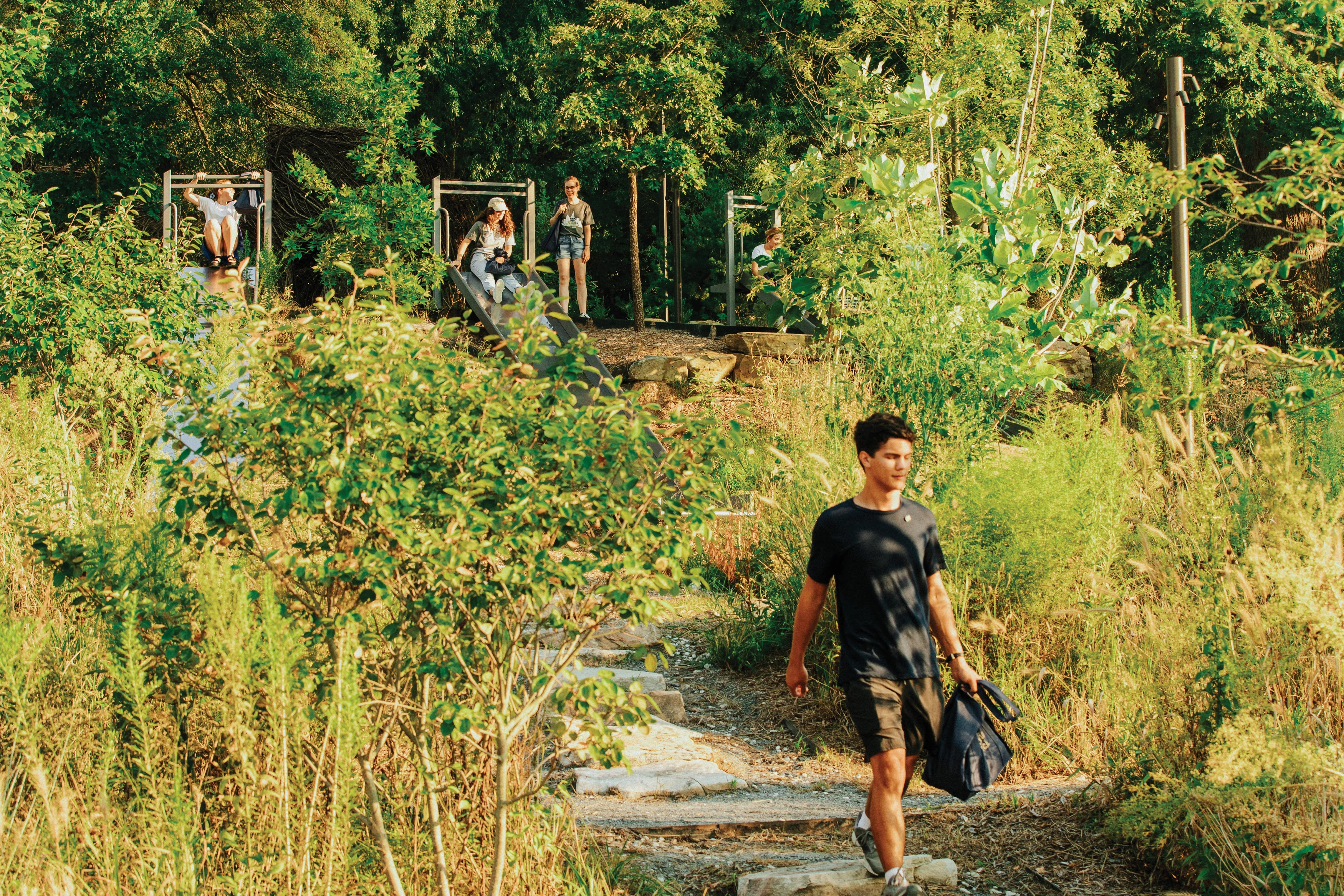
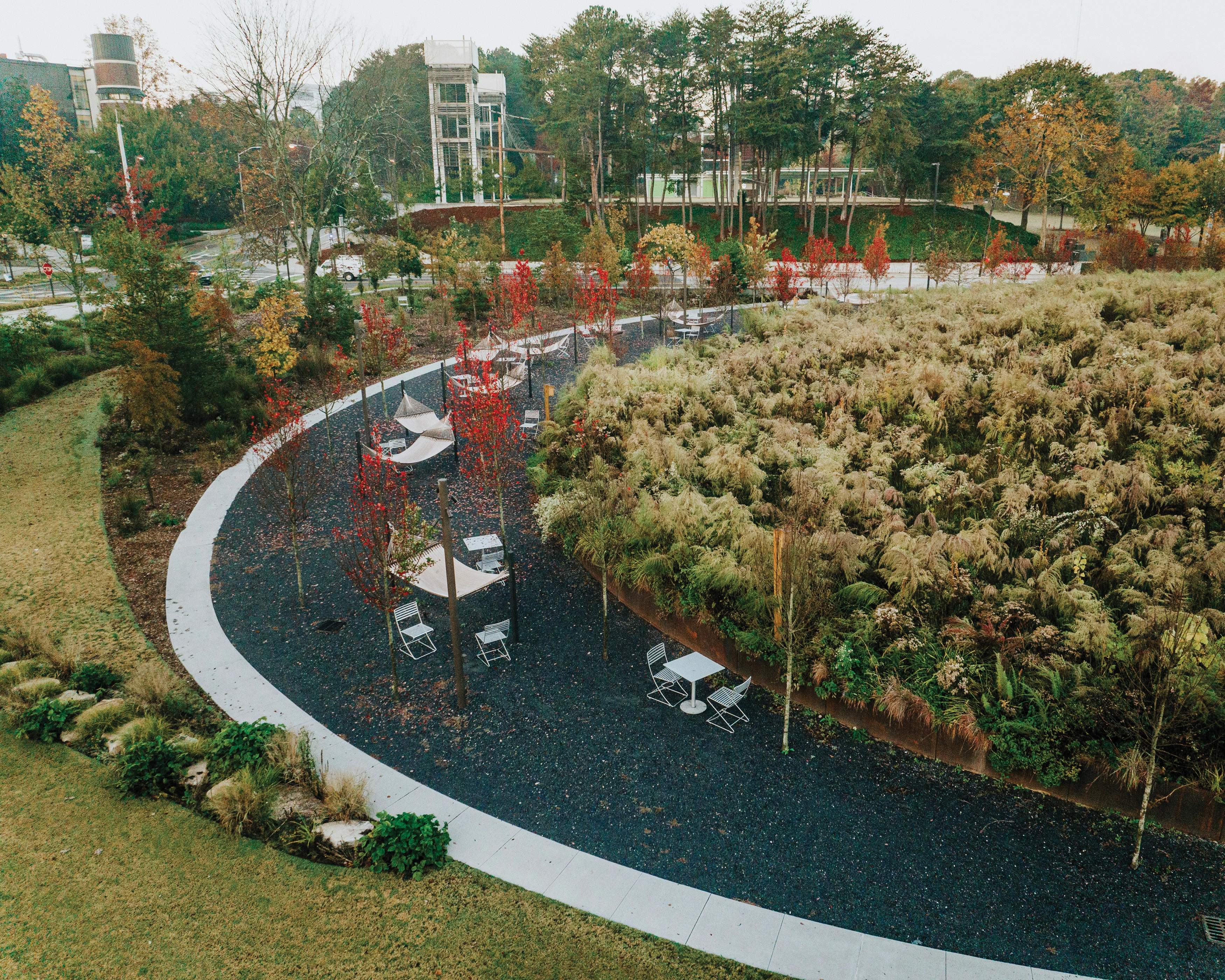
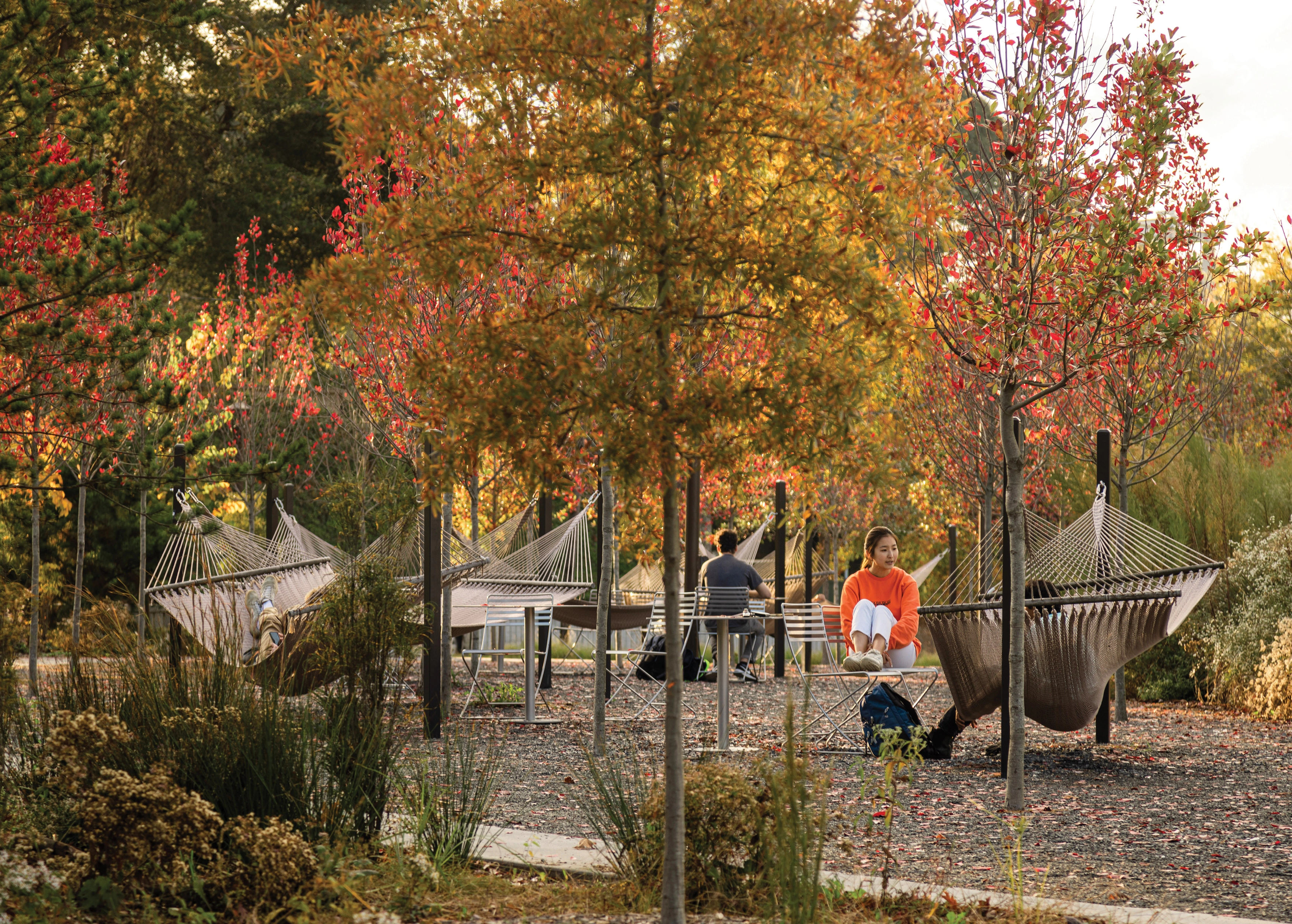
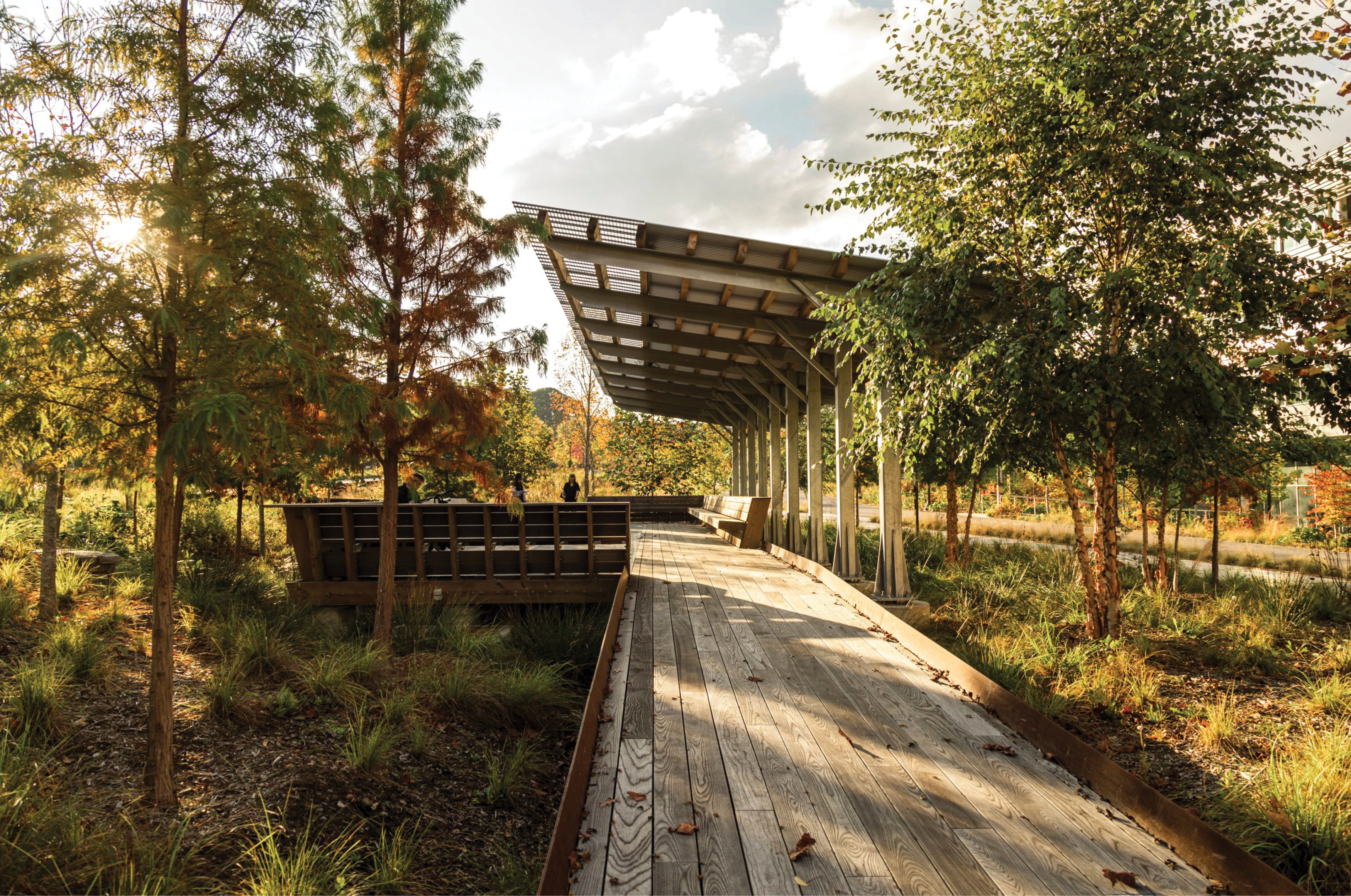
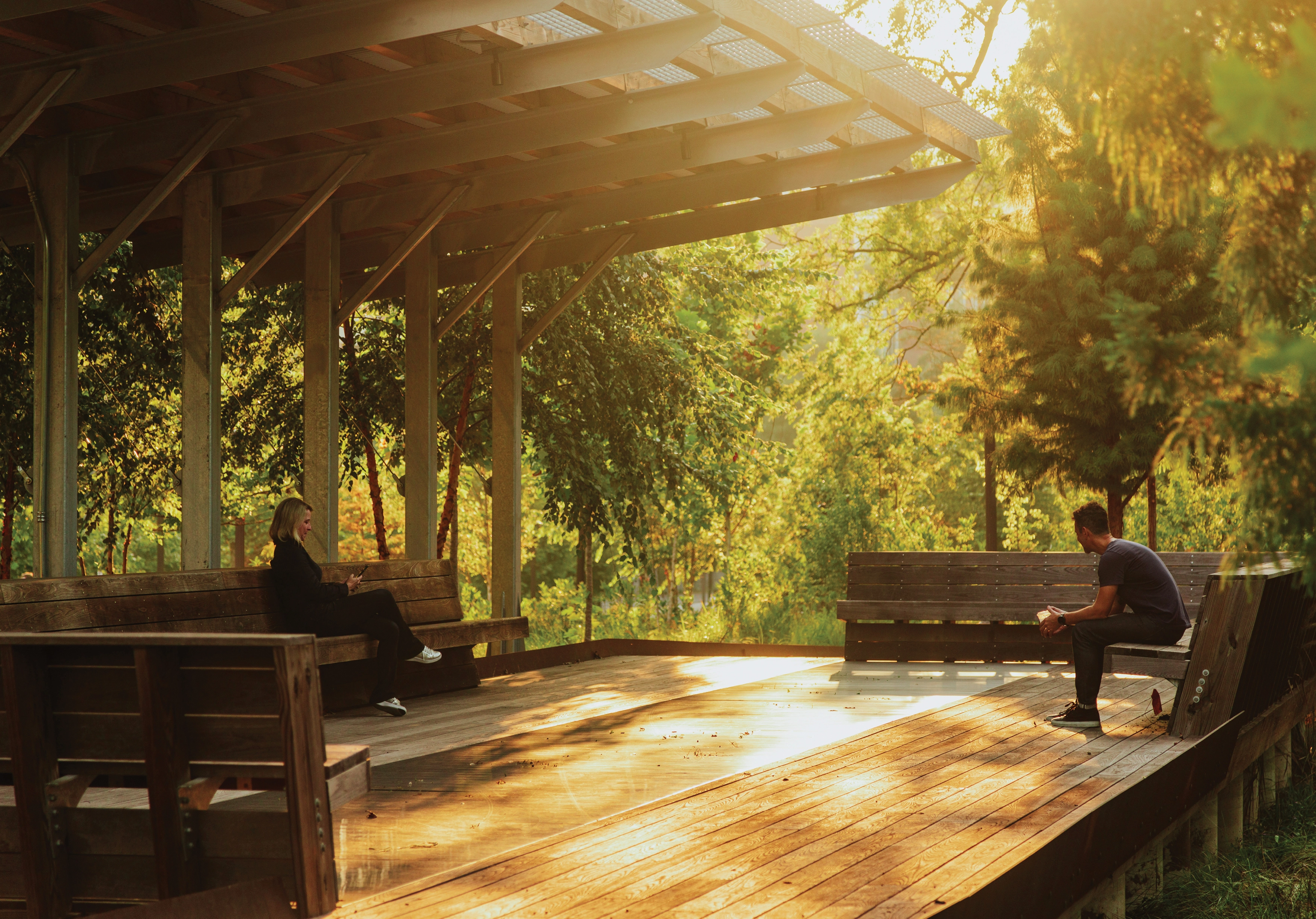
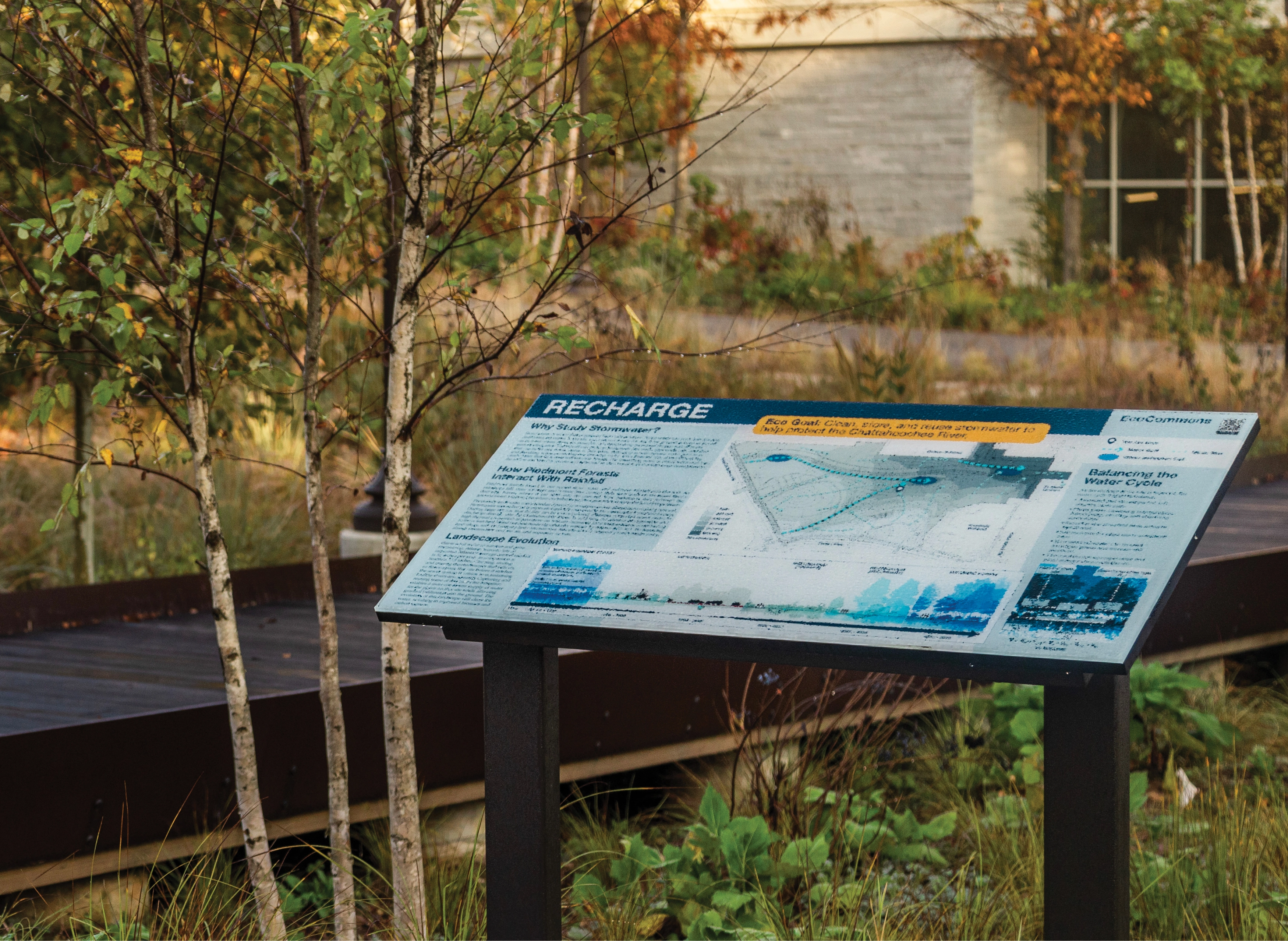
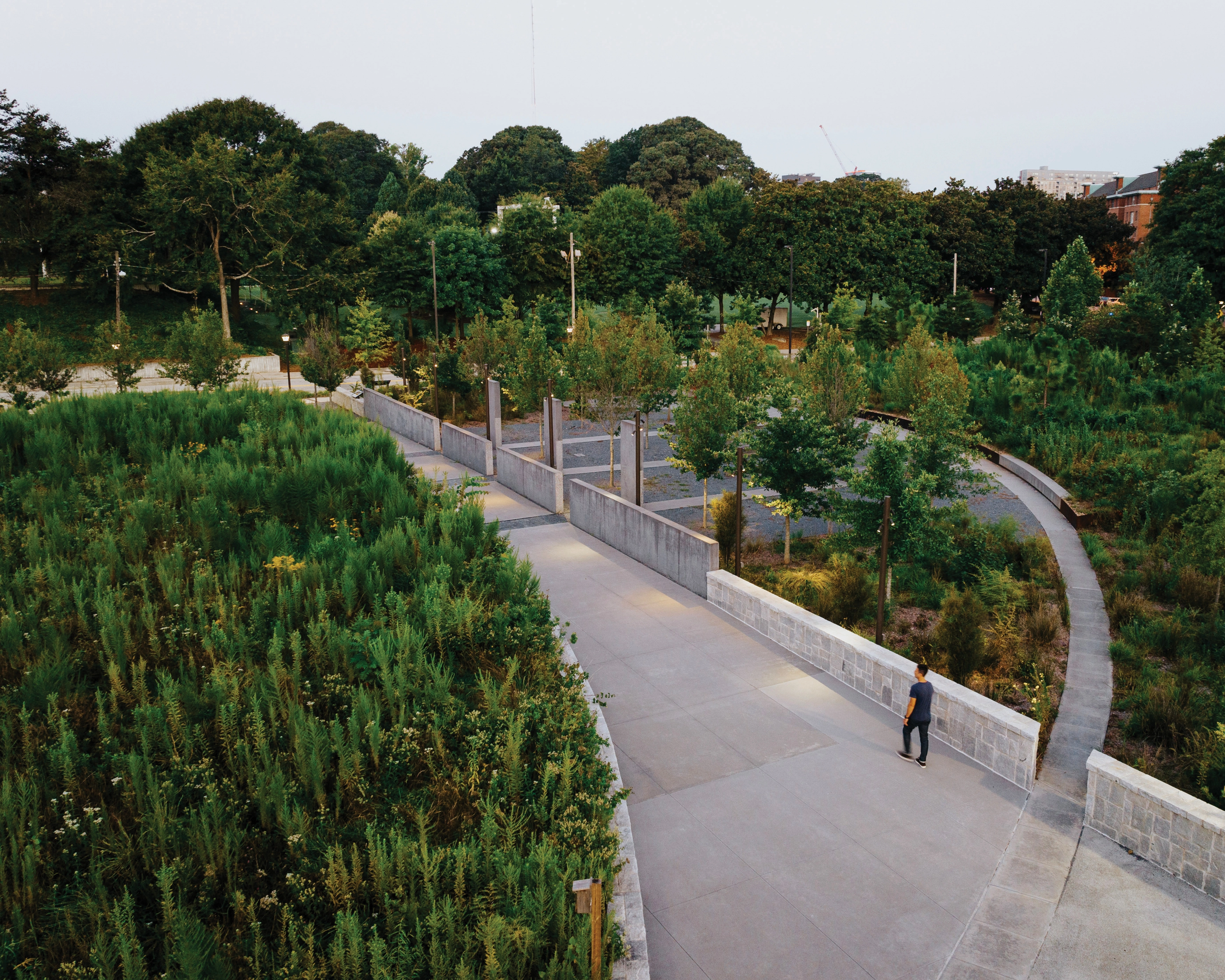
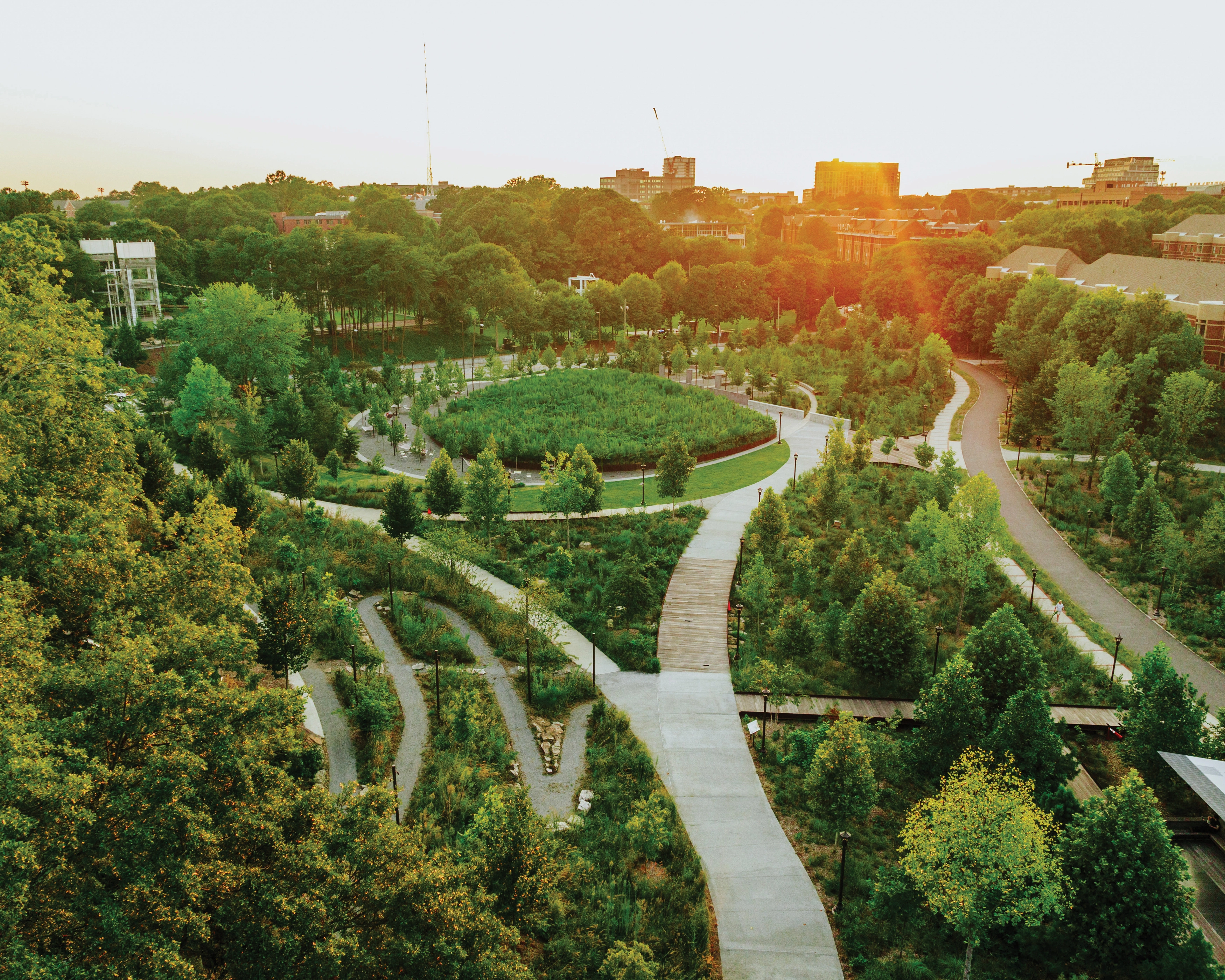
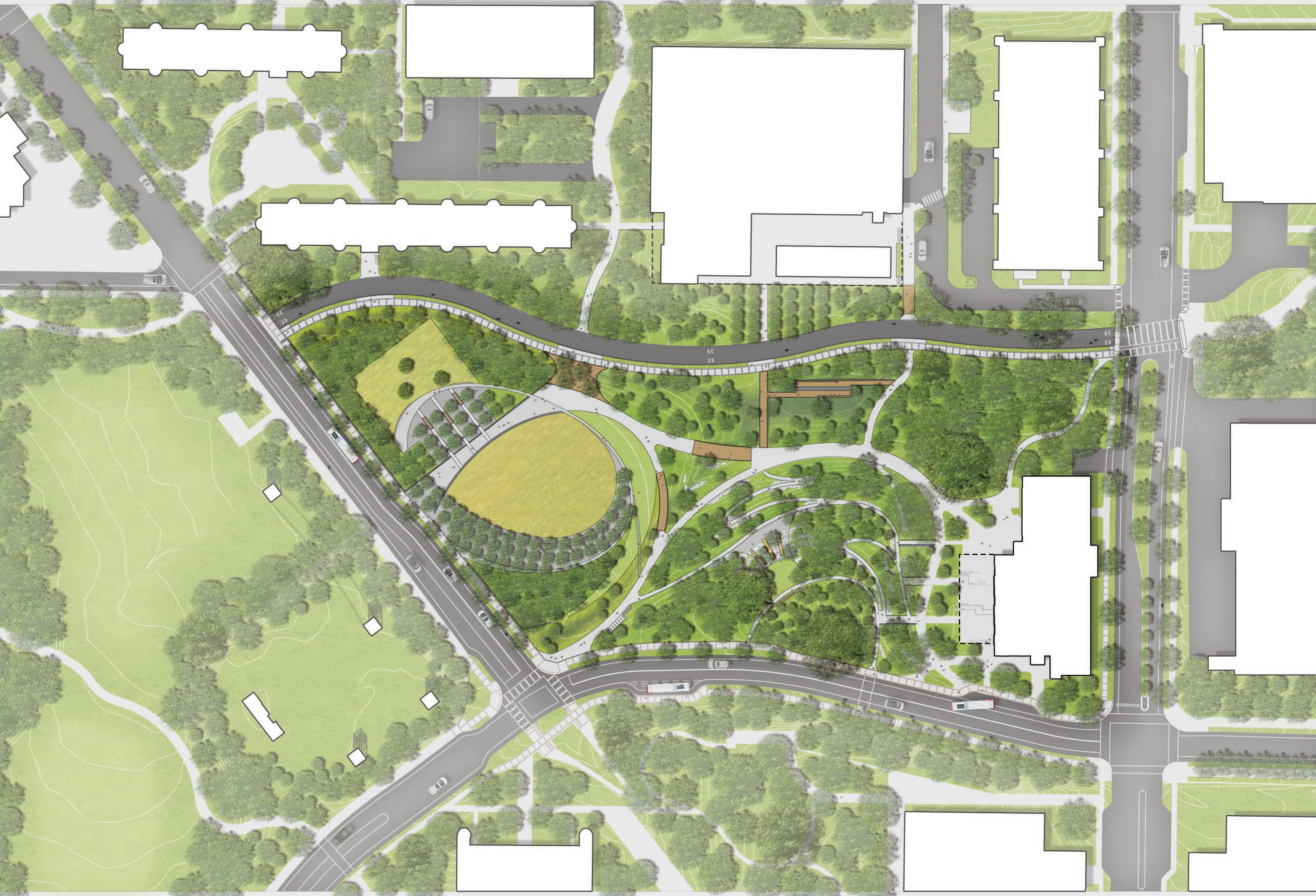
The 8-acre EcoCommons at Georgia Institute of Technology is an ecologically and socially driven pedagogical space, highlighting native ecologies and daylighting the site's nearly forgotten Civil Rights history. The design of the EcoCommons was conceived as three primary zones artfully connected by universally accessible paths. The learning deck accommodates outdoor classes and stormwater capture while providing habitat and air quality monitoring; The play area provides views to the surrounding campus, gathering areas, and adult-sized slides and hammocks on the lower elevations; and The Contemplative Site reminds us of the momentous Civil Rights events that happened on the site while providing contemplative space for reflection.
-
The EcoCommons is the largest standalone landscape project on GA Tech’s campus manifesting goals set out in their 2004 Campus Landscape Plan. The plan envisions a series of interconnected open spaces weaving through the campus while providing new amenities for the community to gather, relax, and study. The EcoCommons is the first of such open spaces, providing a highly successful model for future initiatives. It also shows that a resilient commons emerges only when both ecological and social functions are addressed.
The project transformed a parking lot and demolished police station into a thriving landscape of native Georgia Piedmont ecology. The site’s topography and hydrological flows were designed to reflect its historic landforms defined by regional naturally occurring stream paths. The highly functional landscape reduces stormwater runoff by capturing over 50% of rainfall on-site, diverting millions of gallons of stormwater annually from the city’s sewer system. It can accommodate more than 500,000 gallons of stormwater in cisterns and bioswales, which are cleansed and repurposed for irrigation.
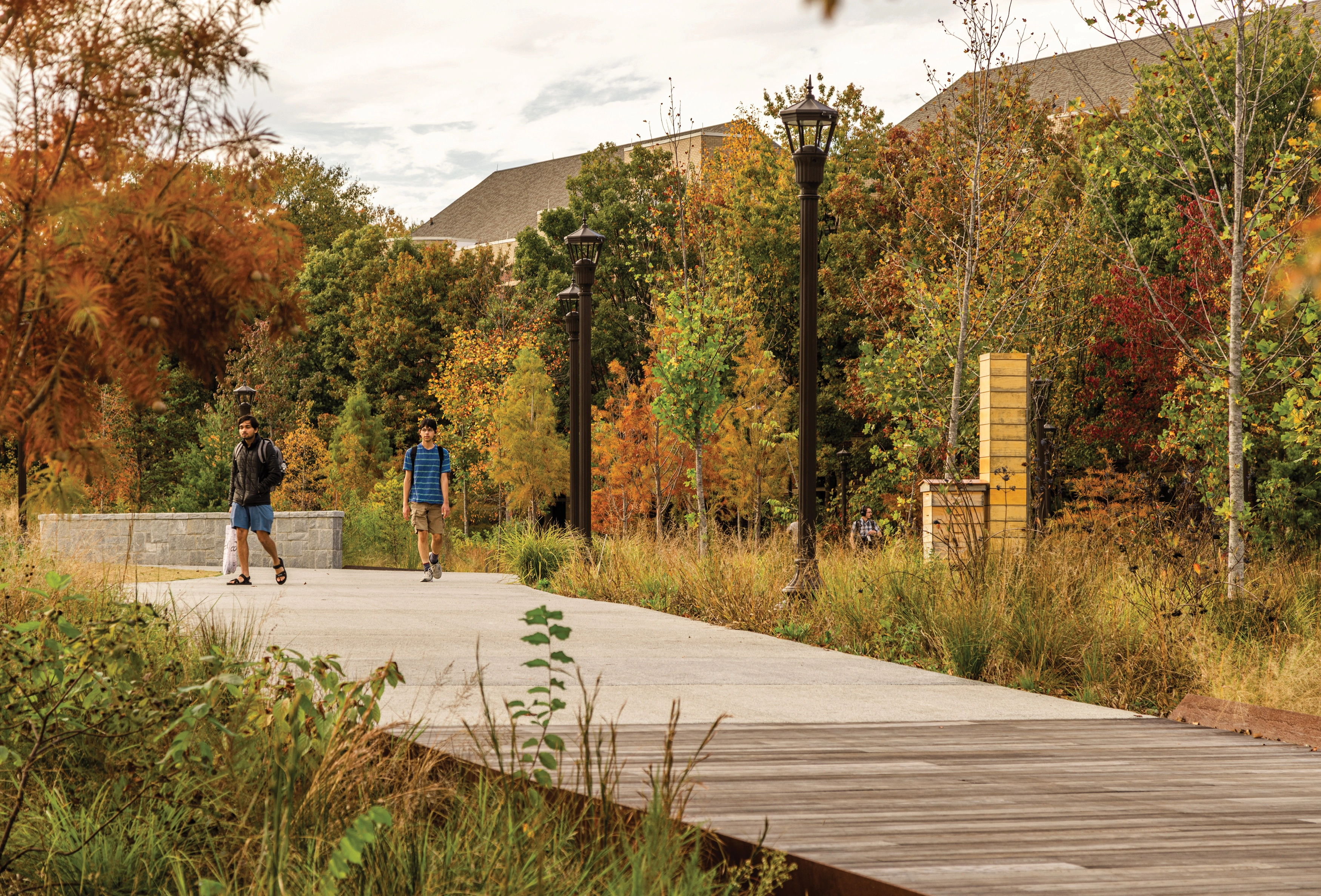
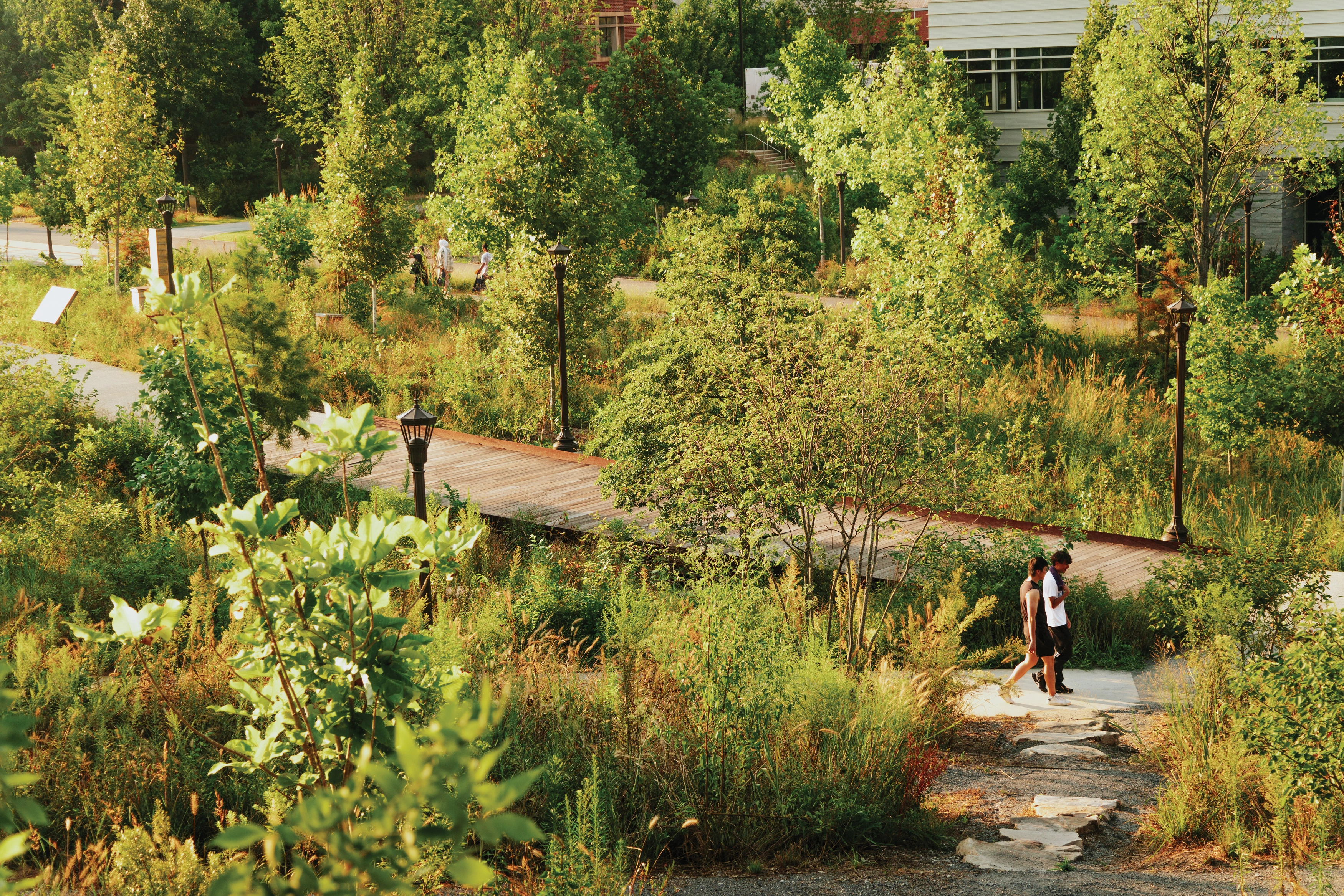
Over 660 trees were planted including oaks, pines, and hickories - they will eventually provide the site with 75% canopy coverage. A wide variety of additional native plantings were chosen to create diverse sensory experiences and ecological zones, increase the site’s capacity for stormwater absorption, and provide a mosaic of native habitats within an urban ecological context, including woodland, wetland, prairie, meadow, meadow, lawn, and grove.
Socially, the EcoCommons creates a new, vibrant landscape for students, faculty, and staff to utilize for recreation, gathering, study, and relaxation. This open campus green space features accessible, multi-use pathways with numerous entry and exit points to improve circulation and campus connectivity. Hammocks, slides, and other site features encourage gathering and exchange. Over 20 data sensors are strategically placed throughout the landscape for students and faculty to access and monitor air quality, temperature, water quality, soil percolation, humidity, wind speed, carbon dioxide levels, and barometric pressure, incorporating real-time, local environmental data into academic instruction.
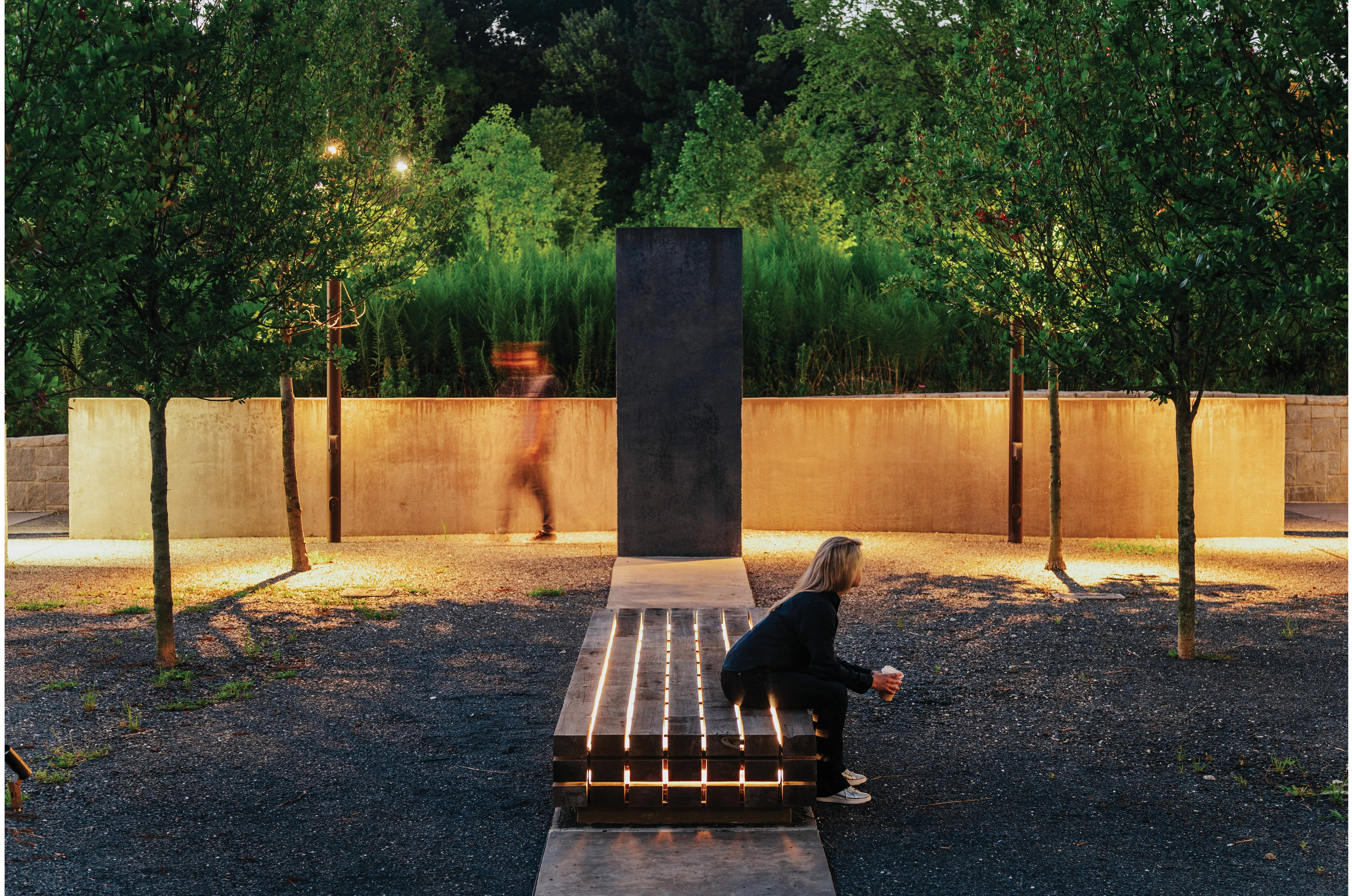
The EcoCommons also lifts up a significant story in Atlanta’s Civil Rights history. During the research and discovery phase, the landscape architect learned that the site had been home to the Pickrick Restaurant where, in 1964, one day after the passing of the Civil Rights Act, three Black students from a local seminary, George Willis Jr, Albert Lee Dunn, and Woodrow T. Lewis, acted to desegregate the establishment. The white-only restaurant refused them, and the owner, Lester Maddox, incited a mob. This event led to the first federal lawsuit upheld by the Civil Rights Act. The agency and bravery of the activism of these students inspired the design team to mark the authentic site of their actions. A raised steel edge outlines the footprint of the Pickrick Restaurant. Three monoliths push inwards from a low wall, representing both obstacle and door. Three longleaf pines, the only evergreens in the contemplative site, reflect those forms while symbolizing the courageous figures. Nearby, three large wooden benches further reflect the concept while encouraging moments of quiet reflection.
-
- Georgia Tech Capital Planning and Space Management - On-campus collaborators
- Barge Design Solutions - Local Landscape Architect
- Biohabitats - Ecology Consultant
- Long Engineering - Civil Engineering
- Newcomb & Boyd - Lighting Design
- Irrigation Consultant Services - Irrigation Consultant
- Turner Construction - Contractor
-
Products
- Furniture
- Fences/Gates/Walls
- Lumber/Decking/Edging
- Parks/Recreation Equipment
- Structures
- Hardscape
- Lighting
-
- Hickory
- Downy serviceberry
- Red maple
- Redbuck
- Pignut hickory
- Swamp white oak
- Tulip tree
- Virginia pine
- Eastern redbud
- Texas red oak
- Black tupelo
- Willow oak
- Overcup oak
- Yaupon
- Tupelo
- Sawtooth oak
- Chalk maple
- River birch
- Paw paw
- American hornbeam
- Sugarberry
- Shagbark hickory
- Painted buckeye
- Mockemut hickory
- White fringe tree
- American beech
- Cucumber magnolia
- Bigleaf magnolia
- Eastern hop hornbeam
- Sycamore
- Longleaf pine
- Blackjack oak
- Post oak
- Sassafras
- Bald cypress
- American elm
- American beautyberry
- New Jersey tea
- American strawberry bush
- Wild hydrangea
- Oakleaf hydrangea
- Spicebush
- Carolina buckthorn
- Carolina rose
- Sparkleberry
- Southern wild raisin
- Mapleleaved viburnum
- Northern maidenhair ferm
- Flatrock onion
- Whorled milkweed
- Appalachian sedge
- Bullsedge
- Tussock sedge
- White turtlehead
- Blue mist flower
- Mouse-ear coreopsis
- Lanceleaf coreopsis
- Eastern shooting star
- Robin’s plantain
- Greater tickseed
- White wood aster
- Bowman’s root
- Soft rush
- Appalachian blazing star
- Cardinal flower
- Cinnamon fern
- Fernleaf phacelia
- Carolina phlox
- Cutleaf cornflower
- Carolina petunia
- Lyre-leaf sage
- Bloodrot
- Three-leaved stonecrop
- Sweet goldenrod
- Georgia aster
- Old-field broomstraw
- Beaked panicgrass
- Blackseed speargrass
- Little bluestem
- Purple lovegrass
- Indiangrass
Advertisement
Related Awards
Honor Award, General Design
Houston Arboretum & Nature Center
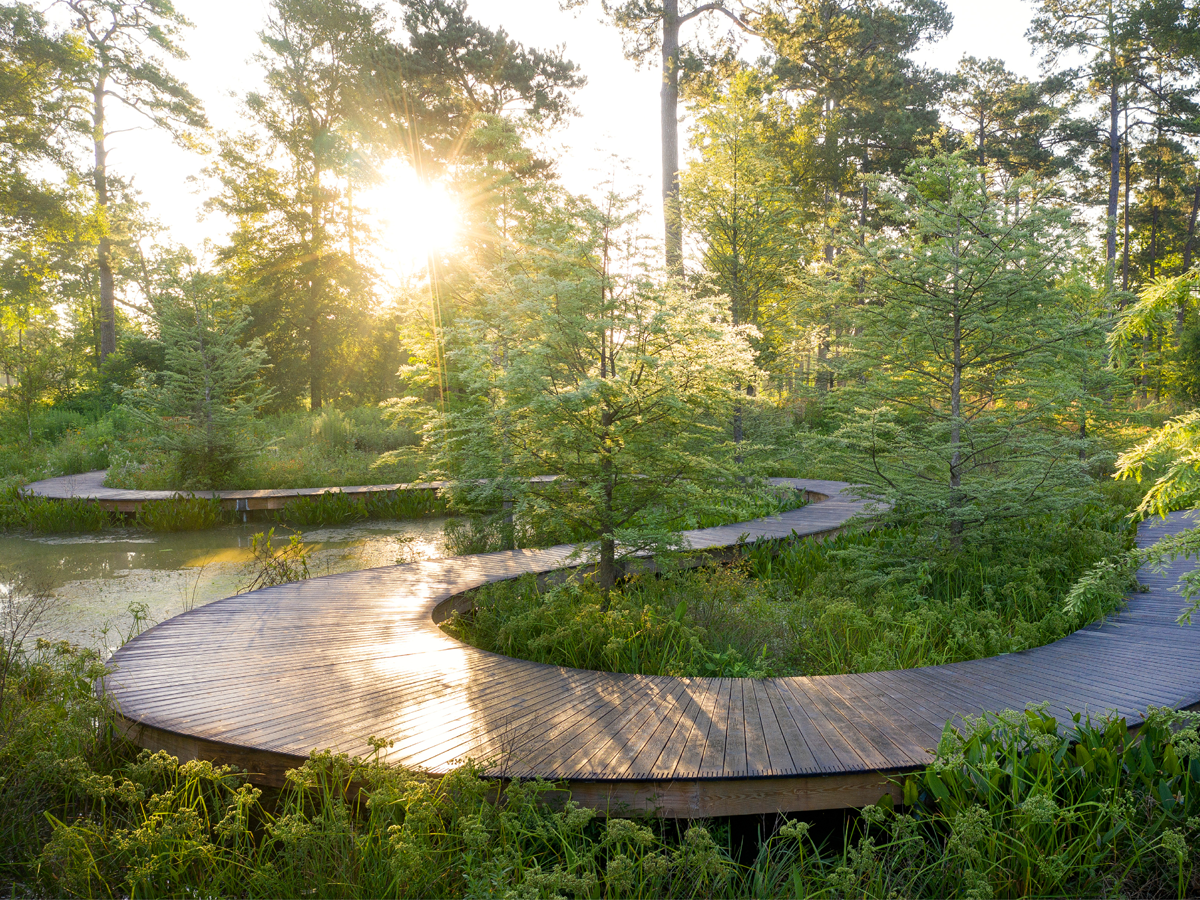
The Houston Arboretum & Nature Center sits within Memorial Park, one of the largest urban parks in the United States, in one of the nation's fastest growing and most climate-challenged cities. The site's story is one of repeated loss and deliberate reinvention. Hurricane Ike in 2008 and a severe drought in 2011 destroyed much of the Arboretum's tree canopy, exposing the limits of conventional reforestation in a city defined by flooding, heat, and ecological volatility.
Related Articles

ASLA Fund
American Society of Landscape Architects Announces its 2026 Student Awards
39 Student Award winners elevate the future of the landscape architecture profession
Aug 24 2026