

.webp?language=en-US)




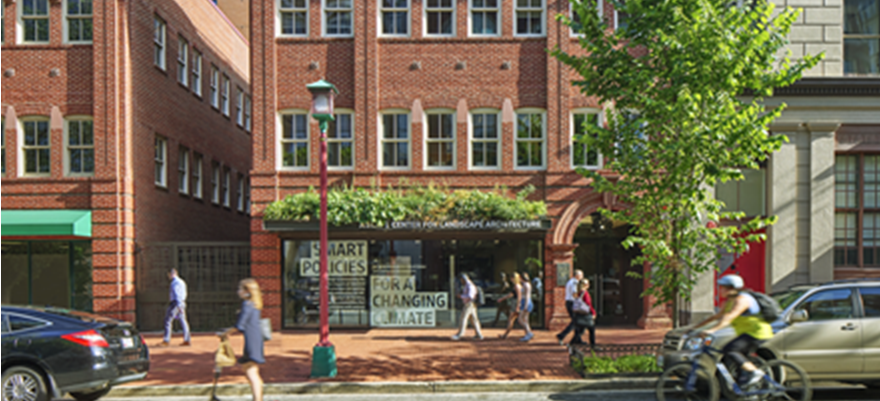
About ASLA
Founded in 1899, the American Society of Landscape Architects (ASLA) is the professional association for landscape architects in the United States, proudly representing nearly 16,000 members. Landscape architects lead the planning, design, and stewardship of healthy, equitable, safe, and resilient environments.

Welcome to the American Society of Landscape Architects
Mission, Vision, and Strategic Plan
ASLA’s mission, vision, and strategic plan define the Society’s purpose, direction, and priorities. Together, they guide ASLA’s work to advance the profession of landscape architecture and strengthen its impact on communities and the environment.
ASLA Leadership
ASLA is a 501(c)(6) not-for-profit professional association. ASLA has 49 chapters, representing all 50 states and U.S. territories, plus 81 student chapters and seven student affiliate chapters. ASLA members are in 57 countries.
A Board of Trustees (BOT) representing the chapters sets policies and priorities and provides financial oversight. An Executive Committee of the Board serves as the administrative and strategic planning committee of the BOT.
The BOT is composed of one trustee from each of the Society’s 49 chapters and a student representative, as well as the Executive Committee, which includes nationally elected ASLA officers such as the president, president-elect, immediate past president, six vice presidents, executive vice president, treasurer, secretary, and parliamentarian.

Finding Our Future
What will ASLA look like in the years ahead? ASLA leaders Tom Mroz, FASLA, Immediate Past President, and Torey Carter-Conneen, Chief Executive Officer, share a forward-looking vision for the Society—one grounded in innovation, people-centered design, and a commitment to improving communities. This perspective reflects how ASLA continues to evolve to support the profession and advance the public good.
Governing Documents
Our formal governing documents—including the Constitution, Bylaws, and Administrative Policies—establish the foundational framework for ASLA's operations, define the roles and responsibilities of its leadership, and ensure transparent and effective governance in pursuit of our mission.
Ethics and Professional Conduct
ASLA is committed to the highest standards of professional practice, environmental stewardship, and ethical conduct. Our codes and policies guide members in their professional responsibilities and ensure a respectful, inclusive community for all.
Code of Environmental Ethics
ASLA is committed to responsible ecological stewardship in planning, design, management, and policy, and offers this Code as a framework to guide members’ professional practice.
Diversity, Equity, & Inclusion
Ensuring all voices are represented in landscape architecture and the communities shaped by design.
Chapters
ASLA chapters are where the Society’s mission comes to life in your community.

ASLA Annual Reports
ASLA’s annual reports document the Society’s work, priorities, and progress each year. Together, they offer a clear record of how landscape architects advance communities, stewardship, and the profession.
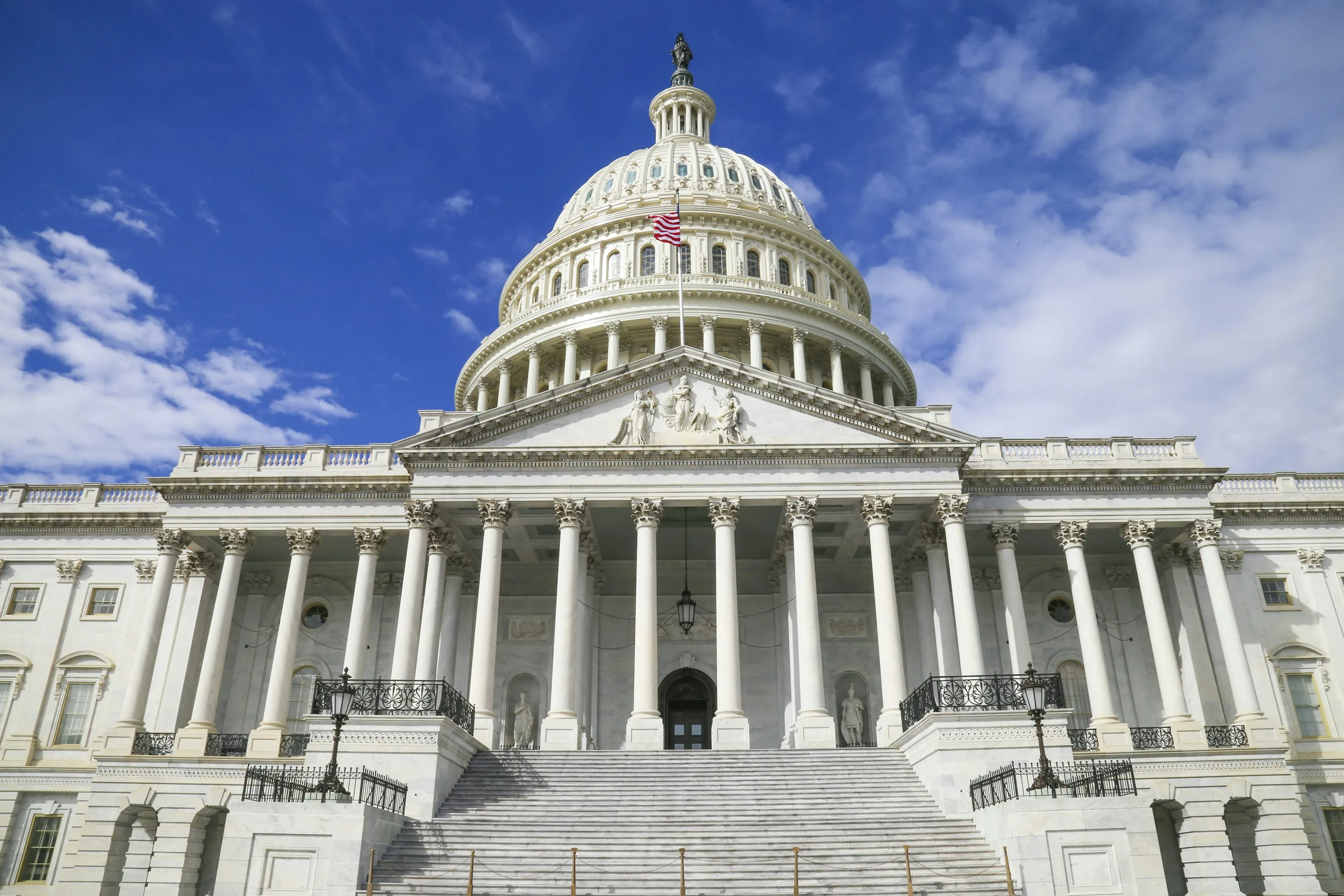
ASLA Advocacy
ASLA advances the interests of the landscape architecture profession by engaging decision-makers on Capitol Hill, in federal agencies, and in state legislatures across the country. Through advocacy, coalition-building, and grassroots engagement, we elevate the role of landscape architects in shaping public policy that supports resilient communities, healthy ecosystems, and well-designed public spaces. This work ensures the value of landscape architecture is reflected in laws, regulations, and funding decisions nationwide.

ASLA Fund
The ASLA Fund champions global, social, and environmental change through landscape architecture, investing in research, education, and community outreach for a sustainable future.
Focus Areas
These topics highlight where ASLA has concentrated its work and leadership. Together, they reflect the issues that shape ASLA’s advocacy, programs, research, and resources, and how landscape architects engage with communities, the environment, and the public realm. While not exhaustive, these areas represent key aspects of work across landscape architecture.
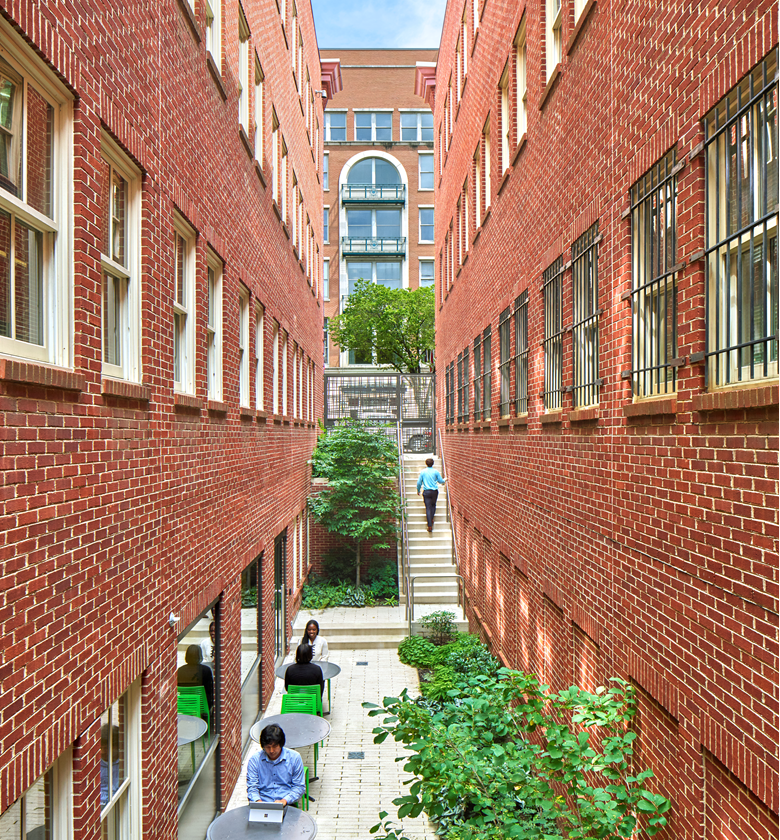
Organizations We Work With
ASLA and the ASLA Fund work with a range of national organizations on members’ priorities, including protecting licensure, advancing federal and state advocacy goals, and improving access to landscape architecture education.