

.webp?language=en-US)

.webp?language=en-US)


Xochimilco Ecological Park
-
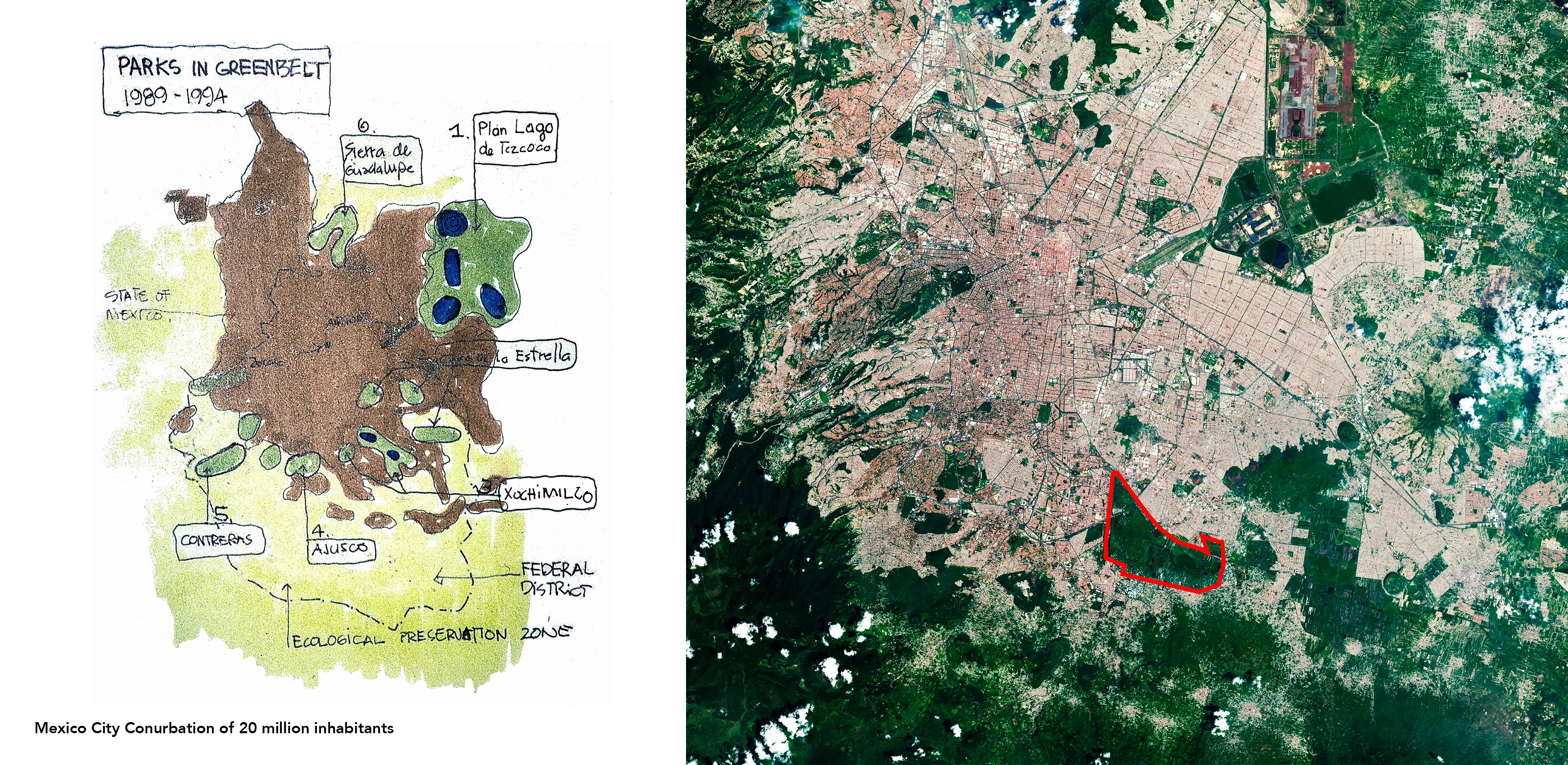
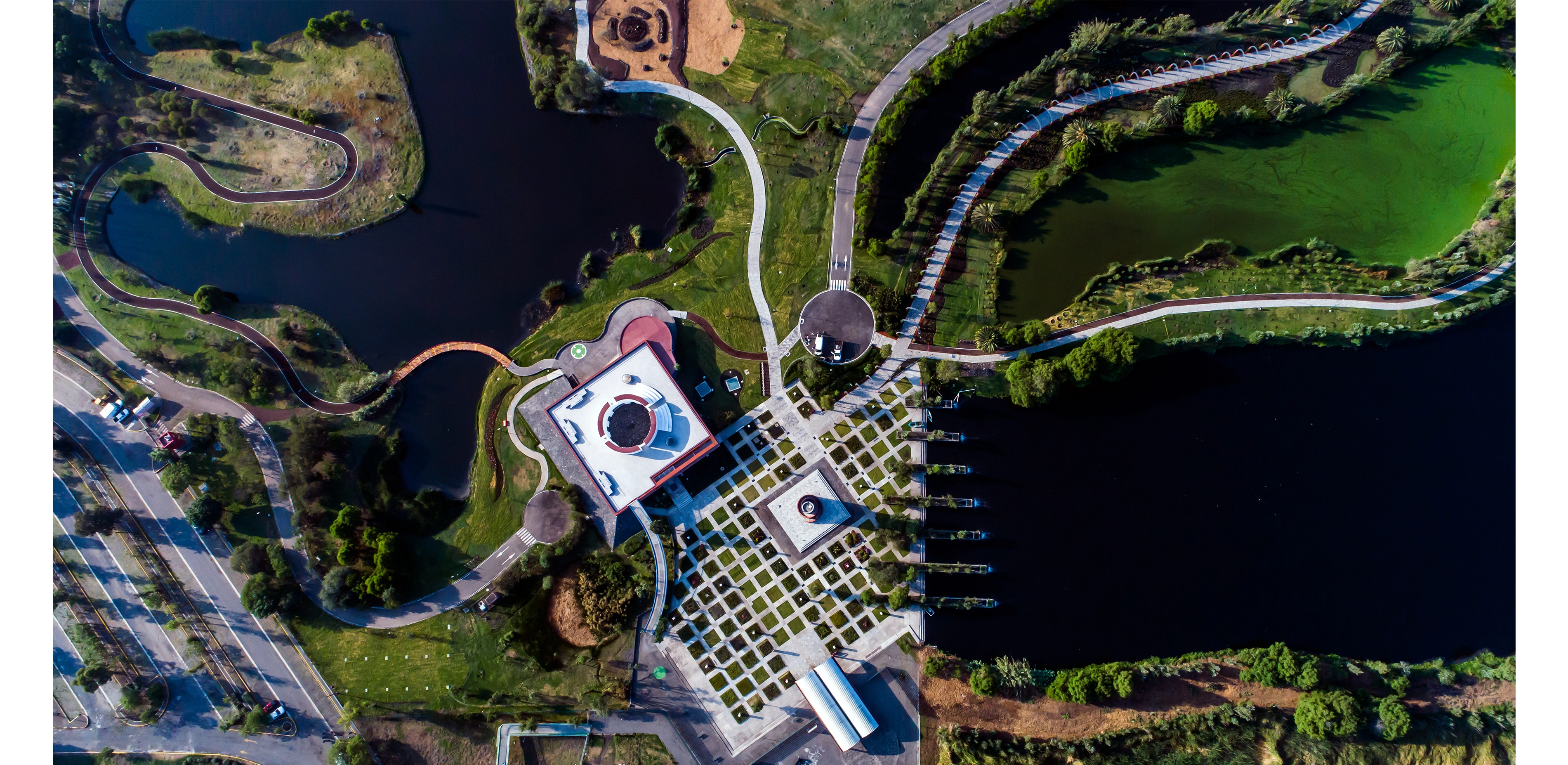
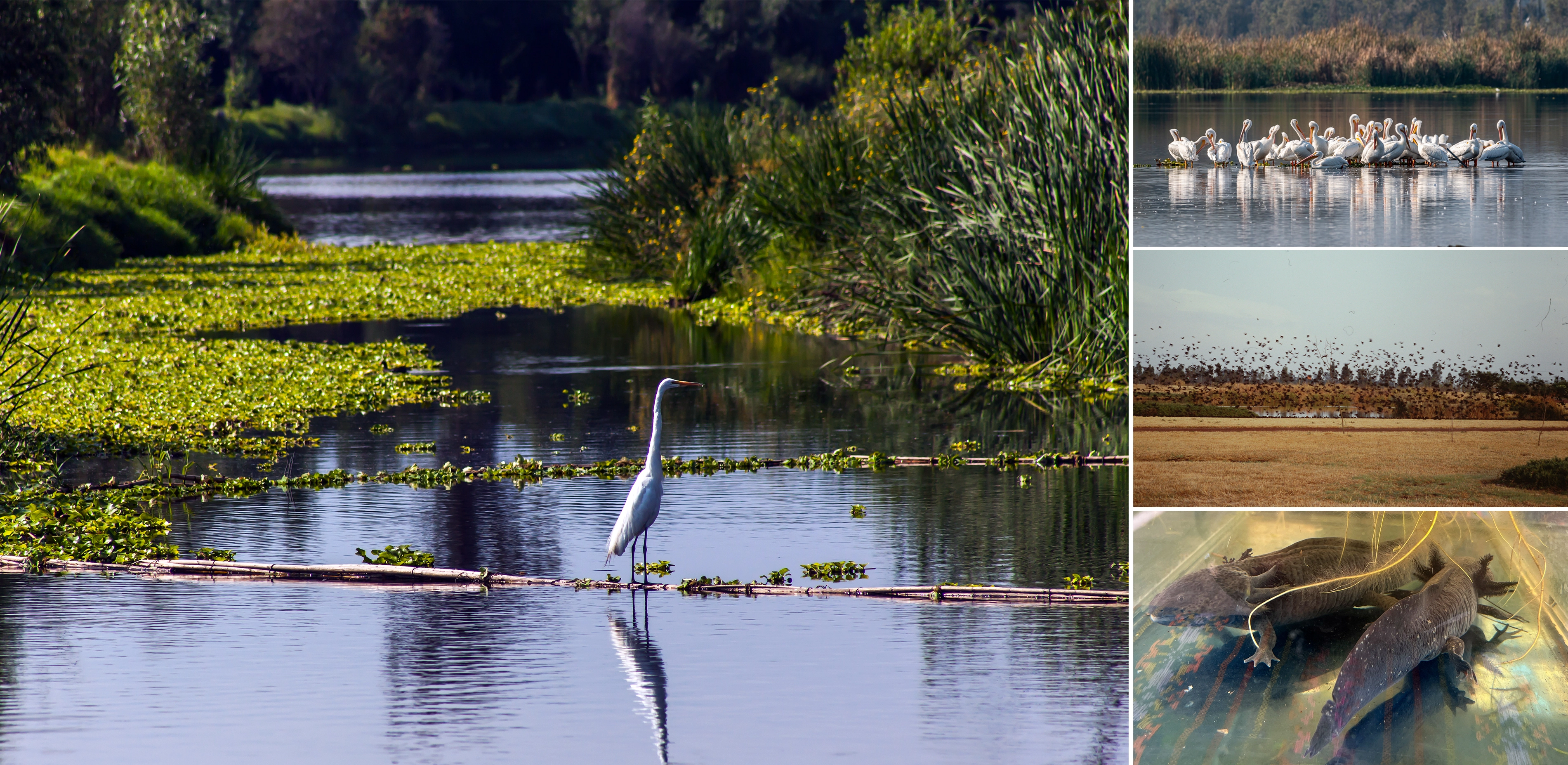
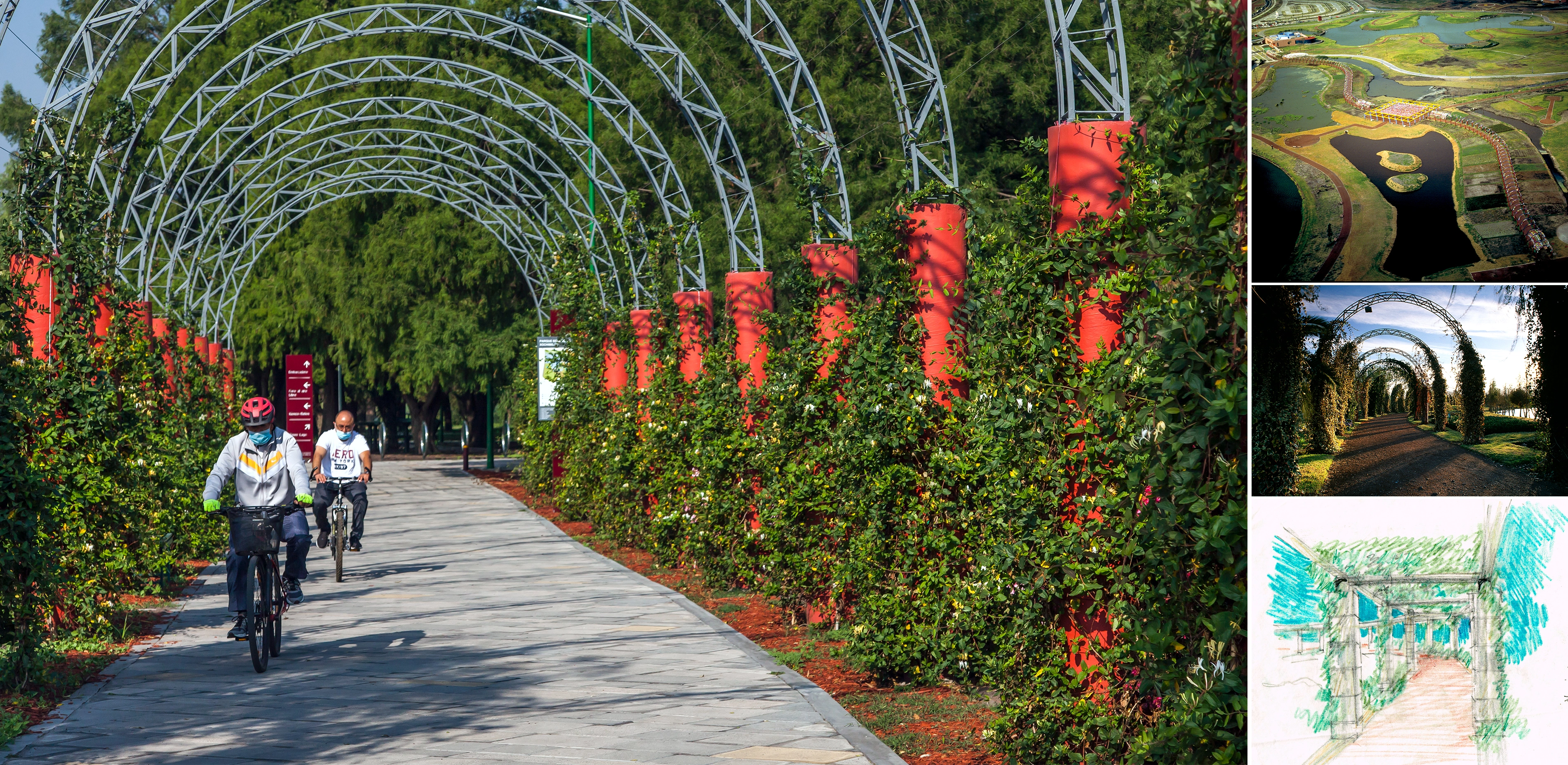
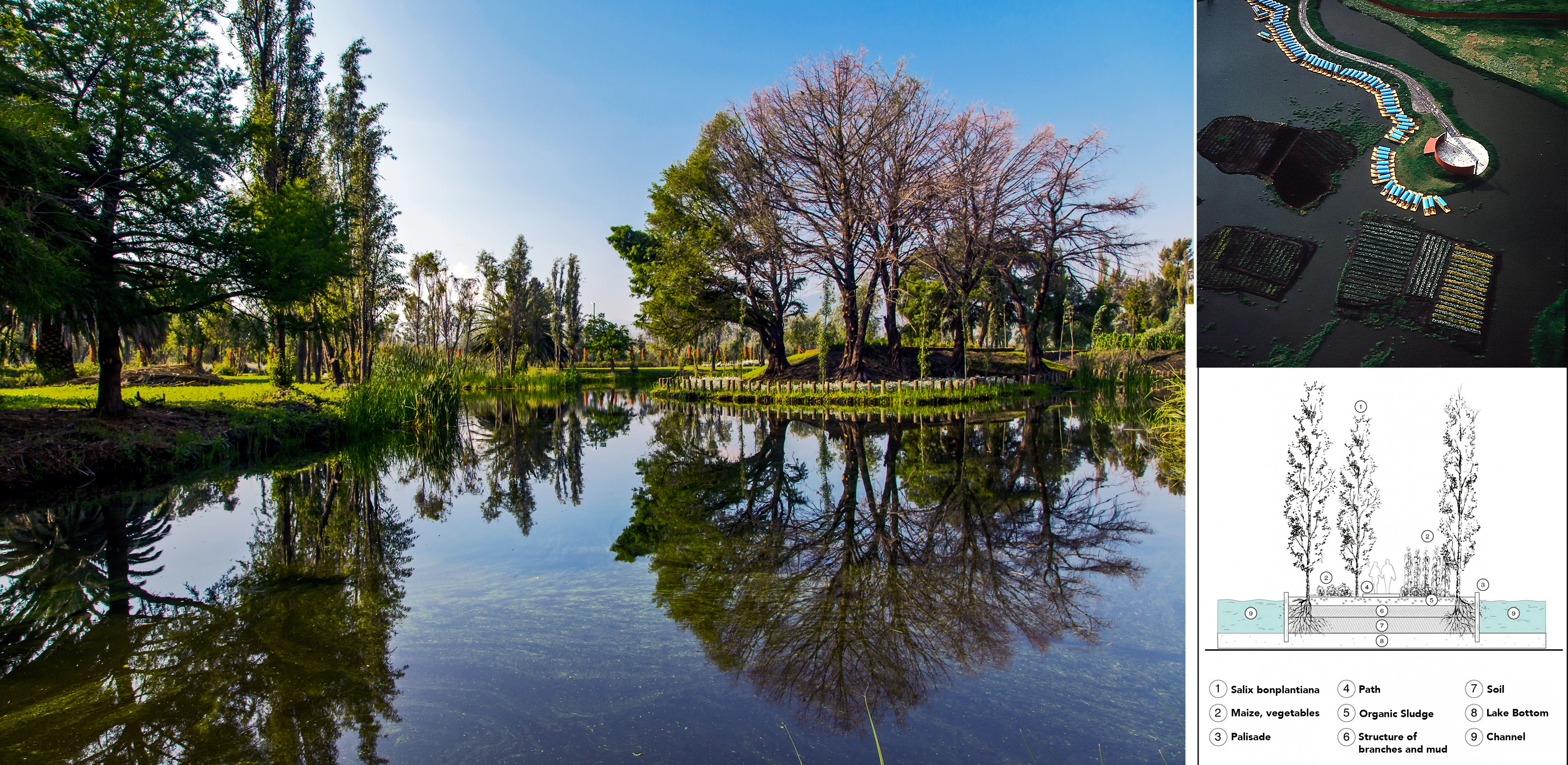
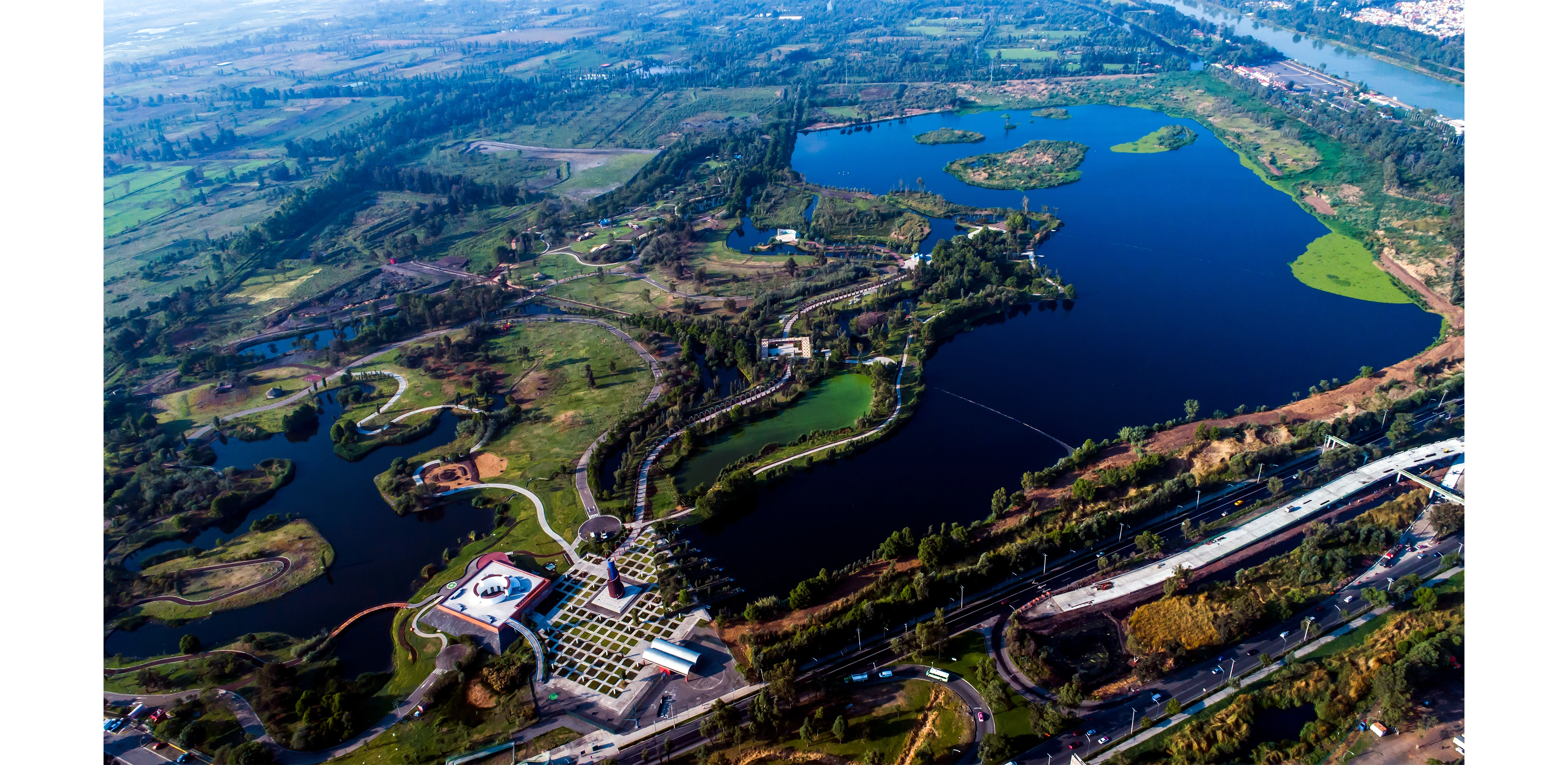
Xochimilco was declared a WHS by UNESCO in 1988, as a unique place to conserve. A Cultural Landscape containing the CHINAMPAS, an intensive sustainable agronomic system; a landscape of prehispanic origin which survives today. The Plan for the 3,000 H. chinampa district included an ecological park, a plant market and sports park. The Park, with wetlands and lakes, an ecosystem sustaining more than 200 species of native and migratory birds.
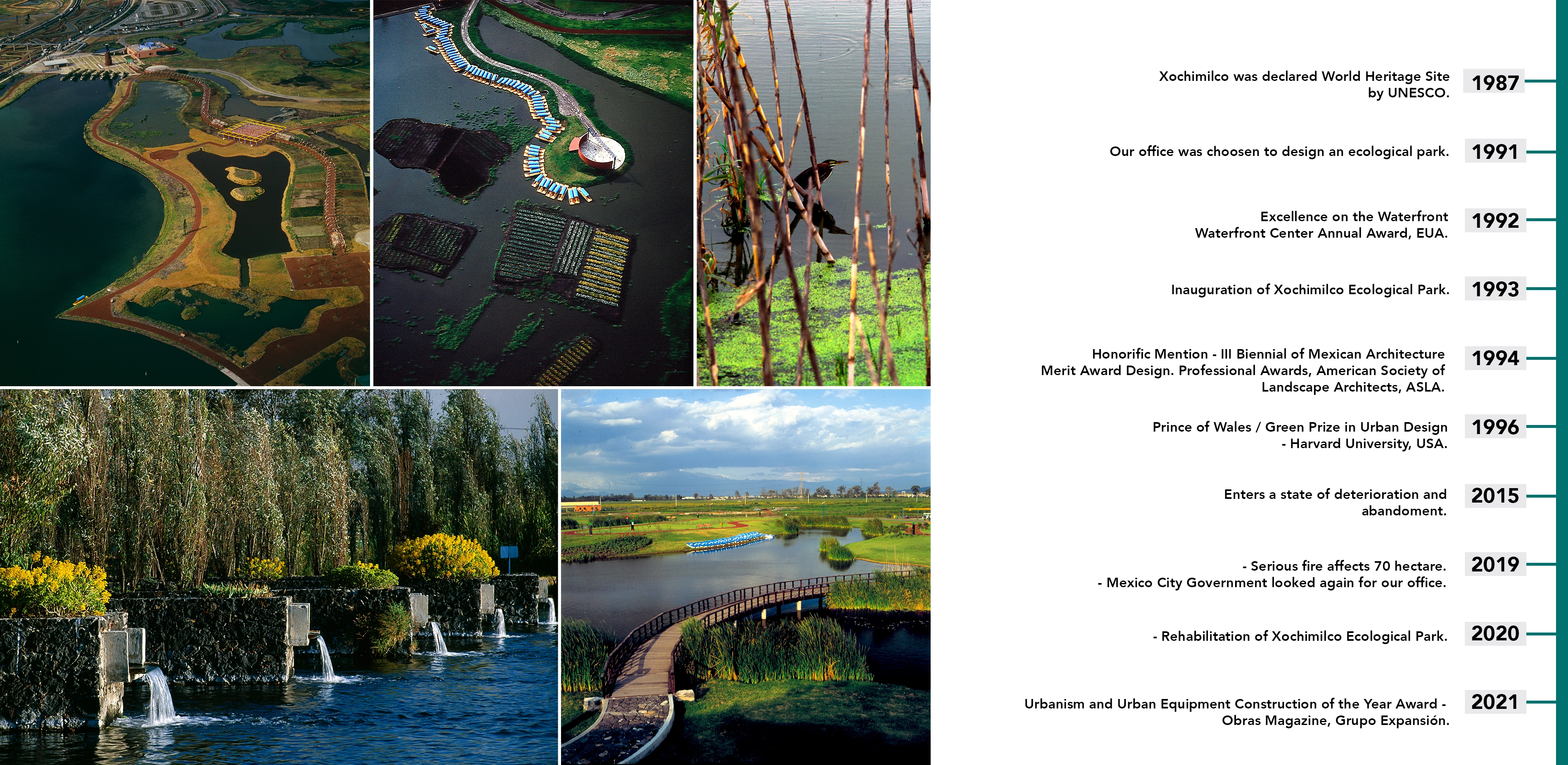
Opening in 1993, won many awards, published worldwide, becoming an icon in Mexico City. The project showed that ecology and design were not intrinsically opposed. The Park deteriorated in recent years and was subject to an extensive rehabilitation. Today, it has totally recovered and intensively visited.
-
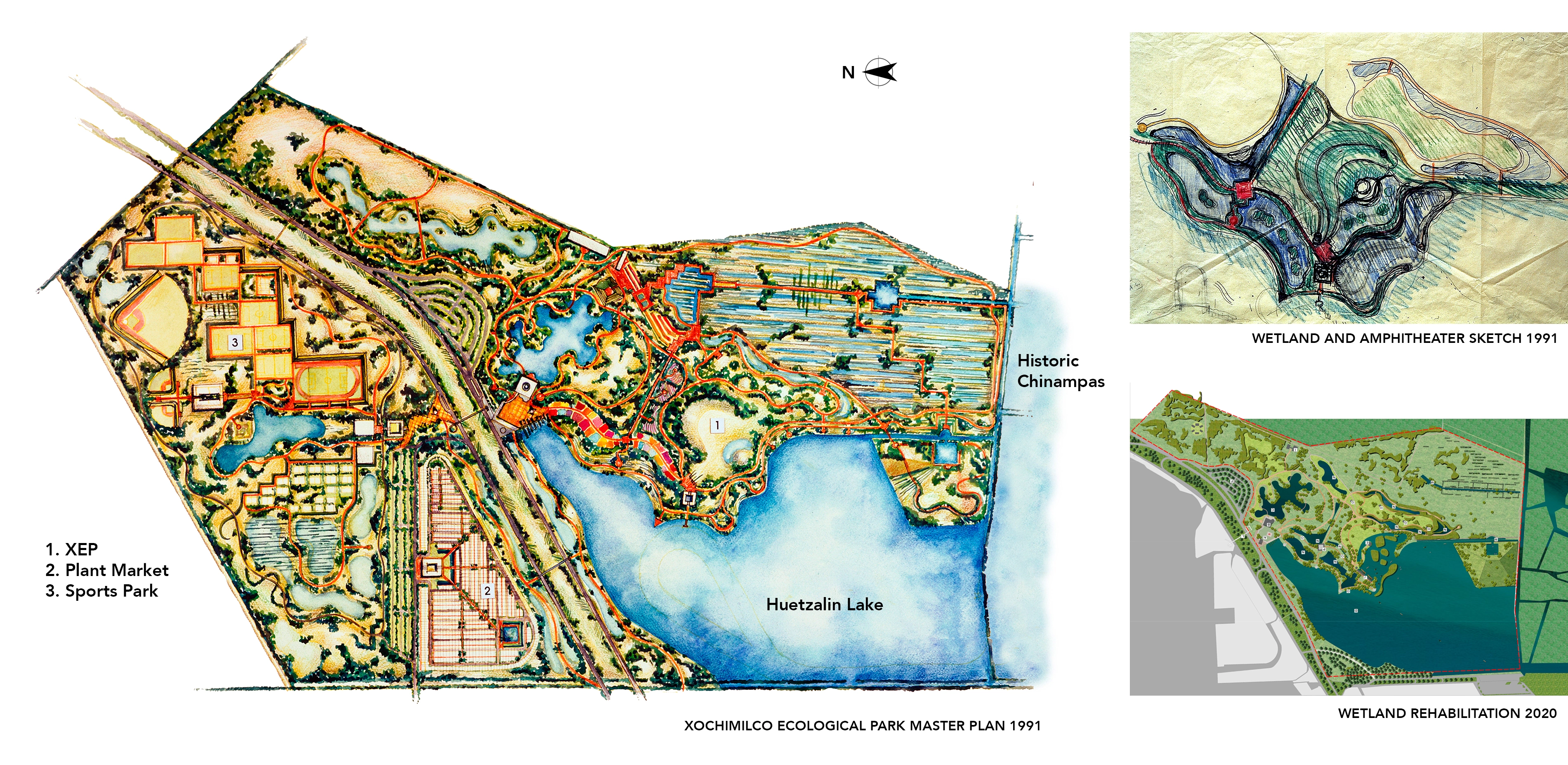
The rescue and rehabilitation of Xochimilco´s lacustrine zone was part of a huge integral project, developed by the Mexico City Government, after being declared World Heritage Site in 1988. The Plan for the 3,000 H. chinampa district included an ecological park, a plant market and sports park. Our office was in charge for the Xochimilco Ecological Park (PEX).
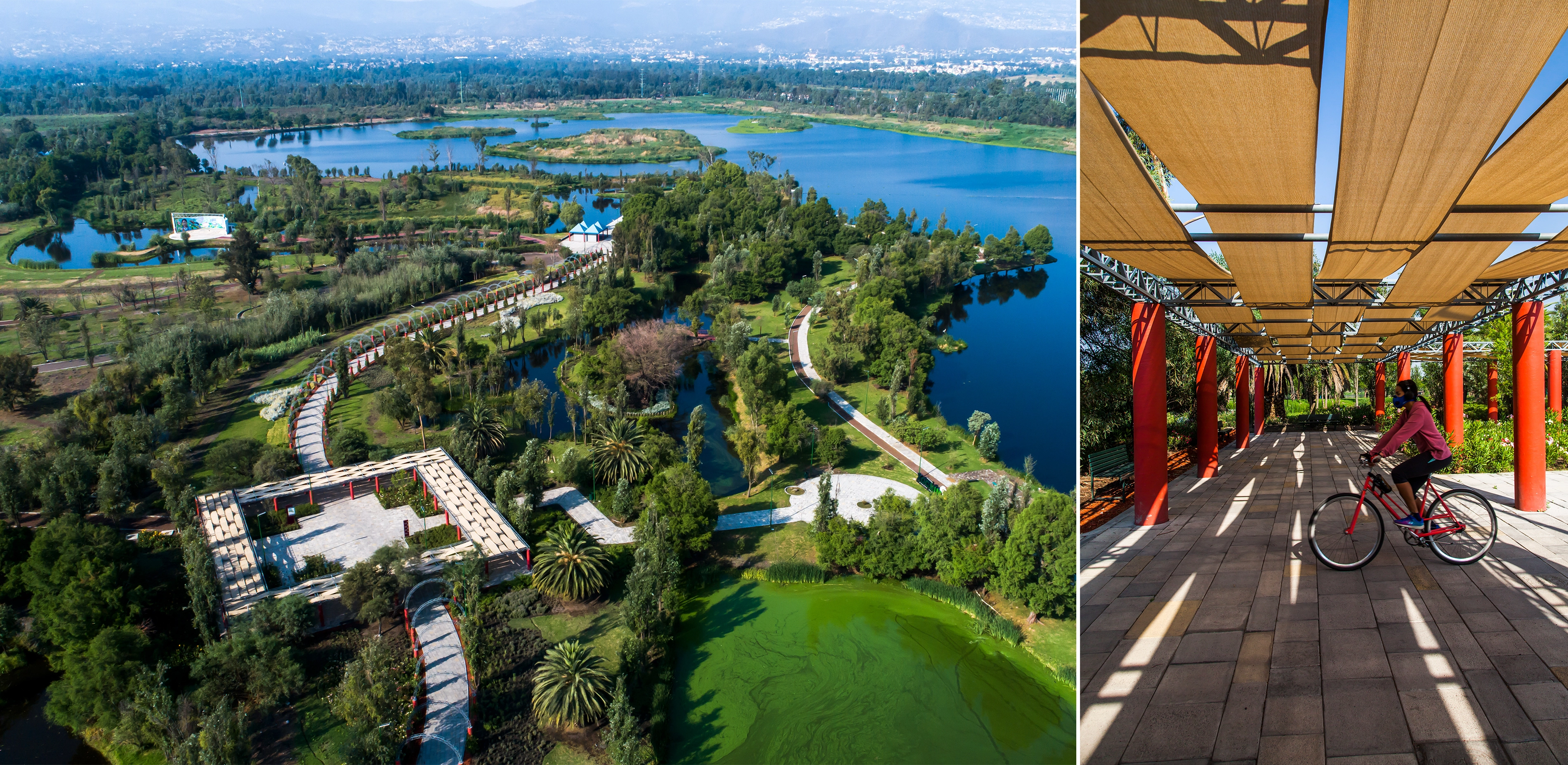
The 277 hectare park is crossed by Anillo Periférico Sur road, bifurcating it into two sections: The northern section with the Plant and Flower Market and the Cuemanco Sports Park, and the southern section where the Xochimilco Ecological Park and the Huetzalin and Acitlalin lakes are located, which are attached to the Xochimilco chinampa area.
The Park, with wetlands and lakes, is an ecosystem sustaining more than 200 species of native and migratory birds, also included sports and recreational activities, a plant market and a site museum. Since 2004, the wetlands of Xochimilco have been part of the RAMSAR sites list, a designation established by the Convention on Wetlands of International Importance, including the park.
The original concept was to visually connect the park to its landscape territory recovering the hydraulic and physiographic history of the Valley of Mexico. The main axis of the park directs perspectives to iconic mountains and hills sacred since prehispanic times.
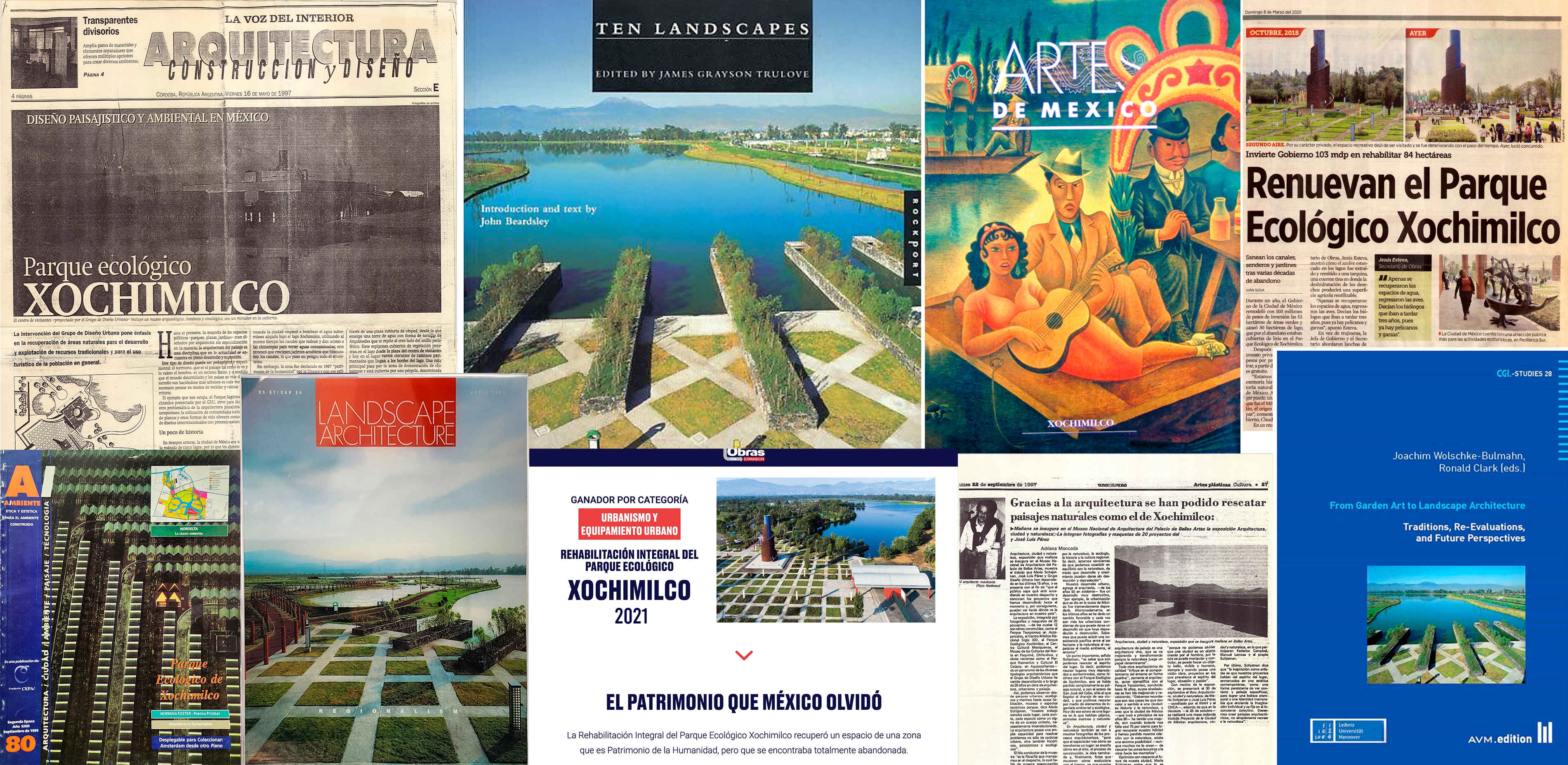
Opening in 1993, Xochimilco Ecological Park won many awards and recognitions including Harvard’s Green Prize in Urban Design. It was published worldwide, becoming an icon in Mexico City. The project showed that ecology and design were not intrinsically opposed.
The Park deteriorated in recent years and was subject to an extensive rehabilitation.
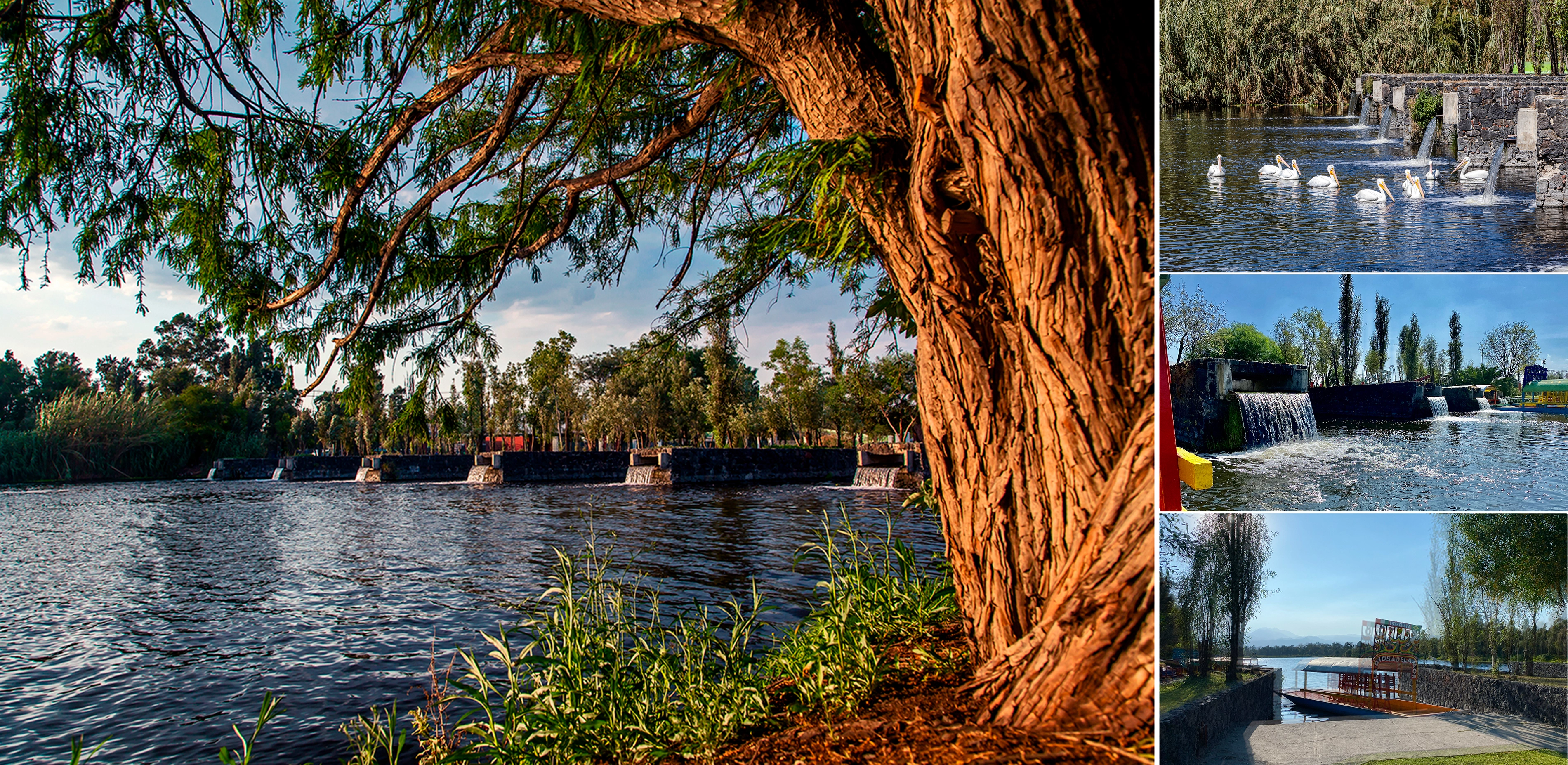
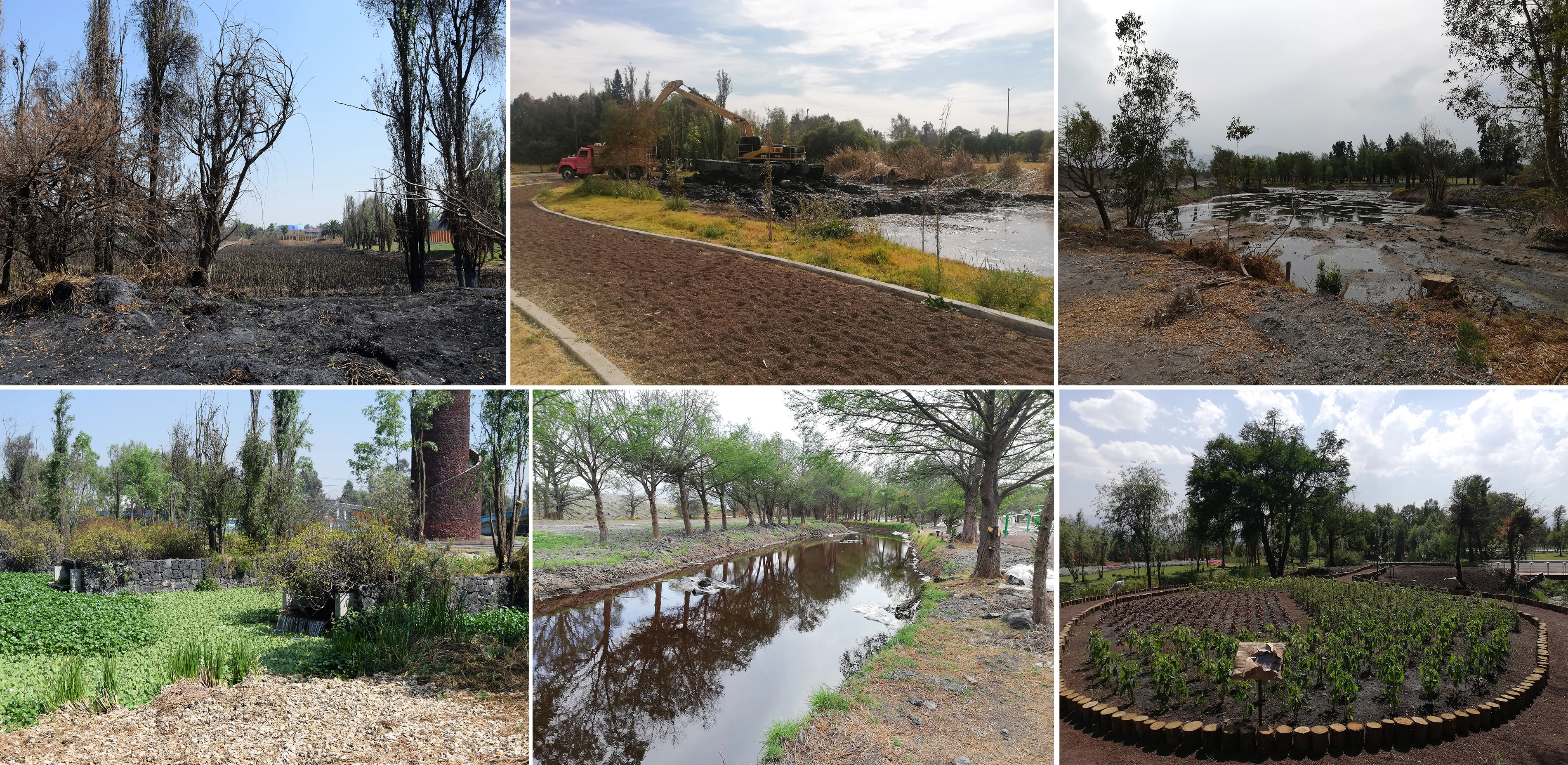
Between 2019-2020, our office participated in the integral rehabilitation of the park including the restoration of all the wetlands and lake systems, by a process of desilting and topographical refinement.
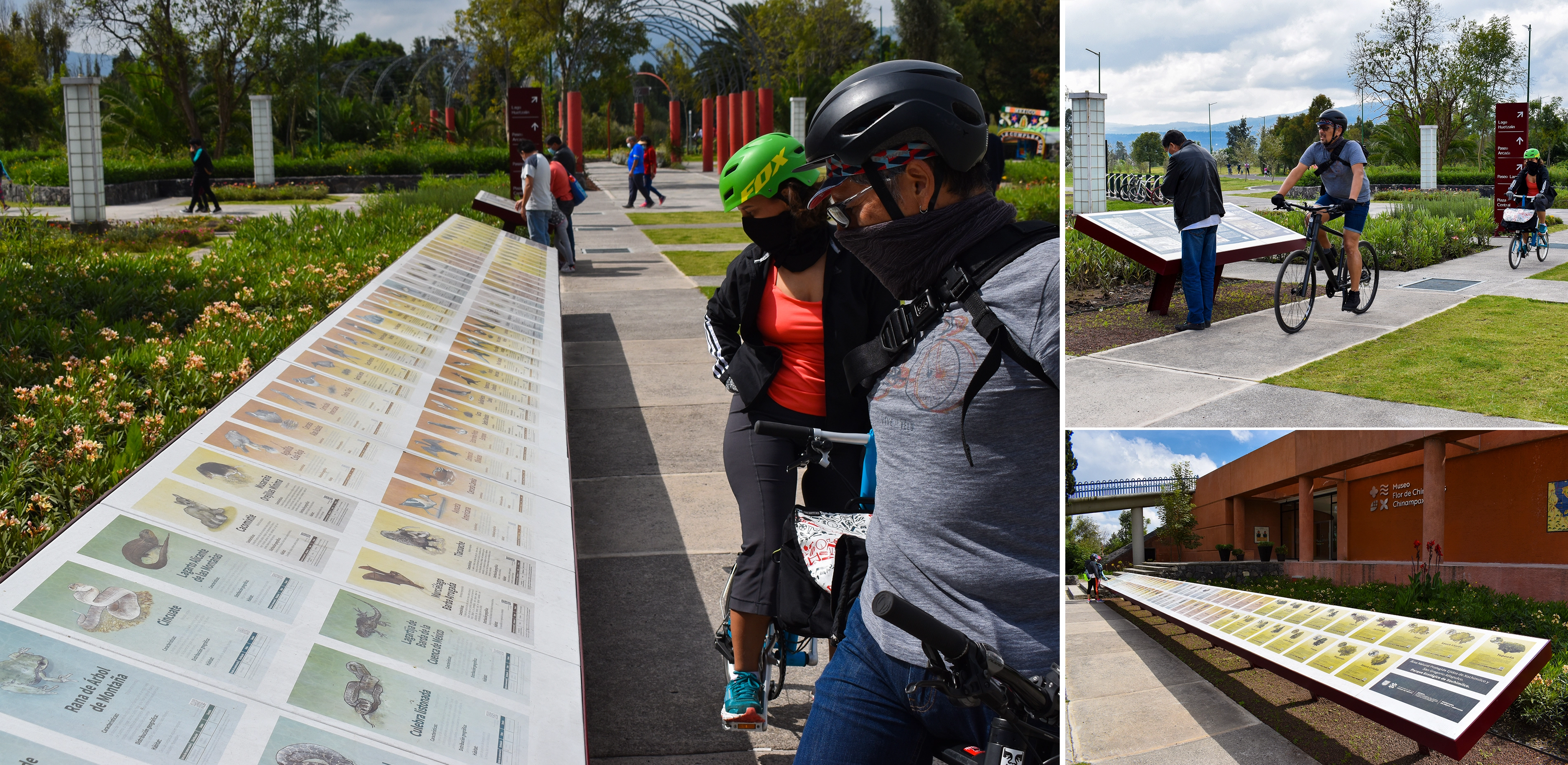
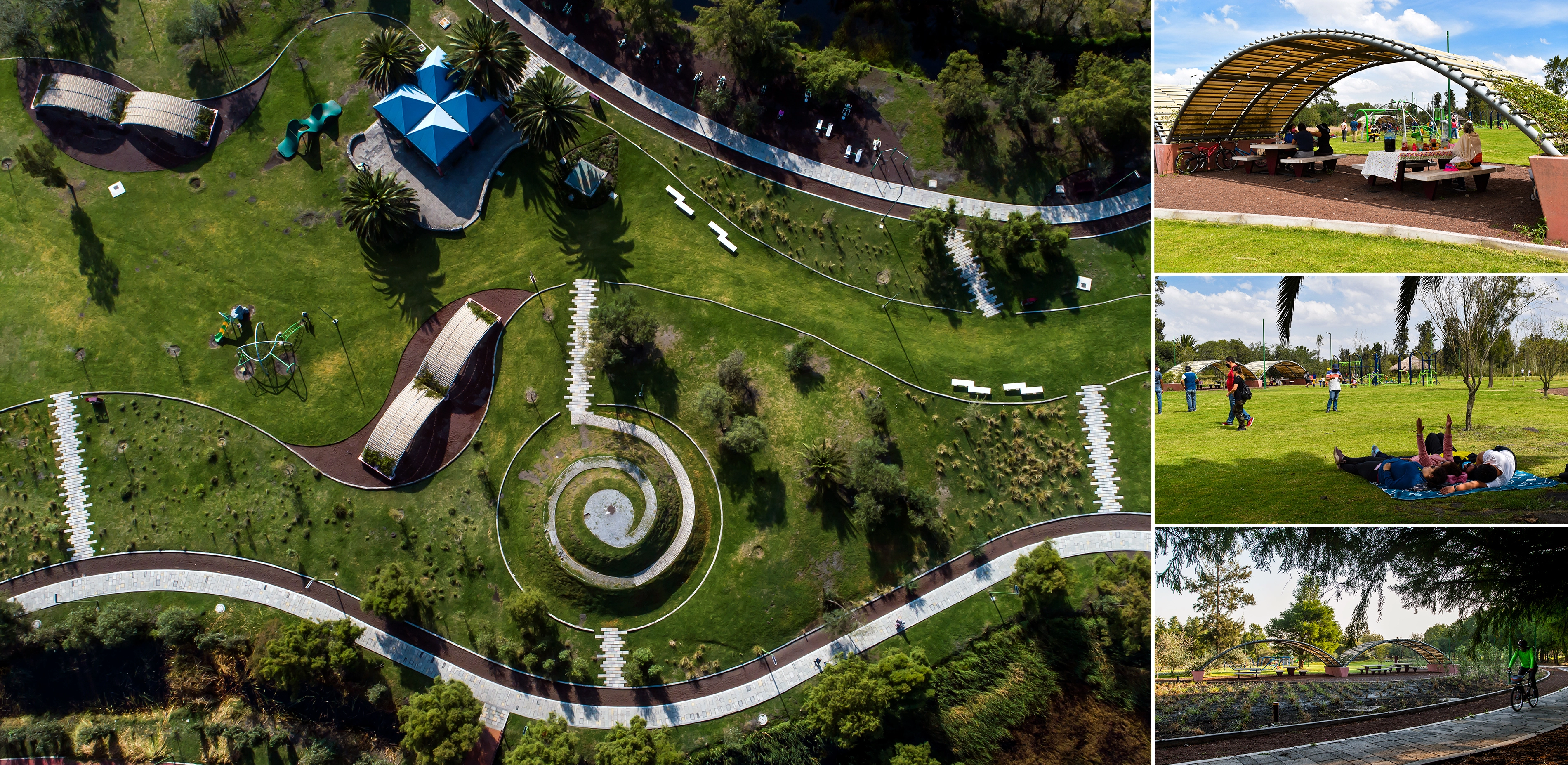
Planting of more than 1500 native trees with species approved by the Mexico City Environment Secretariat. Forestry sanitation in 20% of the approximately 25,000 trees. A didactic chinampa was added, as well as the “Adventitious Garden”, an ecological-artistic land-art project designed by the artist Luis Palacios. New signage and interpretation panels of wildlife and plants were designed by biology experts.
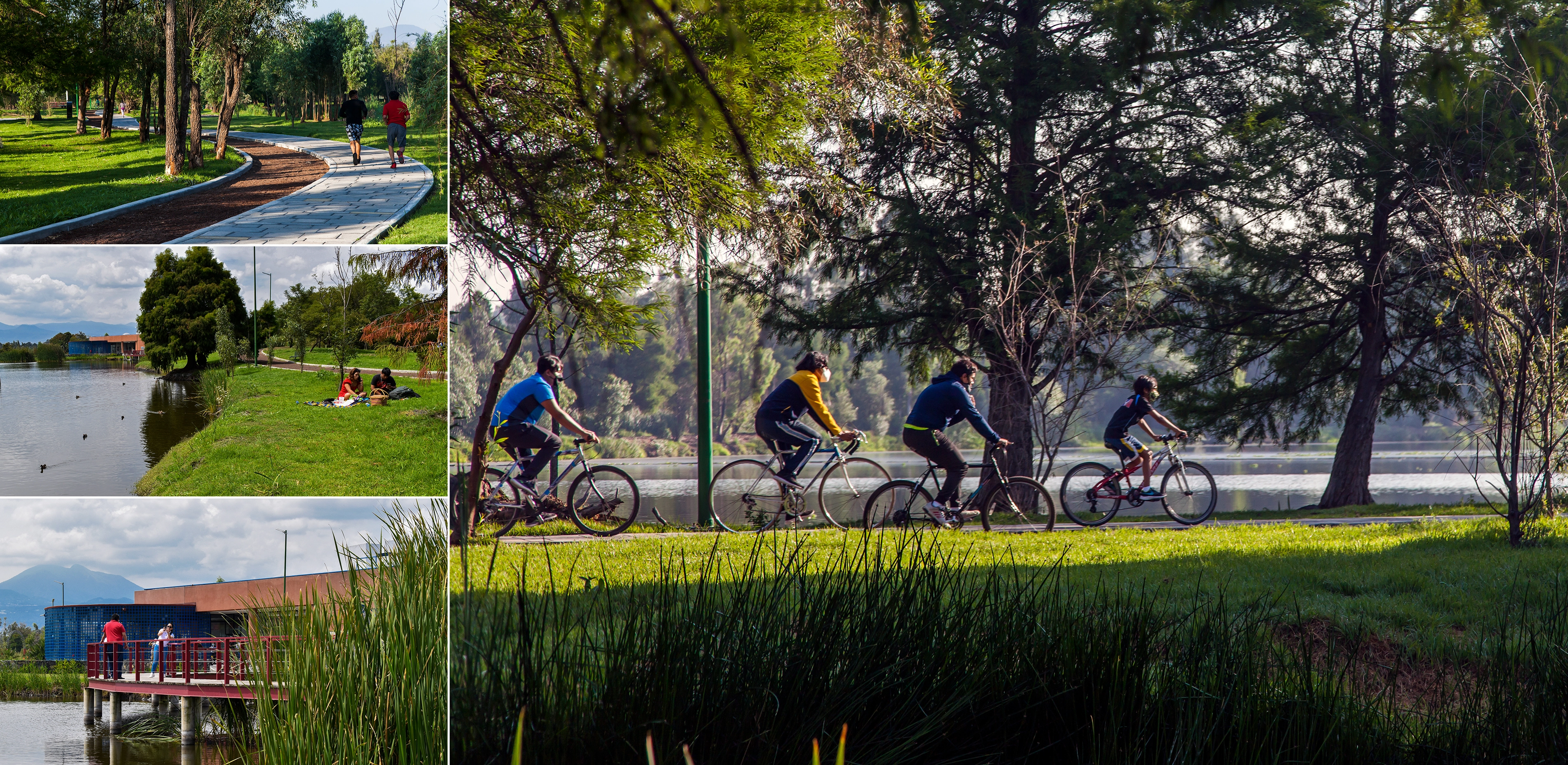
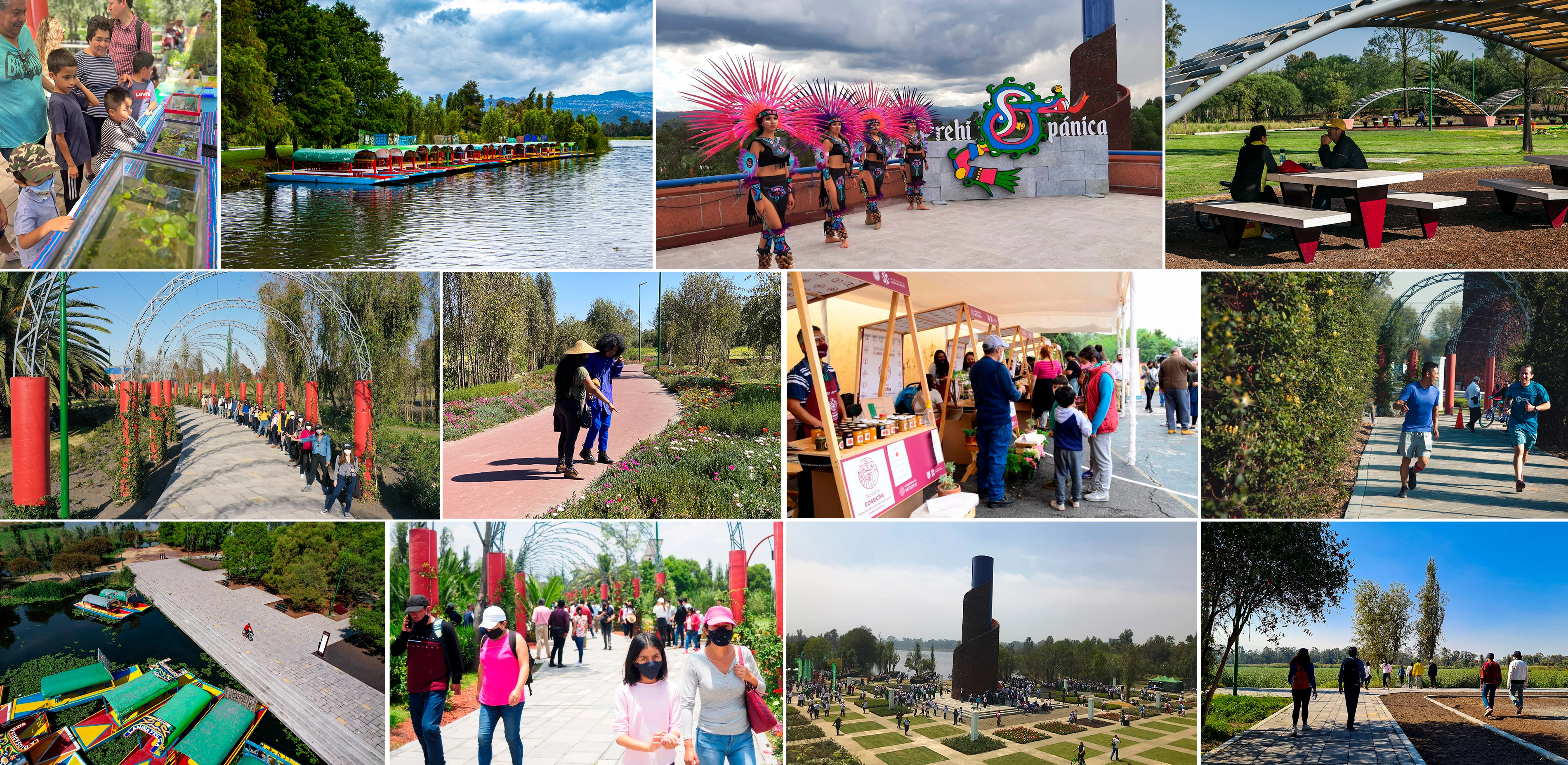
In particular, the jogging and cycling paths were extended as well as the inclusion of a major area for children and family recreation, boating and the traditional “Trajineras” flat bottom boats of Xochimilco, used for family picnics and parties.
Today, the Xochimilco Ecological Park has recovered its magnificence, attracting both birdlife and migratory birds as well as families, runners, bicycling and recreational and bird observers from all of the Metropolitan Area of Mexico City but in particular from the south region’s population, critically needing open space recreation and wildlife contact.
-
- Mario Schjetnan Garduño - Landscape Architecture
- Secretaría del Medio Ambiente - Manage, monitor and control
-
Products
- Hardscape
- Other
-
- Acacia longifolia
- Acacia saligna
- Acacia baileyana
- Acacia melanoxylon
- Taxodium mucronatum
- Salix bonplandiana
- Alnus acuminata
- Cupressus lusitanica
- Erythrina coralloides
- Fraxinus uhdei
- Jacaranda mimosifolia
- Acer negundo
- Schinus molle
- Salix humboldtiana
- Salix babylonica
- Platanus mexicana
- Buddleja cordata
- Cuphea angustifolia
- Urtica dioica
- Suaeda torreyana
- Bidens laevis
- Berula erecta
- Phragmites australis
- Lemna gibba
- Wolffia columbiana
- Juncus sp.
- Pistia stratiotes
- Lemna minuscula
- Eichhornia crassipes
- Nymphaea mexicana
- Hydrocotyle ranunculoides
- Hydromystria laevigata
- Schoenoplectus american
- Typha latifolia
- Stipa tenuissima
- Muhlenbergia capillaris
- Eragrostis obtusiflora
- Distichlis spicata
Advertisement
Related Awards
Landmark Award, The Landmark Award
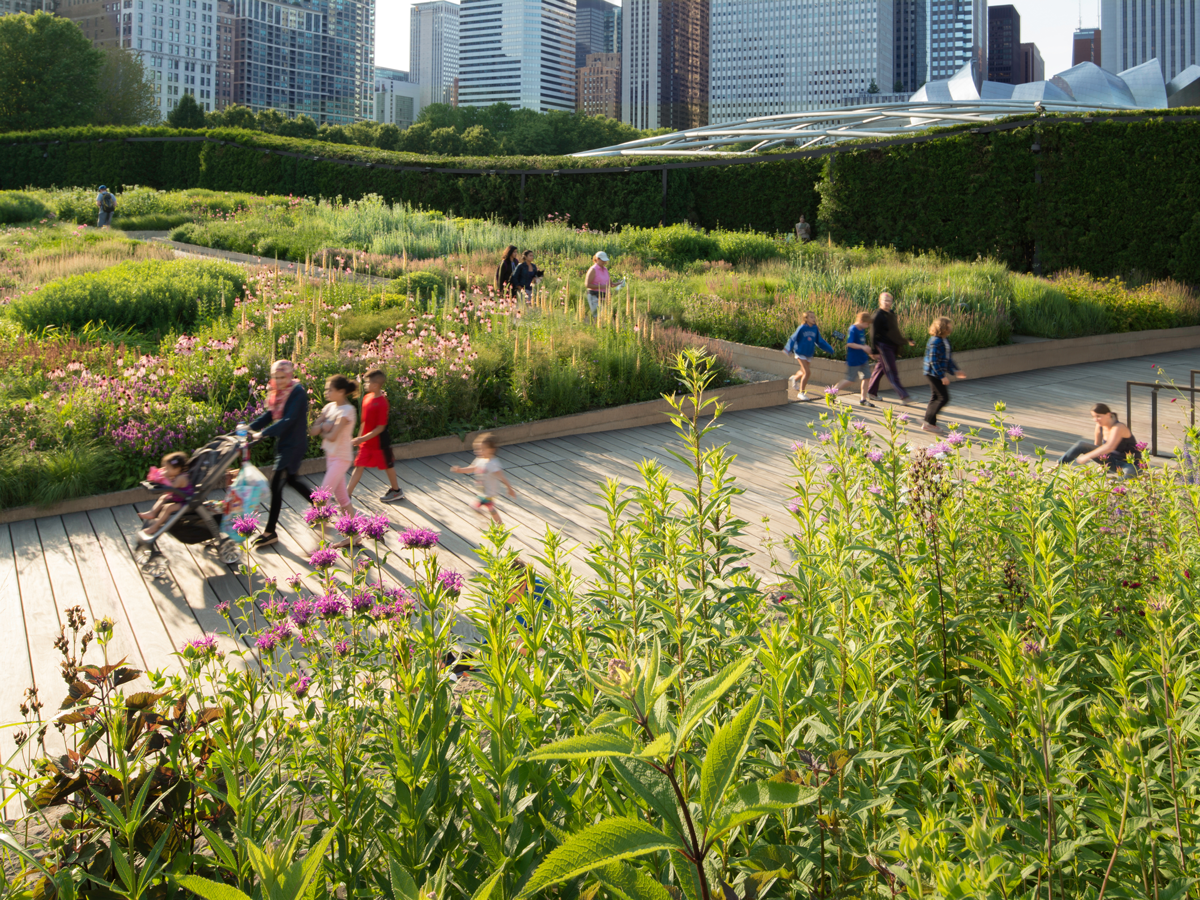
Lurie Garden at Millennium Park
Location: Chicago, IL
Firm: GGN
Client: Millennium Park Foundation
Chicago's Lurie Garden opened in 2004 and is now a globally recognized symbol and space for dialogue around urban landscape architecture, native-plant gardening, sustainable horticulture practices, insect-and-bird-focused data and experiments, inclusive public garden programming, and equitable training and recruitment into landscape and horticultural fields.
Related Articles

ASLA Fund
American Society of Landscape Architects Announces its 2026 Student Awards
39 Student Award winners elevate the future of the landscape architecture profession
Aug 24 2026