The year-long review and research effort found that the previous category structure no longer fully reflected the breadth and realities of contemporary practice. The revised Professional Awards program described here creates more entry opportunities across a broader spectrum of professional project types, clarifies category distinctions, and aligns the categories and jury criteria more closely with ASLA priorities.
The categories and criteria are new.
The standard remains high.
The Professional Awards recognize a broad spectrum of landscape architecture practice. Different categories reflect different types of work, scales, methods, and outcomes, so excellence may look different from one category to another.
What remains consistent is the expectation that winning entries demonstrate quality, innovation, and measurable positive impact.
If you have entered the Professional Awards before, review the 2027 structure carefully. Category definitions, jury criteria, and some submission requirements have changed.
Entering the 2027 Professional Awards
Start by understanding four parts of the revised program.
Step 1
Choose Your Category and Entry Pool
The revised categories better reflect contemporary practice types and scales and provide more entry options across the profession. Each category includes its own description, typical entries, jury criteria, submission requirements, and recognition information.
Some categories are divided into entry pools to create more appropriate comparisons for Honor Awards. Entries compete only against other projects within the same pool at that stage. The jury may then consider the strongest work across all pools and select one Award of Excellence for the category as a whole.
Categories are grouped below by general type of work to make the options easier to scan. Each card represents an individual Professional Awards category.
Analysis & Planning
Analysis & Planning: Regional & City Scale
Planning and analysis that shape, guide, or evaluate planning, development, conservation, preservation, restoration, or reclamation of the natural and built environment at a regional or community-wide level.
Entry pools: Public Agency or Private Practice
Analysis & Planning: District & Block Scale
Planning and analysis of the natural and built environment at district or block scales, including work such as development guides, transportation or campus planning, parks, environmental planning, resource protection, and urban design.
Entry pools: Public Agency or Private Practice
Built Works
Built Works: Campus & Mixed Use
Built cultural, campus, entertainment, or mixed-use developments that create cohesive environments and balance social equity, economic viability, infrastructure, environmental stewardship, and place-making.
Built Works: Public Spaces & Recreation
Built or actively developing public and recreational spaces that support health, well-being, social equity, mobility, recreation, community engagement, environmental stewardship, and place-making.
Entry pools: Site-Specific Projects or Community-Scale Projects
Built Works: Regenerative & Ecological
Built projects providing benefits in climate resilience, mitigation, adaptation, and the protection, conservation, or enhancement of biodiversity through transformative action and scalable solutions.
Entry pools: Public Agency or Private Practice
Built Works: Residential
Built single-family and multifamily landscapes demonstrating quality, context and place, environmental responsibility, durability, and consideration of maintenance requirements.
Entry pools: Smaller Residential Sites, ½ acre or less; or Larger Residential Sites, larger than ½ acre
Built Works: Reuse
Built projects that bring aging landscapes, brownfields, abandoned sites, obsolete properties, or other developed sites back into valuable use, including projects emphasizing reused or recycled materials.
Additional Professional Categories
Small Budget / Big Impact
Built projects that achieve significant impact and effectiveness despite size or budget constraints.
Pro Bono
Built or planned landscape architecture projects made possible through donated professional services that create meaningful benefit for a community.
Community Service
Built or planned landscape architecture projects undertaken as community-based advocacy or public service, with emphasis on the effectiveness of the service and its value as a model for others.
Historic Preservation
Planning, built work, and research focused on historic landscapes, grounded in research and assessment, and adapting historic places to current and future challenges while respecting historic character and values.
Communication
Achievements in communicating landscape architecture works, techniques, technologies, sustainable design, history, or theory, and their lesson value to an intended audience.
Research
Research investigating questions or challenges in landscape architecture and producing results that advance the profession's body of knowledge.
Landmark Award
The Landmark Award recognizes a distinguished landscape architecture project completed between 15 and 50 years ago that retains its original design integrity and contributes significantly to the public realm of the community in which it is located.
Explore this category →
Step 2
Know the Rates and Dates
Entry fees increase during the submission period. Register early for the lowest rate. All entries share the same final submission deadline.
2027 Professional Awards
| Entry Period | Fee | Dates |
|---|
| Early | $400 | December 1, 2026–January 10, 2027 |
| Standard | $450 | January 11–February 7, 2027 |
| Extended | $560 | February 8–14, 2027 |
Registration opens
December 1, 2026
All submissions due
February 14, 2027
Winners notified
Late spring 2027
Awards Ceremony
September 21–24, 2027
ASLA+IFLA 2027 World Conference on Landscape Architecture · Chicago
Step 3
Understand the Judging Criteria
Every Professional Awards entry is evaluated using the same five criteria and weighting.
20%
Contextual Understanding
How well does the work respond to its physical, social, cultural, and ecological context?
20%
Innovation & Advancement of Practice
How does the work advance ideas, methods, or practice in landscape architecture?
20%
Impact & Alignment with ASLA Priorities
How does the work respond to environmental conditions, support people and communities, and create more inclusive places?
15%
Clarity of Intent
What is the project trying to achieve, and why does it matter?
25%
Process / Analytical Rigor
How thoughtfully and rigorously was the work developed?
Each award category applies these five criteria through its own jury rubric, which defines what strong performance looks like for that type of work. See the individual category descriptions for the specific details.
Step 4
Understand the Application Requirements
Every entry includes written materials, visual materials, anonymity requirements, and disclosure of artificial intelligence use. Exact requirements vary by category.
Text
Prepare the required title, project statement, narrative, abstract, or other written responses for your category.
Images & Supporting Evidence
Submit the required images, plans, diagrams, data, performance metrics, or other visual evidence for your category.
Anonymity
Materials viewed by the jury must not identify the entrant, landscape architects, firms, designers, or photographers.
Artificial Intelligence Disclosure
Use of AI is permitted, but it must be disclosed. Applicants will identify how AI was used in the project itself and in the preparation of the award submission so jurors can consider it in context.
Check your category before you build your entry.
Eligibility, entry pools, written and image requirements, documentation, and other details vary by category. Review the complete category requirements before preparing your submission.





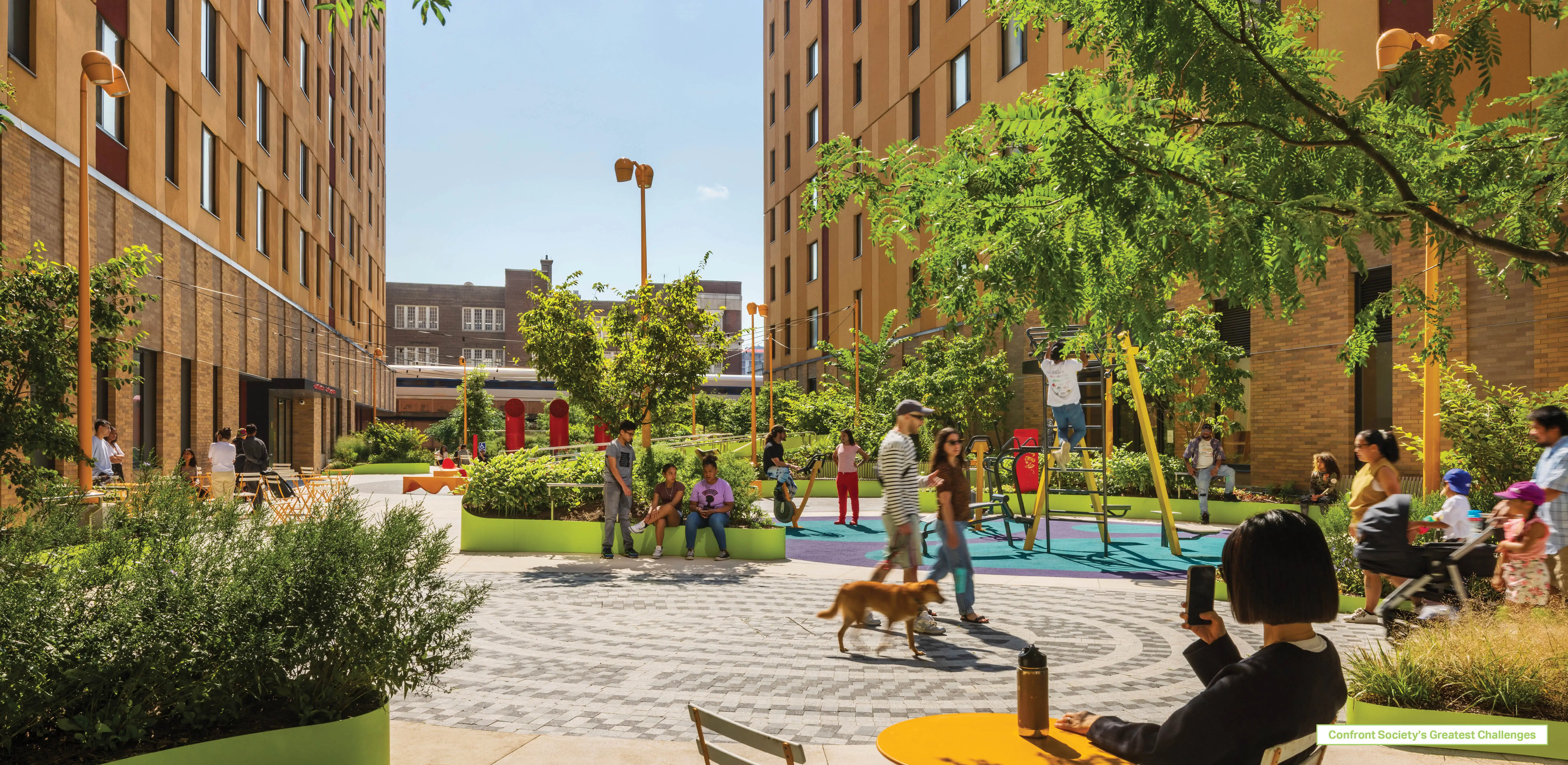
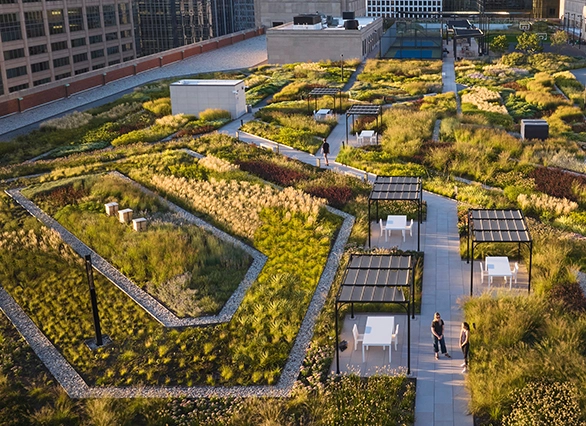
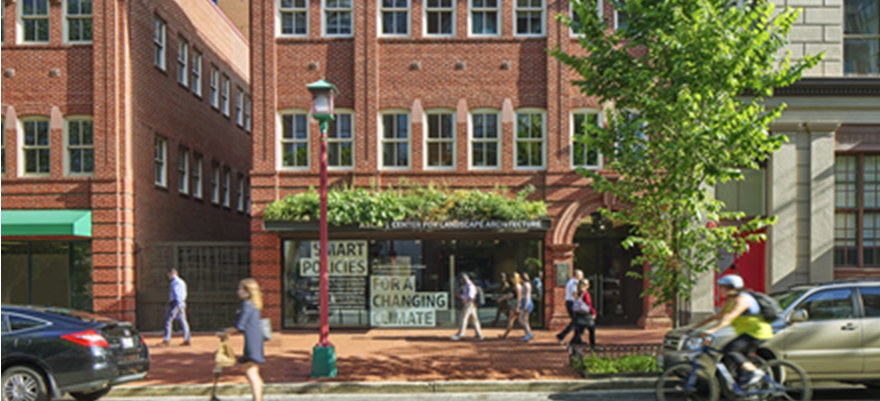
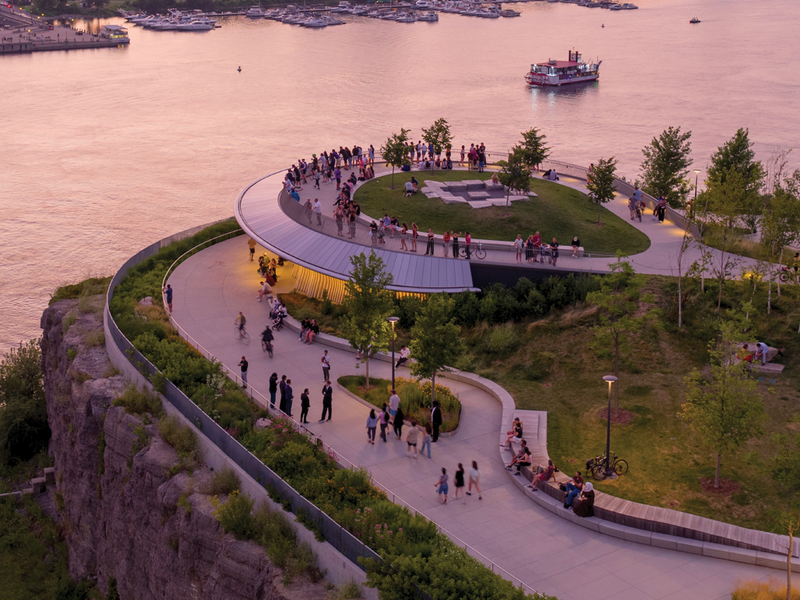 ASLA 2026 General Design Award of Excellence. Kìwekì Point - Returning to One's Homeland. Janet Rosenberg & Studio | Jeff McNeill
 ASLA 2026 Urban Design Award of Excellence. The Gowanus Lowlands: From Industrial Canal to New Civic Landscape. SCAPE | SCAPE/Ty Cole
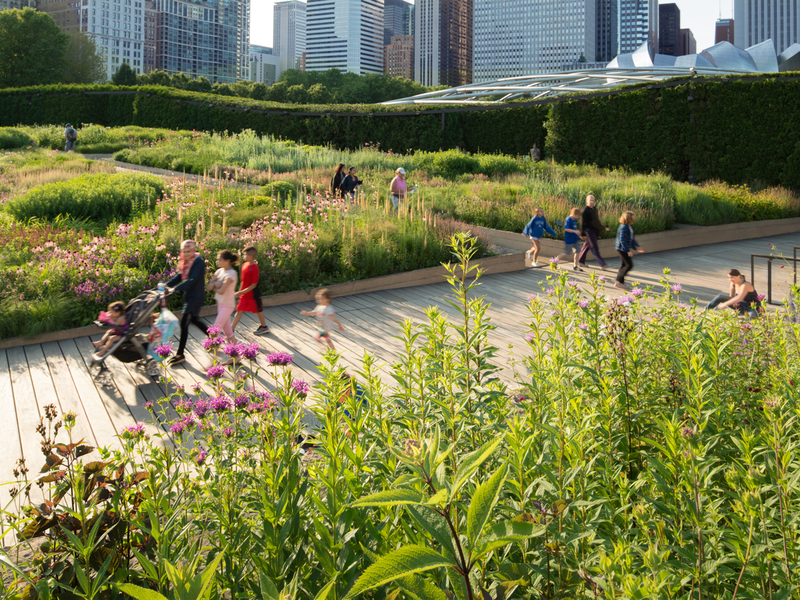 ASLA 2026 Landmark Award. Lurie Garden at Millennium Park. GGN | Catherine Tighe