

.webp?language=en-US)

.webp?language=en-US)
Co-Creating Urban Gardens: Enhancing the Community Wellbeing
Zhihao Zhong, Student International ASLA; Danbing Chen; Feixiang Huang; Lin Liao; Zhenfeng Zhong; Junjie Luo
-
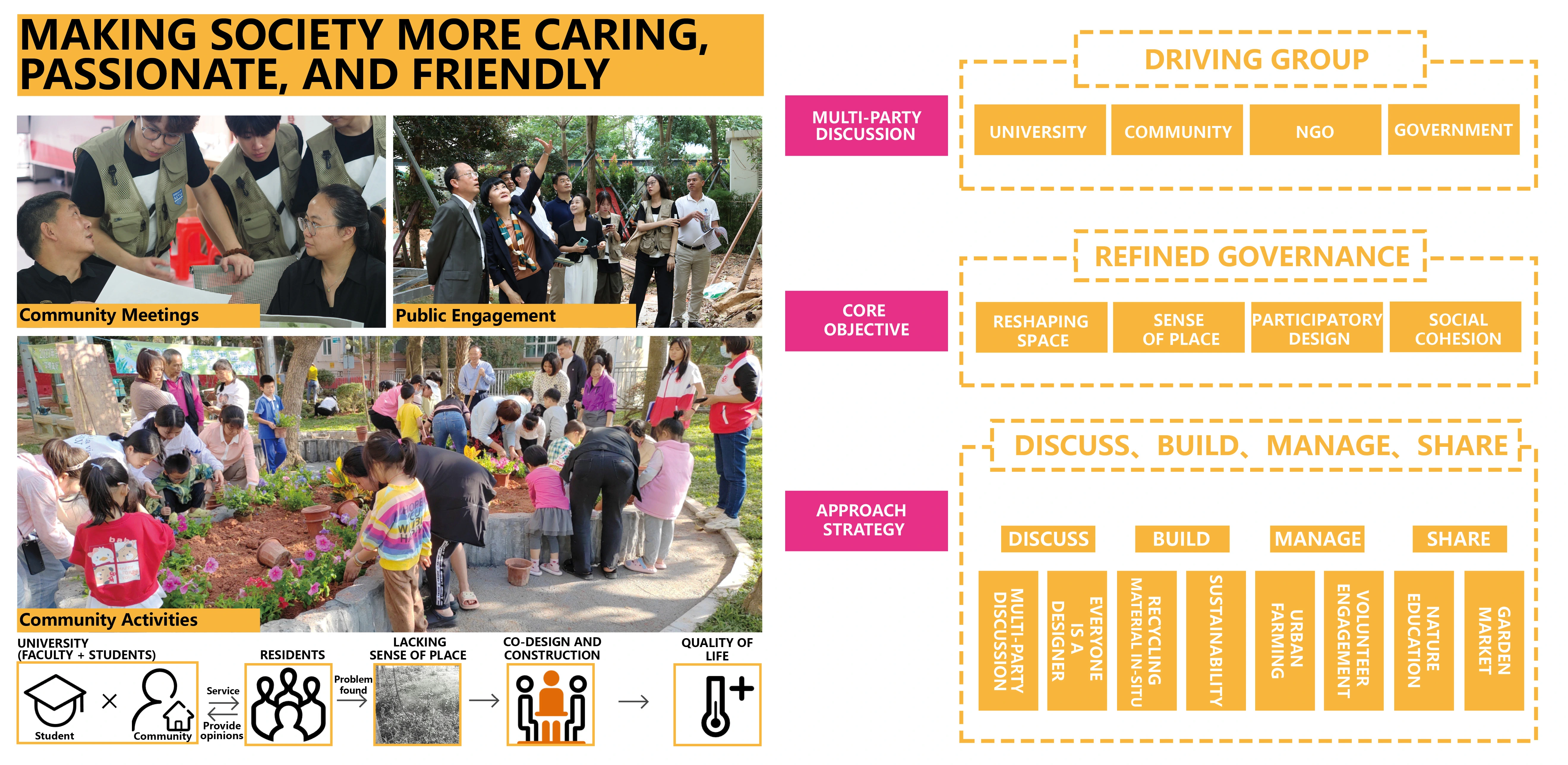
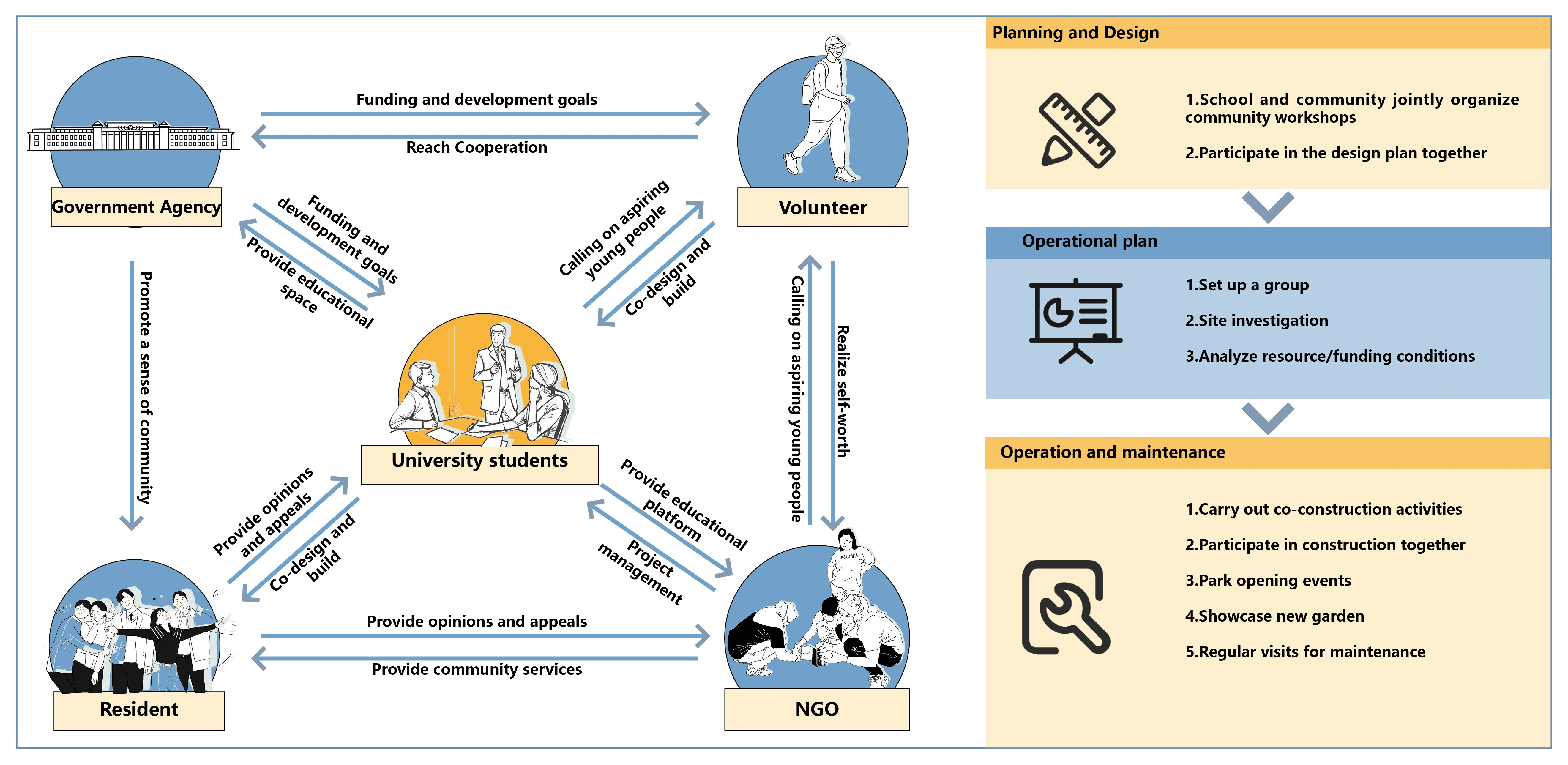
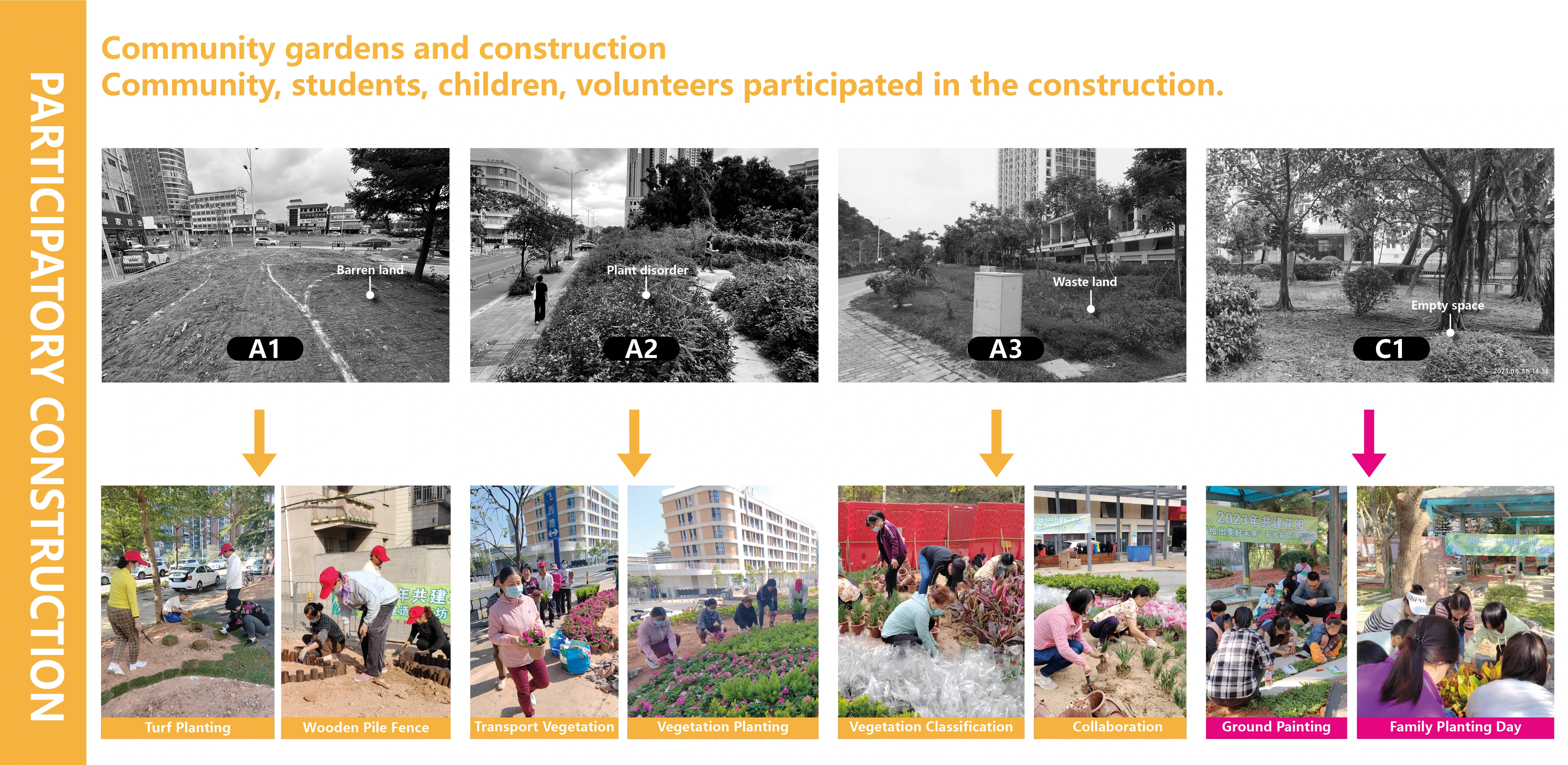
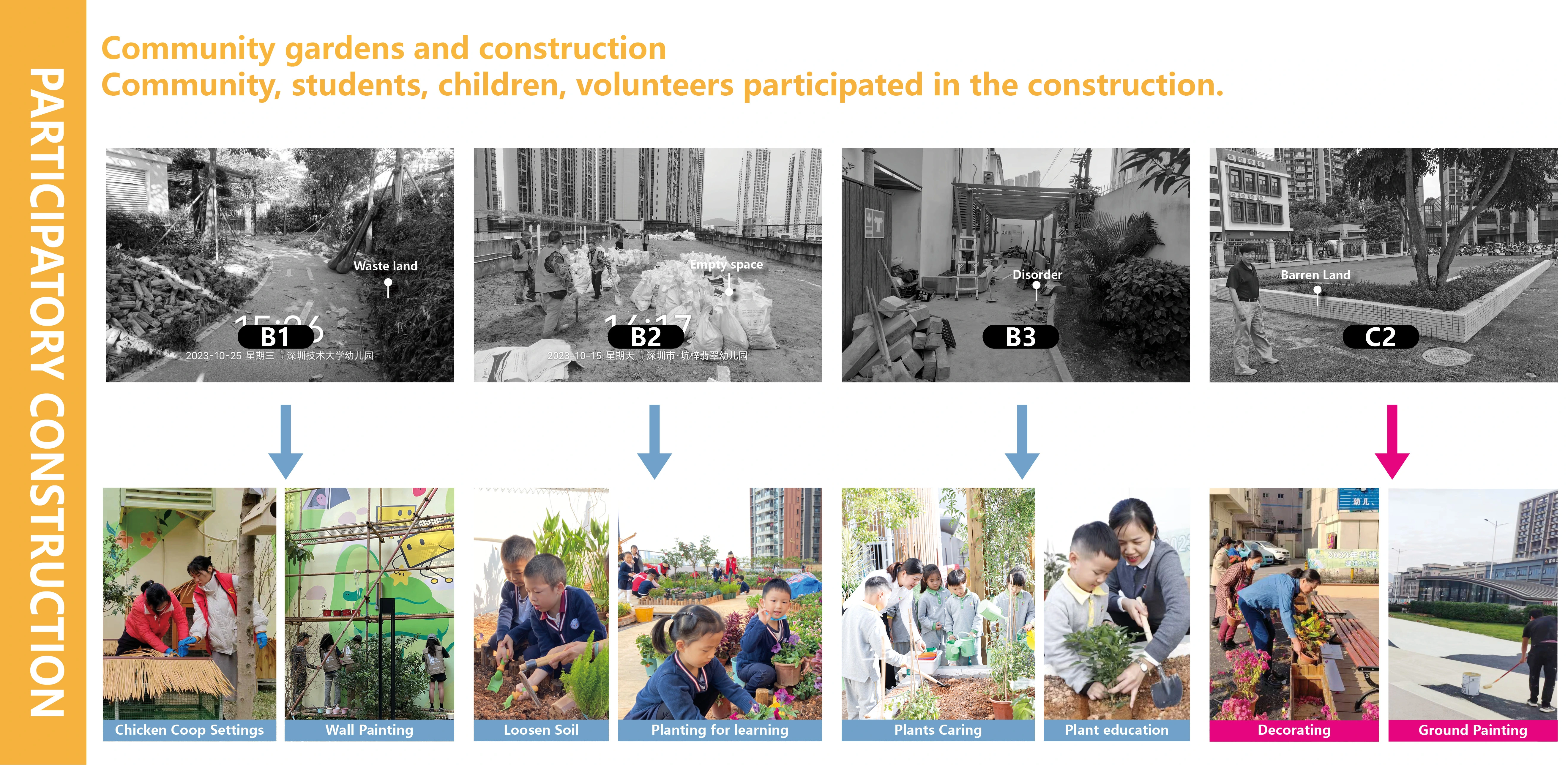
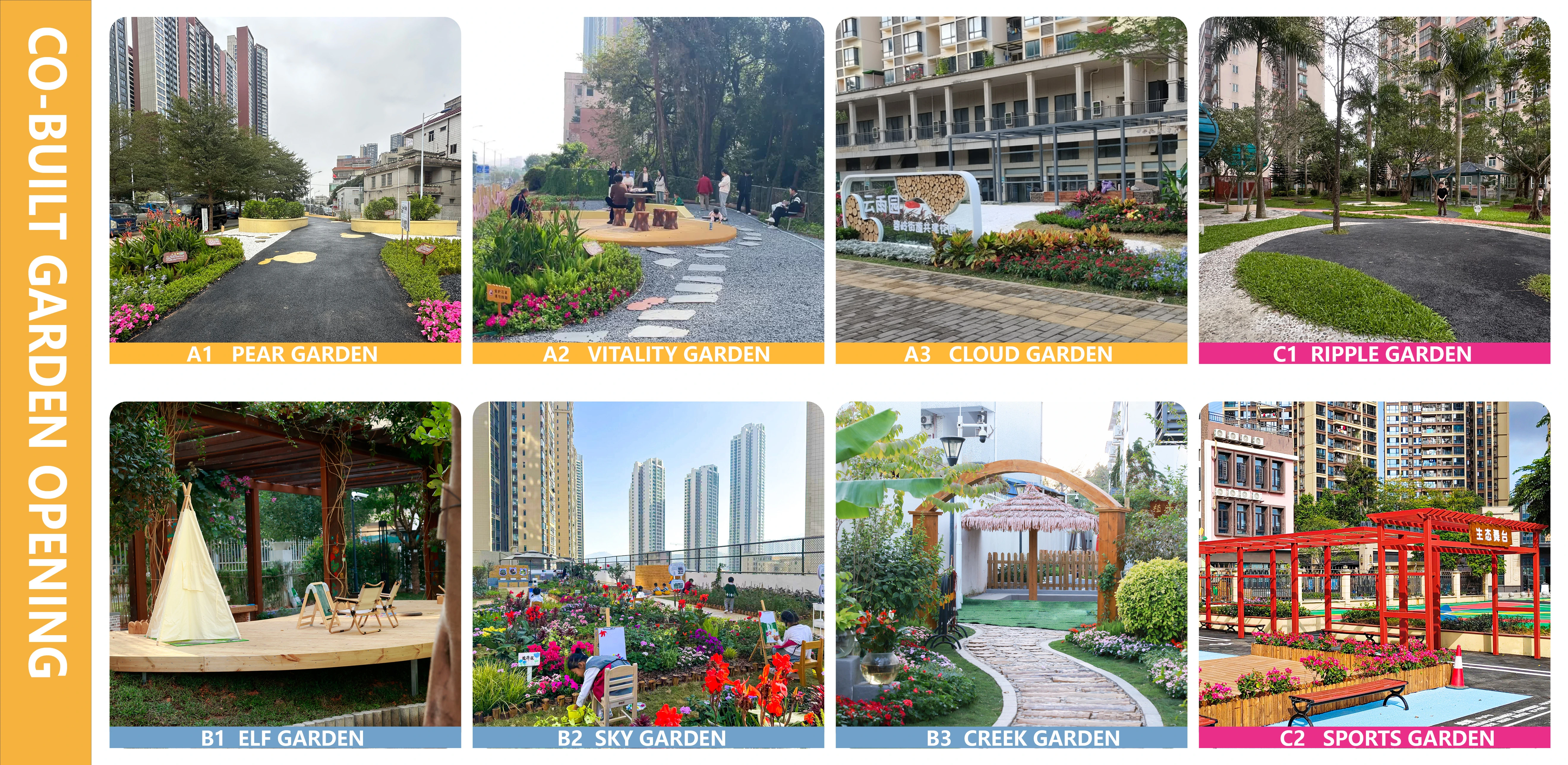
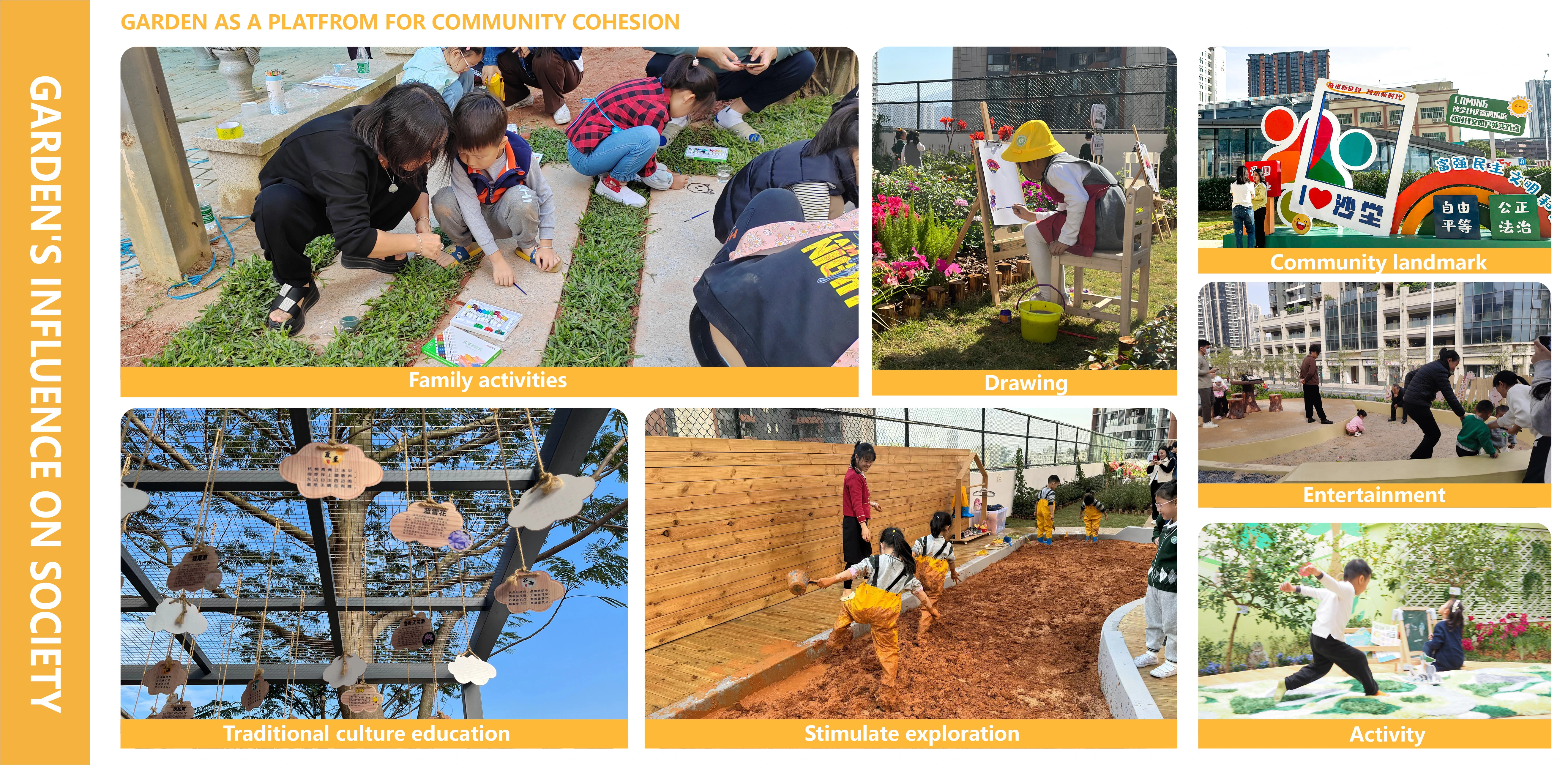
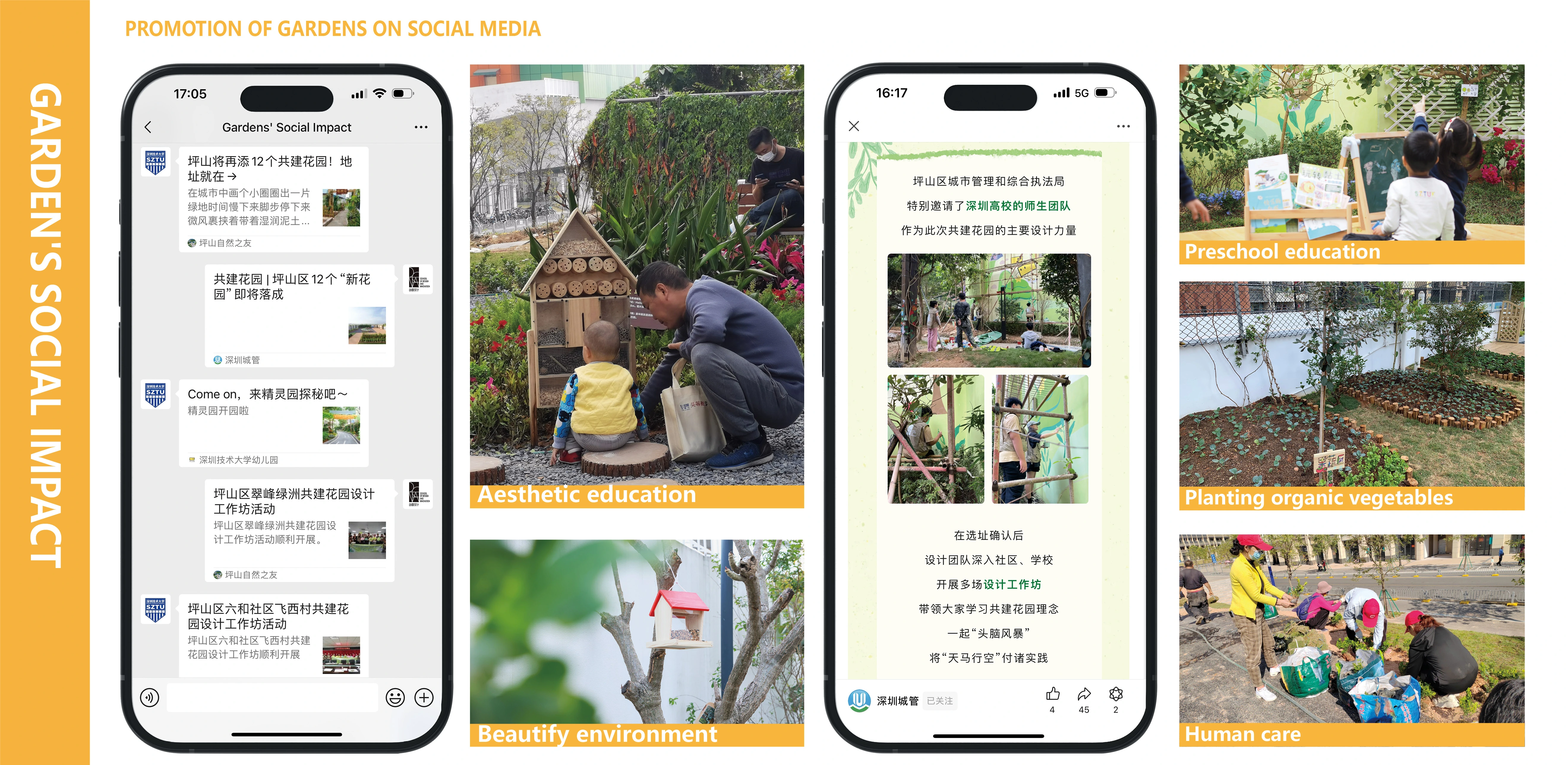
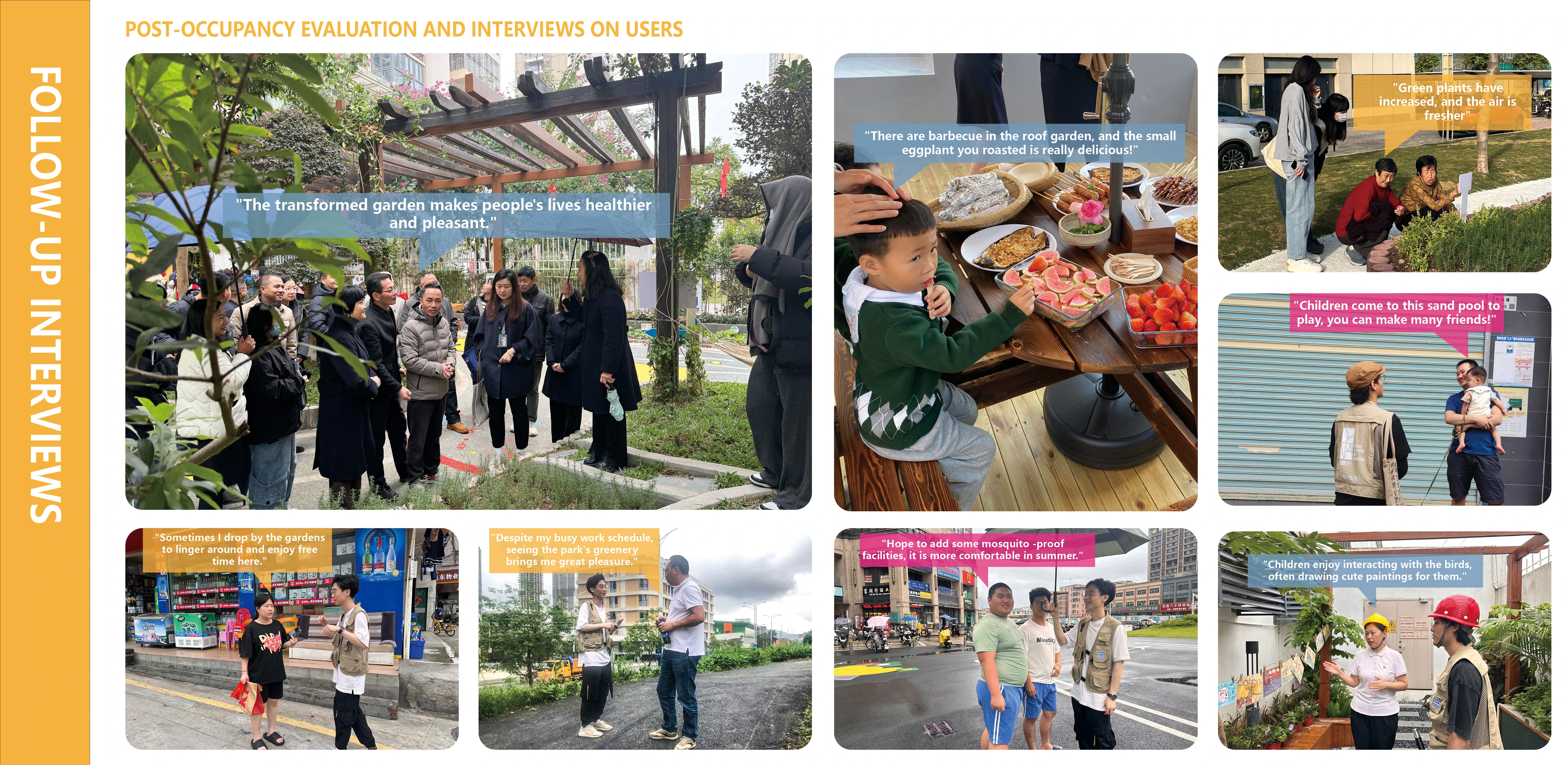
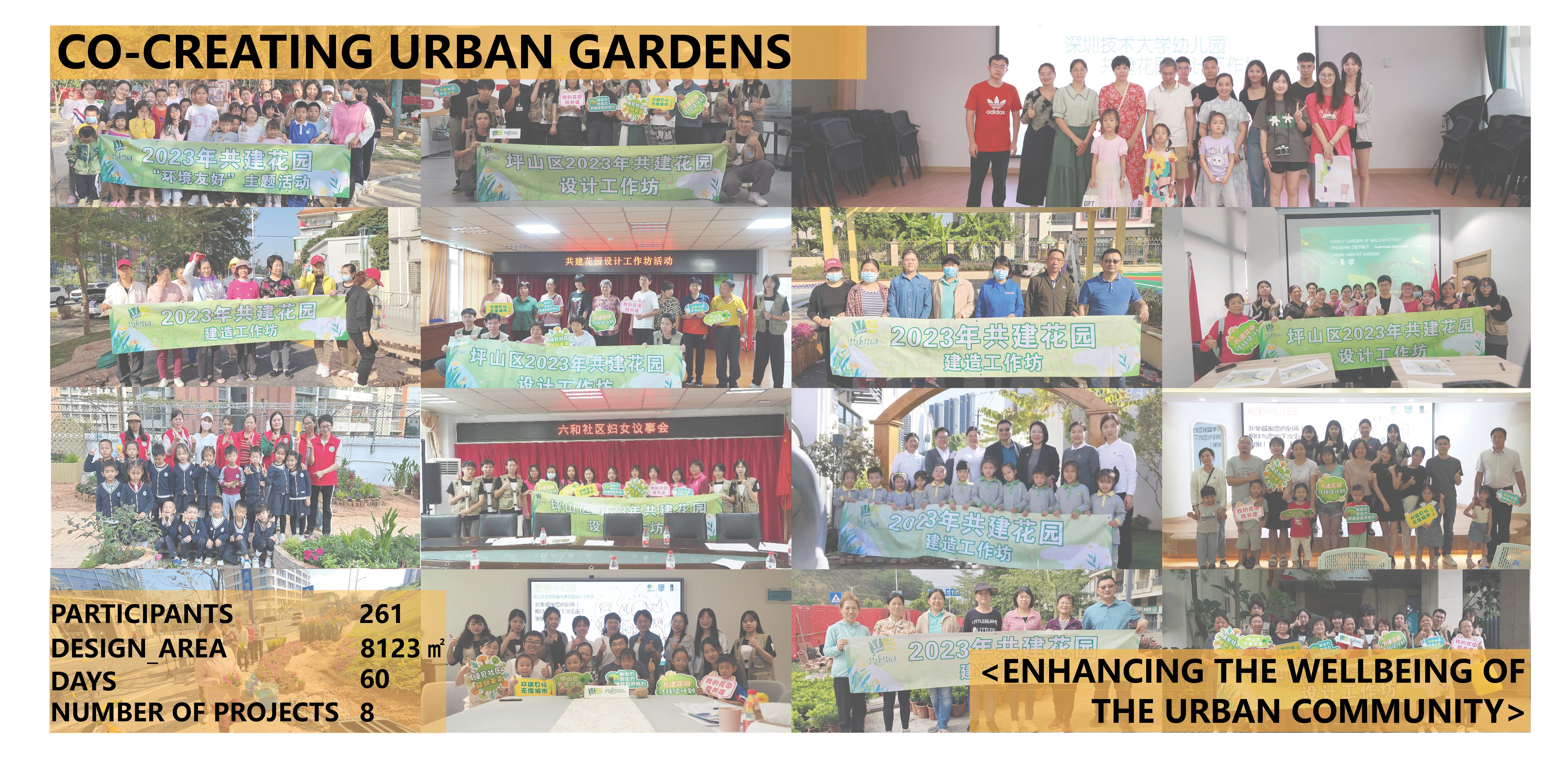
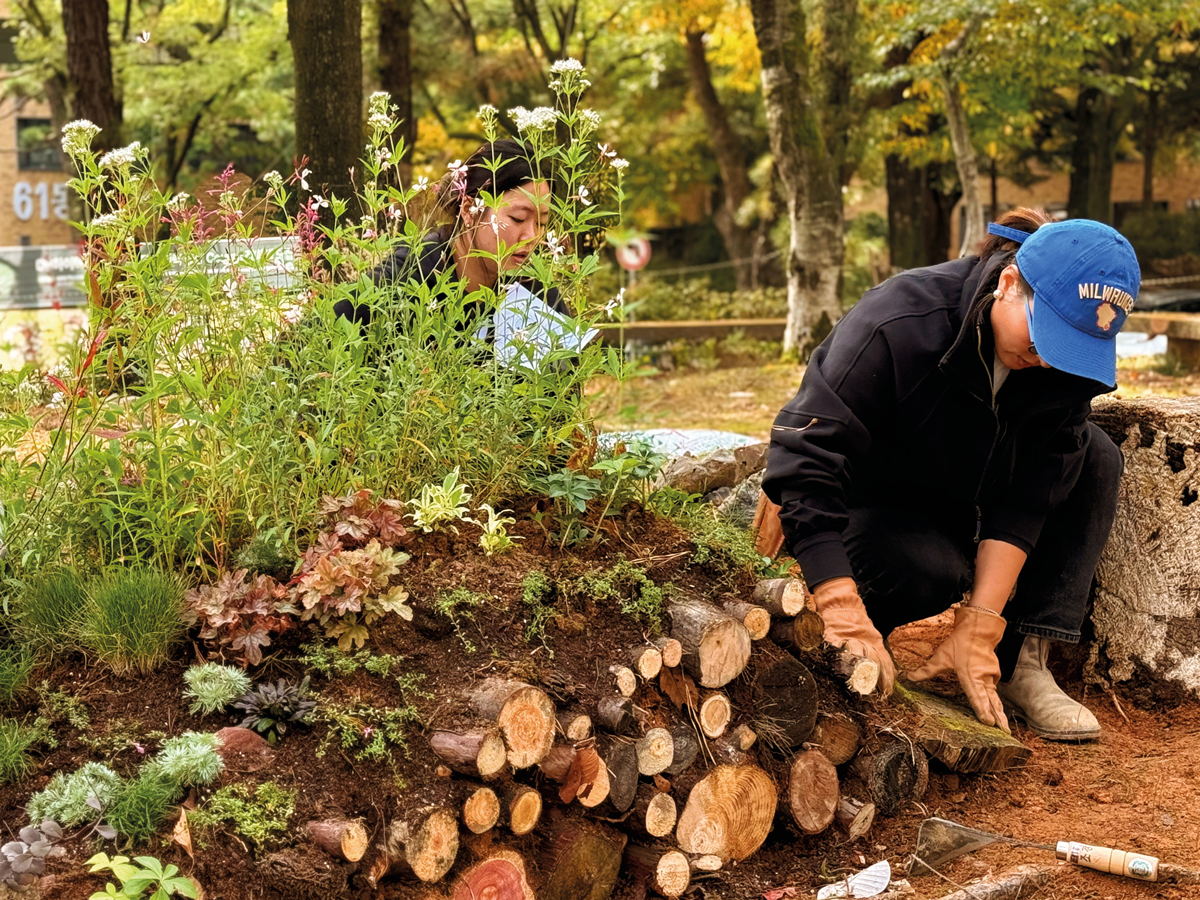
Students from landscape architecture program collaborated with local communities, NGOs, volunteers, and local government agencies to build eight urban gardens within one year after the Covid-19 pandemic. These gardens provide a platform for residents to participate and engage, promoting interaction among neighbors and thereby enhancing community cohesion. The community activities increased physical activity, yielding positive benefits on both physical and mental health. This project explored a novel mechanism for universities to support local communities with design expertise and solicited more self-initiated co-creation and co-construction. We believe that landscape architectureshould make society more caring, compassionate, and friendly.
-
Project Background:
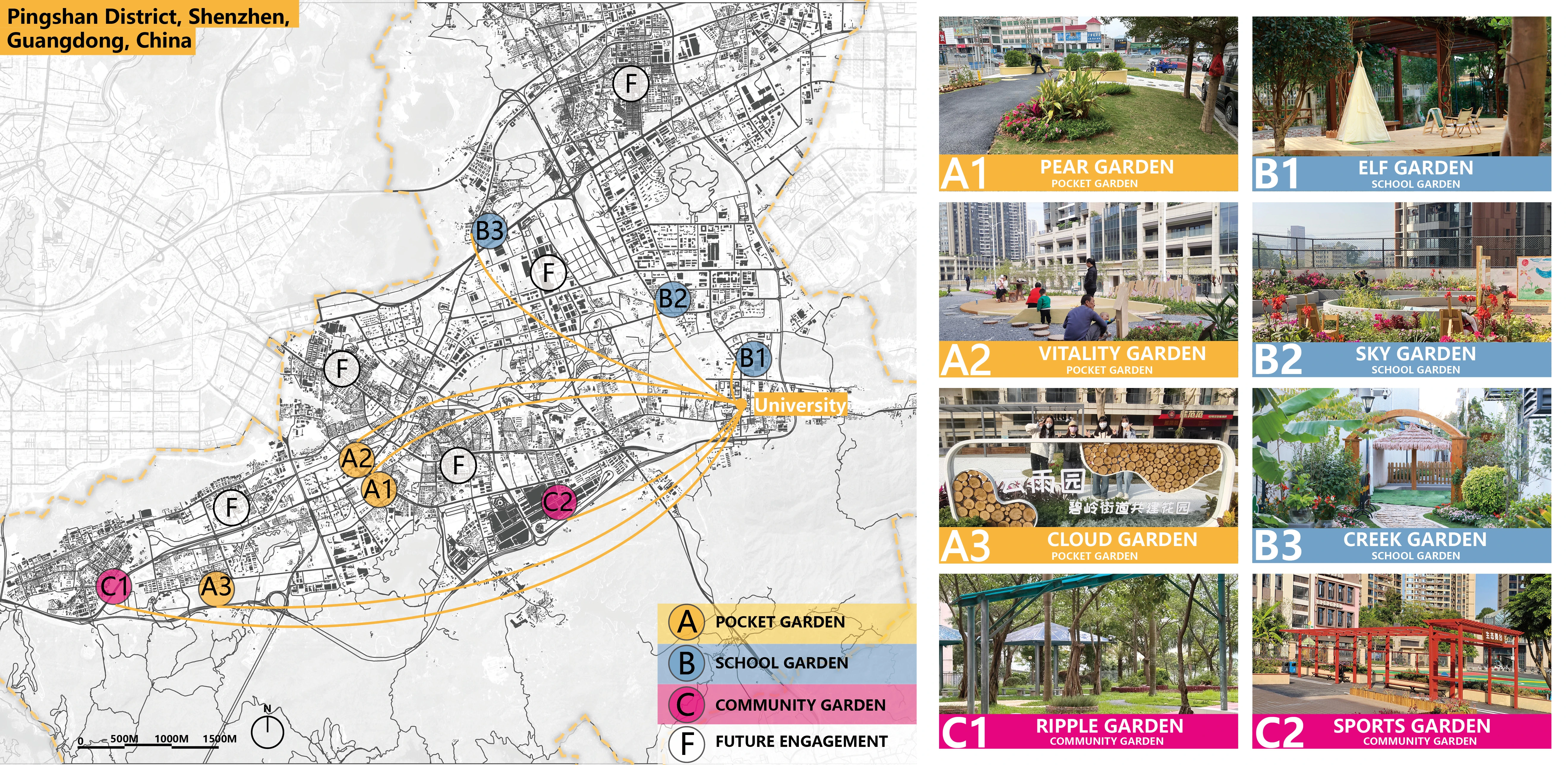
Shenzhen is well known for its “Shenzhen Speed”. Pingshan District, one of its newly developed areas, is undergoing rapid urbanization. While people are generally enthusiastic about large-scale demolition and construction, we are keenly aware of the profound value of small spaces. We collaborated with local communities, NGOs, volunteers and local government agency and built eight urban gardens in one year after the Covid-19 Pandemic. These places play a crucial role in enhancing the quality of life and strengthening human connections, serving as indispensable sanctuaries amidst the relentless pace of urban expansion. Through numerous community activities, we gradually mobilized more and more residents and volunteers. The experience of building real projects was incredibly challenging, but the moment we saw the results come to life, we deeply felt the endless charm of landscape design.
The Eight Sites:
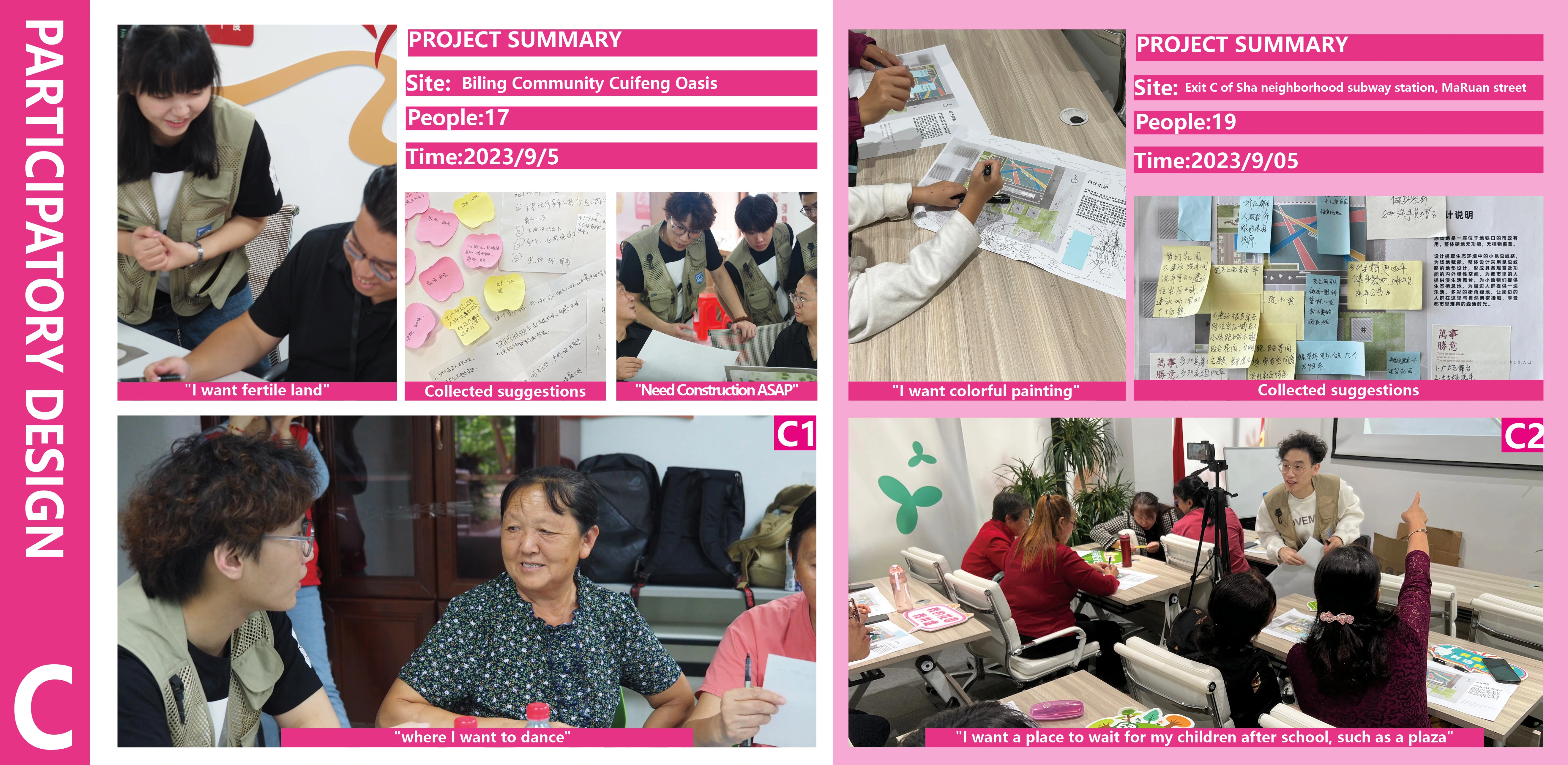
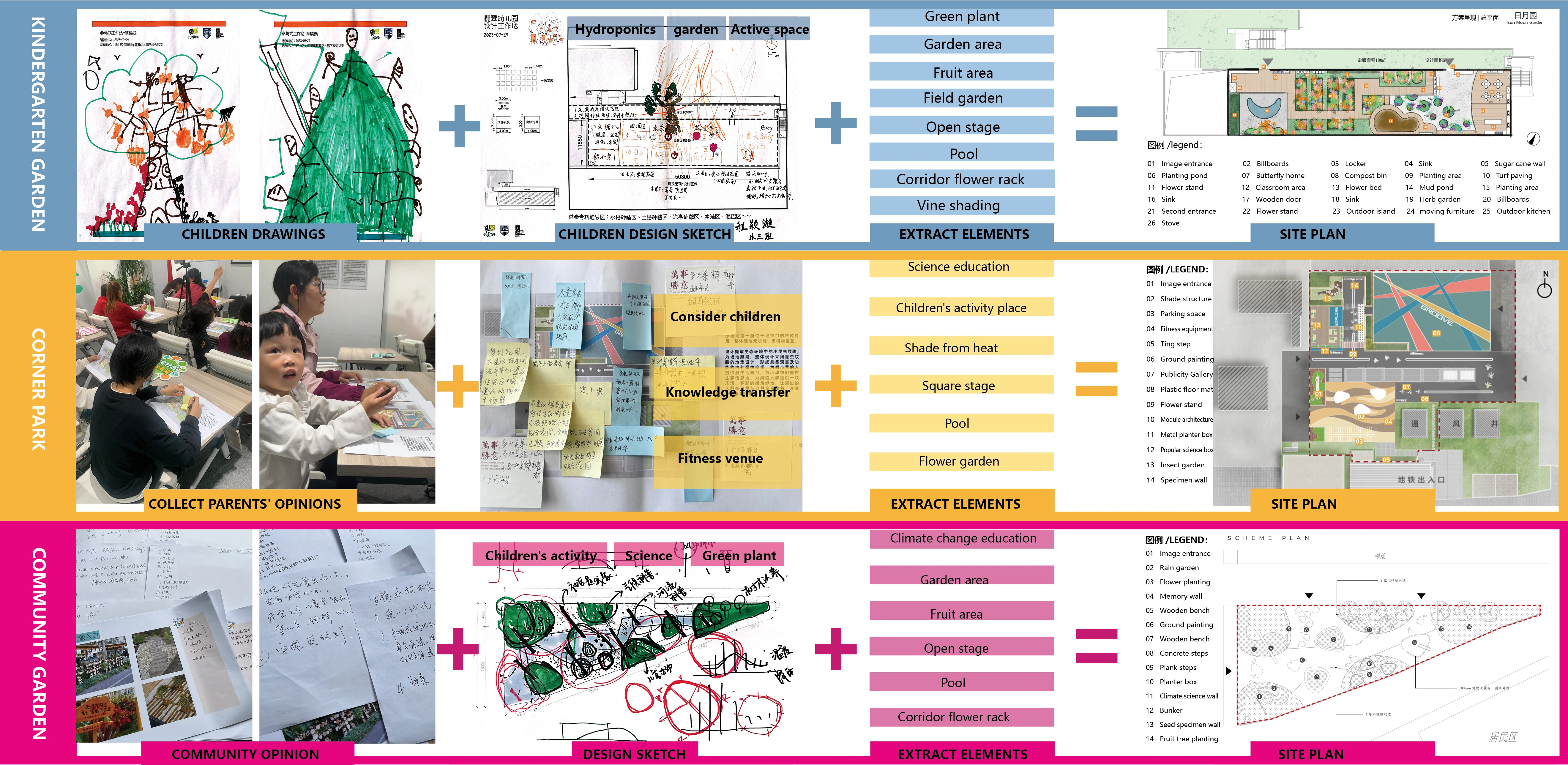
Pocket Gardens: It involves gardens situated at the junction of old urban villages and newly constructed residential areas. While residents of the new areas enjoy private courtyards, their neighbors in the urban villages live in poorly maintained, noise-polluted spaces adjacent to busy roads, often filled with trash and unmanaged. These urban villages are a unique type of affordable housing in Shenzhen, inhabited by many low-income individuals. Our gardens provide these residents with much-needed spaces for relaxation, interaction, and socializing, strengthening the bonds within the community.
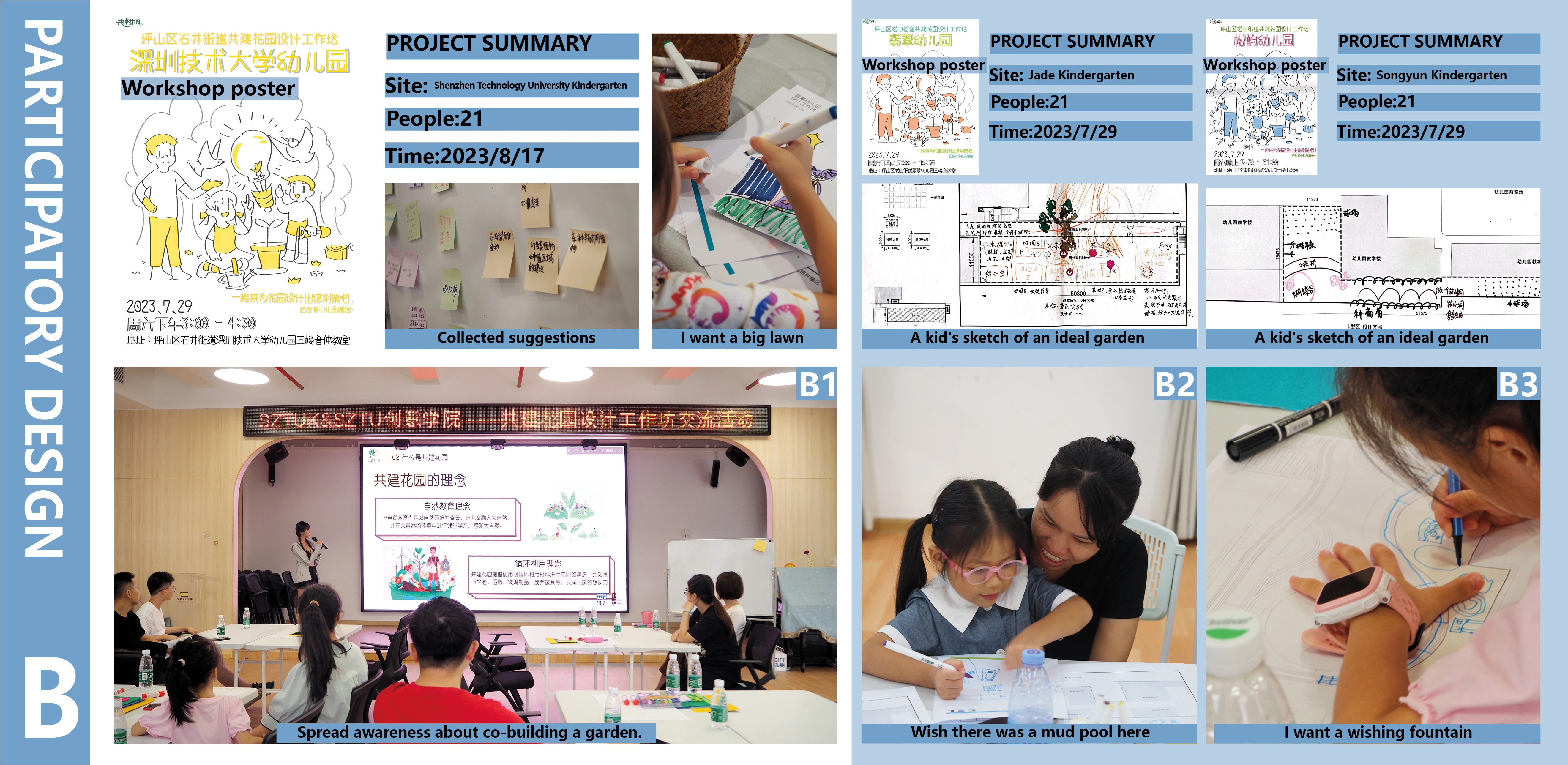
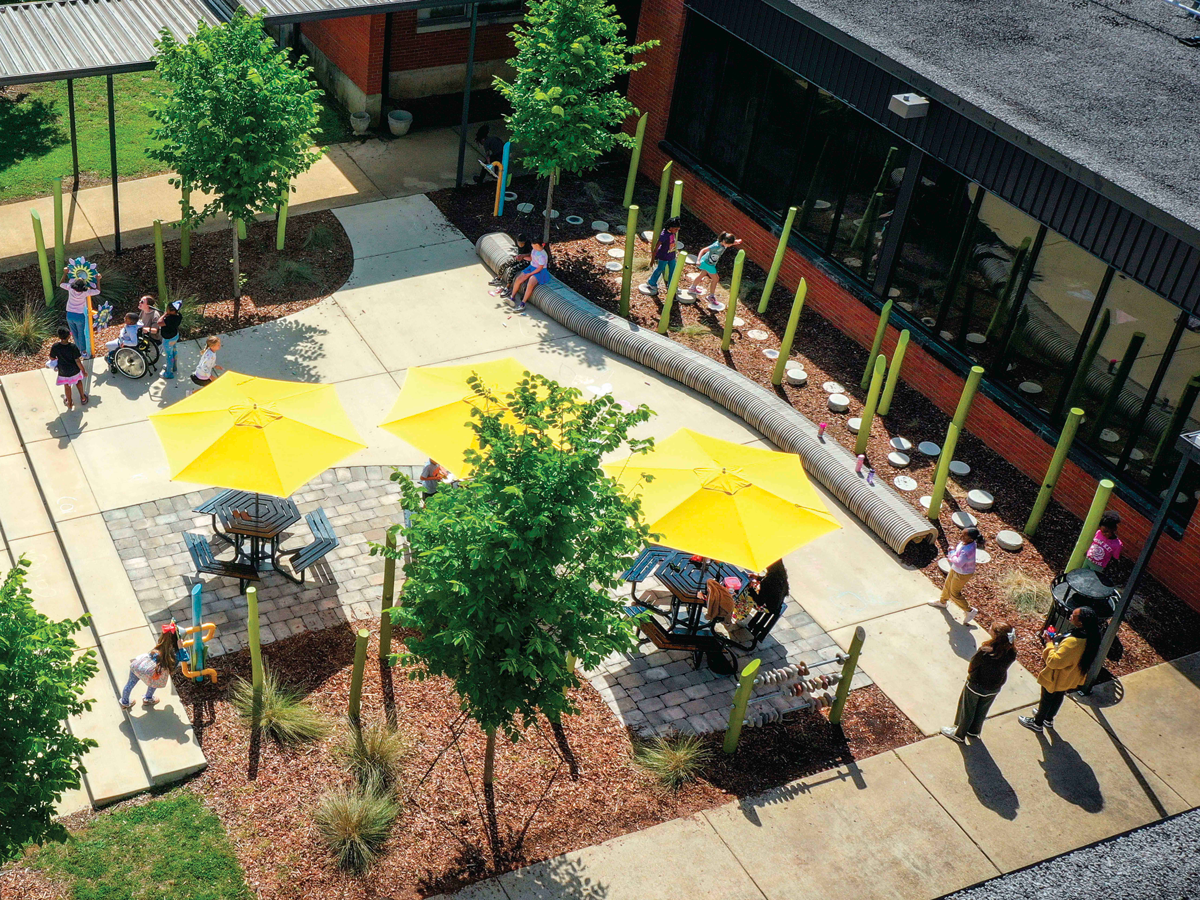
School Gardens: It includes gardens located within schools such as kindergartens. These kindergartens had underutilized spaces that teachers hoped to transform into areas with more educational functions while also serving as gathering places for the community. Consequently, parts of the kindergarten grounds transitioned from private spaces to community living rooms. Residents regularly host activities here, fostering interaction and sharing.
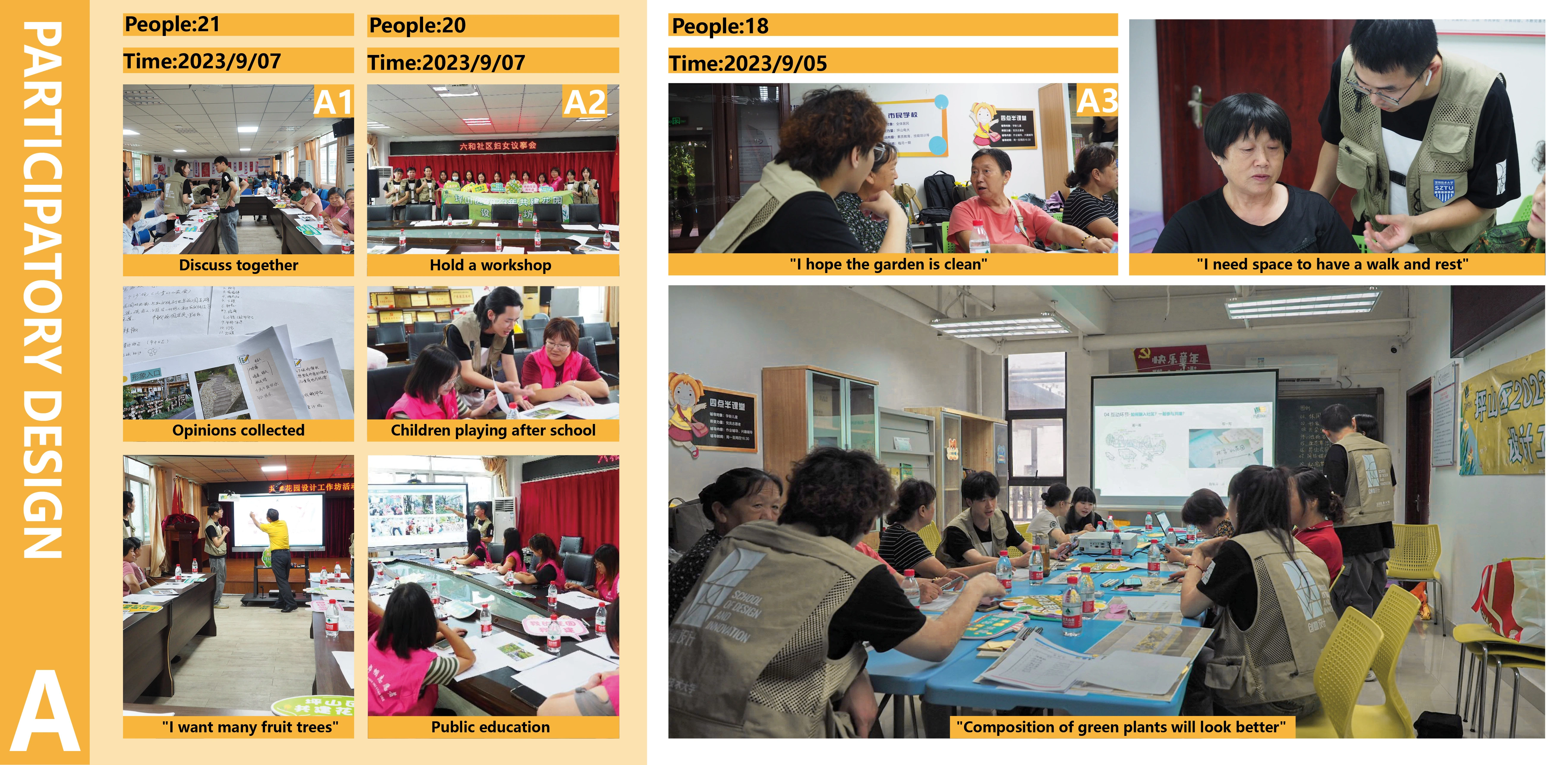
Community Gardens: It includes gardens next to high-density residential areas. These areas were originally open green spaces or hardscapes without specific functions, traversed daily by numerous residents. The community expressed a need for recreational spaces. After the gardens opened, residents frequently visit to walk, entertain, enjoy the greenery, and even hold small soccer matches. More and more people are stepping out of their homes to engage with neighbors, exercise, and relish the fresh outdoor air.
Vision:
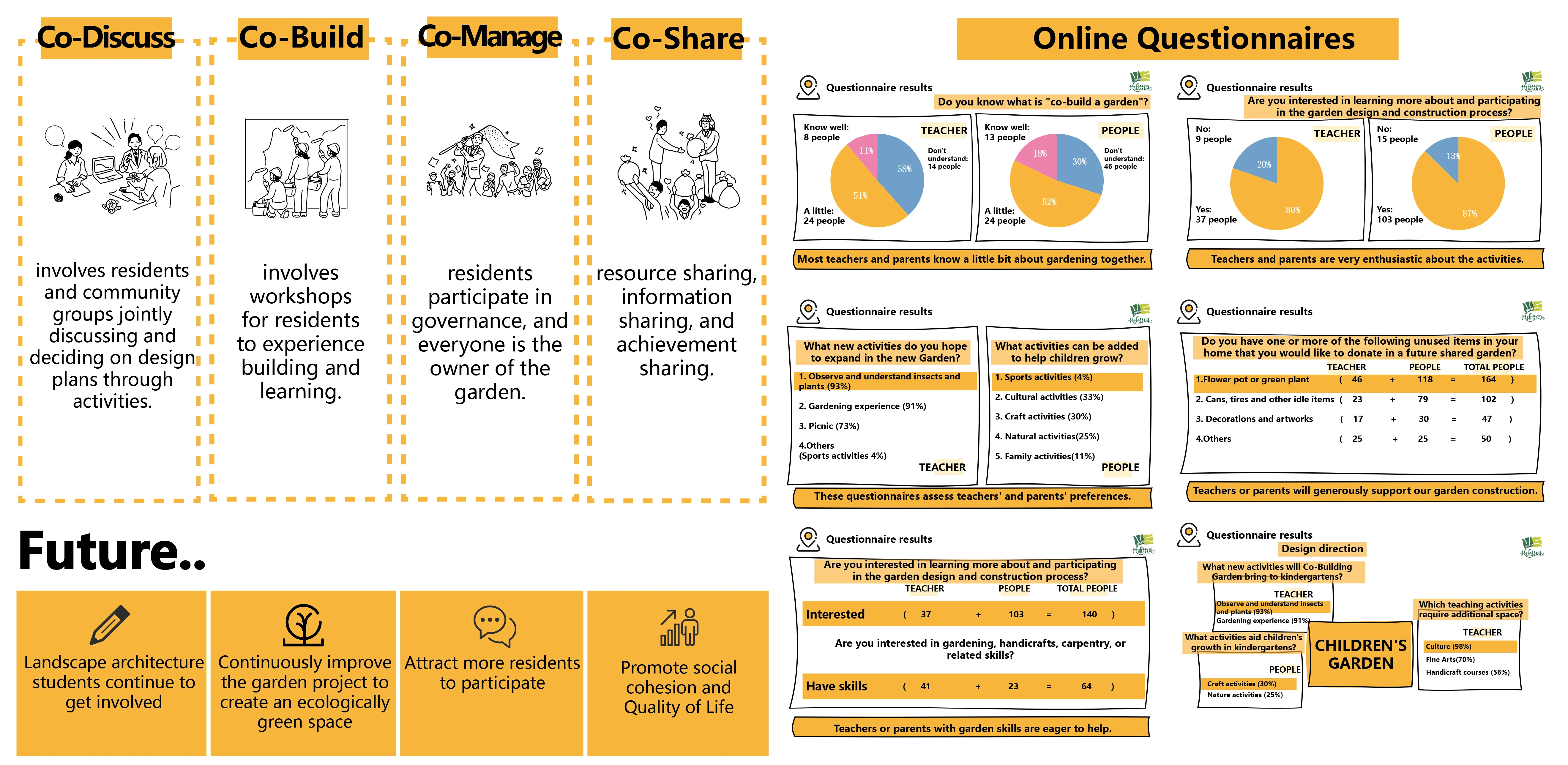
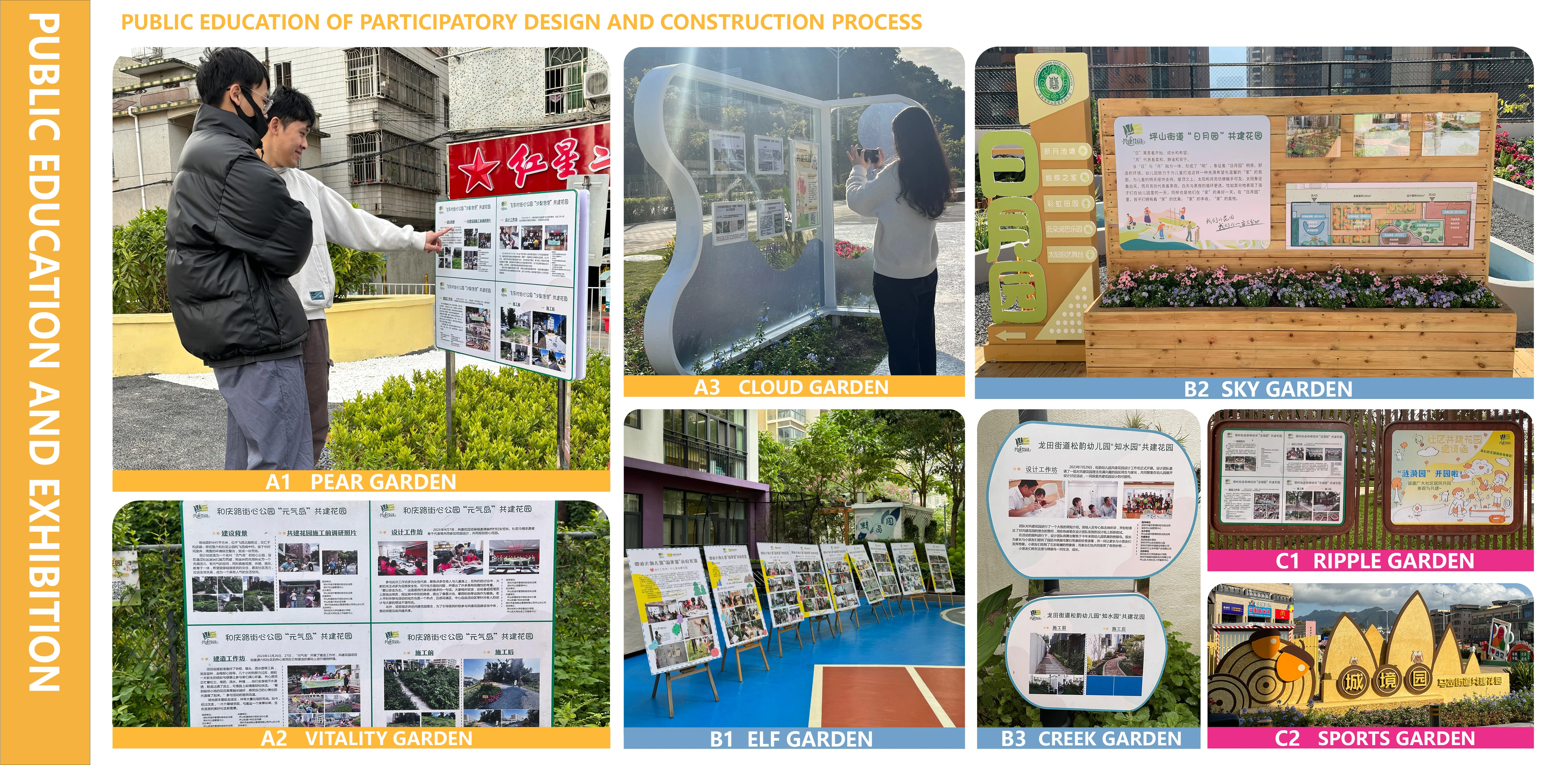
In our values, design is not just a noun but a verb. The process of creating spaces holds far greater value than the result itself. Every stage of each of our projects involves participation from multiple parties. For instance, site selection goes through a process of public applications and comprehensive evaluations. During the initial concept phase, we gather public input through surveys, interviews, and design workshops. At the same time, we promote sustainable and low-carbon design concepts, using design as a means of public education. As a medium, design enhances communication between neighbors and fosters a sense of belonging among residents, laying a solid foundation for the successful future operation of the gardens. We’ll continuously contribute to the communities through our professional knowledge. We hope this project could inspire other universities to support local communities with design expertise and make society more caring, compassionate, and friendly.
Advertisement
Related Awards
Award of Excellence, Student Community Service
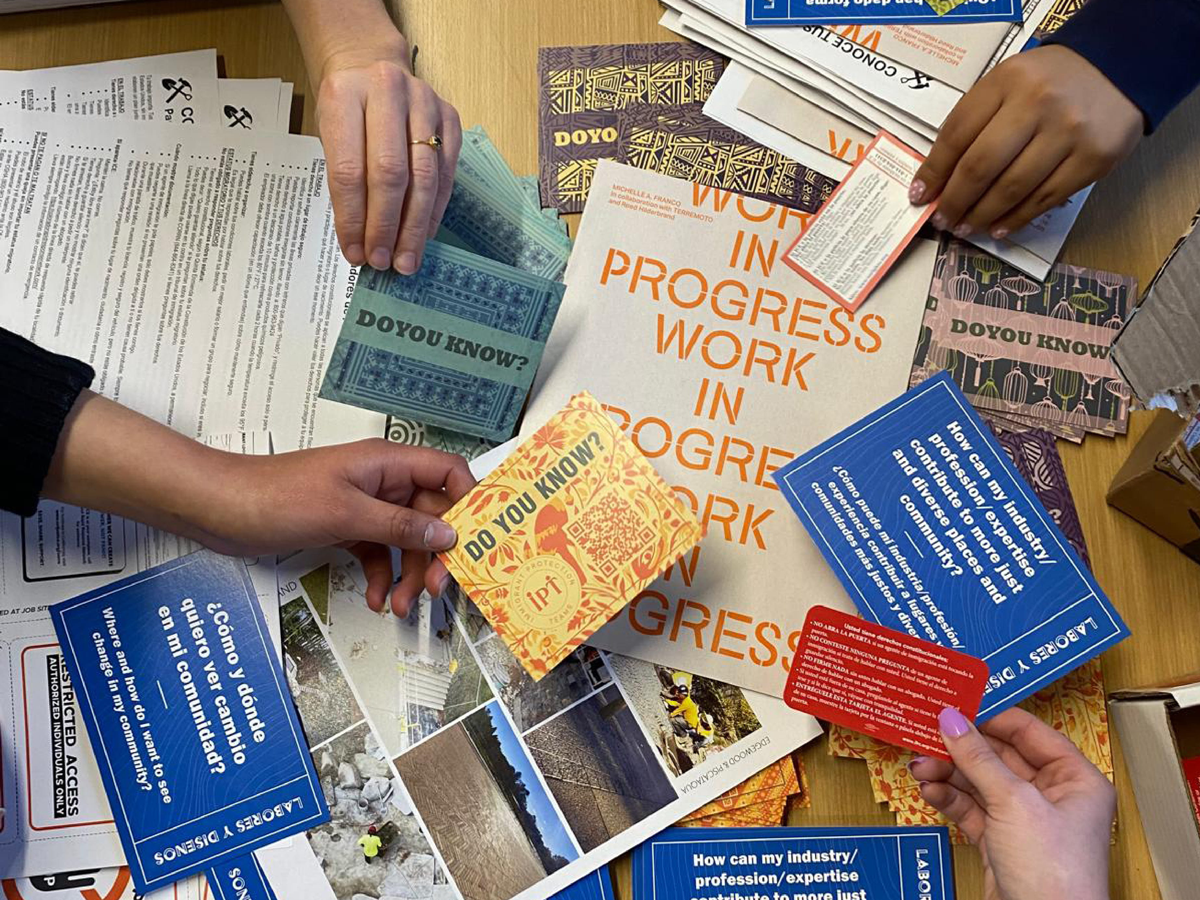
Labores y Diseños
Location: Fort Collins, CO
Students: Lilliana Lopez, Bianca Ruiz Chavez; Louise Halaburt, Student ASLA
Faculty Advisor(s): Lindsay Burnette, ASLA
School: Colorado State University (BSLA)
Student-organized pro bono community initiative in partnership with a local immigrant rights organization to honor immigrant labor in the landscape architecture profession. The program included a film screening and an interdisciplinary panel with leaders in landscape architecture, landscape contracting, and construction, creating space for dialogue on ethical labor practices, recognition, and care for immigrant workers. The team raised $7,000 to fund the event, support invited speakers, provide meals for attendees, and donate surplus funds to the community partner.
Related Articles
ASLA Fund
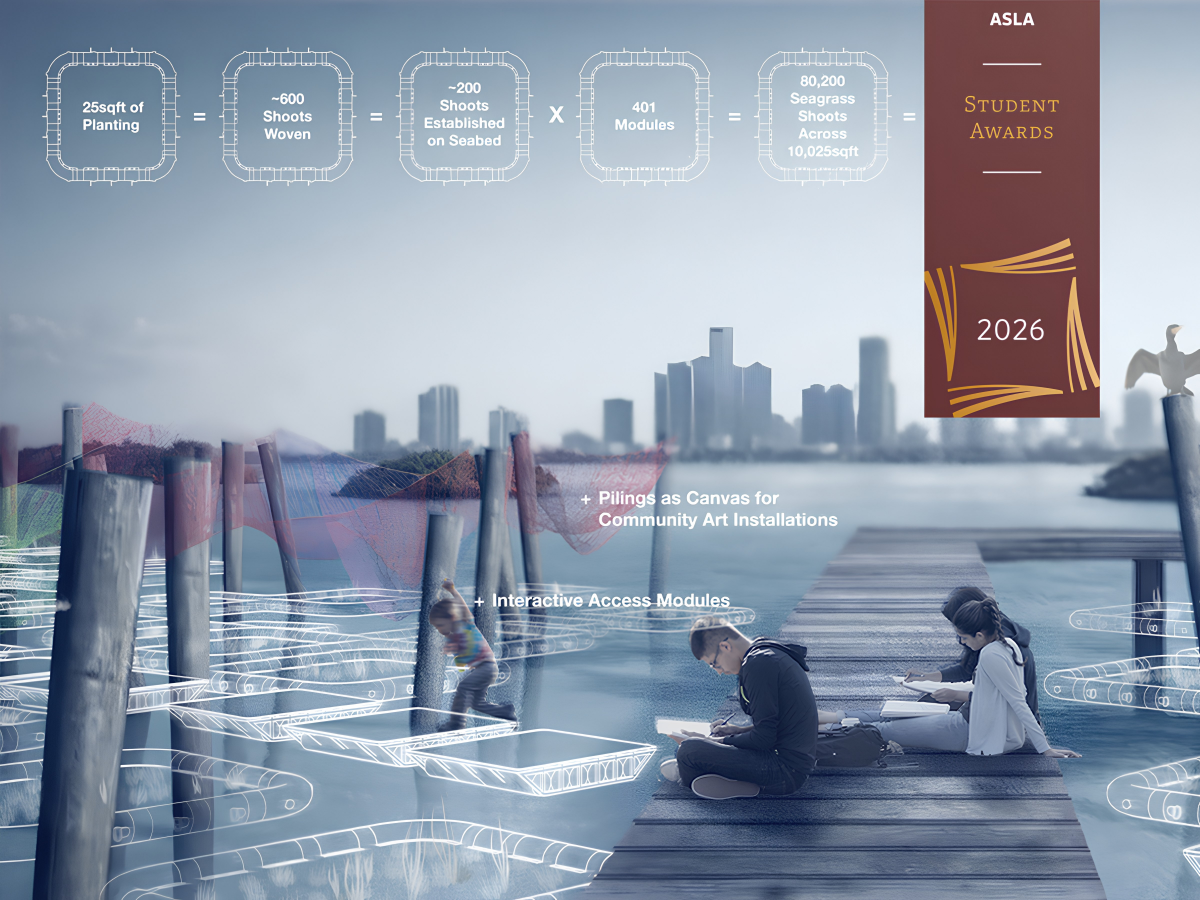
American Society of Landscape Architects Announces its 2026 Student Awards
39 Student Award winners elevate the future of the landscape architecture profession
Aug 24 2026