
.webp?language=en-US)
.webp?language=en-US)
Revitalization of Life
Reza Farhadi, Student International ASLA; Maryam Noroozi; Amir Rahsaz, Student International ASLA; Mahshid Delavar; Hengameh Ghasemi, Student International ASLA; Majid Aghazadeh
-
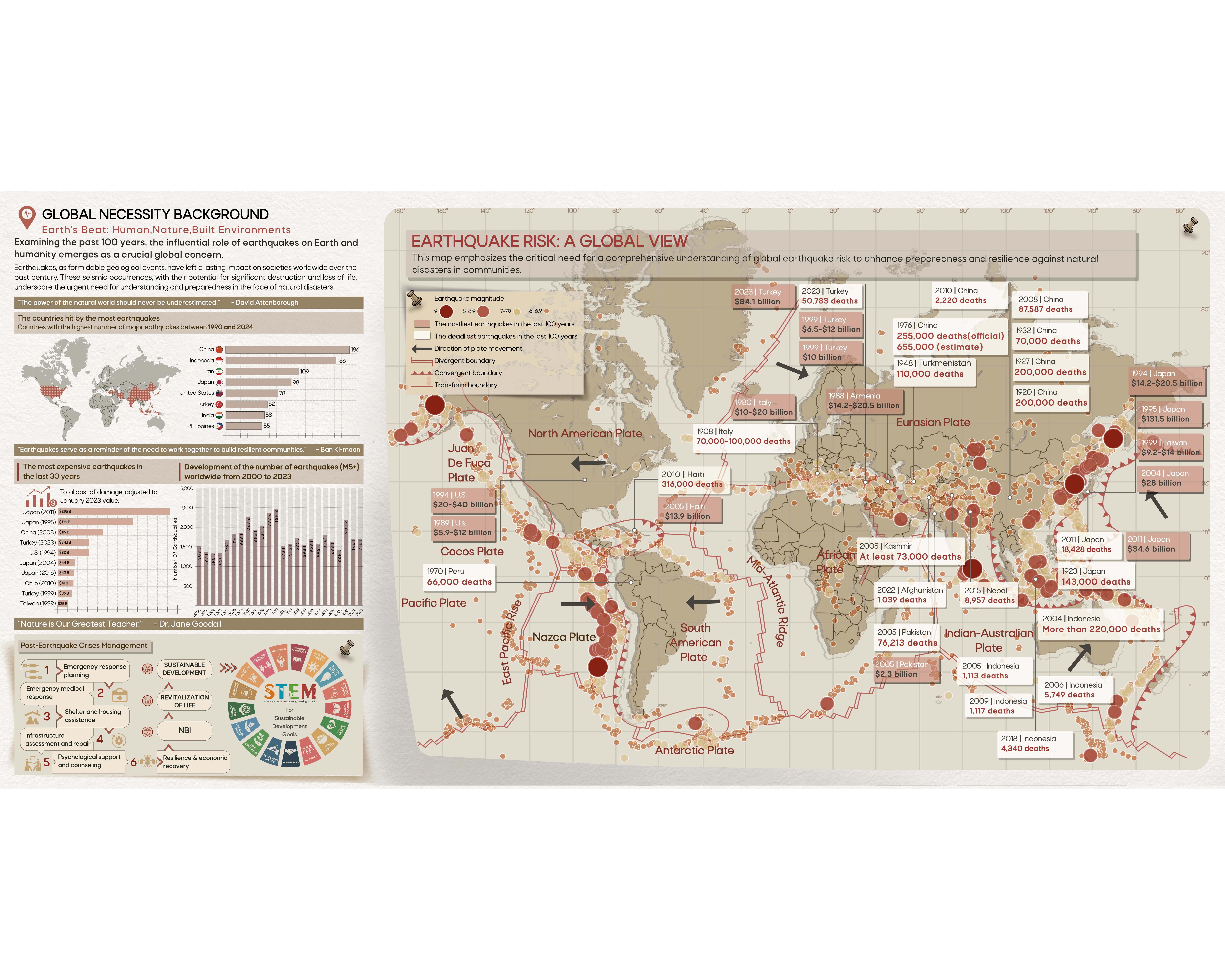
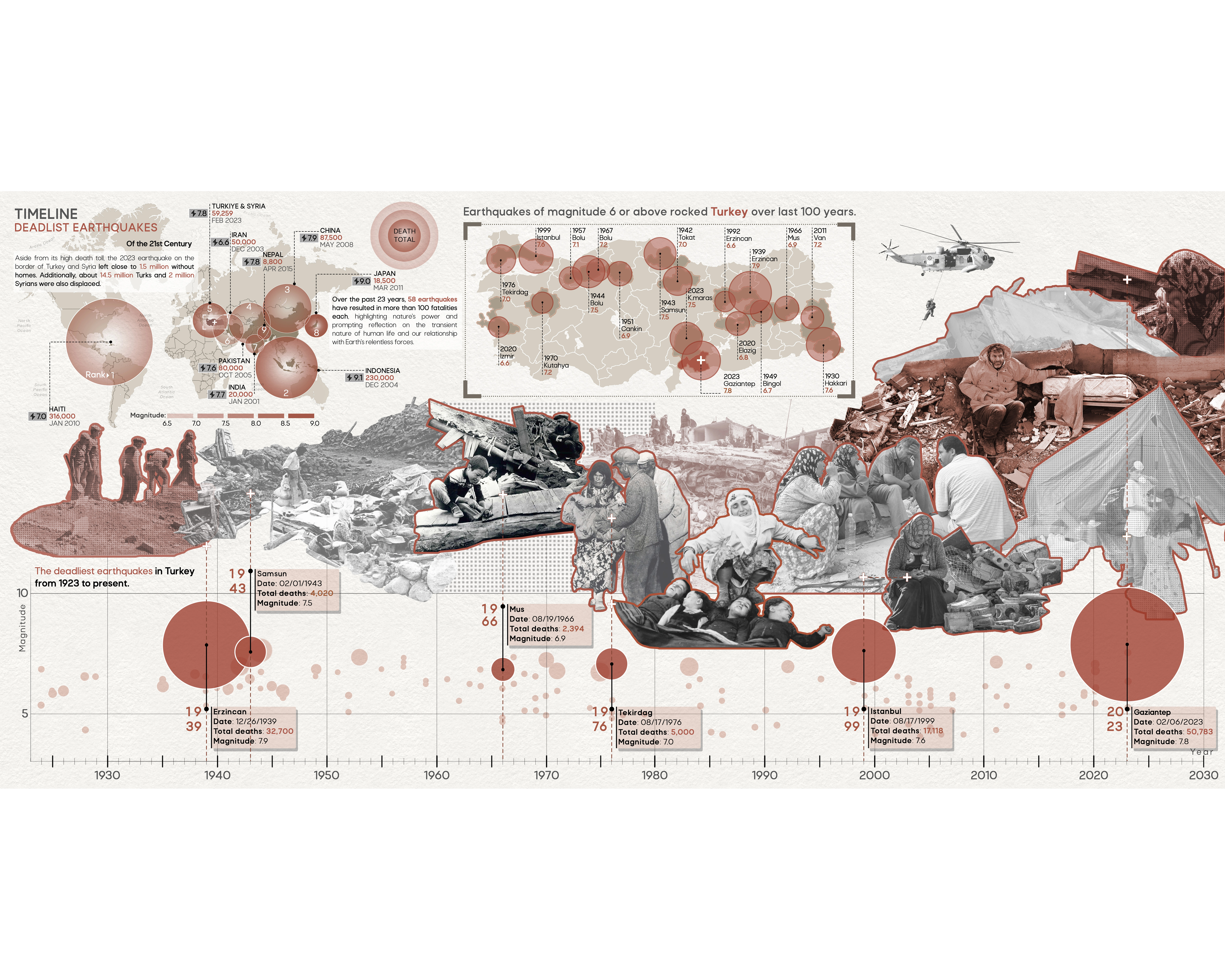
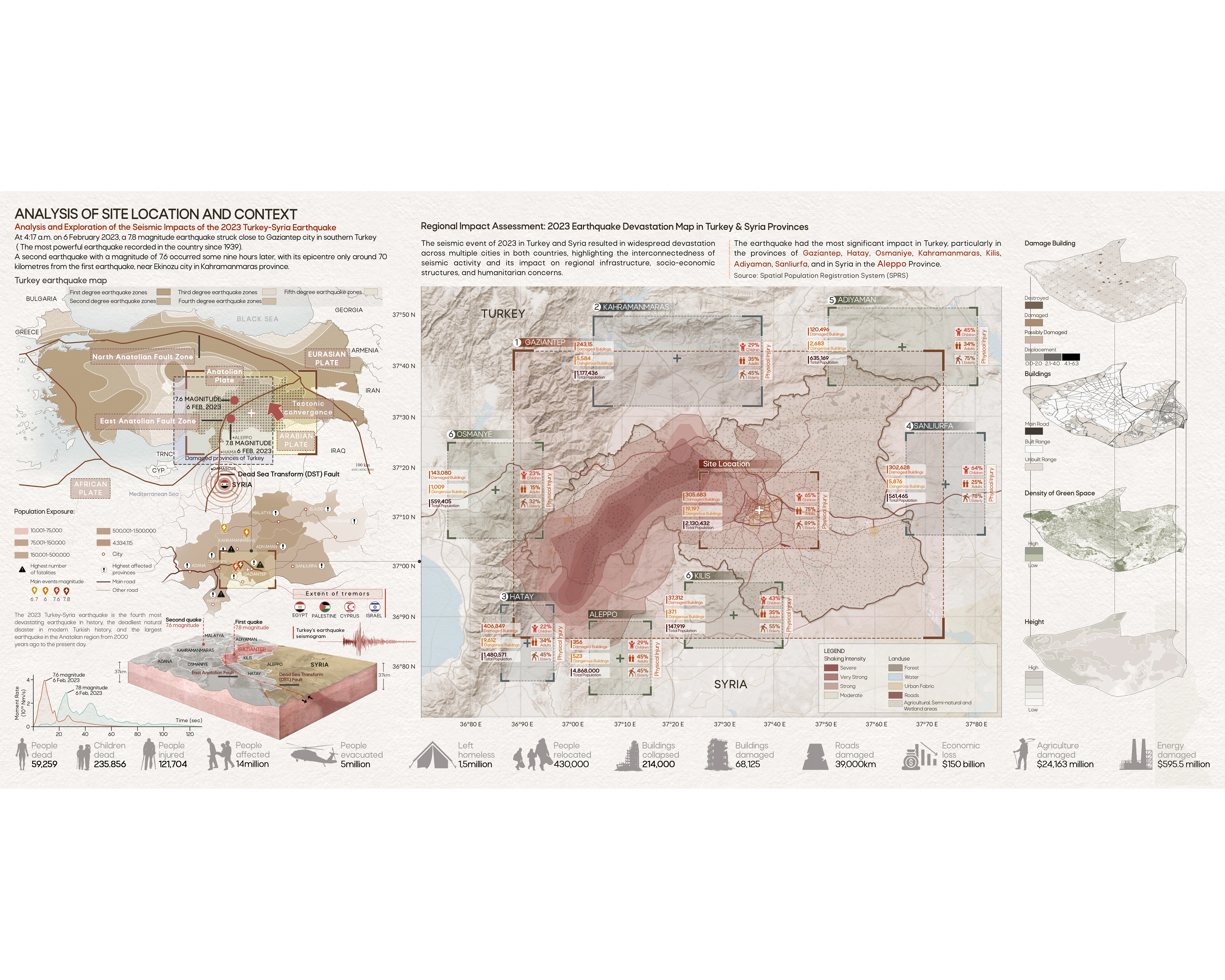
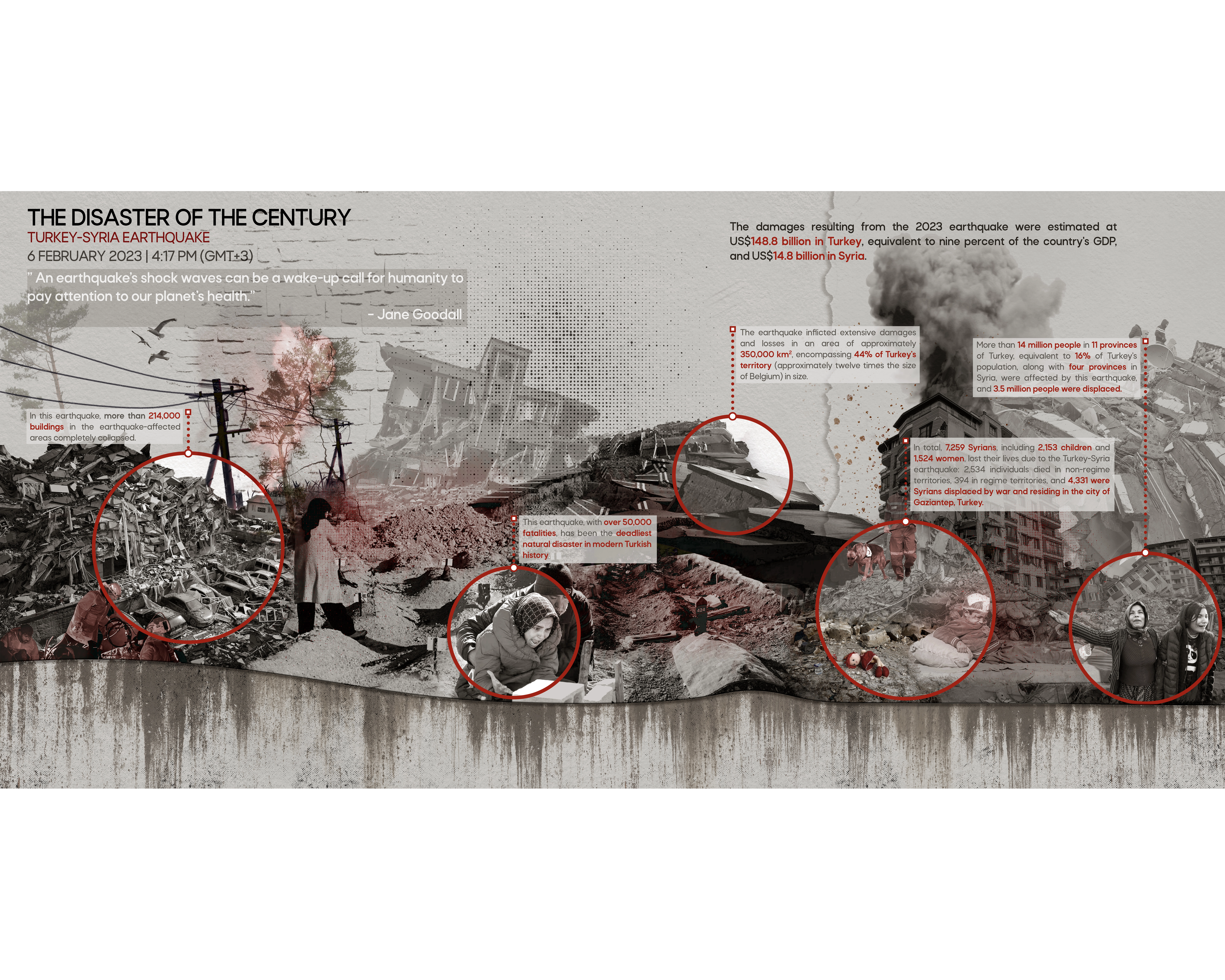
The catastrophic earthquakes that struck Turkey and Syria in February 2023 served as a stark reminder of the devastating power of natural disasters and the profound impacts they may have on human settlements. With a combined of 7.8 and 7.6 Richter, these twin earthquakes unleashed a trail of destruction that left a mark on the region for years to come. The death toll surpassed 59,000, with countless more injured and displaced. Cities especially Gaziantep were reduced to rubble, their infrastructure shattered, and their communities deeply scarred. Amidst the despair, lies an opportunity to rebuild Gaziantep in a way that is not only resilient to future disasters but also fosters a more sustainable and equitable future for its citizens.
-
Project Background
The historic city of Gaziantep, Türkiye, nestled in the Anatolian region, endured a devastating earthquake in 2023. In a few seconds, tens of thousands of city residents were buried under tons of rubble. Gaziantep has gone through a tragedy on an unparalleled scale; 85% of the town has in one way another experienced the loss of a direct family member, a relative, a neighbor, or a friend.Global Concept
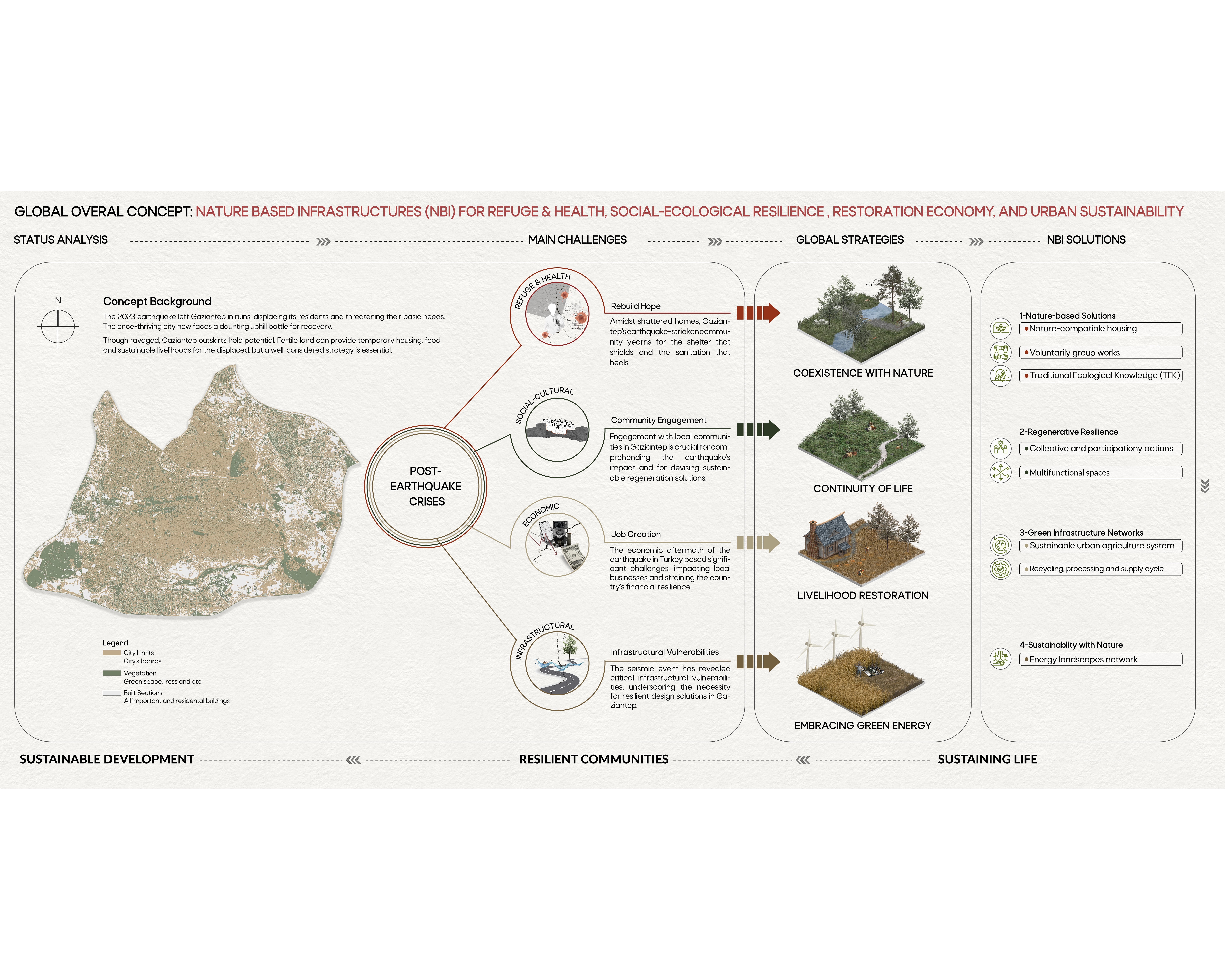
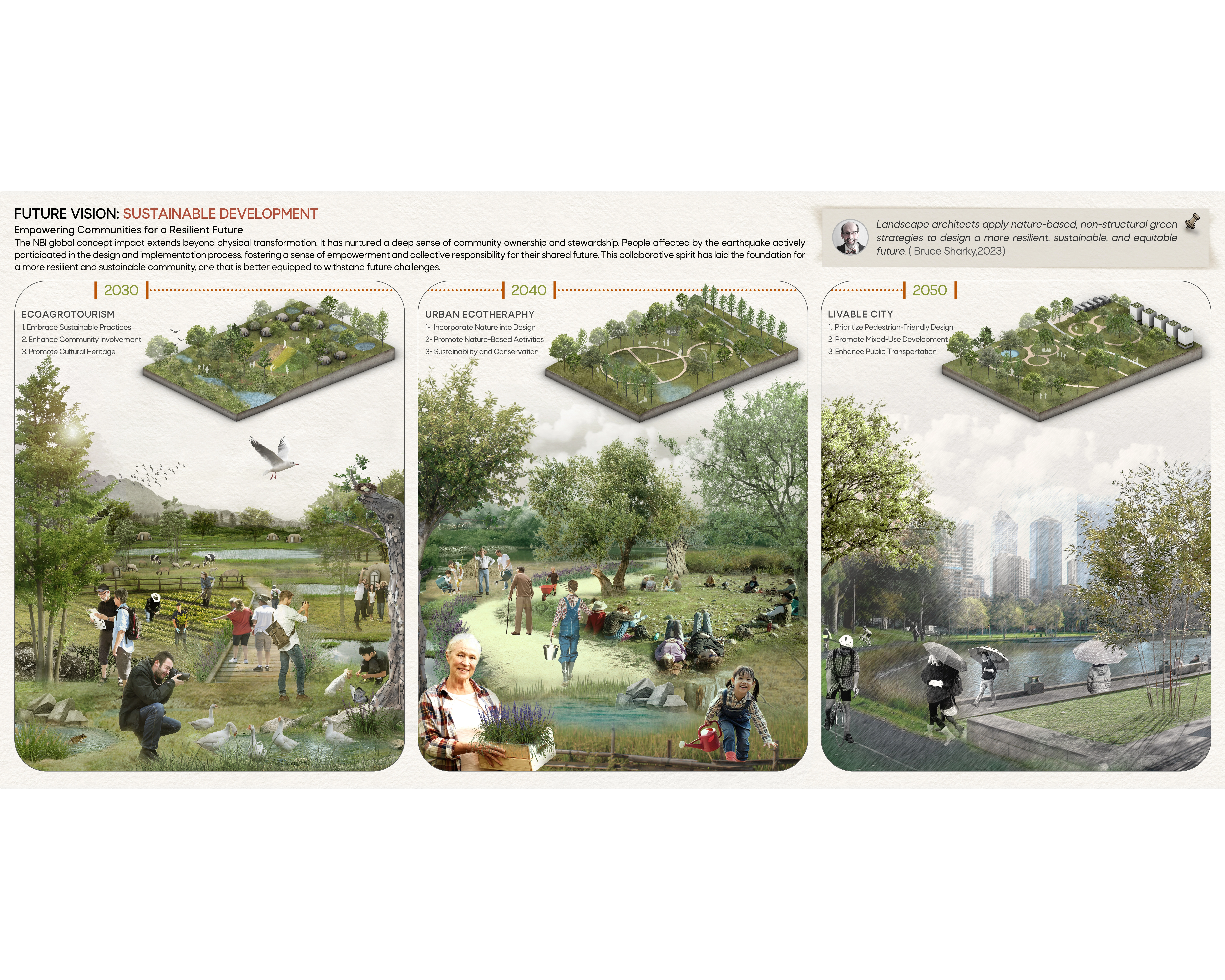
This project encompasses a comprehensive study of nature-based infrastructures (NBI) global concept that leverages the unique opportunities presented by nature to address the city's post-earthquake challenges. We are visually oriented people, with the tools of art and knowledge of natural science, produce creative works that improve people’s lives and the health of our planet [1]. Leveraging nature's ability to provide ecosystem services, the strategy tackles multifaceted challenges like infrastructure damage, environmental degradation, and socioeconomic disruption. Ecological planning encompasses a broad spectrum of natural, biological, and social sciences that are aligned with ecological perspectives [2].By integrating NBI into planning and design, cities can rebuild and emerge more adaptable to future natural disasters.Project Goals
This project addresses the challenges of post-earthquake life revitalization, including refuge and health, socio and cultural, economic, and infrastructure through the use of Nature-Based Infrastructures (NBI) global concept. Inspired by nature, we aim to create a city that is not only self-sufficient but also in harmony with its natural surroundings.Proposed Site Selection
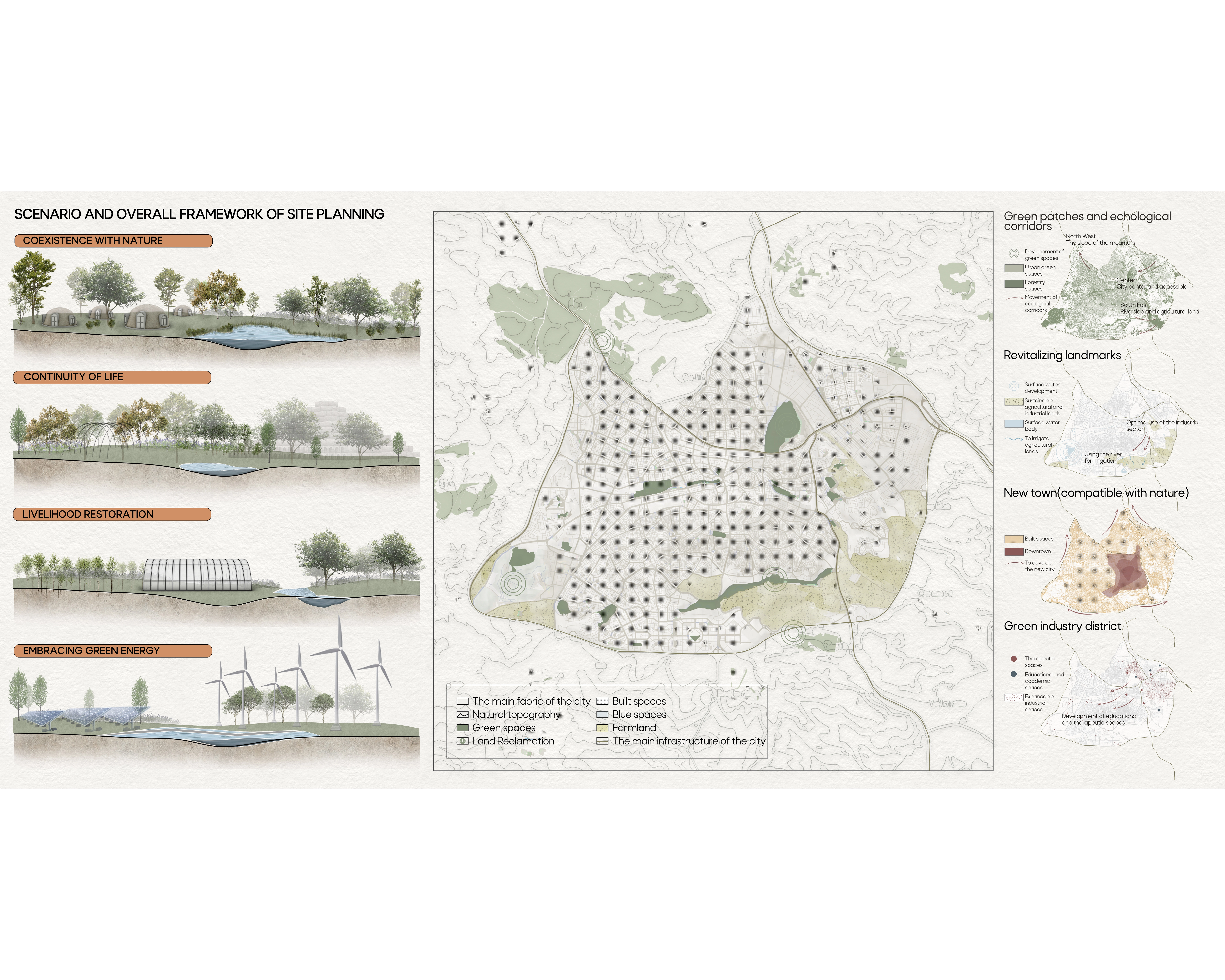
Situated in the southeastern and western peripheries of Gaziantep, the proposed temporary settlement site encompasses an area of 22,871 square kilometers. This strategic selection presents a haven for the earthquake-stricken community due to its advantageous proximity to major city thoroughfares. Furthermore, the site land morphology, fertile soil, and existing land use it ideal for temporary settlement development.Project Global Strategies
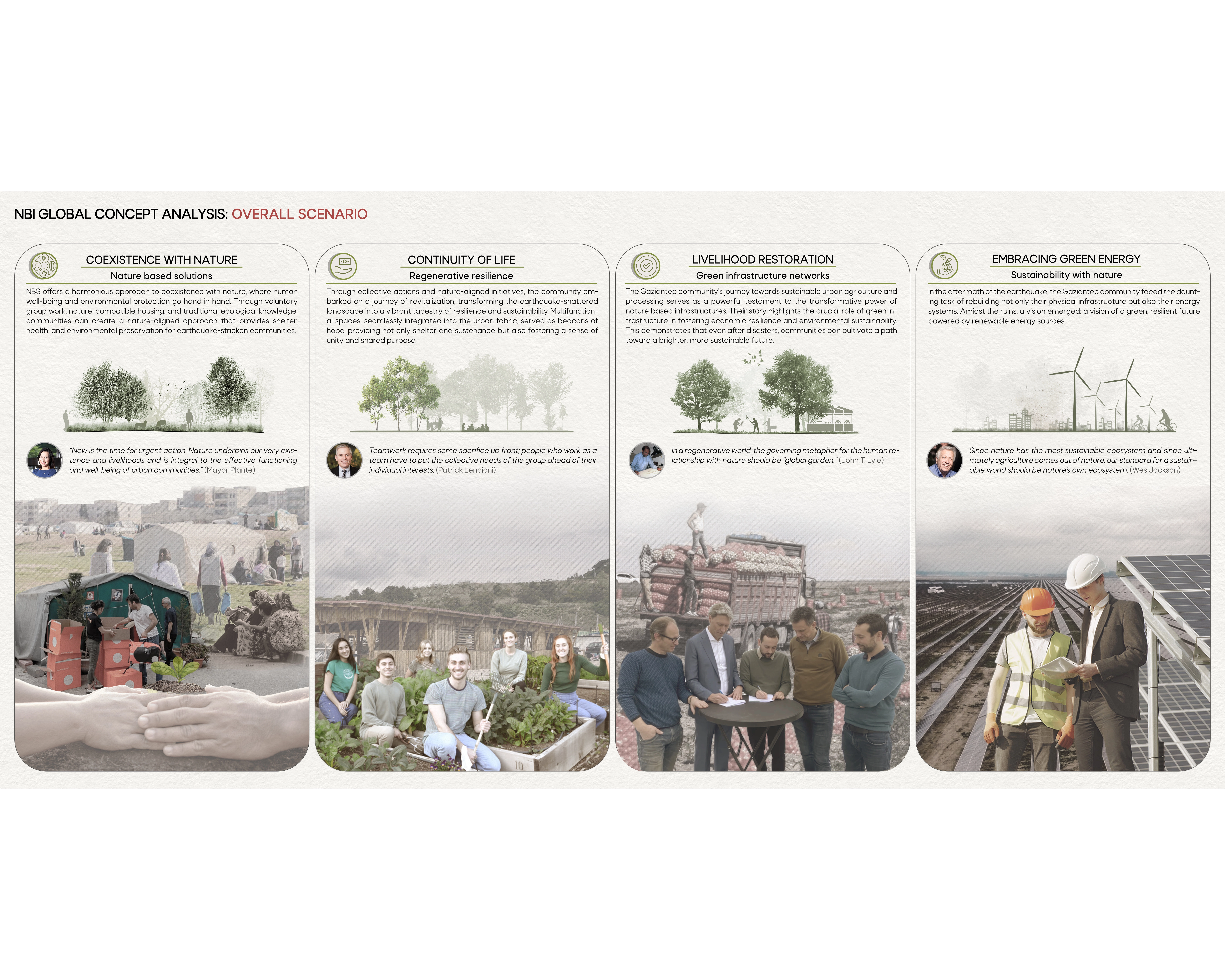
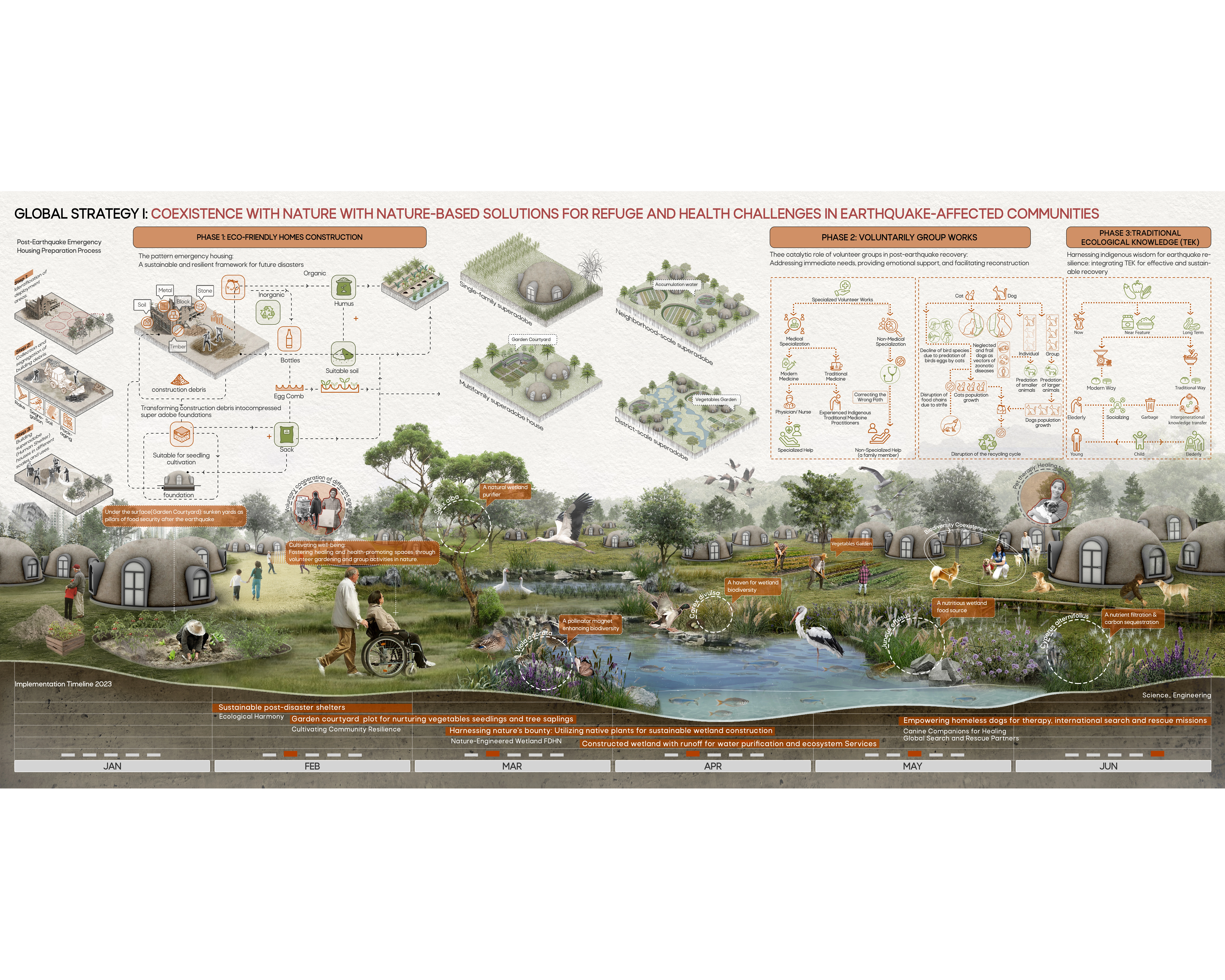
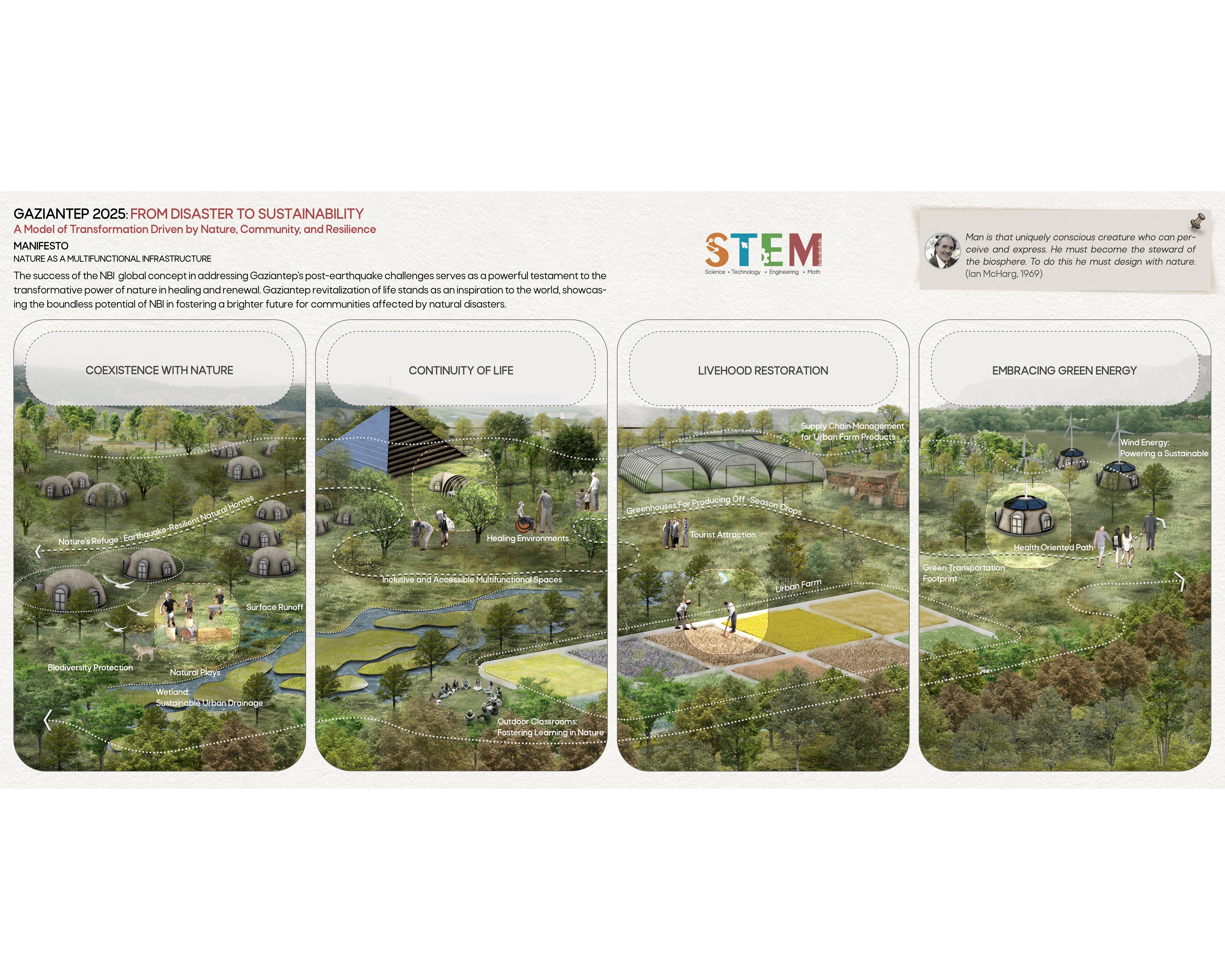
Global Strategy I: Coexistence with natureUsing low-tech superadobe structures and local materials compatible with nature, our design engages all volunteers: elders share wisdom, youth contribute effort, and experts offer proficiency. This fosters a sense of identity. We've turned limitations into potentials: animal shelters protect pets and prevent strays from disturbing waste management, while waste creates nurseries that provide food.
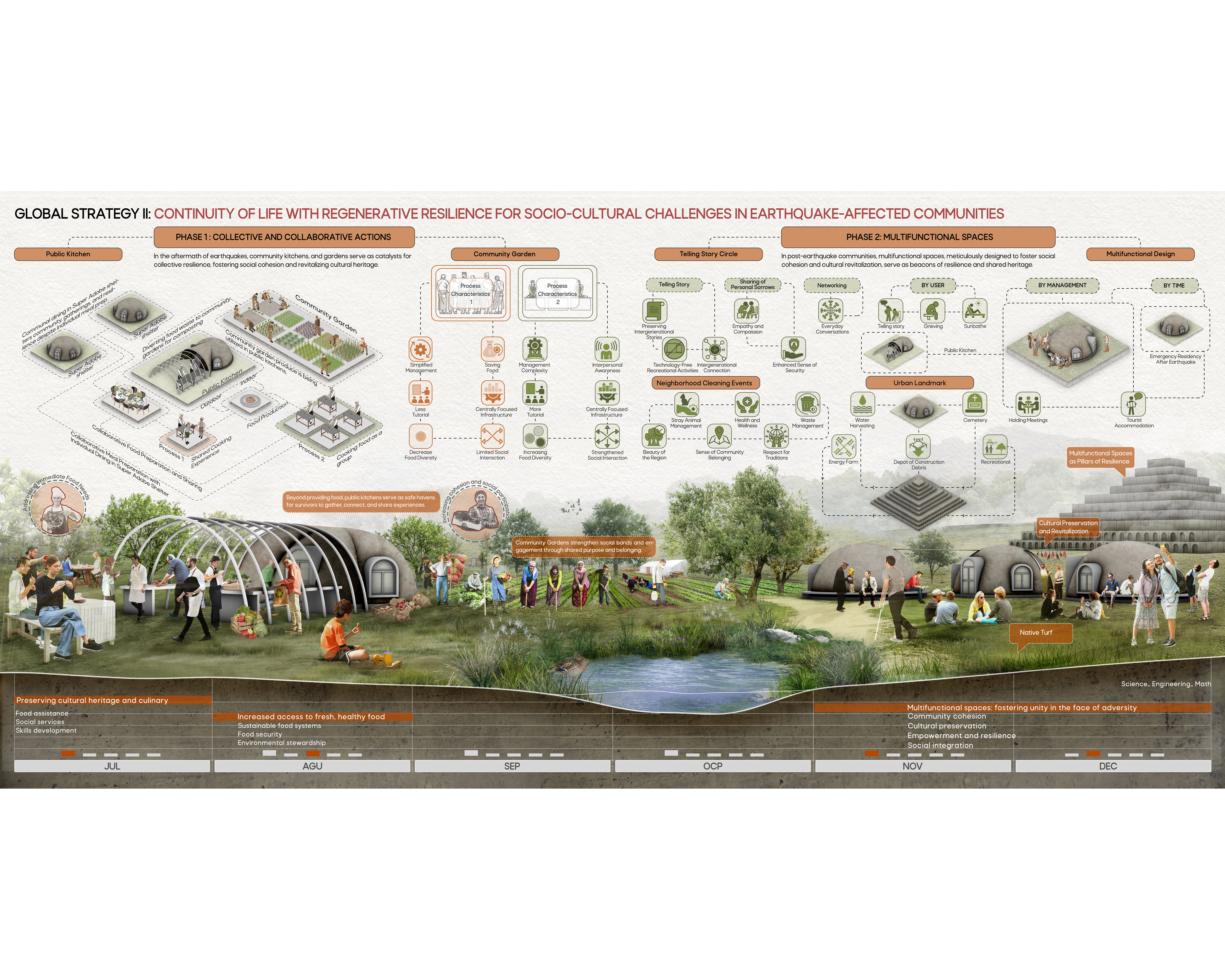
Global Strategy II: Continuity of life
Post-earthquake design must go beyond aesthetics and functionality, incorporating grief and the revival of social ties as core principles. Minimizing the human footprint creates space for wildlife and ecological goals. Multifunctional spaces foster a sense of belonging among people in a common are; ensuring essential services are maintained without compromising the environment.
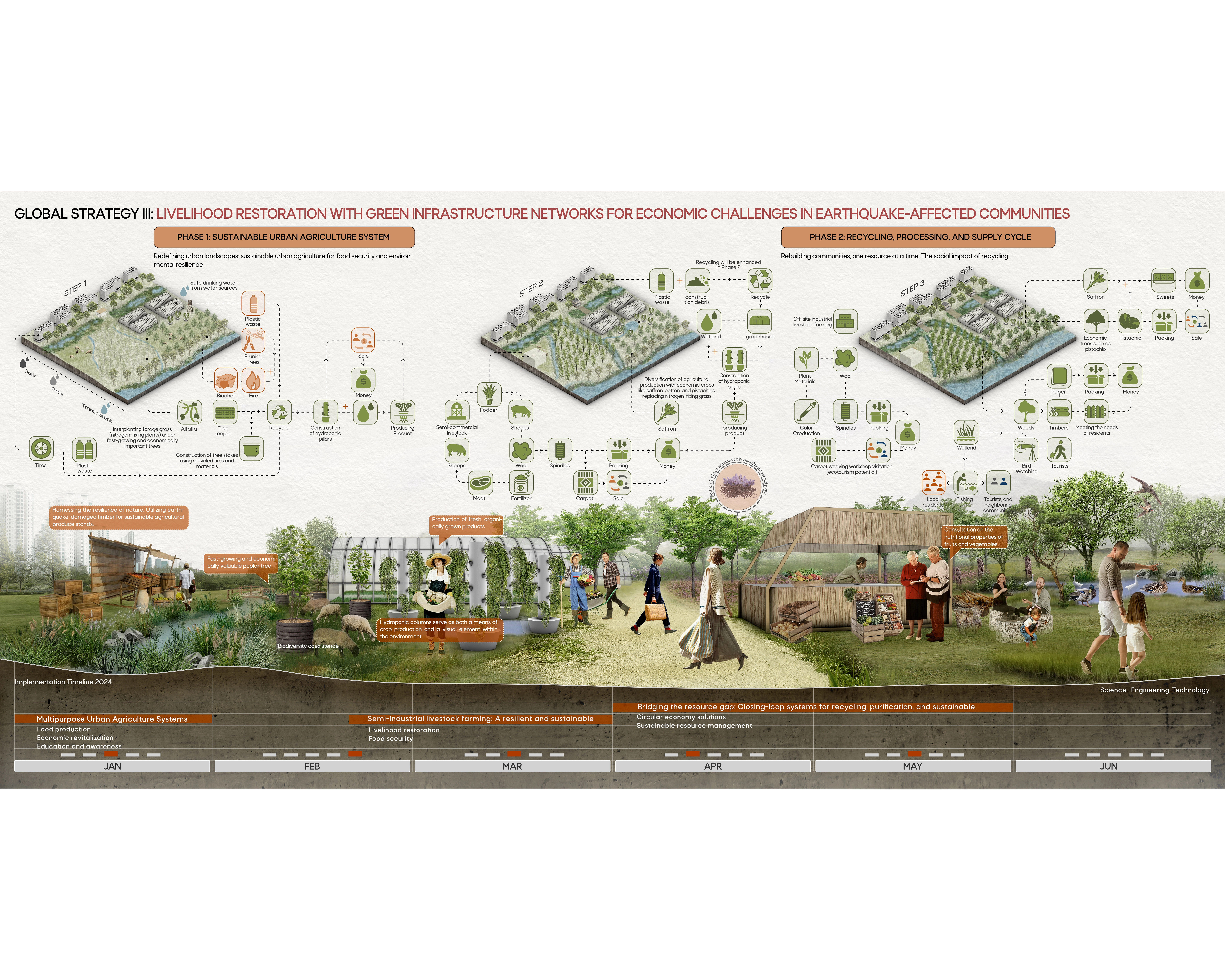
Global Strategy III: Livelihood restoration
Green infrastructures safeguard soil and water. Economic crops and integrated activities support related industries through water recycling and material reuse, promoting a sustainable local economy.
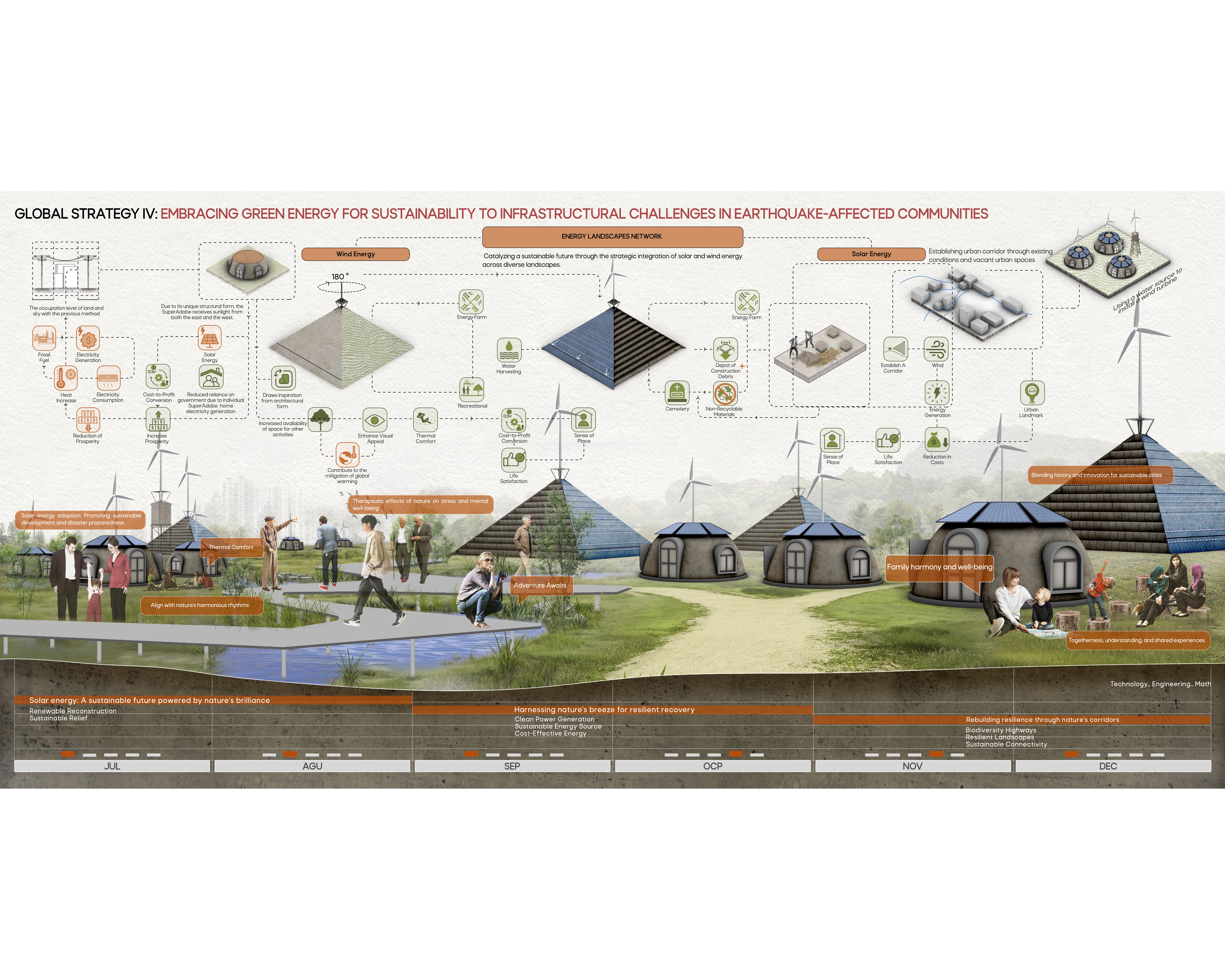
Global Strategy IV: Embracing green energy
Ecological aesthetics prioritizes environmental needs. Wind and solar power replace fossil fuels, shaping a new, sustainable visual identity for settlements.
-
- Bruce Sharky - Professor Emeritus,In 2023, Professor Bruce Sharky provided us with invaluable guidance on the role of nature-based design and sent us a copy of their book of the same name(Nature-Based Design in Landscape Architecture).
-
- Salix alba
- Viola odorata
- Carex divulsa
- Juncus effusus
- Cyperus alternifolius
- Crocus sativus
- Gossypium herbaceum
- Pistacia vera
- Cyperus alternifolius
- Juncus effusus
- Populus alba
Advertisement
Related Awards
Honor Award, Student Collaboration
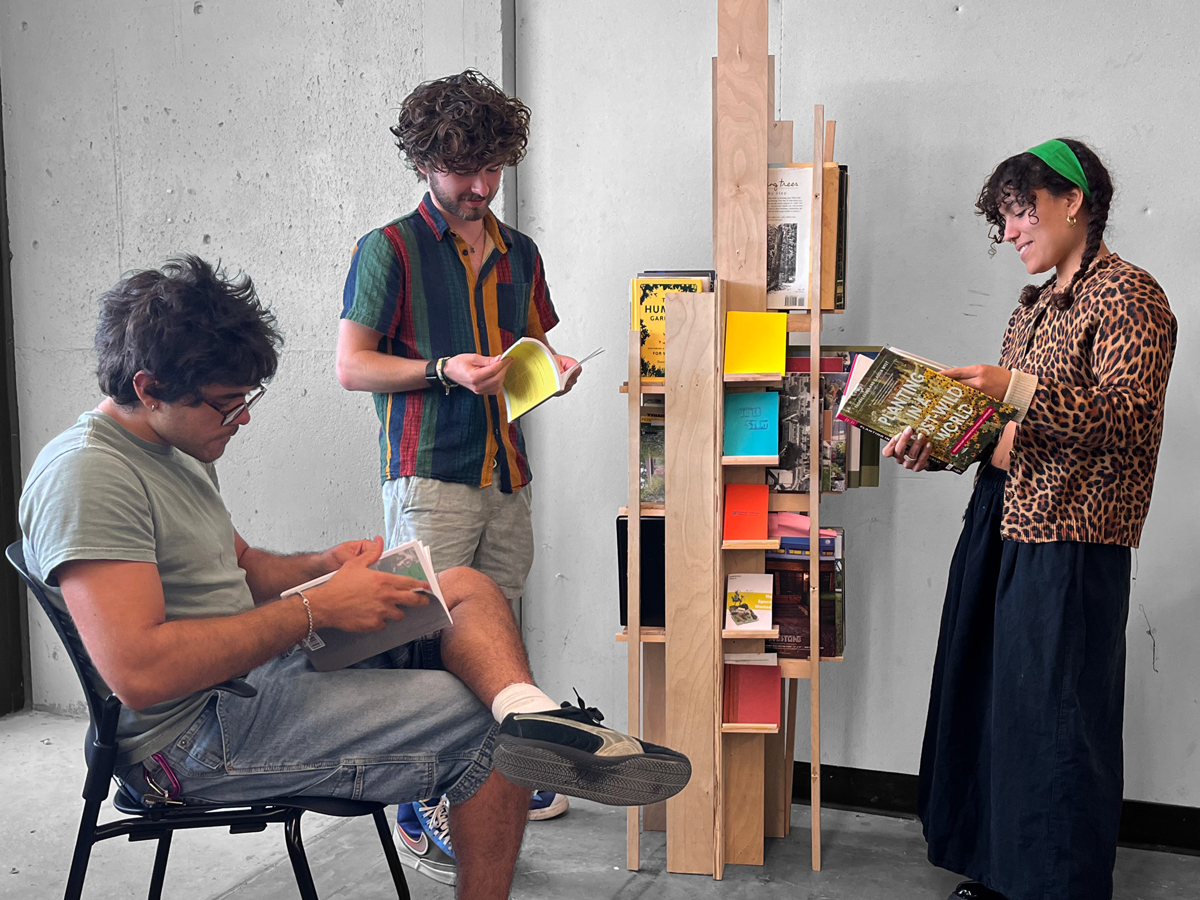
UnderStory
UnderStory is a student-led collaboration founded to showcase student work and celebrate the creative process within landscape architecture. Built on values of experimentation and stewardship, it seeks to inspire emerging designers and engage the broader Gainesville community by sparking curiosity and deepening connections to the field.
Related Articles
ASLA Fund
American Society of Landscape Architects Announces its 2026 Student Awards
39 Student Award winners elevate the future of the landscape architecture profession
Aug 24 2026