
.webp?language=en-US)
.webp?language=en-US)
UnderStory
Jack Taks, Student ASLA; Hayden Germanis, Student ASLA; Elena Papadopoulos, Student ASLA; Sophia Ward, Student ASLA; Desi Roch-Hernandez, Student ASLA; Daniela Mora, Student ASLA; Matthew Sinclair, Student ASLA; Sayra Marisa Cortes, Student ASLA; Ethan Feinberg

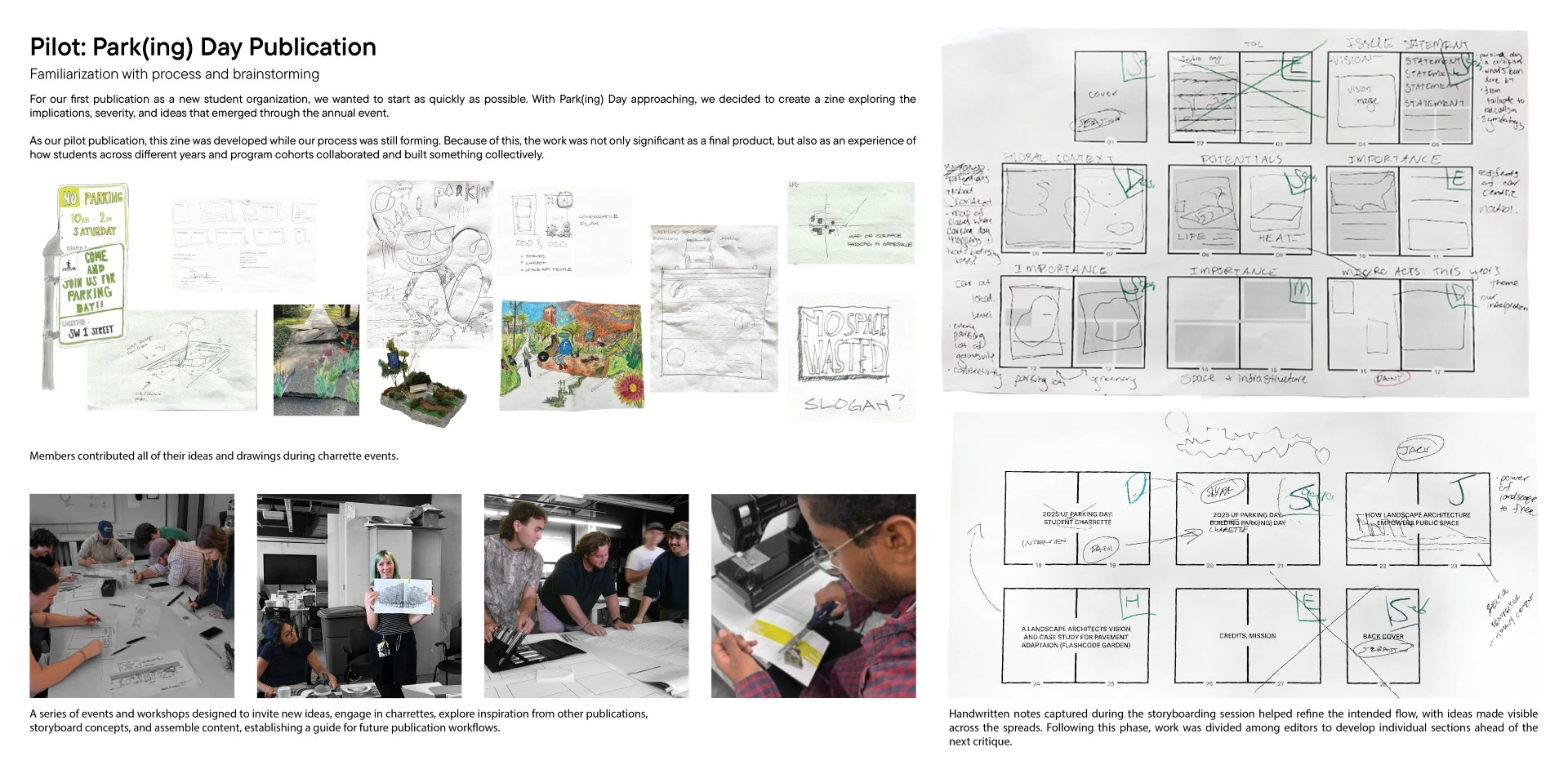
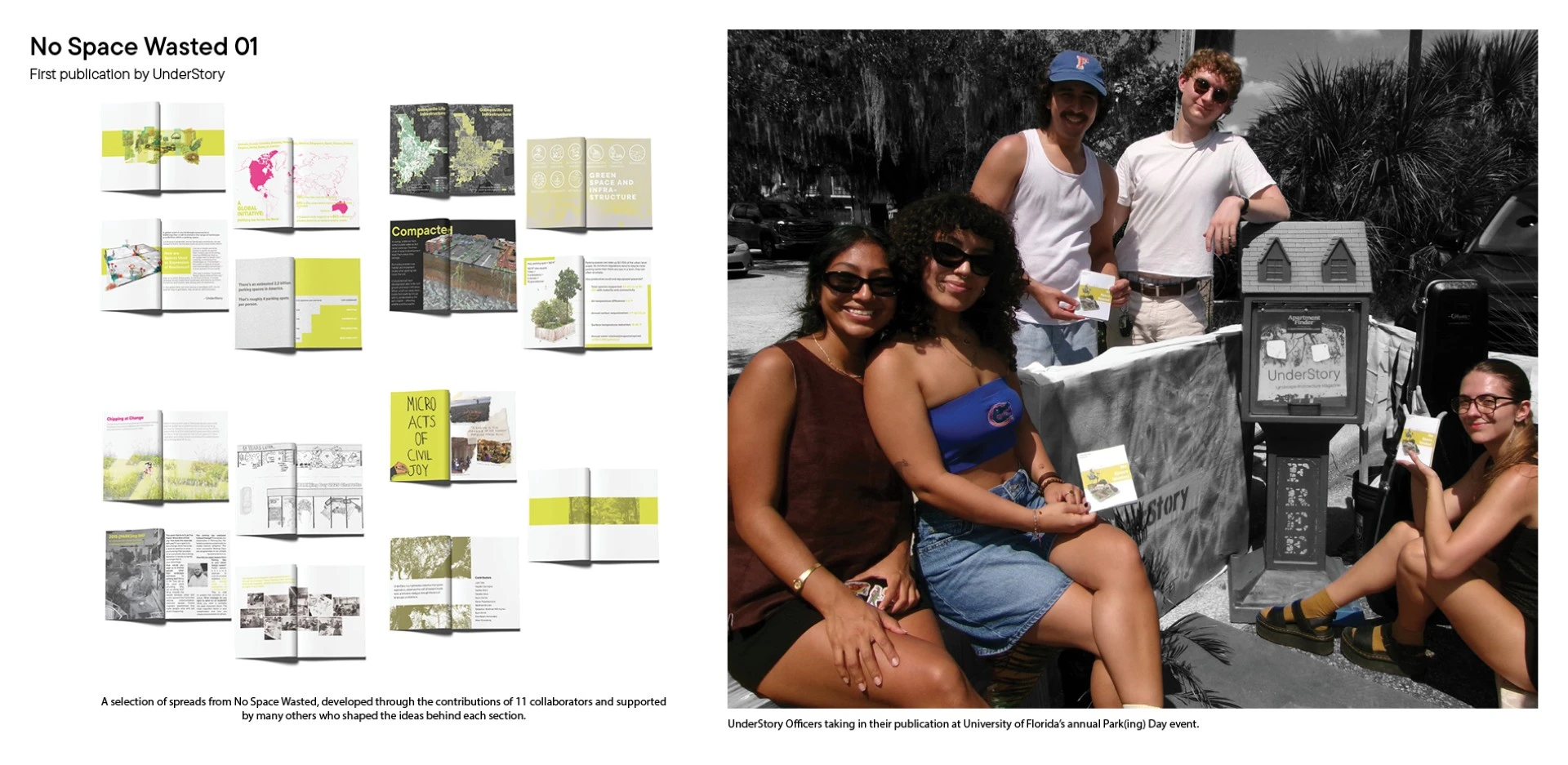
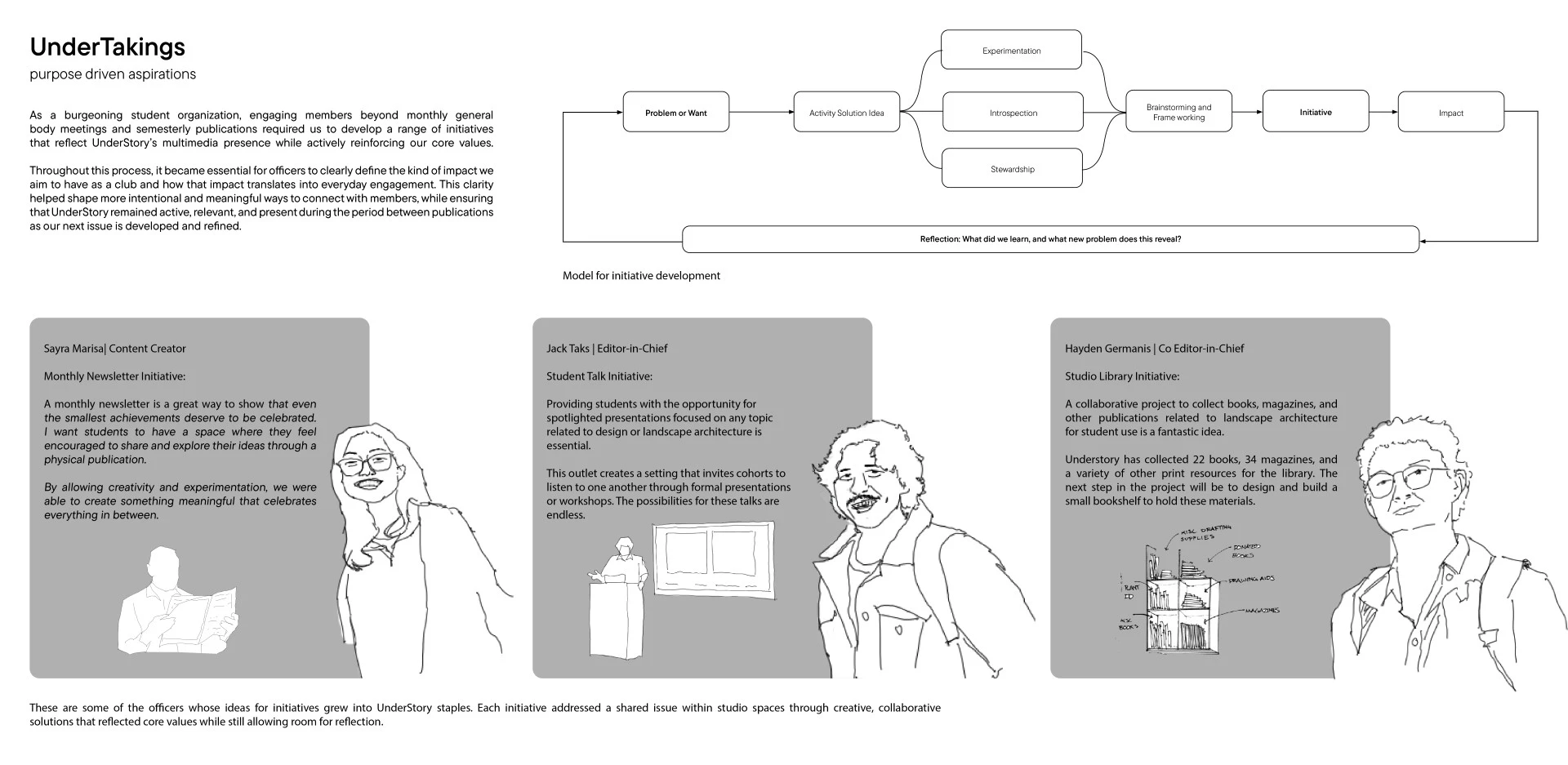
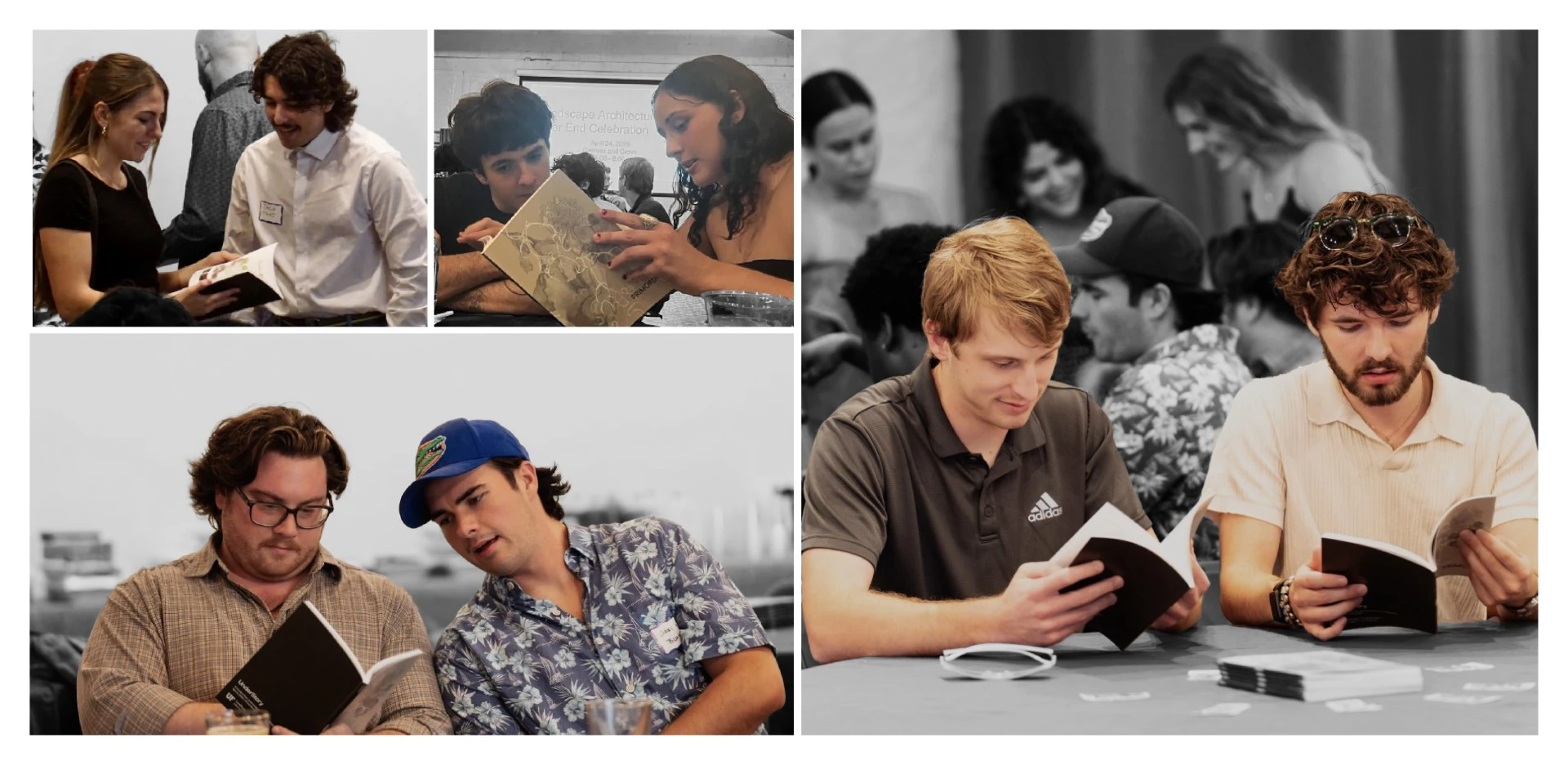
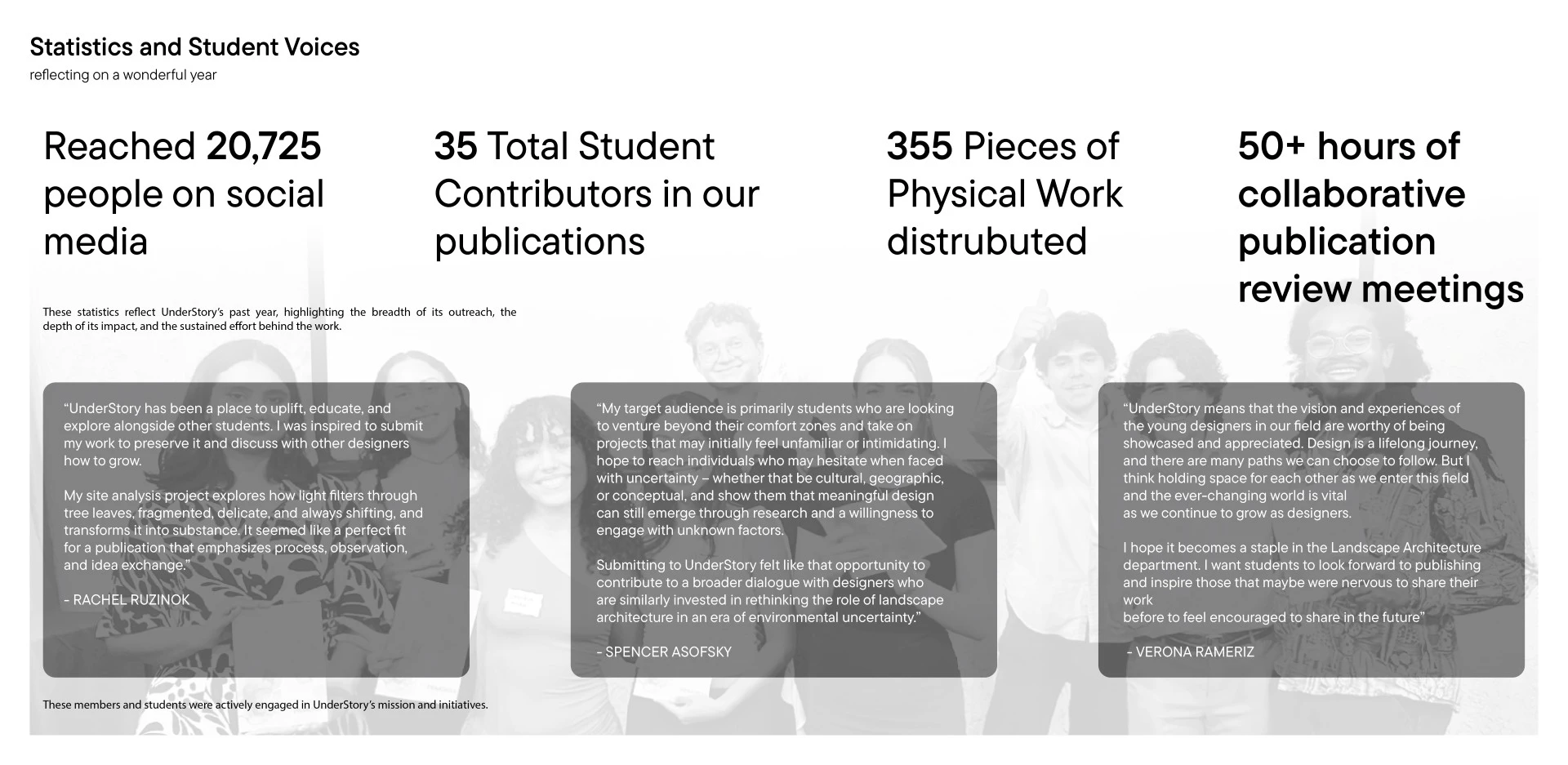
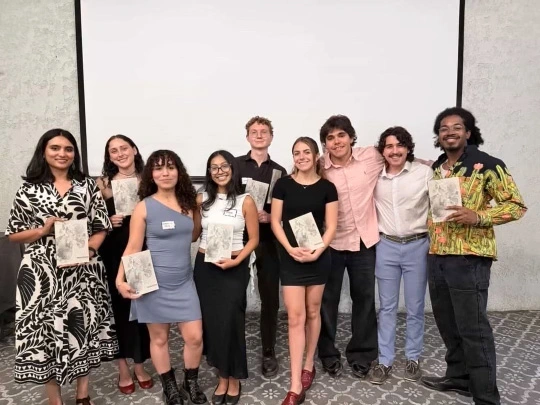
Compelling story of design education and student leadership. Highlights the importance of a critical process of experimenting, learning, and reflection.
Awards Jury
-
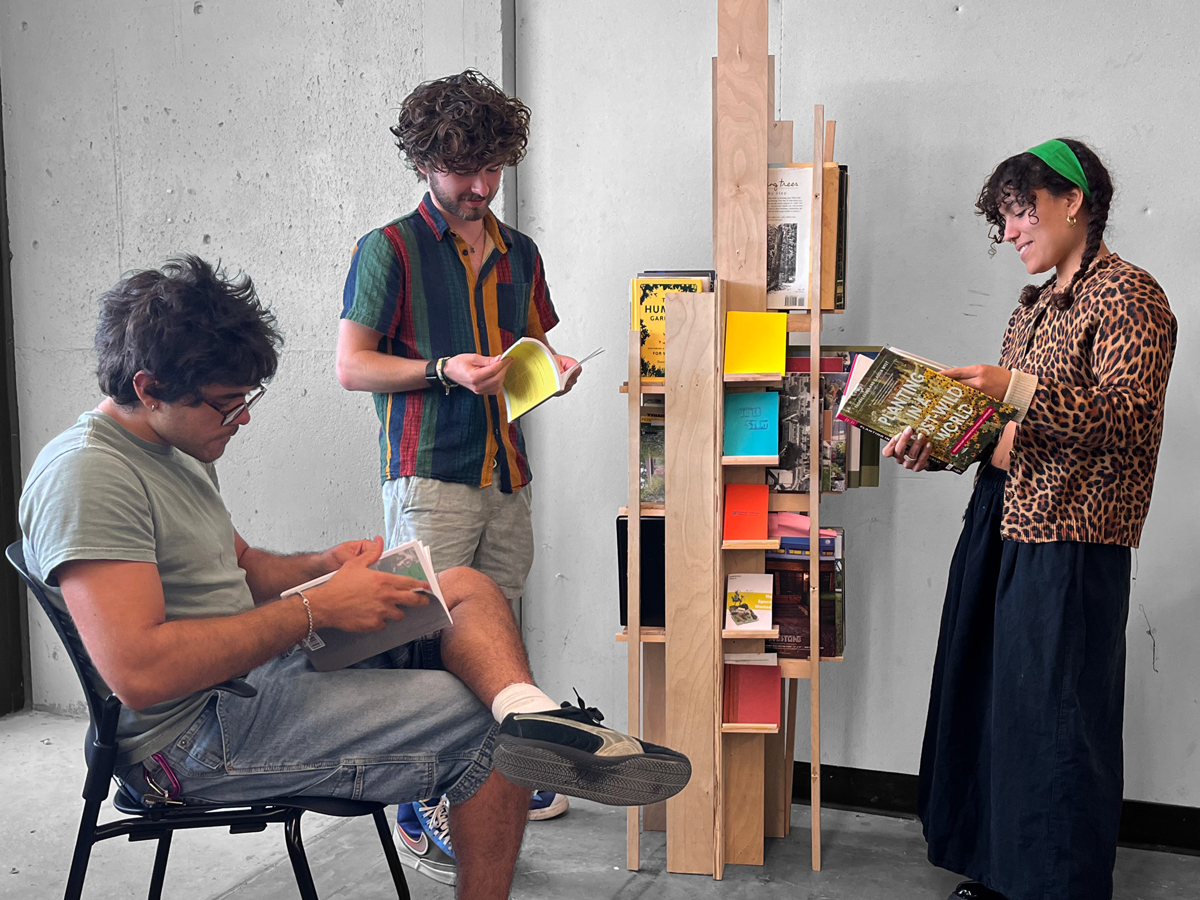
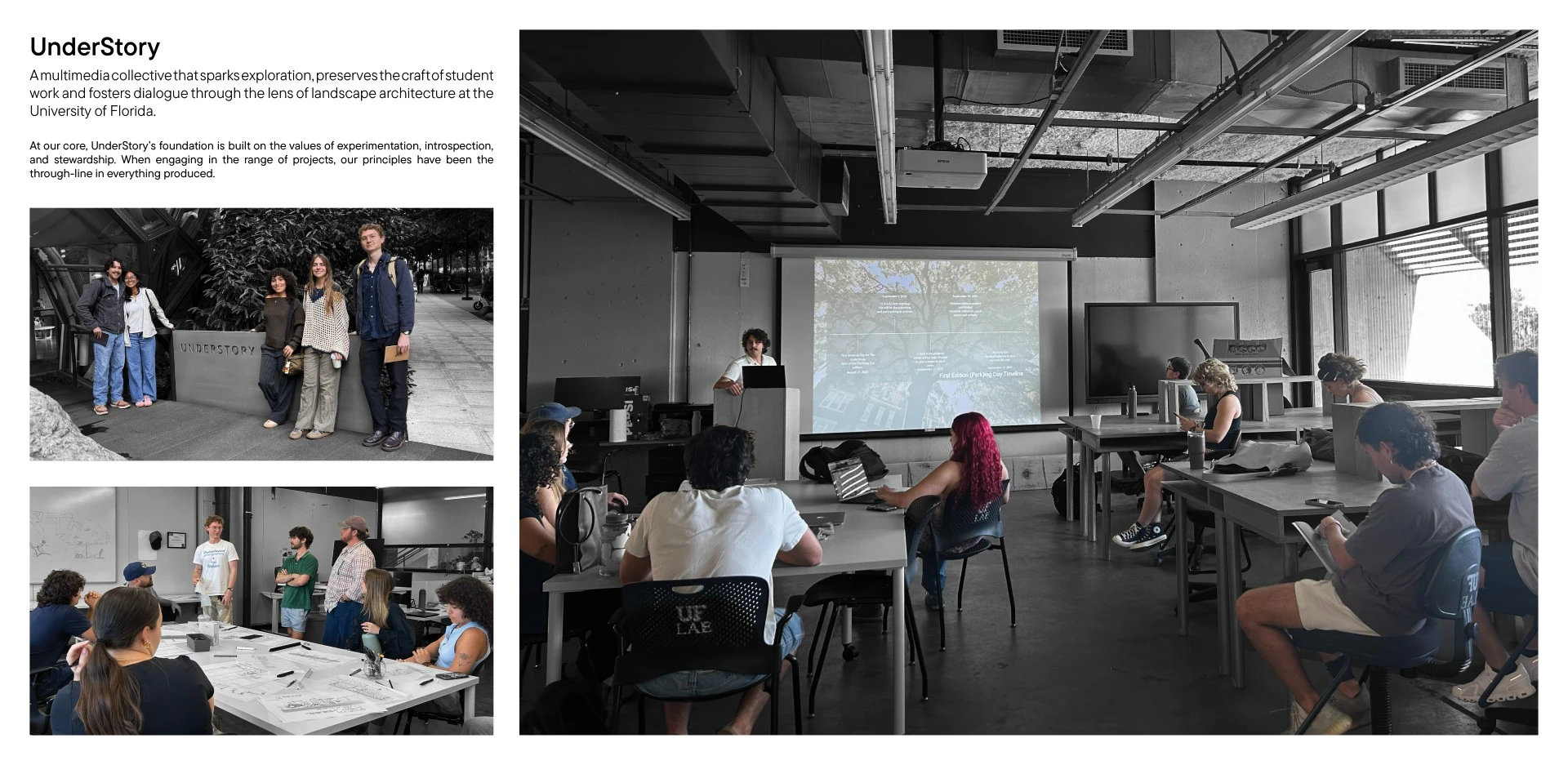
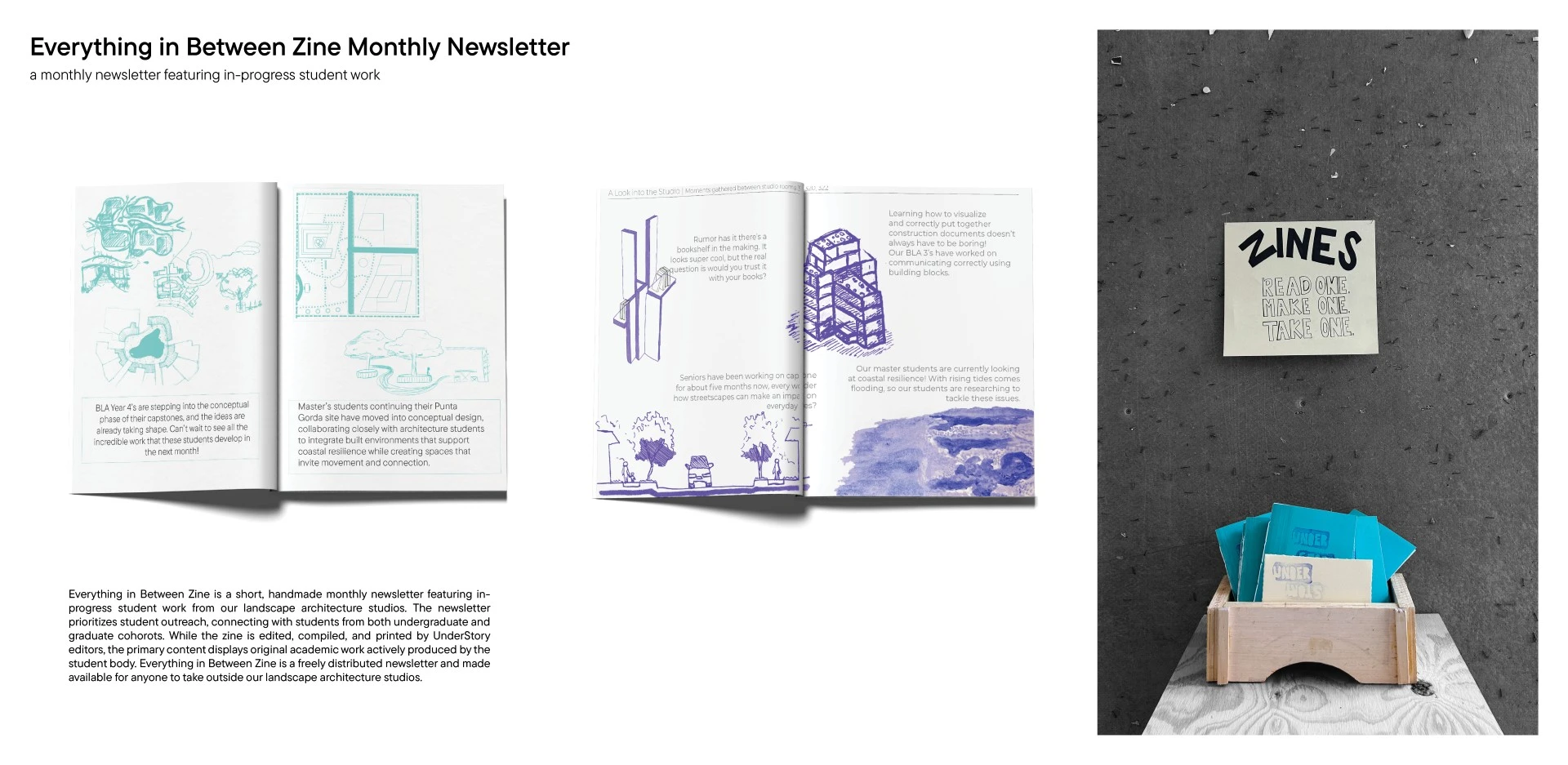
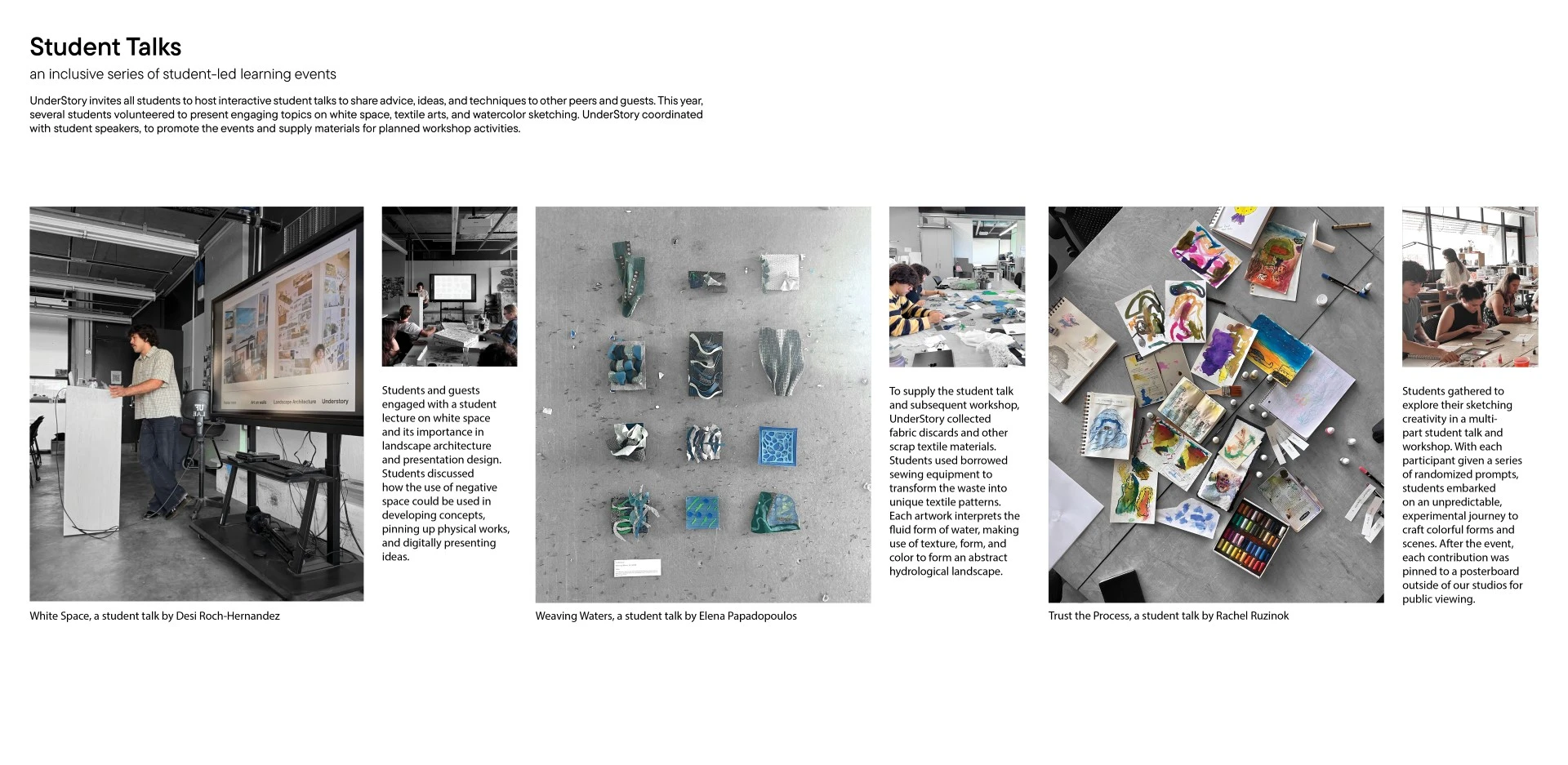
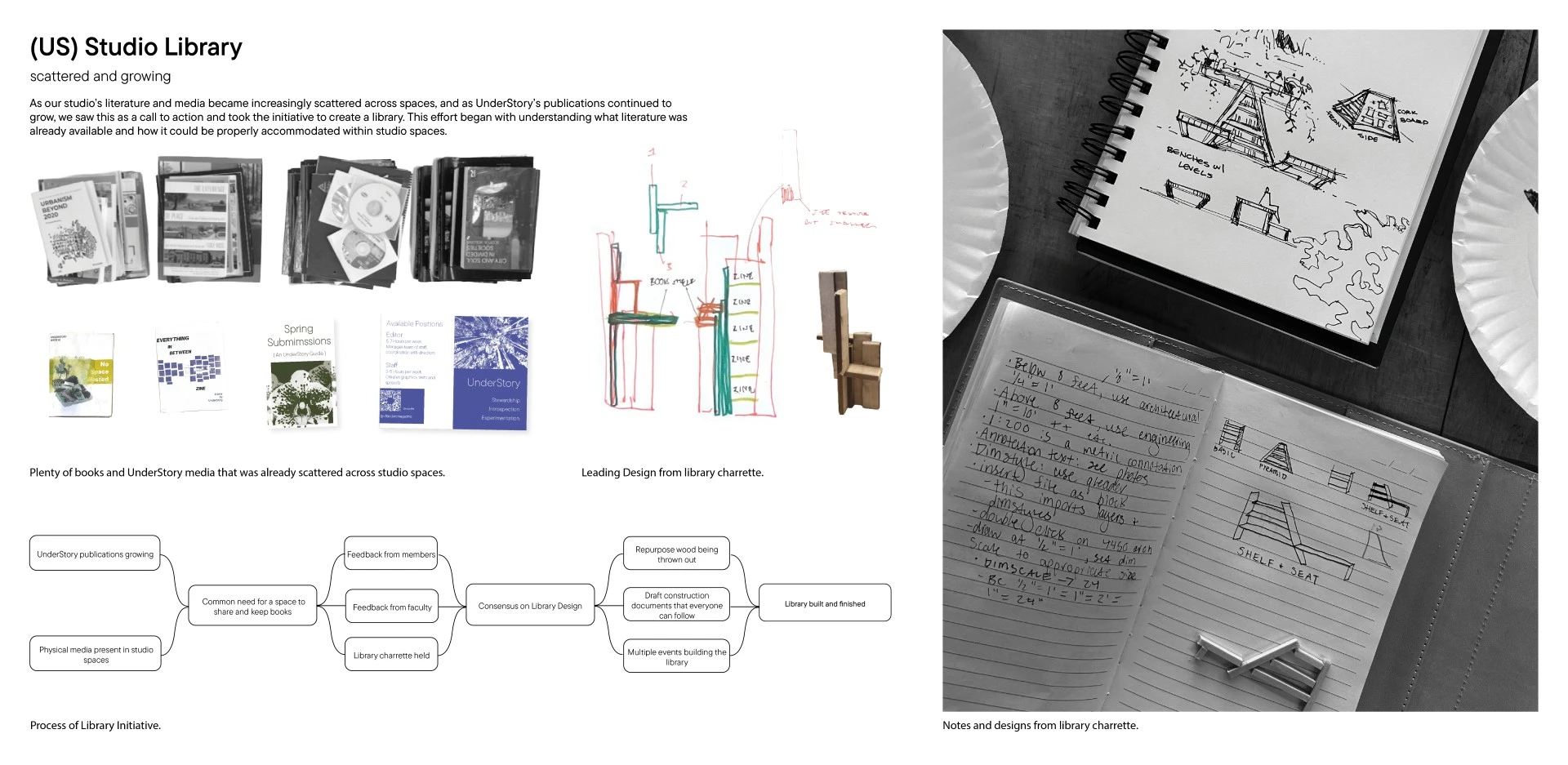
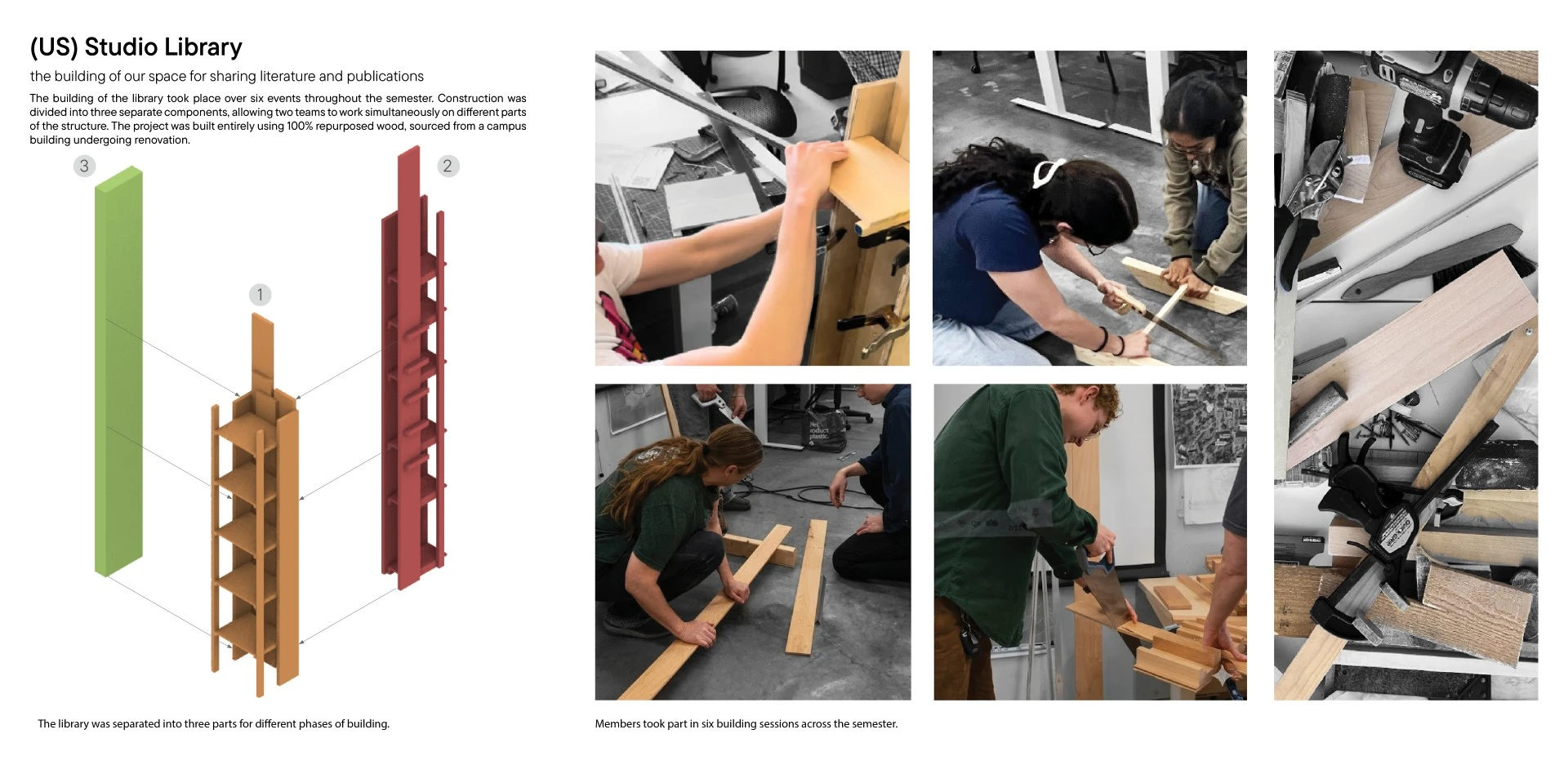
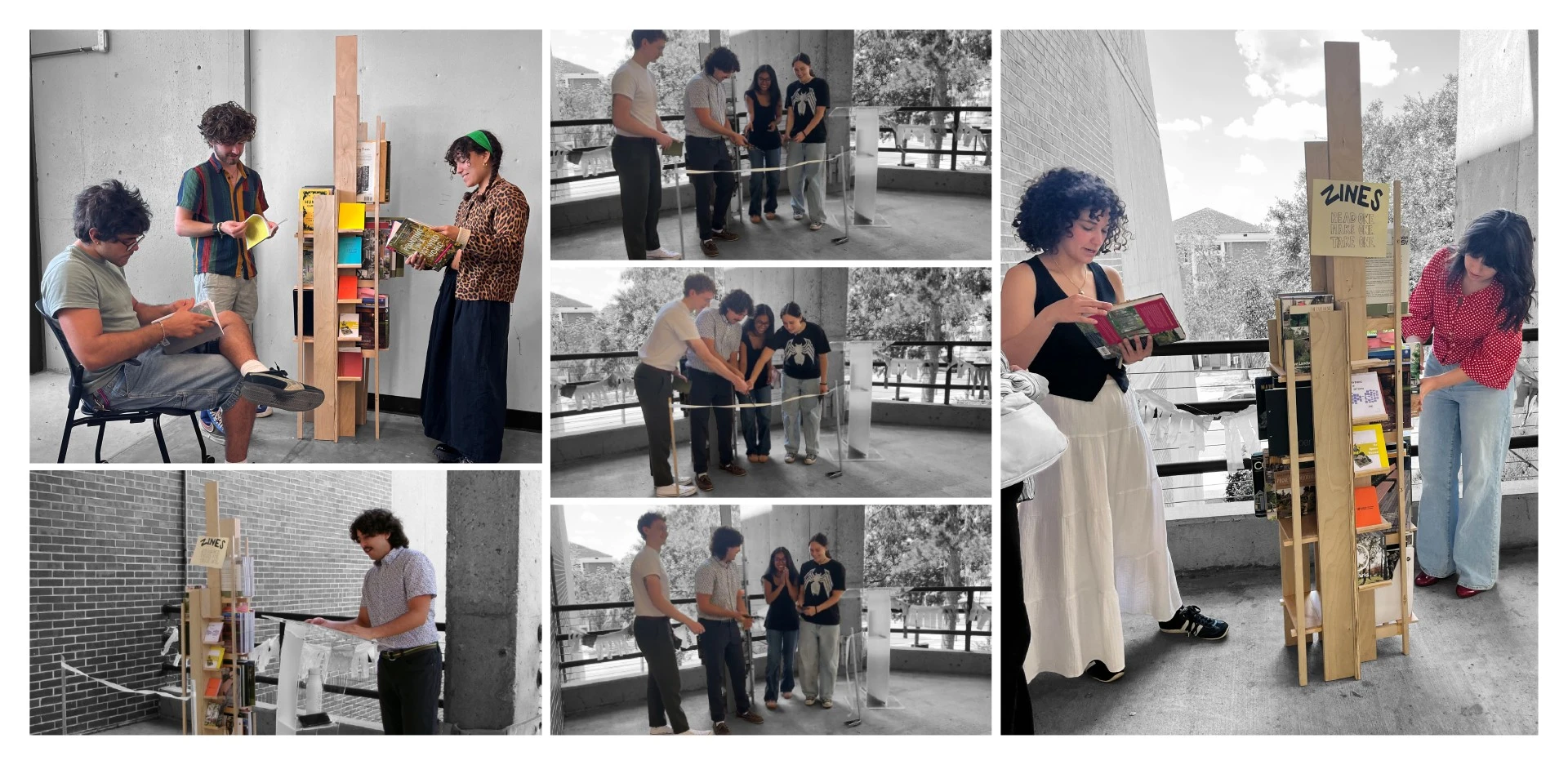
UnderStory is a student-led collaboration founded to showcase student work and celebrate the creative process within landscape architecture. Built on values of experimentation and stewardship, it seeks to inspire emerging designers and engage the broader Gainesville community by sparking curiosity and deepening connections to the field. Through zines and publications, the club has developed initiatives such as a US Library and student talks that highlight both collective creativity and personal growth. Through this organization, we hope to reach a larger audience across the nation, emphasizing the importance of showcasing and preserving student work as an essential part of design education and collective learning.
-
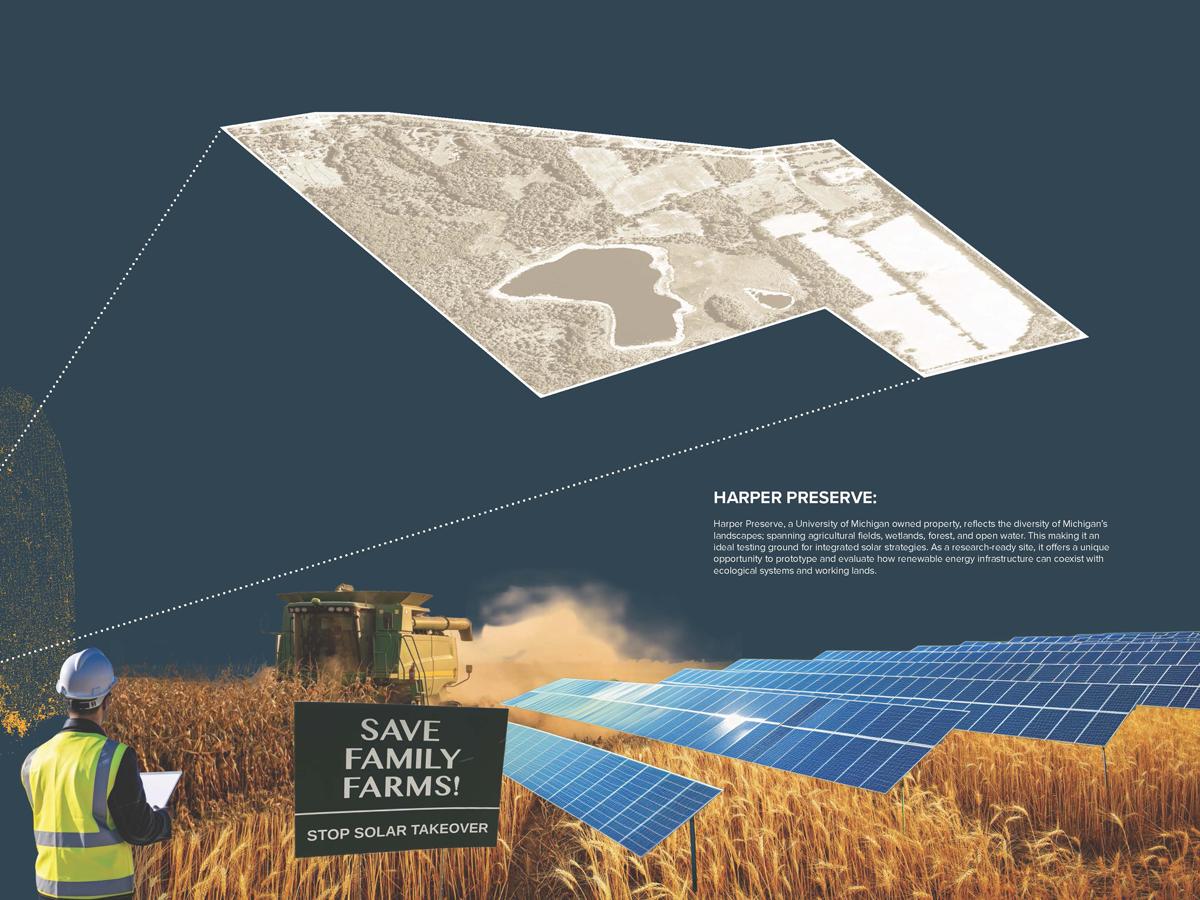
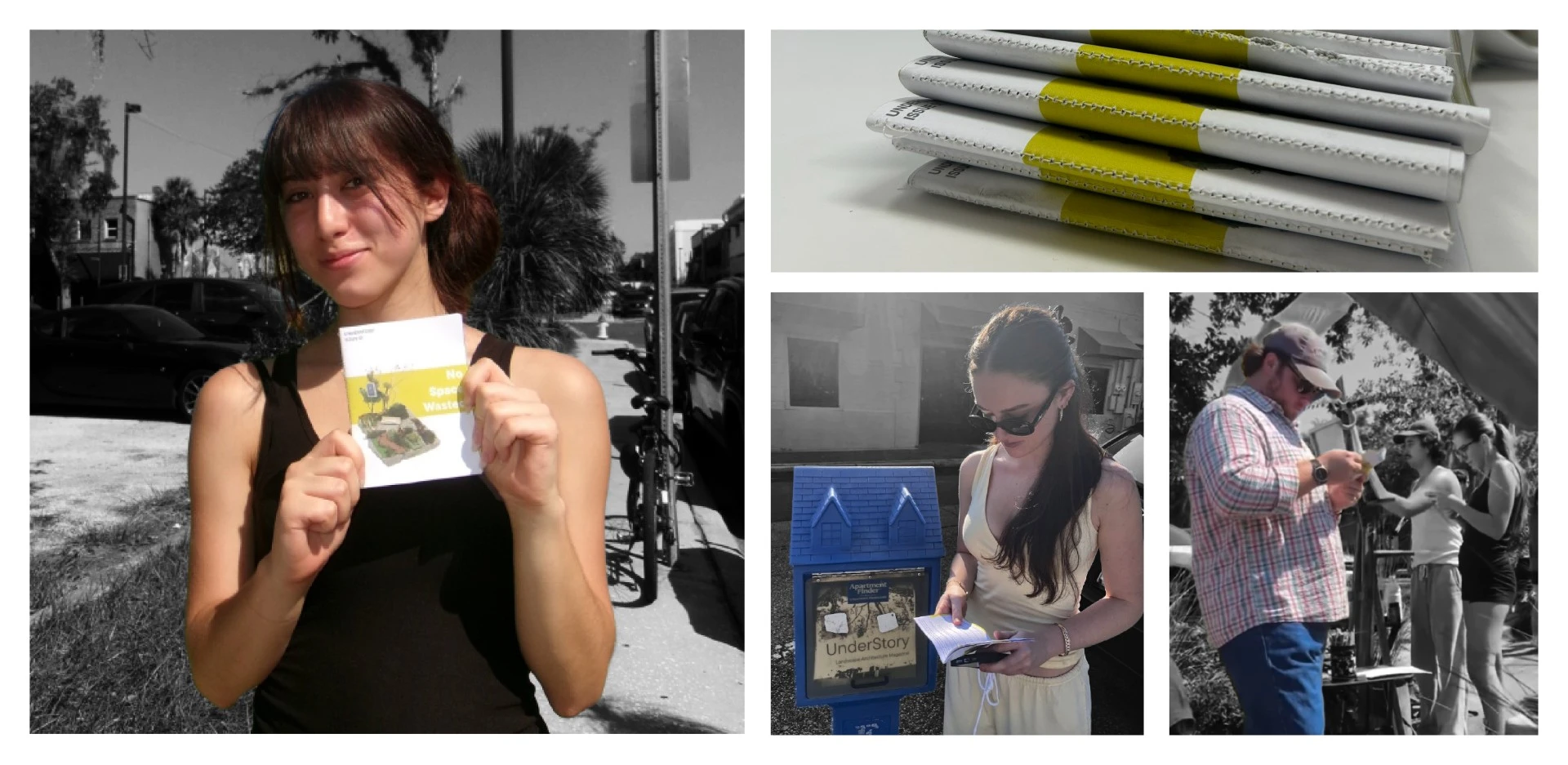
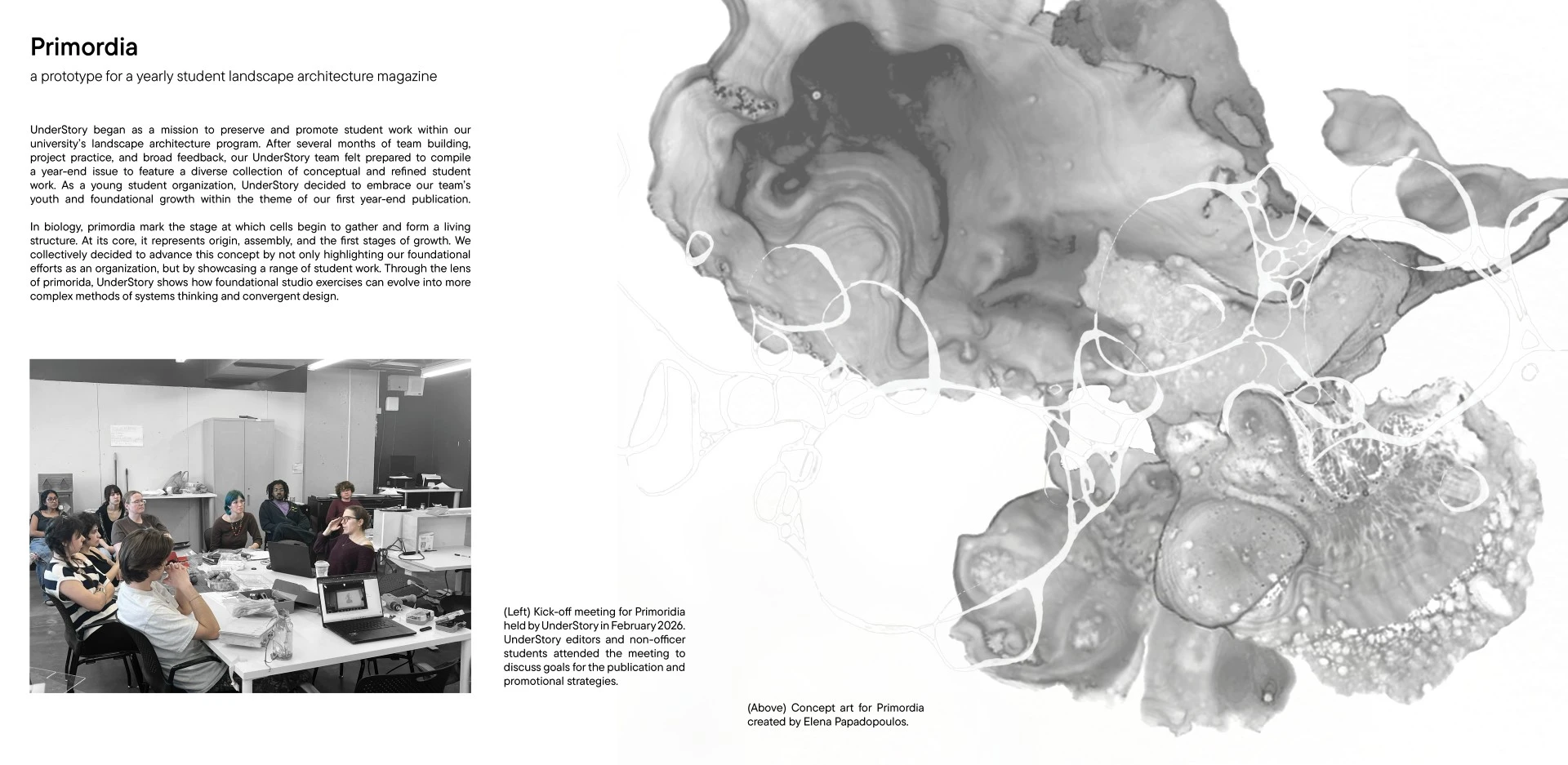
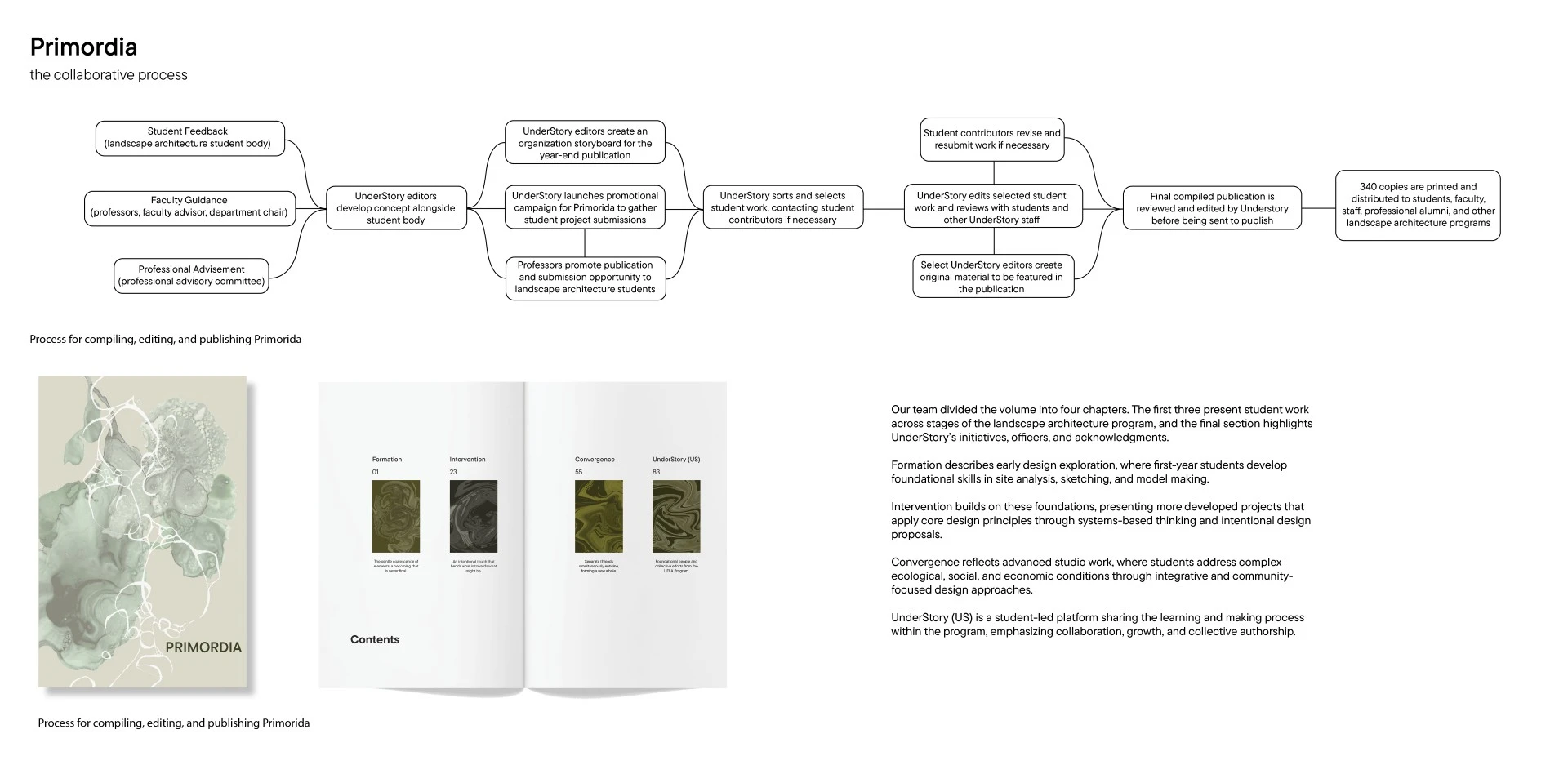
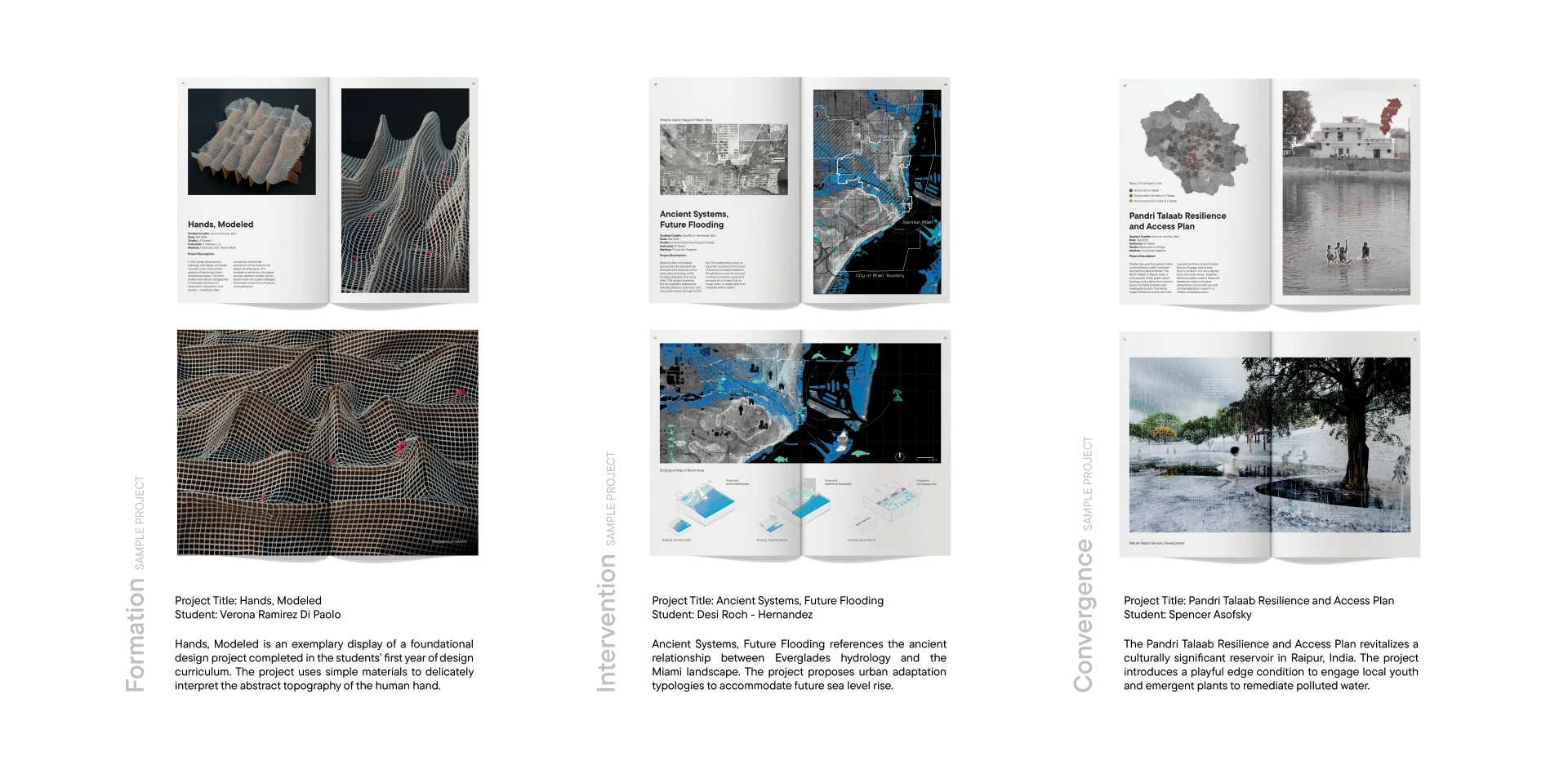
UnderStory is a student-led publication rooted in landscape architecture that highlights the creative process, experimentation, and reflection embedded within design education. Rather than focusing solely on final outcomes, UnderStory emphasizes collaboration, process, and the value of making—recognizing that design thinking develops through shared effort. The organization seeks to communicate information in ways that are engaging and accessible, making both the process and the final outcomes meaningful and enjoyable. The project brings together student work across multiple studios, scales, and stages of development, framing each contribution as part of a larger collective narrative. UnderStory actively experiments with different methods of communication, including zines, public talks, physical materials, and informal exhibitions. These formats encourage engagement and participation, allowing ideas to be shared in multiple ways and understood beyond traditional academic presentation. Intentionality plays a key role in how material is depicted and distributed, ensuring that each decision supports clarity, accessibility, and connection. Projects such as No Space Wasted and Everything in Between reflect the publication's self-published and self-distributed nature, reinforcing accessibility through tangible, relatable, and shareable documents. These works demonstrate how information can be communicated in a way that is both personal and widely accessible, reaching students and broader audiences alike. UnderStory also extends beyond publication through initiatives such as a student archive library and informal talks, creating opportunities for reflection and community building within the program. These spaces encourage students to engage with each other's work in a more open and conversational way, strengthening connections within the discipline. Ultimately, UnderStory enhances and creates a dynamic environment for conversation, exchange, and reflection that extends beyond the architecture building. By fostering dialogue across students, disciplines, and audiences, it has the potential to influence a multitude of people, expanding how the role of landscape architecture is understood, shared, and experienced.
Advertisement
Related Awards
Award of Excellence, Student Collaboration
The Firelighters
Location: Davis, CA
Students: Nicholas Hardt-Mason, Student ASLA; Helene Hoffman; Stasha Leonard; Amber Lin; Vallerie Morones, Student ASLA; Mary Kate O'Connor, Student ASLA; Fermin Pereira; Simone Shupper; Eavan Swanson; Lauren Swing, Student ASLA
School: University of California, Davis
Faculty Advisor(s): Emily Schlickman, ASLA
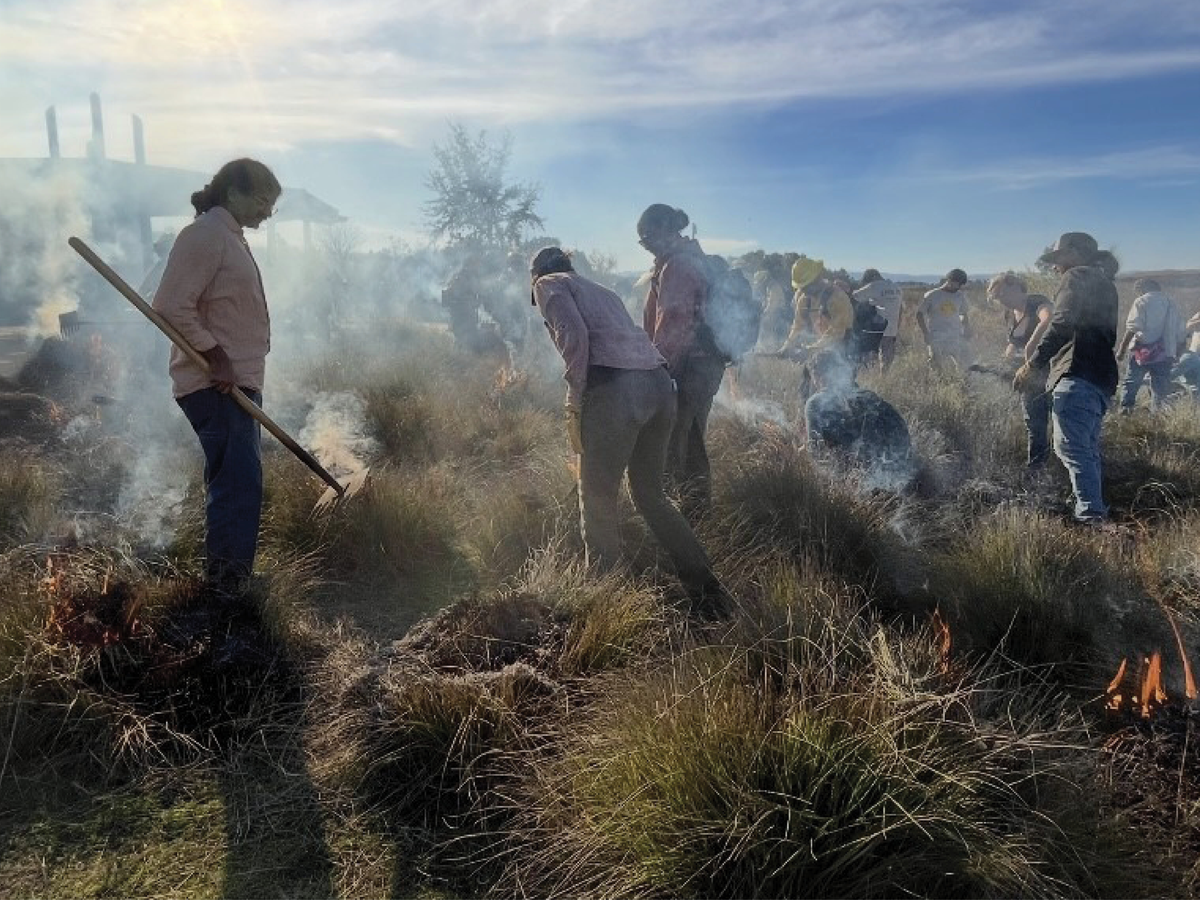
Over ten weeks, eleven landscape architecture and environmental design students trained as prescribed fire practitioners and volunteered on seven burns with community partners. Their service helped to expand prescribed fire capacity, shift wildfire perceptions, and move design education closer to practice, from simply drawing fire on paper to tending it. Working with fire professionals, landowners, prescribed burn associations, fire ecologists, and Indigenous practitioners, students advanced beneficial fire as a key strategy for reducing risk in fire-prone landscapes. The cohort now serves as an on-call volunteer crew, developing a public exhibition on fire messaging, establishing a long-term fire plot, and mentoring future Firelighters.