
.webp?language=en-US)

.webp?language=en-US)
The Firelighters
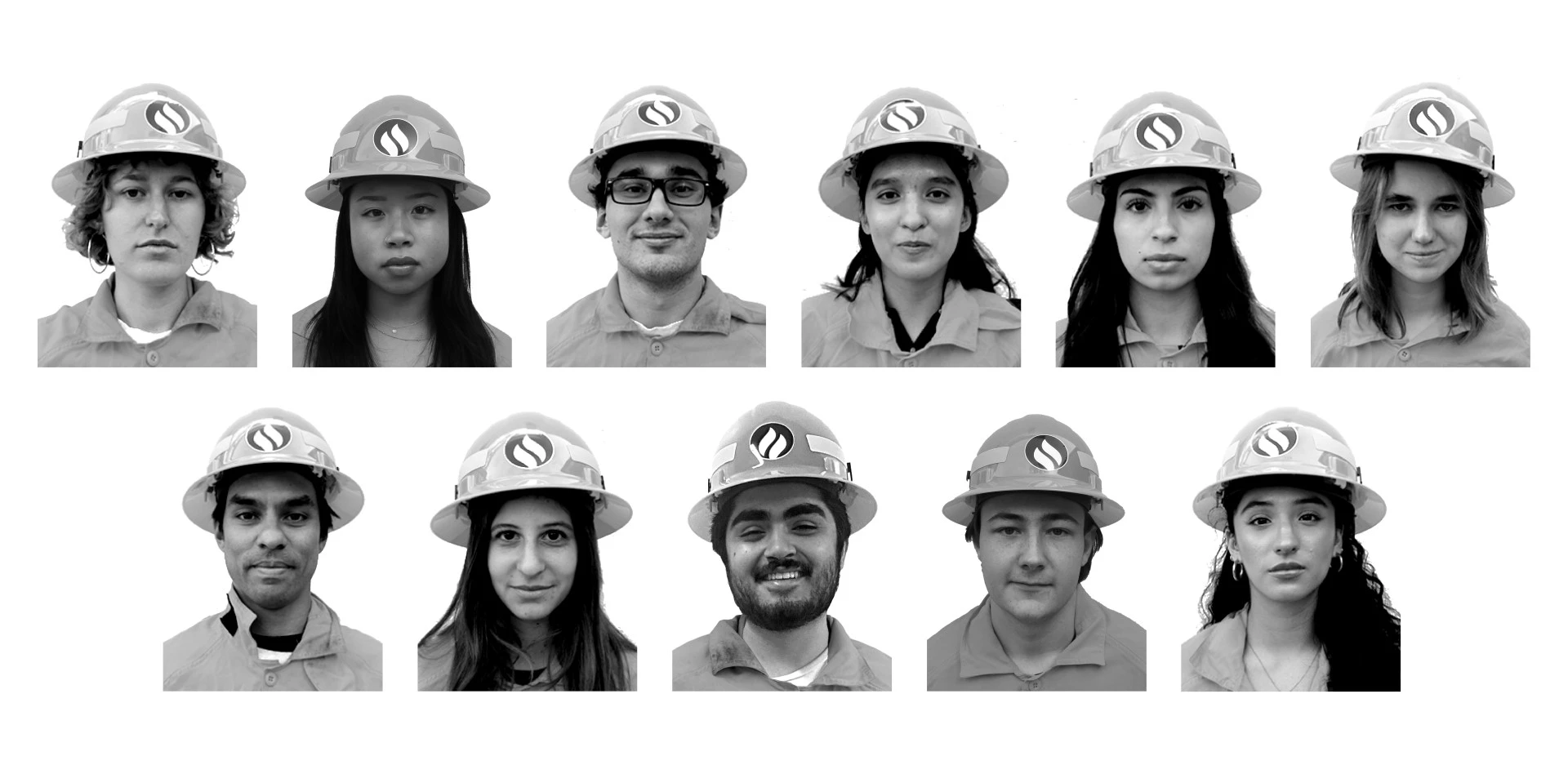
Nicholas Hardt-Mason, Student ASLA; Helene Hoffman; Stasha Leonard; Amber Lin; Vallerie Morones, Student ASLA; Mary Kate O'Connor, Student ASLA; Fermin Pereira; Simone Shupper; Eavan Swanson; Lauren Swing, Student ASLA

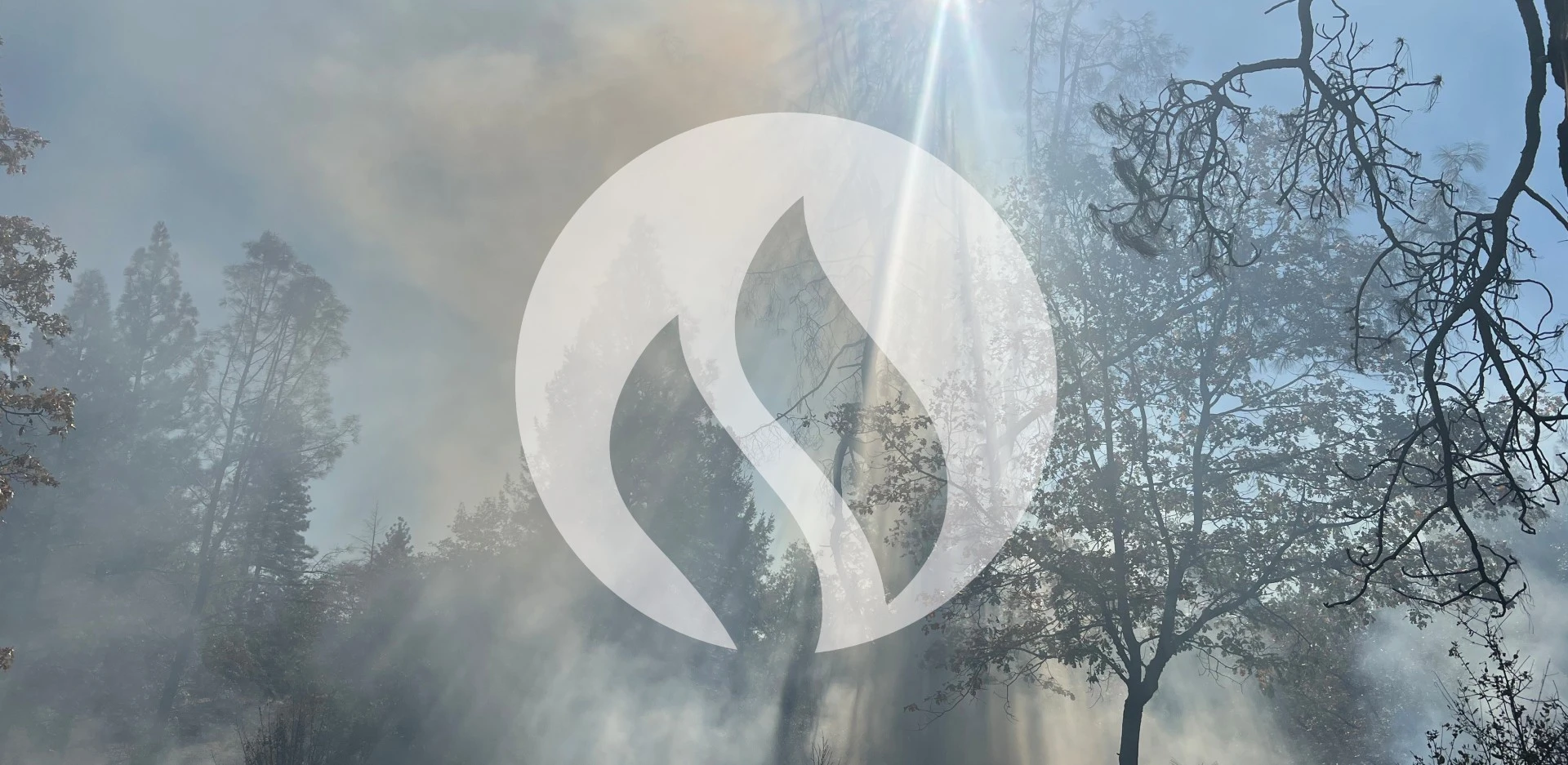
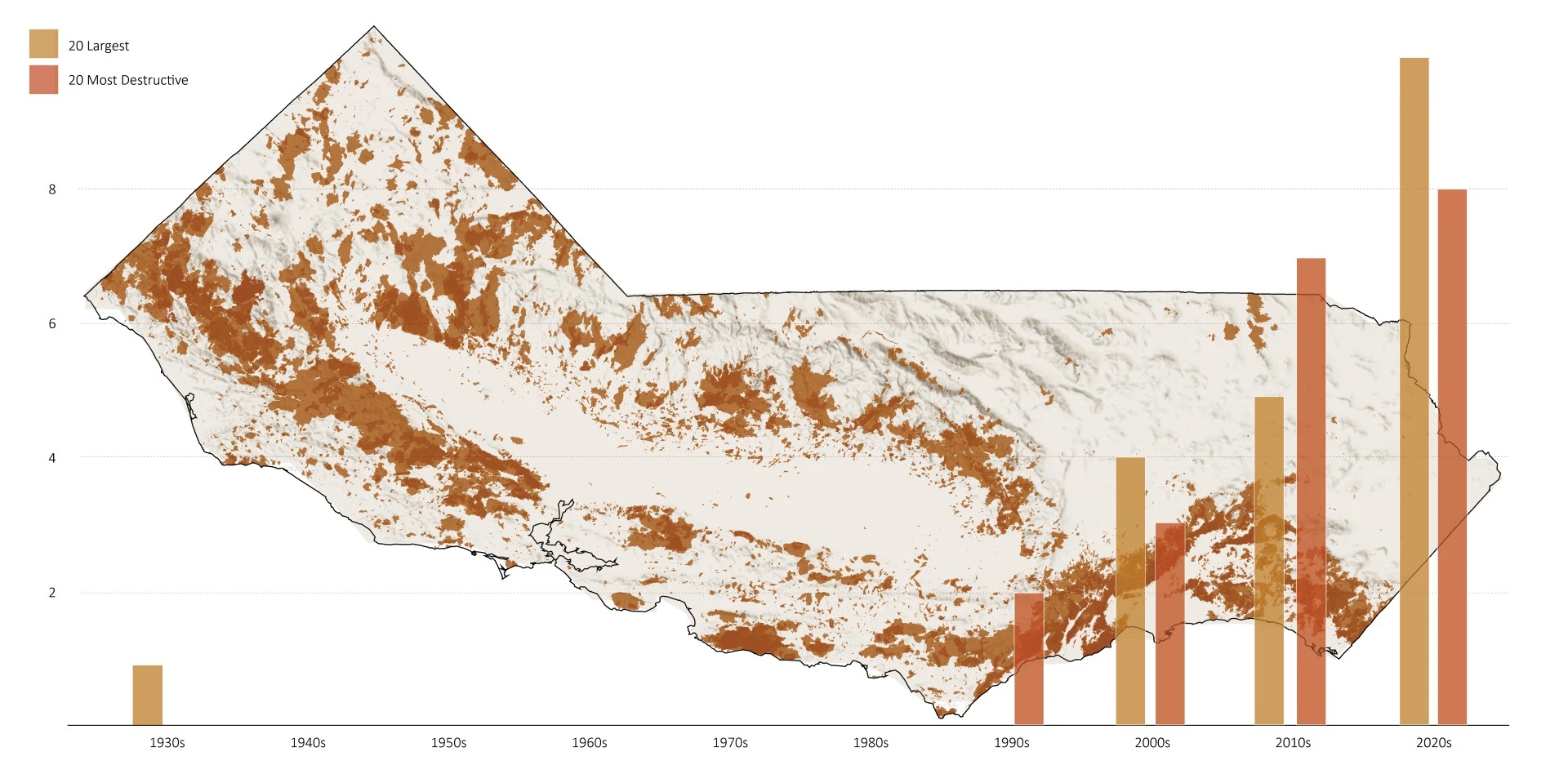
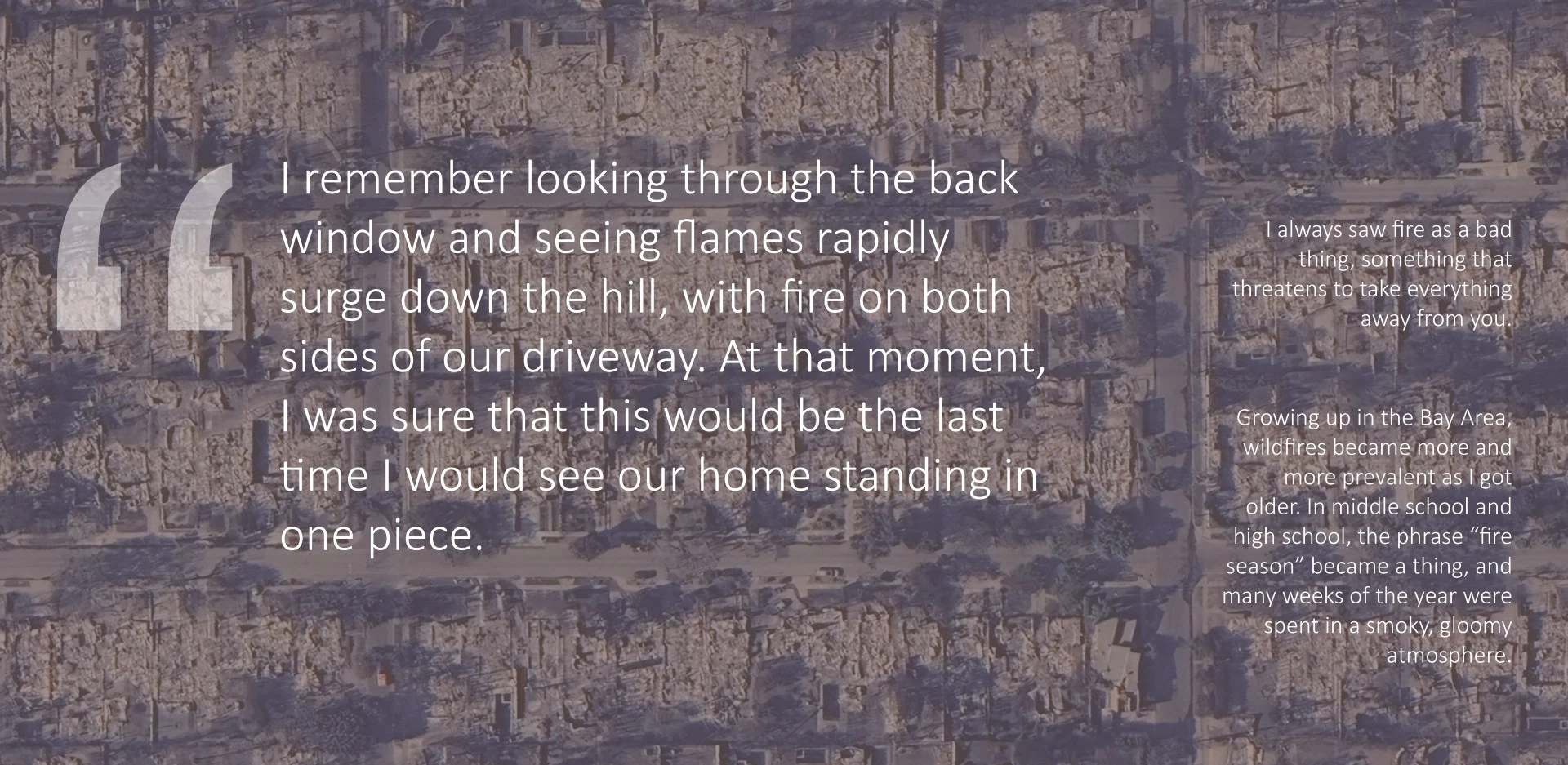
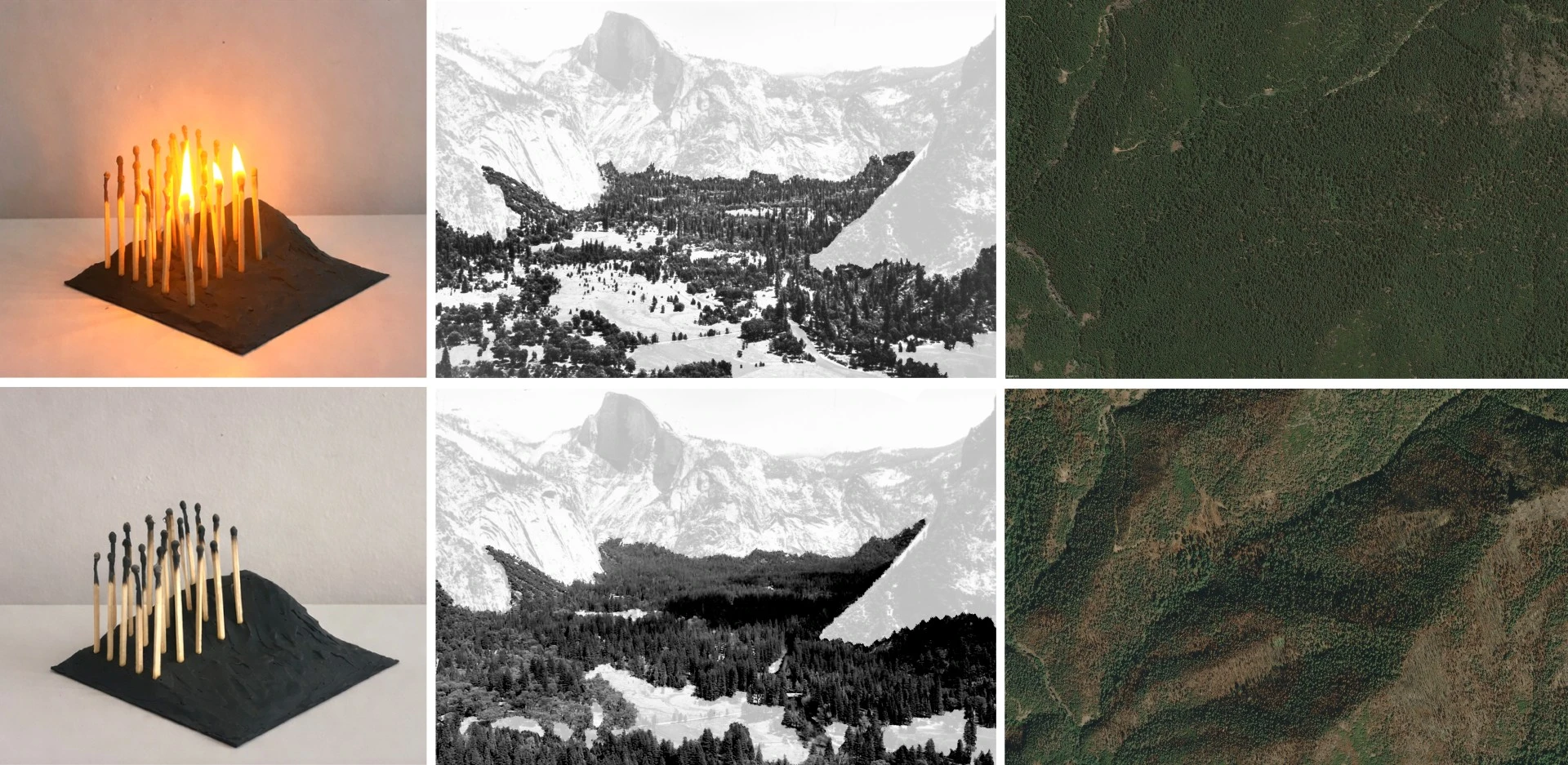
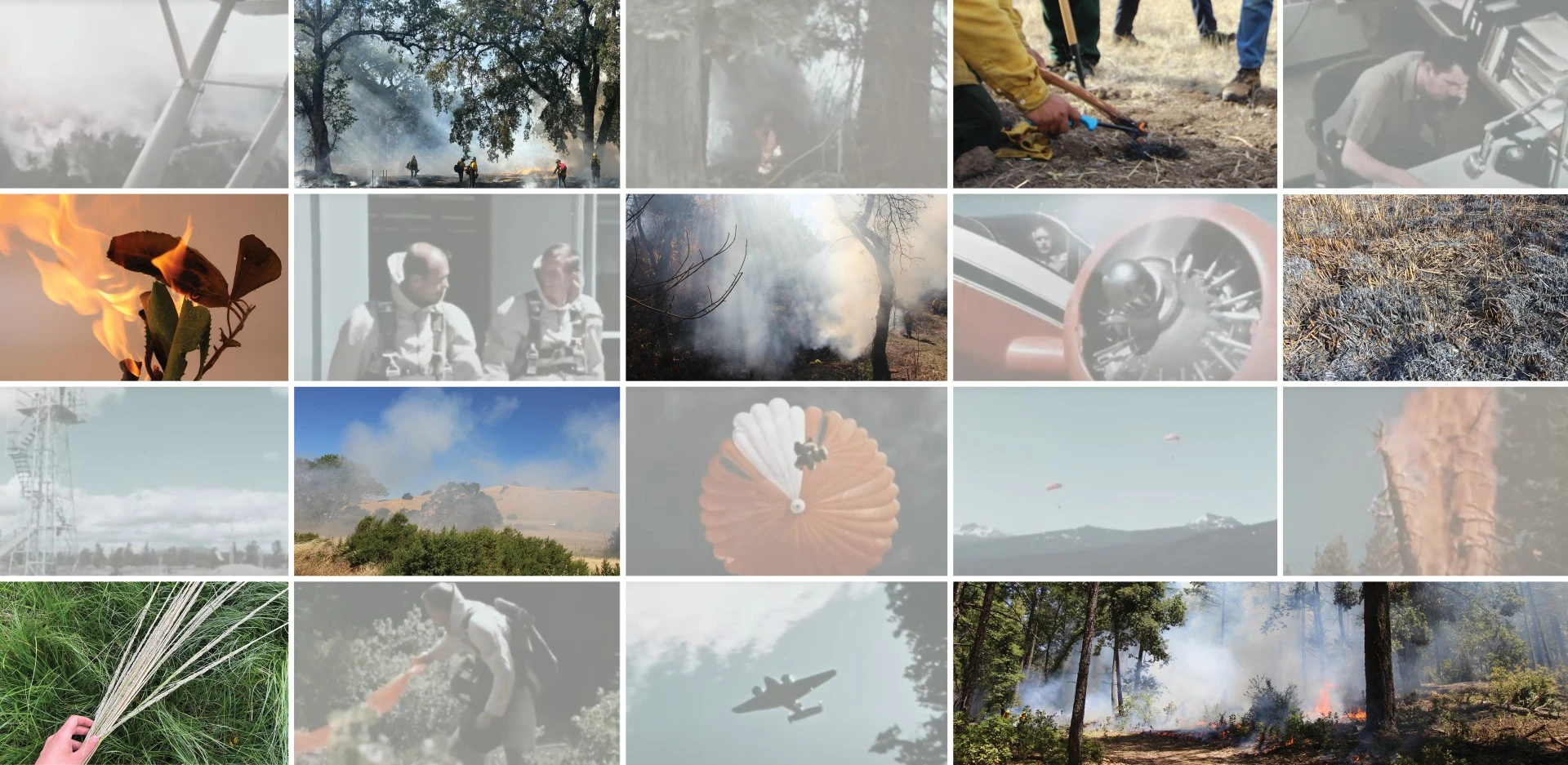
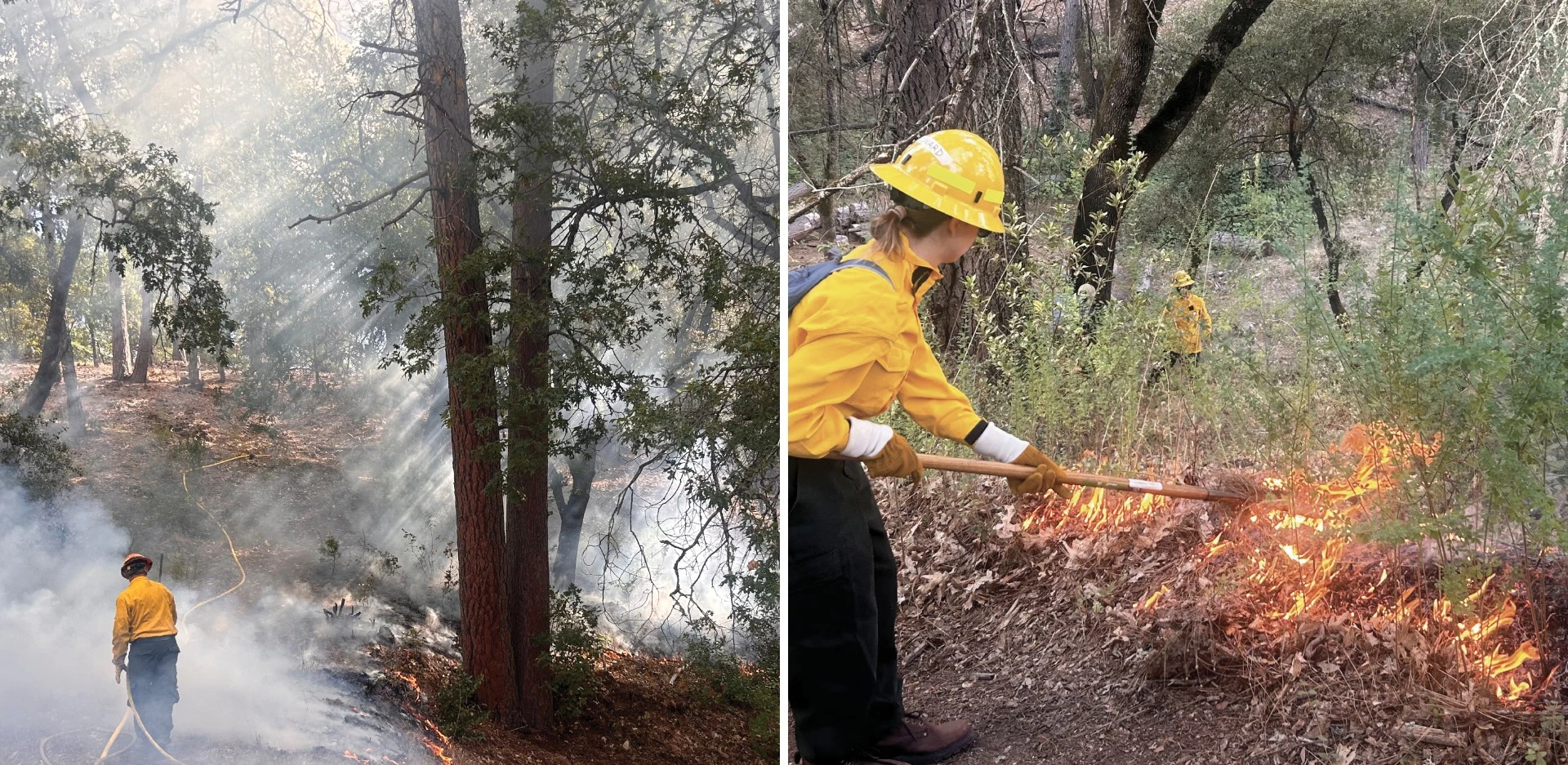
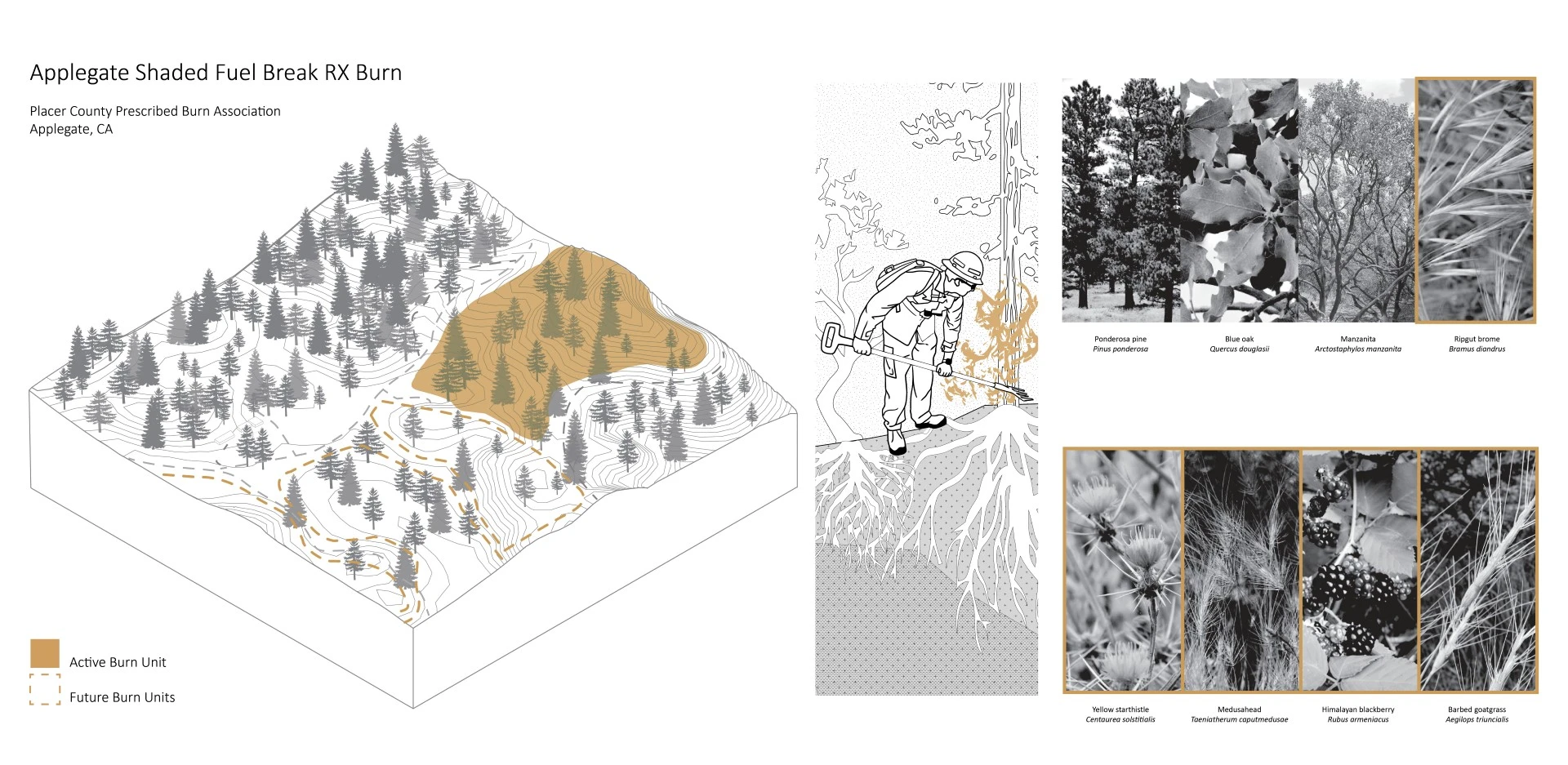
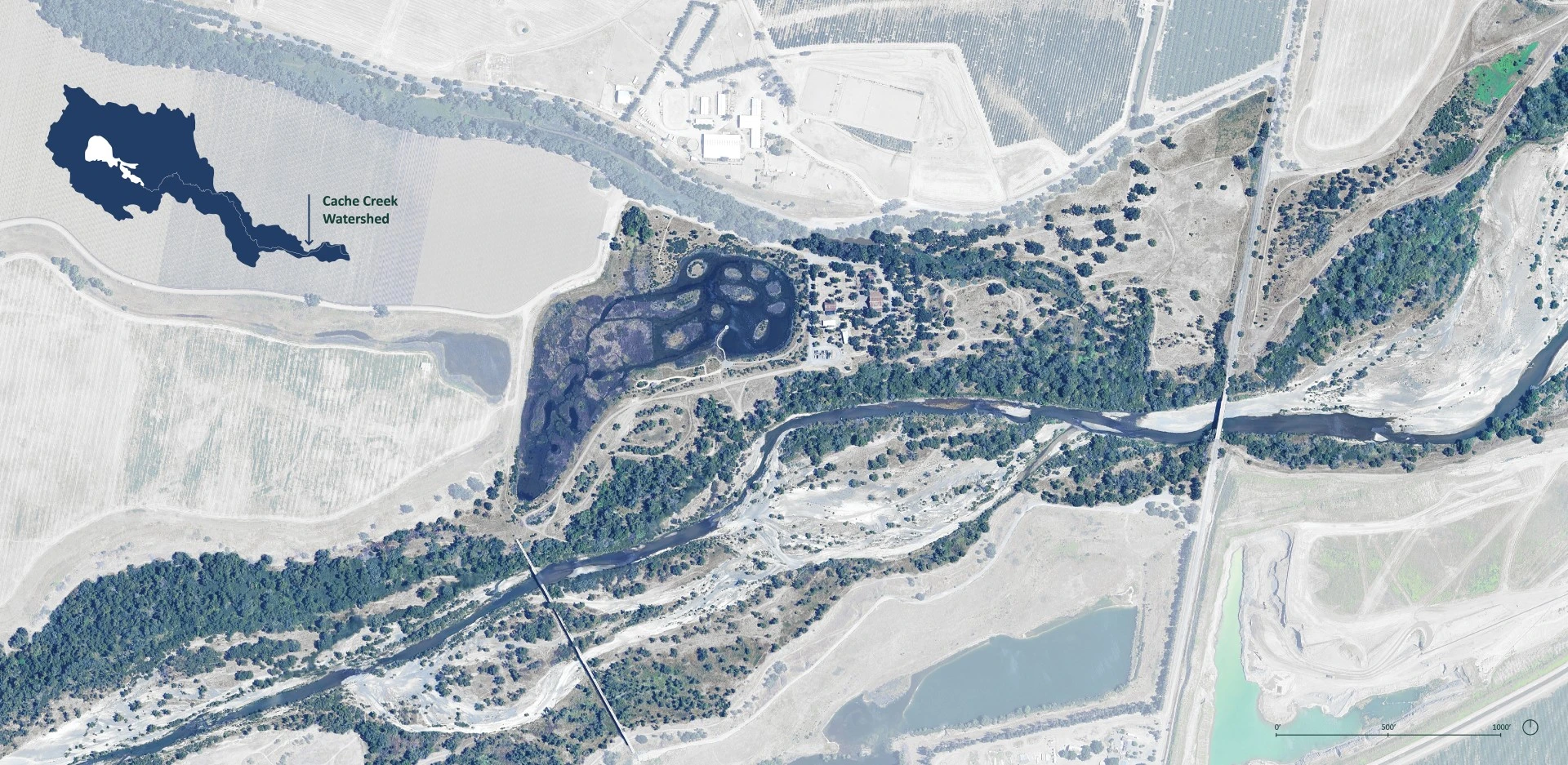
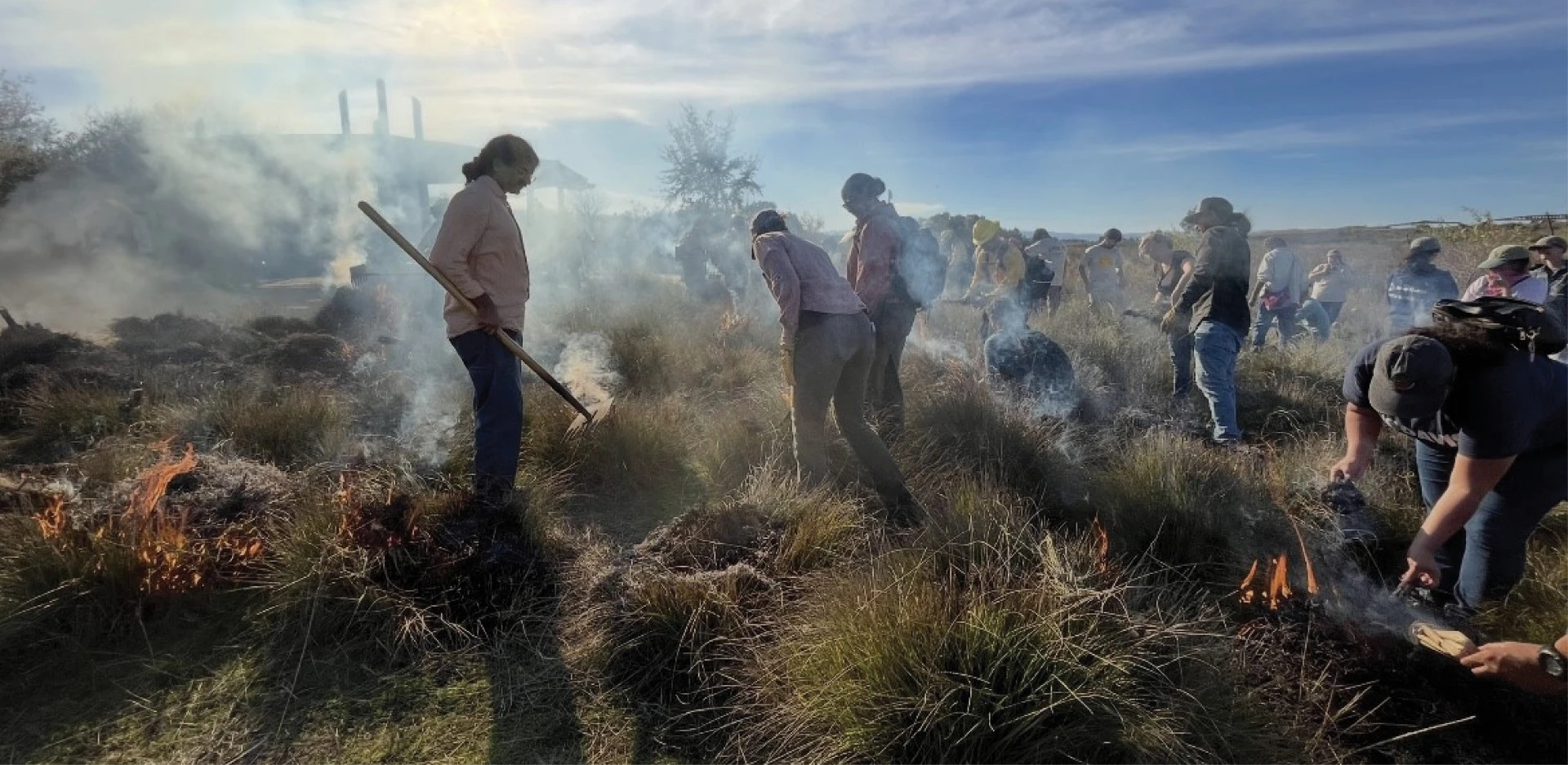
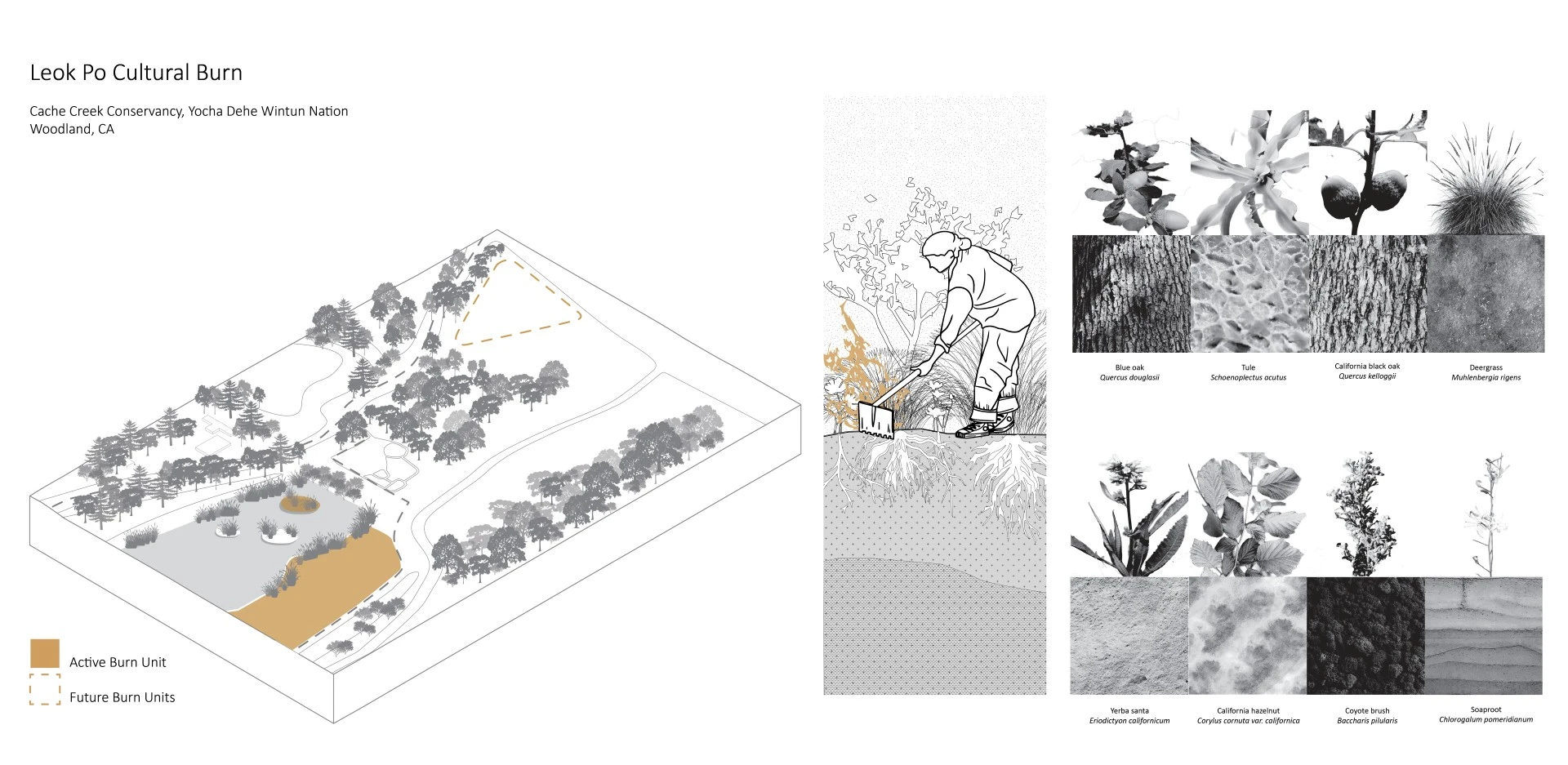
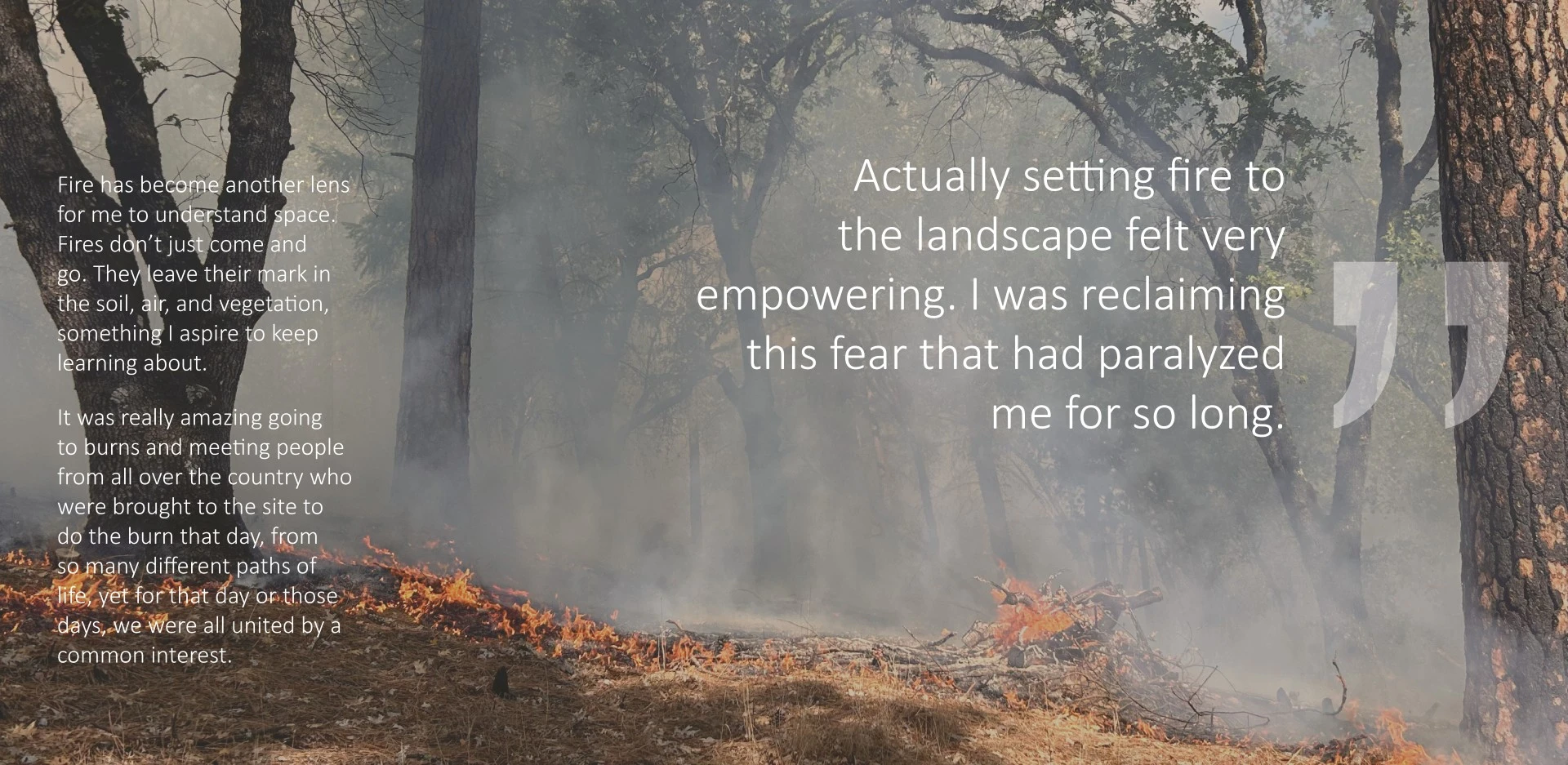
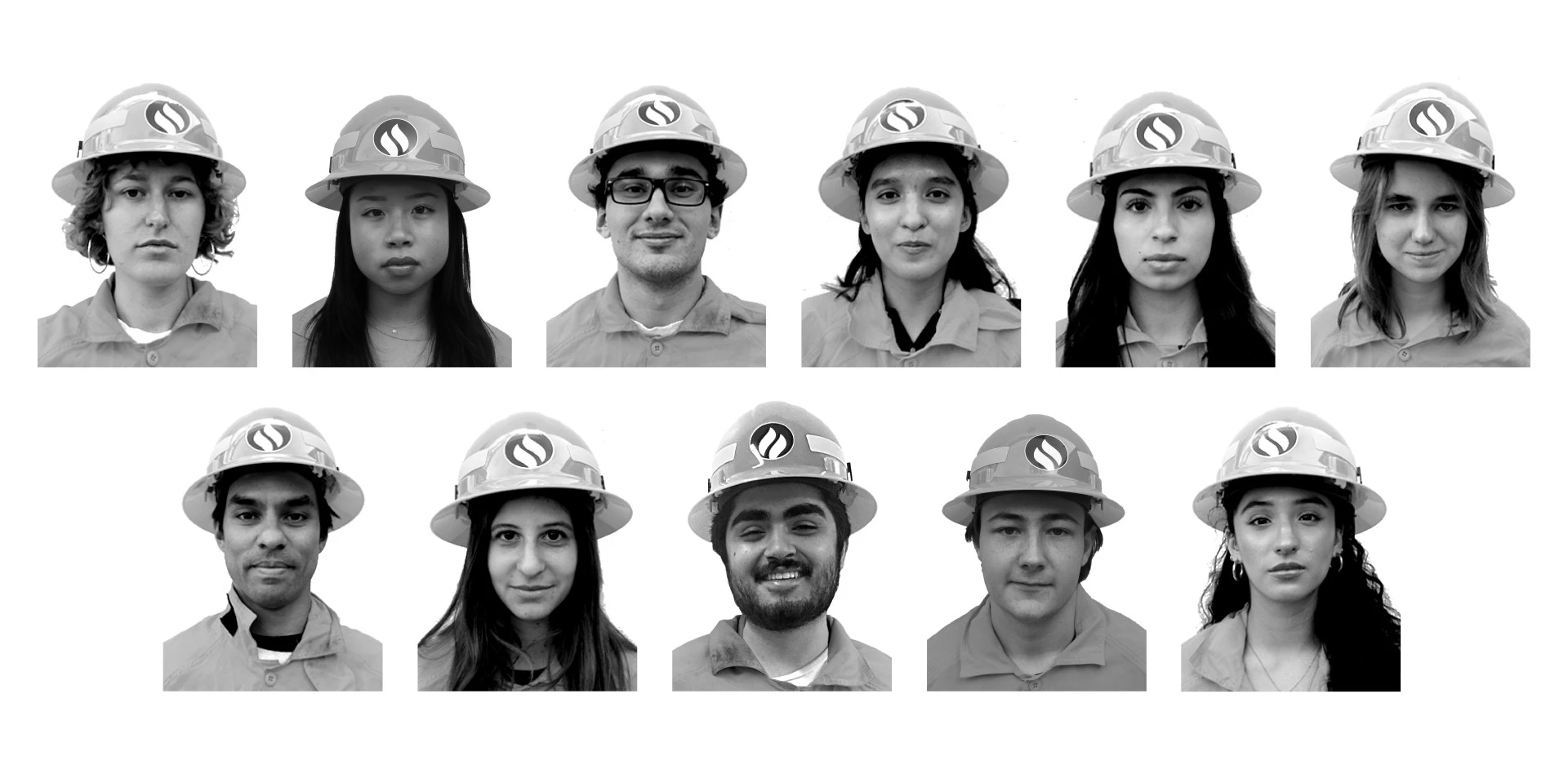
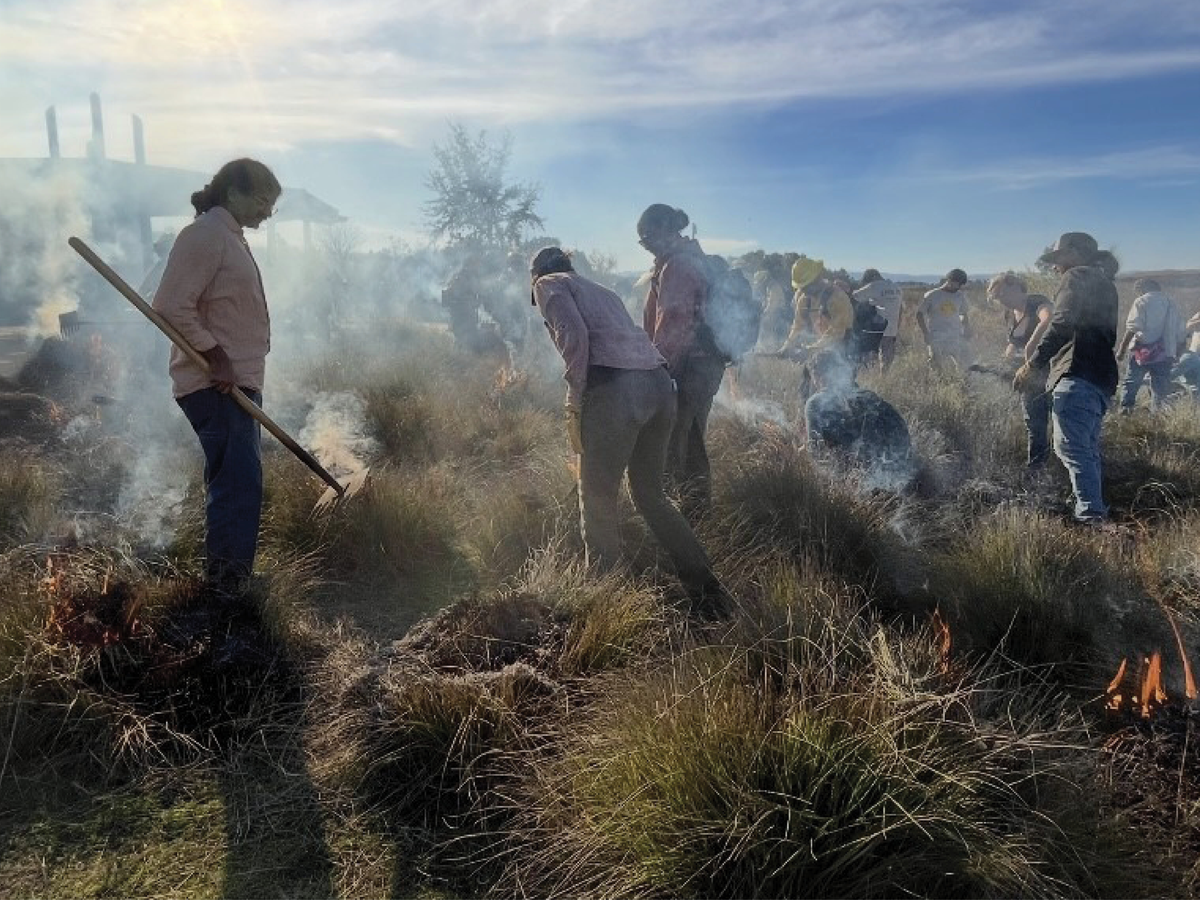
Strong active participation in ecological restoration activities, highlighting the importance of landscape resilience.
Awards Jury
-
Over ten weeks, eleven landscape architecture and environmental design students trained as prescribed fire practitioners and volunteered on seven burns with community partners. Their service helped to expand prescribed fire capacity, shift wildfire perceptions, and move design education closer to practice, from simply drawing fire on paper to tending it. Working with fire professionals, landowners, prescribed burn associations, fire ecologists, and Indigenous practitioners, students advanced beneficial fire as a key strategy for reducing risk in fire-prone landscapes. The cohort now serves as an on-call volunteer crew, developing a public exhibition on fire messaging, establishing a long-term fire plot, and mentoring future Firelighters.
-
Fire has long shaped California. When European settlers arrived, their view of nature was influenced by the belief that America was untouched wilderness. Native Californians were removed from the land, and settlers failed to recognize the vital role of Indigenous stewardship and cultural burning in fire-adapted ecosystems. Without this stewardship, aggressive fire suppression allowed fuels to accumulate, contributing to today's megafires. Today, fire professionals, Indigenous land stewards, and scientists recognize fire as a tool to reduce hazardous fuels. However, beneficial fire remains difficult to implement: decades of fire exclusion have left many places too dense to burn, we lack the capacity to treat all landscapes needing tending, and widespread public support is still limited.
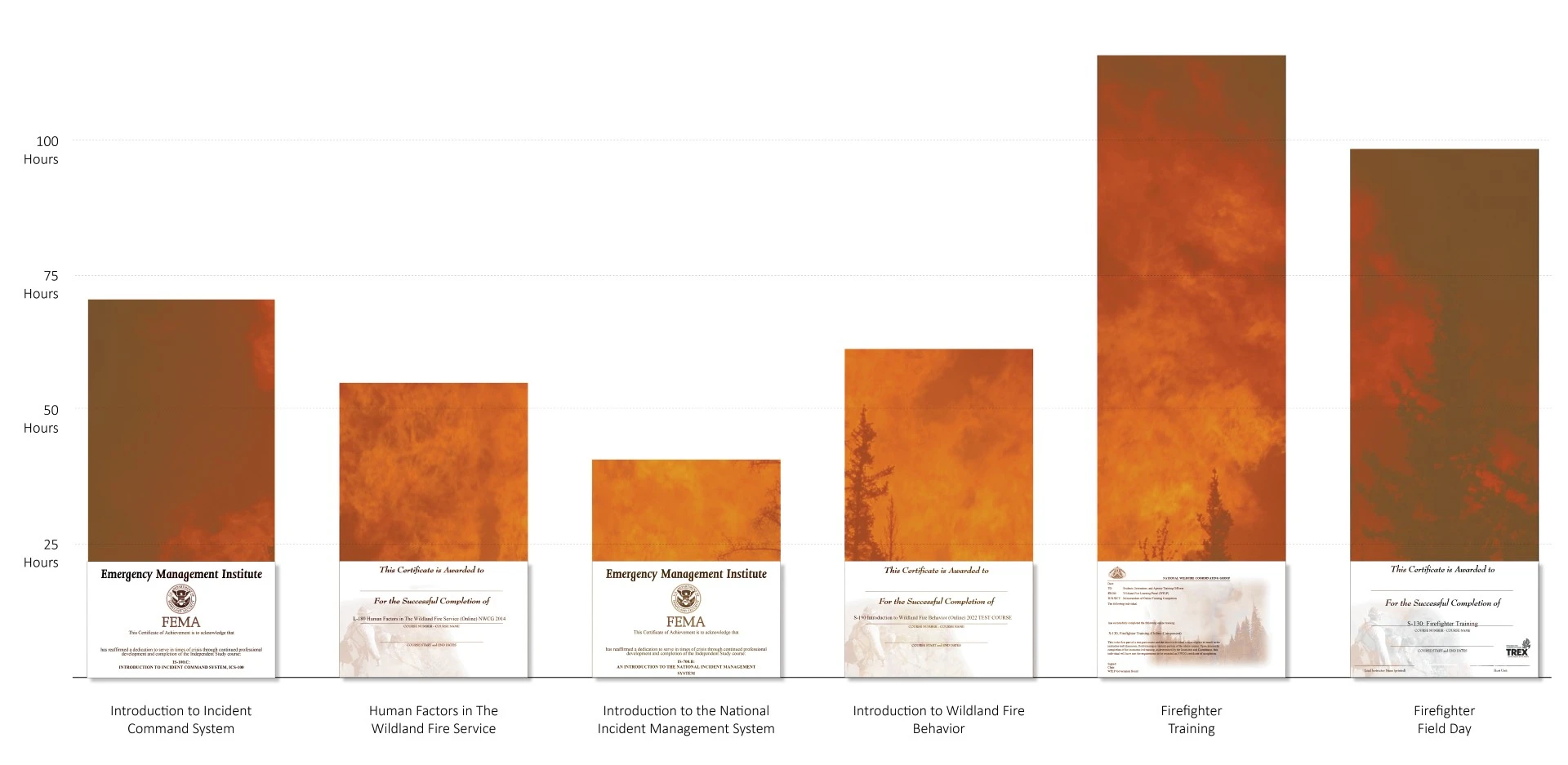
The Firelighters Internship addresses these challenges by building the technical capacity of good fire practitioners and increasing public understanding of beneficial fire. Through the program, students receive technical training while learning the ecological, cultural, and historical context of fire management in California. By equipping emerging designers, planners, and landscape architects with this knowledge, the internship expands the community of professionals capable of advocating for and implementing good fire practices. Students can use this framework of good fire and successful wildfire management in creating more resilient California landscapes.
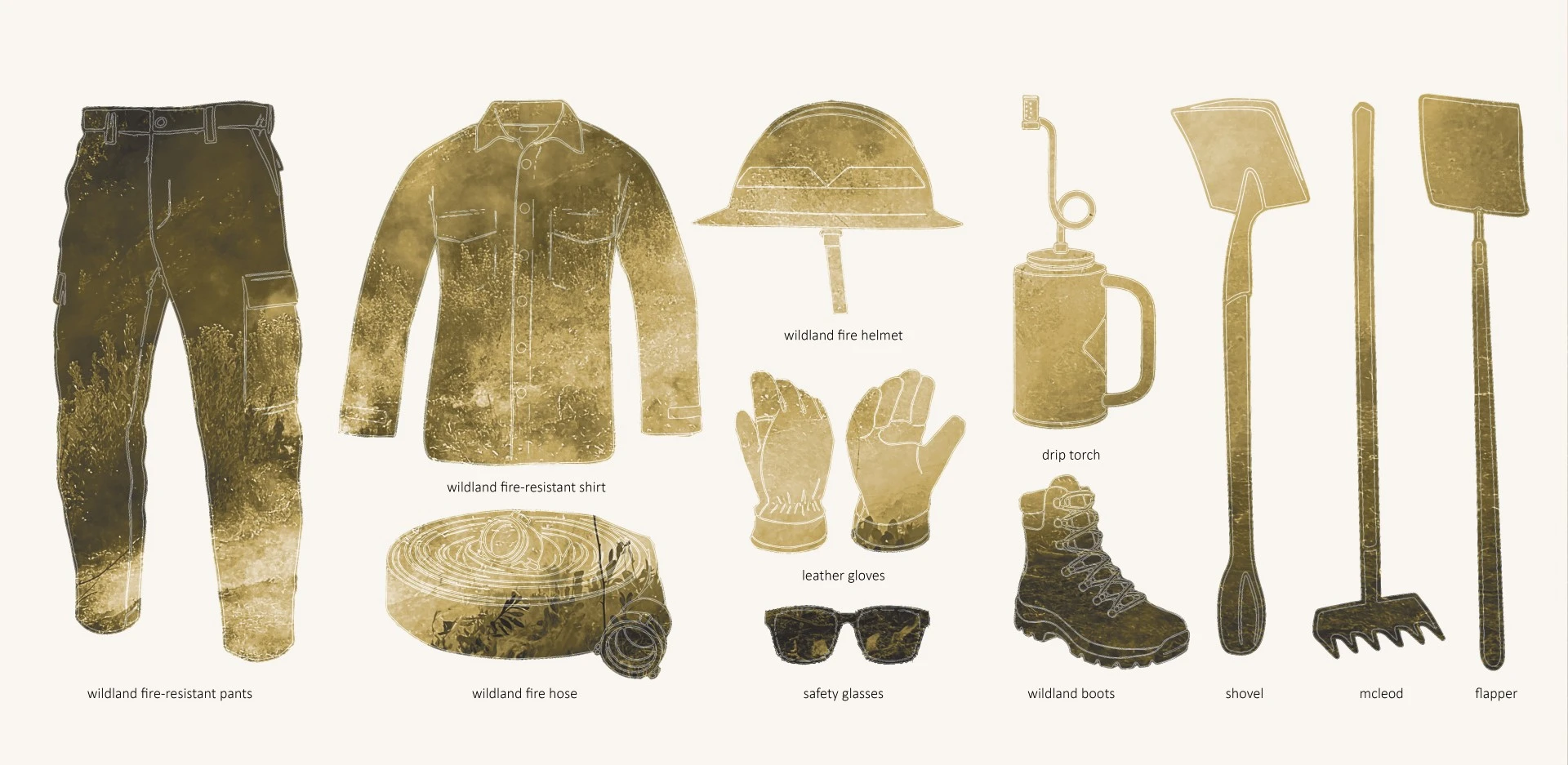
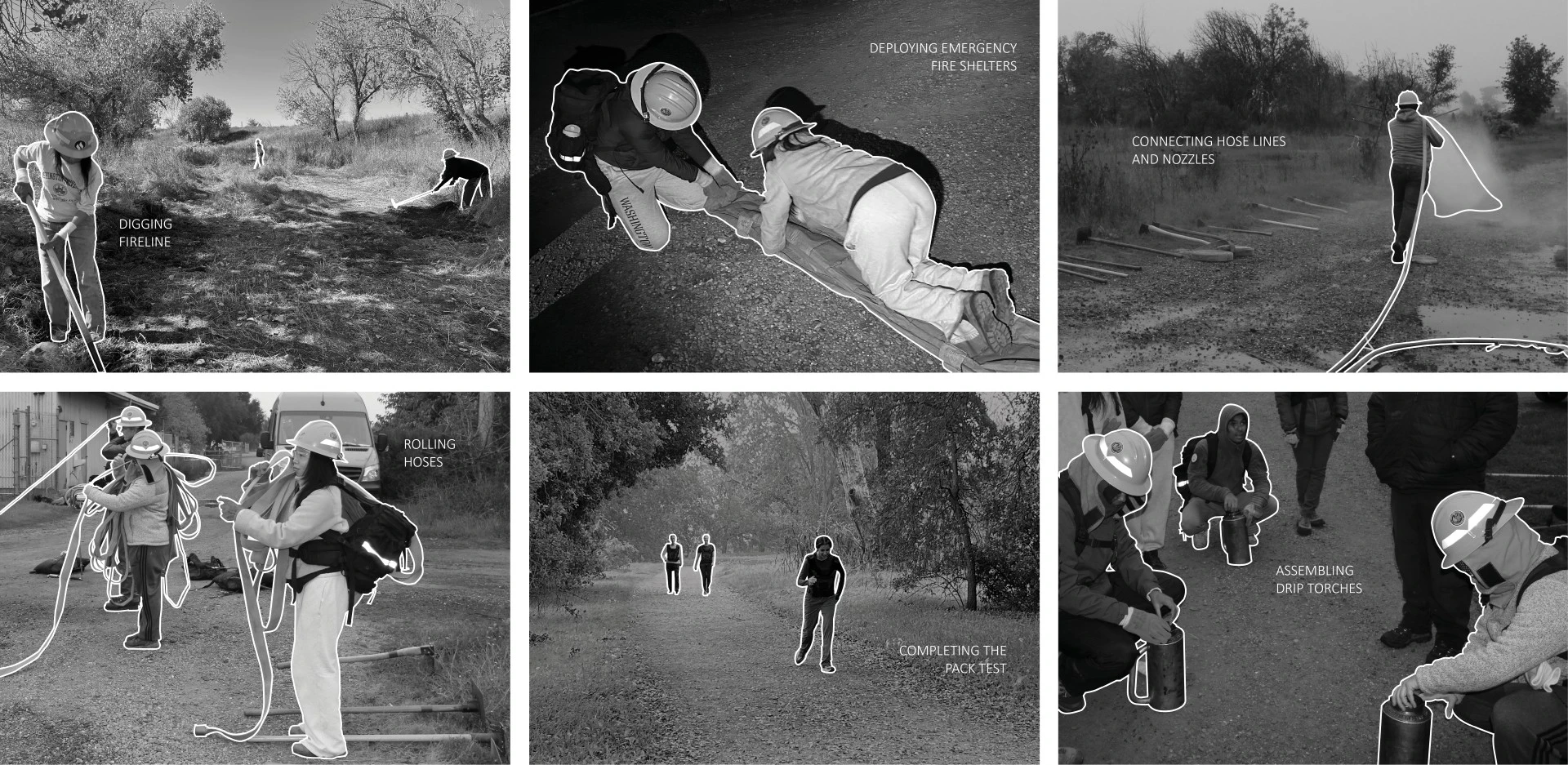
The first cohort were undergraduate students in landscape architecture and environmental design, with backgrounds in policy and planning, geography, botany, entomology, and more. They supported beneficial fire by preparing burn units, participating in firing and holding operations, and securing sites after burns. Interns worked alongside local fire practitioners including retired state and federal fire professionals, prescribed burn associations, Indigenous cultural burners, landowners, and fire ecologists. Students gained technical and safety knowledge, learned burning logistics and equipment use, and explored the cultural and ecological roles of fire. Through these collaborations, they heard diverse stories and perspectives on fire's destructive and beneficial impacts. These partnerships increased local capacity, enabled knowledge exchange across disciplines, reframed fire management from suppression to stewardship, and bridged the gap between design and practice.
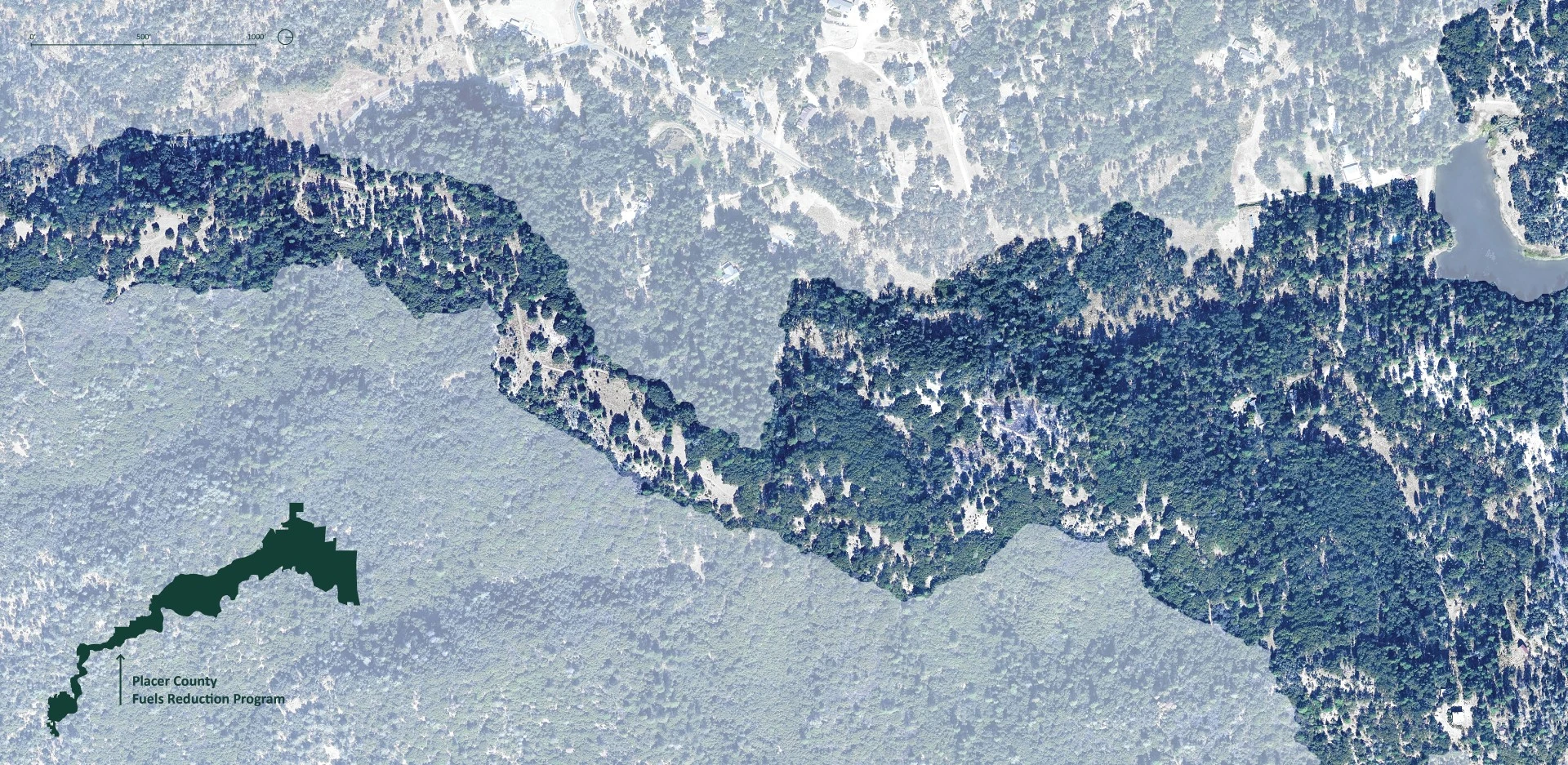
In total, the Firelighters participated in seven burns with local communities over the course of 10 weeks. The Firelighters have continued their service as an on-call crew, participating in local burns as opportunities arise. Some interns have also extended this work by designing a public exhibition on fire messaging and establishing a long-term fire plot.
This internship reconsiders the relationship between fire and design. Design is more than working behind a computer, it can also mean tending, stewarding, burning, and doing physical work on the land. Designers can be practitioners who help shape how communities understand and manage wildfire risk, contributing to a shift from a "war on fire" toward using good fire to shape landscapes. This internship offers an opportunity to reframe the role wildfire plays in our lives. Fire will always be part of living in California, and wildfire risks will only grow with climate change. Through this work, the Firelighters are leading a shift in how future professionals design with fire in mind.
Advertisement
Related Awards
Award of Excellence, Student Collaboration
The Firelighters
Location: Davis, CA
Students: Nicholas Hardt-Mason, Student ASLA; Helene Hoffman; Stasha Leonard; Amber Lin; Vallerie Morones, Student ASLA; Mary Kate O'Connor, Student ASLA; Fermin Pereira; Simone Shupper; Eavan Swanson; Lauren Swing, Student ASLA
School: University of California, Davis
Faculty Advisor(s): Emily Schlickman, ASLA
Over ten weeks, eleven landscape architecture and environmental design students trained as prescribed fire practitioners and volunteered on seven burns with community partners. Their service helped to expand prescribed fire capacity, shift wildfire perceptions, and move design education closer to practice, from simply drawing fire on paper to tending it. Working with fire professionals, landowners, prescribed burn associations, fire ecologists, and Indigenous practitioners, students advanced beneficial fire as a key strategy for reducing risk in fire-prone landscapes. The cohort now serves as an on-call volunteer crew, developing a public exhibition on fire messaging, establishing a long-term fire plot, and mentoring future Firelighters.