

.webp?language=en-US)

.webp?language=en-US)
Fifty-one Miles: Walking the Los Angeles River
Leslie Dinkin, Associate ASLA; Hannah Flynn, Associate ASLA; Nina Weithorn, Student ASLA; Camille Shooshani; Rio Asch Phoenix
-
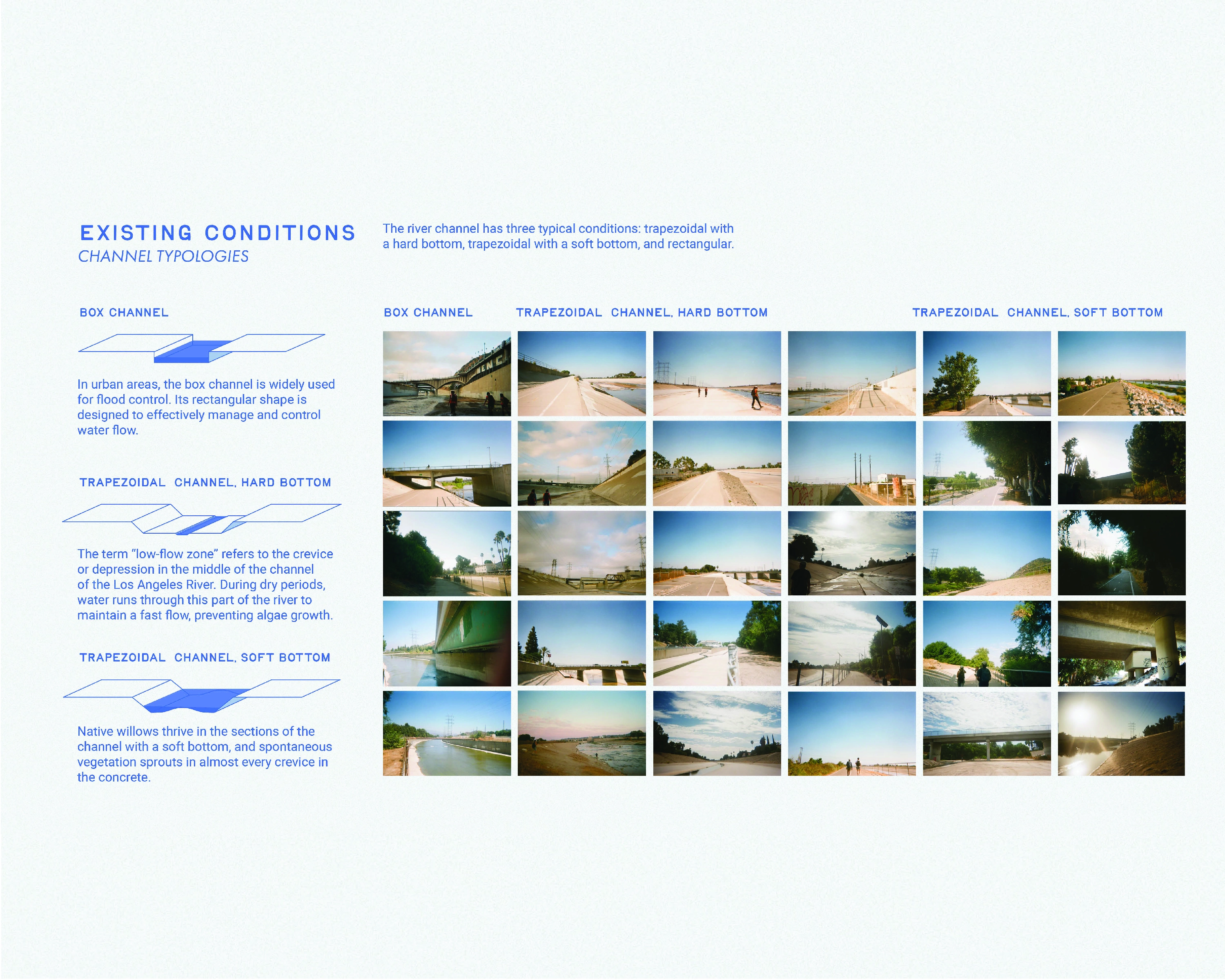
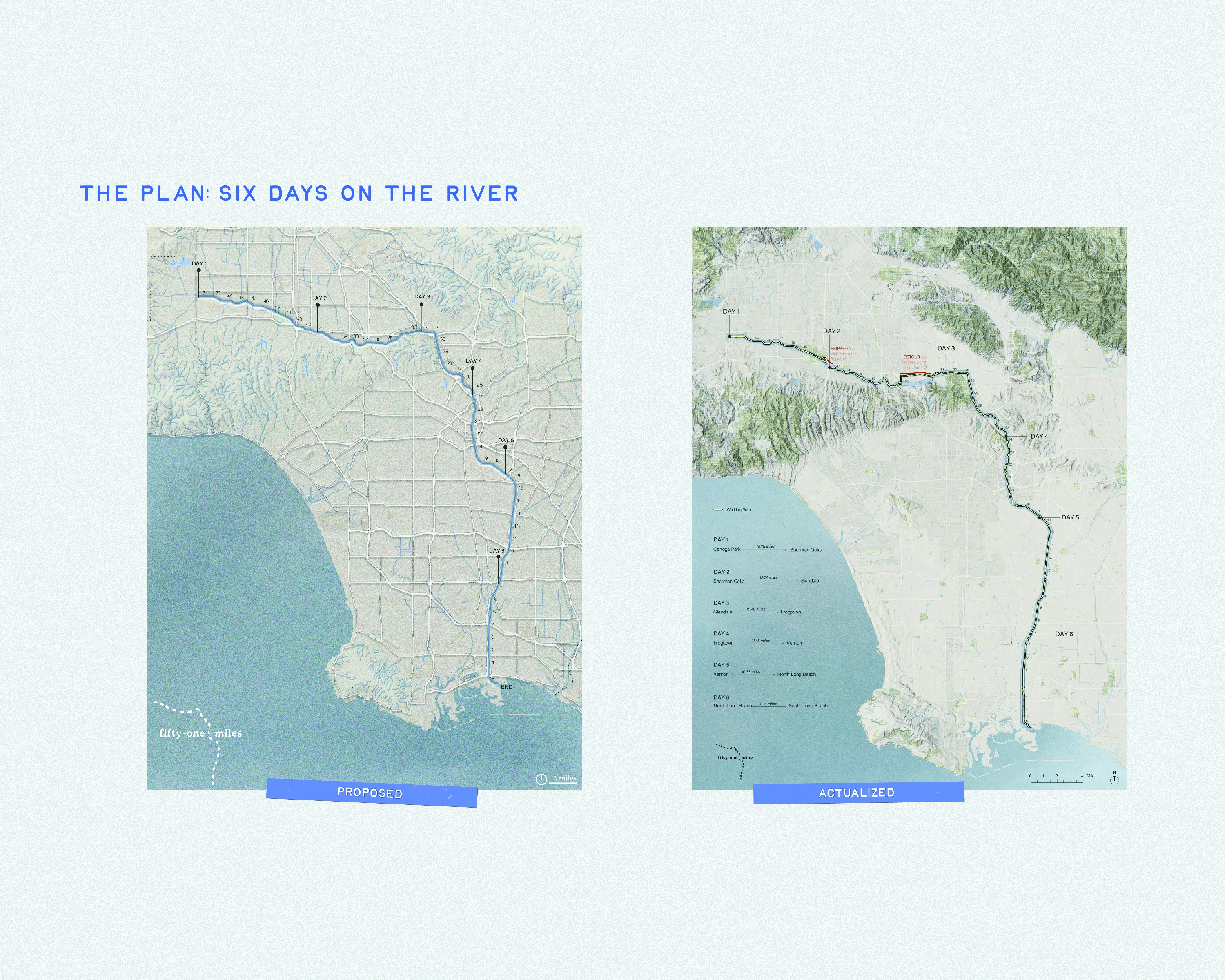
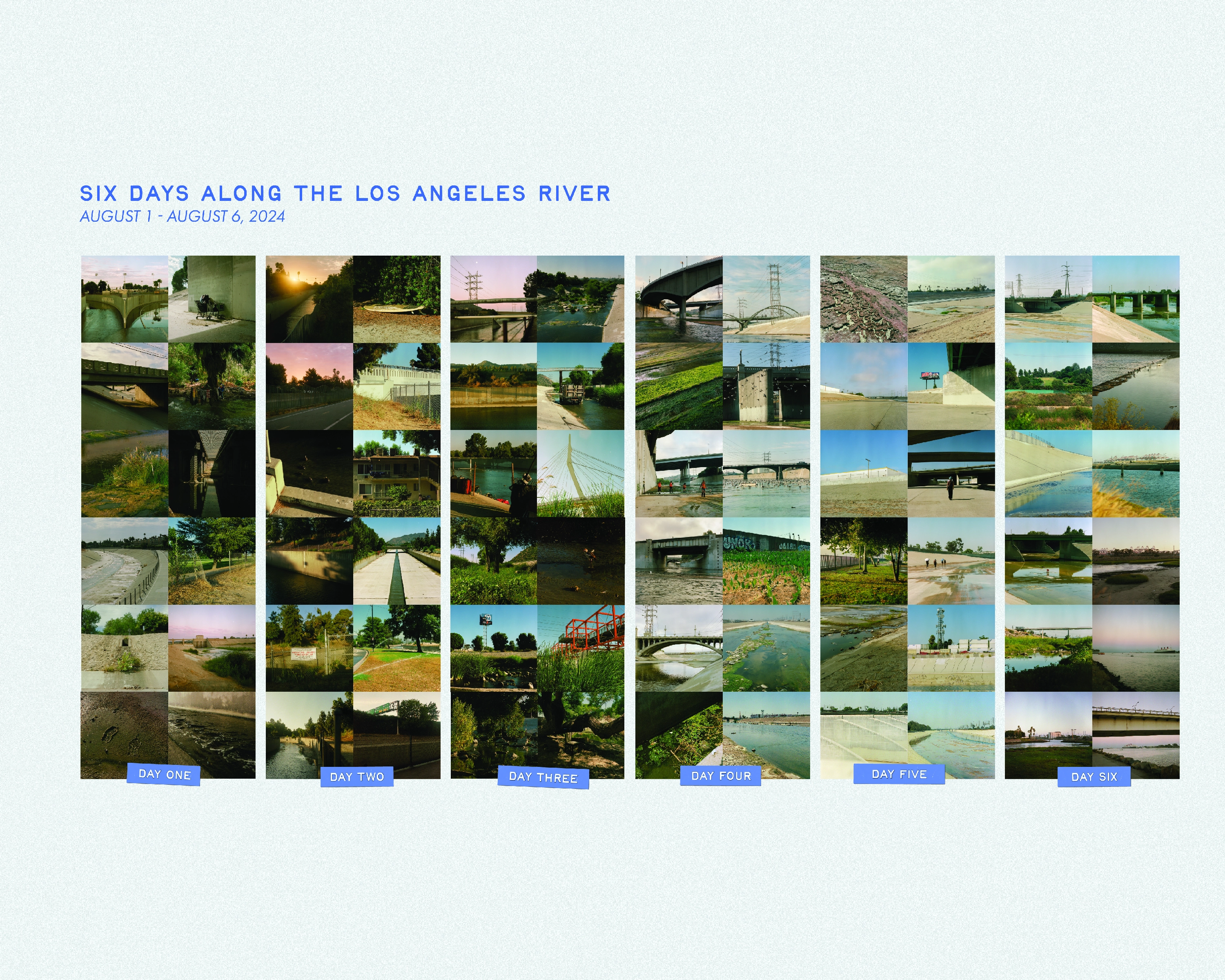
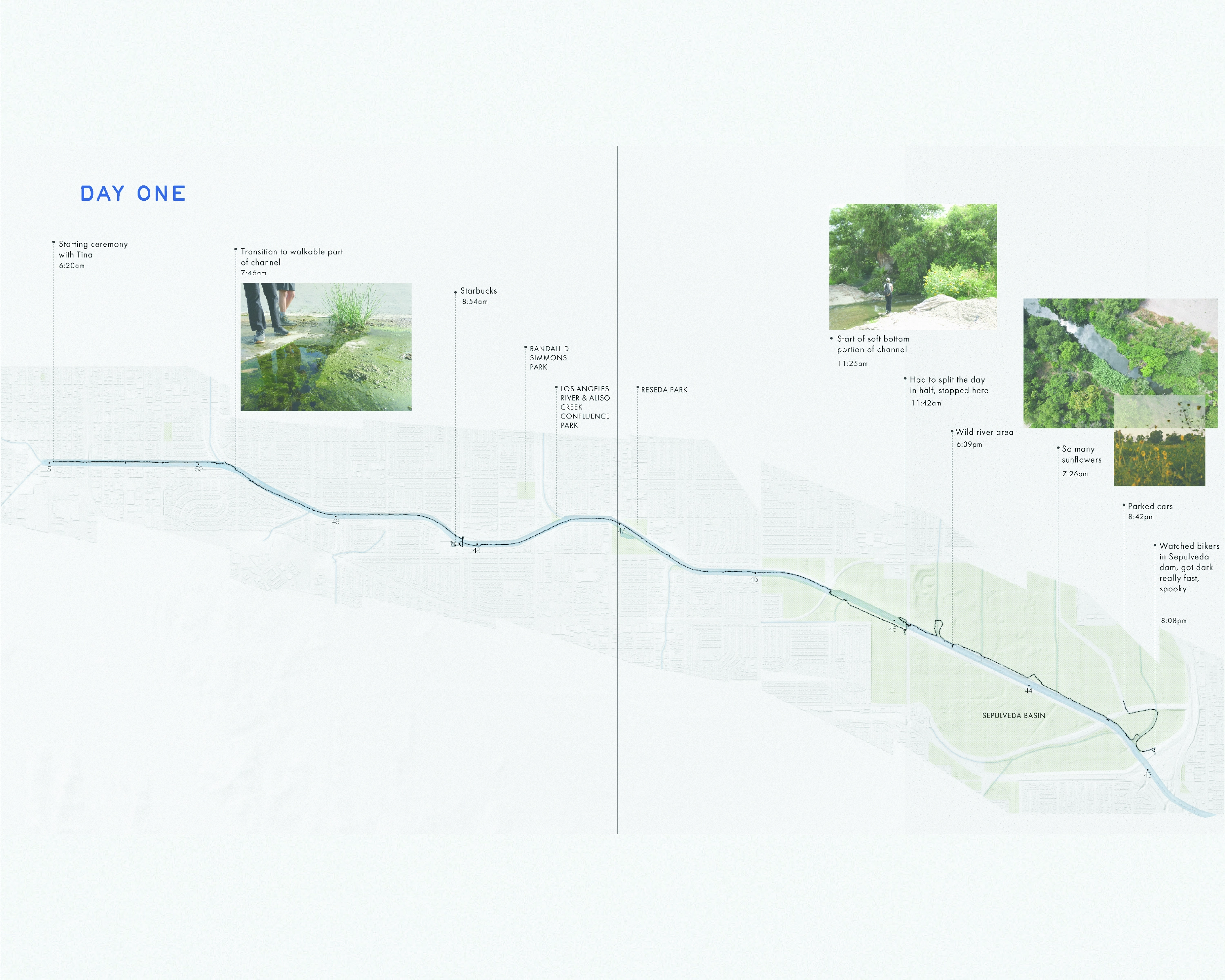
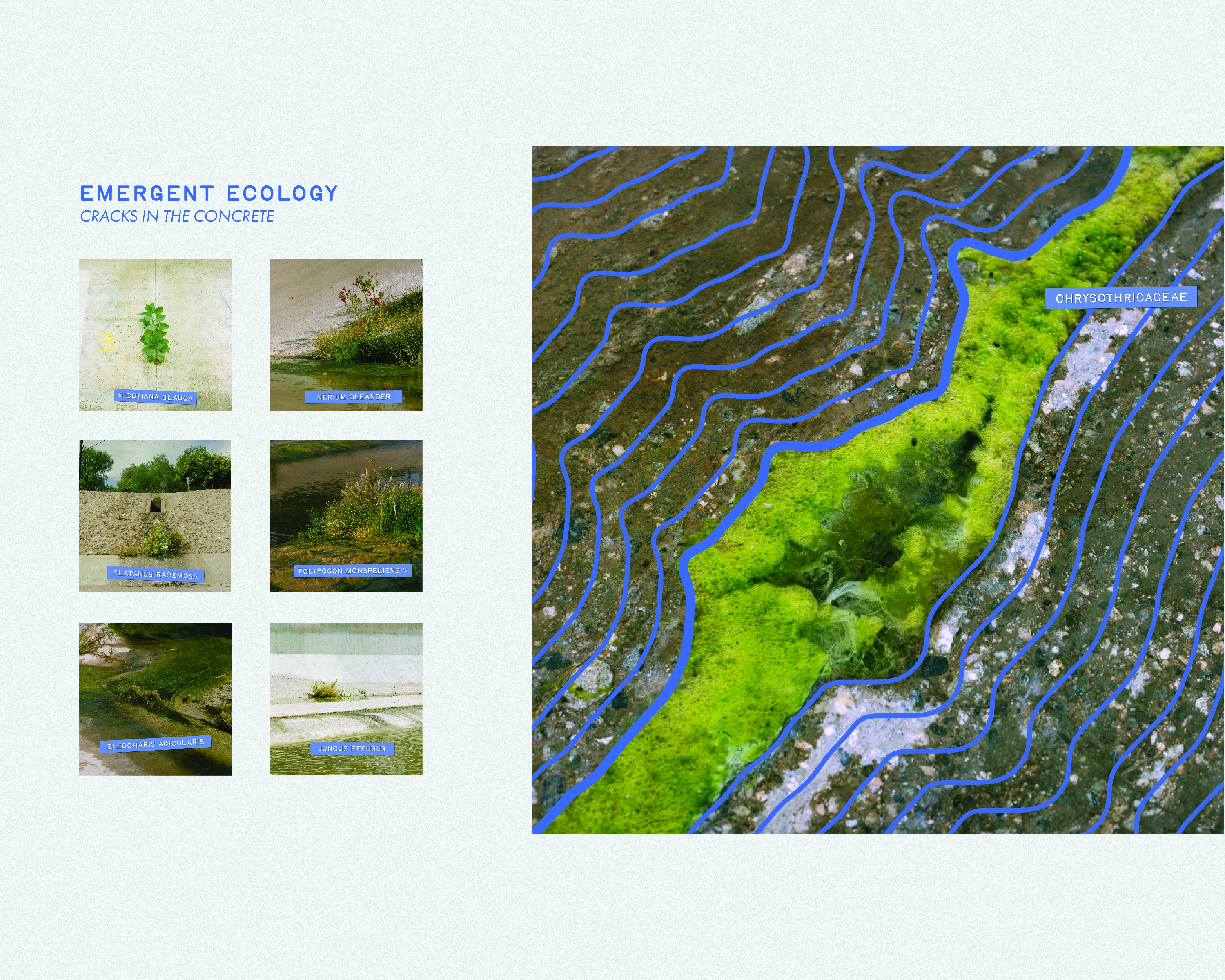
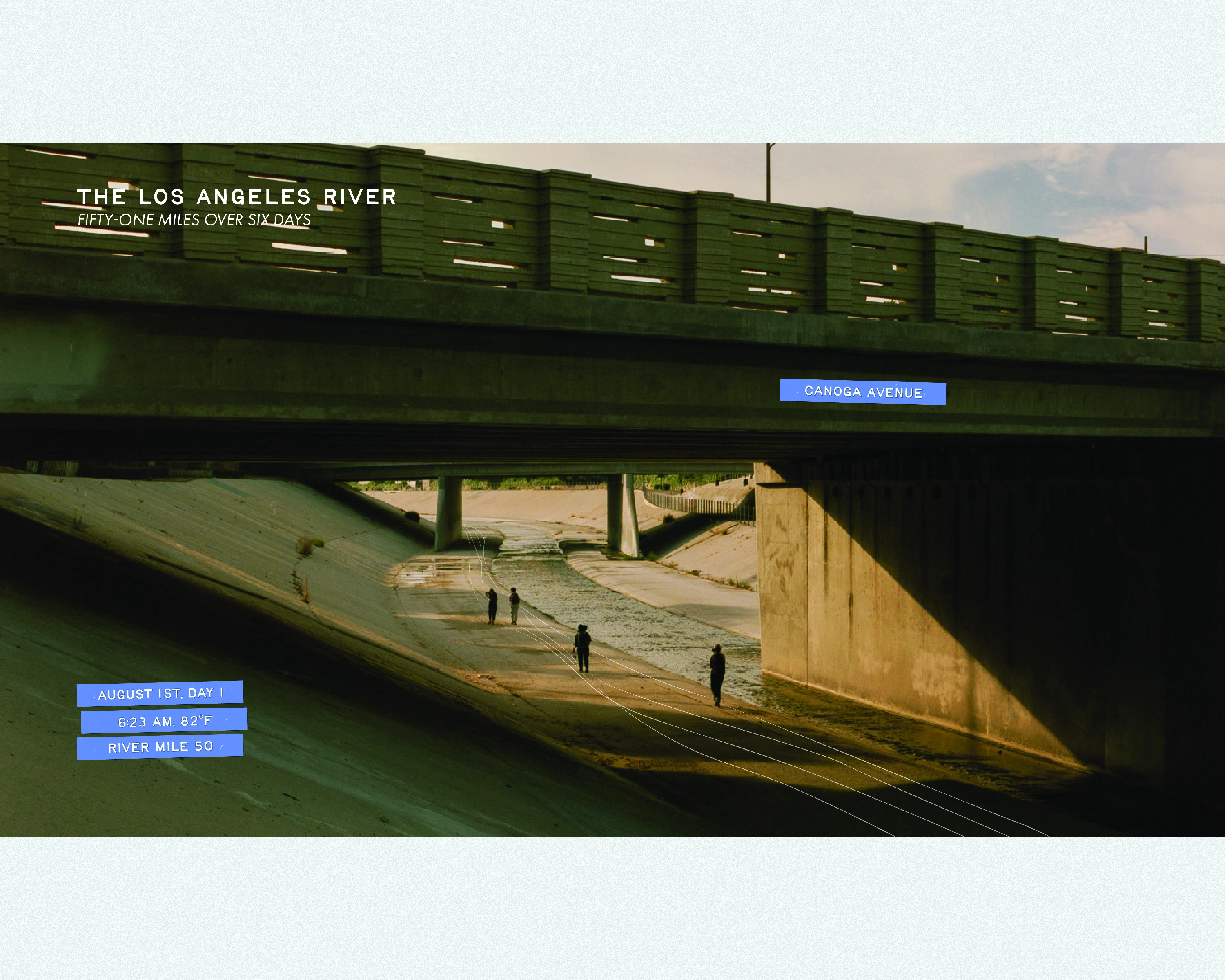
Over six days in early August 2023, our team, led by three landscape architecture students specializing in ecology and mapping, urbanism and access, and heritage conservation and narrative ethnography, embarked on a journey following the length of the LA River. Joined by a photographer, a documentarian, and community researchers, we chronicled the 51-mile trek from Canoga Park to Long Beach. Contrary to the prevailing notion that the LA River is desolate and lifeless, we witnessed a different reality—thousands of birds enjoying accidental algae mats from low-flow spillovers, native shrubs and trees bursting out of cracks in the ground, and clear groundwater bubbling up through the very concrete designed to keep it hidden away forever.
-
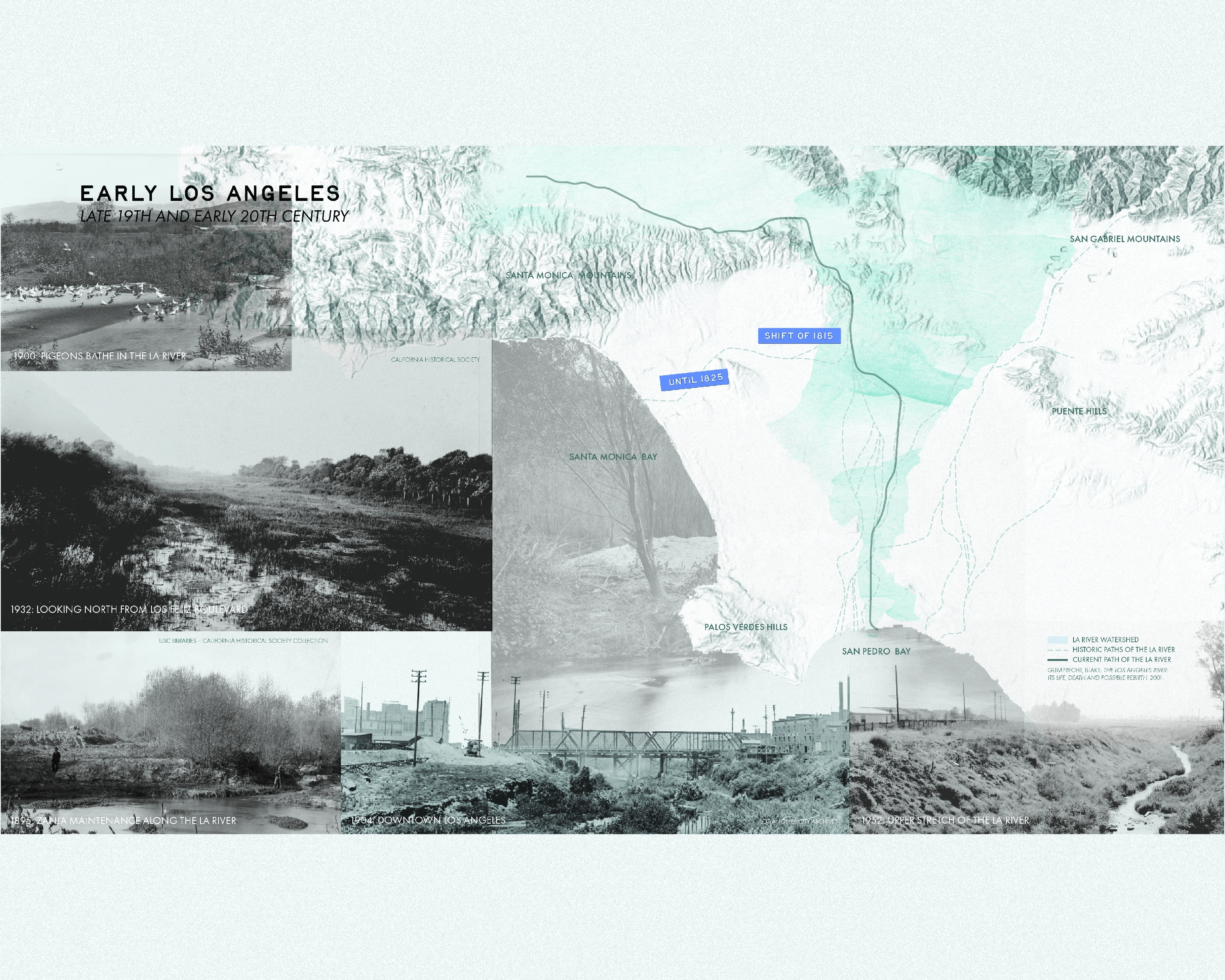
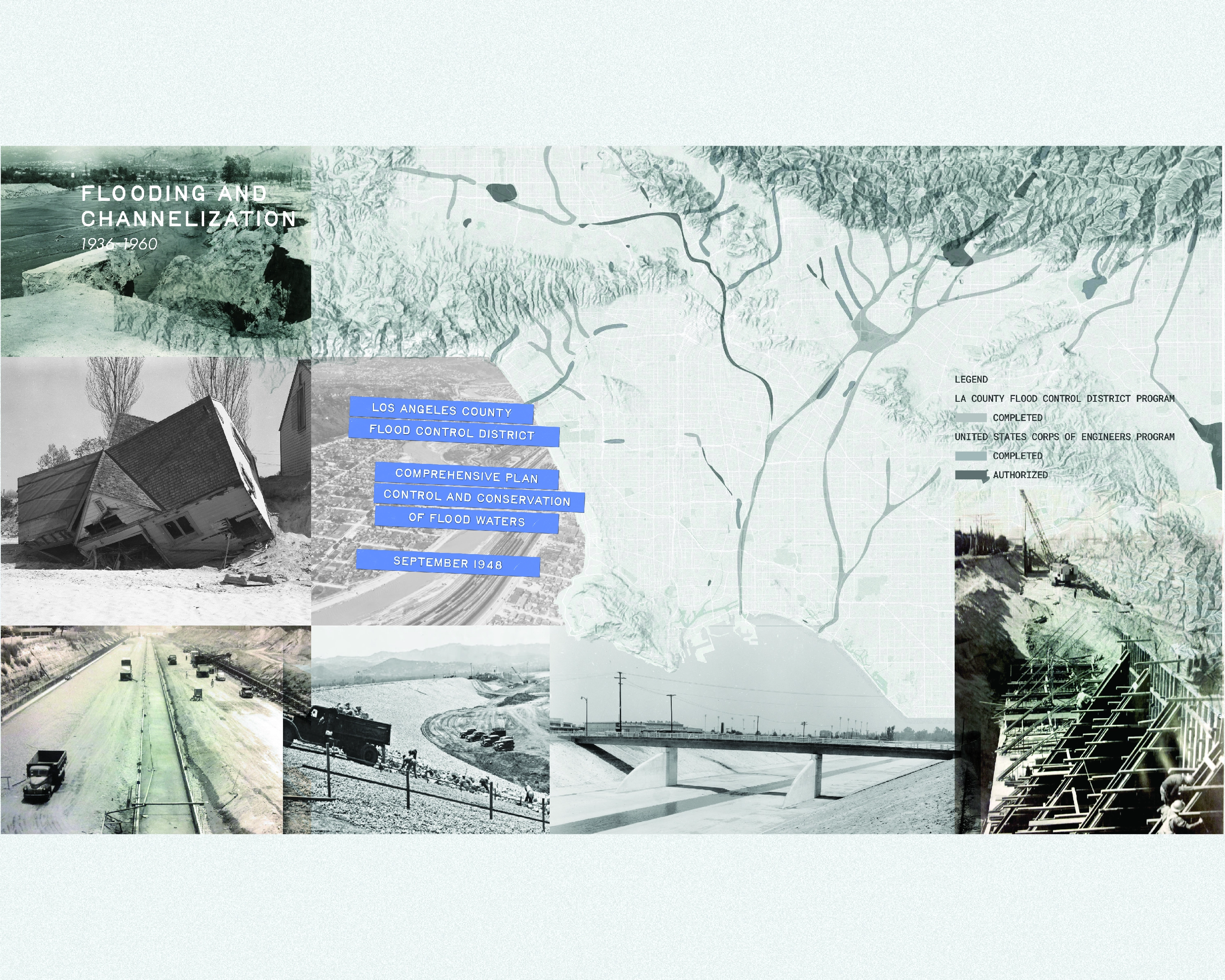
Before it was the Los Angeles River, it was Paayme Paxaayt, the “West River,” a meandering, transient body of water that brought alluvium-rich soils to the Los Angeles Basin. However, as settlers arrived and developed the region, the river became a potential threat—its natural variability posing risks of flooding. In response, the U.S. Army Corps of Engineers began a monumental project in 1938, encasing the entire 51-mile river in concrete to protect the surrounding urban sprawl. The massive undertaking severed the river’s connection to its groundwater and erased its identity as a living waterway. Since then, the river’s singular purpose has been to defend the city from flooding, channeling rainwater into the Pacific, with freeways constructed both above and beside it.
The complete transformation of the LA River symbolizes an outdated perspective—viewing dynamic, complex ecosystems as fixable or controllable. The river’s evolution reflects not only a city’s complex relationship with the wild, but also the lengths we go to inhabit certain spaces. Following the completion of the channel in the 1960s, most of the river was enclosed by fences, and all access to the water was strictly prohibited with heavy fines.
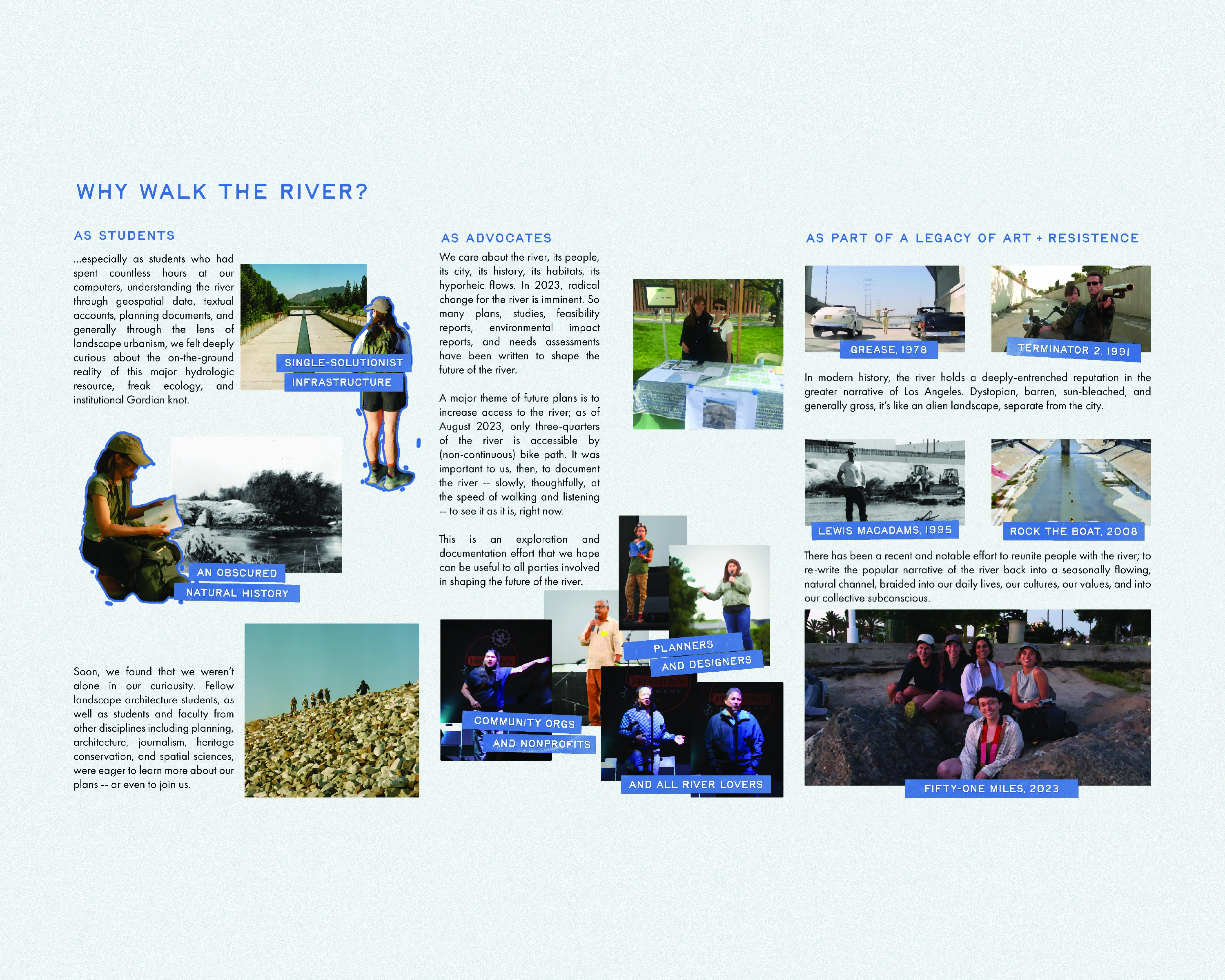
Despite these obstacles, there is a rich history of fighting to reintegrate the river and its people. In 1986, Lewis MacAdams, writer and founder of Friends of the Los Angeles River (FoLAR), cut a hole through a fence and declared the river “open for the people.” After the Army Corps announced the channel was unsafe for recreation in 2008, George Wolfe and Heather Wylie kayaked down the river over three days and released a documentary called “Rock the Boat—Saving America's Wildest River.” Two years later, the EPA declared the river as “traditional, navigable waters” and it was protected under the Clean Water Act.
Future planning for the Los Angeles River is at a crucial crossroads. We could continue as we have, treating the river as a regional-scale storm drain, fortifying it with yet more concrete. Or, the river could become a city-wide corridor that reconnects fractured communities and ecosystems. The struggle today to revitalize the Los Angeles River mirrors larger debates about sustainability and resilience in face of climate change. As communities continue to grapple with increasingly severe and frequent natural disasters, the river serves as a microcosm of broader social and ecological challenges. The river’s fate embodies the tensions between development and conservation.
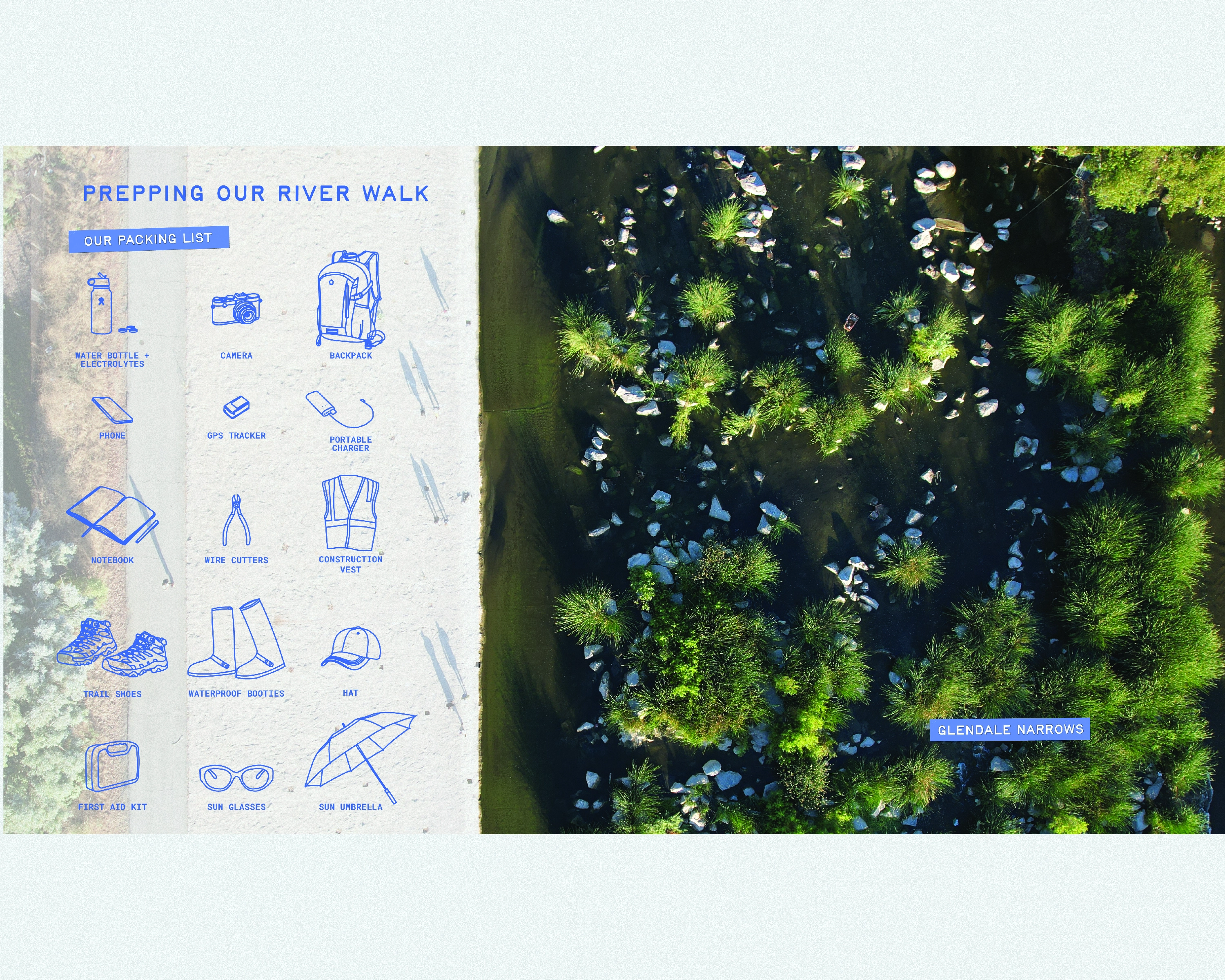
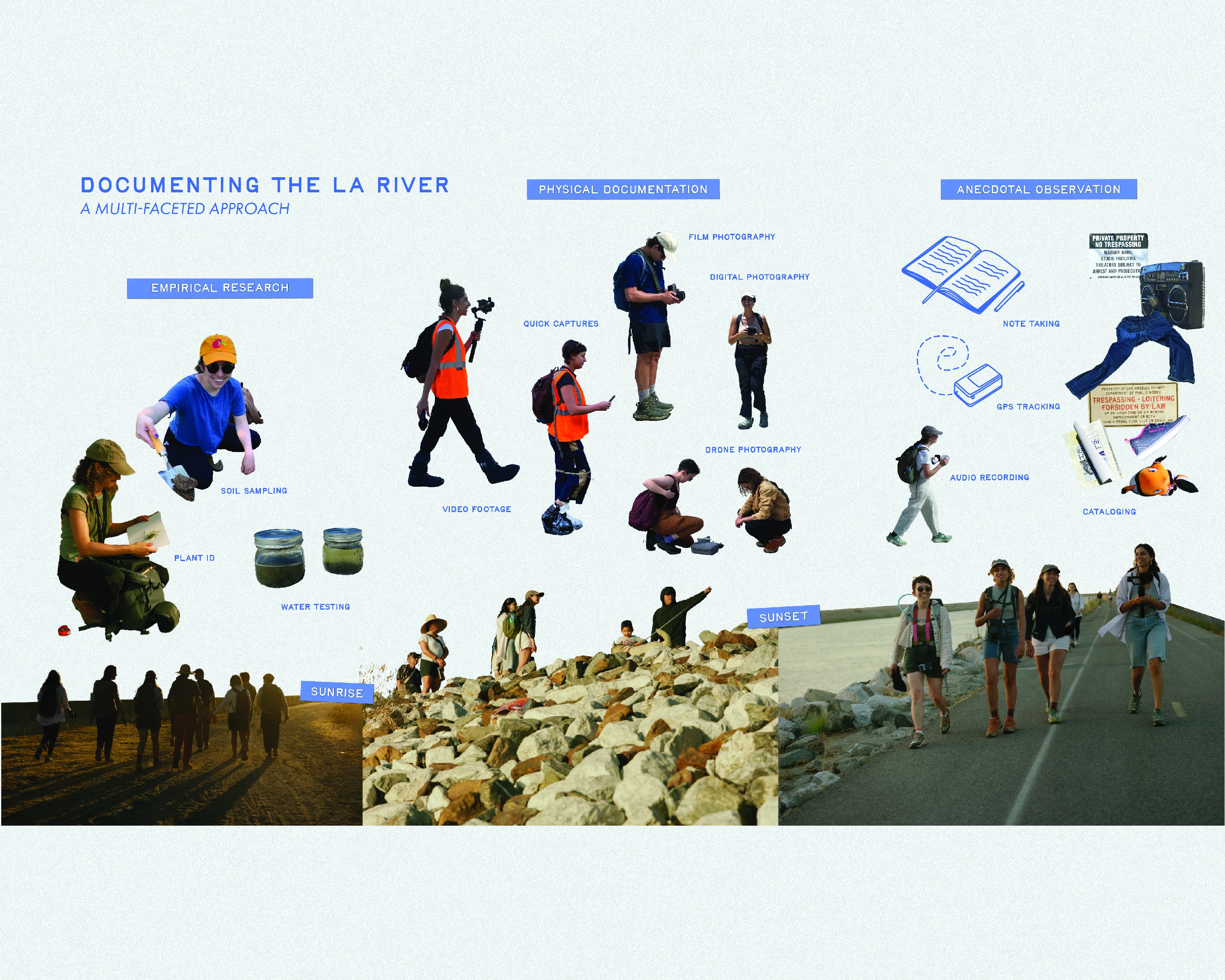
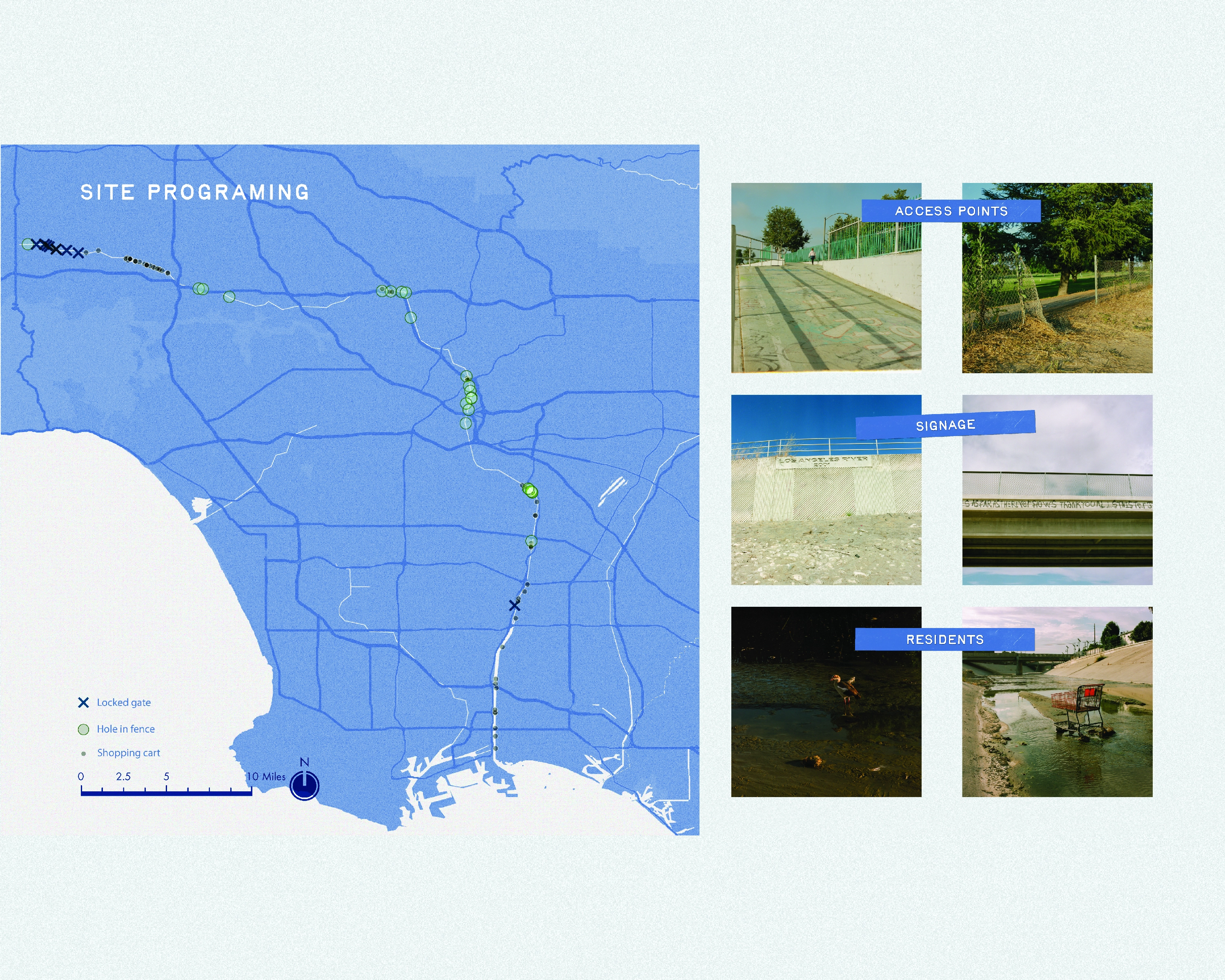
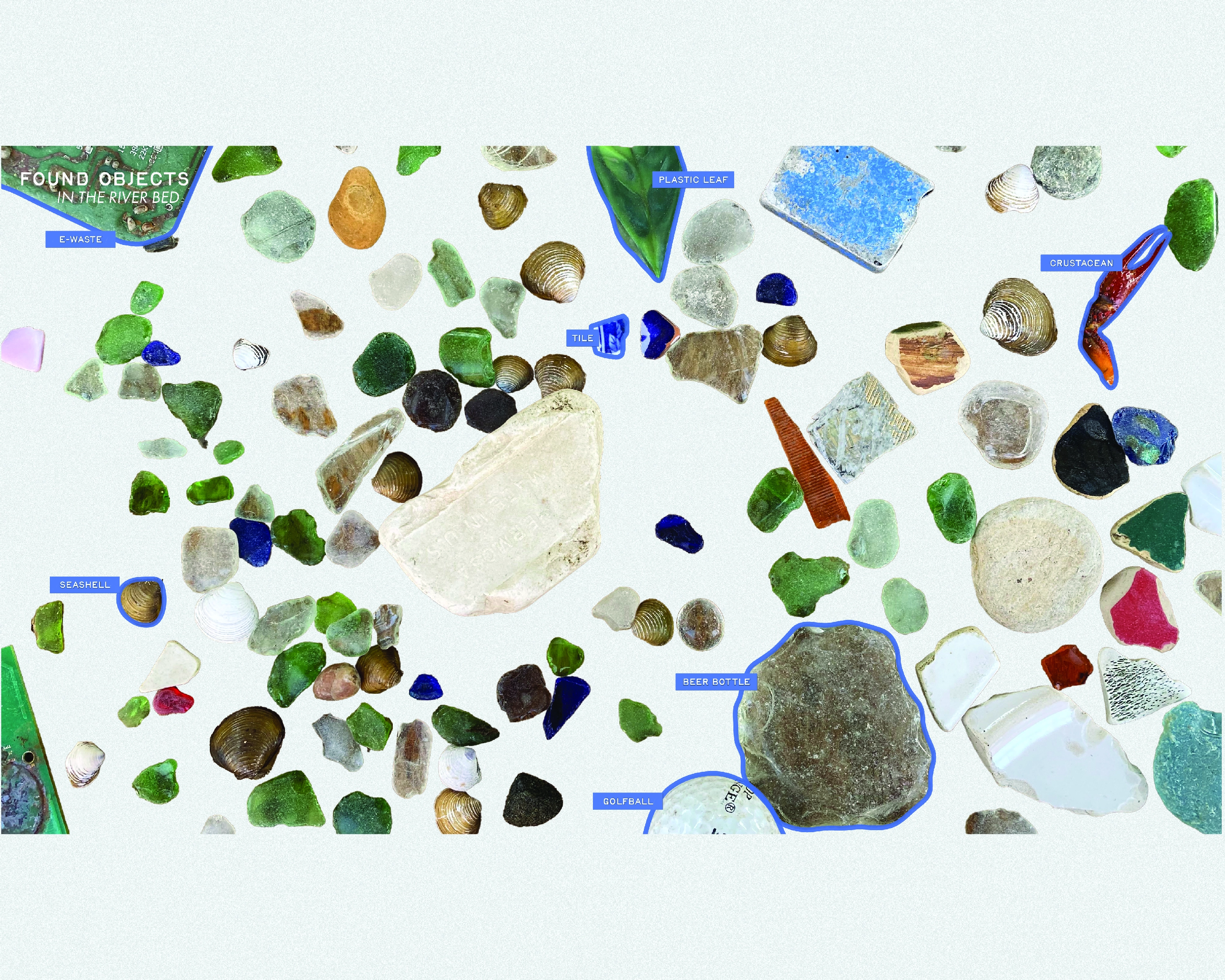
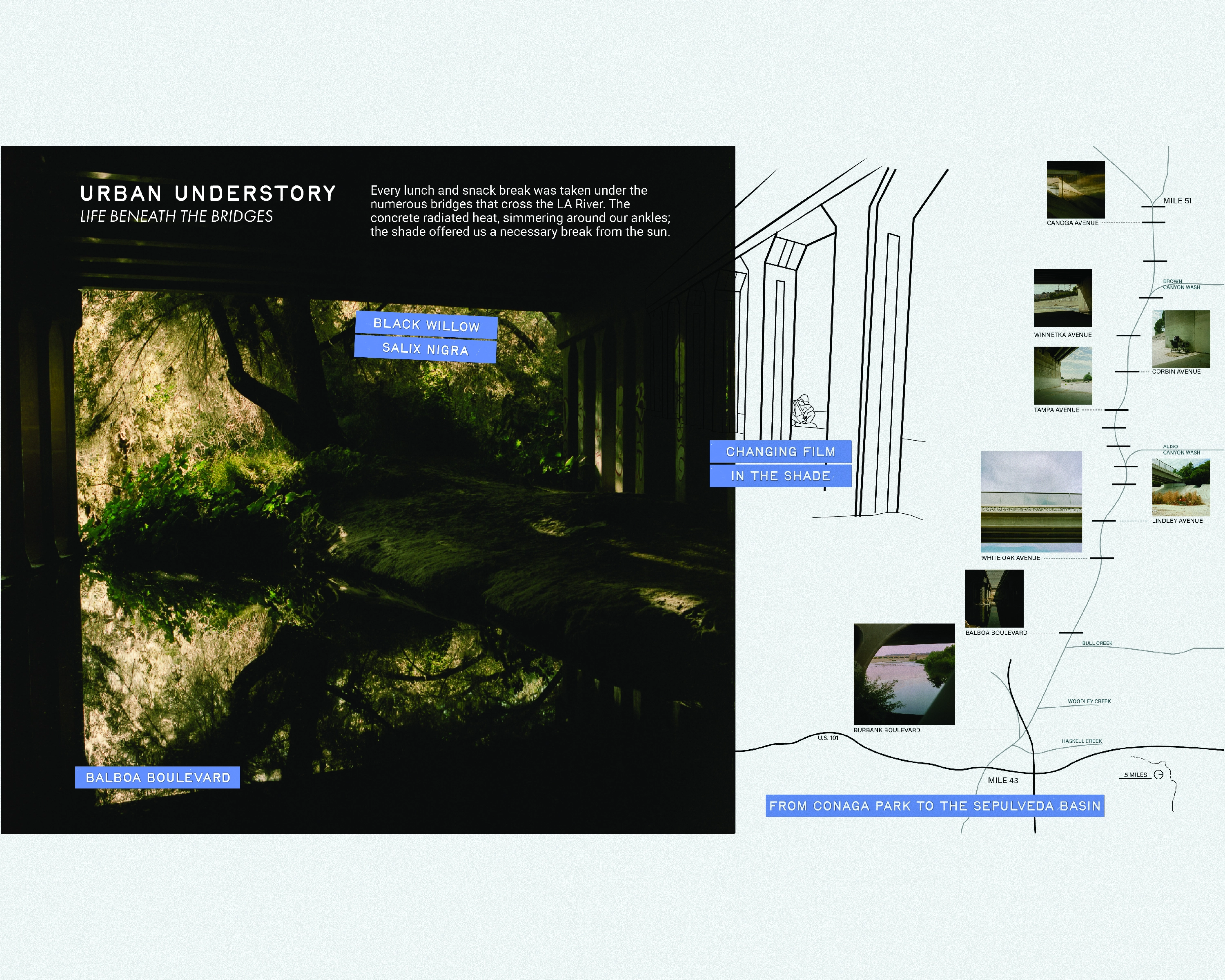
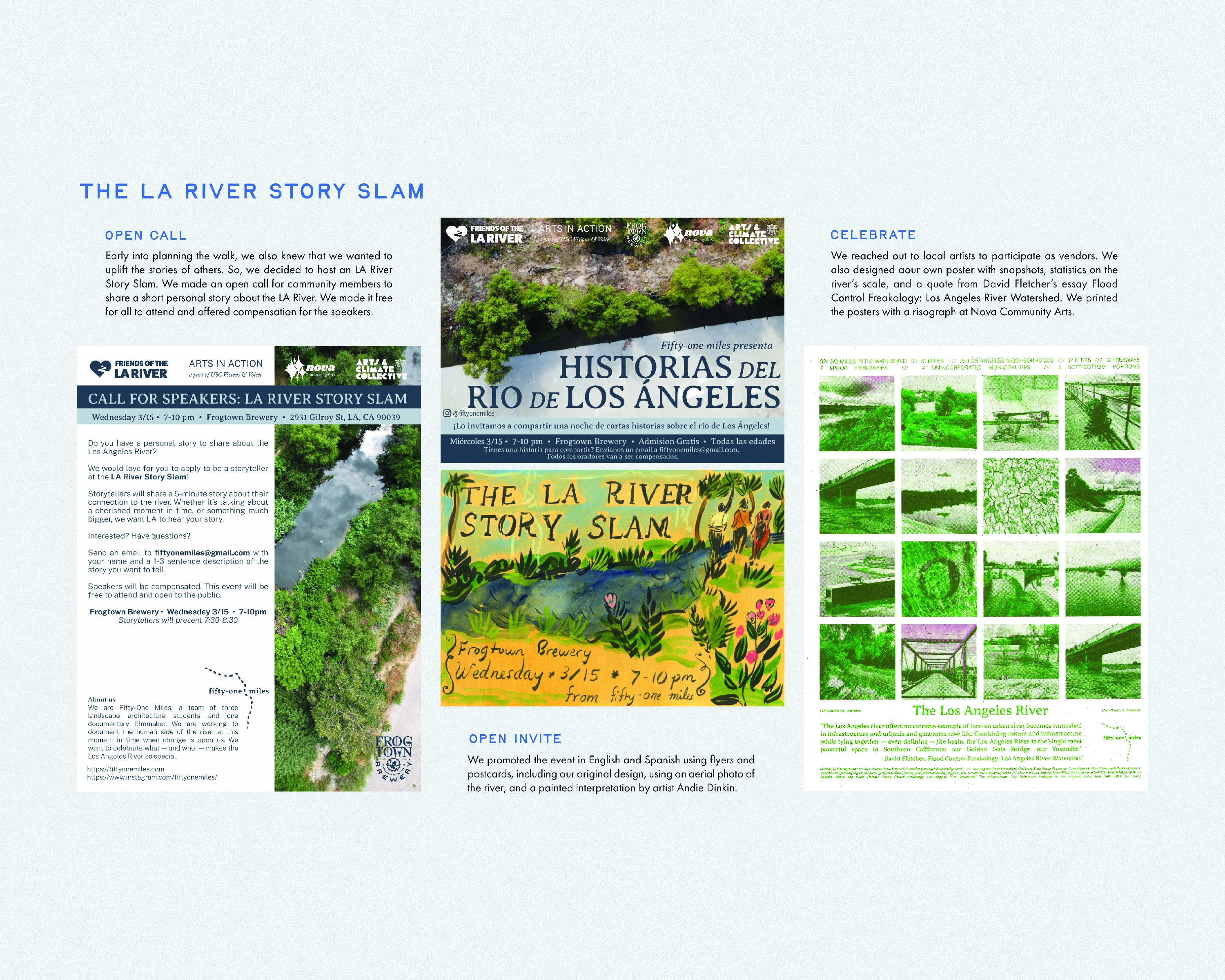
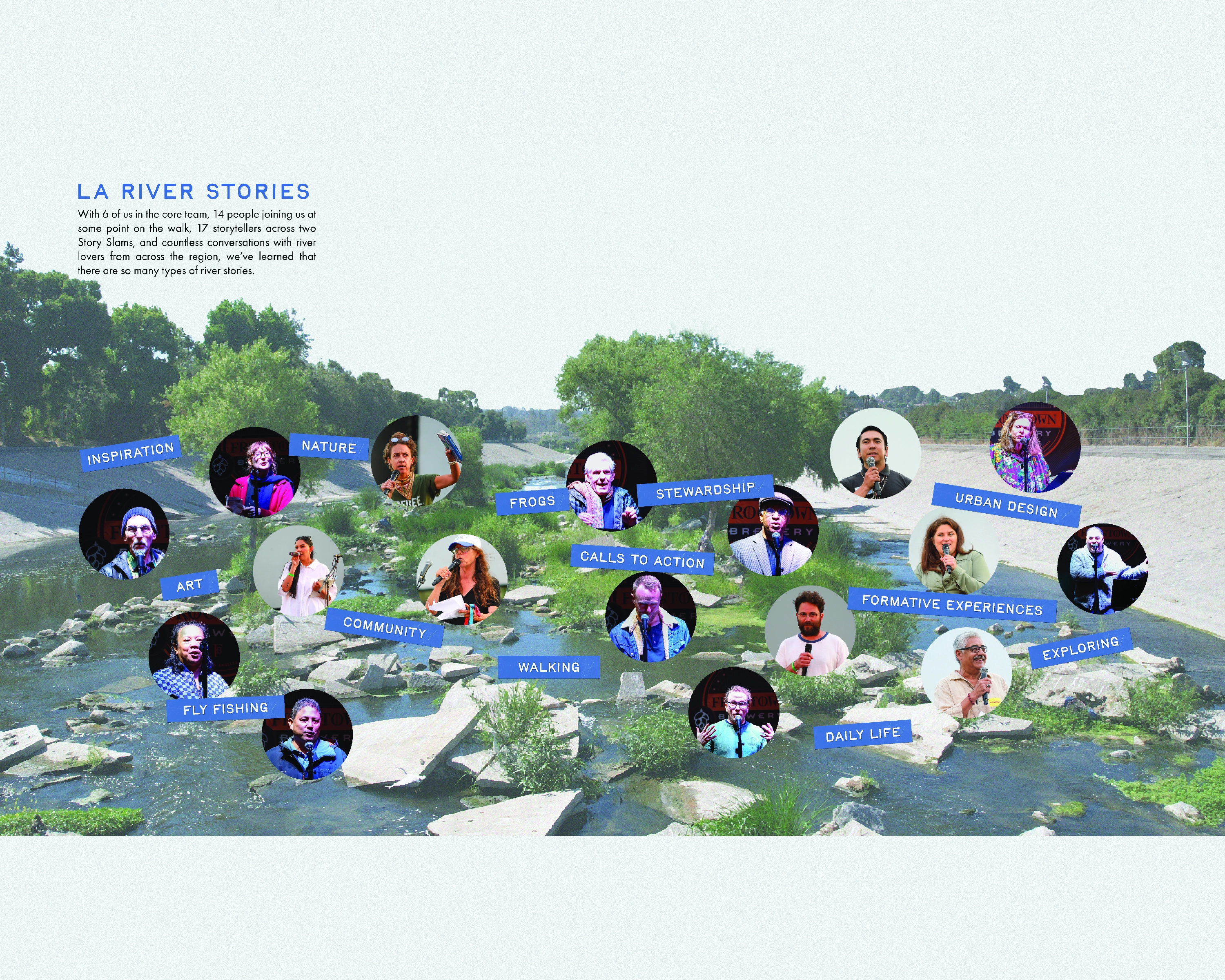
Currently, there is no official continuous path along the LA River. With support from Art-in-Action and USC's sustainability fund, our team was curious about what it would take to navigate the entire river on foot. Throughout the week, each member recorded unique data sets; for example one focused on the fugitive plant life emerging through the concrete, while another documented both sanctioned and unsanctioned human access points along the waterway. We are eager to share what life on the river looks like right now, how it feels to interact with it so intimately, and to imagine its future.
We believe that on-the-ground, qualitatively-focused documentation of the river is vital to the current revitalization process. By increasing awareness, we create opportunities for individuals to discover their personal connection to the river. In the face of the climate crisis, a personal connection to shared natural spaces is key to transforming apathy into care.
Advertisement
Related Awards
Honor Award, Student Collaboration
UnderStory
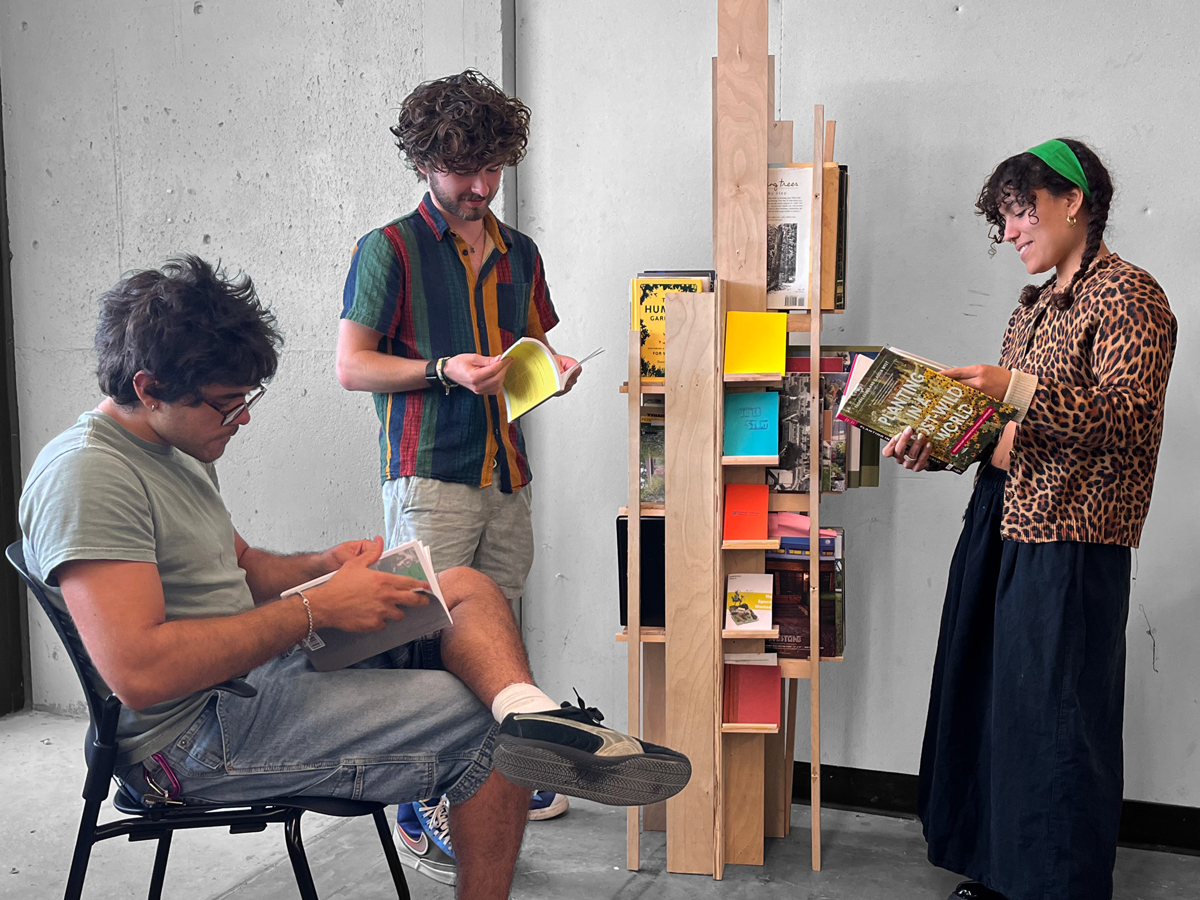
UnderStory is a student-led collaboration founded to showcase student work and celebrate the creative process within landscape architecture. Built on values of experimentation and stewardship, it seeks to inspire emerging designers and engage the broader Gainesville community by sparking curiosity and deepening connections to the field.
Related Articles
ASLA Fund
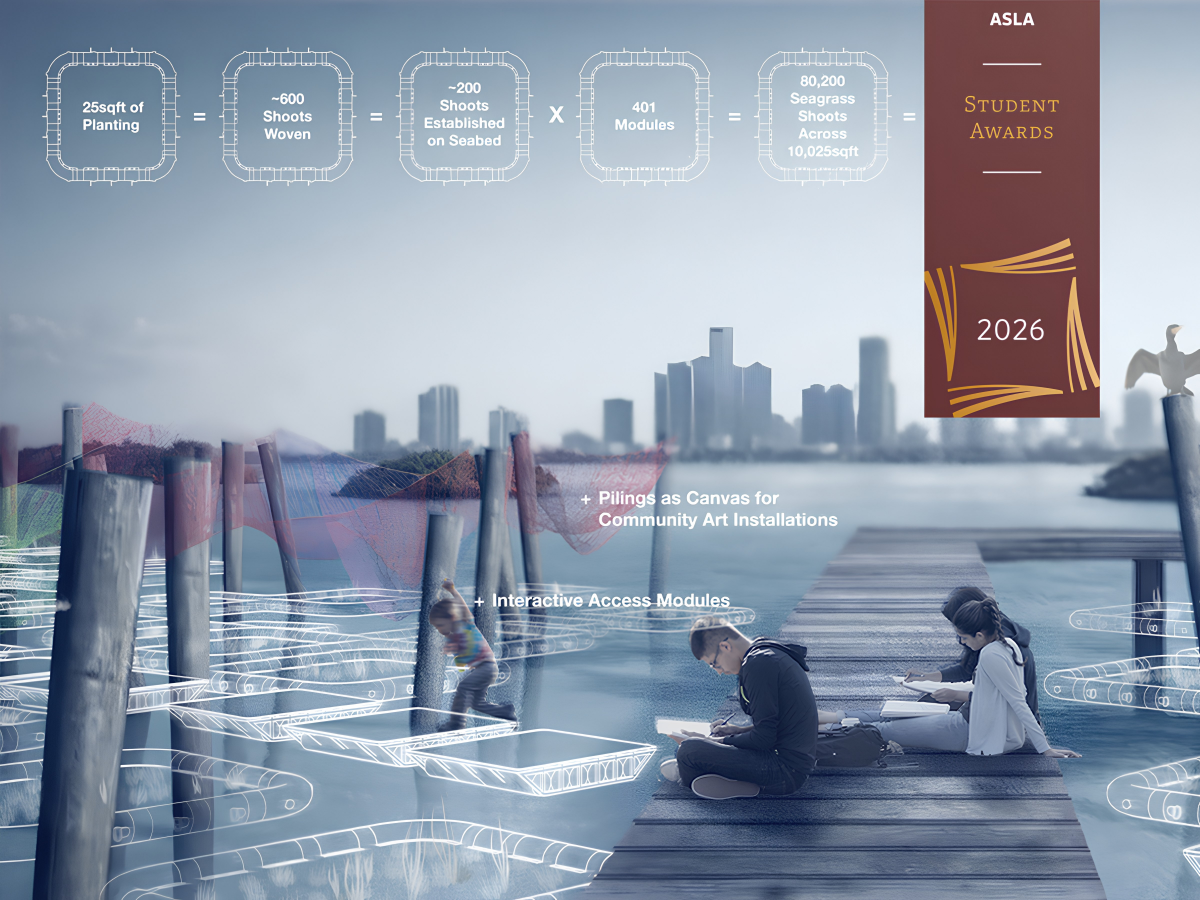
American Society of Landscape Architects Announces its 2026 Student Awards
39 Student Award winners elevate the future of the landscape architecture profession
Aug 24 2026