
.webp?language=en-US)
.webp?language=en-US)
Industrial Revival - From Pollution to Regeneration
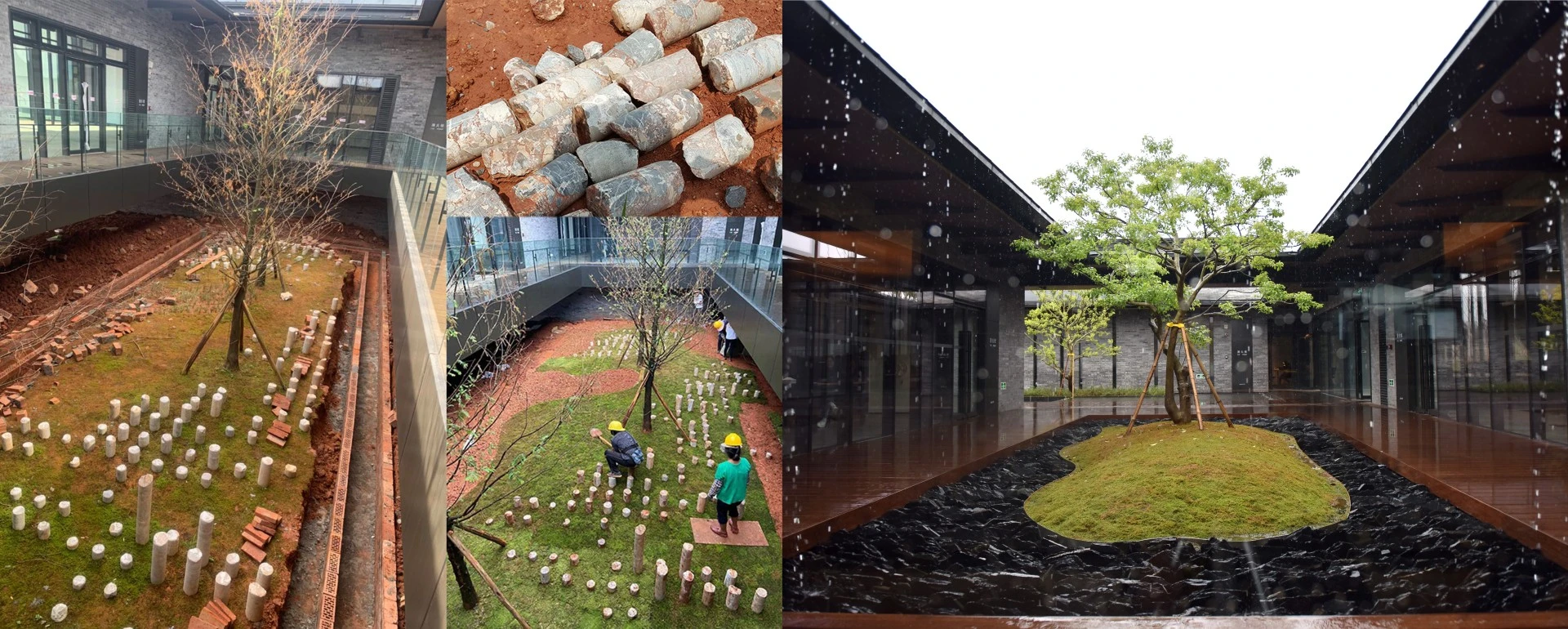
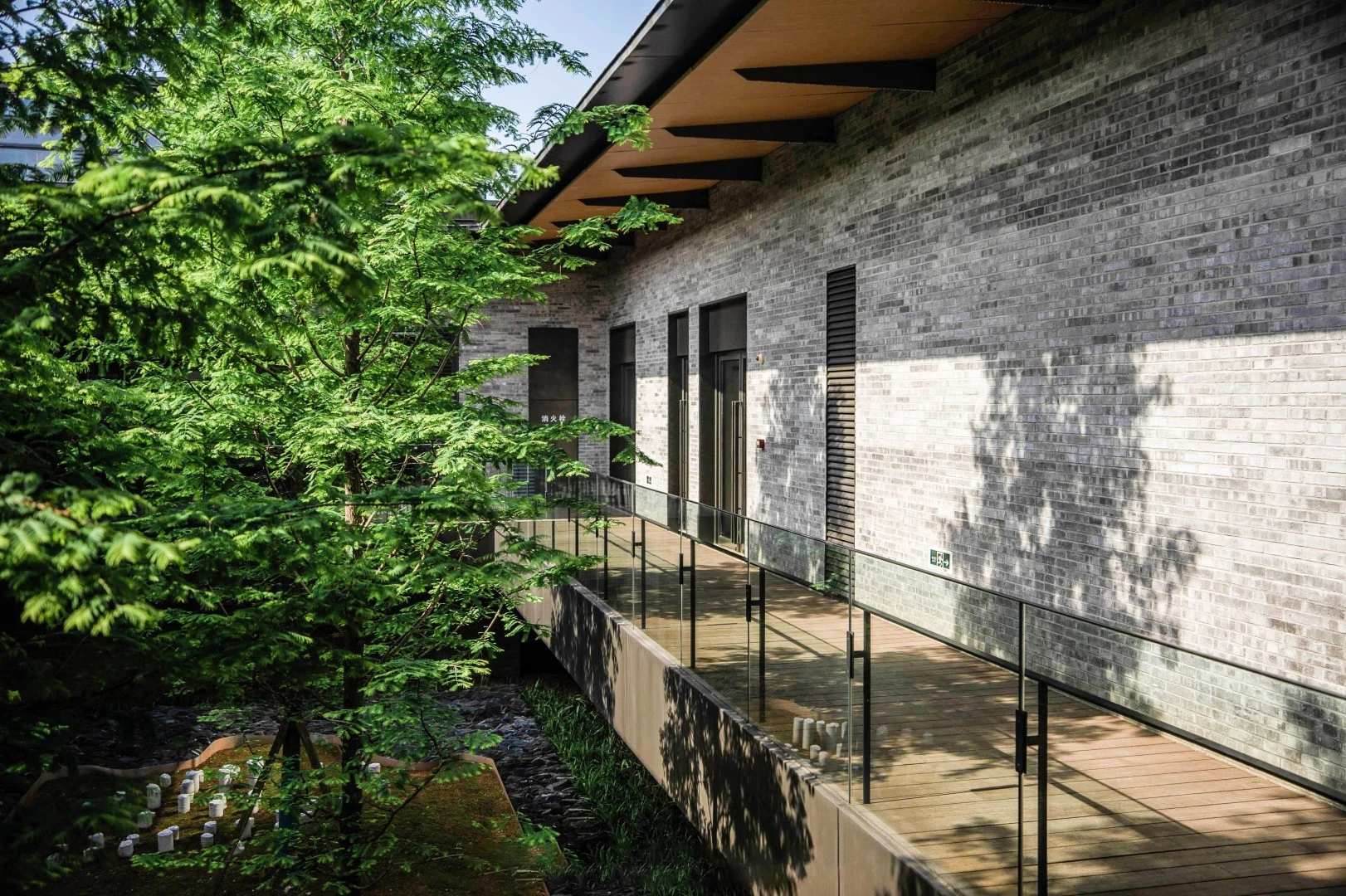
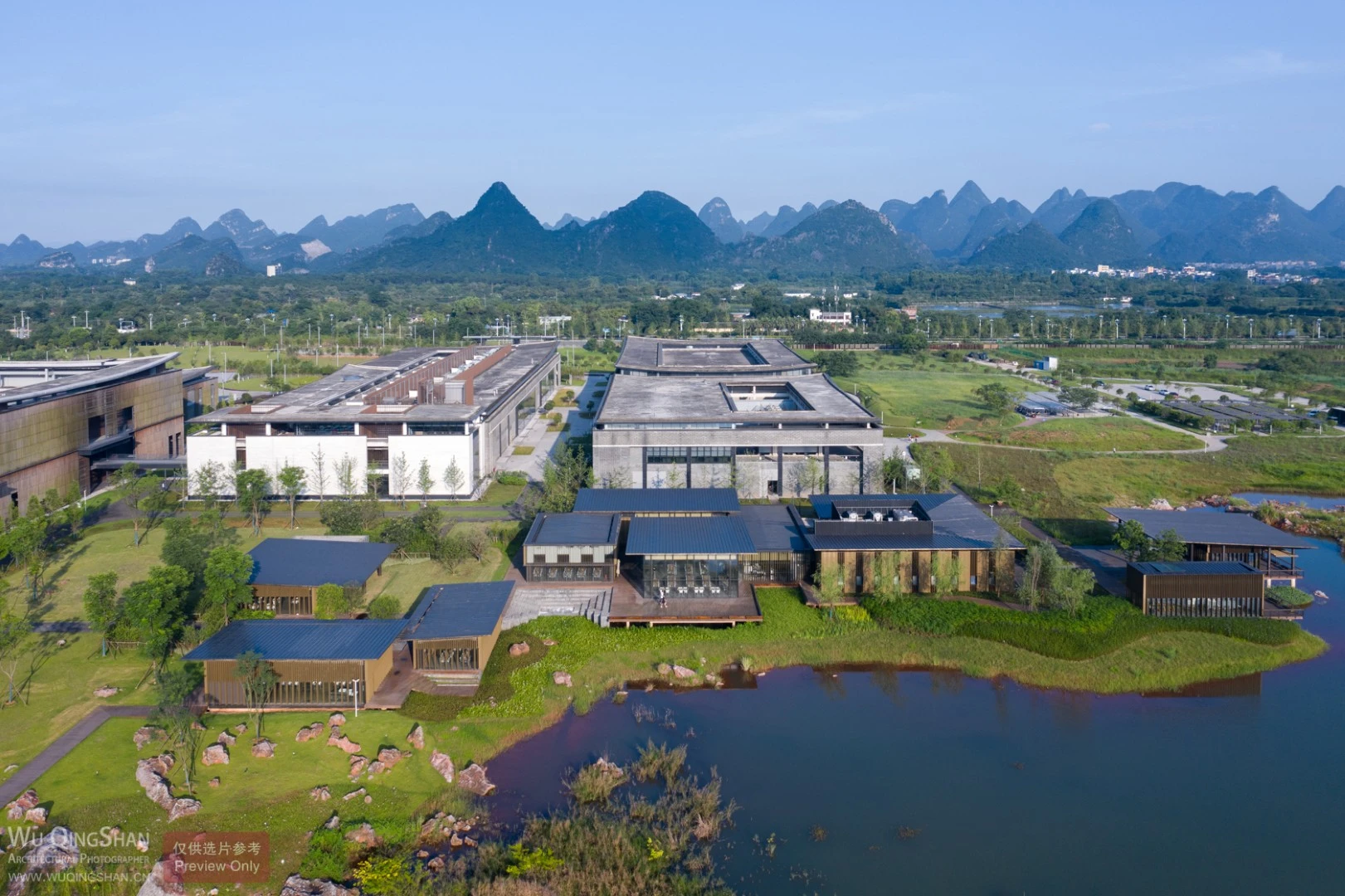
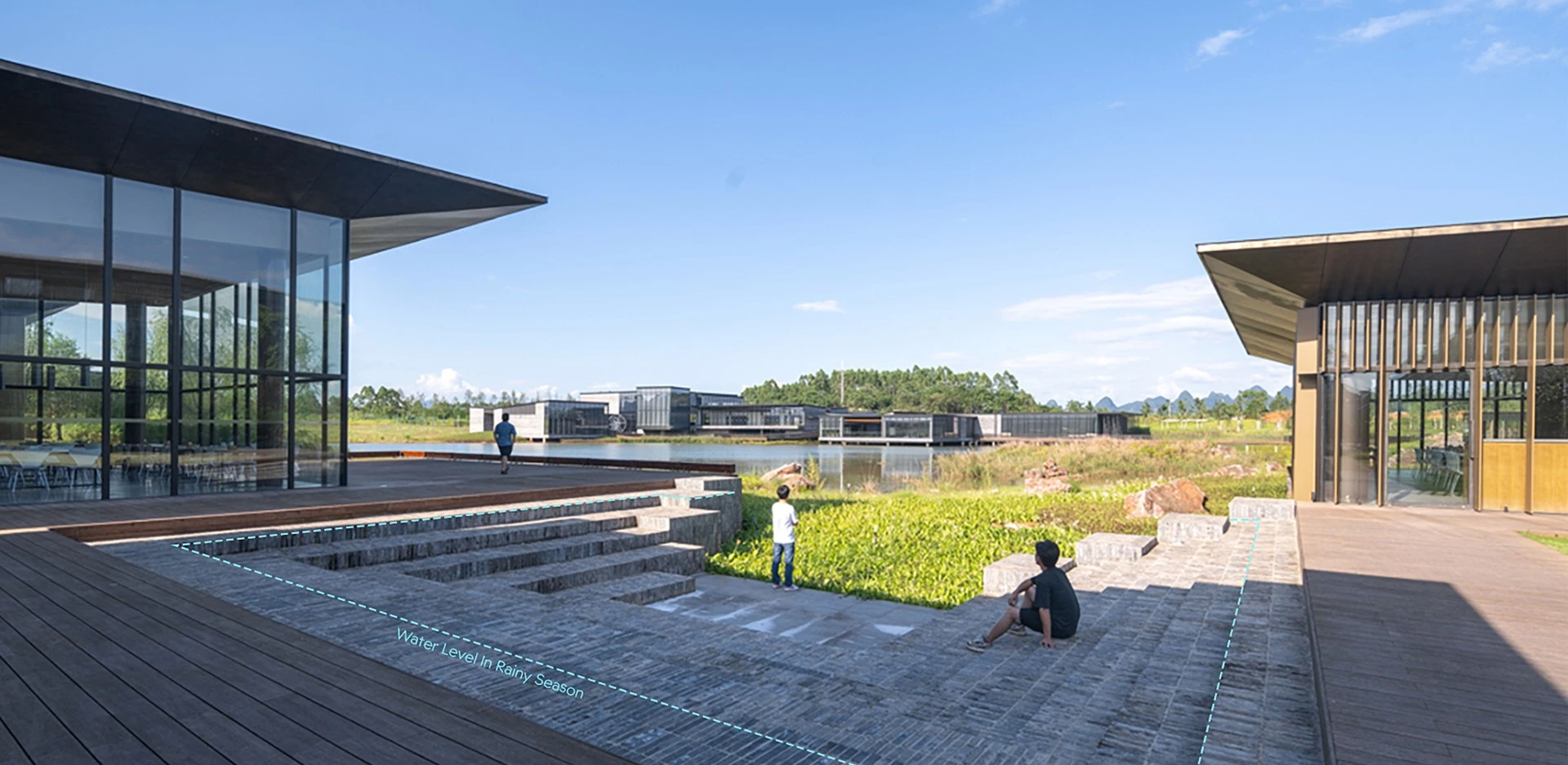
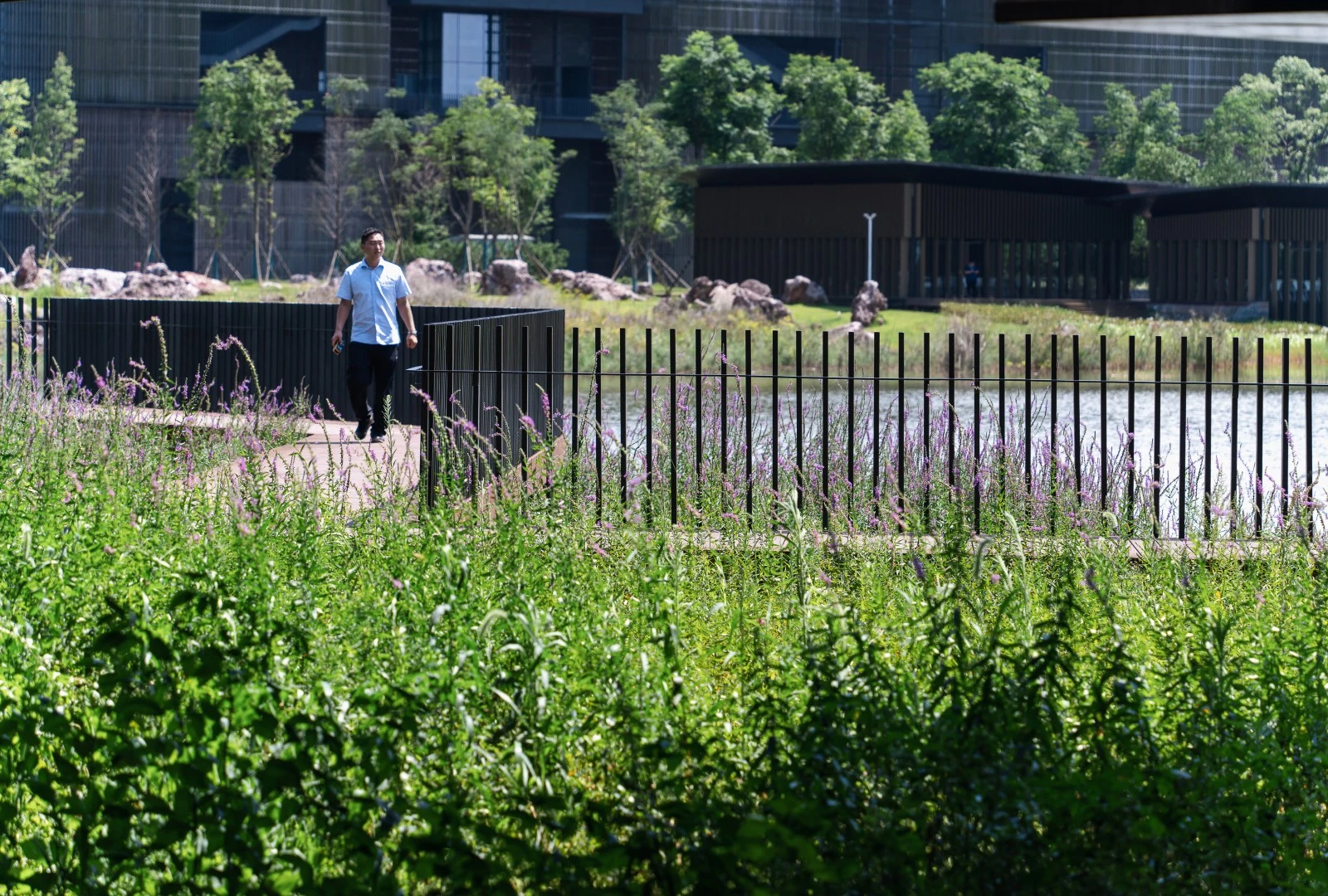
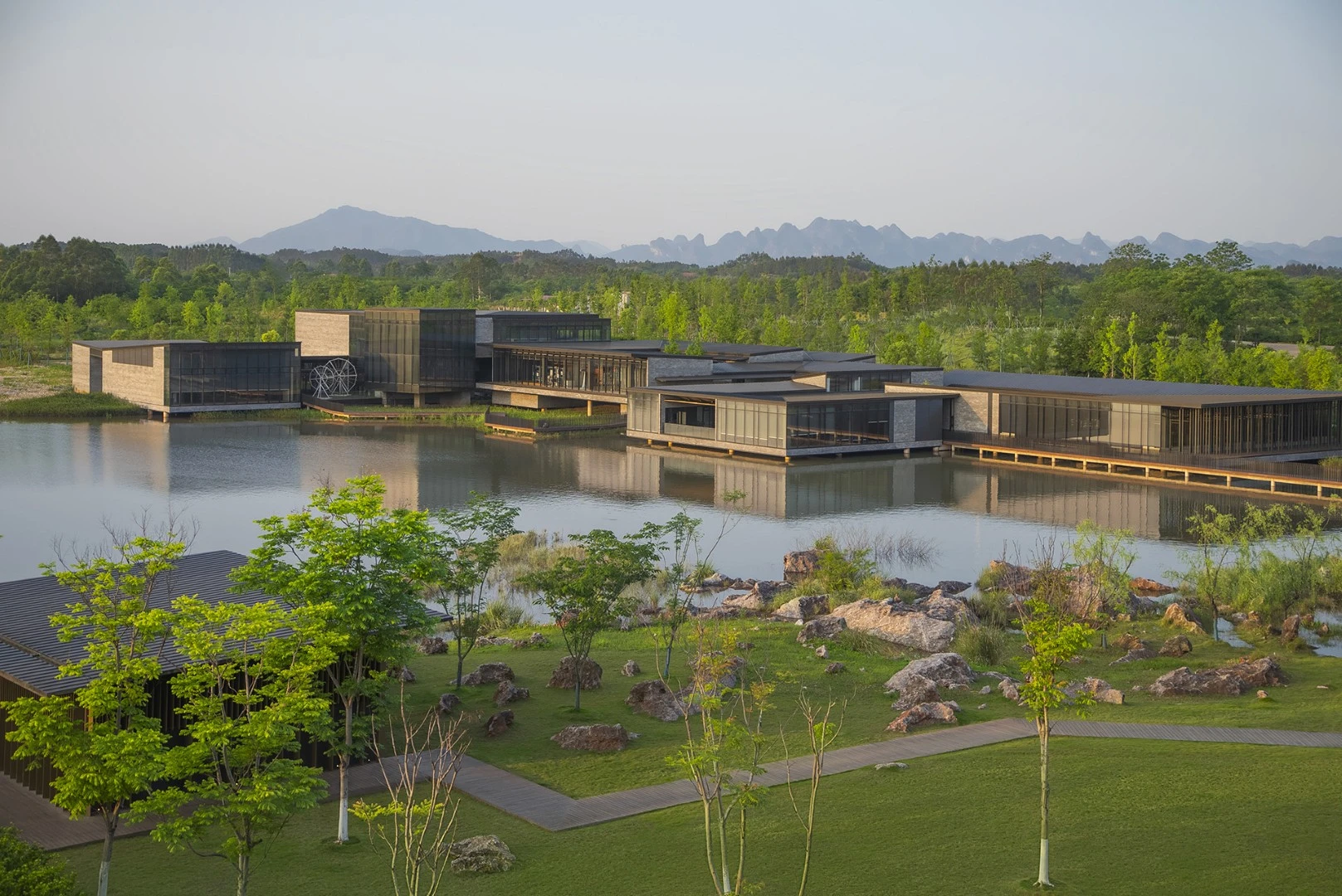
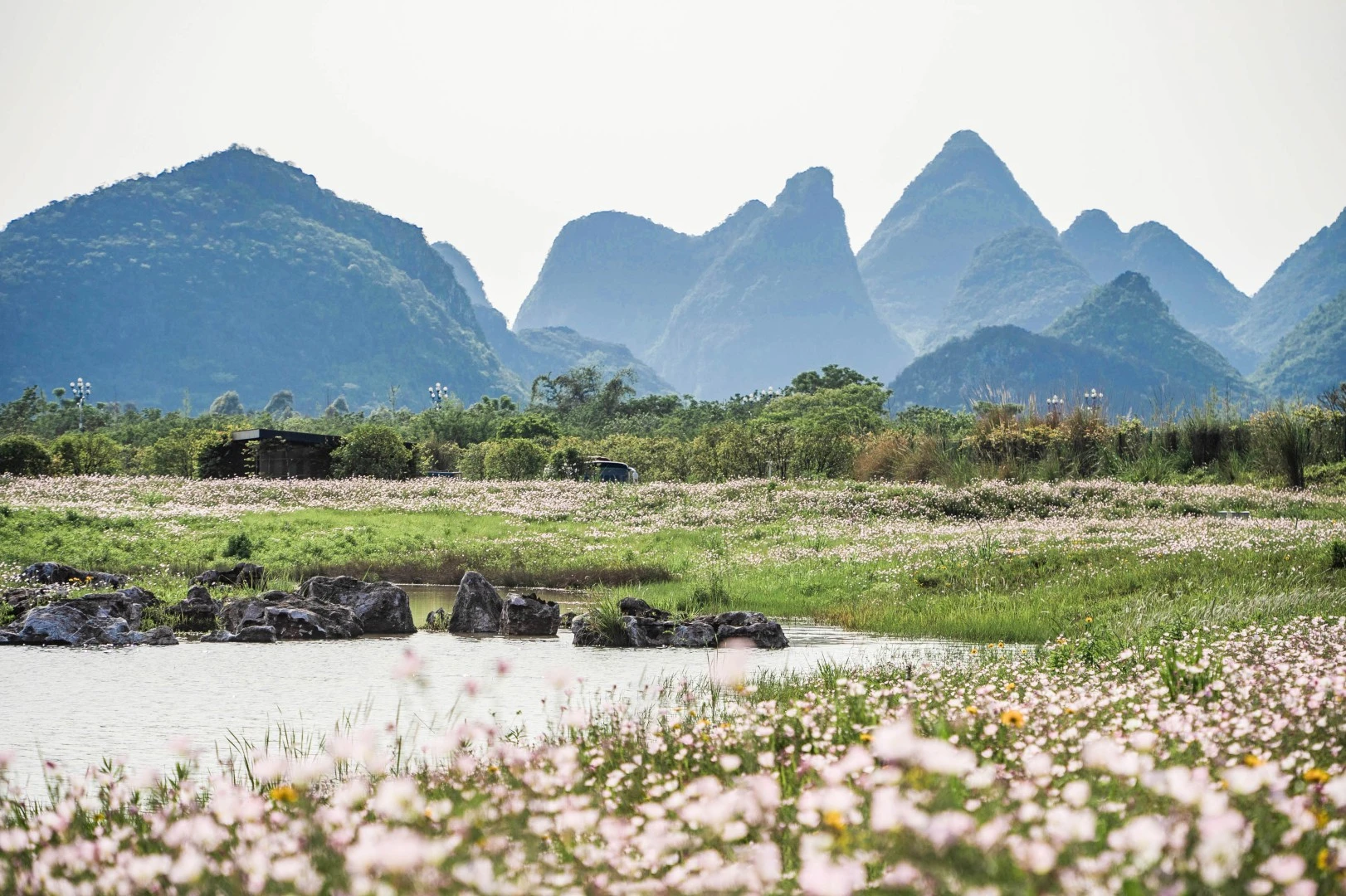
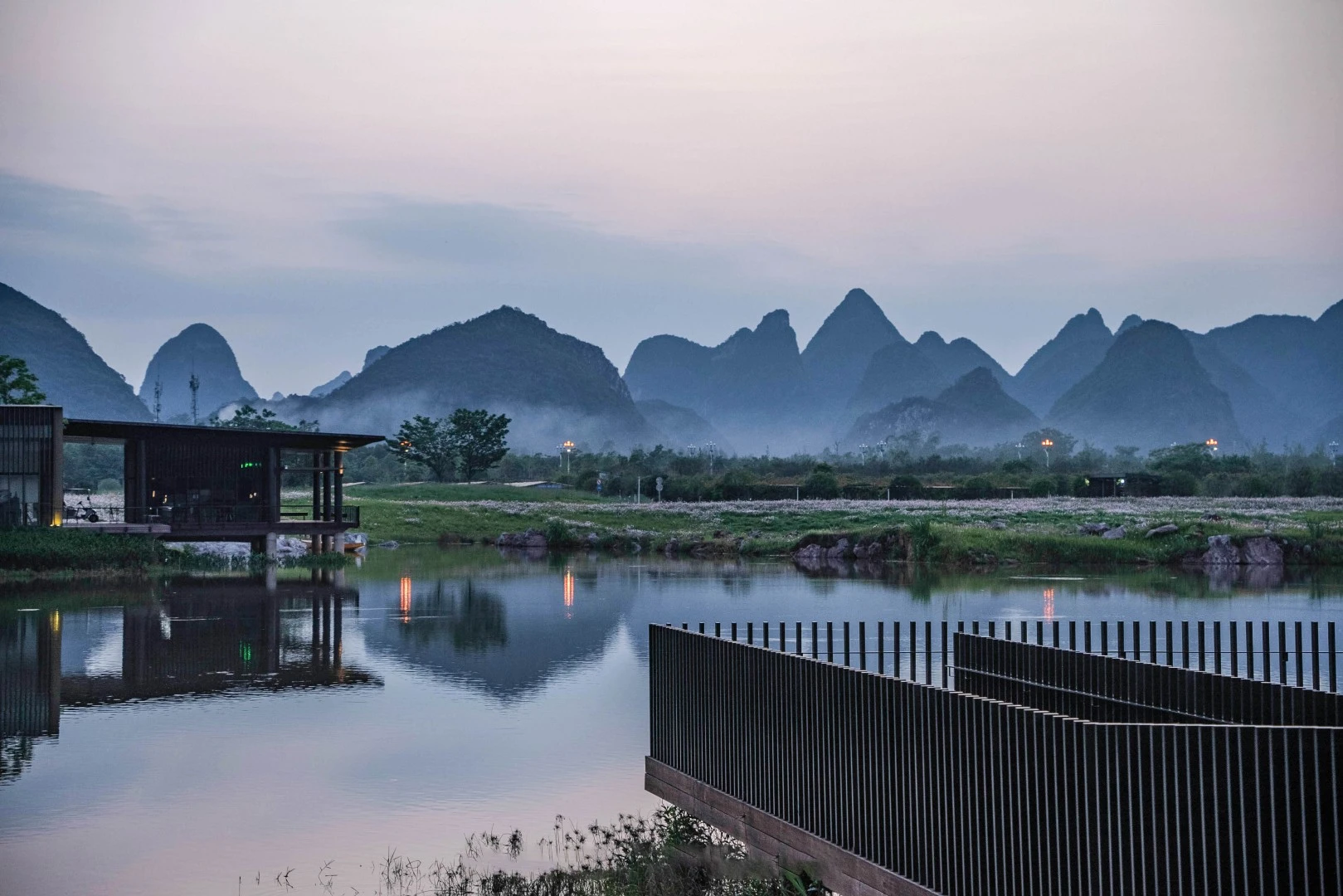
A beautiful multivalent project. Interesting, engaged process.
Awards Jury
-
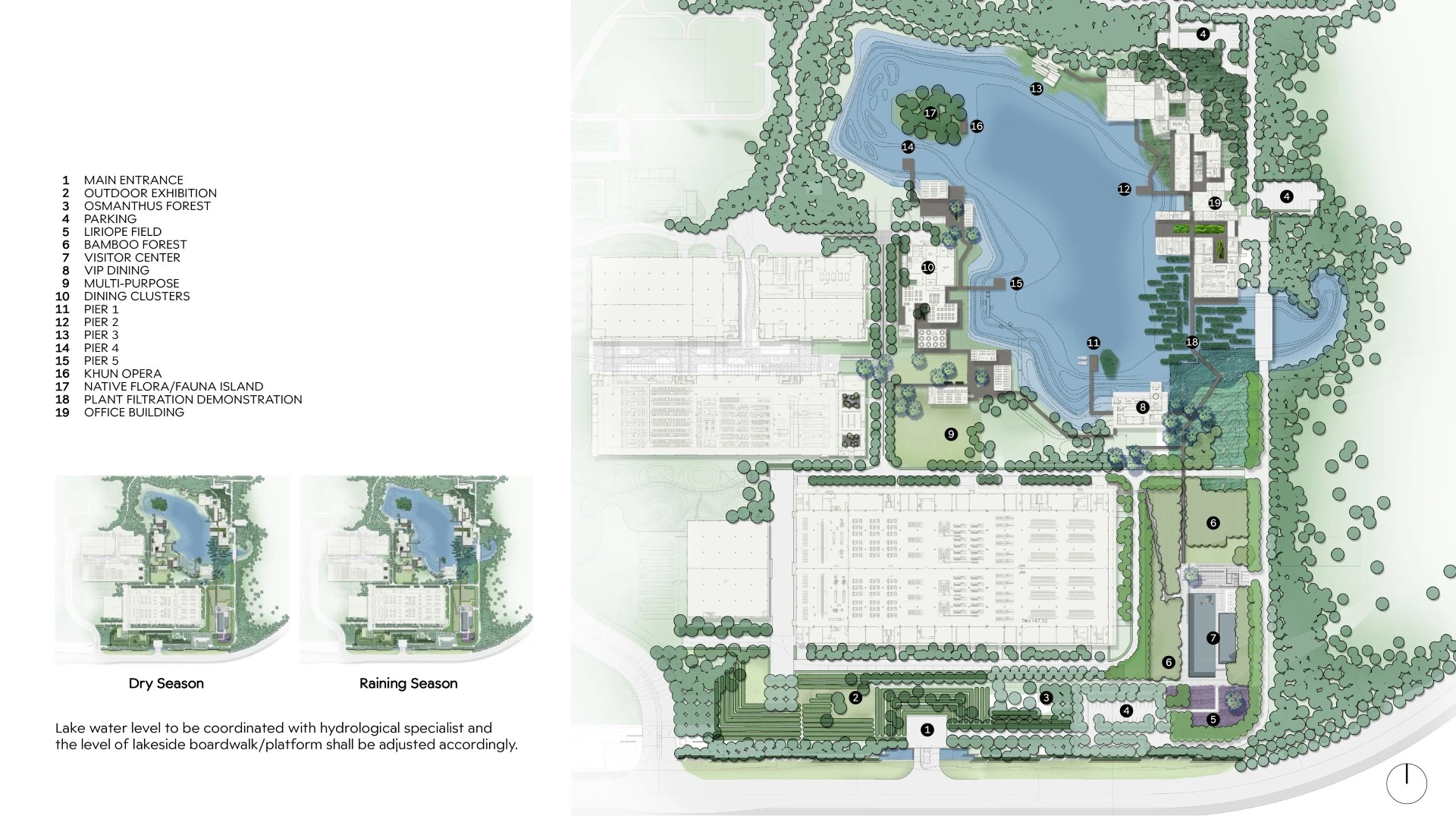
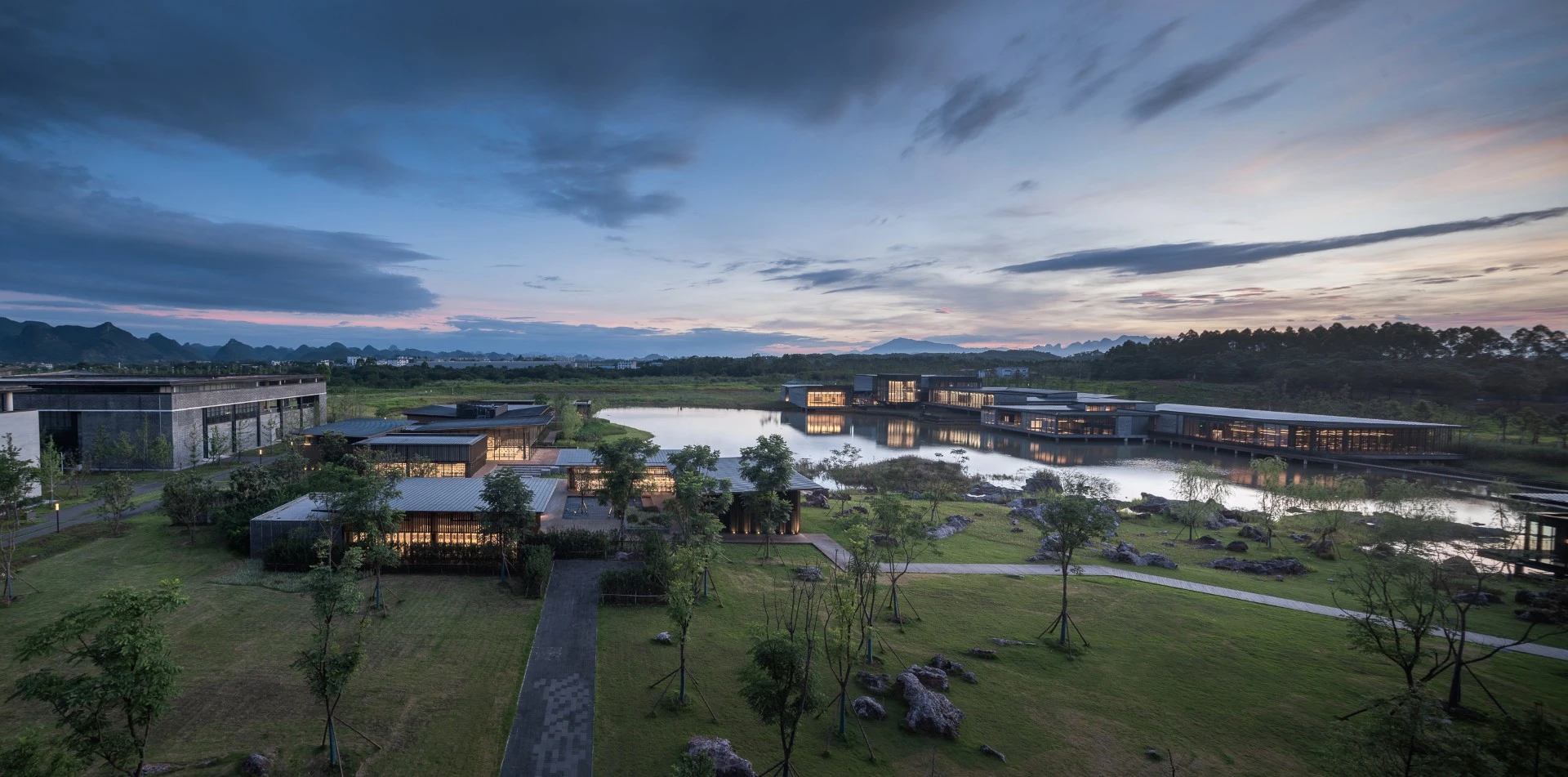
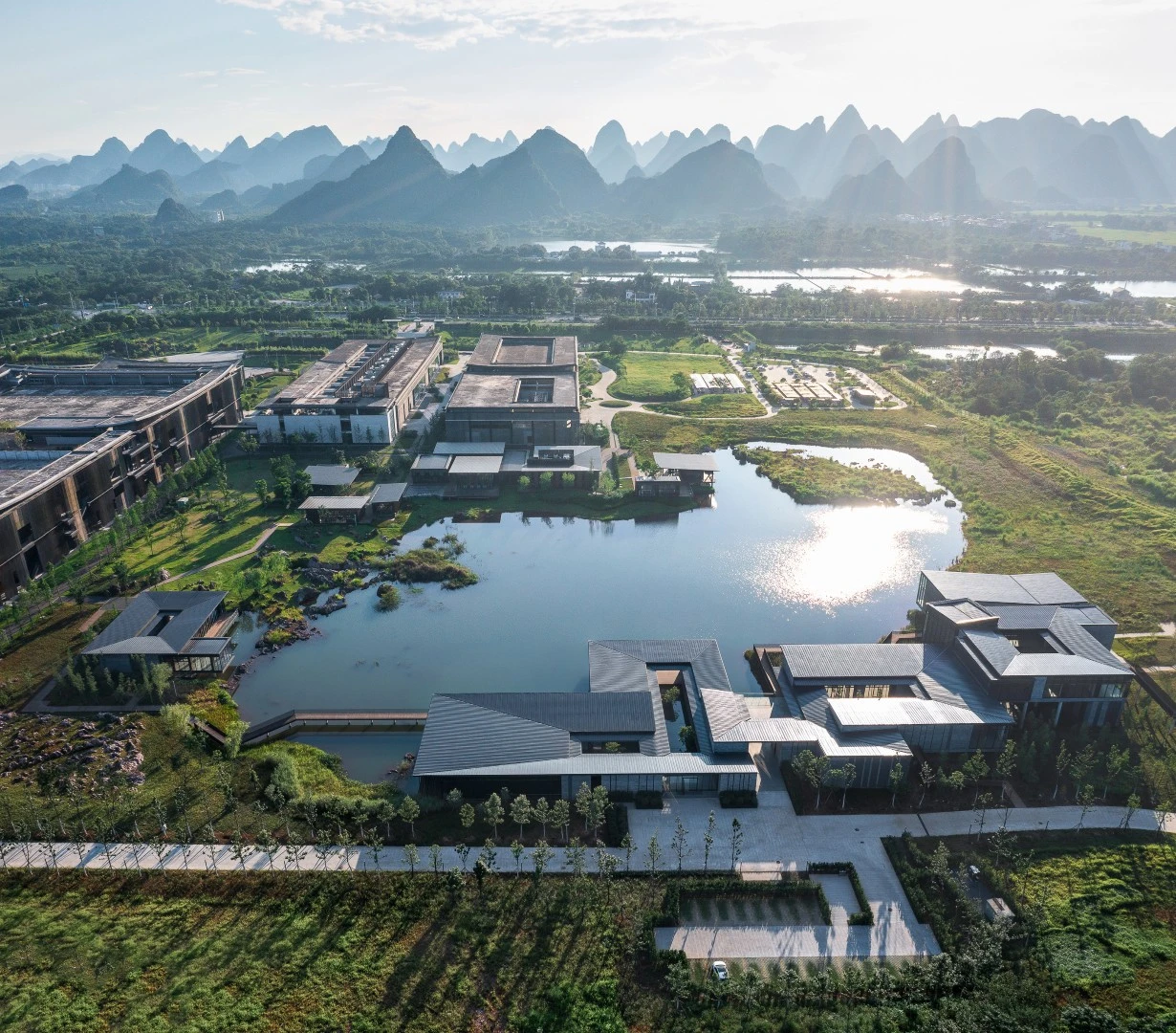
Integral – Esquel’s Sustainable Development Garden reimagines a former brick factory as a regenerative, living landscape, reclaiming 285,725 sq.m. of degraded industrial land to harmonize production, ecology, and community. Inspired by the Buddhist concept of “Integral,” which emphasizes balance between the self, the universe, and the nature of life, the project demonstrates a shift in how industrial landscapes can function, not as isolated utilitarian zones, but as catalysts for ecological healing, cultural continuity, and environmental education.
-
Revive and Co-Exist: A Regenerative Model for Industrial Landscapes
Integral – Esquel’s Sustainable Development Garden is located in Jiumeiqiao, Guilin, China, on a site that continues to operate as an active textile manufacturing campus. Formerly a severely eroded brownfield degraded by decades of brick manufacturing, soil extraction, and industrial runoff, the the site has been transformed through landscape-led systems. Wetland, planting, and hydrological strategies form the framework for water remediation, habitat recovery, and long-term environmental management.
Ecological Framework and Material Reuse
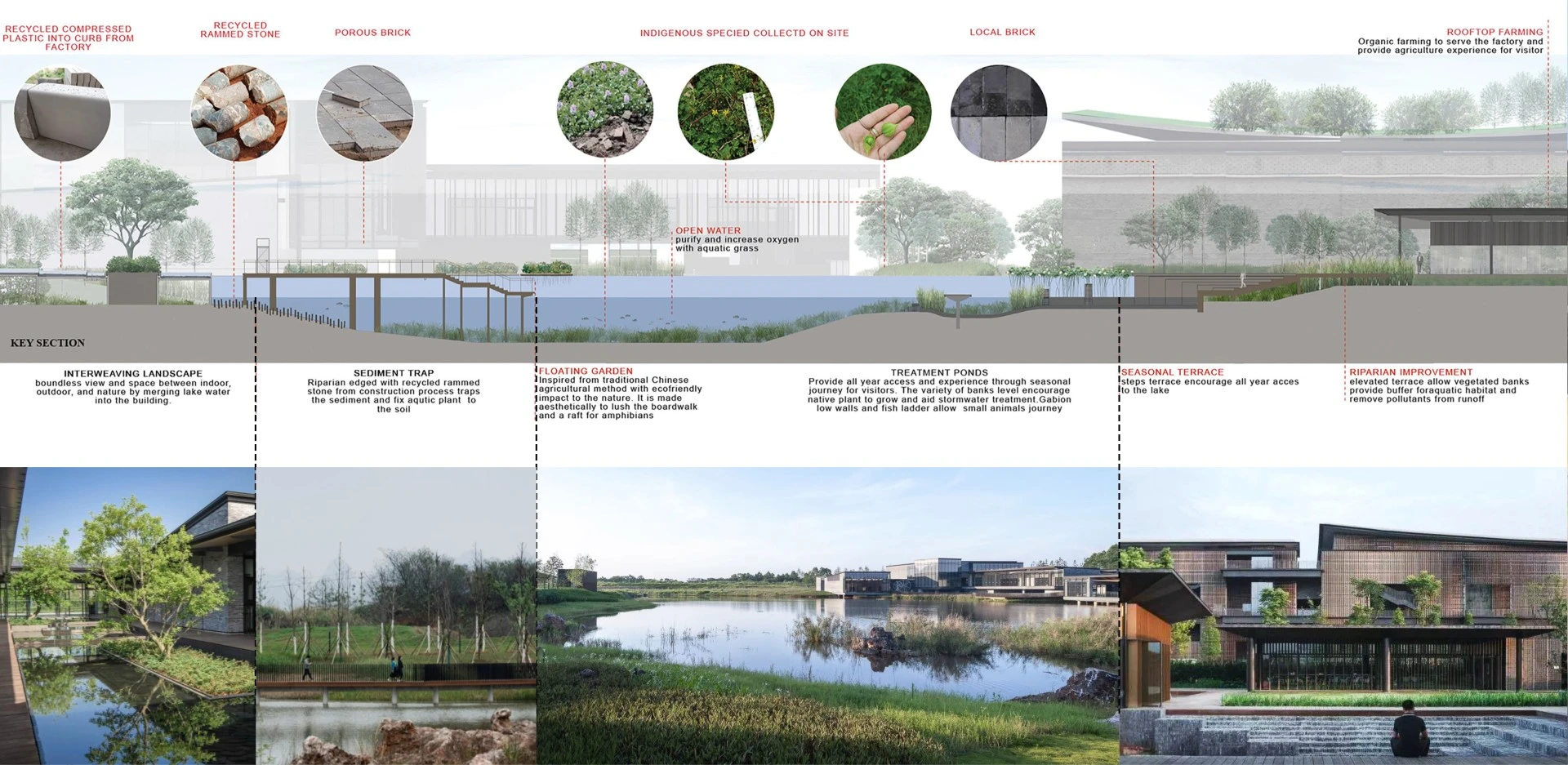
Situated within a low-lying basin with inherent wetland potential, the design prioritized existing topography and hydrology, minimizing excavation while enabling self-sustaining habitat systems. Wetlands, planting, and water management support soil stabilization, flood mitigation, water remediation, and long-term environmental resilience. More than 95% of plant species are native to the Guilin region propagated on site through collaboration with botanists, horticultural specialists, factory staff, and locals.
Recycled concrete from former foundations was repurposed for erosion control and terracing, while waste plastic from nearby factories was transformed into porous paving to improve infiltration and reduce runoff. These strategies embedded circular resource use directly into the landscape while reducing construction waste.
Measurable Environmental Outcomes
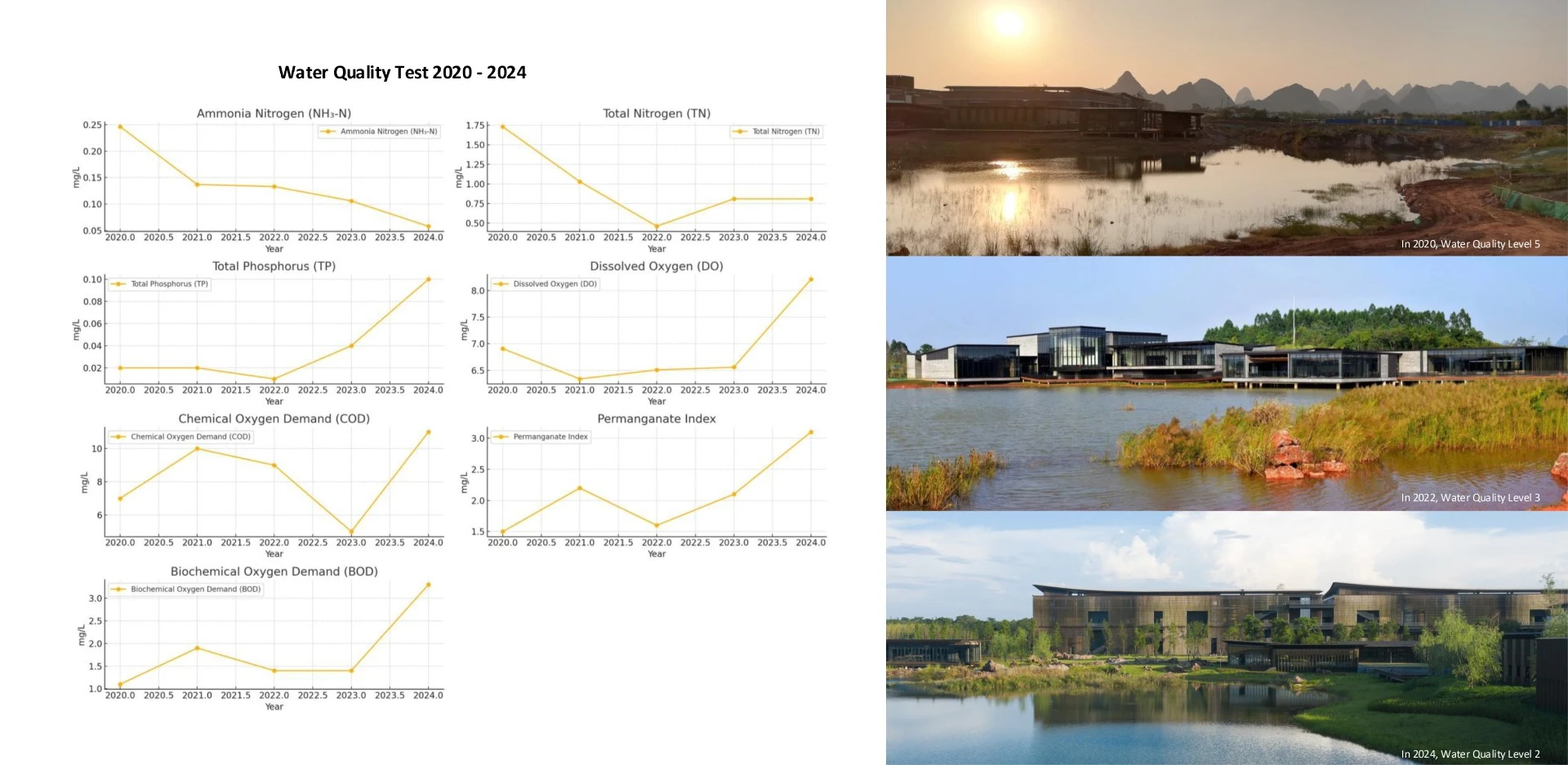
Following wetland reconstruction and water system recovery, measurable ecological response was observed. Post-completion monitoring between 2021 and 2024 confirmed water quality improvement from Class V to Class II, enabling the re-establishment of aquatic habitats.
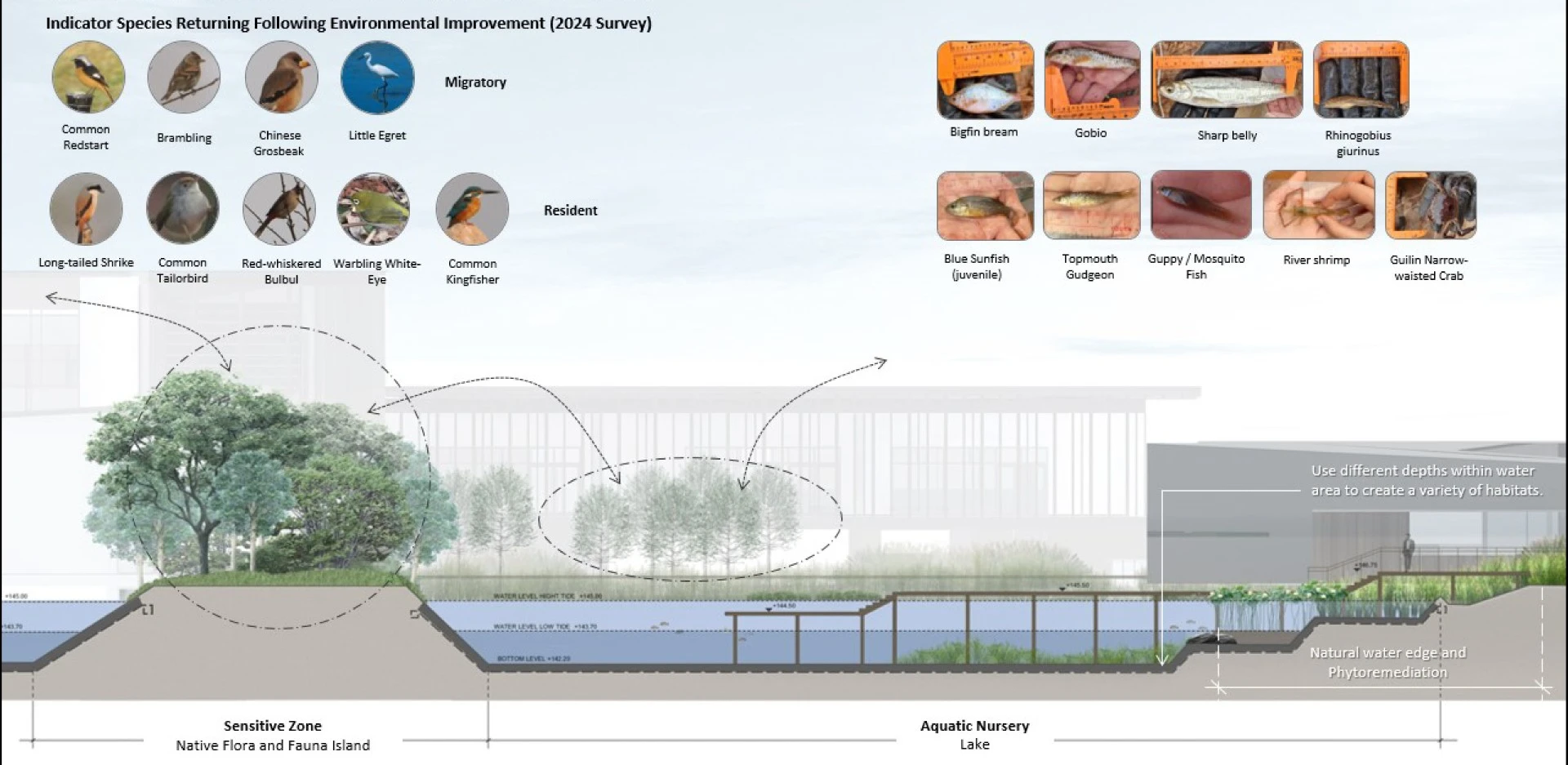
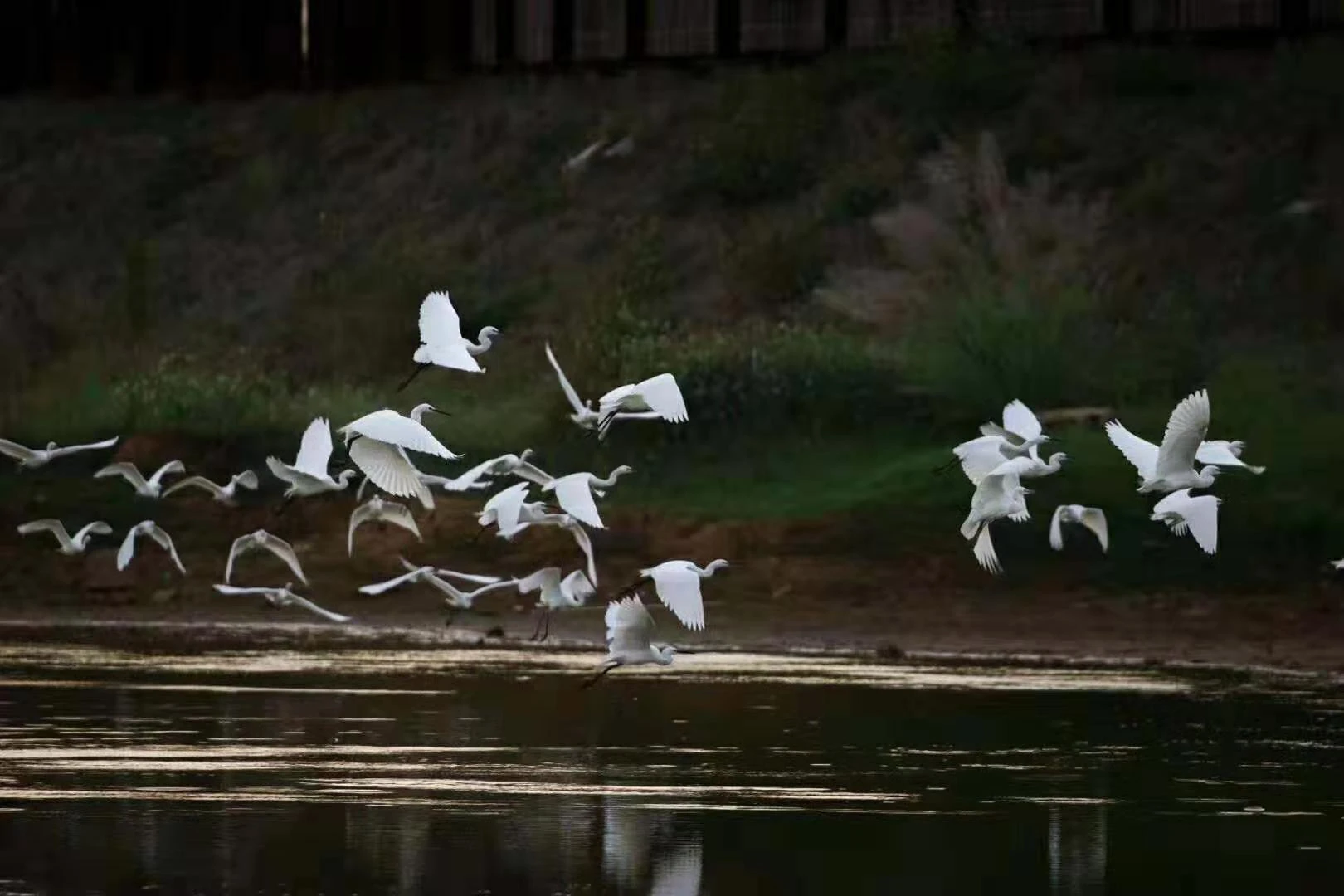
Biodiversity recovery followed. A central wetland island was preserved as a no-access zone, free of paths or structures, allowing undisturbed habitat formation. Since completion, bird species increased from 7 to 21, including native and migratory indicators such as Common Kingfisher and and Chinese Grosbeak. Aquatic communities also re-established, with the return of native freshwater fish and invertebrates, including gobio, topmouth gudgeon, and river shrimp, alongside amphibians. The observed changes correspond with the establishment of wetland and habitat systems.
Human–Nature Integration and Cultural Programming
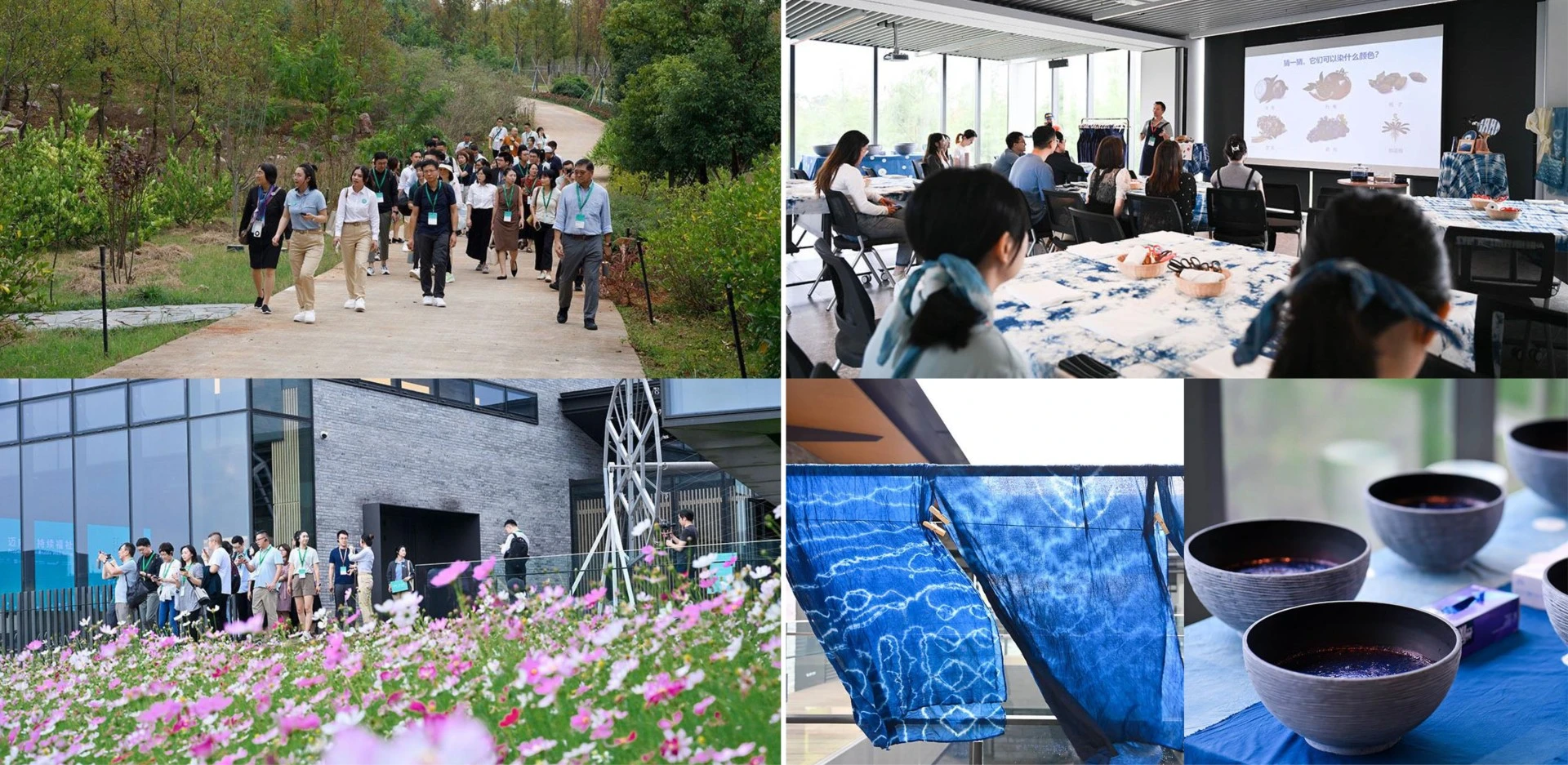
The landscape is organized as a permeable environment rather than a closed industrial zone. Boardwalks, jogging paths, and contemplative trails avoid sensitive habitats while allowing access to ecological systems. Rooftop gardens, community planting areas, and outdoor classrooms support daily use and learning.
A Natural Dye Garden introduces plant species traditionally used in textile production, linking ecological restoration with local craft knowledge and manufacturing. Factory workers and local collaborators participated in nursery operations and planting, integrating stewardship into everyday use.
A Living Model for Regenerative Industry
Completed in 2019, The campus continues to evolve as a living laboratory. Hydrology, habitat protection, and material reuse are coordinated as a single framework, enabling measurable ecological recovery while supporting ongoing production and public access. The project offers a clear reference for integrating ecological performance into productive industrial landscapes. Above all, it remains a story of return - of nature, of memory, and of coexistence.
-
- Ronald Lu and Partners, Architect
- PuBang Design Institute, Local Landscape
- Ray Chen + Partners Architects, Architect & Interior
- Guilin Design Institute, Structural & Mechanical, Electrical and Plumping Engineer
- Professor Shengji Pei from Kunming Institute of Botany, Project Advisor
-
- Erythrina crista-galli
- Podocarpus macrophyllus
- Osmanthus fragrans ‘Aurantiacus’
- Cinnamomum camphora
- Magnolia denudata
- Sapium sebiferum (L.) Roxb.
- Taxodium distichum
- Bauhinia variegata
- Liquidambar formosana
- Liriodendron chinense
- Prunus cerasifera
- Phyllostachys edulis
- Magnolia liliiflora
- Albizia julibrissin
- Eriobotrya japonica
- Ficus virens
- Ginkgo biloba
- Salix babylonica
- Malus halliana
- Camellia sasanqua
- Elaeocarpus decipiens
- Metasequoia glyptostroboides
- Pterocarya stenoptera
- Citrus maxima
- Ilex rotunda
- Koelreuteria paniculata
- Lythrum salicaria
- Vallisneria natans
- Arundo donax
- Schoenoplectus tabernaemontani
- Cyperus alternifolius Linn.
- Punica granatum
- Camellia sinensis
- Euonymus japonicus
- Liriope platyphylla F.T. Wang & Tang
- Linum usitatissimum L.
- Ruellia simplex
- Hosta plantaginea
- Strobilanthes cusia
- Phragmites australis
- Camellia impressinervis
- Citrus microcarpa
- Morus alba L.
- Evolvulus nummularius (L.)
- Polygonum sp.
- Spiraea japonica
- Strobilanthes hamiltoniana
- Mentha piperita
- Artemisia lactiflora
- Pilea cadierei
- Hymenocallis littoralis (Jacq.) Salisb.
Advertisement
Related Awards
Honor Award, General Design
Houston Arboretum & Nature Center
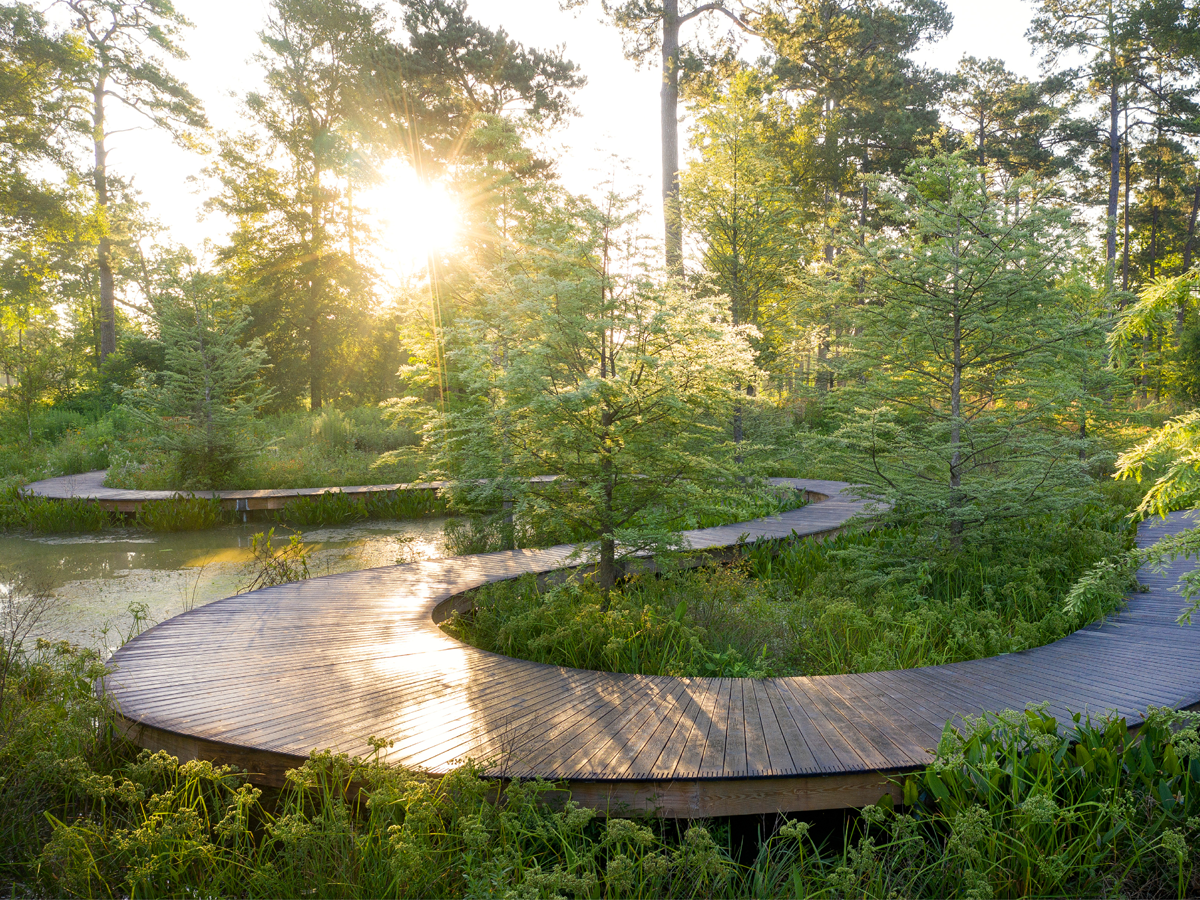
The Houston Arboretum & Nature Center sits within Memorial Park, one of the largest urban parks in the United States, in one of the nation's fastest growing and most climate-challenged cities. The site's story is one of repeated loss and deliberate reinvention. Hurricane Ike in 2008 and a severe drought in 2011 destroyed much of the Arboretum's tree canopy, exposing the limits of conventional reforestation in a city defined by flooding, heat, and ecological volatility.