
.webp?language=en-US)

.webp?language=en-US)
Houston Arboretum & Nature Center
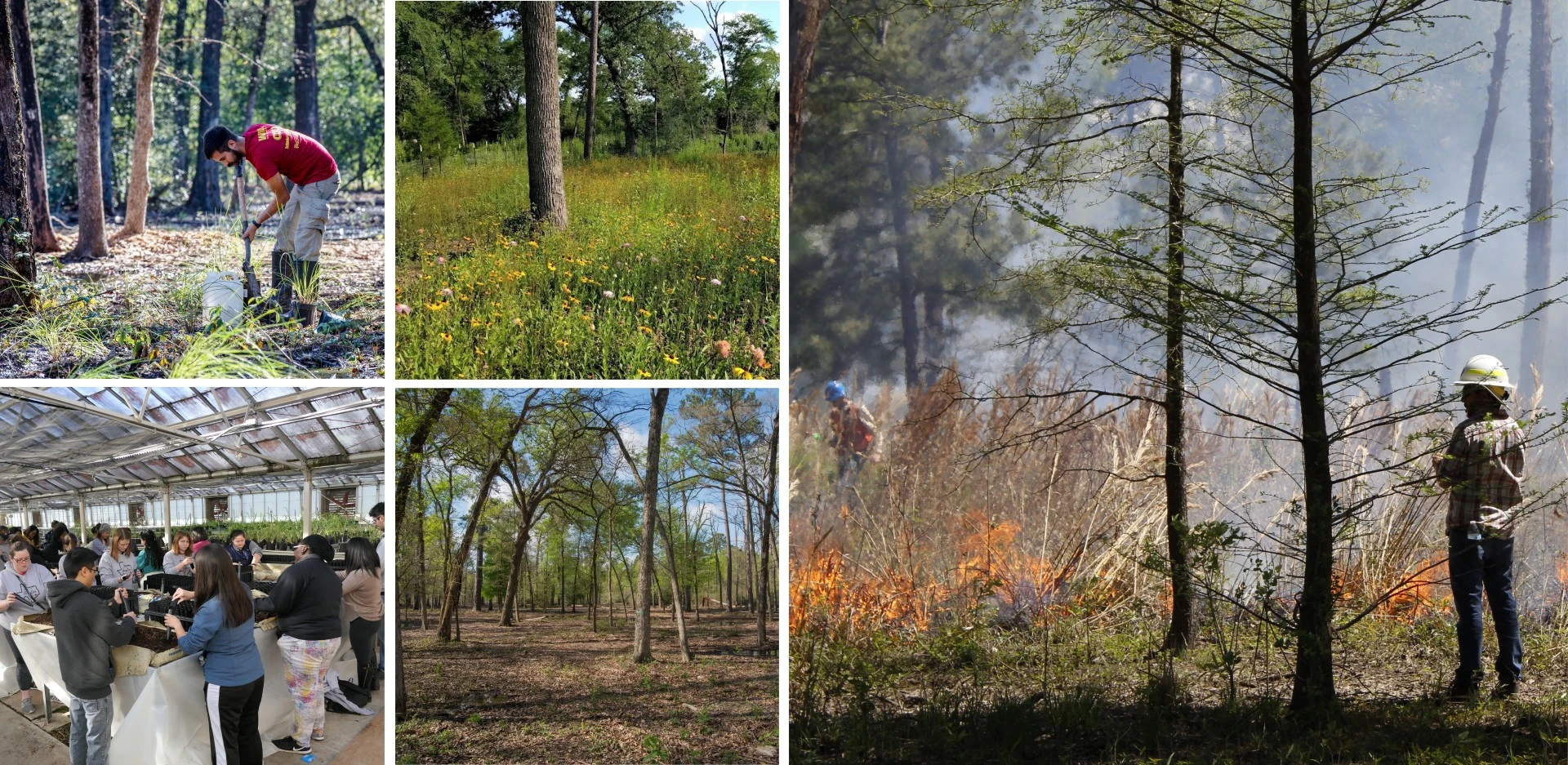
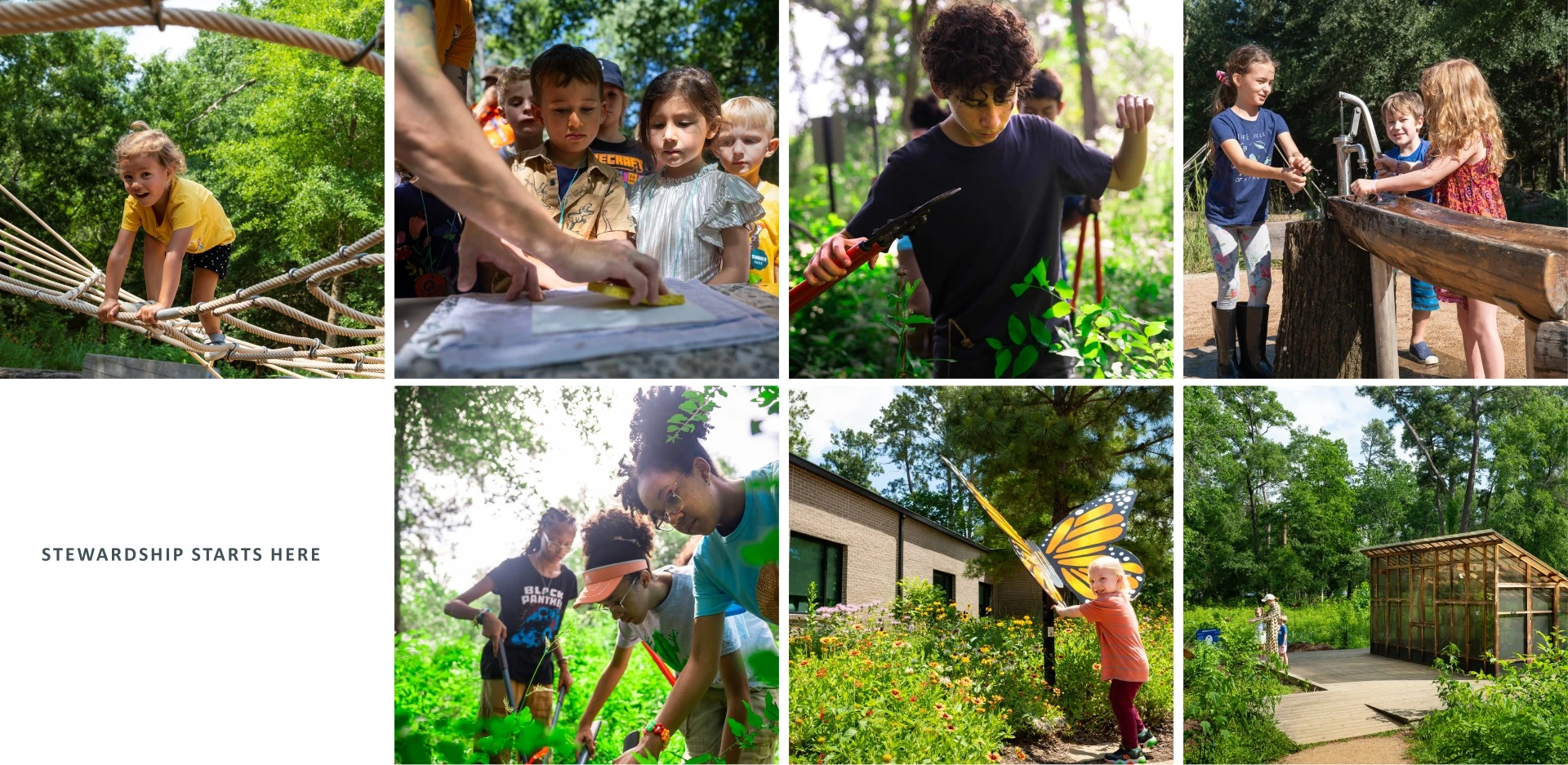
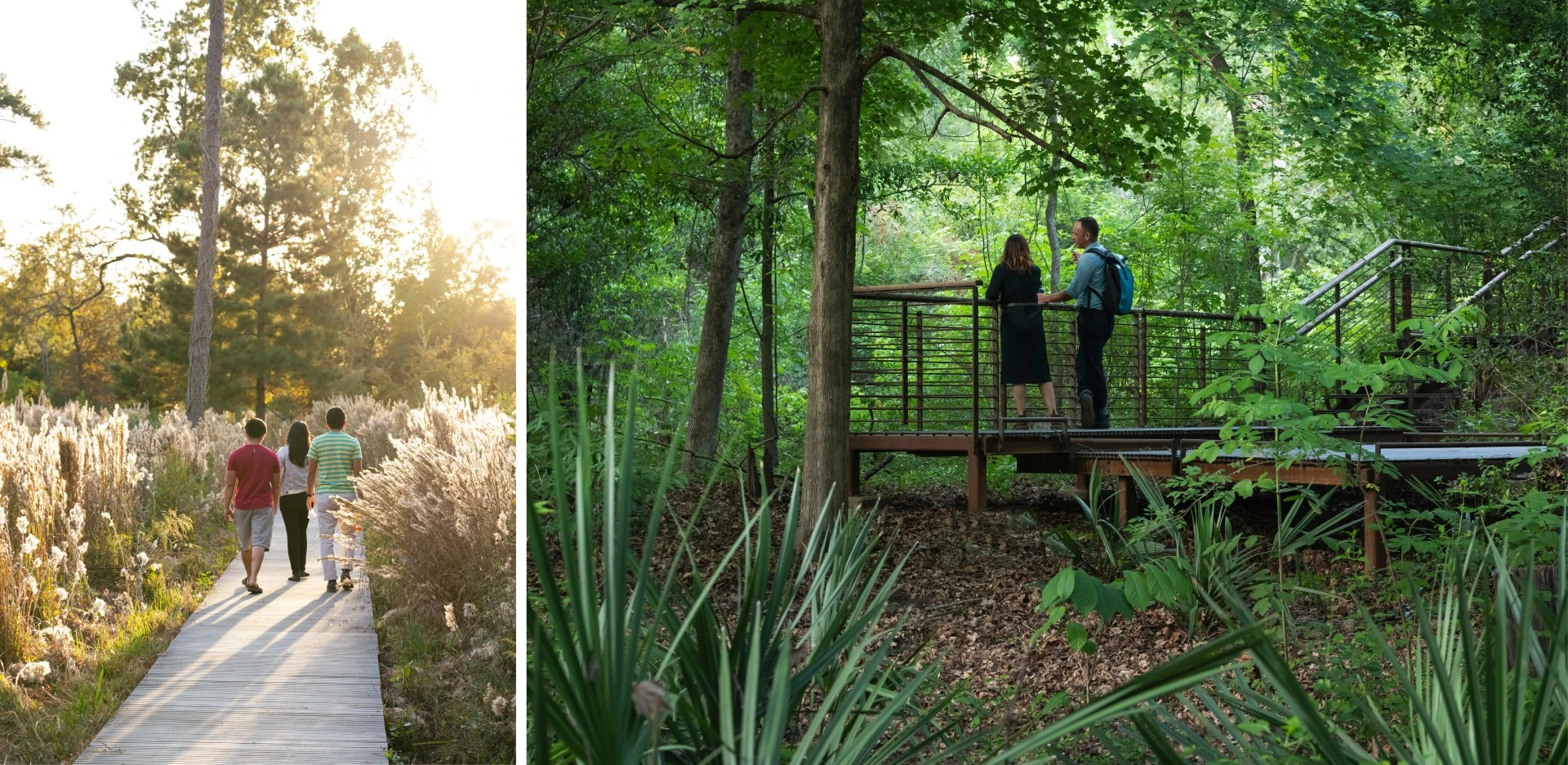
Your project is an exemplary model of climate-adaptive urban ecological restoration. By integrating prairie, savanna, and woodland systems with stormwater management, elevated trails, and prescribed fire, you’vecreated a resilient, living landscape that educates and engages the public. Treating disturbance as opportunity and combining adaptive management with community involvement sets a high standard for urban stewardship.
Awards Jury
-
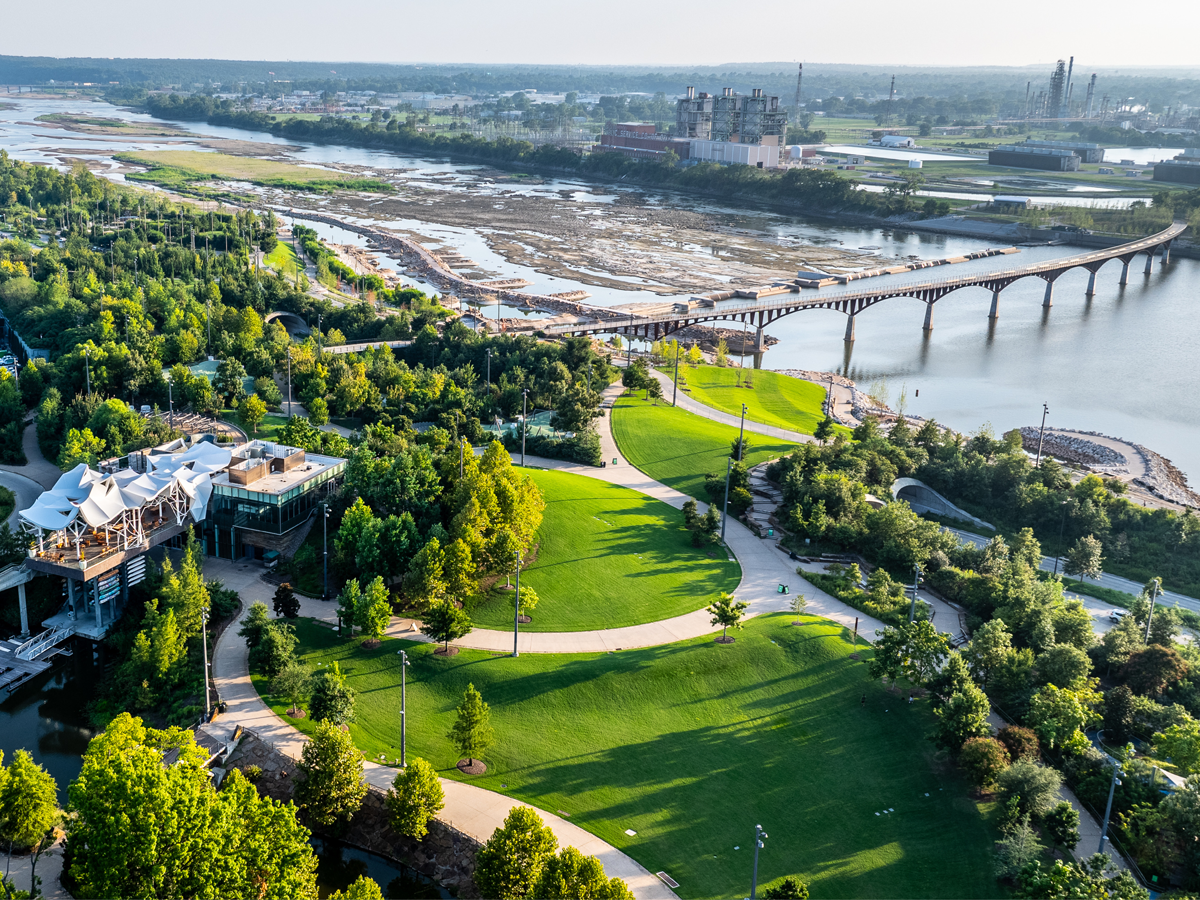
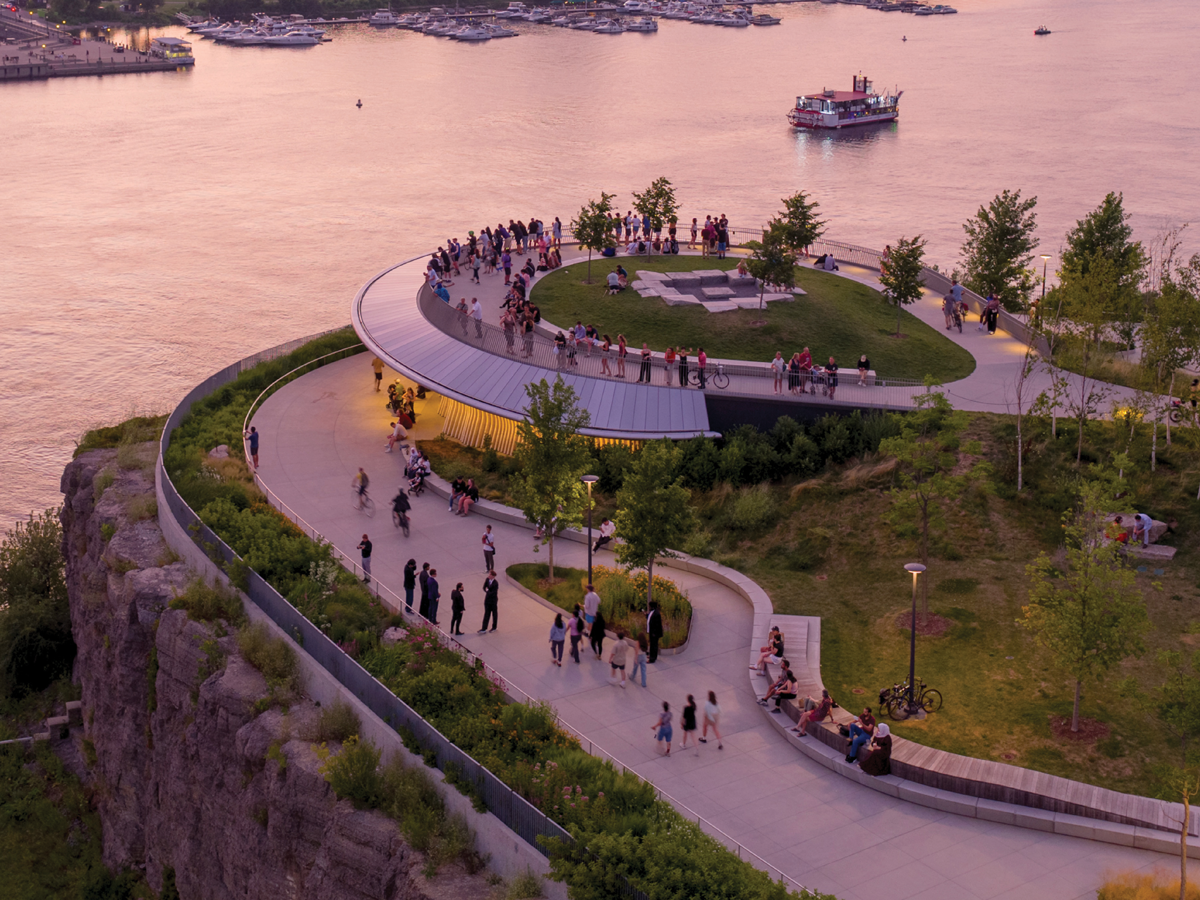
The Houston Arboretum & Nature Center is not a finished landscape, but a living, evolving ecological system embedded within one of the nation's fastest-growing and most climate-challenged cities. Shaped by repeated flooding, drought, and recovery, the project established a new model for ecological restoration in Houston, replacing conventional reforestation with native prairie, savanna, and open woodland systems better suited to a volatile climate. Operating as refuge, classroom, and testing ground, the Arboretum makes resilience visible through restored ravines, stormwater wetlands, elevated trails, research, and community science, inviting visitors to engage directly with adaptive landscapes.
-
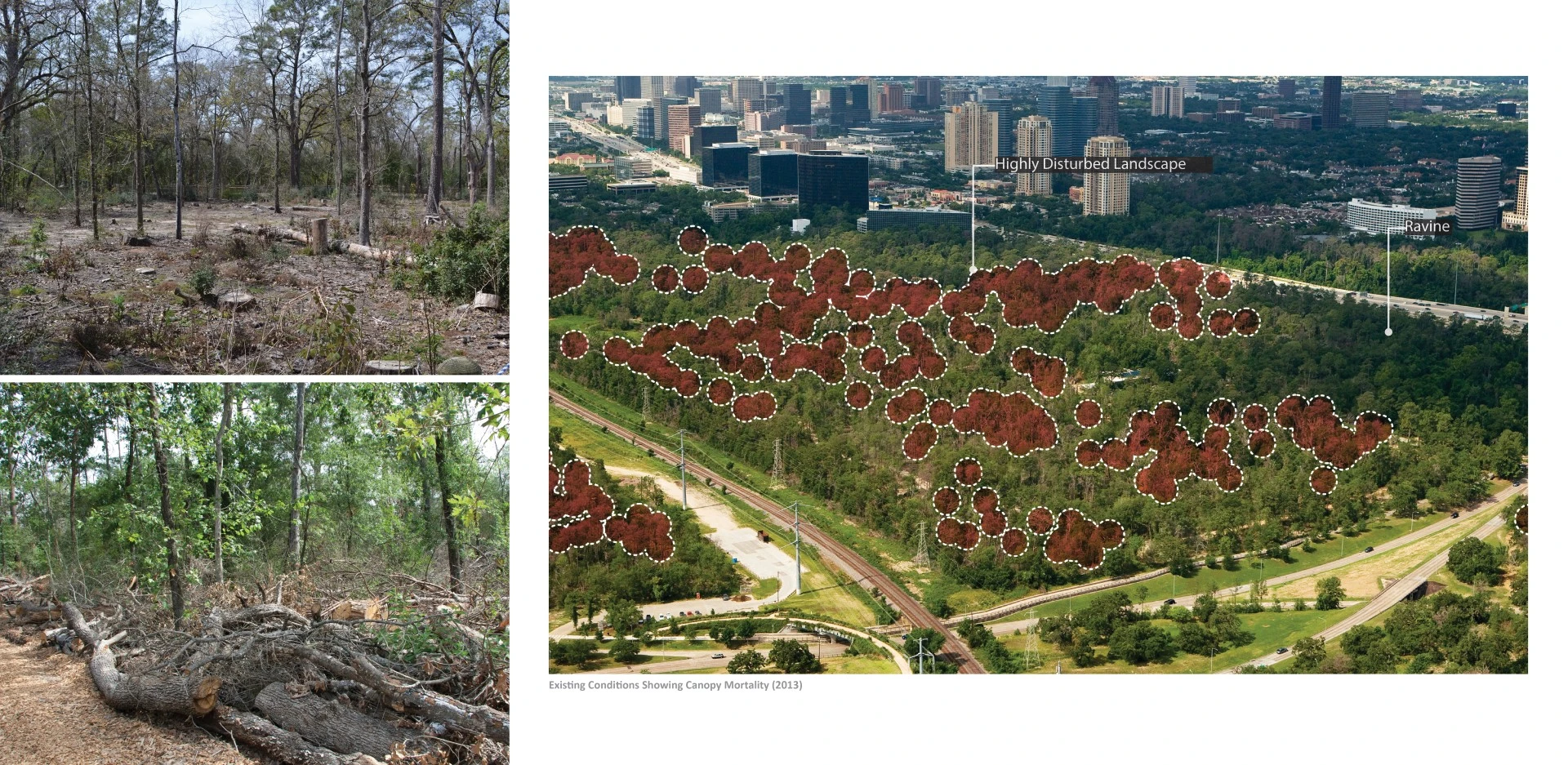
The Houston Arboretum & Nature Center sits within Memorial Park, one of the largest urban parks in the United States, in one of the nation's fastest growing and most climate-challenged cities. The site's story is one of repeated loss and deliberate reinvention. Hurricane Ike in 2008 and a severe drought in 2011 destroyed much of the Arboretum's tree canopy, exposing the limits of conventional reforestation in a city defined by flooding, heat, and ecological volatility.
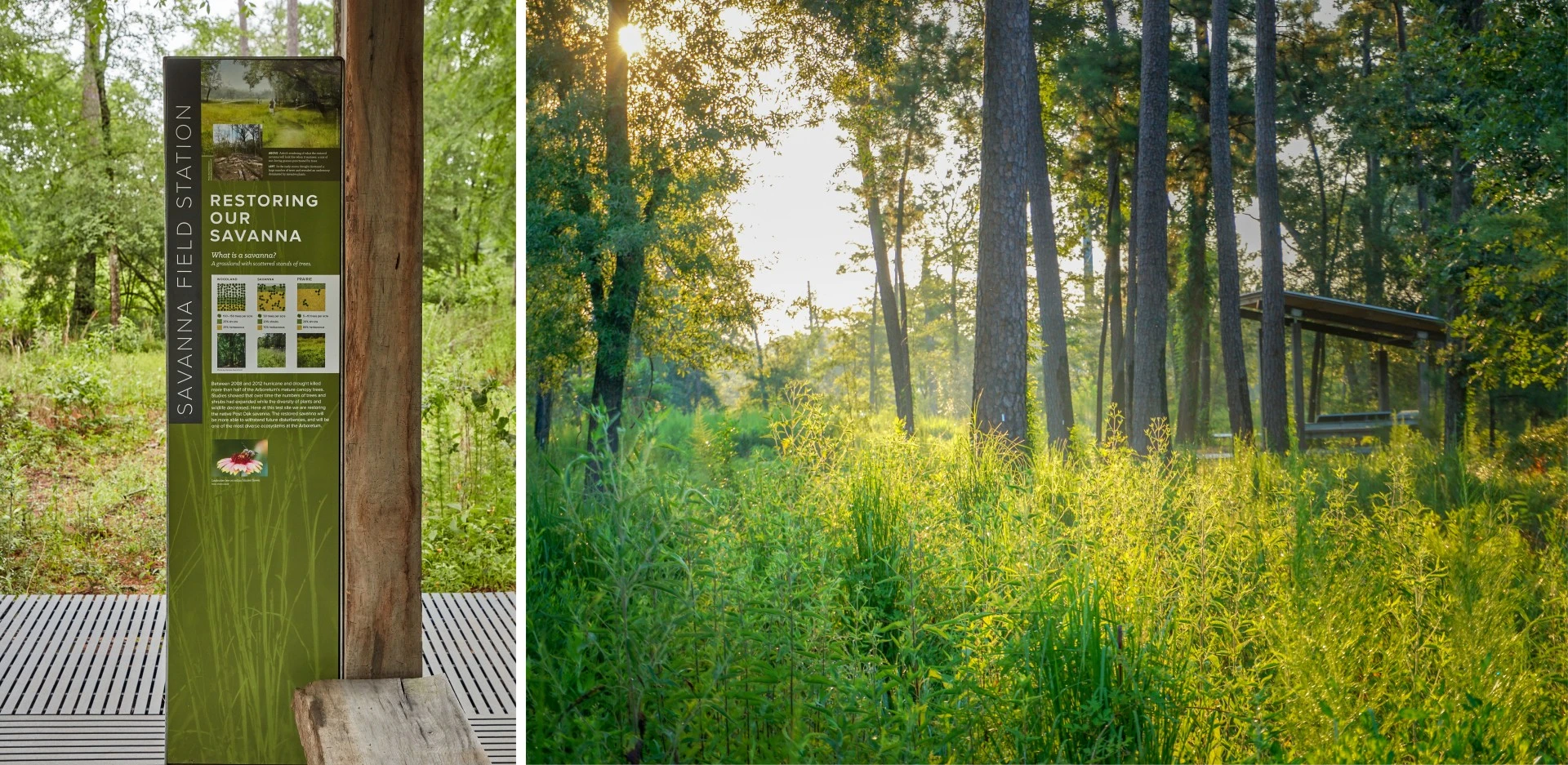
Rather than replanting what was lost, the design team reframed the challenge: canopy loss was not a failure to be reversed, but an opening to build something more resilient. Working with ecologists, hydrologists, and the Ladybird Johnson Wildflower Center, the team replaced conventional restoration with disturbance-adapted native prairie, savanna, and open woodland systems — ecosystems that thrive under the conditions Houston actually has, not the conditions it once had.
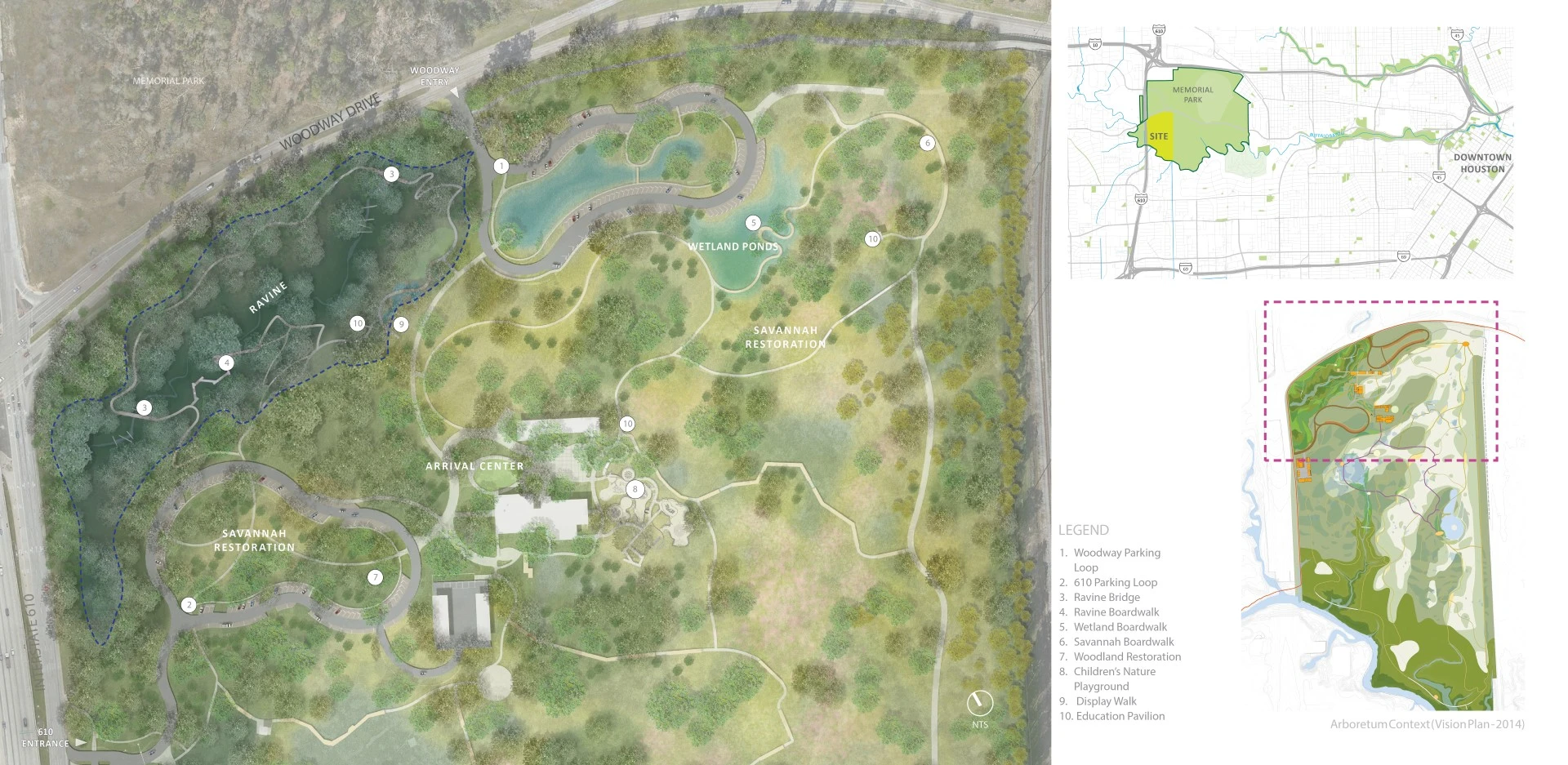
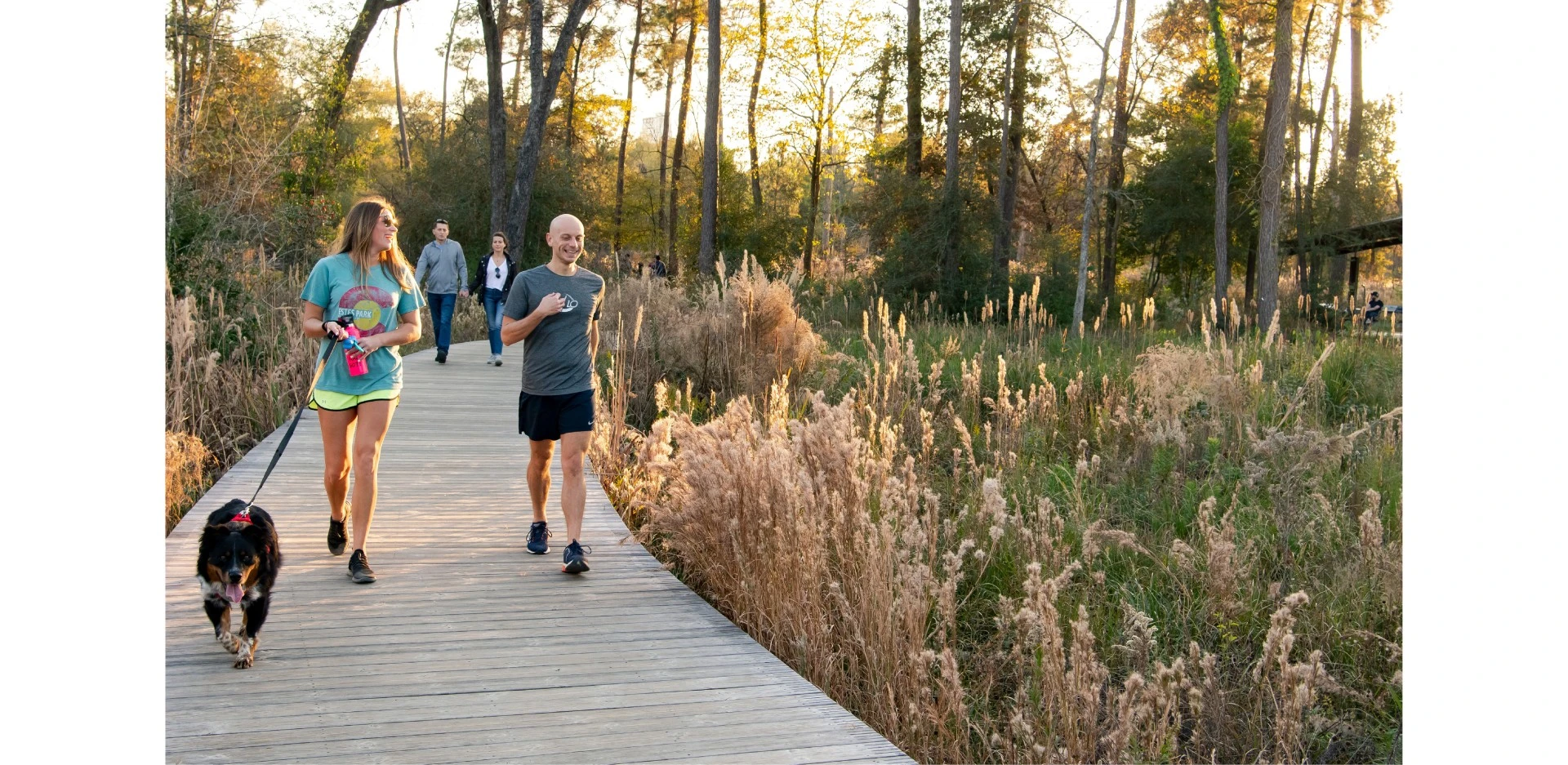
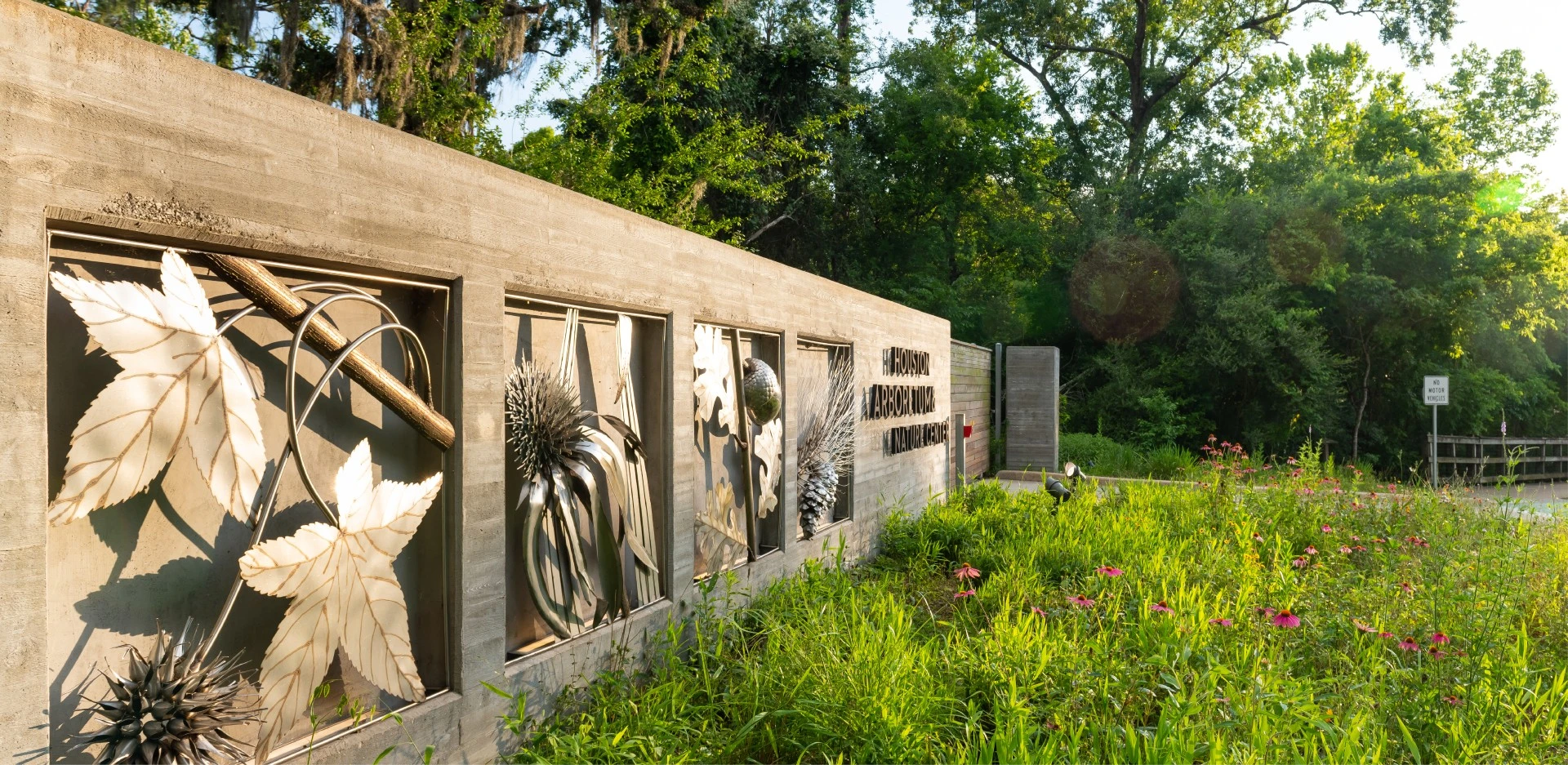
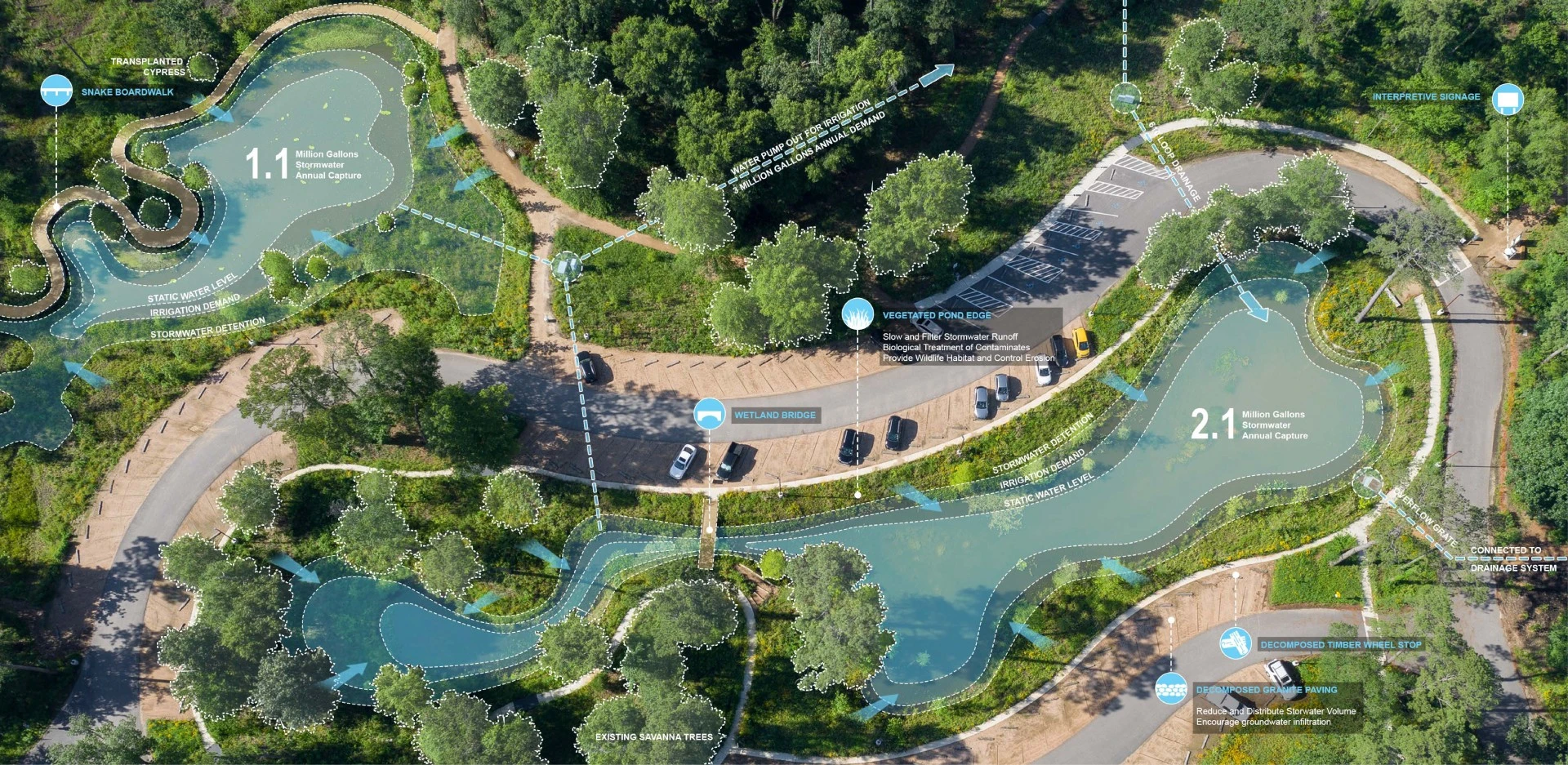
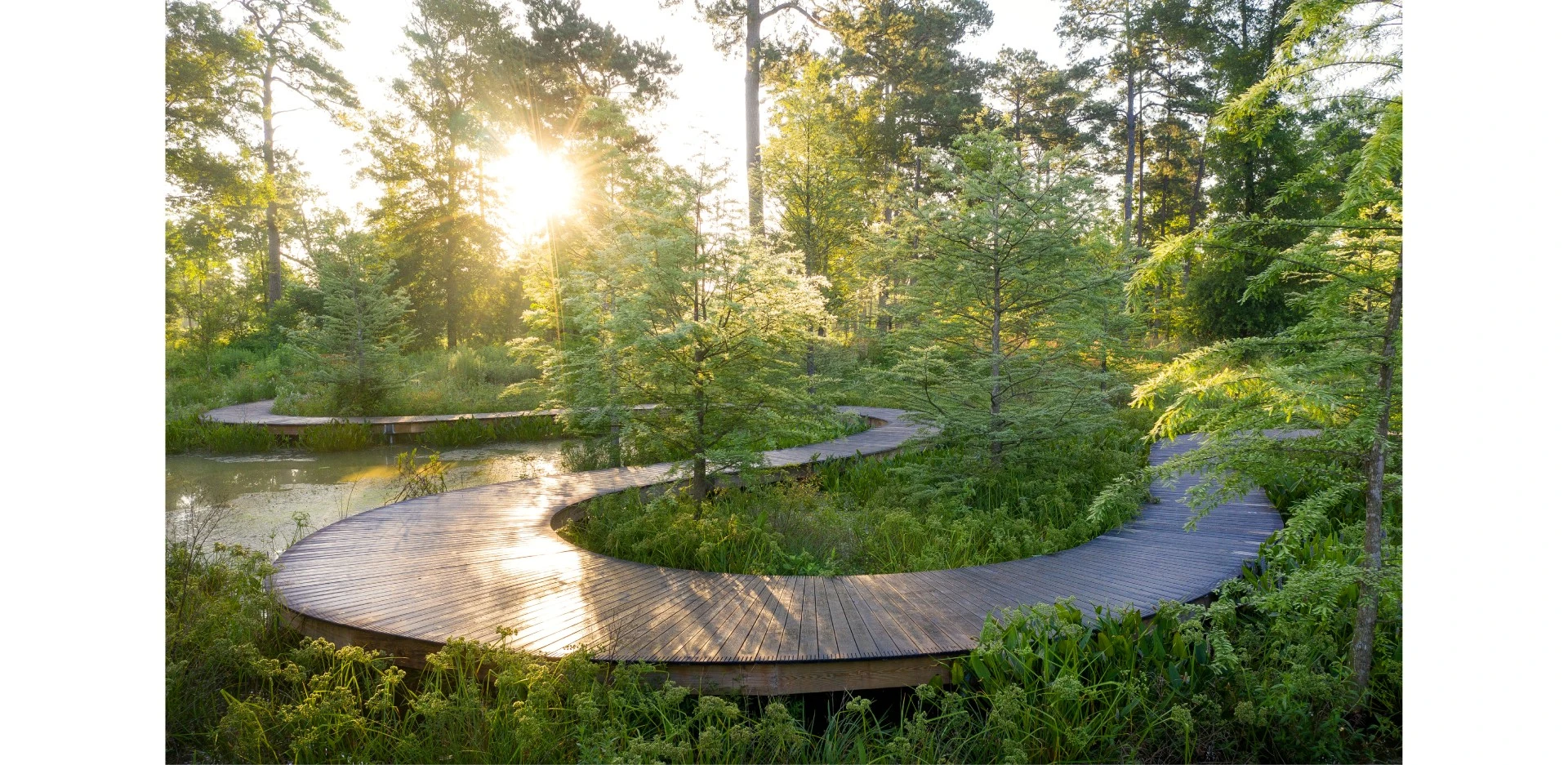
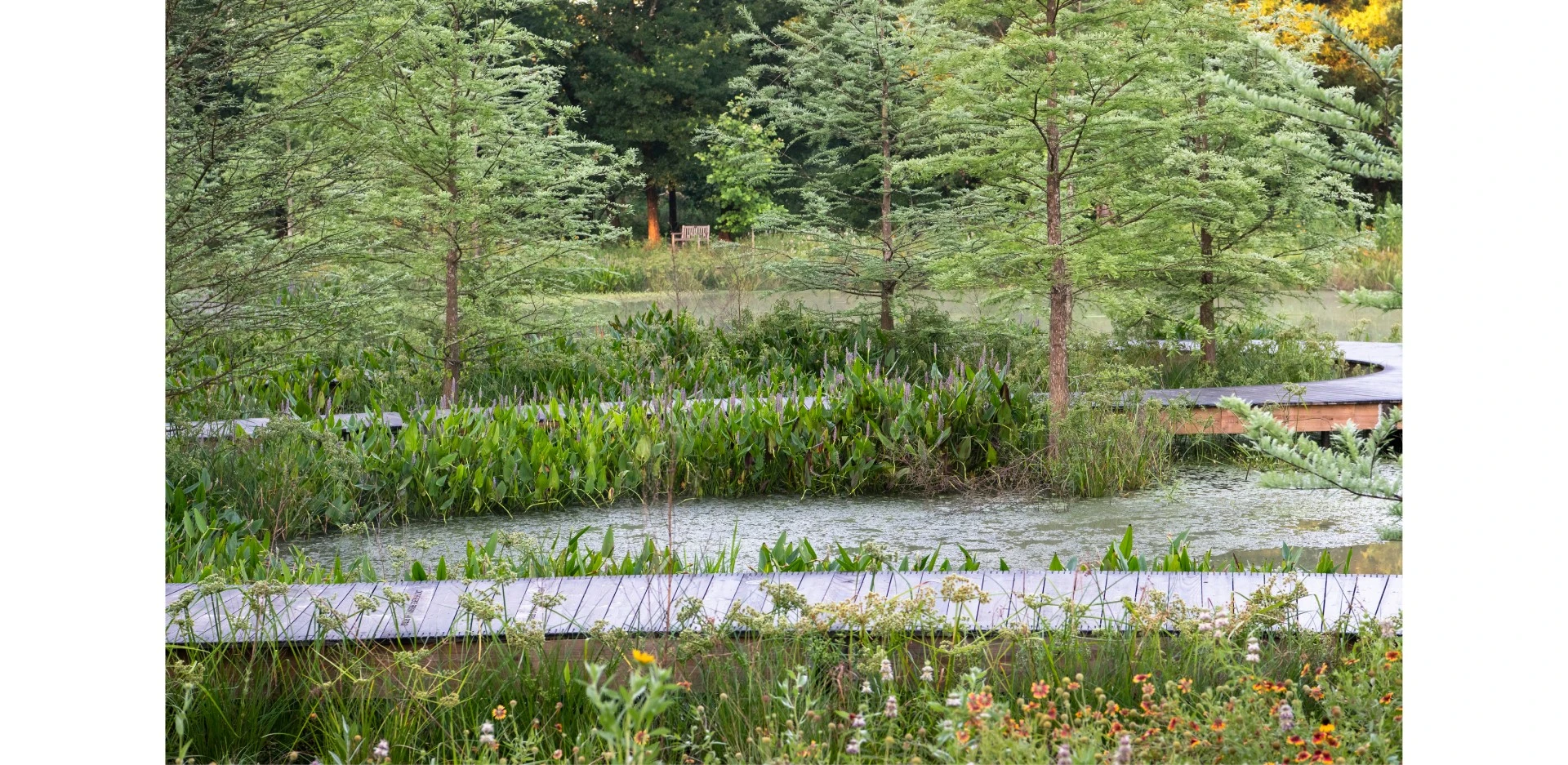
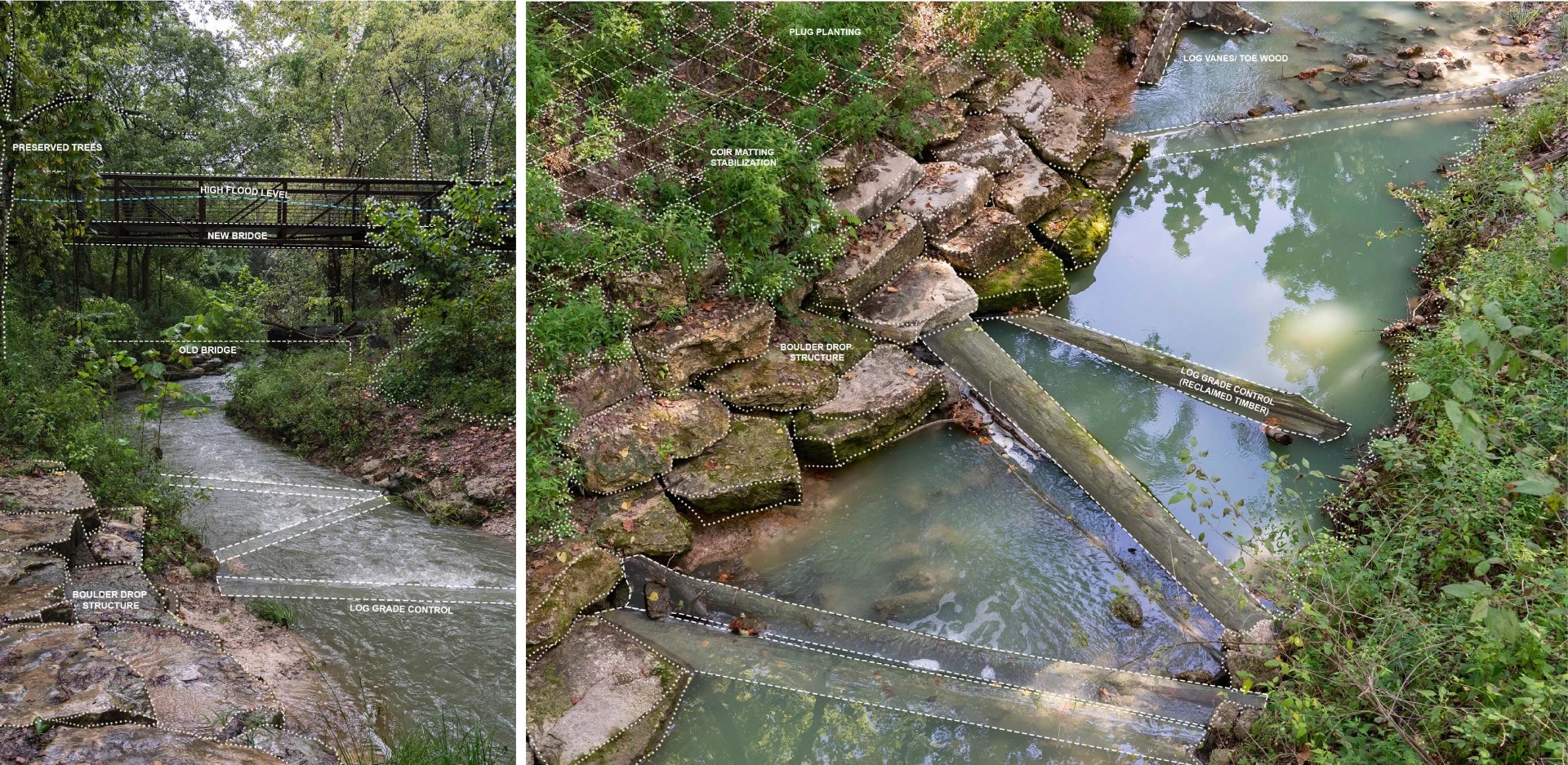
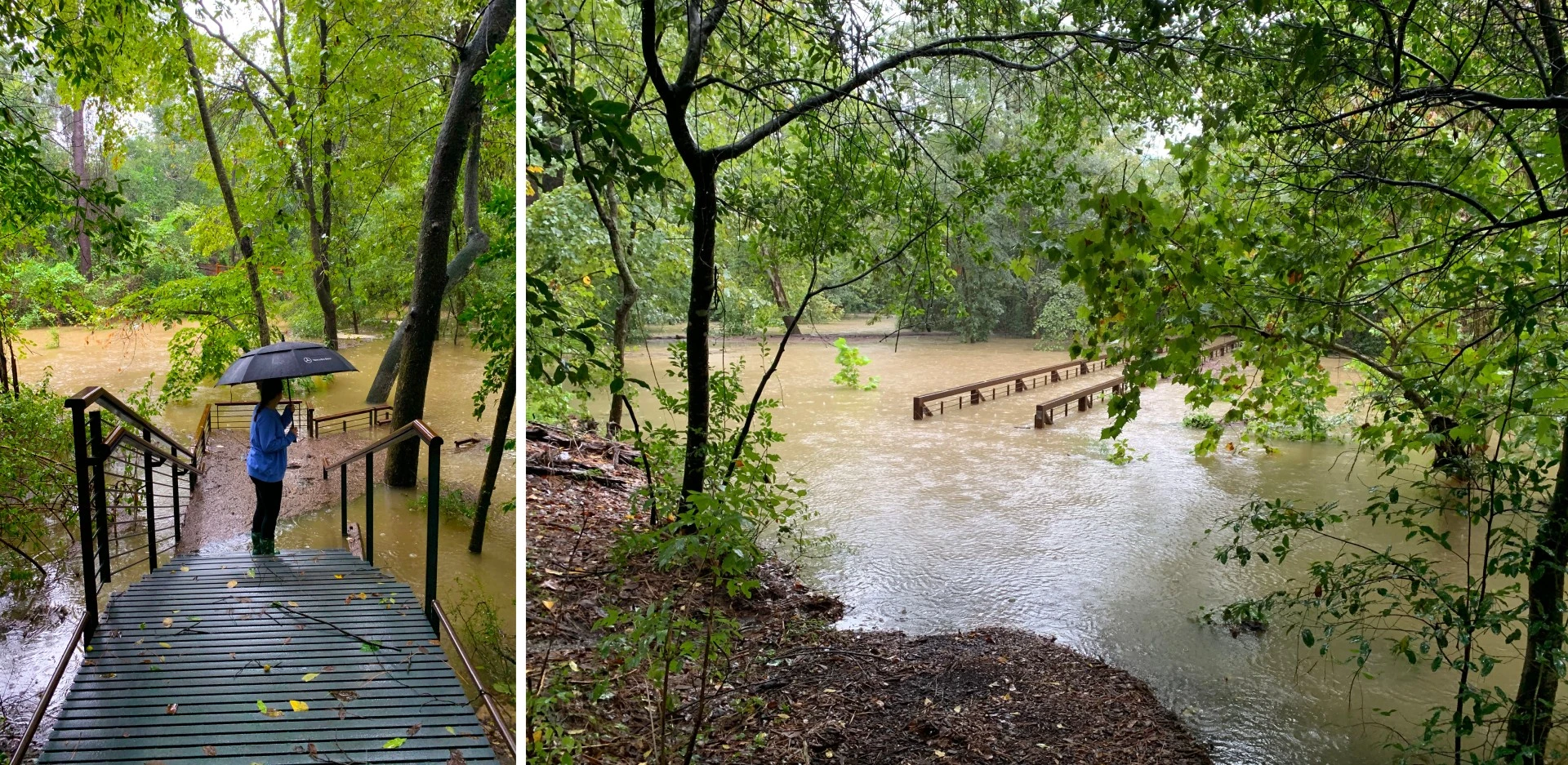
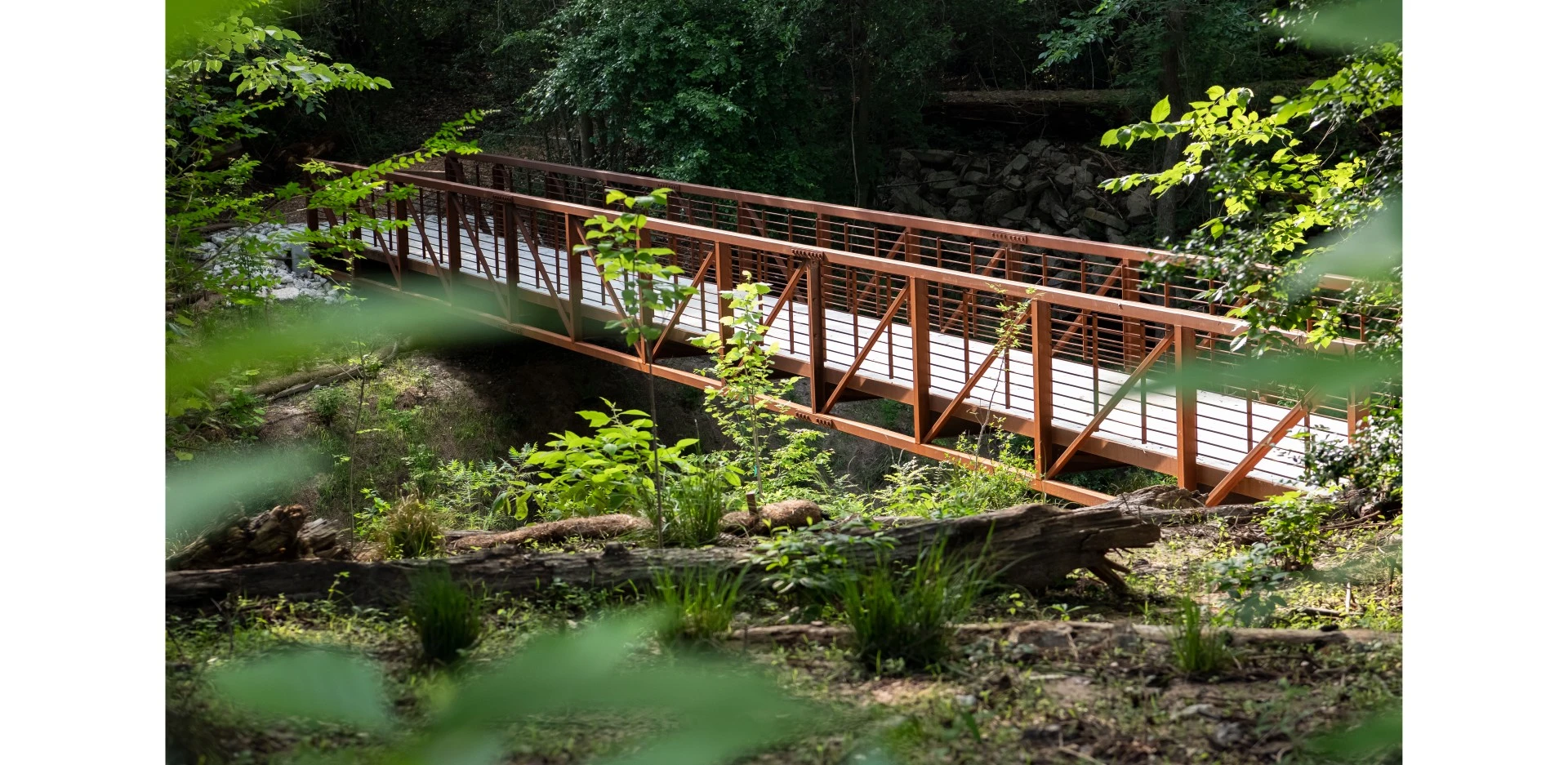
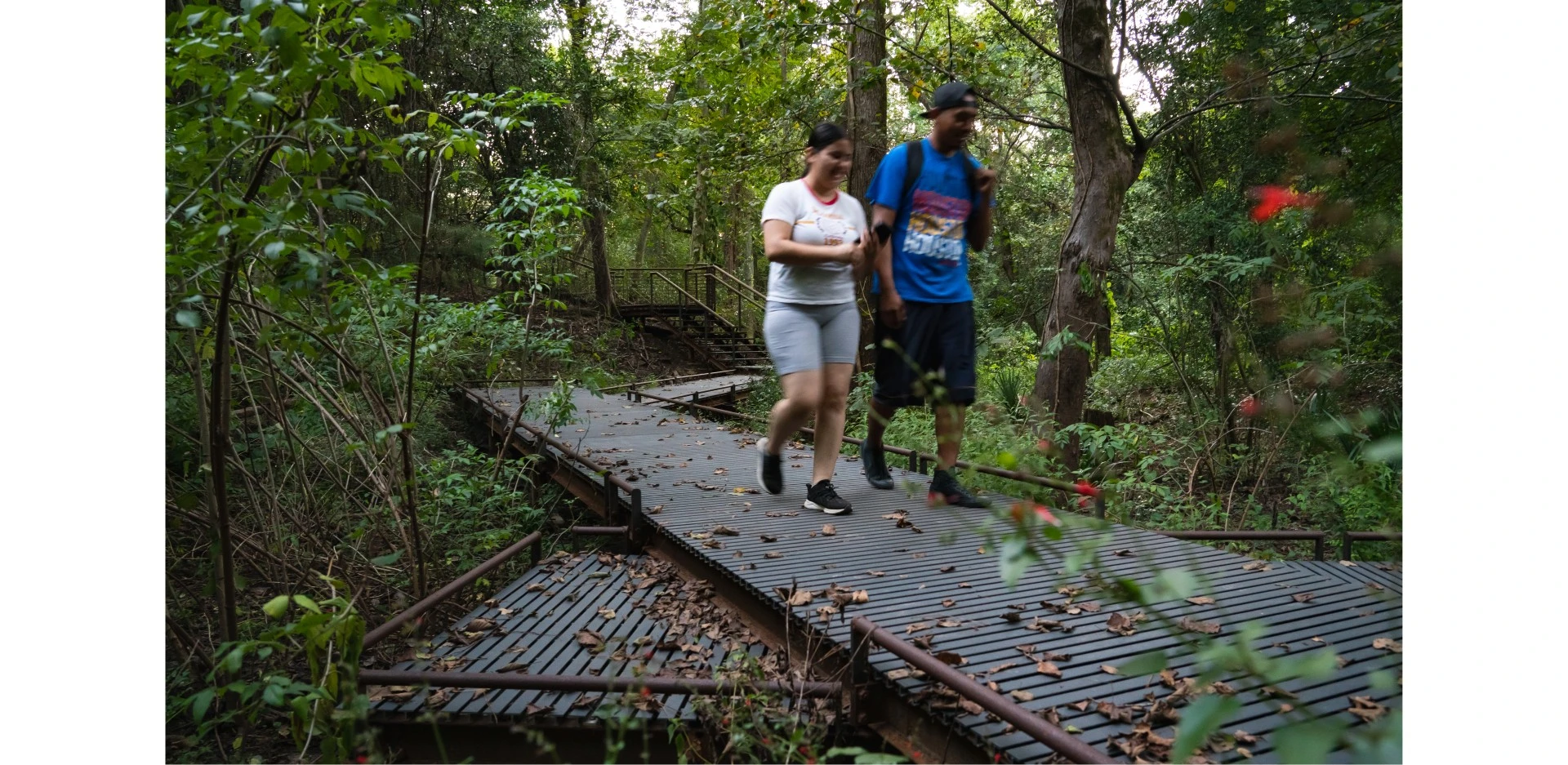
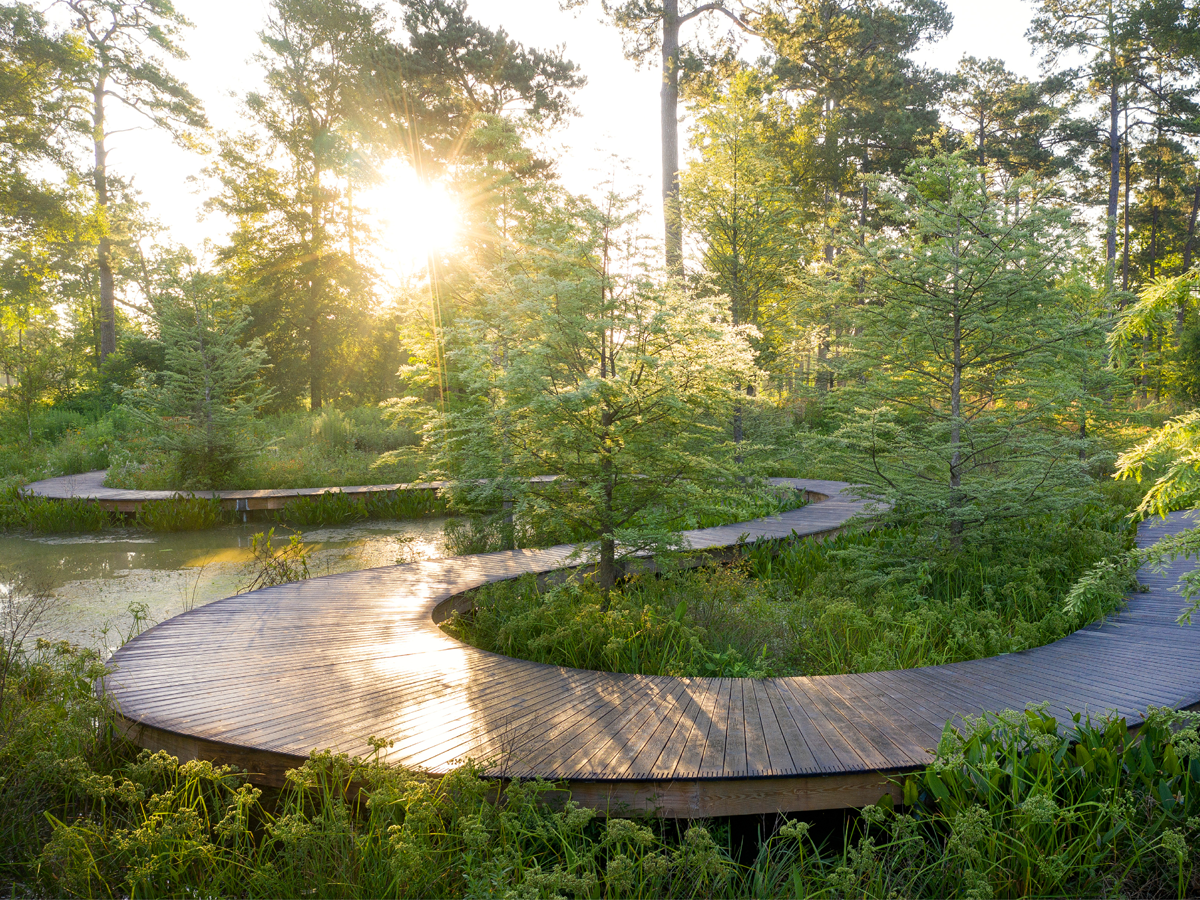
The result is a living laboratory. Restored prairie and savanna habitats now cover areas once dominated by invasive species and eroded soil. Stormwater wetlands at the site's entry sequence treat runoff, support habitat, and offer visitors immediate immersion in ecological function. Ravine systems — long degraded by erosion and compaction — were stabilized through rock and log grade controls, native planting, and elevated infrastructure designed to flood and recover without damage. Bridges and boardwalks are built to pass high water, reducing maintenance and extending the life of the trail network through repeated flood events.
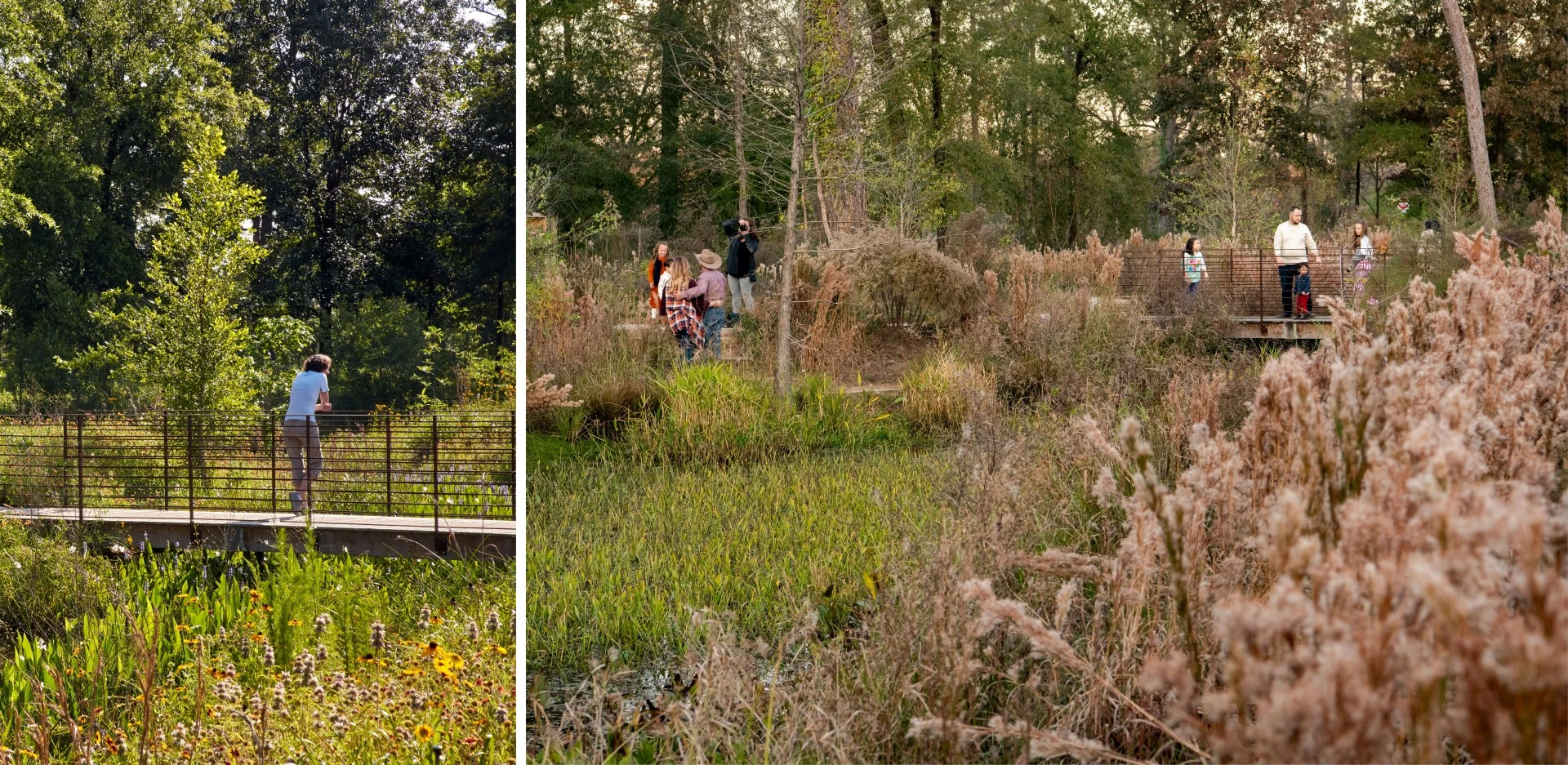
Throughout, the design makes ecological process legible. Interpretive field stations, community science programs, and volunteer stewardship opportunities connect visitors to the science behind the landscape. Prescribed fire, managed by staff and volunteers, sustains prairie and savanna systems through natural disturbance cycles. The Arboretum has become a site where restoration is not hidden behind fences but experienced directly — where visitors walk through wetlands, cross restored ravines, and observe habitat change across seasons.
The project also catalyzed municipal policy change. Lessons from the Arboretum informed updated tree replacement standards and stormwater management approaches across Houston, extending the project's impact beyond its boundaries. As a model for disturbance-based ecological design in a rapidly urbanizing, climate-stressed region, the Houston Arboretum demonstrates that resilience is not a fixed condition but a practice — one that requires ongoing stewardship, adaptive management, and community investment.
-
- Conners Ladner, Principal, Design Workshop
- Alex Ramirez, Design Workshop
- Mike Piano, Design Workshop
- Scott Miller, Design Workshop
- Beau Burris, Design Workshop
- Di Yang, Design Workshop
- Kurt Culbertson, Design Workshop
- Steven Spears, Design Workshop
- Rebecca Leonard, Design Workshop
- Douglas Reed, Consultant, Reed Hilderbrand
- Joseph James, Consultant, Reed Hilderbrand
- Dani Alexander, Consultant, Reed Hilderbrand
- Mary Miller, Consultant, Reed Hilderbrand
- Garrett Newton, Consultant, Reed Hilderbrand
- Ladybird Johnson Wildflower Center, Environmental Design
- Walter P. Moore, Civil and Structural Engineering
- Frayre Engineering & Consulting, PLLC, Civil and Structural Engineering
- ETM Associates, LLC, Operations and Maintenance
- Dr. W Todd Watson, Forestry Ecology and Management
- Lake Flato, Architecture
- Leslie K Elkins Architecture, Architecture
- Kendall Heaton Associates, Inc., Architecture
- HydroGeo Designs LLC, Ravine Restoration and Fluvial Geomorphology
- Jeffrey L. Bruce & Company, LLC, Irrigation and Soils Engineering
- E&C Engineers & Consultants, Inc., Electrical Engineering
- Forney Construction, General Contractor
- Garza Development, General Contractor
-
- Fibergrate Composite Structures
- Bega Light Fixtures
- Structura Light Poles
- Trees for Houston
- Thermory Pine
- Pioneer Bridges
-
- American beautyberry
- American beech
- American elm
- American holly
- American hornbeam
- American snowbell
- American sycamore
- Bald cypress
- Beebalm
- Big bluestem
- Bitternut hickory
- Black cherry
- Black hickory
- Black tupelo
- Black willow
- Black-eyed Susan
- Blue mistflower
- Box elder
- Brazos penstemon
- Bur oak
- Bushy bluestem
- Buttonbush
- Cardinal flower
- Carolina buckthorn
- Carolina jessamine
- Cedar elm
- Cherokee sedge
- Chickasaw plum
- Clasping coneflower
- Coastal pepperbush
- Common elderberry
- Common ladyfern
- Cottonwood
- Devil's walkingstick
- Dwarf palmetto
- Early azalea
- Eastern baccharis
- Eastern gamagrass
- Eastern red cedar
- Eastern redbud
- Eryngo
- Farkleberry
- Flameleaf sumac
- Florida paspalum
- Fragrant sumac
- Green ash
- Green hawthorn
- Green sprangletop
- Gulf muhly
- Halberd-leaf rosemallow
- Heath aster
- Indian blanket
- Indian paintbrush
- Inland sea oats
- Lanceleaf coreopsis
- Lemon beebalm
- Little bluestem
- Little bluestem (gulf)
- Live oak
- Loblolly pine
- Longleaf woodoats
- Maximilian sunflower
- Mexican plum
- Pale purple coneflower
- Parsley hawthorn
- Pawpaw
- Pecan
- Persimmon
- Pink evening primrose
- Pink gaura
- Pinkscale blazing star
- Plains coreopsis
- Possum-haw
- Possum-haw viburnum
- Prairie blazing star
- Prairie wildrye
- Purple coneflower
- Purpletop tridens
- Red buckeye
- Red maple
- Red mulberry
- Red oak
- River birch
- Rock mock vervain
- Rose vervain
- Round head bush clover
- Rusty blackhaw
- Sassafras
- Scarlet sage
- Shagbark hickory
- Sharp blazing star
- Shortleaf pine
- Sideoats grama
- Smooth sumac
- Southern arrowwood
- Southern magnolia
- Swamp rosemallow
- Swamp titi
- Sweet gum
- Sweetbay magnolia
- Tall blazing star
- Texas hawthorn
- Trumpet vine
- Turk's cap
- Two-wing silverbell
- Virginia iris
- Virginia sweetspire
- Wax myrtle
- Western bracken fern
- White ash
- White fringetree
- Winecup
- Witch hazel
- Yellow indiangrass
- Zigzag iris
Advertisement
Related Awards
Honor Award, General Design
Houston Arboretum & Nature Center
The Houston Arboretum & Nature Center sits within Memorial Park, one of the largest urban parks in the United States, in one of the nation's fastest growing and most climate-challenged cities. The site's story is one of repeated loss and deliberate reinvention. Hurricane Ike in 2008 and a severe drought in 2011 destroyed much of the Arboretum's tree canopy, exposing the limits of conventional reforestation in a city defined by flooding, heat, and ecological volatility.