
.webp?language=en-US)

.webp?language=en-US)
Harbor Wetland: Green Infrastructure as Civic Space
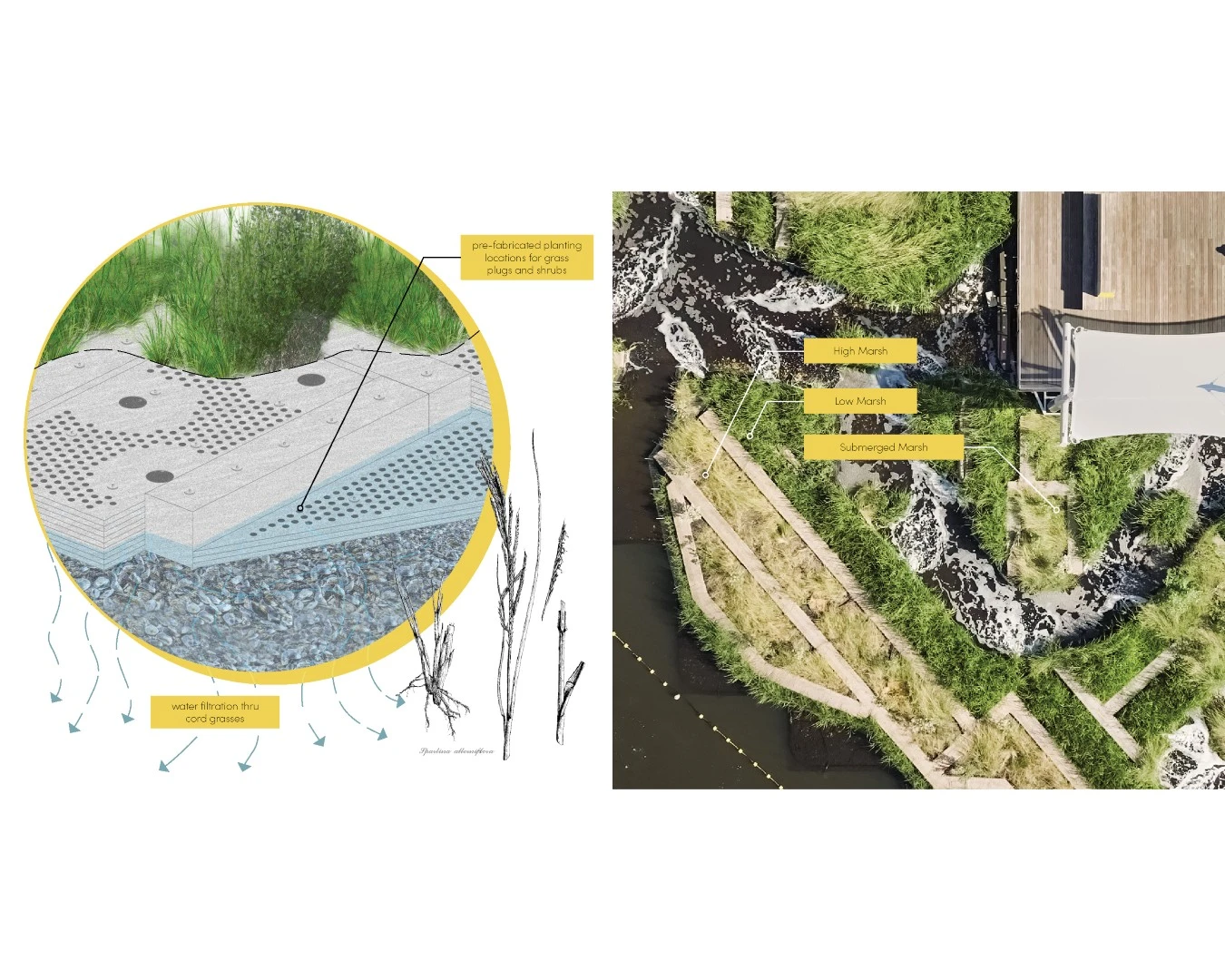
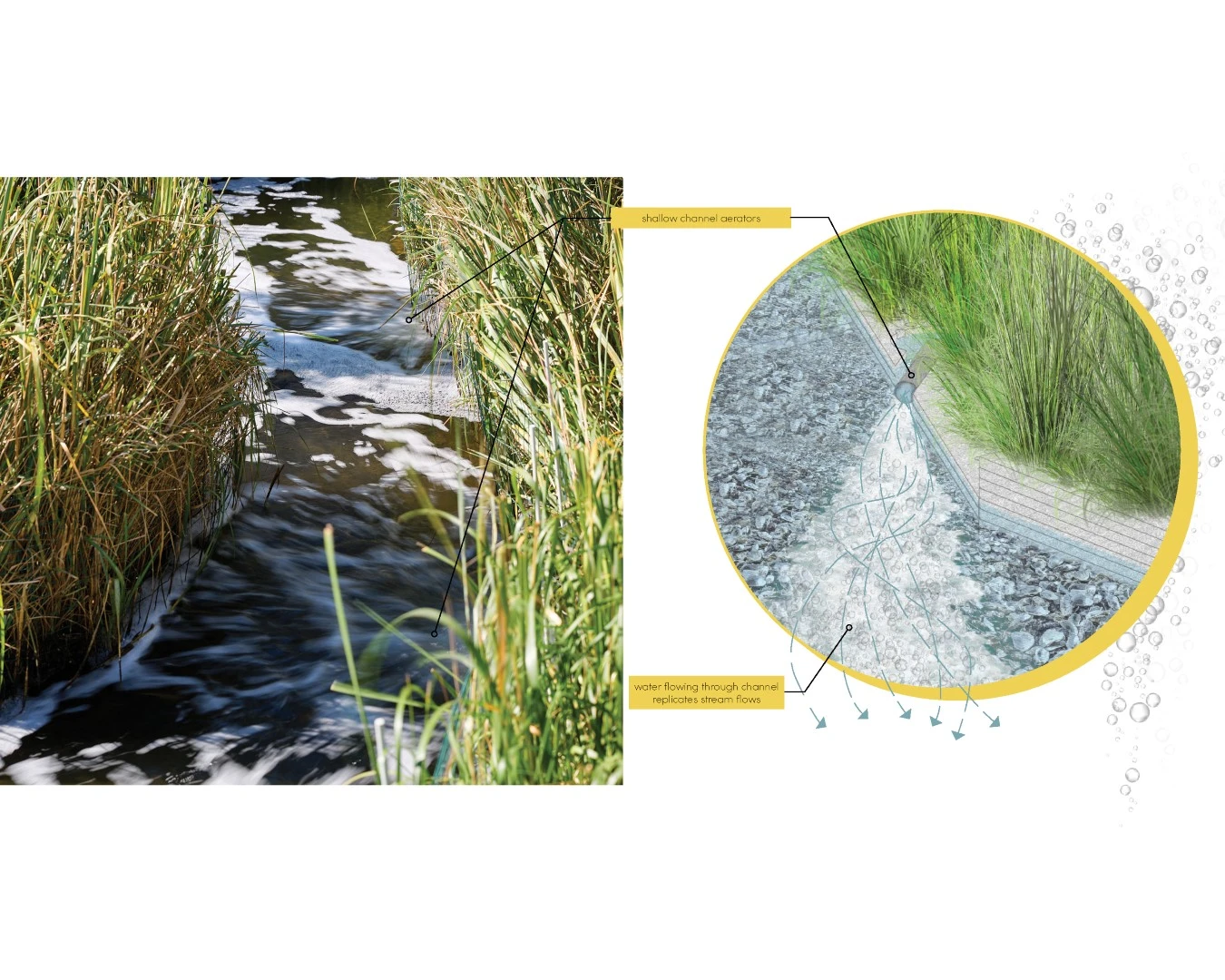
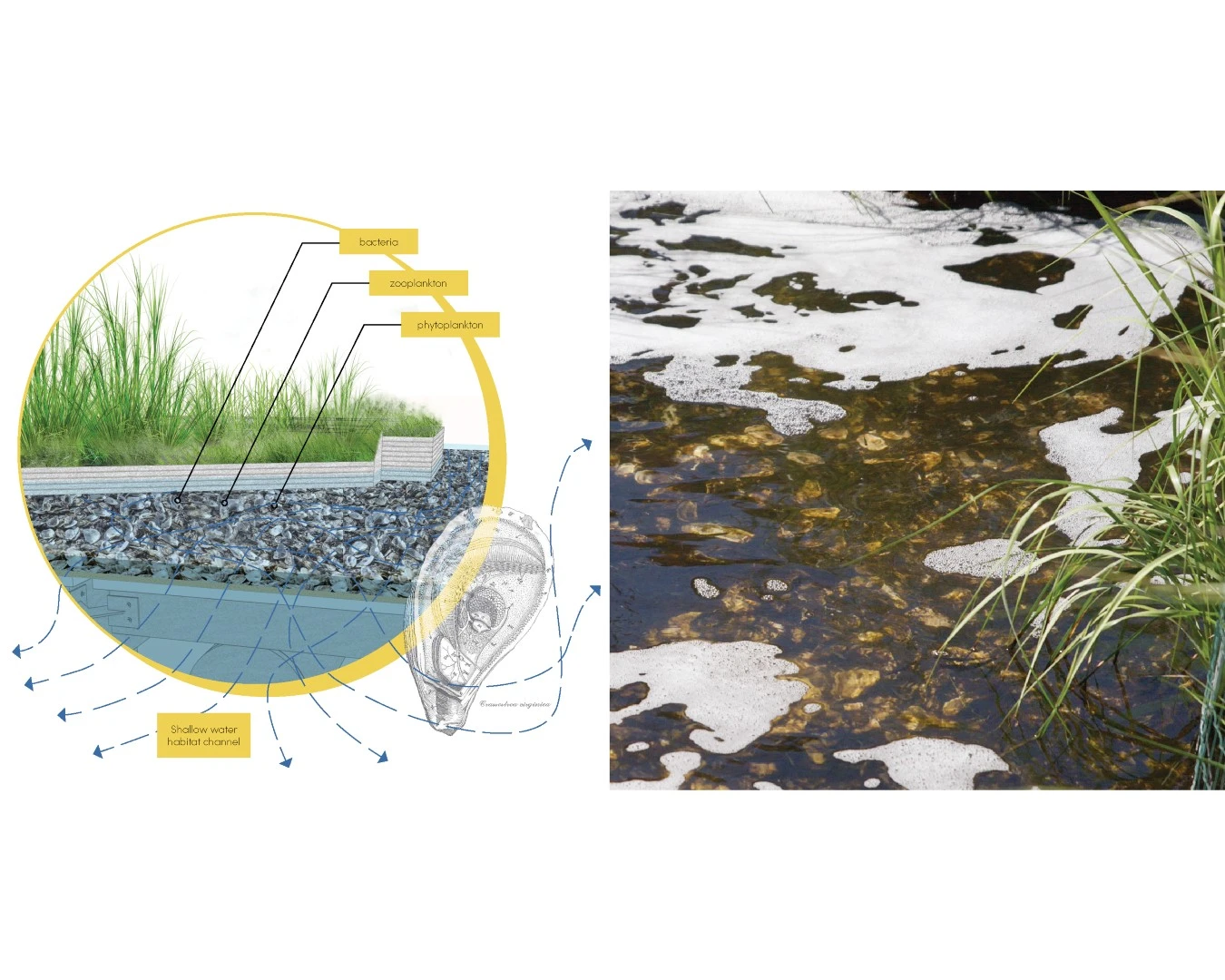
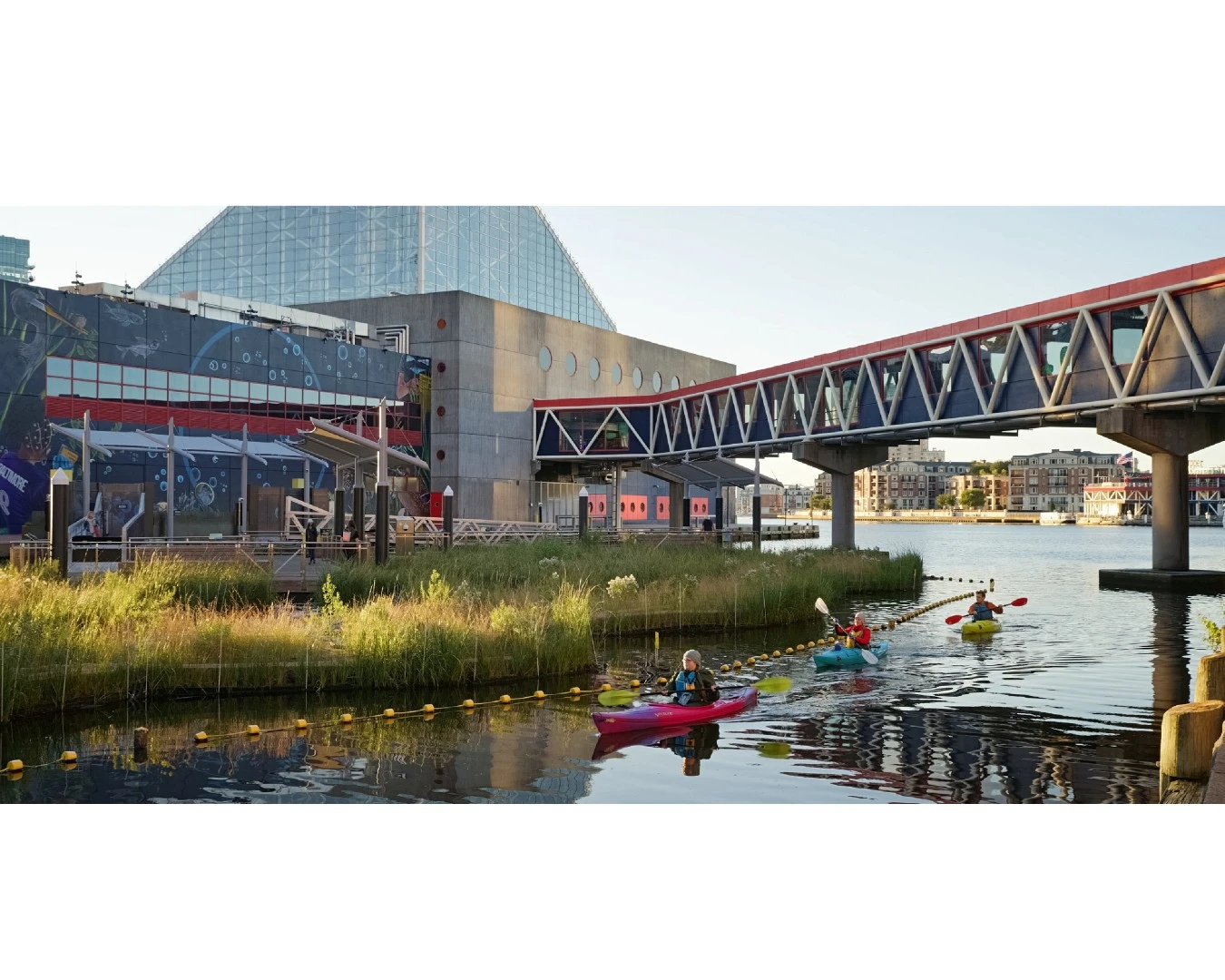
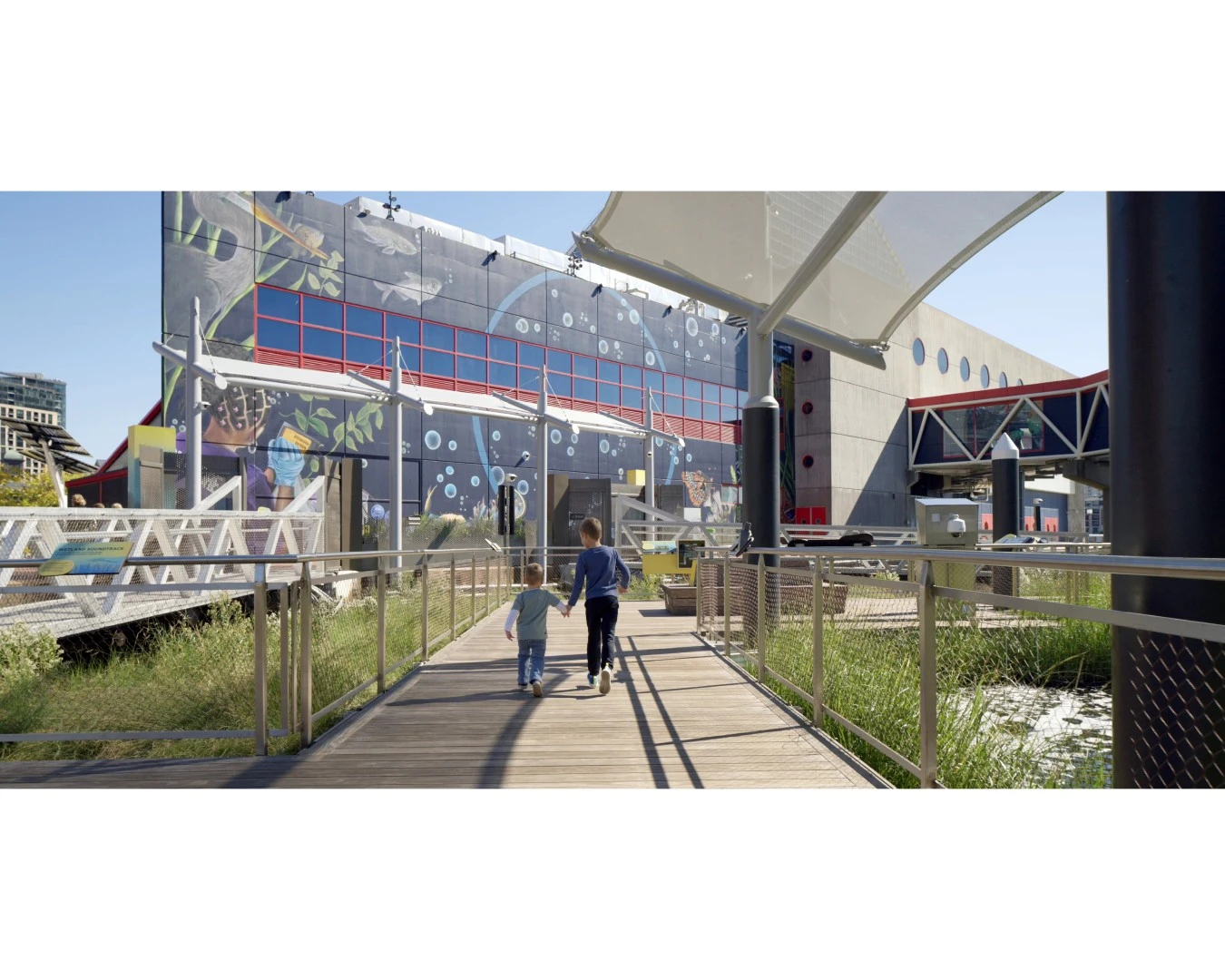
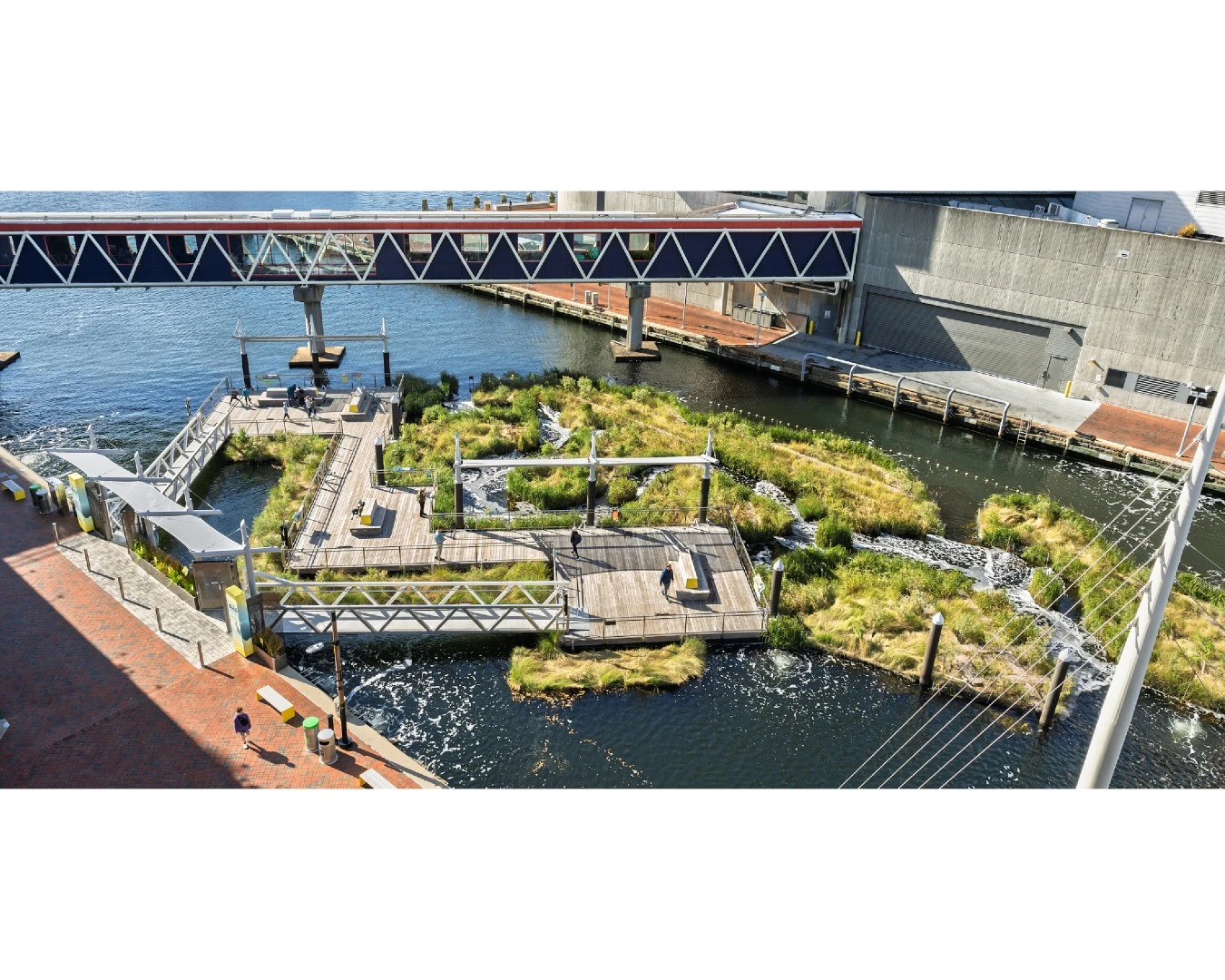
An influential and technically ambitious project that pairs rigorous ecological performance with public engagement. Especially noteworthy for translating prototype research—improving water quality, restoring habitat, and reintroducing key species—into a full-scale civic landscape. A compelling precedent for urban green infrastructure.
Awards Jury
-
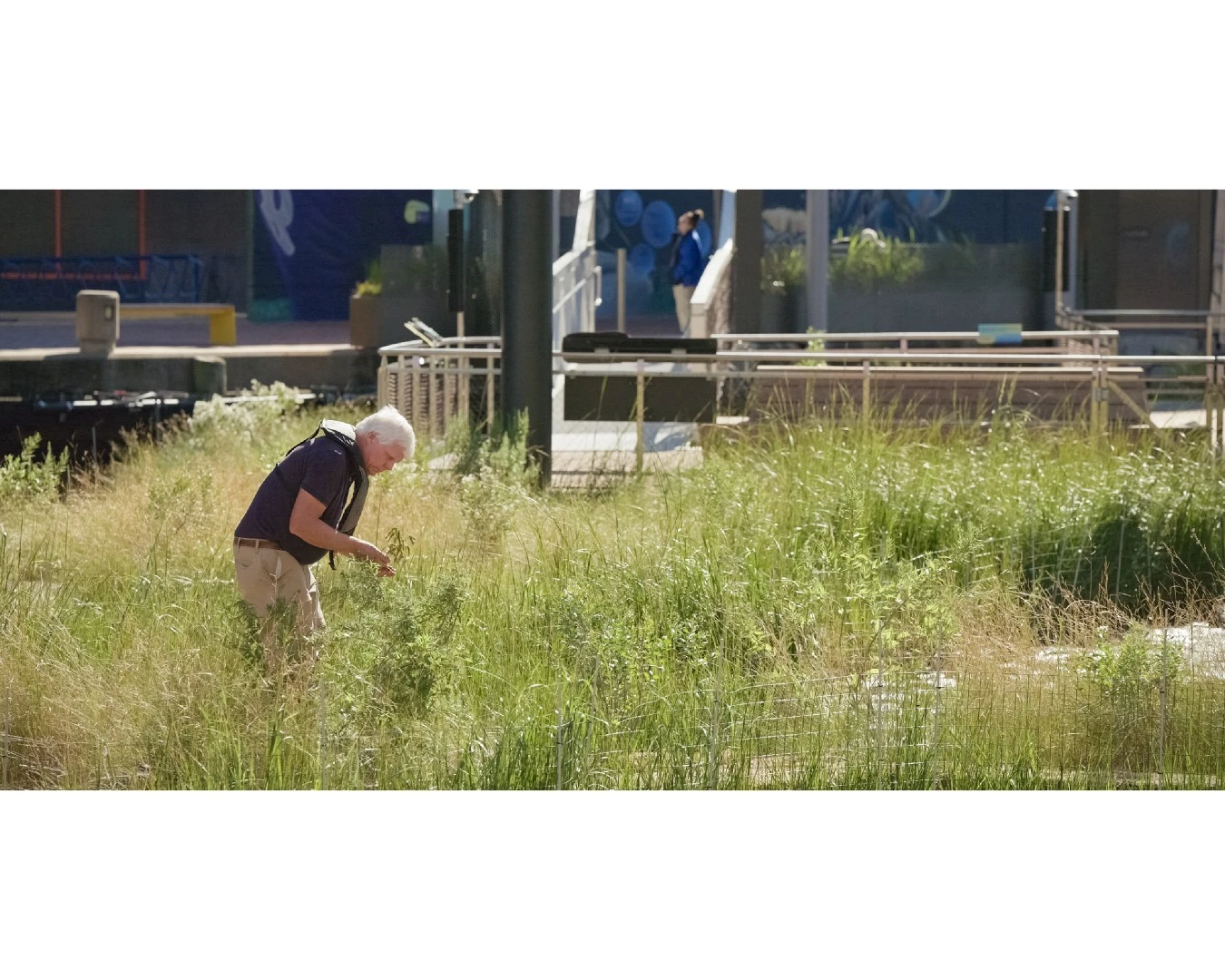
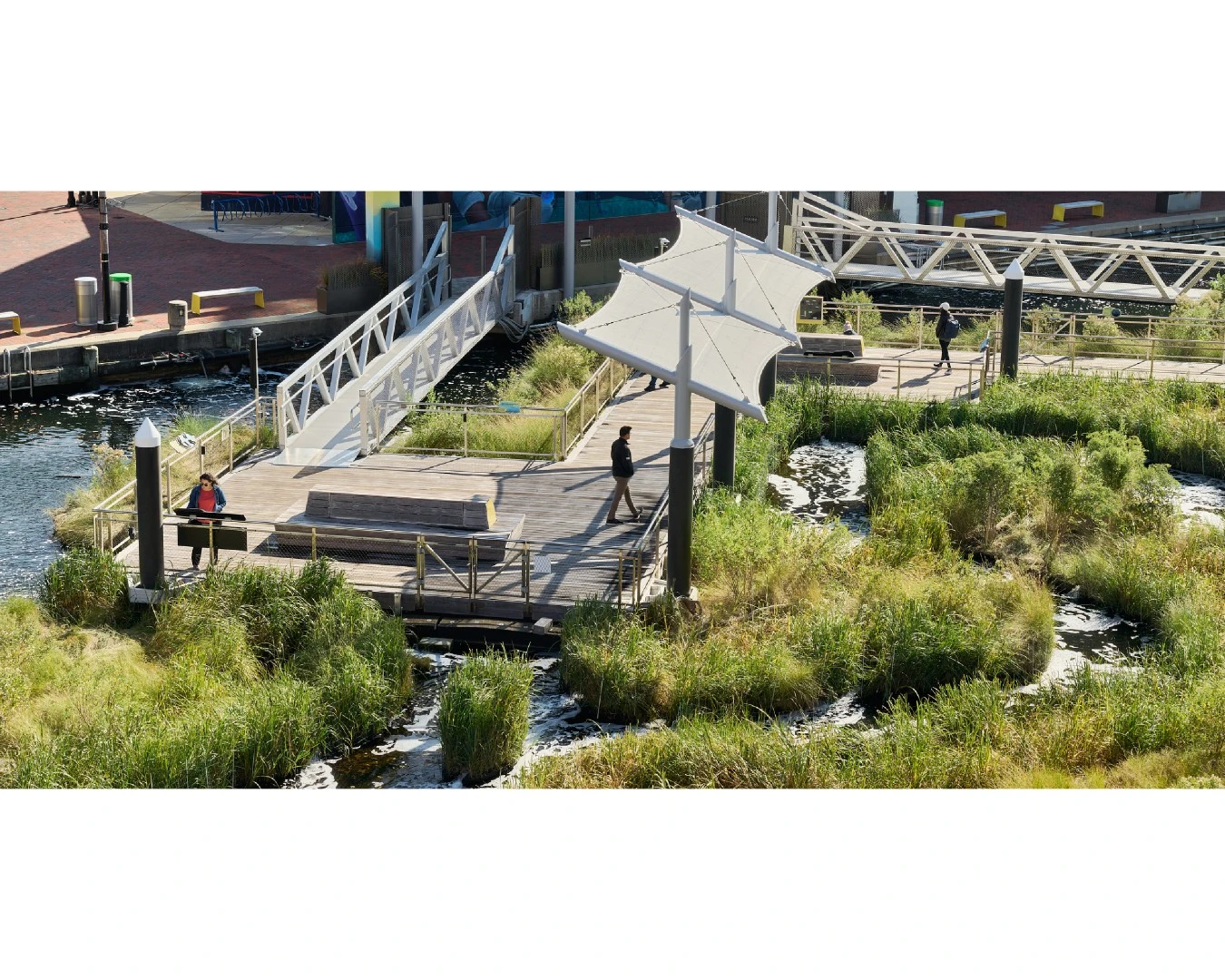
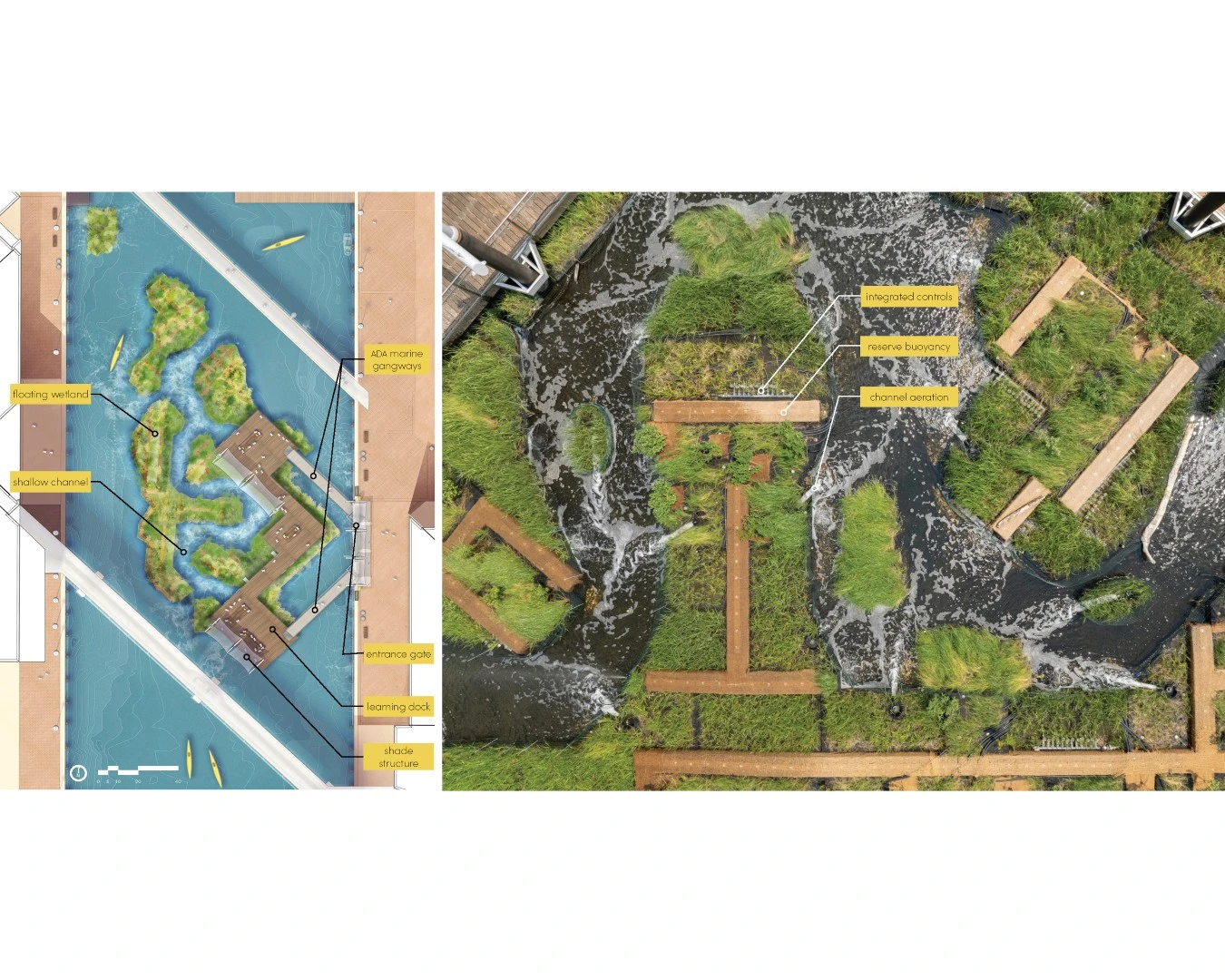
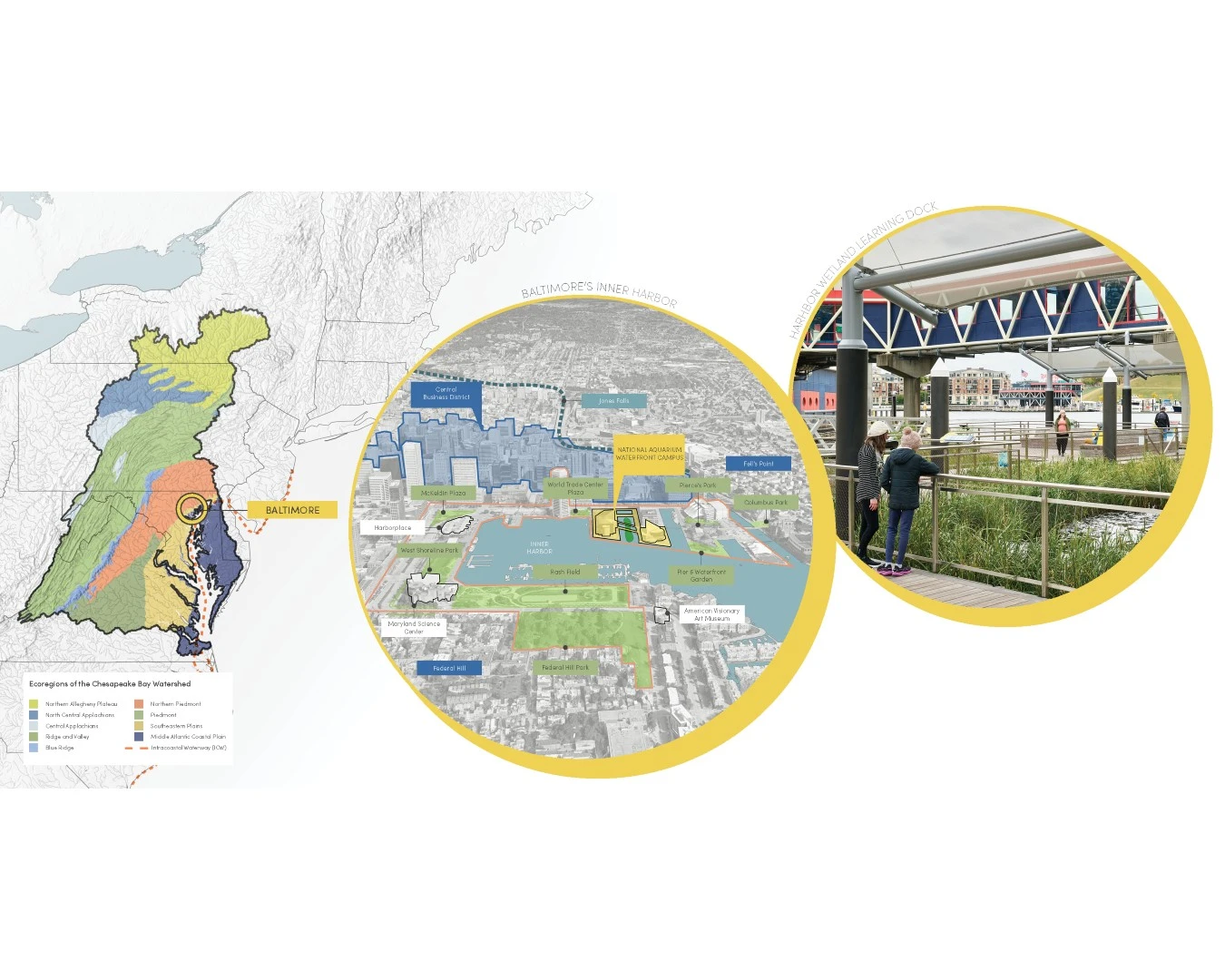
Located between Piers 3 and 4 of Baltimore’s Inner Harbor, National Aquarium Harbor Wetland is a 10,000-square-foot floating wetland that allows visitors to immerse themselves in a salt marsh habitat like those that existed in the area hundreds of years ago. Utilizing over 30,000 grasses and shrubs combined with water aeration technology, the project acts as green infrastructure to promote clean waters, attract native species, and provide a variety of habitats to support a strong ecosystem. A free outdoor exhibit and civic anchor, the wetland serves as a natural sanctuary in the heart of the city, with an attached learning dock where visitors can observe and learn about the many native species that call the Chesapeake Bay home.
-
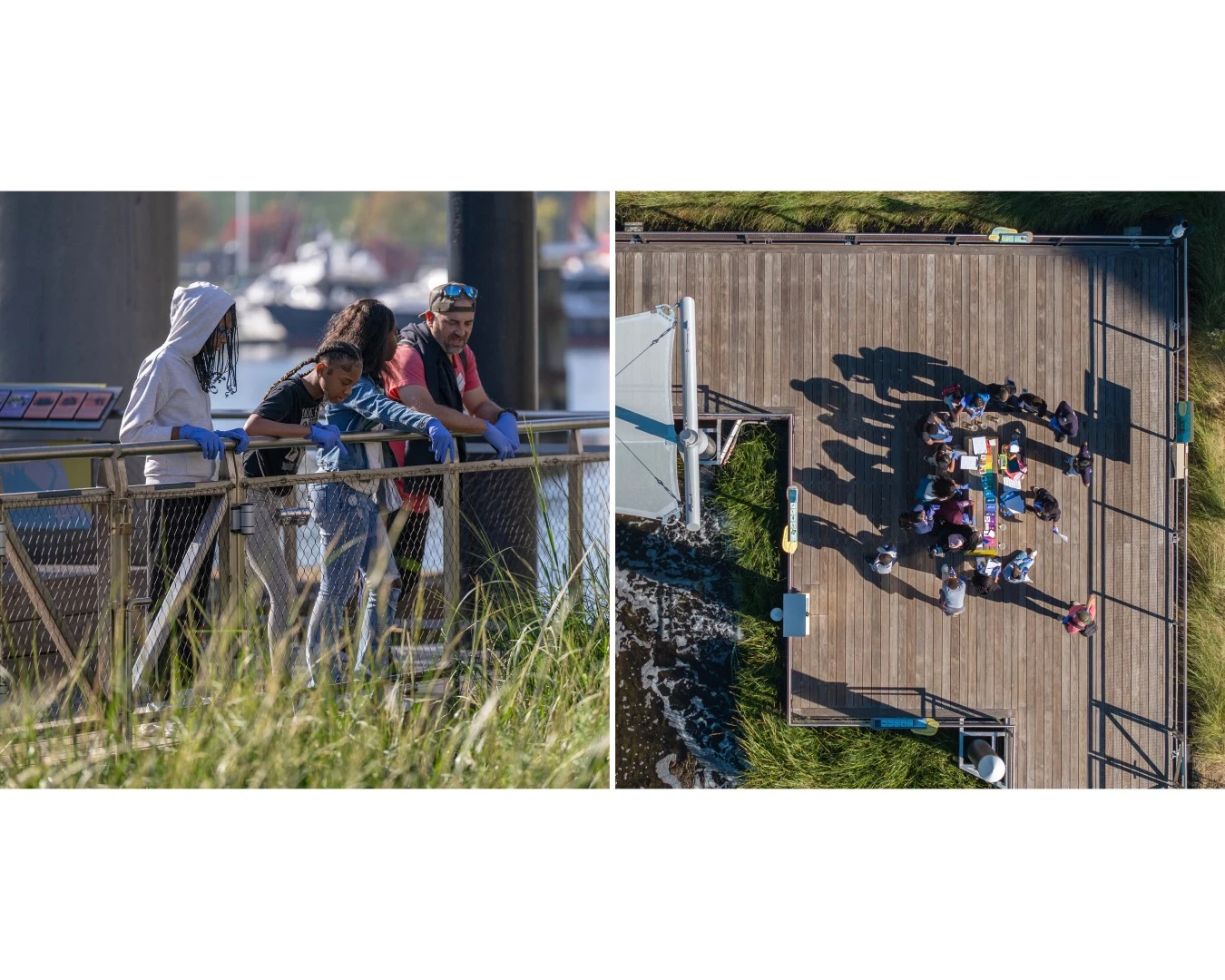
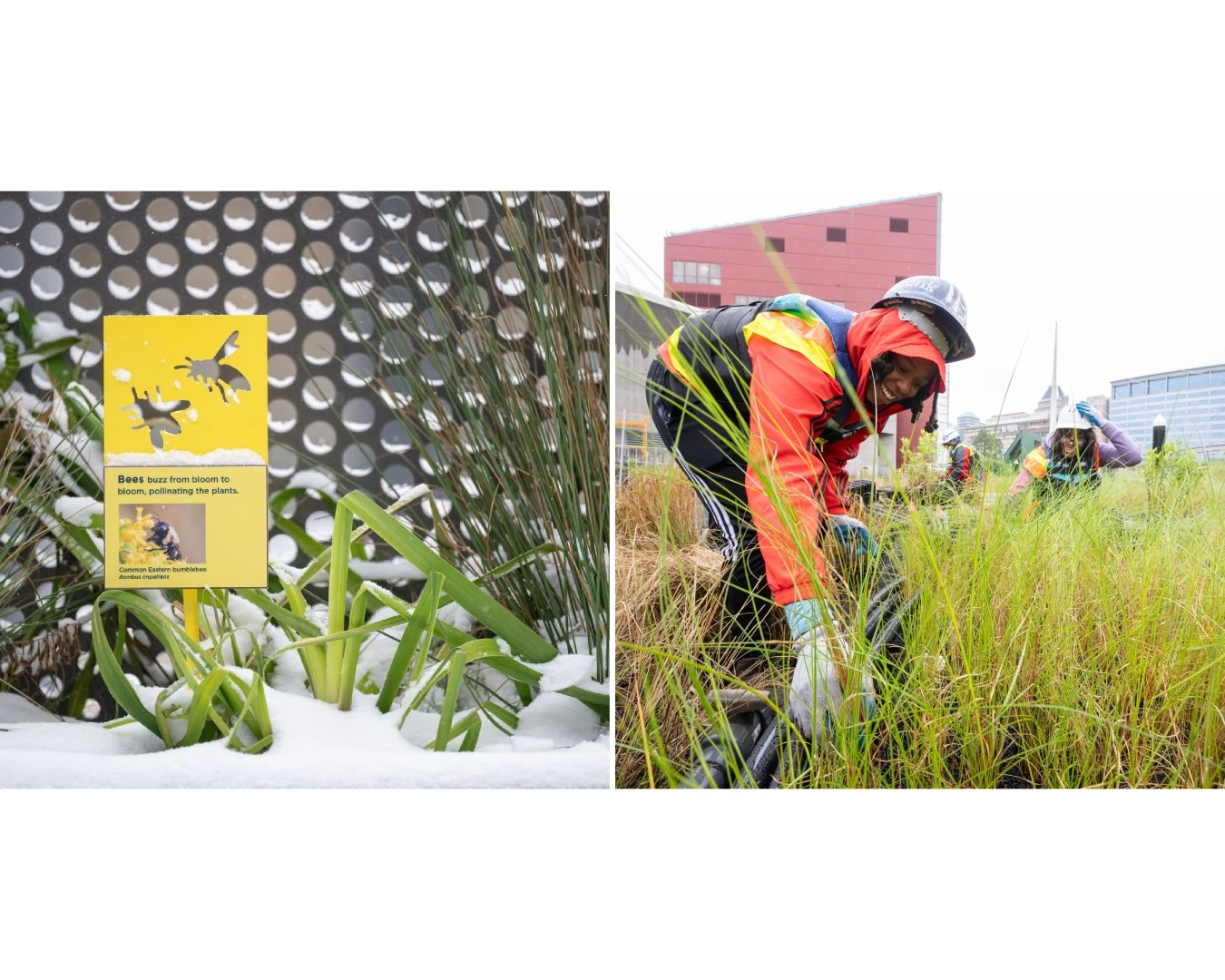
The National Aquarium in Baltimore has an ambitious mission to inspire conservation of the world’s aquatic treasures. The Harbor Wetland is a sustainable, high-performing floating wetland designed to reimagine the Inner Harbor waterfront while integrating natural habitat. Serving as a welcoming civic space, the wetland allows visitors to observe and learn about the natural systems and flora and fauna of the Chesapeake Bay. An integrated learning dock leads visitors down to the water for an immersive educational experience with interactive signage, seating, and shaded canopies that create a comfortable and engaging environment.
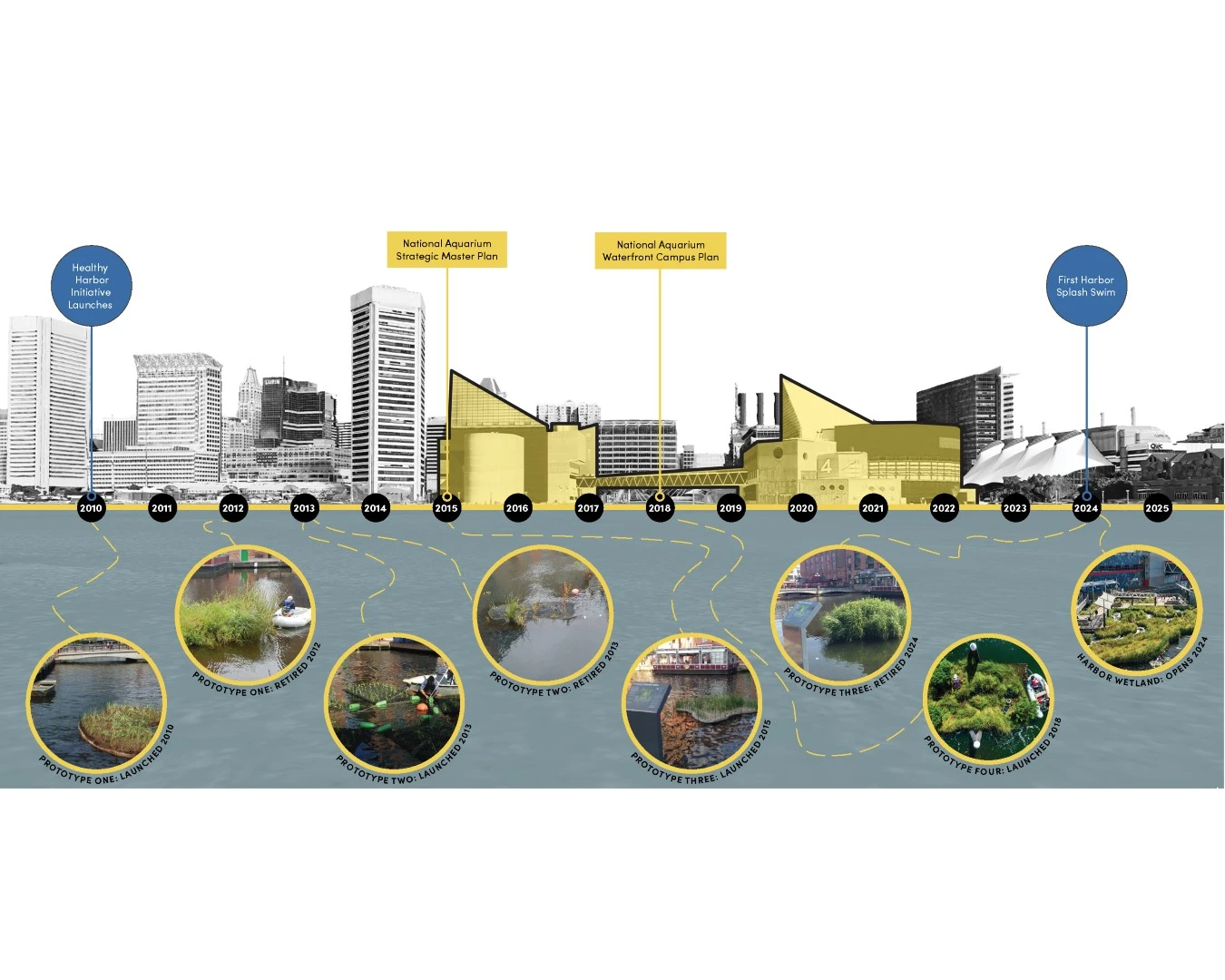
The Harbor Wetland is the culmination of years of collaborative planning and research. It incorporates systems that address challenges faced by earlier floating wetlands, including water quality, long-term buoyancy, and habitat creation. These systems were tested with a 200-square-foot Floating Wetland Prototype installed in the Inner Harbor in 2018 and closely monitored over several seasons. Building on that prototype’s success, the design team collaborated with aquarium ecologists and marine biologists to scale the technology into a more immersive and effective installation.
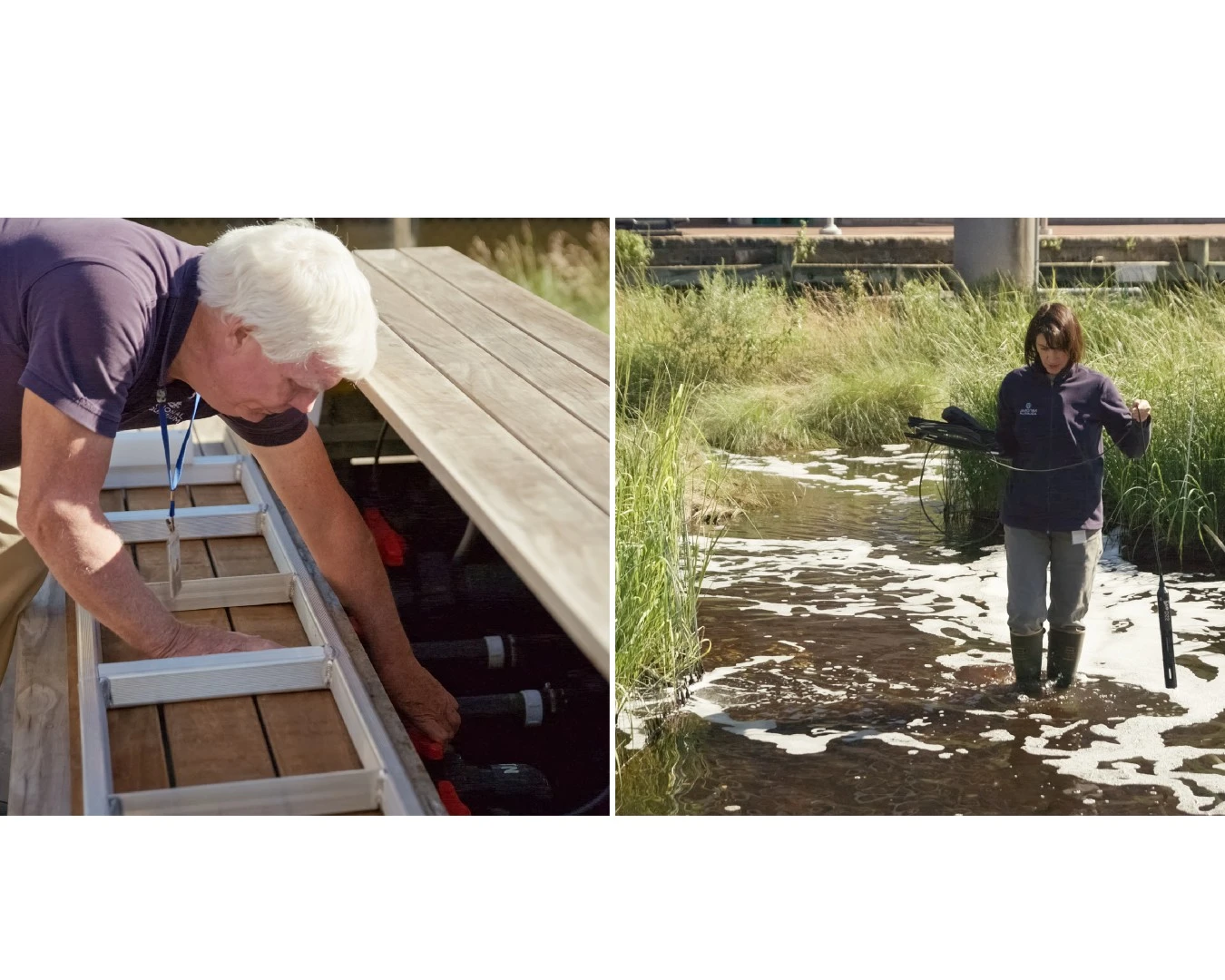
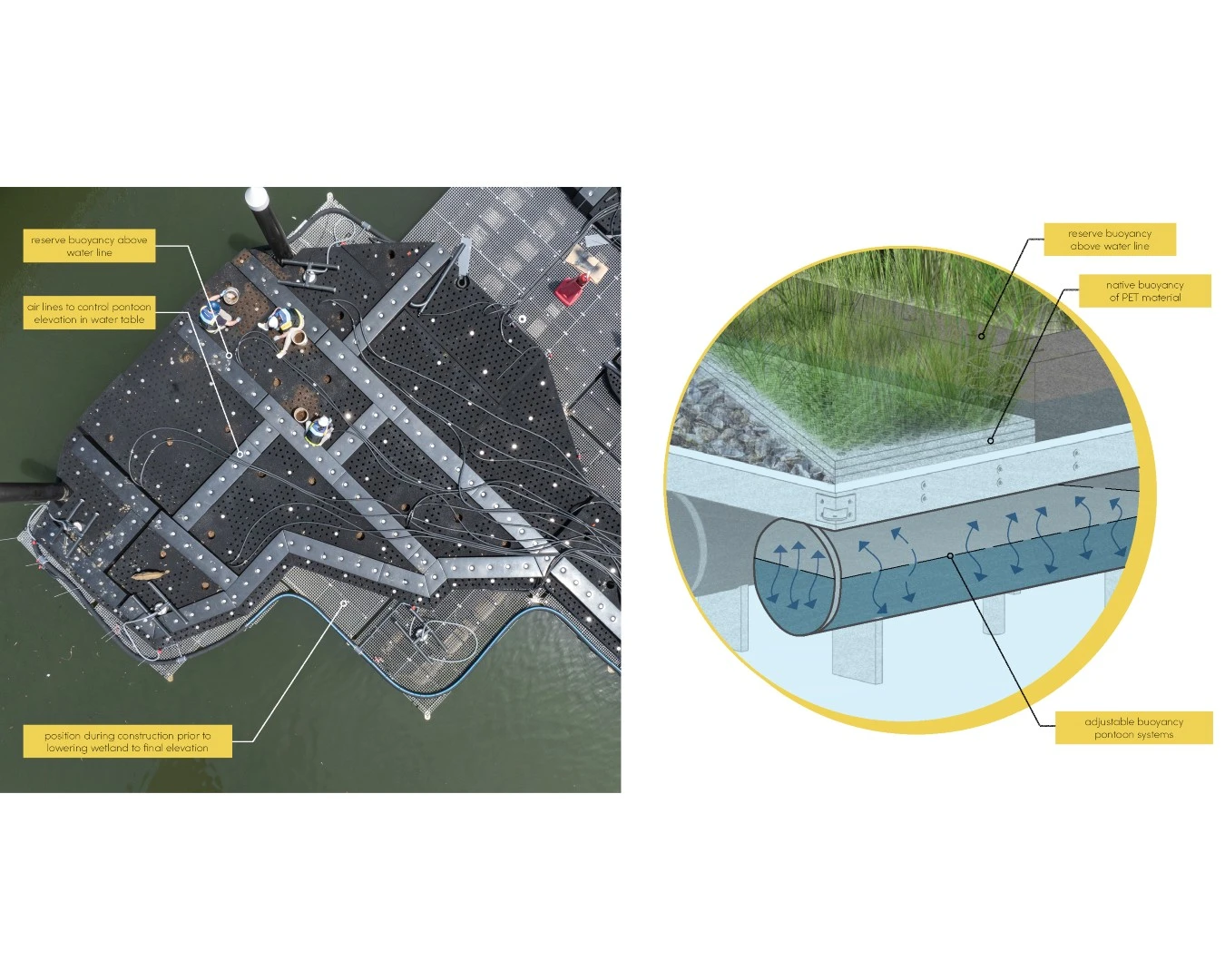
The full-scale, Harbor Wetland utilizes an intentional matrix of native grasses and shrubs, replicating the natural salt marsh wetlands that once defined the shoreline. A pontoon structure keeps the wetland afloat while it navigates several feet of daily tidal fluctuations and periodic weather events. Aeration devices installed at regular intervals throughout the project address water quality when oxygen levels are compromised in degrading water events.
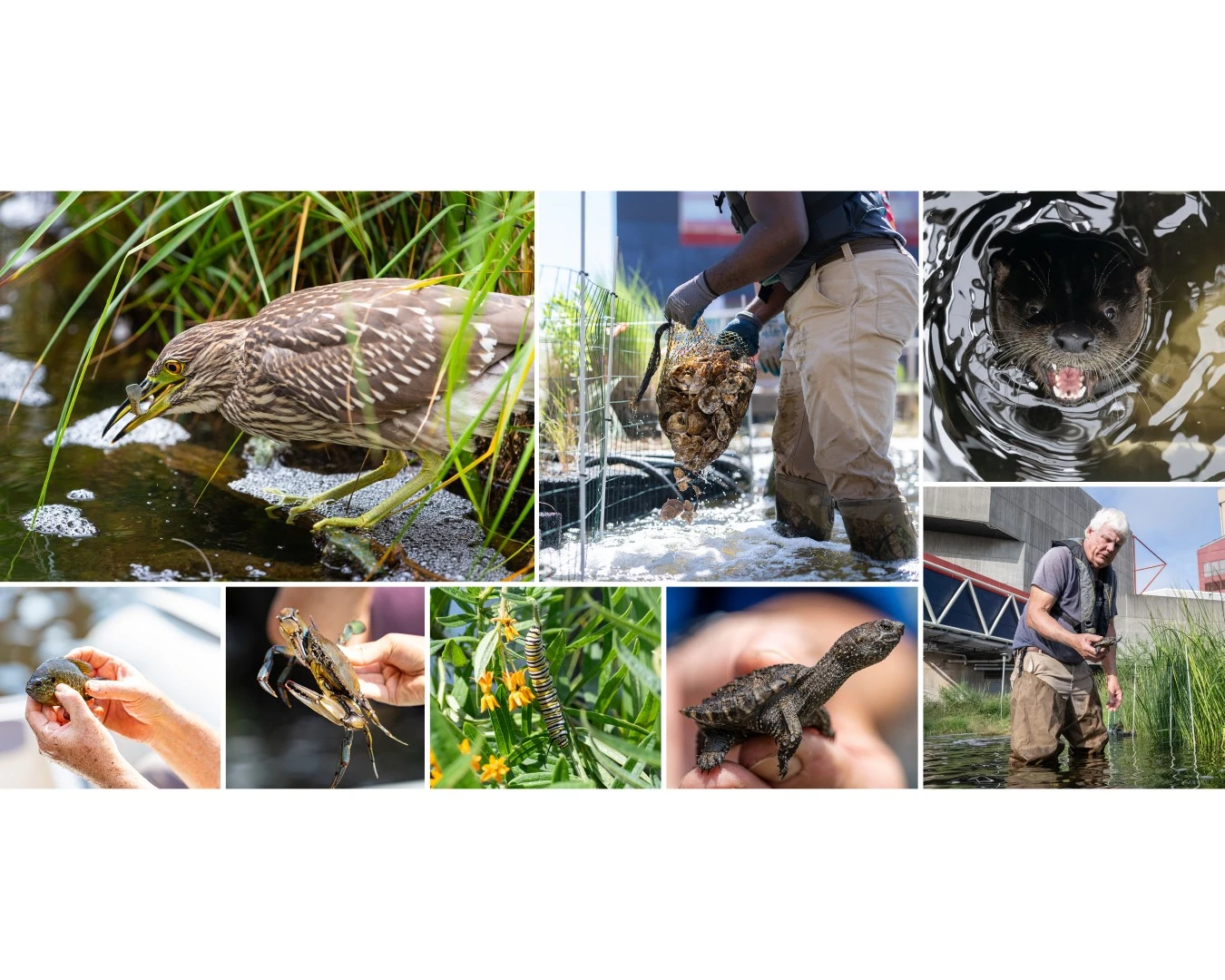
Acting as green infrastructure, Harbor Wetland promotes cleaner water, attracts native species, and supports a resilient ecosystem. Cordgrasses and native shrubs filter excess nitrogen from stormwater runoff discharged upstream in the urban waterway. Since opening in Fall 2024, the wetland has attracted numerous species of fish, reptiles, crustaceans, mollusks, and birds. Notably, Northern River otters — absent from the Inner Harbor for over a century — now visit regularly and have been observed resting on the wetland.
Post-occupancies studies of water quality have shown promising results in dissolved oxygen, a key metric for a healthy aquatic environment. Data showed that during low-oxygen events in the harbor, 81% of the Harbor Wetland maintained a level above the recommended 3m/L, enabling it to become a sanctuary for aquatic life at those times.
An ecological retreat in the center of Baltimore’s tourism district, Harbor Wetland has become an outdoor landmark and park where community members and visitors can foster a connection to nature and the Chesapeake Bay. The design team and the National Aquarium worked closely with local businesses, schools, and the broader community throughout the design process to ensure the wetland meets their needs. The community continues to play an integral role in ongoing wetland research with visitors asked to document their observations via iNaturalist.
By integrating natural systems into the urban fabric, Harbor Wetland represents a new paradigm for urban development — restoring ecological balance in a densely developed area while creating space for education, recreation, and community engagement.
-
- The Whiting-Turner Contracting Company, General Contractor
- McLaren Engineering Group, Civil, Structural, and Marine Engineering
- Hartfrant Lighting Design, Lighting Designer
- Kovacs, Whitney, & Associates, Mechanical and Electrical Engineering
-
- Ore, planters — Furniture
- Landscape Forms, trash and recycling — Furniture
- Vestre, bench and stool — Furniture
- Forms + Surfaces, bollard — Furniture
- Kebony, deck — Lumber/Decking/Edging
- Tensile Structures, shade structures — Structures
- Pine Hall Brick, brick unit pavers — Hardscape
- Hanover, concrete unit pavers — Hardscape
- Erco, multiple fixtures — Lighting
- Wahoo Building Products, gangway — Other
-
- Spartina patens
- Spartina alterniflora
- Baccharis halimifolia
- Iva frutescens
- Morella pensylvanica
Advertisement
Related Awards
Honor Award, General Design
Houston Arboretum & Nature Center
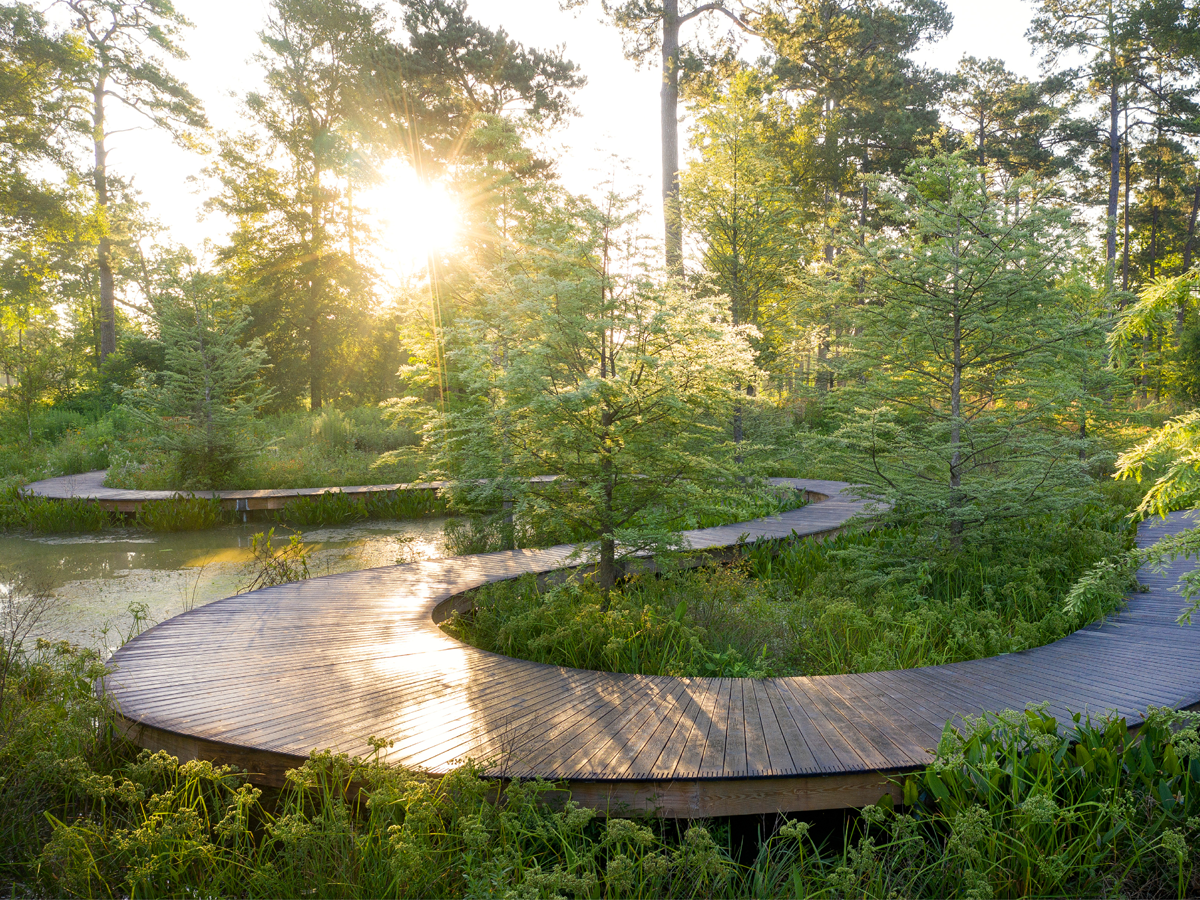
The Houston Arboretum & Nature Center sits within Memorial Park, one of the largest urban parks in the United States, in one of the nation's fastest growing and most climate-challenged cities. The site's story is one of repeated loss and deliberate reinvention. Hurricane Ike in 2008 and a severe drought in 2011 destroyed much of the Arboretum's tree canopy, exposing the limits of conventional reforestation in a city defined by flooding, heat, and ecological volatility.