
.webp?language=en-US)

.webp?language=en-US)
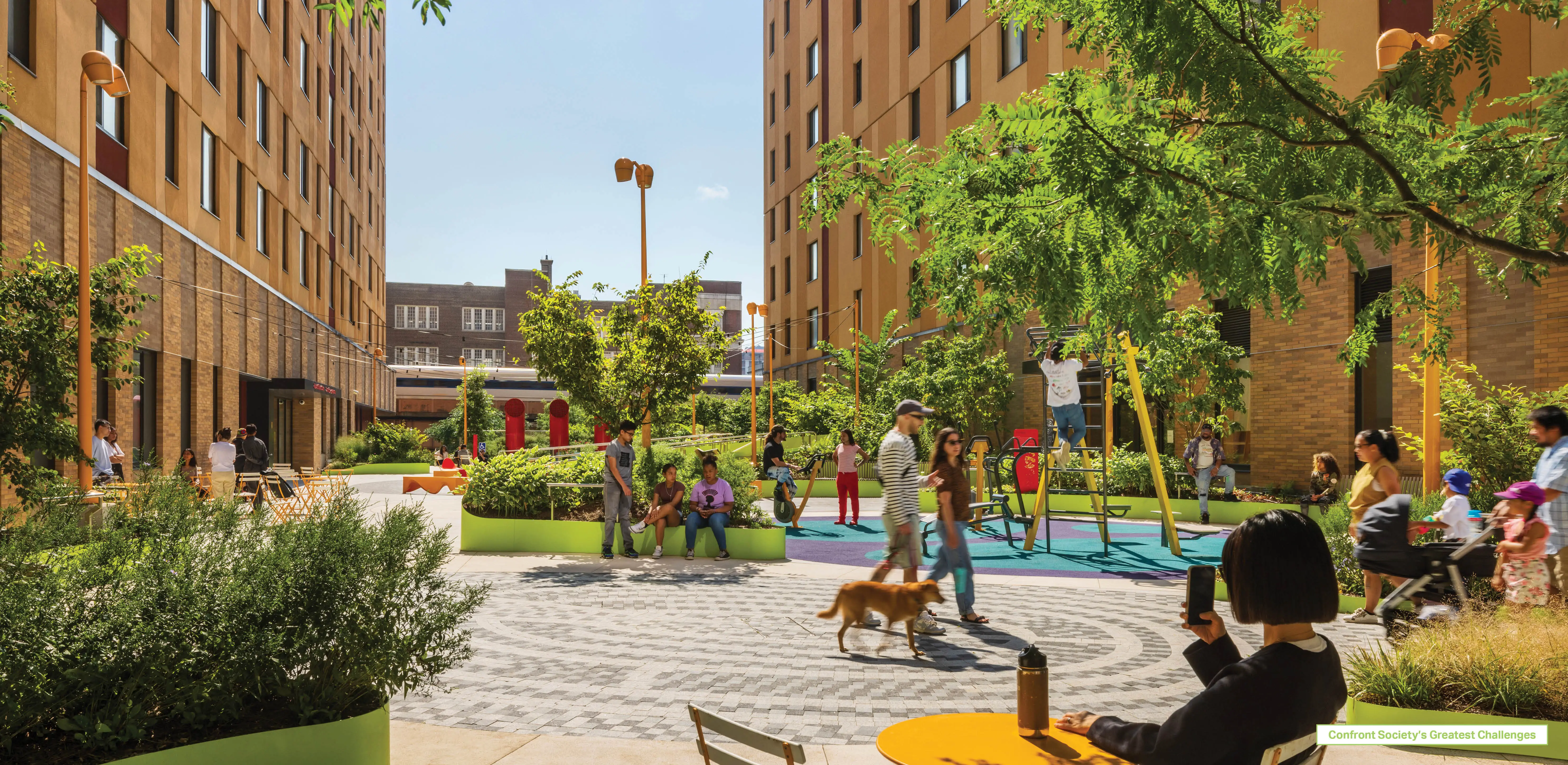
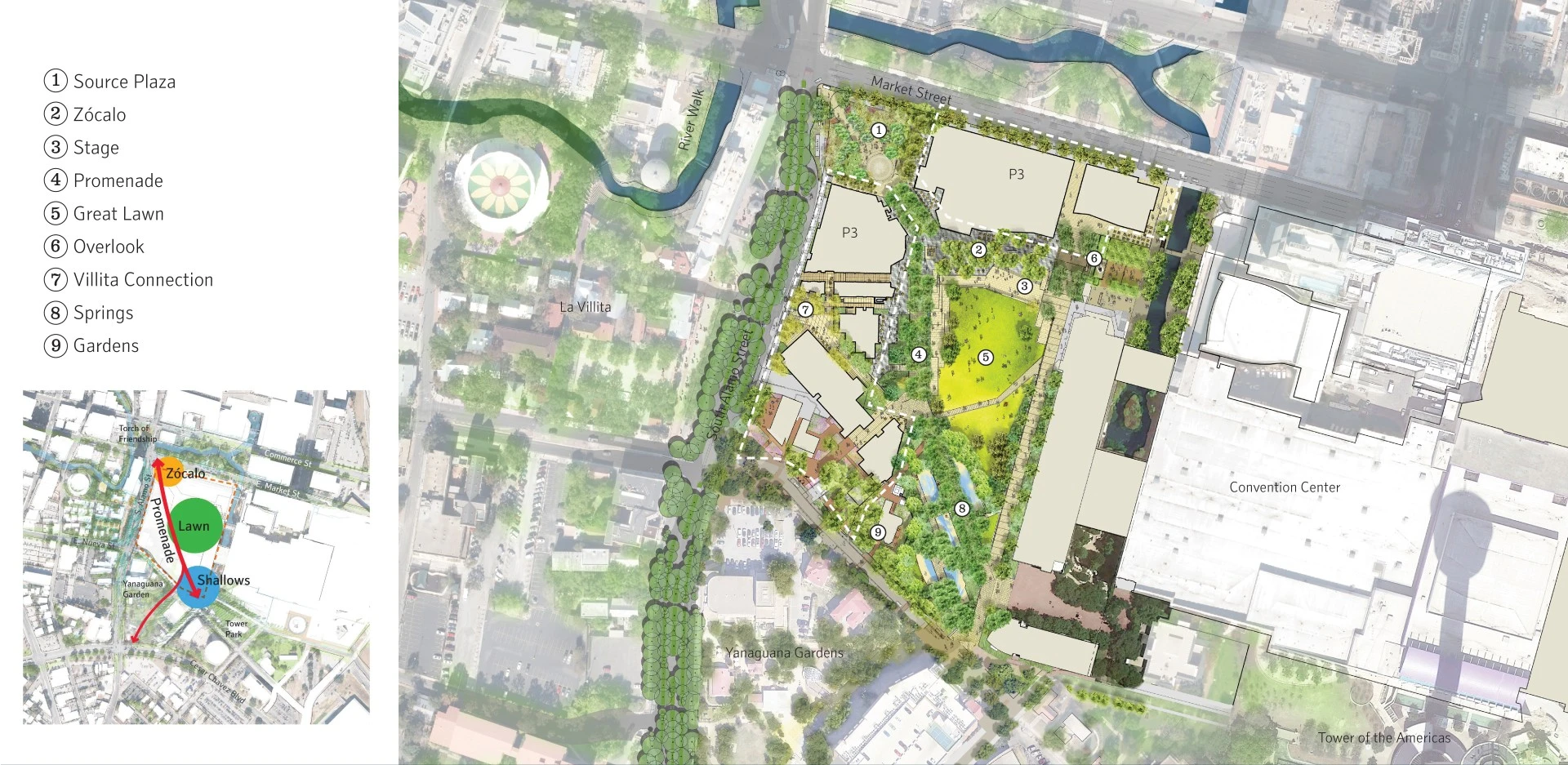
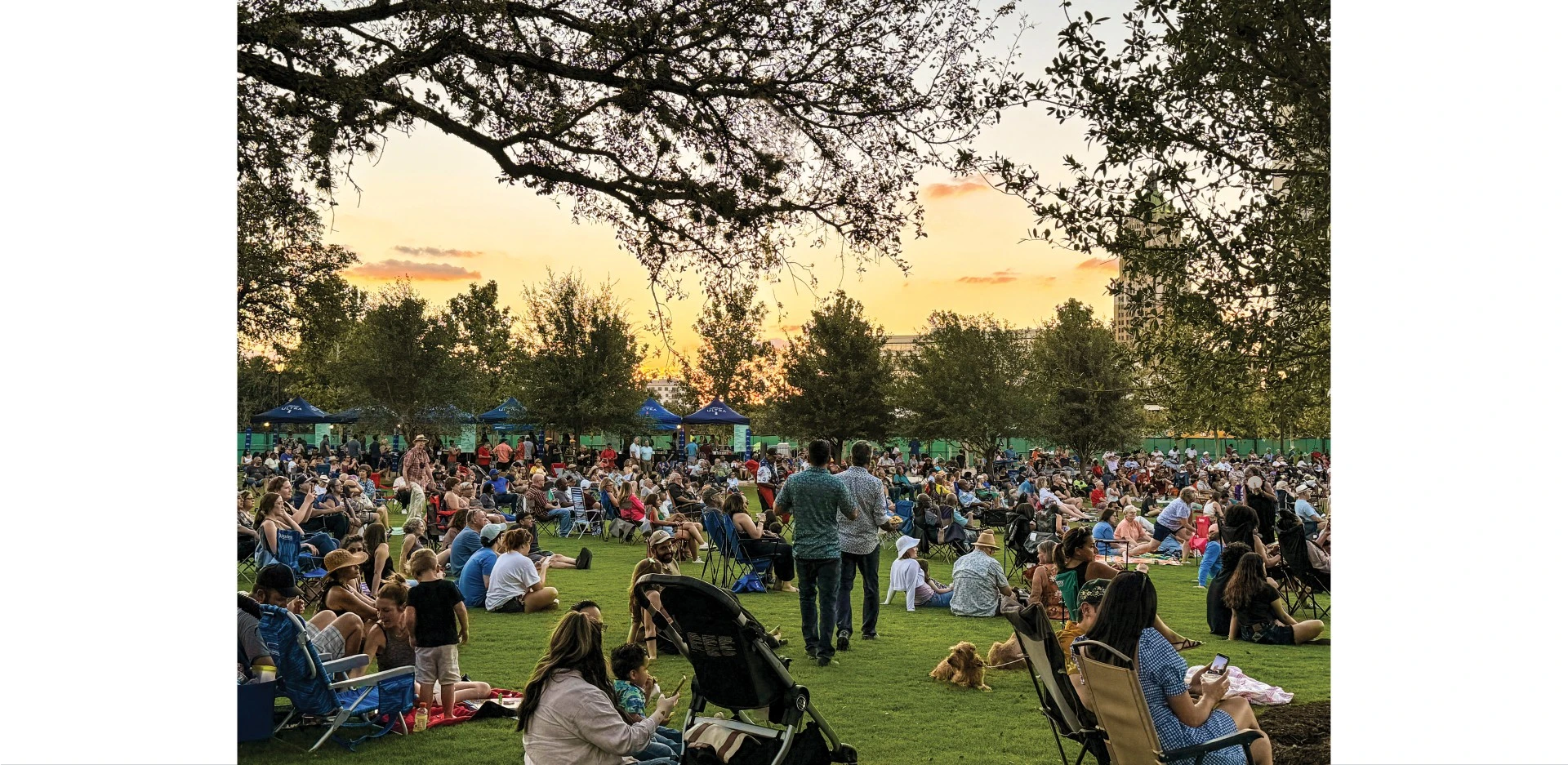
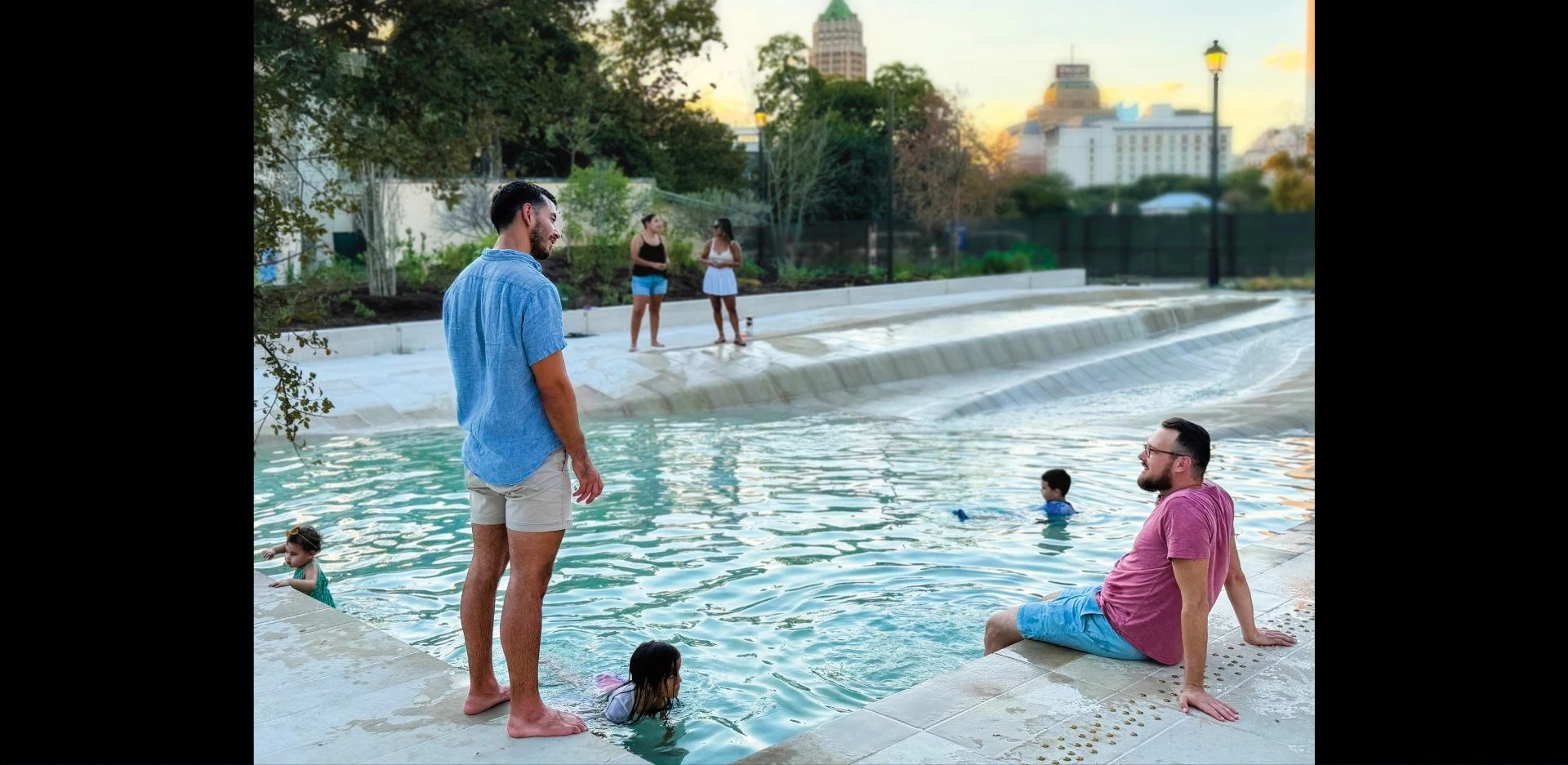
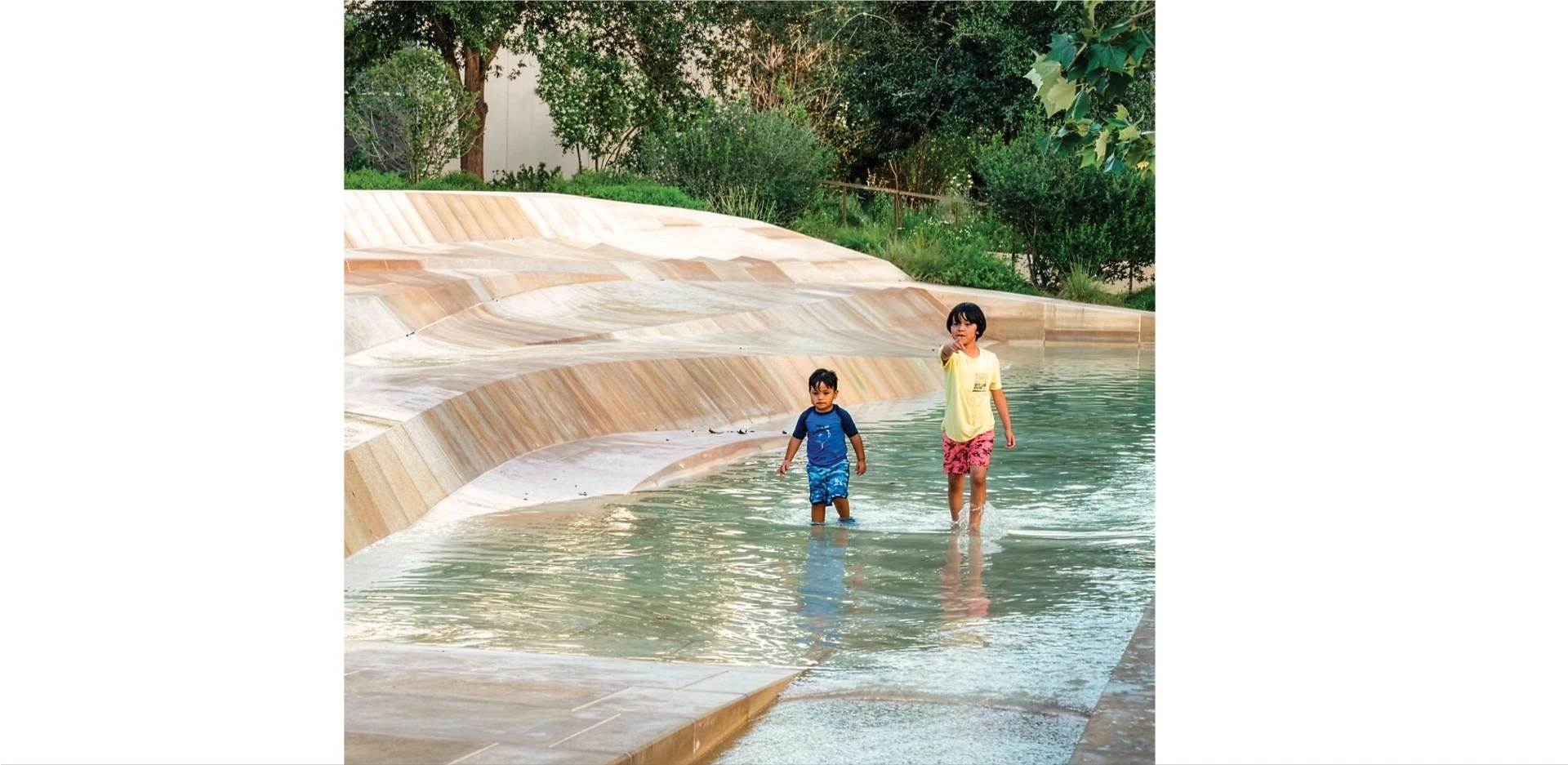
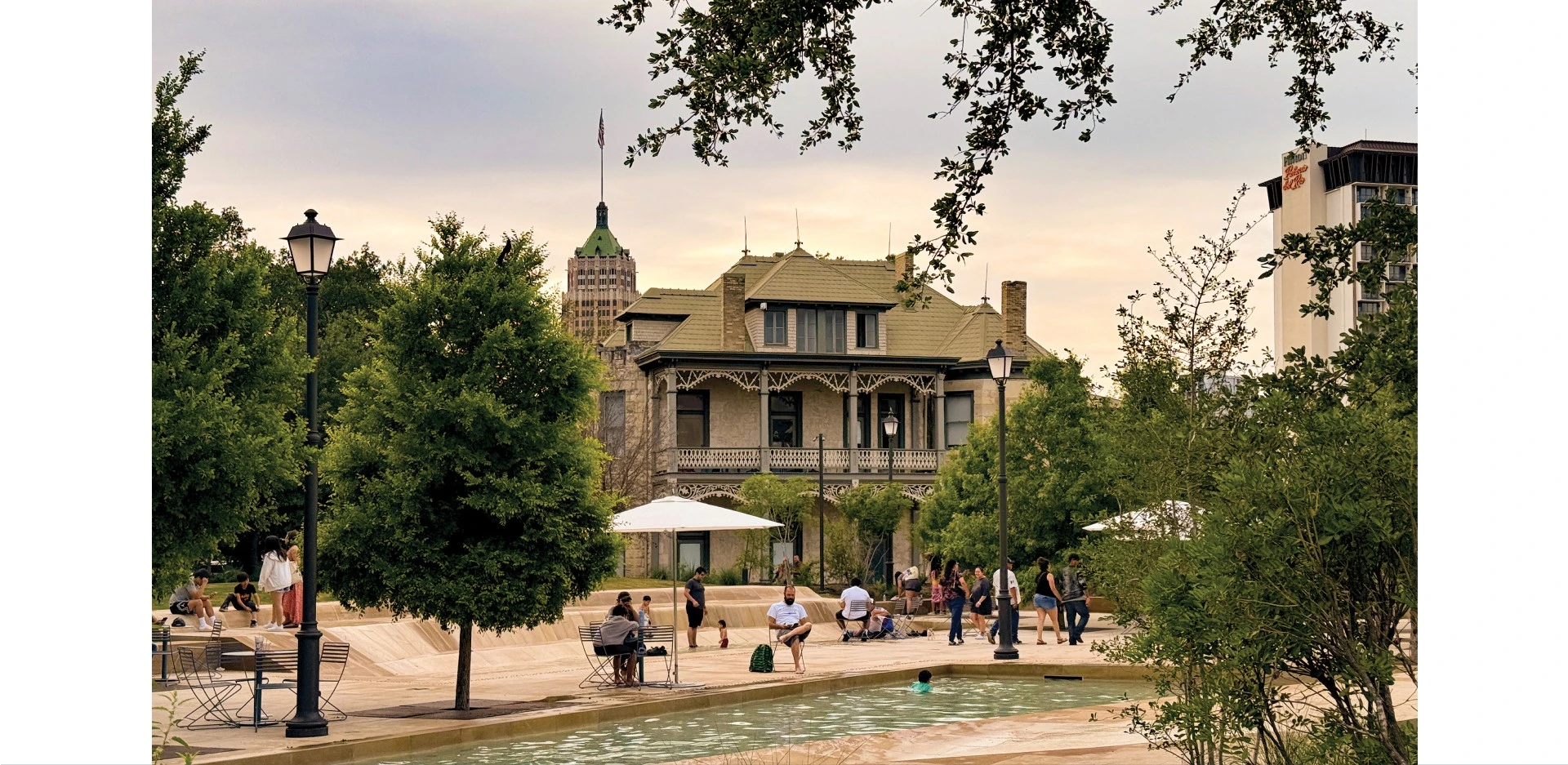
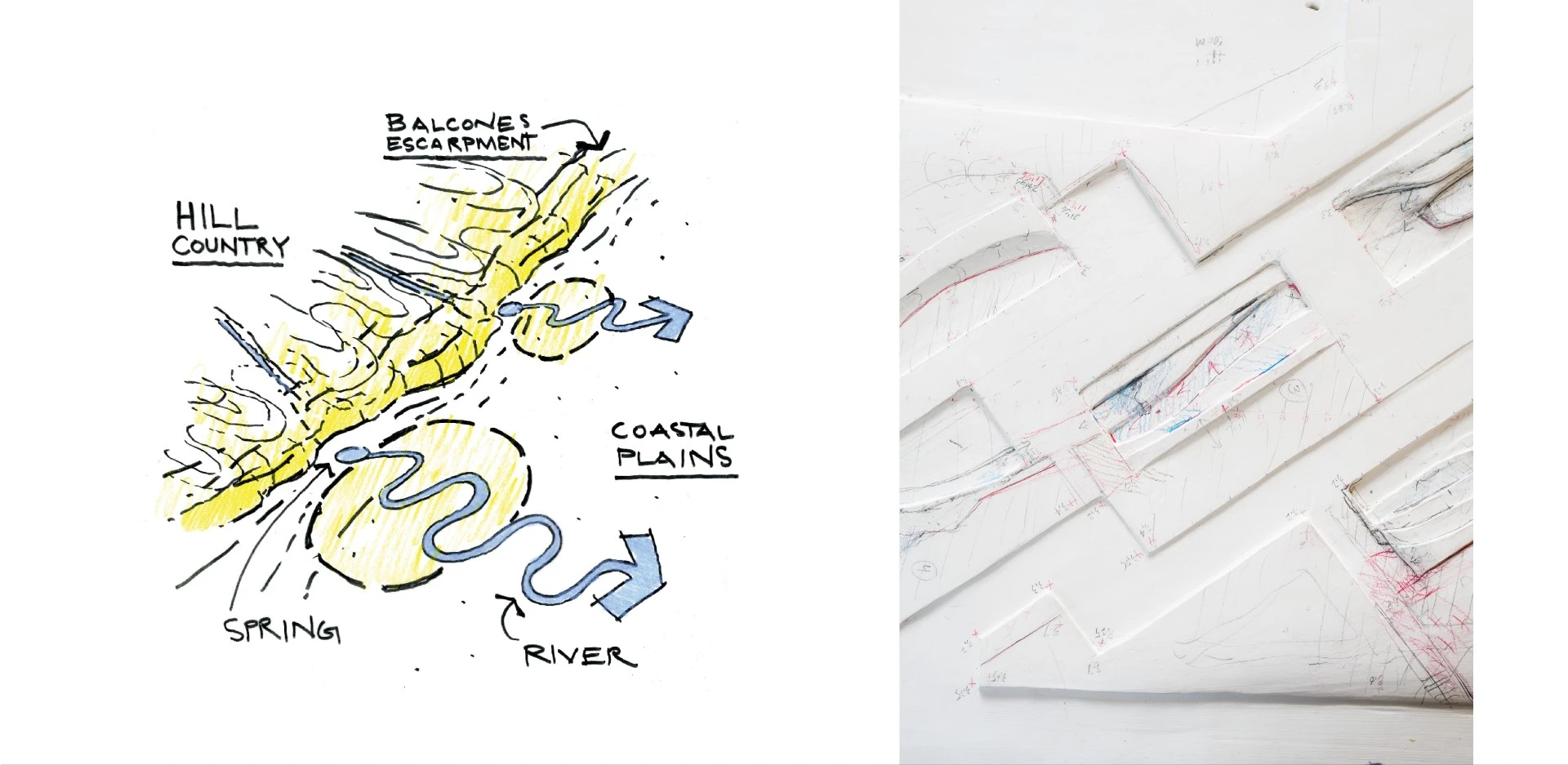
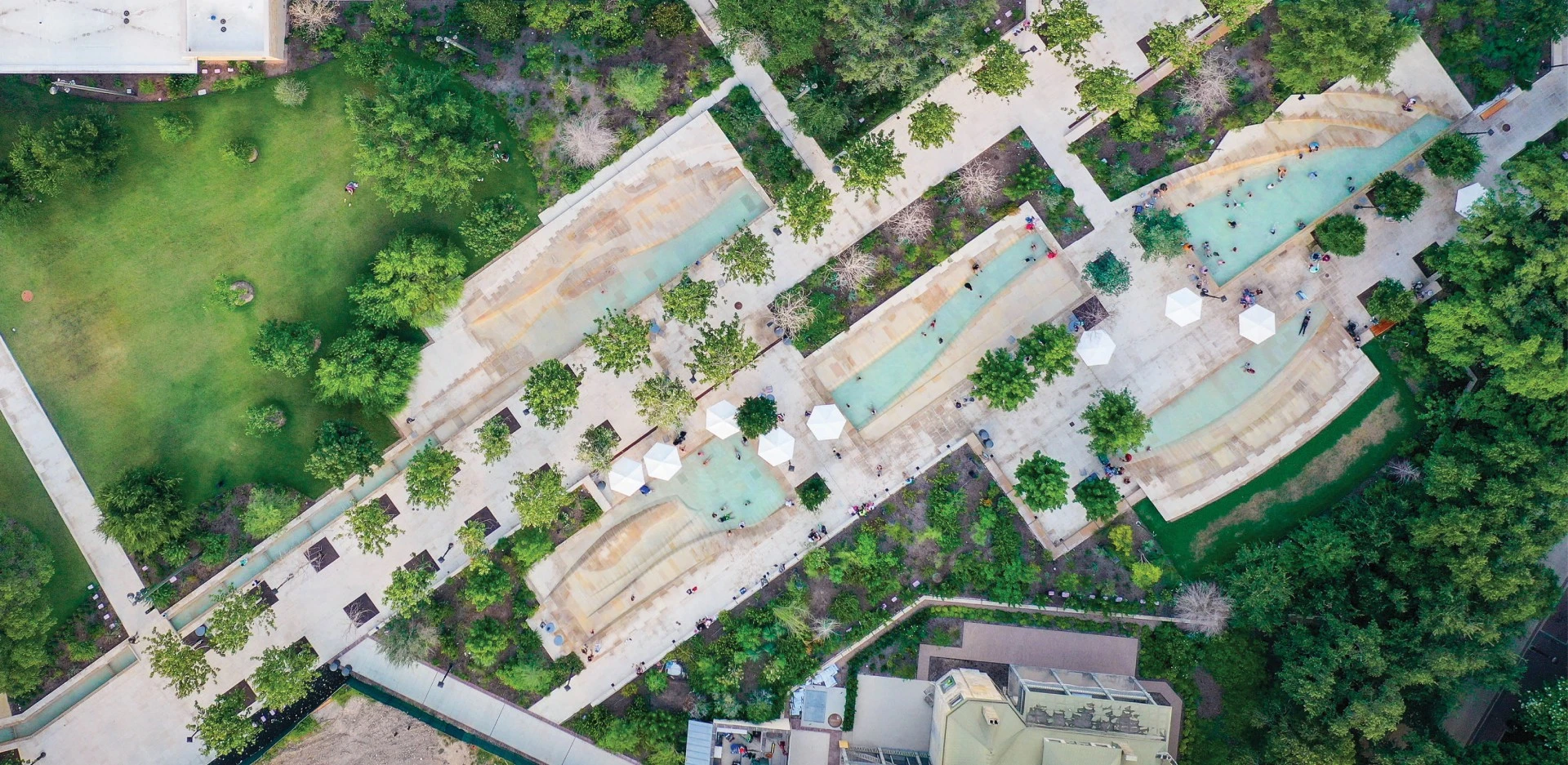
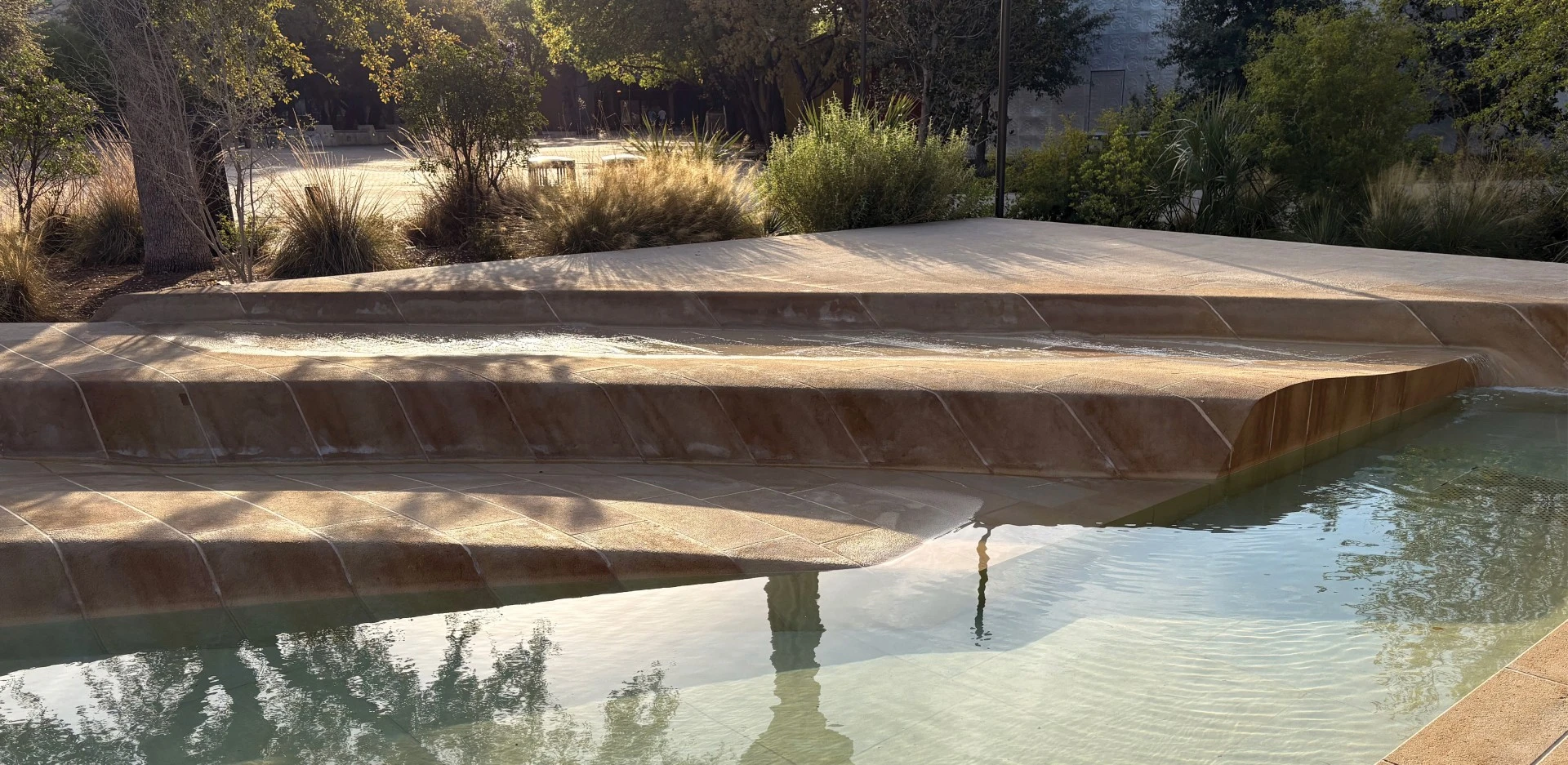
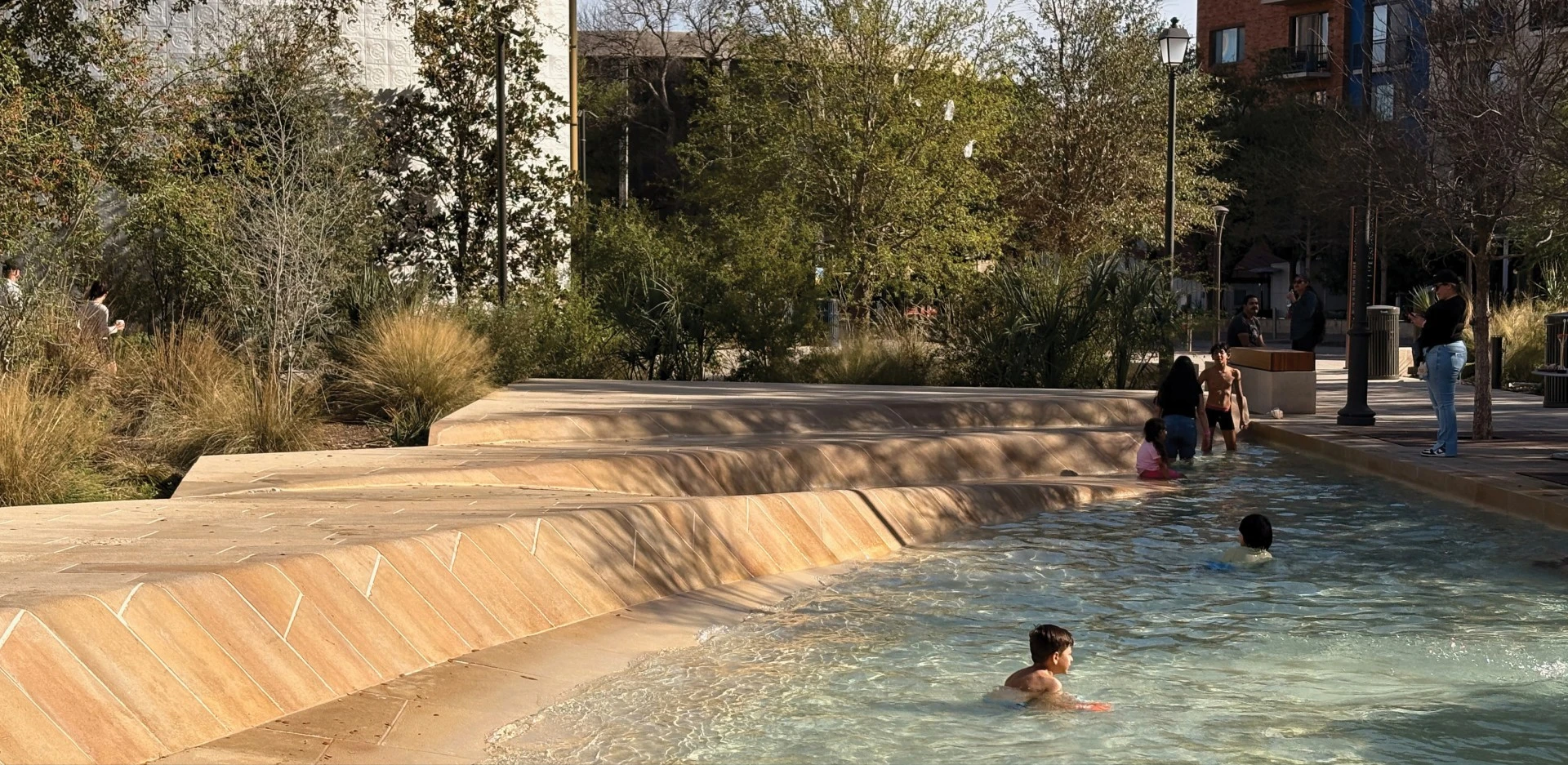
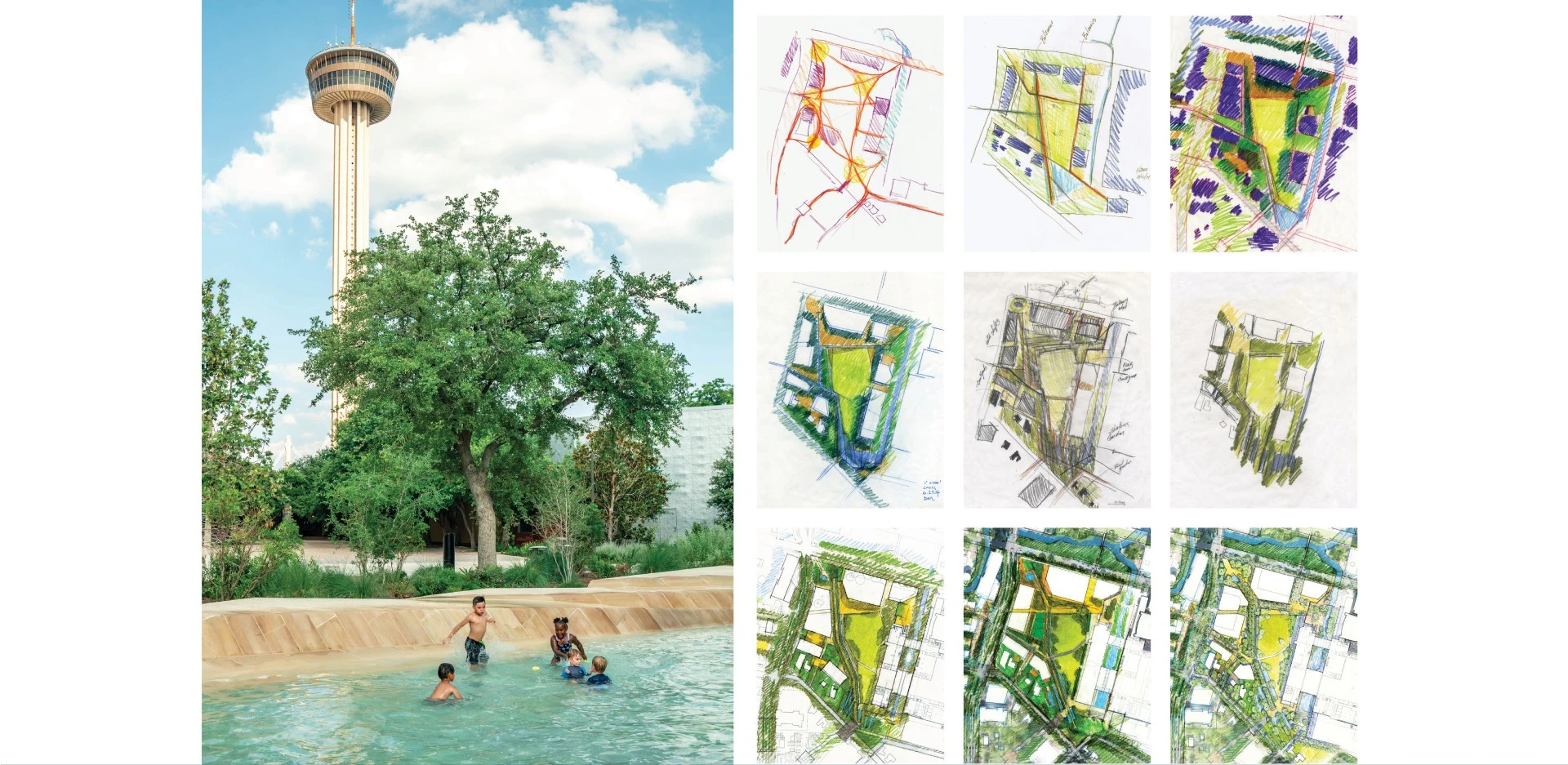
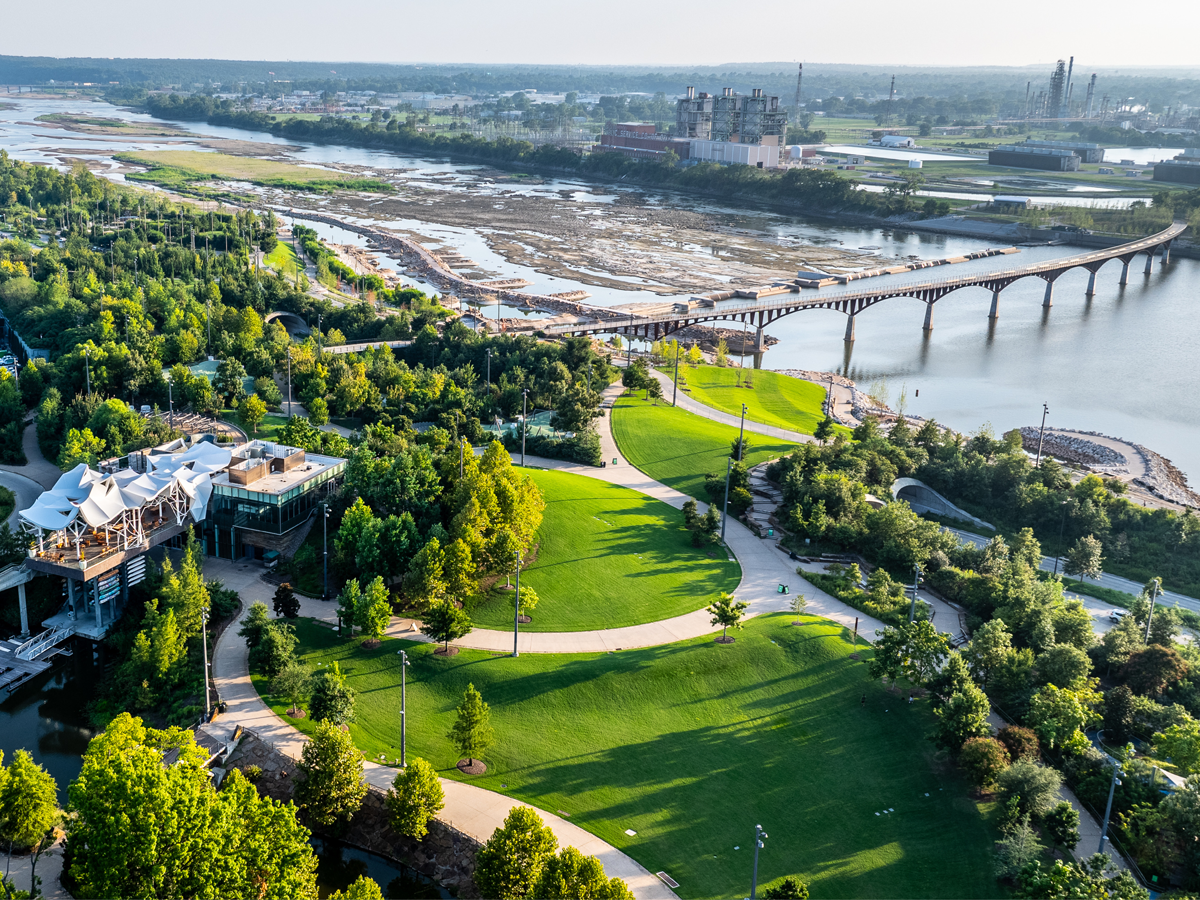
Civic Park at Hemisfair has become a vibrant, multi-generational urban oasis that reconnects the city to its public spaces. The integration of topography, water features, and programmatic flexibility—particularly the Springs and Promenade—effectively balances ecological stewardship, play, and large-scale events.
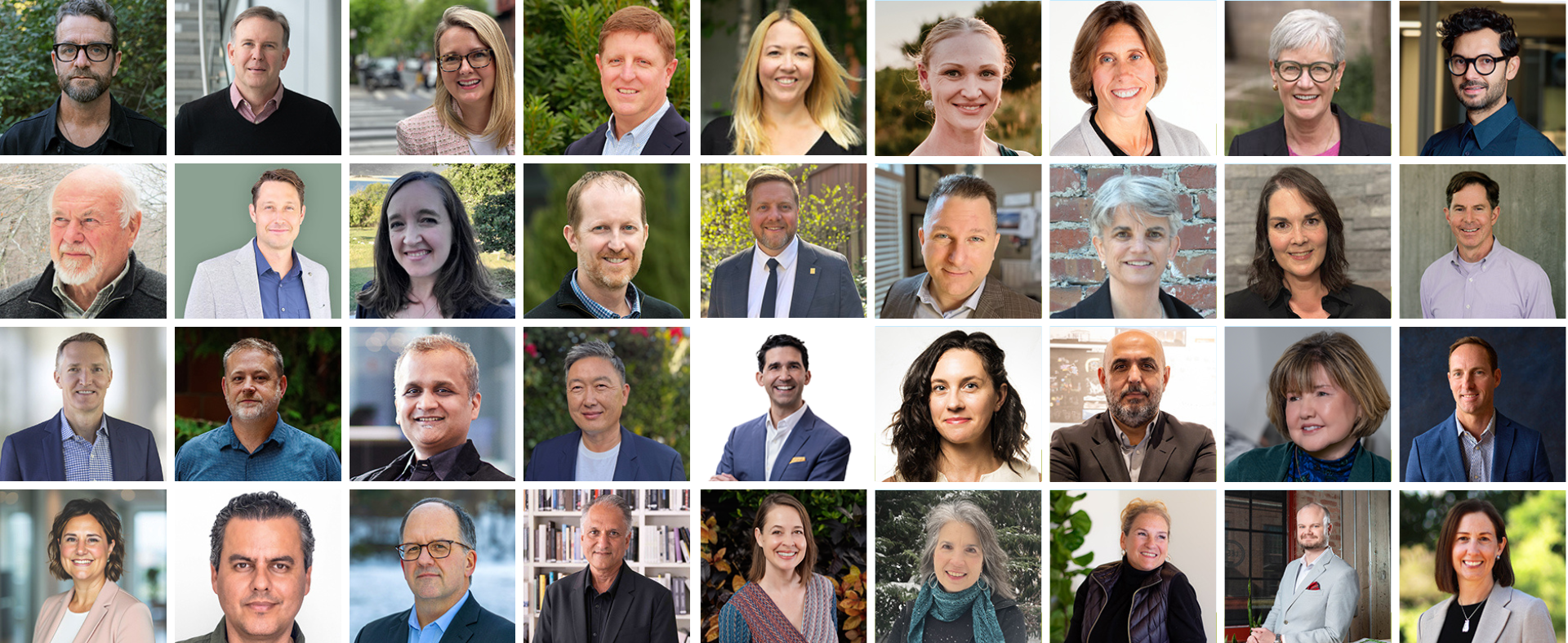
Awards Jury
-
The Civic Park at Hemisfair uses landscape as a catalyst for reconnecting a part of San Antonio disconnected by the 1968 World’s Fair. Envisioned as “The place where San Antonio meets,” this new park and surrounding P3 developments invites the daily residential grain and experiences back into Hemisfair while also expanding the city’s infrastructure for large events and celebrations. The park design draws from the fabric of the urban core and the broader regional landscape to create a place that is both familiar to residents and yet entirely new.
-
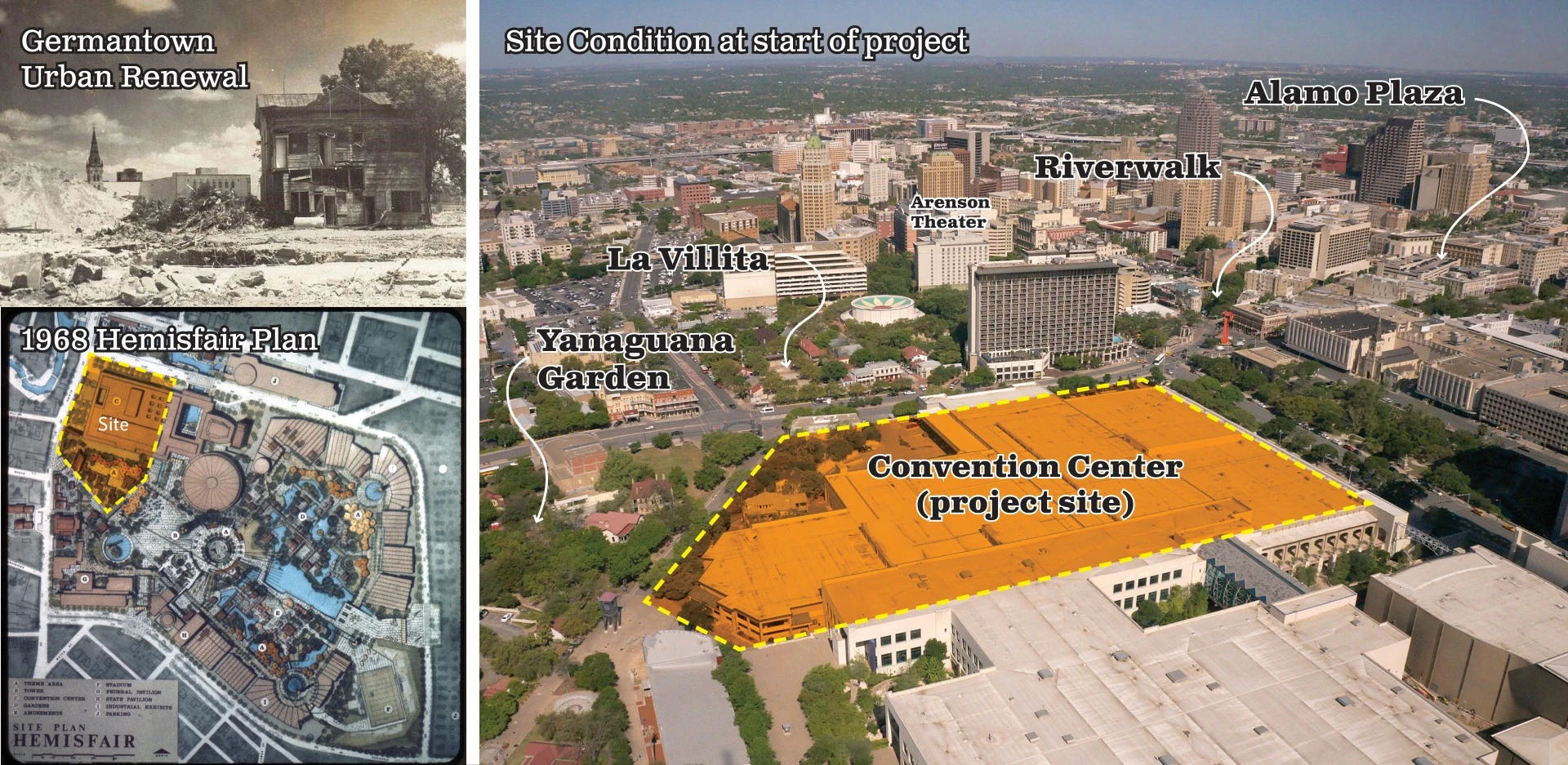
The City of San Antonio envisioned the Civic Park at Hemisfair as “the place where San Antonio meets.” Over the past fifty years, the fifteen-acre site was cleared for the 1968 World’s Fair and then covered through an expansion of the city’s convention center. Though centrally located, the place offered little meaning to San Antonians beyond distant memories of the fair. As a part of a larger reimagining of the Hemisfair district, the Civic Park needed to do more than provide another space for large events. It needed to become a meaningful ground for reconnecting all San Antonians into a place that felt entirely of their city while also providing experiences not yet known in the urban core.
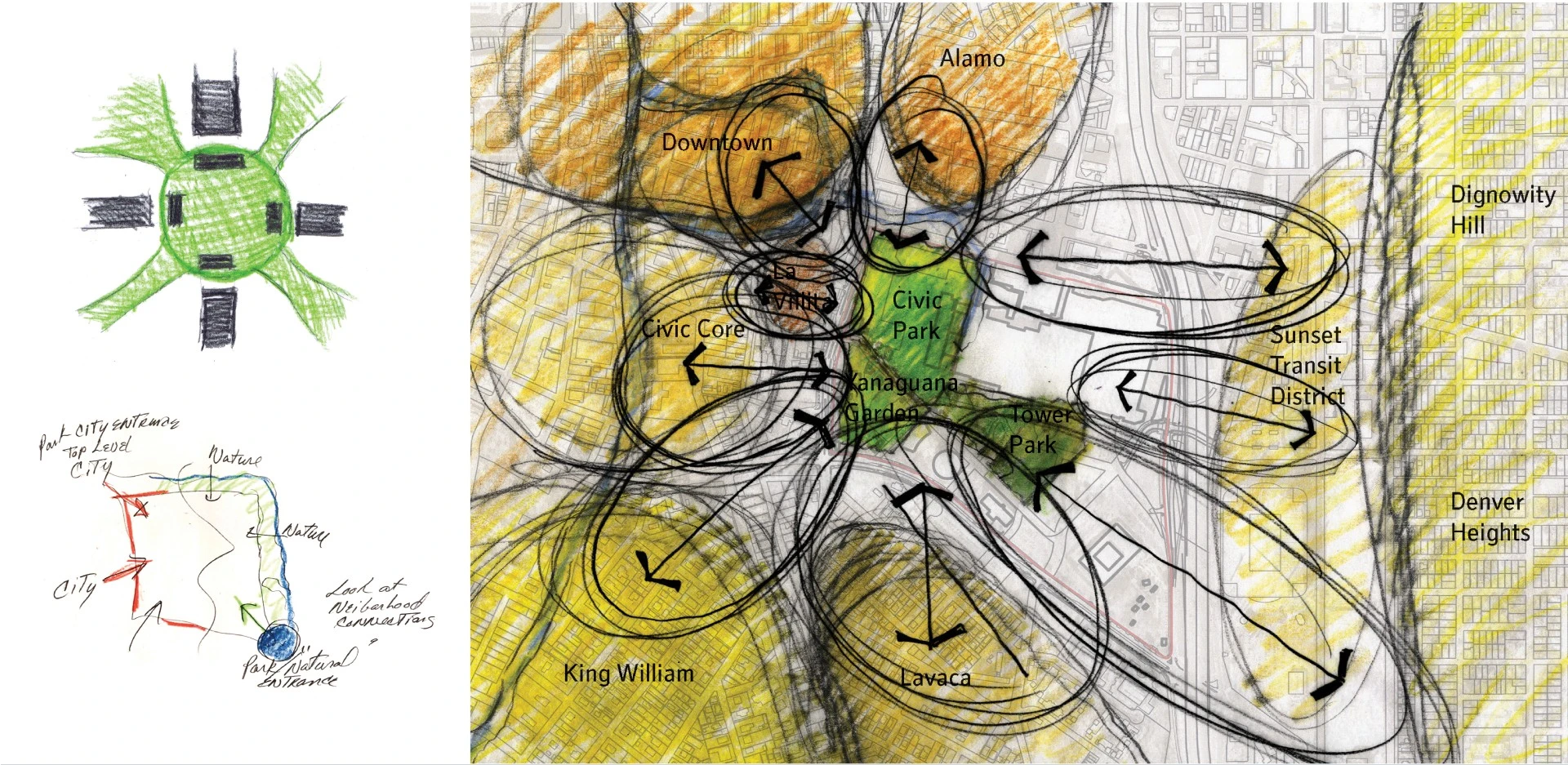
The plan focused on pulling the city back into the park through a series of new public spaces integrated with P3 development parcels. The team developed the park design along with urban design guidelines for the P3 parcels, letting the landscape lead the larger development vision. The thoughtful design of the park’s edges, in tandem with close collaboration with design teams on adjacent projects, has helped to extend the park’s reach.
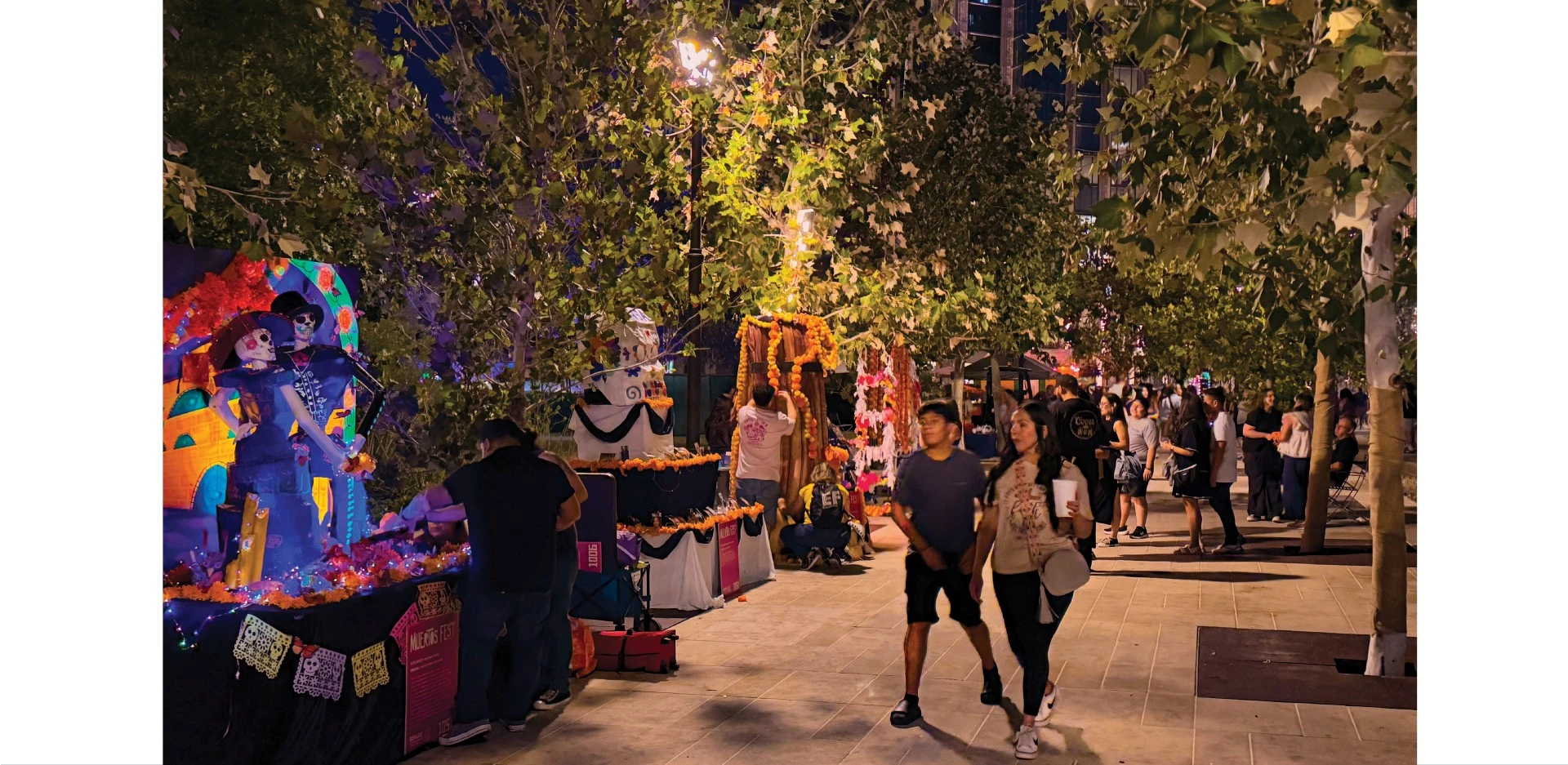
The park’s design structure connects the primary spaces established through earlier planning and programming phases. Serving as a spine, the Promenade runs through the entire park and continues into the recently completed Yanaguana Gardens, connecting the Downtown Core with the nearby Southtown neighborhood. The Promenade also becomes a venue for events while preserving public access during concerts.
Topography plays an important role in shaping the visitor experience. The gently sloping Promenade is elevated above the central Great Lawn to promote people watching and layered participation. As the Promenade passes to the south, the surrounding landform rises up to create a subtle amphitheater for lawn events and a landscape frame for the oasis of the Springs. These strategies allow families with small children to play in the Springs while nearby concerts for over 6,000 people are taking place on the lawn.
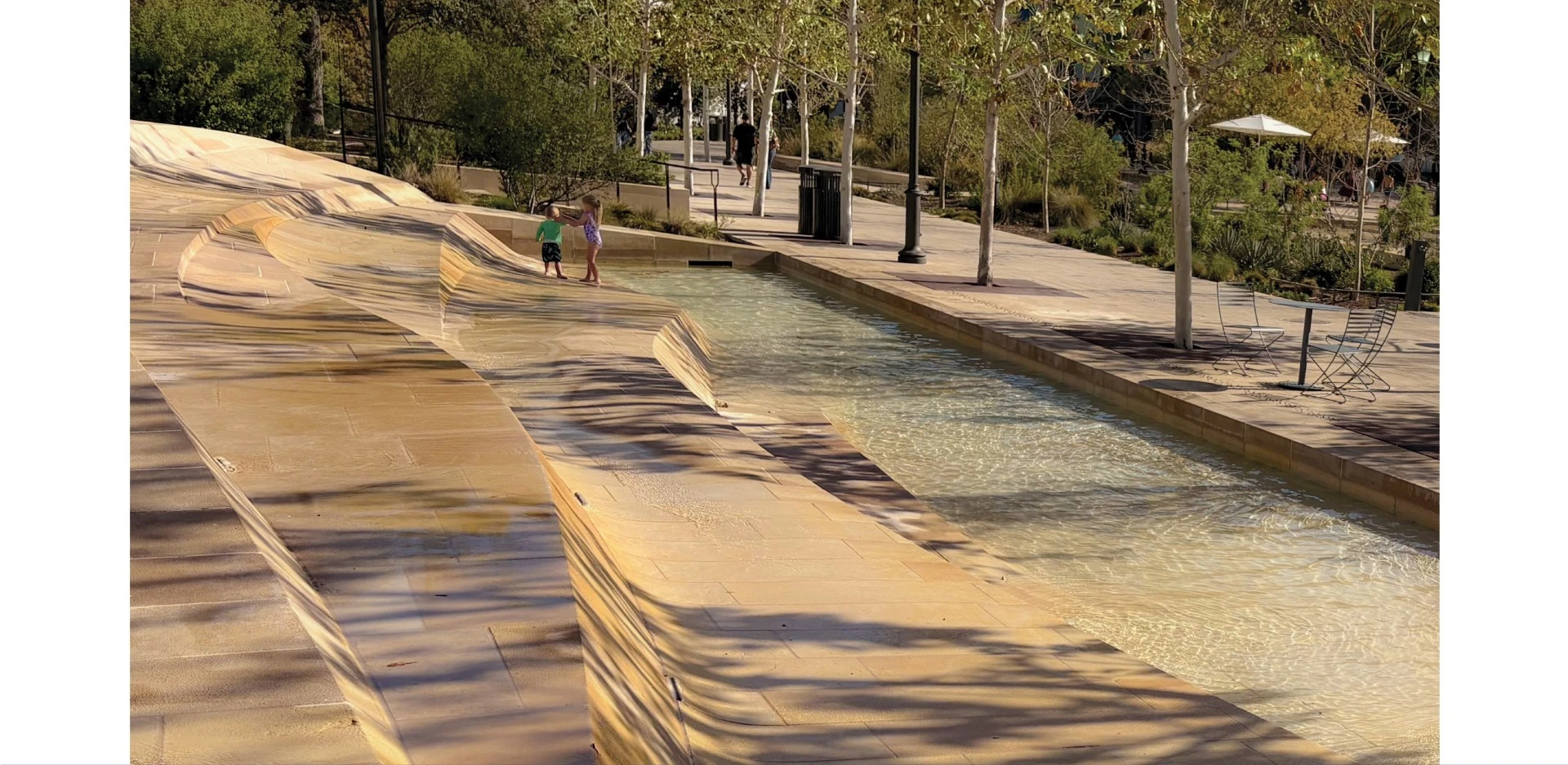
The Springs feature a mixture of limestone and water inspired by the region’s swimming holes and offer an invitation for all ages to play. The unprogrammed yet crafted nature of the Springs’ limestone, water, and planting have quickly become a destination for residents to experience the joys of the type of exploratory play that is often only available to those who can leave the city.
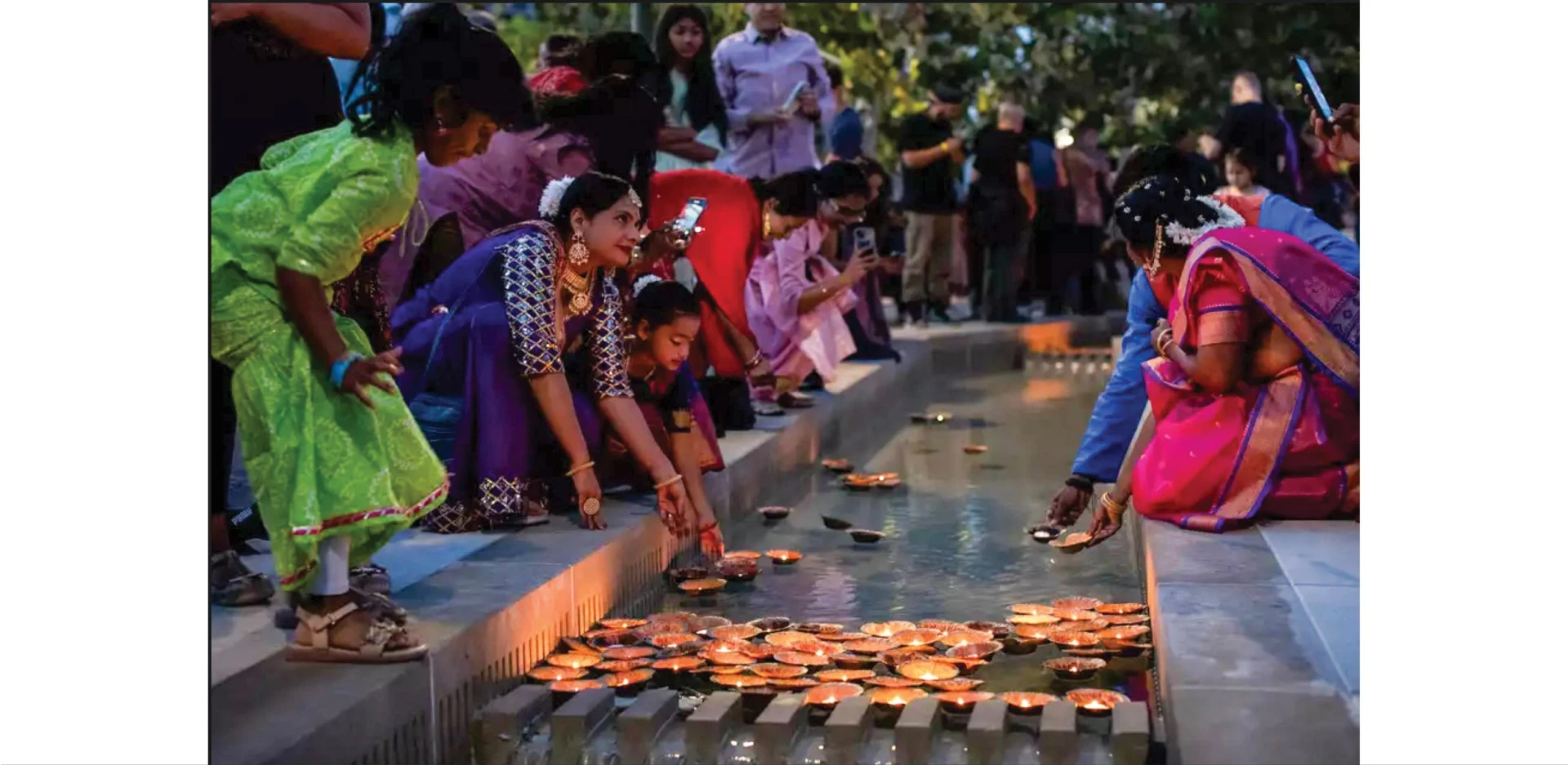
Water is one of San Antonio’s most precious resources and the city has a long and complex relationship with its river. Early public engagement emphasized the importance of water as a shared resource. Critically, water features and irrigation are supplied by a closed-loop system that collects nuisance groundwater from surrounding infrastructure, stores it in a 40,000-gallon cistern, and recirculates it for reuse.
As the city grows hotter each year, the park has become an oasis for families. More than 250 new and transplanted canopy trees are establishing a rich base of shade. The Springs draw residents of all ages together to discover and play. Layers of lighting ensure a lively and safe environment well after dark when many residents extend their days for cooler temperatures.
Residents have responded, and the park has surged with visitors since opening. Locals say that the park feels like San Antonio and yet they have never experienced anything like it in their city before.
-
- Kathryn Gustafson, Design Lead
- Alamo Architects, Architect
- Magnusson Klemencic Associates, Civil Engineer
- Rialto Studios, Local Landscape Architect
- Jeffrey Bruce & Company, Turf and Soil Engineering
- Intelligent Engineering Services, Structural Engineer
- CNG Engineering, MEP
- CMS Collaborative, Fountain Design
- Tillett Lighting, Lighting Design
- Toole Design Group, Traffic Engineer
- ETM Associates, Operations & Maintenance
- Theatre Projects, Theater Design
- Ximenes & Associates, Public Outreach
- Drew Collaborative Works, Cost Estimating
- True North Consulting Group, WiFi Design
- Skanska, General Contractor
- Shadrock & Williams Masonry, Mason
-
- Tofino — Furniture
- Victor Stanley — Furniture
- LeGrande — Furniture
- Urban Accessories — Furniture
- Walls and paving: All custom stonework from Leuders limestone provided by Metzger — Fences/Gates/Walls
- Old Castle precast vaults for cistern — Water Management/Amenities
- Hanover custom porcelain tiles — Hardscape
- Neri — Lighting
- B-K — Lighting
- technilum — Lighting
-
- Acer grandidentatum
- Arbutus texana
- Carya illinoinensis
- Carya texana
- Celtis laevigata
- Cercis canadensis texensis
- Diospyros texana
- Ebenopsis ebano
- Ehretia anacua
- Ilex decidua ‘Warren’s Red’
- Lagerstroemia indica × fauriei ‘Natchez’
- Magnolia grandiflora ‘D.D. Blanchard’
- Parkinsonia × ‘Desert Museum’
- Platanus mexicana ‘Alamo’
- Prosopis glandulosa ‘Maverick’
- Quercus glaucoides
- Quercus macrocarpa
- Quercus muehlenbergii
- Quercus polymorpha ‘Monterrey’
- Quercus virginiana
- Sophora affinis
- Sophora secundiflora
- Taxodium mucronatum
- Ulmus crassifolia
- Ungnadia speciosa
- Abelia × grandiflora ‘Edward Goucher’
- Ageratina havanensis
- Aloysia gratissima
- Amyris texana
- Anisacanthus quadrifidus wrightii ‘Mexican Fire’
- Bauhinia lunarioides
- Buddleia × ‘Buzz Sky Blue’
- Buxus sinica insularis ‘Wintergreen’
- Callicarpa americana
- Cephalanthus occidentalis ‘Sugar Shack’
- Citharexylum berlandieri
- Clerodendrum bungei
- Cyrtomium falcatum ‘Rochfordianum’
- Dalea frutescens
- Dasylirion texanum
- Erythrina herbacea
- Eysenhardtia texana
- Fallugia paradoxa
- Hesperaloe parviflora
- Hibiscus moscheutos
- Ilex cornuta ‘Burfordii Nana’
- Ilex vomitoria ‘Nana’
- Justicia spicigera
- Leucophyllum frutescens ‘GreadO’
- Leucophyllum langmaniae ‘Rio Bravo’
- Leucophyllum zygophyllum ‘Cimarron’
- Mahonia trifoliata
- Myrica cerifera
- Myrica cerifera ‘Don’s Dwarf’
- Pittosporum tobira ‘Wheeler’s Dwarf’
- Plumbago auriculata ‘Imperial Blue’
- Plumbago auriculata ‘White’
- Podocarpus macrophyllus maki
- Punica granatum ‘Chico’
- Rhus aromatica ‘Gro-Low’
- Rhus glabra
- Rhus virens
- Rivina humilis
- Rosa Meidiland Series ‘White’
- Sabal minor
- Symphoricarpos orbiculatus
- Teucrium fruticans ‘Compacta’
- Viburnum awabuki
- Viburnum farreri
- Viburnum odoratissimum
- Viburnum suspensum
- Viburnum tinus ‘Spring Bouquet’
- Yucca rupicola
- Narcissus papyraceus ‘Ziva’
- Bouteloua curtipendula
- Bouteloua gracilis ‘Blonde Ambition’
- Carex divulsa
- Carex texensis
- Muhlenbergia capillaris ‘White Cloud’
- Muhlenbergia dumosa
- Muhlenbergia lindheimeri
- Muhlenbergia reverchonii ‘Undaunted’
- Schizachyrium scoparium
- Agapanthus africanus
- Agastache cana
- Agastache rupestris
- Artemisia ludoviciana ‘Silver King’
- Aspidistra elatior ‘Asahi’
- Aster × frikartii ‘Monch’
- Baptisia alba
- Callirhoe involucrata
- Conoclinium greggii ‘Boothill’
- Dalea greggii
- Dietes bicolor
- Eryngium yuccifolium
- Erysimum linifolium ‘Bowles Mauve’
- Hymenocallis liriosme
- Lantana montevidensis ‘Alba’
- Lantana montevidensis ‘Purple’
- Liriope gigantea
- Malvaviscus arboreus
- Oenothera speciosa
- Pavonia lasiopetala
- Penstemon havardii
- Penstemon murrayanus
- Perovskia atriplicifolia
- Physostegia virginiana ‘Alba’
- Poliomintha longiflora
- Ruellia humilis
- Russelia equisetiformis ‘Red’
- Salvia coccinea
- Salvia greggii ‘Alba’
- Salvia greggii ‘Furman’s Red’
- Salvia leucantha
- Salvia lyrata
- Salvia microphylla ‘Flame’
- Salvia roemeriana
- Salvia × ‘Indigo Spire’
- Scutellaria ovata
- Sphaeralcea ambigua
- Stachys coccinea ‘Texas Betony’
- Thelypteris kunthii
- Verbena rigida
- Lupinus texensis
- Ficus pumila
- Orbexilum pedunculatum
- Cynodon dactylon ‘TifTuf’
- Seed Mix 1 — Pollinator Mix
- Seed Mix 2 — Custom Native Blend
Advertisement
Related Awards
Honor Award, General Design
Houston Arboretum & Nature Center
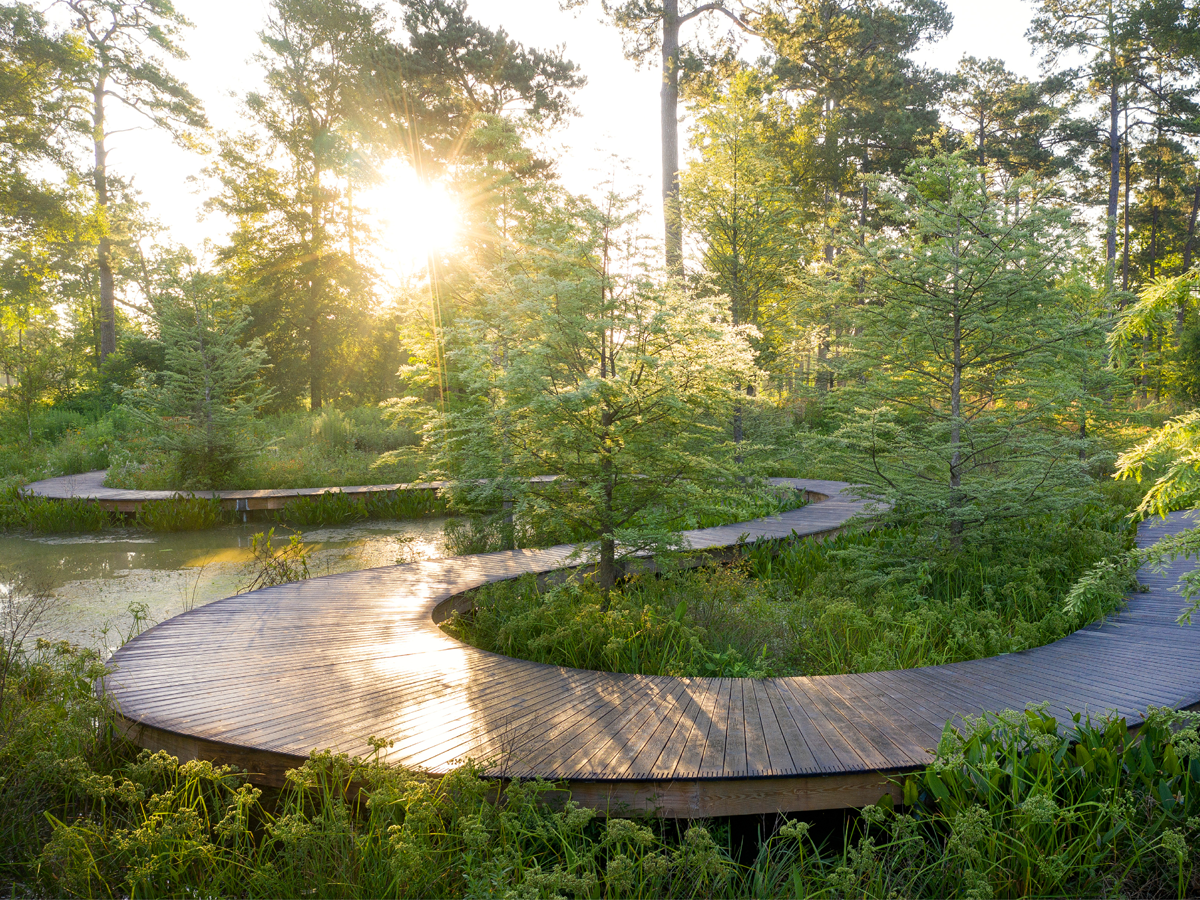
The Houston Arboretum & Nature Center sits within Memorial Park, one of the largest urban parks in the United States, in one of the nation's fastest growing and most climate-challenged cities. The site's story is one of repeated loss and deliberate reinvention. Hurricane Ike in 2008 and a severe drought in 2011 destroyed much of the Arboretum's tree canopy, exposing the limits of conventional reforestation in a city defined by flooding, heat, and ecological volatility.