
.webp?language=en-US)

.webp?language=en-US)

As Far As One Can See: Indigenous Knowledges and Design at Tekαkαpimək
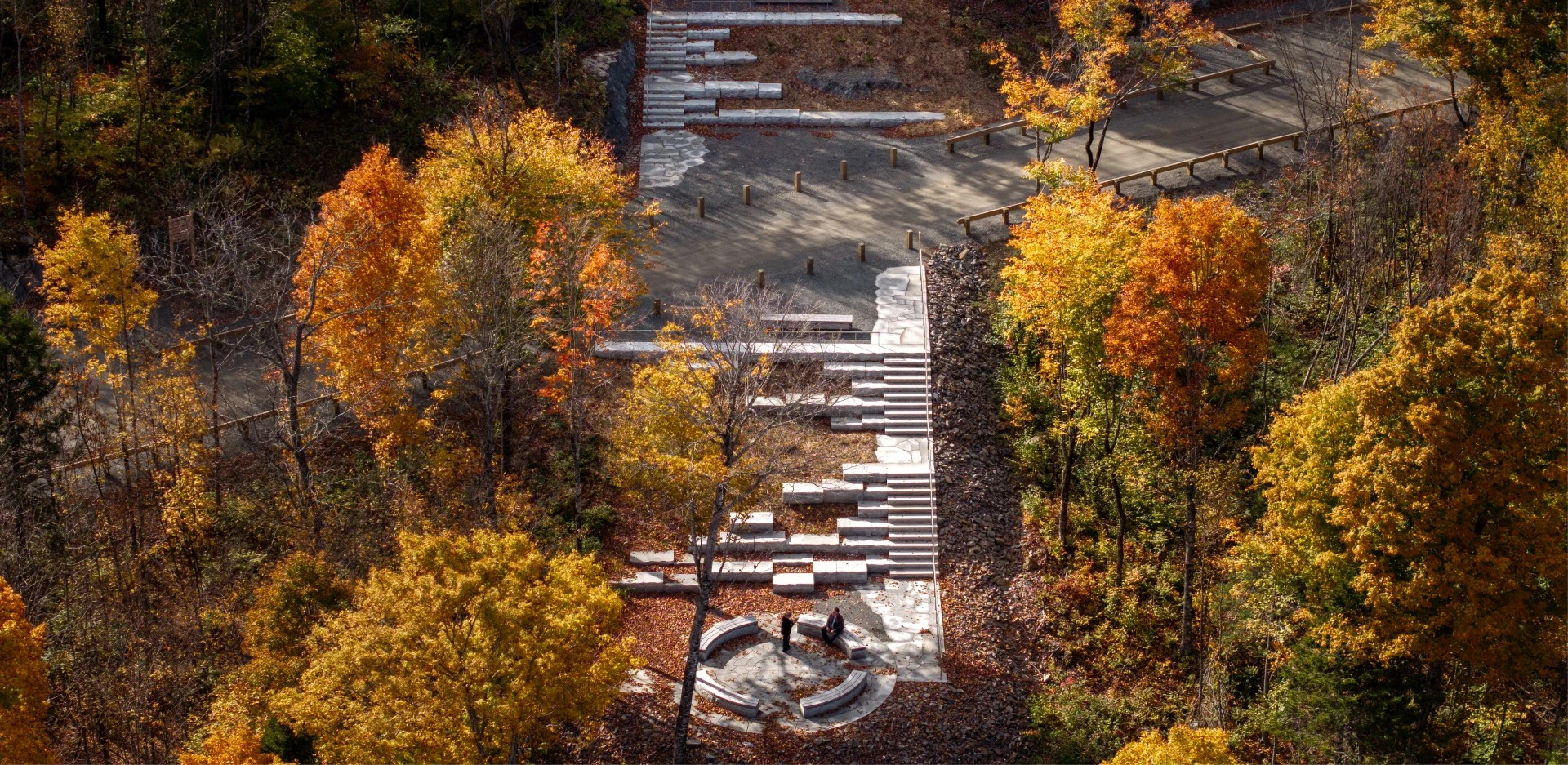
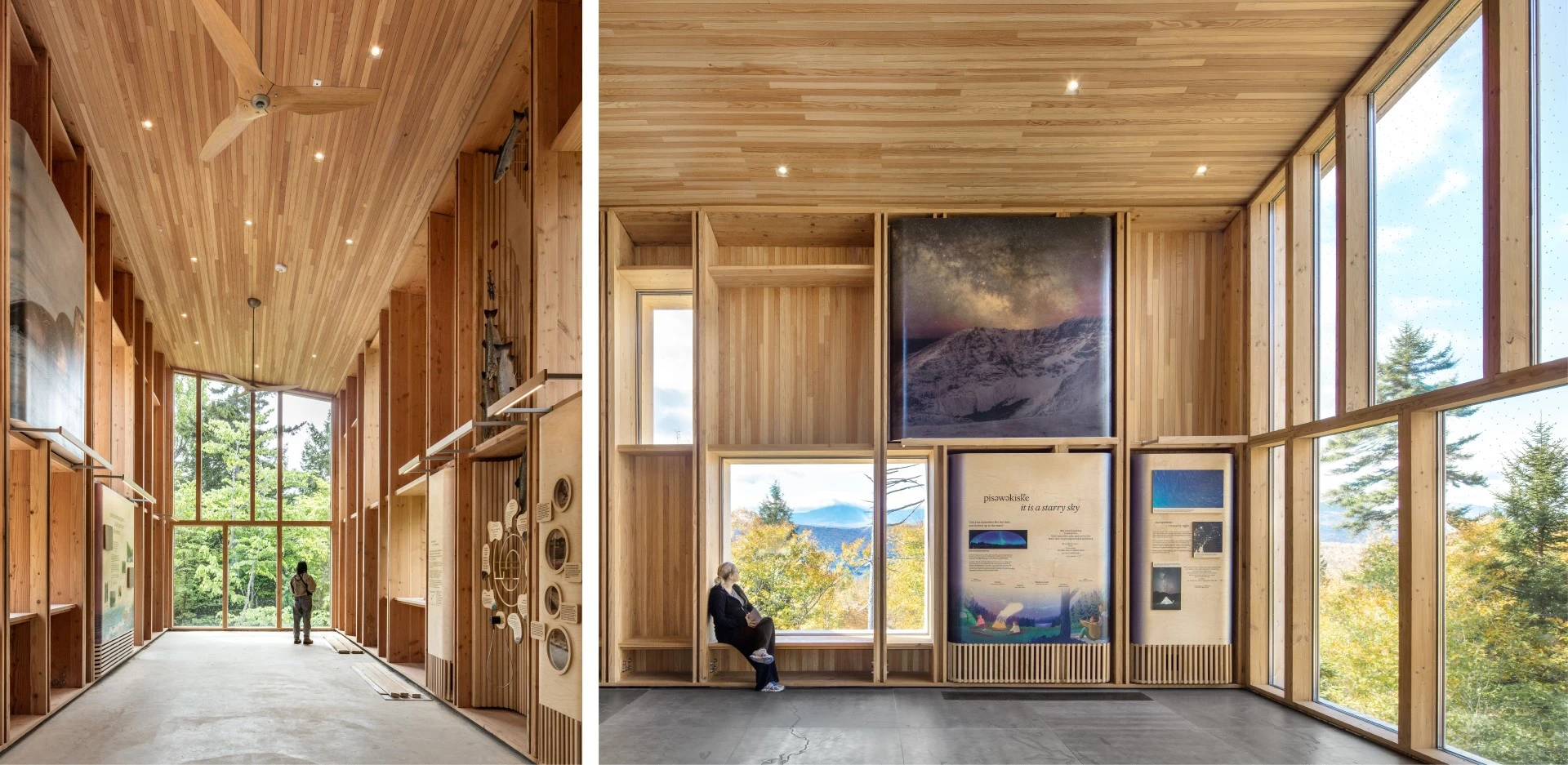
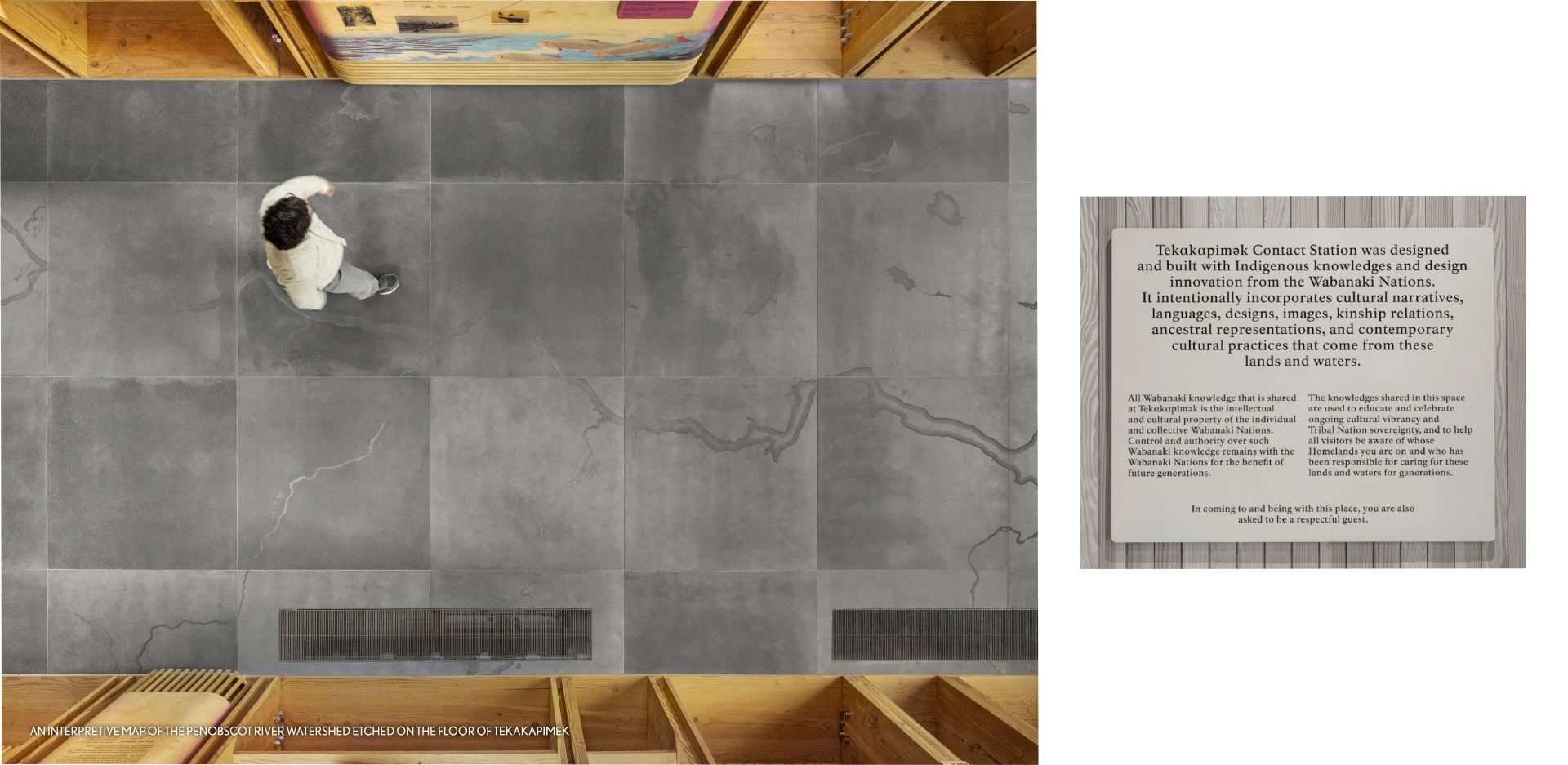

Tekakapimǝk is an outstanding example of landscape architecture that combines cultural authenticity, ecological stewardship, and immersive visitor experience. The project’s deep collaboration, careful choreography of movement and views, and minimal environmental intervention demonstrate exceptional design rigor and respect for place. ... It sets a new standard for cross-cultural collaboration and preservation of Indigenous knowledge within a public landscape.
Awards Jury
-
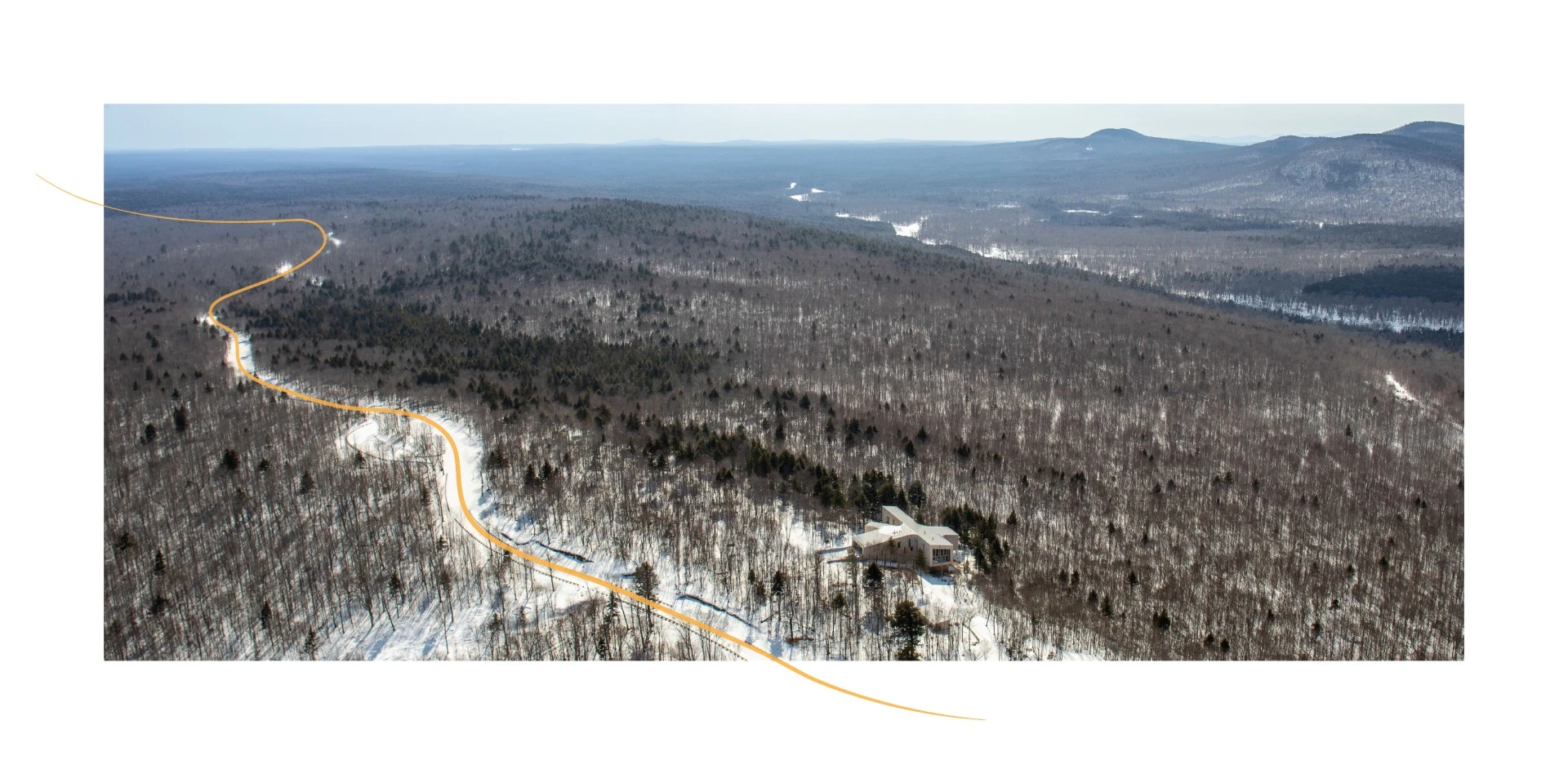
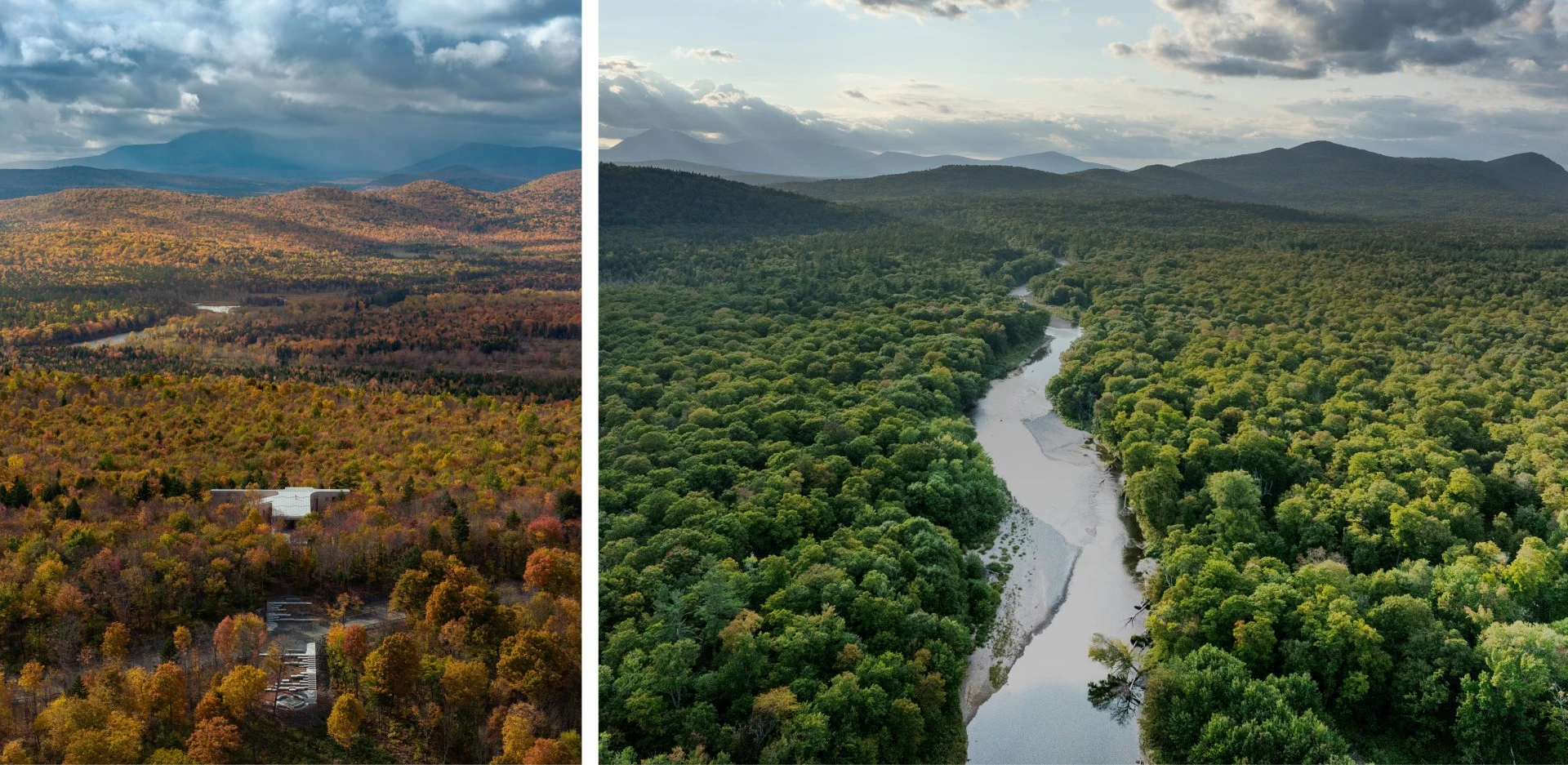
Tekαkαpimək — pronounced deh gah-gah bee mook, Penobscot for “as far as one can see” — is a 23-acre landscape and visitor contact station located at the southeastern edge of the Katahdin Woods and Waters National Monument. Immersive experiences, interpretative and metaphorical alike, orient visitors in place, time, and culture. This marks a moment in a larger journey into a landscape at once specific to its site yet vast, addressing thousands of years of culture and thousands of acres of land and water. Its landscape architecture came to be, alongside architecture and exhibits, through a unique process of deep learning, respect, collaboration, and kinship-building among Wabanaki, client and design team — moving only at the speed of trust.
-
Katahdin Woods and Waters National Monument fits within the present and traditional homeland of the Penobscot Nation. Its watershed is significant to the Maliseet, Mi’kmaq, Passamaquoddy—the Wabanaki people of Maine who have lived for 11,000 years along these waters. Reaching across 87,563 acres in north-central Maine, the Monument encompasses one of the least developed watersheds in the nation. European-American settlement and extraction began in the late 18th century, and the site has been logged three times in the 20th century. When large tracts of these timberlands came to market in 2000, a foundation acquired them and, in 2016, gifted them to the people of the United States.
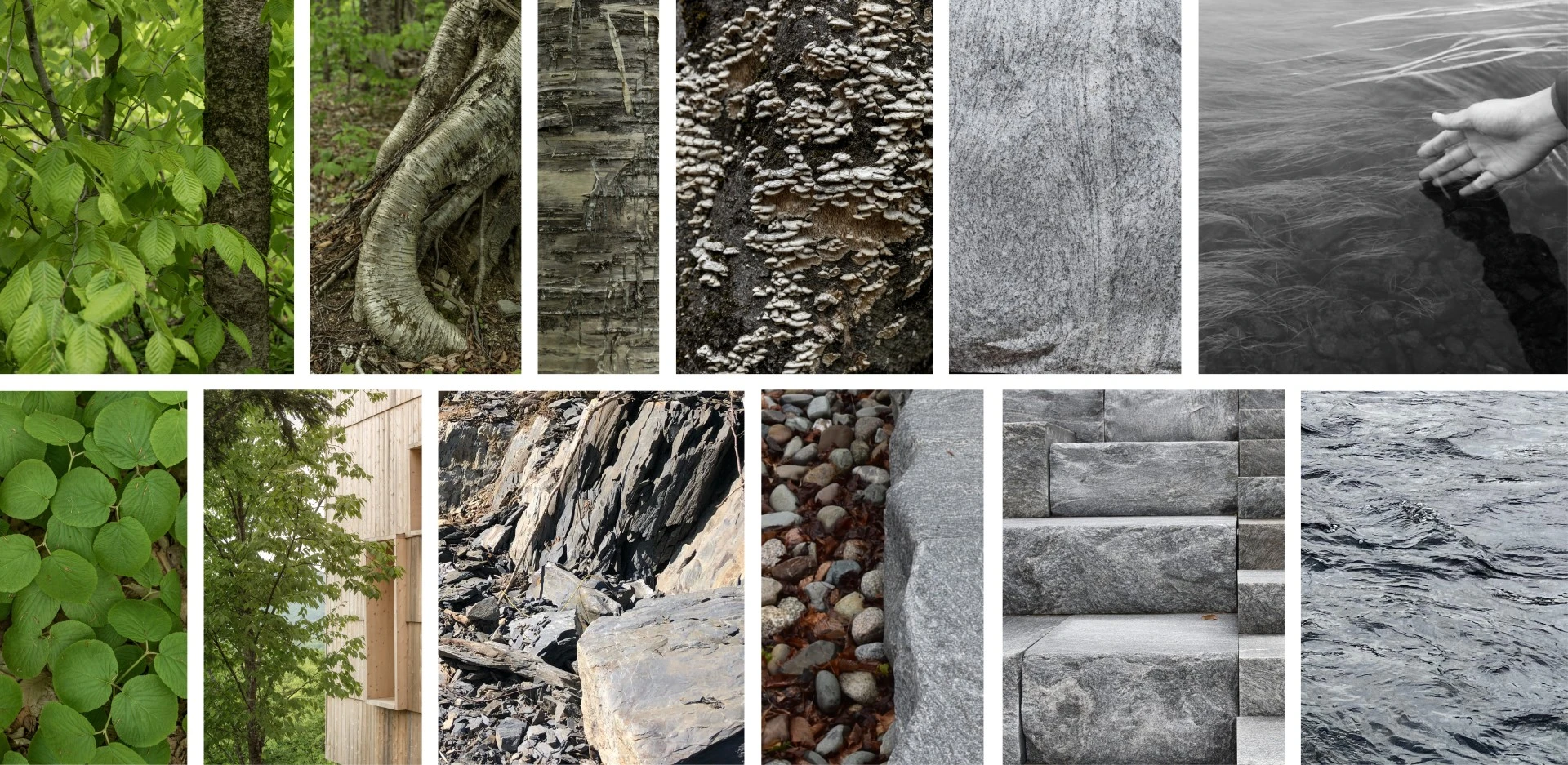
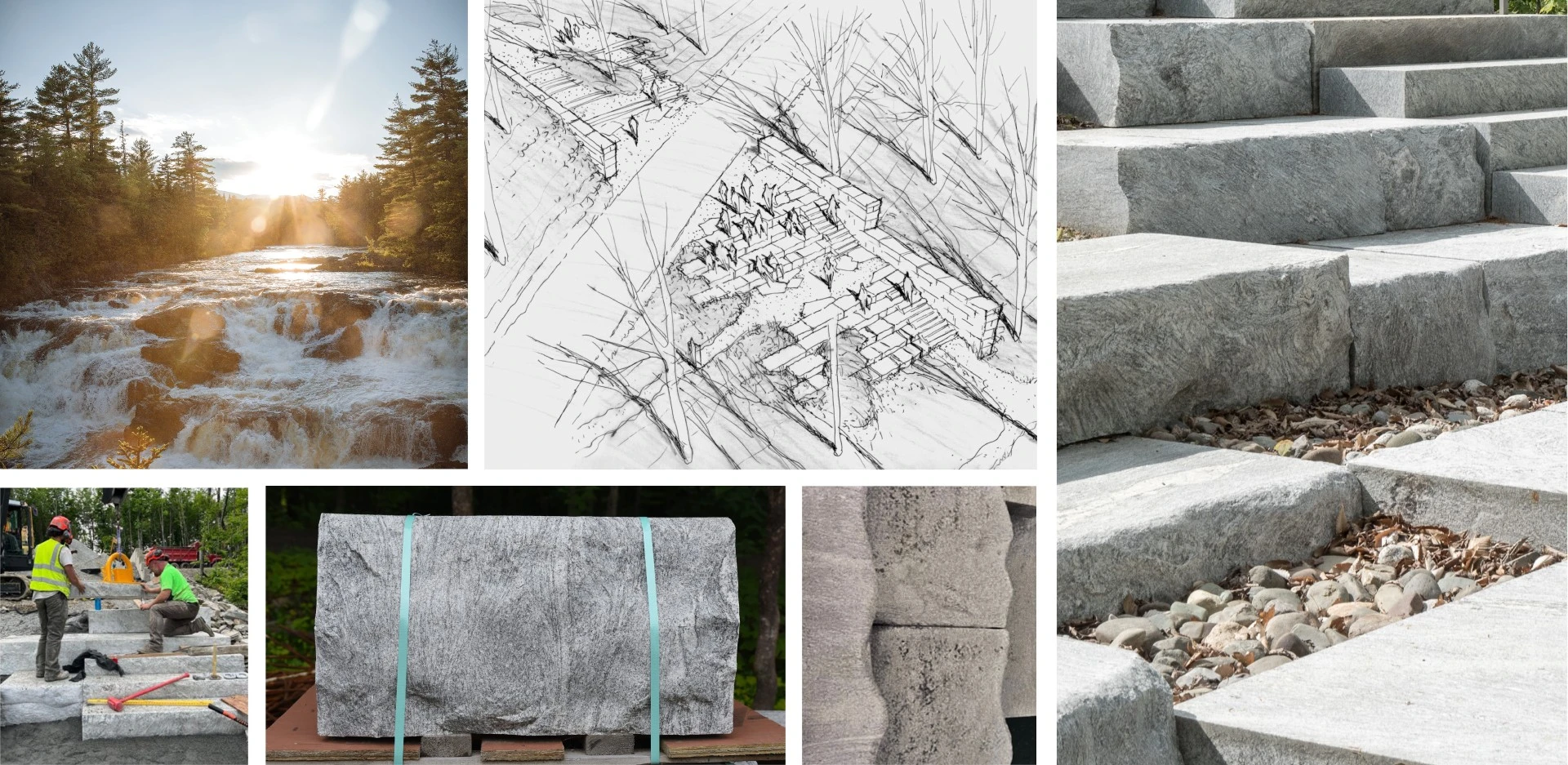
To care for this sensitive and regenerating ecology, this project transforms a visitor’s appreciation of the land primarily through editing and the choreography of experience. No plants or soils could be imported and masonry was sourced regionally and crafted by local masons. And the design — developed through an unprecedented collaboration over an extended process of kinship-building and co-creation—makes present the relationship the Wabanaki have had with this land for generations, while also meeting the strict standards of the National Park Service, who will manage the site in perpetuity.
IMMERSIVE EXPERIENCE
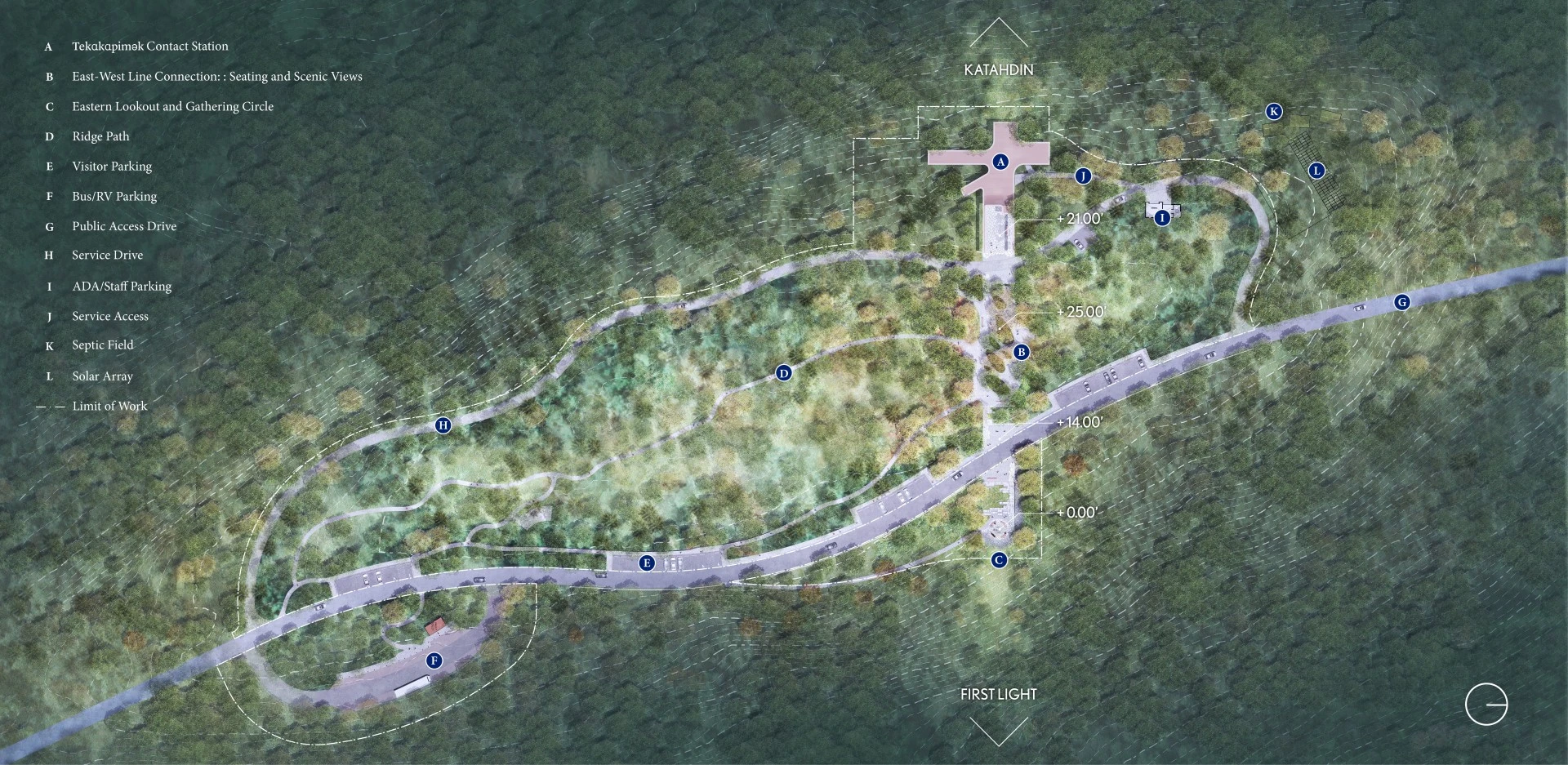
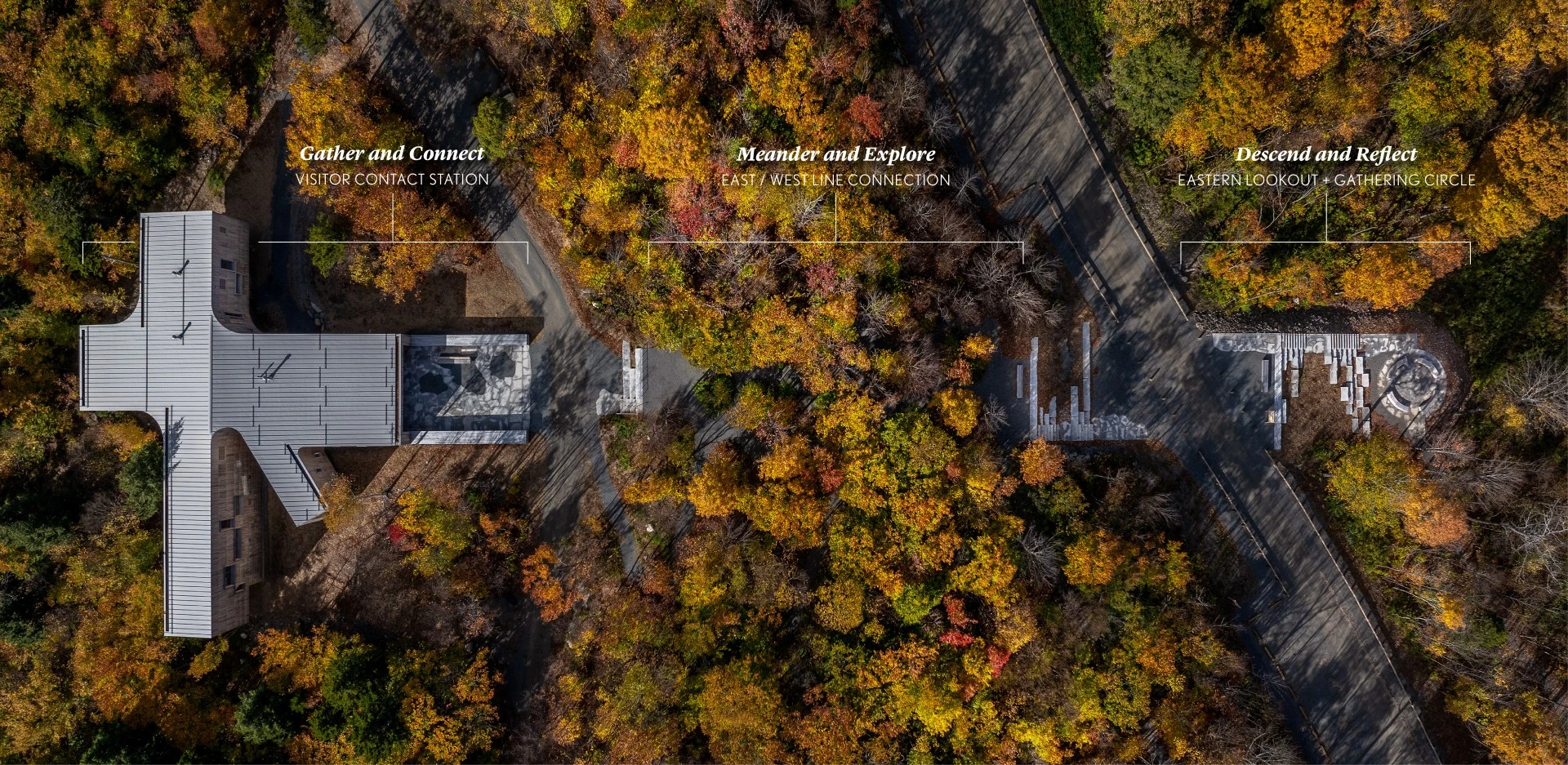
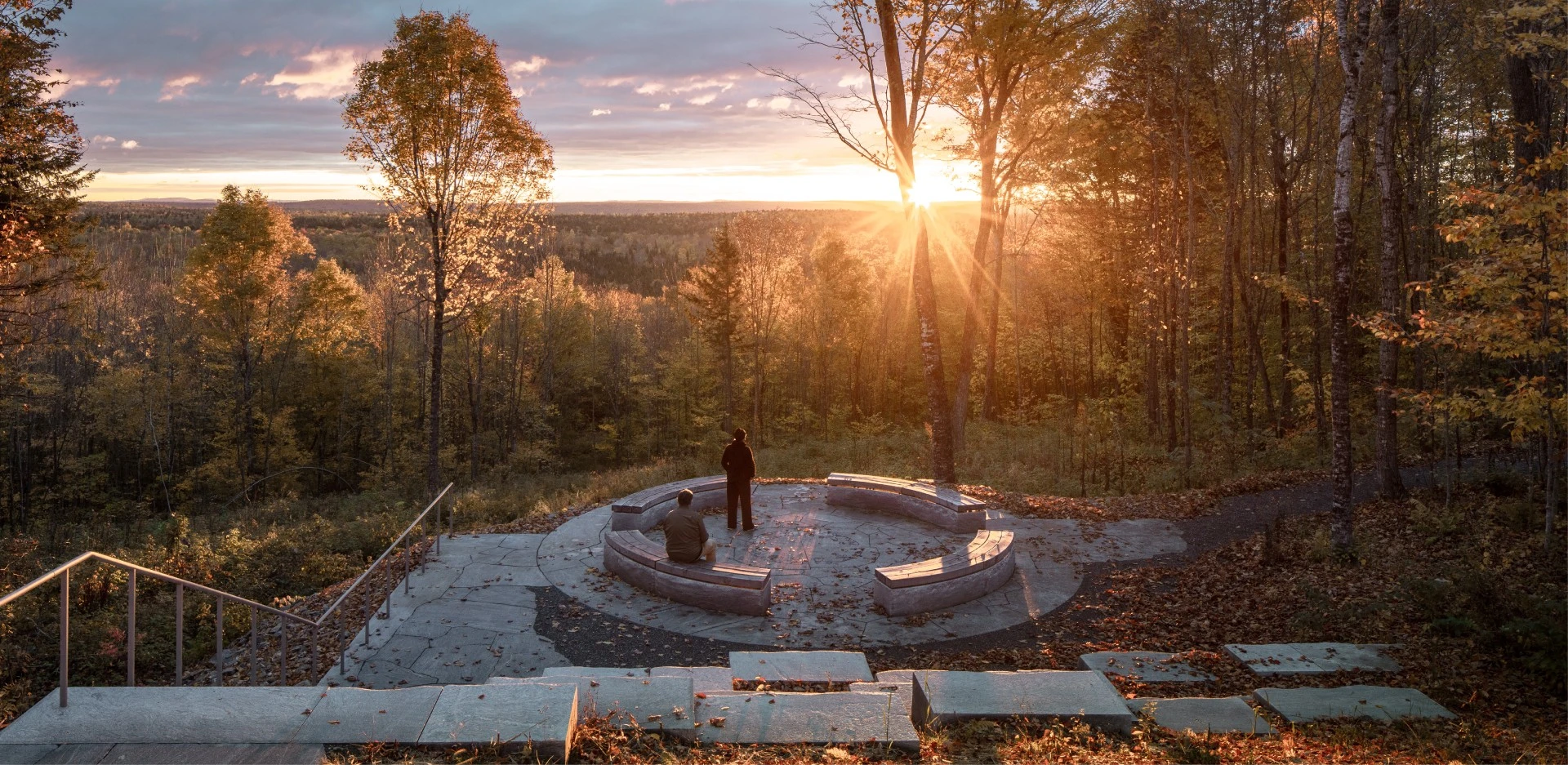
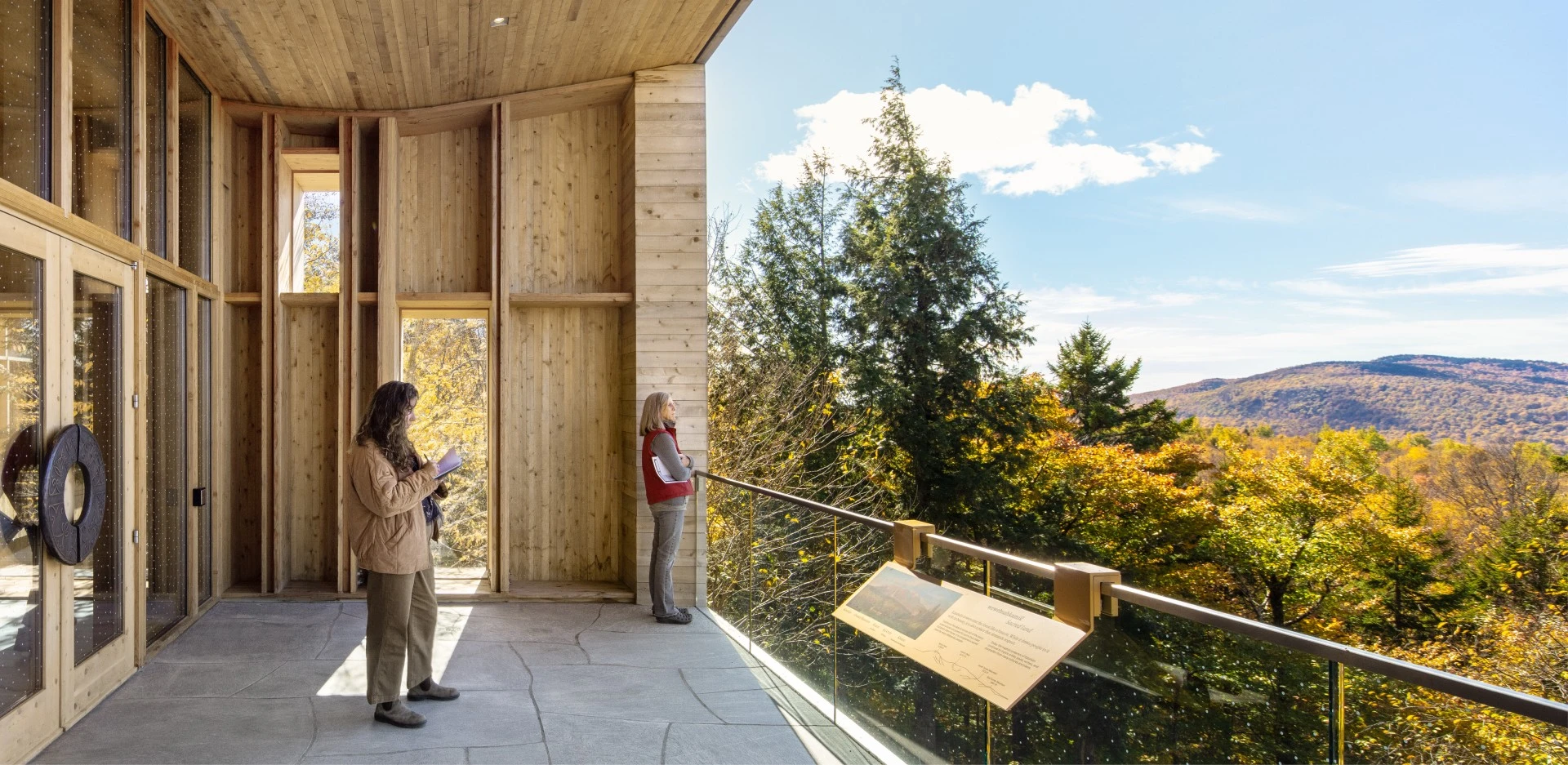
To arrive, travelers follow a sinuous 3.6-mile road designed by the landscape architect to straddle the prevailing ridge. The parking lot withholds any sign of the building, instead inviting travelers on a quarter-mile path along the ridgeline to Tekakapimek’s major feature: an East-West axis that frames experiences of sacred Katahdin to the west and First Light to the east, immediately grounding the project within a Wabanaki worldview.
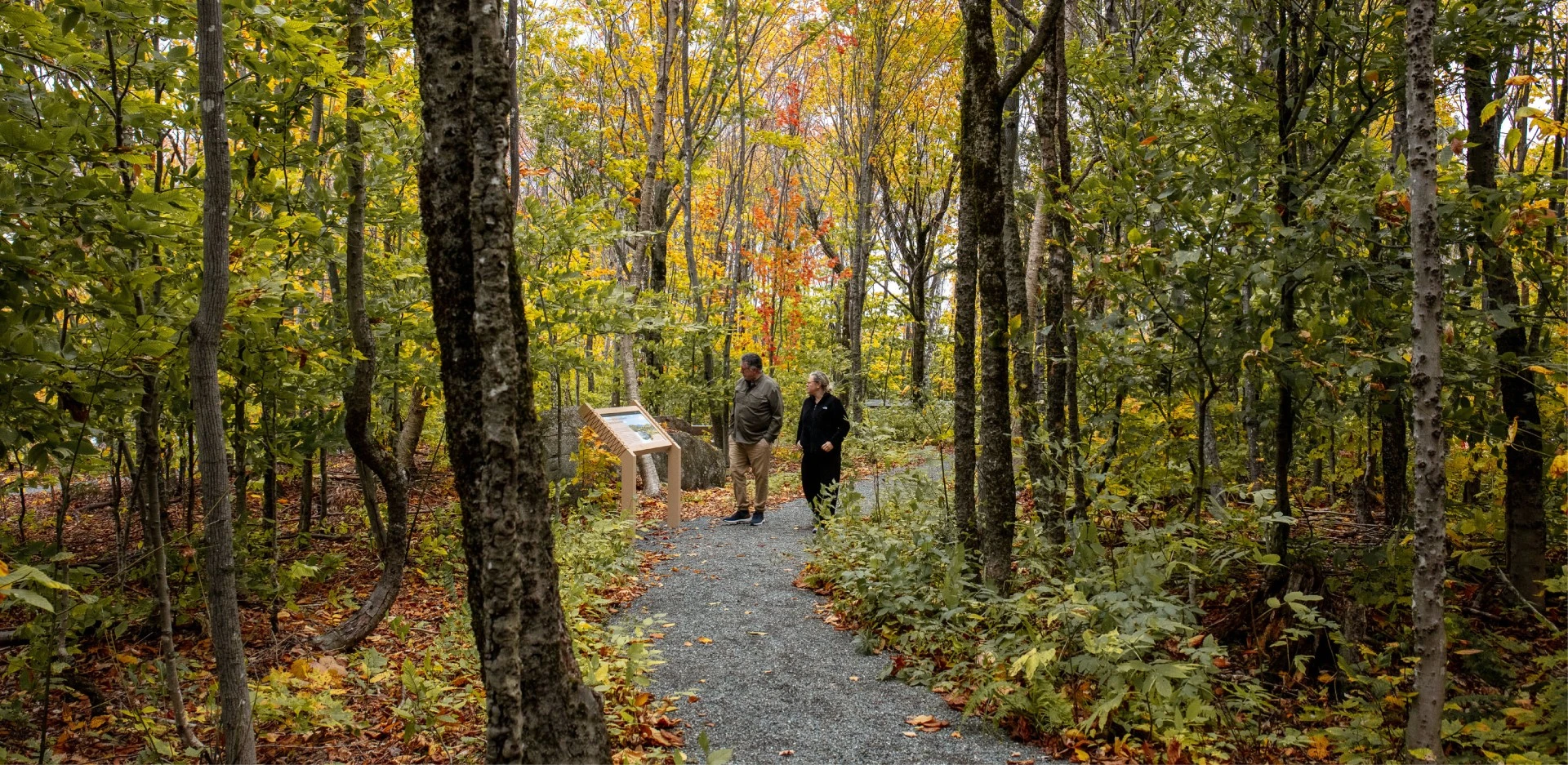
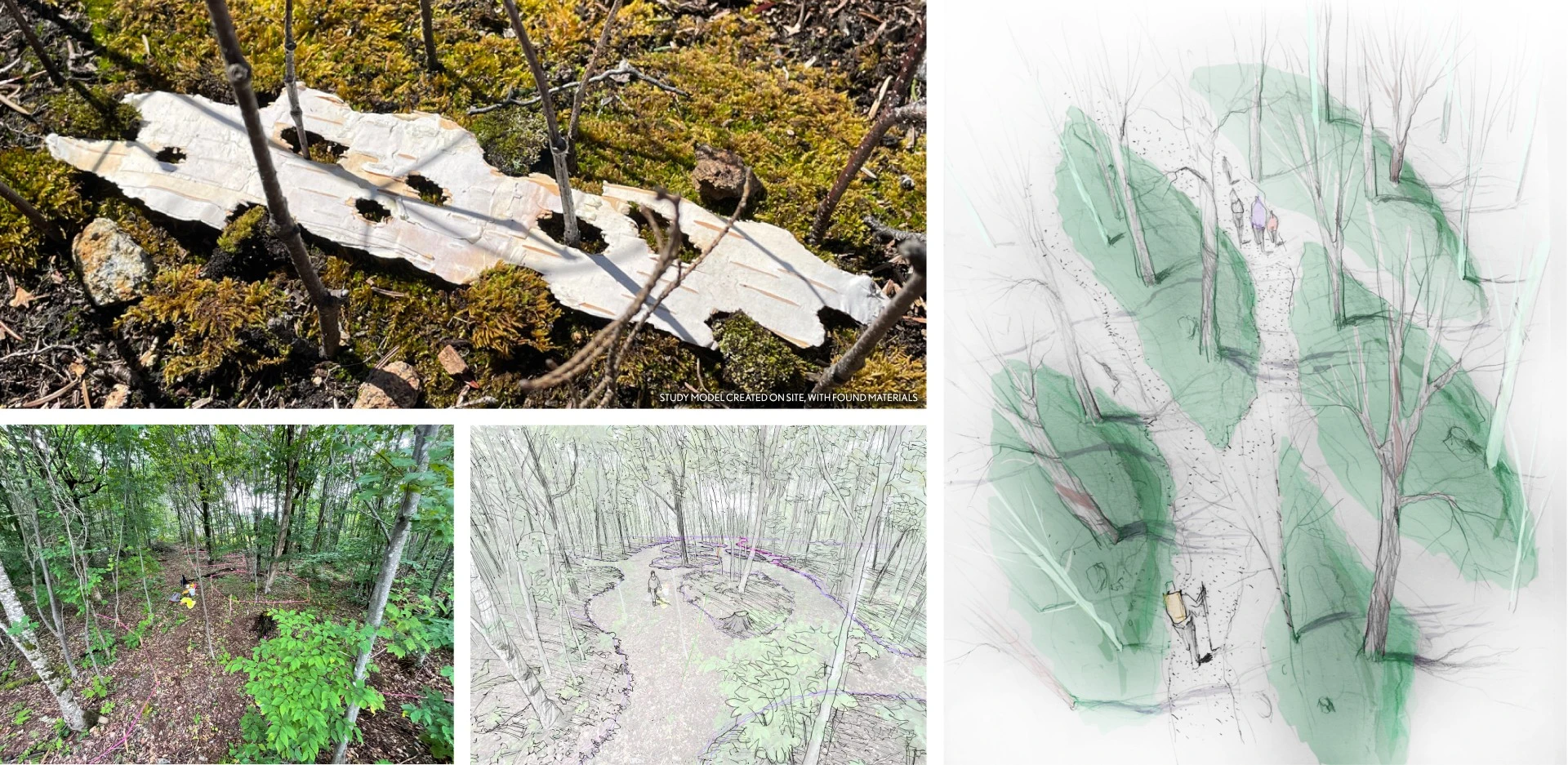
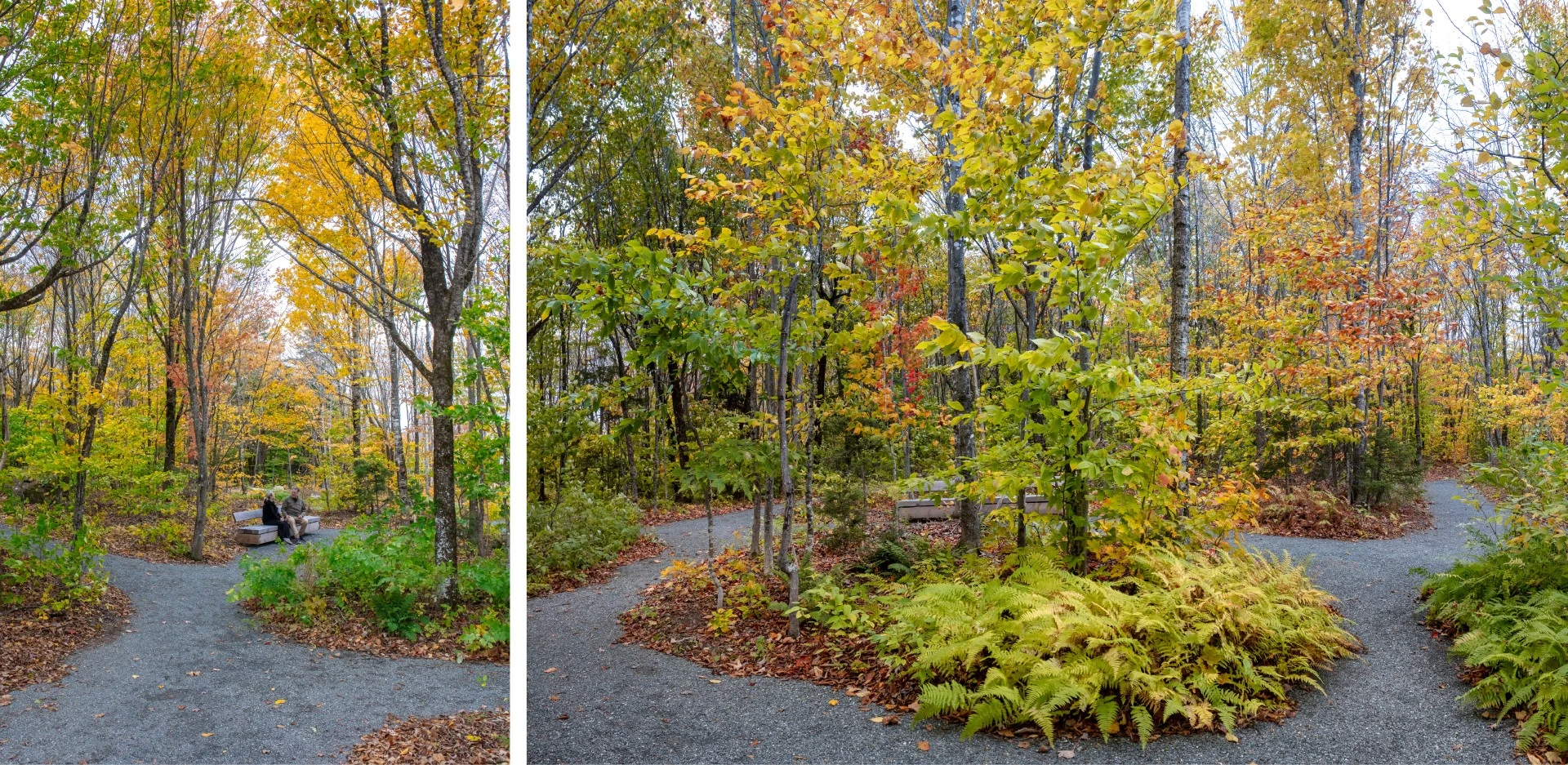
The western terminus of this axis is the Contact Station. A Lookout and Gathering Circle, where the horizon opens to Wabanaki homelands, is its eastern end. Linking them is a level, crushed stone path marked by “pillows” of organic soils that are preserved to support communities of trees and understory growth, and to encourage visitors to meander or to rest.
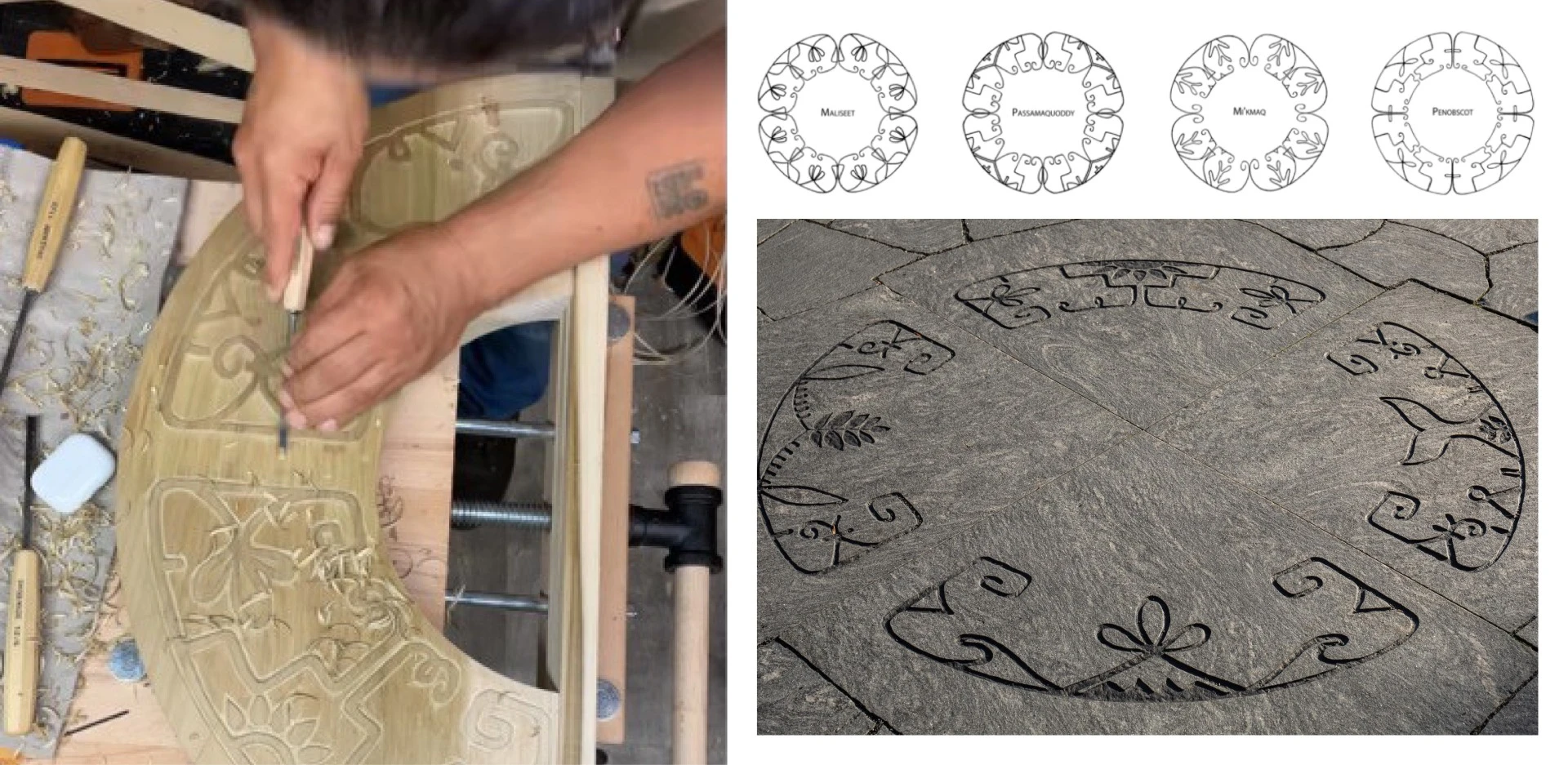
The restrained design registers the woven presence of Indigenous arts, cultural narratives, and ideas, an outcome made possible by the landscape architect’s careful listening, authentic conversation, and hand drawing. Shared drawing efforts, in particular, earned the trust of Wabanaki members, who often used stories to express viewpoints indirectly or share desired feelings.
UNPRECEDENTED PROTECTIONS
This six-year project brings into cross-cultural conversation highly specific expressions of place, community, sustainability, and economic vitality. In 2018, when the Foundation first asked a Wabanaki Advisory Board to truly and fully partner in the design process, awareness trainings were held to ensure participants entered the collaboration with respect and a shared understanding of past and present dynamics.
While the building, site, and interpretive installations now belong to National Park Service, the cultural and intellectual property forever remain with the Wabanaki Nations. Such unprecedented protections catalyzed novel design features, drew Wabanaki artisans and craftspeople to the project, launched professional careers, and nourished friendships. Tekakapimek bears lessons for all designers who engage communities and interpret their stories through design, reminding us that our discipline's approach to intellectual property needs to evolve to meet the moment.
-
- Reed Hilderbrand, Official Entrant
- Elliotsville Foundation, Client/Owner
- John Grove, Principal, Reed Hilderbrand LLC
- Mann Sangthongjai, Project Manager, Reed Hilderbrand LLC
- Chris Murton, Project Manager, Reed Hilderbrand LLC
- Saunders Architecture, Design Architect – Norway
- Alisberg Parker Architects, Architect of Record – USA
- Stern Consulting International, Project Management and Owner’s Representative
- WeShouldDoItAll (WSDIA), Exhibits, Wayfinding & Signage Design
- Tūhura Communications, Interpretive Planning
- Dr. Jane Anderson, Indigenous Intellectual and Cultural Property (ICIP) Consultant
- Erin Hutton, Creative Program Management
- James Eric Francis, Sr., Penobscot, Wabanaki Advisory Board
- Jennifer Neptune, Penobscot, Wabanaki Advisory Board
- Natalie Dana-Lolar, Passamaquoddy/Penobscot, Wabanaki Advisory Board
- John Dennis, Mi’kmaq, Wabanaki Advisory Board
- Nick Francis, Penobscot, Wabanaki Advisory Board
- Gabriel Frey, Passamaquoddy, Wabanaki Advisory Board
- Jennifer Gaenzle, for Mi’kmaq, Wabanaki Advisory Board
- Suzanne Greenlaw, Maliseet, Wabanaki Advisory Board
- Newell Lewey, Passamaquoddy, Wabanaki Advisory Board
- Kendyl Reis, for Mi’kmaq, Wabanaki Advisory Board
- Richard Silliboy, Mi’kmaq, Wabanaki Advisory Board
- Donald Soctomah, Passamaquoddy, Wabanaki Advisory Board
- Chris Sockalexis, Penobscot, Wabanaki Advisory Board
- Isaac St. John, Maliseet, Wabanaki Advisory Board
- Susan Young, for Maliseet, Wabanaki Advisory Board
- Nolan Altvater, Passamaquoddy, Documentarian
- Split Rock Studios, Exhibition Fabricator
- Transsolar Inc, Environmental & Energy Consultant
- Haley Ward, Inc, Surveyor, Civil Engineer, and Structural Engineer of Record
- Wright-Ryan, Contractor and Construction Manager
-
- Wood Benches by Matt Hutton, Studio 24b
- Stonework and trails by OBP, Trailworks LLC
- Granite block and paving by Black Mountain Granite, sourced near Rockport, Maine and fabricated by Rockport Granite Inc.
Advertisement
Related Awards
Honor Award, General Design
Houston Arboretum & Nature Center
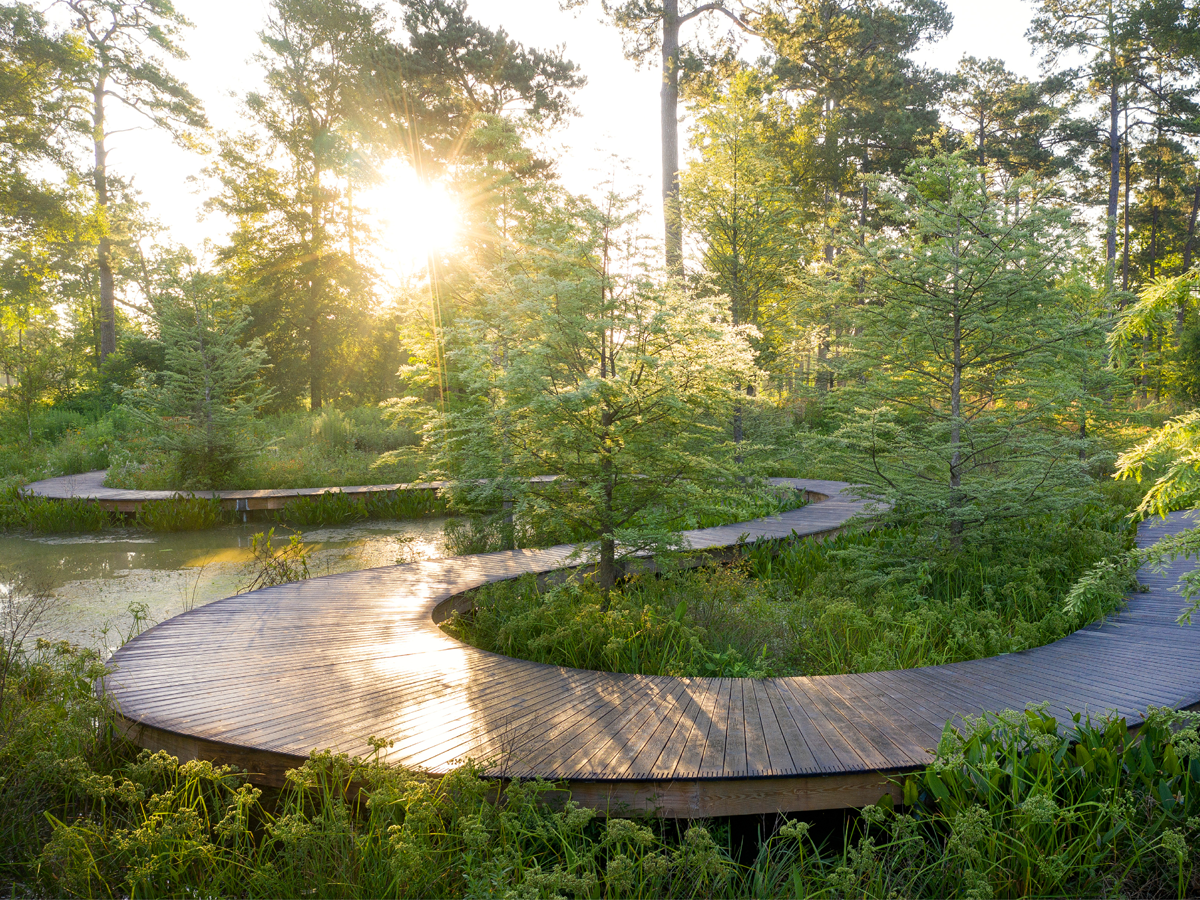
The Houston Arboretum & Nature Center sits within Memorial Park, one of the largest urban parks in the United States, in one of the nation's fastest growing and most climate-challenged cities. The site's story is one of repeated loss and deliberate reinvention. Hurricane Ike in 2008 and a severe drought in 2011 destroyed much of the Arboretum's tree canopy, exposing the limits of conventional reforestation in a city defined by flooding, heat, and ecological volatility.