
.webp?language=en-US)
.webp?language=en-US)
One Health Games: Playful Learning for Riverine Resilience
Janhavi Rajwade, Student ASLA; Tyler Atkinson; Aidan Bastarrika, Student ASLA; Delaney Beal, Student ASLA; Alexis Coyle; Shanu Gopinathan; Rida Hamid; Jisbelle Rodemaker; Madeleine Ryan, Associate ASLA; Charell Walter, Student ASLA

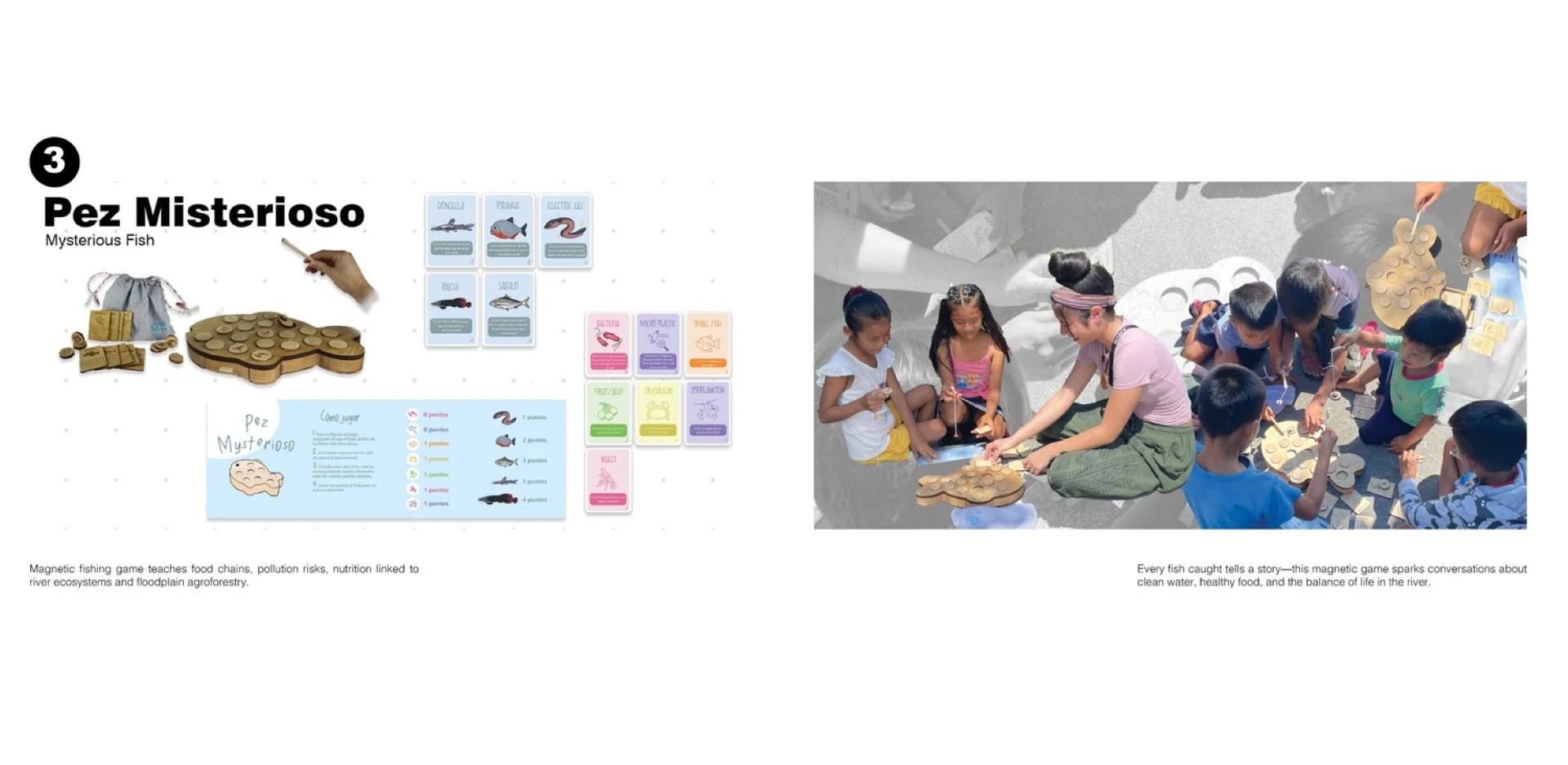
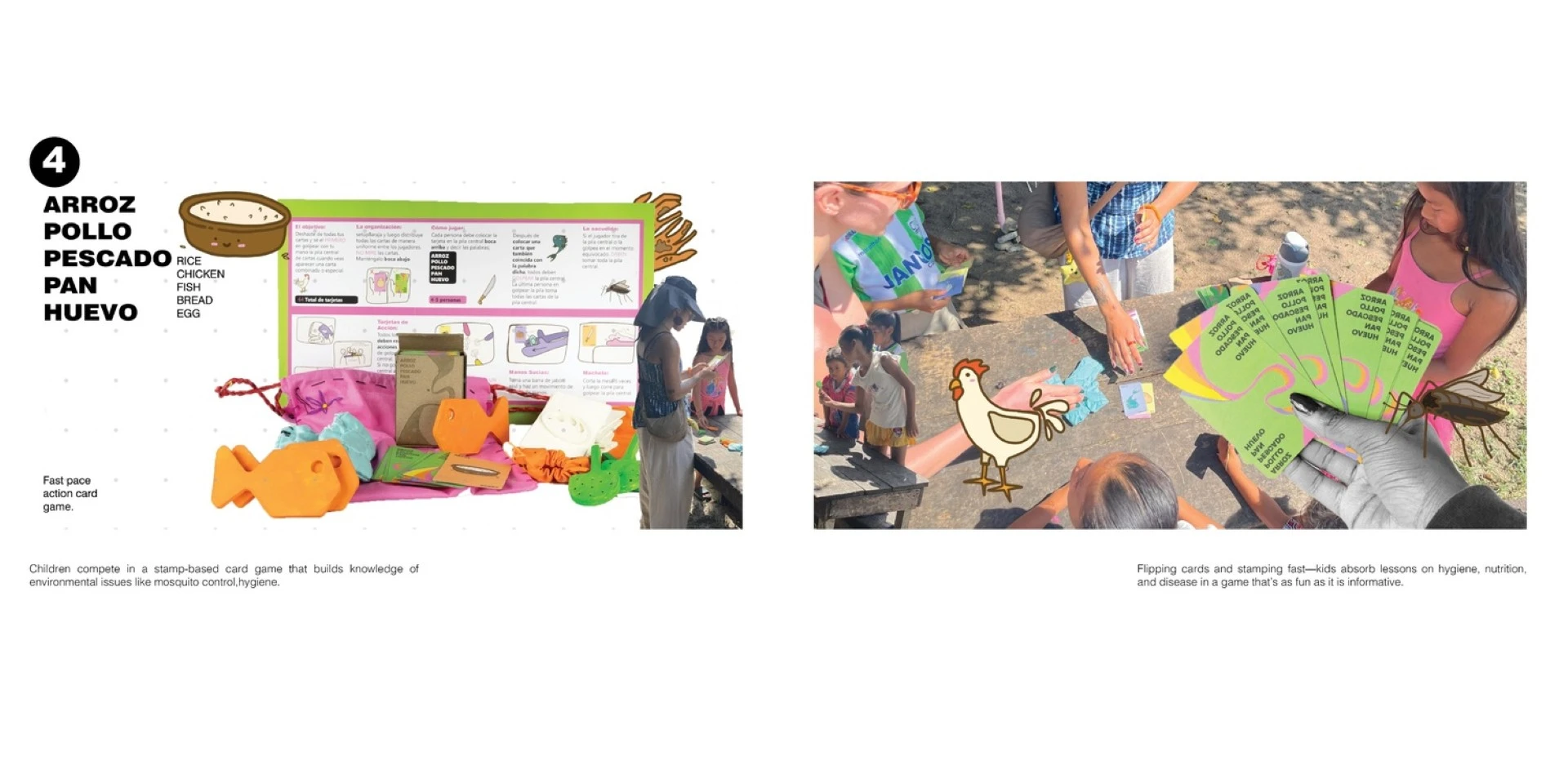
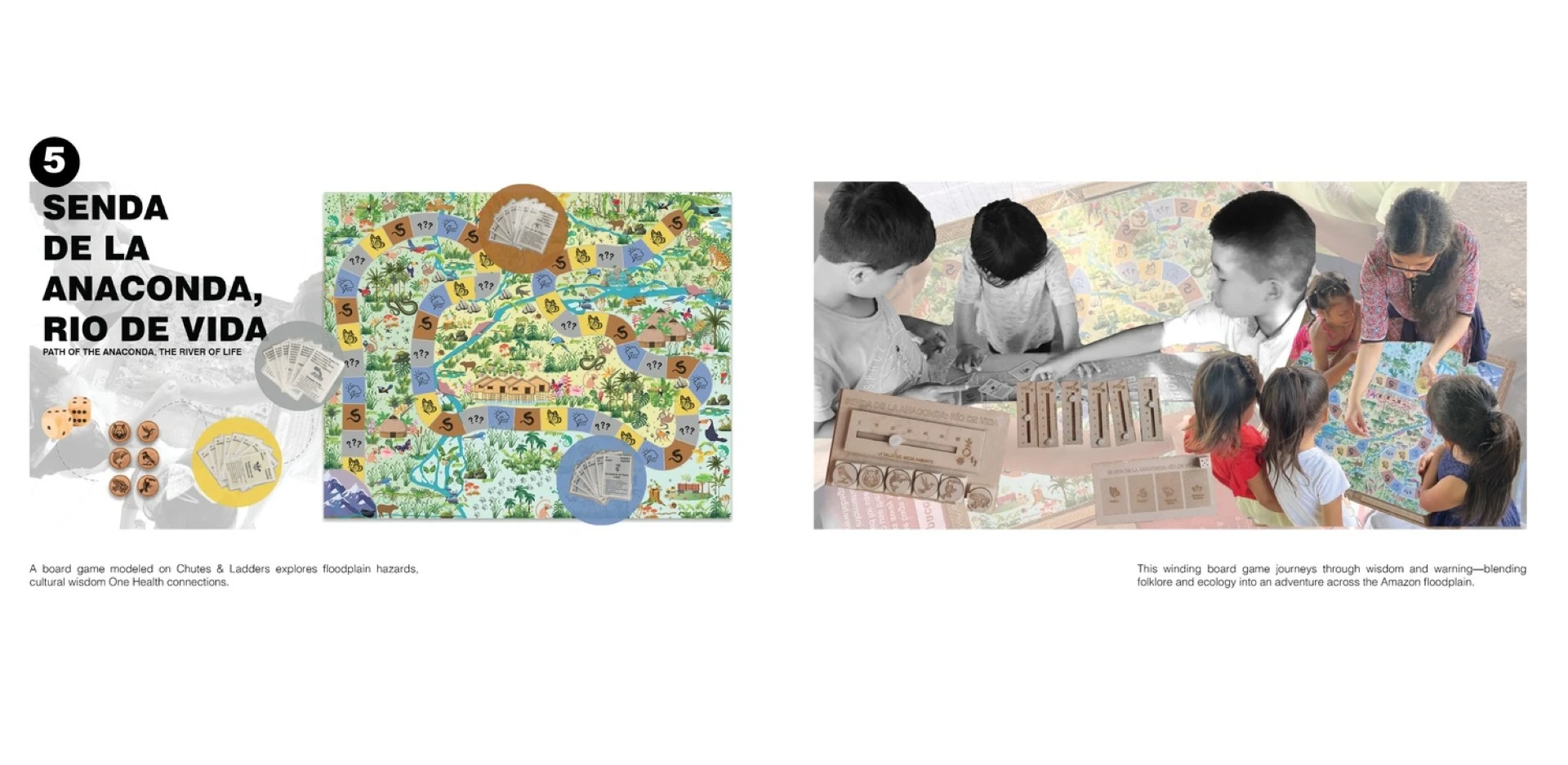
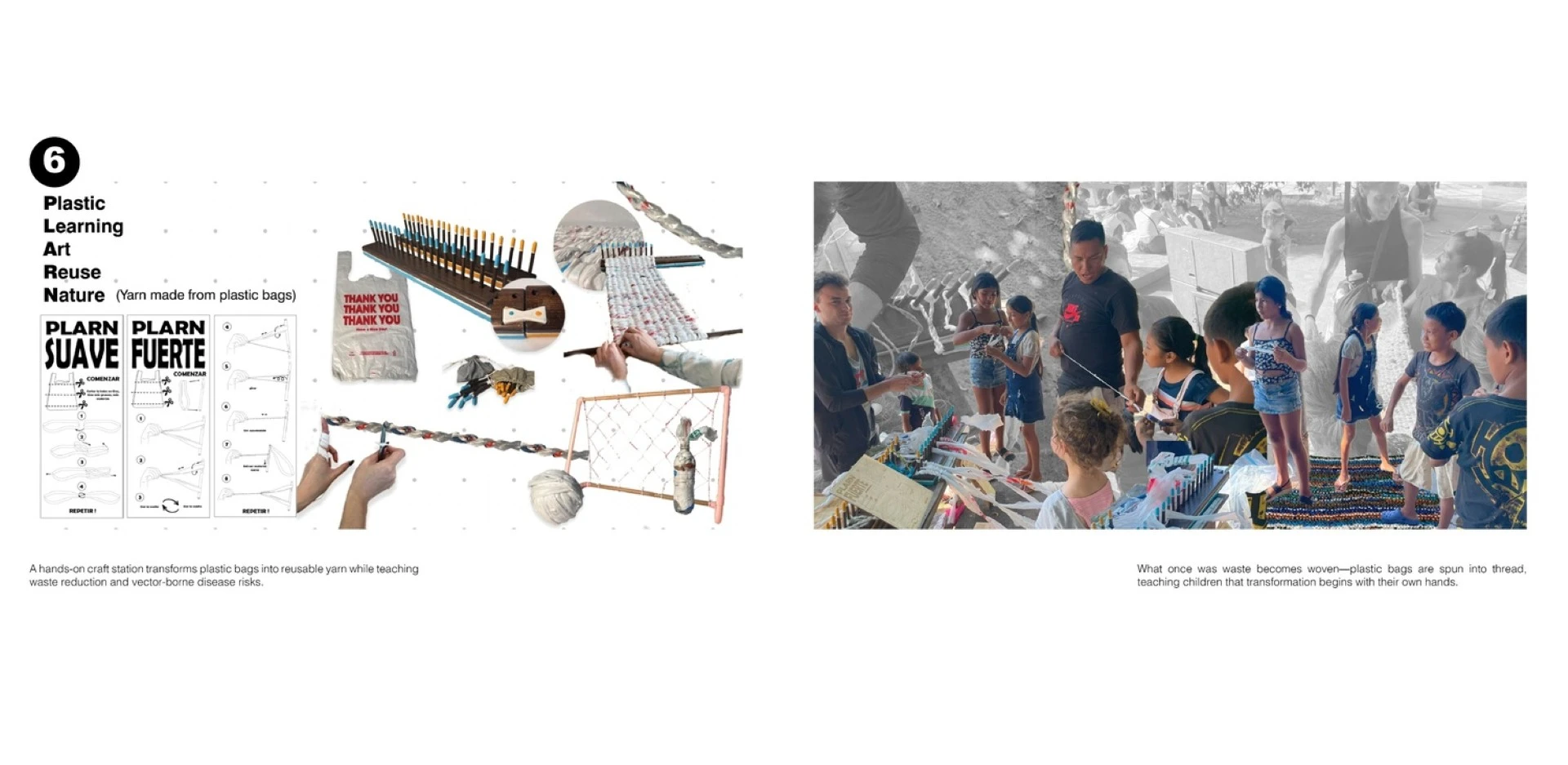
Excellent linking of plant, animal, human, and natural worlds to environmental health. The narrative clearly showcases landscape architecture as the bridge to community, interdisciplinary collaborators, and science.
Awards Jury
-
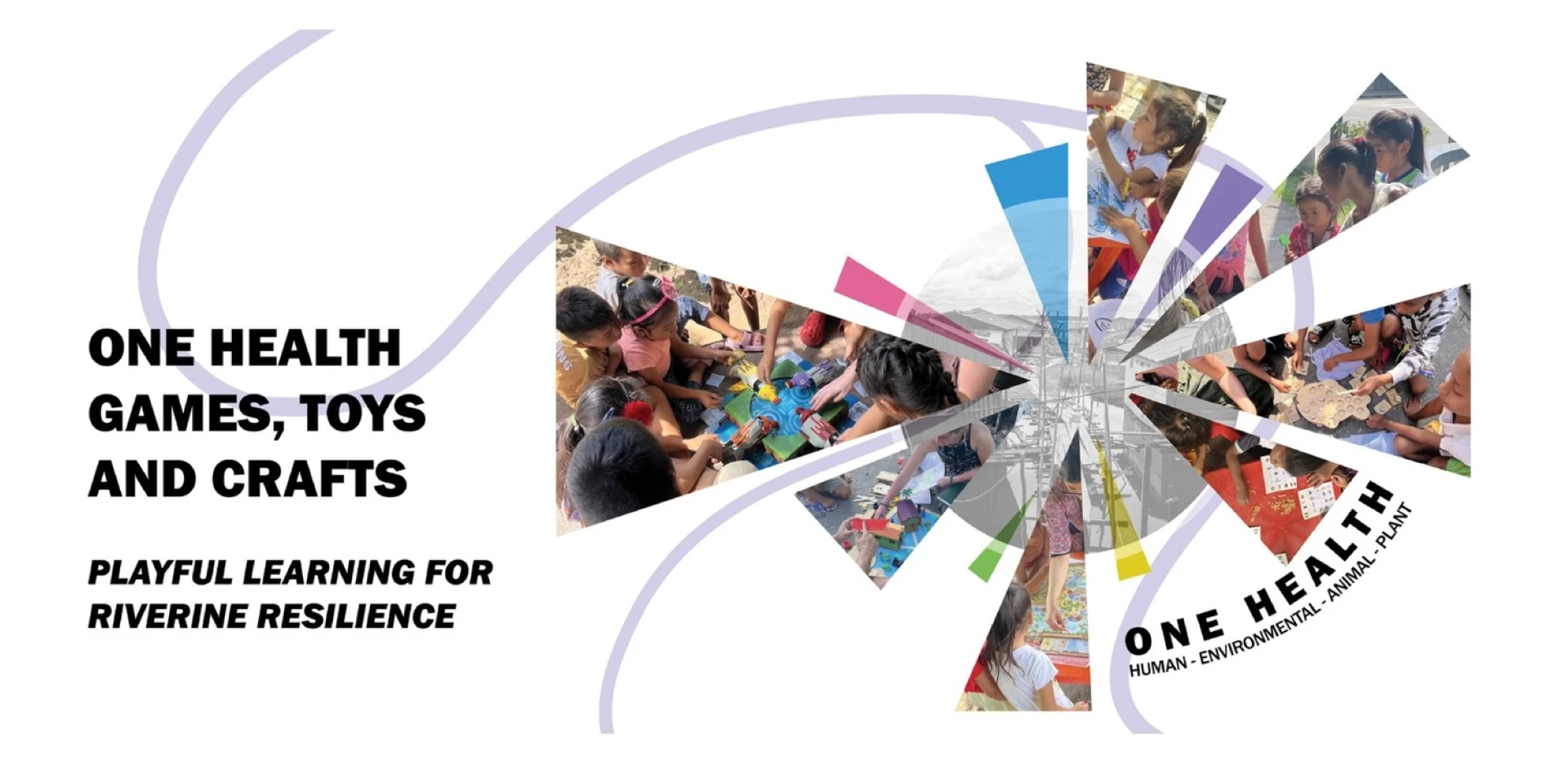
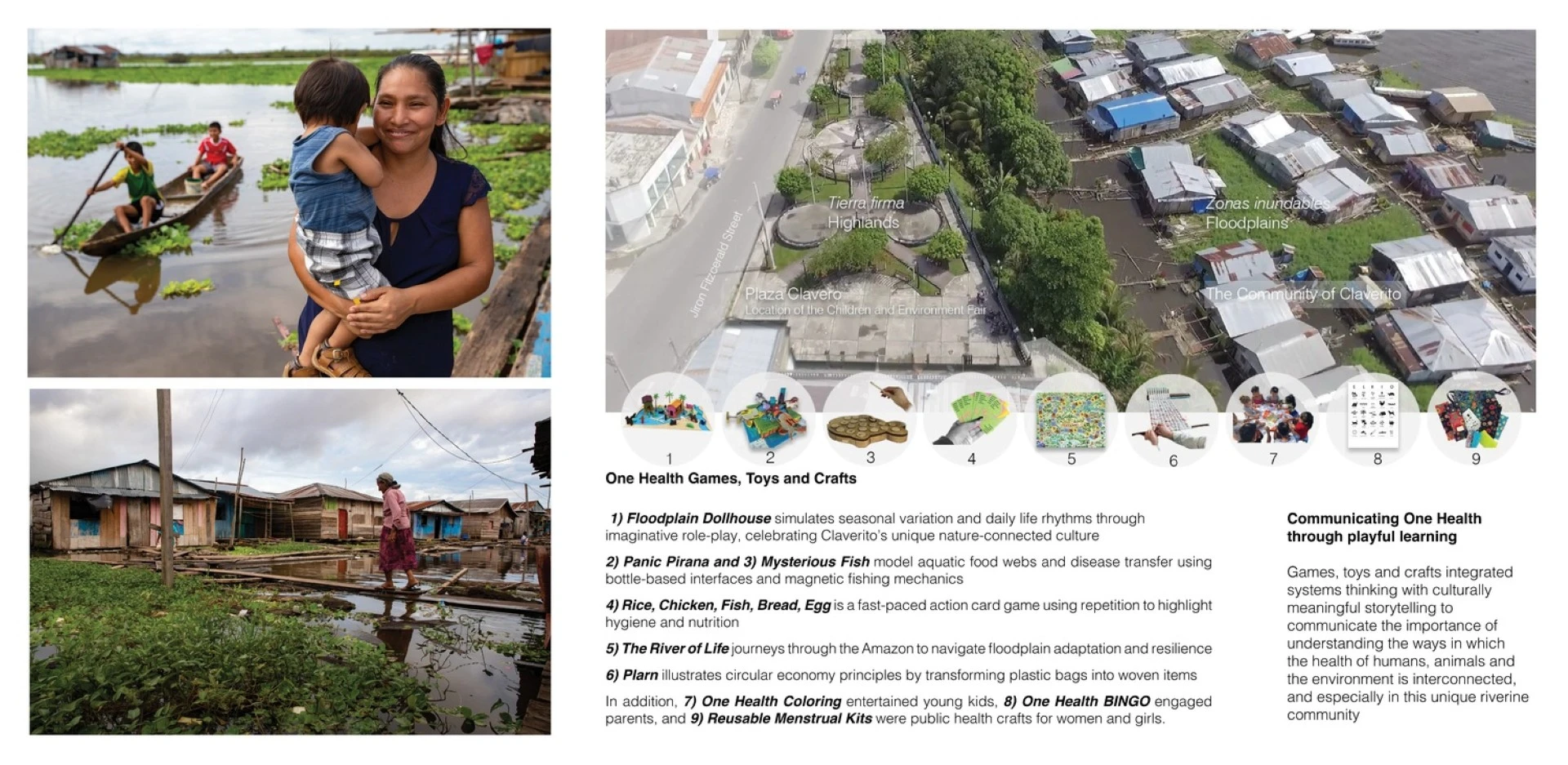
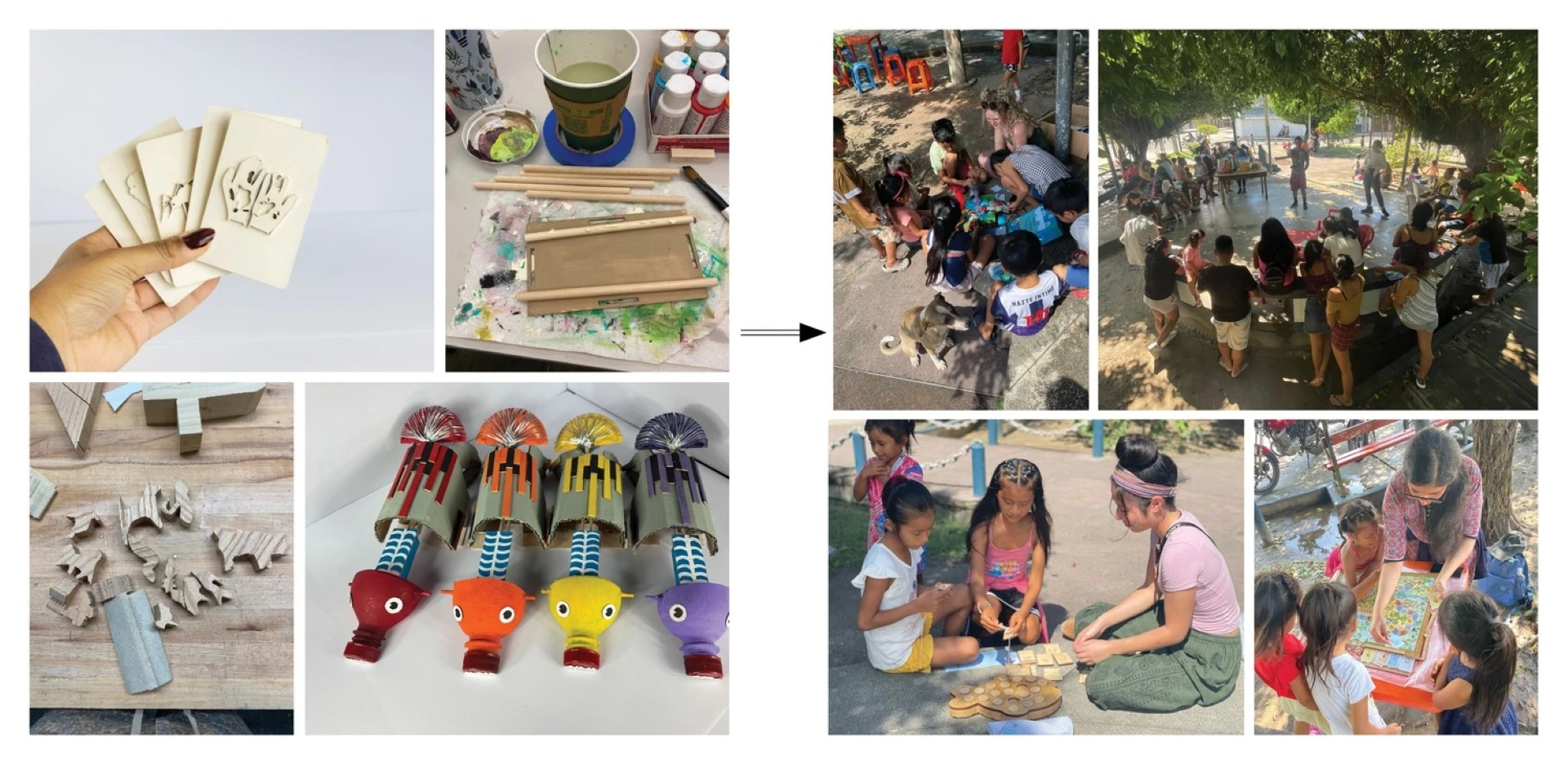
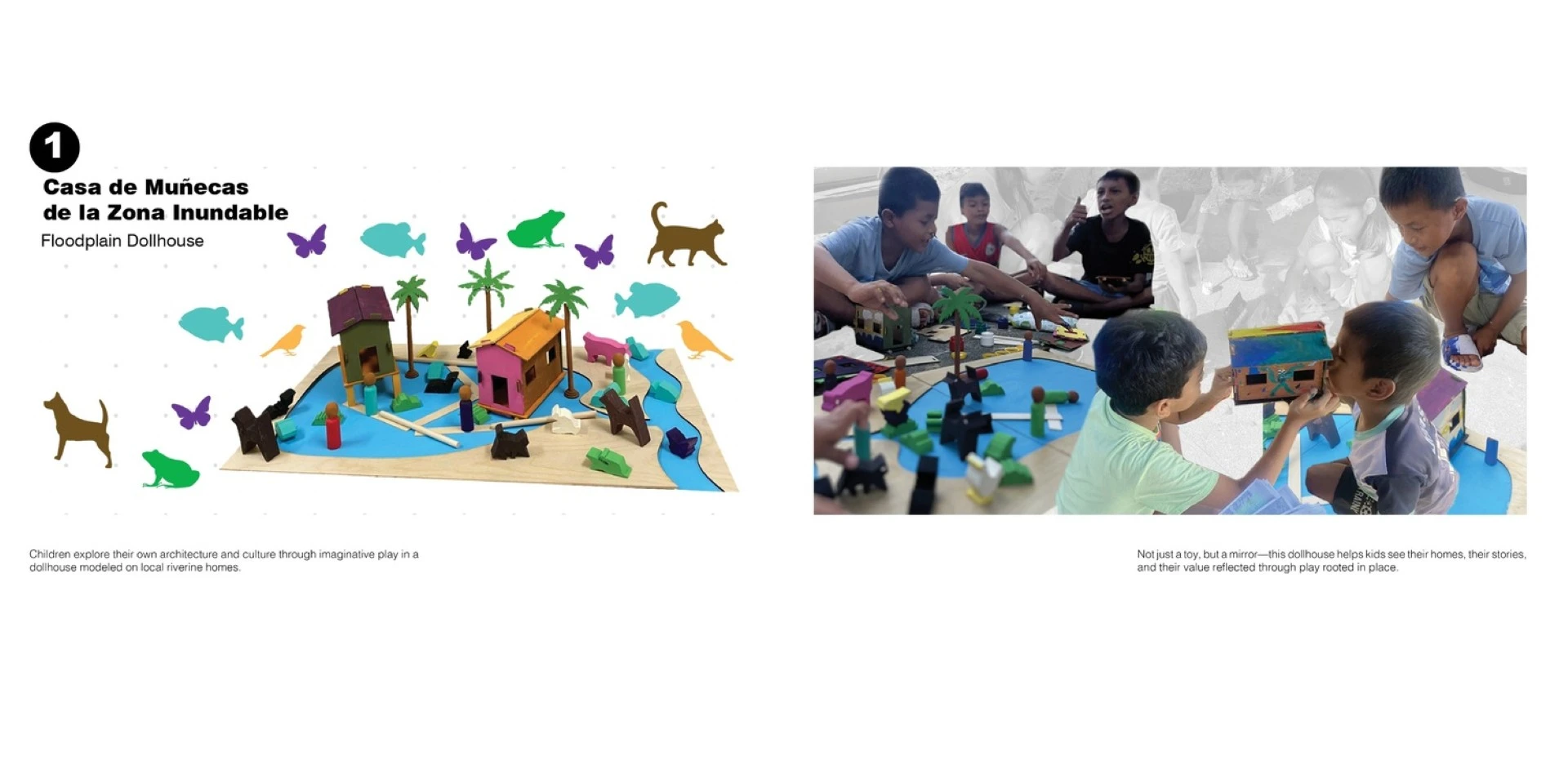
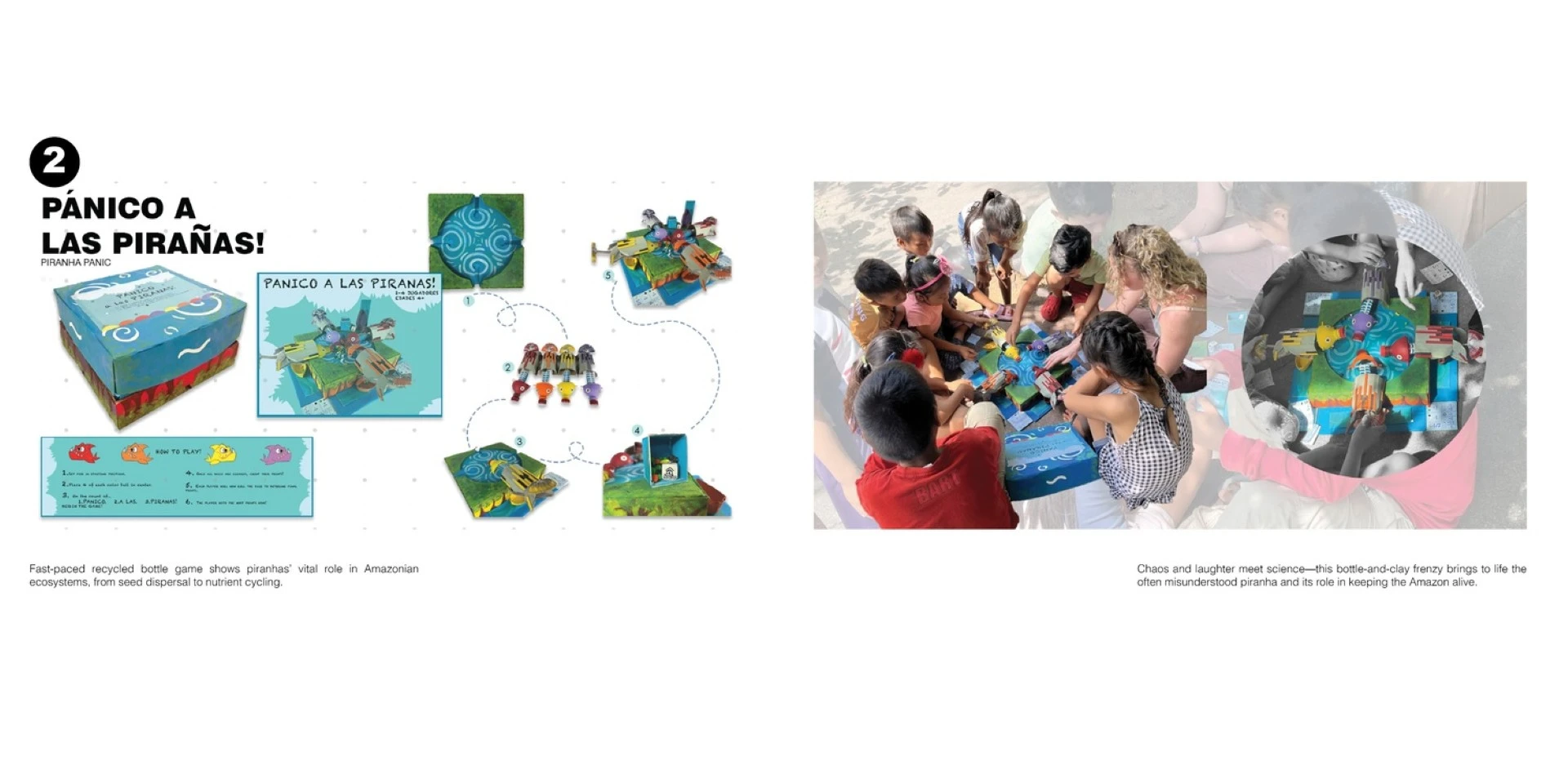
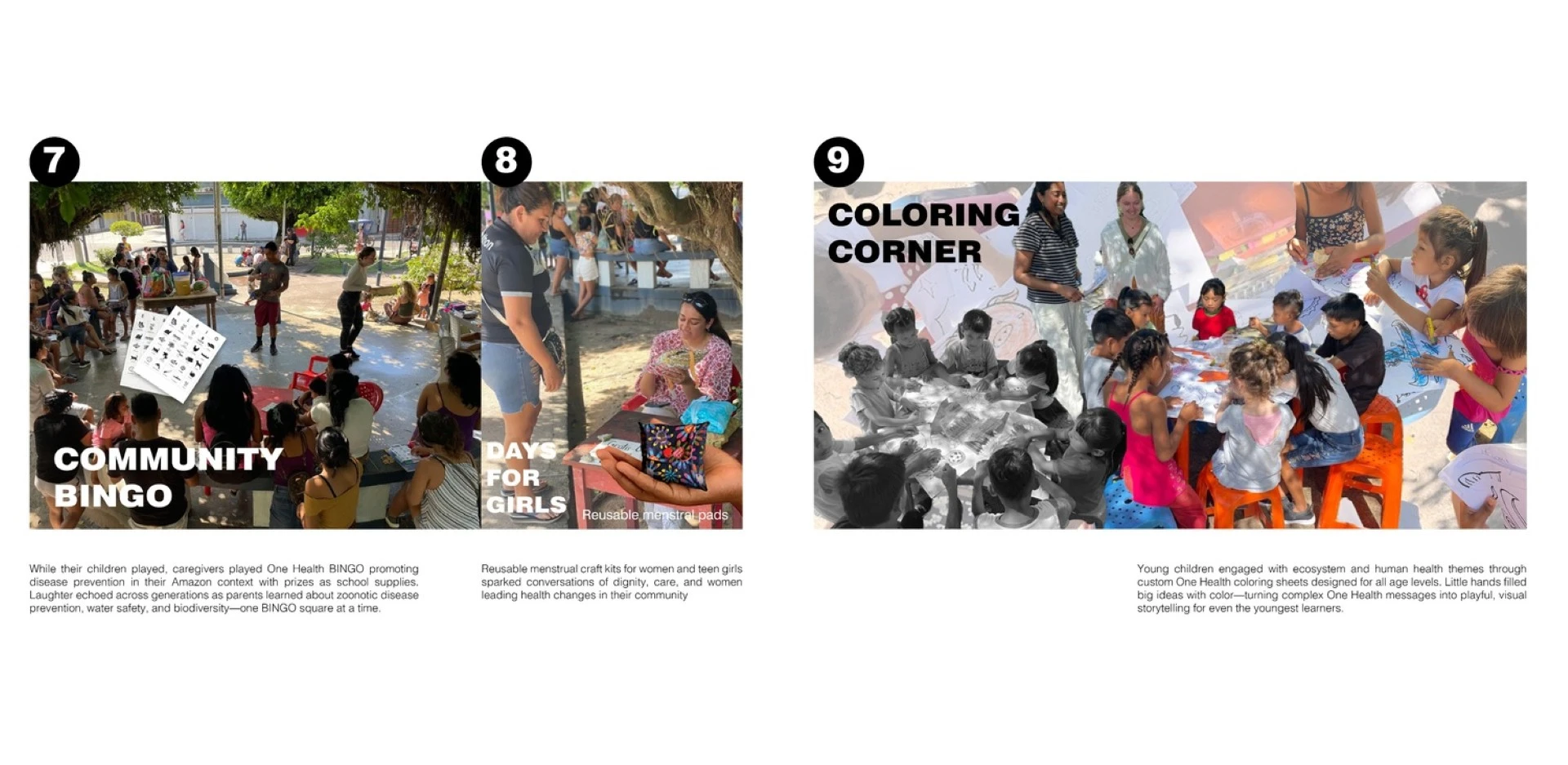
The One Health Games are playful educational tools designed by an interdisciplinary team of landscape architecture, biobehavioral health, and veterinary science students for the children of Claverito, a floating riverine community in Iquitos, Peru. The games communicate the interdependence of human, animal, and environmental health, and celebrate Claverito's unique culture connected to nature and traditional ecological knowledge rooted in the Amazon Rainforest. Students designed, built, and presented the games to Claverito children in a Children and the Environment Fair. Modeling local knowledge and everyday experiences, the games foster landscape literacy, health promotion, and cultural pride through interactive, context-specific play.
-
Purpose: This project builds on a multi-year partnership with the community of Claverito, an informal floating community in the Peruvian Amazon Rainforest, and responds to their request to engage their children in environmental programs. Students introduced One Health- acknowledging how human, animal, and ecosystem health is interconnected and interdependent- through play-based learning. The project communicated to children, recognizing them as critical stewards of human and ecological health knowledge and behaviors, and influential to their families. Through collaborative play celebrating everyday life and landscape, the project promoted health, landscape literacy and pride in their unique riverine culture.
Context: Claverito, home to 250 people (54% children), is a floating community rooted in Indigenous traditions and traditional ecological knowledge of living with water and seasonal inundation, especially relevant in a new world of intensified climates, biodiversity loss and increasing health inequities. Houses rise and fall up to 4 meters in a season. Despite facing socio-political discrimination and public services deficits that limit their health and threaten erasure, Claverito is a close-knit resilient community that contributes to river ecosystem function.
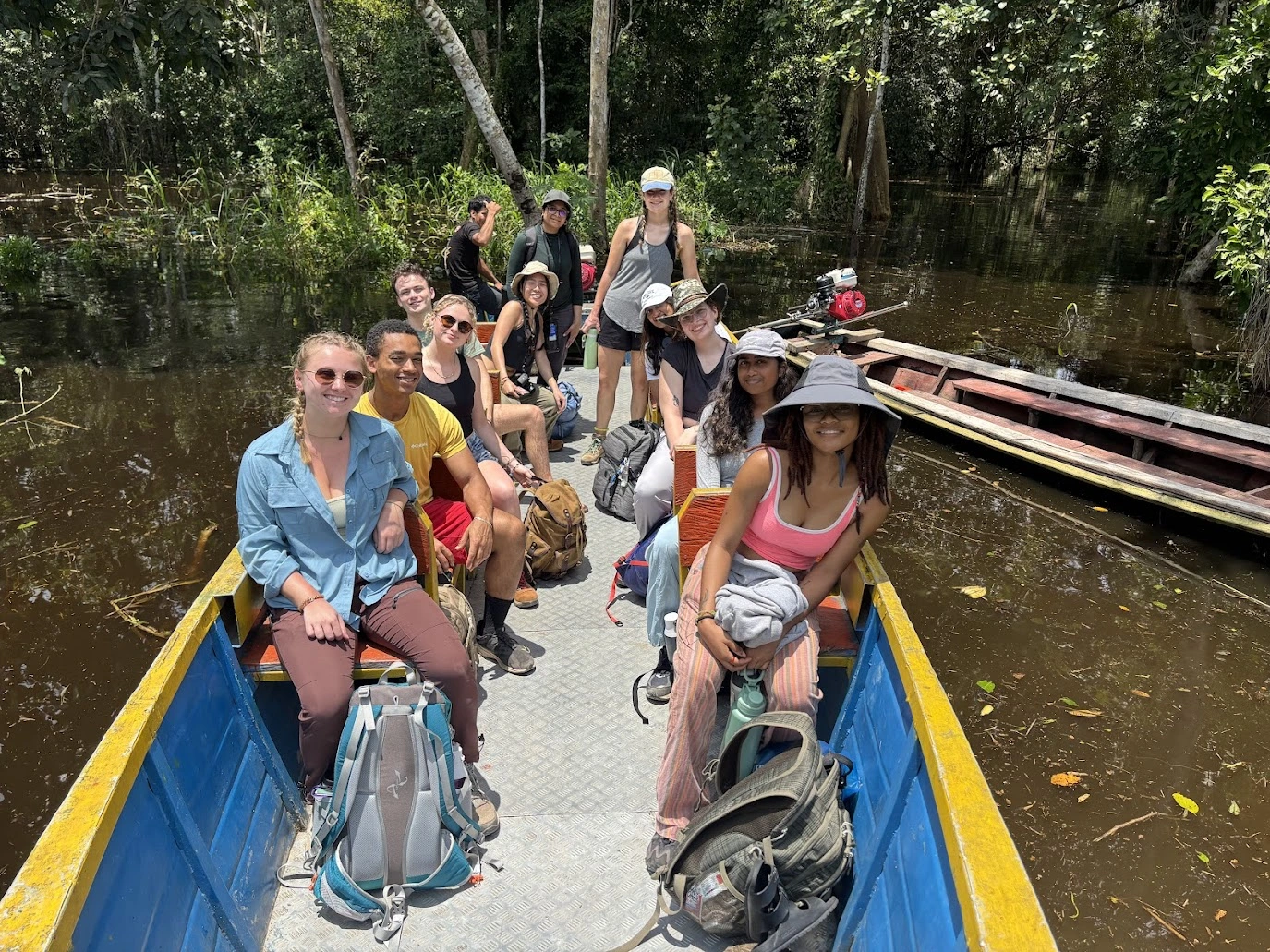
Team: An interdisciplinary student team worked with Claverito: Two 3rd year BS in biobehavioral health; Two 4th year BS in veterinary sciences; Two 4th year and three 3rd year BS and two Masters in landscape architecture. Human and animal health students were consultants to game designs and informed the science behind the games; landscape architecture students translated science into designs and constructed the games. The whole team presented the games to Claverito at a Children and the Environment Fair attended by over 90 residents. The collaboration fostered mutual respect and emphasized the value of design as a mediator across disciplines and epistemologies.
Impact: The Fair offered a joyful public platform for knowledge exchange. Children and adults alike eagerly participated. The interactive format catalyzed important dialogue around specific One Health issues that they have control over in Claverito including hygiene, disease, nutrition and pollution that emerge from exposures in their landscape. For the design team, the project was a unique hands-on service learning experience in community design, interdisciplinary collaboration, and translation of complex One Health issues into accessible, place-based communication tools. The project served as a model for how playful media can demystify One Health science and promote collective action.
The One Health Games remain in Claverito for continued community use. Using local materials in a low-tech format allows for easy repairs, customization and potential scaleability for the ~120,000 others who live in Amazonian floodplains. By weaving scientific insight, traditional knowledge, and play, the project reframes One Health and landscape literacy as a low-pressure experience.
-
- Project and Travel Support: Penn State Department of Landscape Architecture; Hamer Center for Community Design; Stuckeman School; Drew Stewart Popjoy Fund for Travel and Experiential Learning; Days for Girls International; Penn State Student Engagement Network; Penn State One Health Minor Program
- Instruction: Dr. Leann Andrews, Assistant Professor of Landscape Architecture, PSU; Rebecca Bachman, Adjunct Professor of Landscape Architecture CCNY
- On Site Assistance: Xiomara Valdivia Zavaleta, On-Site Coordinator, Traction; Patricia Alarcón, Translation, University of Washington
- Penn State One Health Scholars Advisors: Dr. Justin Brown, Associate Teaching Professor, Veterinary+Biomedical Sciences; Dr. Cara Exten, Assistant Professor, Nursing Sciences; Dr. Jennifer Koehl, Assistant Teaching Professor, Veterinary+Biomedical Sciences; Dr. Kari Kugler, Associate Teaching Professor, Biobehavioral Health
Advertisement
Related Awards
Award of Excellence, Student Collaboration
The Firelighters
Location: Davis, CA
Students: Nicholas Hardt-Mason, Student ASLA; Helene Hoffman; Stasha Leonard; Amber Lin; Vallerie Morones, Student ASLA; Mary Kate O'Connor, Student ASLA; Fermin Pereira; Simone Shupper; Eavan Swanson; Lauren Swing, Student ASLA
School: University of California, Davis
Faculty Advisor(s): Emily Schlickman, ASLA
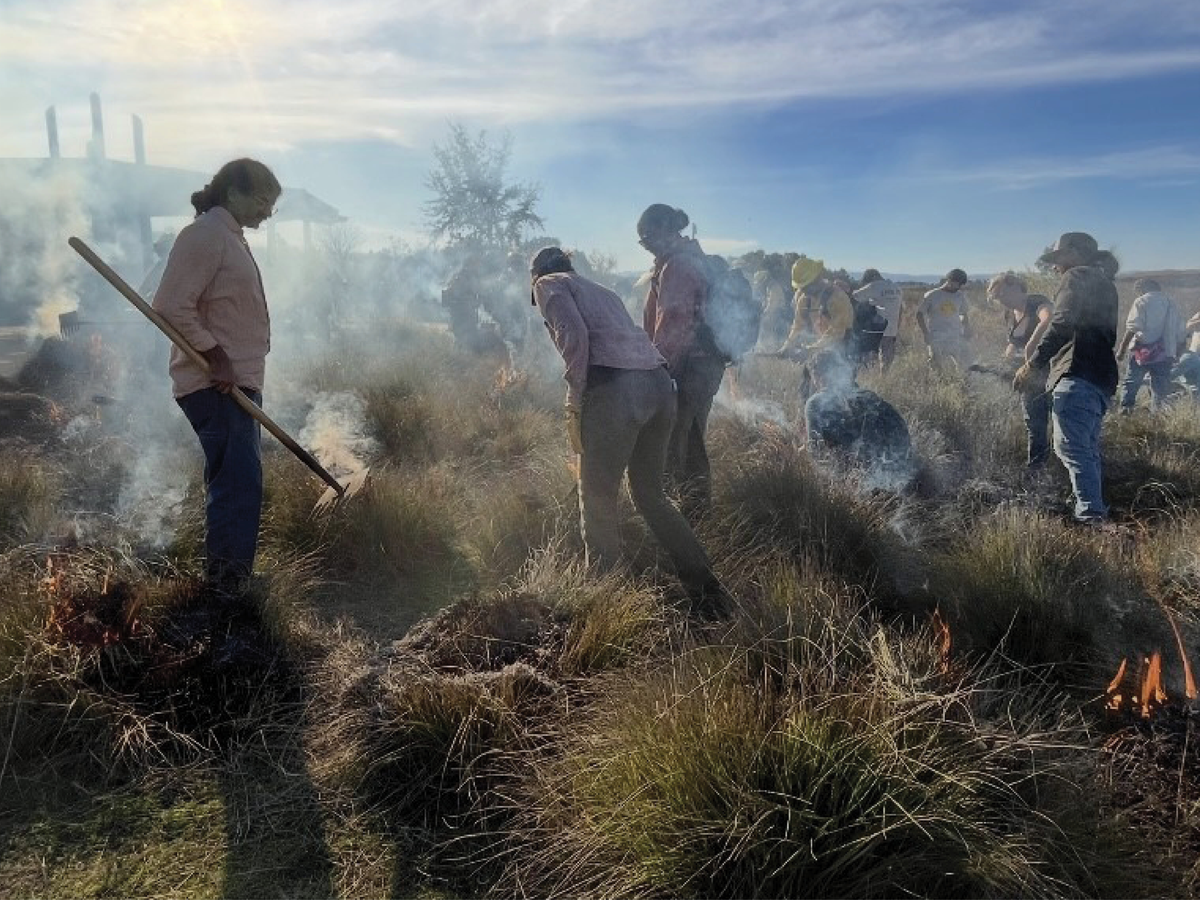
Over ten weeks, eleven landscape architecture and environmental design students trained as prescribed fire practitioners and volunteered on seven burns with community partners. Their service helped to expand prescribed fire capacity, shift wildfire perceptions, and move design education closer to practice, from simply drawing fire on paper to tending it. Working with fire professionals, landowners, prescribed burn associations, fire ecologists, and Indigenous practitioners, students advanced beneficial fire as a key strategy for reducing risk in fire-prone landscapes. The cohort now serves as an on-call volunteer crew, developing a public exhibition on fire messaging, establishing a long-term fire plot, and mentoring future Firelighters.