
.webp?language=en-US)
.webp?language=en-US)
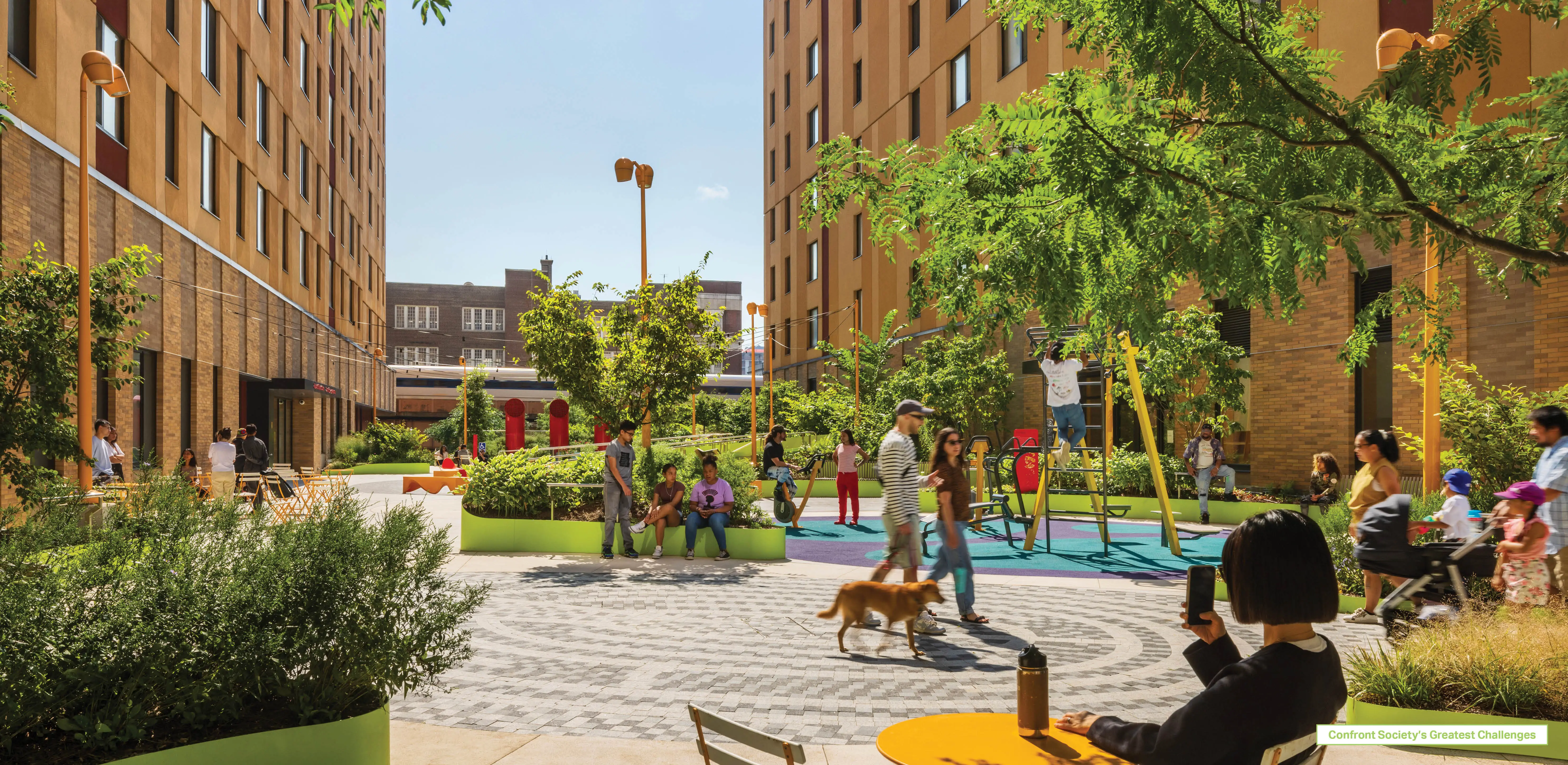
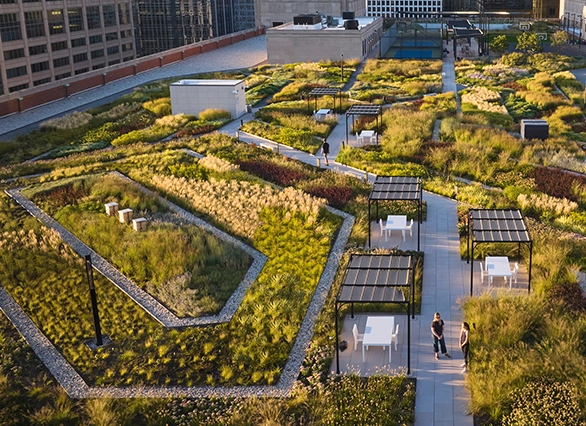
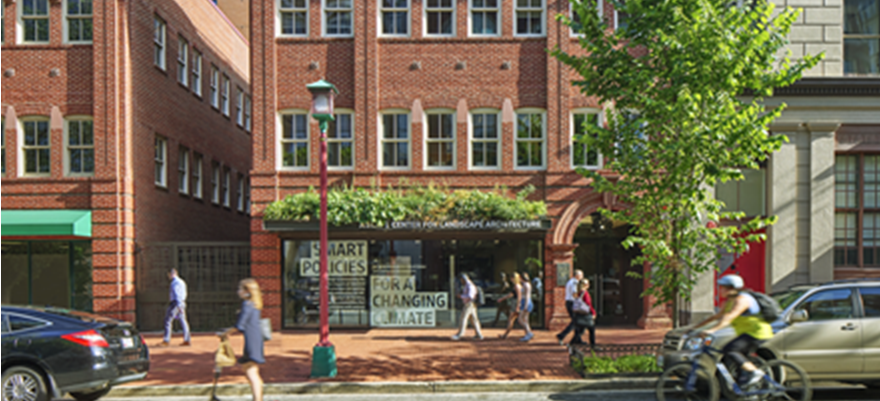
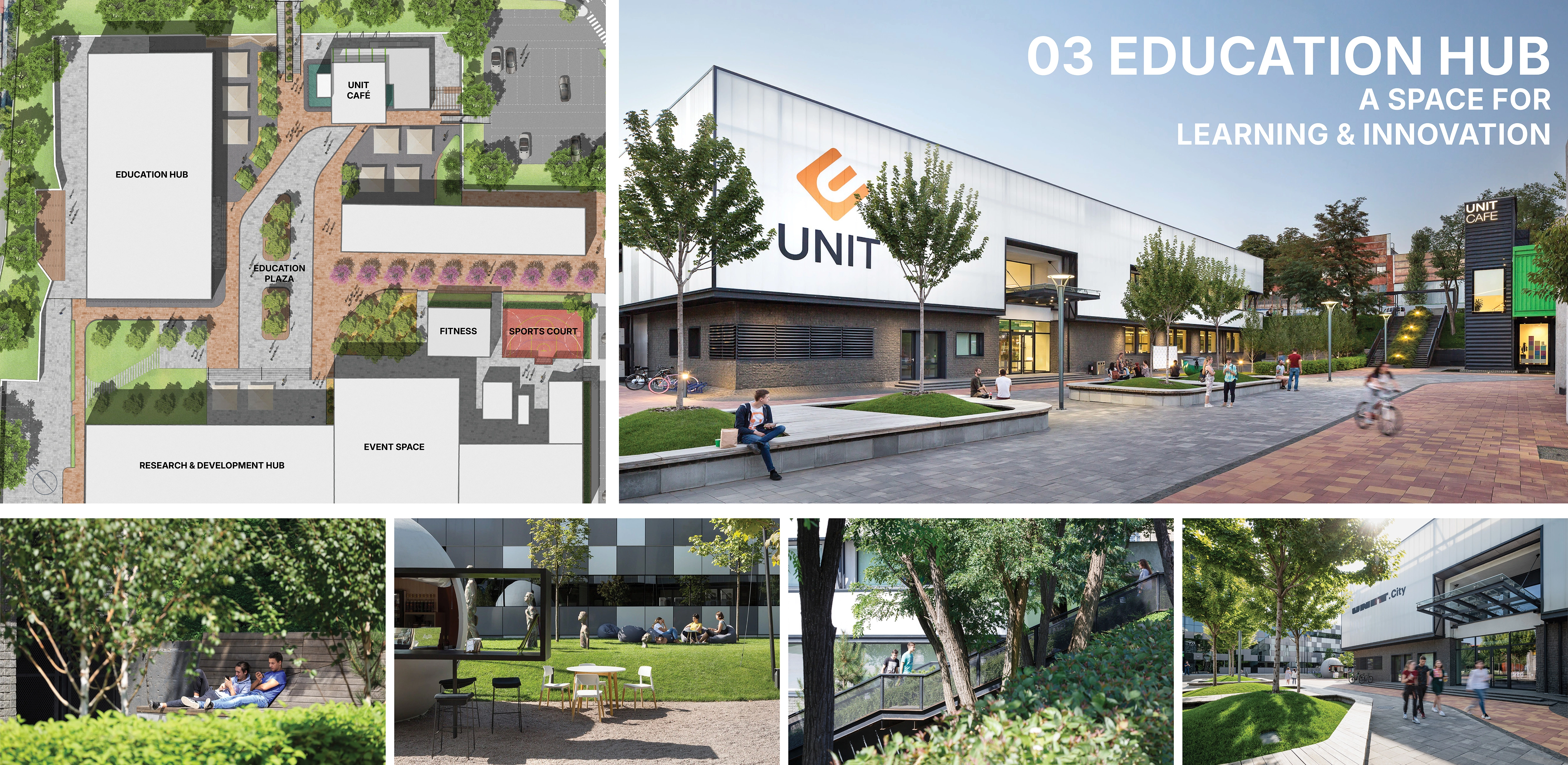
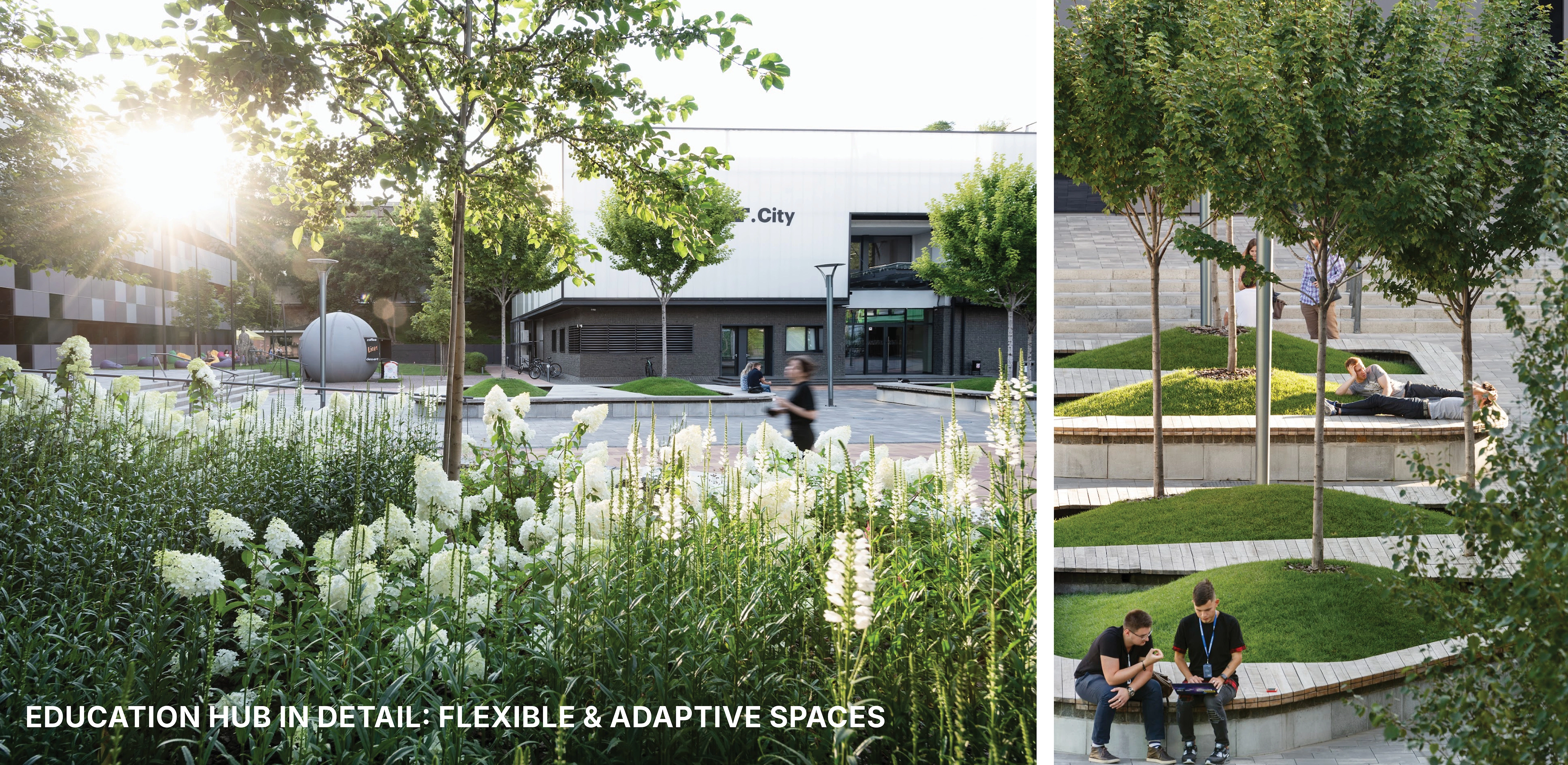
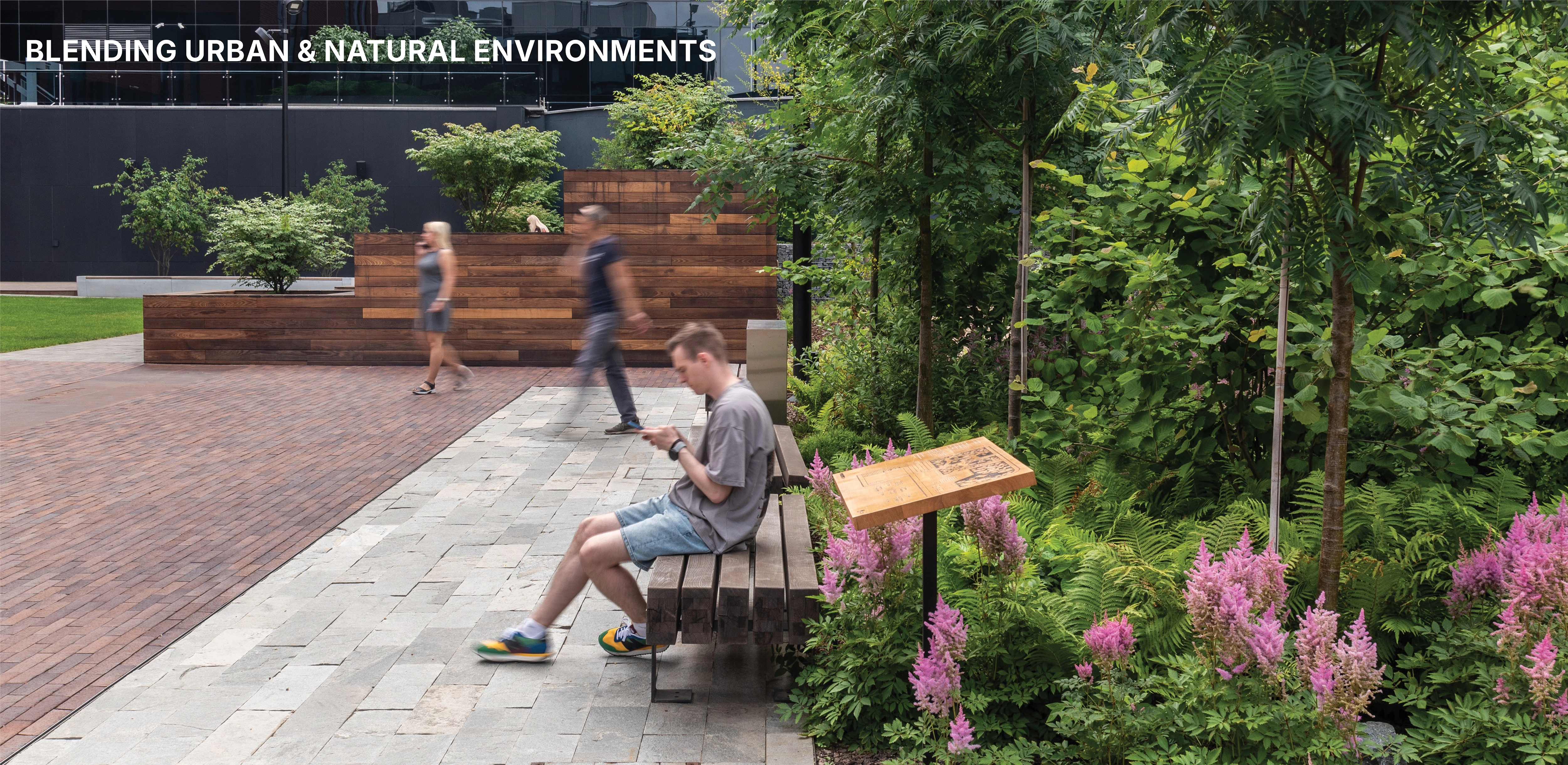
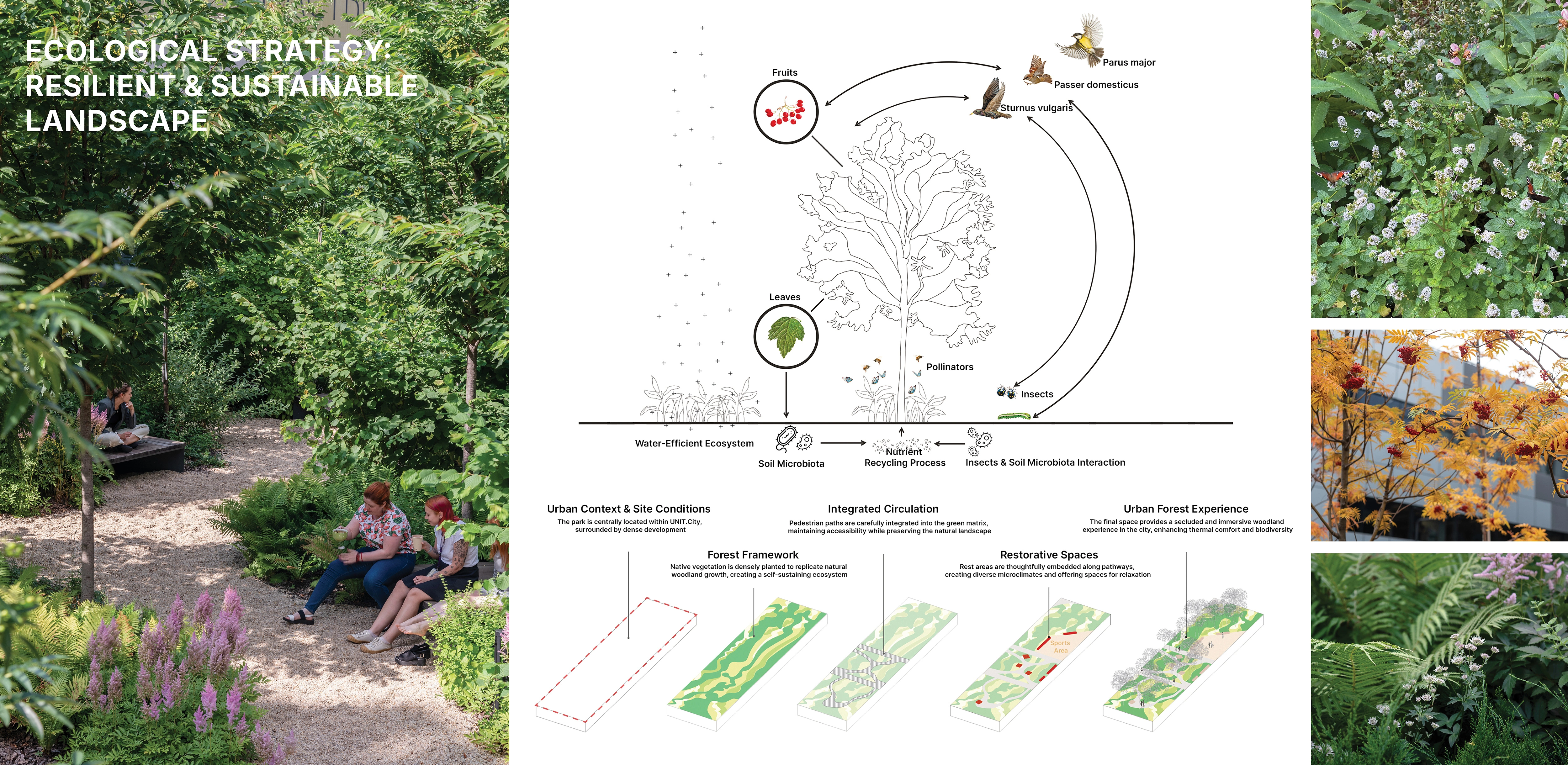
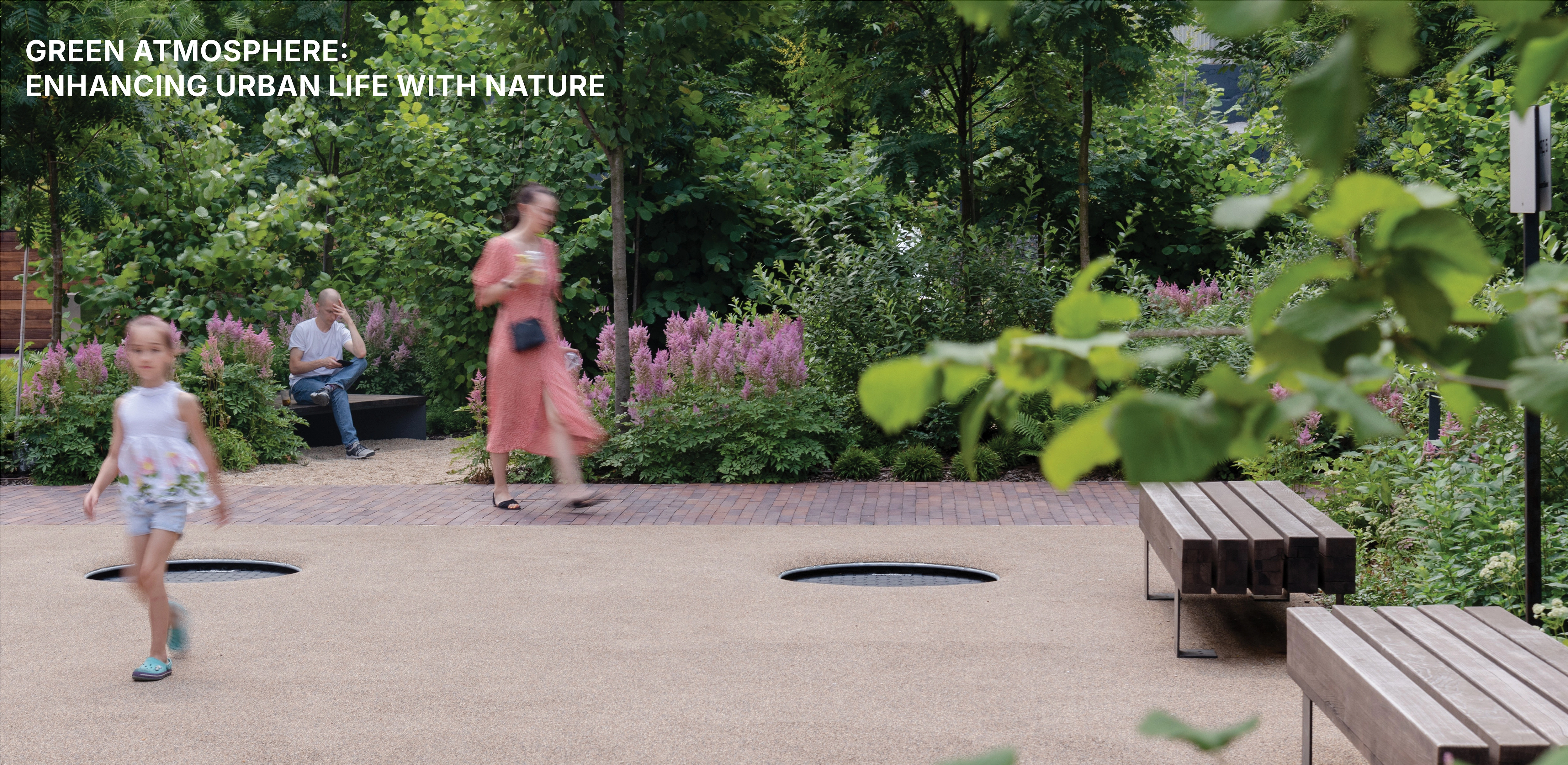
Wonderful detailing. Very interesting use of local materials and detailing. Highly successful!
The diversity of landscape spaces and their integration into the existing fabric of this post-industrial site is very successful.
Awards Jury
-
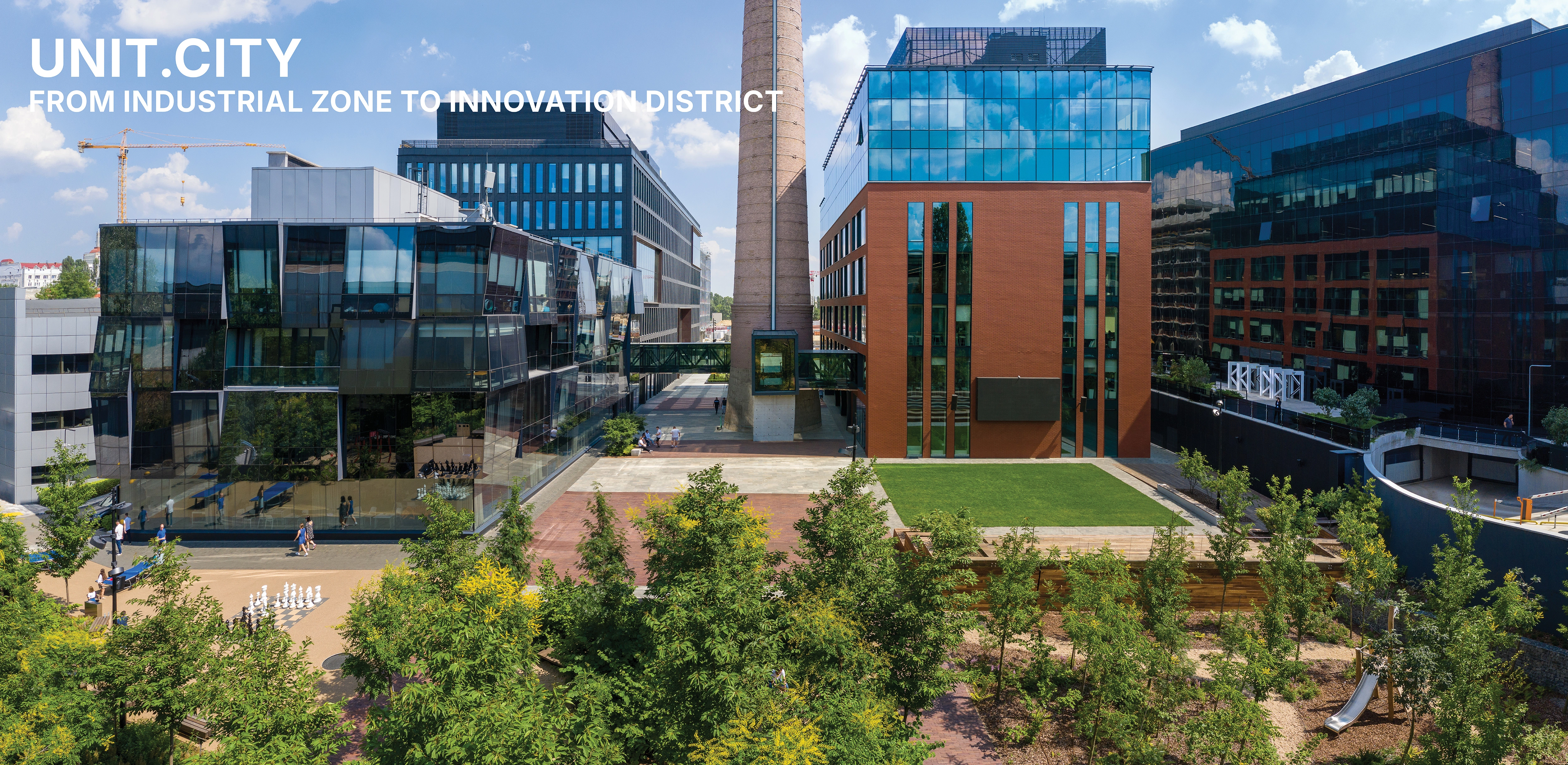
UNIT.City transforms a post-industrial site into an innovation district where education, work, and public life seamlessly intersect. The redevelopment reclaims a once-restricted area, establishing a walkable, climate-responsive urban environment that enhances connectivity with the city. A landscape-first approach defines key public spaces — including Event Plaza, pedestrian streets, an education hub, and rain gardens — that foster social interaction, biodiversity, and urban resilience. By prioritizing pedestrian-friendly design and green infrastructure, UNIT.City sets a precedent for adaptive, sustainable urban transformation, redefining how cities repurpose industrial heritage into thriving, future-ready districts.
-
UNIT.City: Transforming an Industrial Zone into an Innovation District
Introduction: A New Urban Space on a Former Industrial Site
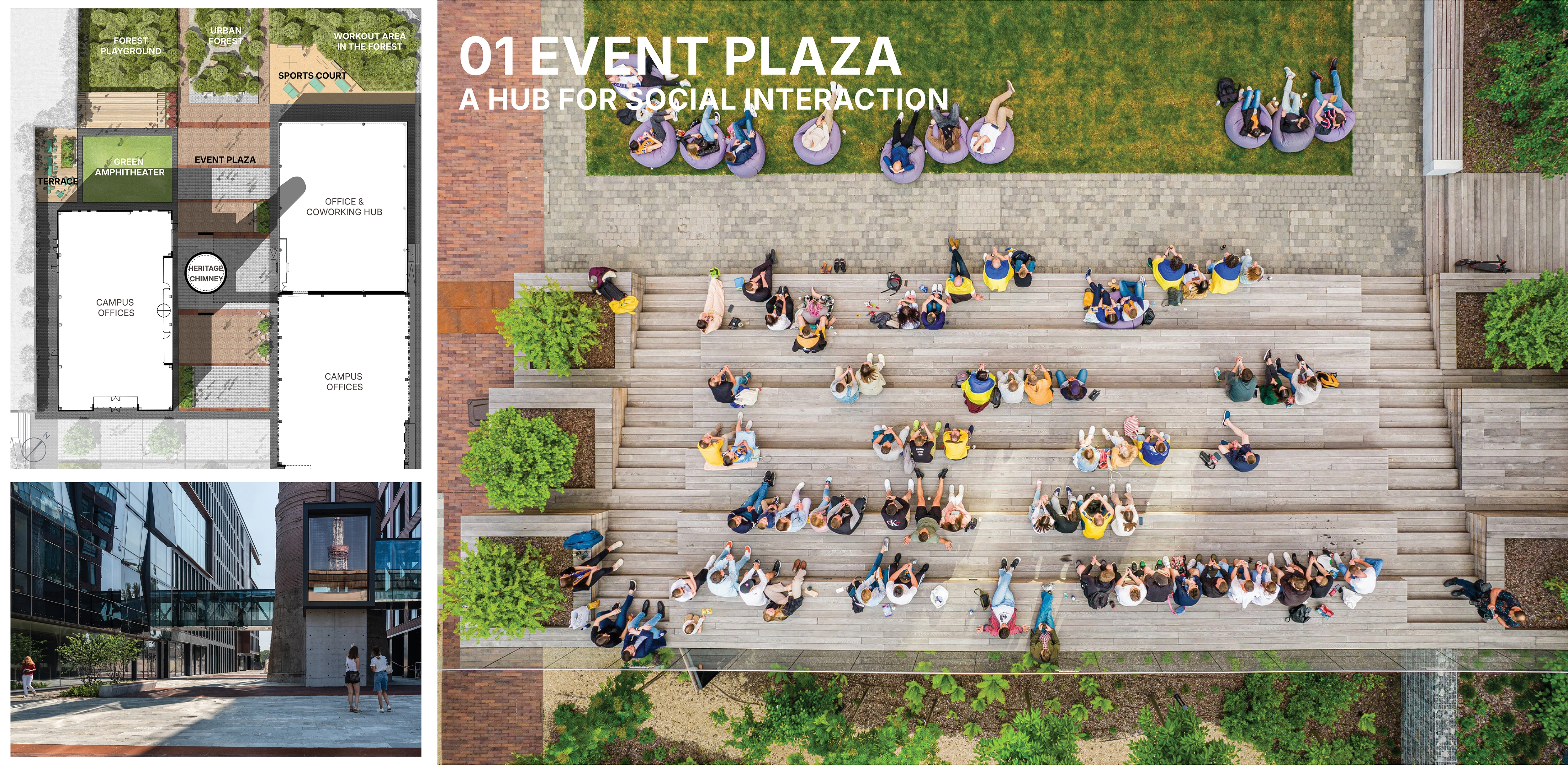
UNIT.City reclaims a former industrial site, transforming it into Ukraine’s first innovation district where education, work, and public life intersect. By reopening a once-restricted area, the project sets a precedent for adaptive urbanism and sustainable city-making. Landscape design anchors the transformation, enhancing pedestrian connectivity, resilience, and urban experience, shaping a climate-adaptive public space.
Context & Urban Challenges
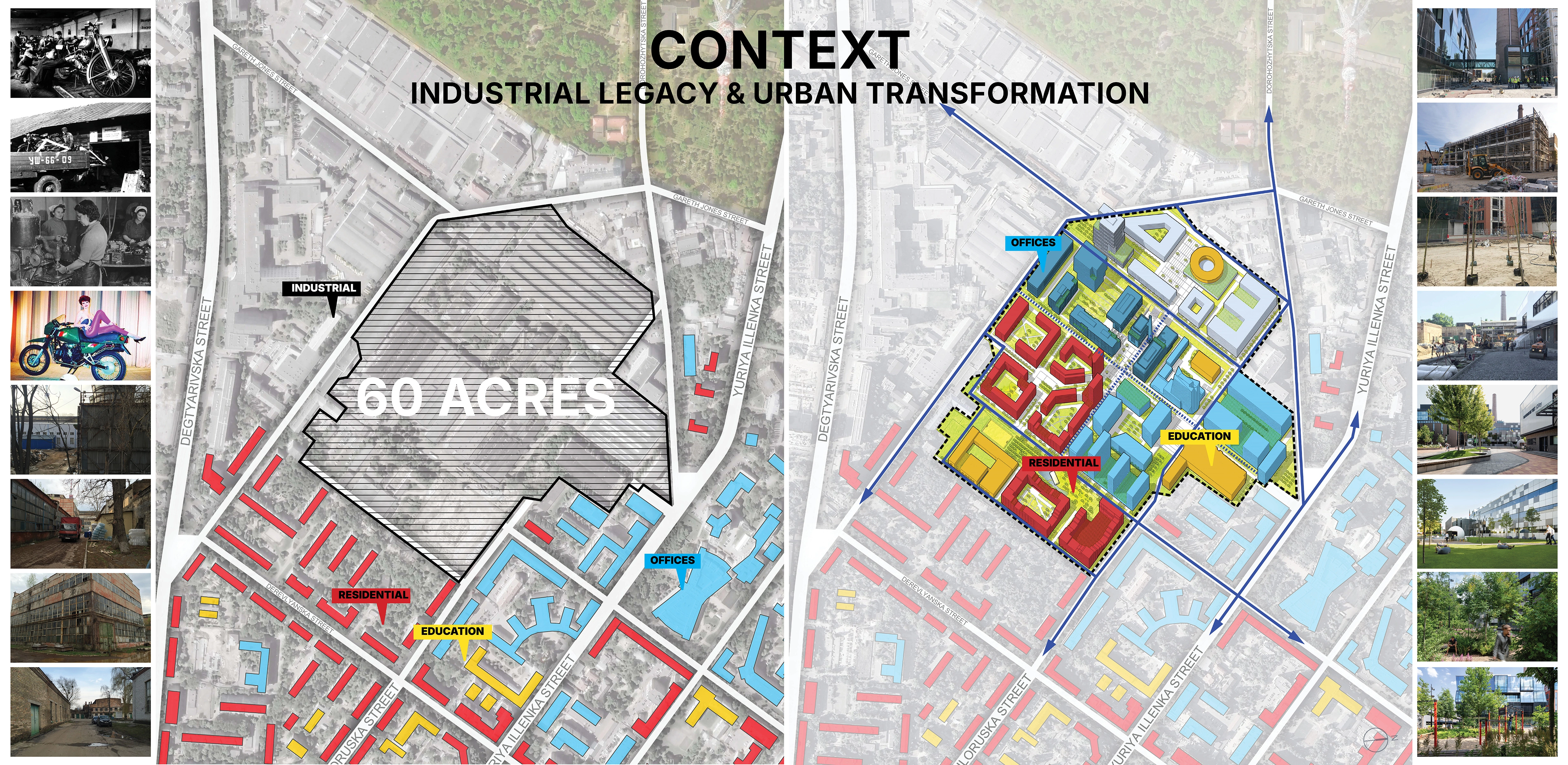
The transformation of the former 60-acre manufacturing site addresses three core urban challenges:
Reintegrating the site – reconnecting the once-isolated industrial zone with Kyiv’s evolving urban fabric Honoring industrial heritage – adapting its legacy to create a future-proofed innovation ecosystem Shaping a climate-resilient public realm – designing inclusive, pedestrian-first spaces that foster social, educational, and economic interactions
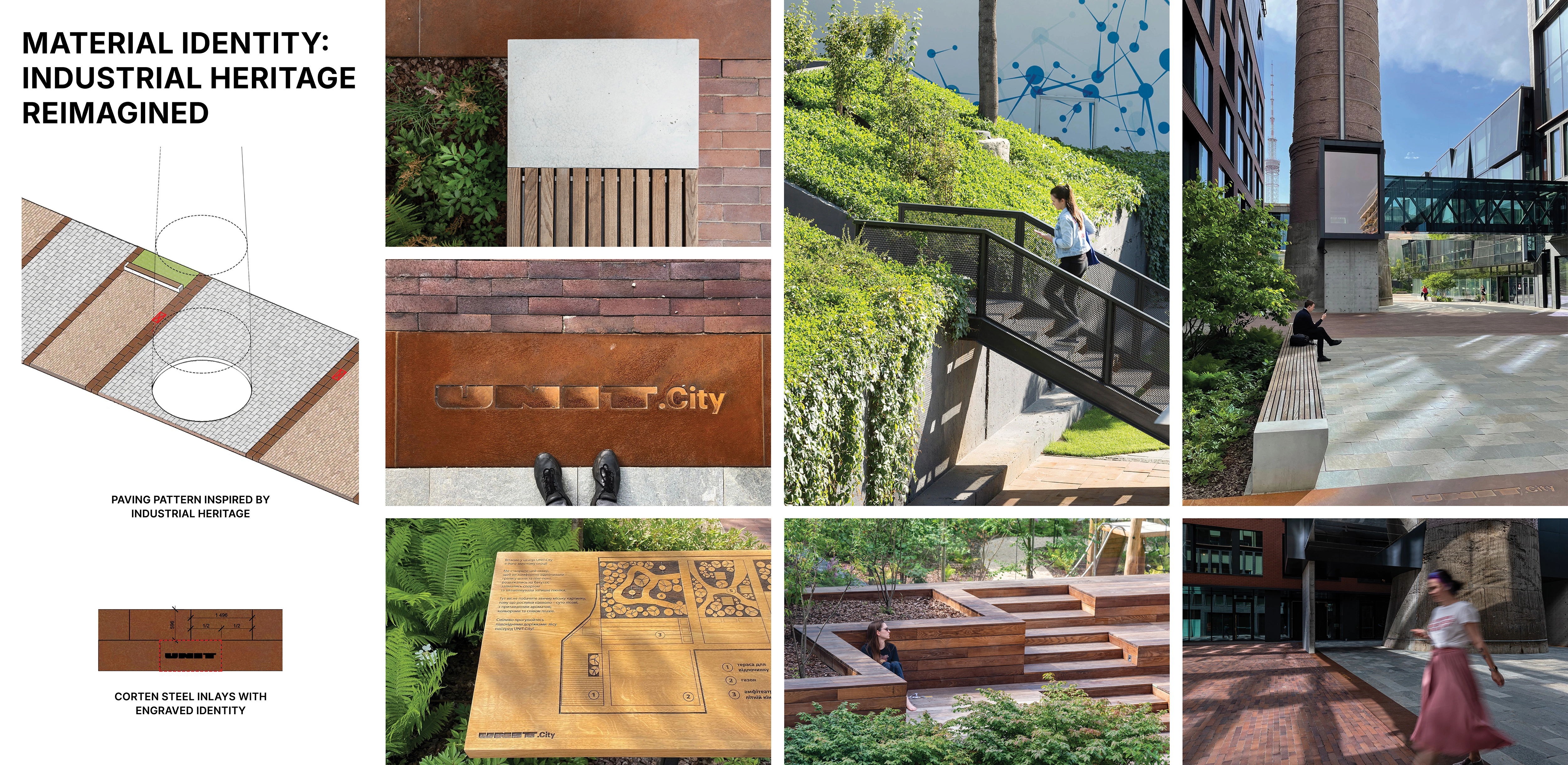
This balance between industrial heritage and innovation defines the district’s unique identity.
Urban Framework: Key Public Spaces
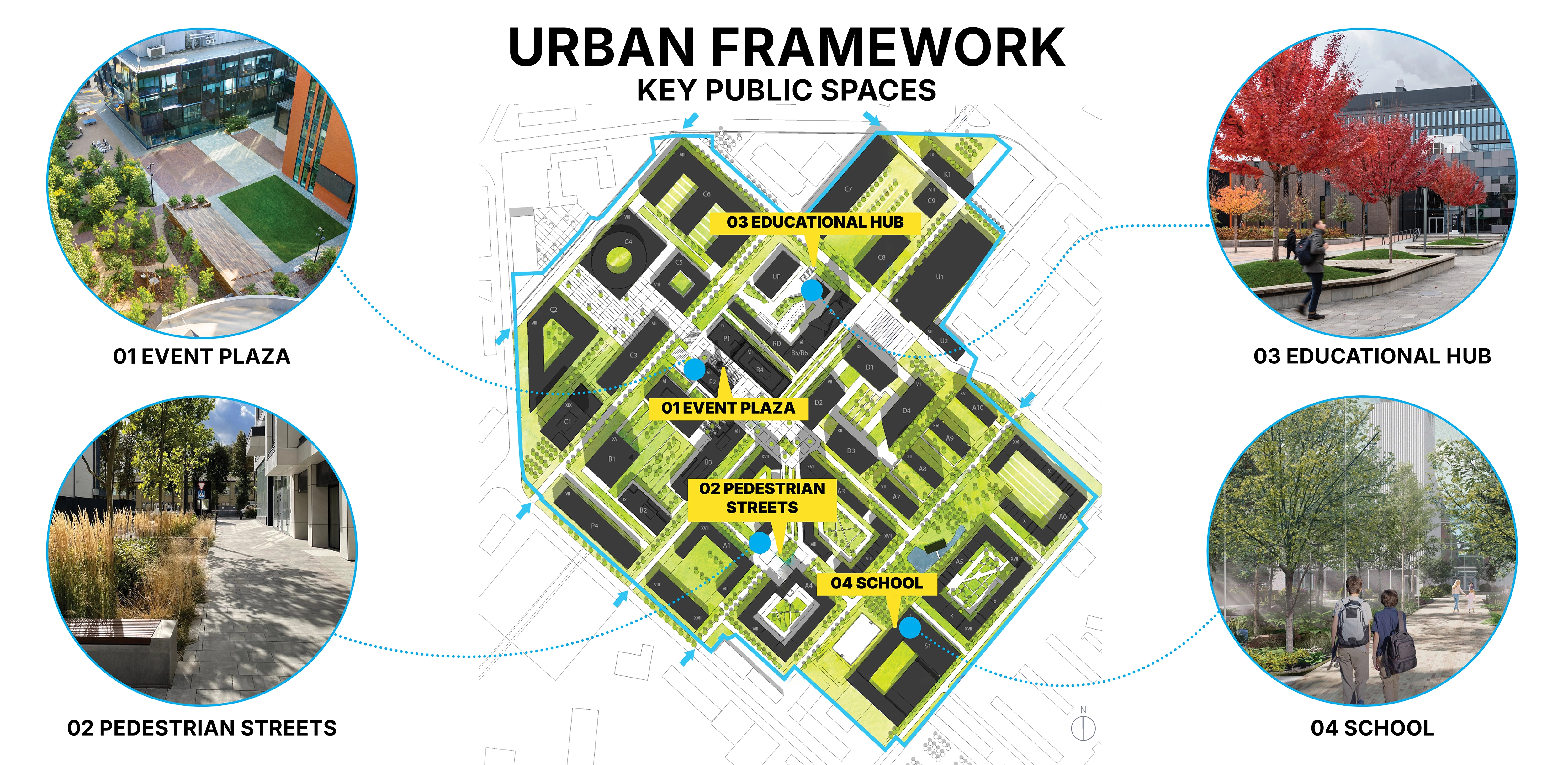
A network of public spaces ensures seamless urban integration and pedestrian connectivity:
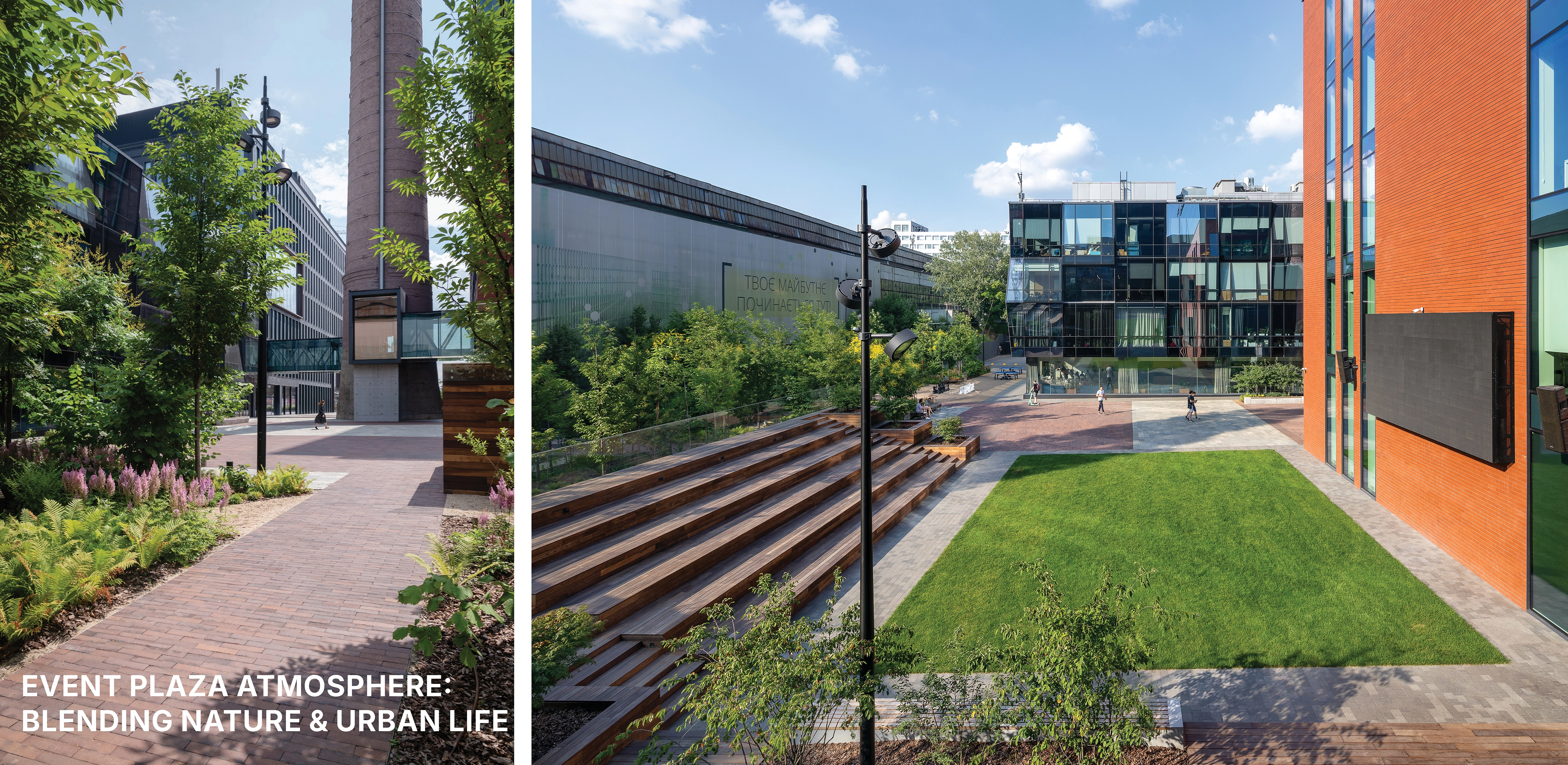
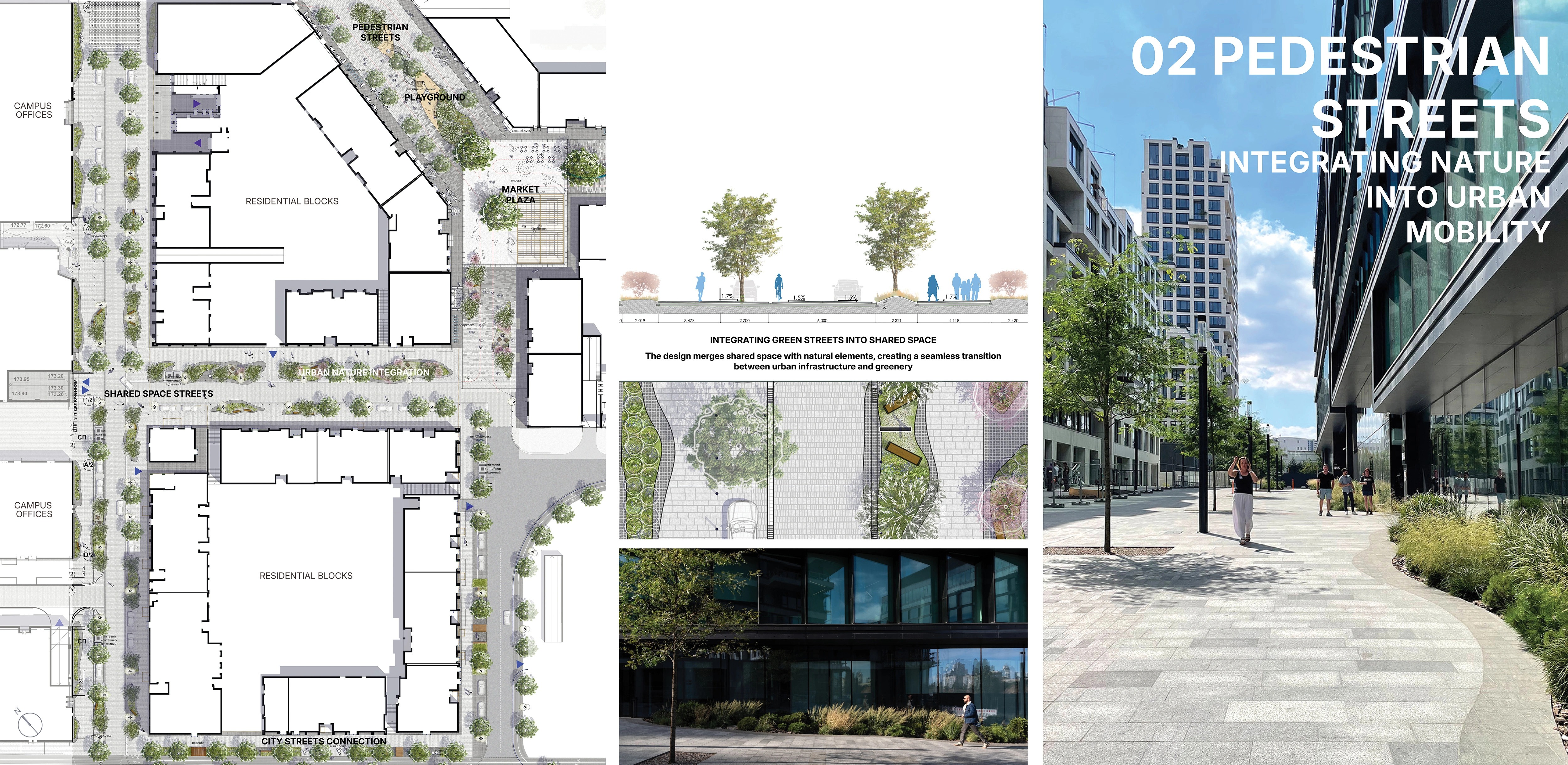
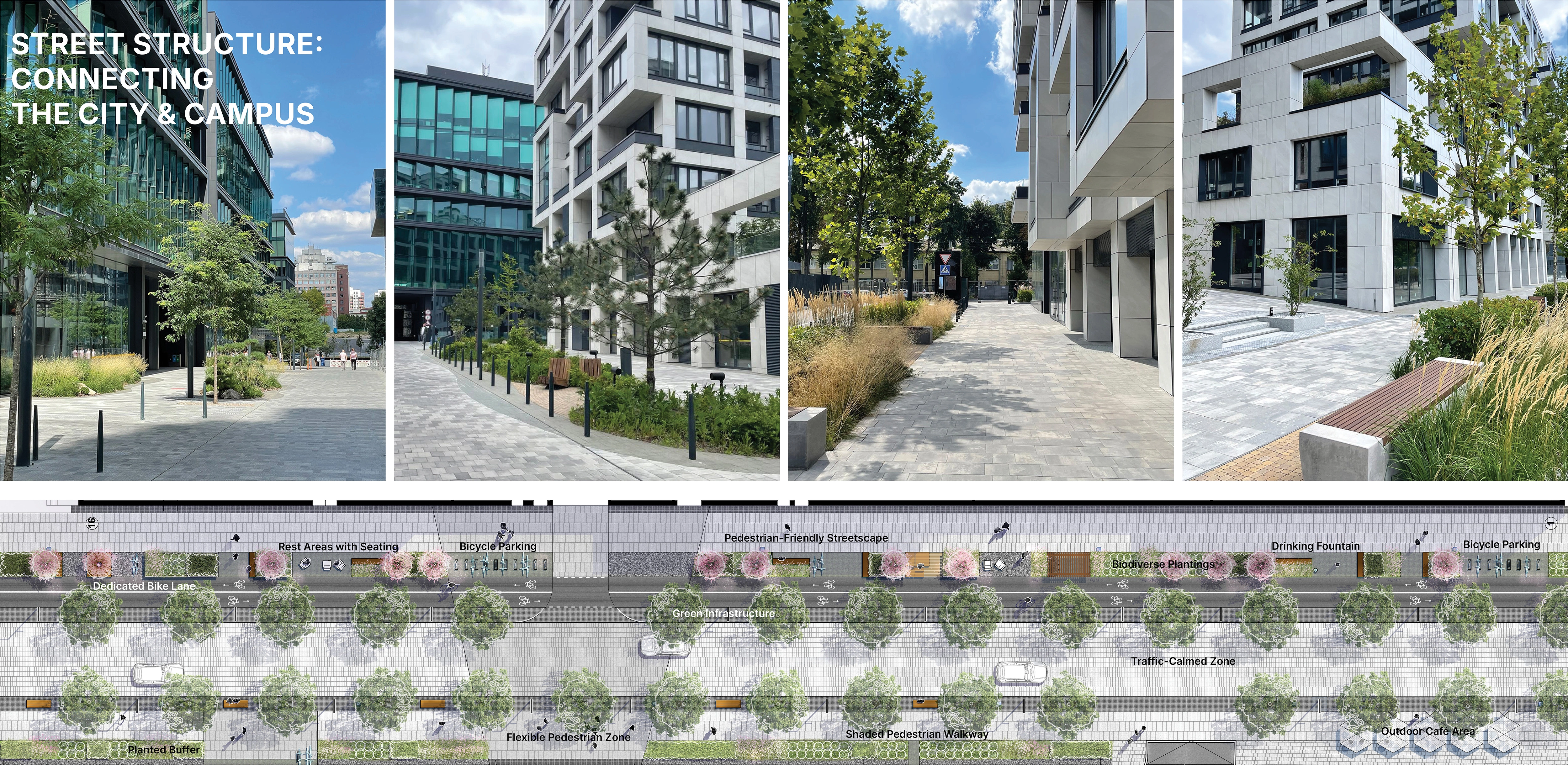
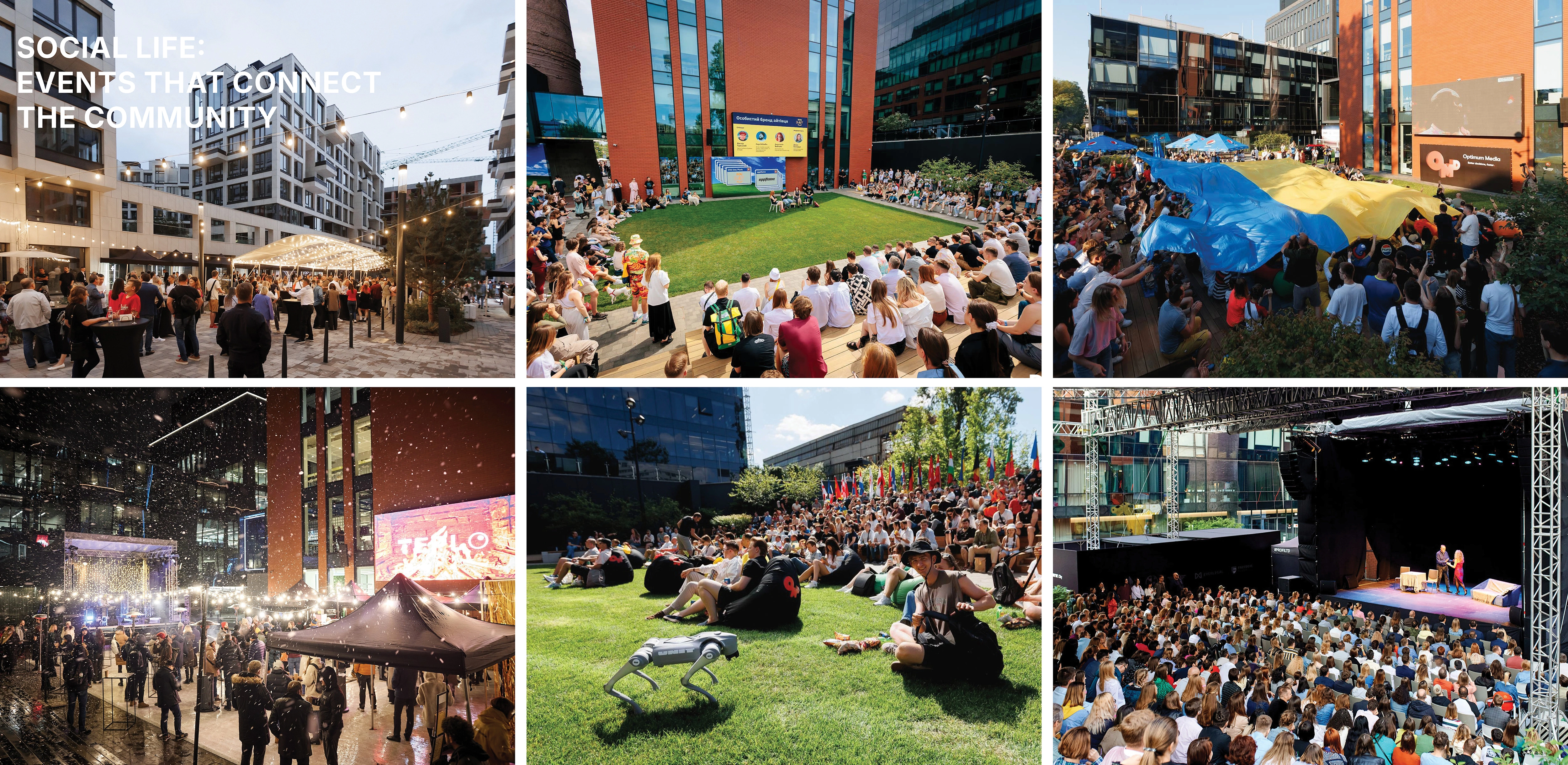
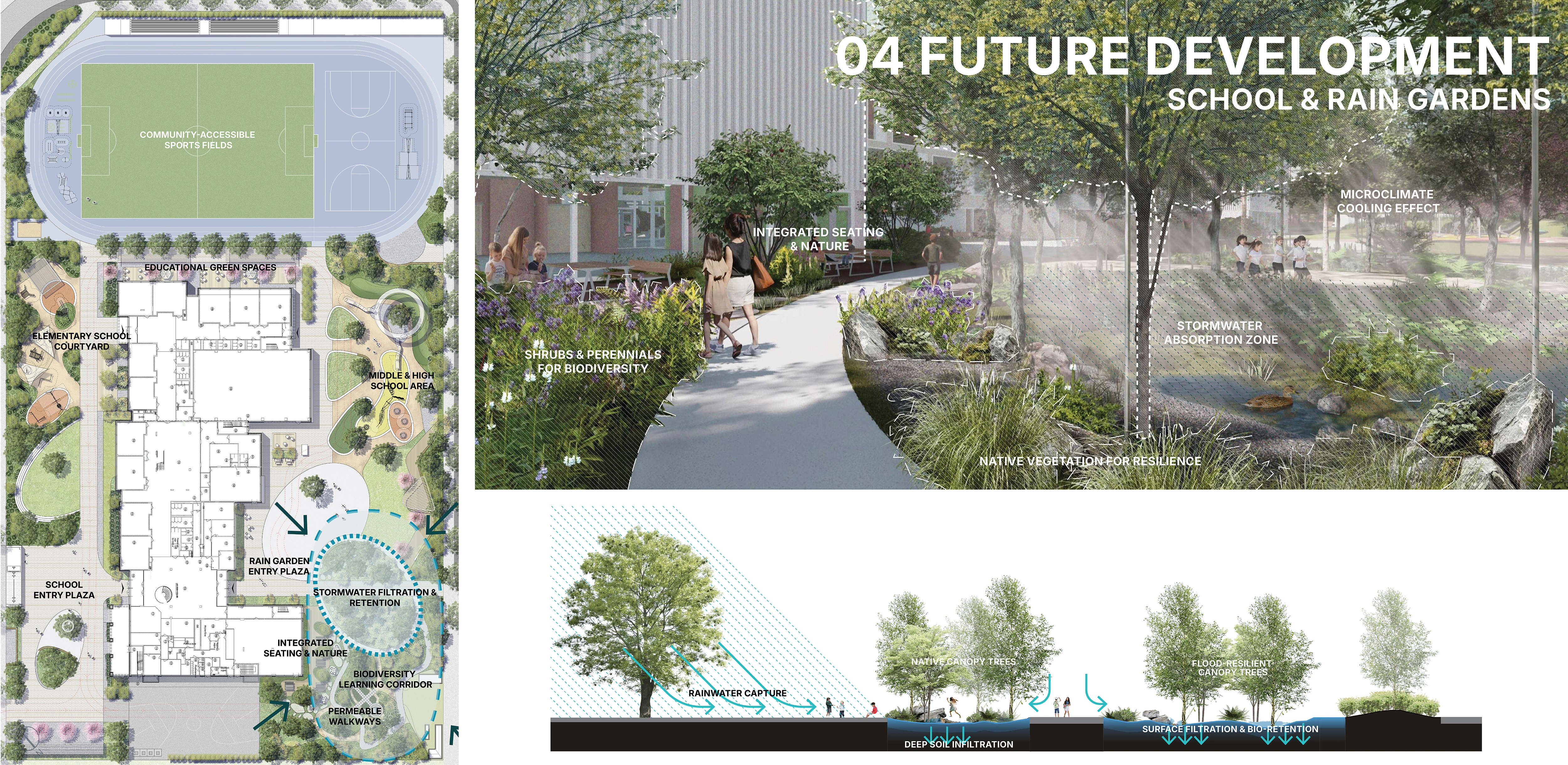
Event Plaza – a flexible civic space for daily activities and large-scale events Pedestrian Streets – walkable streets linking residential, commercial, and educational areas Education Hub – an open campus designed for learning, collaboration, and research School & Rain Gardens – integrating ecological learning and sustainable water management
More than just functional areas, these spaces activate community life, strengthen ecological networks, and foster a resilient urban fabric.
Design Principles & Integration
UNIT.City follows three key urban strategies:
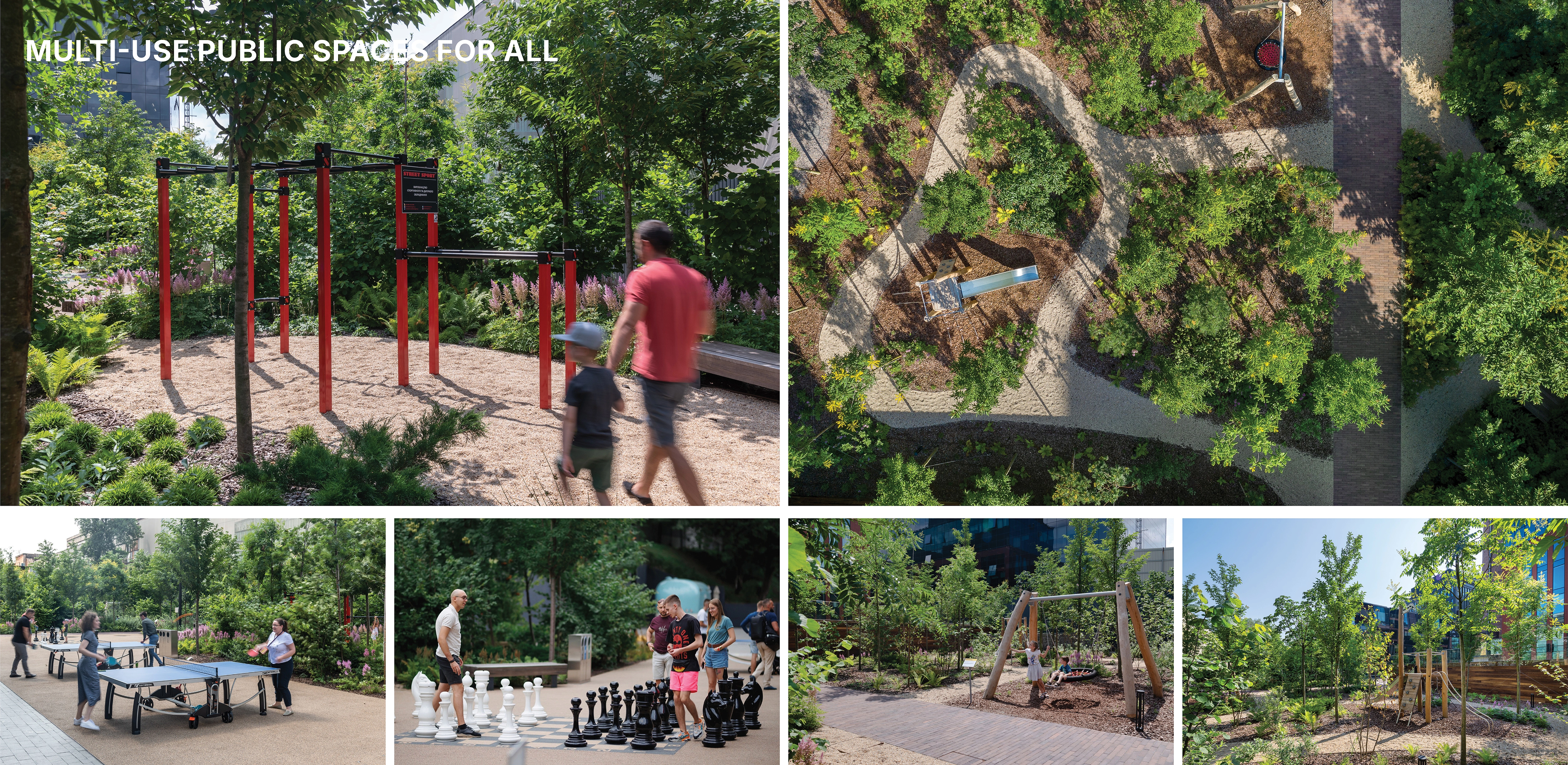
Pedestrian-first design – shared spaces prioritizing people over cars Flexible landscapes – multifunctional spaces fostering work, recreation, and interaction Material identity – corten steel, concrete, and wood reflect the industrial past while shaping a contemporary district
Landscape is not an afterthought — it is the defining element of UNIT.City.
Ecological Resilience: A Climate-Adaptive Landscape
UNIT.City integrates nature-based solutions to improve environmental performance:
Buffer landscapes – mitigating heat stress, reducing noise, and improving microclimate conditions Rain gardens – managing stormwater while increasing biodiversity Diverse plantings – reducing maintenance needs and improving air quality
These strategies improve urban resilience and livability.
Social Activation & Public Life
UNIT.City fosters a dynamic public realm, ensuring an engaging urban experience:
Cultural programming – festivals, concerts, and performances Outdoor & learning spaces – fostering collaboration in flexible settings Universal accessibility – inclusive design that welcomes all users
By prioritizing human-centered design, the project ensures a thriving, connected public space.
Conclusion: A Model for Innovation & Urban Transformation
UNIT.City sets a new benchmark for post-industrial redevelopment, demonstrating how:
Urban renewal drives innovation and economic growth Public space fosters connectivity and engagement Sustainable landscapes enhance climate resilience and urban livability
UNIT.City sets a benchmark for how landscape-driven urbanism can transform post-industrial areas into thriving, resilient, and future-ready cities.
-
- APA Wojciechowski Architekci - Master Planning and Architecture
- Archimatika - Architecture
- Architectural studio A. Pashenko - Architecture
- TSEH Architectural Group - Architecture
- Expolight - Lighting Design
- Osvitoria - Educational Concept and School Development
- TEBIN - Engineering and BIM Services
- Evasad - Landscape Implementation
- Dmytro Bespalov - Transport Planning and Traffic Modeling
- Maksym Zayika - LEED Consultant
-
Products
- Furniture
- Drainage/Erosion
- Fences/Gates/Walls
- Irrigation
- Lumber/Decking/Edging
- Parks/Recreation Equipment
- Structures
- Water Management/Amenities
- Soils
- Hardscape
- Lighting
-
- Platanus acerifolia
- Gleditsia triacanthos L. 'Skyline'
- Acer rubrum "Red Sunset"
- Sorbus "Dodong"
- Koelreuteria paniculata
- Quercus rubra
- Prunus padus
- Prunus serrulata "Sunset Boulevard"
- Prunus serrulata "Kanzan"
- Pinus nigra
- Larix decidua
- Juniperus x media 'Mint Julep'
- Salix chaenomeloides "Mount Aso"
- Corylus avellana
- Cornus alba "Sibirica"
- Spiraea cinerea "Grefsheim"
- Physocarpus opulifolius
- Viburnum plicatum 'Mariesii'
- Cotoneaster dammeri
- Vinca minor
- Geranium macrorrhizum
- Pachysandra terminalis
- Carex spp.
- Lythrum salicaria
- Chelone
- Iris pseudacorus
- Echinacea purpurea
- Juncus effusus
- Pennisetum alopecuroides
- Miscanthus sinensis
- Calamagrostis brachytricha
- Stipa capillata
- Salvia nemorosa "Caradonna"
- Astrantia major "Ruby Cloud"
- Astilbe arendsii "Weisse Gloria", "Sister Theresa"
- Luzula sylvatica "Select"
- Matteuccia struthiopteris
- Filipendula ulmaria
- Polystichum
Advertisement
Related Awards
Honors Award, Urban Design
Restoring a River, Reconnecting a City: Longgang River Blueway
Over the past half century, rapid urbanization forced Shenzhen rivers into concrete channels, cutting communities off from nature and increasing flood risk. Spanning 20 kilometers, the Longgang River Blueway reshapes a former drainage corridor into a resilient, accessible public landscape.
Related Articles
ASLA Fund
American Society of Landscape Architects Announces its 2026 Student Awards
39 Student Award winners elevate the future of the landscape architecture profession
Aug 24 2026