

.webp?language=en-US)

.webp?language=en-US)
Springy Banks
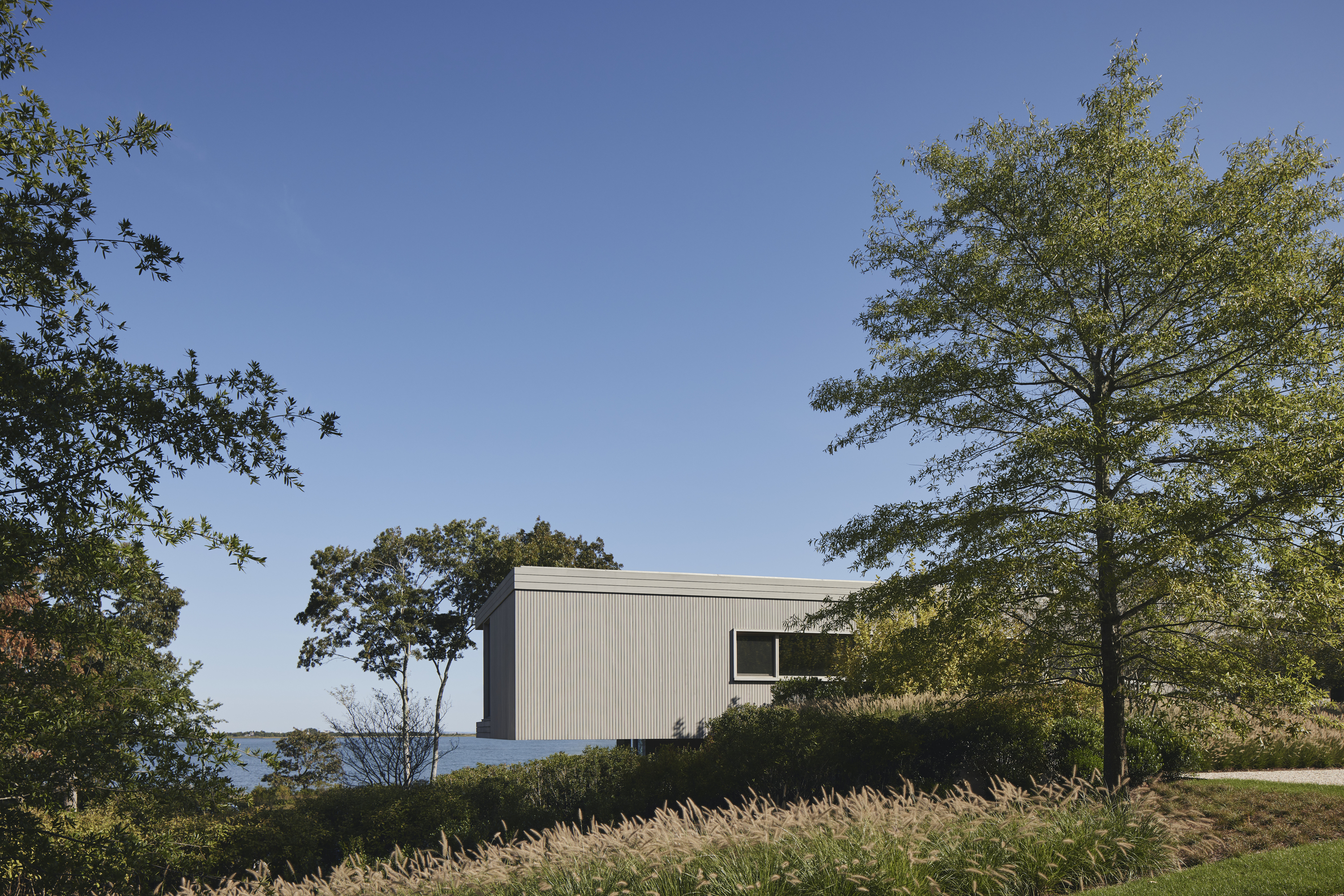
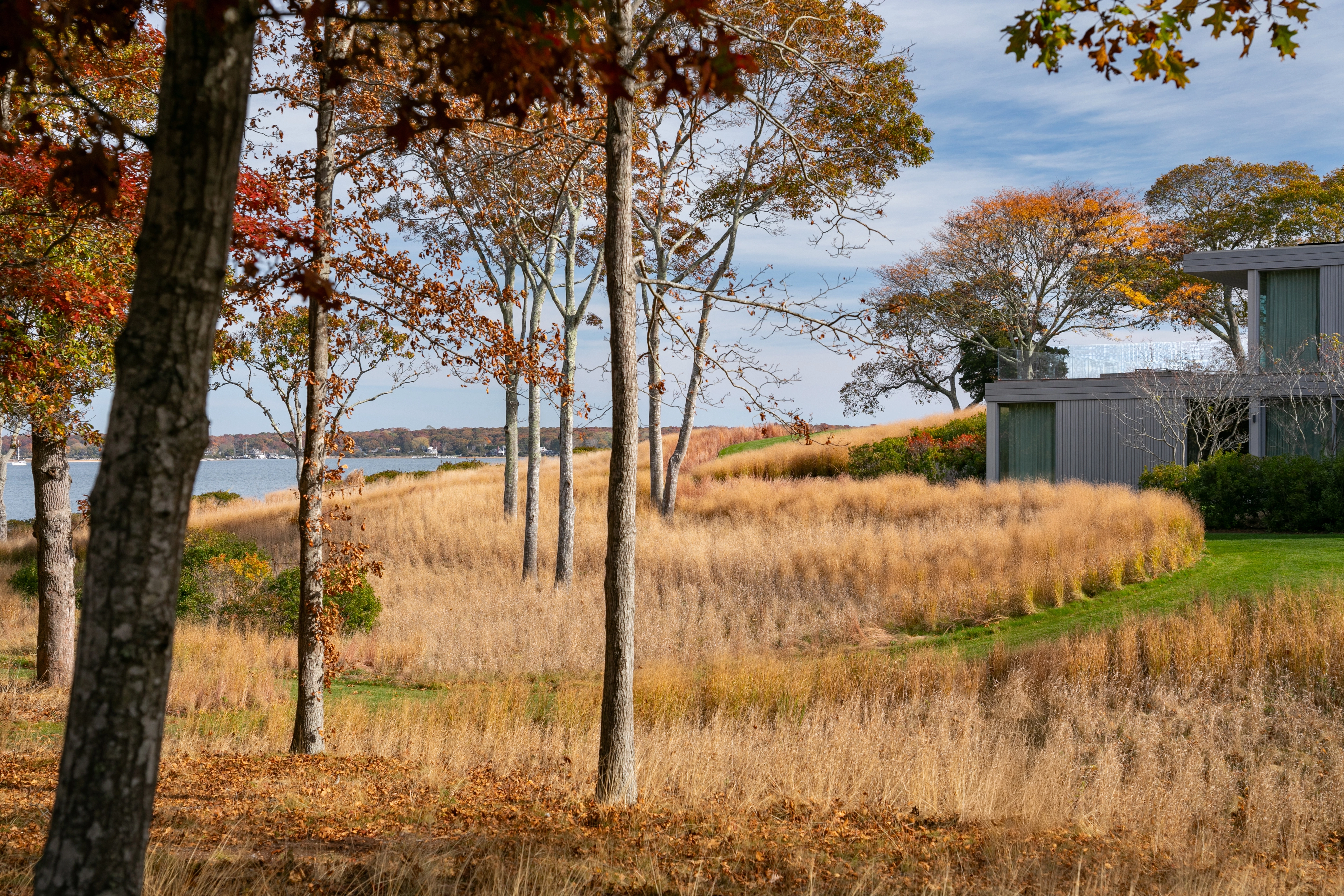
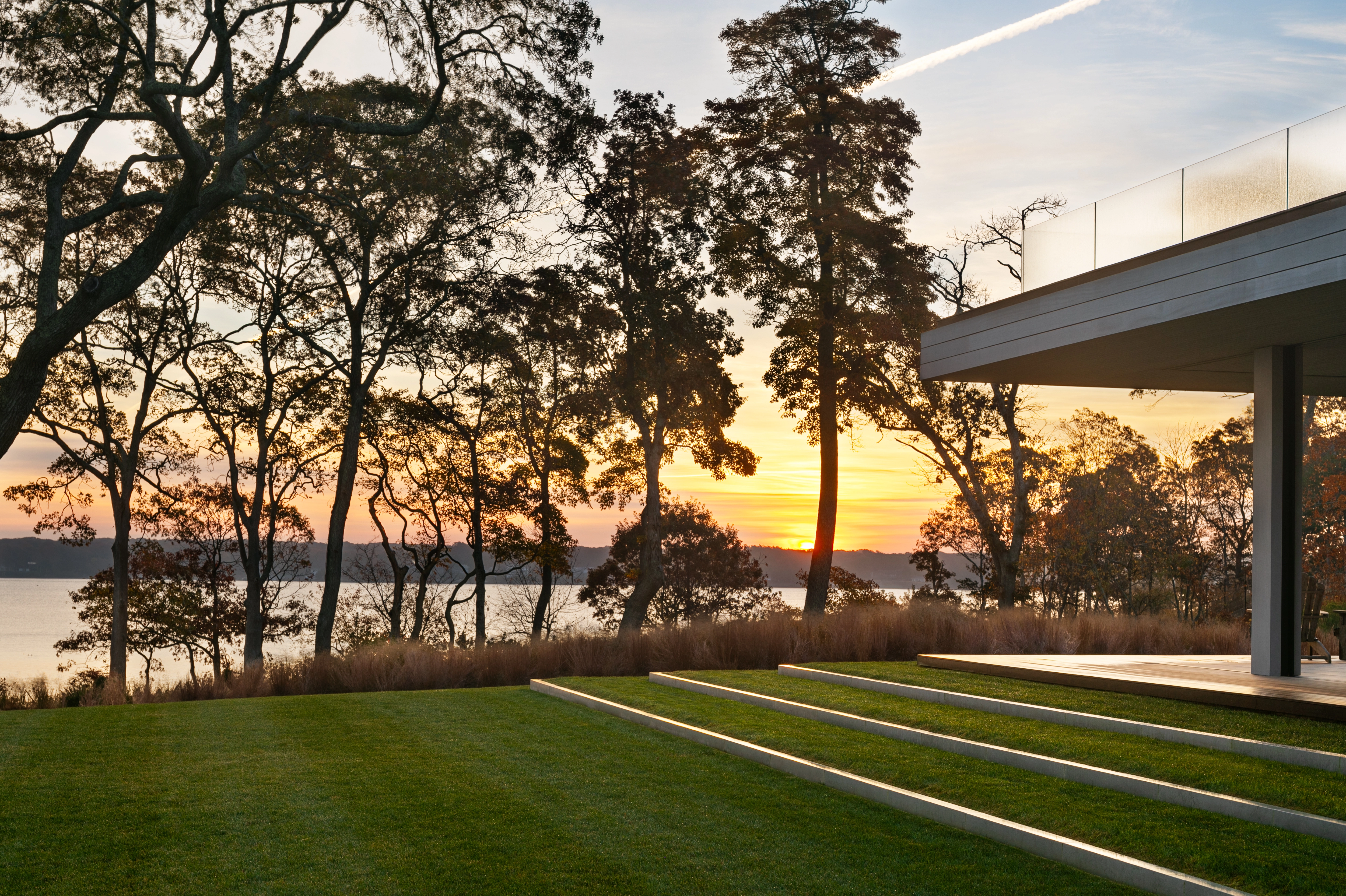
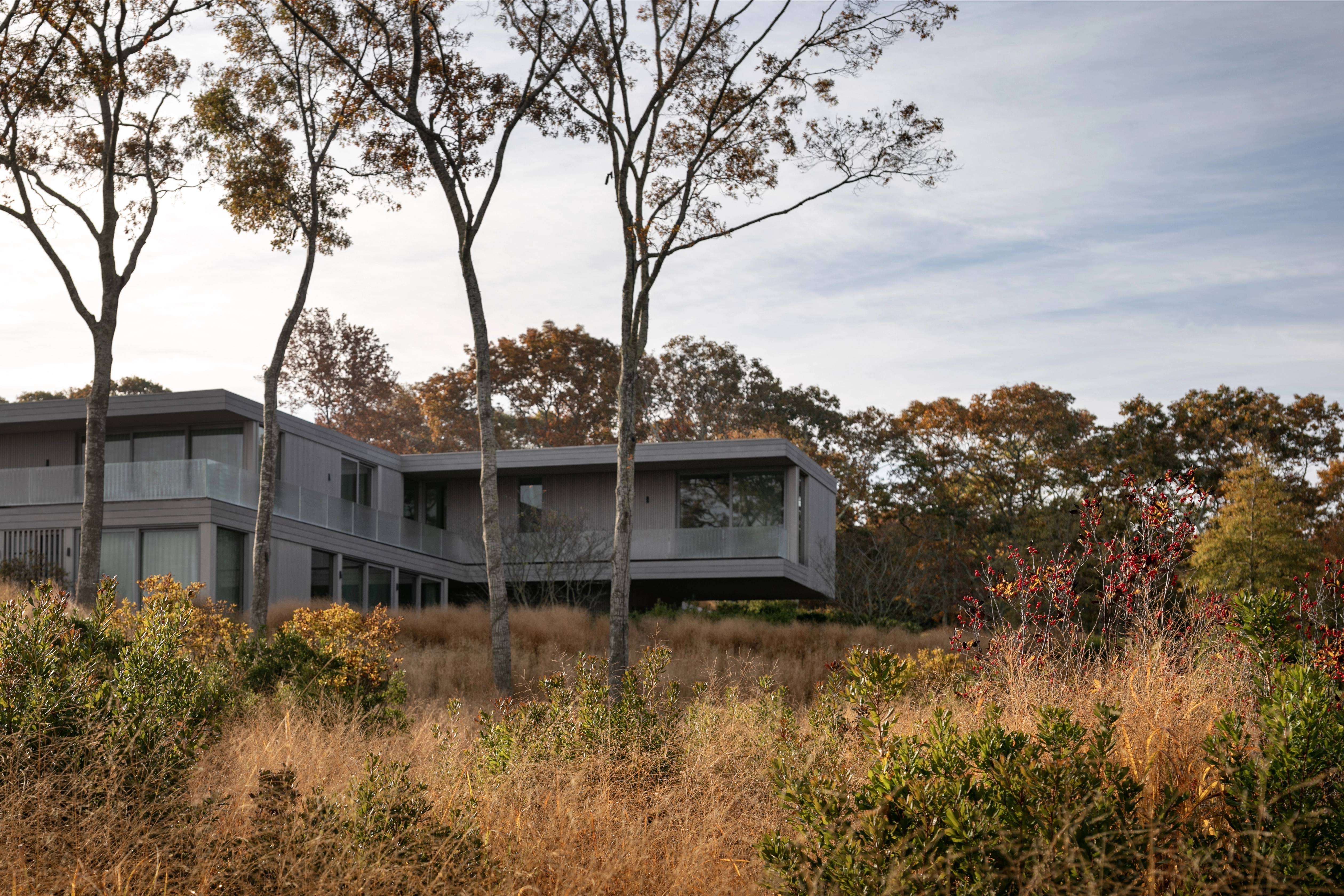
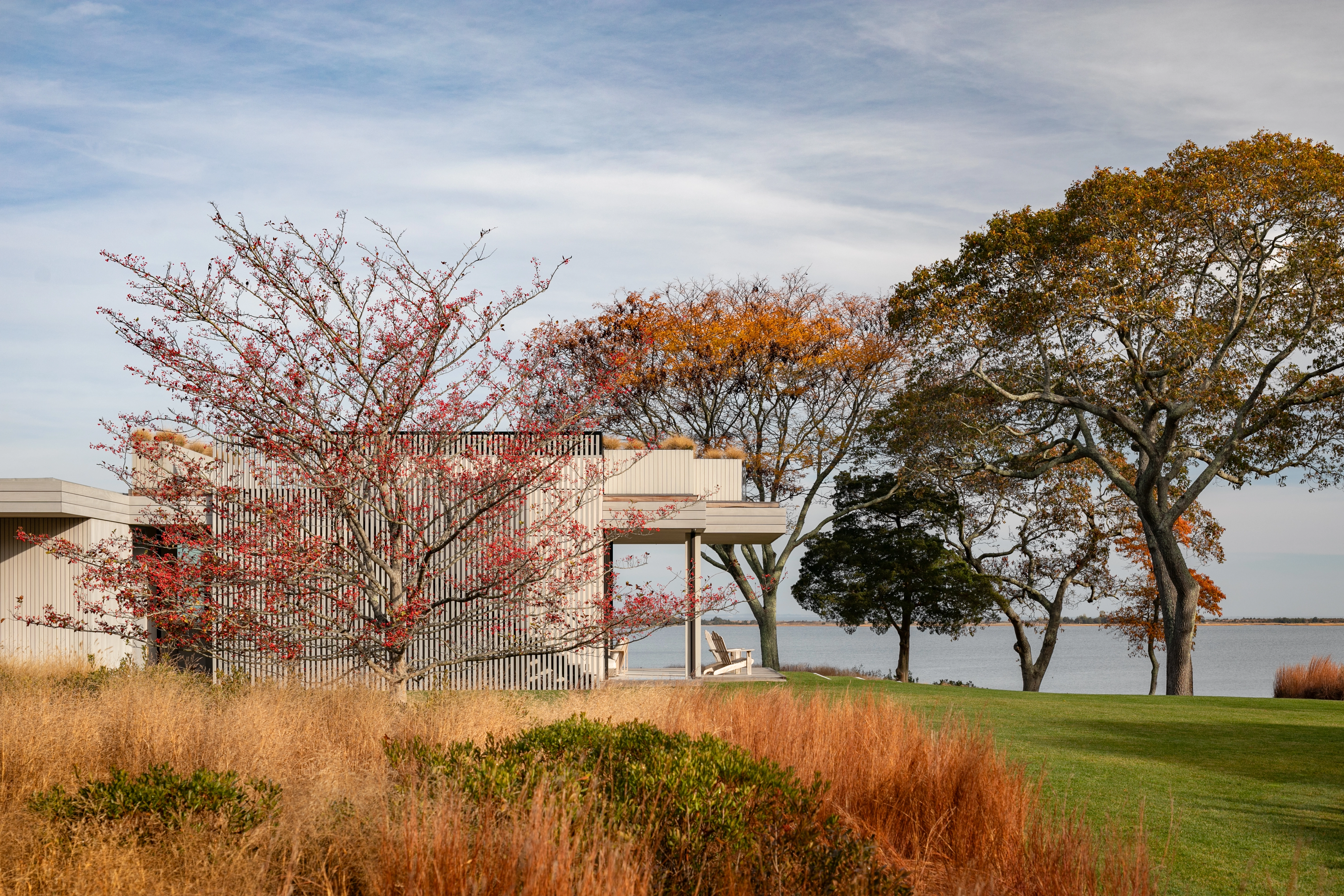
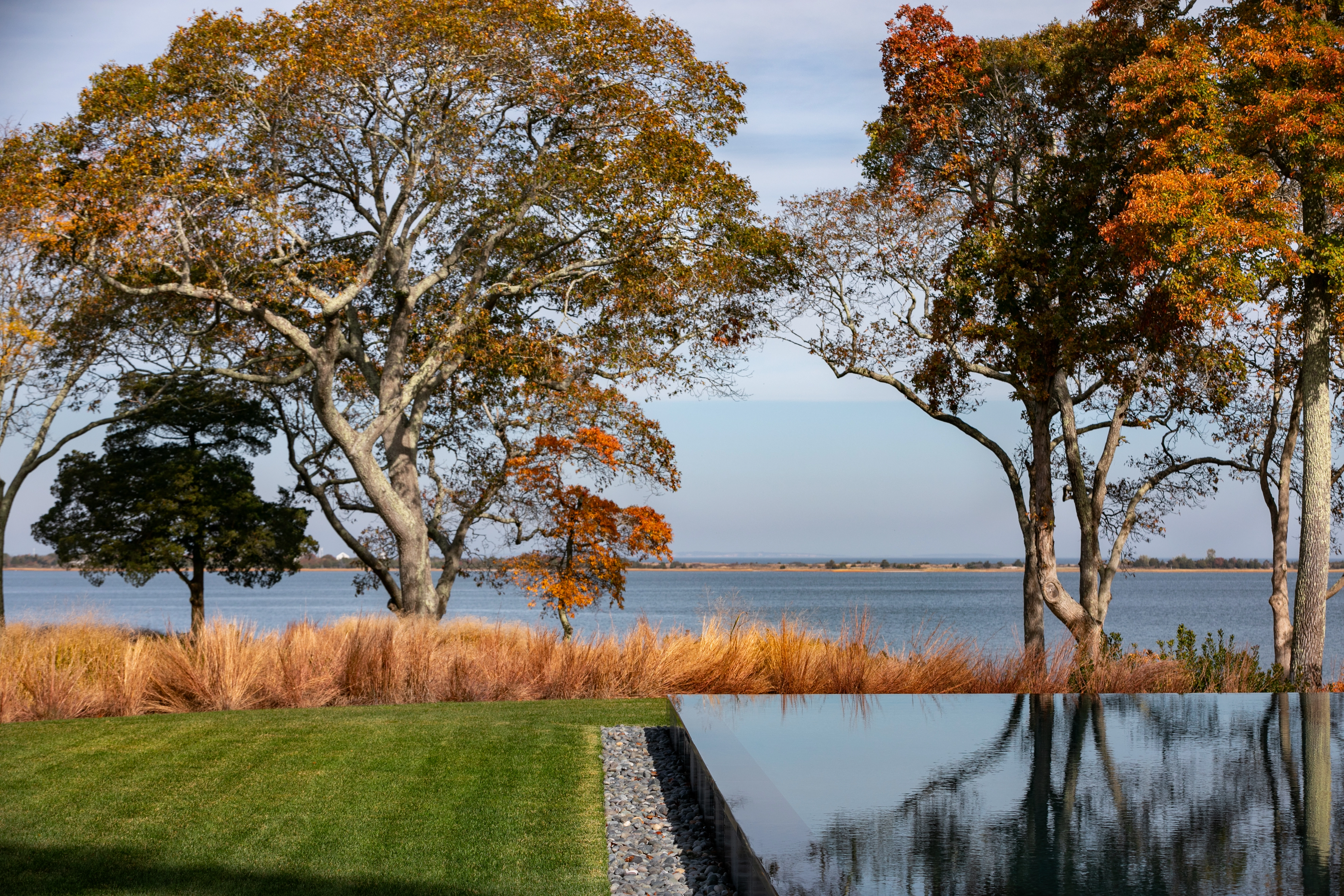
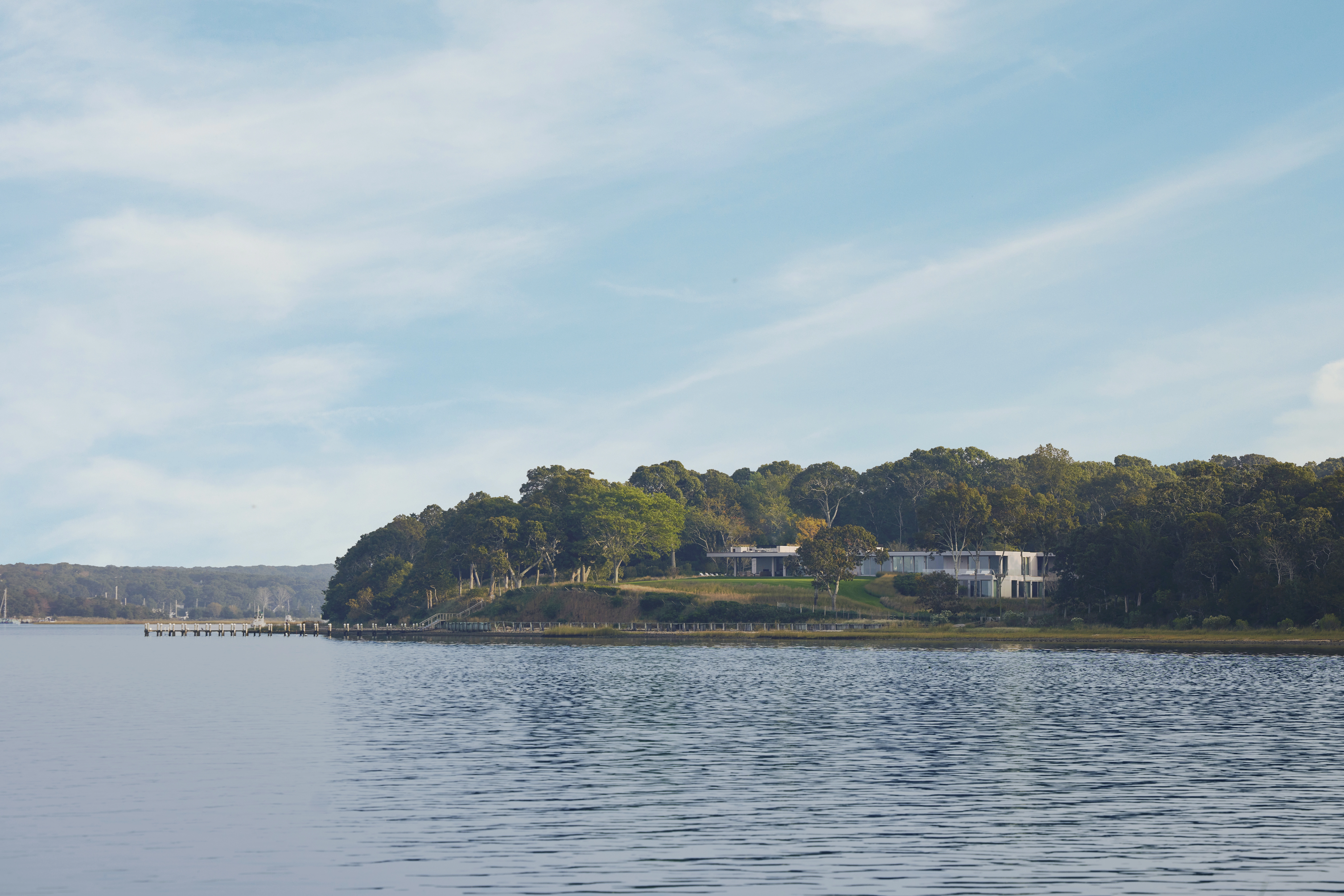
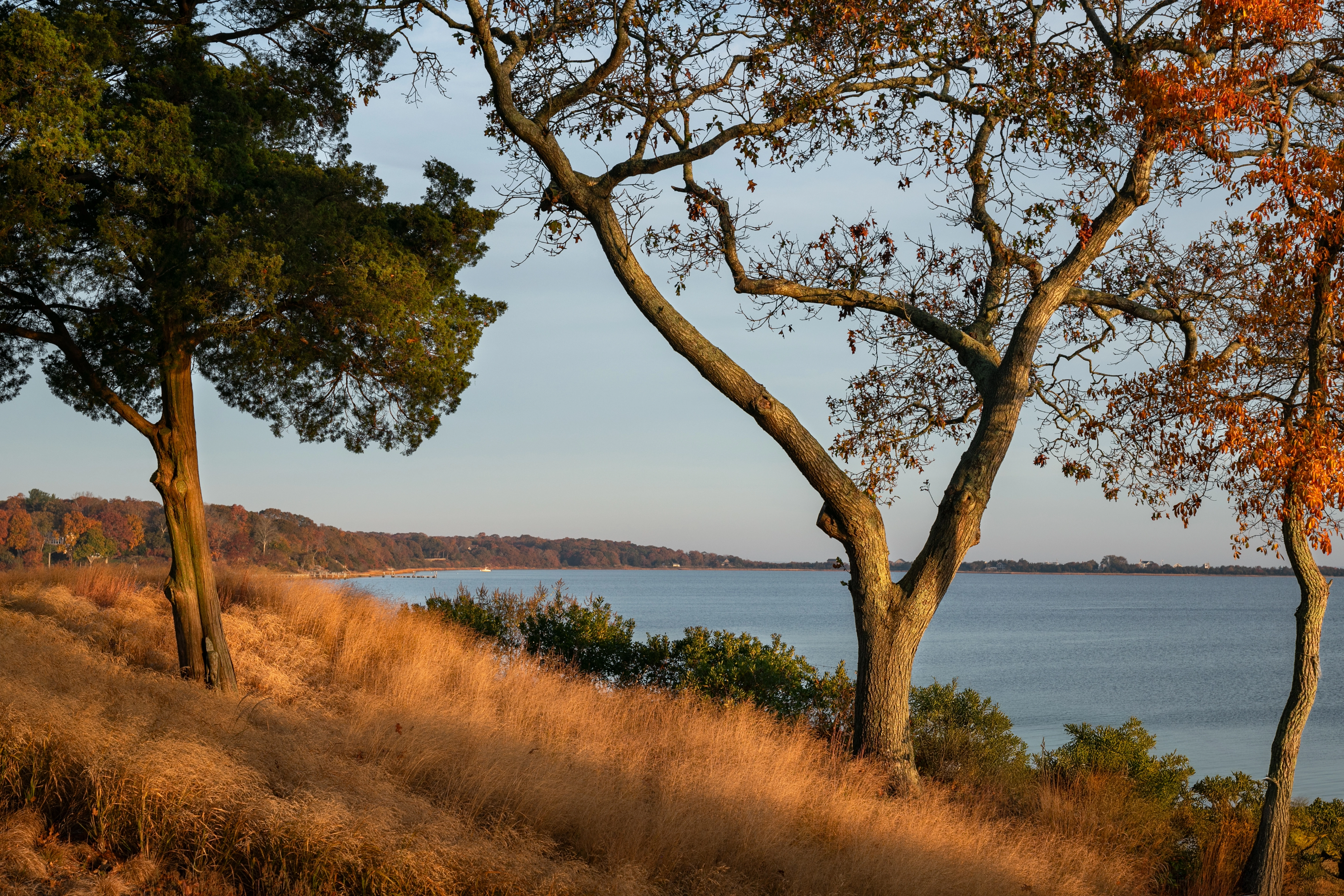
Exquisite! A highly successful landscape! The commitment to healing-back the site is commendable allowing the creation such a seamlessly integrated design.
Awards Jury
-
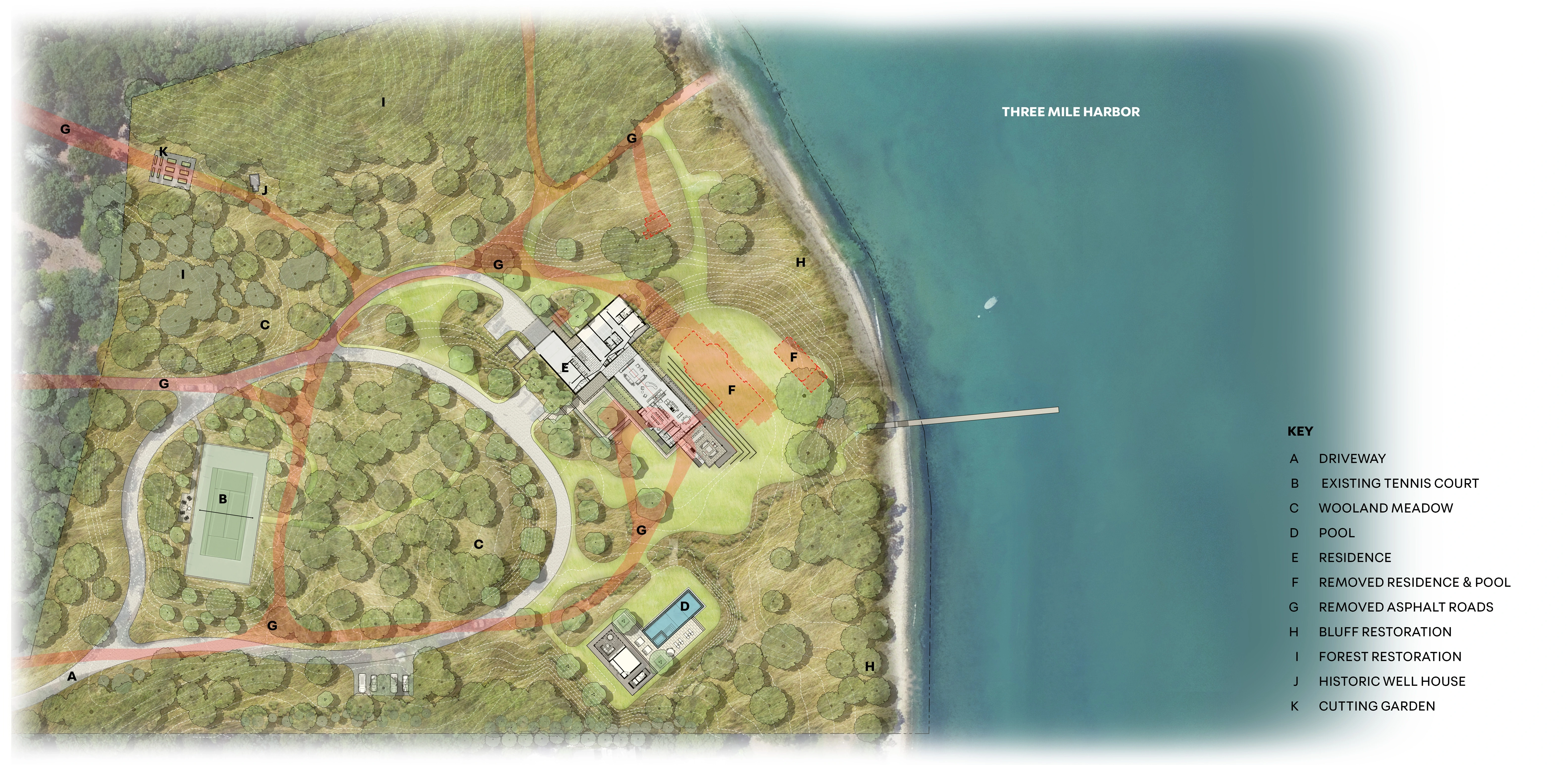
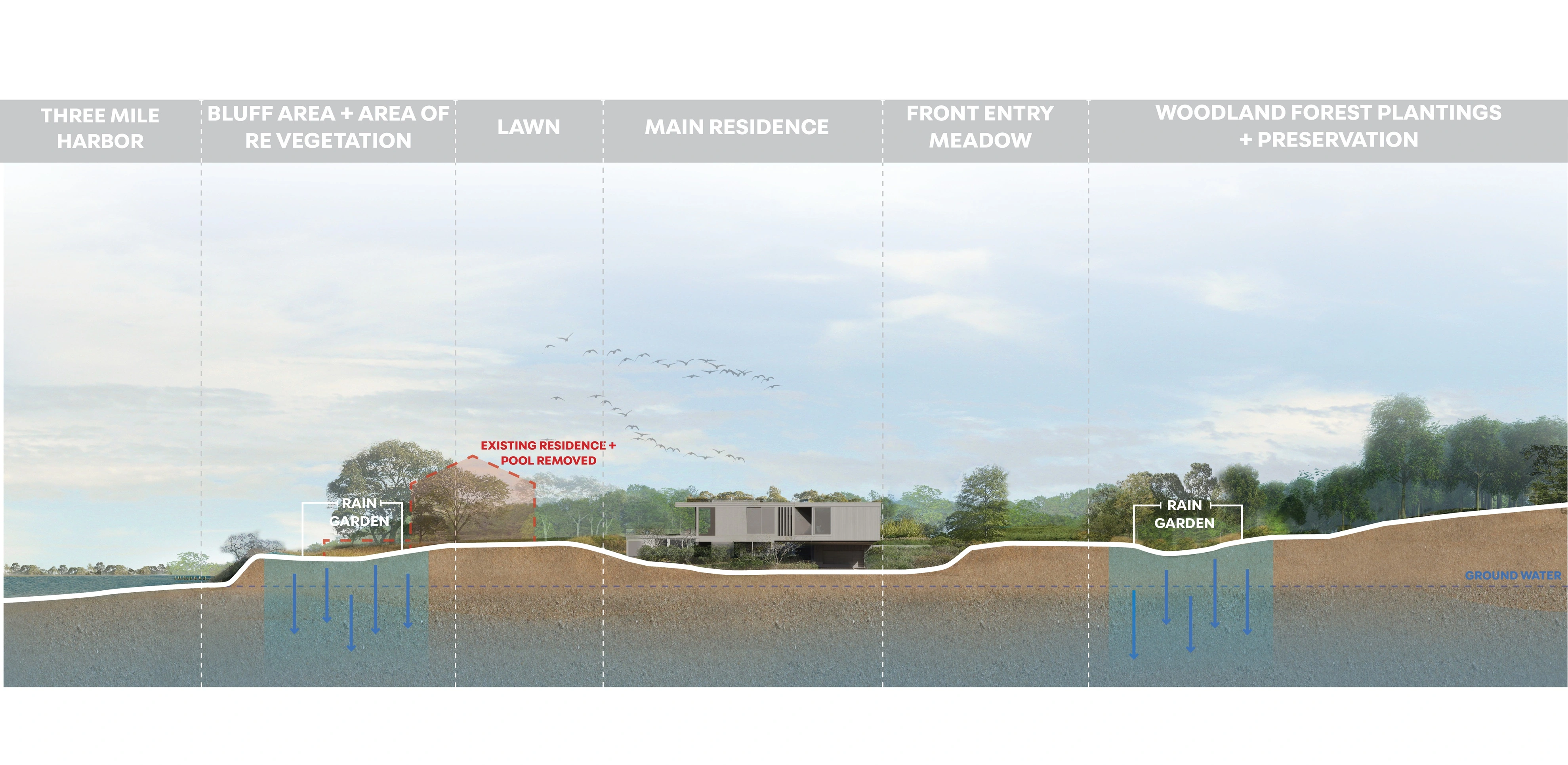
Springy Banks, a former 1960s summer camp, was transformed into a 13-acre residence that honors its history while restoring its formerly degraded landscape. Once dominated by asphalt roads and mowed lawns, the site suffered from polluted runoff draining into the bay. The Landscape Architect led an extensive ecological restoration, removing impervious roadways and contaminated sediment, and implementing natural drainage swales and rain gardens to improve water quality. More than 50,000 native perennials were planted to reestablish the oak forest and promote biodiversity, while invasive species were removed. Springy Banks blends ecological stewardship with historical reverence, transforming a once-damaged landscape into a thriving sanctuary.
-
What makes Springy Banks truly remarkable is its story of reclamation—not just of land, but of identity and ecological purpose. The property had been overwhelmed by impervious surfaces, its natural systems choked by a network of asphalt roads and compacted soils. Runoff from these surfaces carried pollutants directly into Gardiners Bay, degrading water quality and damaging the fragile coastal ecosystem. The first transformative act was the removal of over a mile of these roads, along with contaminated sediment, allowing the land to breathe again. With the introduction of natural drainage swales and carefully designed rain gardens, the watershed was redirected and filtered, significantly improving the health of the bay.
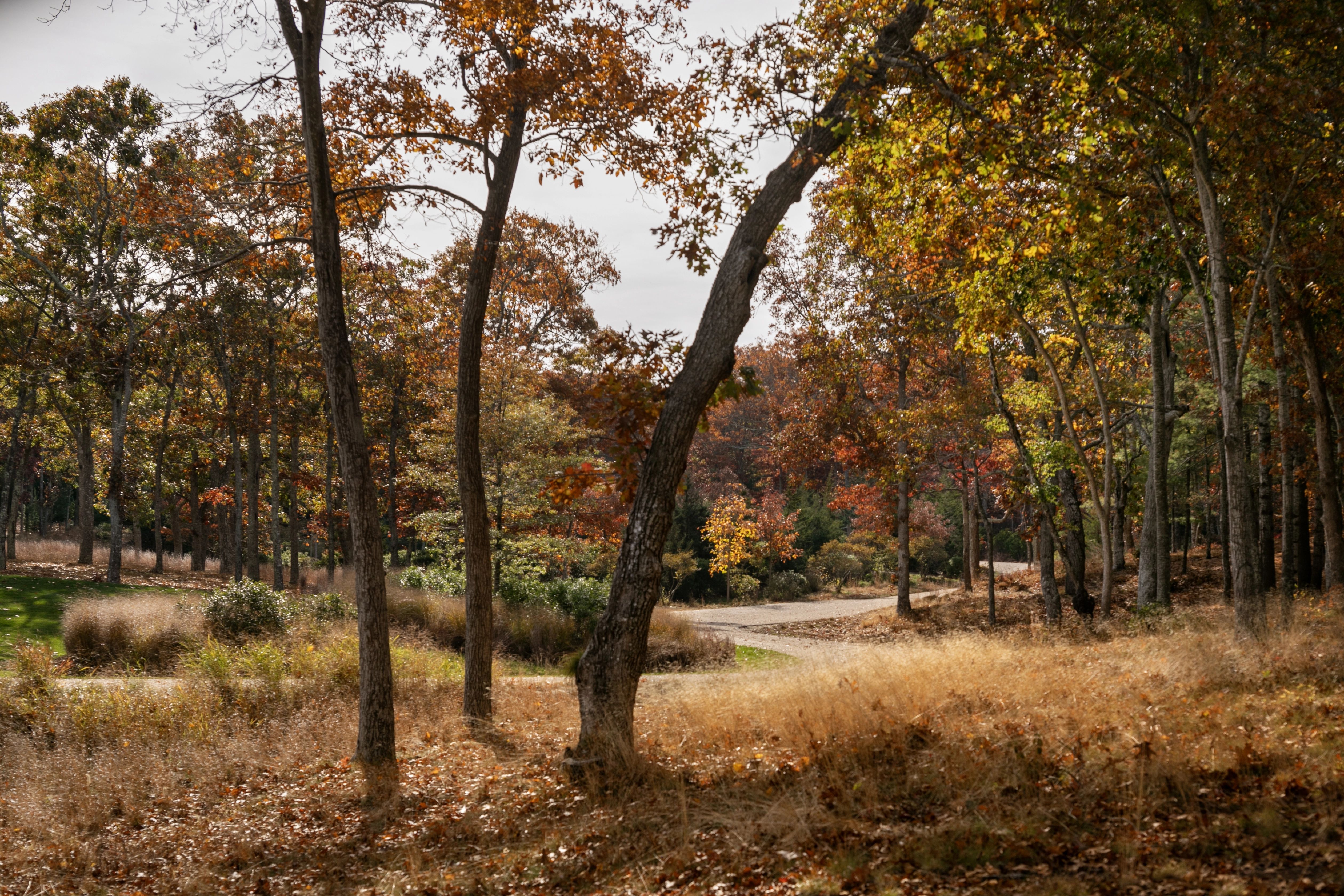
But restoration extended beyond hydrology. The land, in its prior iteration as a summer camp, was dominated by expansive, mowed lawns; now reimagined with ecological diversity in mind. More than 50,000 native perennials were planted, reestablishing the forest’s understory with species like Pennsylvania sedge, Little blue stem and, Switchgrass. Native shrubs—Winterberry, Bayberry, and Viburnum—created layered habitats, while the removal of invasive species, particularly dense thickets of honeysuckle, made room for native flora to thrive. The oak forest, once struggling from neglect, was revitalized, reinforcing the property’s connection to its natural heritage.
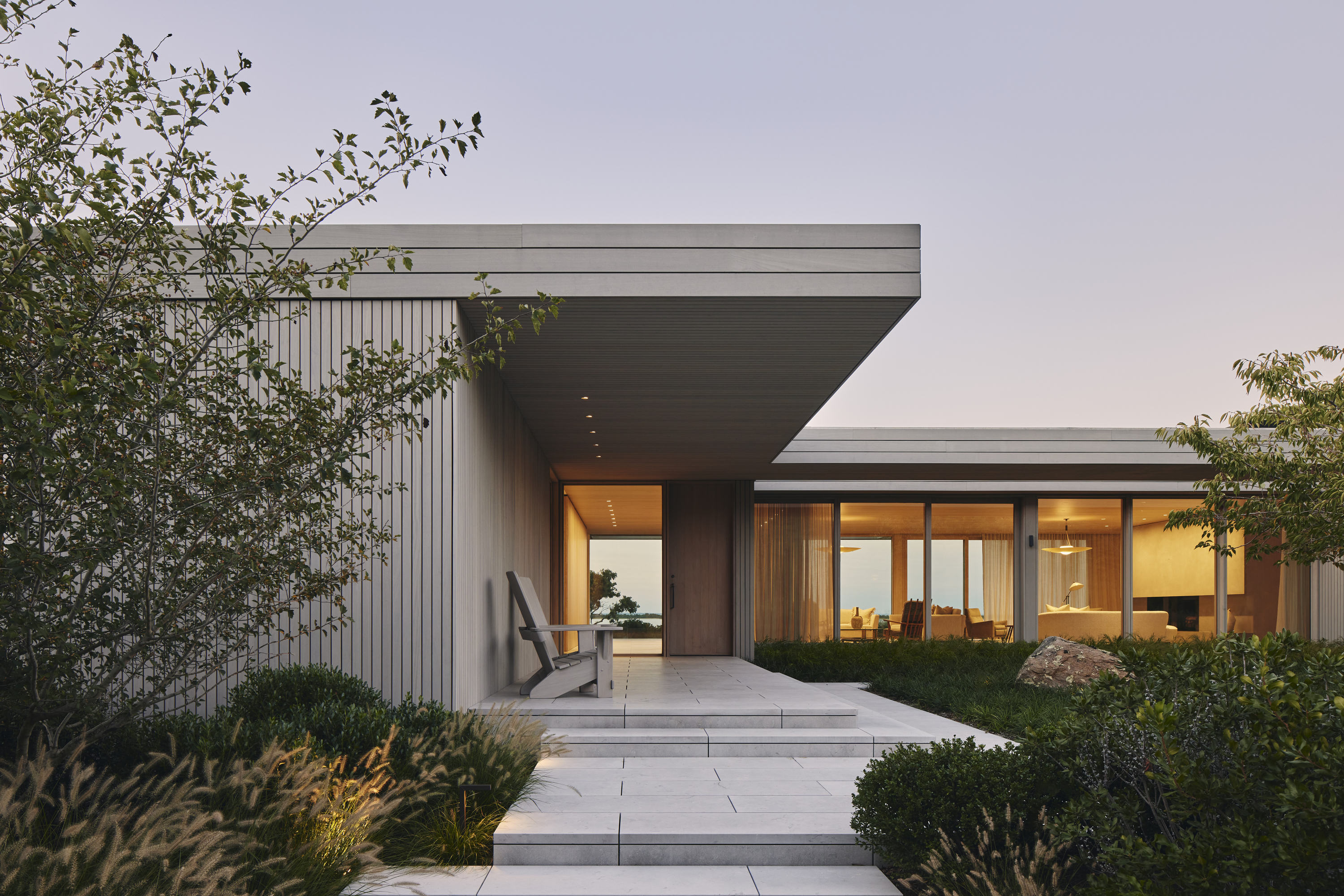
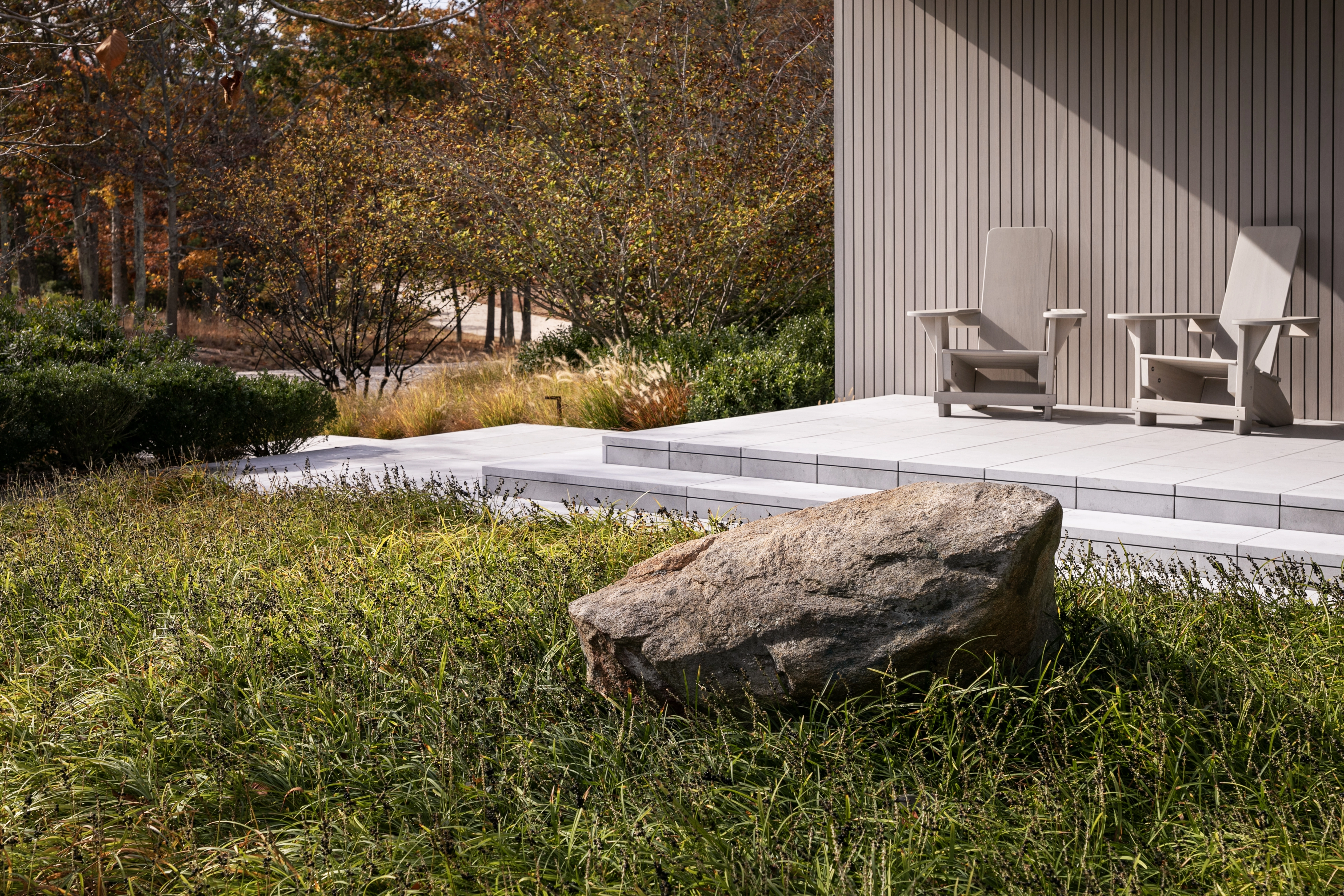
Amidst this ecological revival, there was a deep respect for the site’s history. The designers preserved the original tennis court and historic well house, tangible links to the camp’s past. New additions, like cedar log fencing and a vegetable garden, echo the communal spirit that once defined the camp. The architectural placement of the new residence also reflects this ethos—set back from the bluff’s edge and seamlessly integrated into the existing topography, it embraces panoramic bay views while maintaining harmony with the restored landscape.
Springy Banks embodies the transformative power of design to restore and renew—where ecological restoration and respect for history converge, turning a once-degraded landscape into a vibrant, resilient ecosystem.
-
- Stelle Lomont Rouhani Architects - Architect
- Brad Ford ID - Interior Designer
- Men at Work Construction - General Contractor
- Landscaping by Renner - Landscape Contractor
- Flawless Pools - Pool Contractor
- Hampton Tennis Company - Tennis Contractor
-
- Amelanchier Canadensis
- Cryptomeria Japonica
- Crataegus 'Winter King'
- Gleditsia triancathos 'Inermis'
- Prunus 'Mt Fuji'
- Quercus Coccinea
- Quercus Phellos
- Quercus rubra
- Syringa 'Donald Wyman'
- Nyssa sylvatica
- Clethra 'Hummingbird'
- Hamamelis x intermedia
- Ilex crenata 'Schwoebel'
- Ilex glabra
- Osmanthus 'Gulftide'
- Ilex verticillata
- Morella pensylvanica
- Osmanthus 'Gulftide'
- Lindera benzoin
- Viburnum dentatum
- Liriope 'Big Blue'
- Hakonechloa
- Pennisetum 'Hameln'
- Pennisetum 'Cassian'
- Carex pensylvanica
- Panicum virgatum
- Panicum 'Shenandoah'
- Panicum ' Cape Breeze'
- Andropogon gerardii
- Schizachyrium scoparium
Advertisement
Related Awards
Award of Excellence, Residential Design
Datum House
Location: West Stockbridge, MA
Firm: Wagner Hodgson
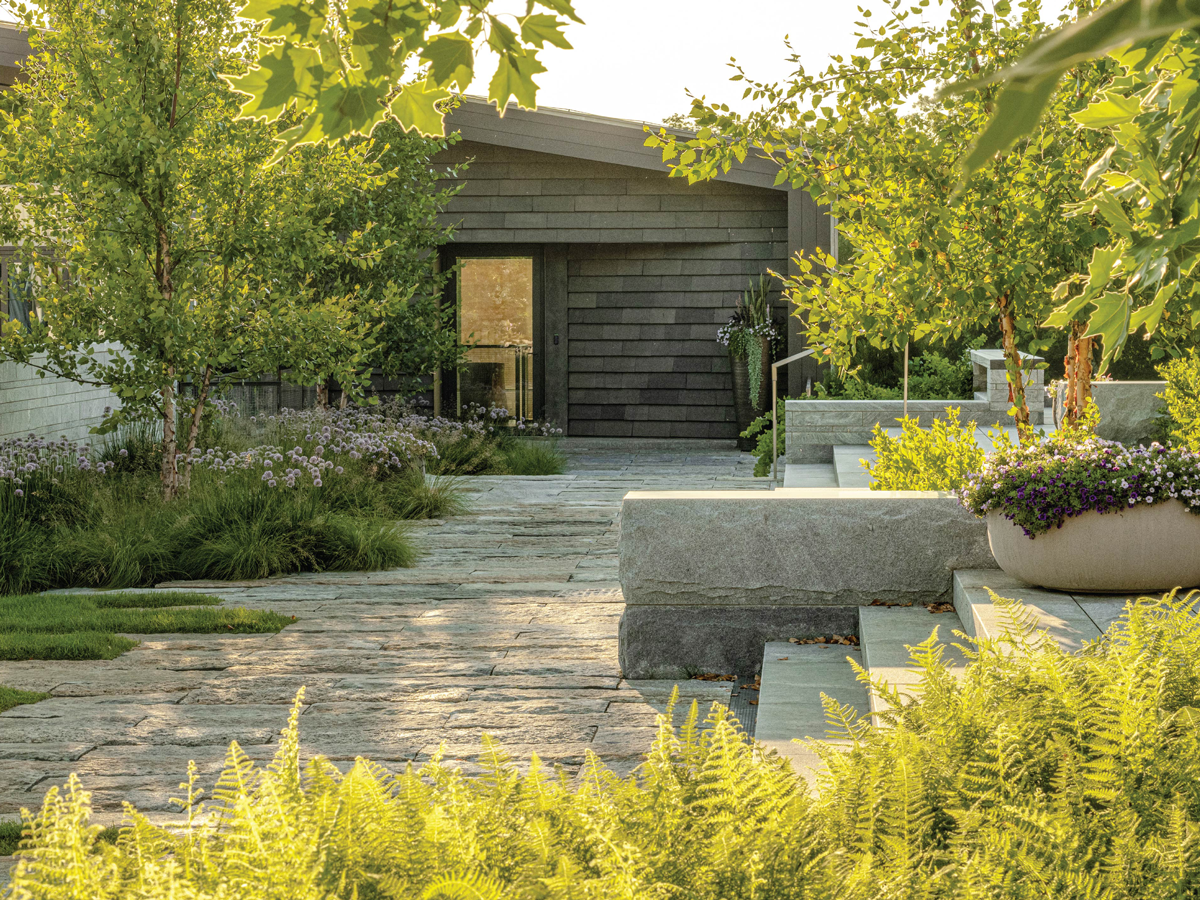
This modern homestead was designed for a family with a passion for the arts and a deep connection to the region. The project was guided by three principles: (1) create dynamic spaces to support the needs for everyday residential living and large philanthropic events, (2) contribute to the cultural legacy of western Massachusetts, and (3) use sustainable practices to guide design and restore the ecological integrity of the site. A prominent view of Massachusetts's tallest peak offered an organizing framework, serving as the datum for architectural and landscape design. With these parameters, the project team explored creative and sustainable solutions to harmoniously blend a variety of spatial scales into a sensitive agrarian vernacular.
Related Articles

ASLA Fund
American Society of Landscape Architects Announces its 2026 Student Awards
39 Student Award winners elevate the future of the landscape architecture profession
Aug 24 2026