
.webp?language=en-US)

.webp?language=en-US)


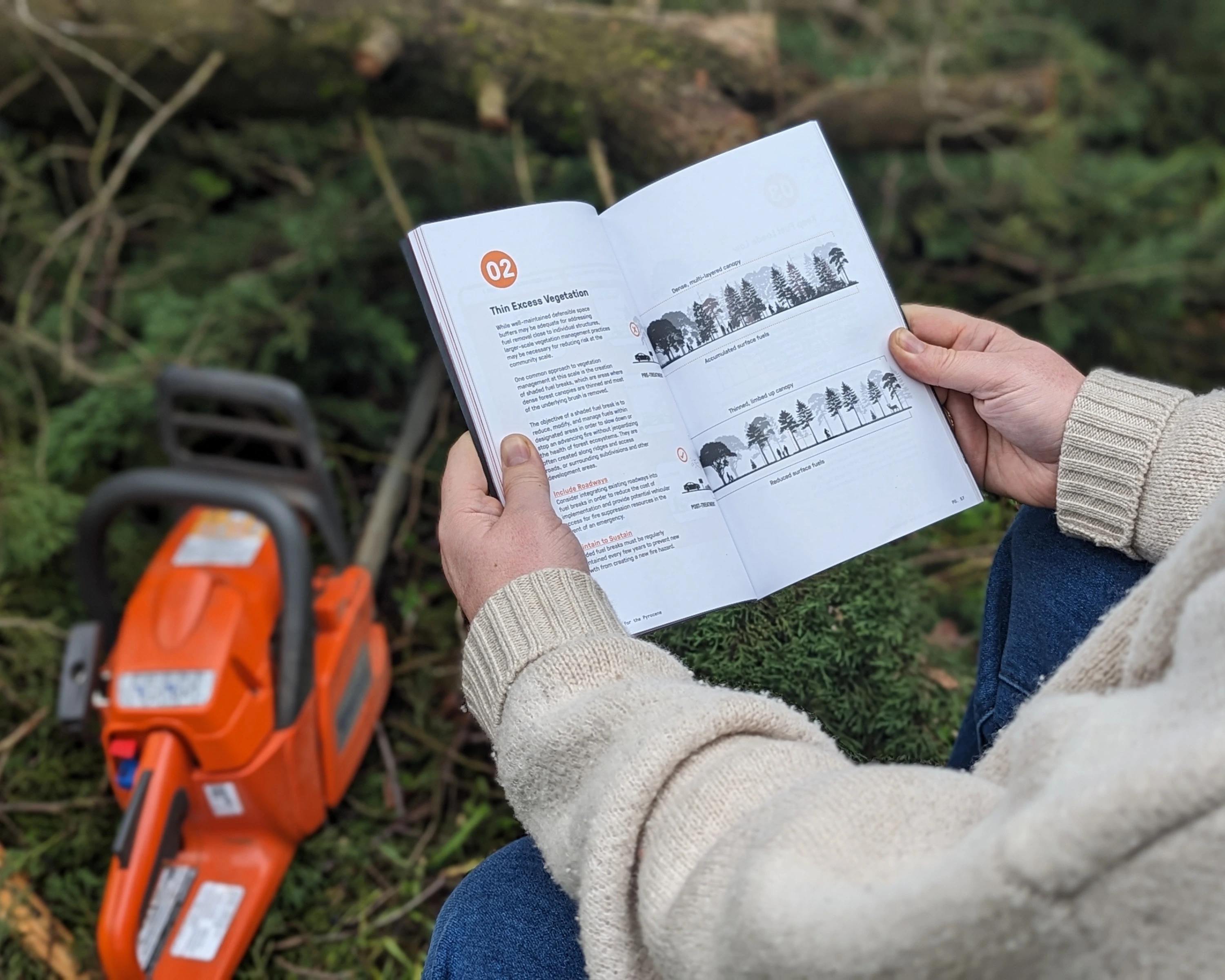
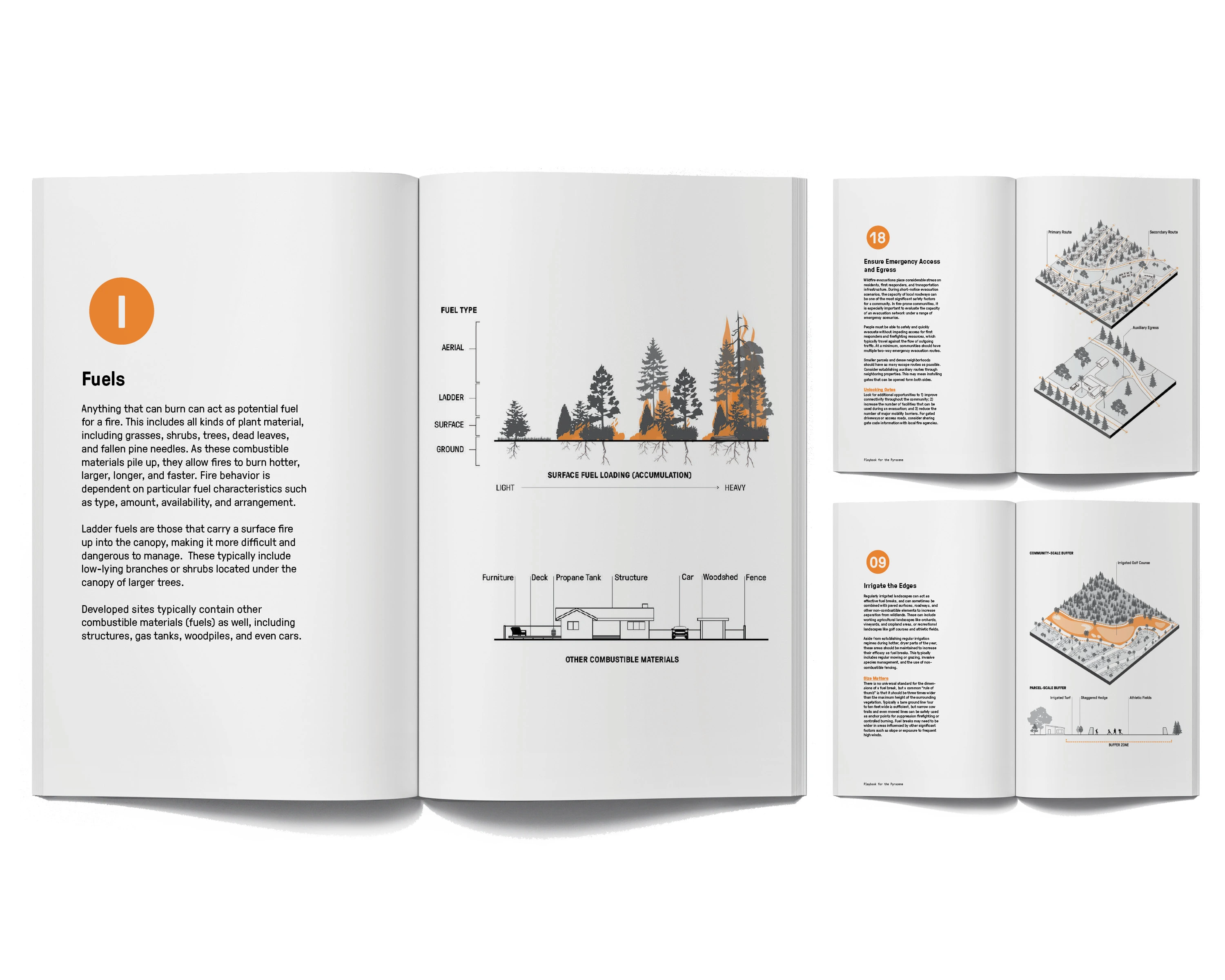
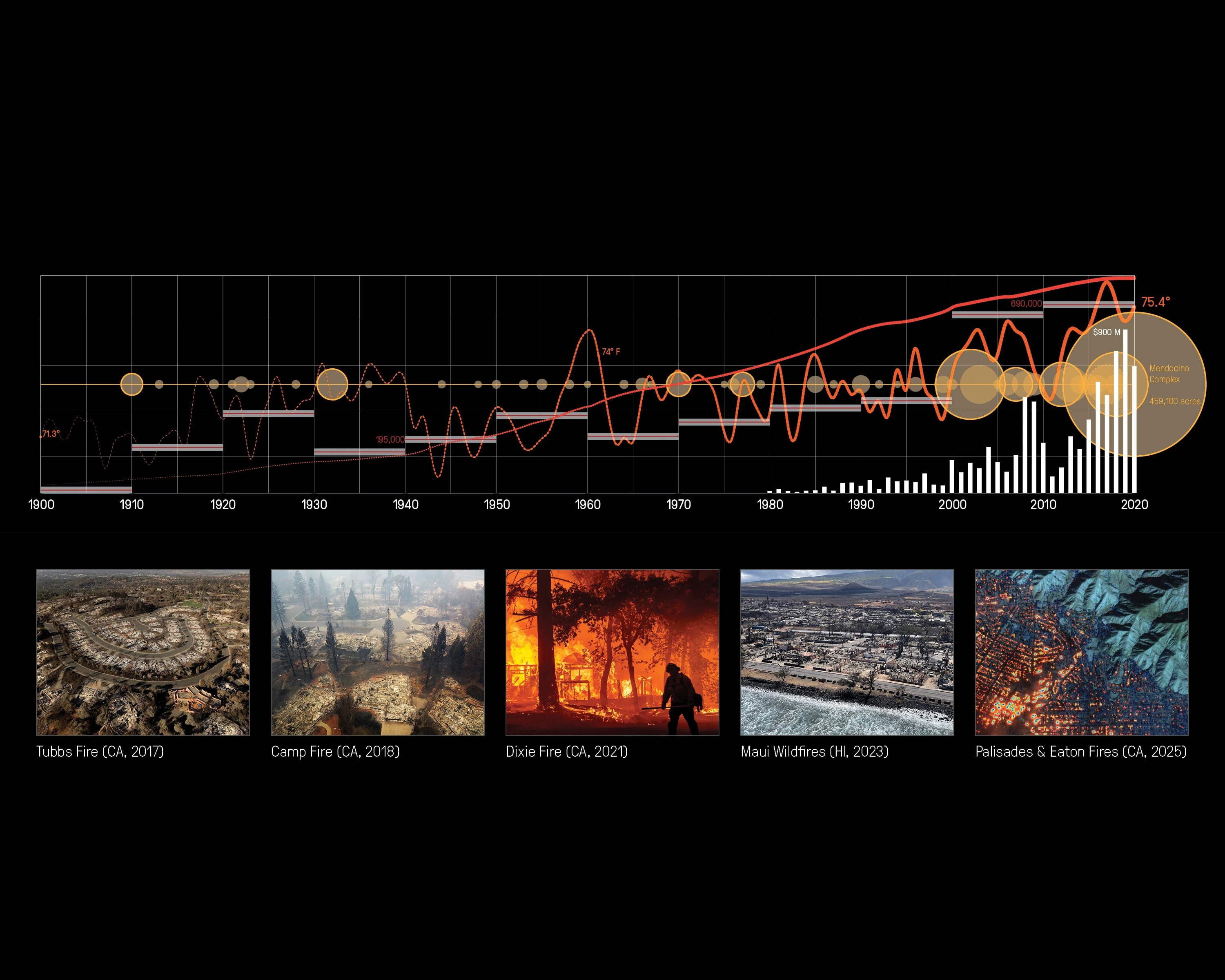
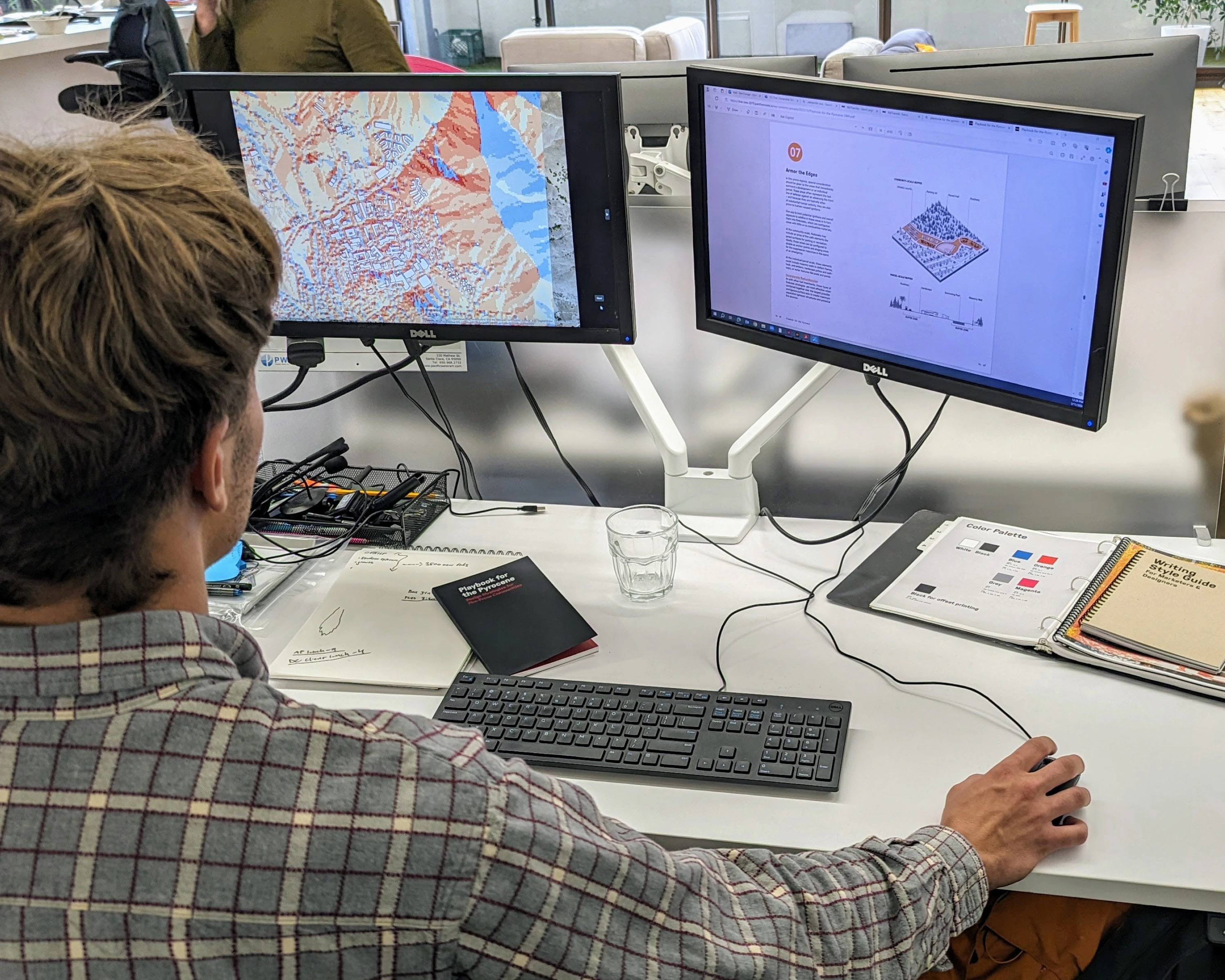
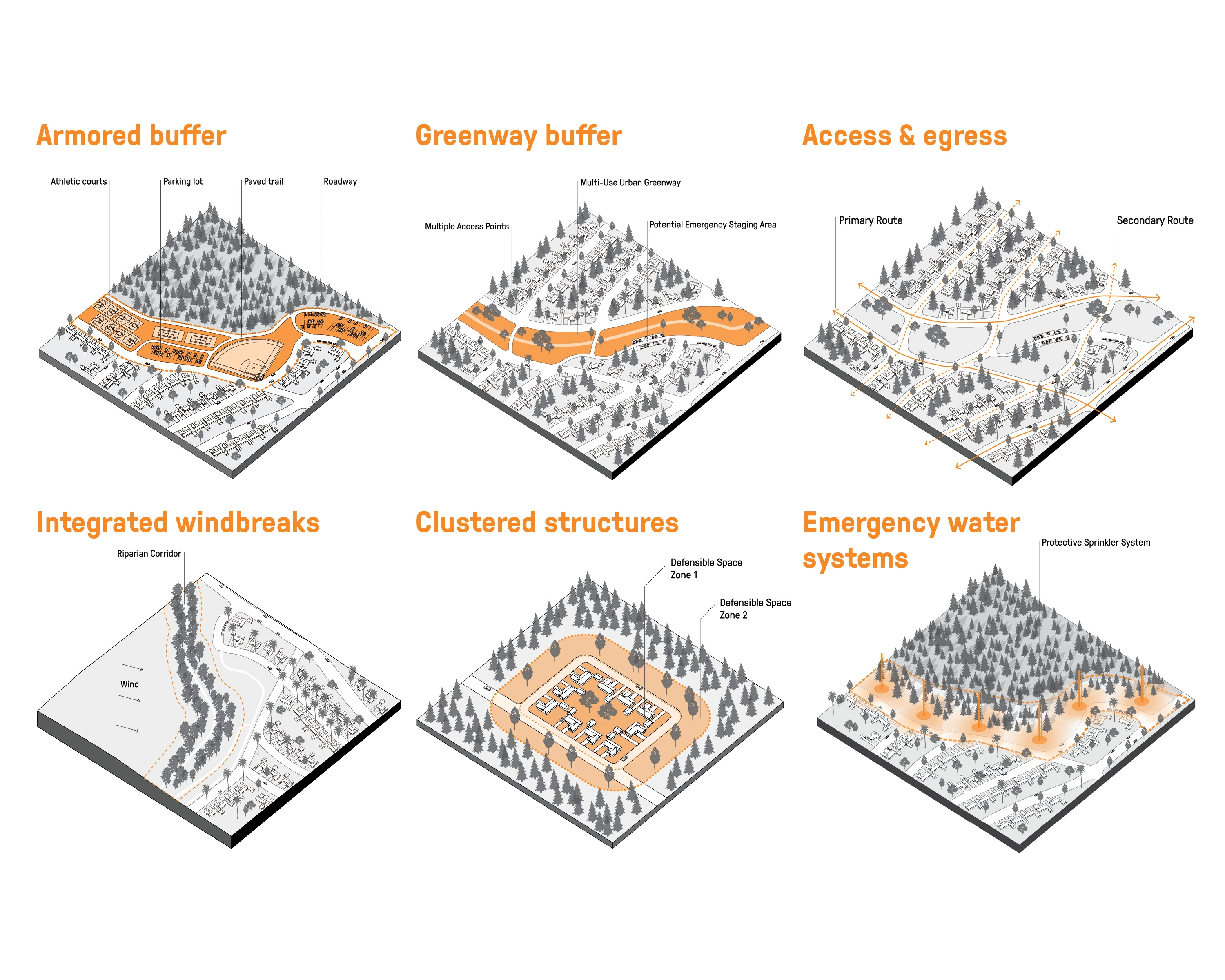
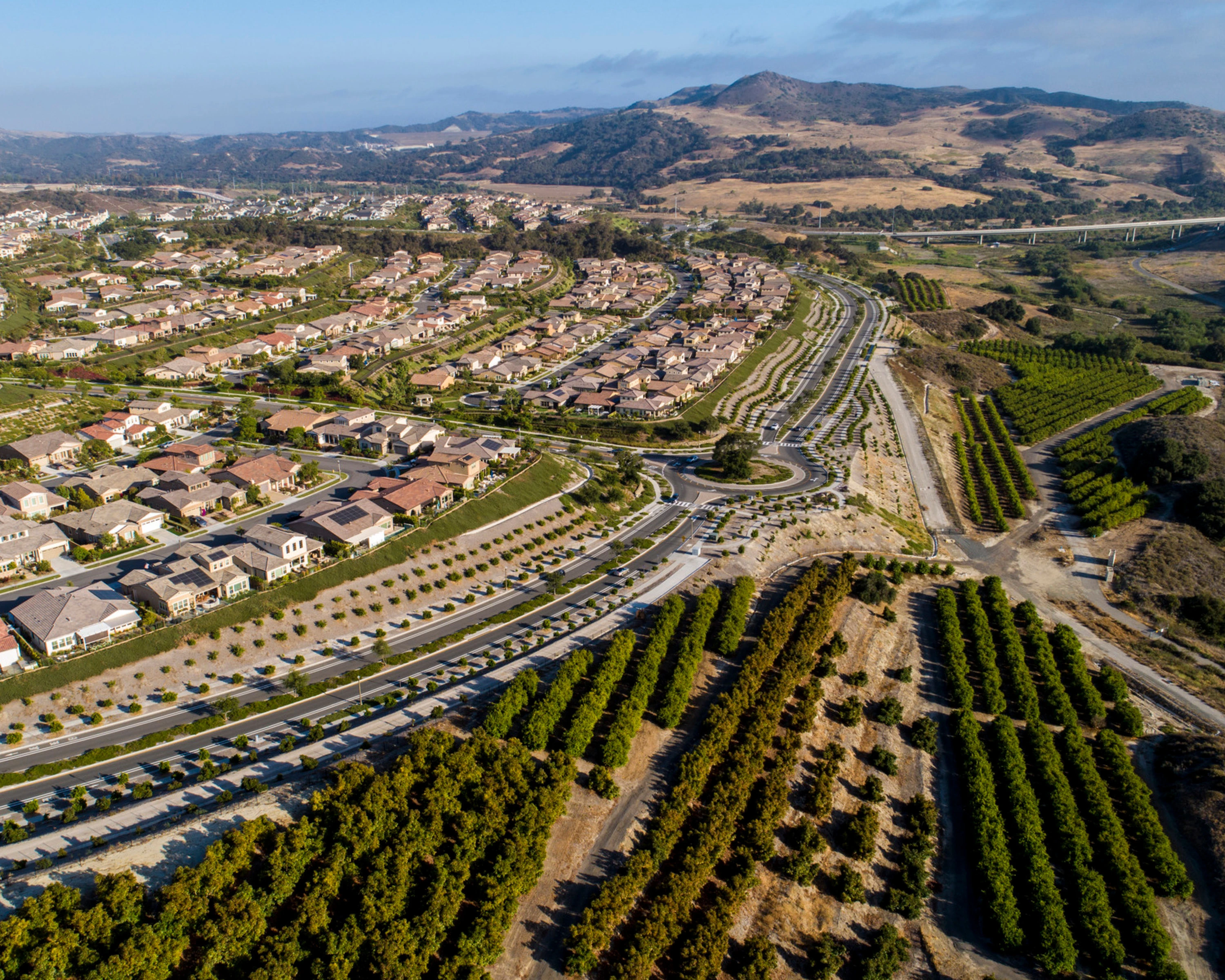
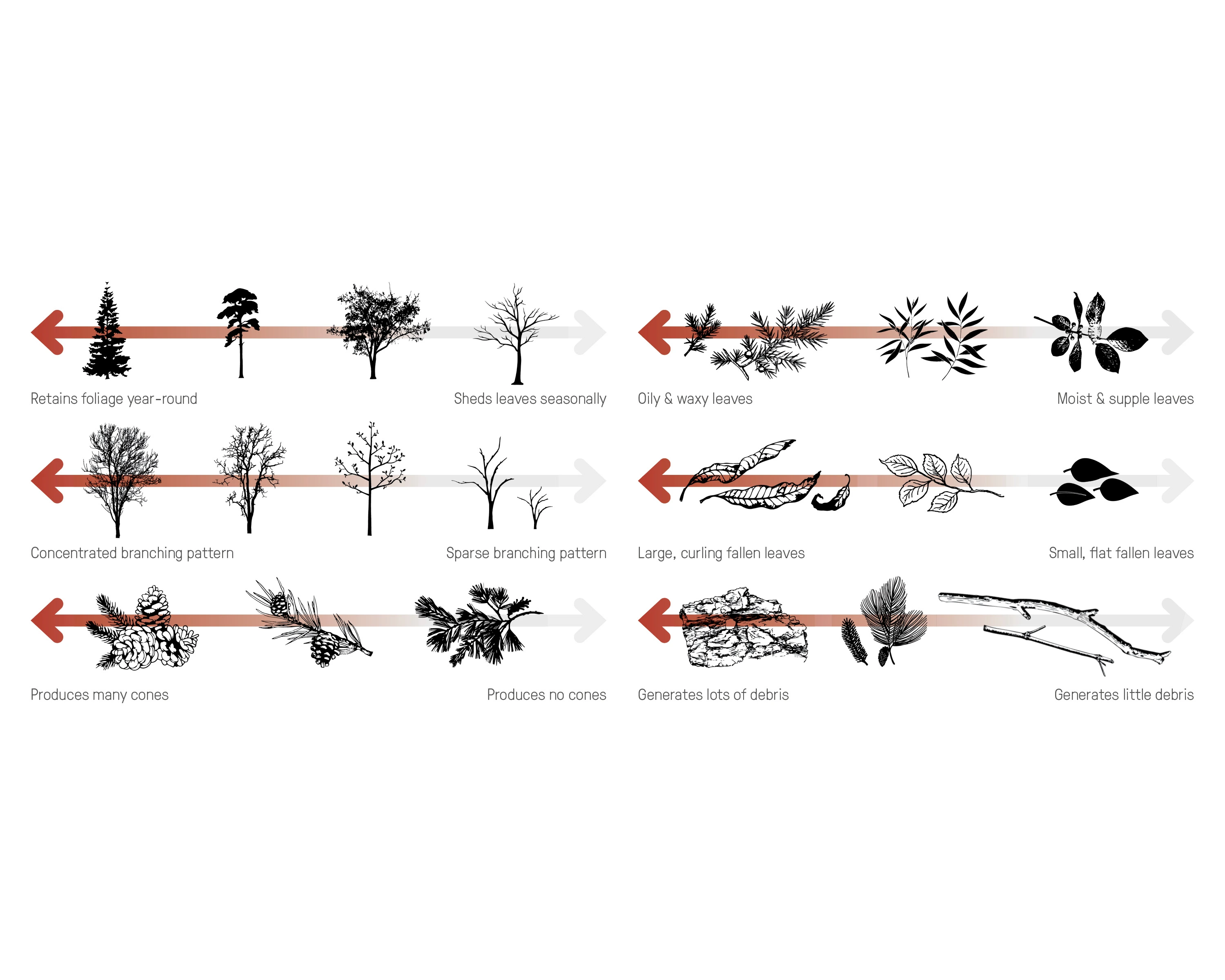
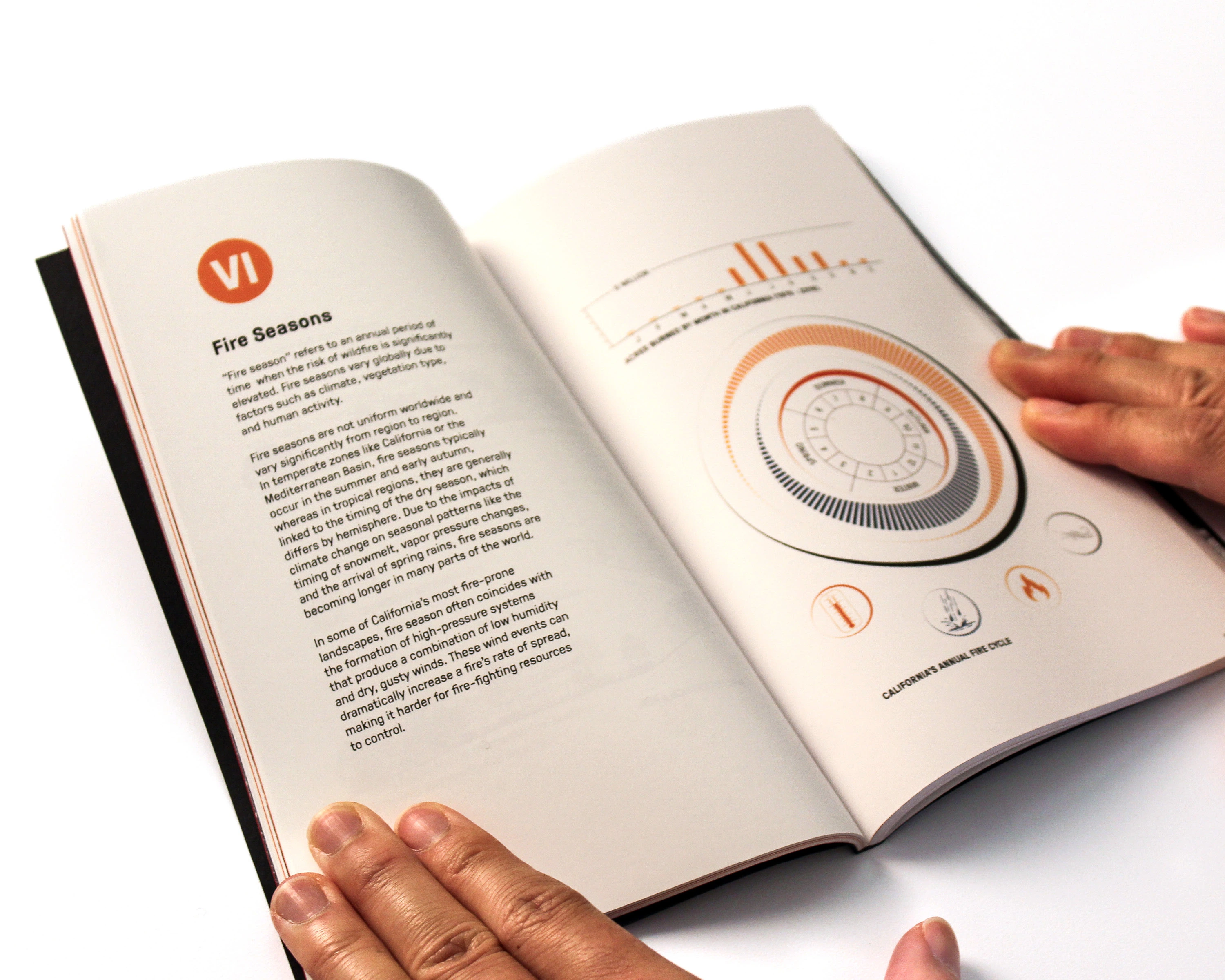
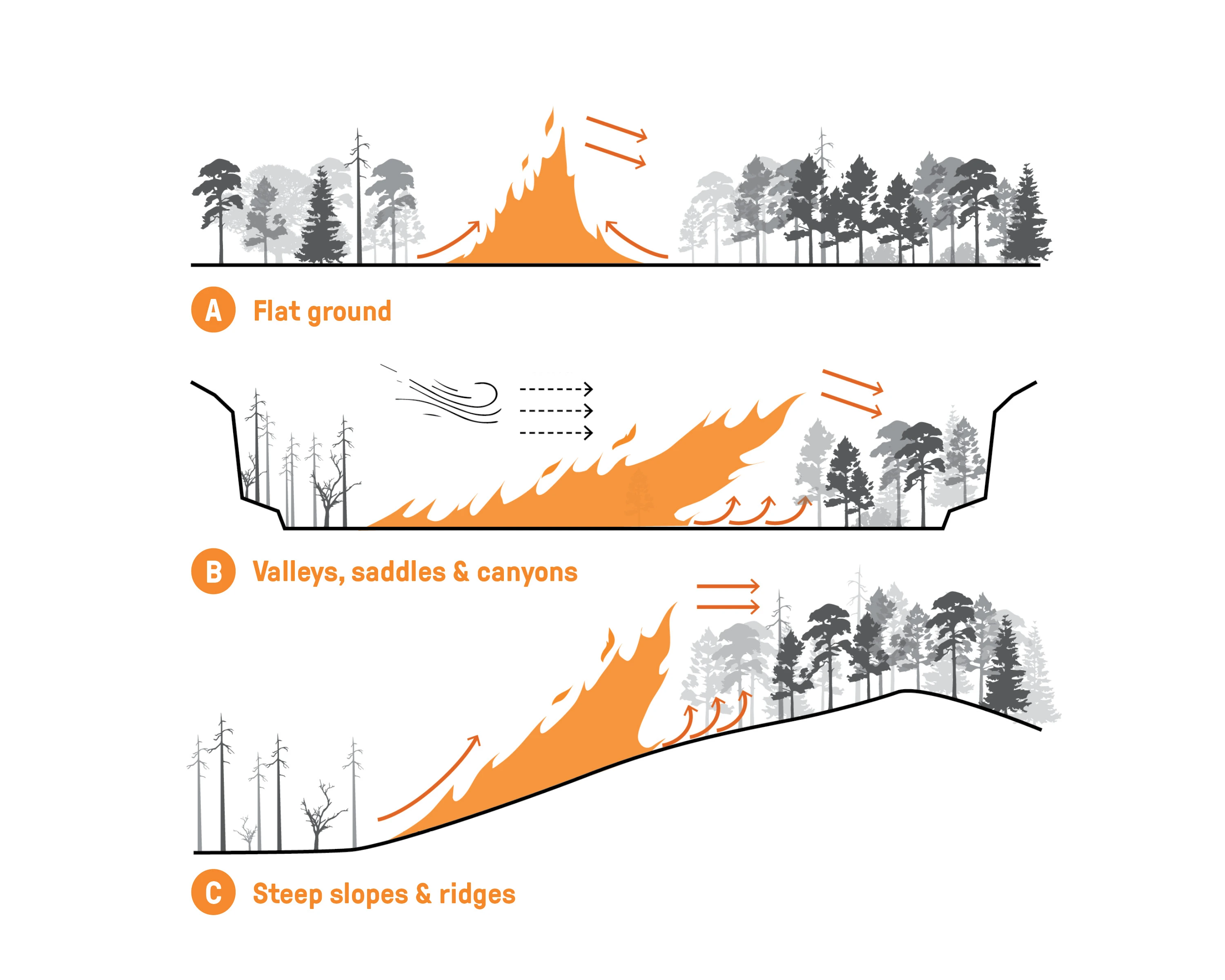
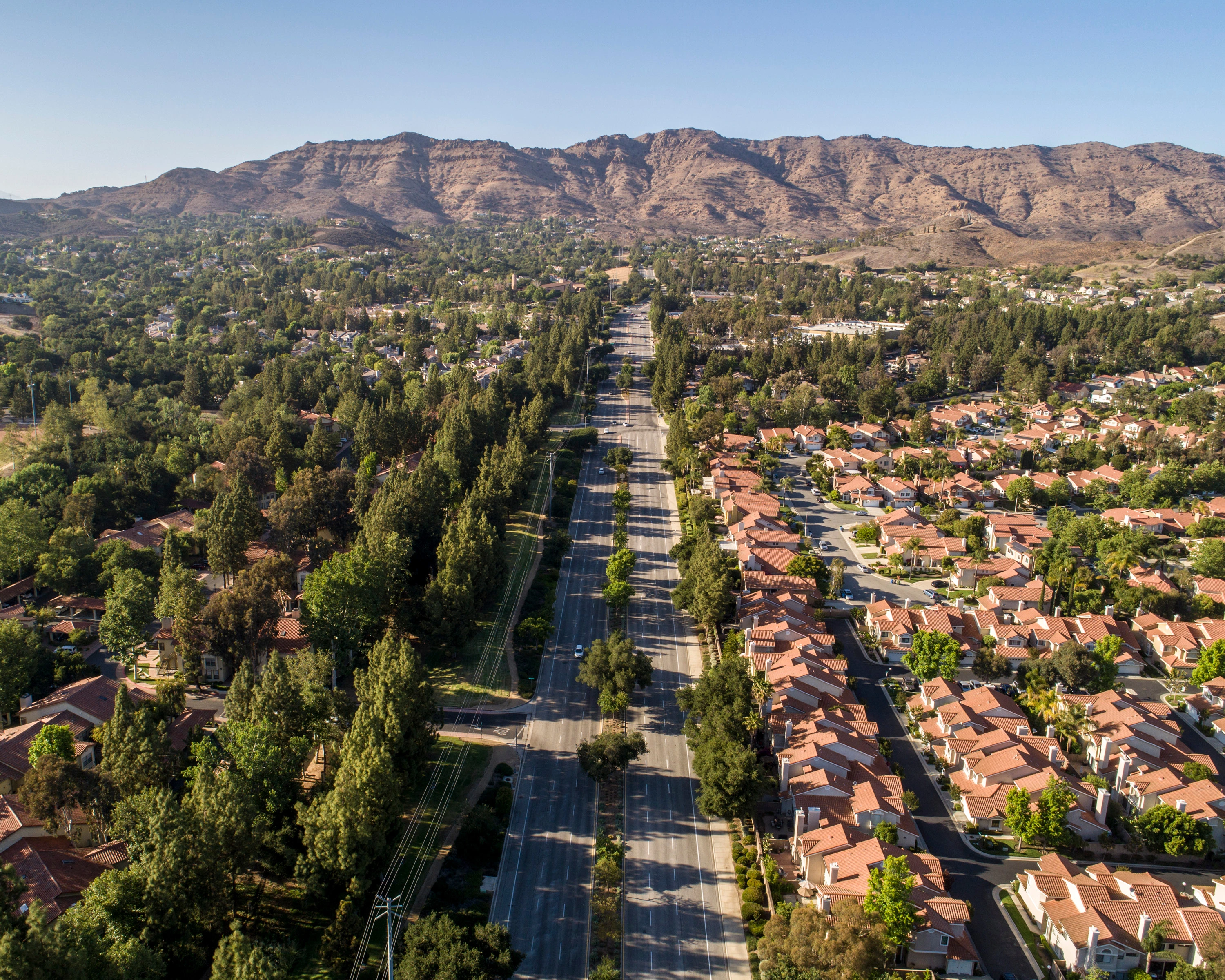
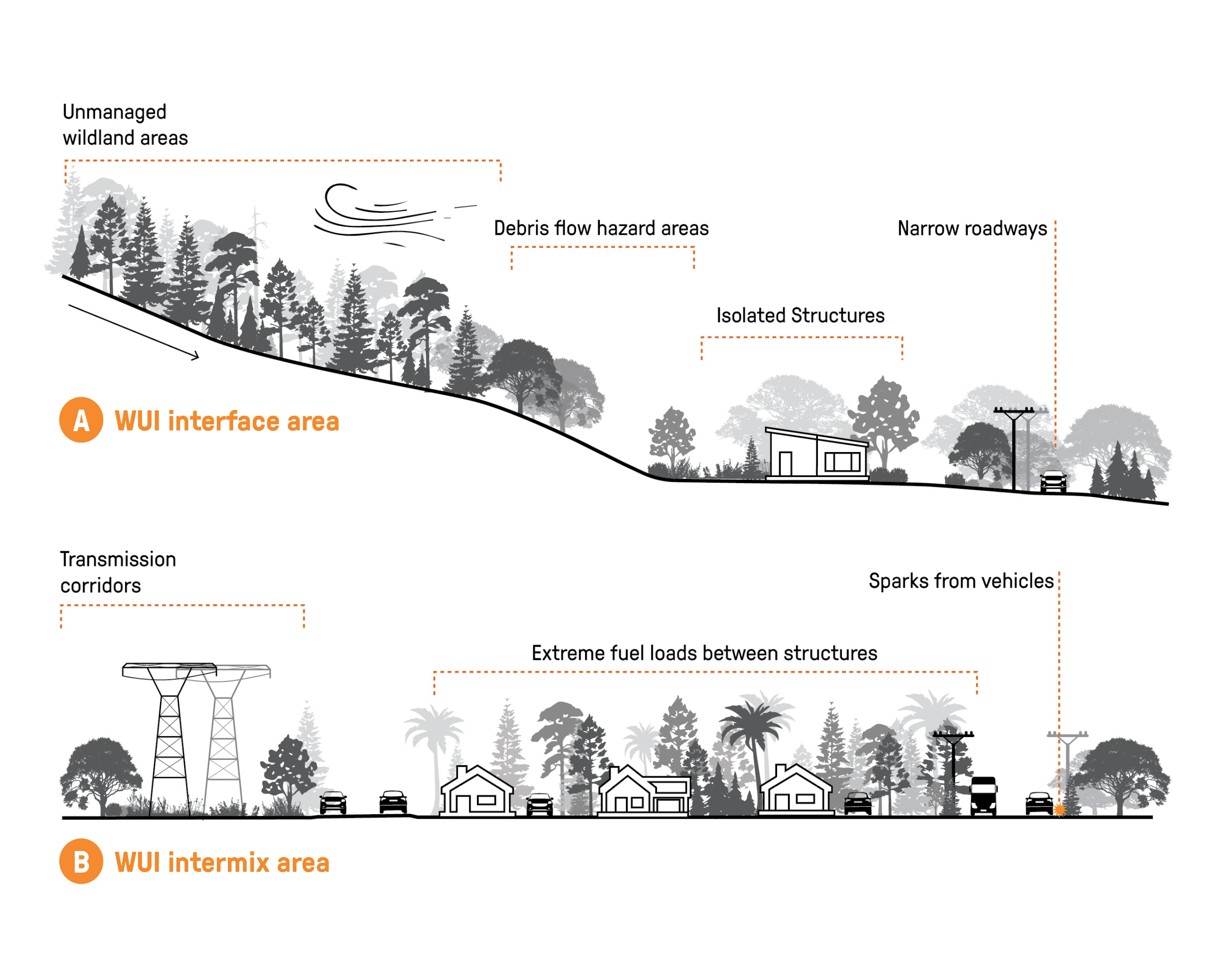
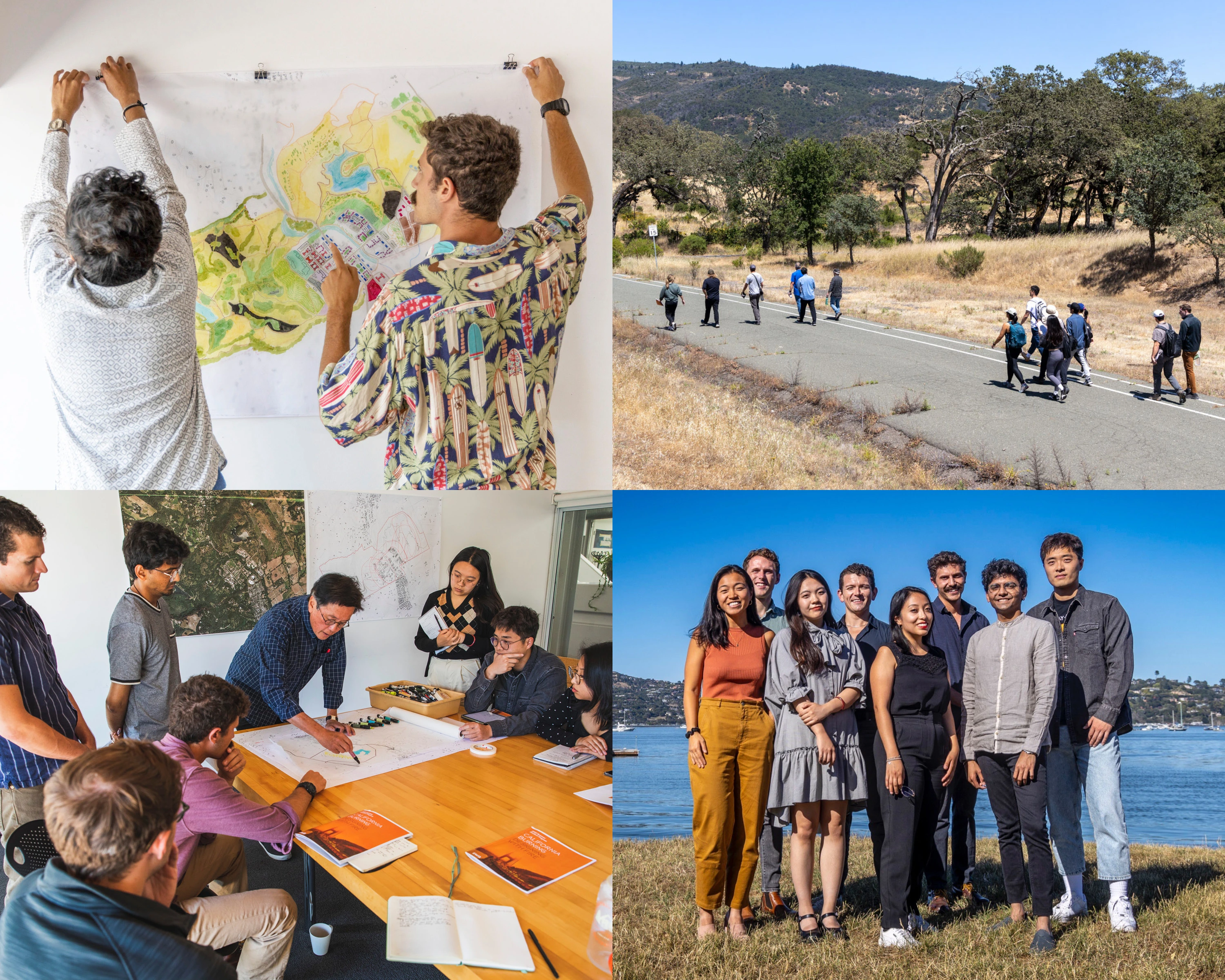
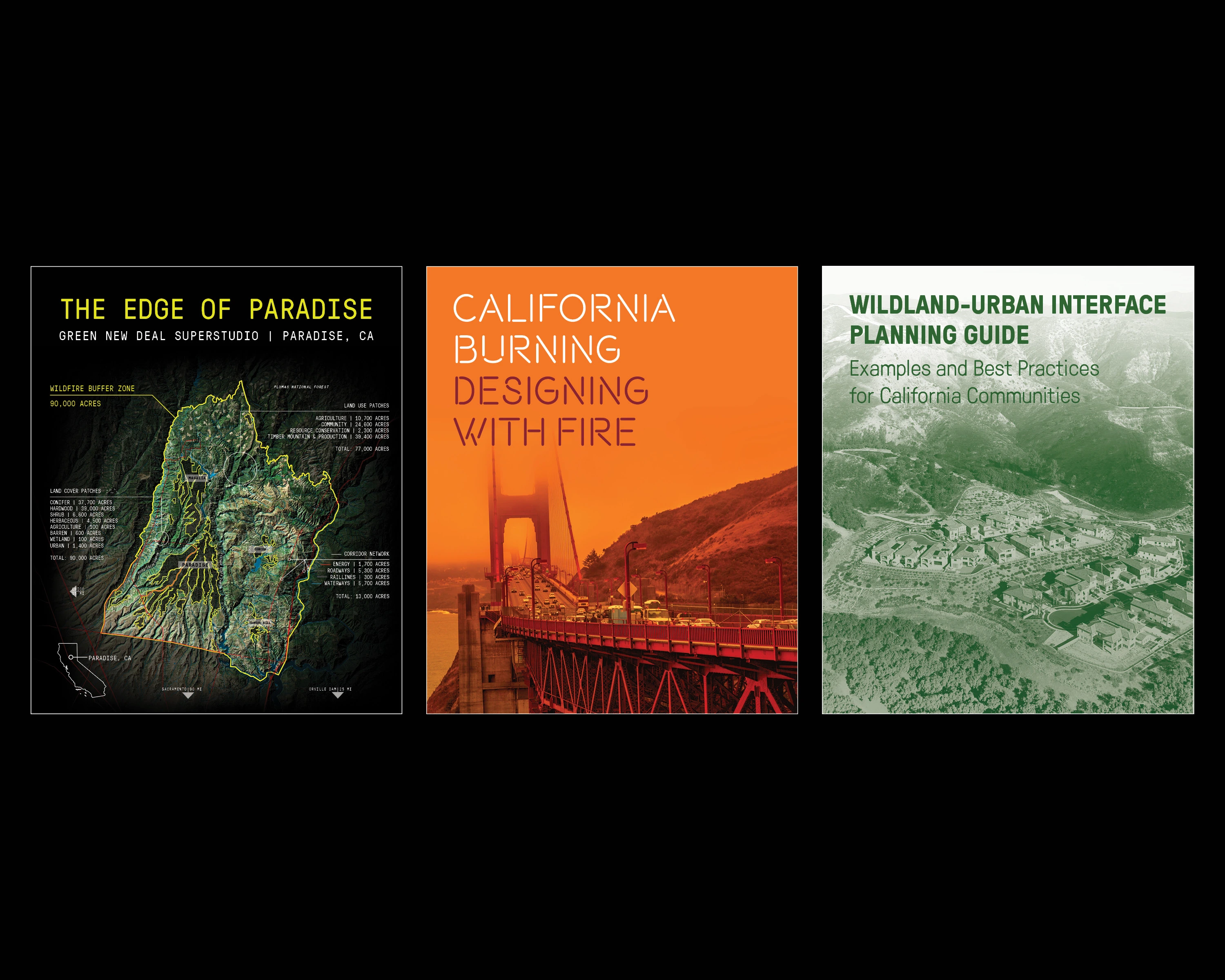
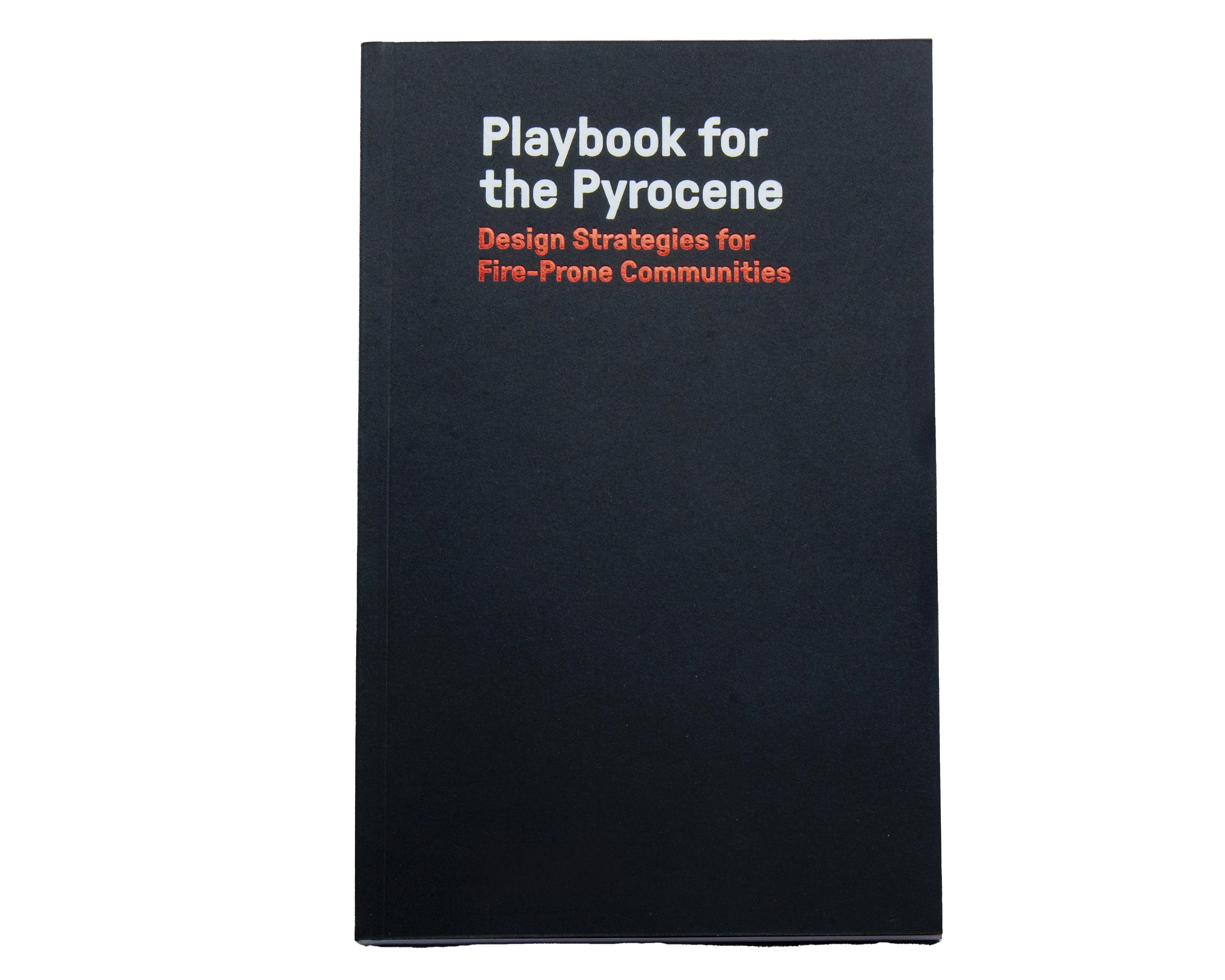
“Playbook for Pyrocene” impresses with its stunning visual execution, effectively capturing the urgency and complexity of wildfire resilience. Addressing an increasingly relevant global crisis, the work provides clear, strategic frameworks to mitigate wildfire risks. It succeeds in balancing aesthetic excellence with critical environmental advocacy, making it both impactful and actionable.
Awards Jury
-
Wildfires are among today’s most urgent landscape challenges, yet a critical knowledge gap persists: while home hardening and regional land use planning strategies are well-documented, accessible community-scale design approaches remain scarce. Playbook for the Pyrocene bridges this gap, synthesizing years of research and collaboration with agencies across California into an open-access guide. Designed for those without deep fire science expertise, it distills key insights from ecology, forestry, policy, and indigenous stewardship into six rules-of-thumb and 20 applied strategies. With clear language, technical guidance, and firsthand expertise, it empowers communities and professionals alike to design for a fire-resilient future.
-
In 2025, wildfires are no longer seasonal disasters—they’re a permanent reality, reshaping landscapes, displacing communities, and demanding a fundamental shift in how we design, build, and conceive of the landscape.
Playbook for the Pyrocene is an open-access publication addressing a critical gap in wildfire adaptation: the lack of accessible, community-scale strategies for reducing fire risk. While wildfire planning has historically focused on site-specific solutions and broad regional policies, little guidance exists for the spaces in between—streetscapes, open spaces, and neighborhood land-use patterns that shape community resilience. Developed over four years through research, collaboration, and applied design work, Playbook synthesizes key concepts from ecology, fire science, forestry, land-use planning, emergency management, and indigenous stewardship into a practical, illustrated guide.
An accessible guide for fire-adaptive communities
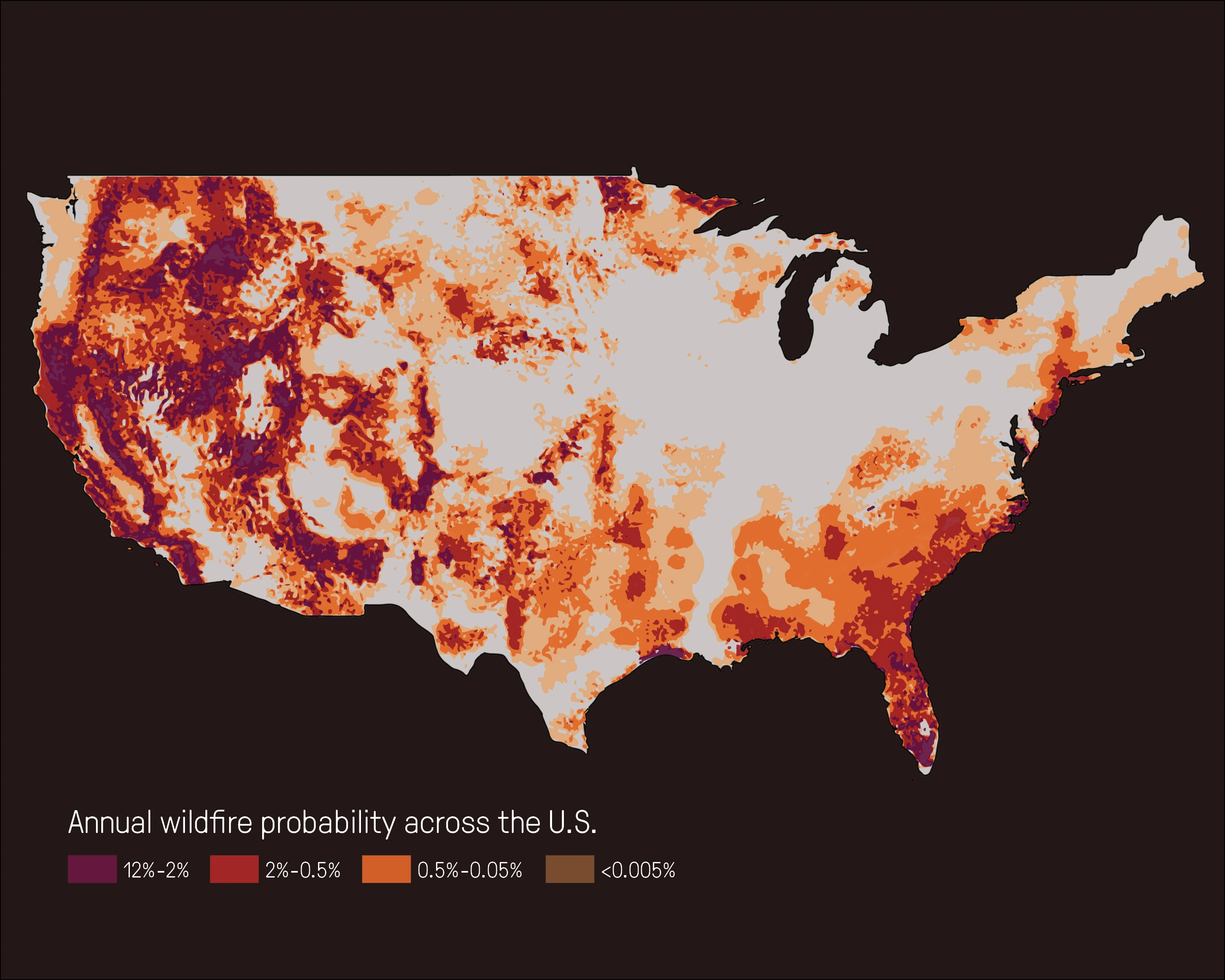
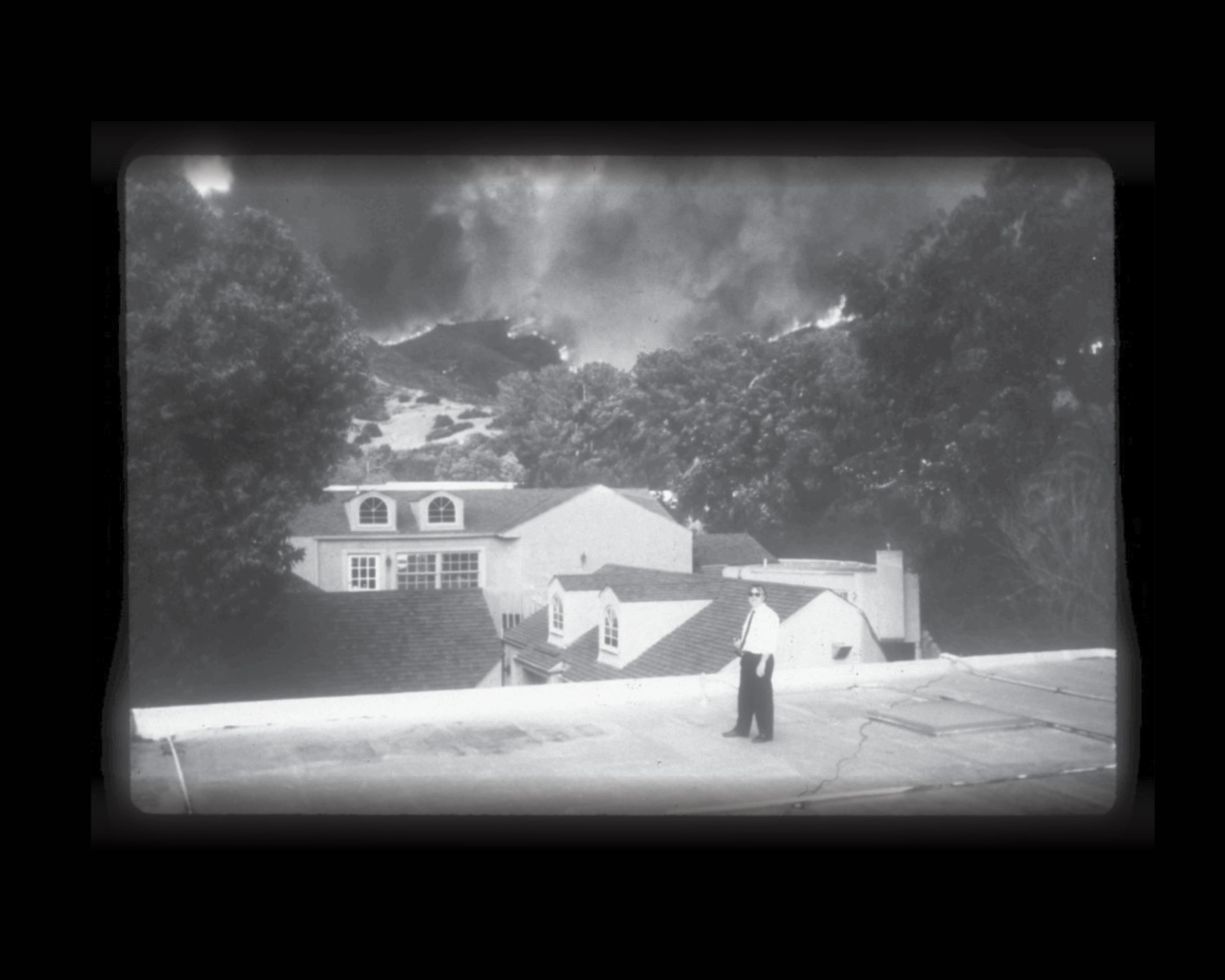
Fueled by climate change and rapid urbanization, severe wildfires have increased in frequency and intensity, searing images of a burning Paradise, Lahaina, and Los Angeles into the popular imagination. While the effects of sea-level rise and extreme heat are widely studied in the built environment, wildfire presents a uniquely fast-moving and unpredictable risk, shaped by vegetation, human settlement, and climate conditions.
Playbook is tactical in its approach, outlining six guiding principles and 20 applied strategies designed for flexibility across site conditions, scales, and geographic contexts, each offering both technical guidance and real-world insights from fire experts. Intended for a broad audience—landscape architects, planners, policymakers, agencies, advocacy groups, property owners, and more—it presents complex science in clear language with illustrations, translating research into actionable design strategies. A robust appendix includes over 100 resources, best practices, and empirical research for deeper exploration.
Expanding the conversation
Since its 2023 release, Playbook has gained traction across professional and academic circles—integrated into graduate coursework in landscape architecture and urban design, consulted by designers and planners working in fire-prone areas, and leveraged in policy discussions on fire-adaptive planning in California. Highlighted in professional media and lectures across the U.S. and Canada, its authors have worked to broaden its impact beyond traditional design disciplines. Freely available online, it was also distributed in a direct mailing campaign to firms, university programs, elected officials, and agency offices nationwide.
A critical window for action
As fire seasons lengthen and extreme weather becomes the norm, the need for community-scale adaptation has never been more urgent. By bridging the gap between science, policy, and design, Playbook reflects a shift toward cross-disciplinary collaboration and an evolving perspective on coexisting with fire as an inevitable force in the landscape. Shaped by fieldwork, direct observation, and evidence-based strategies, the publication serves as both a framework for action and a convening tool, fostering shared dialogue across siloed professions and communities in an increasingly fire-prone world.
-
- Alison Ecker - Research Team Member
- Sydnie Zhang - Research Team Member
- Harrison Raine - Research Team Member
- Shannon Clancy - Research Team Member
- Dallas Ford - Research Team Member
- Peter Rustad - Research Team Member
- Rajpankaja Talukdar - Research Team Member
- Ted Vuchinich - Research Team Member
- Liz Batchelder - Copyeditor
- Paul Wehby - Graphic Designer
- Sean O'Malley, ASLA, SWA - Foreword
- Gerdo Aquino, FASLA; Joe Runco, ASLA; Anya Domlesky, ASLA; Lisa DuRussel, Greg Kochanowski, Molly Mowery, Max Moritz, Carly O'Connell - Special Thanks
Advertisement
Related Awards
Honor Award, Communications
Lo—TEK Water. A Field Guide for TEKnology
Lo—TEK Water is a publication that communicates Indigenous and traditional ecological knowledge as a contemporary framework for addressing global water challenges. Through rigorous research, compelling narrative, and visually driven storytelling, the book translates complex environmental systems into accessible, actionable insights for designers, planners, policymakers, and the public.
Related Articles
ASLA Fund
American Society of Landscape Architects Announces its 2026 Student Awards
39 Student Award winners elevate the future of the landscape architecture profession
Aug 24 2026