

.webp?language=en-US)

.webp?language=en-US)
The Historic American Landscapes Survey (HALS): ASLA 2026 Recap
Explore the historic landscapes documented for HALS in 2026, celebrating landscapes of liberty and freedom.

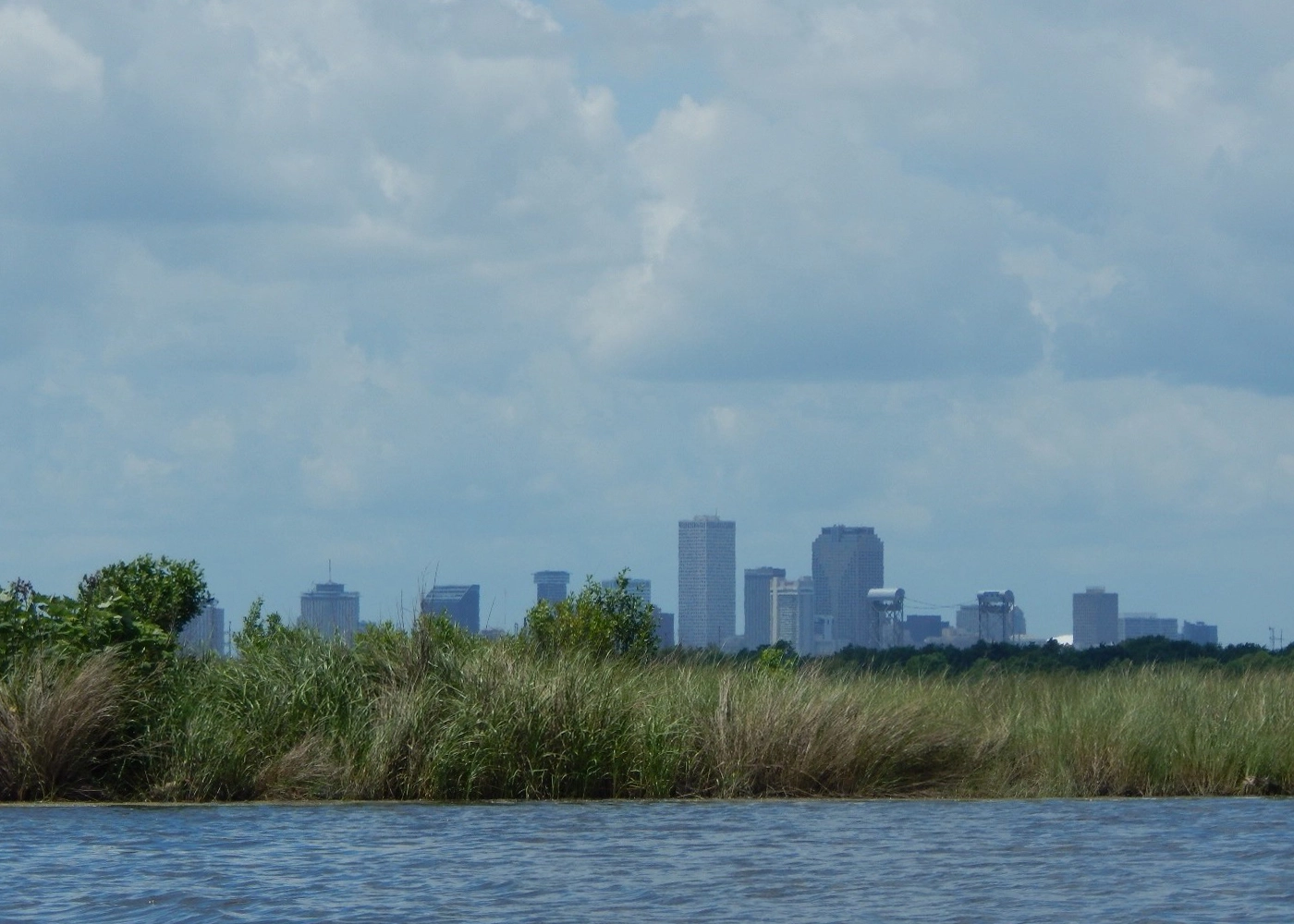
Diane Jones Allen, D.Eng., PLA, FASLA, FCELA, at the HALS Meeting in Los Angeles; she documented Bayou Bienvenue Central Wetland (Bas du Fleuve) in Louisiana for HALS.
The Historic American Landscapes Survey (HALS) documents historic landscapes through the creation of measured drawings, photographs, and historical reports. Documentation created through the program is archived in the Library of Congress and is available to the public.
The HALS Challenge competition was created in 2010 to engage landscape architects, students, and others in the documentation process. Currently, the National Park Service Heritage Documentation Programs division has suspended all competitions, but the ASLA HALS Leadership Team went forward with an open call to encourage continued engagement in this important work.
2026 ASLA HALS Open Call: This is America at 250
In recognition of the 250th anniversary of the founding of United States, we encouraged HALS reports that broadly address the theme of landscapes of liberty and freedom.
Across the nation, the idea of liberty is expressed in battlefields and memorials, public squares and protest sites, trails of migration and emancipation, parks of public gathering, and landscapes that have borne witness to both oppression and liberation. These places reveal the complex and ongoing pursuit of freedom in all its forms—political, cultural, environmental, and personal.
Through this year’s optional theme, we seek to honor the diverse stories of freedom that define the American landscape and to recognize that liberty, like the land itself, is both a heritage and a living pursuit.
After celebrating all the submissions at the ASLA 2026 Conference on Landscape Architecture in Los Angeles earlier this month, we are also highlighting them on The Field. The full reports will be added to the HABS/HAER/HALS Collection at the Library of Congress.
See The Field for more on the landscapes listed below, and stay tuned—the theme for the next open call for HALS report submissions will be shared on The Field very soon!

2026 Submissions for the Historic American Landscapes Survey (HALS)
Explore the historic landscapes documented for HALS in 2026, recognized at the ASLA Conference on Landscape Architecture in Los Angeles and highlighted on The Field.
Historic Landscapes Documented for HALS in 2026
Bayou Bienvenue Central Wetland (Bas du Fleuve)
Louisiana
Diane Jones Allen, D.Eng., PLA, FASLA, FCELA
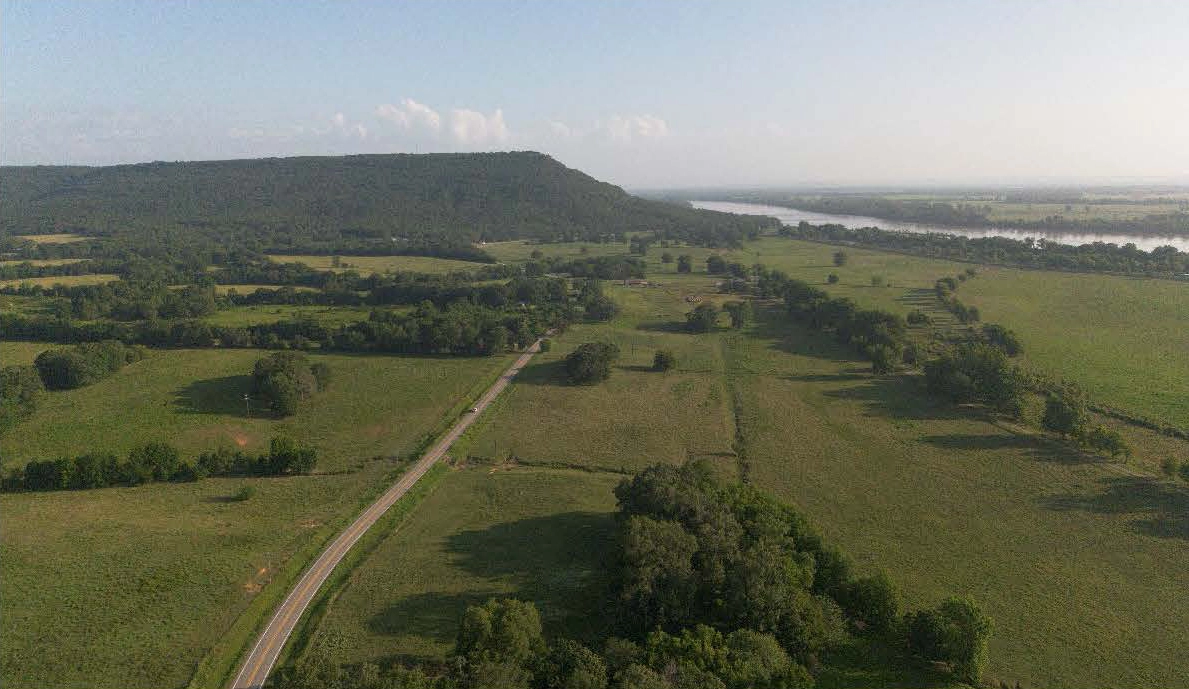
Day-Use Area, Petit Jean State Park
Morrilton, Arkansas
Esta Hasa and Kimball Erdman
Serpent Mound (Serpent Mound National Historic Landmark)
Adams County, Ohio
David J. Driapsa, FASLA
Koreshan Unity Settlement (Koreshan Historic District)
Estero, Florida
David J. Driapsa, FASLA
Bowers Mansion (Bowers Mansion Regional Park)
New Washoe City, Nevada
Jung-Hwa Kim, PhD
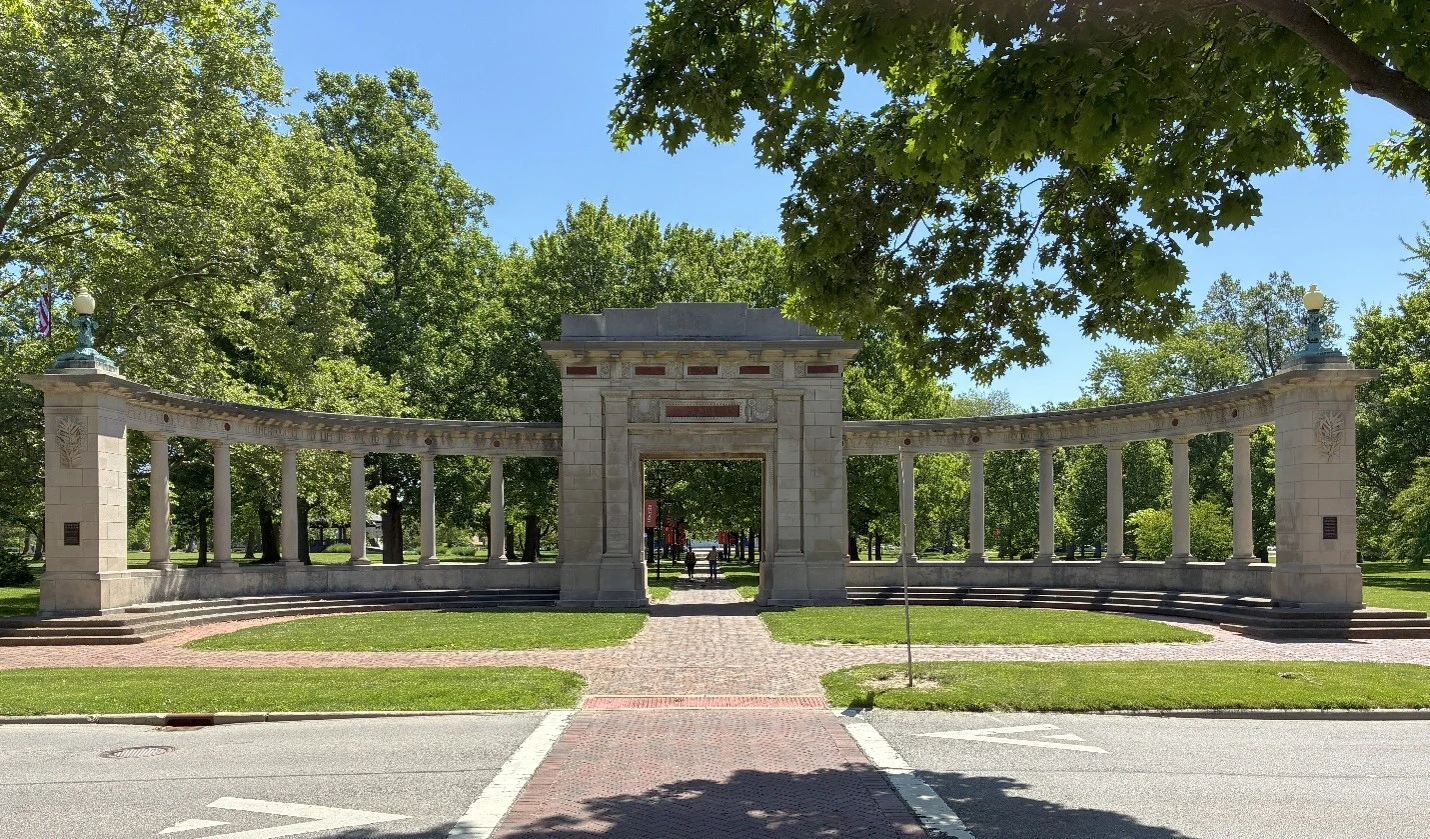
Tappan Square
Oberlin, Ohio
P. Jeffrey Knopp
Esther and Richard McNiece Farmstead
Brownstown, Indiana
Riley Meier, Student ASLA
Biddy Mason Memorial Park
Los Angeles, California
Stephanie Psomas, ASLA
Juan Bautista de Anza National Historic Trail
Maricopa County, Arizona
Aaron M. Wright, PhD, Caryn Logan Heaps, ASLA, PLA, Steve Venker, ASLA Emeritus, and Giovanni Barberio
Gonzales Amphitheater and Reflecting Pool
Gonzales, Texas
The Texas ASLA HALS Committee – Sandra Chipley, ASLA, RLA, Chair
See The Field for excerpts from these reports.