
.webp?language=en-US)


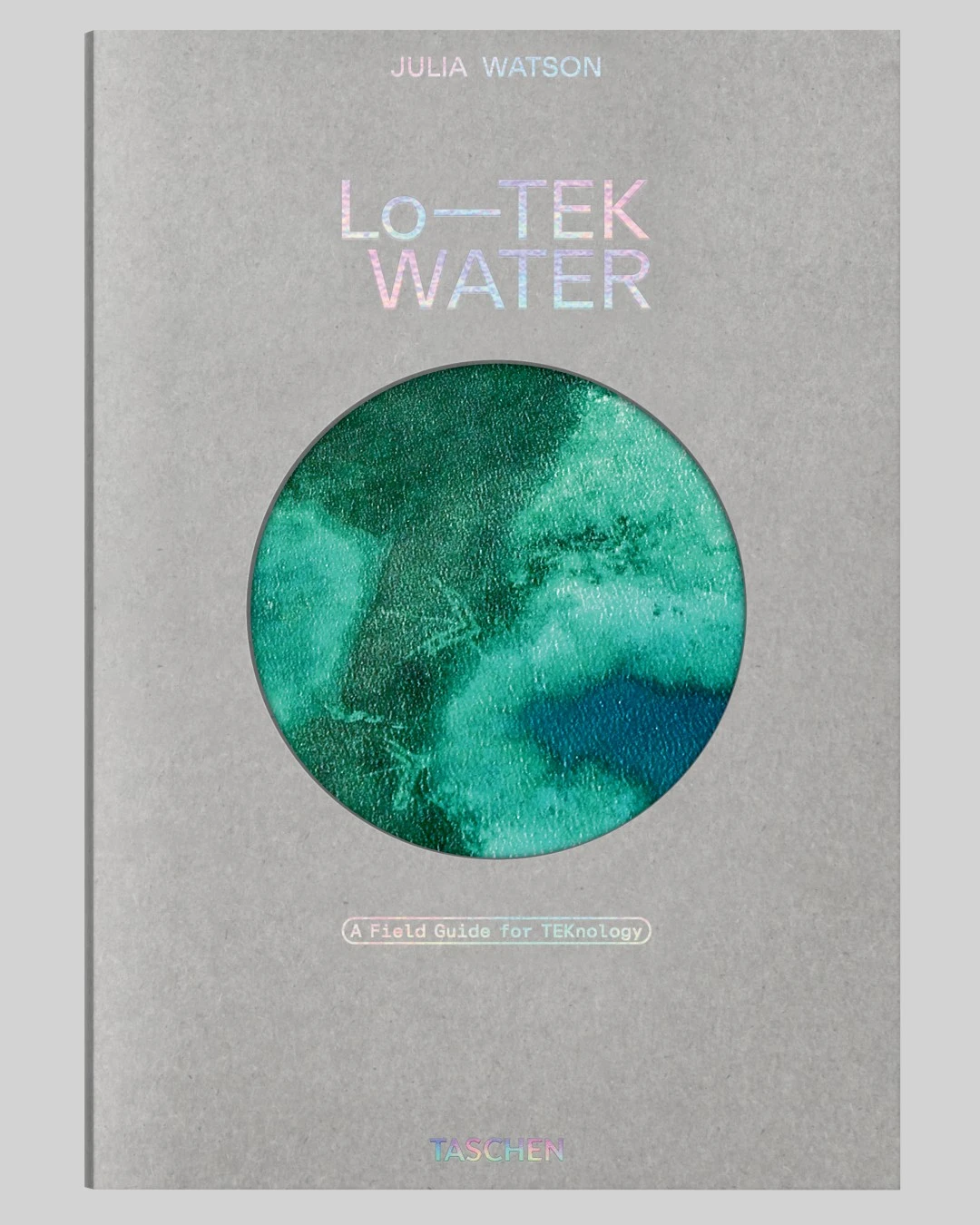
Lo—TEK Water. A Field Guide for TEKnology
-
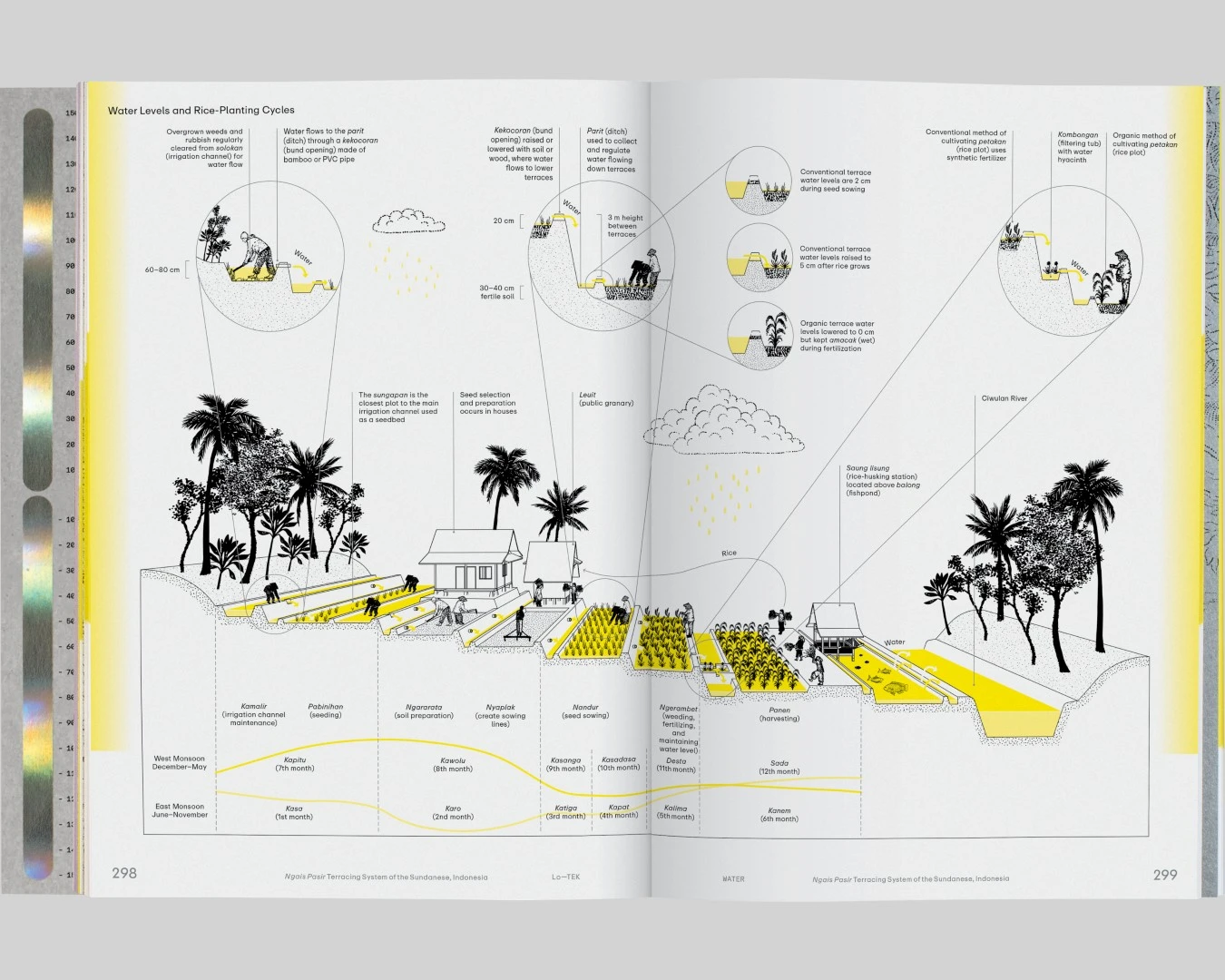
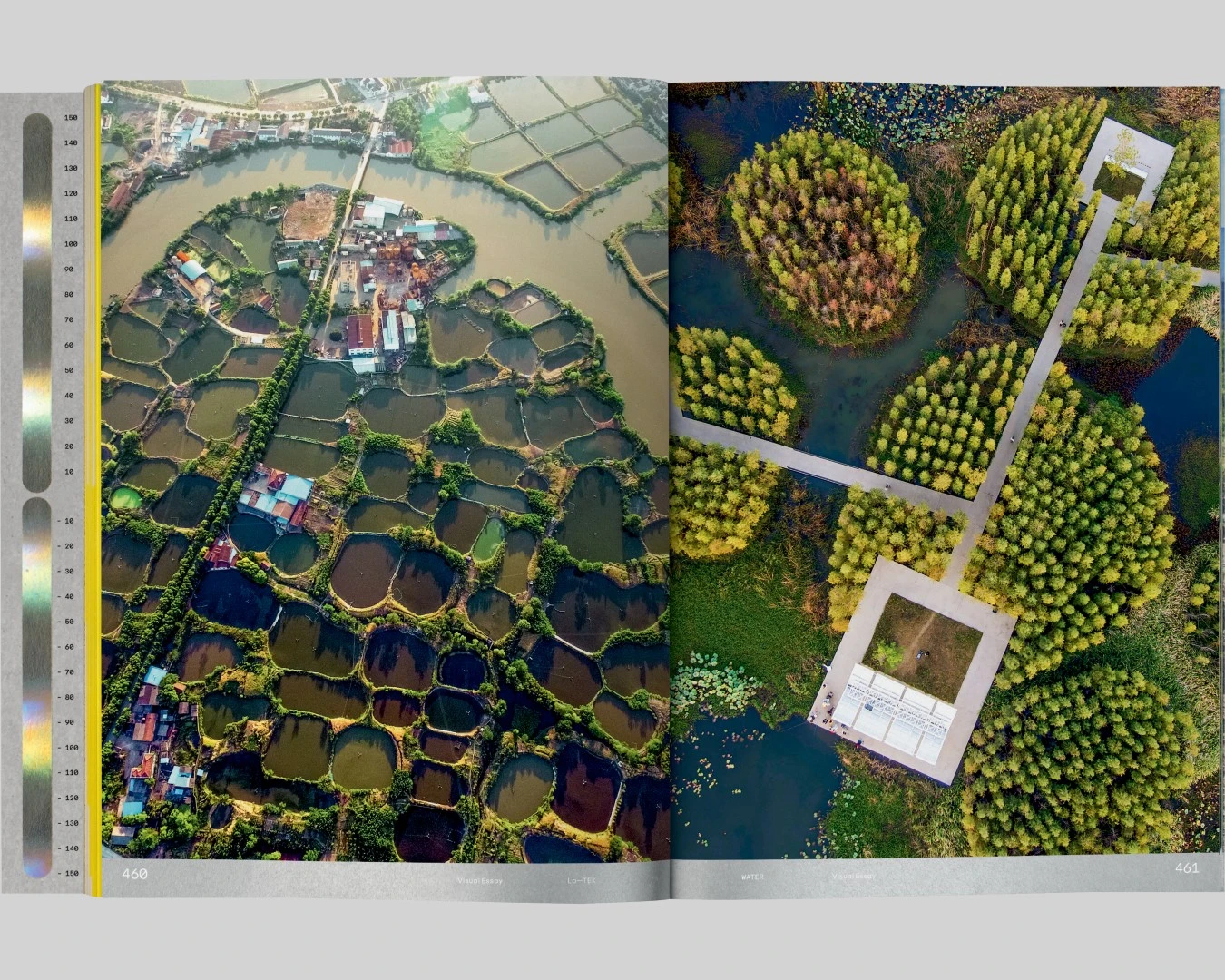
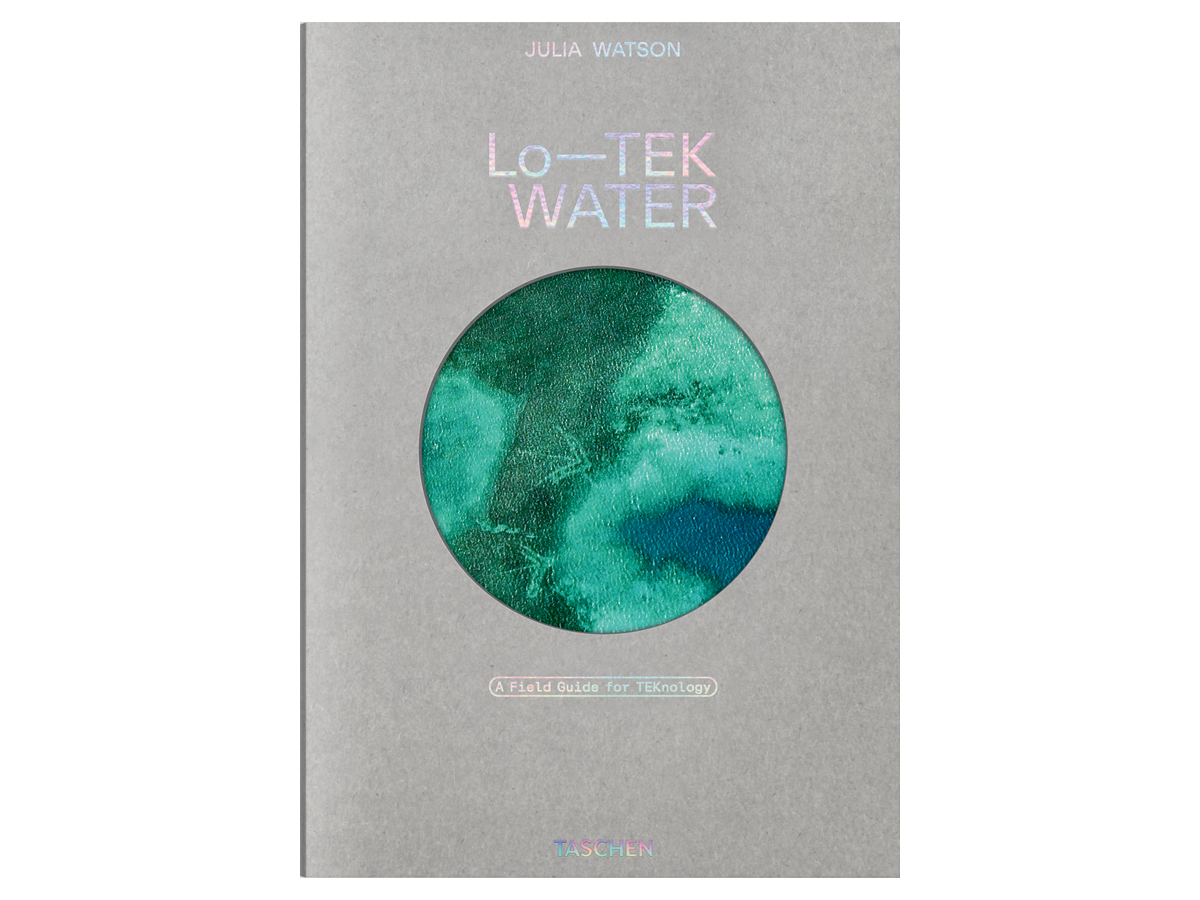
Lo—TEK Water is a publication that communicates Indigenous and traditional ecological knowledge as a contemporary framework for addressing global water challenges. Through rigorous research, compelling narrative, and visually driven storytelling, the book translates complex environmental systems into accessible, actionable insights for designers, planners, policymakers, and the public. By reframing water infrastructure through culturally rooted, nature-based practices, the project expands the discourse of landscape architecture and elevates underrepresented knowledge systems. Its international distribution demonstrates the power of communication to influence practice, policy, and public understanding at a critical moment for sustainability.
-
This project operates as both a communication platform and a body of applied research documenting the continuing and evolving Indigenous and traditional water knowledge shaping contemporary practice and future human systems. Conceived as a sequel to the award-winning bestseller Lo—TEK Design By Radical Indigenism, grounded in traditional ecological knowledge, the project extends that work through a focused examination of innovative water systems. It advances an ambition to reframe water not as a crisis to be controlled, but as a collaborator capable of guiding human civilizations. Structured as a field guide, the publication catalogs ancestral aquatic infrastructures alongside a curated body of contemporary projects where ancestral wisdom and modern technology are intentionally hybridized.
Together, these examples chart the emergence of a field of practice described as TEKnological Urbanism, articulated through a framework of ten guiding principles that designers, mayors, developers, and policymakers can use to shape cities worldwide over the next fifteen years. The project responds to the unprecedented scale and speed of global urbanization projected through 2040, a period during which the equivalent of multiple megacities will be constructed annually. Within this context, it reframes the central challenge of development from whether cities will be built to how they will be built, asking whether this next phase of growth can be regenerative, culturally grounded, and place-based rather than extractive.
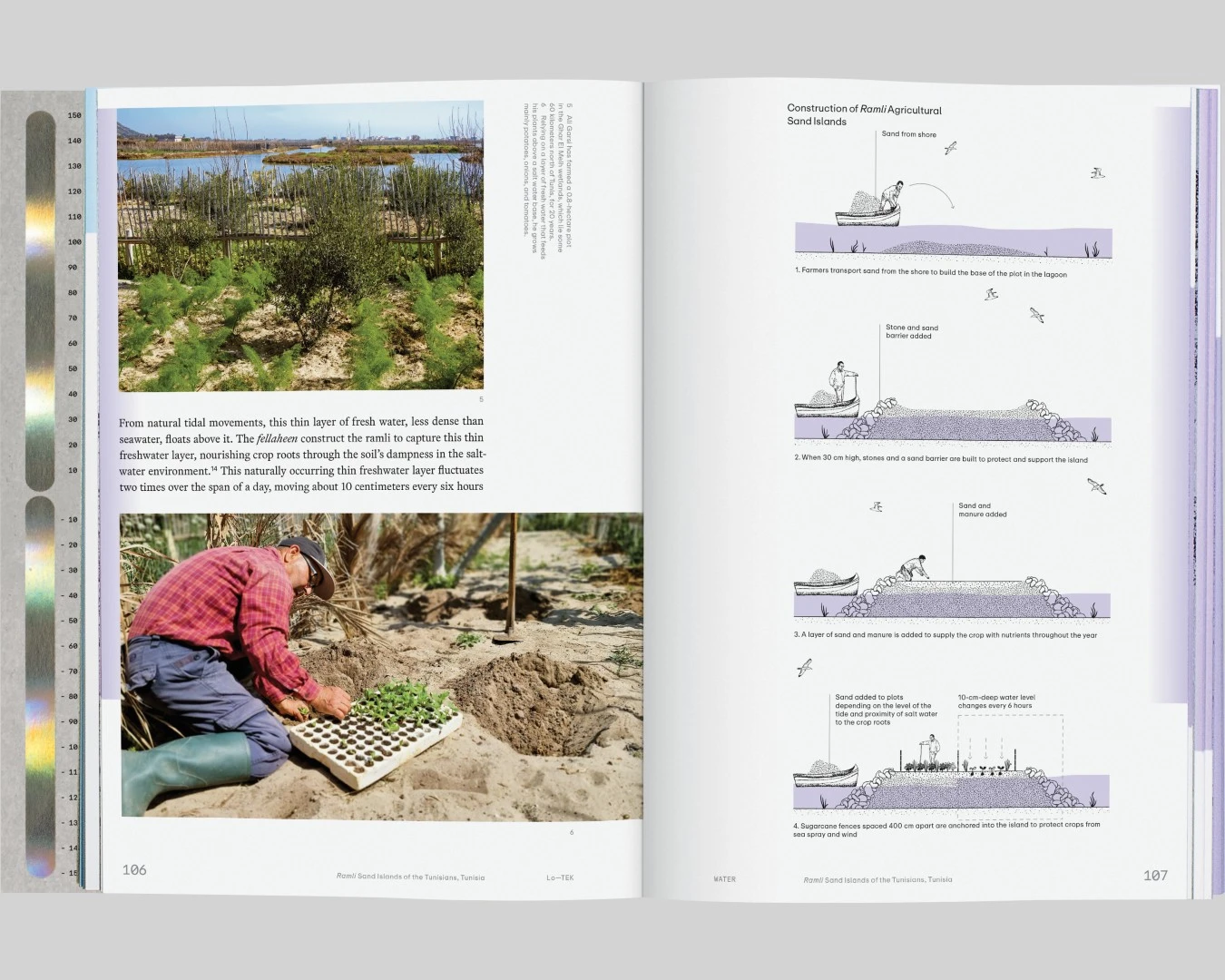
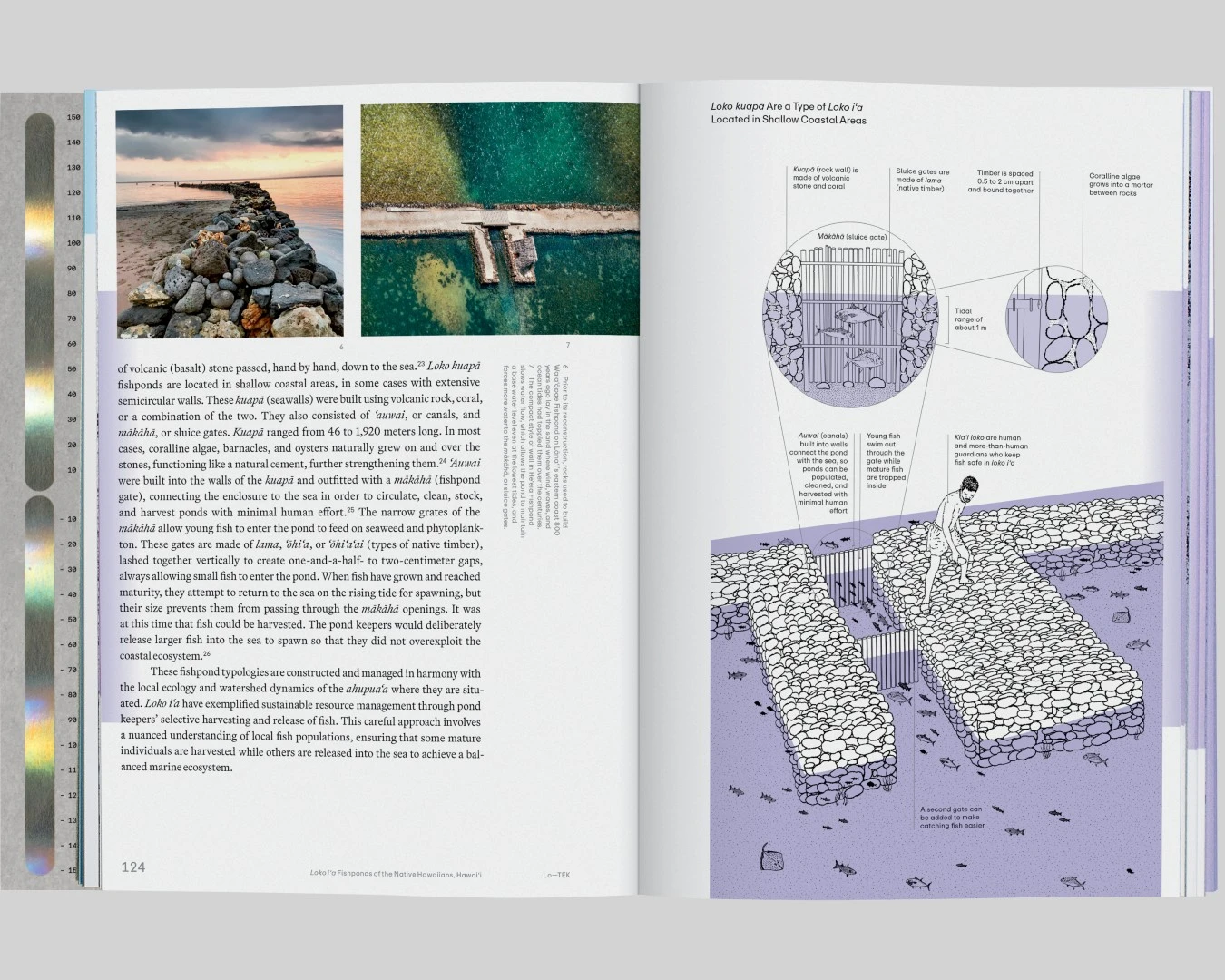
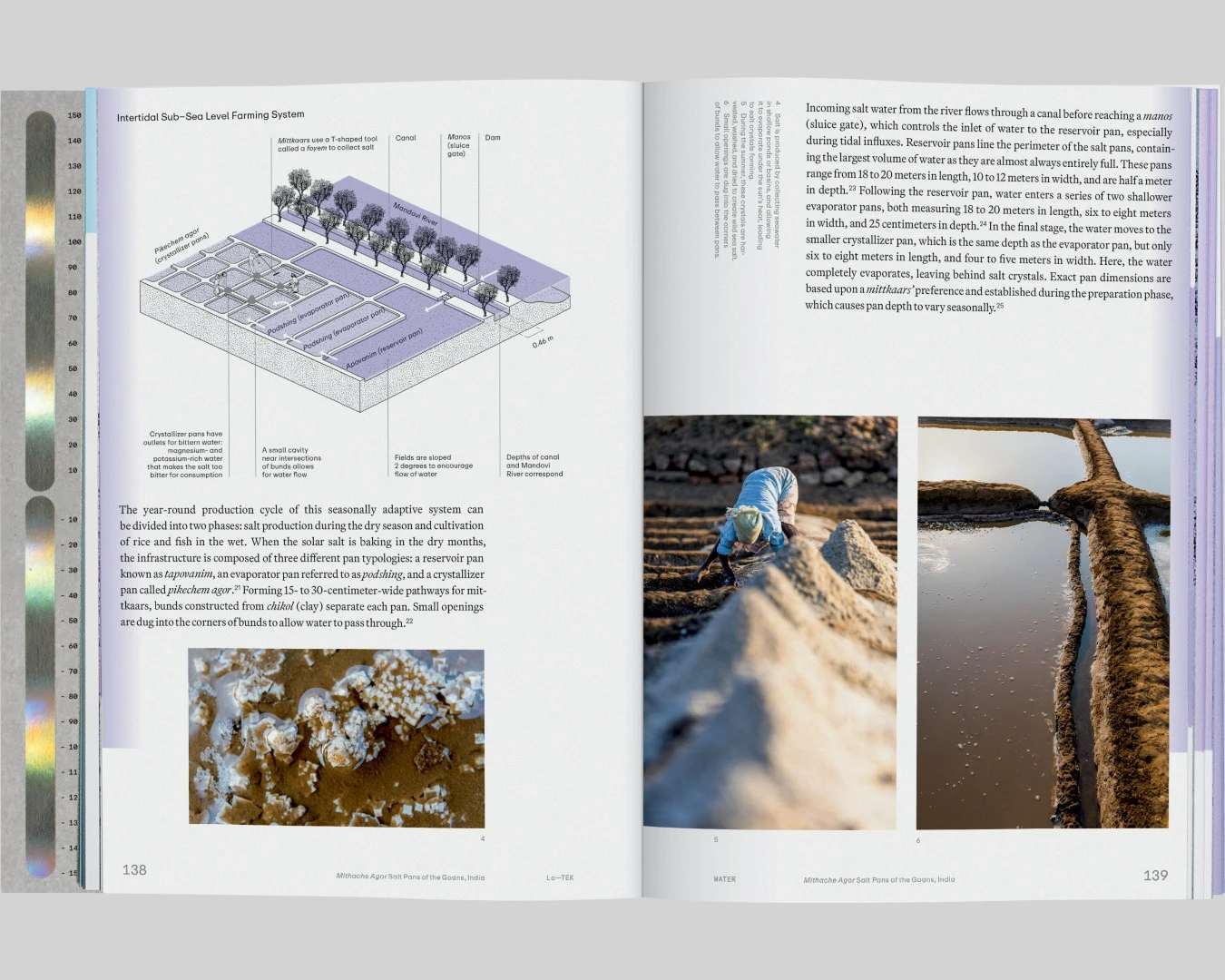
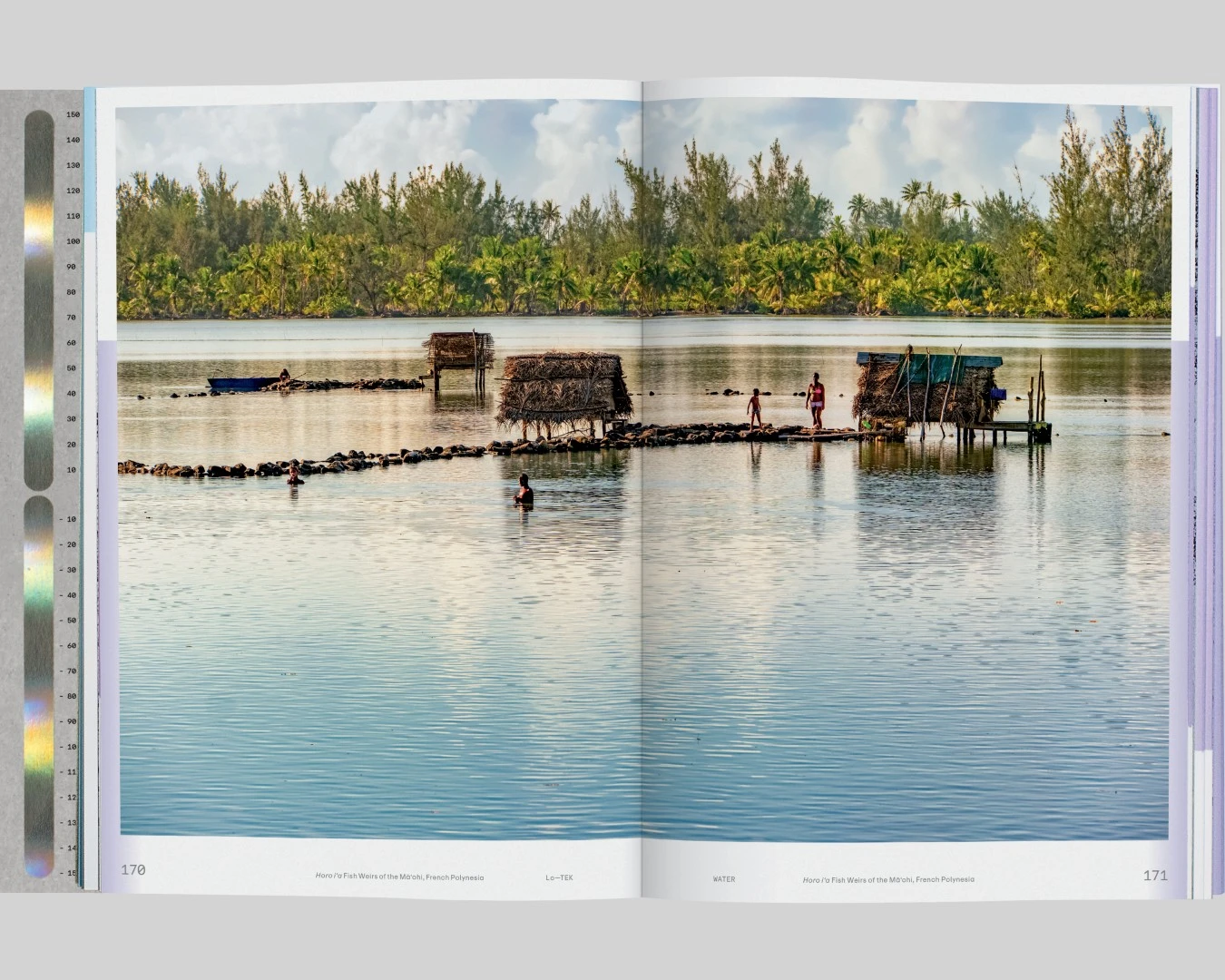
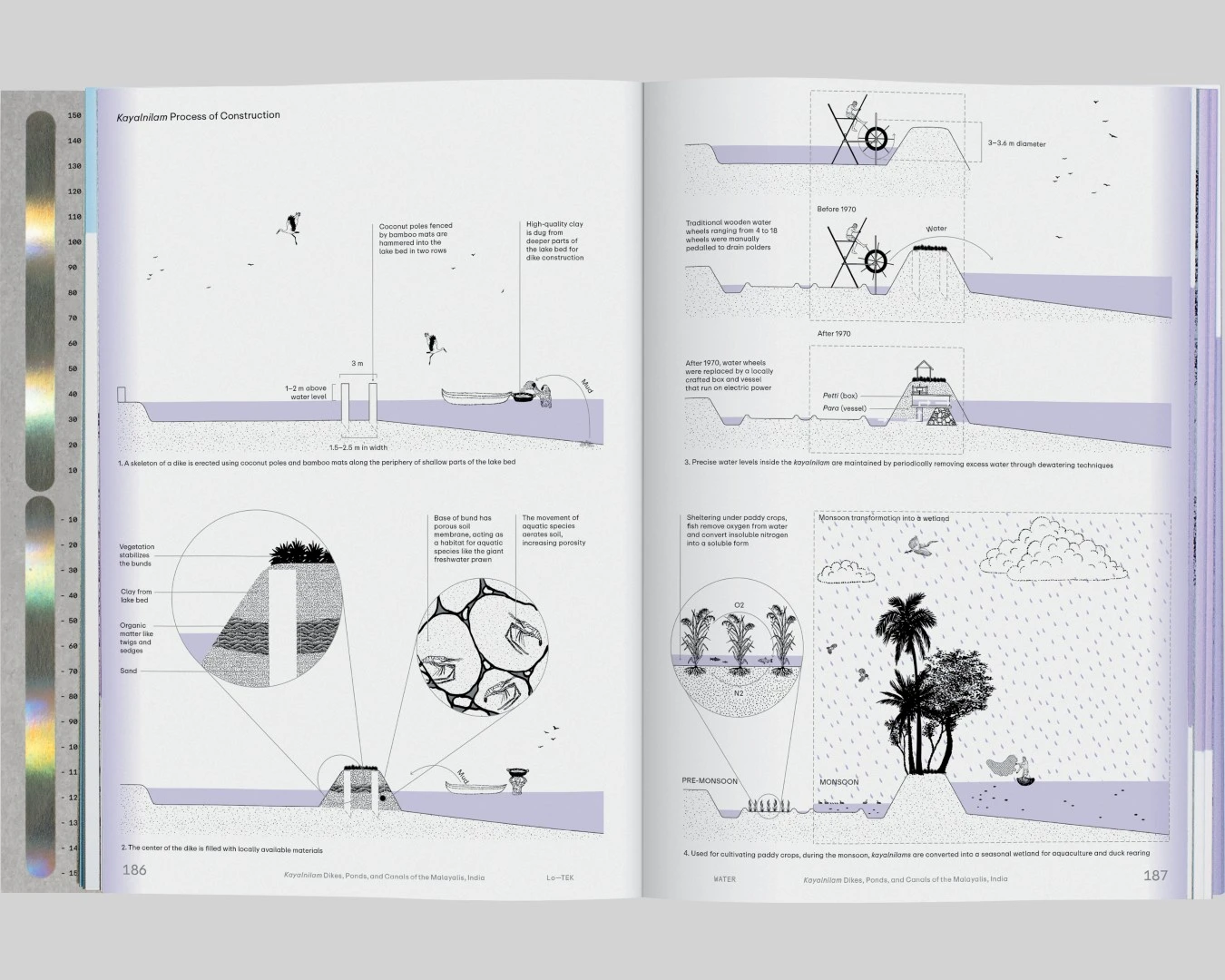
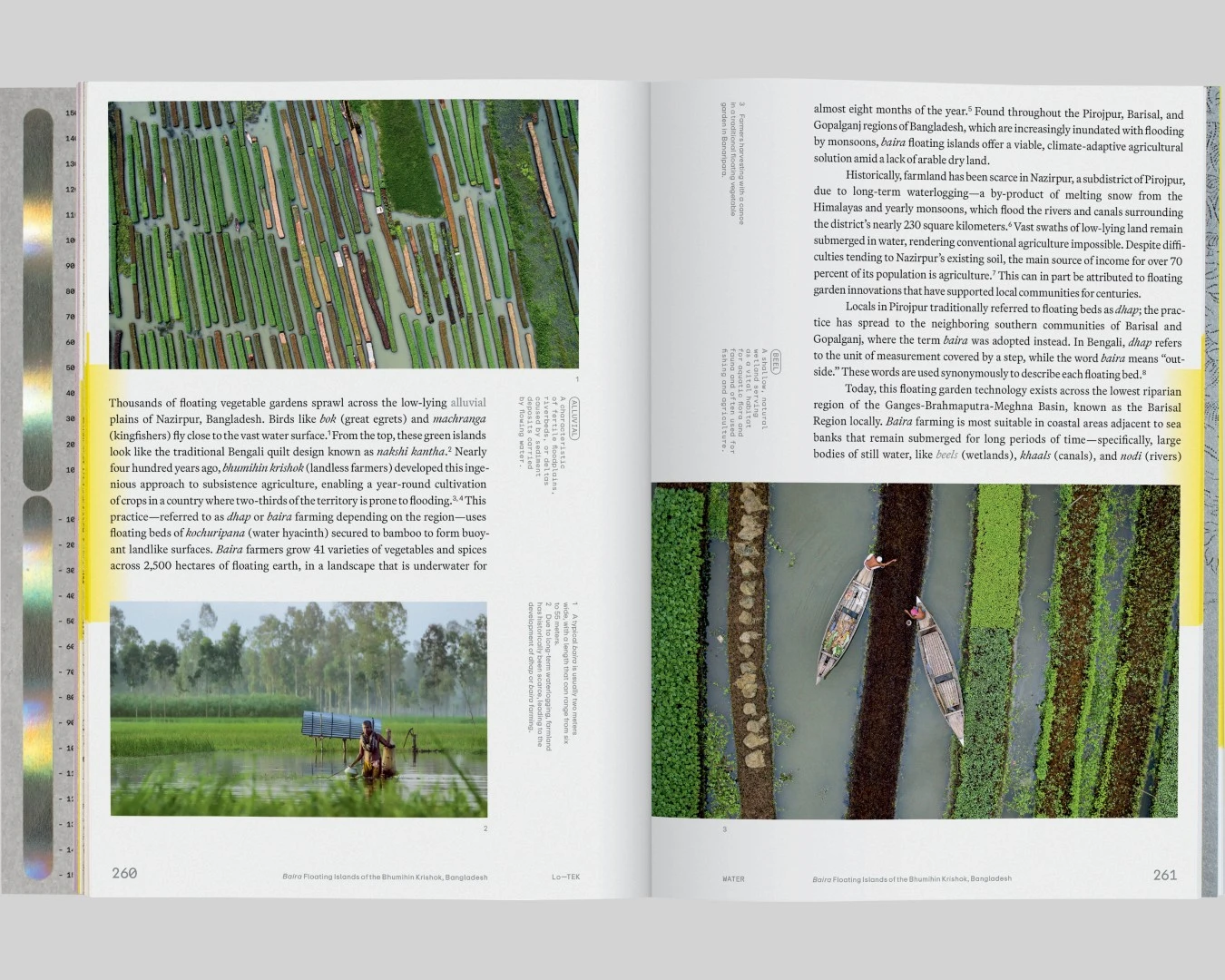
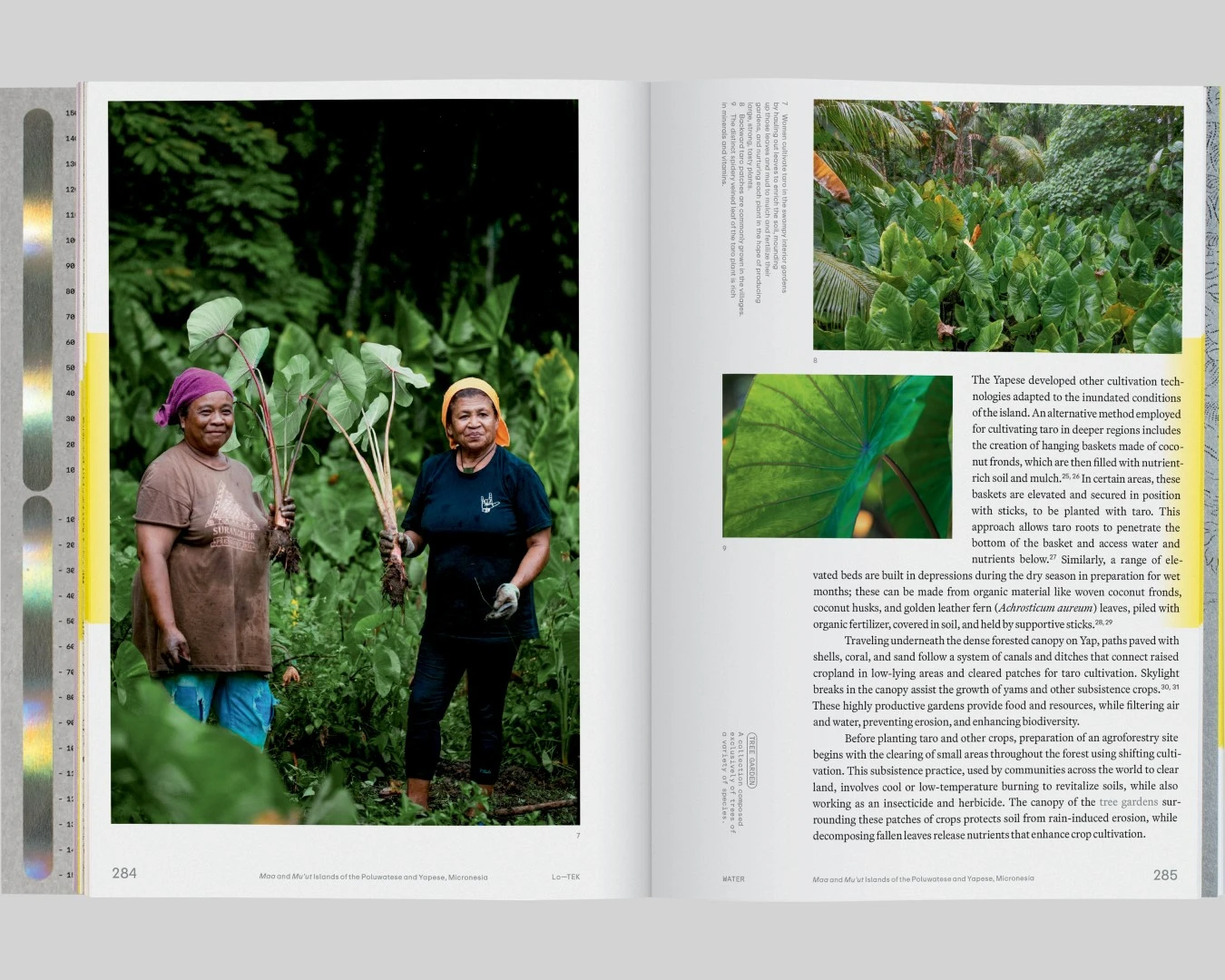
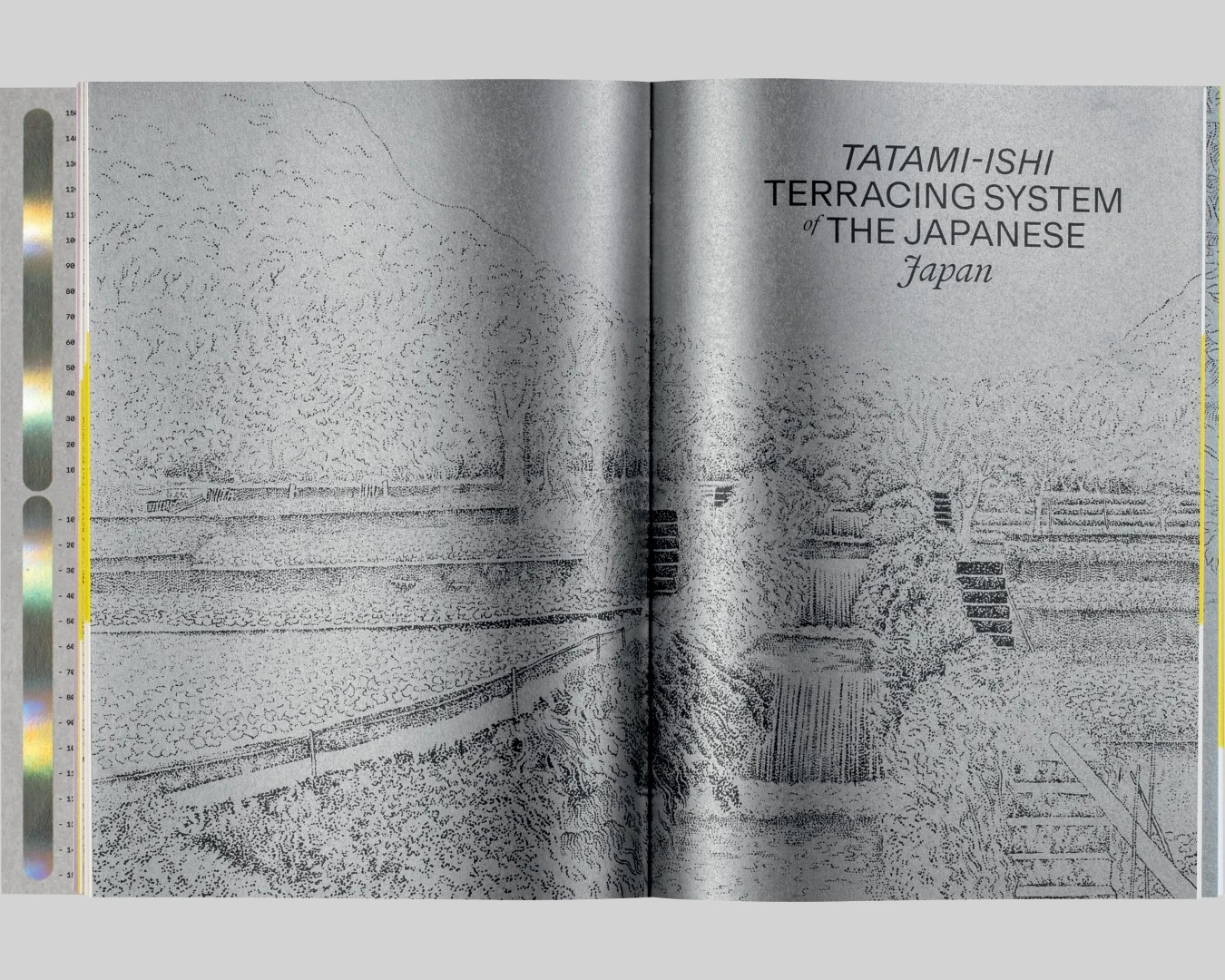
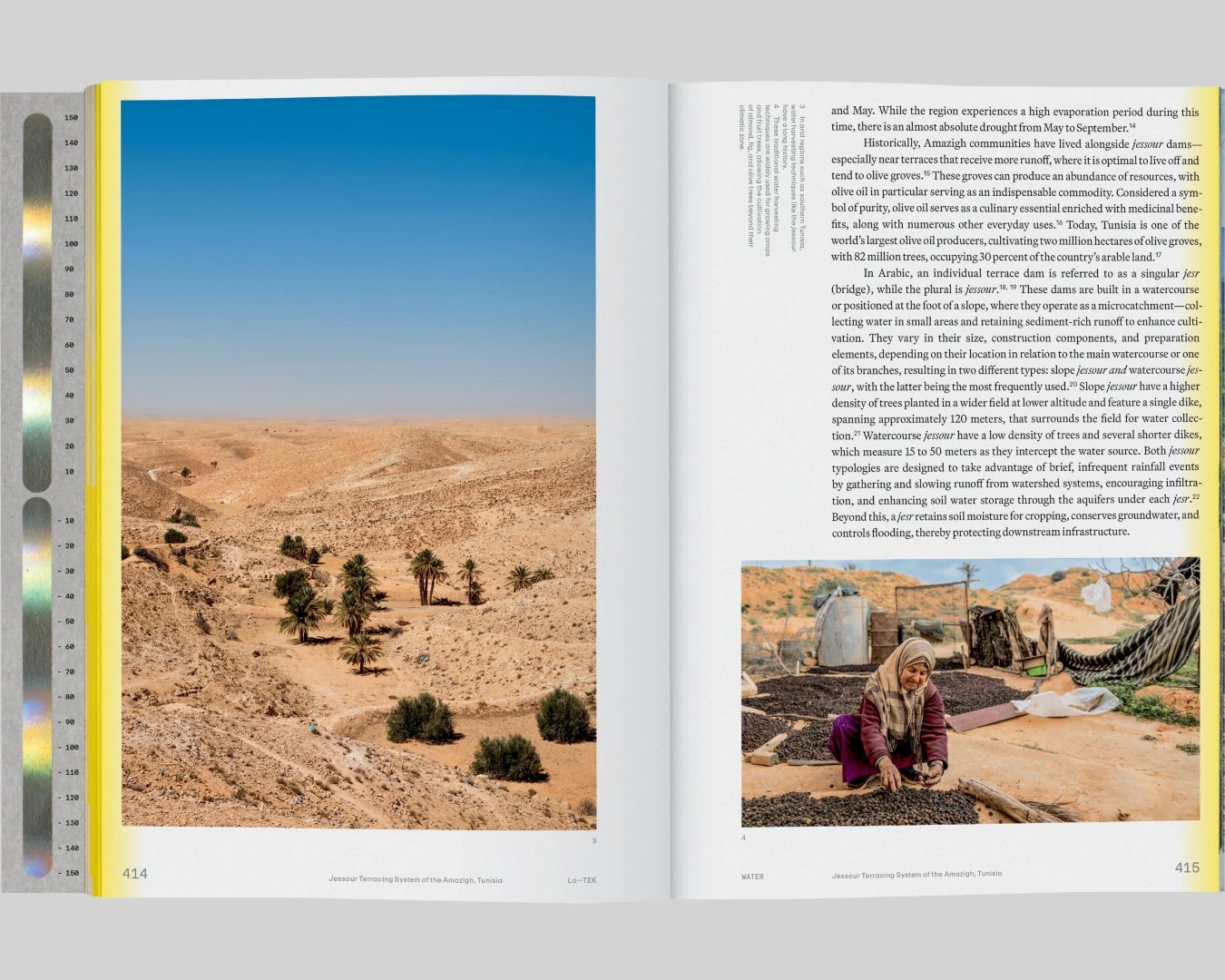
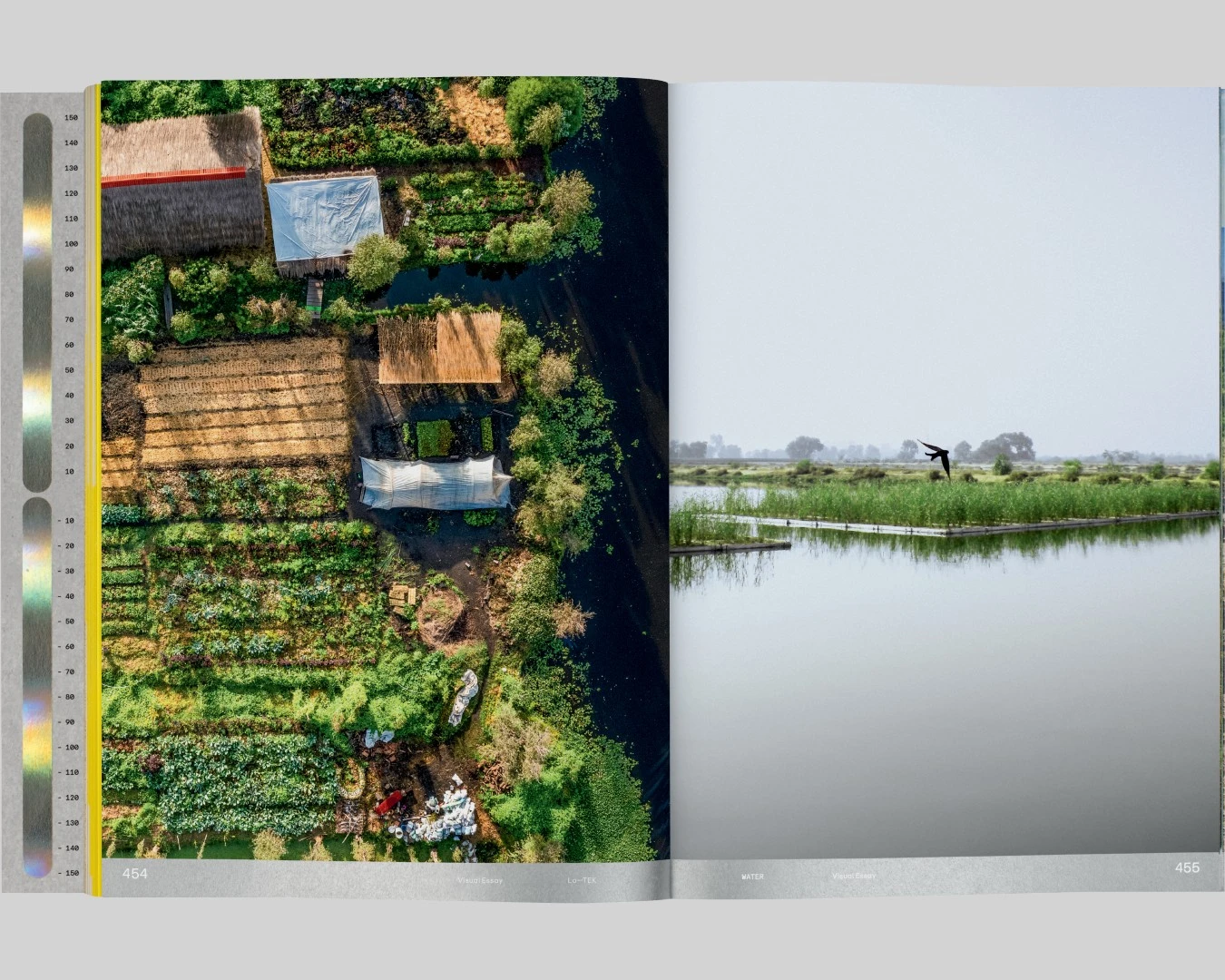
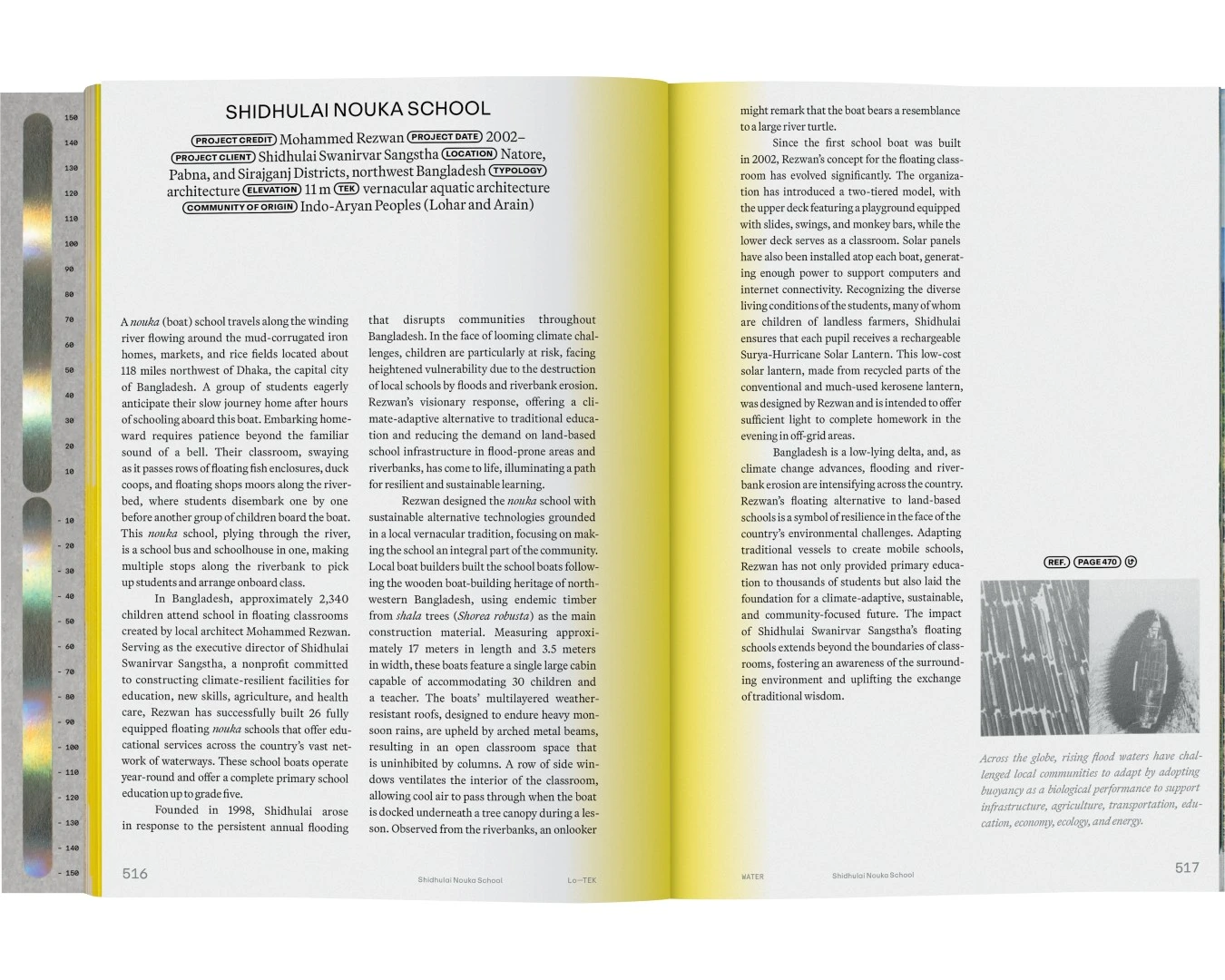
Through applied research, the publication documents Indigenous aquatic systems such as floating farms, tidal fish traps, aquifer recharge landscapes, and wetland-based infrastructures, pairing them with contemporary global projects that reinterpret these principles using current tools, materials, and governance models. The catalog demonstrates that TEK-informed design is not historical or isolated, but actively shaping housing, public space, infrastructure, and large-scale systems across diverse climates and cultures. Collectively, these projects reveal a coherent global pattern of practice rather than singular precedents.
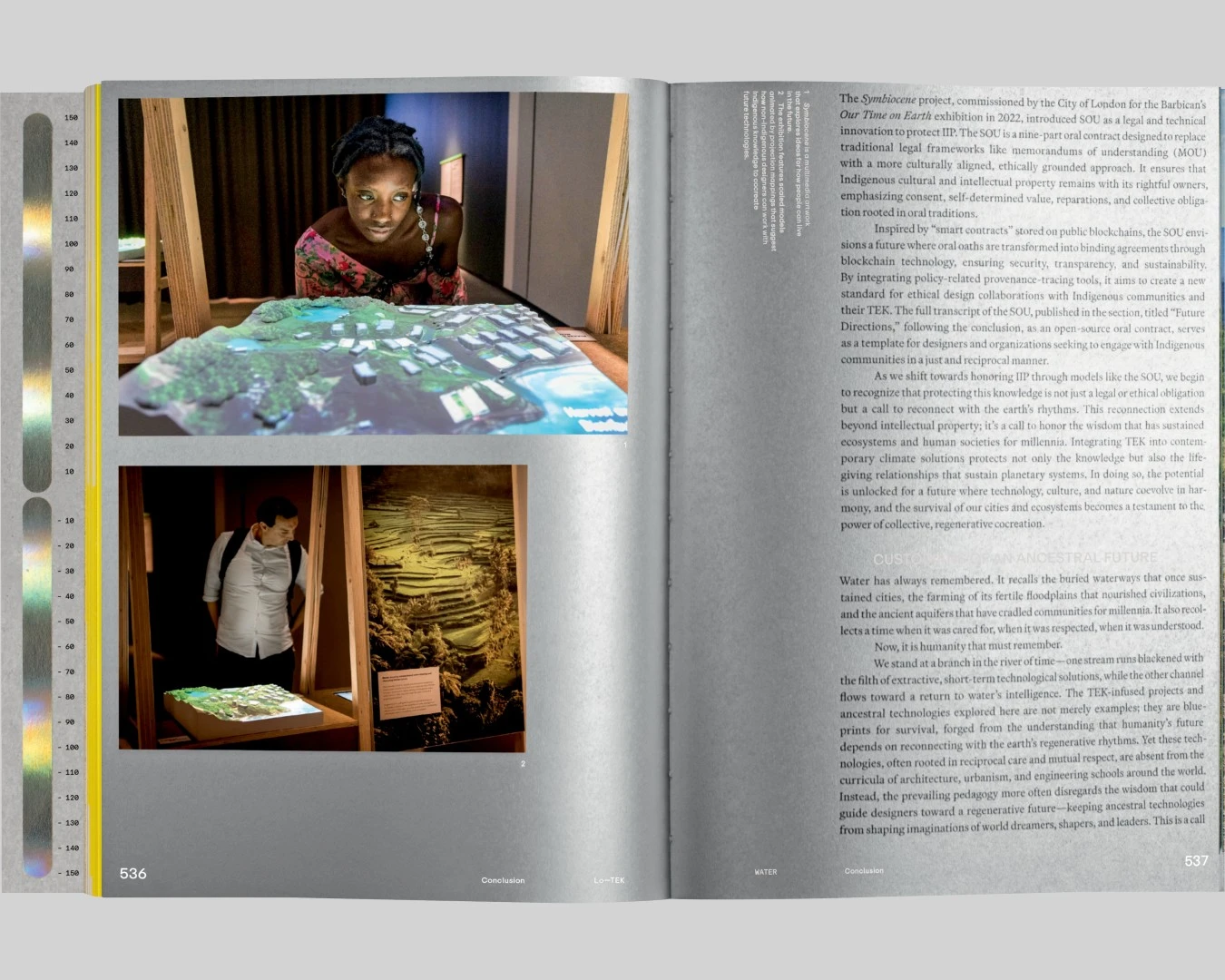
The intended audience includes landscape architects, architects, urban designers, planners, policymakers, educators, students, and the public. The communication strategy relies on narrative clarity, visual literacy, diagrams, and case studies to translate complex hydrological and cultural systems into accessible, actionable knowledge. The project’s influence extends beyond publication into practice and policy conversations by providing a shared language and conceptual framework that supports Indigenous-led design leadership, enables cross-cultural collaboration, and informs decision-making at multiple scales. By aligning cultural intelligence with ecological performance, the work demonstrates how communication can catalyze systemic change rather than simply describe it.
Distributed through commercial bookstores, online platforms, academic institutions, libraries, and professional networks, the publication reaches an international audience and has been adopted in educational curricula, exhibitions, lectures, and professional discourse. Its effectiveness lies in its ability to shift how water, infrastructure, and human settlement are framed—positioning landscape architecture as a mediator between culture, ecology, and technology at a moment of profound environmental transformation.
-
- Taschen, Publisher
- Piera Wolf, W—E studio, Graphic Design, Art Direction
- Stephanie Specht, Specht Studio, Graphic Design, Art Direction
- Lina Müller Illustration, Illustrations, Illustration Design
- Danielle N. Carter, Copyeditor
- Ina Halbfas, Typesetting
- Nora Dohrmann, Editorial Coordination
- Rossella Castello, Production
- Luiza Marguerite Leiser Livingston & Sophia Swedback, Project Assistants
- Amaya (Mona) Abraham, Hala Abukhodair, Naeema Ali, Amina Chouairi, Jennah Jones, Boomi Kim, Itamar Lilienthal, Despina Linaraki, Luiza Marguerite Leiser Livingston, Ayu Tri Prestasia, Brandon Denina Pundamiera, Pilar Rivera, Nic Speed, Sophia Swedback, Natalia Trujillo, Avantika Velho, Clara Waldheim, Patricia Watson, Research Collaborators
- Tasnime El Arbi, Manimala Chanu Asem, Gideon Bouro and Tsatsa Seimarlie, Joachim Cabral, Rodrigo Alberto Lañado Cruz and Pedro Mendez Rosas, Margie Francisco, Kinohi Fukumitsu and Hi’ilei Kawelo, Thomas Ganang and Aloysius Guchbuw, Hakim Issaoui, Shri Rupesh Kumar K, Dorothy Peggy Lubin-Lévy, Venant Messe and Joseph Johnson Bibi, Mohamed Ouessar, Mohammed Rezwan, Khaing Khaing Soe, Ucu Suherlan, Omar Wanas, Ian Wood, Michele Zanetti, Cynthia Neri Zayas, Coauthors and Collaborators
- Azam Alwash, Fergus Anderson, Joshua Apperly, Jassim al-Asadi, Peter Bateman, Paul Eastell, Morningstar Khongthaw, Daniel Knott, Randolph Langstein, J. Steven Langstein, Despina Linaraki, Ferdinand Ludwig, Aparajita Majumdar, Edmund Metters, Wilfred Middleton, Mark Mollé, Rachel Monteith, Smith Mordak, Sally Pickard, Matthew Vaughan-Shaw, Kitty Walker, Julia Watson, Natasha Watson, Ir. I Wayan Alit Artha Wiguna, Indigenous Academic Advisers from the Enrich Hub: Keolu Fox (UCSD), Māui Hudson (Waikato), Jane Anderson (NYU), Video Editors from the War Khasi Community: Mukul Bhandori, Mewarshwa Nongrum, Morningstar Khongthaw, Chester Khongloh, Symbiocene Collaborators
- Anand Malligavad, African Union, Biocultural Design and Limahuli Valley Garden and Preserve, Carles Enrich Studio, Cecilia Jimenez and Teresa Montoya (Centro de Investigación de la Arquitectura y la Ciudad, Pontificia Universidad Católica del Perú), Emerging Objects, Green Futures Lab (University of Washington), Heritage Foundation of Pakistan, LANDPROCESS, Lomani Gau Network, MacPherson Engineering and Star Blanket Cree Nation, Dr. Muhammad Arslan, Nature Iraq, Sanne Dijkstra, Shidhulai Swanirvar Sangstha, Shinnecock Kelp Farmers, Studio Kathryn Larsen, Swinomish Indian Tribal Community, Turenscape, Project Collaborators
- Repro and Repro Mono by Dinamo & Martina Plantijn by Klim Type Foundry, Typefaces
Advertisement
Related Awards
Honor Award, Communications
Lo—TEK Water. A Field Guide for TEKnology
Lo—TEK Water is a publication that communicates Indigenous and traditional ecological knowledge as a contemporary framework for addressing global water challenges. Through rigorous research, compelling narrative, and visually driven storytelling, the book translates complex environmental systems into accessible, actionable insights for designers, planners, policymakers, and the public.