

.webp?language=en-US)

.webp?language=en-US)
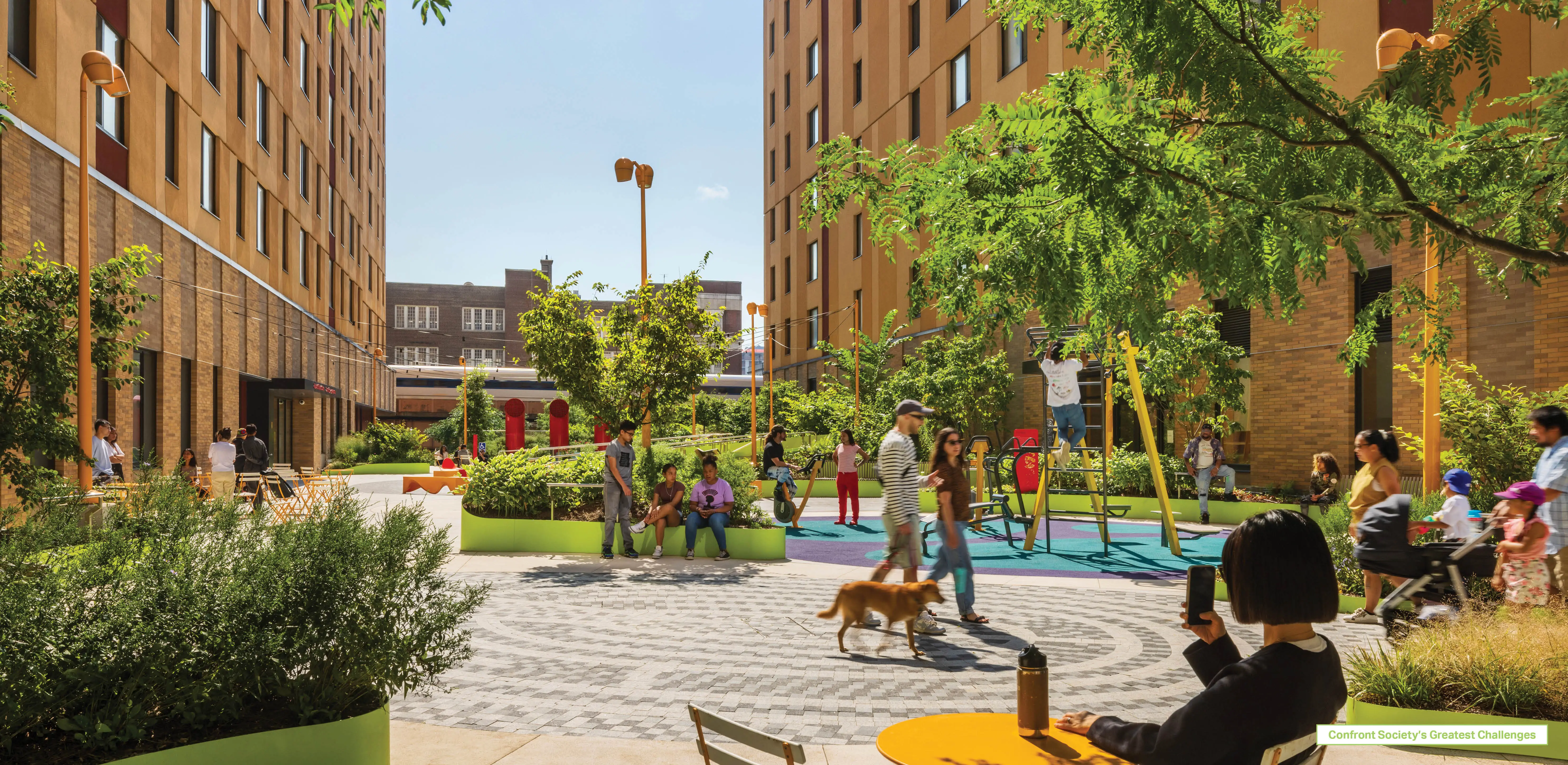
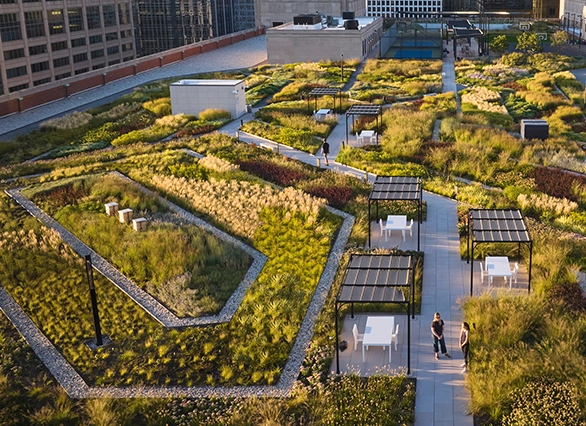
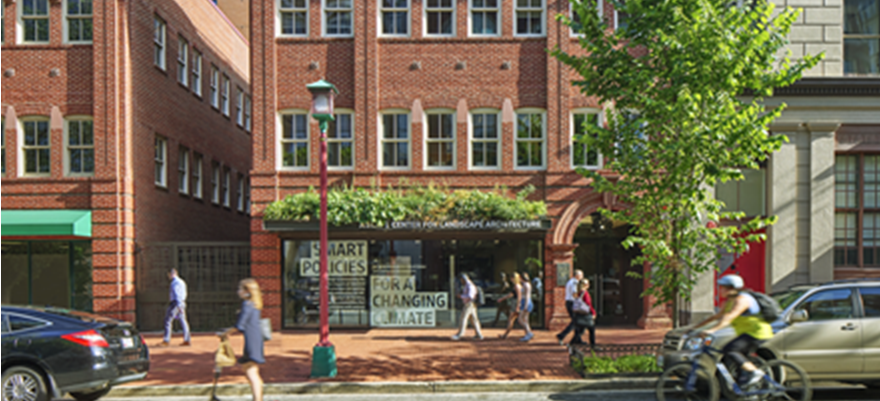
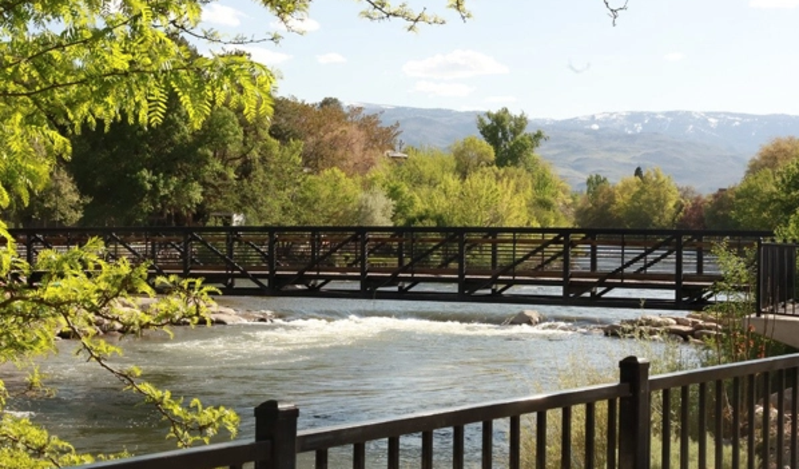
2025 HALS Challenge First Place Winner: Wingfield Park, HALS NV-8
Section 106: An Action Toolkit
Recently, the Advisory Council on Historic Preservation (ACHP) passed a sweeping rewrite of the regulations implementing Section 106 of the National Historic Preservation Act – action that would gut the law that has protected historic places for more than 50 years. ASLA urges all landscape architects to help mobilize the profession to defend this vital framework by participating in the upcoming public comment period. Landscape architects understand that every place carries layers of history, culture, ecology, and community memory. Efforts to diminish or bypass Section 106 would weaken public oversight and risk the irreversible loss of irreplaceable spaces and resources.
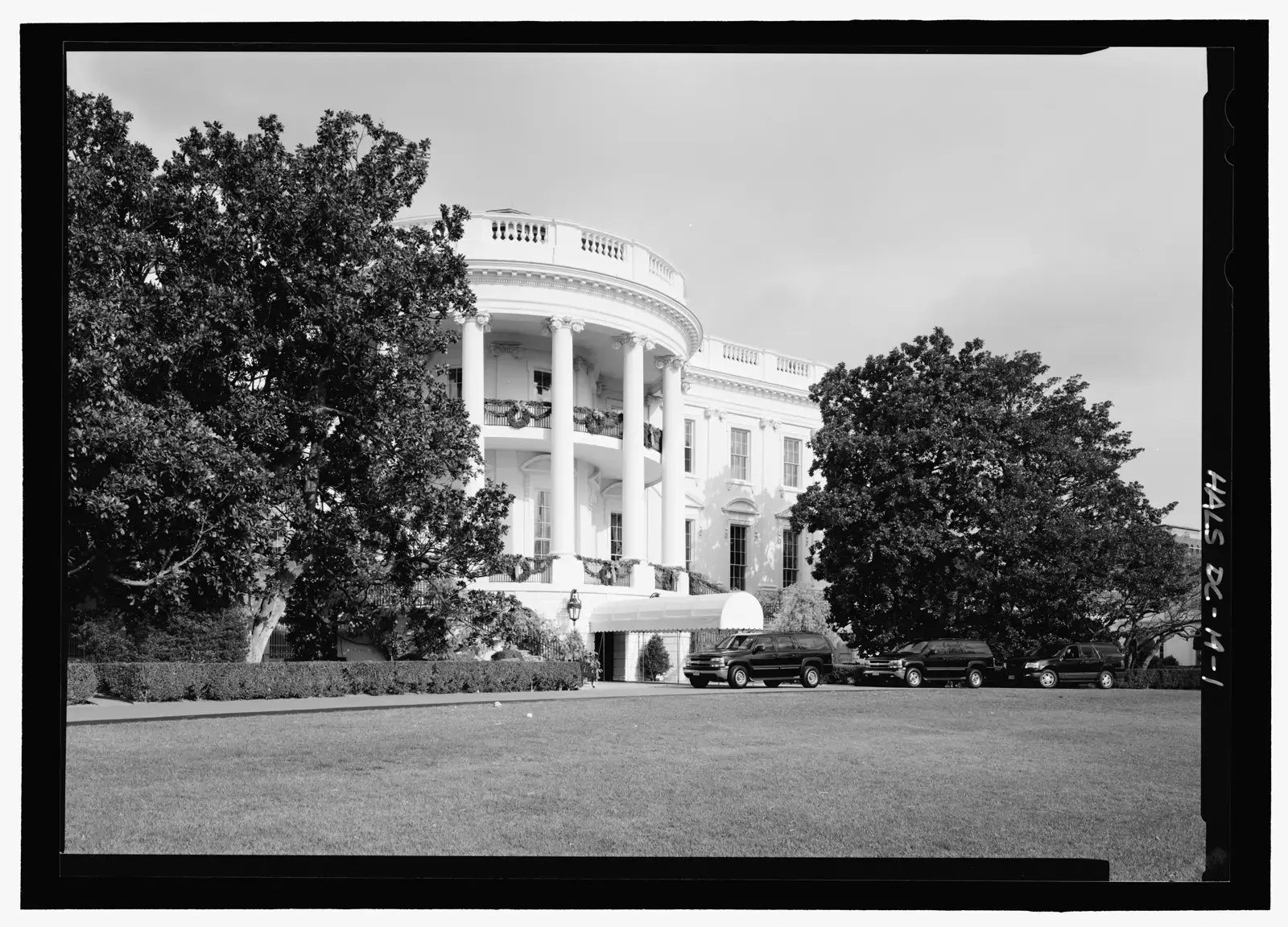
HALS DC-14, Library of Congress, Prints and Photographs Division
Section 106 has long provided a framework for considering how federal projects affect historic and cultural resources. Changes to this process could affect communities, preservation professionals, and landscape architects involved in protecting historic landscapes and places.
-
For nearly 60 years, Section 106 of the National Historic Preservation Act (NHPA) has required all federal agencies to consider the effects of projects they carry out, fund, approve, license, or permit on historic properties and resources. Agencies must consider those effects before approving an undertaking and provide the Advisory Council on Historic Preservation (ACHP) with an opportunity to comment.
The process can involve State Historic Preservation Offices (SHPOs), Tribal Historic Preservation Offices (THPOs), Tribes, local governments, preservation organizations, project proponents, and the public. For landscape architects, Section 106 can affect projects involving historic landscapes, cultural landscapes, parks, public spaces, historic districts, and archaeological resources.
-
On July 24, 2026, the Advisory Council on Historic Preservation (ACHP) announced that its members had voted to move forward with a Notice of Proposed Rulemaking (NPRM) to revise the regulations implementing Section 106. The proposed rewrite would make significant changes to weaken the existing Section 106 process. Key concerns raised about the draft include:
- Making consultation with State Historic Preservation Offices (SHPO) and Tribal Historic Preservation Offices (THPO) optional.
- Making public participation discretionary rather than mandatory.
- Changing which types of projects trigger Section 106 review.
- Narrowing the scope of impacts that may be considered adverse effects.
The ACHP's decision does not mean the regulations have been finalized or that the proposed changes are currently in effect. The draft NPRM will first go through interagency review by the Office of Information and Regulatory Affairs (OIRA) within the Office of Management and Budget (OMB). Following that review, the proposed rule is expected to be published in the Federal Register for public comment.
-
- Communities and the public: Section 106 provides opportunities for public input when federal projects could affect historic properties, helping communities identify important cultural and historic resources.
- Landscape Architects: Landscape architects are leaders in identifying, evaluating, and preserving the historic and cultural treasures embedded in our communities and landscapes.
- State and Tribal Historic Preservation Offices: SHPOs and THPOs are key participants in the Section 106 consultation process and help identify historic properties and evaluate potential project impacts.
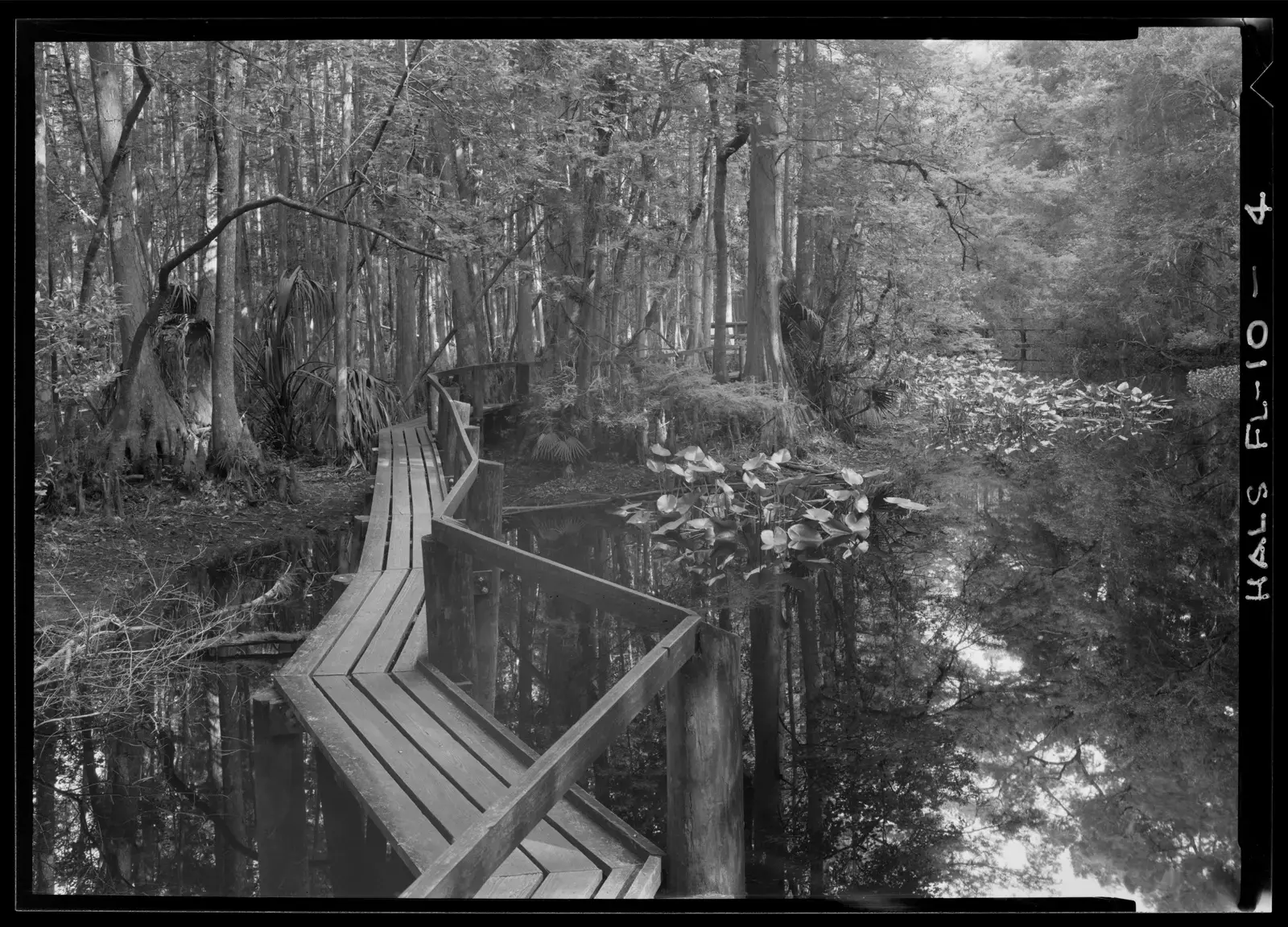
HALS FL-10, Library of Congress, Prints and Photographs Division
ASLA is providing landscape architects with tools, resources, and information to stay informed and engage in the public comment process. These resources can help landscape architects advocate for historic landscapes, cultural resources, and a strong federal review process.
-
- Office of Information and Regulatory Affairs (OIRA) Review: The draft NPRM (Notice of Proposed Rulemaking) will undergo interagency review at OIRA within The Office of Management and Budget (OMB).
- Federal Register Publication: If the proposal proceeds, the NPRM will be published in the Federal Register.
- Public Comment Period: Publication of the proposed rule will open a formal public comment period. The public will then have an opportunity to submit comments on the proposed regulatory changes.
-
- Advisory Council on Historic Preservation (ACHP)
- AIA Statement on Section 106
- Cultural Heritage Partners
- National Conference of State Historic Preservation Officers (NCSHPO)
- National Parks Conservation Association
- National Park Service – National Historic Preservation Act
- National Trust for Historic Preservation
- The Cultural Landscapes Foundation
- Culture Keepers
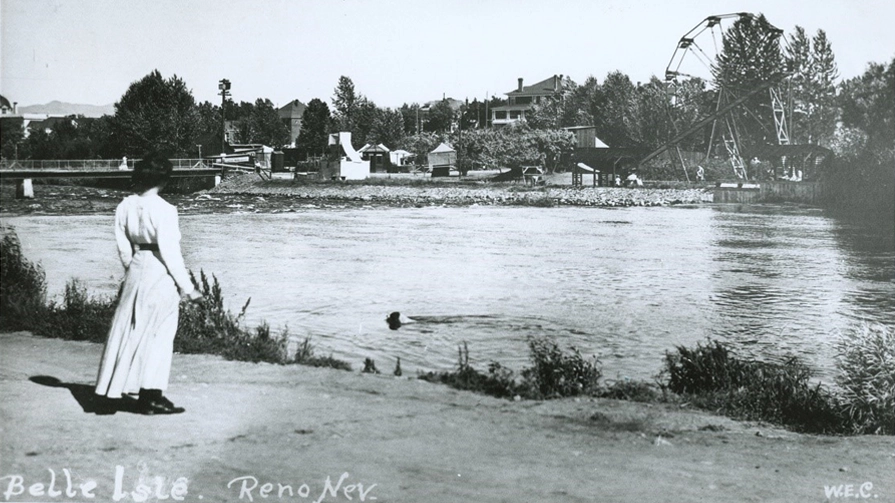
Library of Congress, Prints and Photographs Division
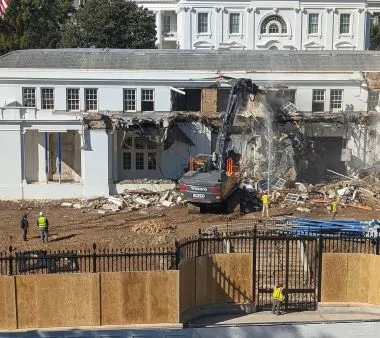
ASLA is working to protect historic and cultural resources, including the White House, Kennedy Center, and Arlington National Cemetery. Through advocacy, coalition efforts, and legal action, ASLA is defending historic landscapes and federal review processes.
ASLA Unveils Section 106 Action Toolkit to Conference Attendees
Access the ASLA Section 106 Action Toolkit.
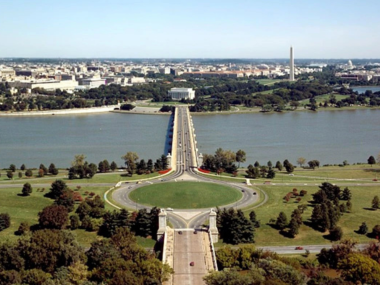
ASLA Endorses Federal Legislation to Protect the Historic Views of Arlington National Cemetery
ASLA has endorsed H.R. 9047 to protect Arlington National Cemetery's historic viewsheds.
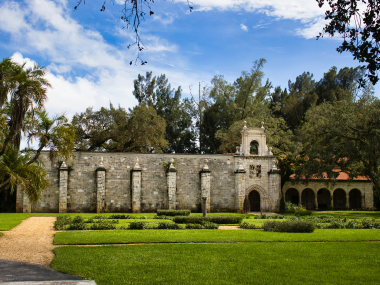
Section 106 Historic Preservation Under Attack: Landscape Architects Should Prepare to Act
ACHP draft weakens Section 106 historic preservation reviews. ASLA will alert members when public comments open.
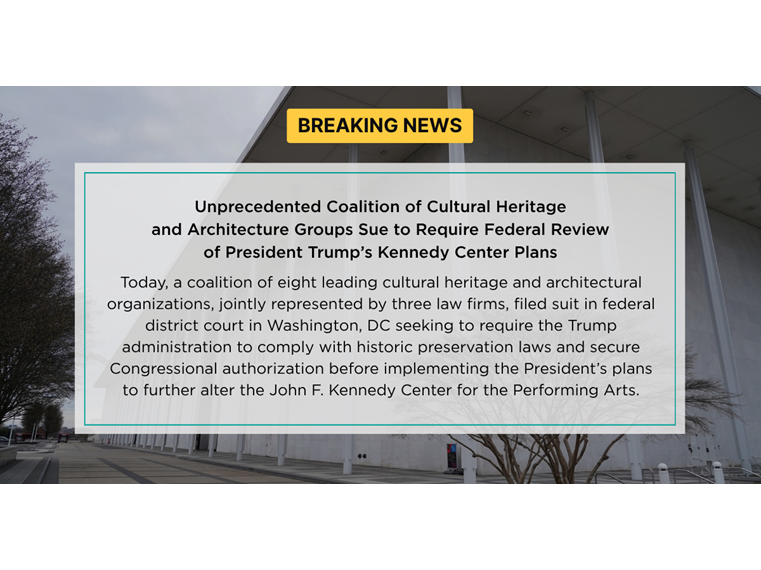
Unprecedented Coalition of Cultural Heritage and Architecture Groups Sue To Require Federal Review of President Trump’s Kennedy Center Plans
Three Law Firms Unite to Advance Plaintiffs’ Claims
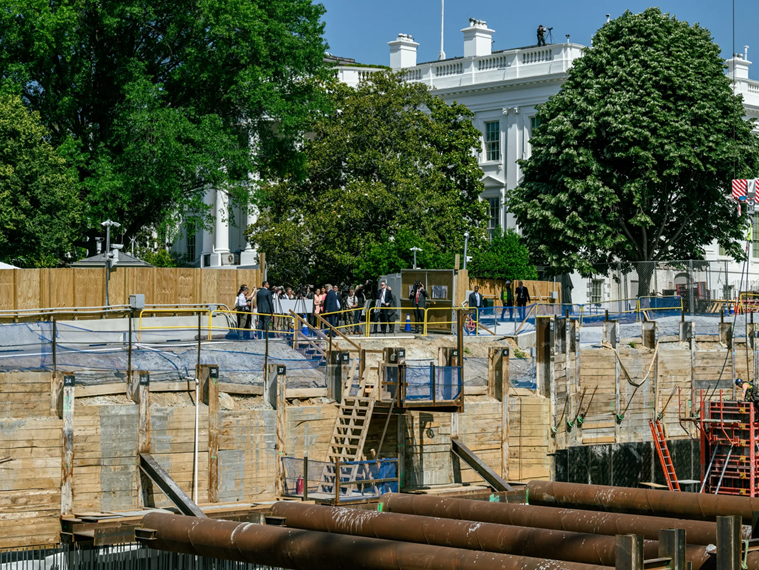
Coalition Files Amicus Brief in White House Ballroom Case
Eleven national and local nonprofit organizations have filed an amicus curiae, “friend of the court,” brief supporting the National Trust for Historic Preservation’s lawsuit challenging the Trump Administration’s demolition of the White House East Wing and construction of a new ballroom.
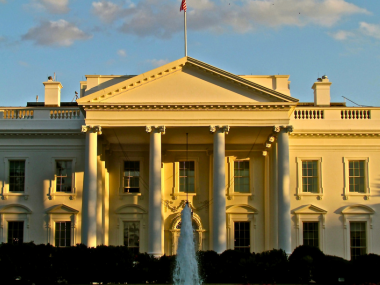
ASLA Urges NO Vote on White House Ballroom Plan
ASLA urged NCPC to reject White House project; despite approval, court halted work over preservation review concerns.