

.webp?language=en-US)
Advertisement
2023 ASLA Professional Awards
Explore:
General Design Category
Honor Awards
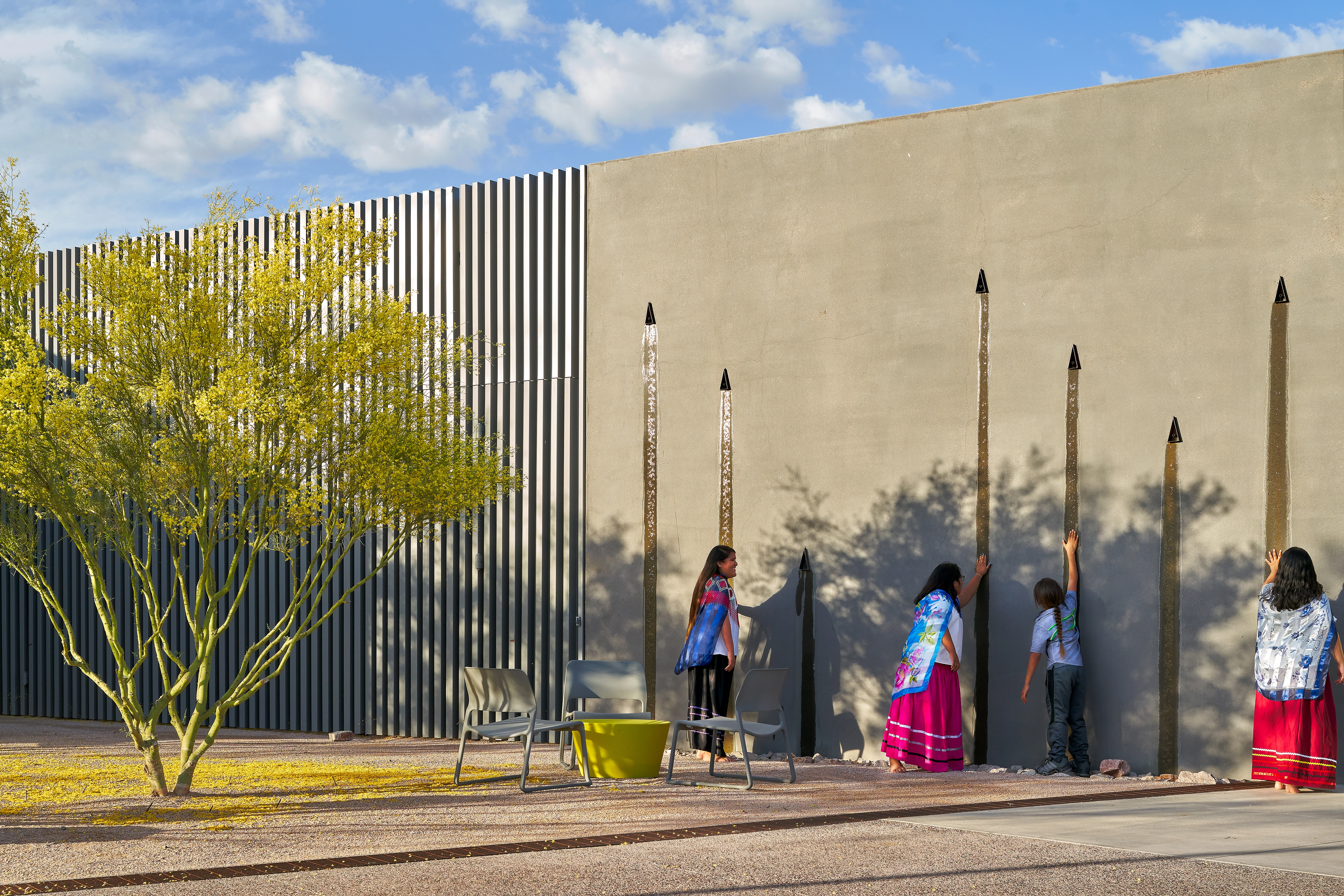
Cloud Song: SCC Business School + Indigenous Culture Center
Cloud Song is an 8-acre development located in the Sonoran Desert, created to house the Indigenous Scholars Institute and Cultural Center, and Business School on the Scottsdale Community College (SCC) campus in Scottsdale, Arizona. SCC is the only public community college located on Native American land. The Indigenous Cultural Center is the realization of a longstanding commitment by the College to provide a cultural center for the Indian Community.
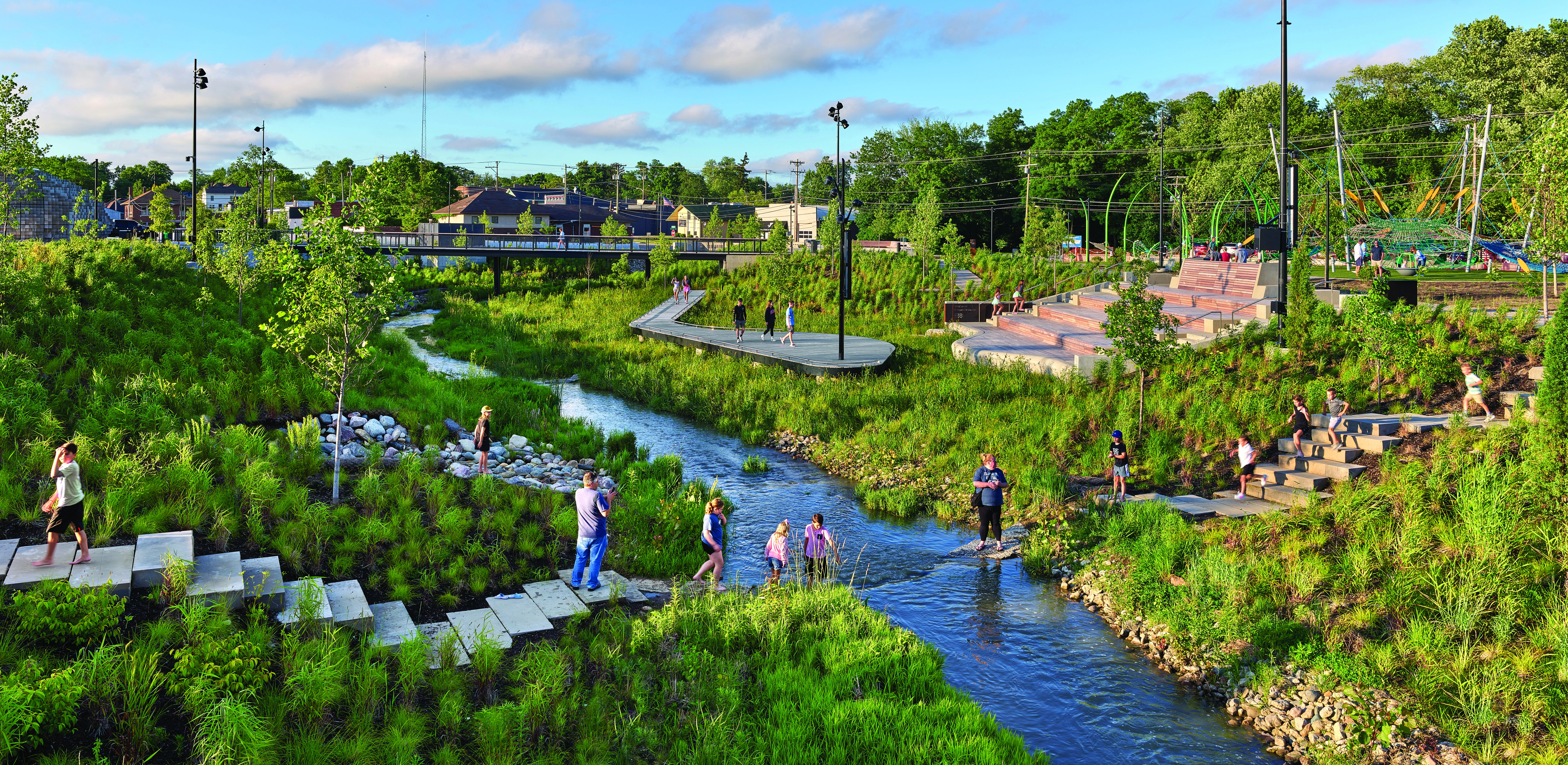
Grand Junction Park and Plaza
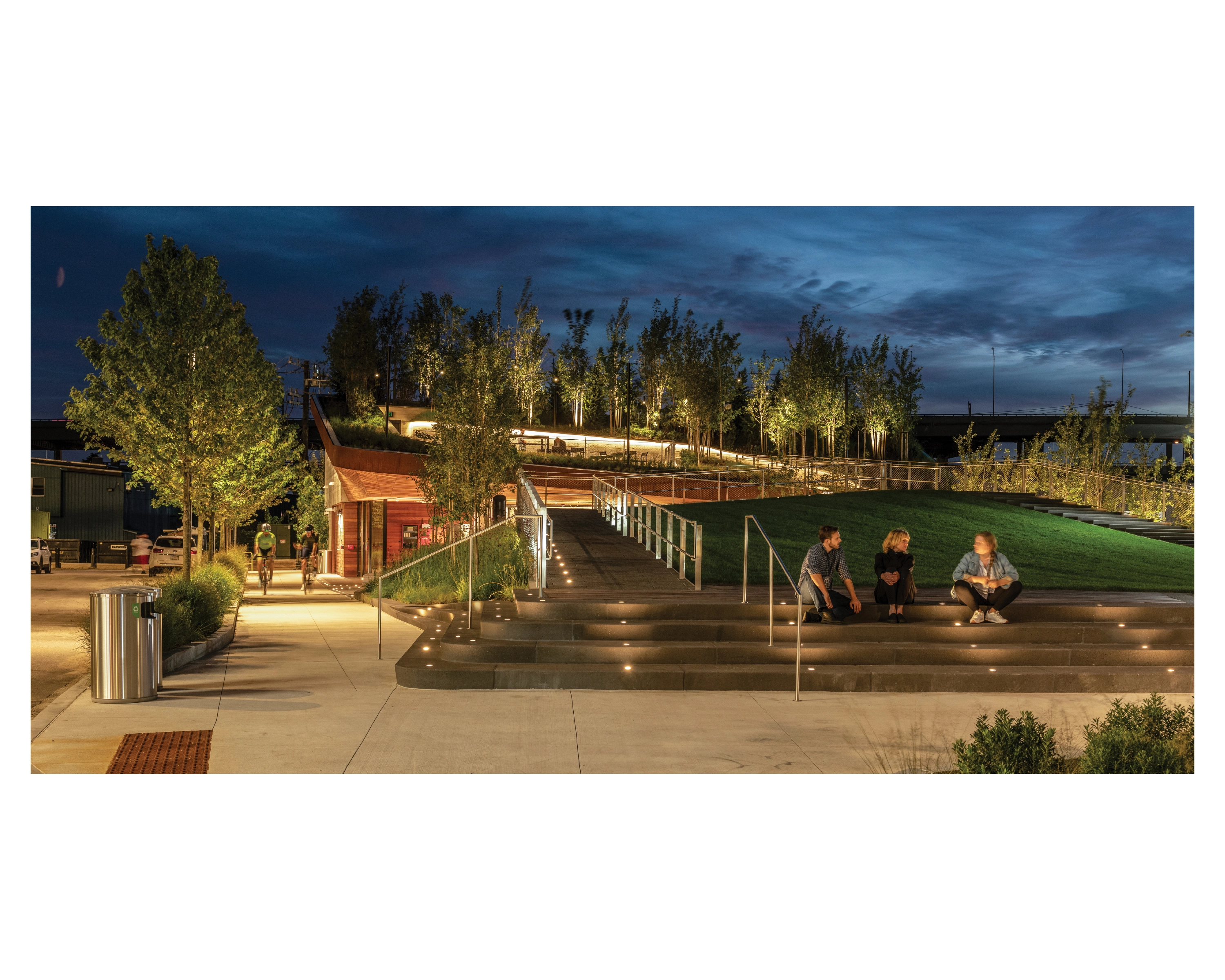
Hood Bike Park: Pollution Purging Plants
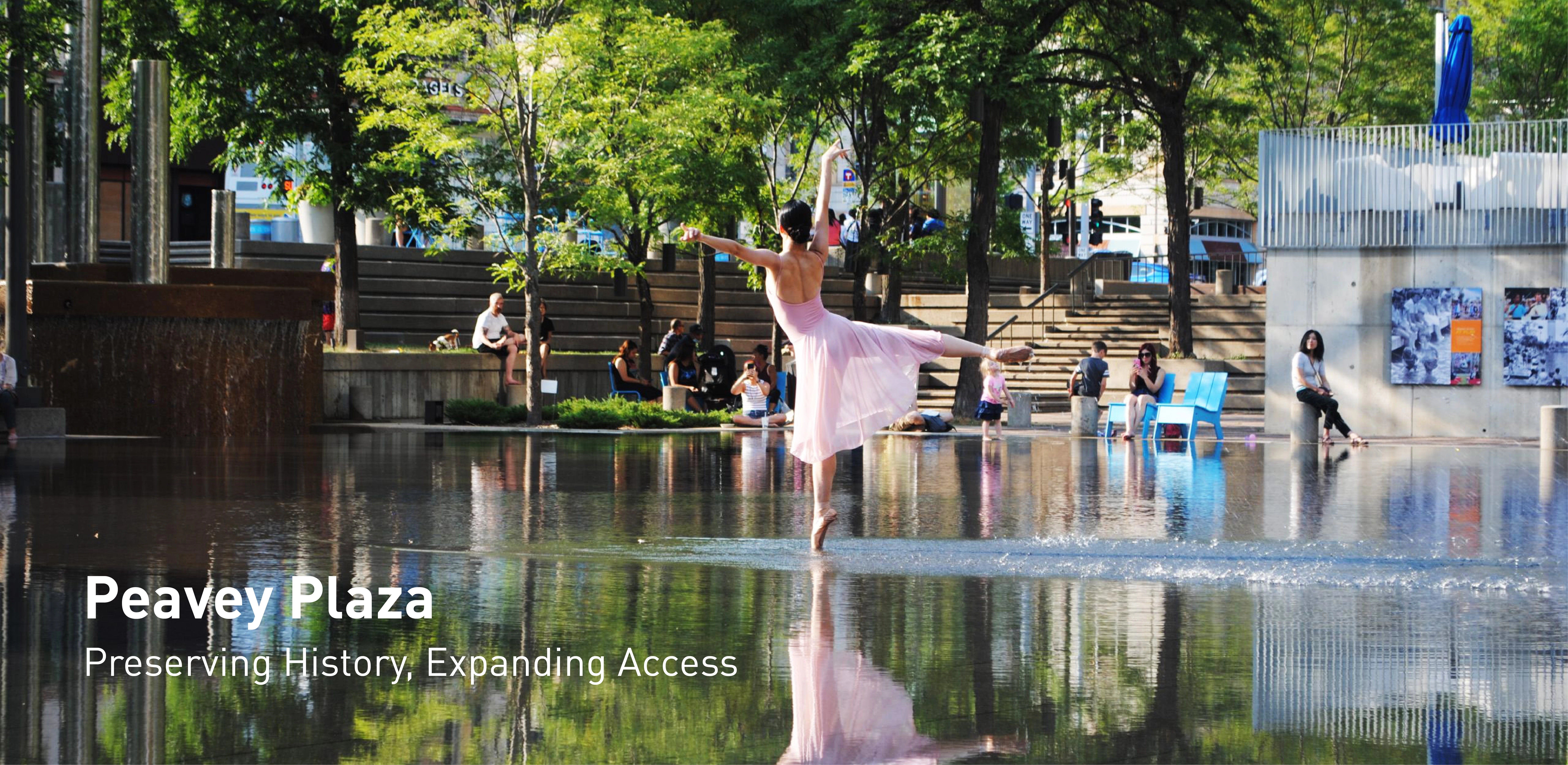
Peavey Plaza: Preserving History, Expanding Access

Qianhai's Guiwan Park
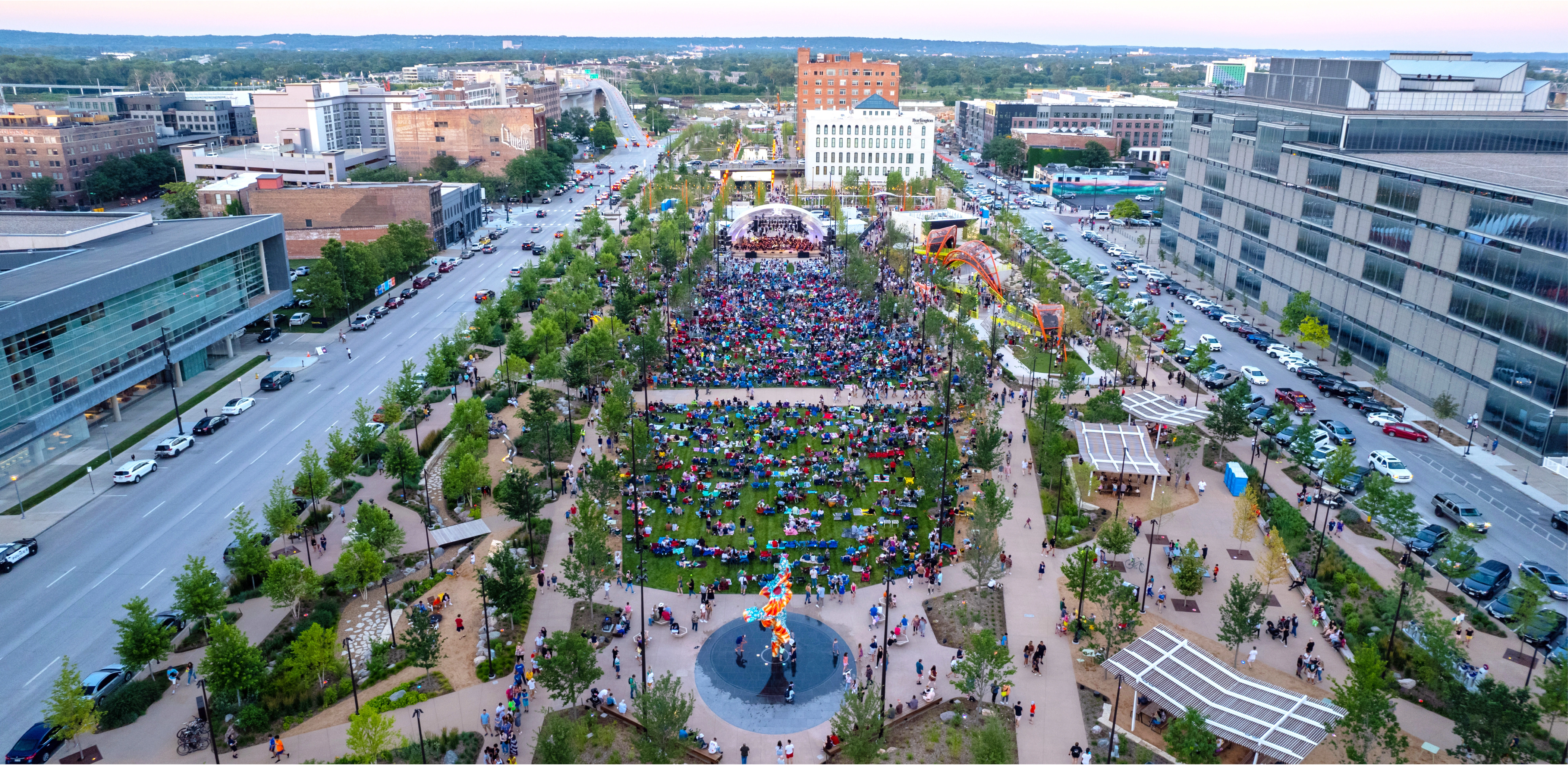
Remaking a 1970’s Downtown Park Into a New Public Realm
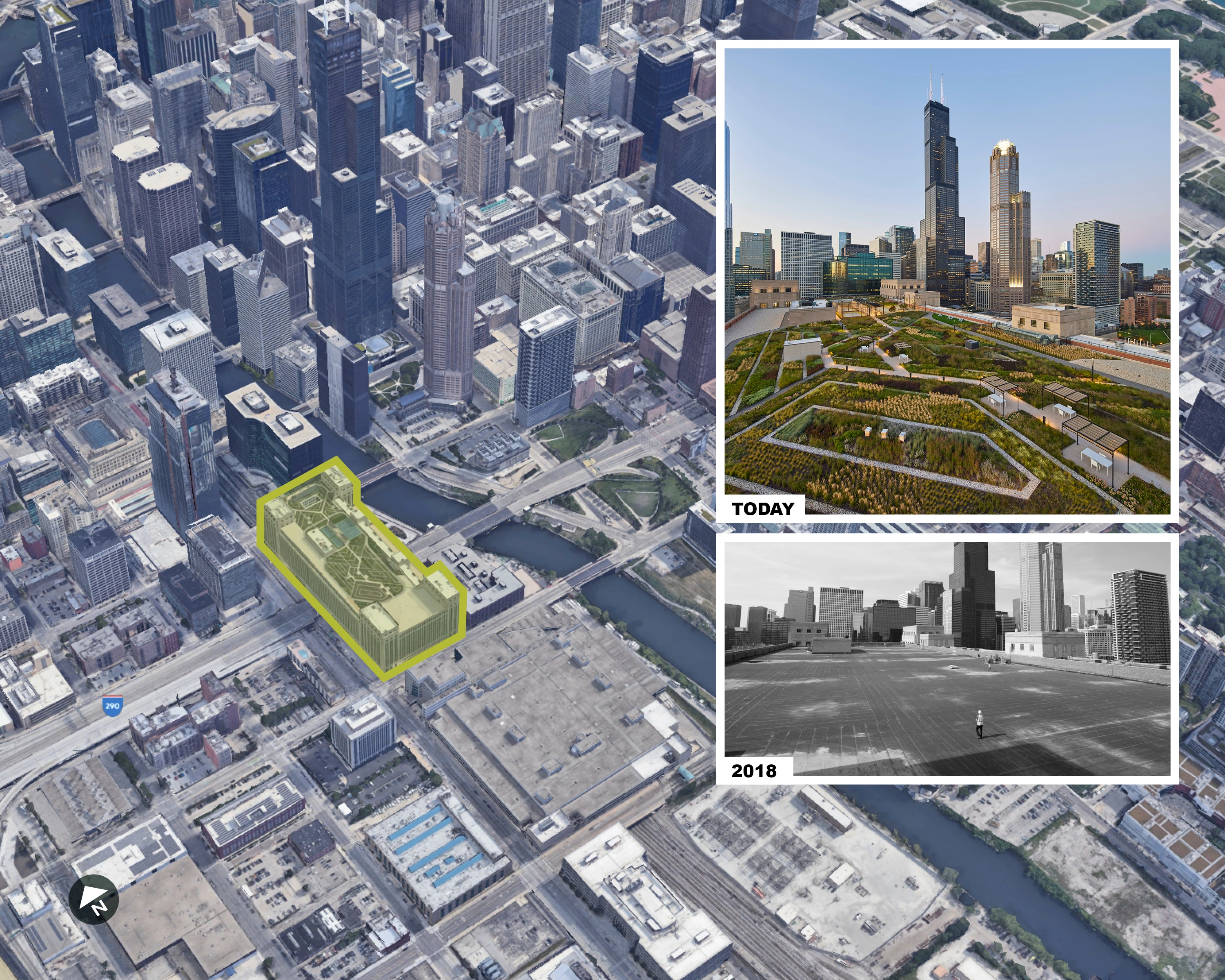
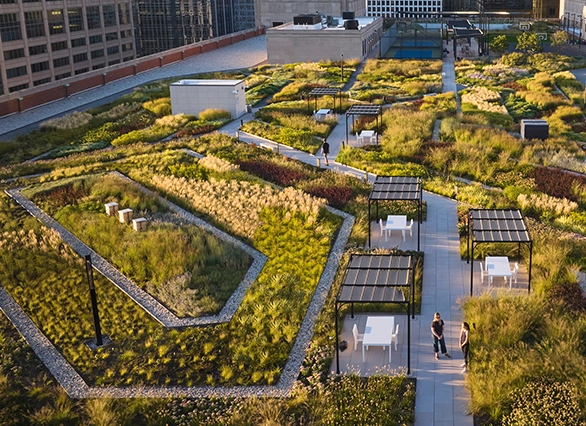
The Meadow at the Old Chicago Post Office
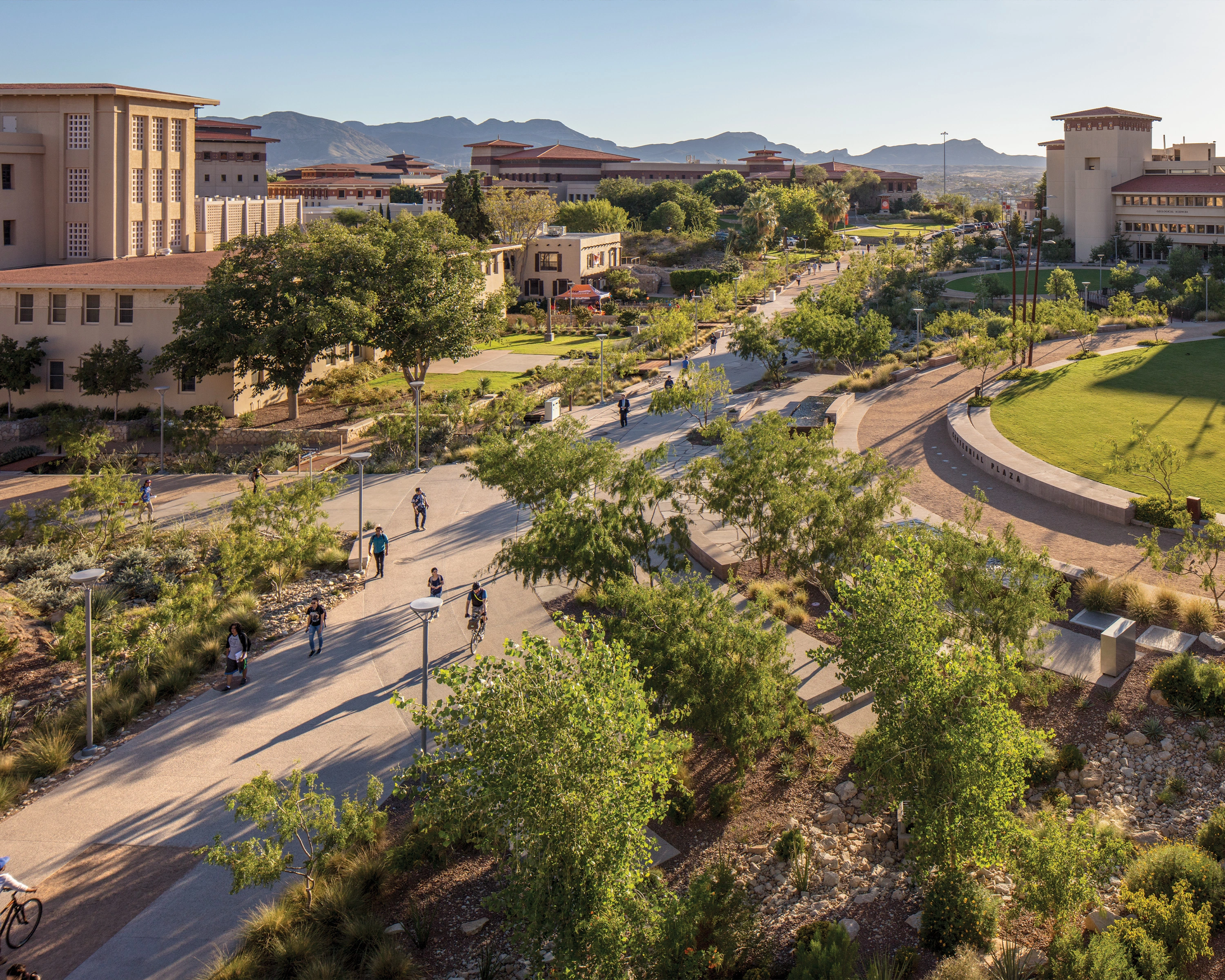
The University of Texas at El Paso Transformation
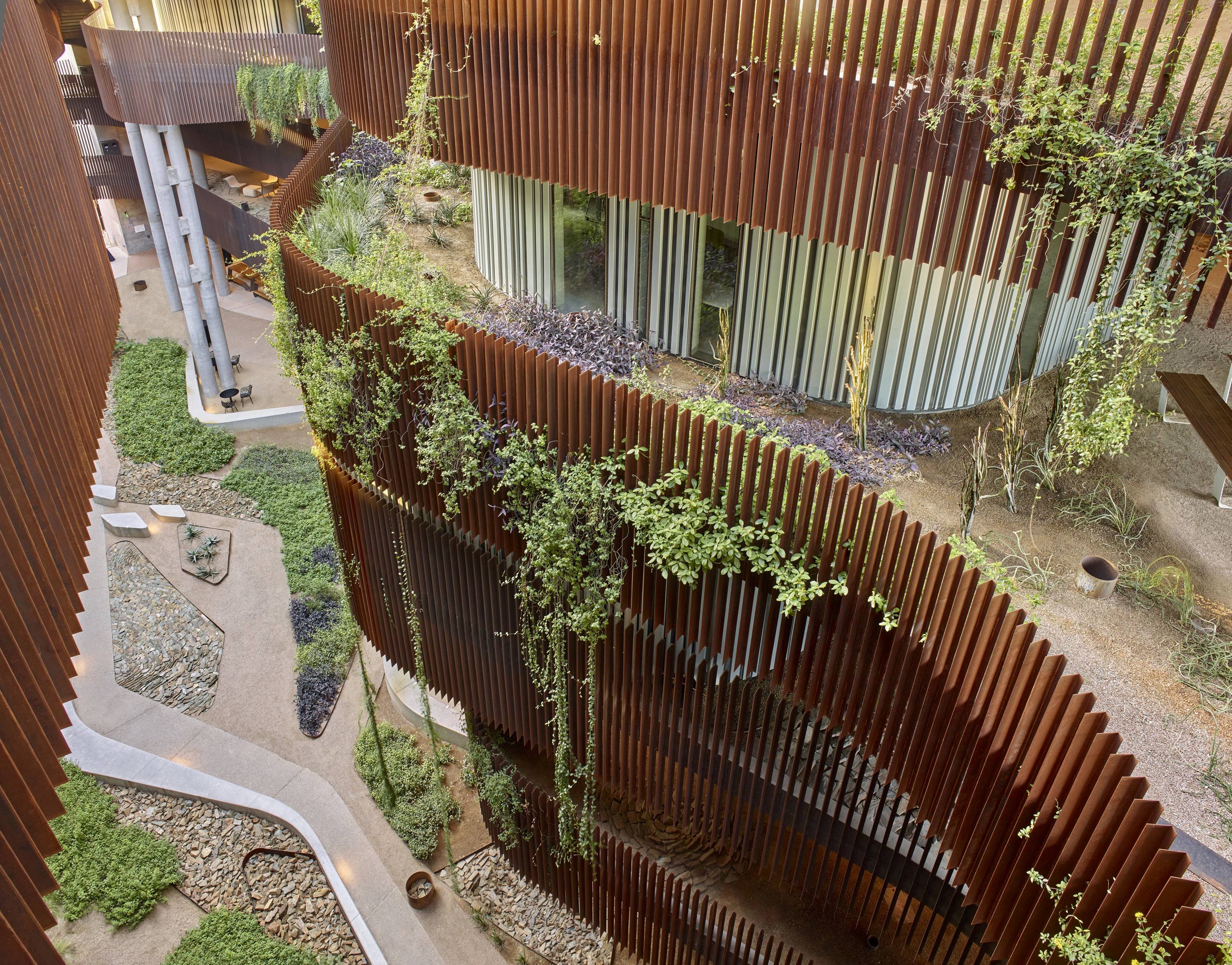
University of Arizona Environment + Natural Resource II
Residential Design Category
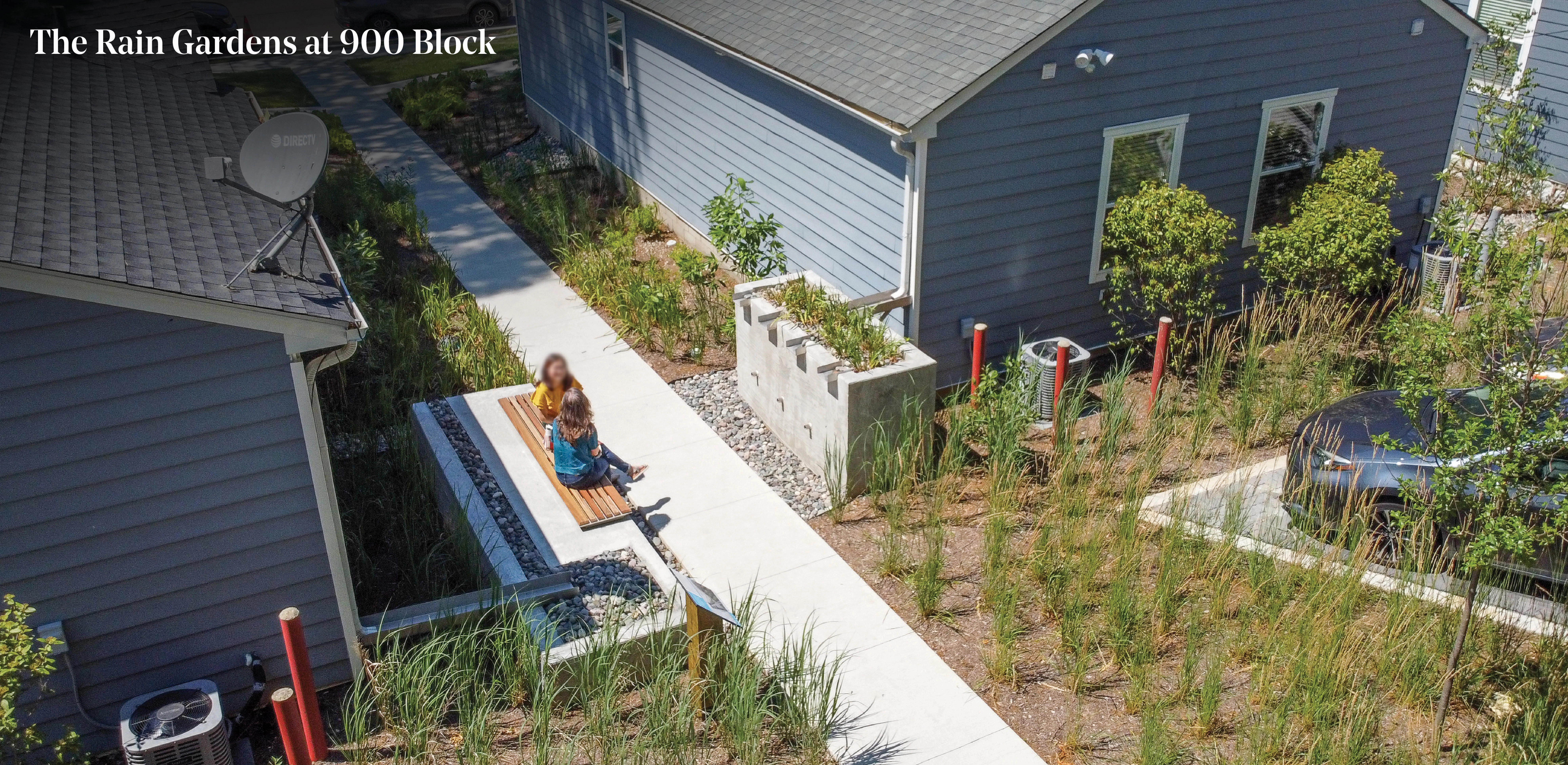
The Rain Gardens at 900 Block
The Rain Gardens at 900 Block is award-worthy because:
- The design approach resulted in an immersive green infrastructure experience, a true rain “garden.”
- The entrant secured grant funds to invest in the property while advocating for improving urban ecologies and stormwater systems on a larger scale.
- The entrant took a triple-bottom-line approach for stormwater retrofits to benefit the community beyond the property lines.The entrant greened the site with native plants and minimized maintenance.
- The utilization of incentive grant dollars to improve stormwater functionality, site value and social spaces showcase how to creatively implement high-quality sustainability and resiliency-focused landscapes even at small scales.
Residential Design
Honor Awards
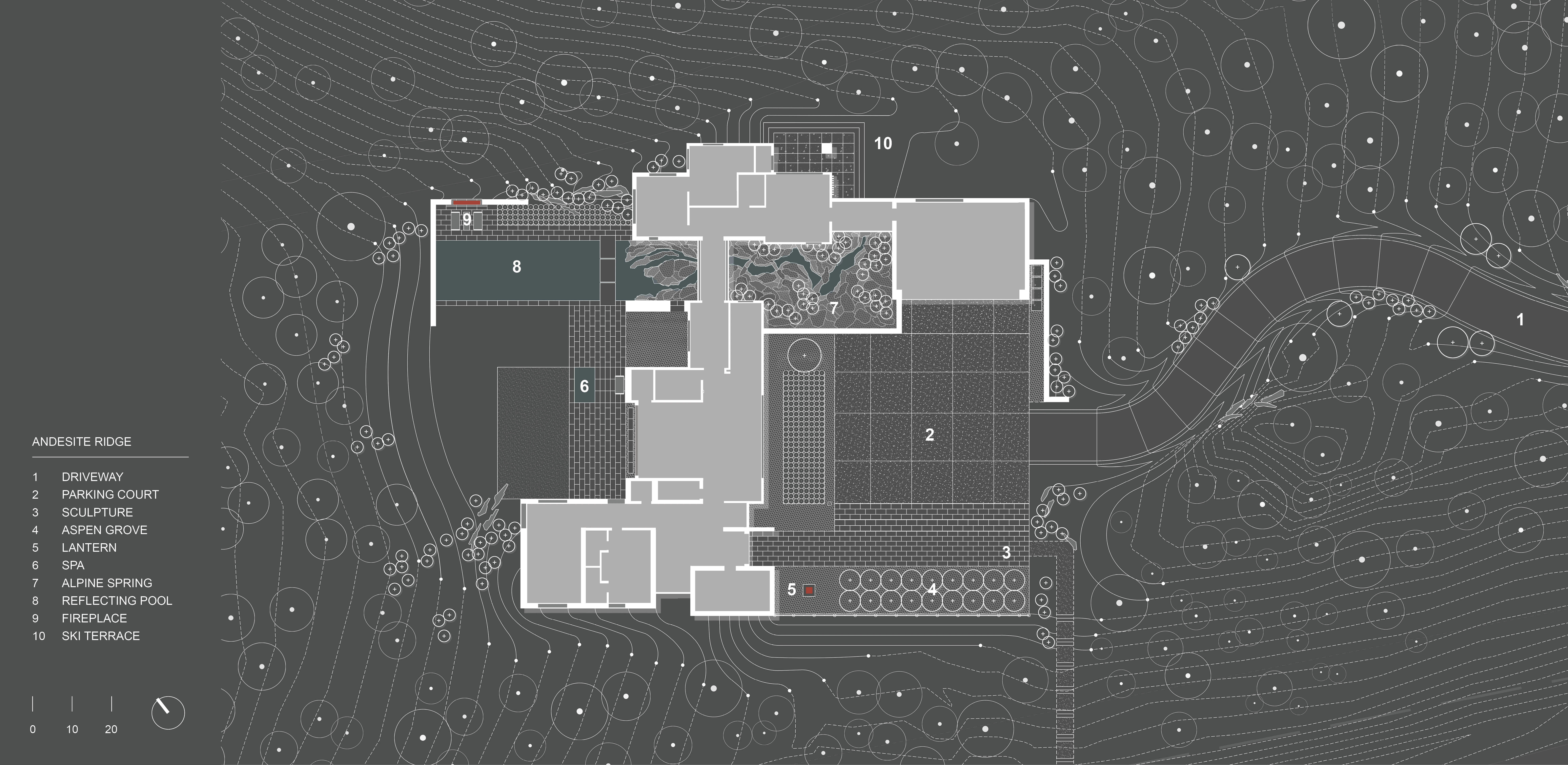
Andesite Ridge
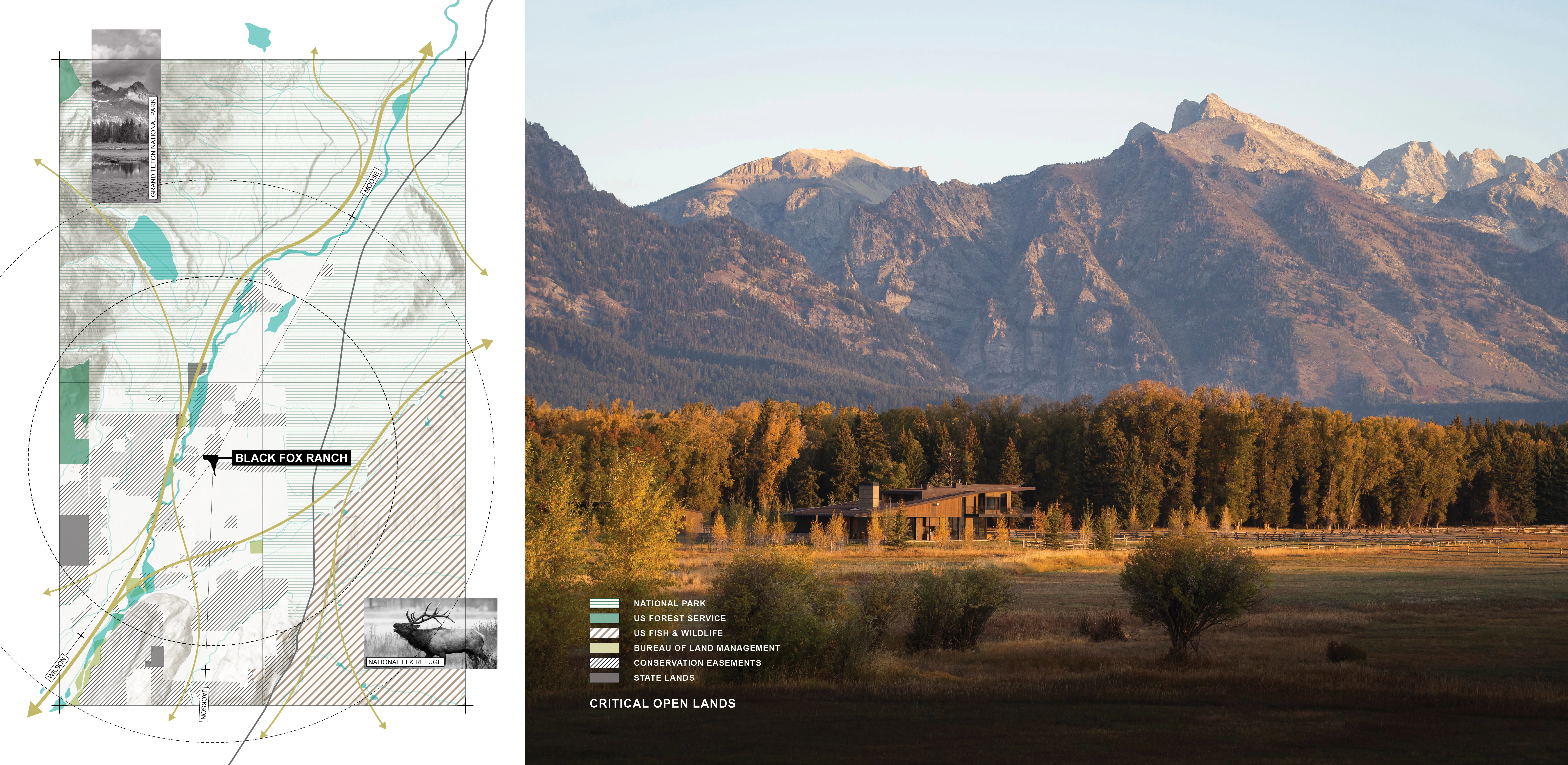
Black Fox Ranch: Extending the Legacy of the West to a New Generation
A contemporary adaptation of working ranch lands, the 35-acre project conveys a narrative of Wyoming’s cultural and natural history, extending the legacy of place to a new generation of users. Prioritizing sustainable planning and design principles, a modern home transitions into a pastoral landscape through distilled interventions trained on maintaining visual integrity, critical wildlife corridors, and ecological restoration. Horse pastures and meadows, compacted from overuse, are now a hav
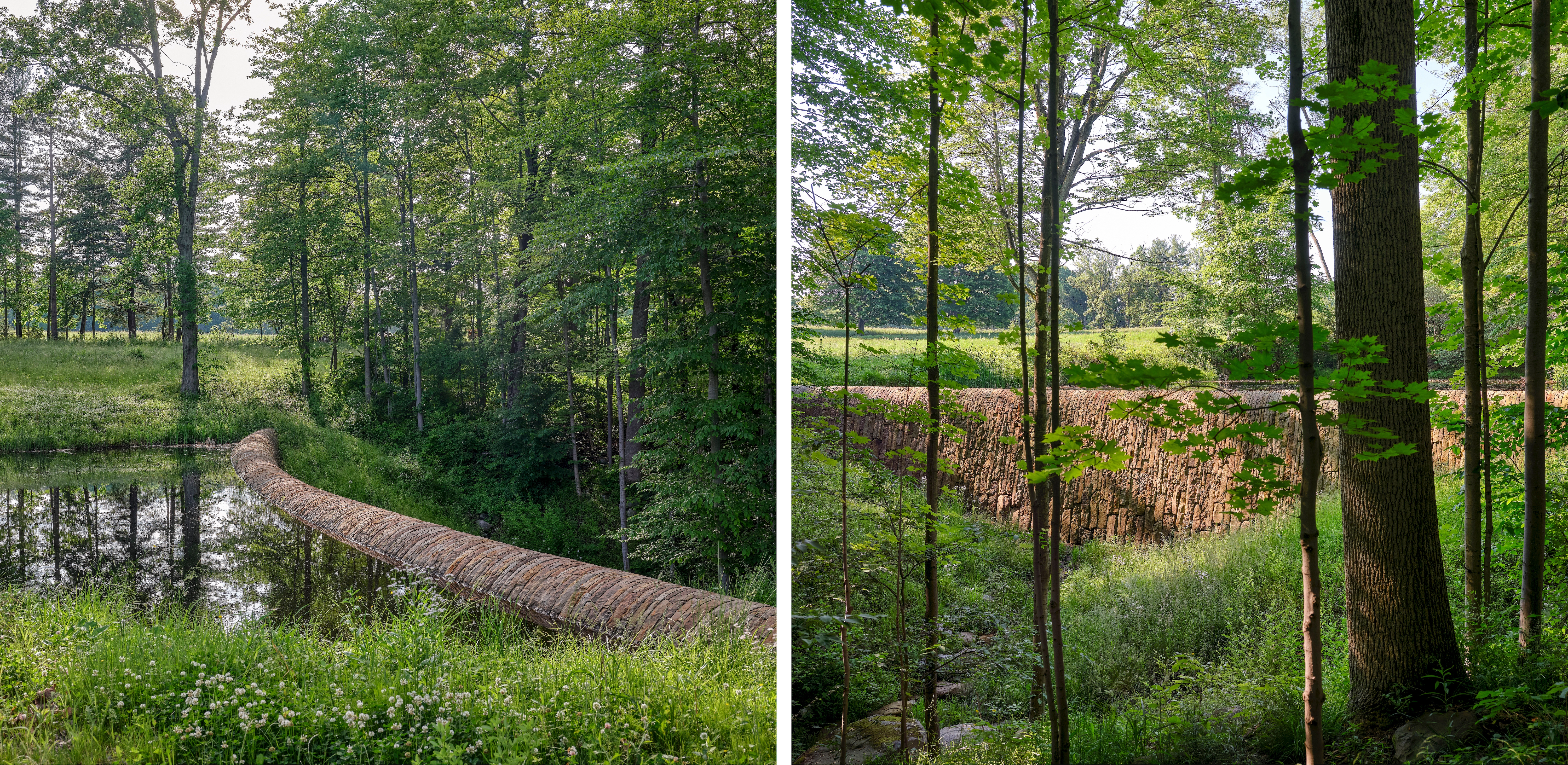
Collected Works, Restored Land: Northeast Ohio Residence
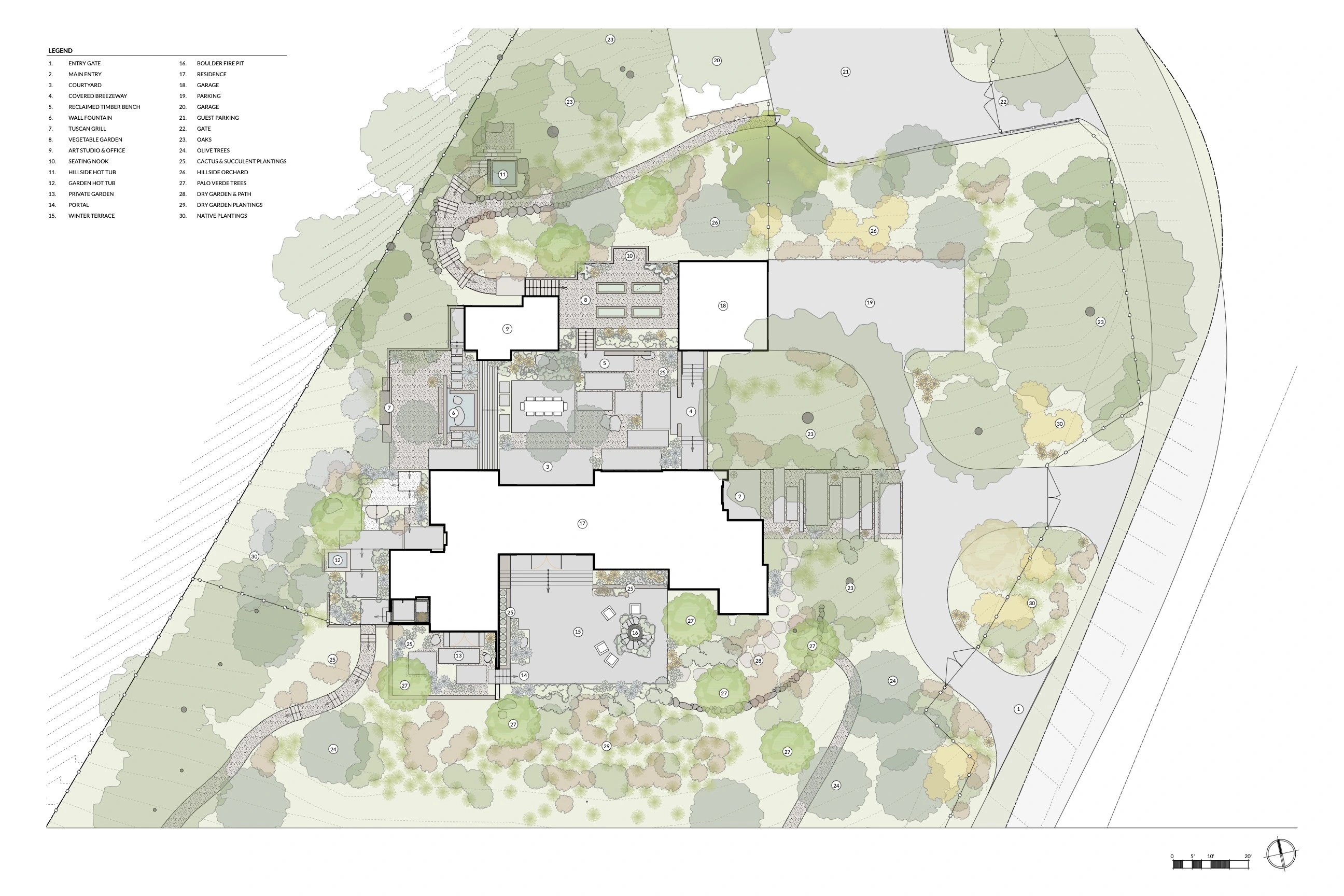
Dry Garden Poetry
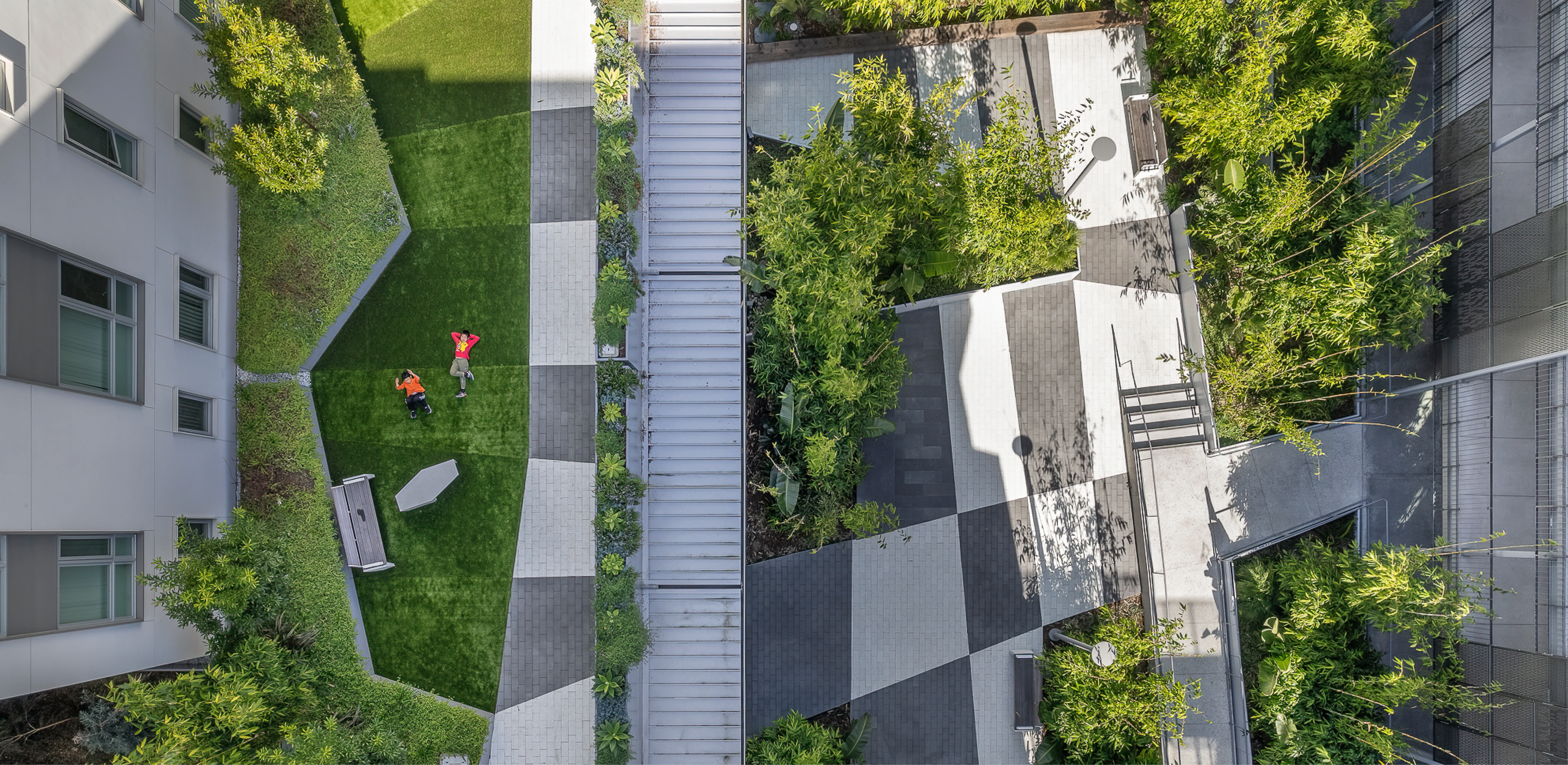
Sister Lillian Murphy Community
Urban Design Category
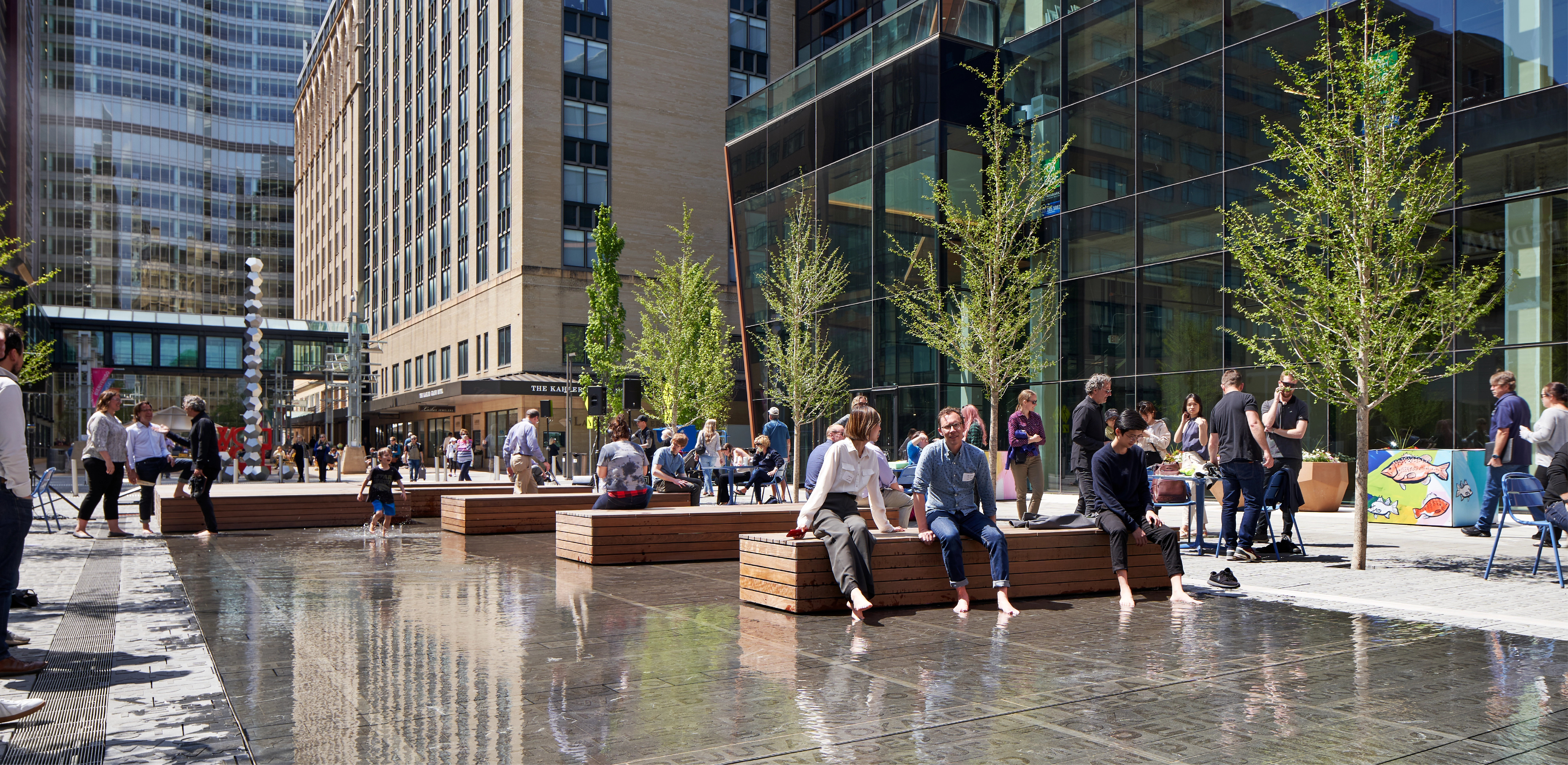
Heart of the City: Art and Equity in Process and Place
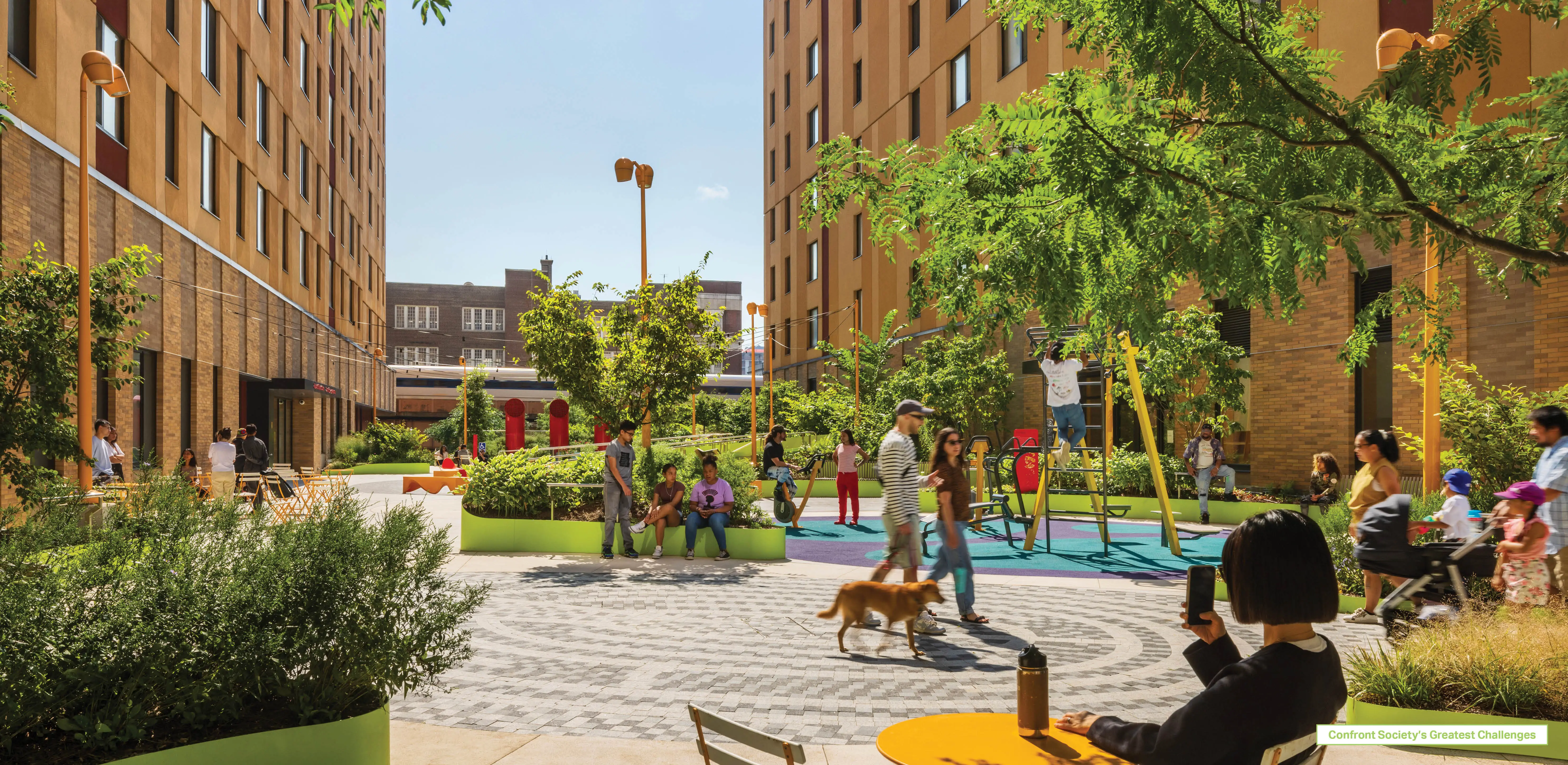
This project re-imagines a car-centric streetscape of two city blocks and a plaza as a new public realm aligned with the city’s vibrant and diverse community. Proactive community engagement drove the success of this work: over 70 pop-up and prototyping events, one-on-one stakeholder meetings, artist sessions, and other engagement events captured a true understanding of the community's needs and desires for this project. The project pioneers a curbless street design, integrates dramatic public art installations from local and internationally known artists, and utilizes custom-designed accessible site furniture. Cutting-edge sustainability strategies promote greenery and reduce stormwater runoff and ice-melting salt usage.
Urban Design
Honor Awards
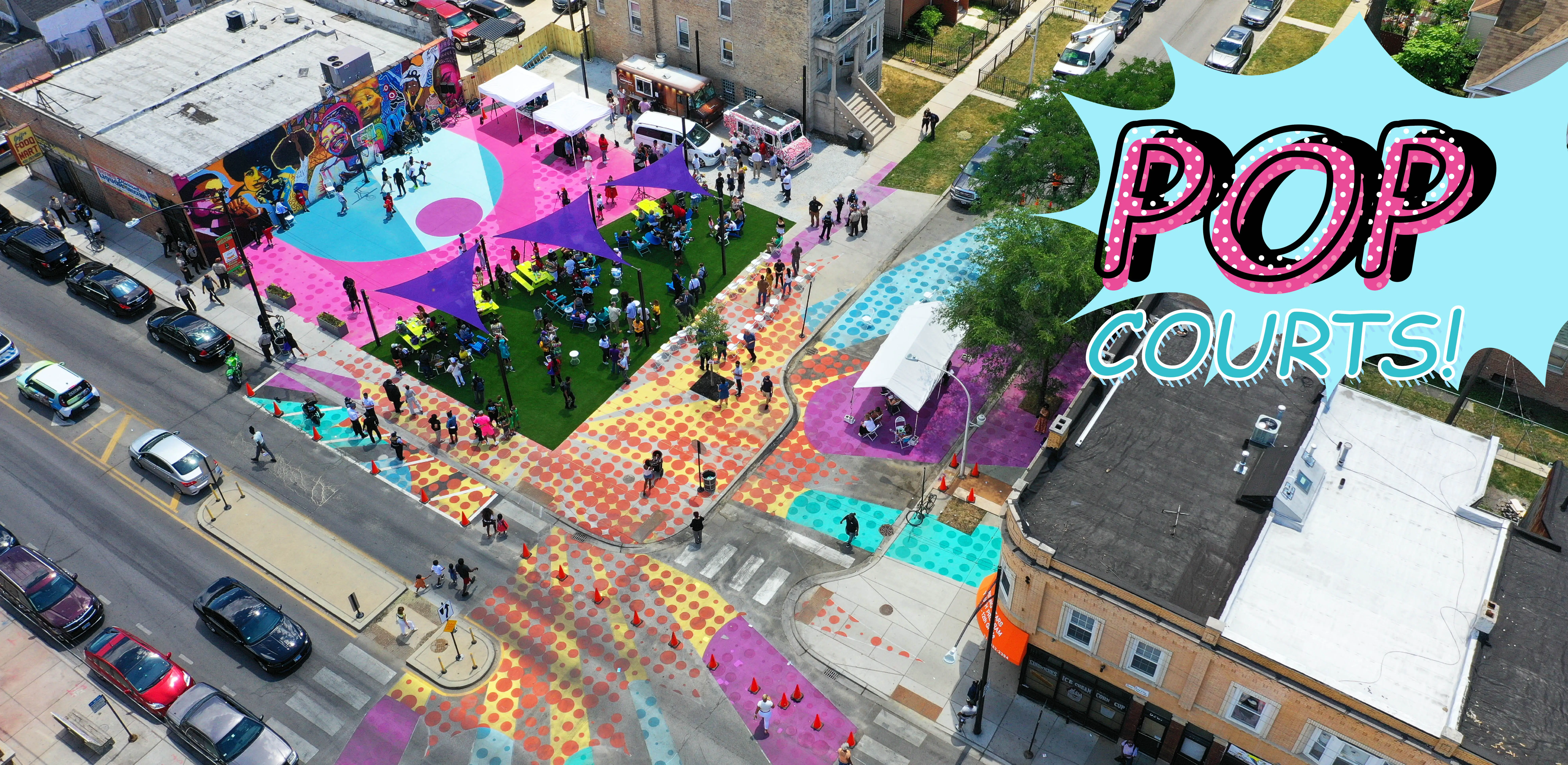
PopCourts! – A Small Plaza That Turned Into a Movement
PopCourts! is a public plaza that not only transformed a historically disinvested commercial corridor but also changed how the City of Chicago thinks about vacant space. Designed, funded and built in less than a year, the project became a case study and inspiration for the “Public Outdoor Plaza” program. The “POP” program, has pledged to fund ten more community plazas along neighborhood retail corridors in historically underinvested and primarily black and brown communities.
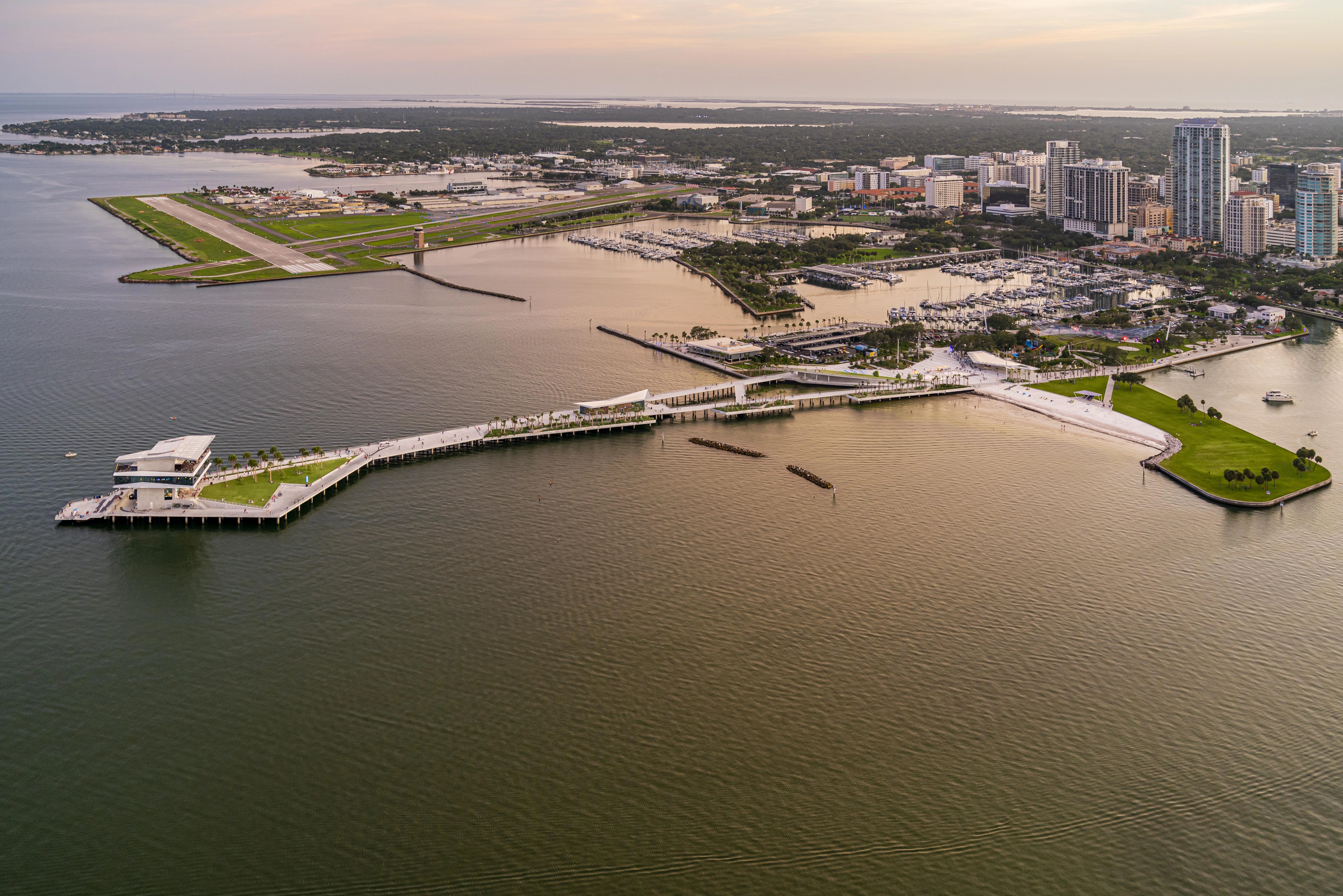
St Pete Pier: Revitalization of Waterfront and Historic Pier Site
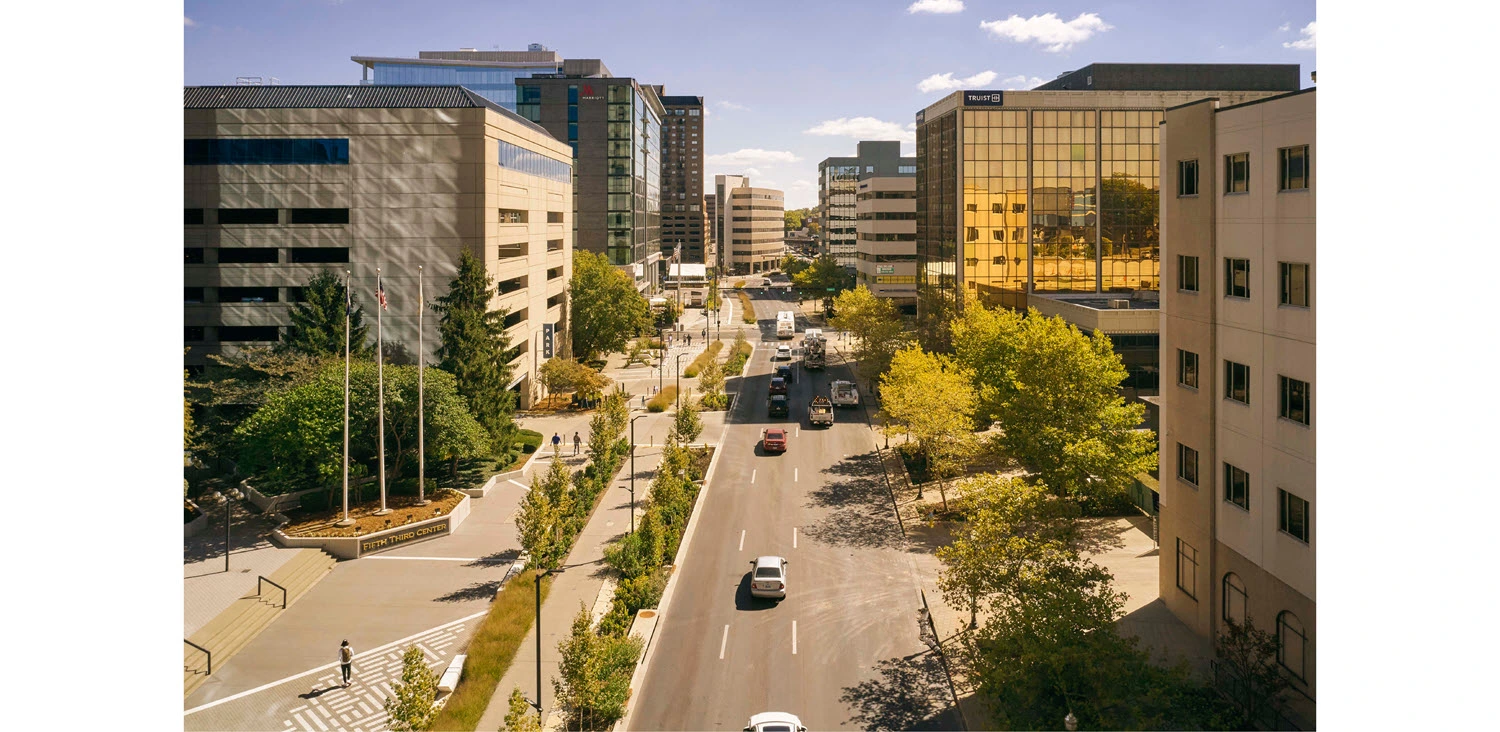
Town Branch Commons: An Urban Transformation in Lexington, Kentucky
Analysis & Planning Category
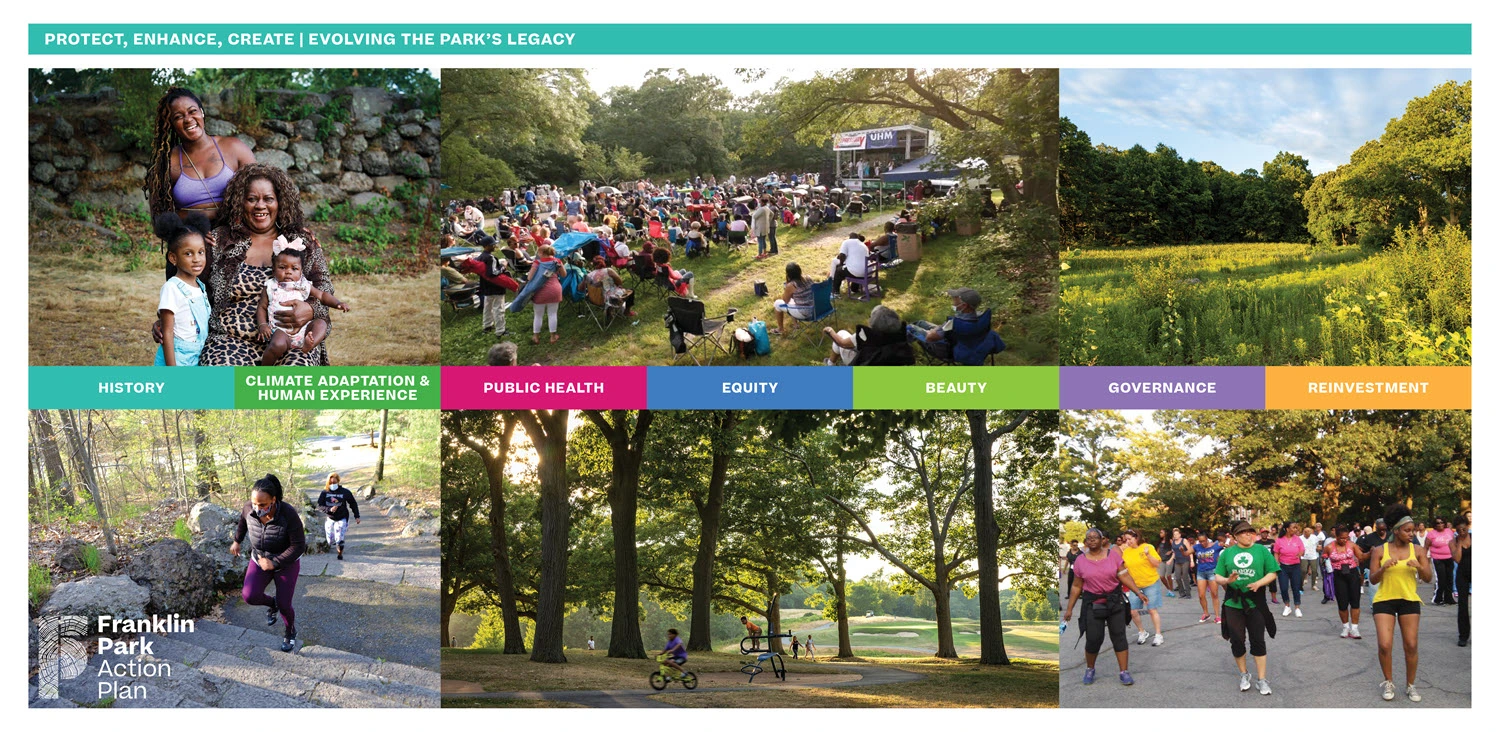
Re-investing in a Legacy Landscape: The Franklin Park Action Plan
Franklin Park has long been a beloved center of recreation, gathering, and discovery for Boston’s most diverse communities. Emerging from the Imagine Boston 2030 Plan, the Action Plan is founded on equal respect for the park's historic fabric, ecological systems, and the strong community of contemporary users who have stewarded it through years of disinvestment. Focused on issues of equity, ecological resilience, climate change, and cultural significance, its aspirations are forward-looking and visionary, but based in practical and action-oriented recommendations. It advocates for thoughtfully guided, community-driven improvements implemented through equitable investment to enable this treasured park to do what it does now, only better.
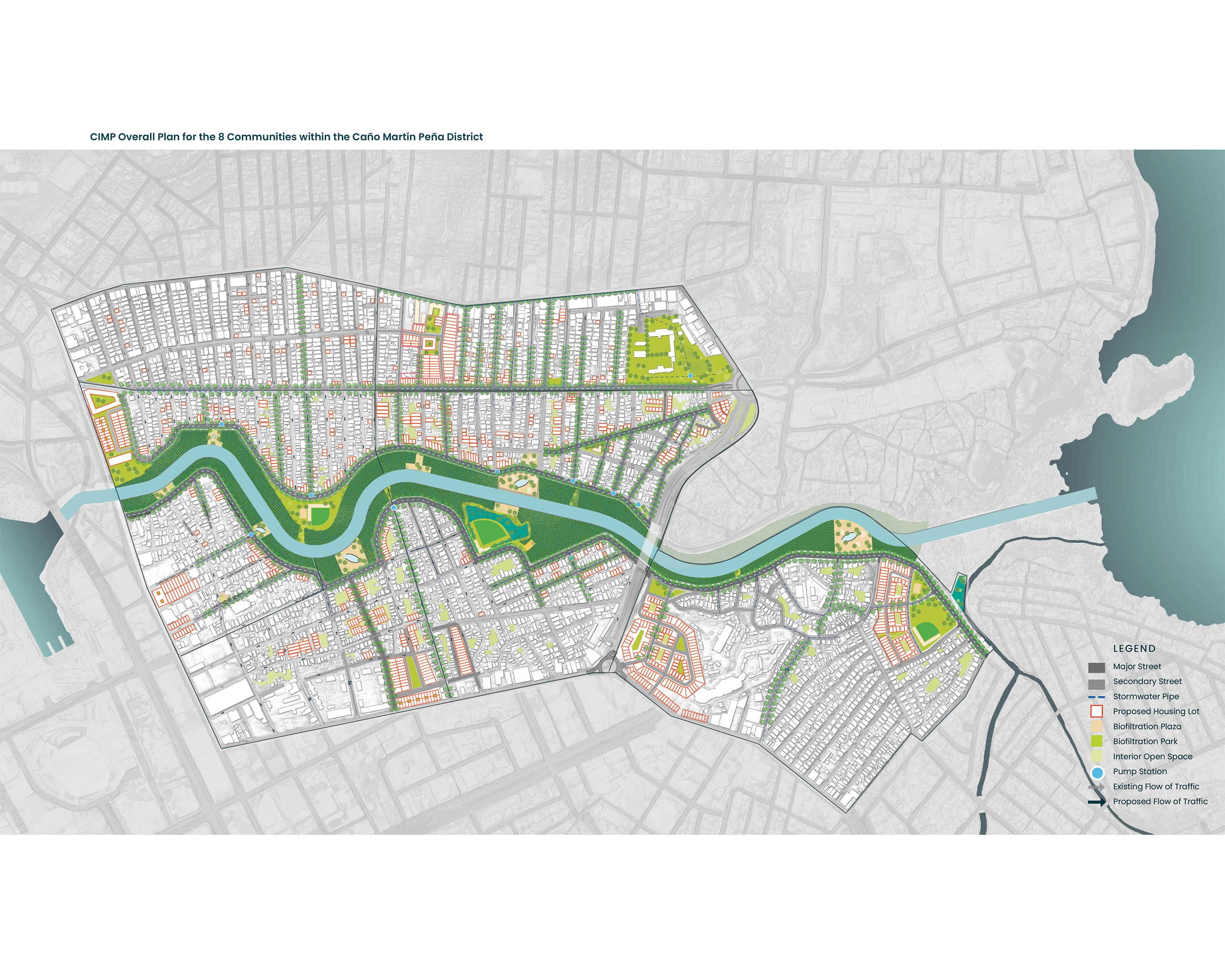
Caño Martín Peña Comprehensive Infrastructure Master Plan
The eight communities of the Caño Martín Peña District were built piece-by-piece by their residents who recognize that their greatest asset in the face of a changing climate is their social capital. The Caño Martín Peña Comprehensive Infrastructure Master Plan was developed to serve the communities’ needs by improving their collective health and quality of life, incorporating nature-based strategies and climate change risk analysis to develop holistic solutions while safeguarding the communities’ deep social bonds as the fundamental link. The plan is grounded in a social and environmental justice framework, surveys and consultation with residents and community leaders, as well as coordination with Commonwealth and Federal agencies.
Analysis & Planning
Honor Awards
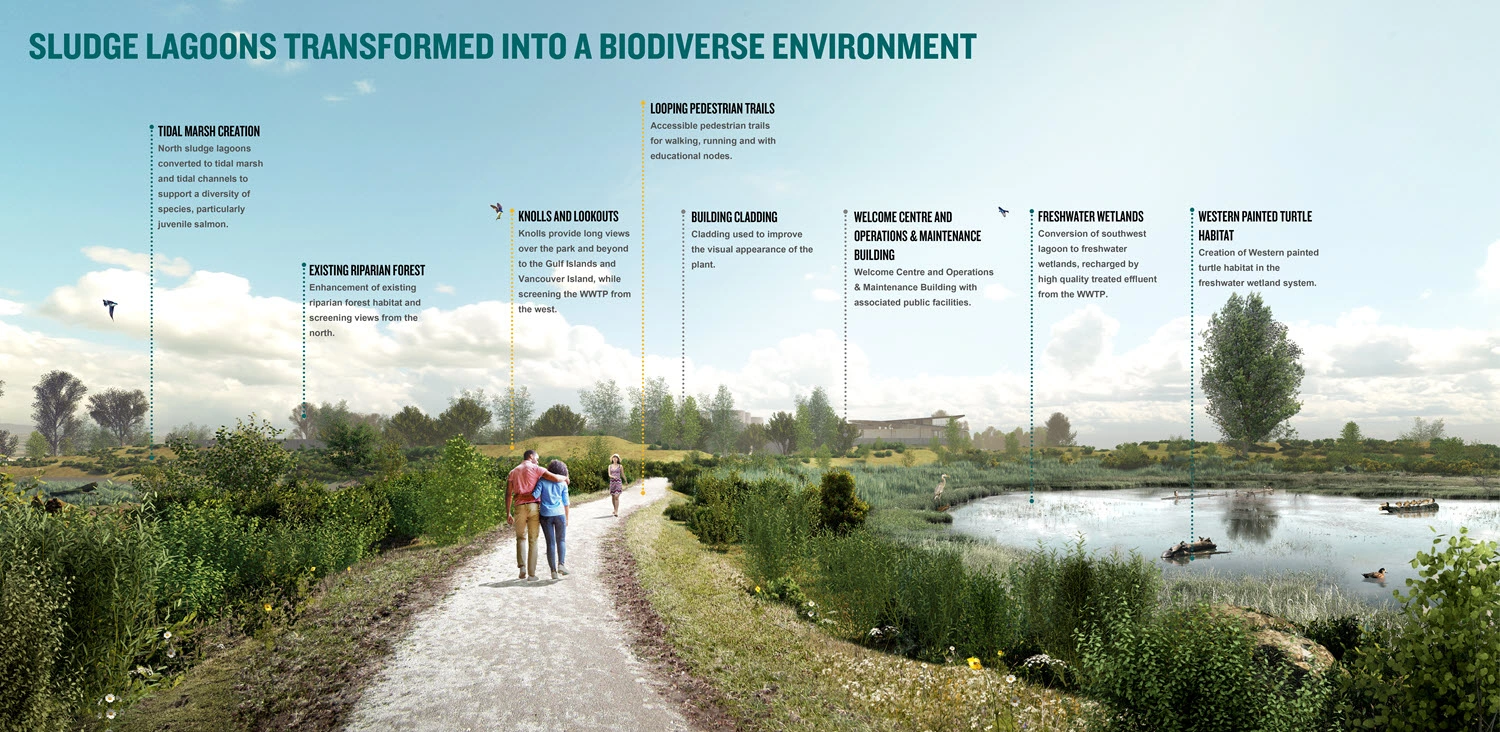
Iona Beach / xwəyeyət Regional Park and WWTP
The Iona Island Wastewater Treatment Plant (IIWWTP) and Regional Park Projects collectively represent the largest capital works project ever undertaken by Metro Vancouver. Driven by the need to upgrade the existing WWTP to meet federal regulations, the projects also offer a critical opportunity to provide significant benefits to the region. In addition to WWTP upgrades, the projects will restore dynamic estuary processes, increase the island’s resilience to climate change and expand educational and recreational offerings in the regional park. These projects are a transformative opportunity to integrate urban infrastructure with ecological restoration and climate adaptation and will create a significant, ongoing legacy for the region.
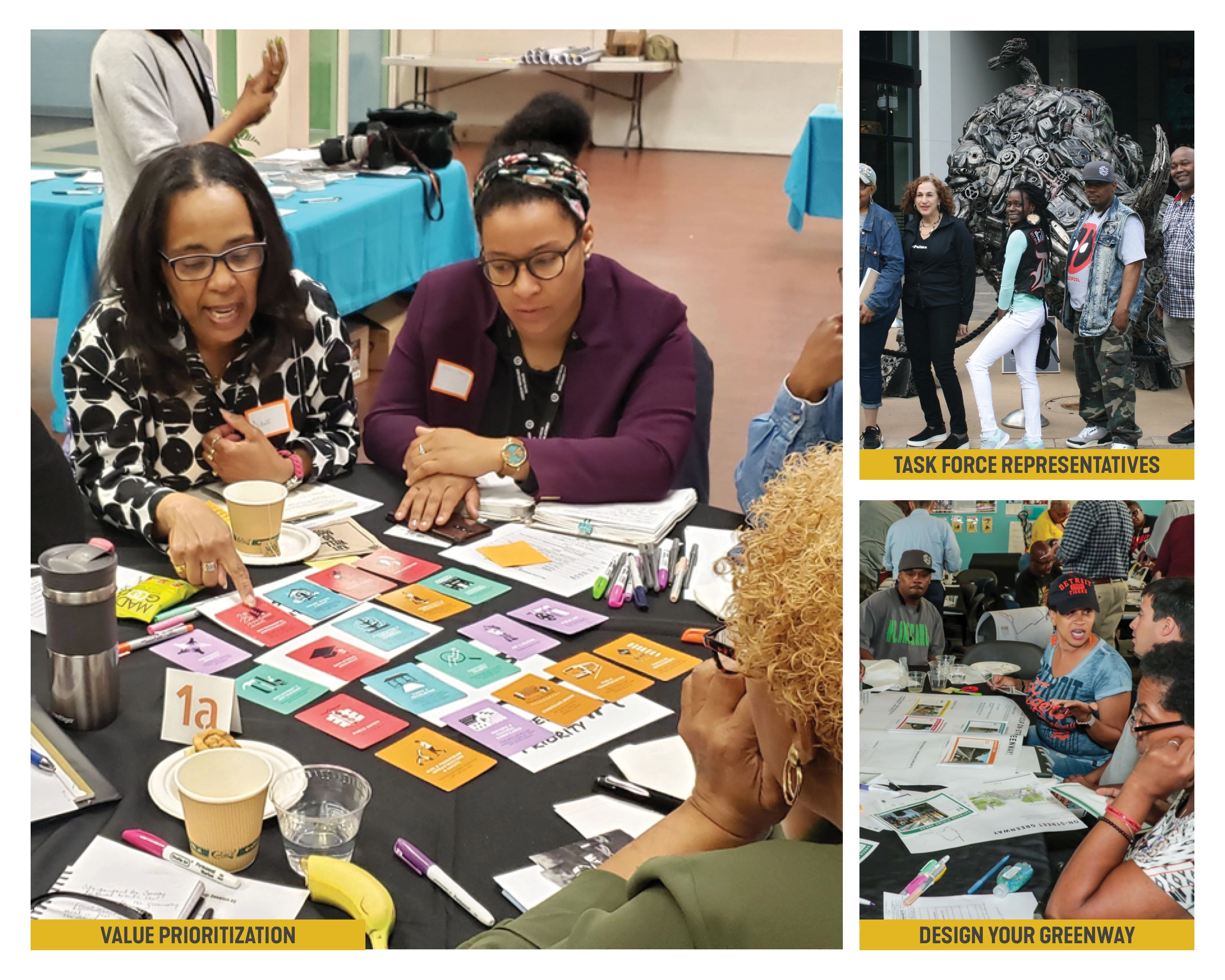
Joe Louis Greenway Framework Plan
The Joe Louis Greenway is a 27.5-mile planned non-motorized trail and linear park in Detroit that is reclaiming vacant industrial spaces to improve access to nature, play, and recreation for all Detroiters. The community-authored planning process-built trust through shared authorship. It celebrates the city’s unique history, culture, and neighborhood identity, provides a safe recreation experience, promotes economic development, connects neighborhoods and people, and restores the natural envi
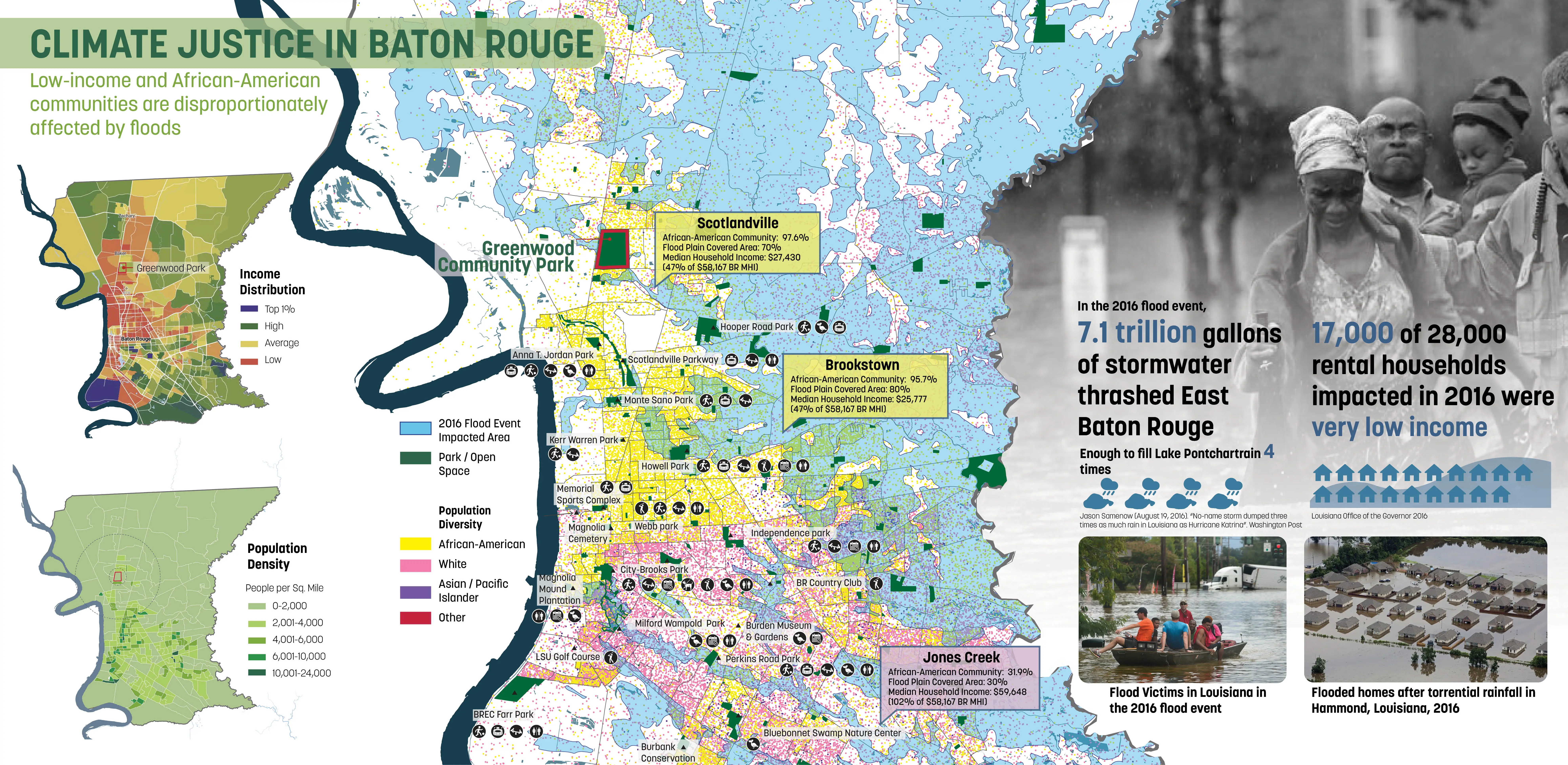
Nature, Culture + Justice: The Greenwood Park Master Plan
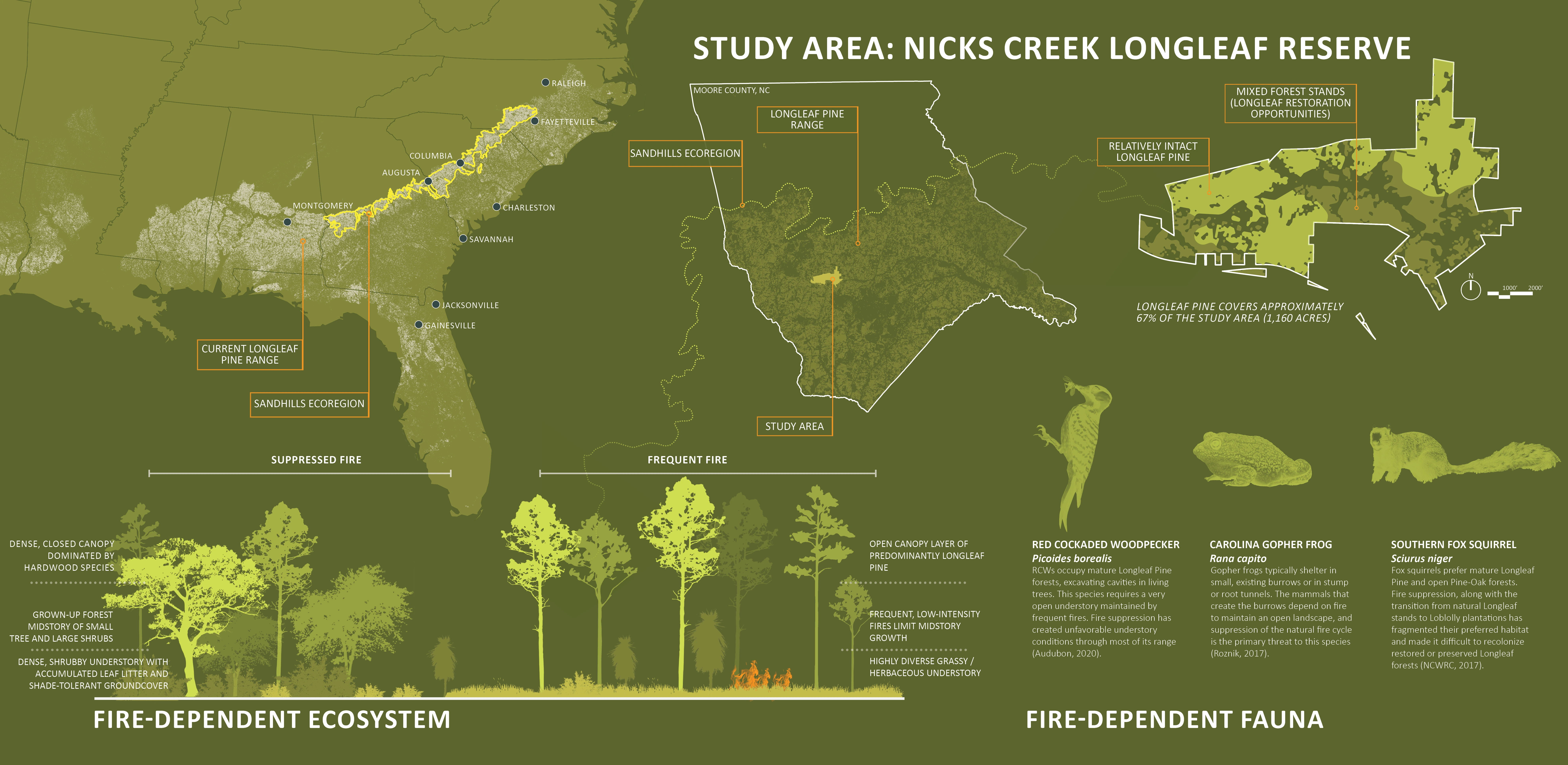
Nicks Creek Longleaf Reserve Conservation & Management Plan
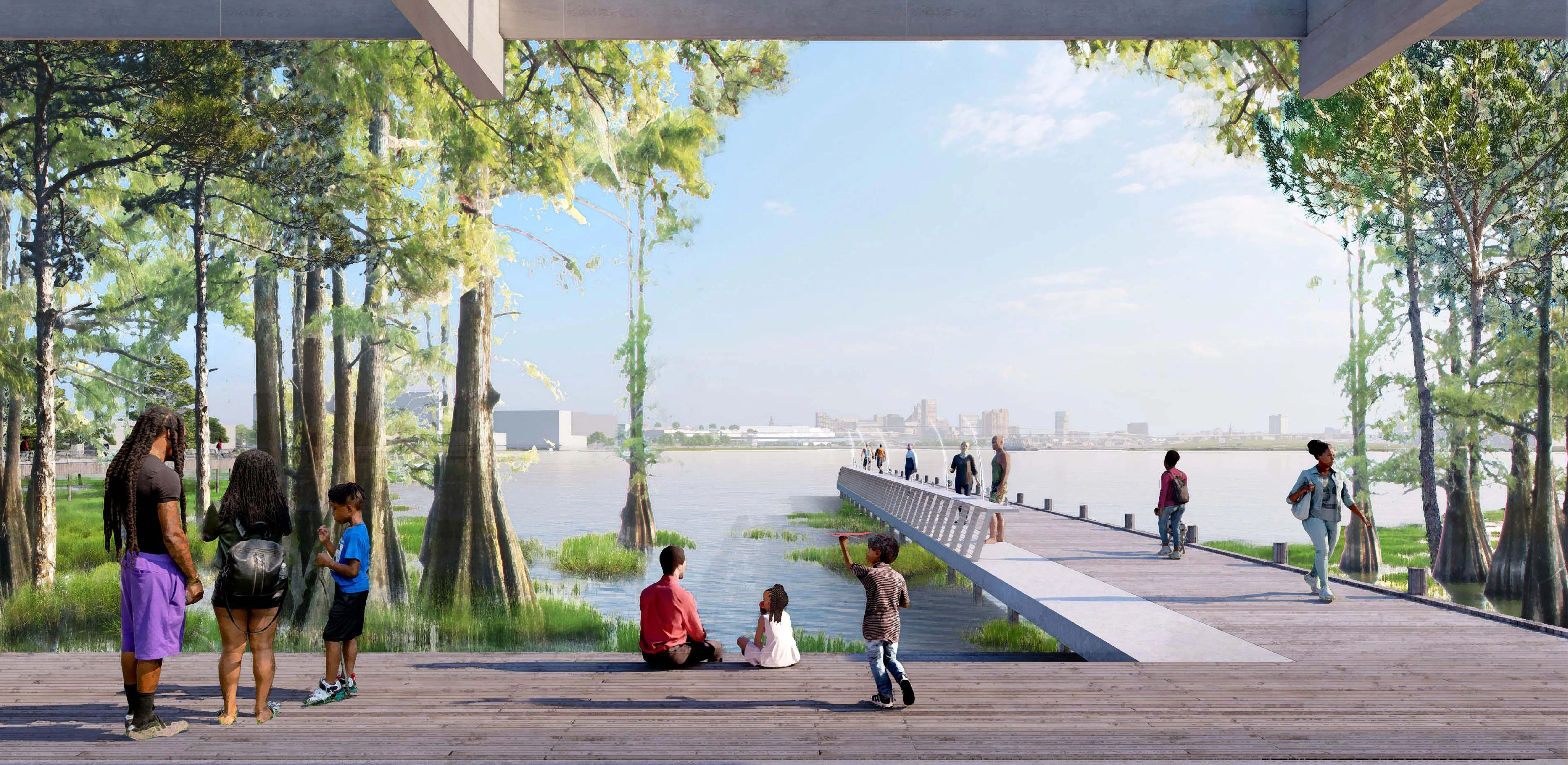
Reimagine Middle Branch Plan
.webp?language=en-US)
The Chattahoochee RiverLands
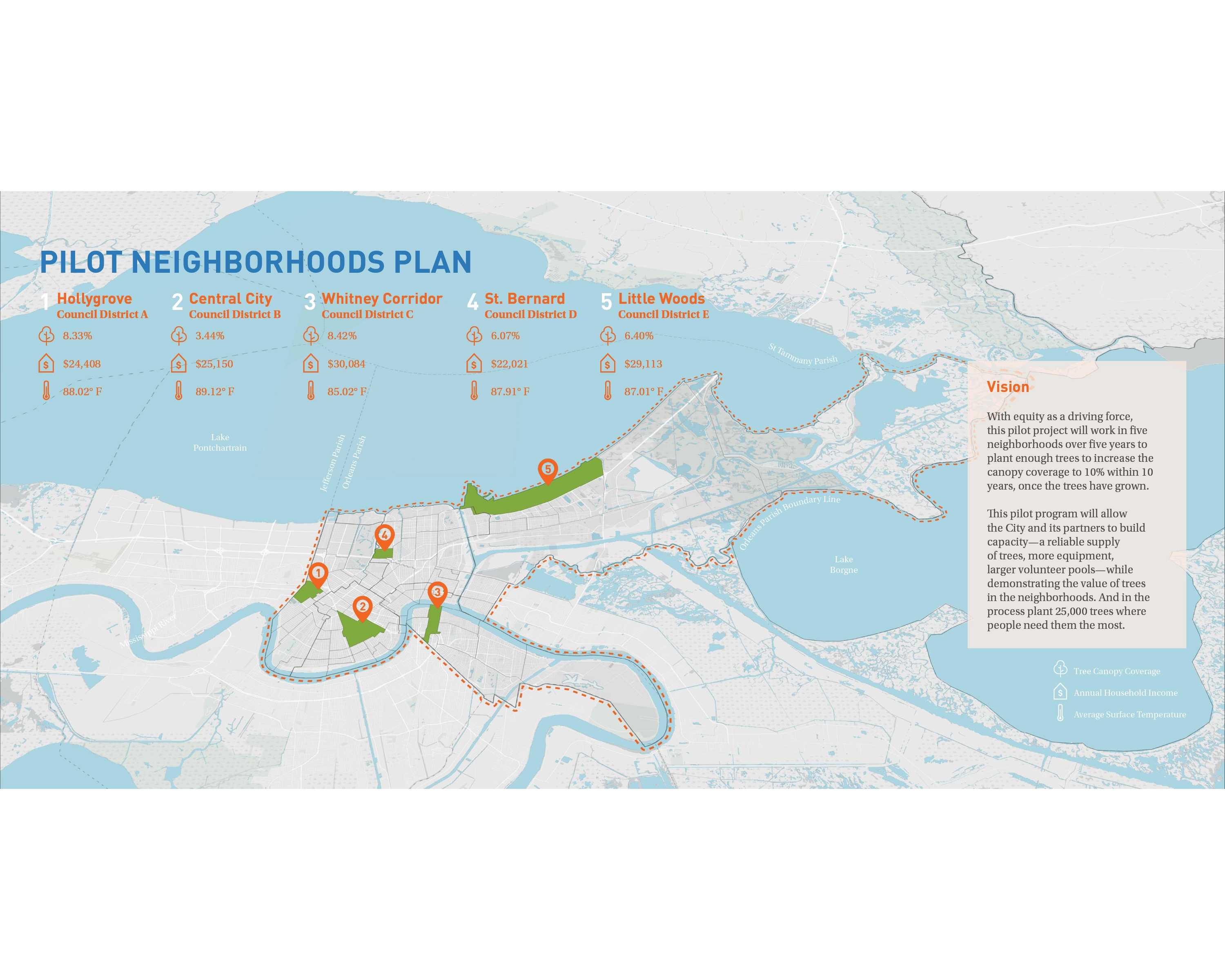
The New Orleans Reforestation Plan: Equity in the Urban Forest
Research Category
Honor Awards
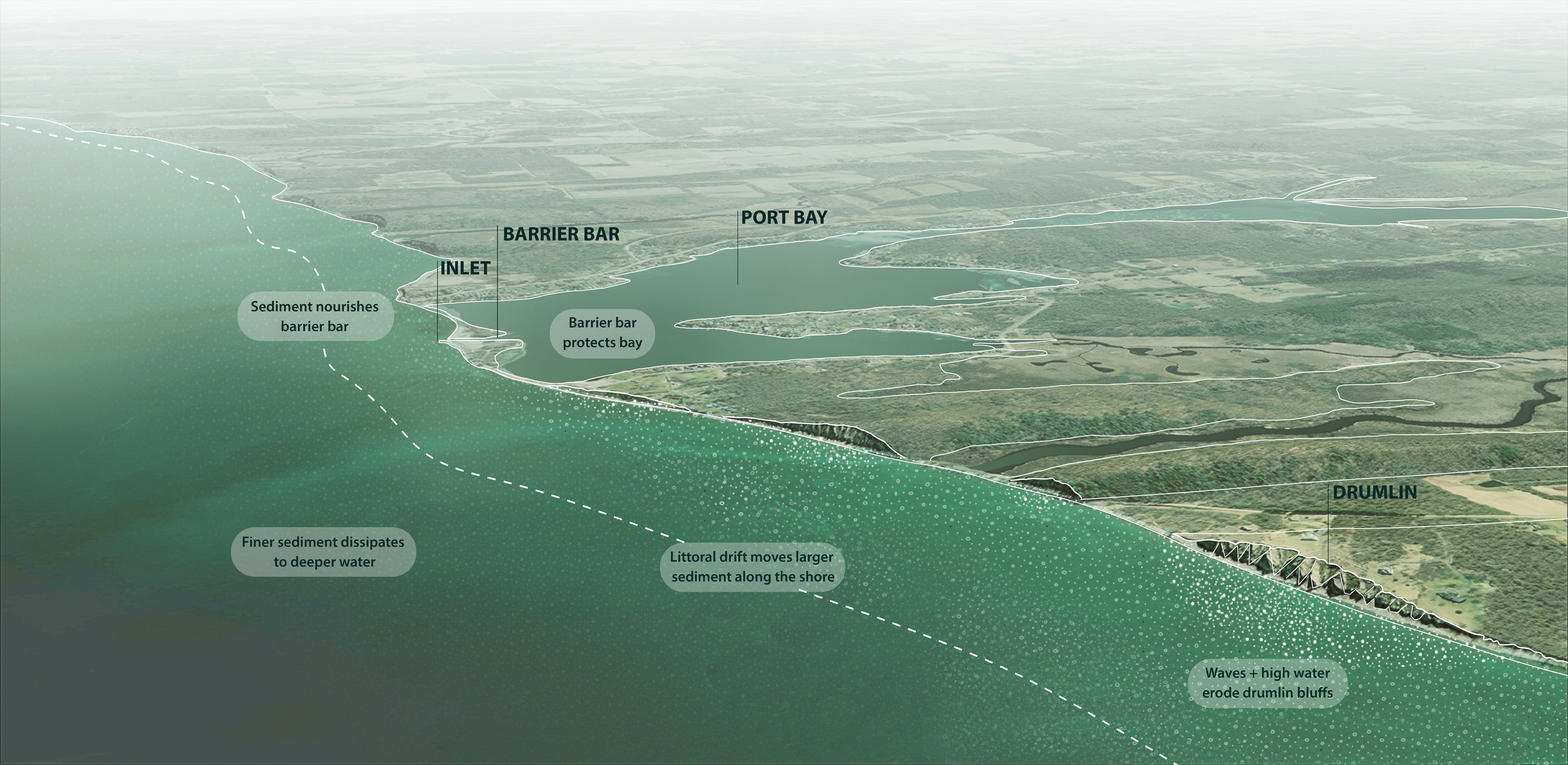
The Cobble Bell: Research through Geology-Inspired Coastal Management
Located in the small community of Port Bay, New York, the Cobble Bell project is an annual sediment management/data collection landscape event that takes the form of a small, temporary nearshore topographic feature. As more event than a thing, it serves as an example of a landscape-led coastal management methodology that, at its foundation, is a constructed research project aimed at learning more about the coastal process affecting the community and how to better work with them in the face of
Comunications Category
Honor Awards
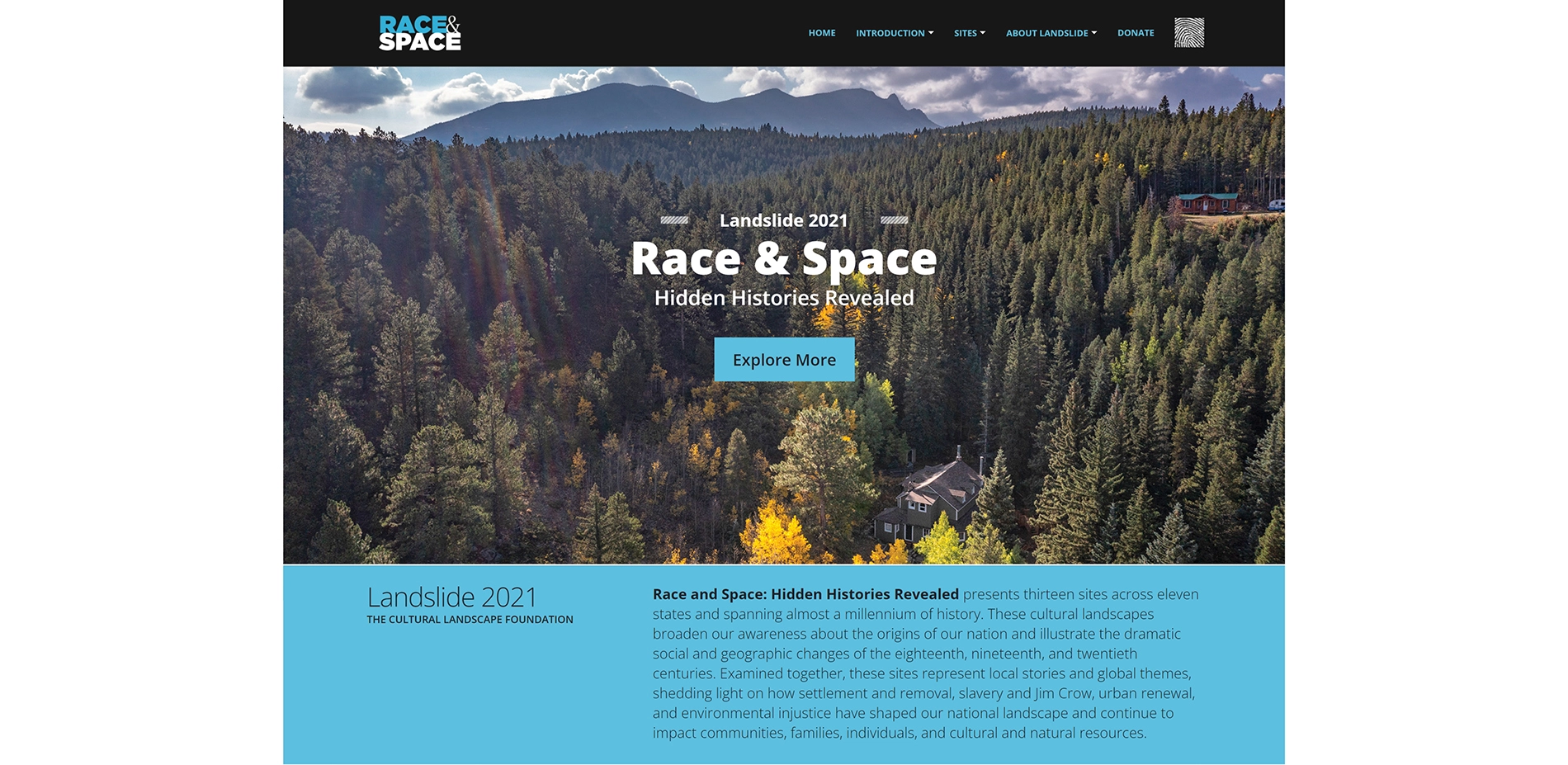
Landslide: Race and Space
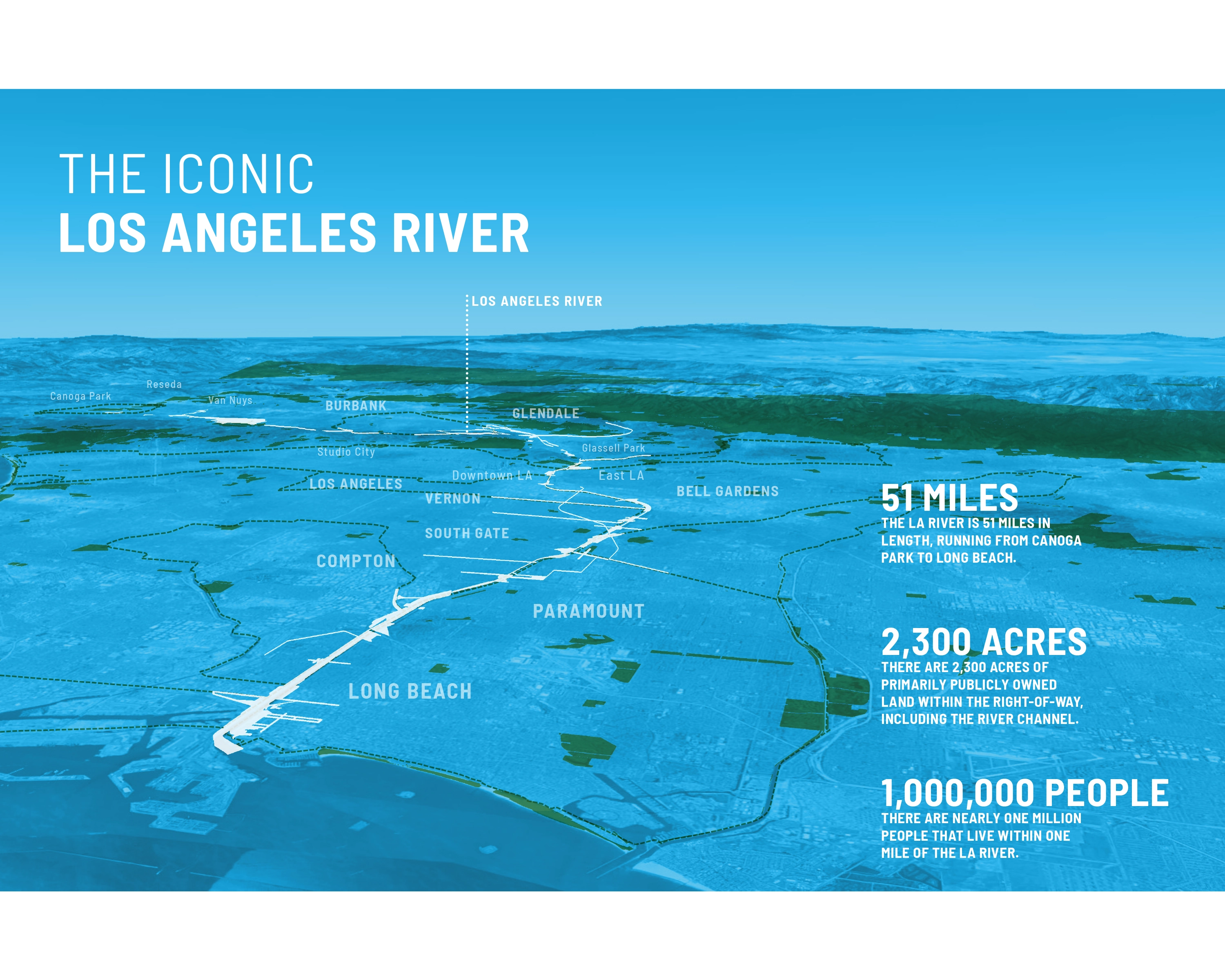
Los Angeles River Master Plan Update
Nearly one million people live within one mile of the LA River. Famous for its concrete-lined channel and maligned as single-purpose infrastructure dividing communities, the river is reimagined in the LA River Master Plan Update as an integral part of daily life that addresses the interconnected needs of people, water, and the environment. Communicating and enacting this shift required innovative, multilingual, multi-generational, and hyper-local outreach to long-overlooked communities along the river.
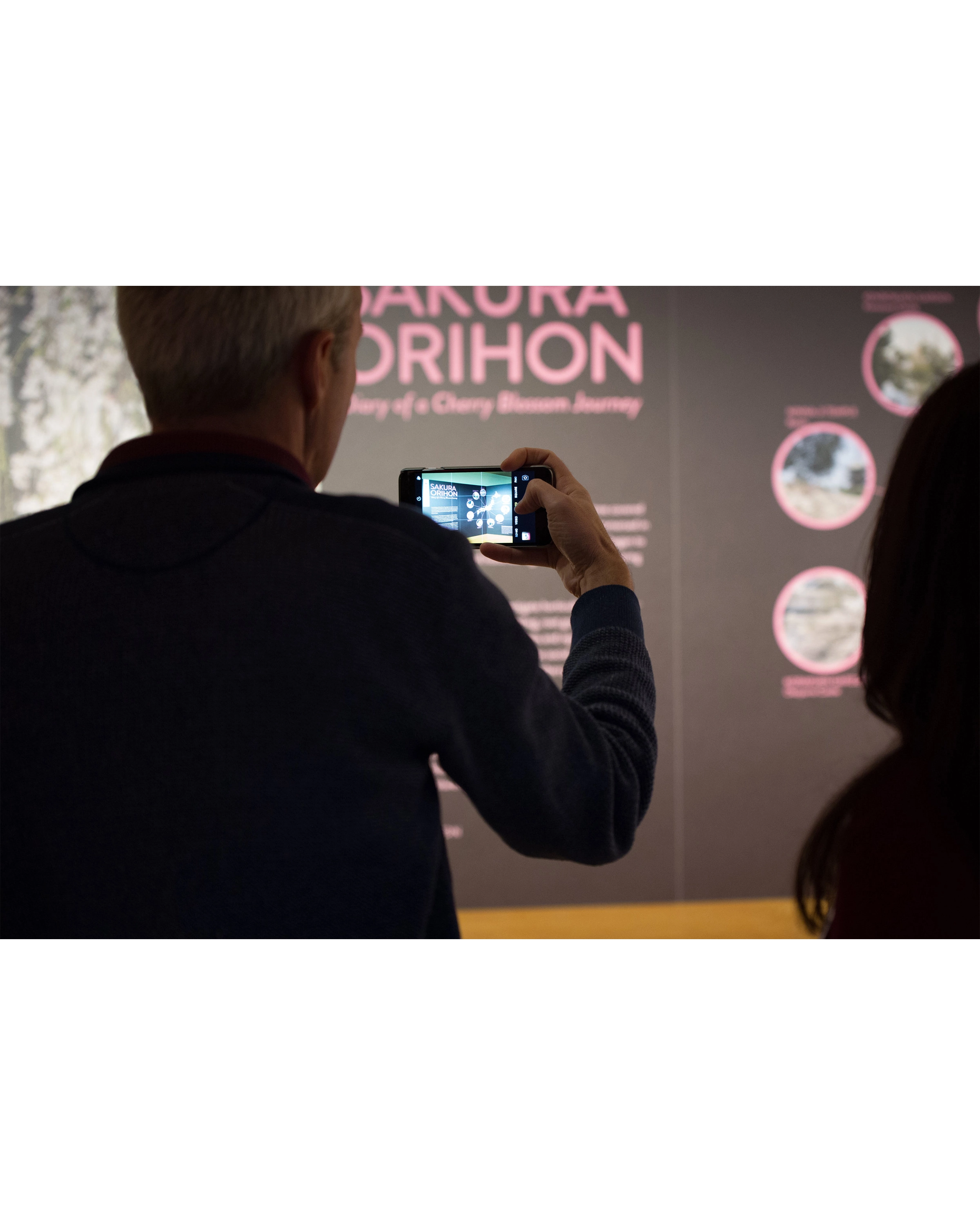
Sakura Orihon
Fifteen orihon (ori=folding, hon=book) sketchbooks from the landscape architect's Japan-US Friendship Commission Fellowship in Japan are the subject of recurring solo exhibitions, Sakura Orihon, at the US National Arboretum each spring from 2018 to the current Spring 2023 (with hiatus from global pandemic). Following the cherry blossoms from south to north, the landscape architect recorded pilgrimages to famous, venerable trees and documented horticultural practices (branch crutching, rope tenting, etc.) that embody cherry blossom culture in Japan.
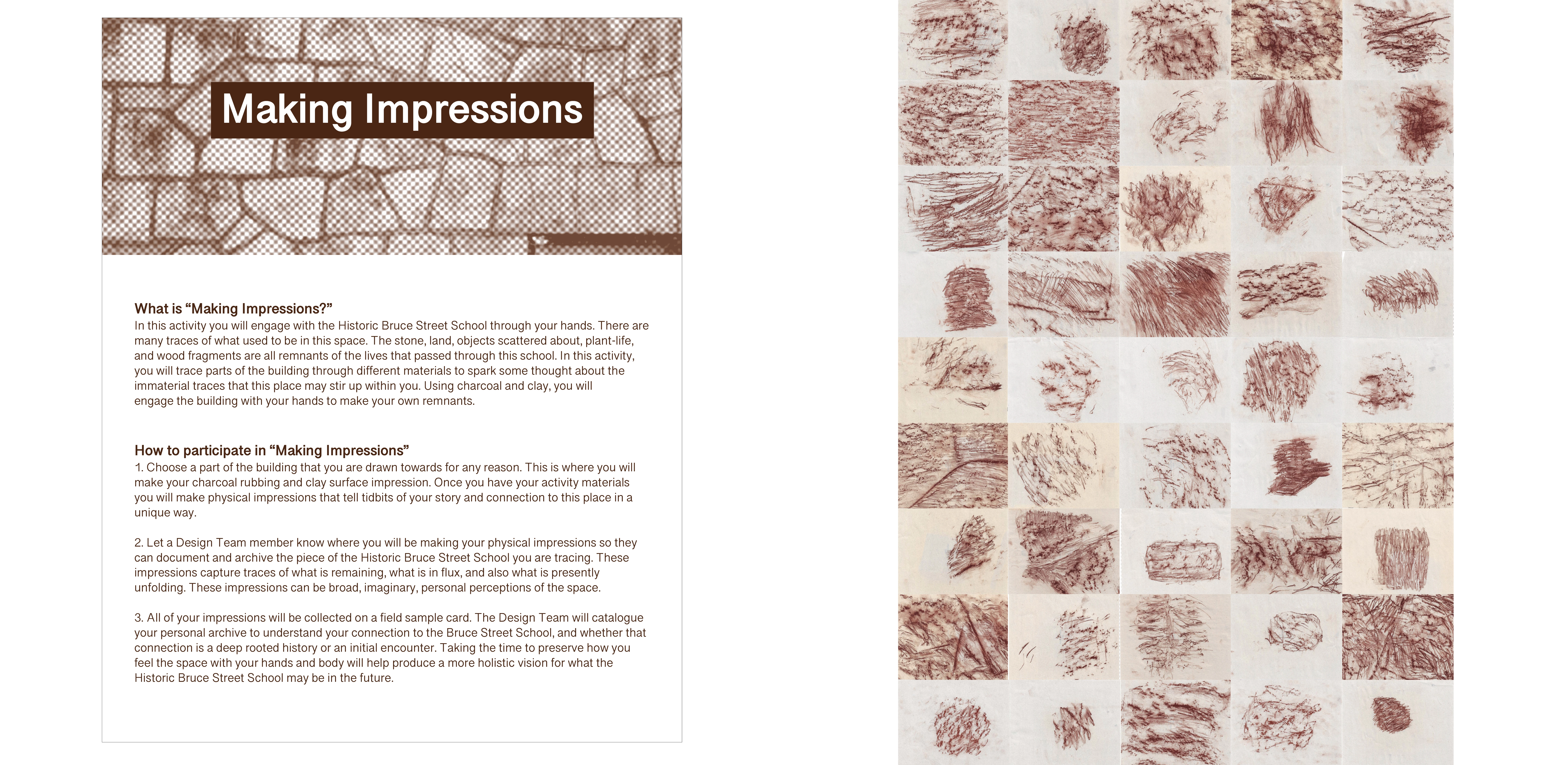
The Historic Bruce Street School: A Community-Centered Design Approach
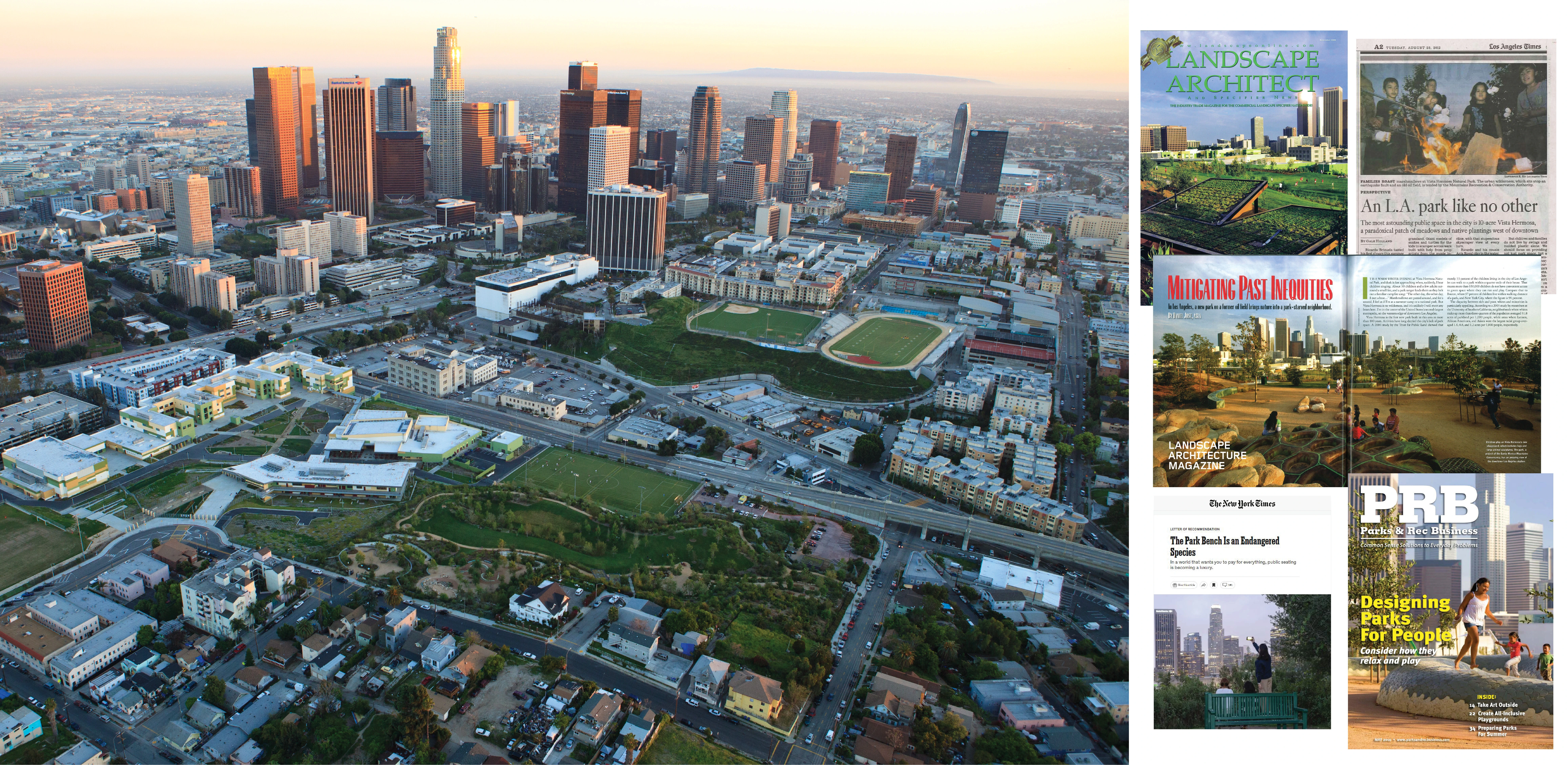
Vista Hermosa Natural Park
Vista Hermosa was the first public park built in downtown Los Angeles in over 100 years. Previously an oil field located in a park-poor urban area, the park provides residents of a dense, primarily working-class Latinx neighborhood with "a window to the Mountains," opportunities for recreation, access to nature, and quiet reprieve. Marrying environmental justice to social justice, the park provides a safer environment in what was once a dangerous and contaminated vacant lot. As re-created habitat in the heart of the city, Vista Hermosa features many resilient, nature-based solutions that were ahead of its time. The park has become a symbol of Los Angeles, bringing a natural experience to those who are unable to visit the nearby mountains.