

.webp?language=en-US)
Advertisement
2017 ASLA Professional Awards
Explore:
General Design Category
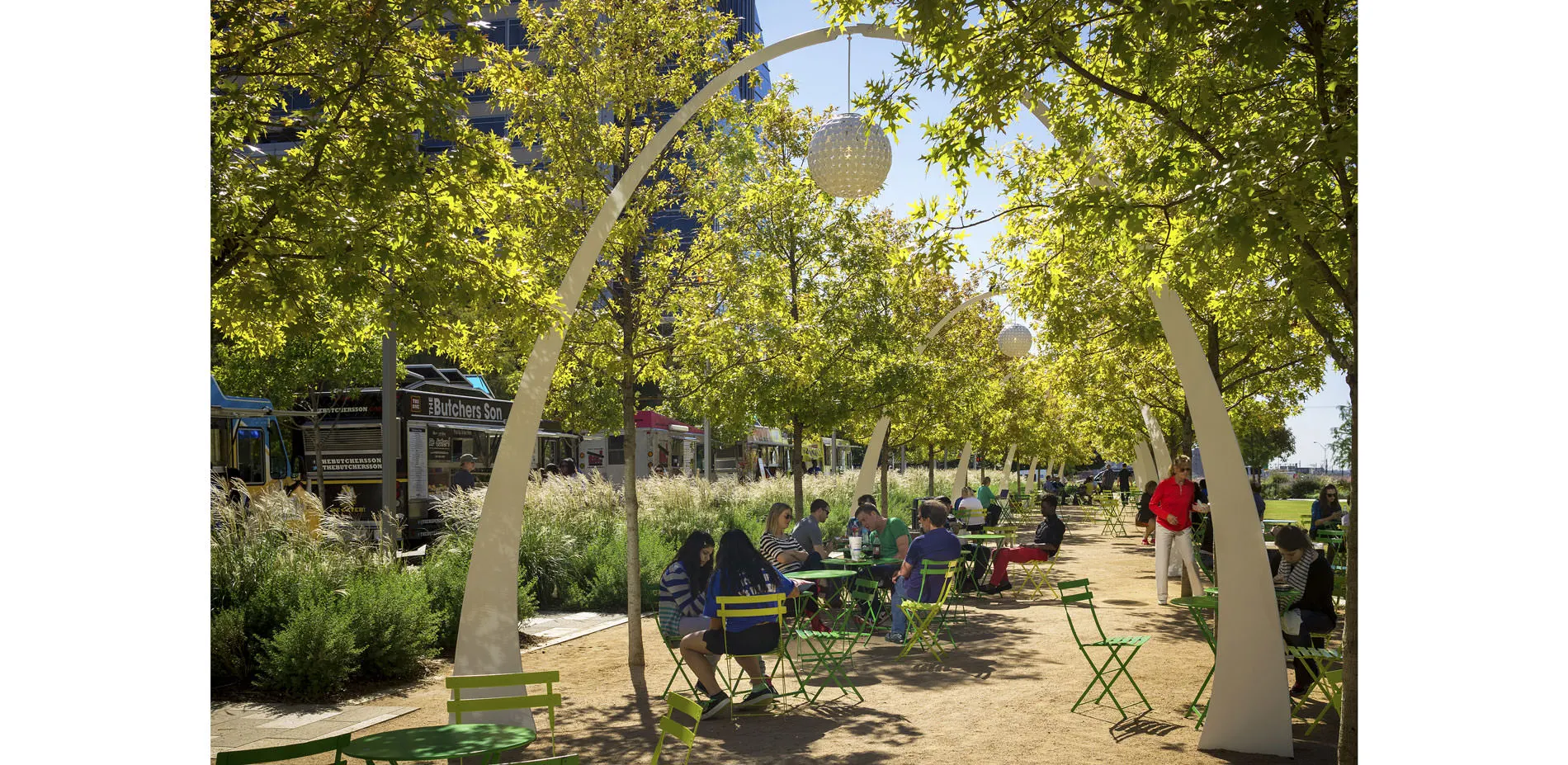
Klyde Warren Park - Bridging the Gap in Downtown Dallas
Klyde Warren Park is Dallas’s central urban park that has bridged the eight-lane Woodall Rodgers Freeway, which had been a barrier between Downtown and Uptown. The park reconnects the city’s downtown cultural district with the neighborhoods to the north. The park is designed to reflect the district through its modern design. The park has been warmly embraced by the community and has been a catalyst for economic development. Daily free activities include performances, lectures and fitness classes. A non-profit foundation manages operations and maintenance of the park. Built with public and private funds, the park features a flexible, pedestrian-oriented design, children’s park, great lawn, restaurant, performance pavilion, fountain plaza, games area, dog park and botanical garden. Dramatic environmental improvements include the sequestration of CO2 through native planted trees, temperature reductions from shade producing trees and canopies and water conservation through the subgrade reservoir’s collection of stormwater.
General Design
Honor Awards
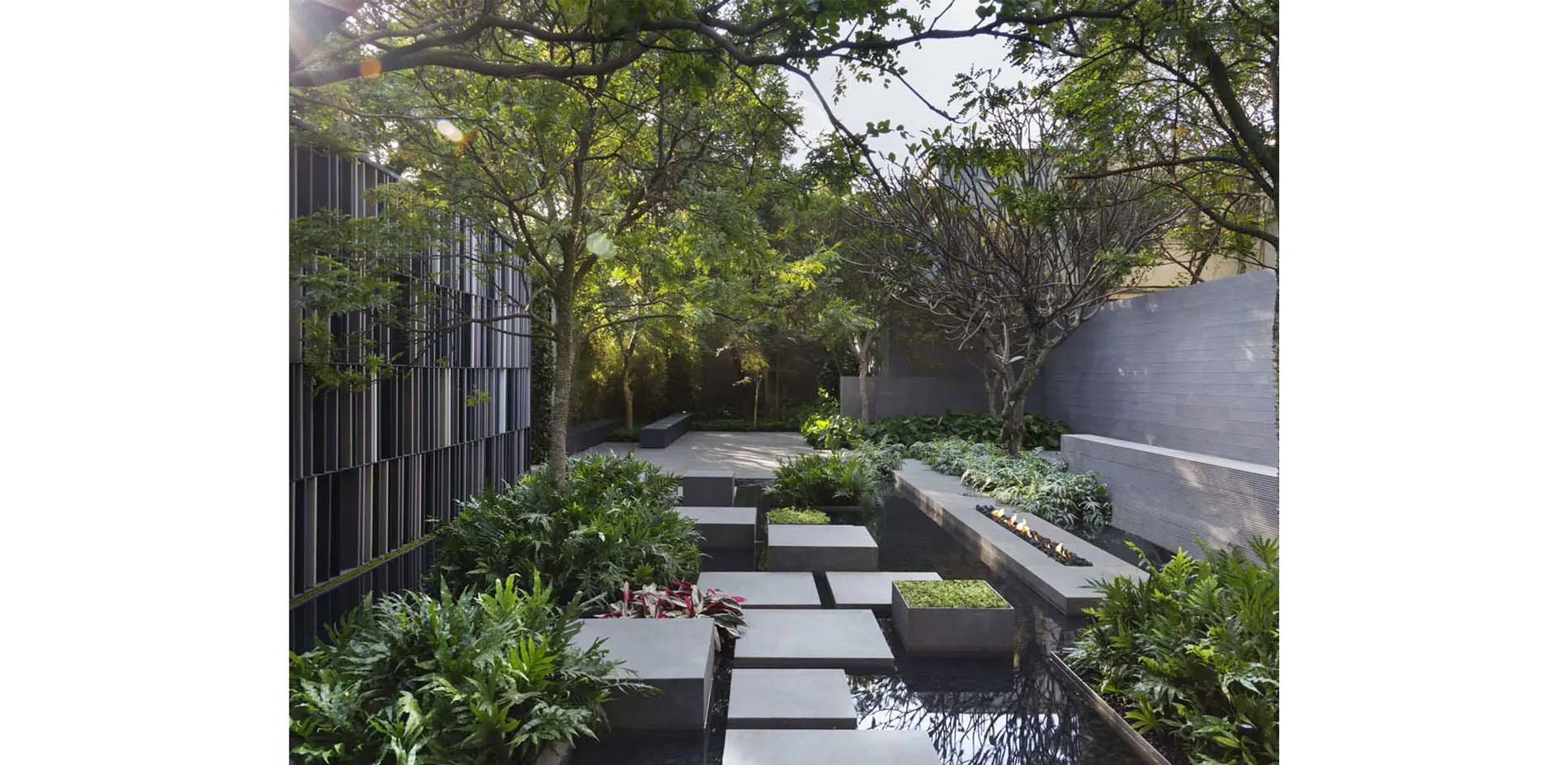
The Entrance Garden
This garden is a contemporary space in sync with Brazilian tropical heritage. It harmonizes a floating garden amidst water, lush greenery with bold, clean constructed elements.
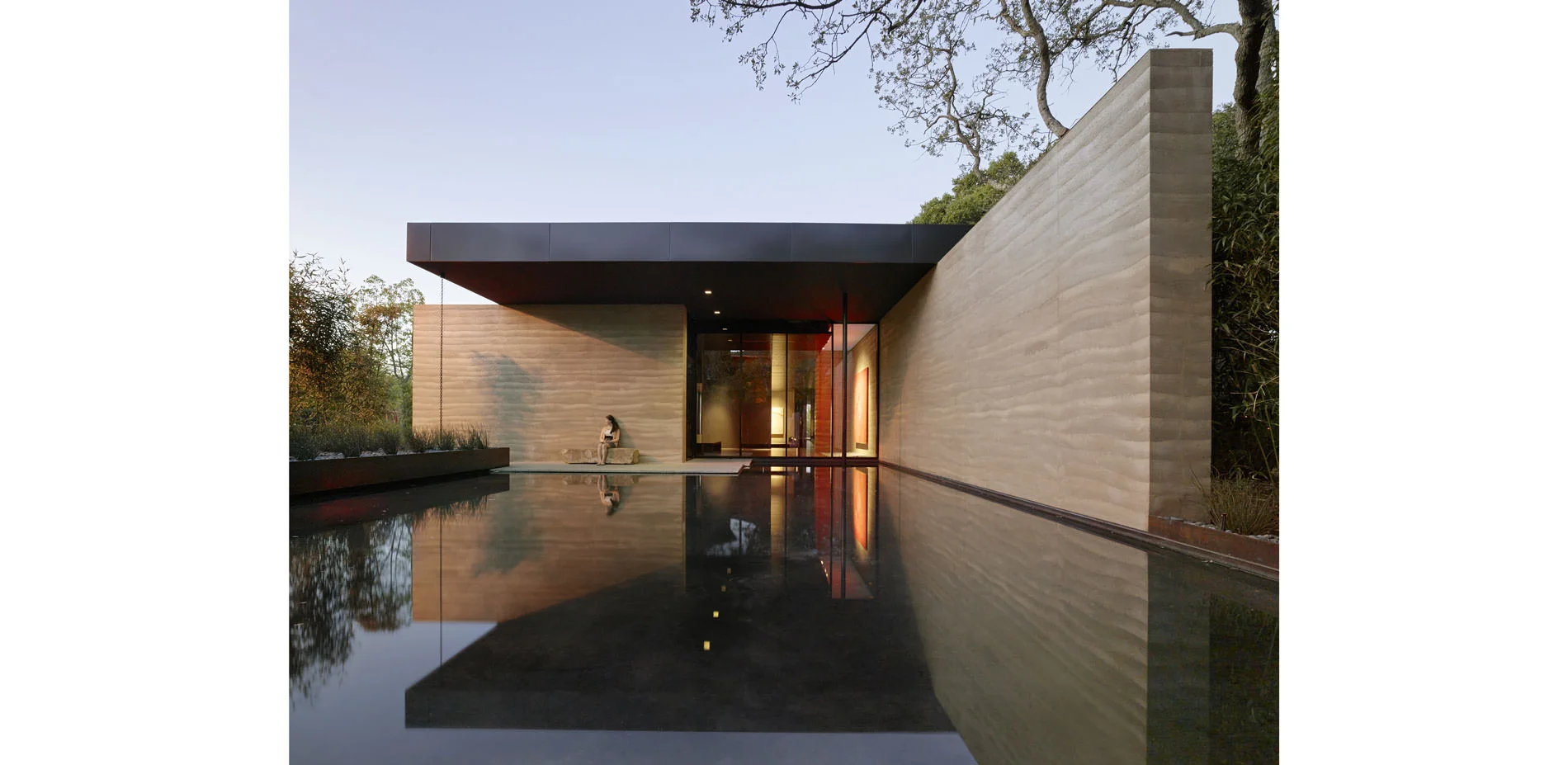
Windhover Contemplative Center
The Windhover Contemplative Center, named for a series of paintings by artist Nathan Oliveira, simultaneously functions as an art gallery, spiritual sanctuary, and contemplative garden on the busy Stanford Campus. Using Oliveira’s art as a vehicle for personal renewal, the center provides a place for students, faculty, and staff to decompress and re-center themselves. The integrated design capitalizes on the building’s unique context -- adjacent to an existing oak woodland – to provide a seri
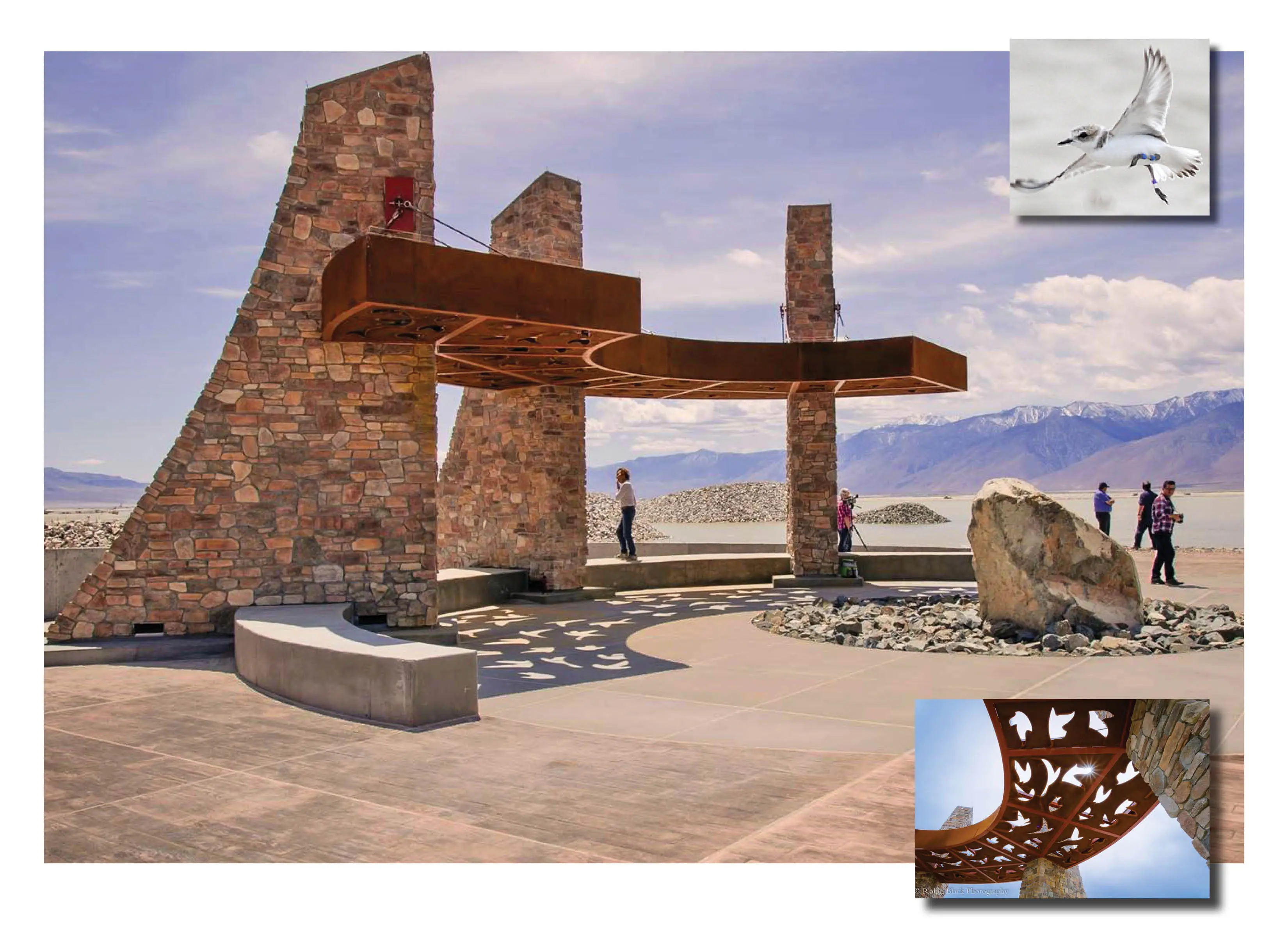
Owens Lake Land Art
Honoring the past while shaping the future was the inspiration for the Land Art at Owens Lake. Collaboration between state and local agencies, community members, tribal leaders and biologists resulted in the artistic design solution, the ‘Whitecaps’. Oriented along the north-south axis, the ‘Whitecaps’ recall the past when 80 mph winds blew across the 100-square-mile lake. Sculptural forms provide habitat benefits for migratory birds, mammals and invertebrates with stacked rock niches which o
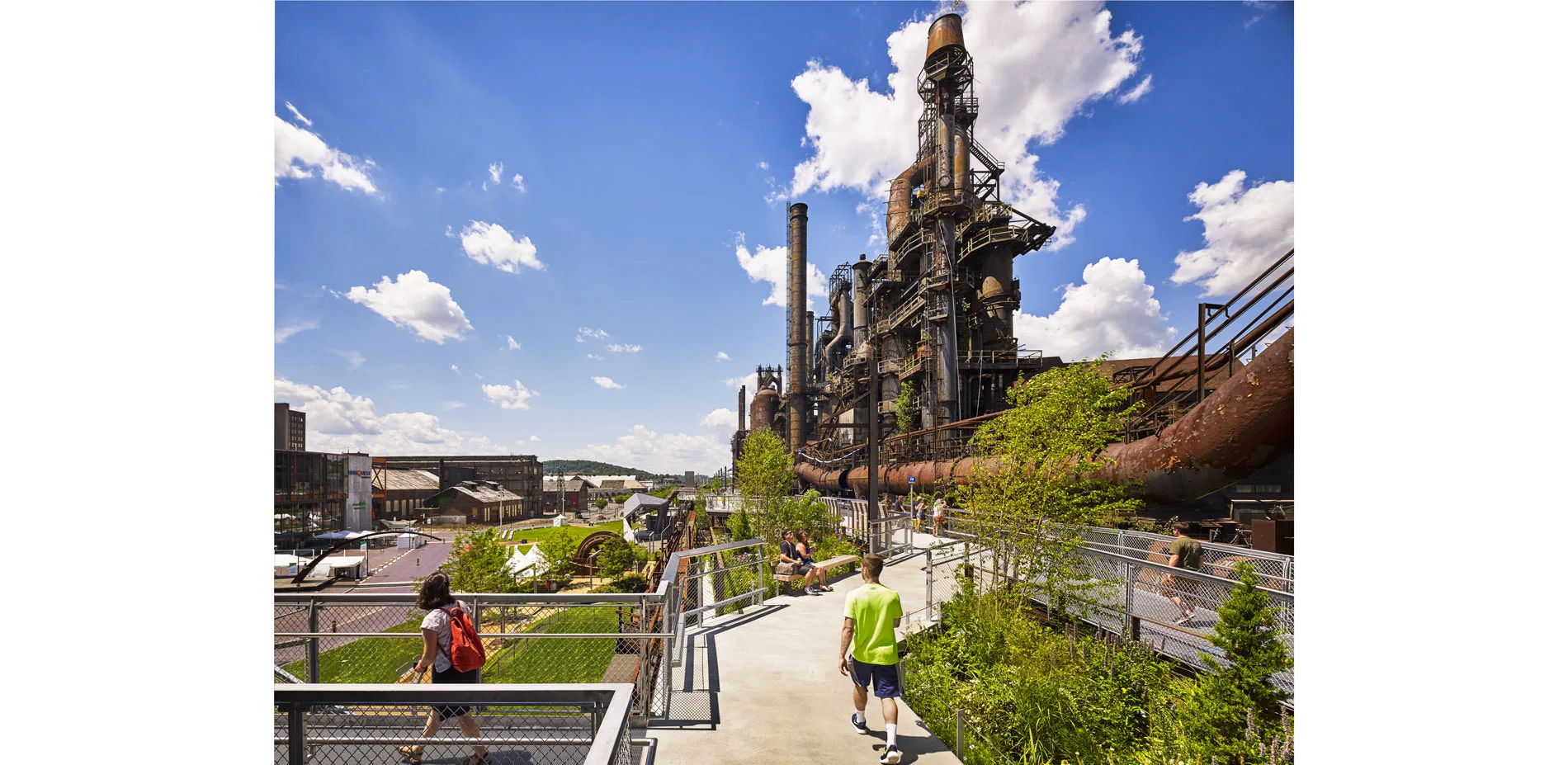
SteelStacks Arts + Cultural Campus
The SteelStacks Arts + Cultural Campus rose from the shadows of the former Bethlehem Steel Plant, invigorating the region through the transformation of an abandoned industrial site into a vibrant, urban, arts and entertainment destination. The project demonstrates the power of design to catalyze community revitalization, by paying homage to the history and integrity of the site, and allowing visitors the opportunity to once again stand at the foot of the iconic Bethlehem Steel blast furnaces.
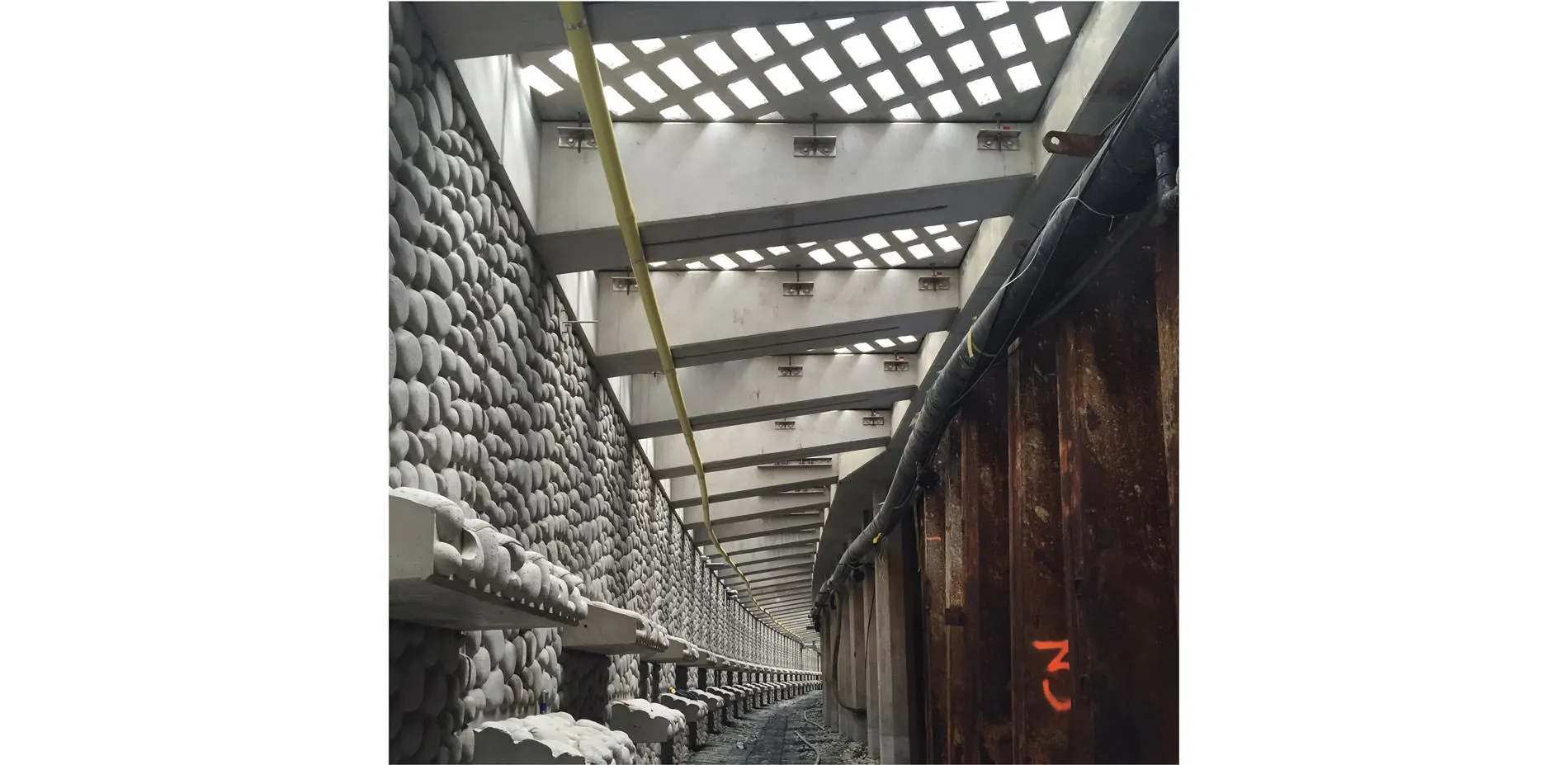
Central Seawall Project
Seattle’s Central Seawall Project replaced 3,700 linear feet of derelict seawall with a new state-of-the-art, seismic-resistant seawall that is seamlessly integrated with an unprecedented salmon migration corridor, an enhanced tidal marine environment, and an updated pedestrian promenade. The Central Seawall Project is a massive urban infrastructure project which addresses current issues of sea level rise, ecology and aquatic habitat rehabilitation while in the center of a large port city.
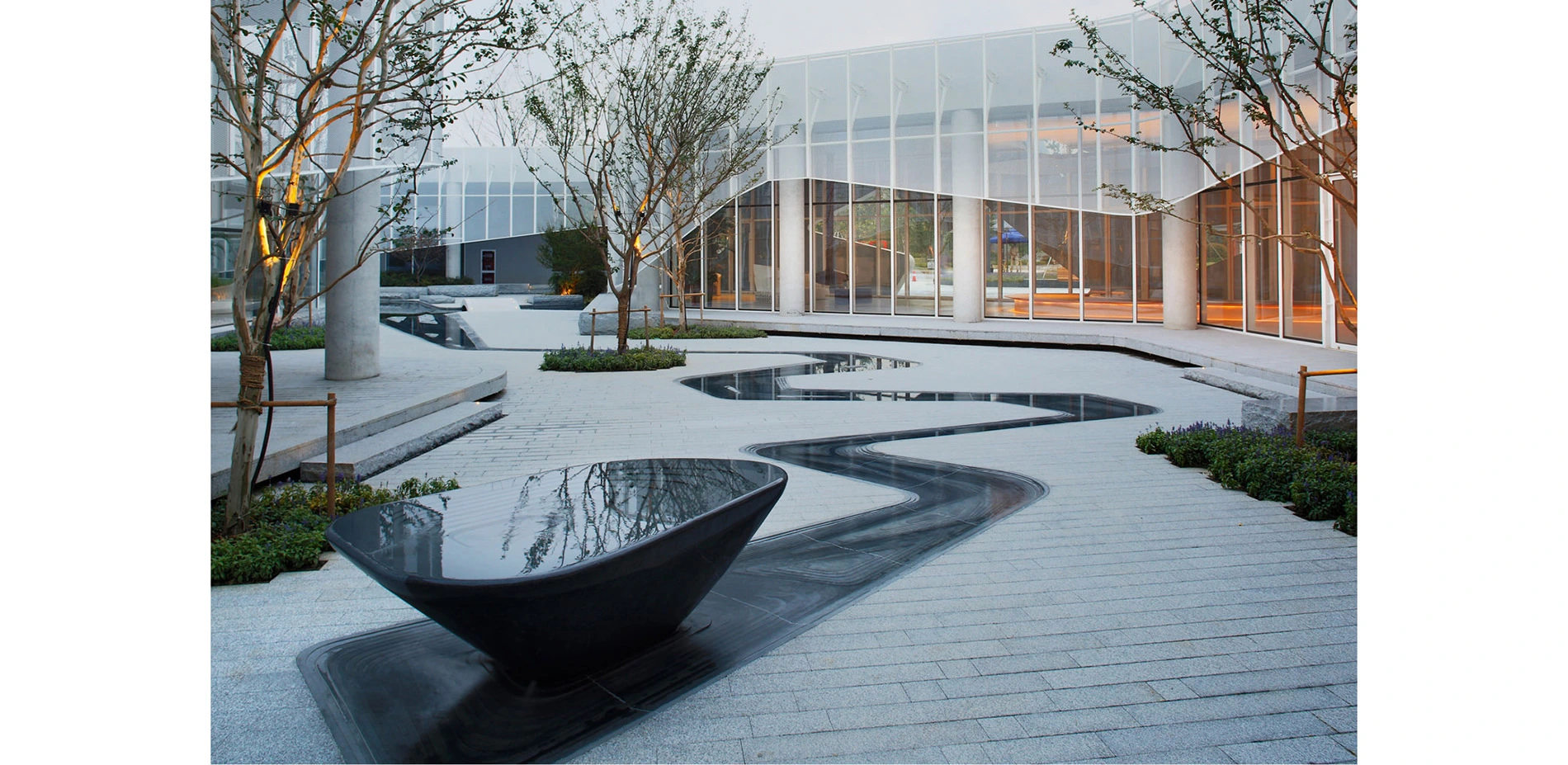
The Yue-Yuan Courtyard
The Yue-Yuan Courtyard is a meeting point of the modern architecture and the Chinese classical garden of Suzhou. Located in Suzhou, the landscape architectural design of the courtyard is beyond visual representation or replica of the classical garden of Suzhou, yet inspired by the sophisticated spirit and culture of the tradition. Embracing the distinctive natural characteristics of the region, the courtyard creates a metaphorical abstraction of nature. The high precision of the construction
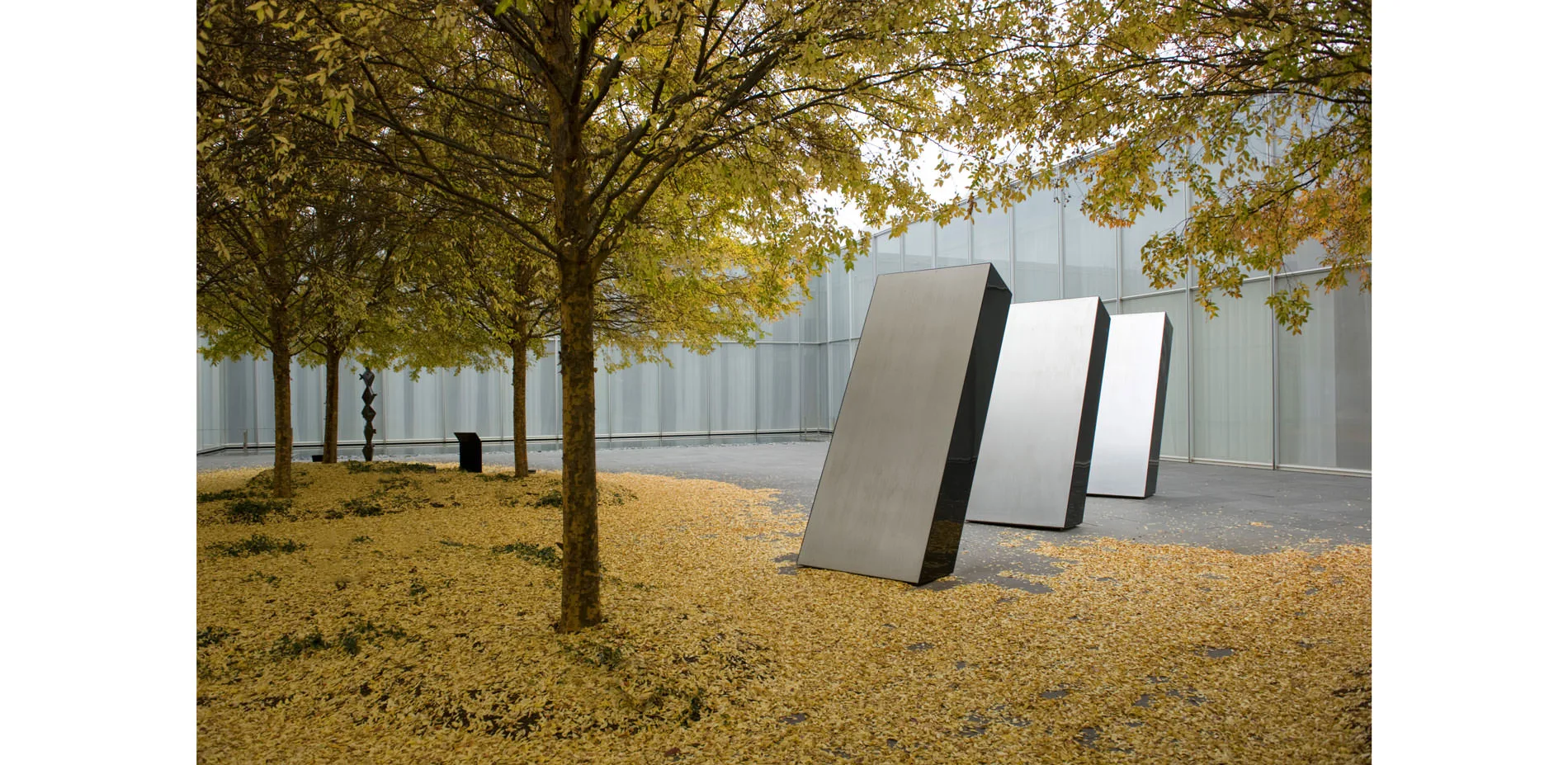
Merging Culture and Ecology at The North Carolina Museum of Art
The North Carolina Museum of Art (NCMA) is situated on 164-acres of picturesque rolling hills in one of the fastest growing urban regions in the country. With its vision: “To enrich lives through the power and wonder of art,” the museum embodies the heart of visual arts and design for the entire state. In addition to extensive interior galleries, the museum has created one of the largest curated art parks in the world. The landscape architect was engaged to develop a comprehensive master plan
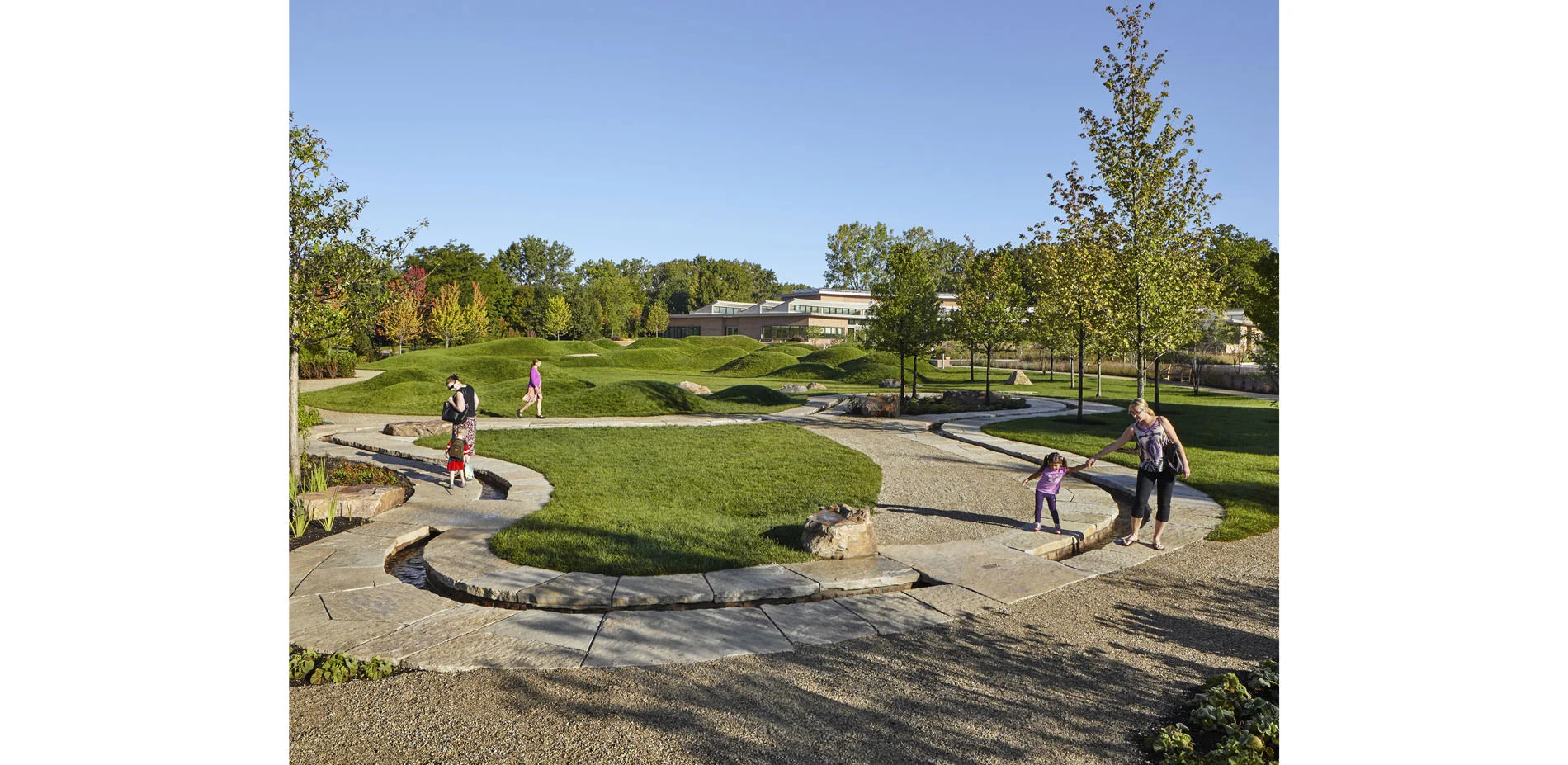
Chicago Botanic Garden: The Regenstein Learning Campus
The Regenstein Learning Campus is a new environmental discovery center and nature playground at the Chicago Botanic Garden. This six-acre horticultural campus serves a vibrant community of families, offering an interactive experience with the natural world, while advancing the institution’s influence as a science and horticultural center that serves more than 125,000 people each year. The design immerses families and children of all ages to a variety of outdoor experiences that include inquir
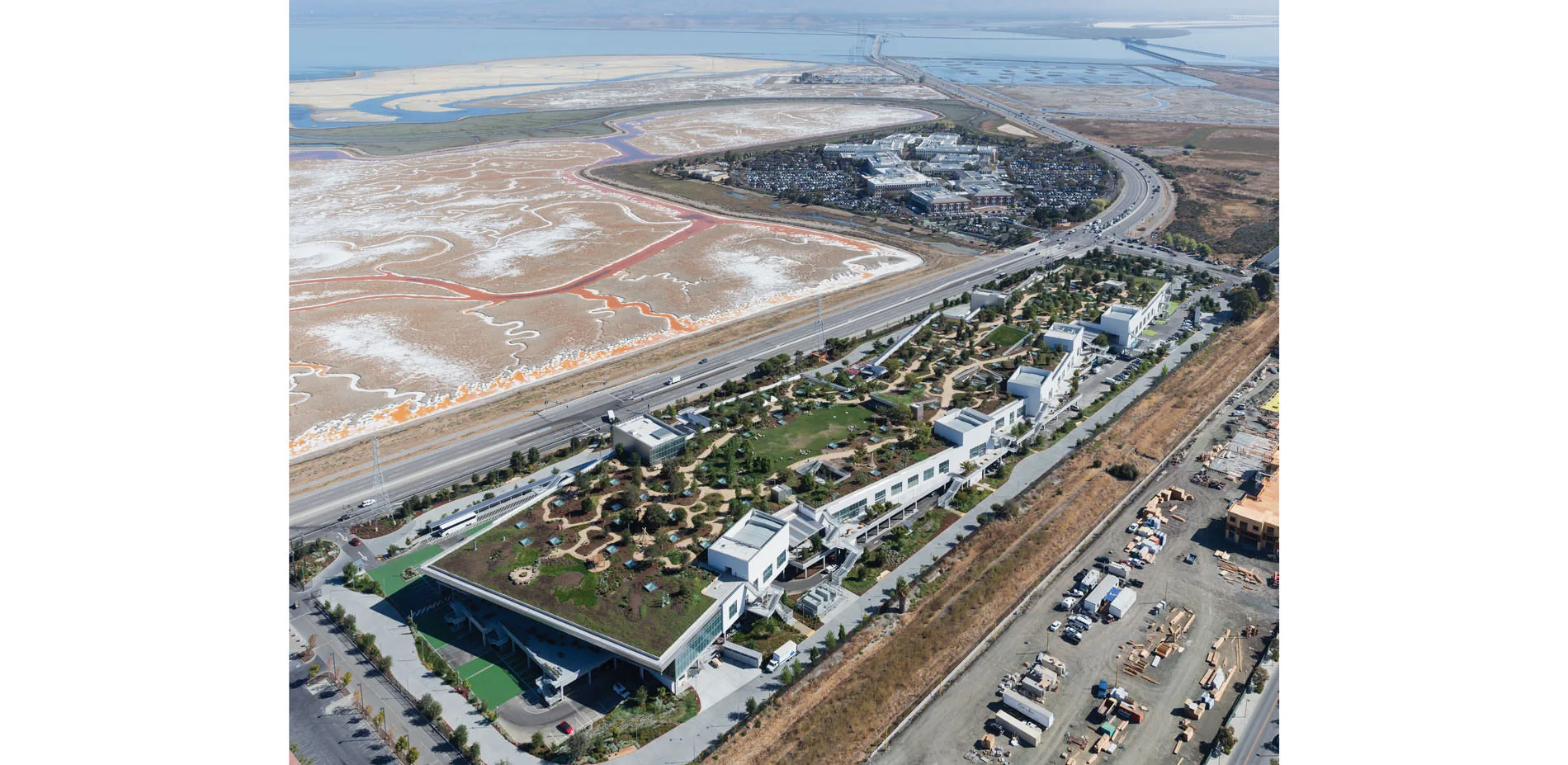
Workplace as Landscape - Facebook MPK20
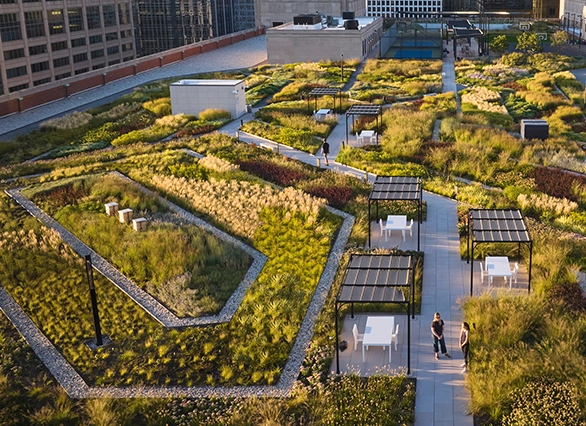
On the fringe of San Francisco Bay in Silicon Valley, a marginal postindustrial site is transformed into a vibrant campus where architecture and landscape are integrated in a poetic and purposeful workplace. A dramatic nine-acre rooftop park reveals the synthesis of built and natural systems, fosters connections between employees and their broader environment, and reframes how one thinks about buildings and landscapes. Art, ecology and social spaces are thoughtfully interwoven in a cinematic
Advertisement
Residential Design Category
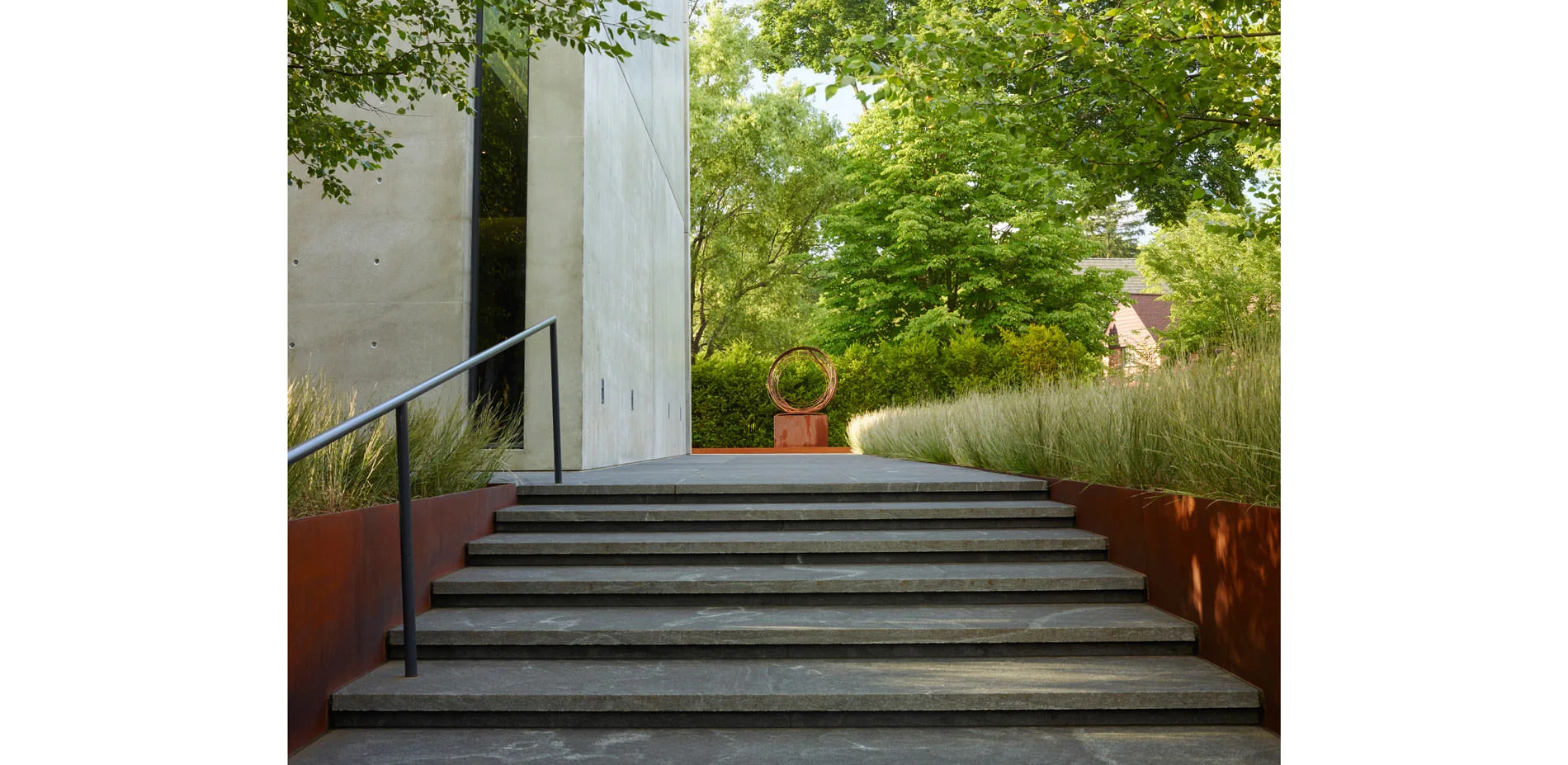
Birmingham Residence
The landscape design for the Birmingham Residence sculpts space into a dynamic context for the client’s home and art collection. Situated in a quiet neighborhood in the suburbs of Detroit, Michigan, the residence embodies the client’s adventurous taste and celebrates the region’s historical ties to the steel industry. From the beginning, the landscape architect drew inspiration from contemporary art, reinterpreting the traditional elements of the private garden and creating spaces that complement and soften the visual language of the architecture. The shared belief that a unique personal vision can be embodied in the landscape and that residential landscape design need not be bound by conventional materials and practices guided the design team and client, motivating them to stretch the creative and technical design of the project.
Residential Design
Honor Awards
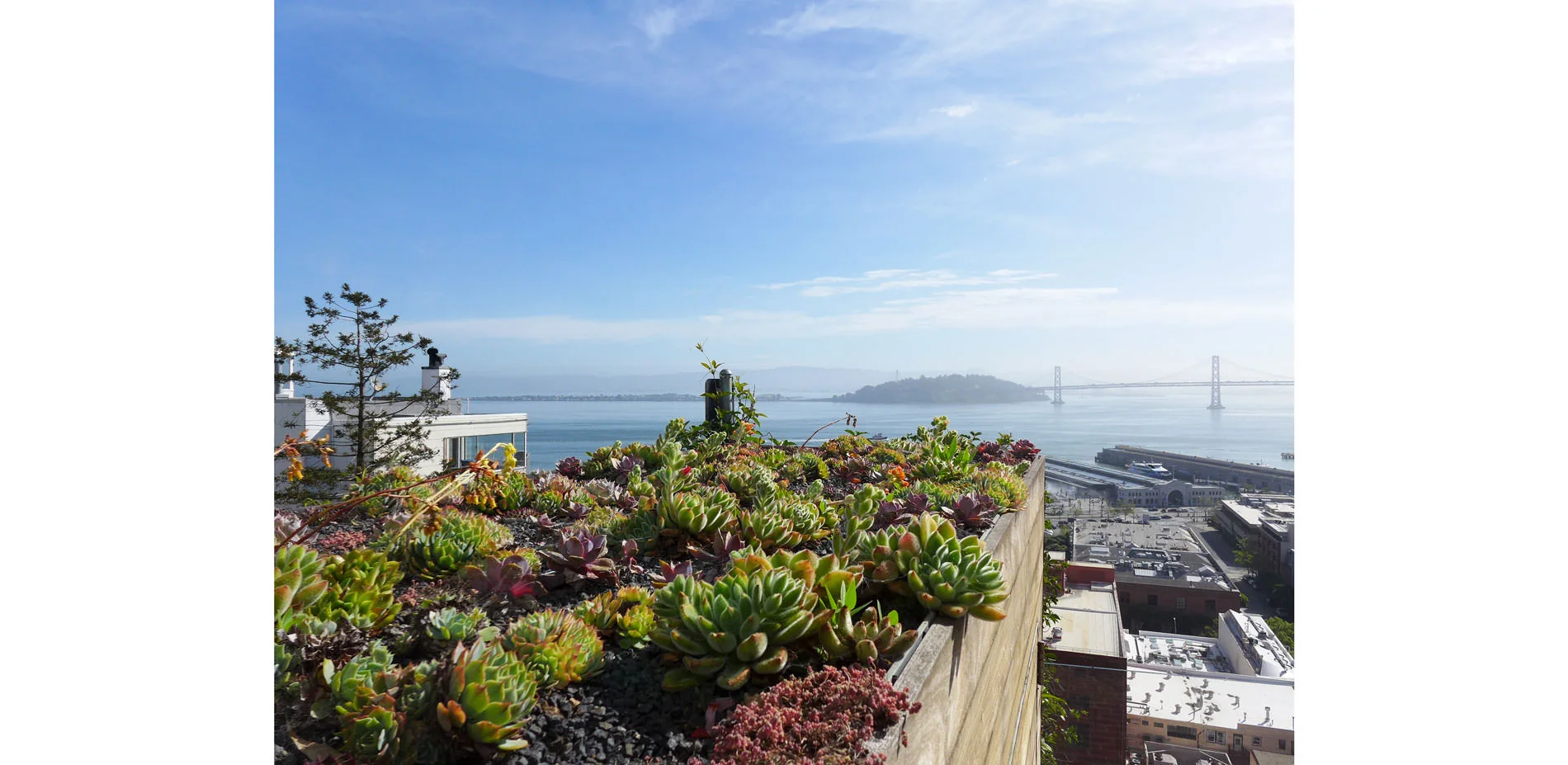
Telegraph Hill Residence
The Telegraph Hill Residence landscape design expands and dramatizes the entry sequence and exterior spaces of an existing hillside residence by dissolving the barrier between the user and the expansive landscape beyond. A carefully choreographed entry sequence along an entry stair welcomes the visitor, creating moments for pause, respite and drama while negotiating the substantial grade change from the sidewalk to the front door. Along the sequence, clean walls of corten steel contrast with
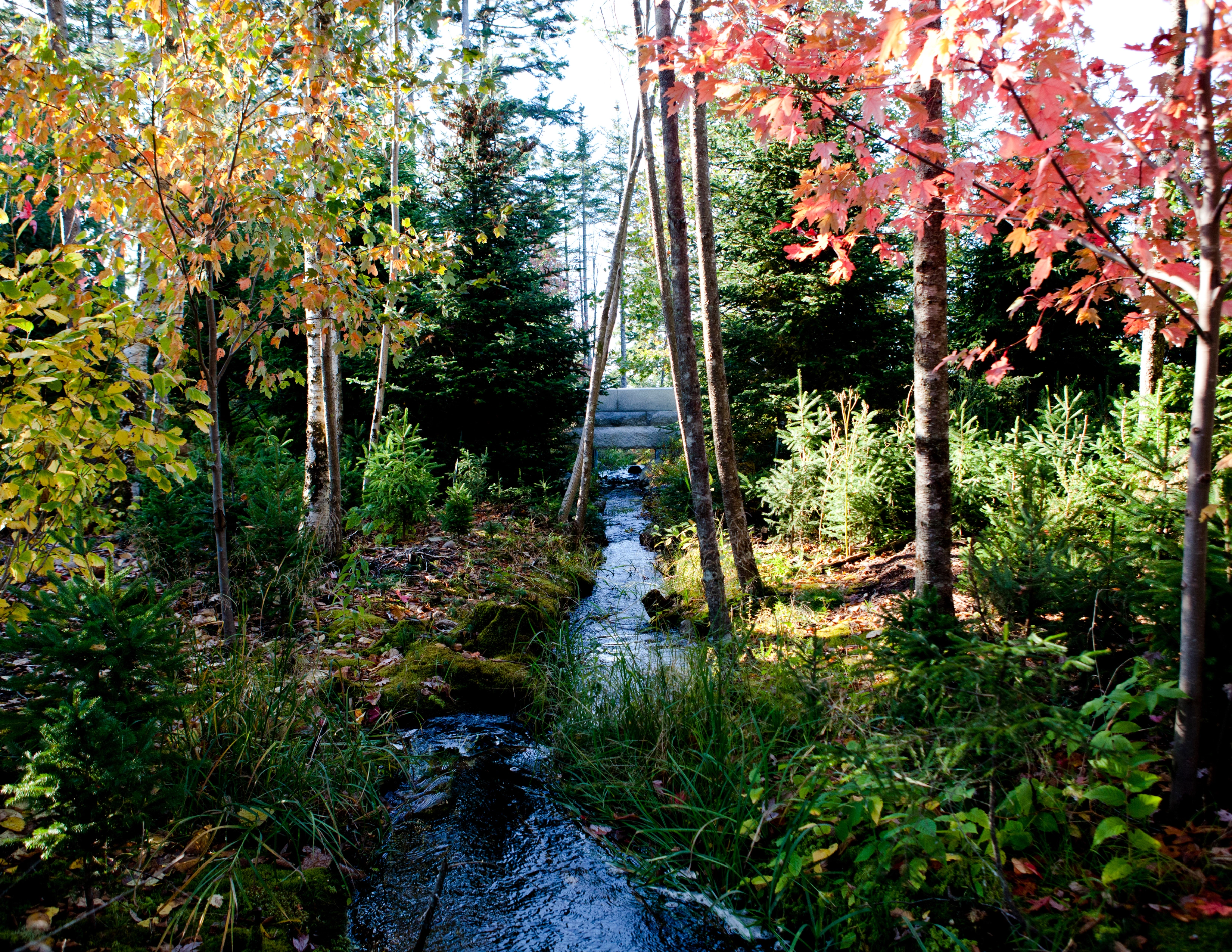
Northeast Harbor, a Restoration on Mount Desert Island
This five-acre site at the edge of Acadia National Park was once the summer home of Charles William Eliot, president of Harvard University and pioneer of the American landscape preservation movement in Maine. Prior to our involvement, the original estate had been demolished and large areas of the site were blasted for new construction. The project redefines the traditional understanding of landscape restoration, weaving site history with legible design form, structured as a journey down to th
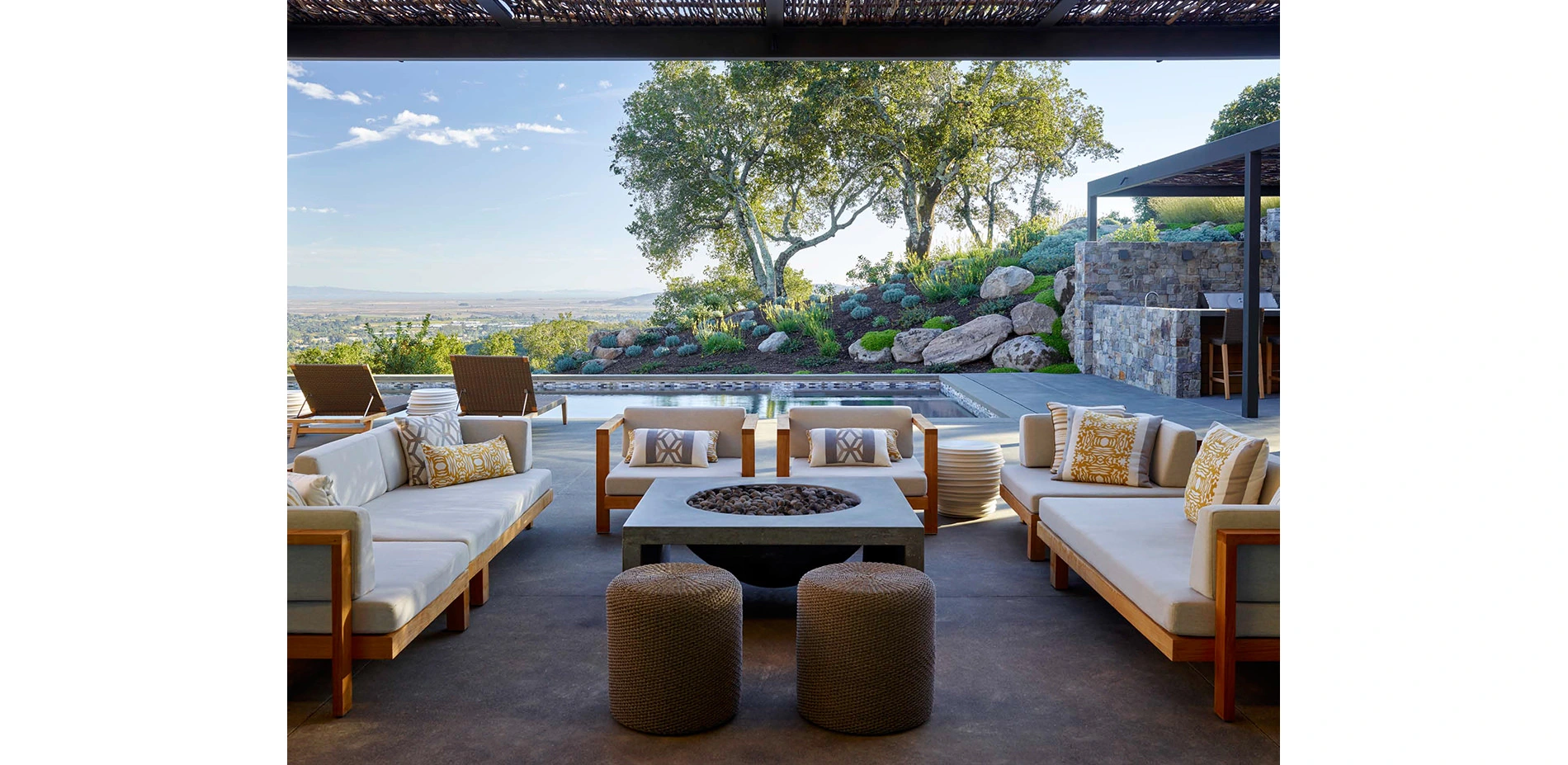
Smith Residence
This compound of rural contemporary buildings with clean geometry and a palette of natural materials steps up and down the steep, wooded 17-acre site. Less than two miles north of Sonoma’s historic square, it features views over the Sonoma Valley and beyond to San Francisco across the Bay.
The entire compound is off-grid, generating enough energy with hidden PV panels to power all on-site electrical needs, and charge the owner’s electric vehicles.
Arbors of woven willow panels s
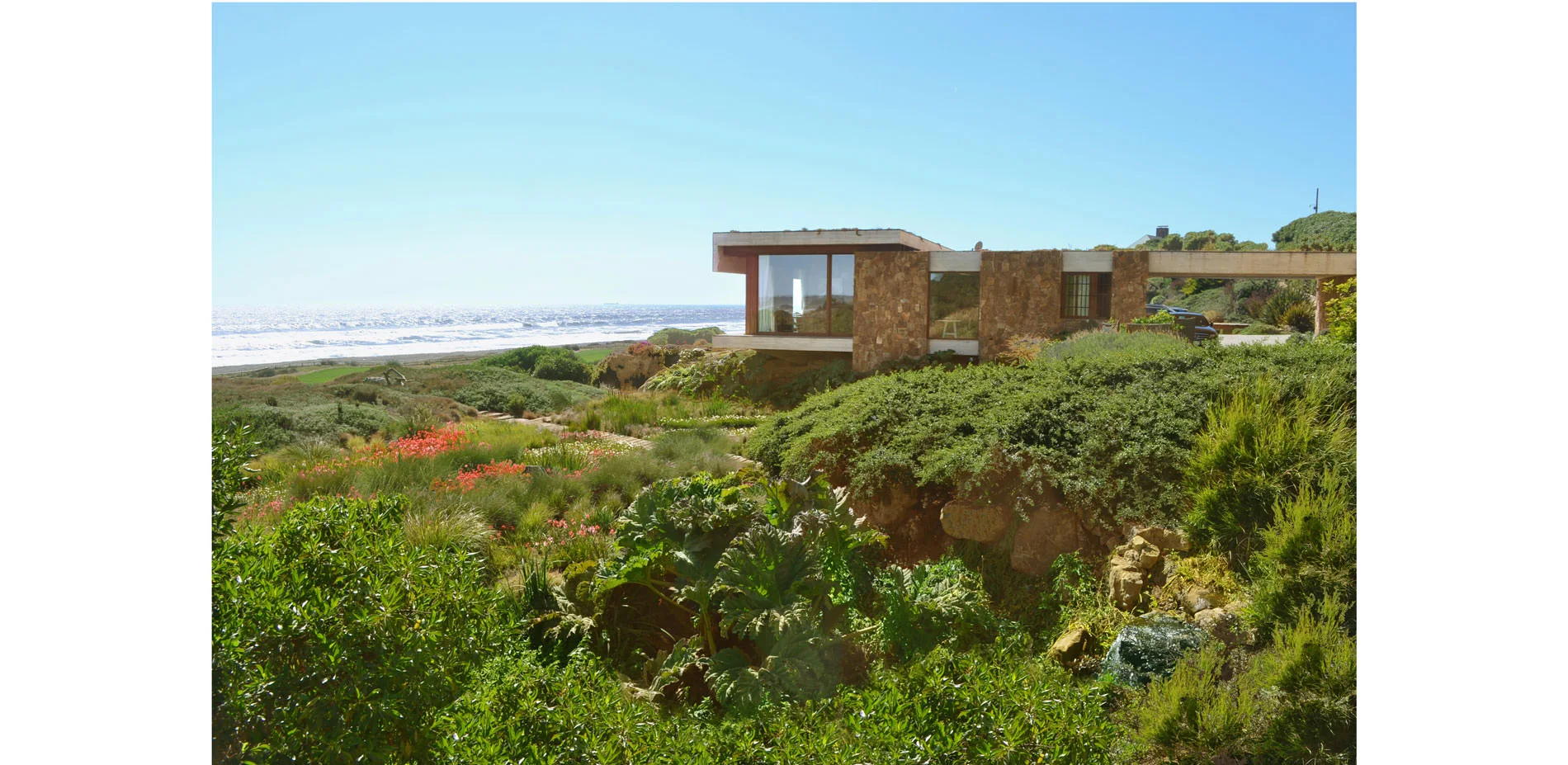
Casa Las Brisas - Formation of a Coastal Retreat
This 6000m 2 property is positioned below a discharge point for storm water drainage of a 300-hectare residential development. An engineered solution had two pipes, each one meter in diameter, at the top of a precipice, and consequently they created significant erosion during heavy storms. Invasive blackberry vines quickly replaced the eroded natural vegetation. The landscape architect aimed first to control the storm drainage and restore natural environments before combining with the archite
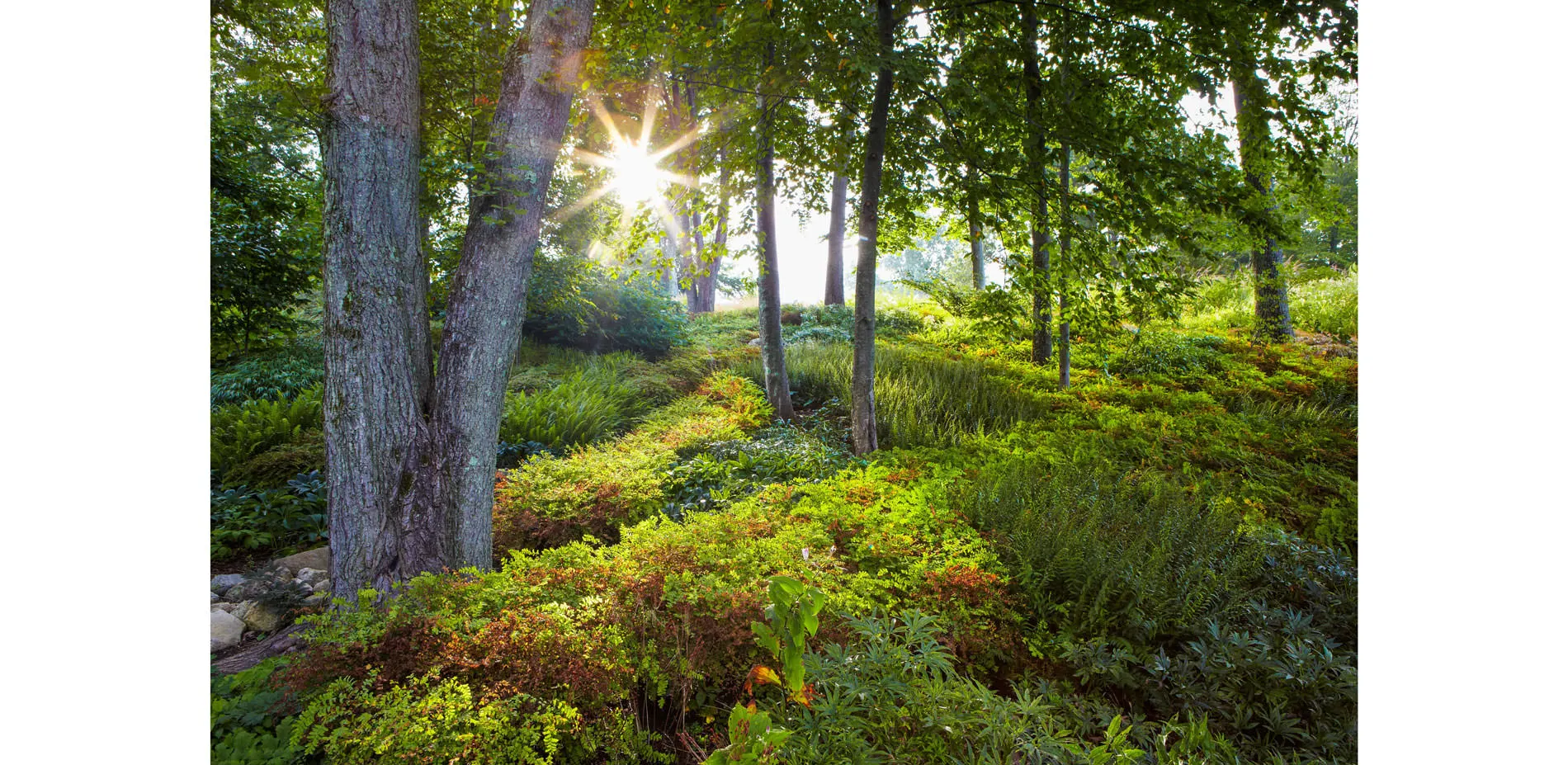
Proving Grounds - A 20-Year Education in American Horticulture
In the mid-1990s, the owners and landscape architect set out to transform 16 acres of fallow farmland into a rural retreat. In the two decades since, the project has expanded into a continuous and evolutionary process of horticultural experimentation, a direct reflection of the client’s ongoing education in plants and living systems. The owner and landscape architect’s understanding of what it means to make a garden has also evolved with the times, a process of learning from horticulturalists
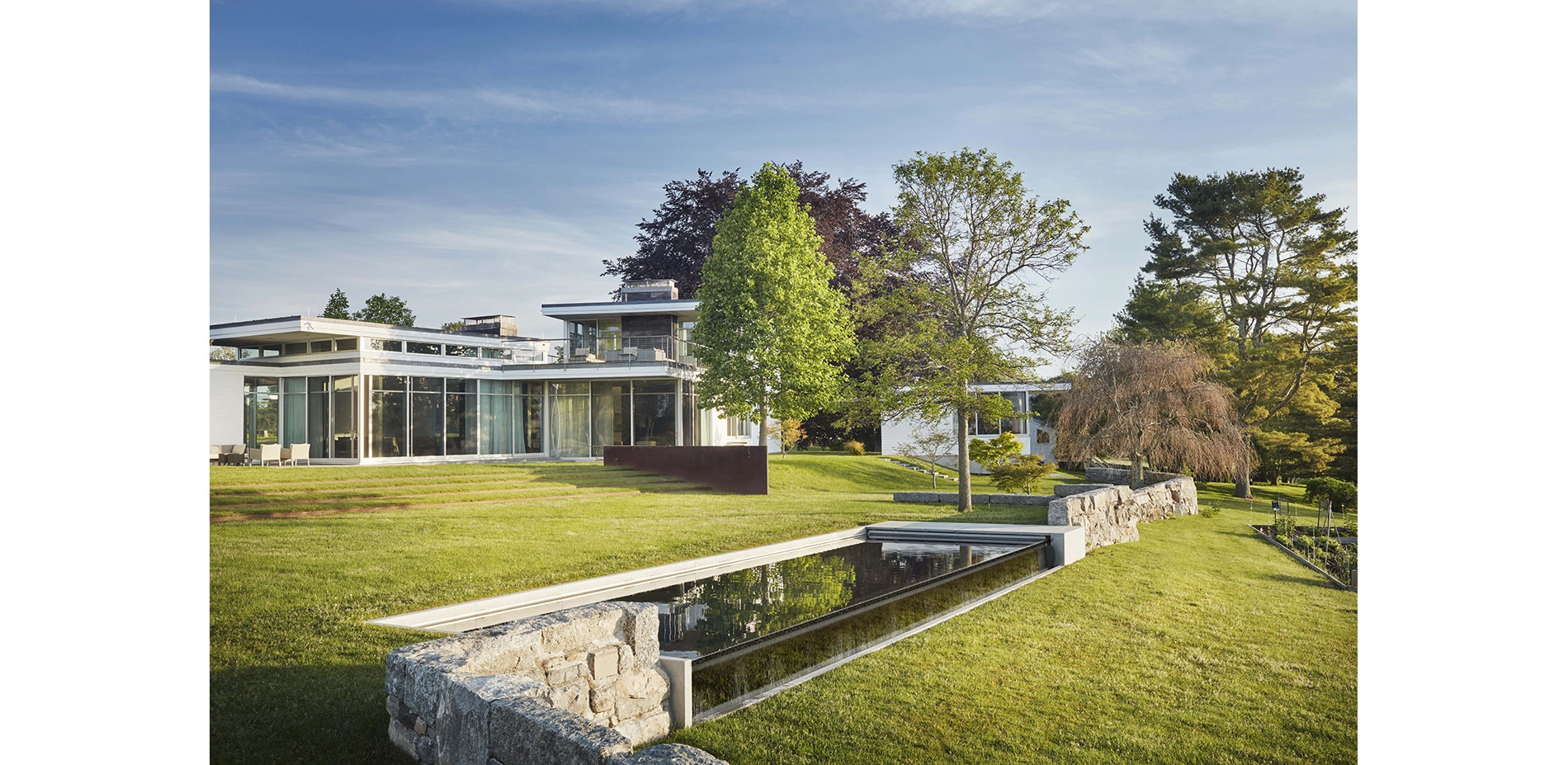
Agrarian Modern - The Recovery and Renewal of Manatuck Farm
Small working farms are fast disappearing from the New England coastline, pressured by suburban development and challenging economic viability. This 200-acre farm, the largest remaining rural tract in Stonington borough (CT), was rescued from this fate by new owners with a deep commitment to preserving the area's agrarian heritage. The site contains artifacts from over 200 years of development – a rectilinear pattern of fieldstone walls, fields, and hedgerows draped over the characteristic dr
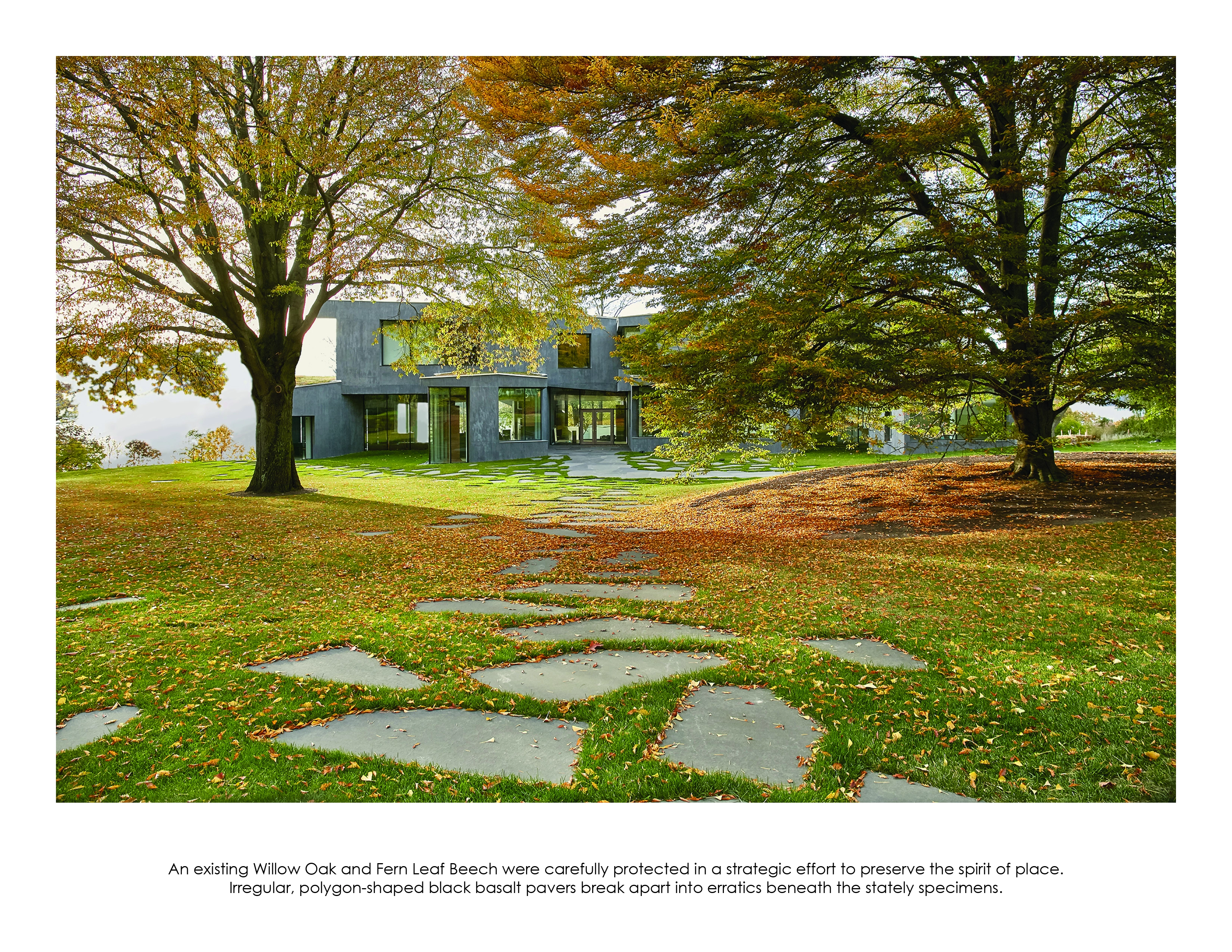
Abstracting Morphology
The sheer cliffs that define the unique geologic character of this region, began 200 million years ago with the retreat of the glaciers at the end of the Triassic period. Ice flows melted and fractured, sloughing off the uppermost layer of sedimentary sandstone exposing the underlying diabase sill to a freeze-thaw cycle that ultimately created the escarpment’s vertical crevasses. It is the textured, extruded remnants of this geologic rarity – the grooved basalt cliffs and forested talus slope
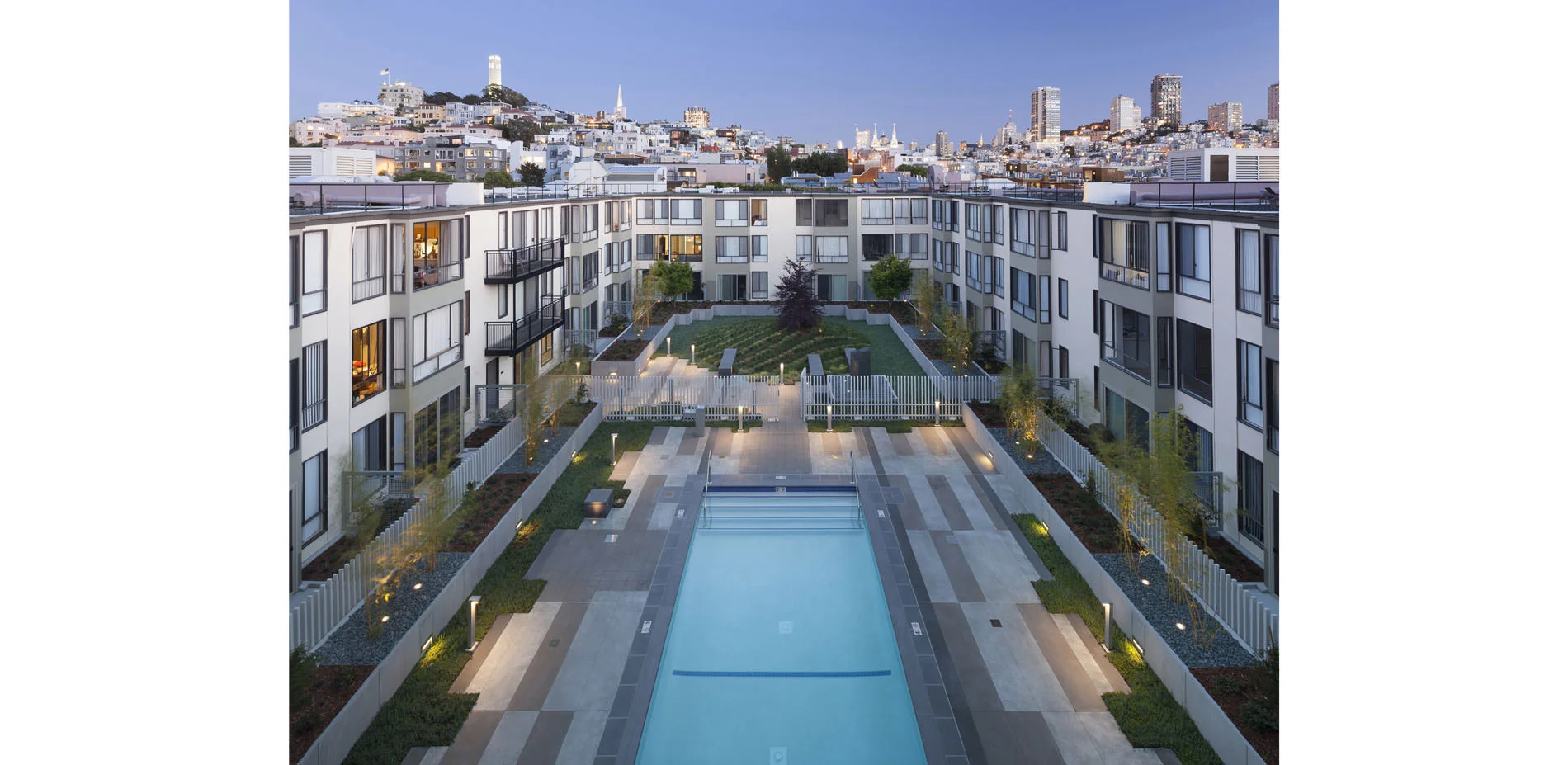
Northpoint Apartments
The NorthPoint Apartments, built in 1969 in San Francisco’s North Beach neighborhood, featured five courtyards designed by the office of Lawrence Halprin, located over podium parking. Half a century later, as the courtyard landscapes had to be replaced due to waterproofing failure, the design team successfully reinvented the project while meeting two aggressive challenges: honoring Halprin's legacy in a contemporary fashion; and reapportioning common and private spaces to meet changed expecta
Analysis and Planning Category
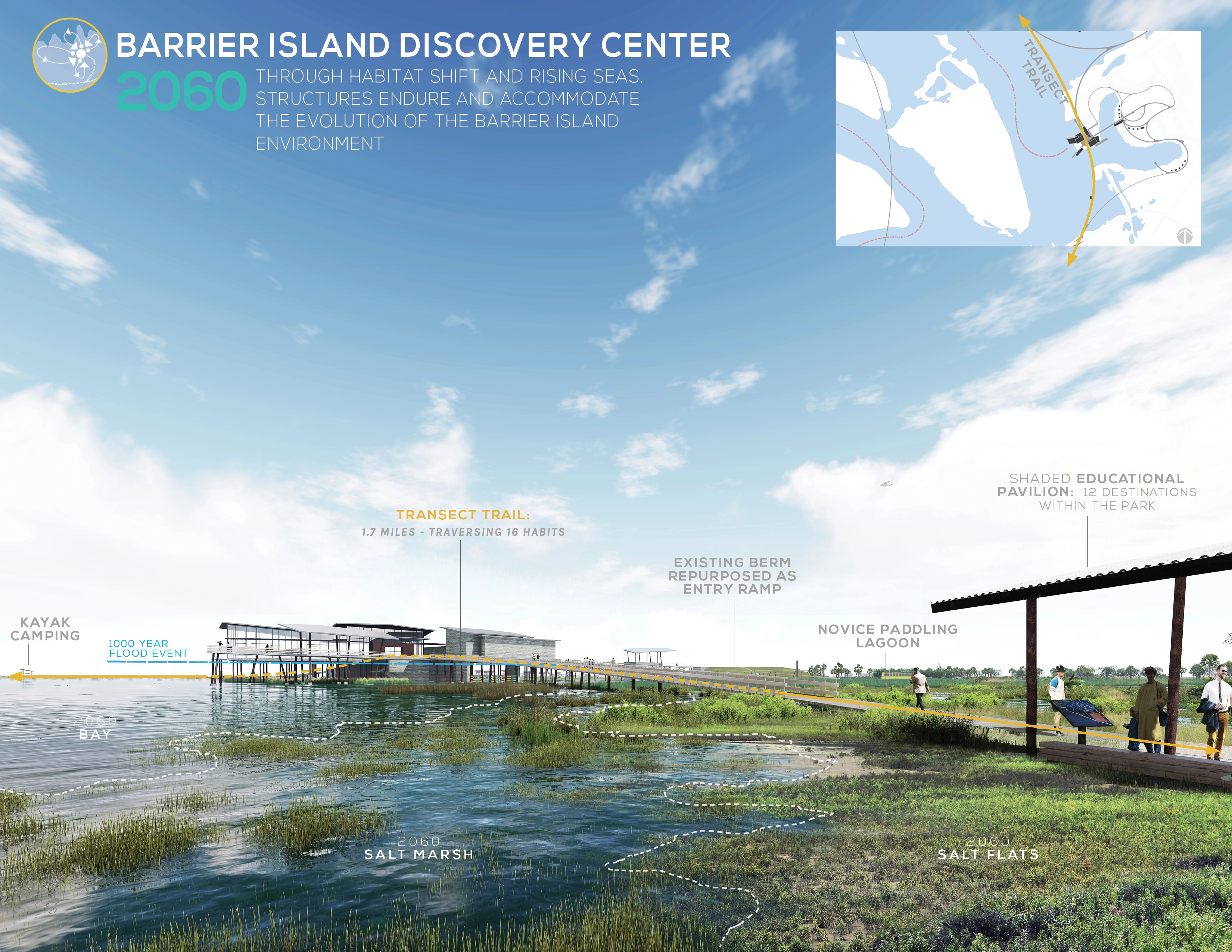
Storm + Sand + Sea + Strand -- Barrier Island Resiliency Planning for Galveston Island State Park
Barrier islands are dynamic ecosystems in constant evolution. While wind and tide shape the landscape, tropical storms and sea level rise accelerate inland habitat migration. In 2008, Hurricane Ike completely ravaged Galveston Island State Park. The redevelopment master plan is a new precedent for coastal recreation planning built on a foundation of predictive models. Based on site specific ecologies and elevations, the plan must literally anticipate what of the site will remain in 50 years and what its ecology will be. The plan immerses visitors in the dynamics of this fragile and diverse landscape.
Site strategies reduce impermeable surfaces by 25% and significantly decrease habitat fragmentation. The transect trail engages guests with the full island cross section: bay to beach – the only location on Galveston Island where this is possible. Responding to a robust outreach process that sought out displaced residents, a broad array of overnight and recreation opportunities celebrate island environment. Endangered species and the rare Strand Prairie are protected, and development strategies encourage these delicate yet resilient systems to evolve and flourish.
Analysis and Planning
Honor Awards
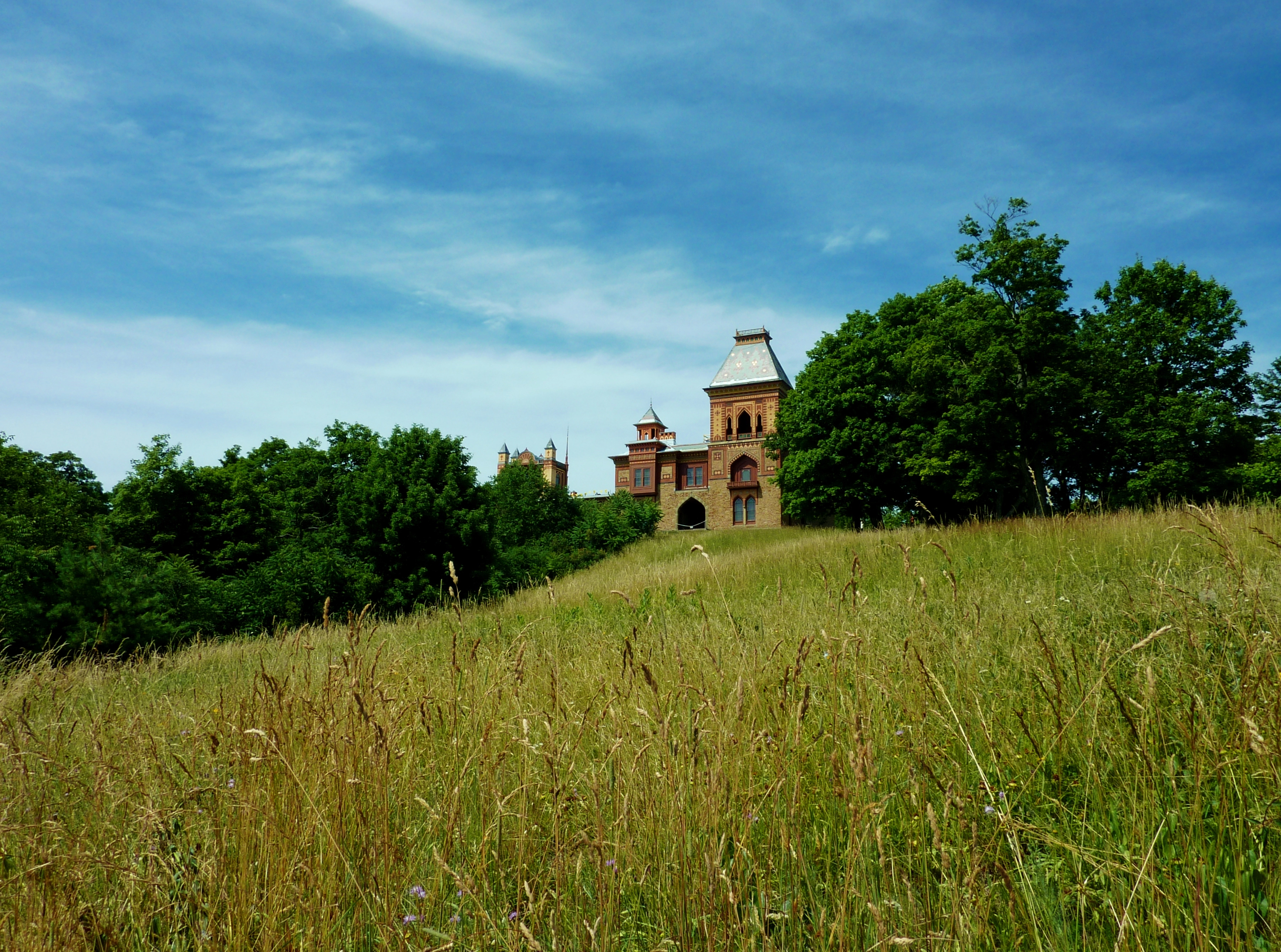
The Olana Strategic Landscape Design Plan: Restoring an American Masterpiece
Located on 250-acres in the Hudson Valley, the Olana State Historic Site is the home, studio and landscape of celebrated Hudson River School painter, Frederic Church, and is considered one of his greatest works of art. The New York State Office of Parks, Recreation and Historic Preservation (NYSOPRHP), working alongside The Olana Partnership (TOP), commissioned the landscape architects to assess Olana programmatically, operationally, and ecologically. The resultant Strategic Landscape Design
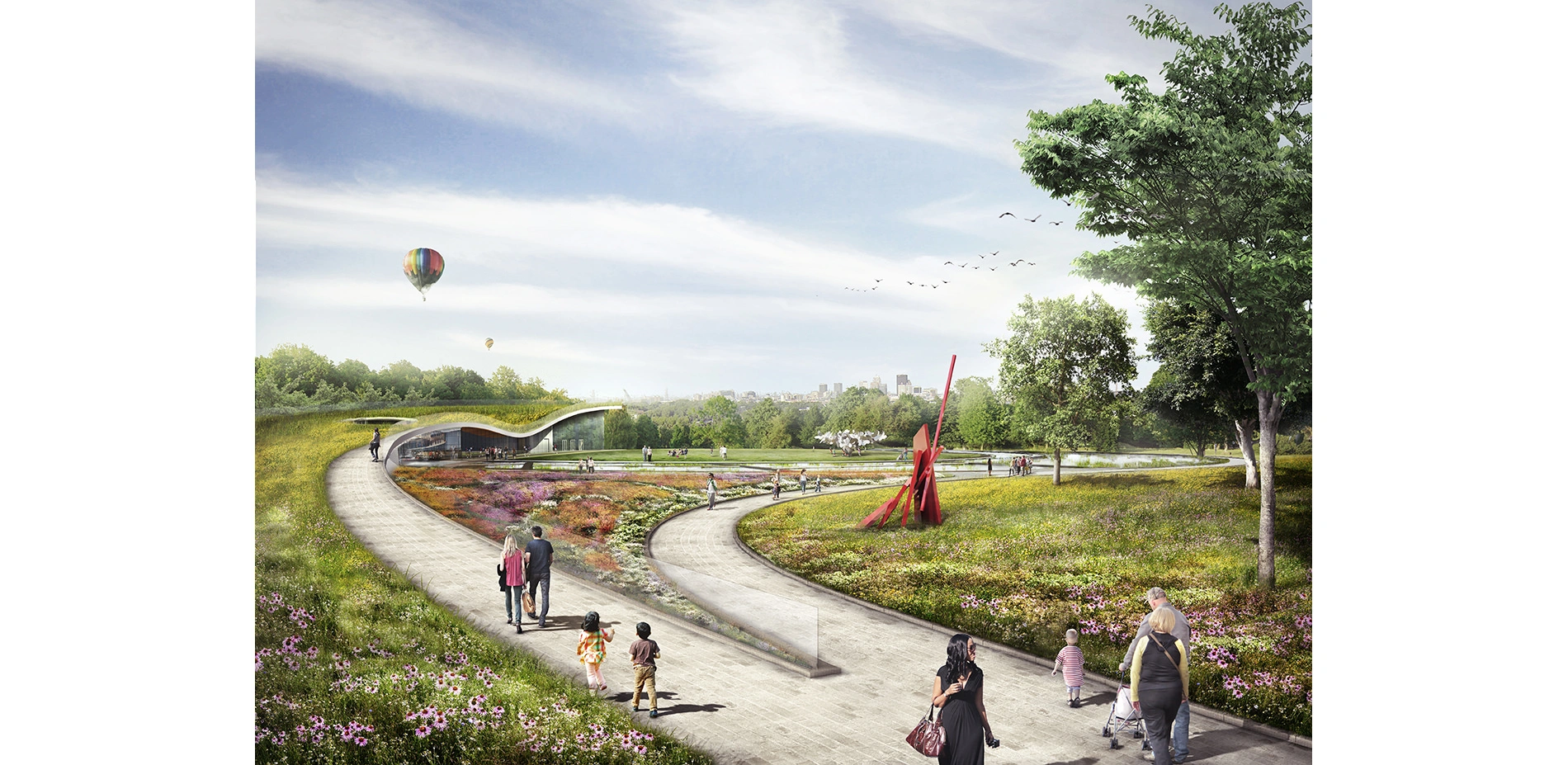
Waterfront Botanical Gardens
The Waterfront Botanical Gardens Master Plan details the transformation of a former landfill into a lush, interactive landscape and community amenity for the City of Louisville, Kentucky. It represents a once-in-a-generation opportunity to design a visitor destination that would establish Kentucky as a global leader in sustainable design, localism, and stewardship of the land.
The plan synthesizes the natural advantages of this waterfront site while cultivating a rich program founded o
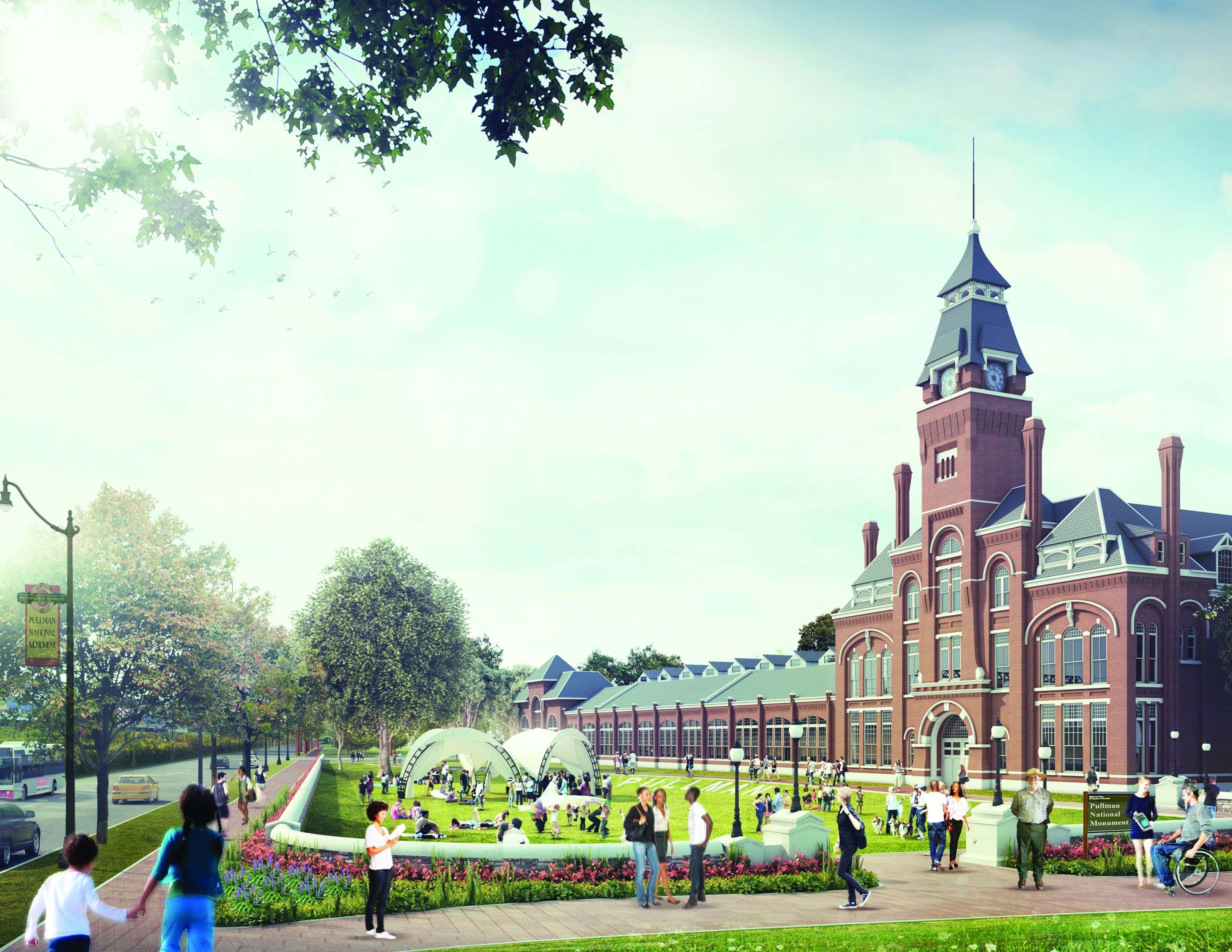
Positioning Pullman
Designated a national monument by President Obama in February 2015, Pullman is a treasure of Chicago’s south side. In its heyday as a manufacturing town, Pullman provided the setting for the evolution of industry and transportation, achievements in planning, architecture, and landscape architecture, the foundation of labor law, and the advancement of civil liberties for African Americans.
On the heels of the Pullman’s national designation, AIA Chicago and the National Parks Conservatio
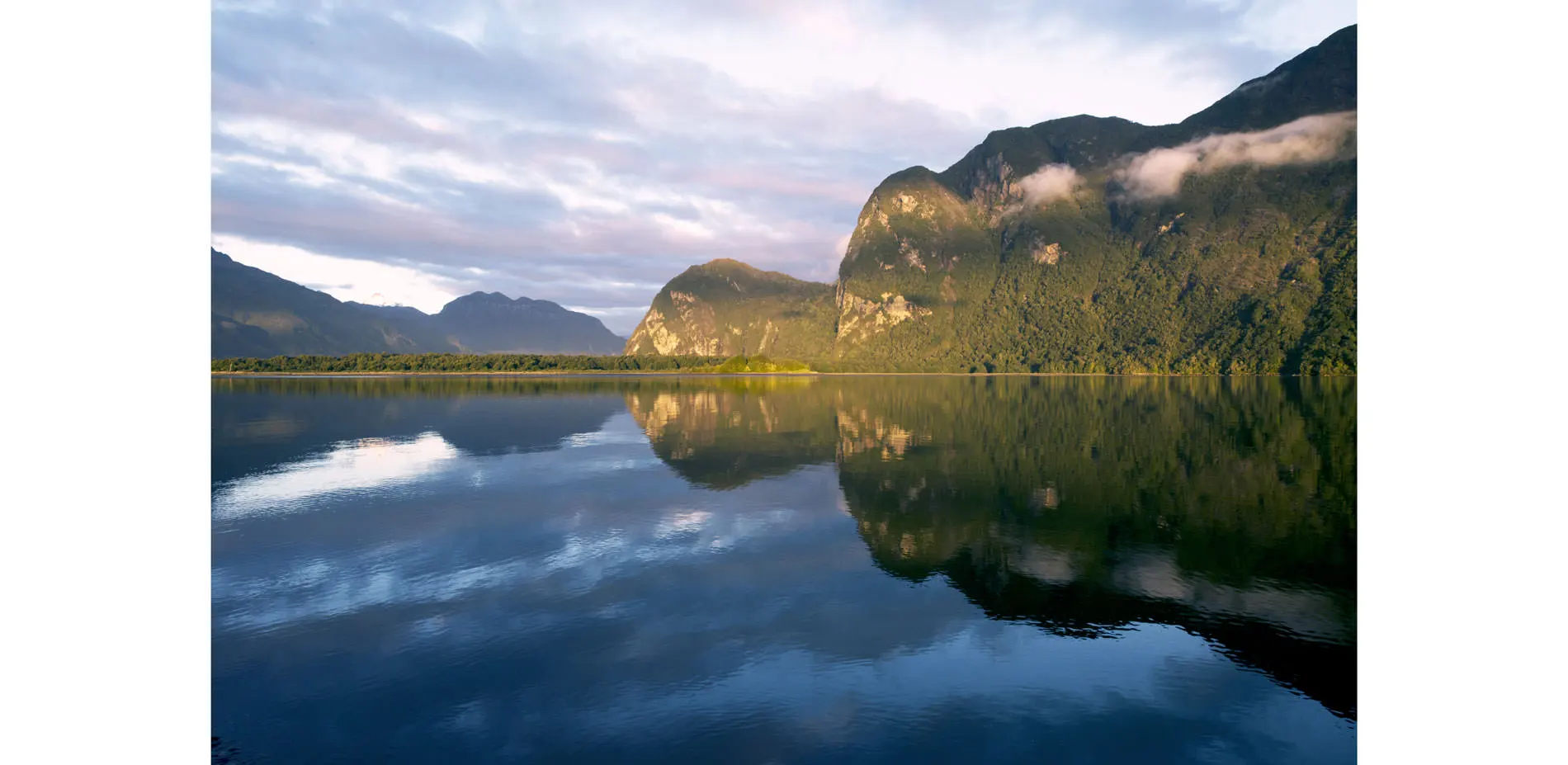
Conservation at the Edge - Prototyping low-intervention conservation in the Patagonian wilderness
Tucked into Chile’s remote Patagonian fjords, the project area is a privately-held 570-acre promontory within Chile’s 750,000-acre Parque Nacional Corcovado. The site overlooks Tic-Toc Marine Park, one of the most bio-diverse and productive marine ecosystems on Earth. Situated between these critical components of Chile’s conservation network, the commission represents an opportunity for landscape architecture to effect positive change at the intersection of national park traditions and indivi
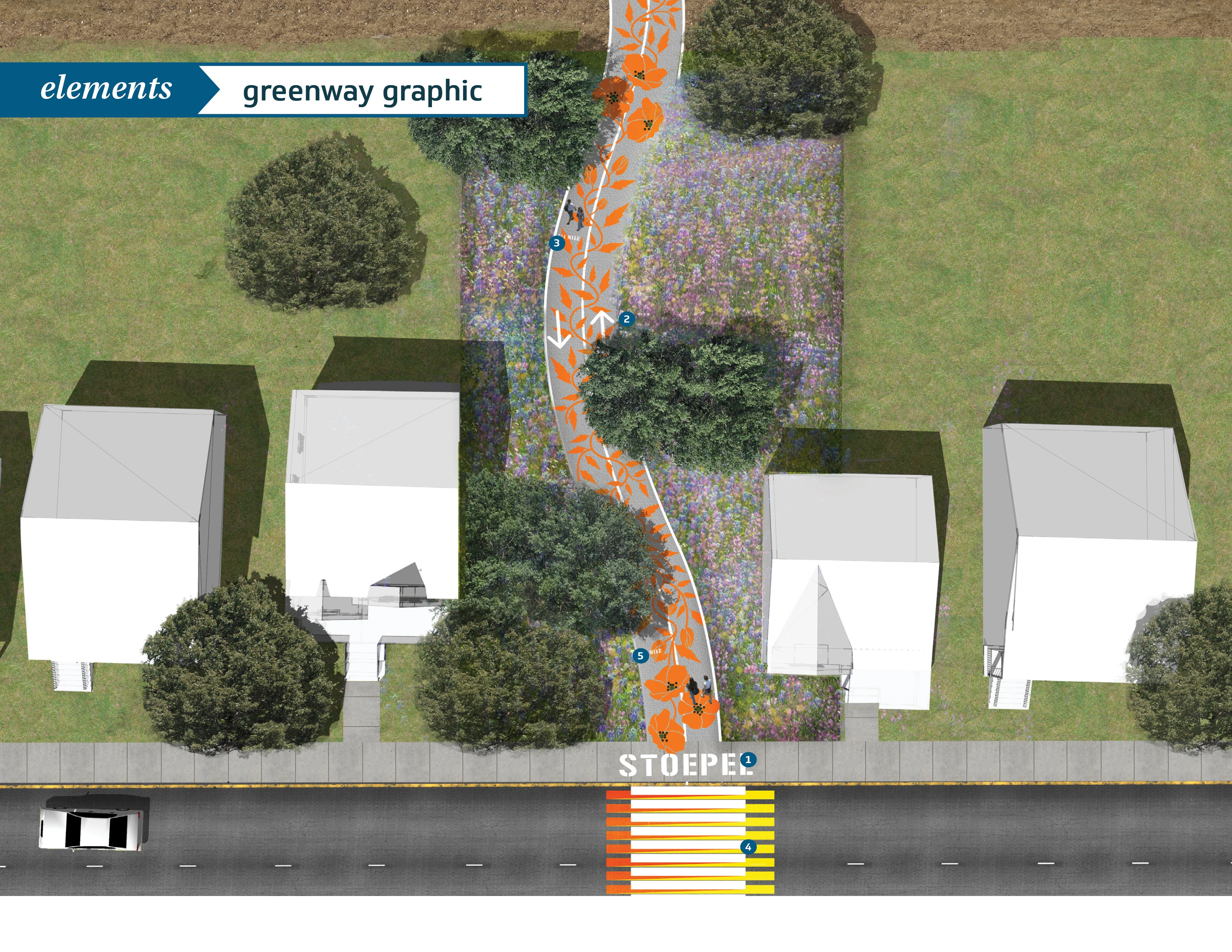
Fitzgerald Revitalization Project: Landscapes as the Framework for Community Reinvestment
Neighborhoods in Detroit and other cities across the country are dealing with the impact of blighted and vacant properties in their communities. The Fitzgerald Revitalization Project proposes a unique, landscape-driven approach to revitalizing neighborhoods.
This project envisions a bold new way to address distressed neighborhoods by focusing on the landscape of the entire neighborhood rather than addressing blighted properties on a lot-by-lot basis. The project addresses all vacant an
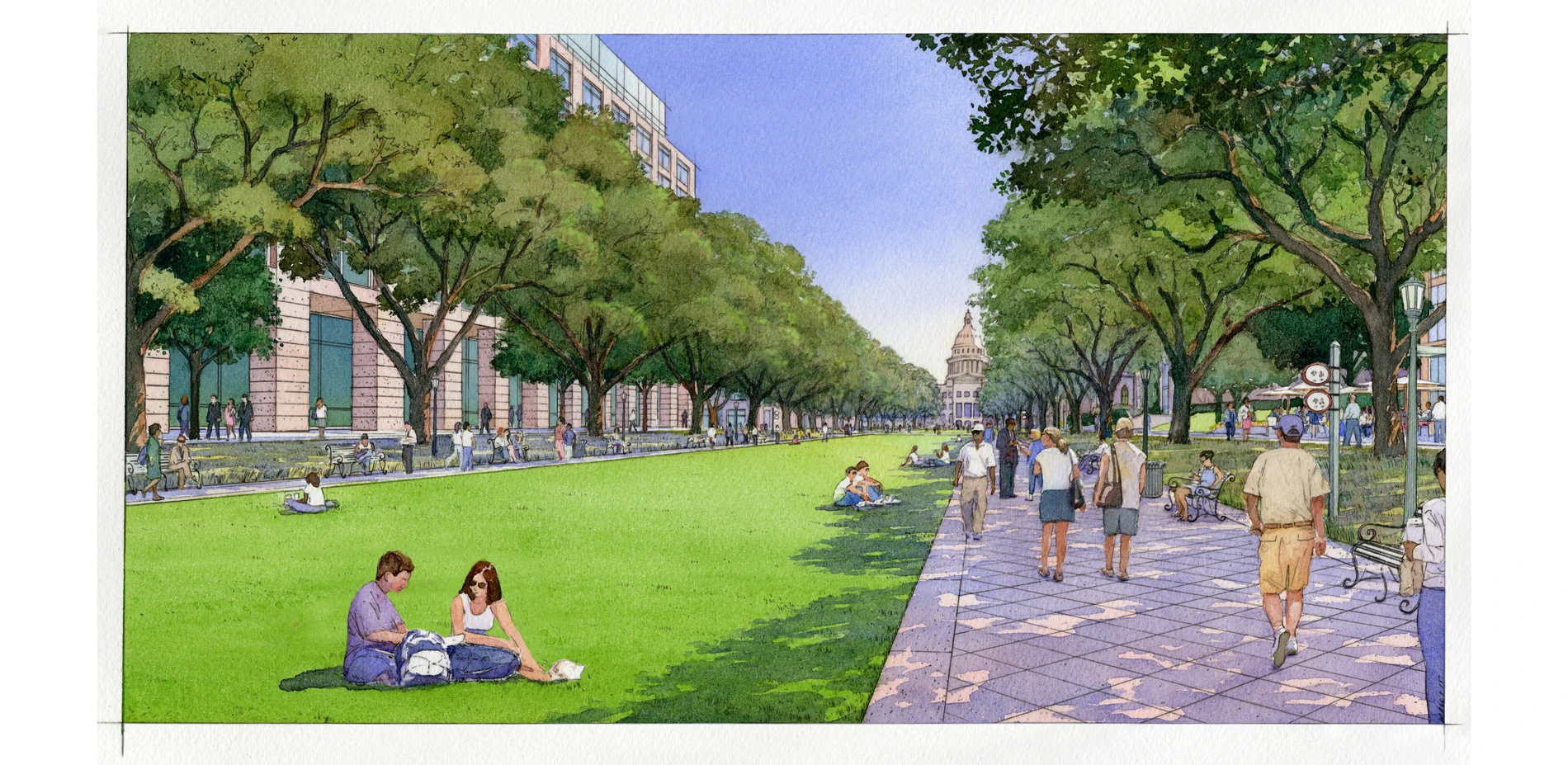
Texas Capitol Complex Master Plan
The Texas Capitol Complex Master Plan creates a comprehensive vision for the forty-block area surrounding the State Capitol in downtown Austin, providing a strategic framework for the development and transformation of the most prominent site in the State’s real estate portfolio. Future buildings are organized around and help define the pedestrian realm and civic spaces. The most noteworthy such space is the Texas Mall, a four-block tree-lined open space, created by the vacation of a portion o
Research Category
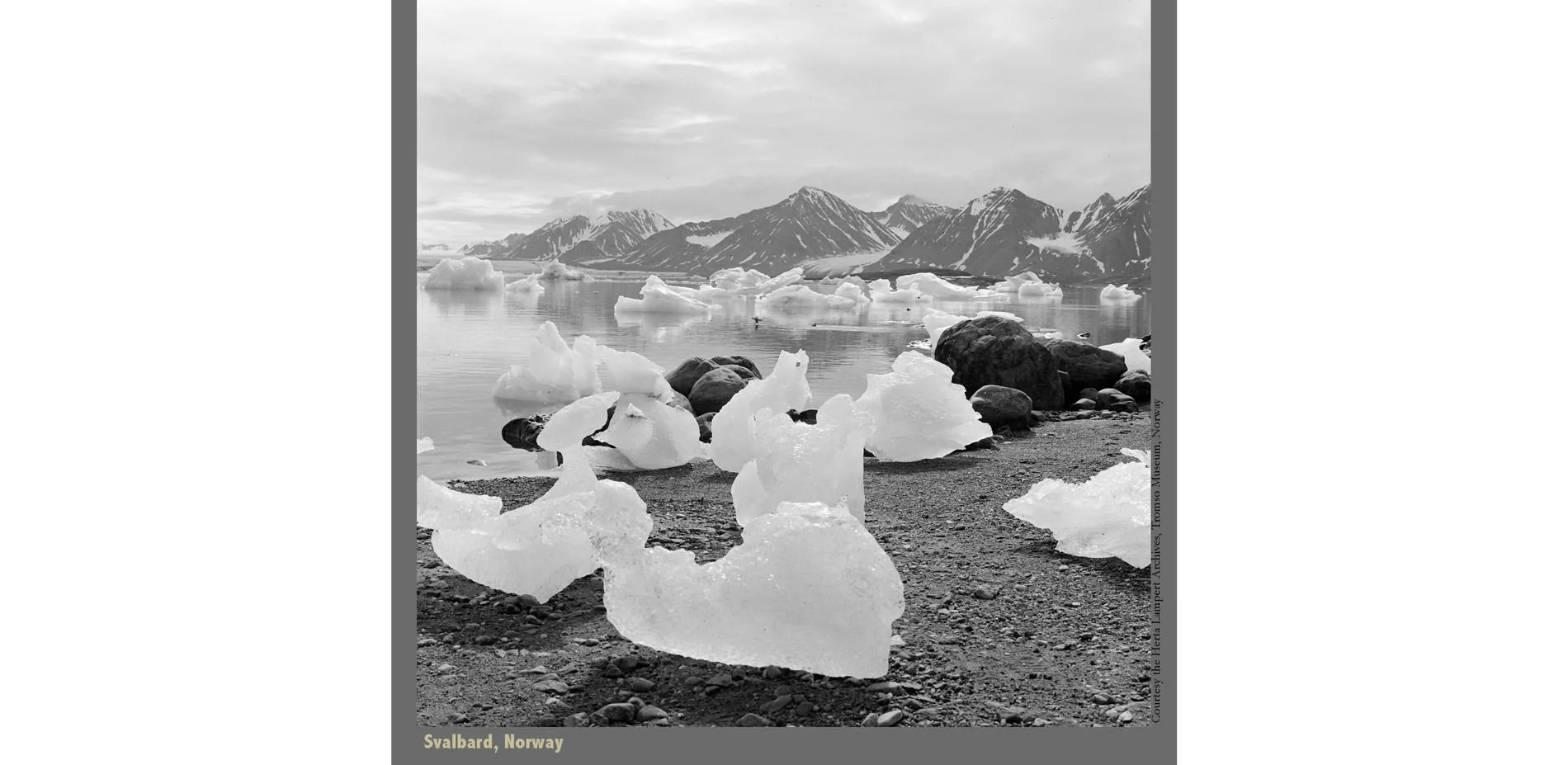
Fluid Territory: A Journey into Svalbard, Norway
The climate, environment, demography, settlement patterns, and landscape of the Arctic are changing rapidly. This transformation has led to intense debates and extensive research regarding the future of the circumpolar north. The research project “Fluid Territory: A Journey into Svalbard, Norway” uses an iterative logic of giving and receiving to explore the potential future of this hyper-networked space. This is accomplished by illustrating how external influences, such as chemical pollution, tourism and resource extraction, impact the physical terrain and climate of Svalbard, and thus the migratory and habitation patterns of its marine and terrestrial organisms. Conversely, the project also illustrates how the territorial agency of Svalbard, as a repository of cultural heritage and through institutions devoted to science and satellite monitoring, extends outward to influence the global community. This study, conducted by a multi-national team of researchers, is noteworthy for its geographical extent, its innovative combination of cross-disciplinary information, its multi-scalar mapping techniques, and for the way it innovatively expands the future possibilities of the investigative terrain of landscape architecture.
Research
Honor Awards
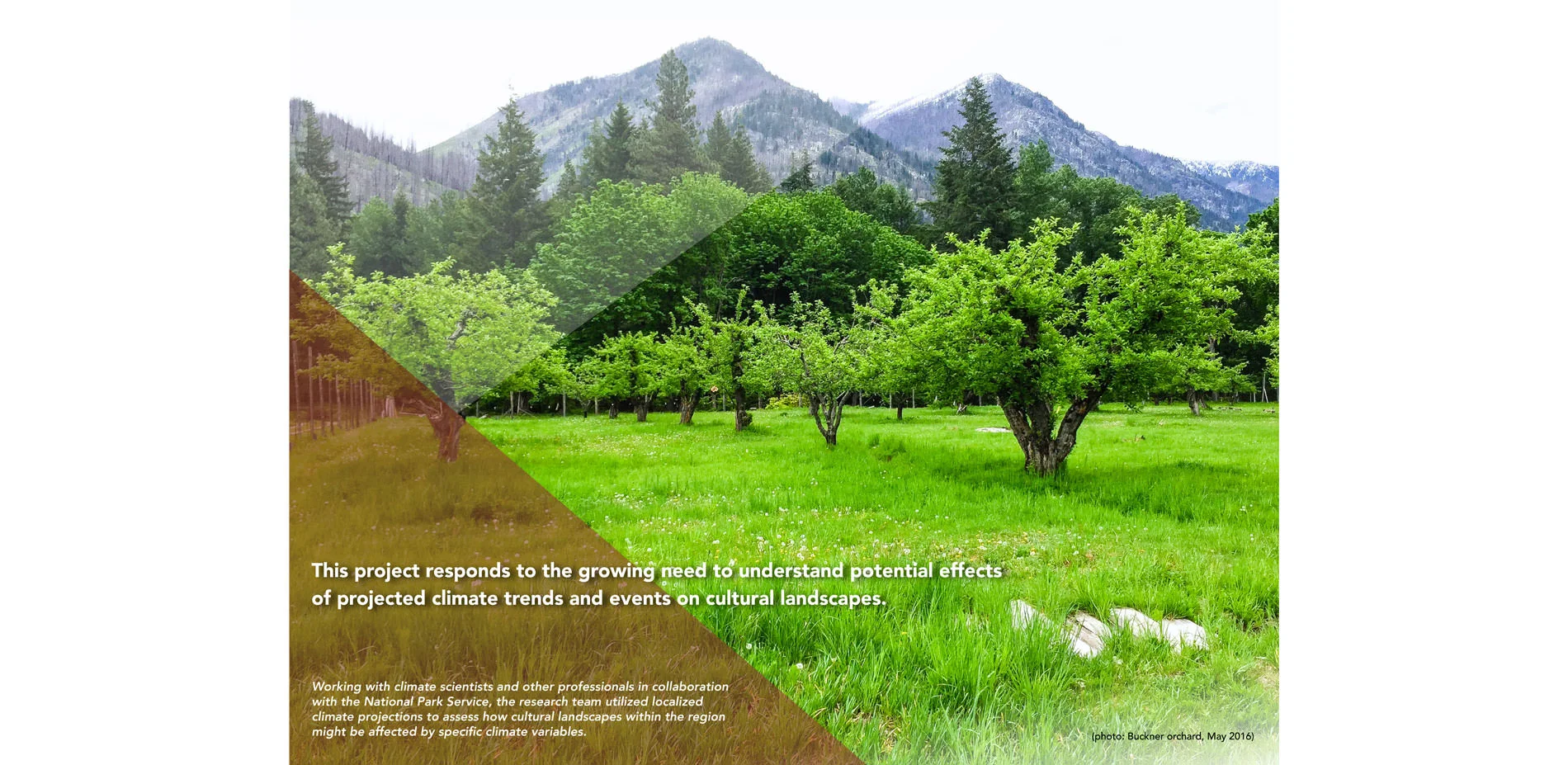
Climate Change Impacts on Cultural Landscapes in the Pacific West Region, National Park System
The study of climate change impacts on cultural landscapes in the Pacific West Region (PWR), of the National Park System, assessed how these landscapes might be affected by key climate variables, and developed recommendations for future research toward the agency’s goal of ensuring cultural landscapes’ resilience in light of climate change variables.
Products of this research include a matrix designed to update and organize data needed to evaluate the exposure of inventoried cultural
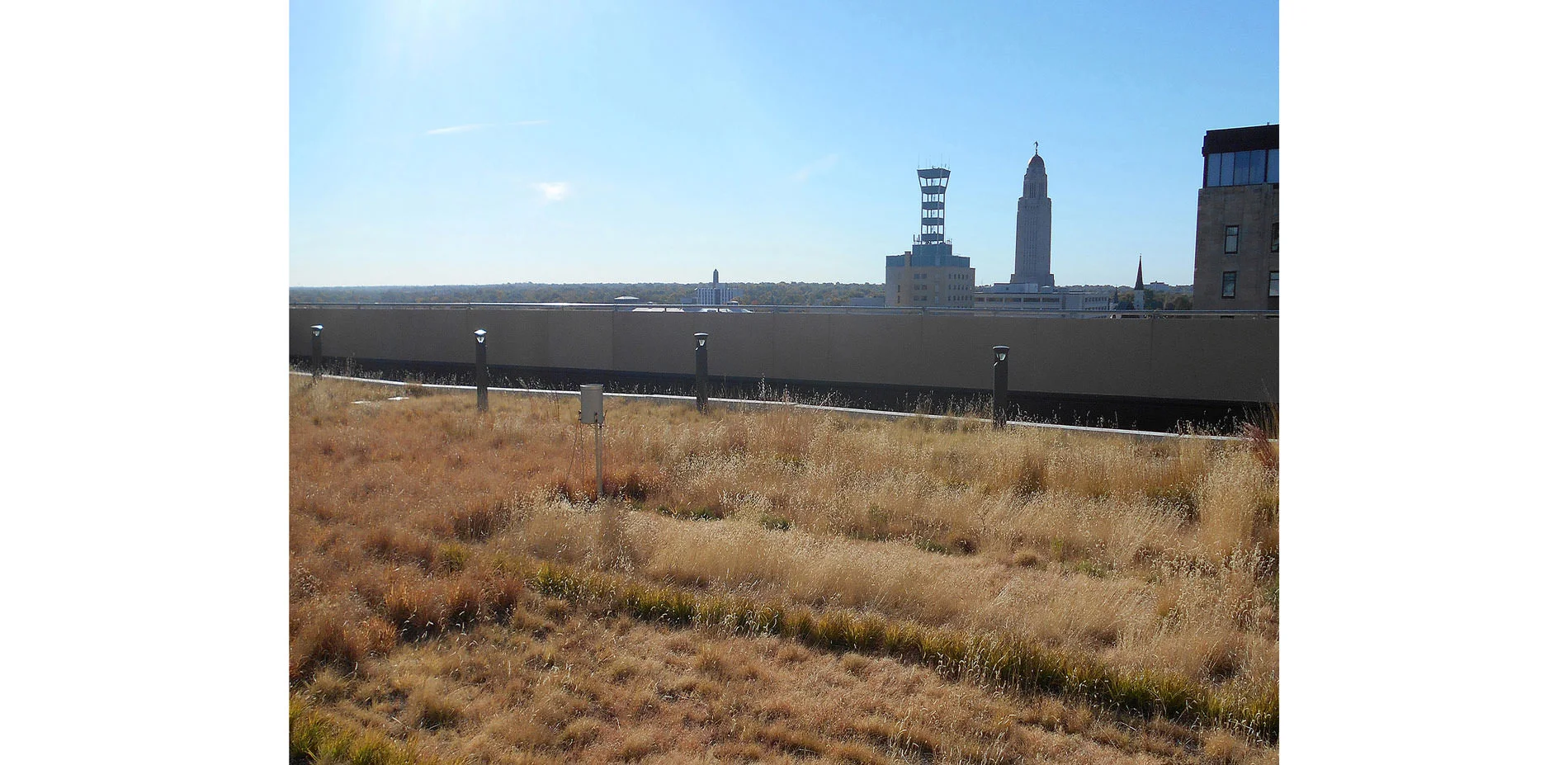
Seeding Green Roofs for Greater Biodiversity and Lower Costs
Green roofs promise controlled runoff and reduced heat loads but current reliance on exotic sedums belies biodiversity. Furthermore, because a green roof is added as a premium, means it often fails to survive value engineering and never gets built. This research examined a suite of materials and techniques to improve and enhance establishment and use of native grasses on green roofs. An easily adopted, innovative procedure for planting fluffy-seeded native grasses speeded installation. Seedin
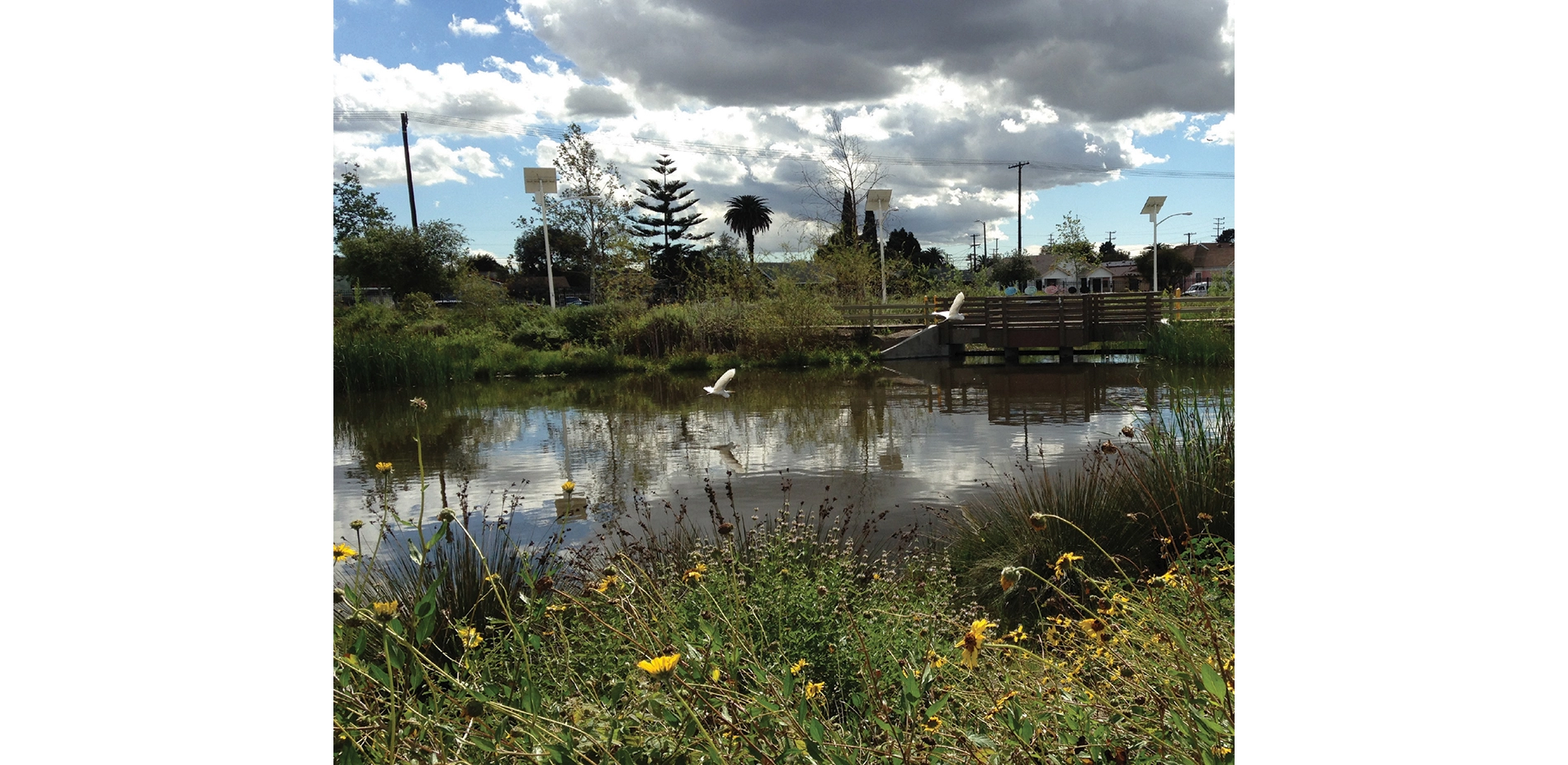
Rendering Los Angeles Green: The Greenways to Rivers Arterial Stormwater System (GRASS)
Los Angeles’ streets interrupted an interconnected tributary system that collected and delivered filtered water to the regional mainstem: the LA River. The GRASS analysis began as an attempt to restore some of the benefits of the natural tributary system of built and natural corridors. It builds a dynamic planning process that connects “top down” policy directives with “bottom up” solutions. Agency collaborators, academics and local professionals formed multiple working groups or “charrettes”
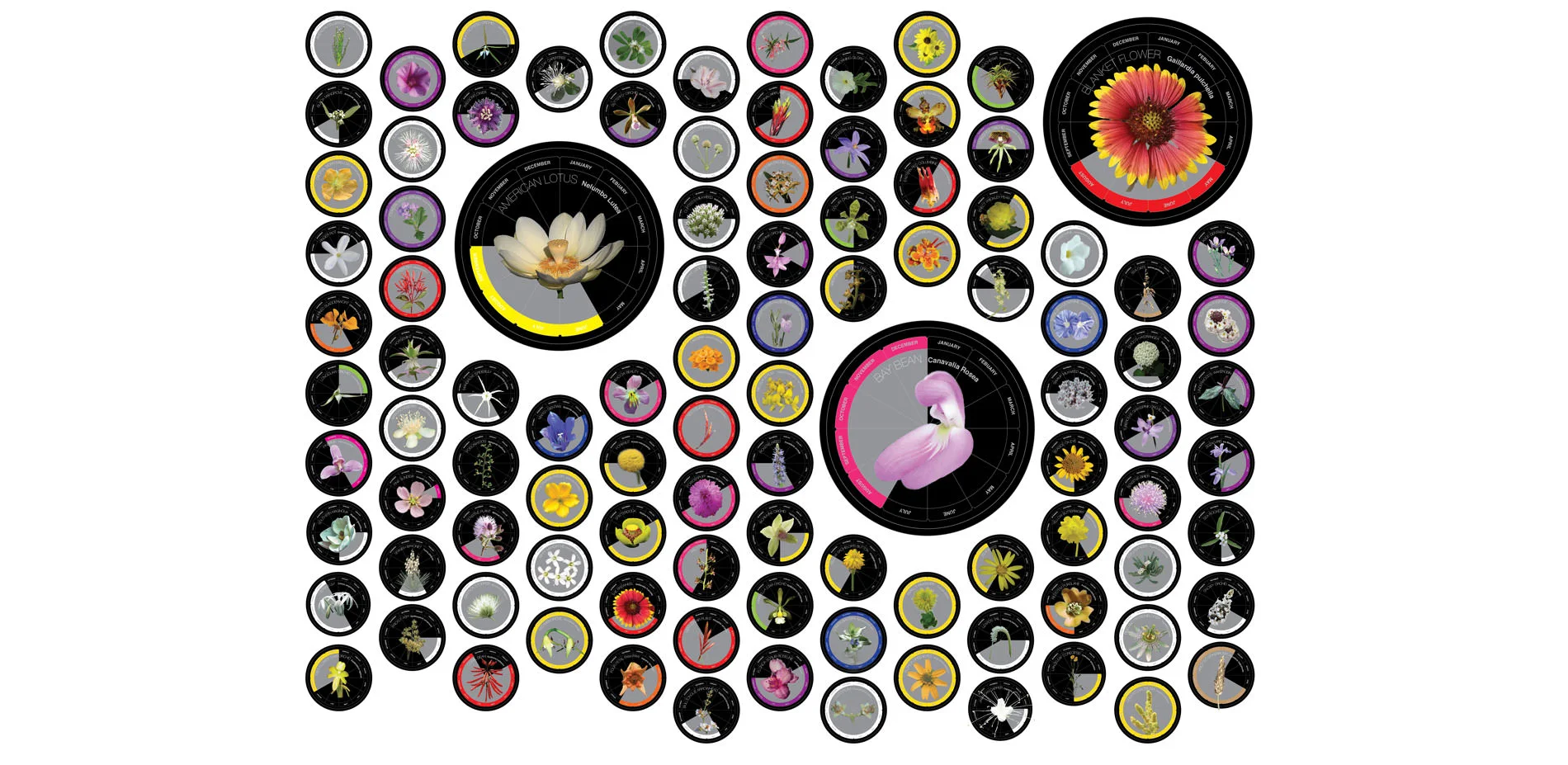
The Ecological Atlas Project
While extensive information on individual plants and animals is available to landscape architects in print and online, few resources give a holistic sense of ecological systems and fewer still provide a way of understanding their changes over time. The Ecological Atlas Project works at the intersection of art, science and technology. By developing intuitive mappings of natural patterns such as bloom times, deciduous patterns, vegetative seasonality, animal migrations, and other time-dependent
Communications Category
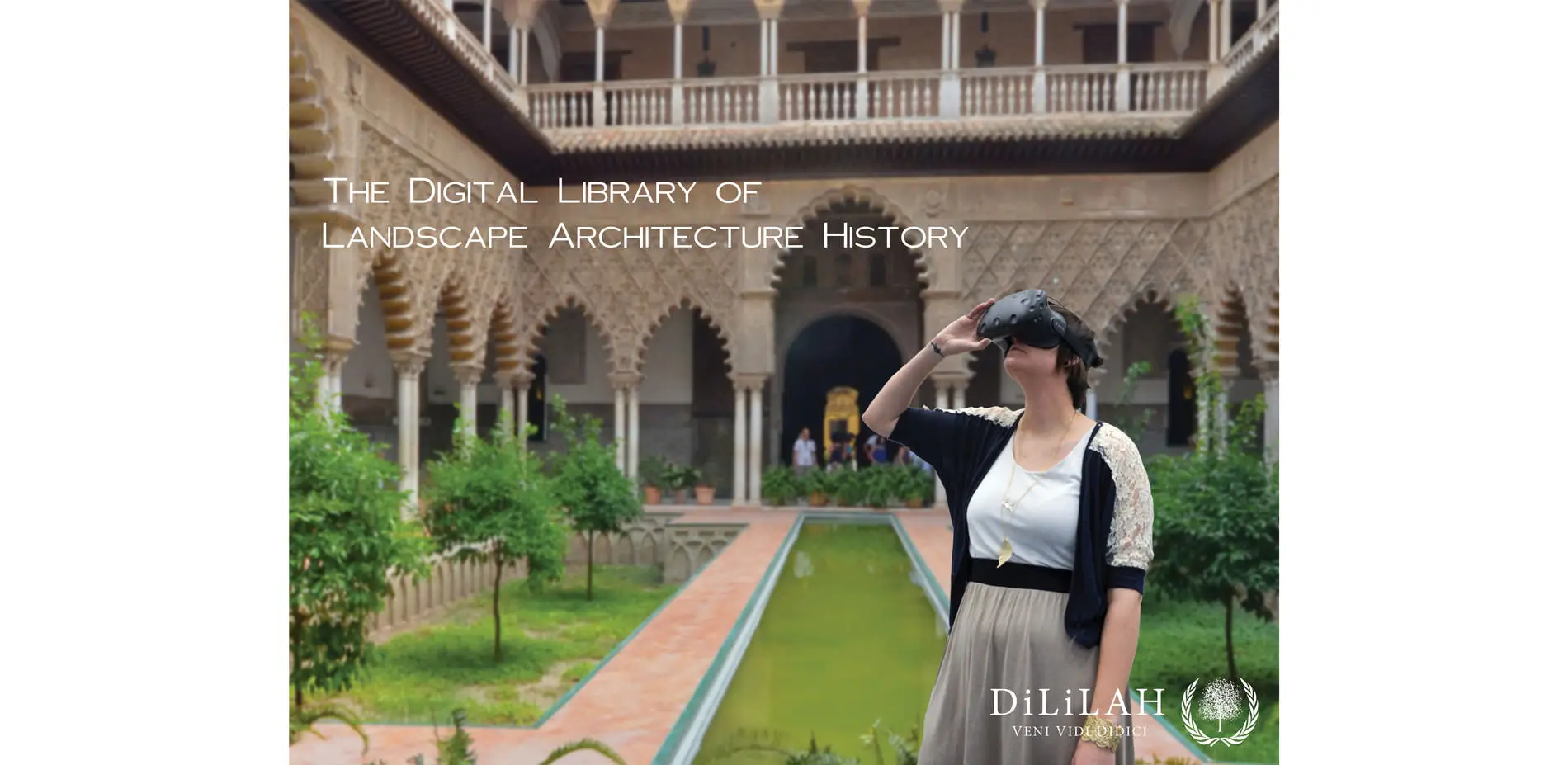
Digital Library of Landscape Architecture History
The Digital Library of Landscape Architecture History (DiLiLAH) is a freely available, online public repository of virtual tours of historical landscapes created to encourage education and exploration of historic landscapes. Using immersive panoramic tours, filled with historic information hotspots, images, sounds, and videos, students are virtually transported to important historical sites across the globe. There are currently 40 virtual tours on DiLiLAH from Europe, North America, and Oceania, representing 2,000 years of history and 24 historic styles and cultures. Over 175,000 visitors from 102 countries have accessed the website. The virtual tours are available on multiple platforms, including desktop, mobile, Google Cardboard, and immersive virtual reality headsets such as HTC Vive and Oculus Rift. DiLiLAH raises awareness and promotes the history of landscape architecture to the public through an engaging and easy to use medium. It is a valuable recruiting tool for introducing primary and secondary school students to the field of landscape architecture, and includes free education worksheets for teachers to integrate into their curriculum.
Communications
Honor Awards
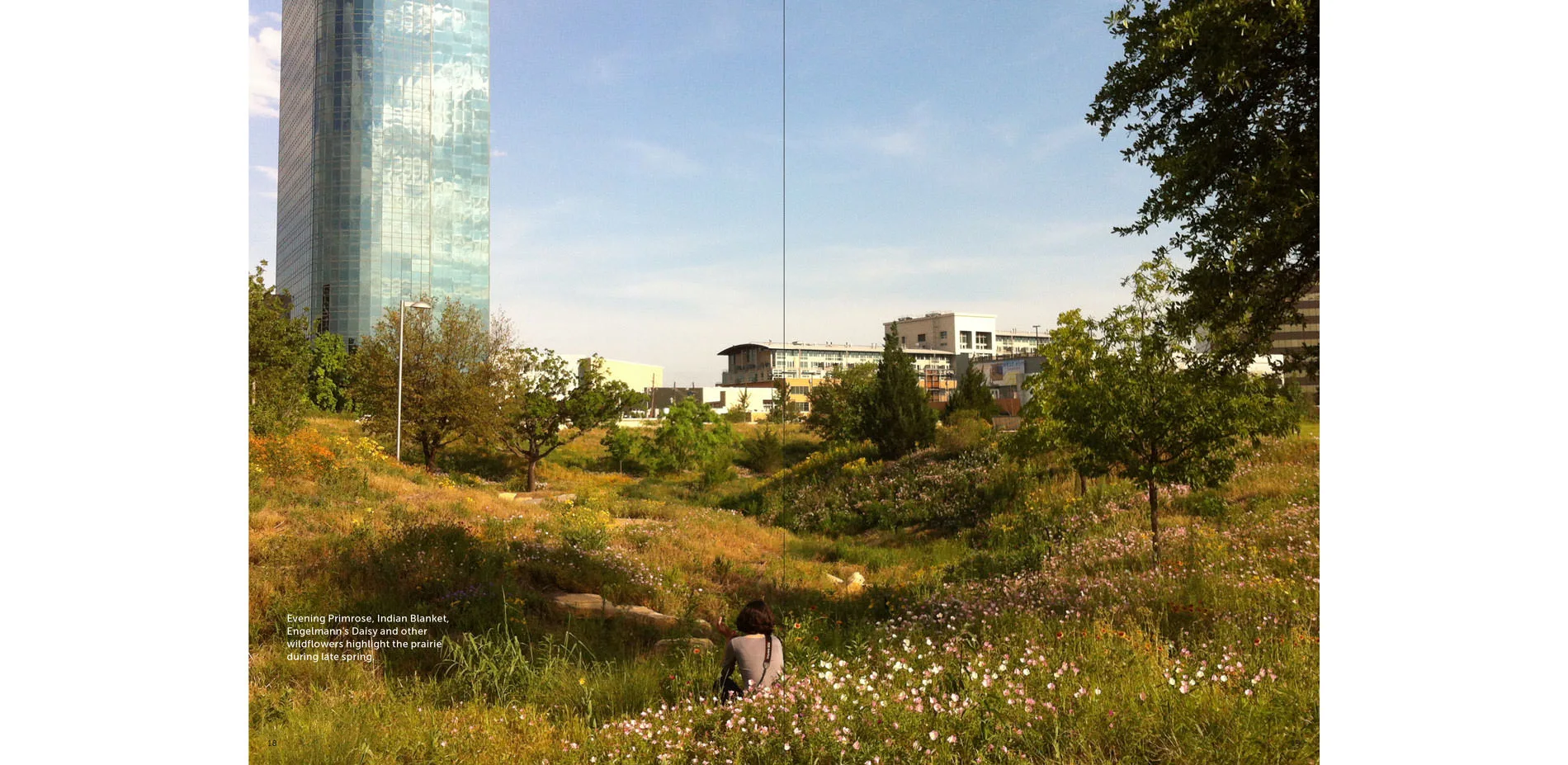
Ecology as the Inspiration for a Presidential Library Park
The Landscapes of the George W. Bush Presidential Center is written for the general public with the goal of helping people understand how ecology and sustainability, particularly plants and stormwater, have shaped both the making of the park and their experiences when they visit. This book records the design thinking, ecological mission, technological underpinnings, and construction of the first native landscape built for a presidential library park. Transforming the Bush Center’s derelict ur
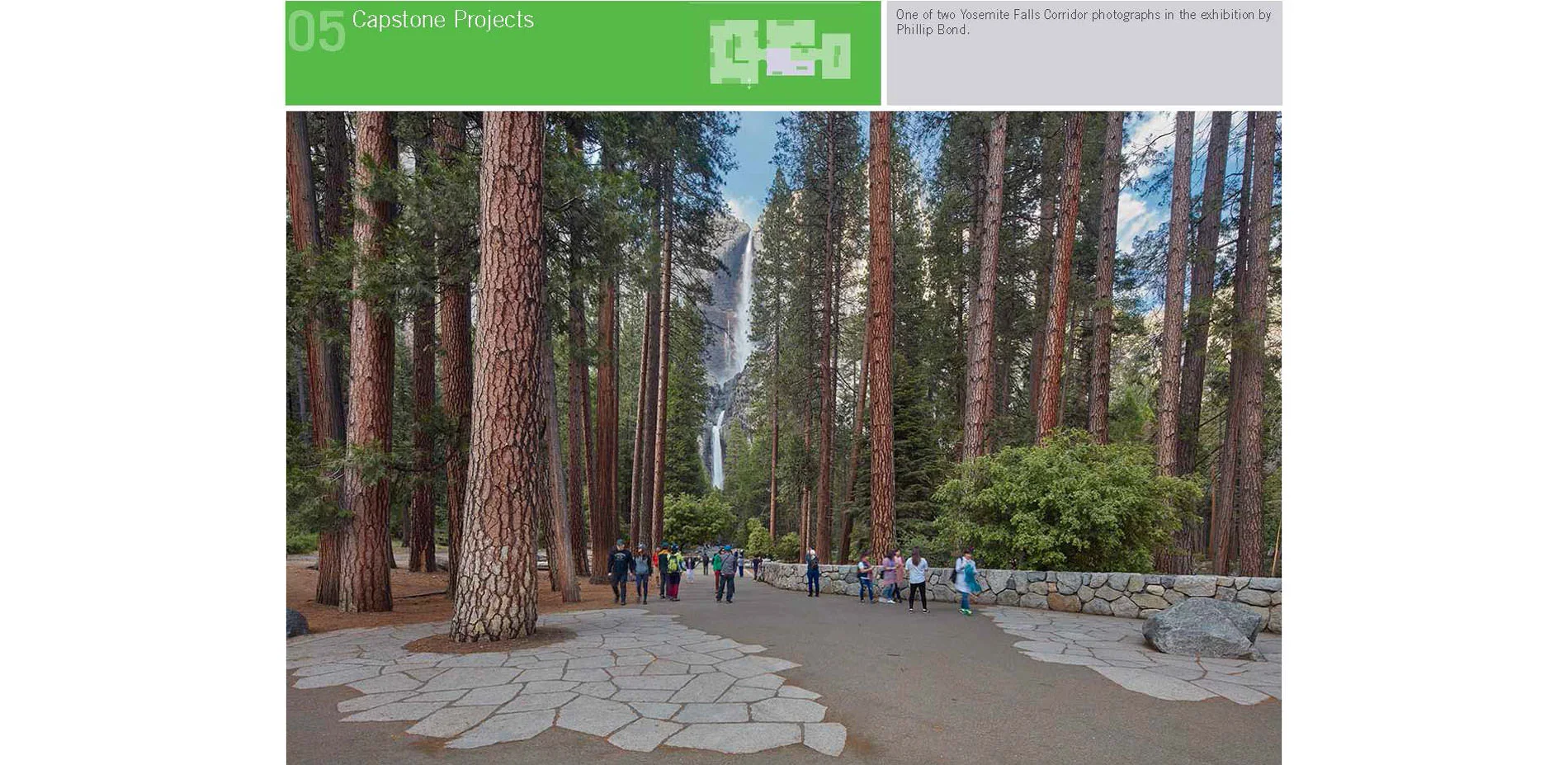
The Landscape Architecture of Lawrence Halprin
The Landscape Architecture of Lawrence Halprin traveling photographic exhibition, gallery guide and complementary website chronicles one of the nation’s most significant postwar practitioners, from early residential commissions (including the Donnell Garden for former employer Thomas Church), through five decades of practice concluding with capstone projects in Yosemite National Park and Sigmund Stern Grove in San Francisco. Fifty-five newly commissioned photographs by leading artists documen
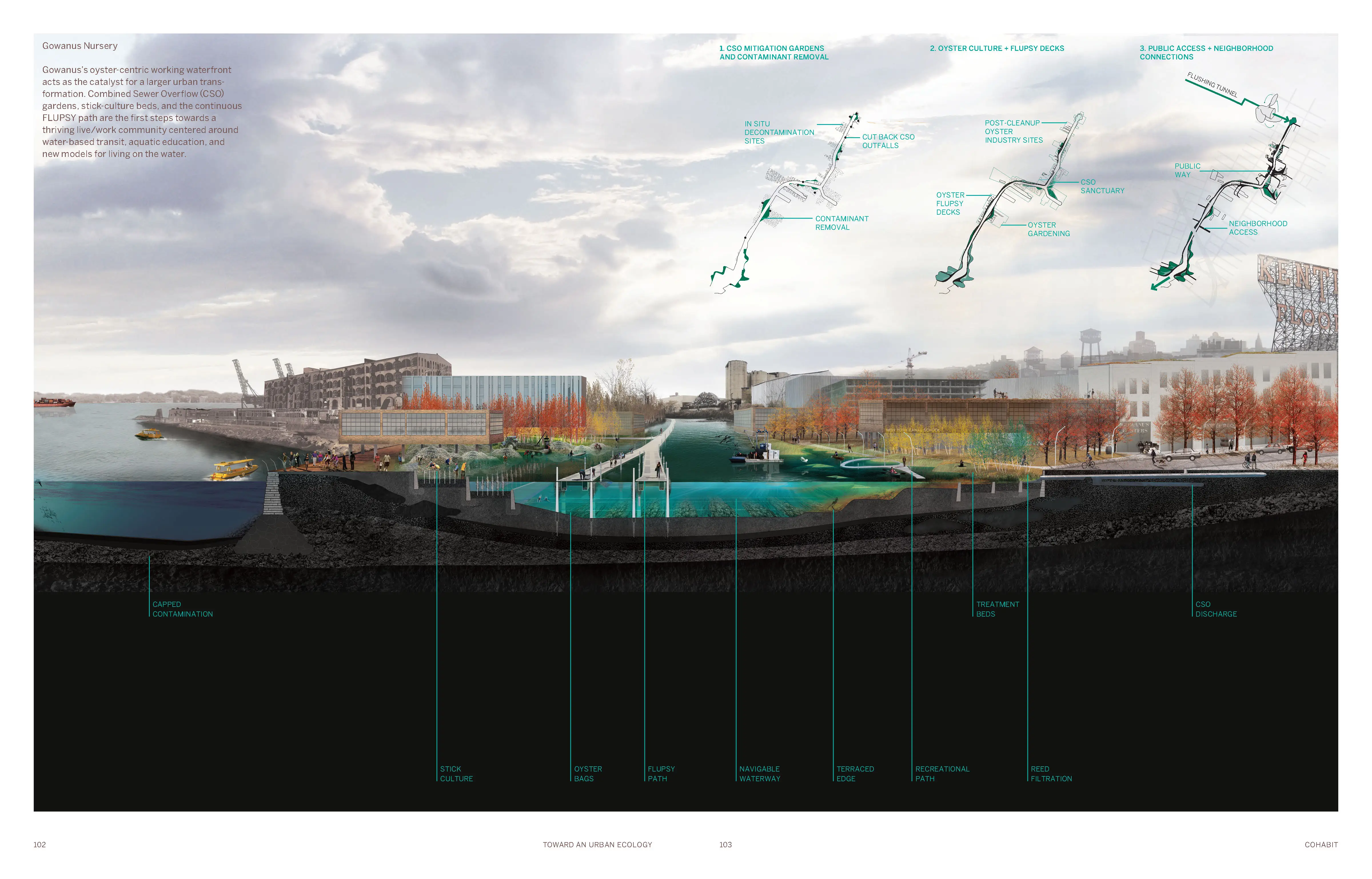
Toward an Urban Ecology
Part monograph, part manual, part manifesto, Toward an Urban Ecology reconceives urban landscape design as a form of activism, advocating for a synthesis of research, practice, and community engagement that is generative of a new form of urban ecology. The book depicts a range of participatory and science-based strategies through the lens of SCAPE’s work, featuring projects, collaborators, and invited essays. The book reveals how design can engage embedded natural processes, cycles, and syste
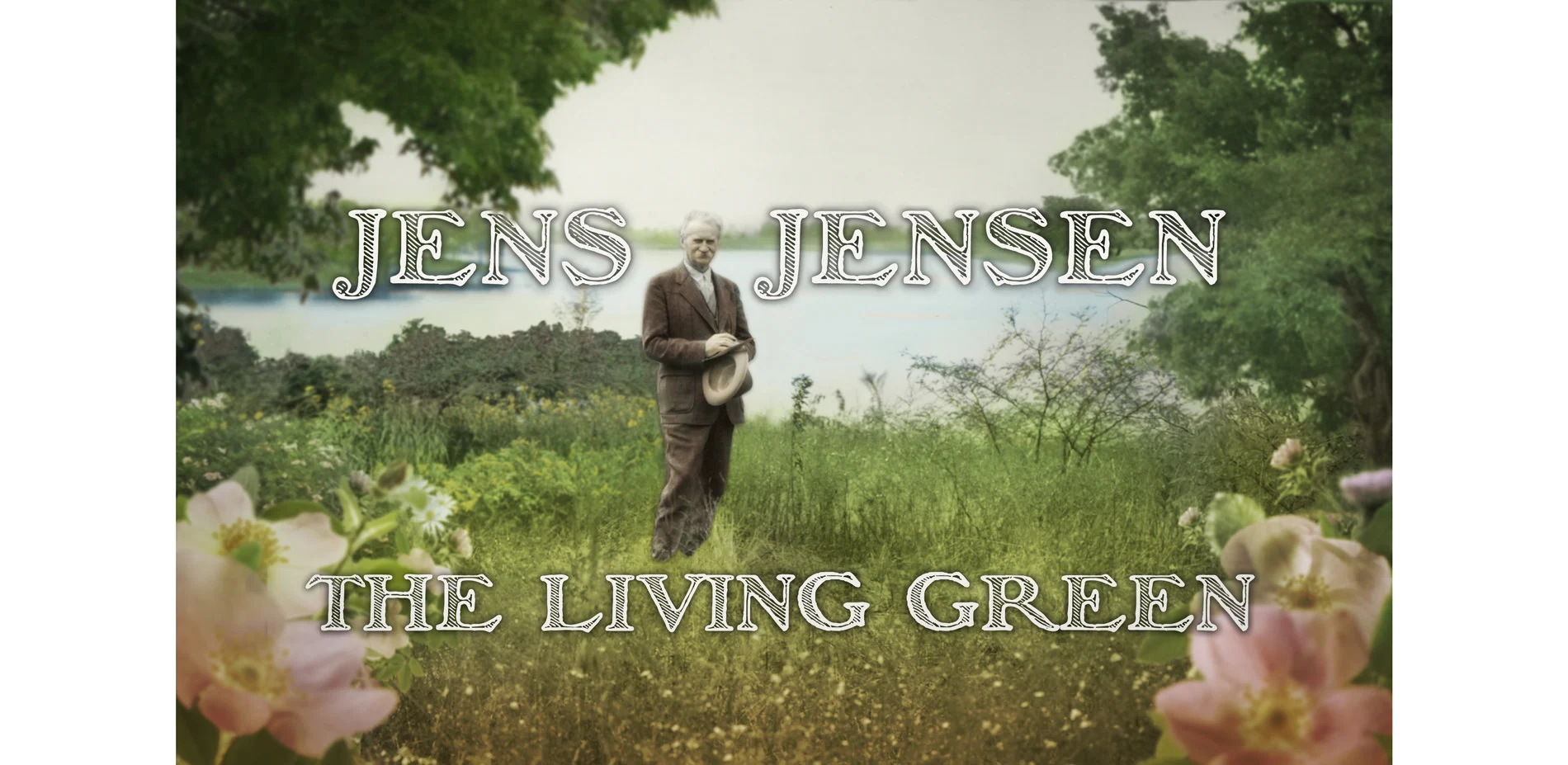
'Jens Jensen The Living Green' A feature documentary
Jens Jensen The Living Green dramatizes the rise of Jens Jensen (1860-1951), an immigrant street sweeper who became one of the nation’s first champions of eco-justice. Jensen’s life illuminates the early battles of urban development that favored the wealthy and led to “park deserts,” ecological design, and our primordial need to connect with “the living green” of nature within the city. With associates Frank Lloyd Wright, Louis Sullivan, Dwight Perkins, and Alfred Caldwell, Jensen was inspire
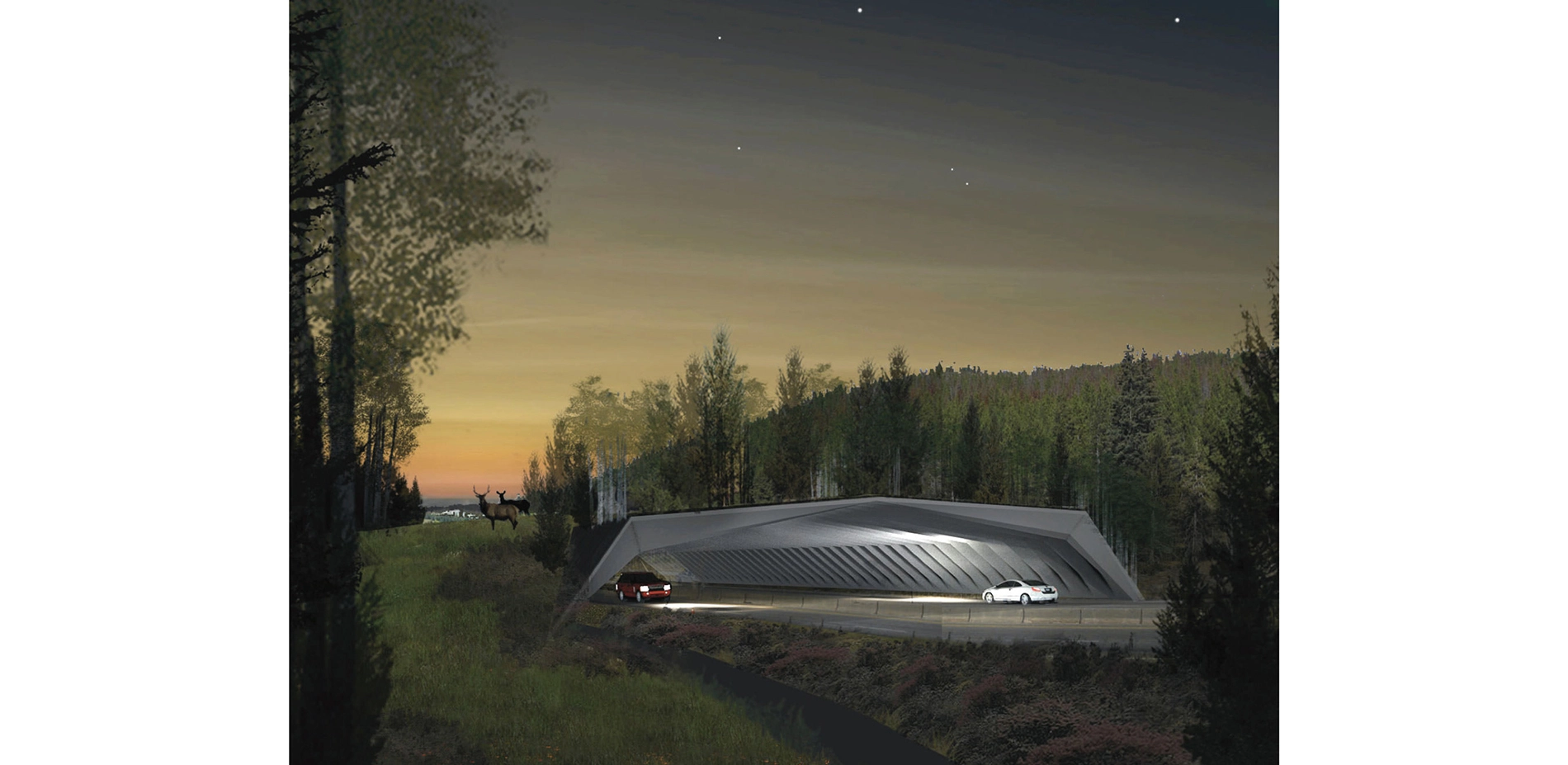
Championing Connectivity: How an International Competition Captured Global Attention and Inspired Innovation in Wildlife Crossing Design
ARC, the Animal Road Crossing project, is an interdisciplinary partnership seeking to inspire new thinking, new methods, new materials and new solutions for the next-generation of wildlife crossing structures to (re)connect landscapes fragmented by roads. Despite their proven track record, wildlife crossing structure designs have generally been repurposed from traditional highway infrastructure built for vehicles. ARC originated the world’s first International Wildlife Crossing Design Competi
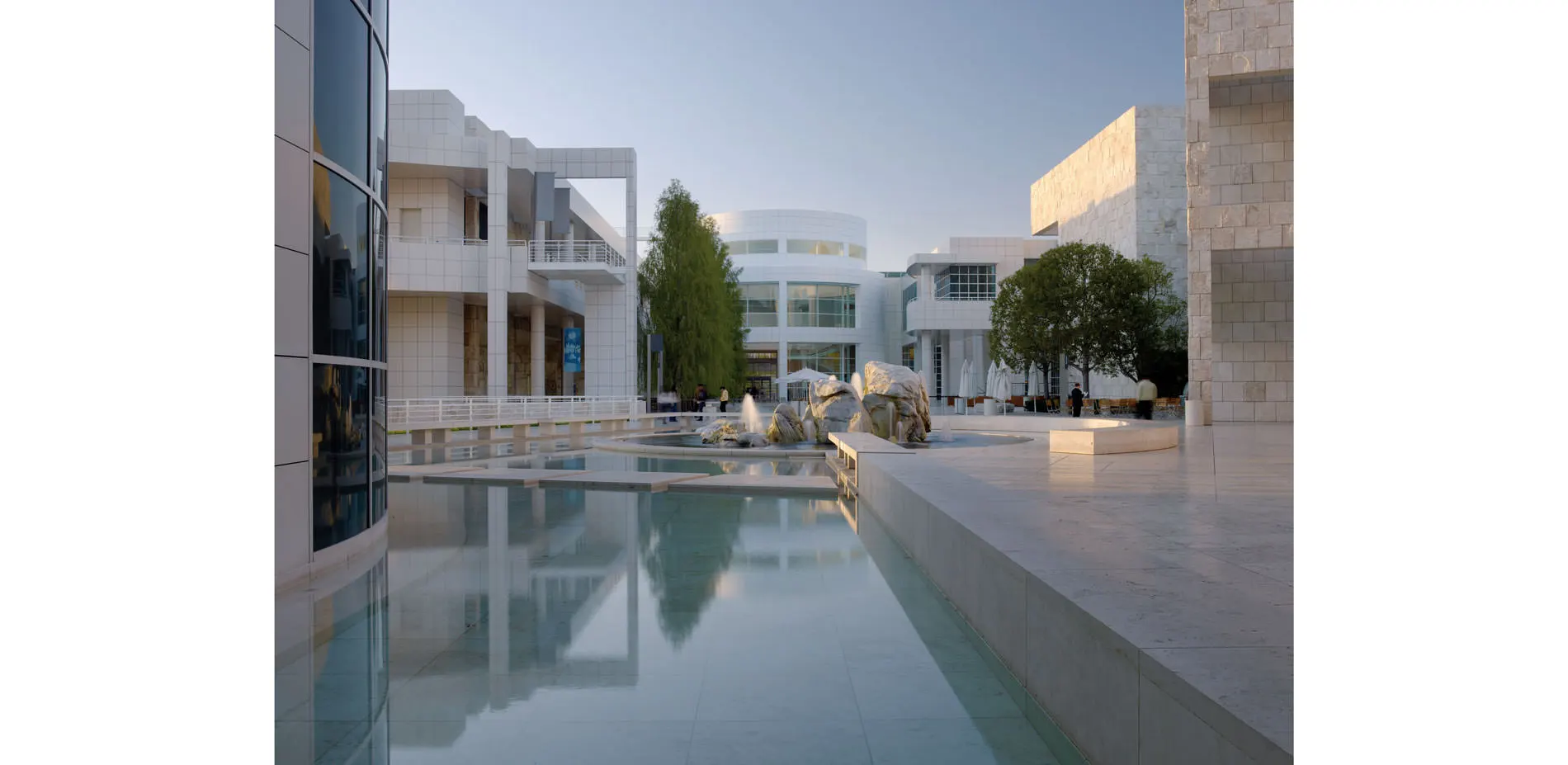
The J. Paul Getty Center
Conceived and constructed over a period of nearly twenty years, the J. Paul Getty Center stands atop the Santa Monica Mountains as a bastion of art, culture, and design for all people. The landscape of the Getty is indelibly connected to the context of Southern California and the iconic architecture of the museum campus, and it springs from many generations of the Mediterranean and Californian garden traditions. Utilizing modern technology and ancient skills, combining utility with pleasure, horticulture and aesthetics, artifice and nature, the landscape elements of the Getty Center combine with the architecture and topography to create an extraordinary and unique addition to the environment of Los Angeles.