
.webp?language=en-US)


Maple Hill Residence
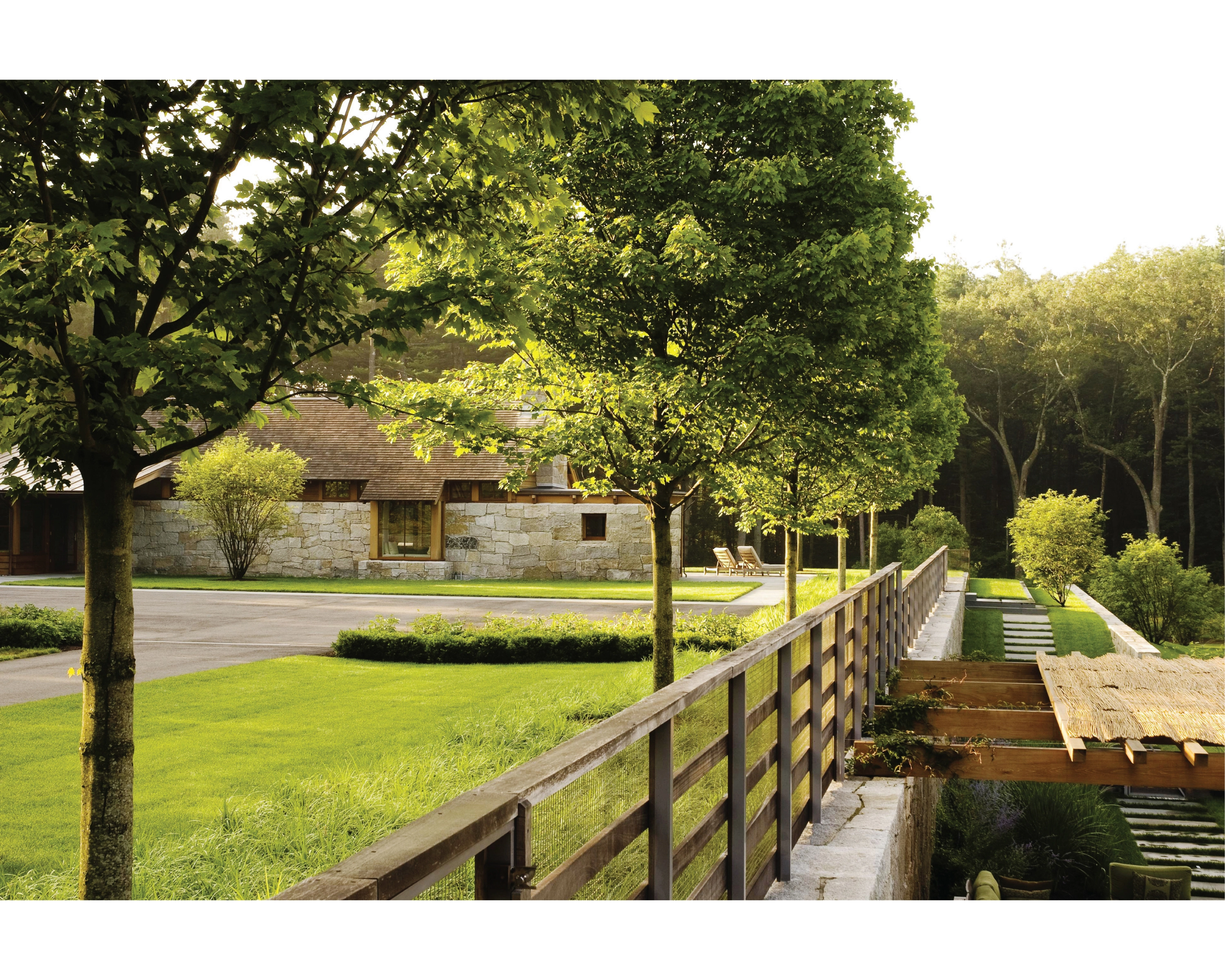
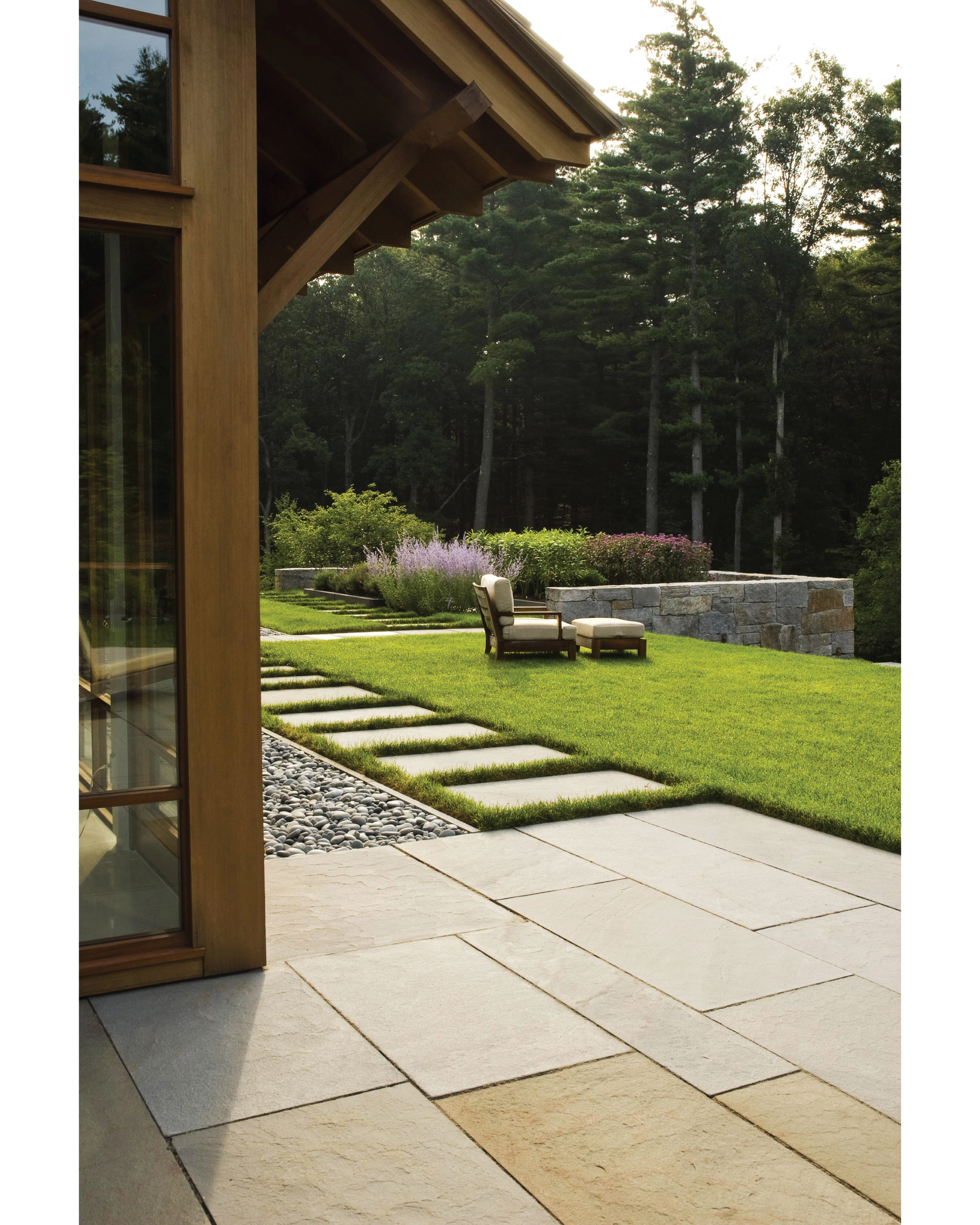
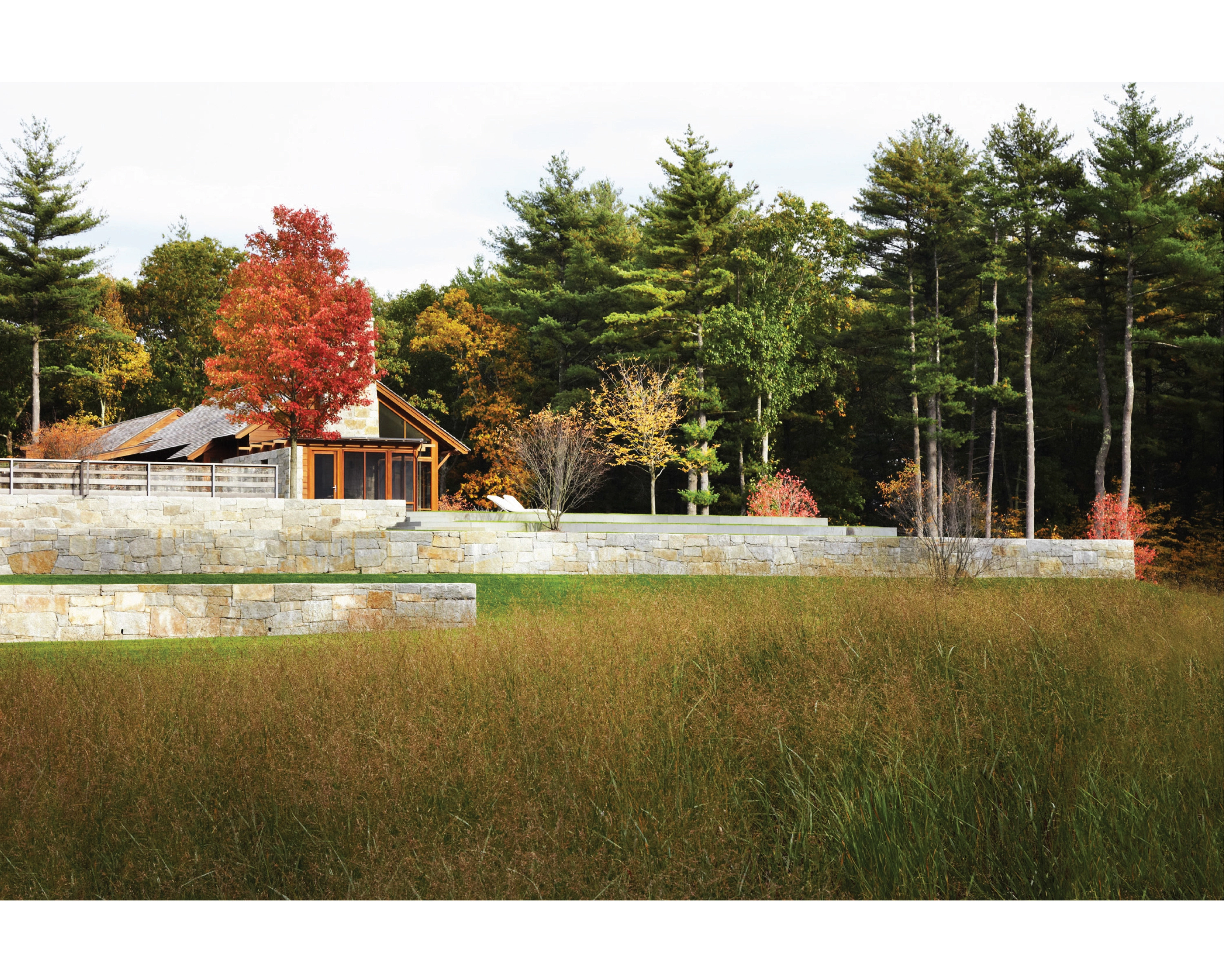
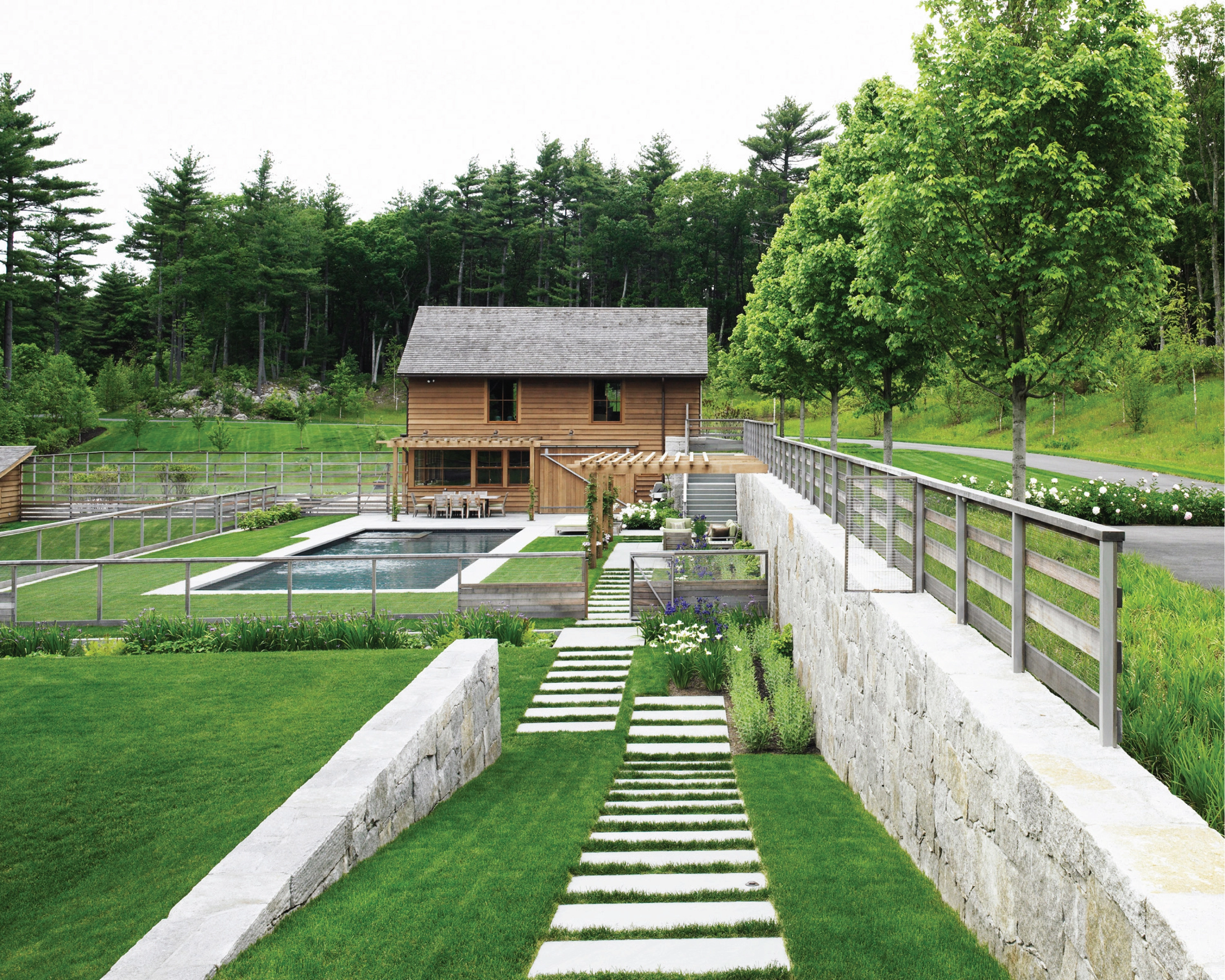
Very sophisticated and not overdesigned. It shows a lot of modesty and restraint. The funky farm-like aspect comes into a vocabulary that was very friendly.
Awards Jury
-
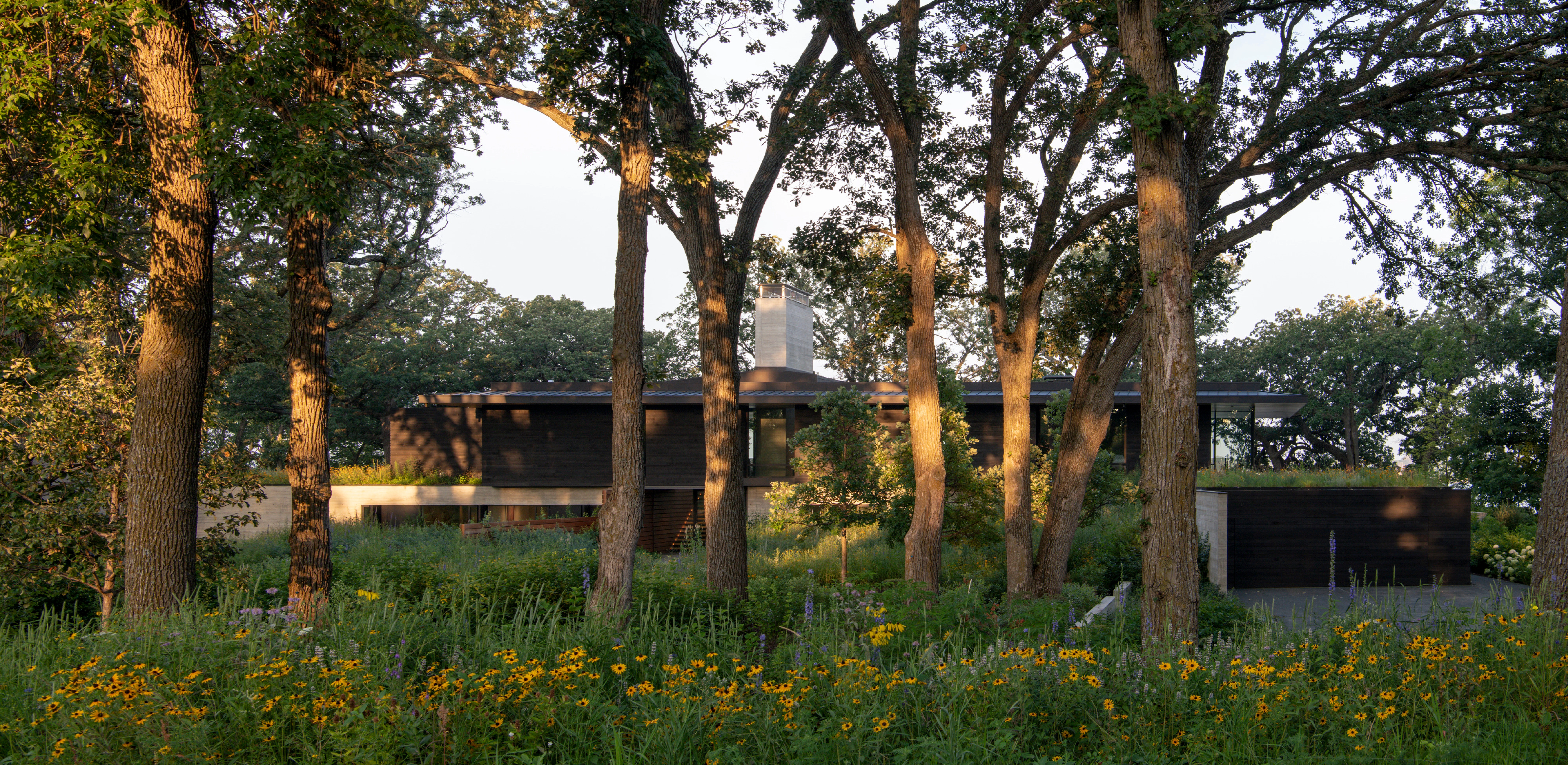
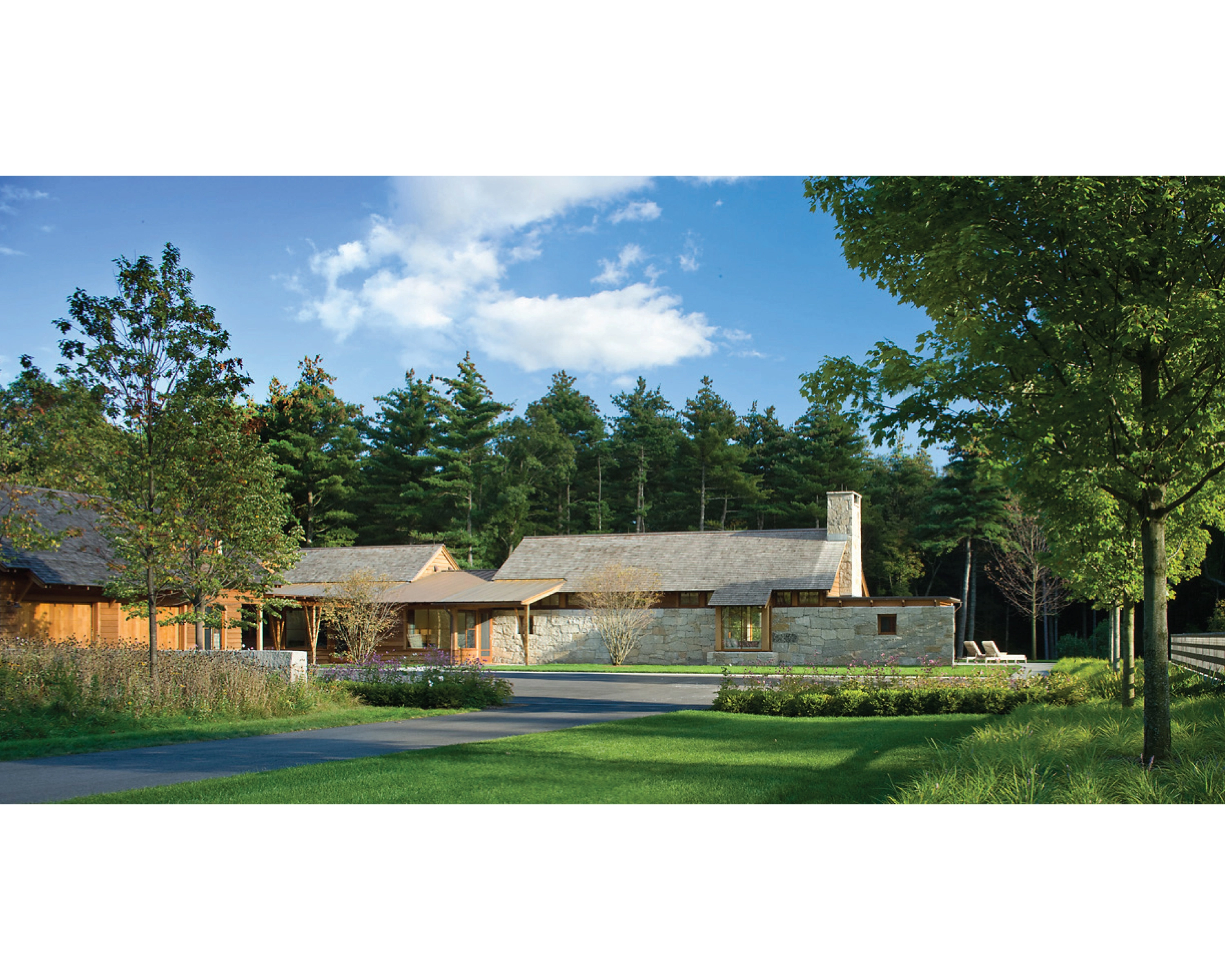
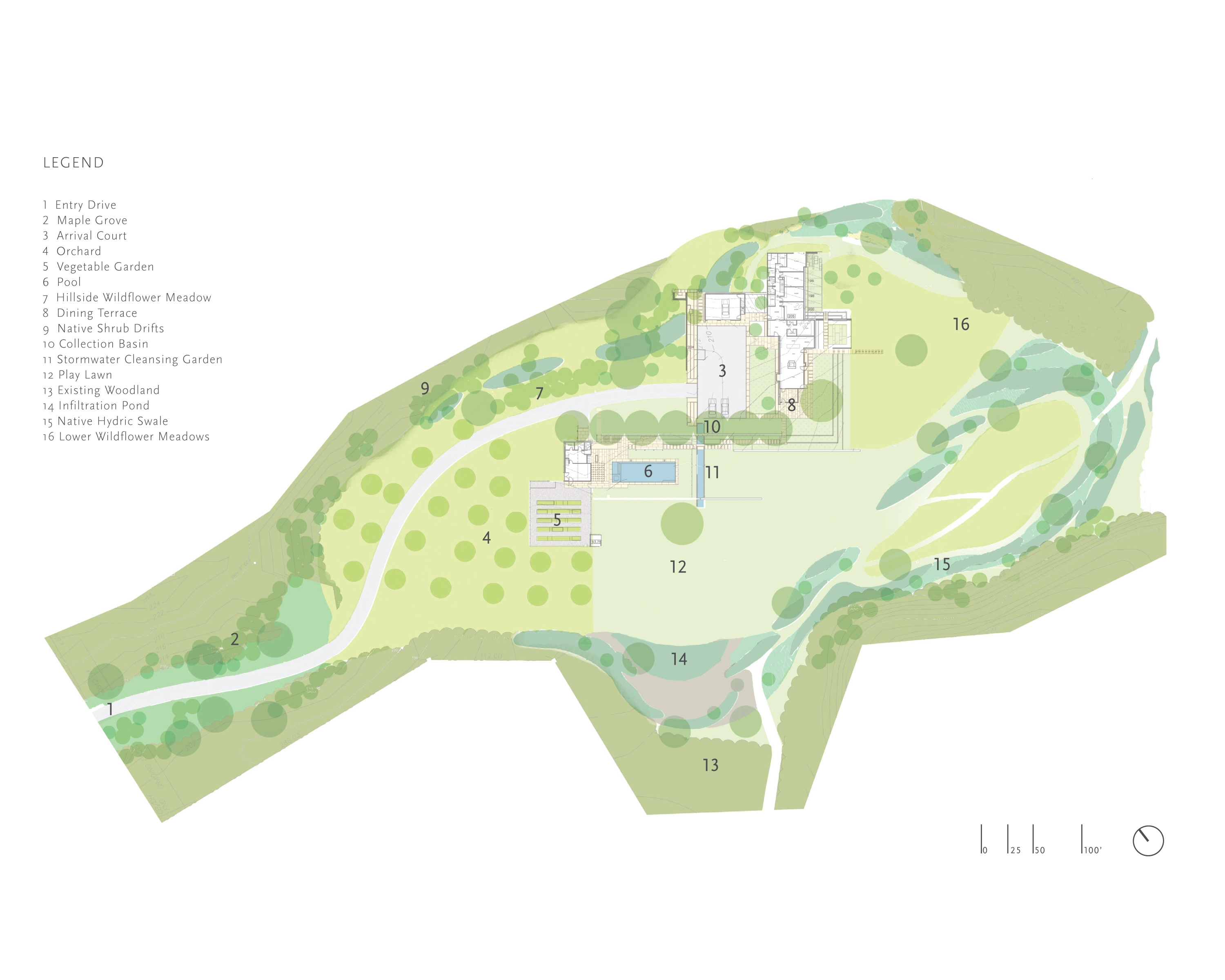
The Maple Hill Residence is a five acre residential landscape comprised of a new house, barn, pool and outbuildings. The design sets the residence to one side of the property leaving the majority of the site open for the development of the landscape program. Close collaboration between the Architect, Landscape Architect and Client created a home that blends the programmatic needs of the family with an interactive and resourceful mind-set about the landscape they inhabit.
-
The Maple Hill Residence was built on a five acre site of second growth forest with dramatic linear topography of glacial hills and valleys. The existing site suffered from a lack of diversity of plant communities. The house and landscape were designed simultaneously to allow for complete integration of the house and site, and to ensure that the built structures were in respectful balance with the surrounding woodland but expanded the range of vegetation to include open meadow and wetland areas. The landscape is woven into the architecture through paving, vistas and planting; all designed to encourage extensive use of the entire site.
The building program included a new residence, barn, pool house, potting shed and swimming pool. The Owners wanted to create a new home and clearing in a woodland setting that would be fully integrated into the site on a number of levels. With a family of three young children they envisioned a landscape that would incorporate their strong environmental ethic and encourage exploration, engagement and awareness of the natural environment. In response, the design created a wide variety of landscape spaces and habitats. These supported the production of food for the family, opportunities for active recreation, social gatherings and large family events, and the enhancement of the native ecosystem.
Design Philosophy
The landscape design was conceived as a complete integration between the cultural needs of the family and a strong environmental ethic that respected the existing site conditions. Spatial organization of the property was derived from the careful analysis and consideration of programmatic needs, combined with the landscape patterns of geology, water and vegetation.
Geology and Topography
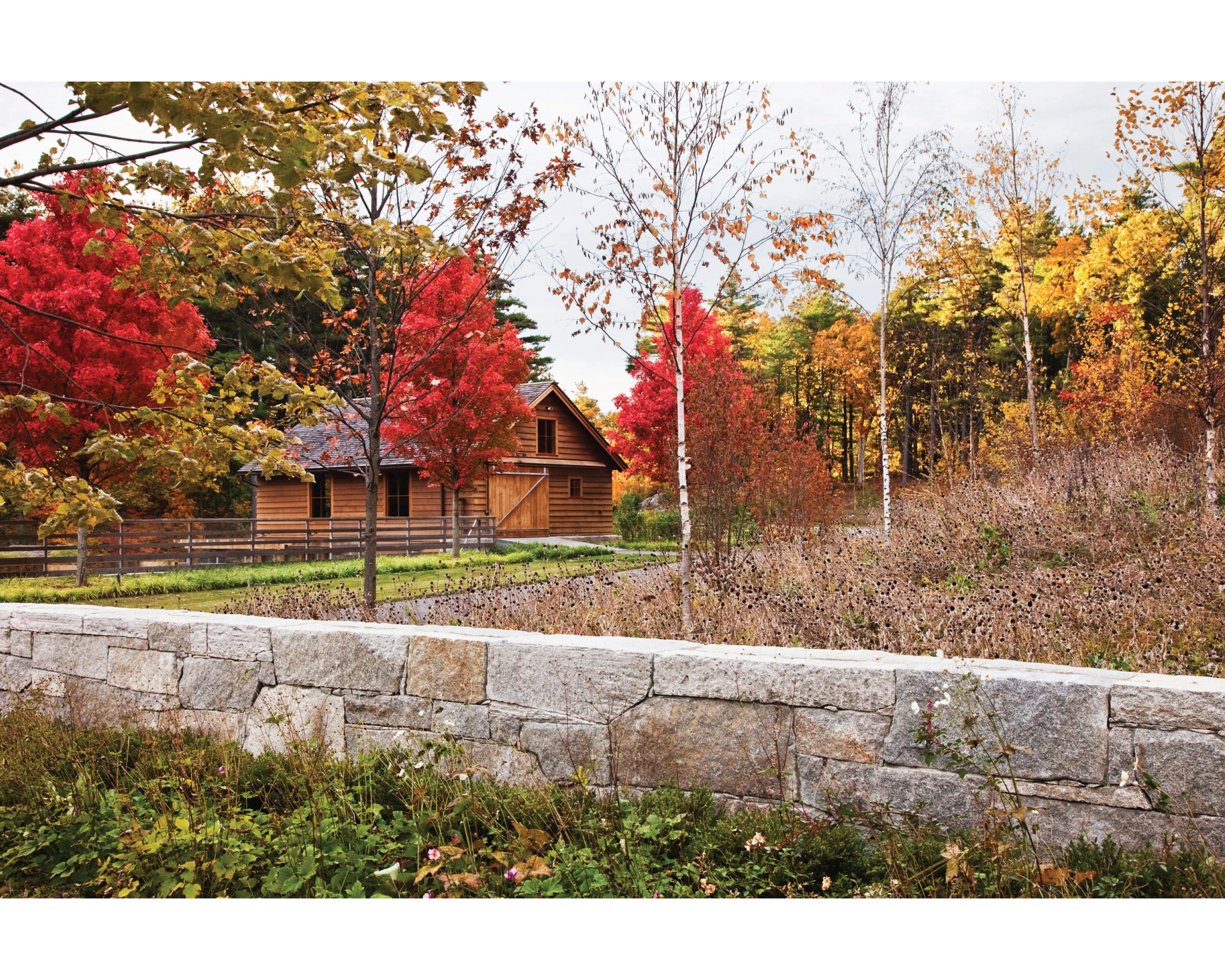
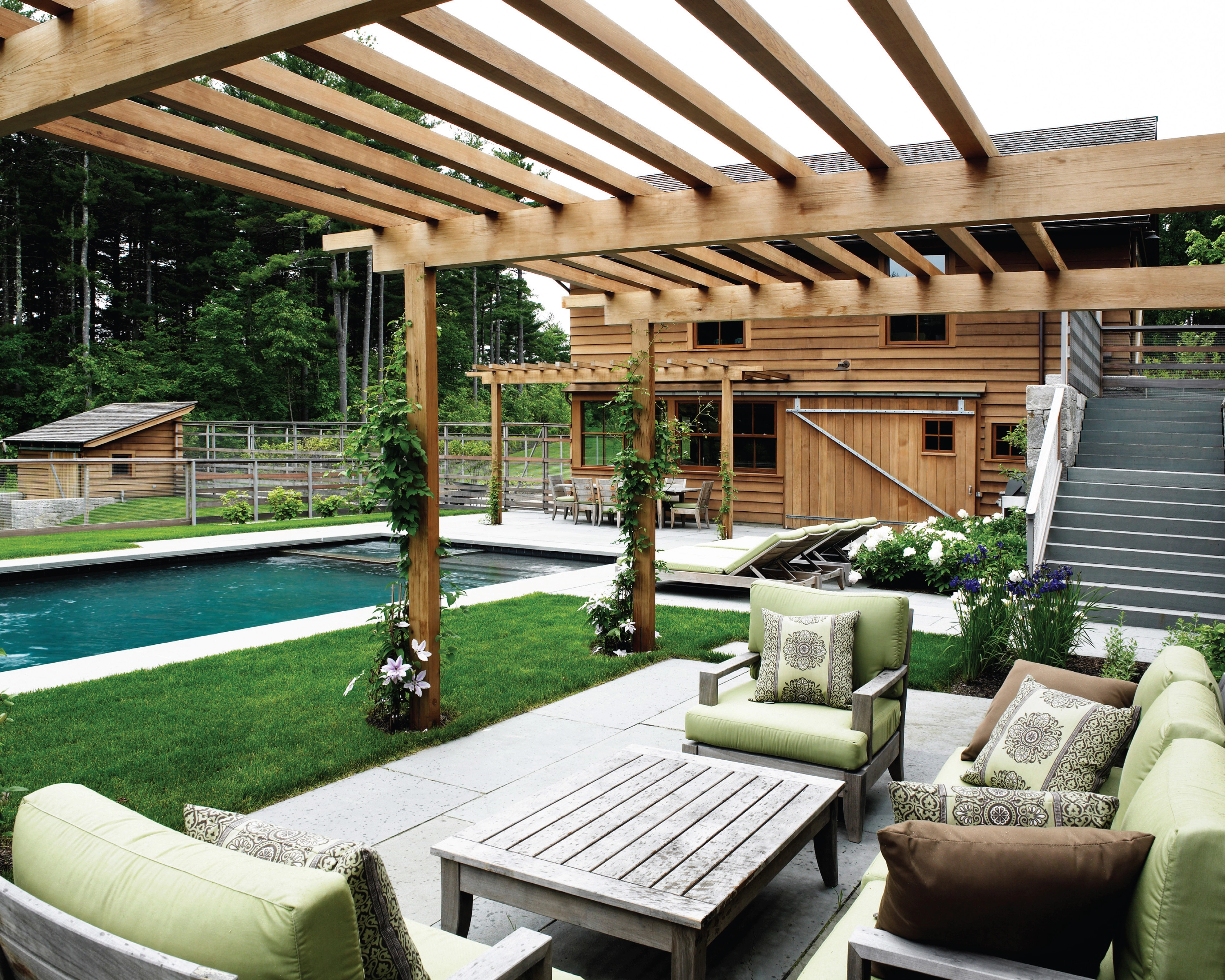
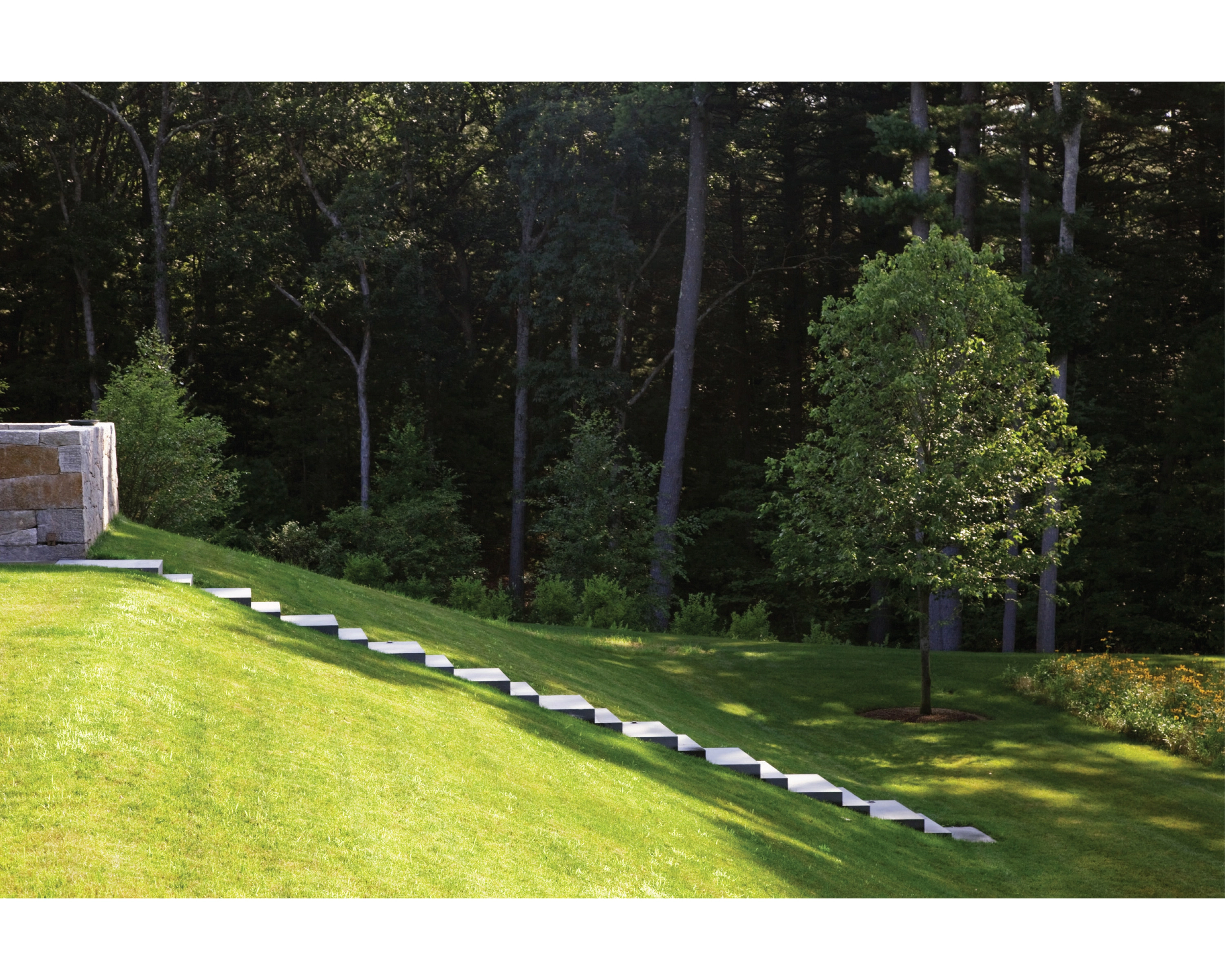
The structural aspects of the site design, in the form of walls and landform, emphasize the existing linear topography and outcrops that run in a strong east-west ridge line across the property. The principal components of the design include the entry drive, retaining walls, arbors and terraces. The entry drive is terraced into the largest ridge which runs along the northern edge of the site. The house and adjacent terraces engage this ridge to allow for a walkout basement, a dramatic sculptural stair and broad vistas over the lower portions of the site. A series of parallel retaining walls also reinforce this east-west movement, and create level areas for the parking court, perennial gardens, dining terrace, kitchen garden, swimming pool and vegetable garden to the south and east.
Hydrology and Drainage
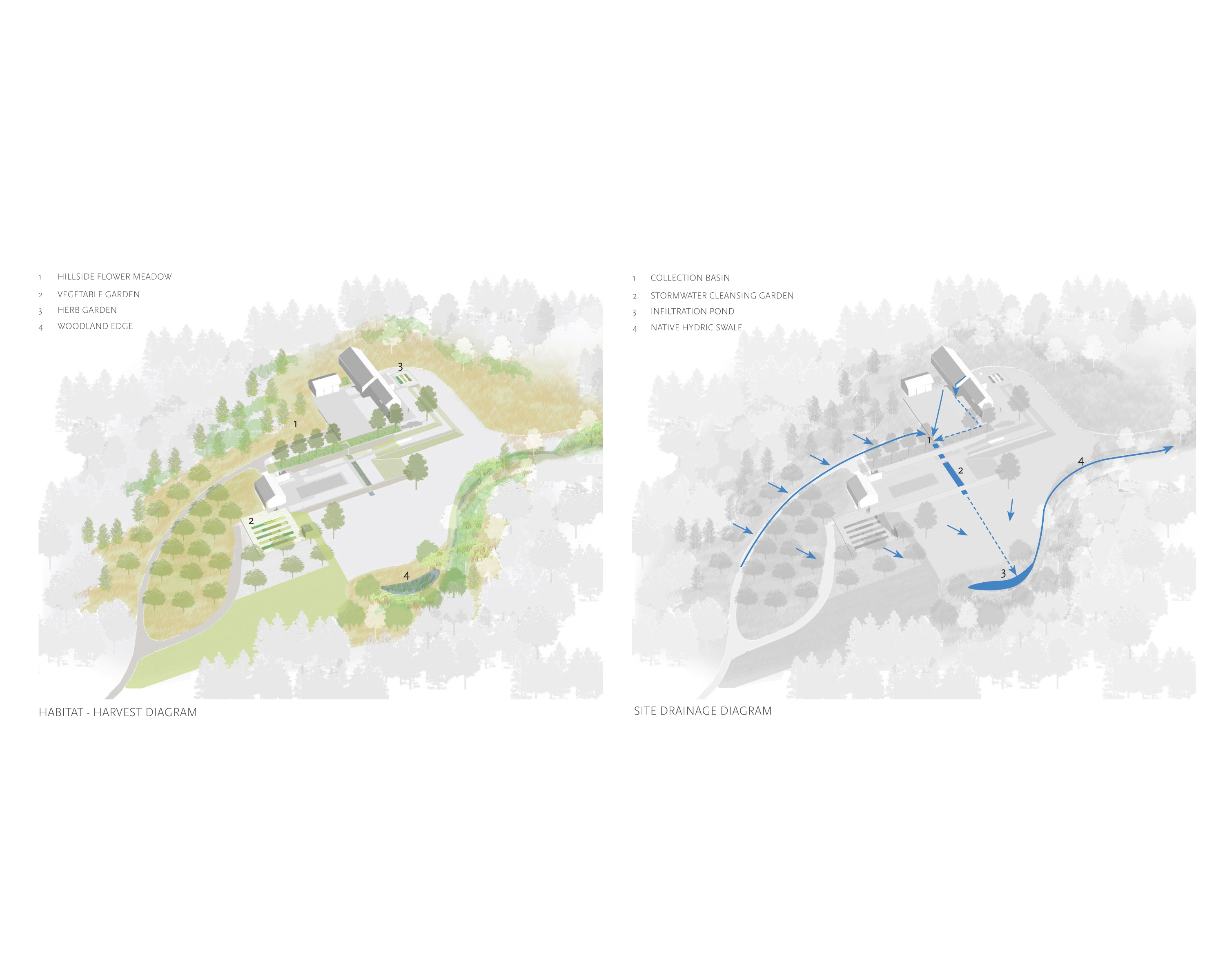
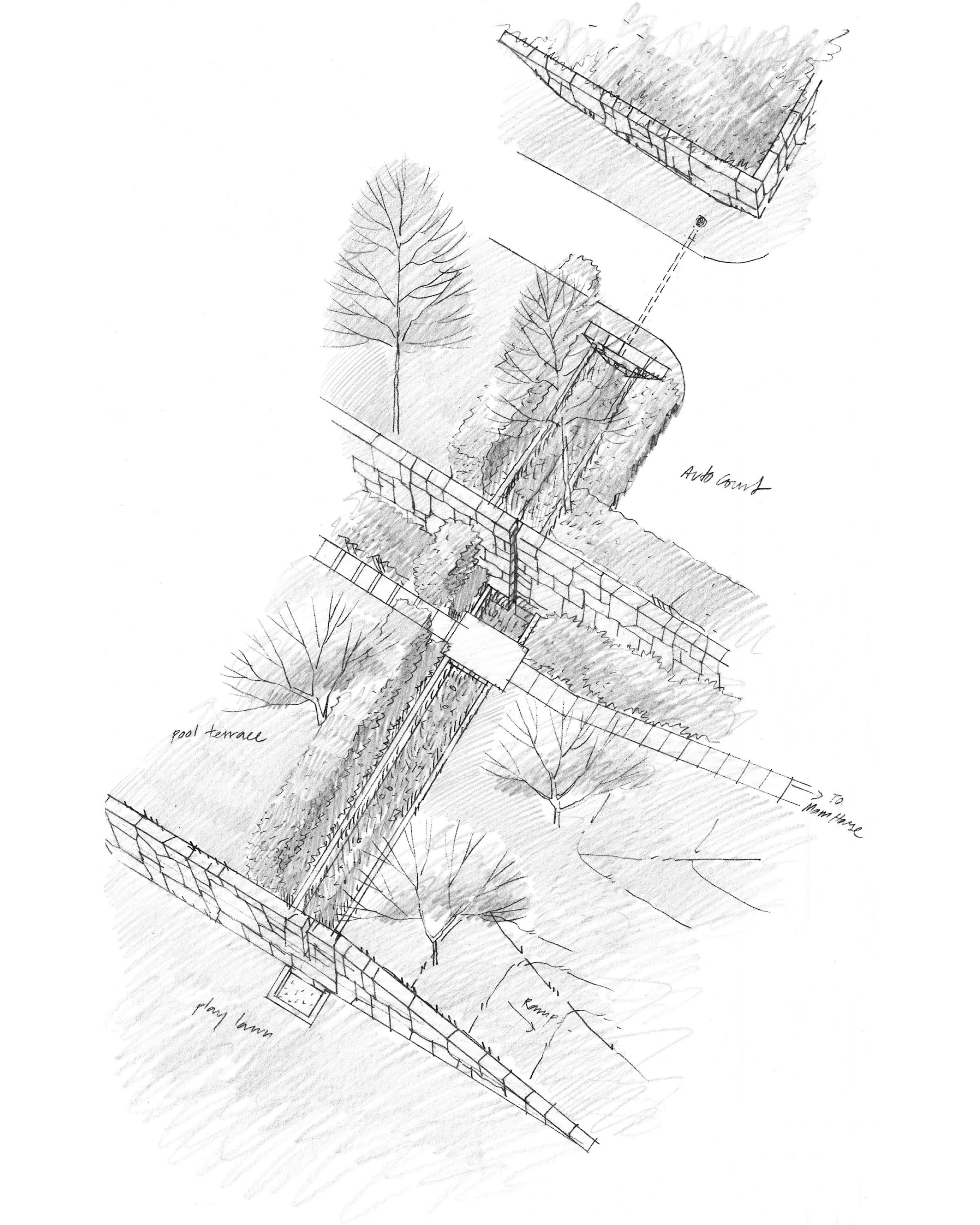
Contrasting this parallel geometry of the walls is the water axis. This carefully sited watercourse runs north-south, negotiating grade change and collecting site runoff from the upper areas of the site to infiltration at a stormwater garden below. Multiple landscape spaces are linked by this element which functions ecologically through conveyance, cleansing and the creation of wildlife habitat.
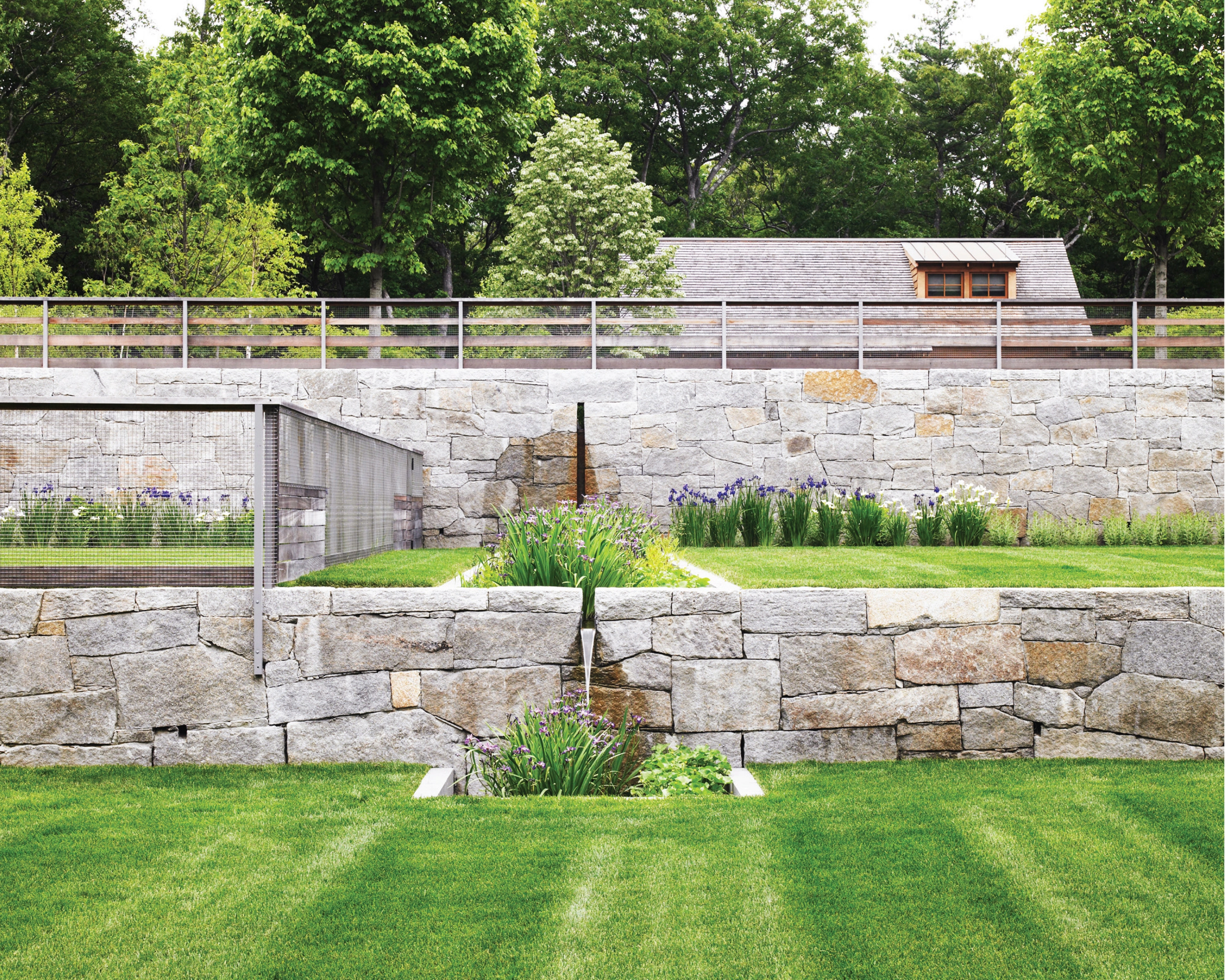
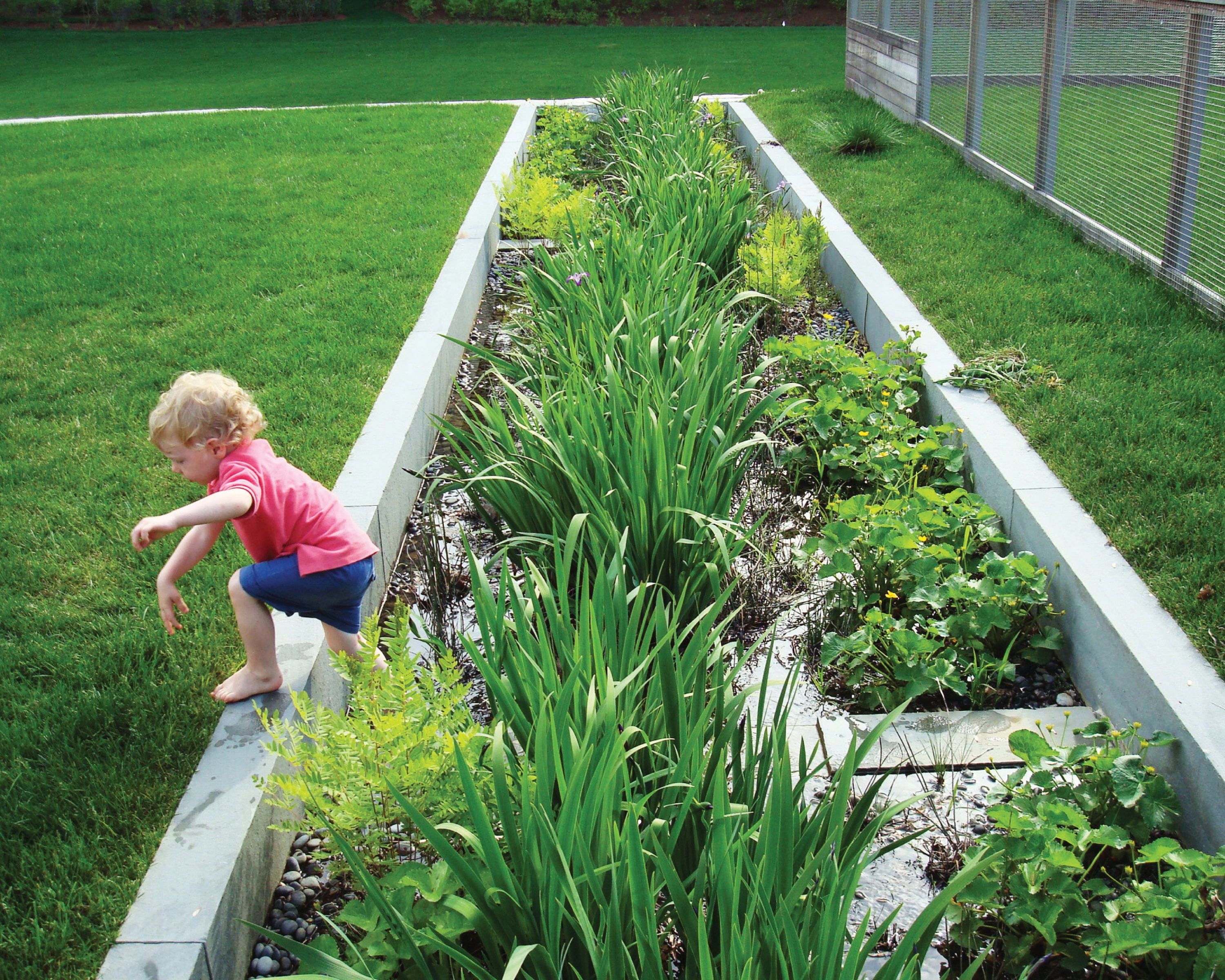
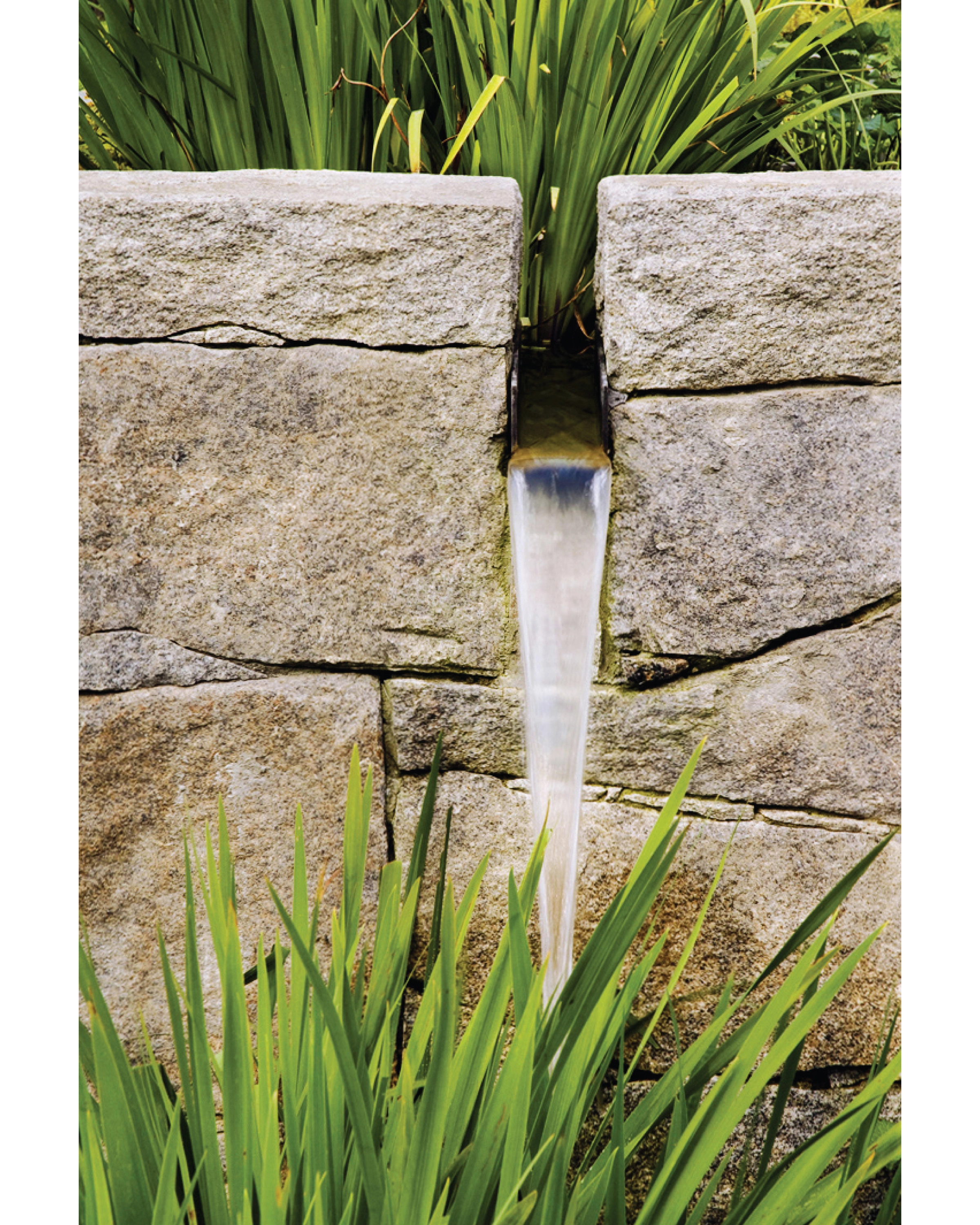
The design of the site’s hydrology and stormwater systems encourages direct involvement of the family in the hydrologic process. Site drainage from the driveway, building roofs and the auto court is channeled through a scupper embedded in the primary site wall, and eventually flows through a narrow slice in the face of the wall, engaging the main pathway down to the pool terrace. This cascade falls 7' into a 60’ long by 10’ wide water garden of native hydric plants which provides seasonal flower displays, cleansing of the site stormwater and habitat for small amphibians and insects. Frog catching has become a favorite family pastime in this garden and painted turtles have made it their home. Dropping down to the next terrace, the water is then carried under the play lawn to a large infiltration basin. In times of major storm events, water from this basin continues its journey through a woodland swale planted with blueberry, viburnum and red maple into the surrounding woodland. This meandering swale defines the lower areas of the site dividing them into several large landscape rooms and wildflower meadows.
Vegetation, Wildlife Habitat and Food Production
Patterns of hydrology and a bordering wetland system create the framework and organization for the site planting. Expressed in long, linear bars and garden rooms adjacent to the main house, planted form reinforces the site structures. As one moves away from the house, the plantings transition into winding ribbons that meander through wet meadow and woodland.
Site planting is articulated in three ways; structured planting of the built environment, natural habitat gardens, and the productive landscape. All have been designed to withstand browsing deer and produce food for migratory birds. Organic maintenance practices are employed throughout the property.
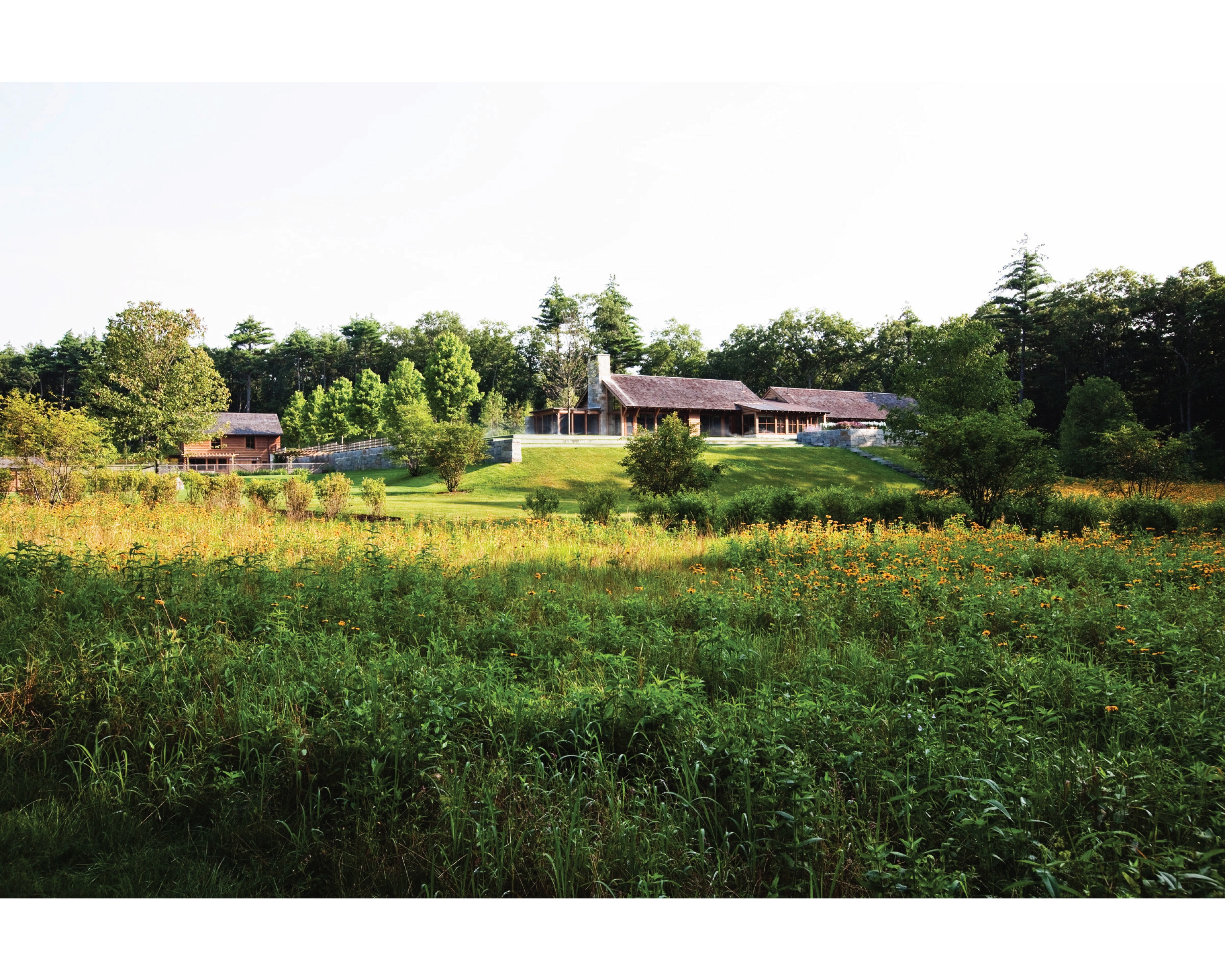
The entry drive begins with a large grove of sugar maples which obscures any view of the residence from the main road. Moving through a broad curve, a dramatic vista of the property is revealed which takes in all the major components of the site including the orchard, wildflower meadow, barn, residence and surrounding woodland. Approaching the house, a line of large red maple defines the southern edge of the main terrace creating a large room out of the entry court and gardens. The entry court is framed by bars of perennials on the east and south, and an introduction to the water axis is presented by a line of iris which vanishes into a fieldstone wall. Passing through the residence, sweeping views of the lower property unfold.
The various wildlife habitats created on the site begin with a hillside planting of oak, birch, hickory and a wildflower meadow. The stormwater garden occupies the center of the mid terrace of the site, and provides a unique habitat of native marginal and aquatic plants attracting amphibians and dragonflies. The swales of the lower portions of the site are planted with native fern, shad, viburnum, red maple, American beech and blueberry to provide food and forage for a variety of migratory birds and local fauna. Wildflower meadows throughout the property reduce maintenance costs and support migrating butterflies and song birds. The woodland edge at the perimeter of the site has been planted with an understory of witchhazel and summersweet to control invasive plants and maintain a rich edge community.
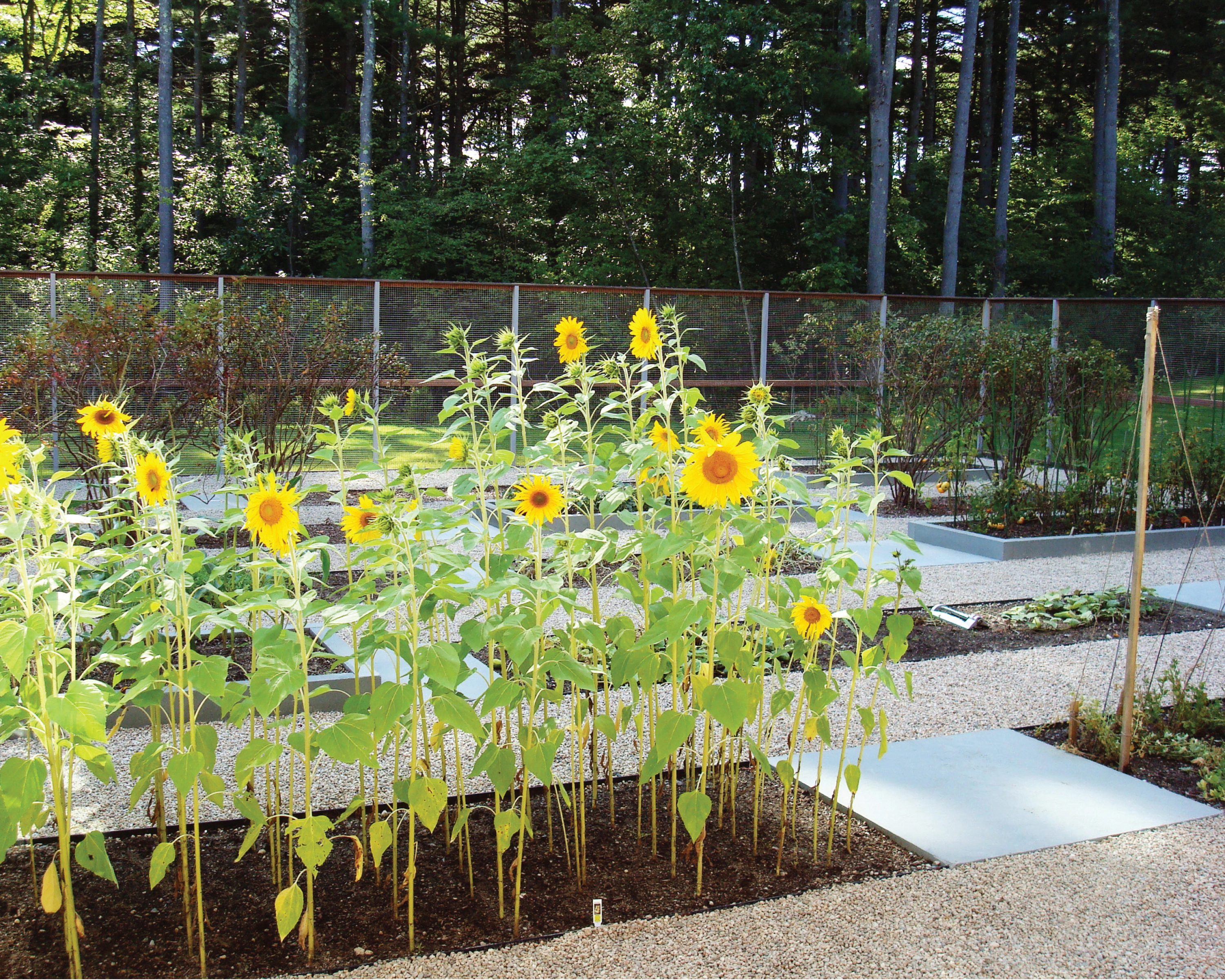
The productive landscape is composed of an orchard of dwarf apple trees, a 50’x 50’ vegetable garden and potting shed, and herb garden at the kitchen. The entire family enjoys the active planting and harvesting cycle in all of these areas. This project seeks to enhance the landscape diversity of the project site while integrating architecture and landscape in a visible fashion. Organic maintenance practices and on-site harvesting encourage stewardship of the land and instill an environmental ethic that respects local plant and animal communities.
-
Design & Construction Team
Architect
Estes / Twombly ArchitectsGeneral Contractor
Old Grove PartnersLandscape Contractor
R.P. MarzilliPool Contractor
Custom Quality Pools
Advertisement
Related Awards
Honor Award, Residential Design
Trinity Road
The story of Trinity Road unfolded over the past five years and is fundamentally a story of fire resilience and succession of the surrounding forest. The garden was designed and the project considered completed when two wildfires ravaged the hills immediately surrounding the site. After the fires the landscape design team was brought in to create a new vision for the site that knit together the original planting and a new series of paths and gardens.