
.webp?language=en-US)


Catalina Foothills
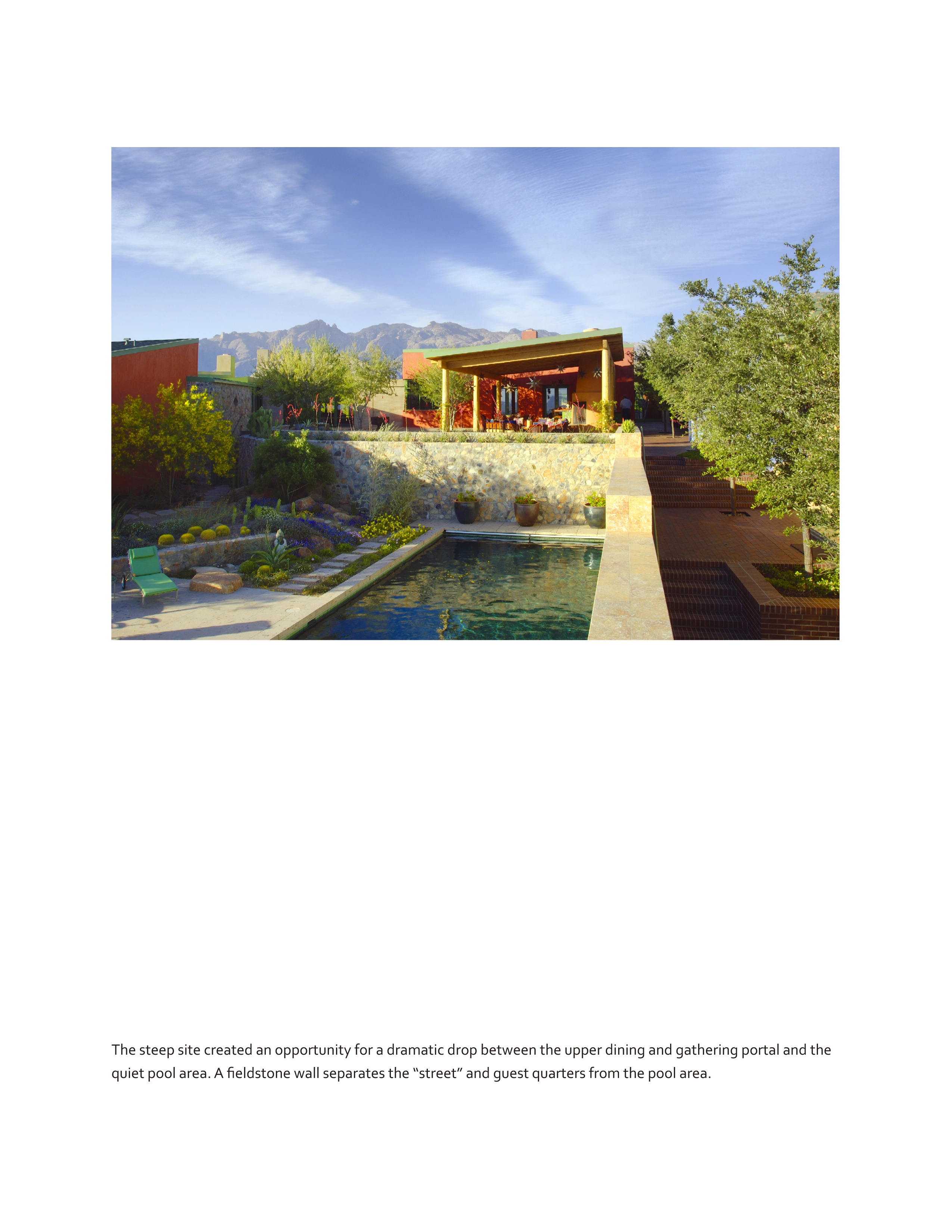
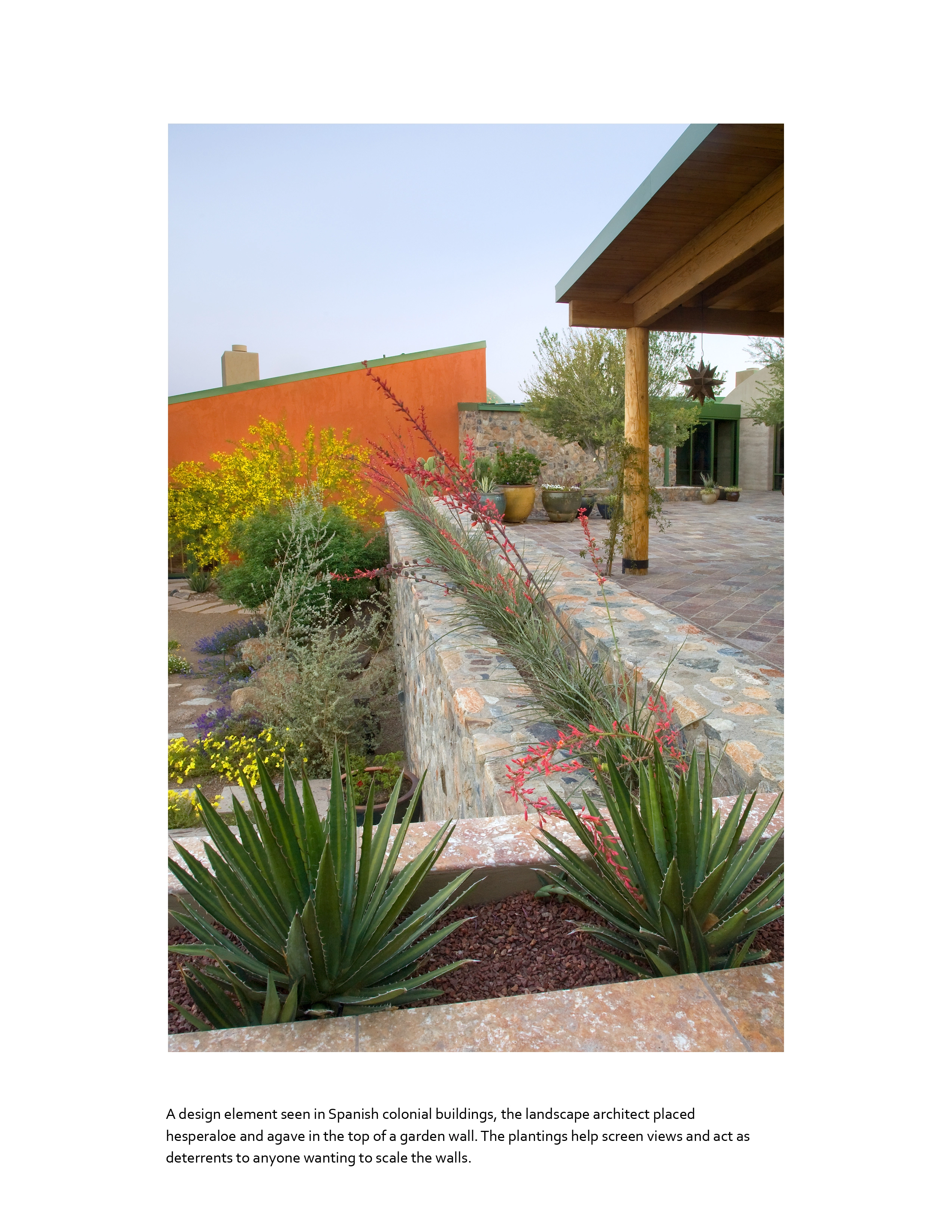
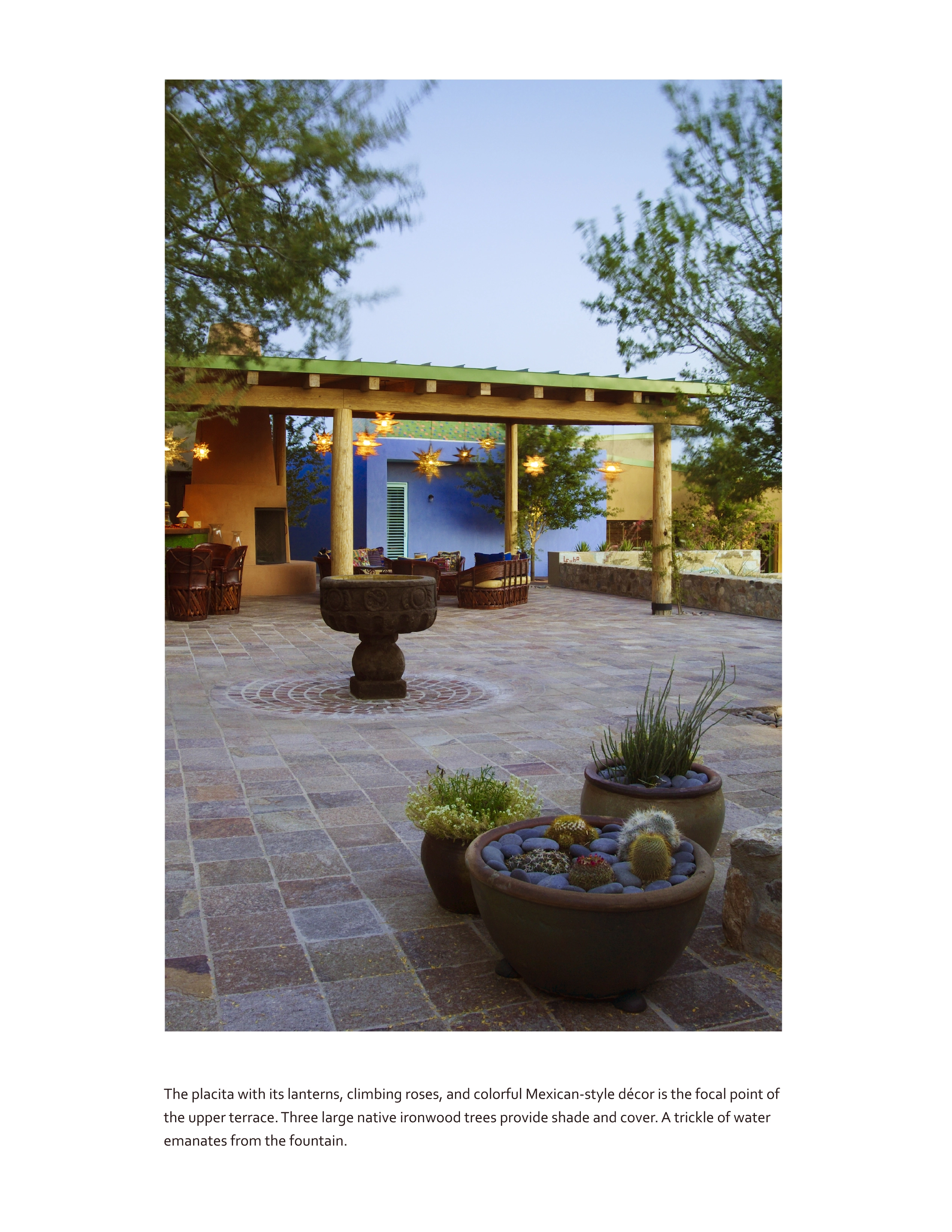
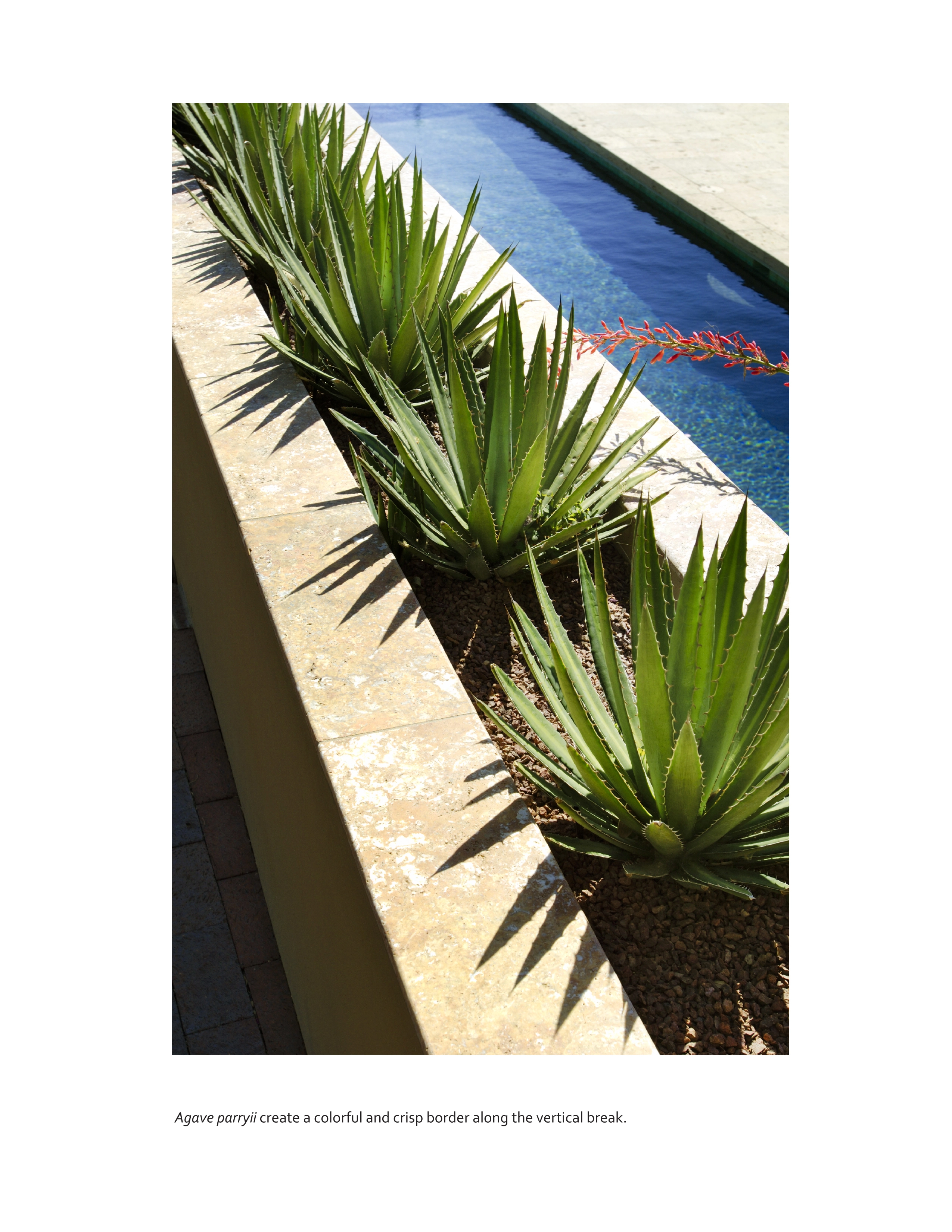
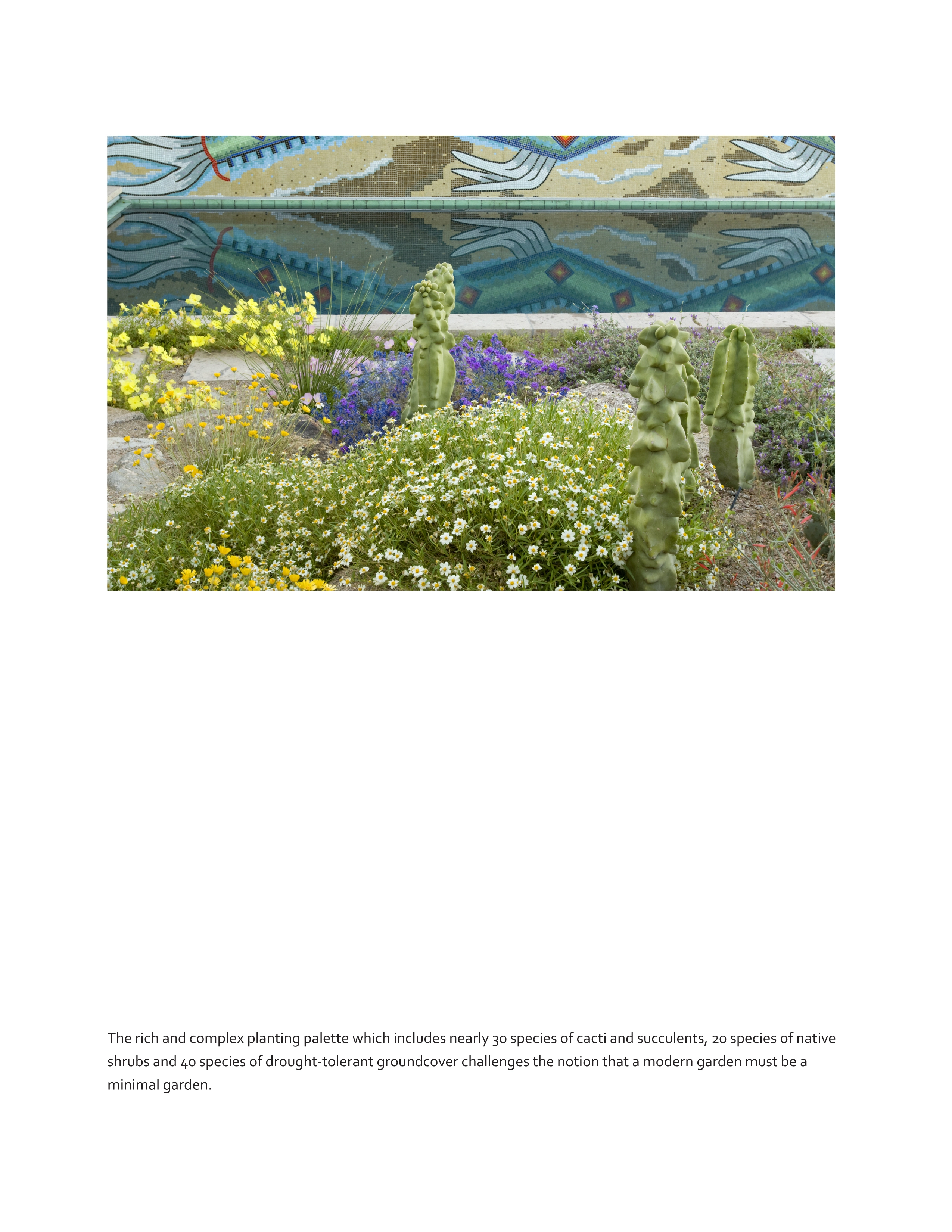
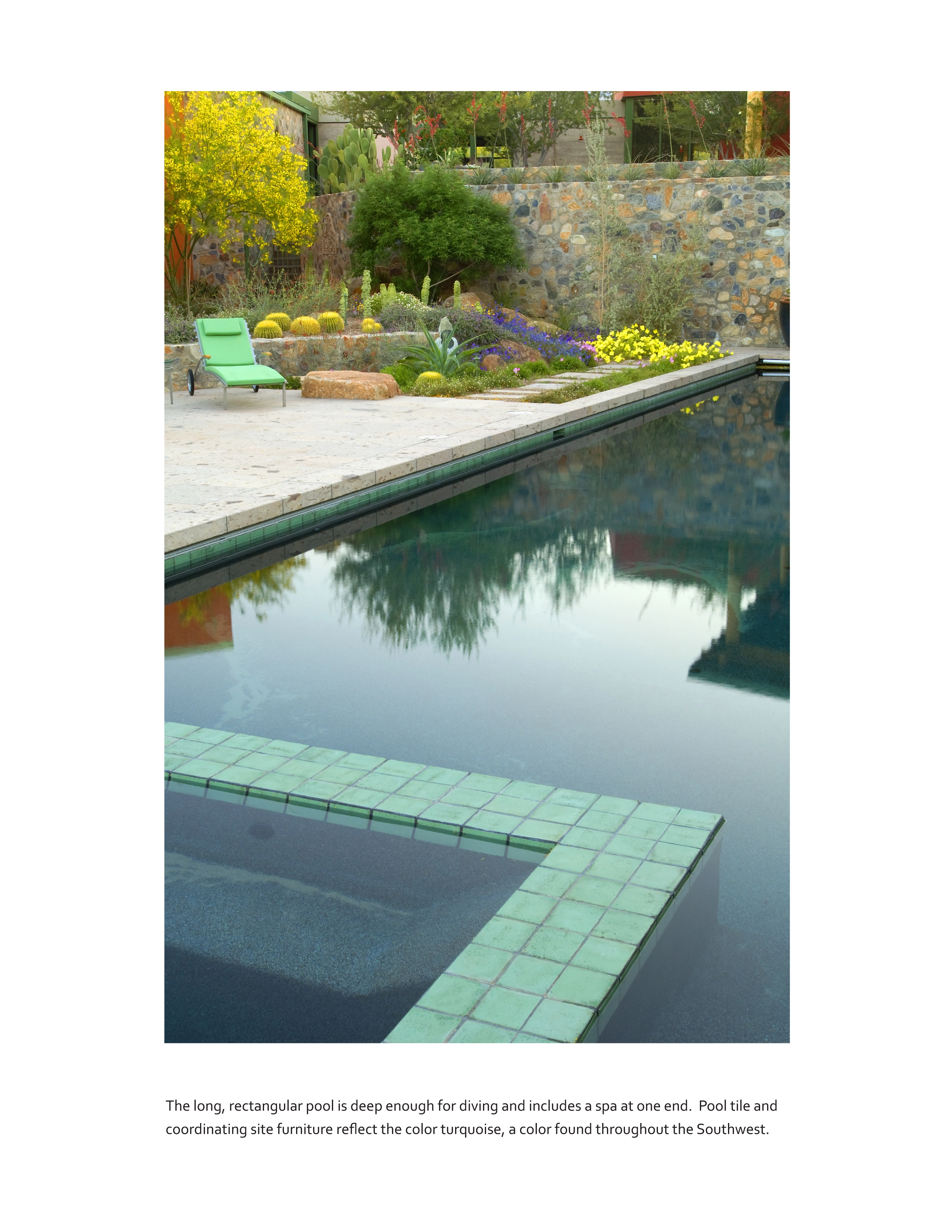
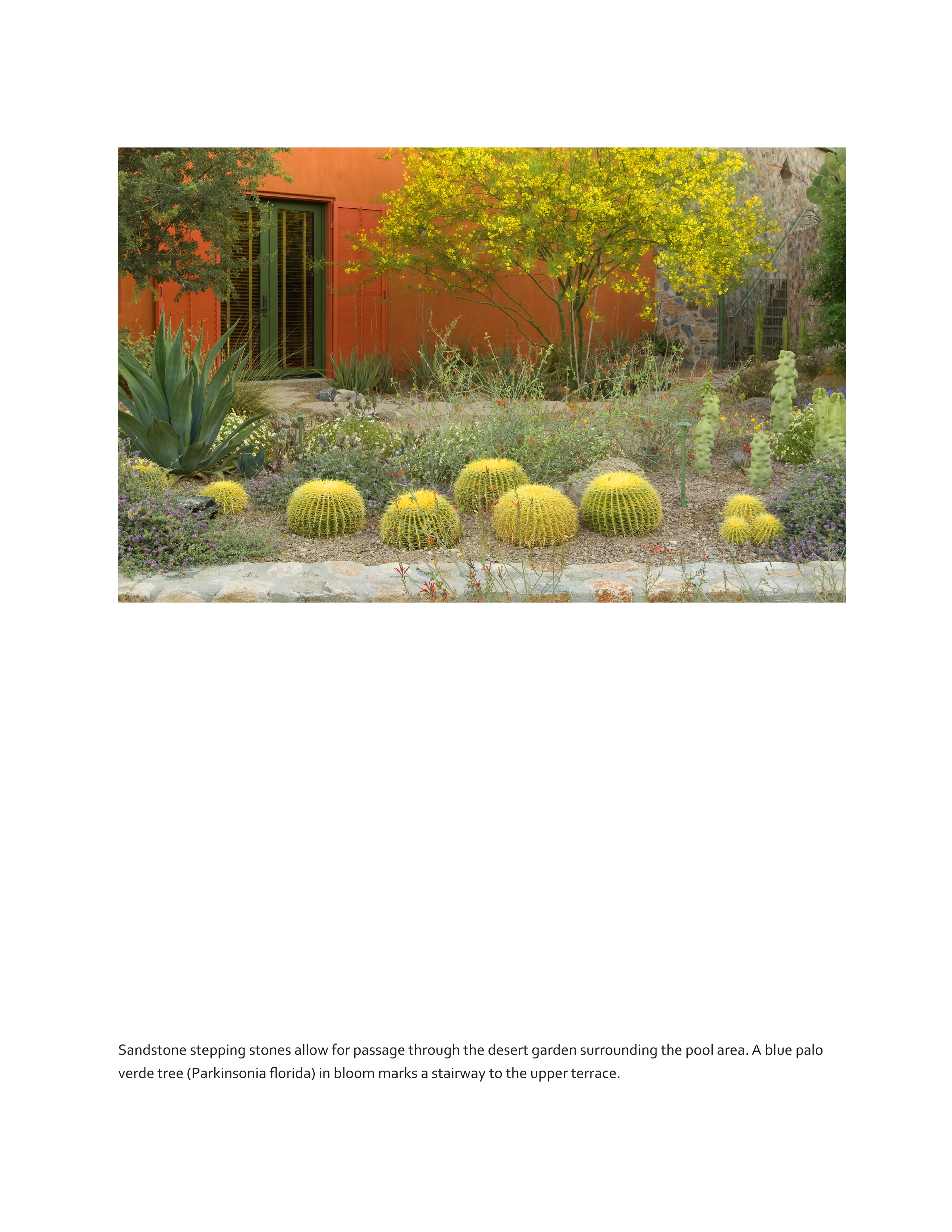
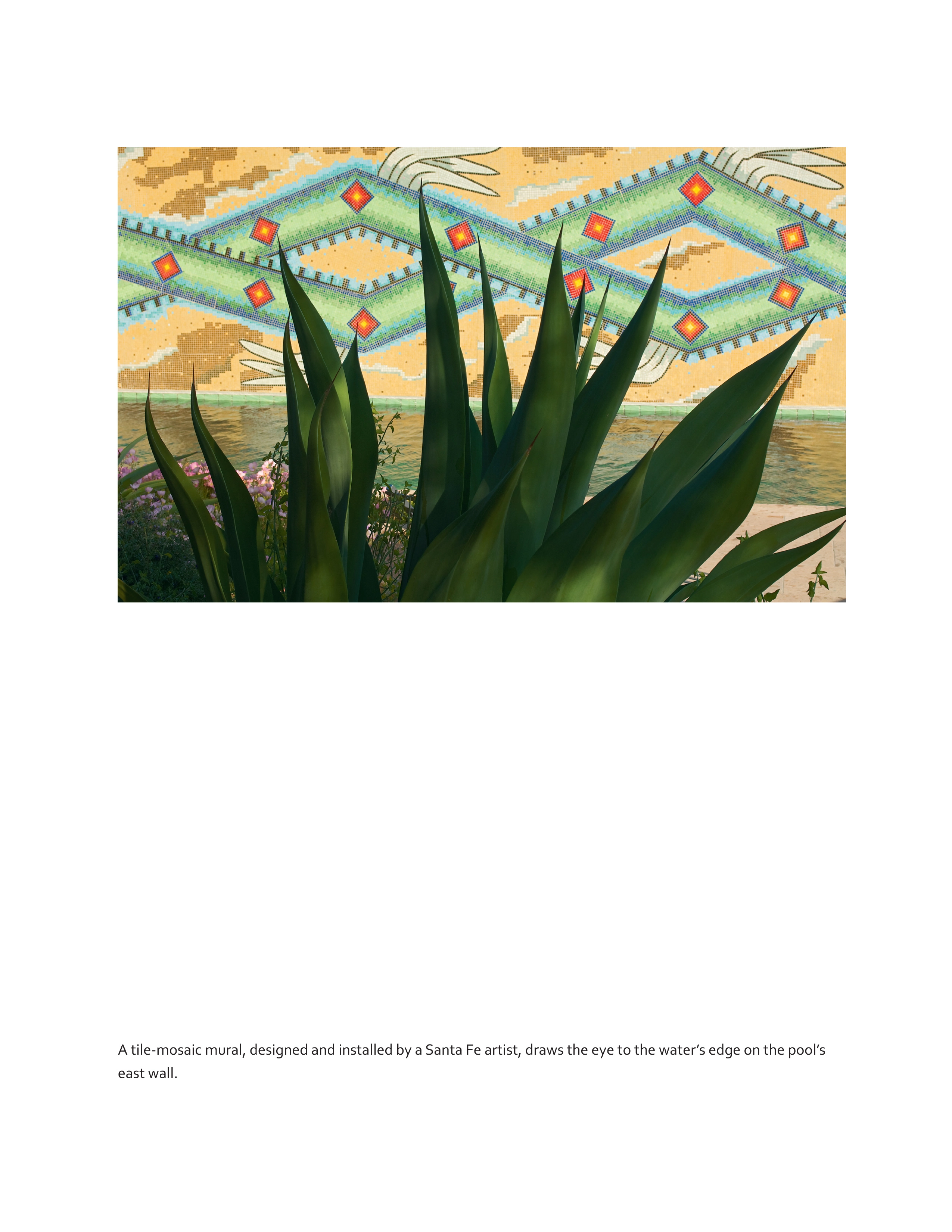
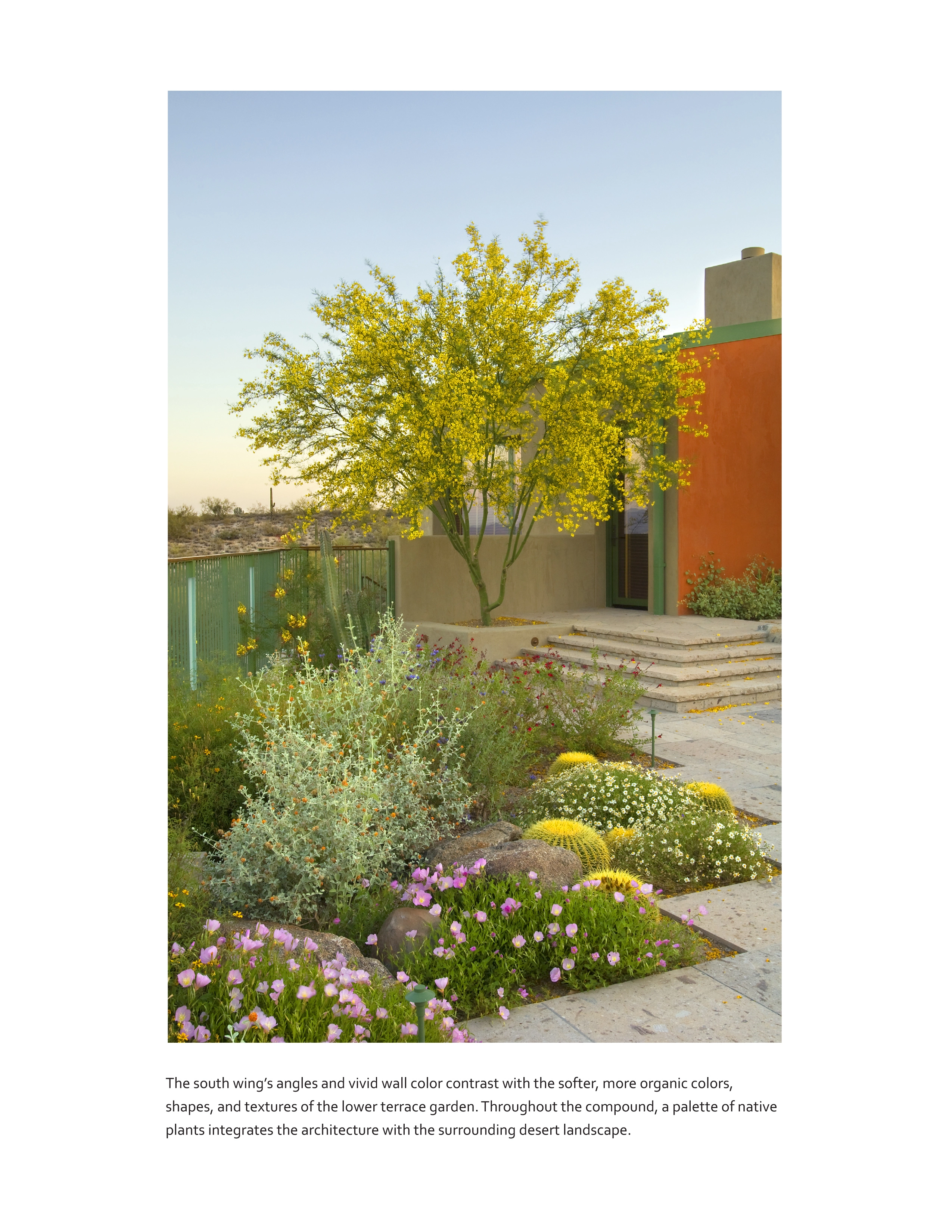
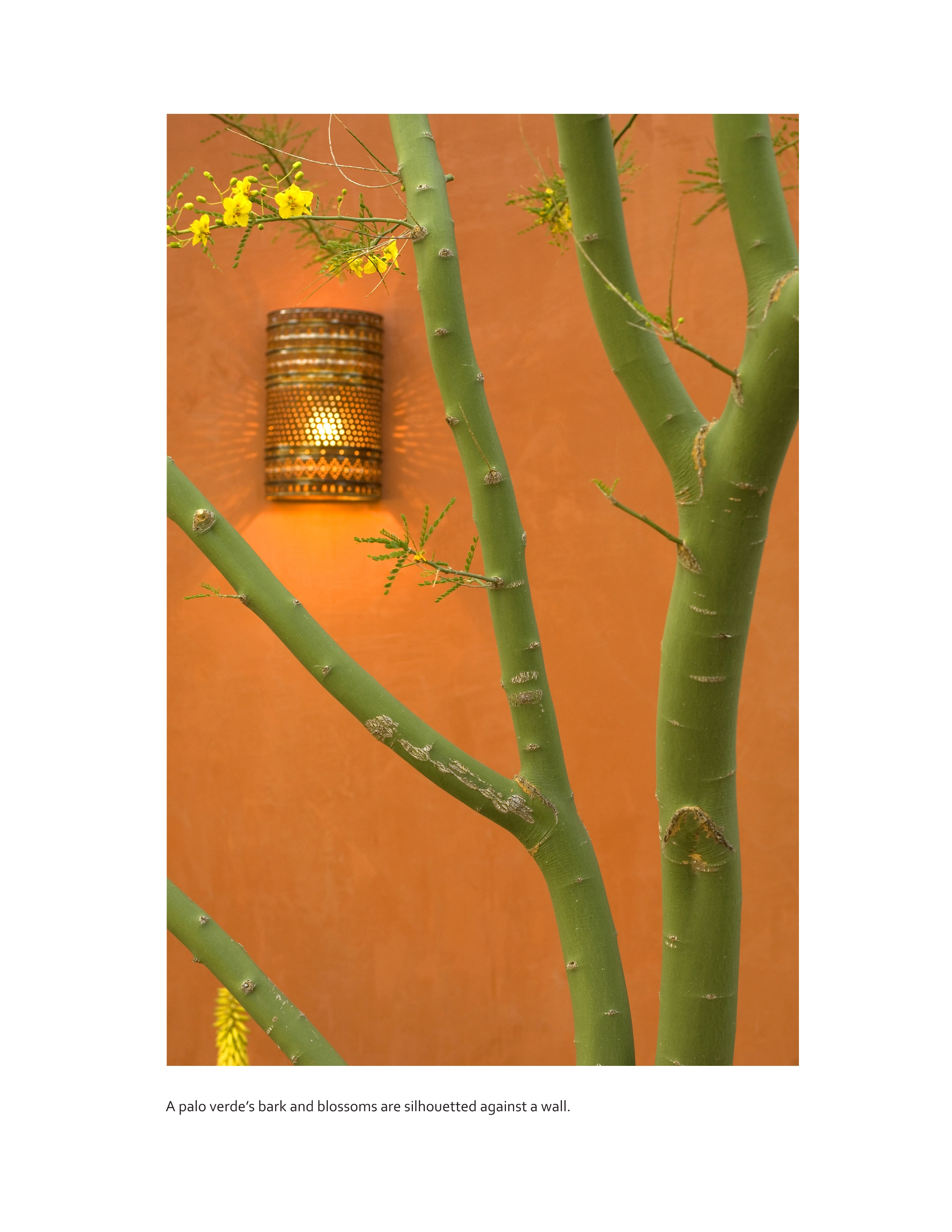
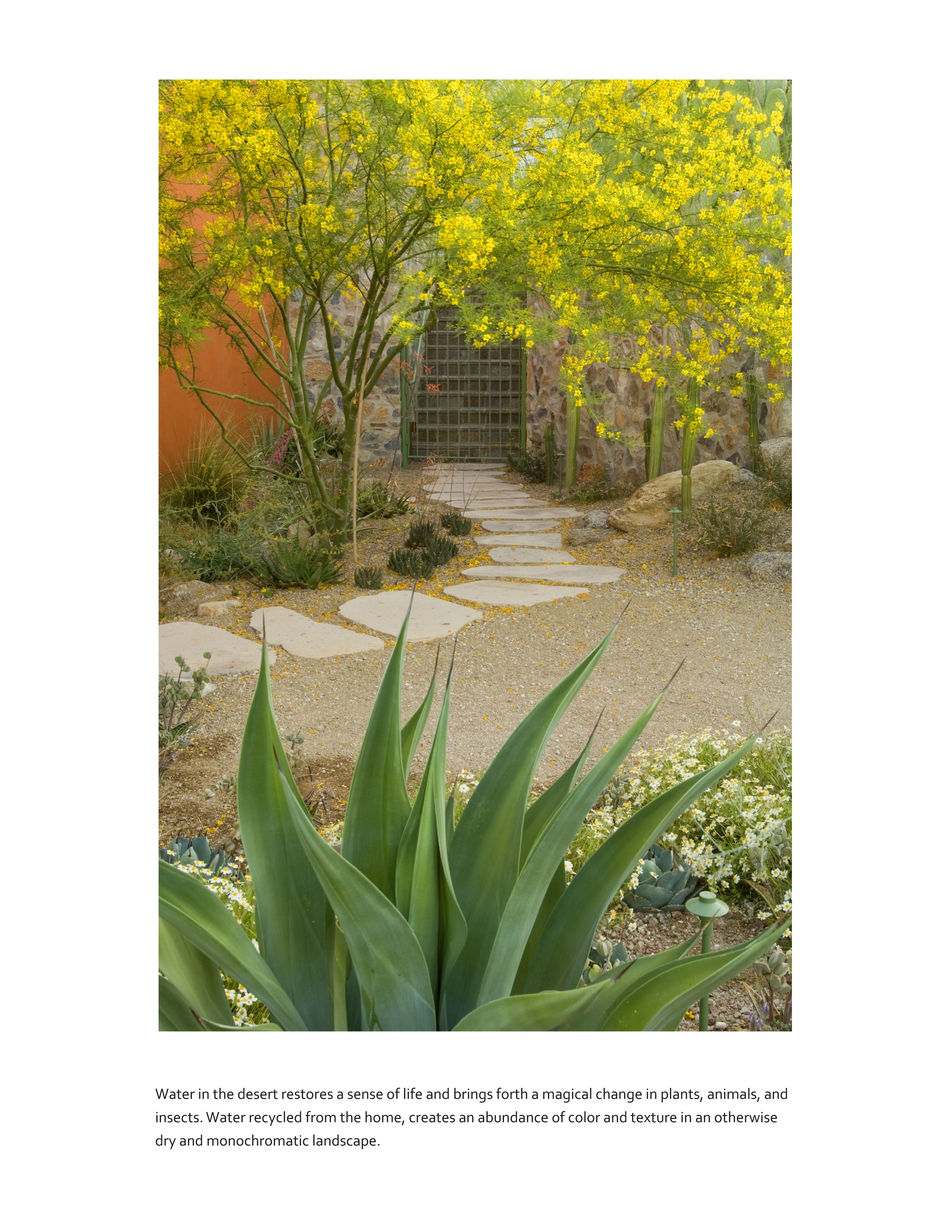
The expression of color and subtle use of detail is amazing. When the client is giving all this input on color, the designer can’t always make all the details work. This is playful and fun. It is impressive how the scale encompasses small plants in some areas and larger bushes in others. The plants and spatial architecture come together and the color of the plants comes together with the surroundings. They were very well selected.
Awards Jury
-
Catalina Foothills, a modern home located in the suburban foothills of north Tucson, Arizona, illustrates excellence for its use of color, careful attention to the native vegetation palette, and water conservation. Designers implemented the region’s first graywater reuse system for a residential application, intended to reduce water consumption by approximately forty percent. Innovation, combined with a striking planting palette respective of its region, creates a notable environment for its owners and their guests.
-
Introduction
The owners wanted to create a unique retreat for family and friends focused on the color, texture, and outdoor living environment of the desert Southwest. Inspiration for the home comes from the history and living environment of the desert Southwest. The landscape highlights the variety and richness of the many microclimates found in the Sonoran Desert. The architecture takes its cue from the Barrio Analco, the oldest neighborhood in Tucson, and other Spanish–Mexican colonial missions and plazas. Color-washed walls with deep alcoves, intimately scaled courtyards, clustered living spaces and gathering areas, water and shade are concepts that, when combined with the modernist aesthetic of the chosen architect, result in a family compound that resembles a small village of colorful houses cascading down a desert foothill. Contemporary art created by southwestern artists is integrated into the home and landscape to capture the color, senses, and texture of living in the desert.
Project Statement & Design Intent
A steep, north-facing driveway marks the approach to the property. Three ironwood trees, a hallmark tree in Tucson, stand silhouetted in formations in the courtyard. A gate laced with vertical strips of wood, marks the entrance into the auto court, while a painted iron gate allows passage into the front entry. Stone walls and a heavy Mexican door mark the main entrance to the house. A trickle fountain, much like a desert seep, flows down a site wall adjacent to the entry gate, its echoes reverberating in the intimate entry courtyard.
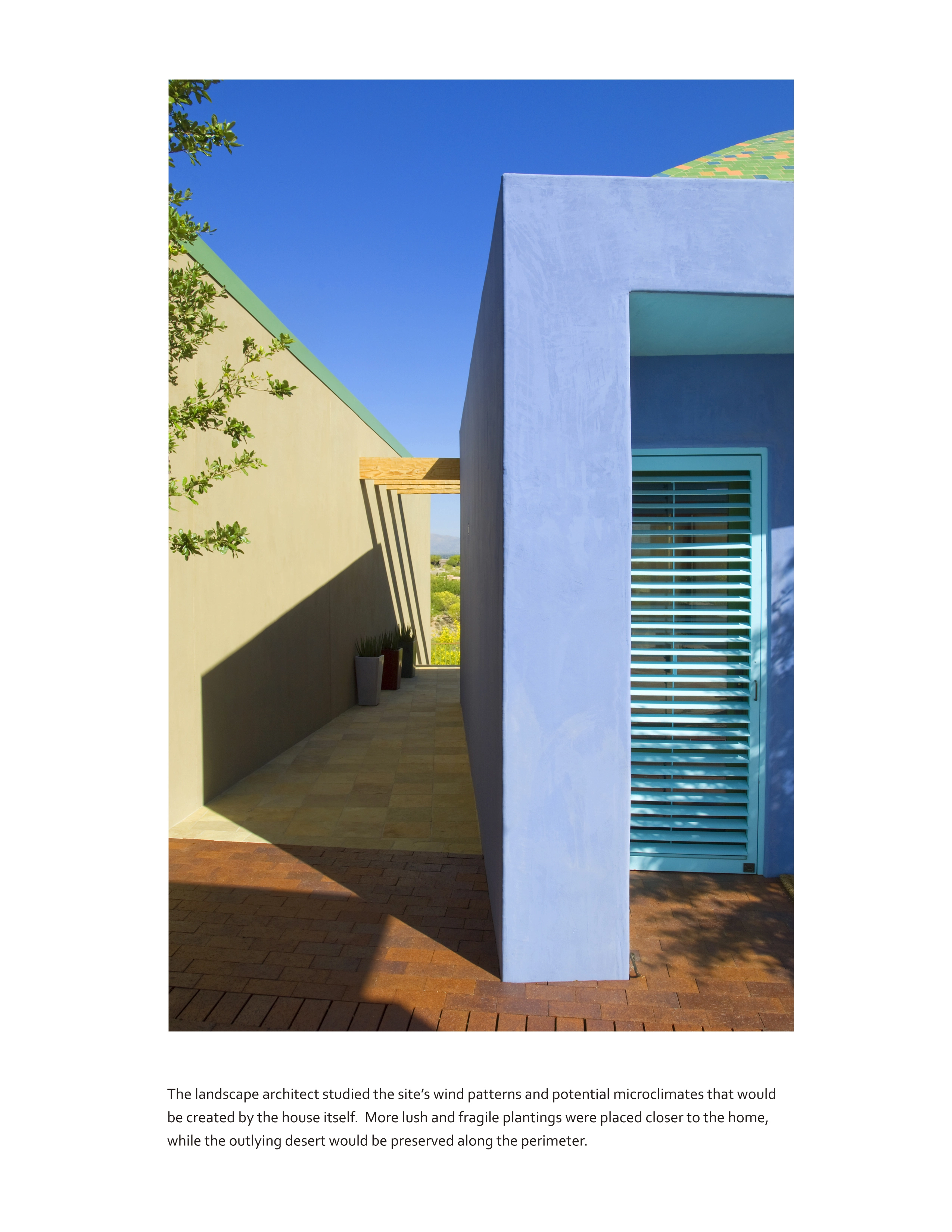
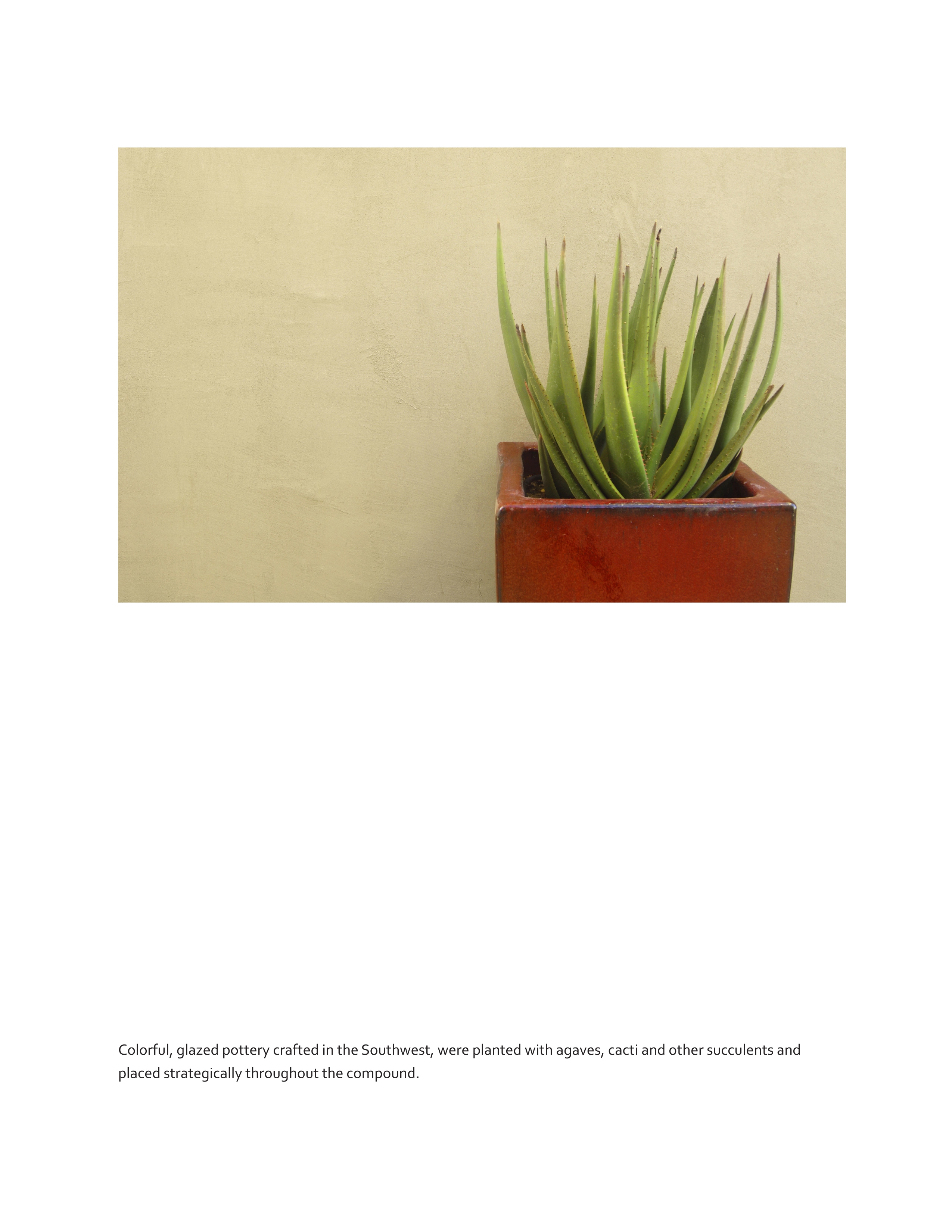
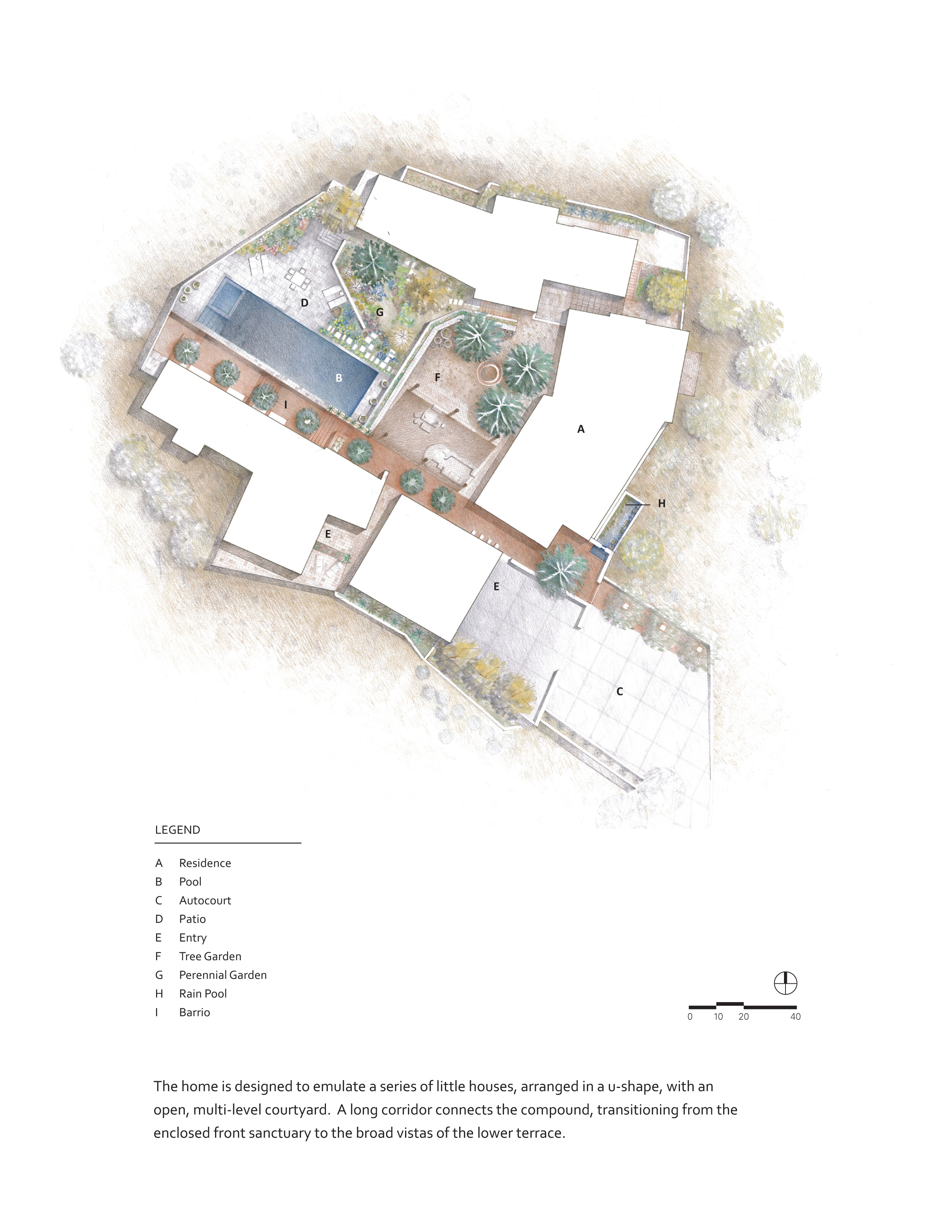
The home is designed to emulate a series of little houses, each with a slightly different color and character. It is arranged in a U-shape, with an open, multilevel courtyard, facing to the south. The main living areas of the home are clustered in the center. A ramada extends off the house, sheltering an outdoor kitchen, entertainment area and outdoor fireplace. A raised fountain, typical of those found in intimately scaled Mexican-style courtyards, fills the space with the sound of splashing water. Colorful pots, planted with agaves and cacti, are placed strategically within the space. A long corridor, or "street," connects the compound, transitioning from the enclosed sanctuary of the front entry to the broad vistas of the lower pool environment. Street trees in the form of Heritage oaks, line the narrow corridor which consists of guest suites to one side and the back side of the pool wall to the other. The trees, in combination with painted alcoves and shutters, provide privacy, shade and natural gathering points for users of the space.
The master suite and guest suites look to the east and west respectively. The master suite, characterized by rammed earthen walls and framed with sage green accents, sits unobtrusively to one side of the entertainment courtyard. The guest compound, highlighted by walls and shutters painted in bright hues of purple, orange and red, forms the eastern edge of the courtyard. The home is draped over a narrow finger hillside; 12 feet of vertical change exists between the main living area and the ends of the guest and master suite wings. Accommodating the substantial grade change satisfies the rudimentary topographic elements of the existing landscape; it also facilitates access from all areas within the house to the entertainment courtyard above and the swimming pool and garden areas below.
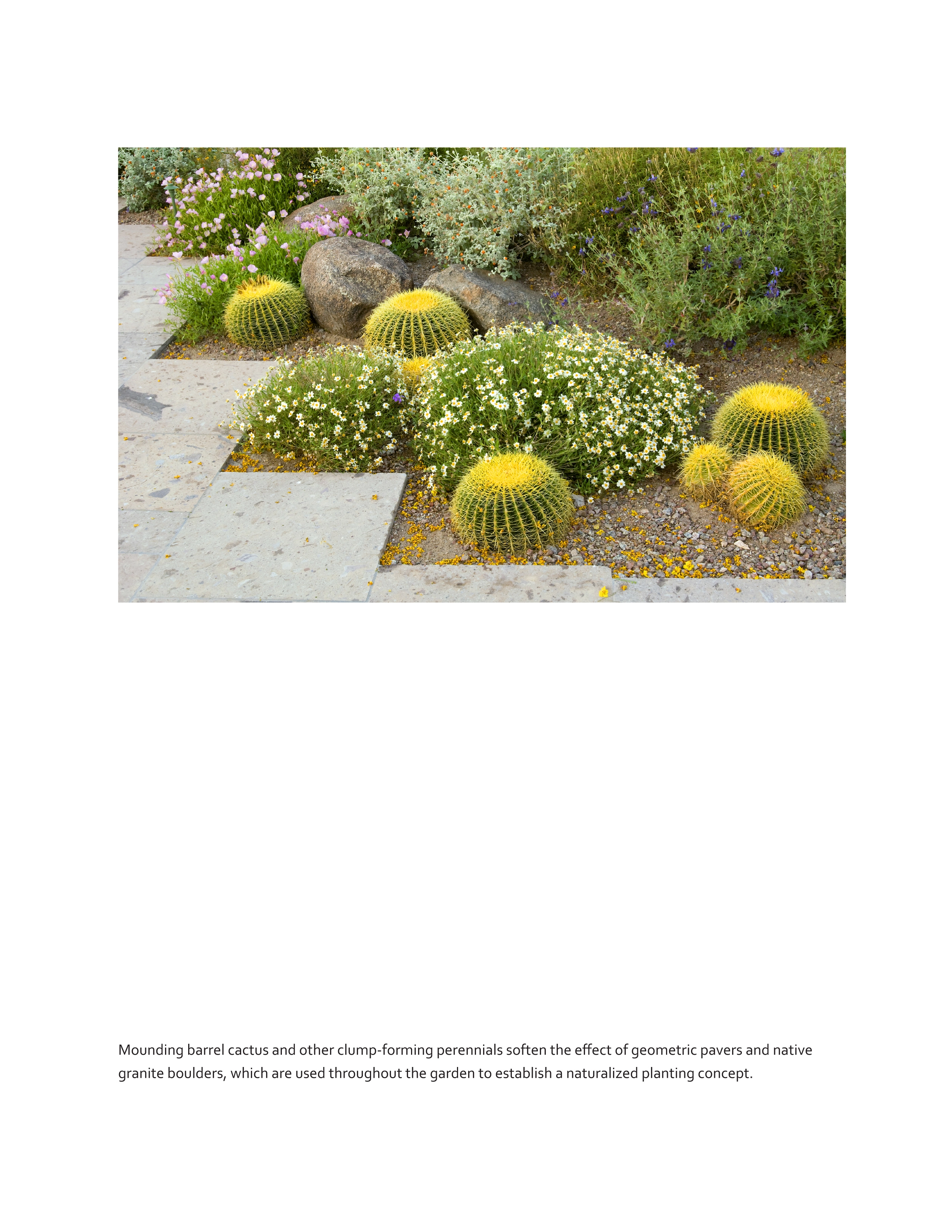
The landscape architect chose a palette of native plants whose color, texture and bloom sequence that would complement the modern lines and subtle tones of the architecture, and coincide with the time in which the owners are in residence. All areas beyond the immediate perimeter of the building were designed to mimic the existing conditions and mix of plant materials. Sonoran natives such as paloverde trees, brittle bush and creosote facilitate the natural sequence from built environment to native desert at the exterior of the property. Closer in, the master and guest wings are screened with ocotillo, blue agave and acacia trees, allowing for a glimpse of the variety of plant materials that exist in desert landscapes. In total, the landscape architect carefully crafted a planting design that includes nearly 30 varieties of cacti, agave and aloe, 20 varieties of drought-tolerant shrubs and 40 species of ground cover.
In the landscape areas interior to the building are found themes that reference Spanish colonial landscapes from missions and churchyards of northern Mexico and southern Arizona. In southwestern Spanish colonial urban areas, evergreen shade trees are a common feature in streets and plazas to provide coolness for people from the heat of the day. An entry "street"—a wide brick-laid walk that connects the guest parking area, entry courtyard and guest casitas—is planted with Heritage oaks to recreate this historic pattern. Three large native ironwood trees provide shade and cover in the upper placita/dining patio. Plantings on top of the walls reveal the implementation of yet another Spanish colonial pattern.
Special Factors & Significance
The goals of the design were many; however, two fundamental objectives were achieved that reinforce the challenge of landscape architecture in a desert climate. The successful permutation of color, texture and the variety and beauty of desert microclimates that exist in the Sonoran Desert environment, combined with the development of a water-wise strategy for the landscape including a greywater reuse irrigation system are the brainchild of a creative design team, and an enthusiastic homeowner.
Tucson, with its 12-inch annual precipitation, is one of the largest cities in the country to depend entirely on pumped groundwater for survival. Speculation about the future of that supply abounds, and landscape-related water application may become an anomaly. The opportunity to implement a greywater reuse system was timely as Arizona had just become one of the first states to create a greywater reuse ordinance. This system, the first to be applied in a residential scenario in the Tucson area, is tied to all the nonseptic plumbing fixtures, the pool filtration purge line, and all roof downspouts. It is intended to reduce water consumption for the landscape irrigation by approximately 40 percent.
Desert microclimates are driven primarily by shade and water availability. Additionally, all deserts offer a complexity of color, texture, and survival efficiency that, for a landscape architect, offer a mixed blessing of inherent challenge and ultimate reward. Tucson is a natural arboreal desert, meaning that it supports a great many trees and shrubs of all kinds. Catalina Foothills is located within an arid range of the greater Tucson desert that is characterized primarily by creosote bush, sustaining minimum winter temperatures of 28° F. The site, while adjacent to the foothills, is not close enough to receive the slight amount of extra water to create a richer landscape pattern. The home's water reuse system allows for the accumulation of just enough water to sustain a richer, more diverse environment.
-
Design Workshop Team Members
Faith Okuma
Claudia Meyer-Horn
Sergio Yamada
Wilbert TrujilloArchitect
Suby Bowden, Santa Fe, New MexicoMural Artist
Sam LeybaContractor
Willmeng Construction
Advertisement
Related Awards
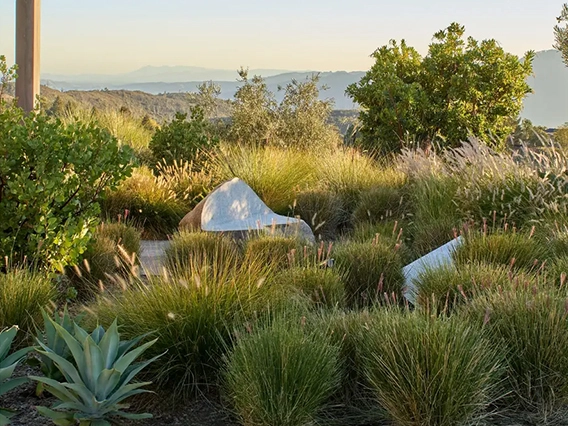
Honor Award, Residential Design
Trinity Road
The story of Trinity Road unfolded over the past five years and is fundamentally a story of fire resilience and succession of the surrounding forest. The garden was designed and the project considered completed when two wildfires ravaged the hills immediately surrounding the site. After the fires the landscape design team was brought in to create a new vision for the site that knit together the original planting and a new series of paths and gardens.