

.webp?language=en-US)

.webp?language=en-US)
Advertisement
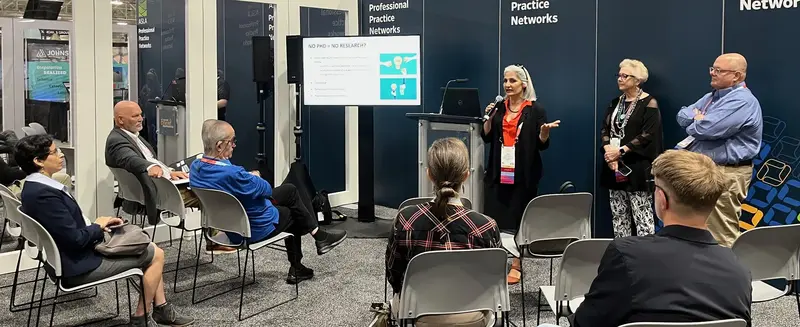
Panelists Ebru Özer, Ph.D., FASLA, CELA, Emily M. O’Mahoney, FASLA, PLA, LEED AP, and Paul D. Kissinger, FASLA, PLA at the Education & Practice Meeting during the ASLA 2025 Conference on Landscape Architecture
Redesigned Professional Practice Networks
ASLA is excited to announce the launch of our redesigned Professional Practice Networks (PPNs): a more focused, more connected, and more valuable way for members to engage with the issues and communities that matter most to their careers.
Whether you are a seasoned principal, an emerging professional charting your first years in the field, or somewhere in between, the new PPNs are designed to give you a professional home within ASLA — a place to exchange ideas, sharpen your expertise, and shape the future of landscape architecture alongside peers who share your passion.
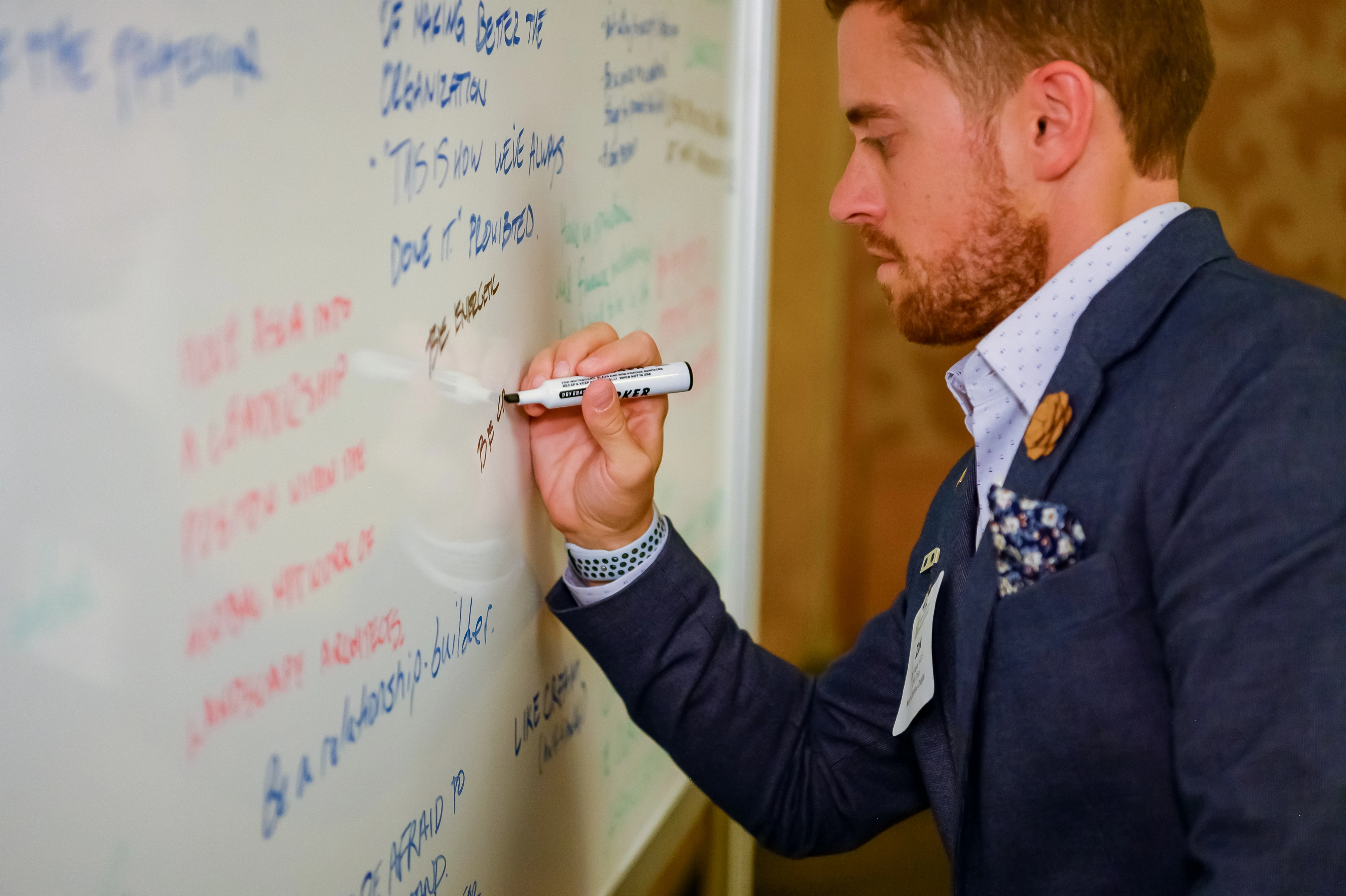
What Changed — and Why
Previously, ASLA offered 20 Professional Practice Networks. While the breadth reflected the diversity of our field, members told us they wanted something more focused — communities where they could go deeper, build stronger relationships, and get more out of every interaction.
Your concerns were valid.
......
So we got to work.
ASLA’s Newly PPN Structure
ASLA's Professional Practice Networks (PPNs) are your professional home within ASLA: A place to exchange ideas, sharpen your expertise, and shape the future of landscape architecture alongside peers who share your passion.
Our new structure organizes the ten PPNs under three Focus Areas:
- Career Development
- Practice & Technology Innovation
- Design
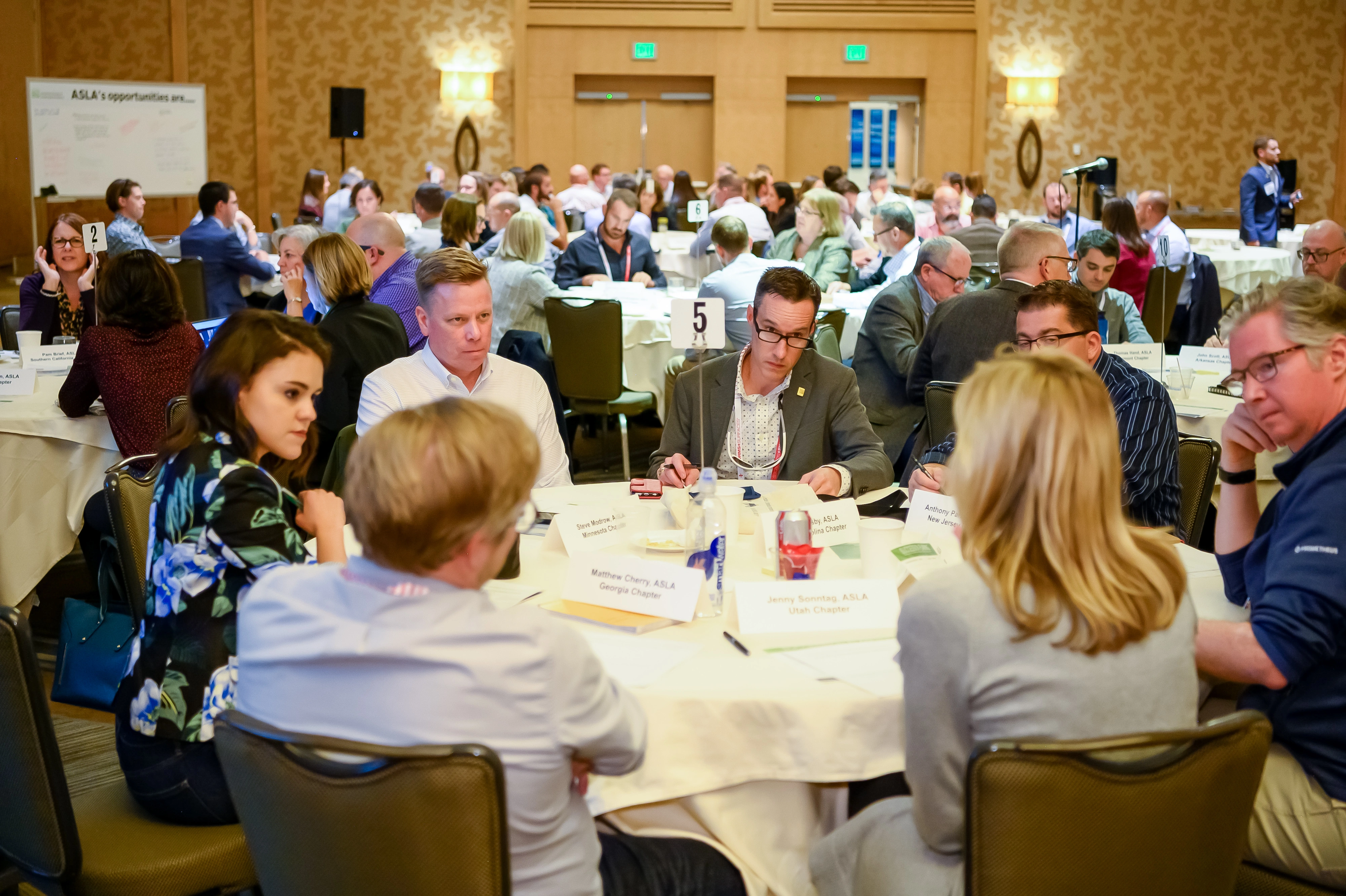
Career Development
Supporting professionals across small firms, public service, and leadership at every career stage.
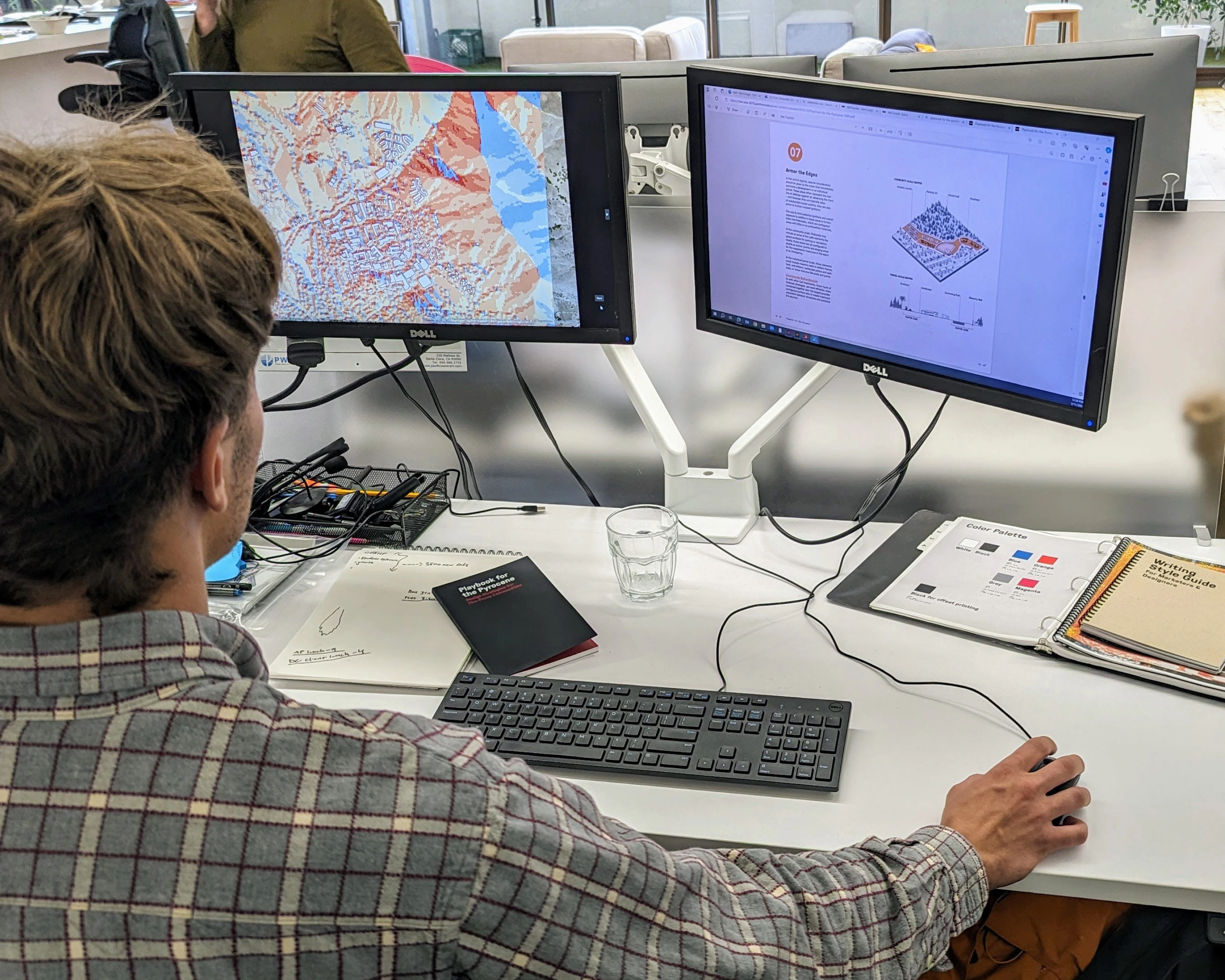
Practice & Technology Innovation
Exploring the tools, techniques, and materials that push the boundaries of how landscape architecture is practiced
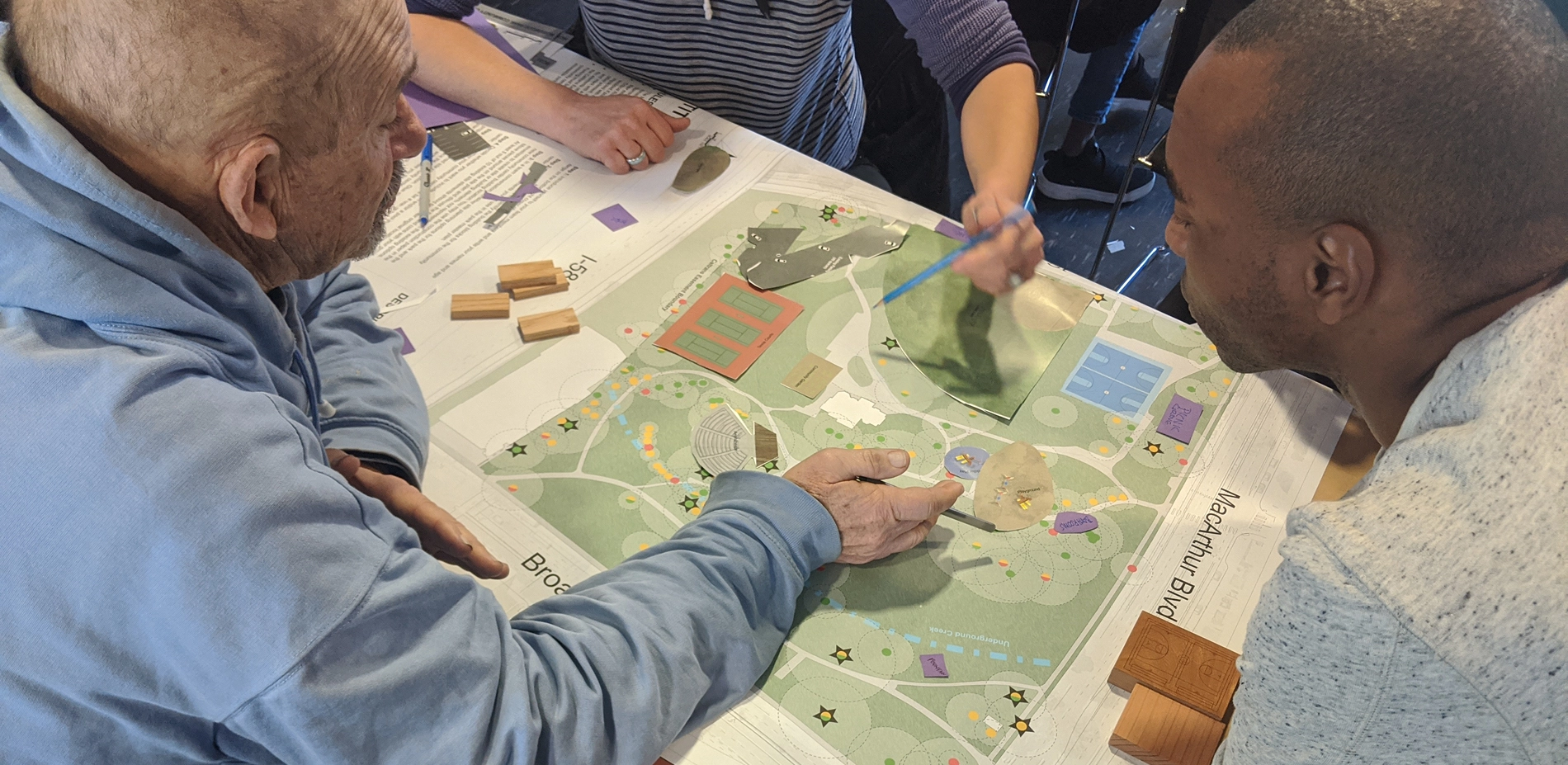
Design
Shaping inclusive, resilient places across every scale and community context.
Your membership value just leveled up.
The new Professional Practice Networks represent one of the most significant enhancements to the ASLA membership experience in recent years. With more focused communities, dedicated volunteer leadership, and up to three networks included with your membership, there has never been a better time to become an ASLA member.
Katie Riddle, ASLA, PLA
A Membership Benefit With Real Value
Here's what ASLA members should be most excited about: ASLA members can now join up to three PPNs at no additional cost. That's three communities of practice, three sets of specialized content honed to support you professionally, and three networks of colleagues — all included with your membership.
We encourage you to choose the PPNs that best reflect where you are in your career and where you want to go. This is your chance to invest in the areas that energize you most.
What to Expect as a PPN Member
As a PPN member, you can expect opportunities to connect with peers, engage with relevant practice content, and get involved in your professional community. Each PPN will shape its own content and engagement opportunities, so stay tuned for updates from the networks you join!
Join Your PPNs Today!
Leadership & Mentorship PPN
Chair: Kristina Snyder, ASLA, PLA
This PPN focuses on the personal skills and resilience side of the profession. It's a space for landscape architects at every stage to share experiences, ask questions, and build the leadership capacity that strengthens firms and careers alike. If you're curious about office culture, navigating professional growth, or simply want a community where honest, supportive conversations happen — this is your network. Join to assess, discuss, and refine your professional trajectory alongside peers who understand the journey.
Click Here for More Information on PPN
Small Practice PPN
Chair: Zak Pierce, ASLA, PLA, LEED AP
Small Practice is unique because it focuses on the intersection of design and entrepreneurship. Unlike topic- or project-type PPNs, this group is about:
- Running a business, not just practicing design.
- Decision-making with limited staff and resources.
- Agility, independence, and direct client relationships.
It’s one of the few spaces where conversations about fees, contracts, staffing, and growth strategies happen openly among peers facing the same scale of challenges.
Click Here for More Information on PPN
Public Practice & Service PPN
Chair: Carlos Flores, ASLA
For landscape architects working in the public sector — or those drawn to the unique challenges of designing for the public good — this network centers the vital intersection of practice and civic service. From municipal agencies to federal land management, public practice carries distinct responsibilities and rewards that deserve a dedicated community.
Click Here for More Information on PPN
Parks, Outdoor Play & Outdoor Recreation PPN
Chair: Steph Thisus, ASLA, PLA
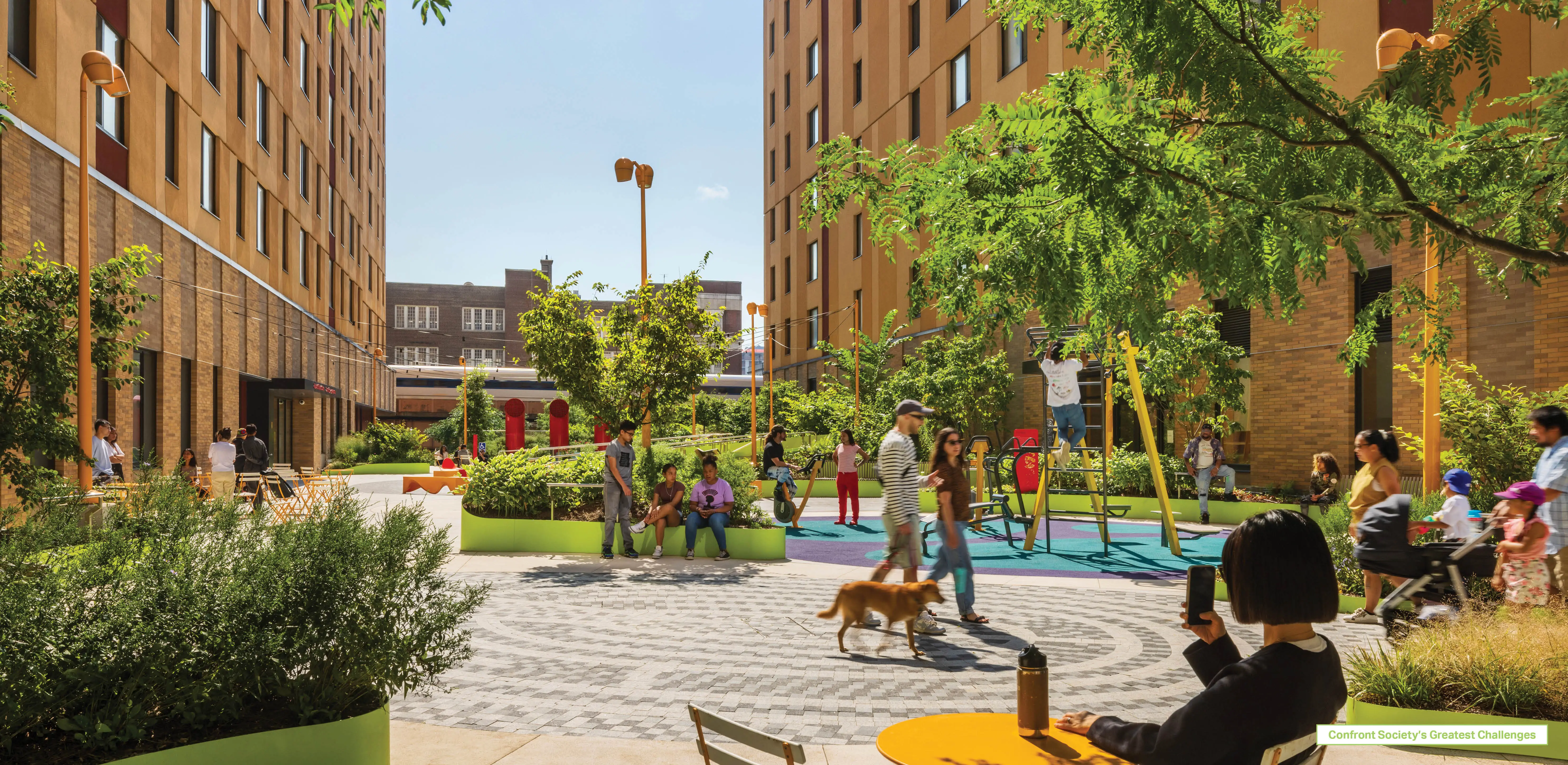
Play is one of the primary mechanisms through which humans develop socially, emotionally, cognitive and physically. It's our first connection to others through environment and interactions, from simple games of peek-a-boo and hide-and-seek to the rush of the big slide for the first time, that game winning point or completing a personal record in a race. Outdoor spaces like parks provide low-risk environments for youth to take calculated opportunities towards cognitive, social, emotional and physical development, while building a sense of self and identity. These spaces become part of core memories, shaping how people navigate many life experiences, often returning to natural environments throughout a lifetime to recenter, celebrate, gather and find community. Many parks are now created as part of an urban network, so creating that call back to the natural environment while providing both passive and active recreation spaces creates a unique and complex design dilemma in cities and towns across the world.
Click Here for More Information on PPN
Urban Environments PPN
Chair: Hannah Higgins, ASLA, PLA
Compared with other practice areas, the Urban Environments PPN focuses on the places where many of the profession’s biggest questions converge:
- How do we retrofit existing cities for climate change? How do we design public spaces that are welcoming and accessible to many different users?
- How do we support density while still creating meaningful relationships between people and nature?
- How do we honor local culture and history while planning for growth and change?
This PPN creates a space to share how we navigate those questions in real projects, real communities, and real constraints. It recognizes that designing urban environments are not only about making places look better; it is about helping cities and towns function better for people, ecologies, and future generations.
Click Here for More Information on PPN
Rural Practice PPN
Chair: Tanya Olson, ASLA, PLA
The Rural Practice PPN serves as a forum for landscape architects and allied professionals in a wide range of roles engaged across the full spectrum of rural contexts.
Rural places face challenges far more complex than the tools we’ve traditionally used to address them. Designing for thriving rural places requires approaches that can hold cultural, economic, ecology, environmental, and social complexity at once. The Rural Practice PPN draws from the full spectrum of rural knowledge—design, planning, policy, infrastructure, agriculture, housing, and community and economic development—to respond to the intertwined forces shaping rural people and places. We’re here to challenge assumptions, share emerging practices, and strengthen the profession’s understanding of rural resilience.
If you’re motivated by the puzzle of why some communities thrive while others fade—and if you believe rural places deserve design that matches their depth—this PPN is the place to lead that change.
Click Here for More Information on PPN
Master Planning & Development PPN
This network is for: Landscape architects engaged in land-use planning, large-scale transportation and infrastructure projects, master planning, international practice, and global hospitality and resort development.
Interested in becoming the Chair for the Master Planning & Development PPN? Please fill out this form, and a ASLA staff member will be in touch soon
Technology in Practice PPN
Chair: Tony Kostreski, ASLA, PLA
What sets Technology in Practice apart is its role as ASLA’s hub for innovation in how we work, not just what we design. While other PPNs might focus on specific project types, this network looks across them all to explore how AI, smart infrastructure, data, and digital workflows are actively changing the day‑to‑day practice of landscape architecture and how we as a profession can stay at the forefront of technology.
Click Here for More Information on PPN
Materials, Methods, Sourcing PPN
The Materials, Methods, & Sourcing PPN is for landscape architects who care deeply about how great design actually gets built, coupled w/ how the decisions we make today affect performance, resilience, sustainability, cost, and craft over time. This PPN is uniquely positioned at the intersection of design, technical execution, material innovation, and construction realities. While other PPNs may focus on project types or design typologies, this network focuses on the systems, materials, detailing, sourcing strategies, and implementation methods that shape every landscape project regardless of scale or sector.
Click Here for More Information on PPN
Institutional & Campus Environments PPN
Chair: Tony Catchot, ASLA, PLA
This PPN creates a dynamic forum where campus landscape architects, planners, and institutional leaders from public and private higher education, healthcare, STEM, and related sectors can exchange ideas, share expertise, and influence the future of campus planning and design. The network fosters meaningful dialogue that shapes how decisions are made, plans and environments are designed, and knowledge is shared across disciplines. Through collaboration and professional engagement, the network seeks to elevate best practices and encourage innovative thinking that strengthens institutional communities and the built environment.