

.webp?language=en-US)

.webp?language=en-US)
Advertisement
Parks, Outdoor Play & Outdoor Recreation
Professional Practice Network
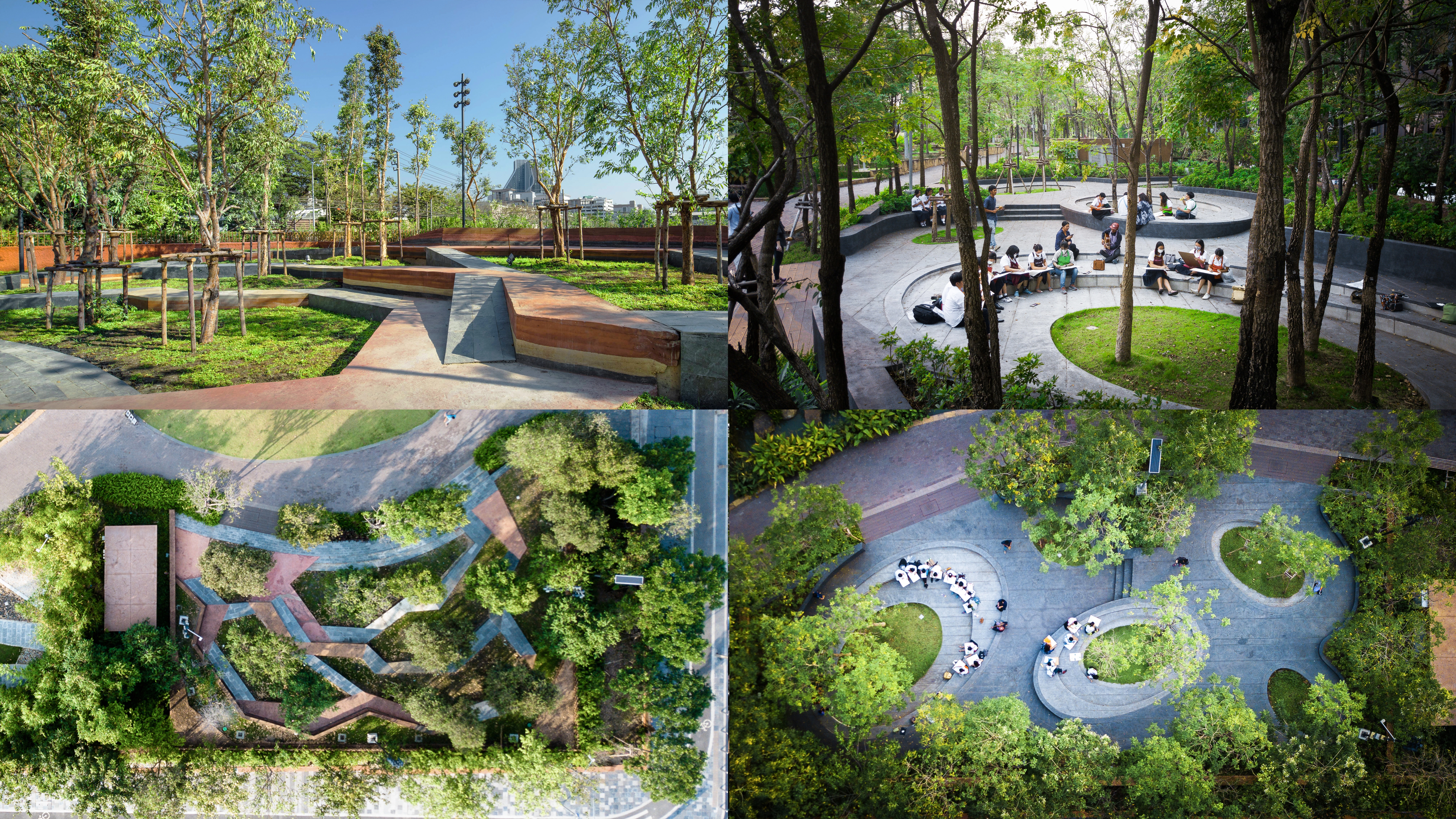
This PPN is for landscape architects working in parks and recreation—including trails, multigenerational play and recreation, schoolyards, and outdoor environments for children.
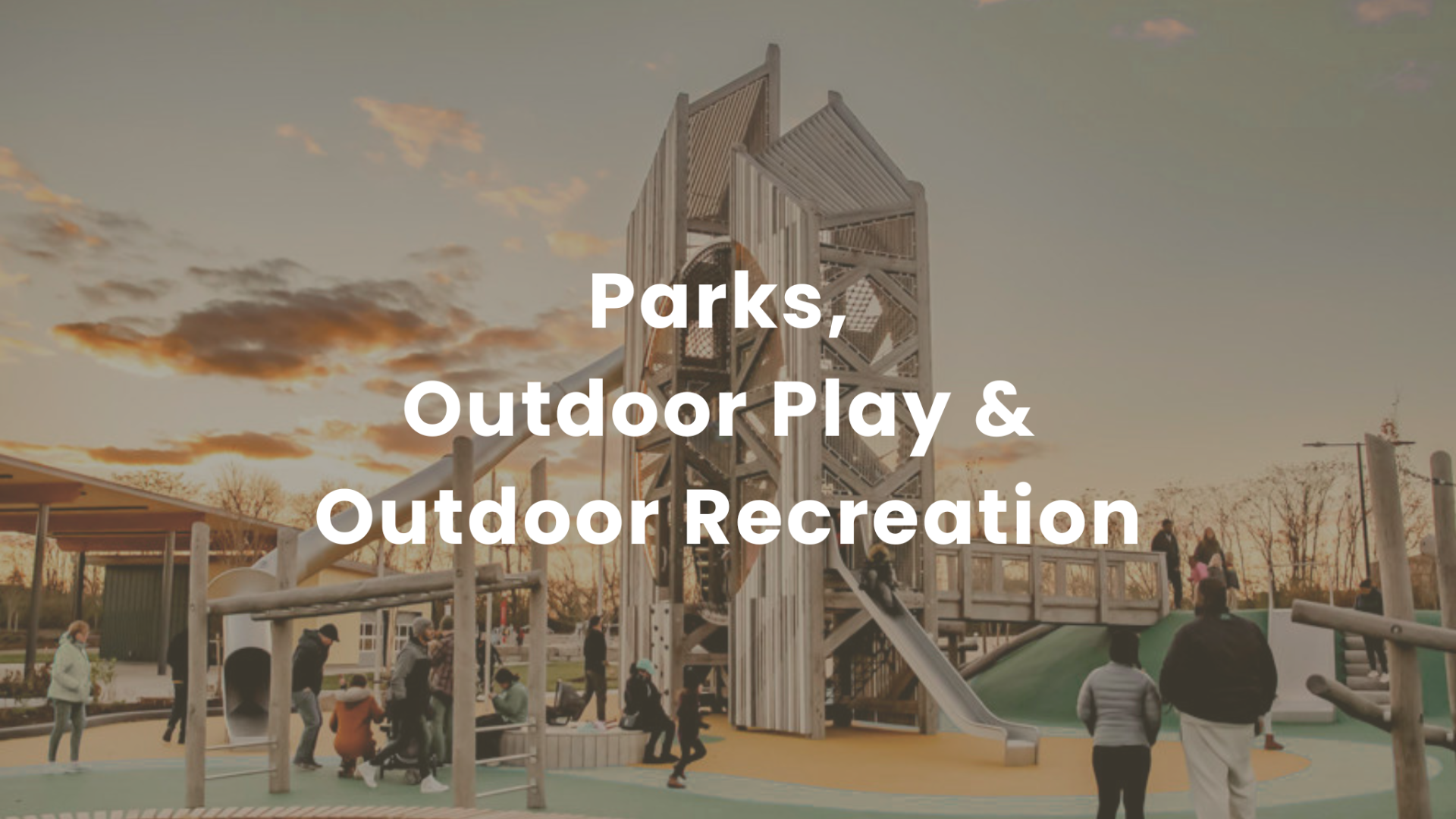
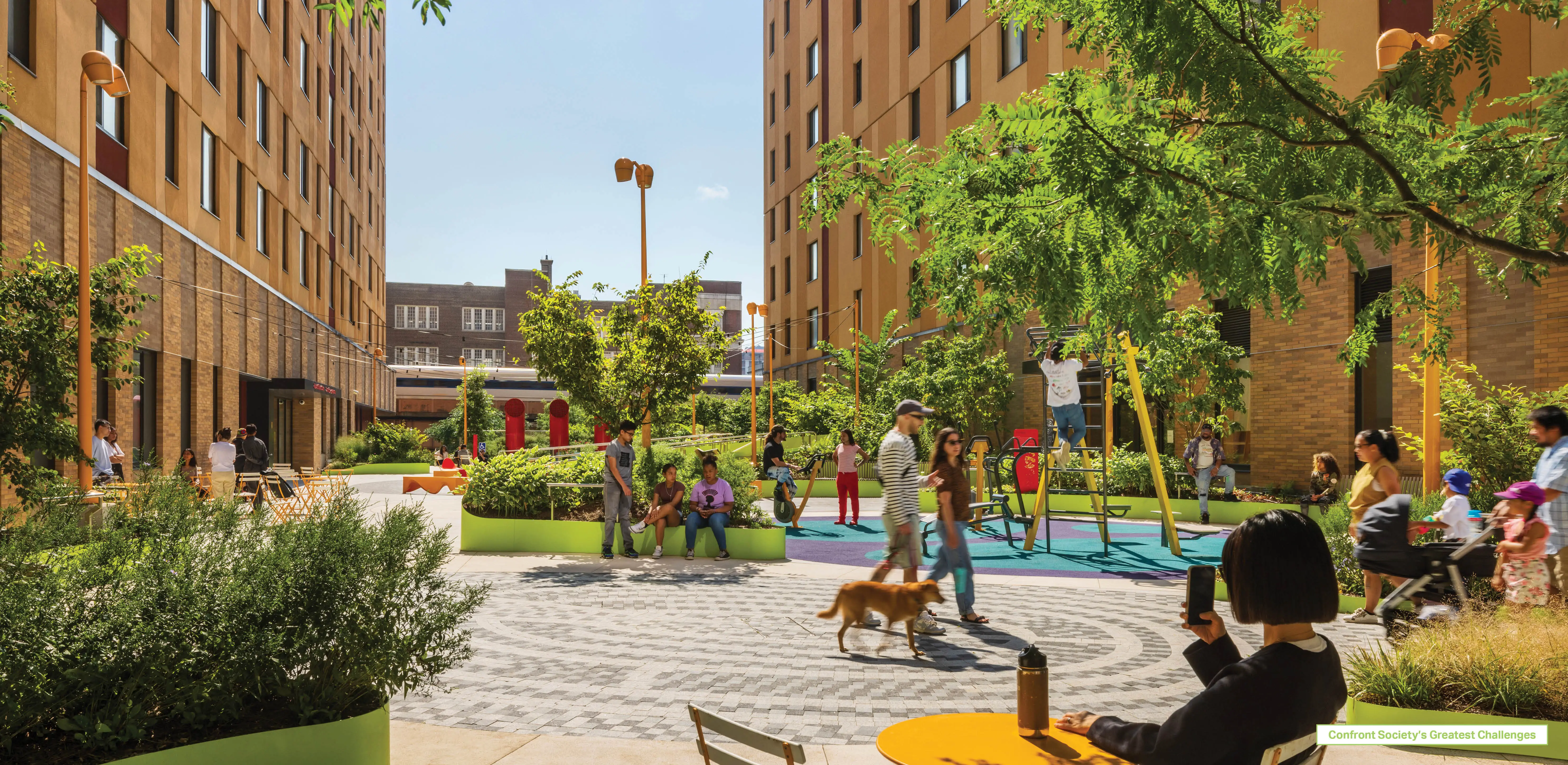
Play is one of the primary mechanisms through which humans develop socially, emotionally, cognitively, and physically. It's our first connection to others through environment and interactions, from simple games of peek-a- boo and hide-and-seek, to the rush of the big slide for the first time, experiencing the excitement of scoring a winning point, or completing a personal record in a race. Outdoor spaces like parks provide low-risk environments for youth to experience calculated opportunities towards cognitive, social, emotional, and physical development, while building a sense of self and identity. These spaces become part of core memories, shaping how people navigate many life experiences, often returning to natural environments throughout a lifetime to recenter, celebrate, gather, and find community. Many parks, open spaces, and trails are now created as part of an urban network, so creating that call back to the natural environment while providing both passive and active recreation spaces creates a unique and complex design dilemma in cities and towns across the world.
This PPN focuses on these heavily used spaces as critical public infrastructure, how long-term maintenance and management shapes the design long before construction, and the realities that parks and public facilities face with funding, operations and care in perpetuity. Looking at the design and construction from a macro perspective--from resource planning and infrastructure to maintenance and multi-generational use--is critical to the success of parks and recreation.
Play is not optional. It is fundamental to human development and a solution to a fast-paced modern society where we are at a crossroads of bringing social skills, creativity, emotional regulation and lower stress and anxiety as a prescription for a healthier future.
Advertisement
Who Should Join
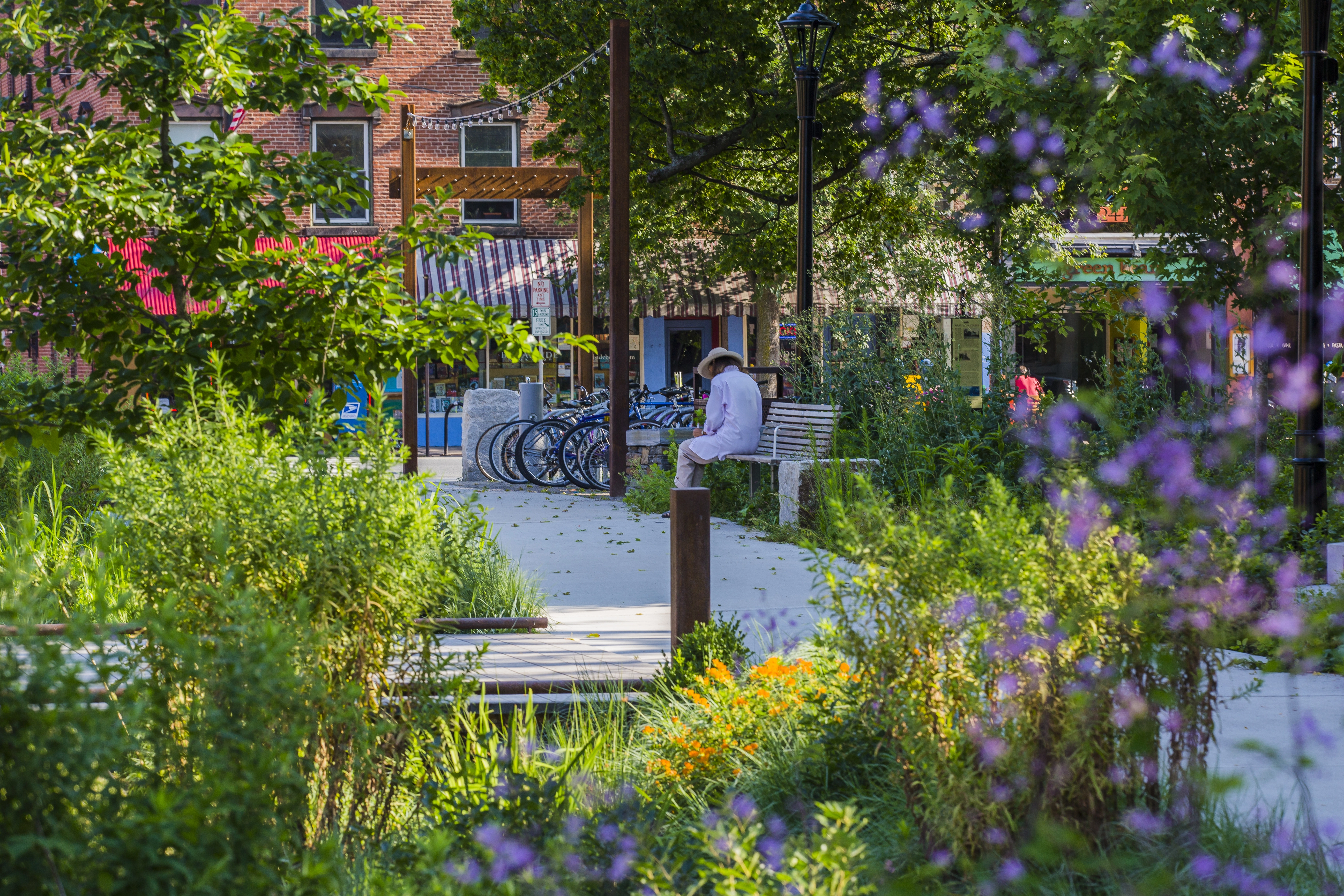
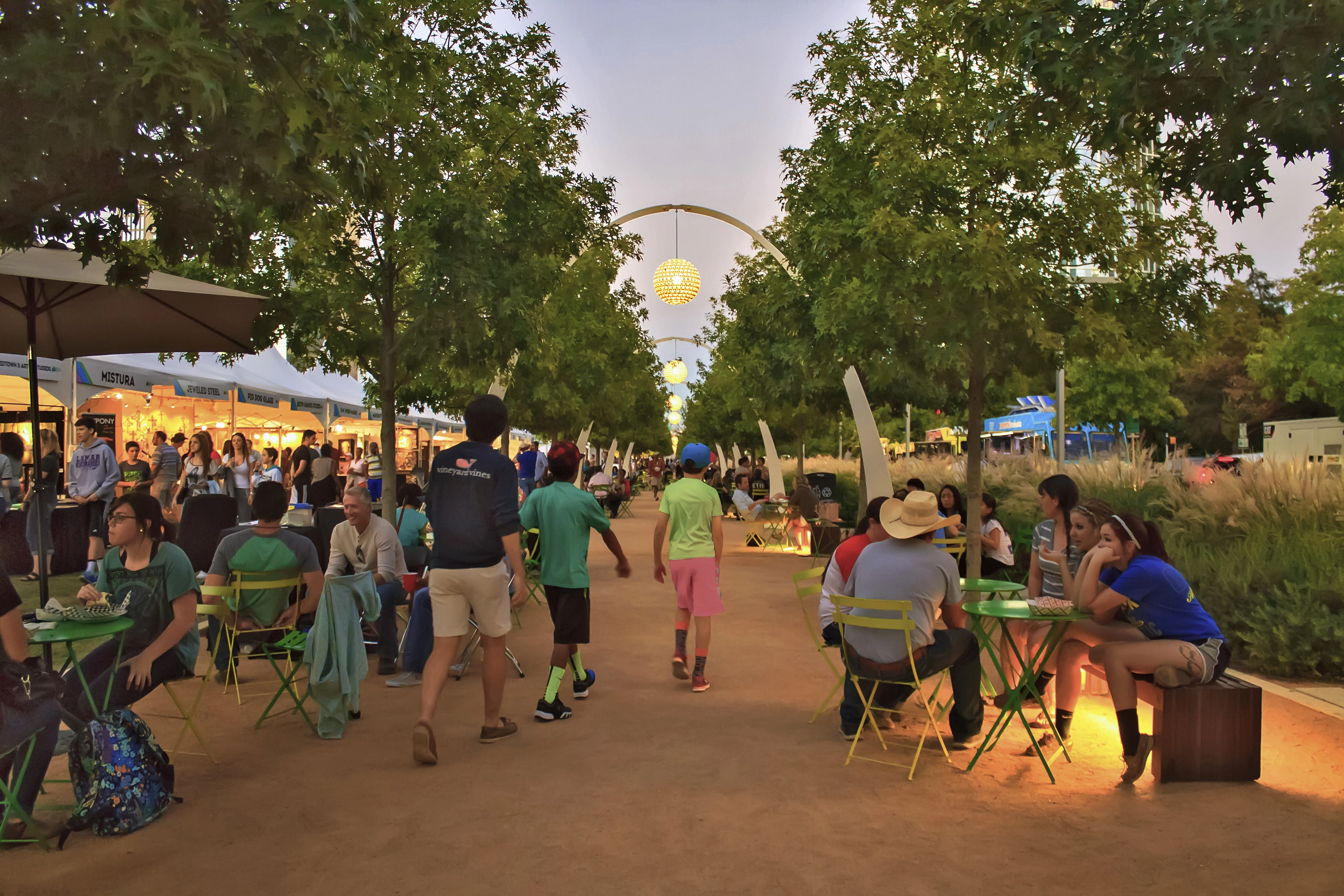
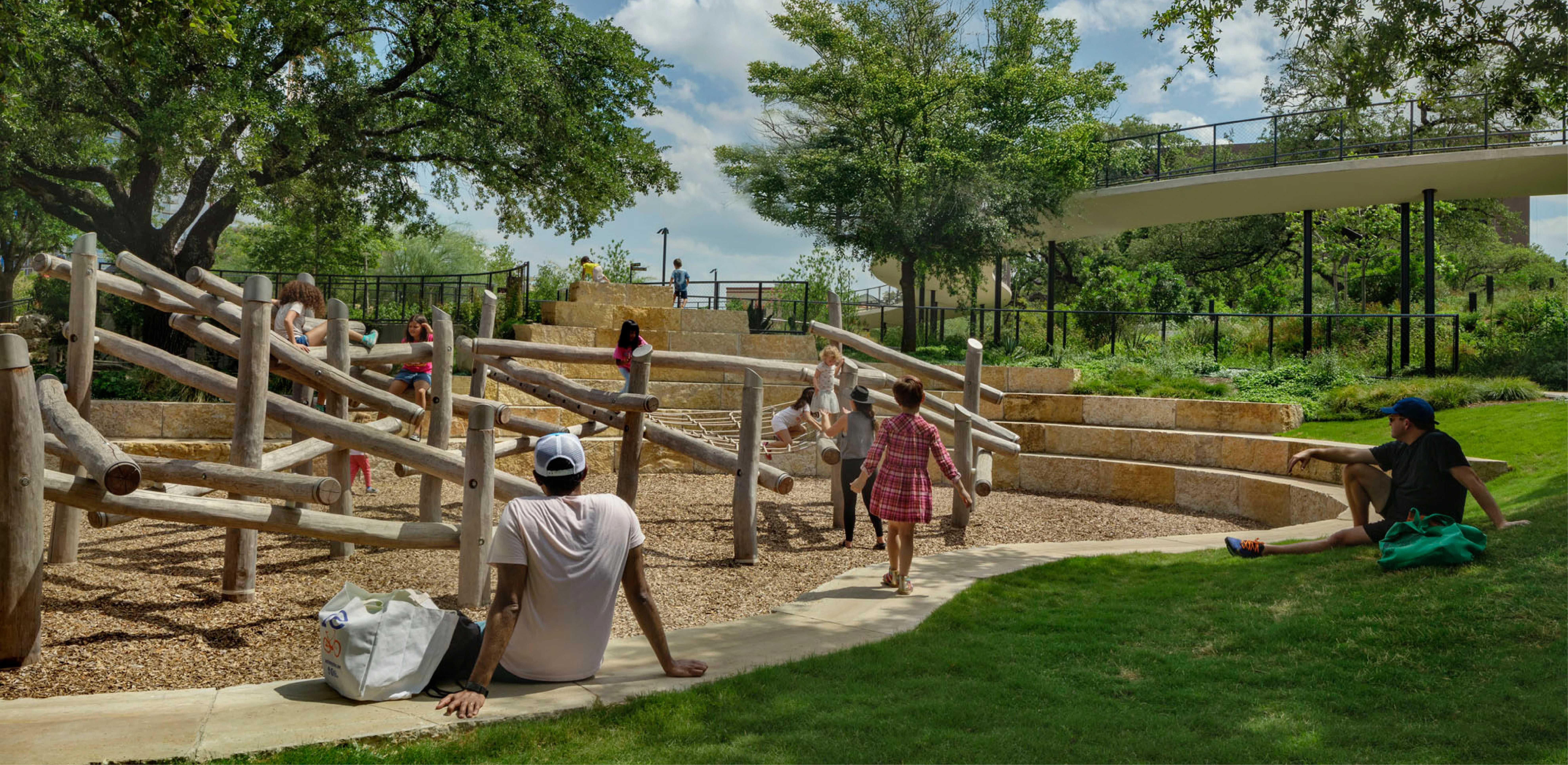
All those interested in and/or working in the realm of parks, recreation and outdoor play spaces. This includes active and passive play, trails, schoolyards, court and field play, and outdoor recreation for all ages in urban, suburban and rural environments:
- Practitioners
- Designers
- Landscape architects
- Planners
- Students
Why Join
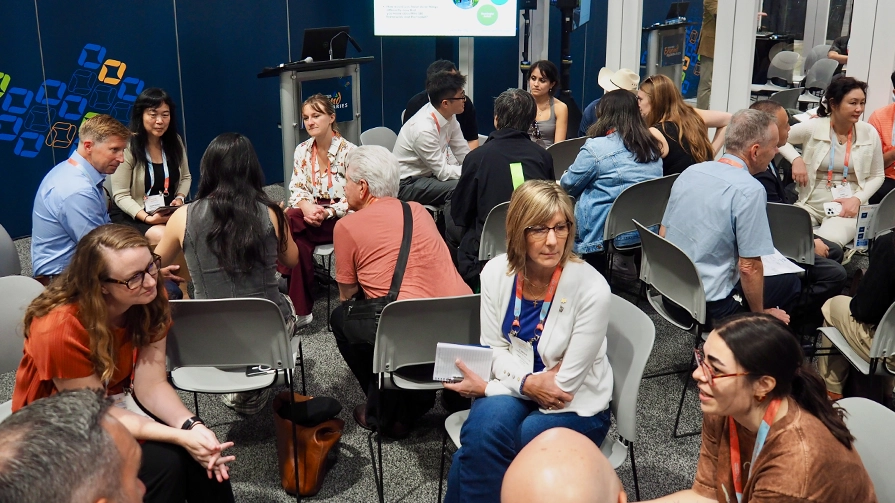
In the Parks, Outdoor Play and Outdoor Recreation PPN, people will find a community as diverse as the spaces we design, but find common ground in these experiences. Conversations about successes and trends shape other discussion about operations and maintenance as well as the reality of long term viability, vandalism and undesirable outcomes. Members can expect:
- A robust community of public and private practitioners from different locations and different experiences in the same space, creating a place of shared exposure.
- Frank (and humorous!) conversations about the reality of parks and outdoor play.
- Comparison of laws, regulations and requirements and how each constraint is navigated. Resource sharing with each other and PPNs such as Materials, Methods & Sourcing and Urban Environments.
- Discussions about construction best practices, working with public agencies, maintenance turnover and how that impacts design.
- Real world project feedback, discussion of trends in recreation and outdoor amenities, what works and what isn't as successful.
- Conversations around the funding of parks as critical public infrastructure, including grants, bonds, developer-impact fees and other resources.
PPN Chair
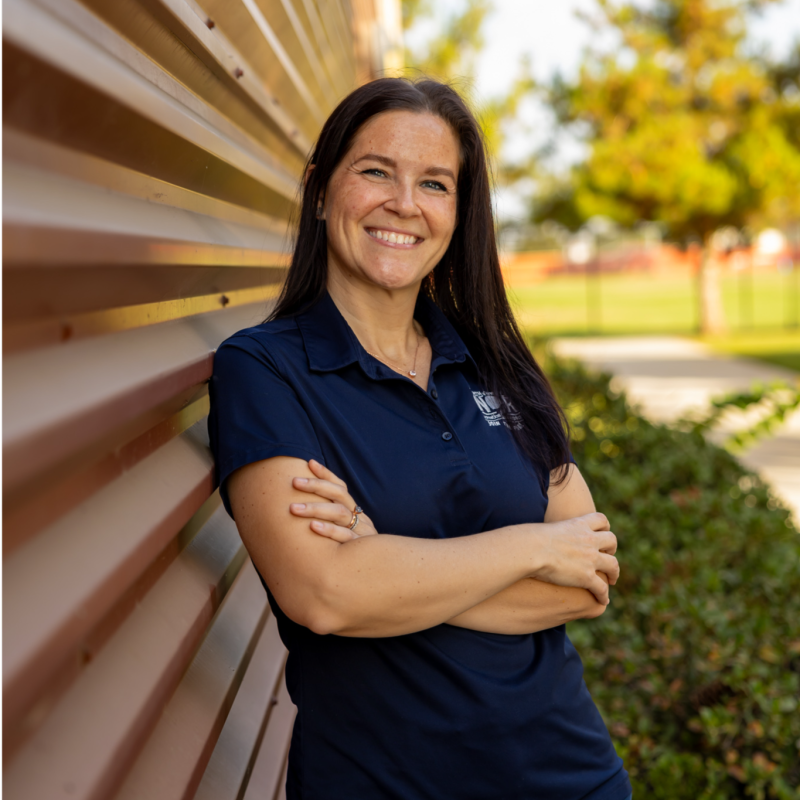
Steph Thisius, ASLA, PLA
Steph Thisius, PLA, ASLA, is the Director of Planning & Construction for North of the River Recreation and Park District (NOR). NOR is an independent special district with jurisdiction in the City of Bakersfield, City of Shafter and unincorporated Kern County, California. NOR plans, organizes and conducts a wide variety of park and recreation programs and services within the District's 215 square mile boundary. Steph oversees the land acquisition, planning, grants, design, construction and capital project management for NOR. She has worked in both the public and private sectors with 20 years of practice in landscape architecture, construction and project management, and in specialties such as stormwater, design/build, aquatics facilities, asbestos abatement & environmental concerns, and operations & maintenance.
A majority of parks, outdoor play, and outdoor recreation are serving the communities we live in, our neighbors, and ultimately setting the foundation for our youth and the future. Many of the spaces we create are maintained in perpetuity, creating memories for multiple generations. For me, seeing kids of all ages with caregivers from all walks of life enjoying a park feels like the professional equivalent of being a parent. We grow these designs from simple ideas through design development, into construction documents, and let them go out into the world to stand on their own. There is so much gratification in providing living, breathing spaces that make an impact in different ways to so many people.
Steph Thisius, PLA, ASLA
Leadership Delegates
Leadership Delegates are volunteers who help turn the Chair's vision into action by leading projects, contributing to deliverables, and driving the network's goals forward.
- Meade Mitchell
- Dennis Bryers
- Cristobal Betancourt
- Bronwen Mastro
- Glenn Bayfield
- Katherine Lewis
- Mitchell Matt Boehner
Want to Join a Professional Practice Network?
Joining a PPN is a ASLA membership benefit. Members can join up to three networks without additional cost!