

.webp?language=en-US)

.webp?language=en-US)

Celebrating the Plurality of Place: Takeaways from ASLA’s 2026 HALS Webinar
In recognition of the 250th anniversary of the founding of United States, ASLA's Historic American Landscapes Survey (HALS) Leadership Team encourages landscape architects, students, historians, and preservation advocates to help document the nation’s rich cultural heritage by contributing to the Historic American Landscapes Survey and building up our national archive in the Library of Congress.
During a June 2026 webinar, three experienced HALS leaders—Steve Venker, ASLA Emeritus, David Driapsa, FASLA, and Sandra Chipley, ASLA—shared practical guidance on selecting a landscape, conducting research, writing a compelling report, and organizing a successful documentation team.
You can watch the video below, or peruse the write-up for a few takeaways from the presentations.
Recorded June 4, 2026
This is America at 250: Let’s Celebrate the Plurality of Our American Heritage
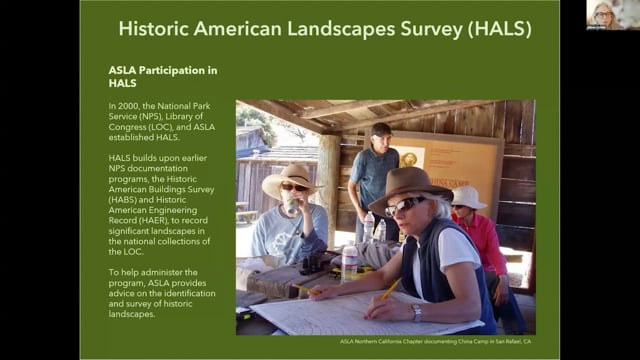
ASLA's Historic American Landscapes Survey (HALS) Leadership Team hosted a webinar on how to prepare a HALS report. Our three speakers shed light on selecting a site, the writing process, and the logistics of working with a team.
Introduced by moderator Allison Crosbie, ASLA, co-chair of ASLA’s HALS Leadership Team, the webinar opened with an overview of the program. Established in 2000 through a partnership between the National Park Service, the Library of Congress, and ASLA, HALS documents significant landscapes through historical reports, photographs, and measured drawings. Those records become part of the Library of Congress collection, where they are publicly accessible.
Much of this work comes from volunteer contributions—a reminder that landscape architects play a critical role in recording the nation’s cultural landscapes.
Although the annual HALS Challenge competition has been suspended for 2026, ASLA has launched an open call for submissions. In recognition of America’s Semiquincentennial, participants are encouraged to explore the theme landscapes of liberty and freedom, but all submissions are welcome.
Finding the Right Landscape
For many potential participants, the biggest question is where to begin.
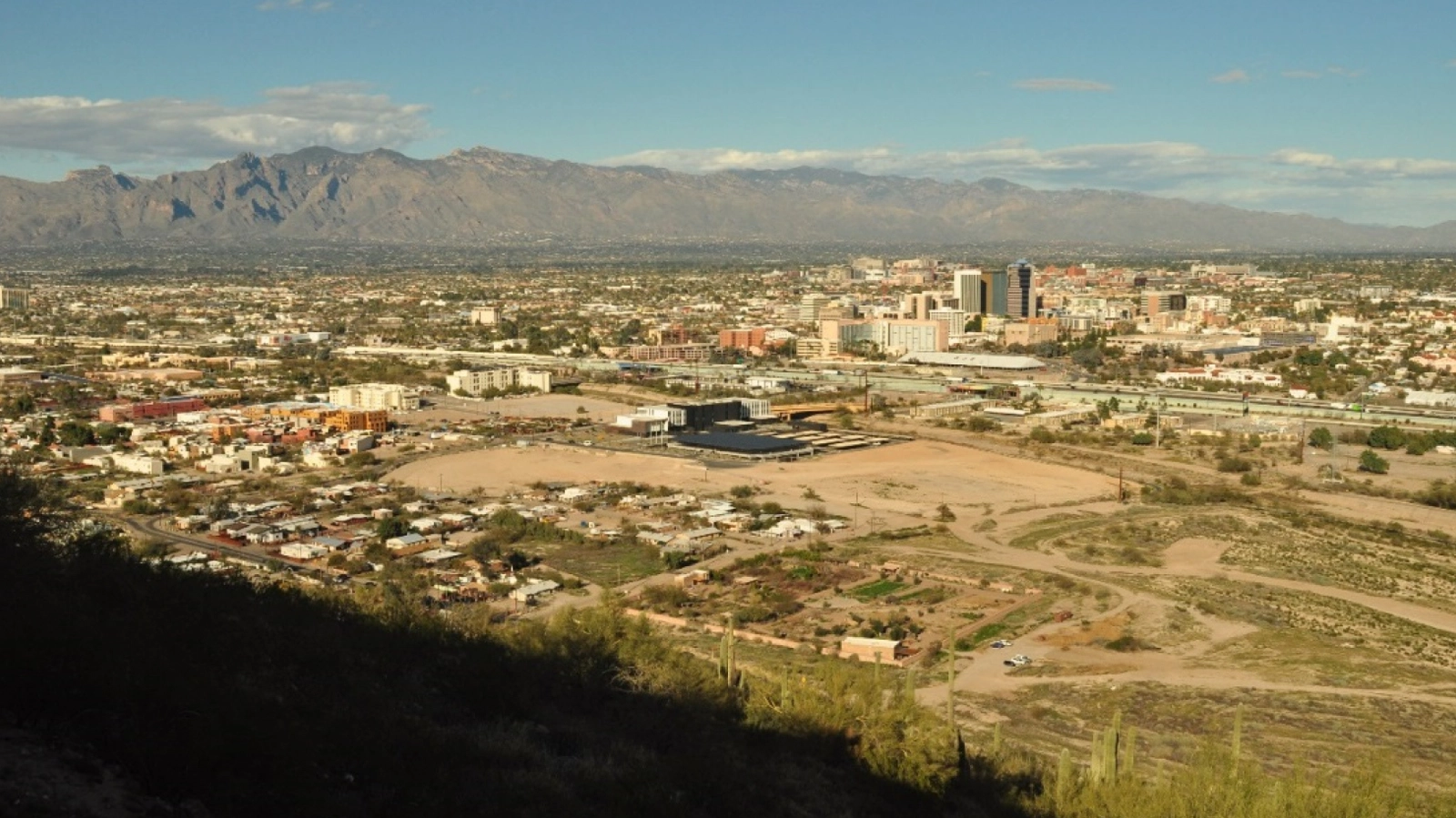
Steve Venker, HALS Co-Liaison for Arizona, outlined a systematic approach to identifying meaningful sites. His process starts close to home: engaging ASLA chapter leadership, university faculty, students, preservation professionals, and local historians.
Venker emphasized the value of State Historic Preservation Offices (SHPOs), historical societies, and state archives. These organizations often provide access to site inventories, historical records, local experts, and overlooked stories that can become strong HALS projects. “Archivists can be your best friend,” Crosbie later noted during the discussion.
Using this approach, Venker and his team explored several potential Arizona projects connected to the nation’s 250th anniversary, including Tucson’s Origins Heritage Site, Route 66’s centennial, and the Juan Bautista de Anza National Historic Trail.
Ultimately, the team selected a 40-mile segment of the Anza Trail within the Sonoran Desert National Monument. The landscape tells a layered story of Indigenous trade routes, Spanish exploration, military travel, mail delivery, immigration, and modern transportation infrastructure. Newly identified Indigenous trail networks added another dimension to the project’s significance.
The example demonstrated an important HALS principle: the strongest landscapes often reveal multiple layers of history and cultural meaning.
Writing History with Clarity
Once a site has been selected, the next challenge is transforming research into an effective historical narrative.
David Driapsa, a historical landscape architect and ASLA Fellow, focused his presentation on writing clear, concise, and compelling reports.
Driapsa explained that every HALS narrative is organized around three core sections:
- Significance: Why the landscape matters
- Description: What the landscape looks like today
- History: How the landscape evolved over time
One of his key recommendations was keeping description and history separate. The description records present conditions, while the history explains change through time.
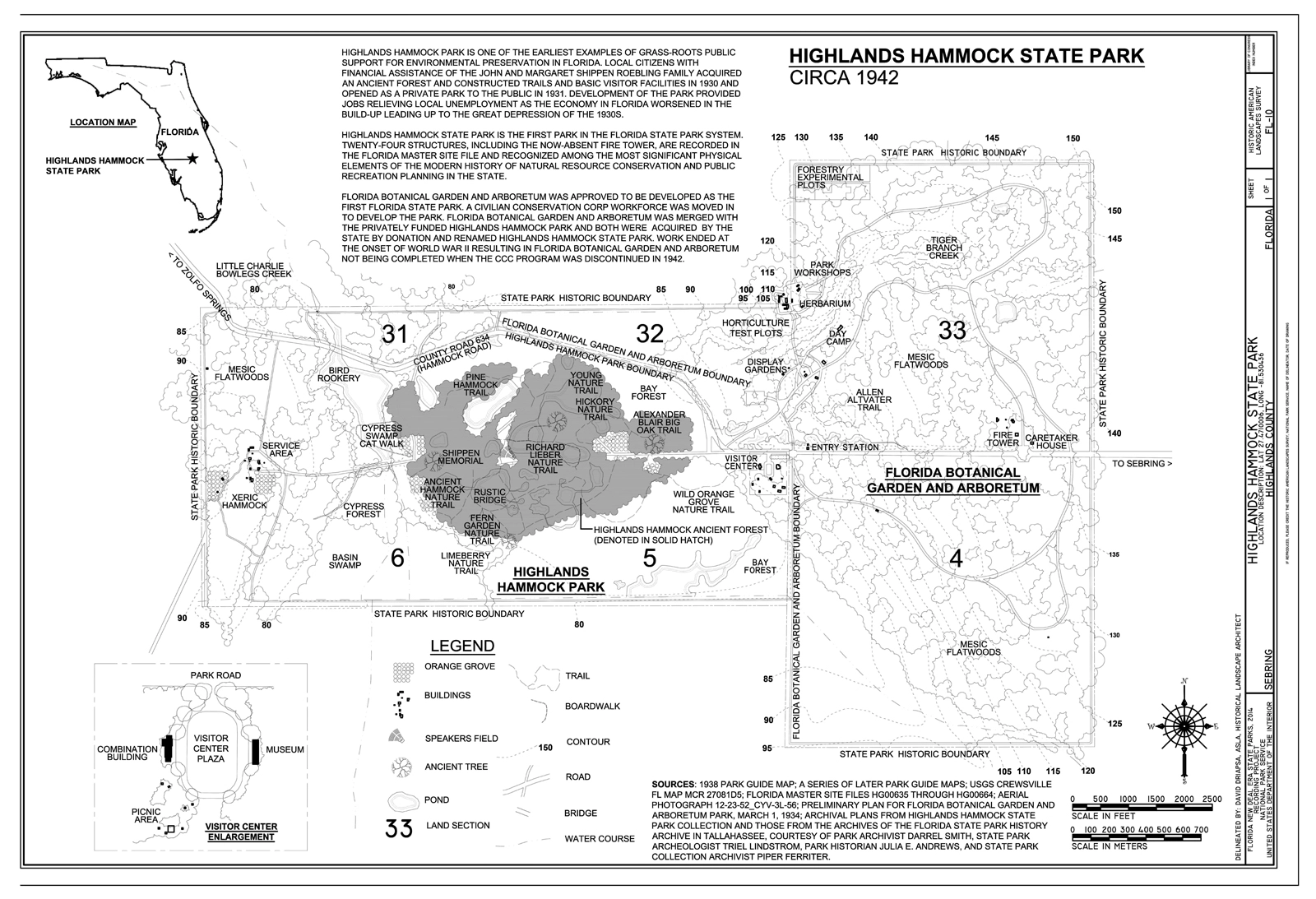
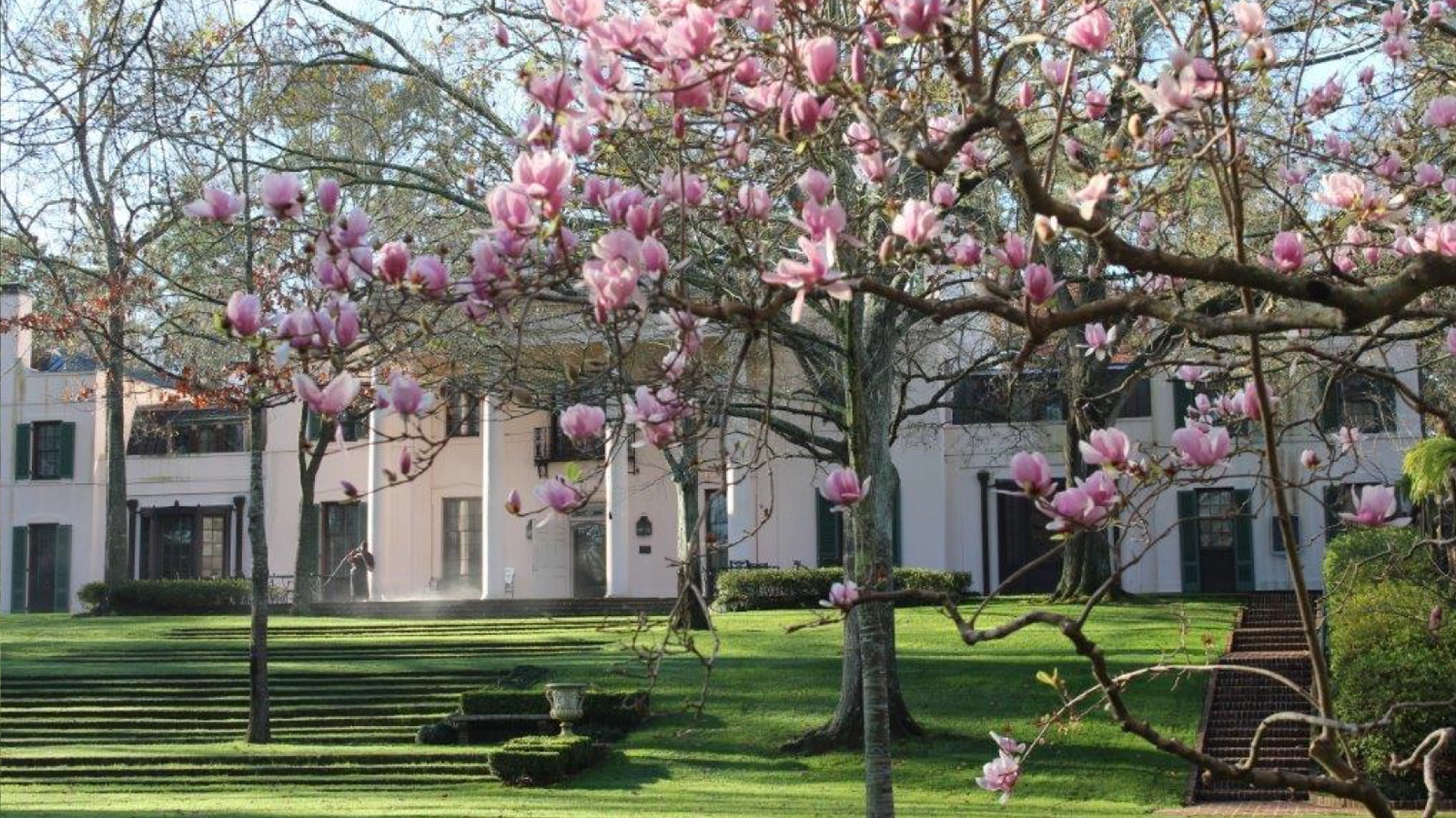
Using examples such as Ohio’s Great Serpent Mound and Florida’s Highlands Hammock State Park, he illustrated how effective narratives balance research, interpretation, and storytelling. The goal is not simply to compile facts, but to communicate why a landscape remains meaningful.
He also emphasized that research typically generates far more information than can fit into a final report. Successful writers learn to refine, organize, and prioritize evidence while maintaining historical accuracy.
For landscape architects accustomed to design processes, Driapsa offered a useful analogy: writing a HALS report resembles designing a landscape. Both involve research, iteration, evaluation, and revision.
Building a Successful Team
Sandra Chipley, HALS Liaison for the Texas Chapter, demonstrated how collaboration can turn a promising idea into an award-winning submission.
When Texas ASLA reviewed existing HALS documentation, members discovered that relatively few Texas landscapes had been recorded over the program’s 25-year history. Motivated to expand the state’s representation, the committee selected a roadside heritage project connected to the 1936 Texas Centennial.
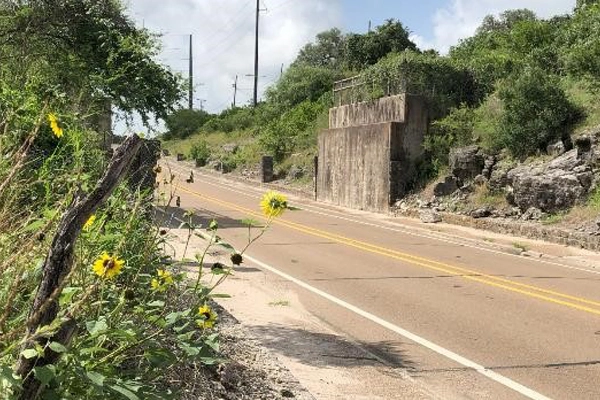
The site included a historic highway entrance feature near Goliad, designed by the Texas Highway Department as part of a larger commemorative landscape.
The project required extensive coordination. Team members worked with the Texas Department of Transportation, local historians, archivists, and preservation professionals. Research involved newspaper archives, National Register documentation, original construction drawings, field measurements, photography, and site visits.
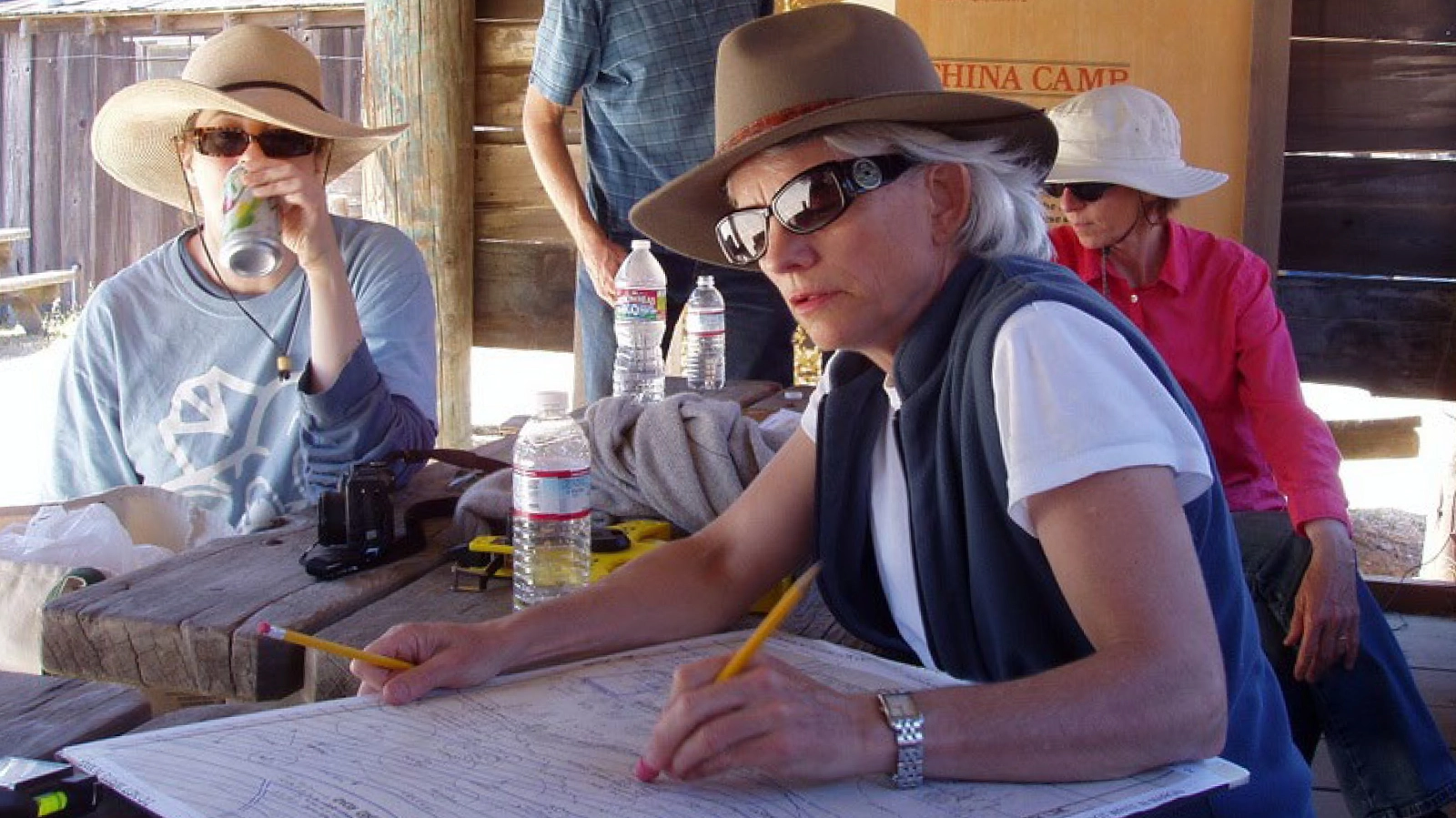
Chipley described how responsibilities were divided among team members, with individuals focusing on research, writing, photography, drawing production, and review. The collaborative approach resulted in Texas ASLA’s first HALS submission—and a third-place finish in the 2025 national competition.
The experience also revealed how HALS projects can strengthen relationships among landscape architects, historians, agencies, and community stakeholders.
An Invitation to Participate
Perhaps the webinar’s most encouraging message was that HALS documentation is accessible to a broad audience. Participants do not need to produce complex measured drawings or large-format photography to contribute. Short-form reports focused primarily on historical research and writing remain one of the most common submission types.
For students, HALS offers hands-on experience in research, preservation, and storytelling. For practitioners, it provides an opportunity to document landscapes that might otherwise be overlooked. For the profession as a whole, it helps ensure that significant places—and the stories embedded within them—are preserved for future generations.
As America reflects on 250 years of history, HALS offers landscape architects an opportunity to contribute to the national record. Whether documenting a historic trail, a civic park, a cultural landscape, or a community gathering place, every submission helps tell the evolving story of the American landscape.
ASLA 2026 HALS Call to Action
Submission Information
Information on how to describe and analyze historic landscapes for the HALS collection can be found in the HALS History Guidelines. Contact your state ASLA Chapter’s volunteer HALS Liaison for assistance and to ensure there is no duplication of documentation efforts.
Complete submissions should include the following elements:
HALS Short Format Historical Report
Use the HALS Short Format Report Template to describe the history, significance, and character-defining features of the documented landscape.
Copyright Release Form
All entries should include a signed Copyright Release Form acknowledging that all materials in the submission will be dedicated to the public domain. Since the copyright status of some materials is uncertain, please do not reproduce any graphics in your HALS documentation unless they are covered by a signed copyright release or clearly in the public domain.
Supplemental Measured Drawings or Photographs
While not required, HALS historical reports can be supplemented with measured drawings or large-format photographs of the documented landscape. Drawings must comply with the requirements of the HALS Guidelines for Drawings; large-format photographs must comply with the HABS/HAER/HALS Photography Guidelines. Electronic copies of the drawings or photographs should be included in the submission.
Deadline
Completed submissions must be received by August 31, 2026, to be recognized at the ASLA 2026 Conference on Landscape Architecture in September.
If you don’t meet this deadline, please continue to work on your report and submit it when you’re finished! This, too, is worthy of a celebration!
Email complete submissions to [email protected] for acknowledgement at the ASLA Conference, and to Scott Keyes at the National Park Service, [email protected], following the Donated Documentation guidelines for addition to the Library of Congress collection.