

.webp?language=en-US)

.webp?language=en-US)
Fight Wildfire with Plants
by Patricia Stouter, ASLA
See Fight Wildfire with Maps and Words for the previous installment in this two-part series, and see The Dirt for more on the role of trees and plants amidst wildfires.
Some communities, like Paradise, California, have taken multiple steps to reduce fire risk. But individual actions in wildfire prone areas can also contribute to property and neighborhood safety. Hardening buildings (making surfaces less easily ignited and keeping embers out) is critical. Landscape improvements can reduce fuel sources of nearby plants, furniture, and fixtures. Plants under windows, shrubs in groundcover beds, and burnable organic mulches are known hazards. Better plant hydration and health, reduced connectivity of groups, and greater proportions of ‘low flammability species’ of shrubs and/or trees have all been correlated to better building survival.
Most fire safety guidelines focus on eliminating either all plants adjacent to buildings, any that are not low, green and healthy, or those that are not ‘fire-resistant.’ Yet understandable research-based information identifying ‘fire-resistant’ plants is lacking. Most current recommended plant lists are inaccurate, according to CAL FIRE. Undefined and varied scoring systems randomly combine different factors such as plant density, dead material accumulation, and health with burn intensity.
The contributions of tree ‘screens’ that smolder but prevent live embers reaching buildings, or grassfires that die down in patches of succulents, are also seldom reflected in guidelines. Safety does not require artificial deserts of widely spaced low plants in bare ground. Lack of response to humble but imperative regional climatic needs and cultural values like curb appeal will also continue to reduce community buy-in.
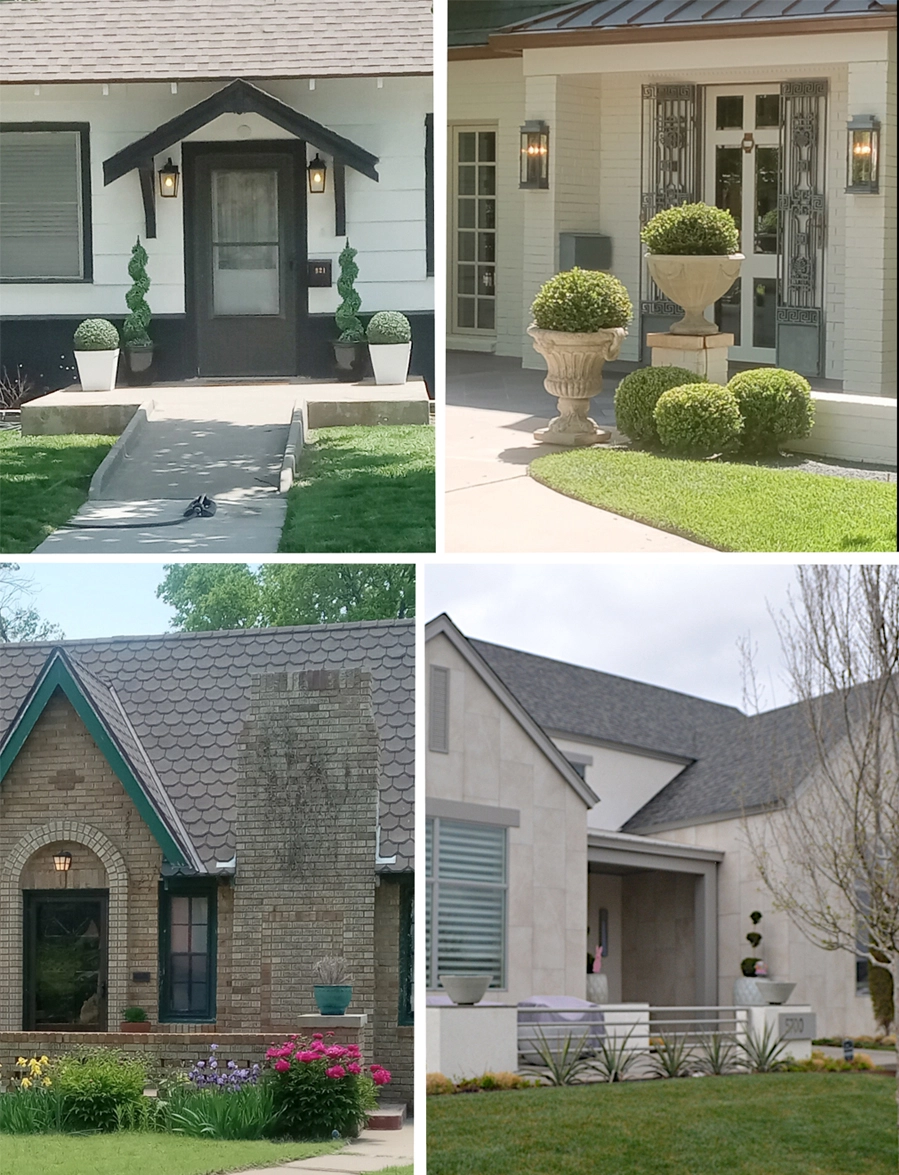
Practical flammability ratings can help owners begin reducing risk while nurturing sites. Just as Hurricane Katrina’s damage birthed a spreading appreciation of green methods to control floods, recent fire tragedies can spread thousands of small-scale changes to incrementally reduce community risks of both environmental and economic losses.
All plants can burn, given a hot enough fire. Flame heights of plants reflect whether they only bake, or char, like live succulents, or generate flames stretching 30’ downwind, like juniper or eucalyptus.
Scientists explored plant flammability before a 2002 US Forest Service report compared the peak heat release rate of 40 species, yet in 1988 when Sean O’Malley, ASLA, PLA, of SWA Group wanted information for planting plans, he performed informal torch tests on local chaparral. (See the 2025 ASLA Professional Awards for more on SWA's Playbook for the Pyrocene, winner of an Honor Award, Communications.) Since then research has multiplied but test sample preparations vary and studies measure time to ignition or length of burn or percent consumed instead of peak heat release rate (PHRR) and closely related flame height.
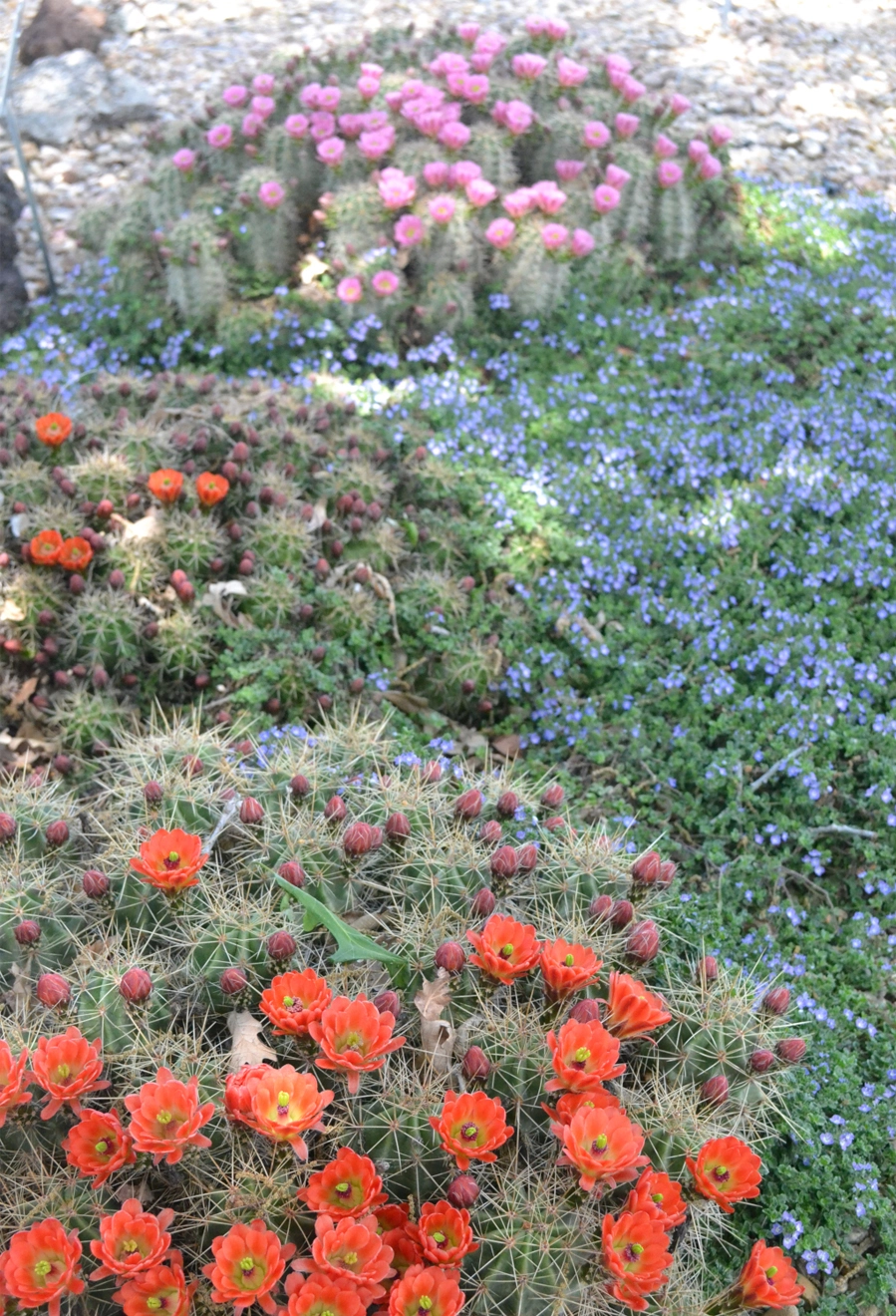
Scientists have not yet perfected a method to accurately estimate intensity using leaf, litter, or tree traits without burning samples. But flame responses have varied by 100% for plants in different seasons, as leaves early in the growing season may have three times as much moisture as mature leaves, while those entering dormancy have half as much as at maturity.
A simple and approximate fire intensity rating is needed now at the species level, since similar plants in the same genus can respond differently to fire. Focusing on factors affecting only the rate of fire spread can simplify analysis and also ignores time to ignition (differing by seconds), burn times (which accelerate in crisis fires), and percent consumed (which affects potential for ecosystem recovery more than resident and/ or structure survival).
In 2021 Lesley Corbett, an Australian gardener and writer, "amazed at the amount of useless" and conflicting information, wrote Safer Gardens, a book that notes results with test sources and some details for more than 500 plants. Unfortunately, this resource does not contain enough plants suited to the western US.
In the spirit of O’Malley and Corbett’s practical cataloging efforts, my report Flammability Levels of Texas Panhandle Plants lists more than 400 plants appropriate to the alkaline soil of my semi-arid Southern Great Plains ecoregion. Information comes from Corbett’s book and more than 20 laboratory research papers. Absolute values varied from researcher to researcher, but are comparable based on two or more keystone species also evaluated by others. Comparisons estimate whether each species burns more or less fiercely than others. This list can be extended as researchers at Texas Tech and other institutions test more regionally appropriate species. Similar lists of plants well adapted to other regions are needed for landscape architects, horticulturalists, and planners. Based on these regional lists, designers should also create consumer booklets to encourage informed choices by nurseries, gardeners, and arborists.
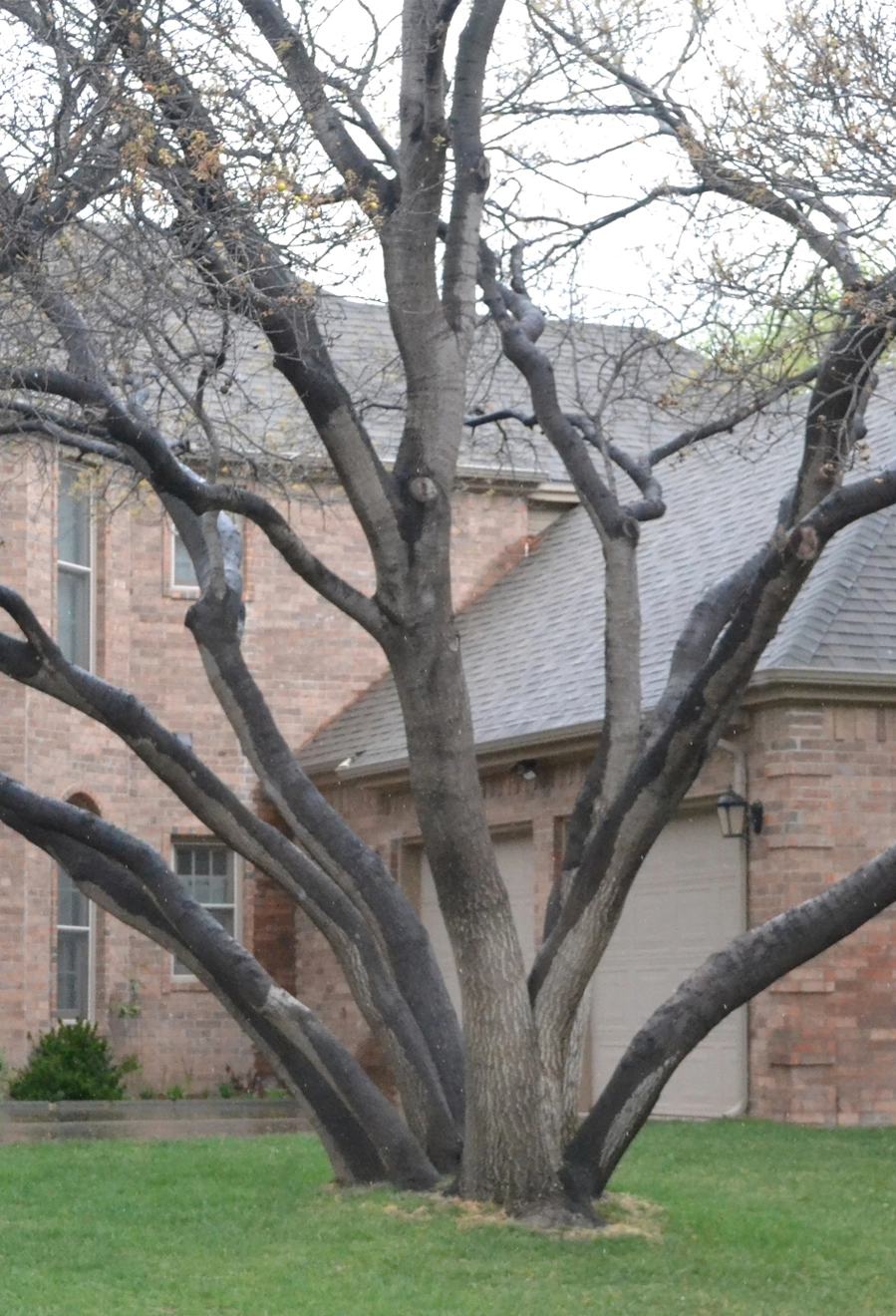
When economic pressures result from insurance or code requirements, flammability ratings should be adaptable case-by-case based on in-situ factors. Suitability to local conditions and owner maintenance have real impacts on fire-resistance. Need for shade and evaporative cooling on western and southern exposures in warm climates, and open branching or high canopies of thick bark specimens should also be considered. Plants that receive supplemental water sources like graywater and air conditioning condensate (available during droughts) as well as roof runoff or existing stormwater drainage should receive preference due to their potential to be well hydrated even if irrigation stops. Trees with a low flame rating that tolerate some dampness can be prime candidates for use as ember screens and/or windbreaks (not to mention contributing to biodiversity).
Because wildfire risk reflects probabilities over decades, economic pressures should not be allowed to force immediate tree removals. Multi-year plans can be phased in gradually, as replacements for risky specimens mature. The windbreaks of the plains have been lovingly nurtured for generations, and provide scarce shade and reduction of winter heating needs in addition to being living history. Even in high risk areas, trees that form the green backbones of our communities can also be hydrated and nurtured while plans to replace them are initiated, changing to safer plant species at better spacing.
After studying the urban landscape at City College, Patricia Stouter, ASLA, worked with native plantings in upstate NY and then low-water landscapes in New Mexico. Now a Texas Master Naturalist, she explores playas, rainwater reuse, and stream rehydration in the Texas Panhandle.