

.webp?language=en-US)

.webp?language=en-US)
Advertisement
-
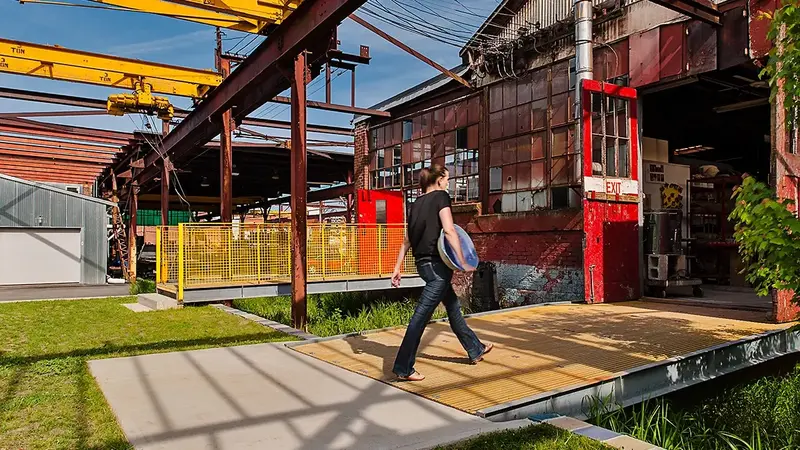 ASLA 2011 Professional Honor Award in General Design, The Steel Yard | Klopfer Martin Design Group, Christian Phillips Photography
 -
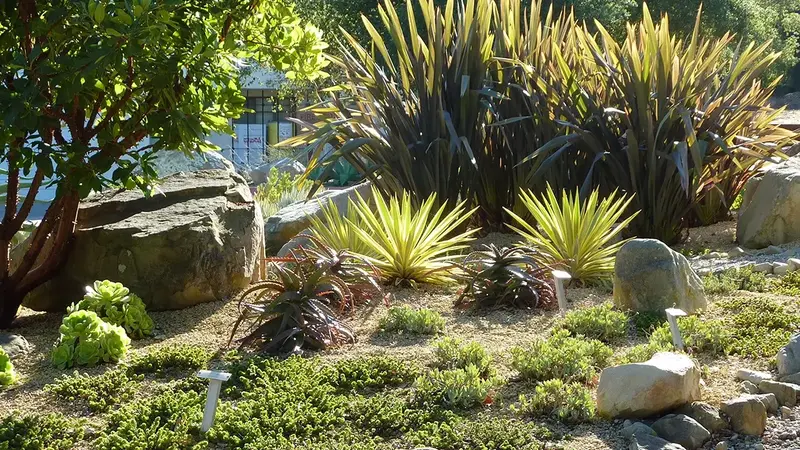 Firescape Demonstration Garden | Billy Goodnick/Owen Dell and Associates, LLC
Climate & Biodiversity Action Case Studies
Advertisement
Natural Systems
Designing and planning in concert with natural systems promotes resilience, capitalizes on multiple co-benefits, and provides greater long-term return on investment. A natural systems approach should be incorporated in site, community, and regional planning and design, and applied to retrofit and rebuild projects and new development.
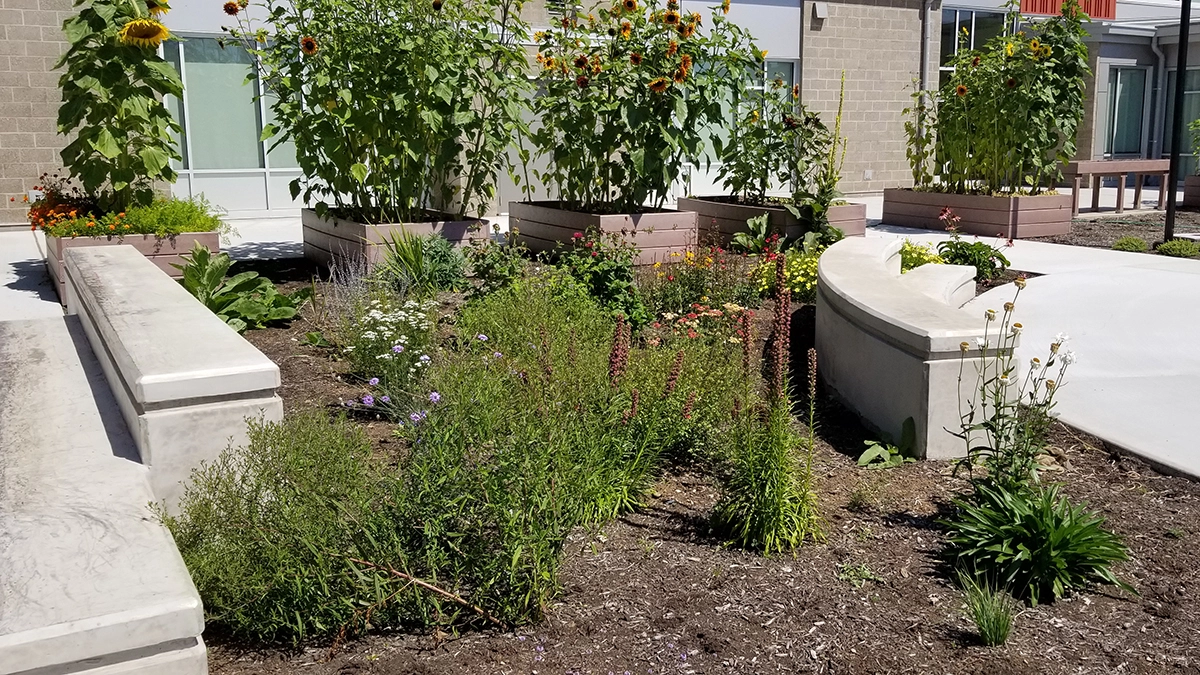
Green Schoolyards
Schools in Vancouver, Washington transformed asphalt yards into green schoolyards with native gardens, pollinator habitat, and outdoor learning spaces.
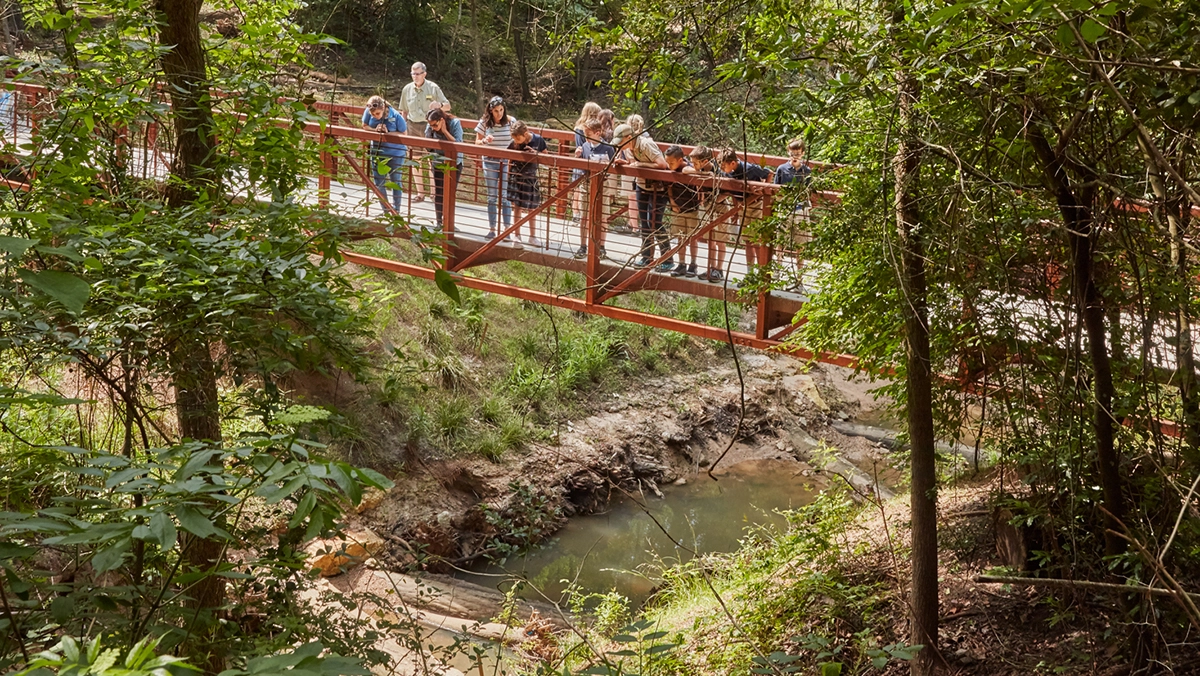
Houston Arboretum and Nature Center
The Houston Arboretum and Nature Center restored prairie, savanna, and wetlands to build a biodiverse, climate-resilient landscape in central Houston.
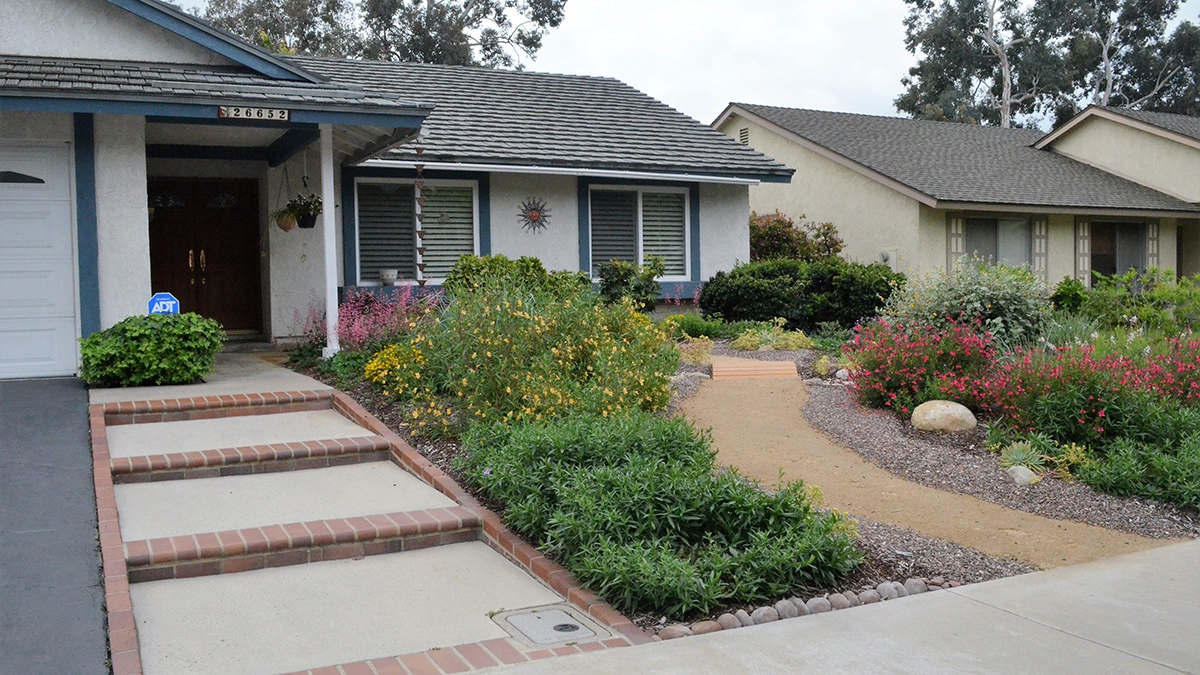
NatureScape
NatureScape helps Orange County homeowners replace thirsty lawns with native plant gardens and green infrastructure that save water and boost biodiversity.
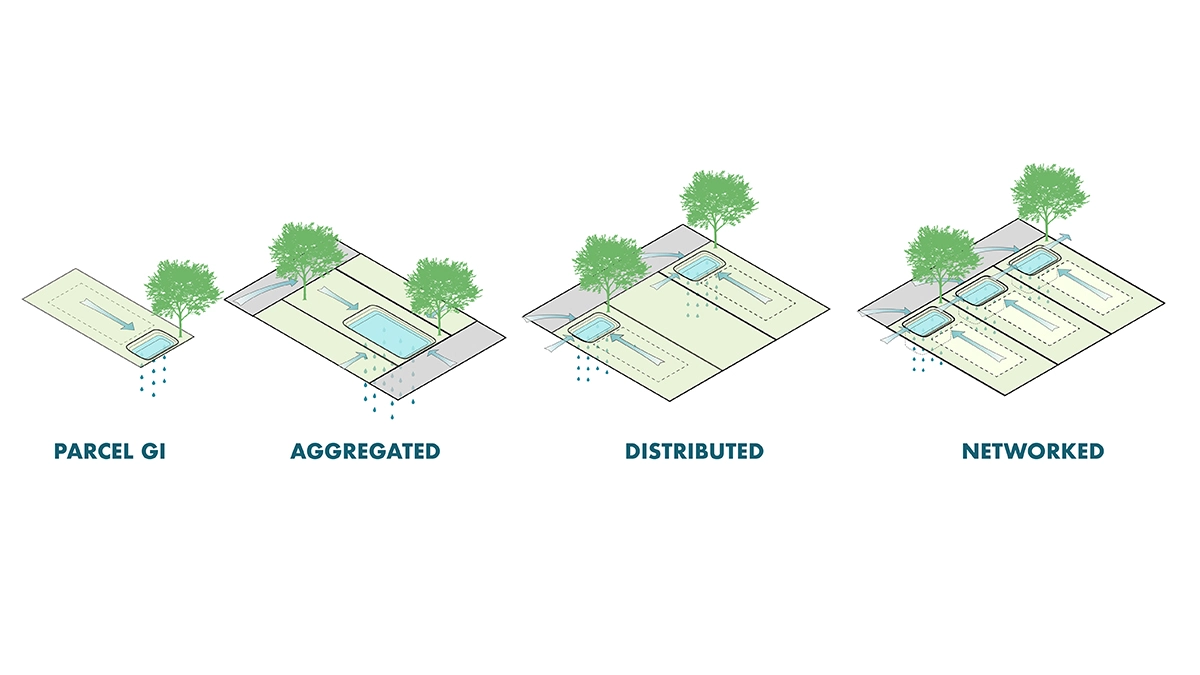
Rain Check 2.0
Rain Check 2.0 in Buffalo, NY funds green infrastructure on public and private land to cut sewer overflows, manage stormwater, and advance climate equity.
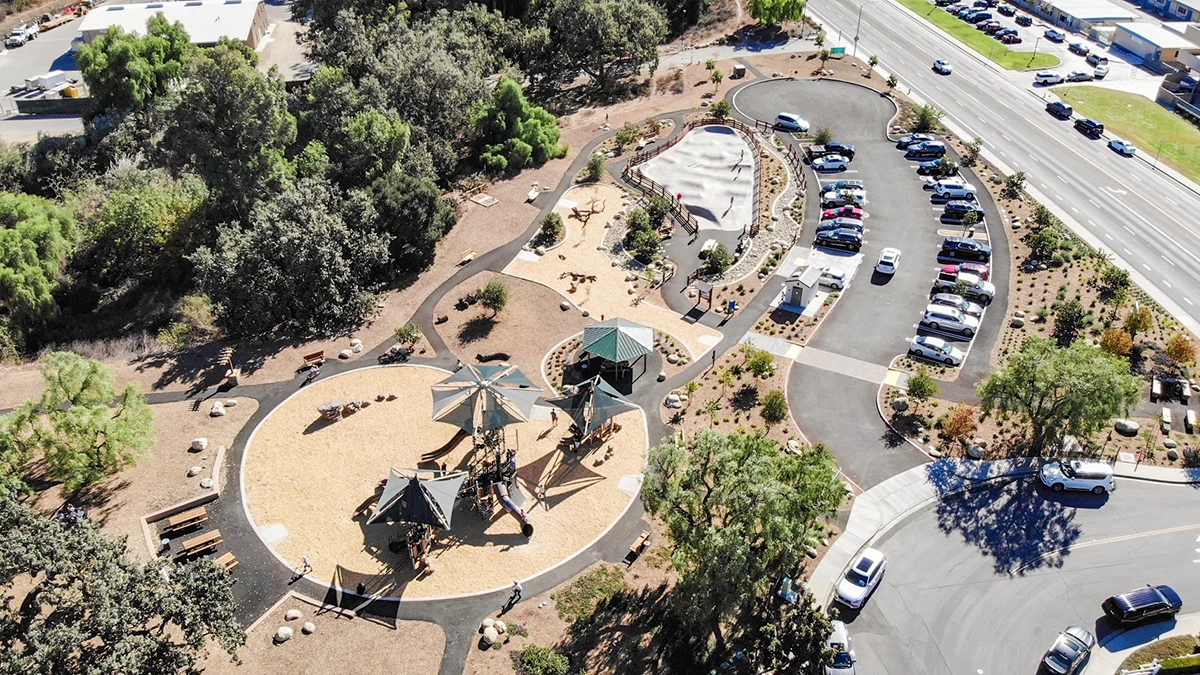
Sapwi Trails Community Park
Sapwi Trails Community Park in Thousand Oaks, CA preserves 145 acres of oak-studded open space, offering low-water recreation while protecting the Lang Creek watershed.
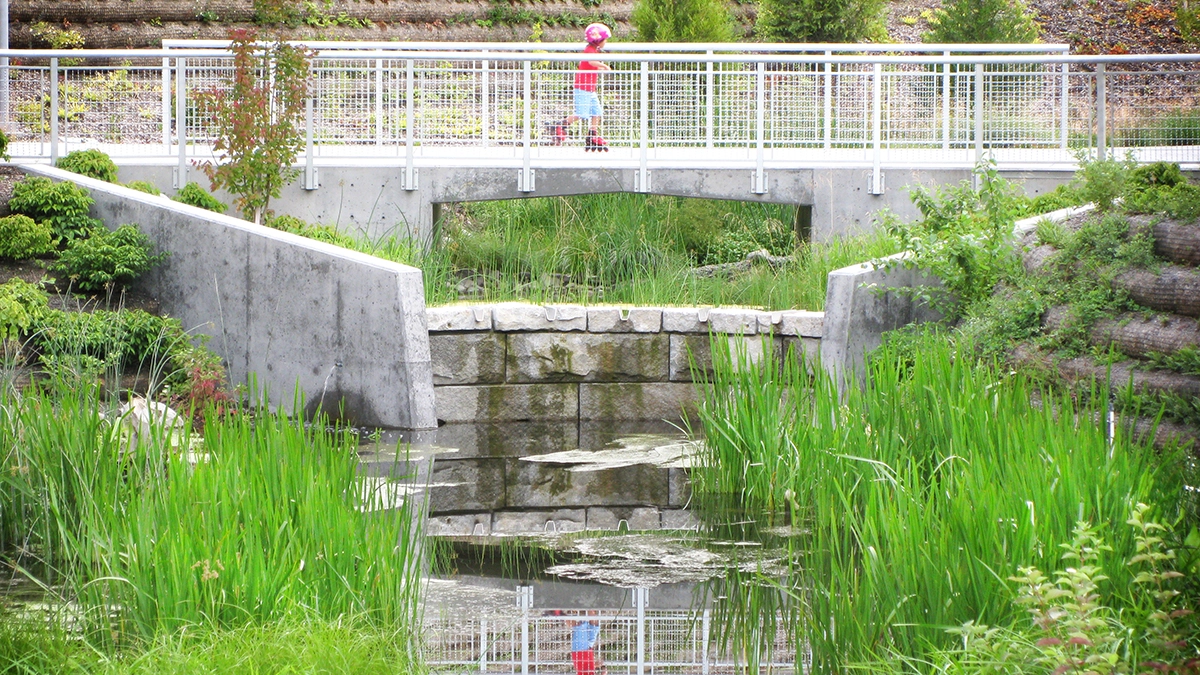
Thornton Creek Water Quality Channel
Thornton Creek Water Quality Channel in Seattle filters stormwater with native plants, cuts impervious cover, boosts open space, and anchors transit-oriented development.
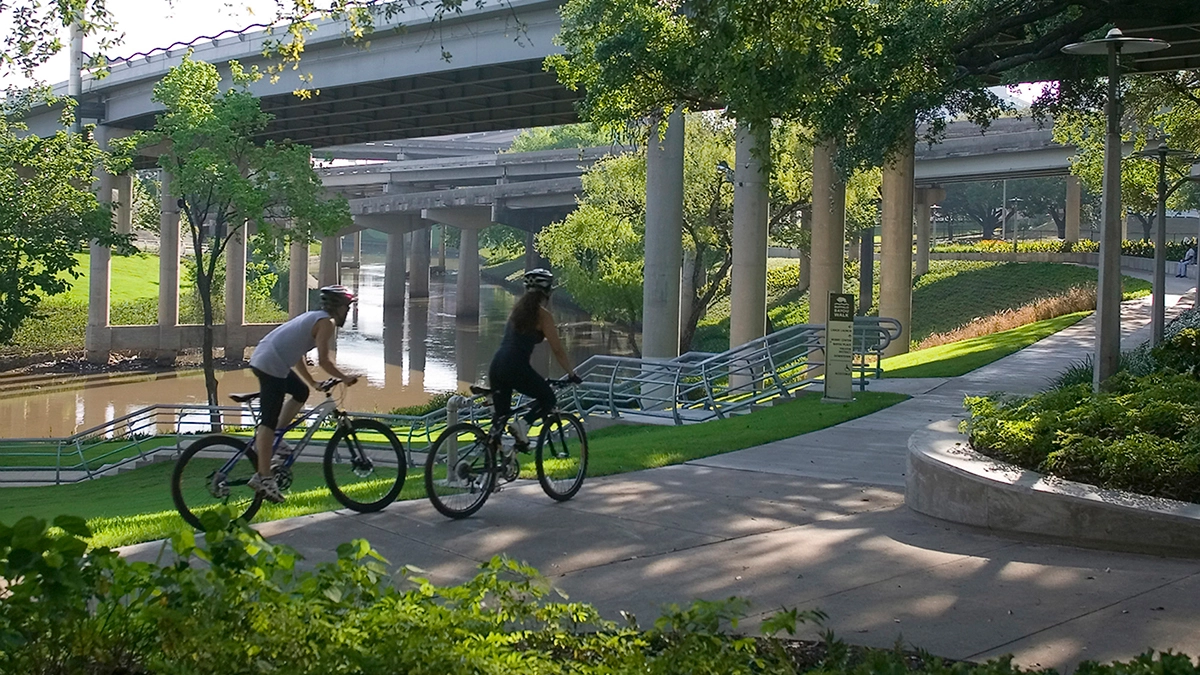
Buffalo Bayou Promenade
Buffalo Bayou Promenade in Houston is a resilient linear park that uses native plants and gabion walls to manage floods, control erosion, and connect downtown.
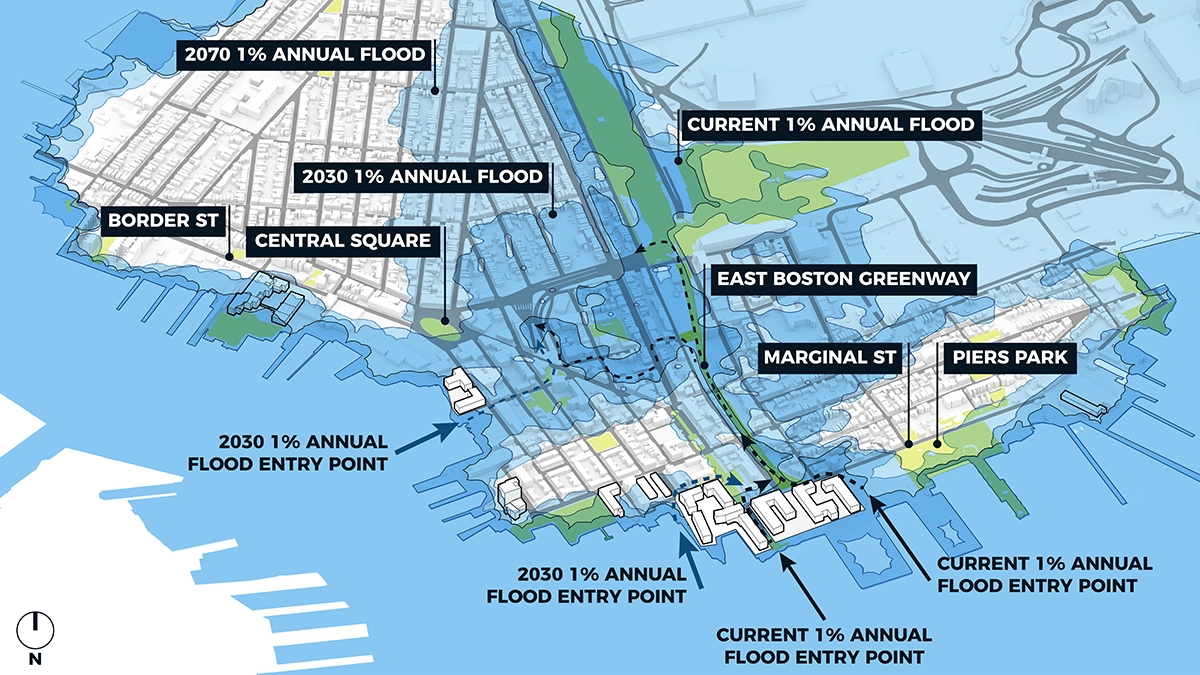
Climate Ready East Boston
Climate Ready East Boston uses elevated parks, greenways, and coastal buffers to protect vulnerable neighborhoods and infrastructure from rising seas.
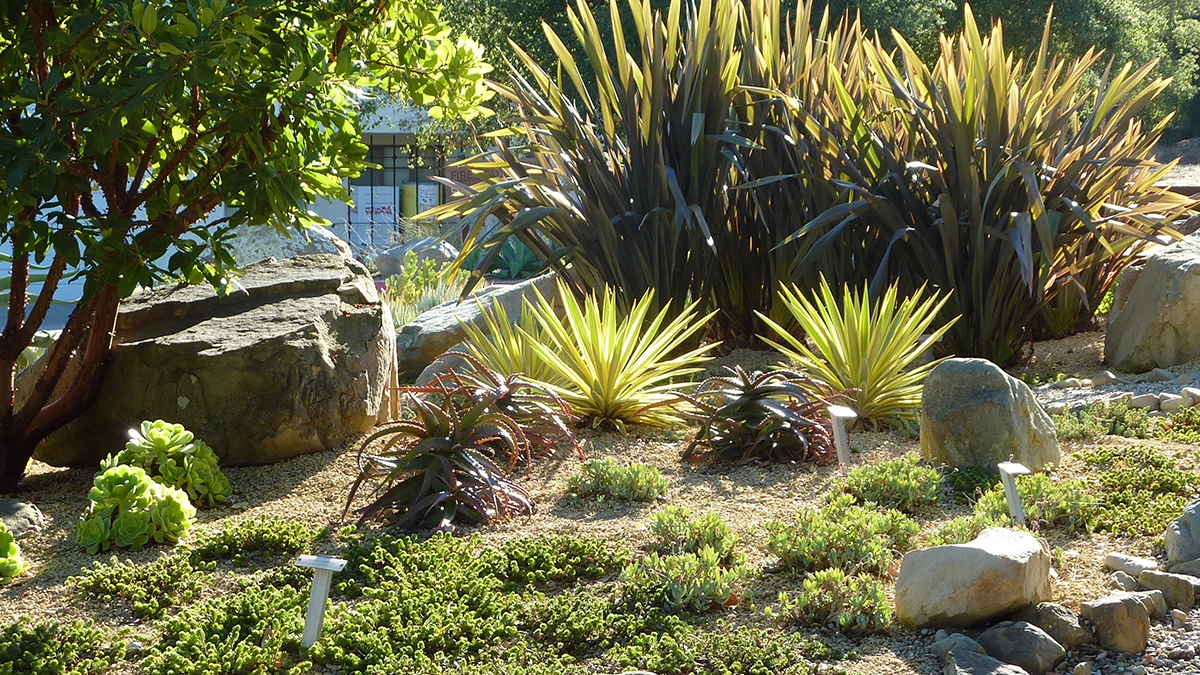
Firescape Demonstration Garden
Firescape Demonstration Garden in Santa Barbara shows homeowners how firewise landscaping with drought-tolerant, layered native plants can create defensible space.
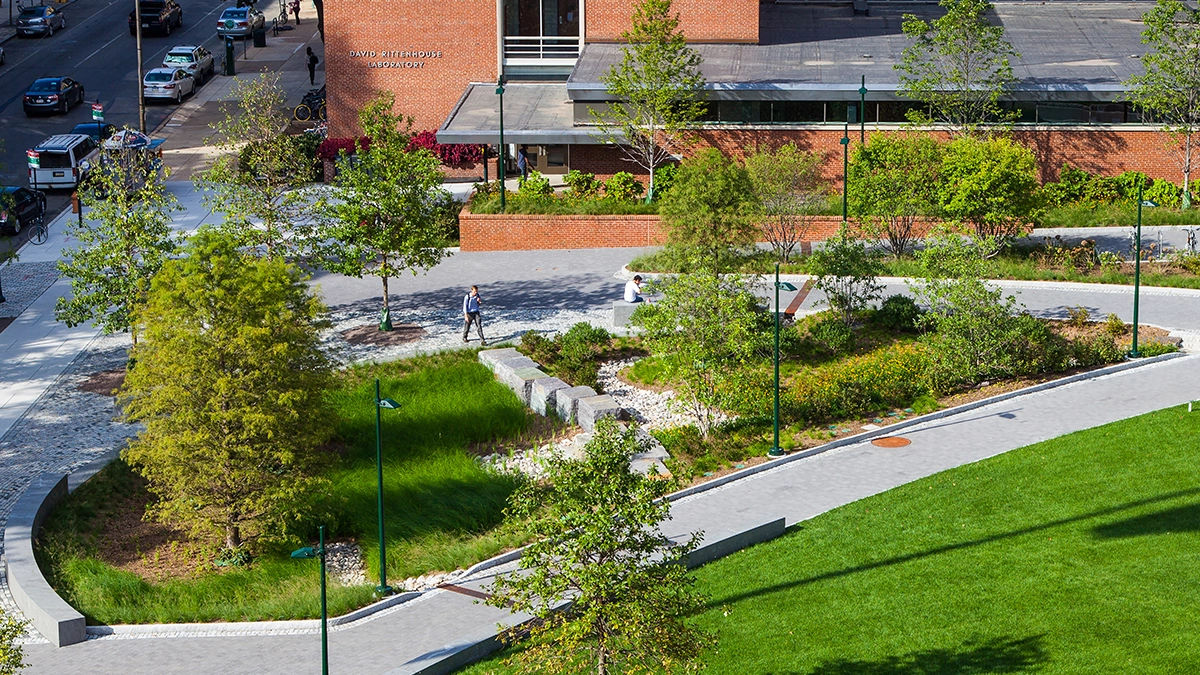
Green City, Clean Waters
Green City, Clean Waters is Philadelphia’s citywide green infrastructure program that turns streets, parks, and schoolyards into systems that soak up stormwater.
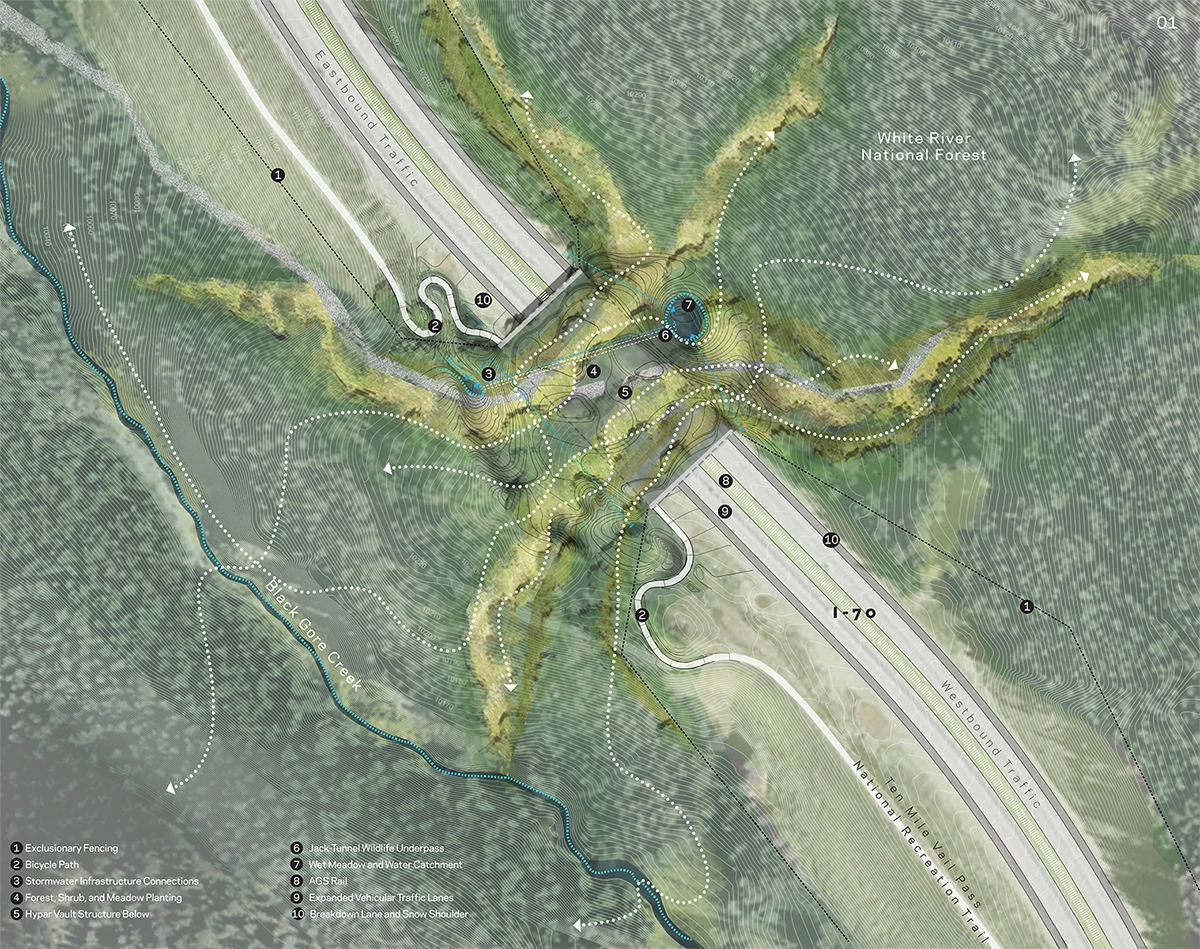
‘Hypar-nature’ Wildlife Bridge
‘Hypar-nature’ Wildlife Bridge is a modular, prefabricated land bridge that reconnects habitats and lets wildlife safely cross highways at West Vail Pass, Colorado.
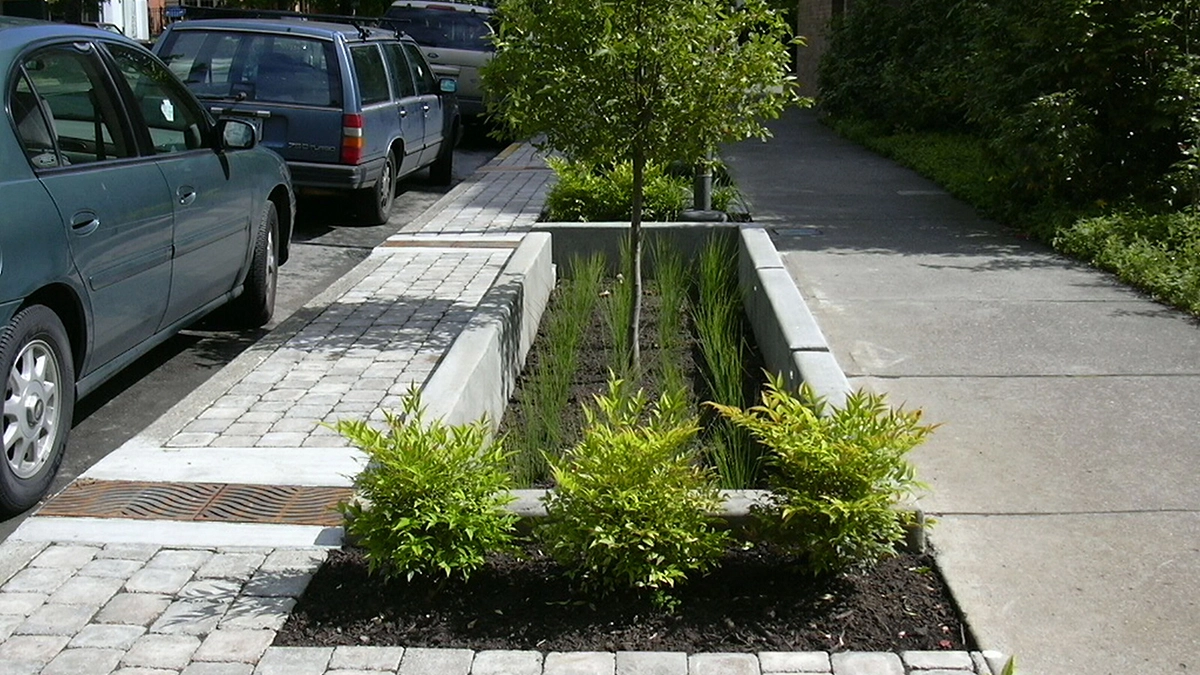
SW 12th Avenue Green Street
Award-winning SW 12th Avenue Green Street in Portland uses stormwater planters to capture runoff, reduce pollution, and showcase sustainable urban design.
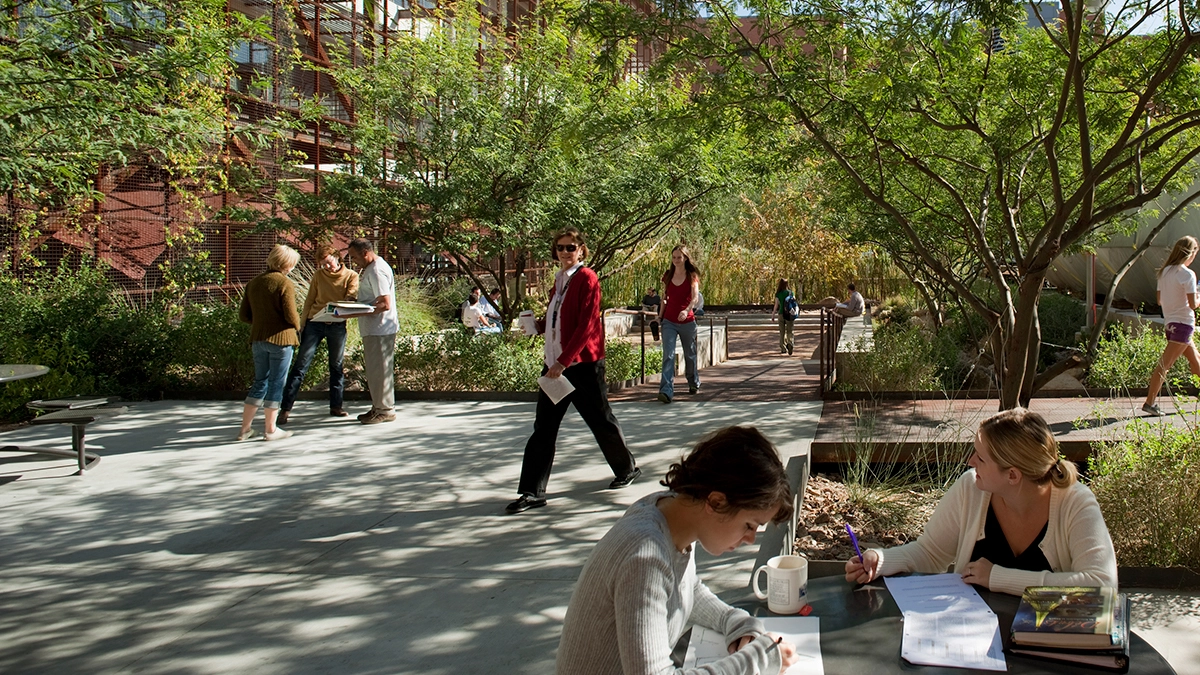
Underwood Family Sonoran Landscape Laboratory
Underwood Family Sonoran Landscape Laboratory at University of Arizona harvests stormwater to irrigate native gardens, create habitat, and cool the desert.
Community Development
When designed in conjunction with natural systems, smart growth communities are also inherently more resilient and climate smart. Smart growth concepts apply at all scales—from individual sites to local communities to broader regional planning.
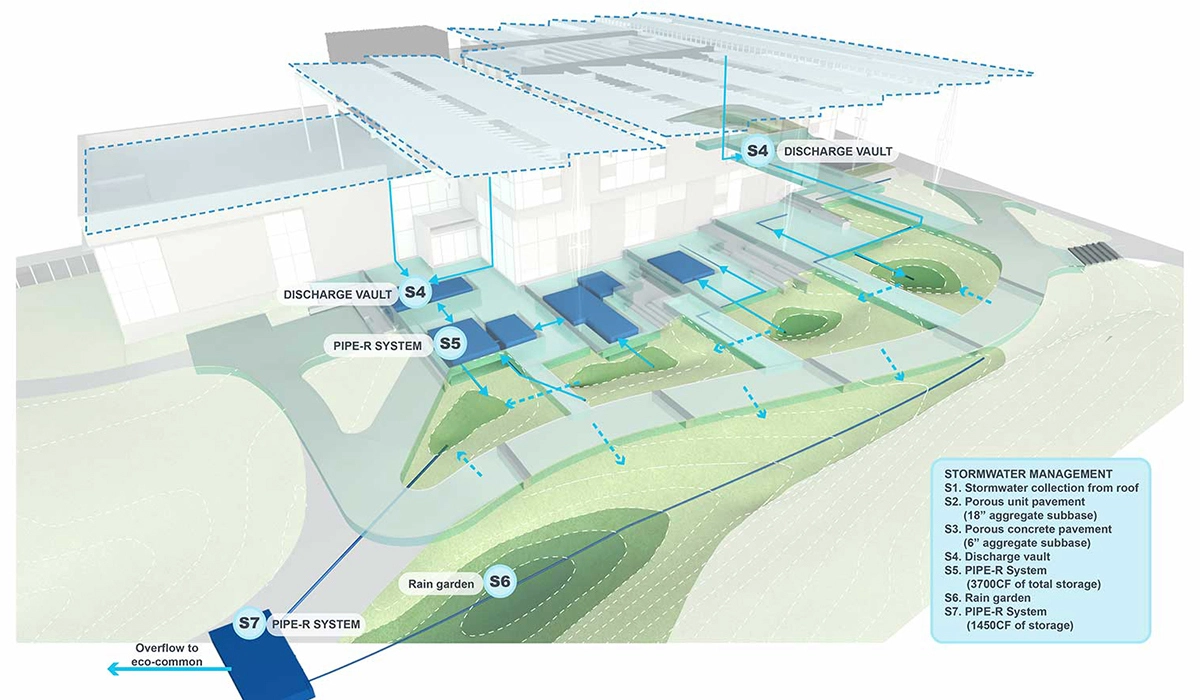
The Kendeda Building for Innovative Sustainable Design
Kendeda Building at Georgia Tech transforms a parking lot into a net-positive Living Building, reusing stormwater and greywater in lush, productive landscapes.
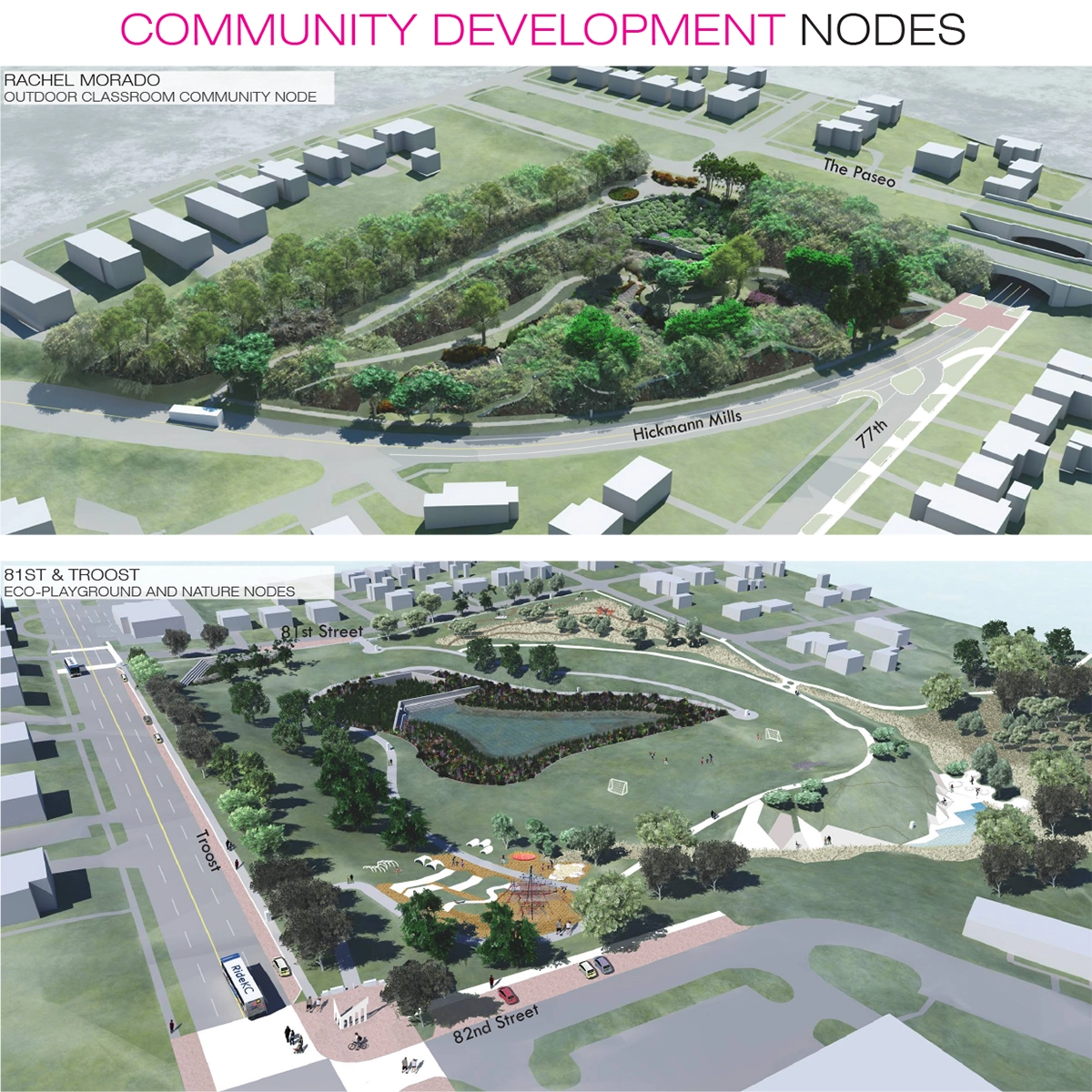
Downtown Marlborough Green Infrastructure Streetscape
Downtown Marlborough Green Infrastructure Streetscape in Kansas City weaves green streets, parks, and transit into a corridor that cuts sewer overflows.
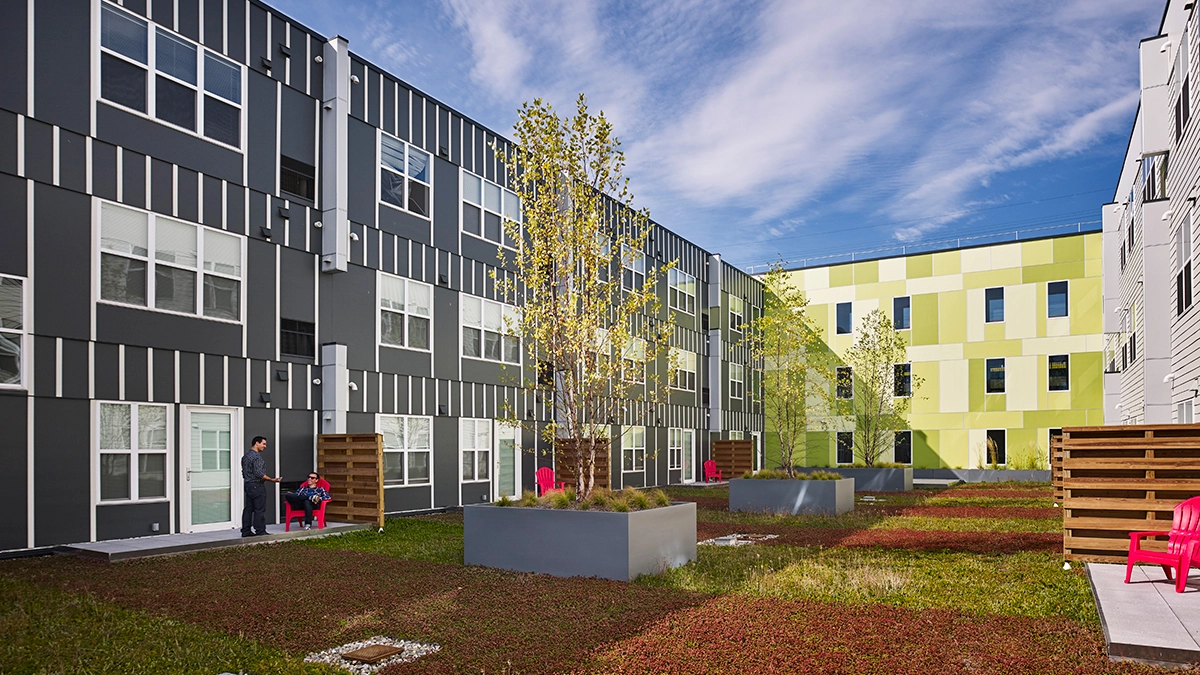
Paseo Verde
Paseo Verde in North Philadelphia pairs affordable transit-oriented housing with green roofs, courtyards, and streets that capture and manage stormwater.
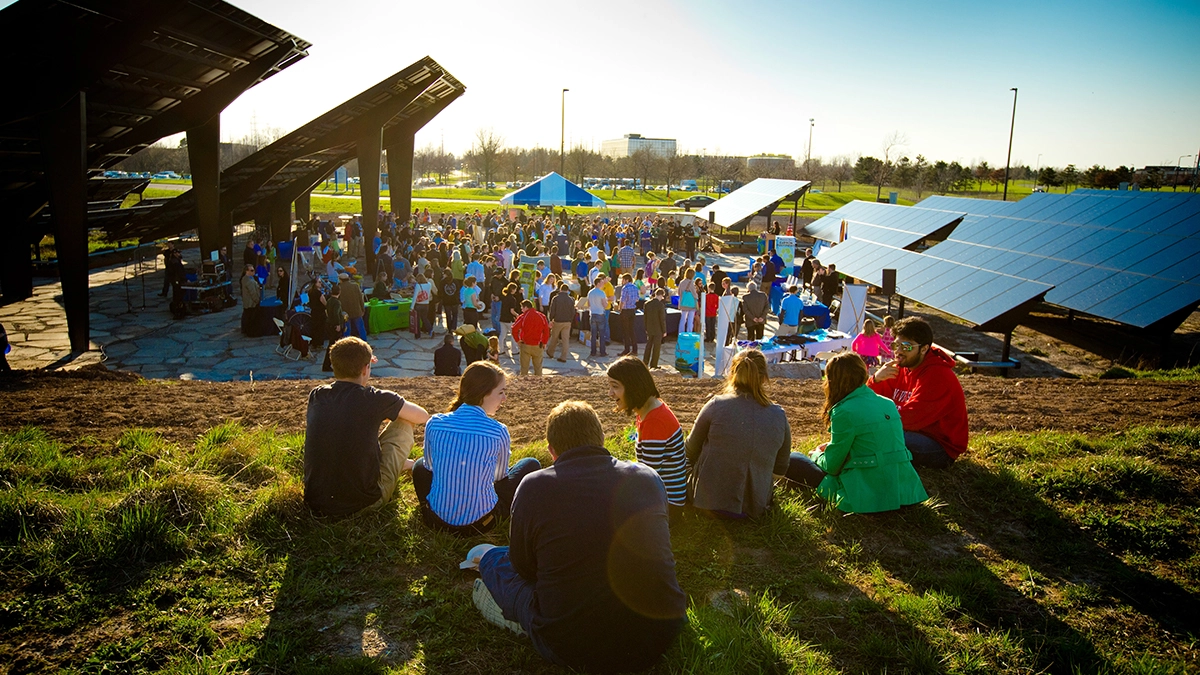
Solar Strand
Solar Strand at University at Buffalo weaves a 750-kilowatt solar array through wetlands and meadows, cutting emissions while serving as an outdoor classroom.
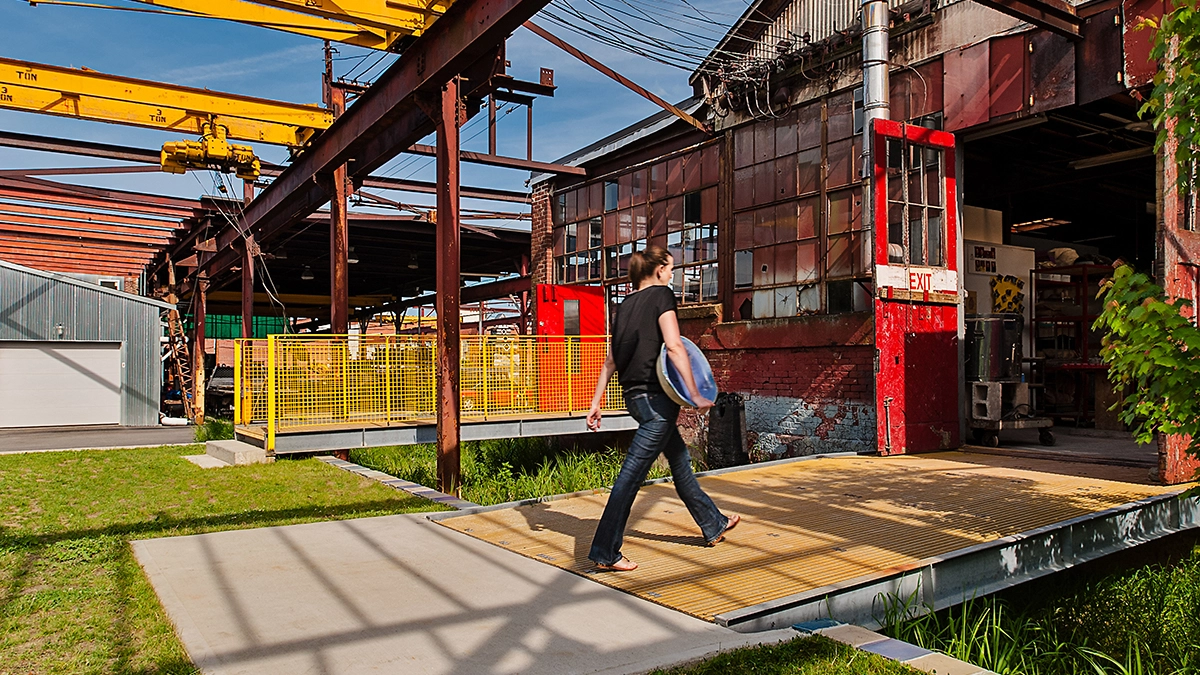
The Steel Yard
The Steel Yard in Providence transforms a lead-contaminated steel plant into a creative hub with green infrastructure that traps stormwater and pollution.
Equity
Special attention must be paid to underserved and low-income communities, which have fewer resources and face barriers to accessing climate and biodiversity solutions.
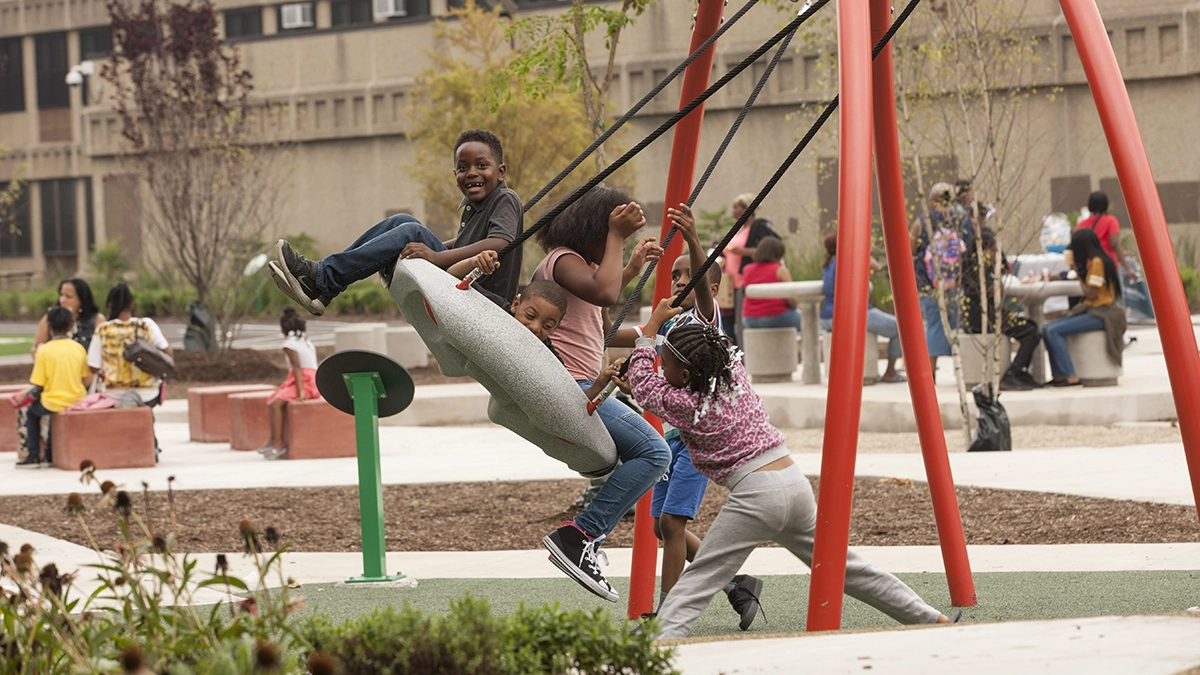
The John W. Cook Academy Space to Grow Schoolyard
John W. Cook Academy Space to Grow schoolyard in Chicago turns a flood-prone asphalt lot into a green play and learning space that captures stormwater.
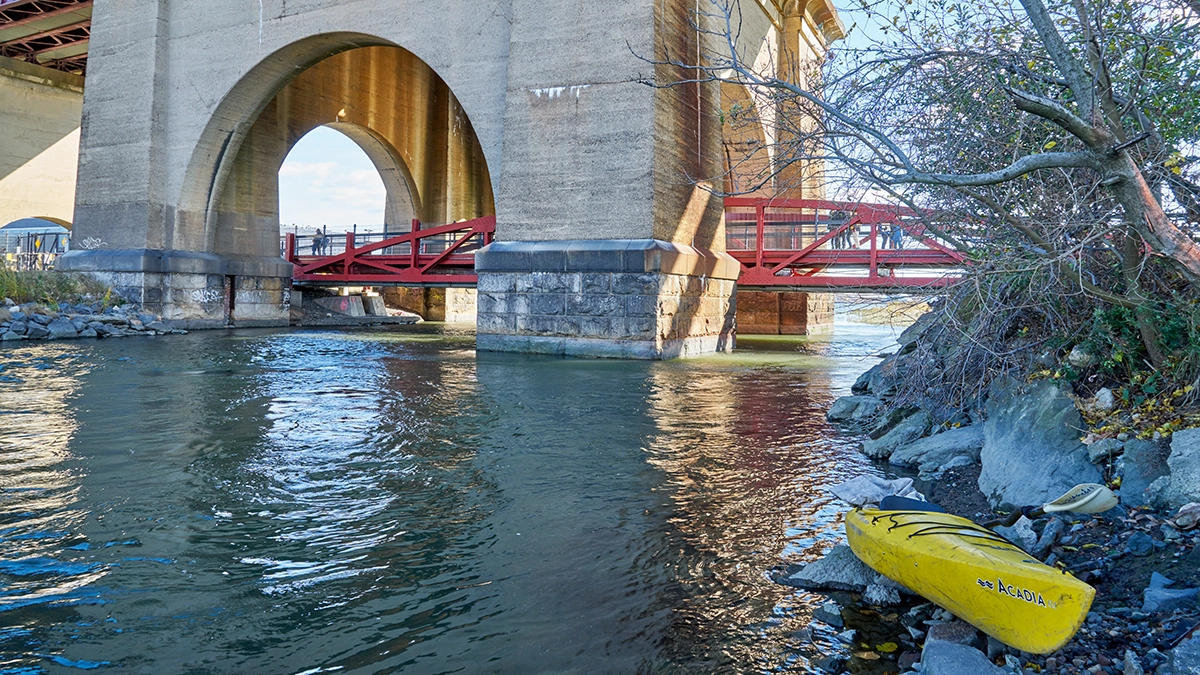
Randall’s Island Connector
Randall's Island Connector in the South Bronx creates safe, ADA-accessible walking and biking access to 330 acres of nearby parkland across the Bronx Kill.
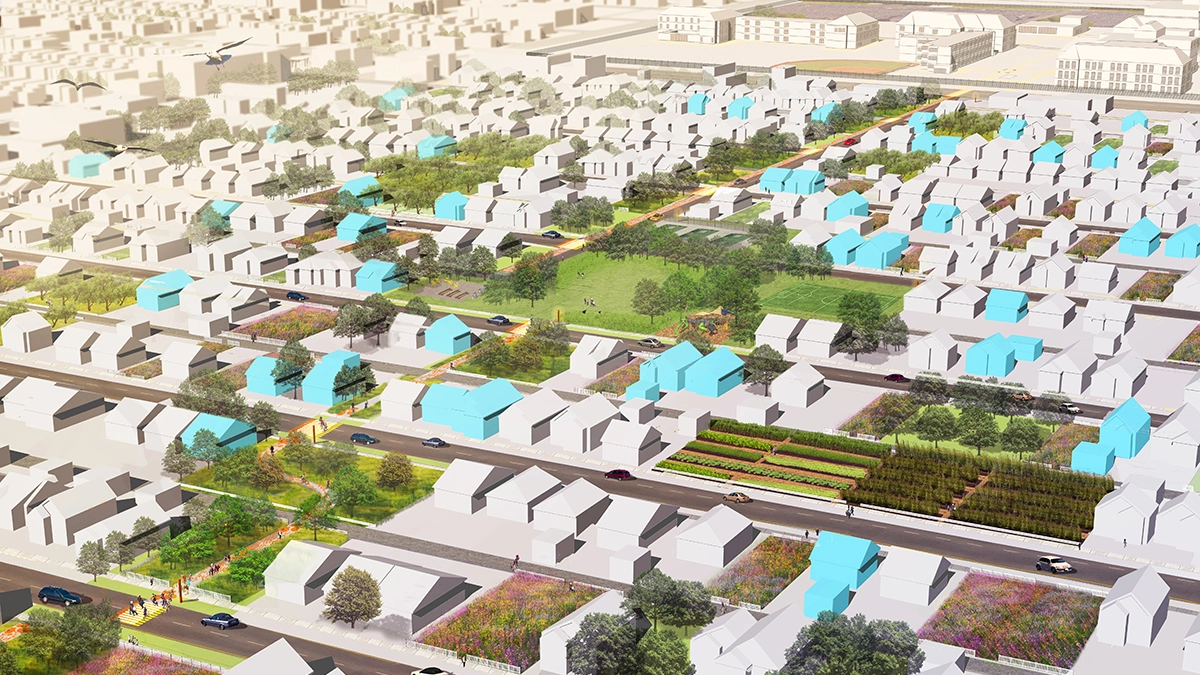
Fitzgerald Revitalization Plan
Fitzgerald Revitalization Plan in Detroit transforms vacant lots into greenways, parks, housing, and stormwater landscapes to heal a disinvested neighborhood.
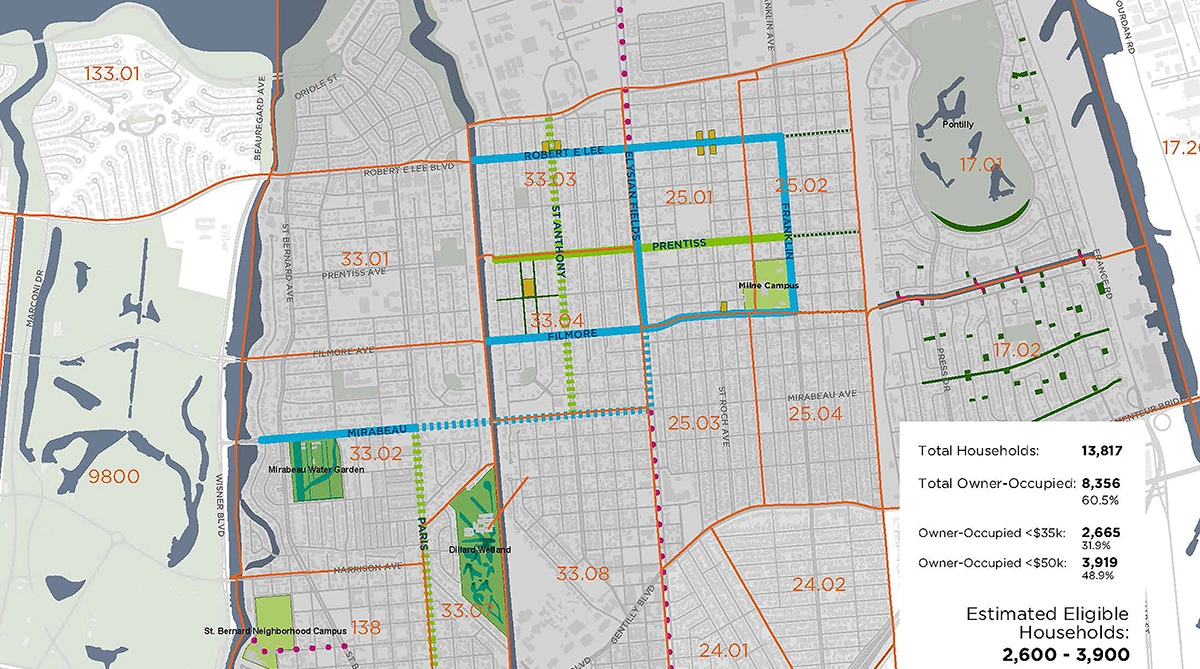
Gentilly Community Adaptation Program
Gentilly Community Adaptation Program in New Orleans funds green infrastructure for homeowners, reducing flood risk with trees, rain gardens, and bioswales.
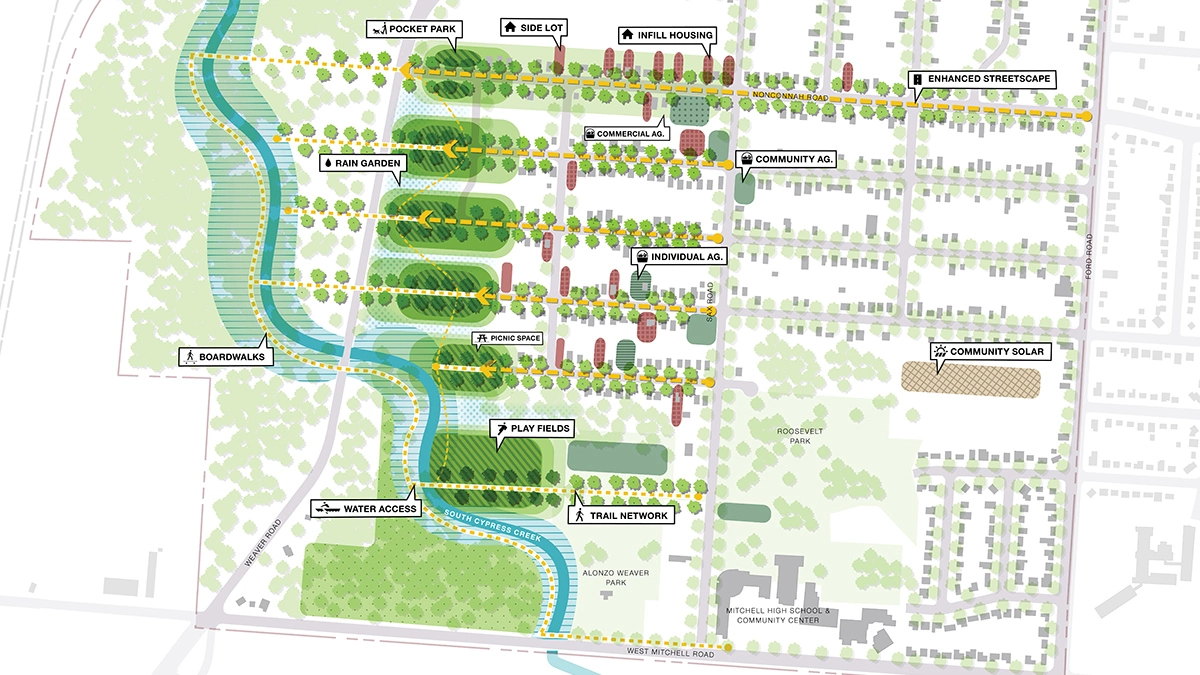
South Cypress Creek and West Junction Neighborhood Design Implementation
South Cypress Creek and West Junction plan in Shelby County turns vacant flood-prone lots into wetlands, trails, and solar-ready spaces to boost resilience.
Transportation
Smart growth solutions that promote walkability and reduce vehicle use or incentivize non-motorized and low/zero emission vehicles can have a very significant climate benefit. The Complete Streets approach seeks to equitably include active and non-motorized transportation choices on all rights-of-way, thereby encouraging people to get out of their cars.
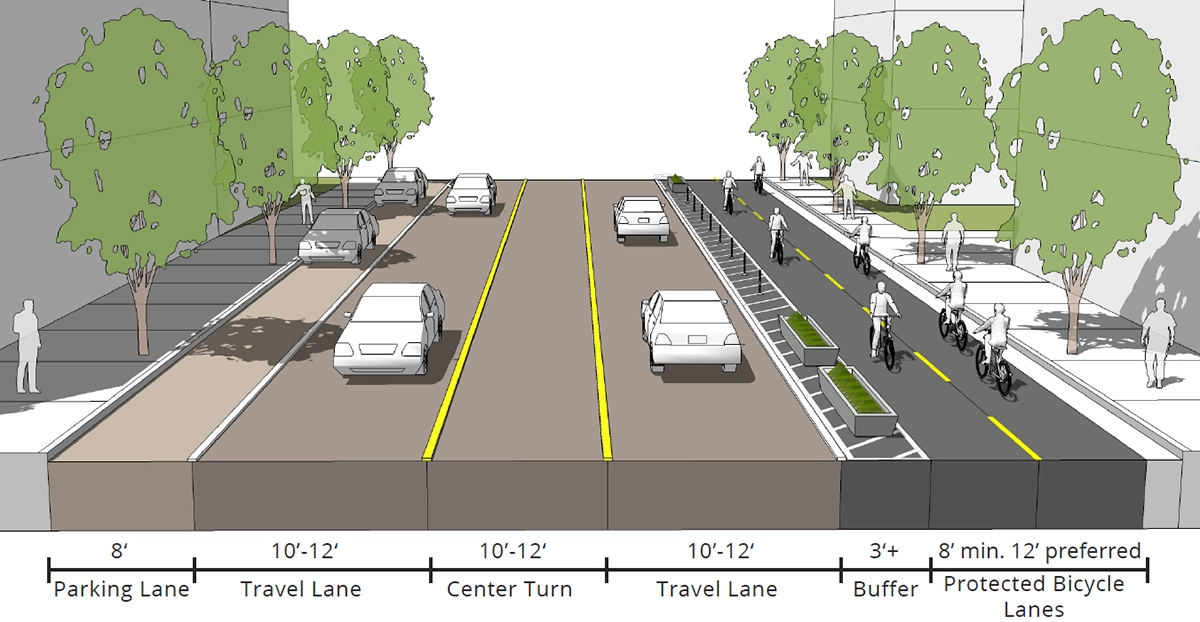
Cuyahoga Greenways Framework Plan
Cuyahoga Greenways Framework Plan links 59 Ohio communities with 815 miles of trails and greenways, expanding safe, healthy walking and biking access.
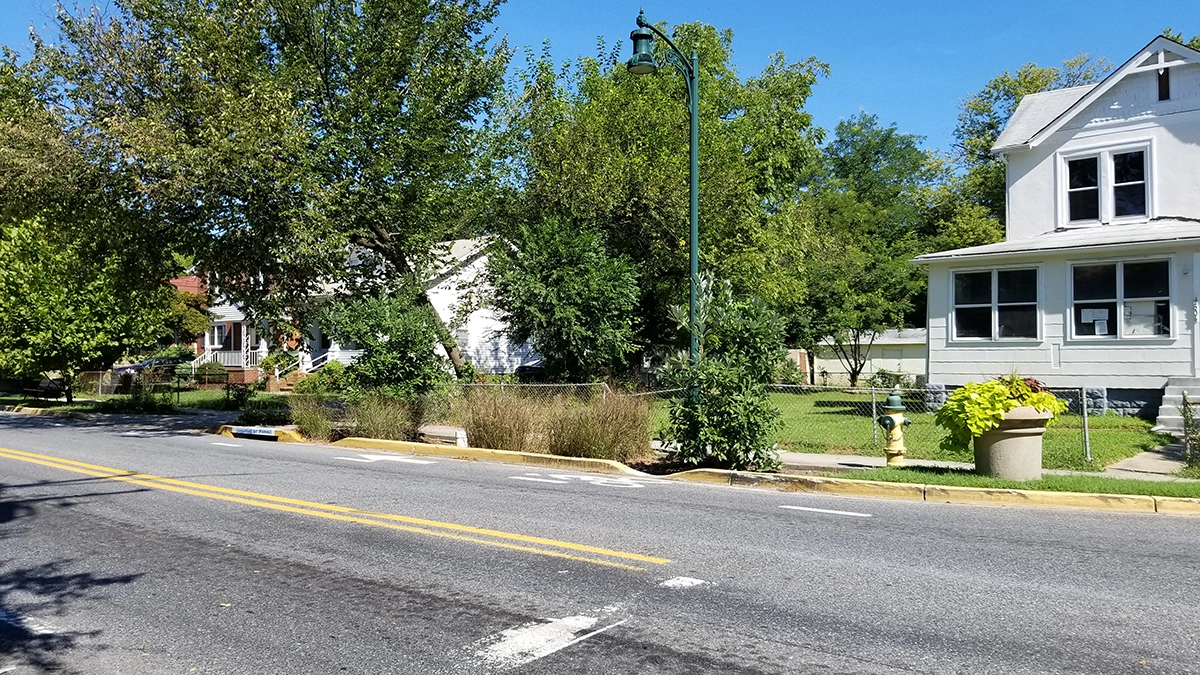
Edmonston Green Street Project
Edmonston Green Street in Maryland turns a flood-prone road into a green complete street with bioswales, trees, LED lights, and safe bike and pedestrian access.
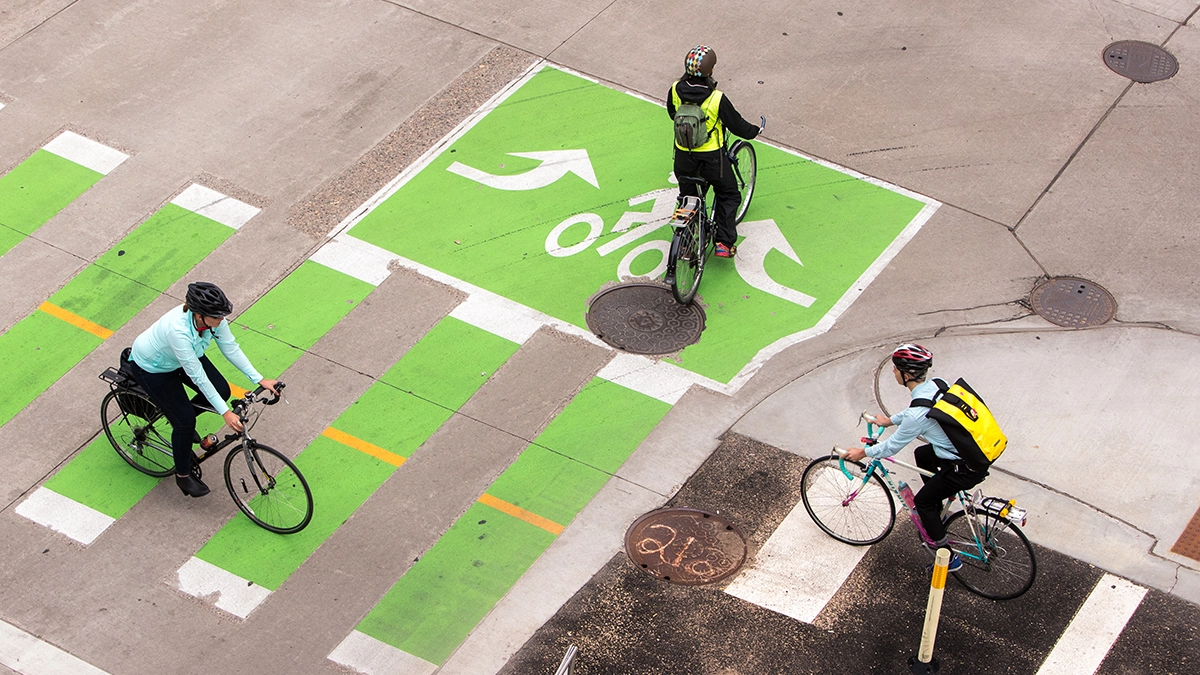
Jackson Street Reconstruction Project
Jackson Street Reconstruction in Saint Paul creates a green complete street with protected bikeways, bioretention buffers, and porous pavement for safer travel.
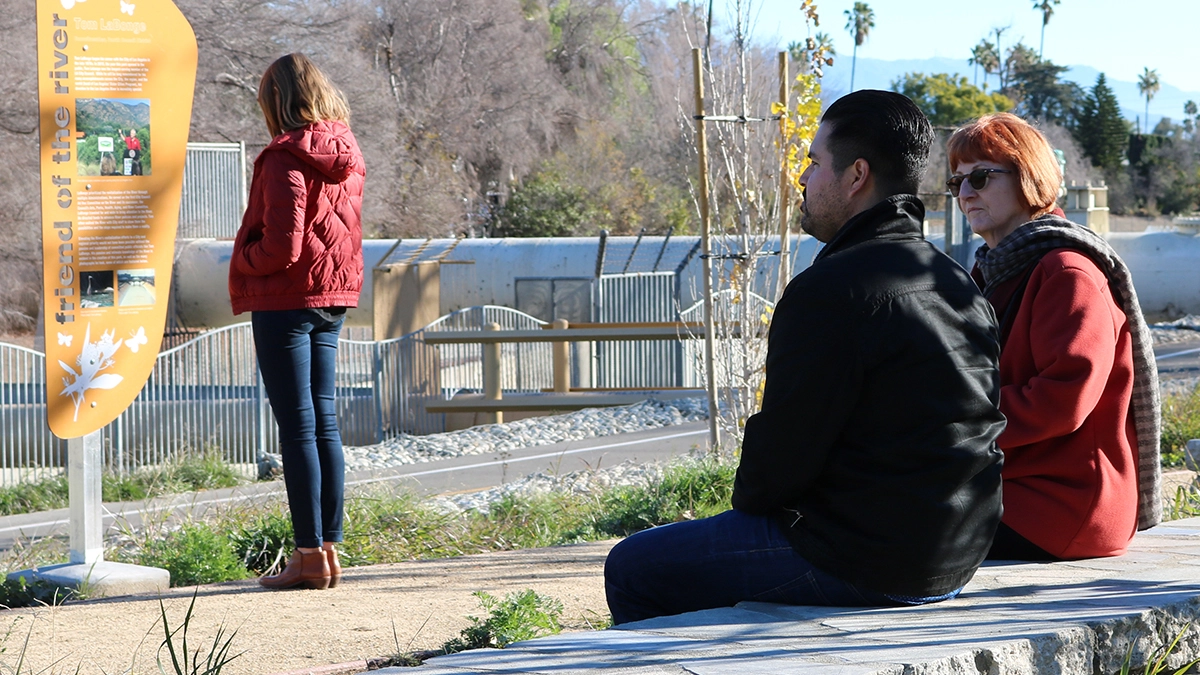
Los Angeles Riverfront Greenway Phase II
LA Riverfront Greenway Phase II in Studio City converts a muddy service road into a linear park with bikeway, bioswale, and native trees along the river.
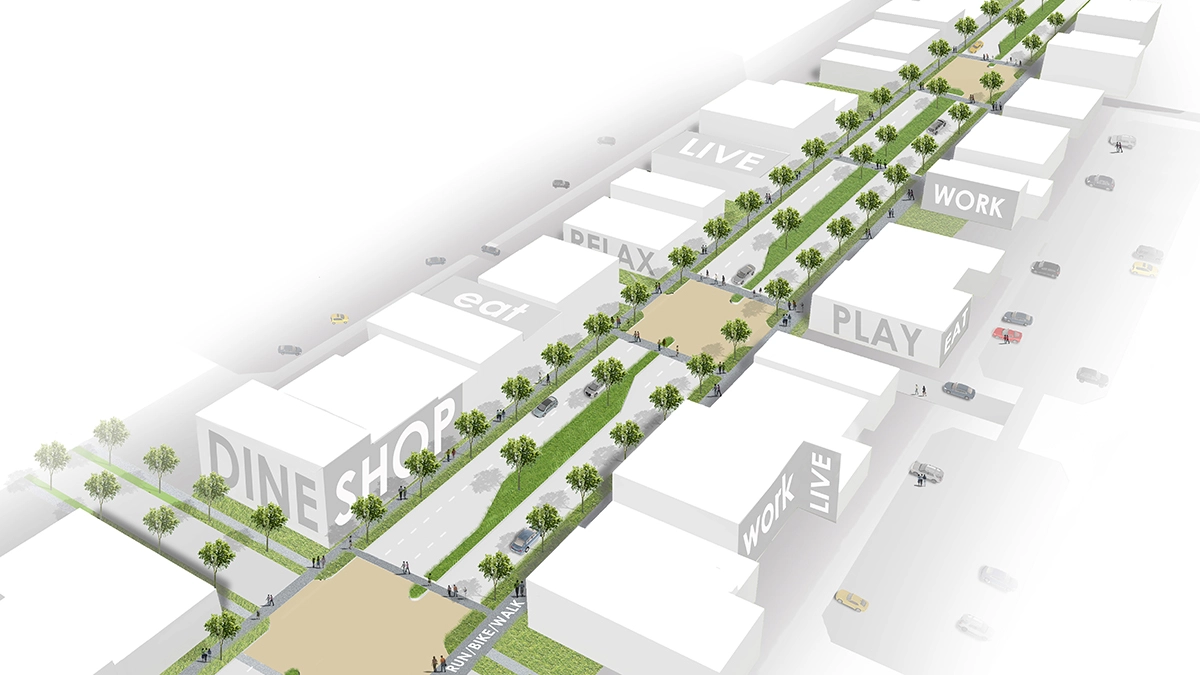
West Florissant Avenue Great Streets Master Plan
West Florissant Avenue Great Streets plan reimagines a riot-scarred corridor with green infrastructure, safer walking and biking, and renewed local business.
Agriculture
Design and planning for climate change and resilience must address current and potential impacts on agriculture and food security as well as soil health. Agricultural systems and food security must also be viewed through the lens of environmental justice; low-income and underserved communities typically suffer from “food deserts.”
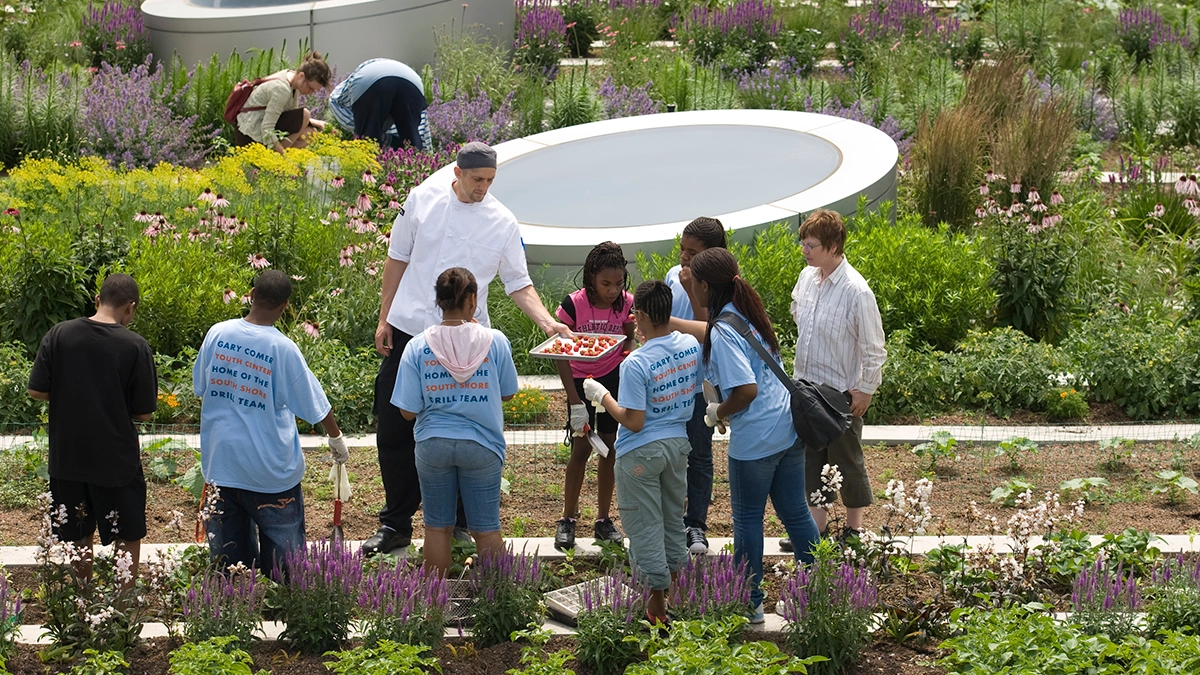
Gary Comer Youth Center Roof Garden
Gary Comer Youth Center roof garden in Chicago grows 1,000 pounds of organic produce a year, capturing stormwater and reducing urban heat island impacts.
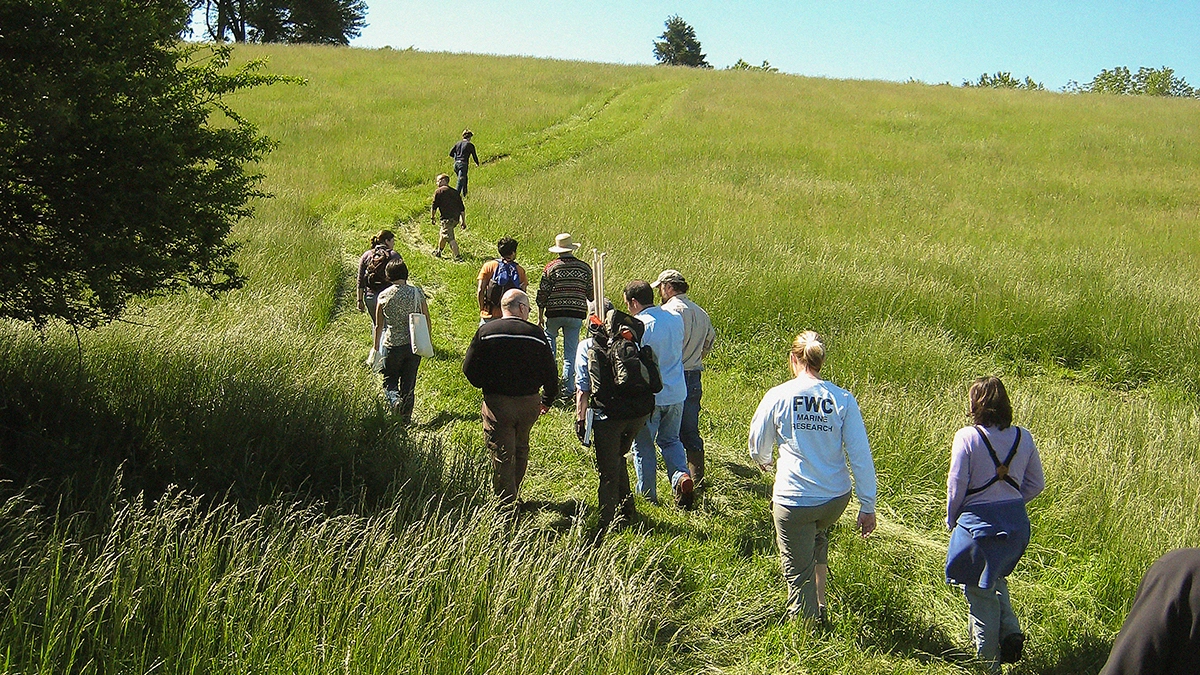
Oakencroft Farm
Oakencroft Farm in central Virginia restores soil, wetlands, and wildlife corridors while producing organic food through a science-driven master plan.
More than 25 case studies of sustainable landscape architecture at all scales
These case studies were developed with the support of the National Endowment for the Arts