

.webp?language=en-US)

.webp?language=en-US)
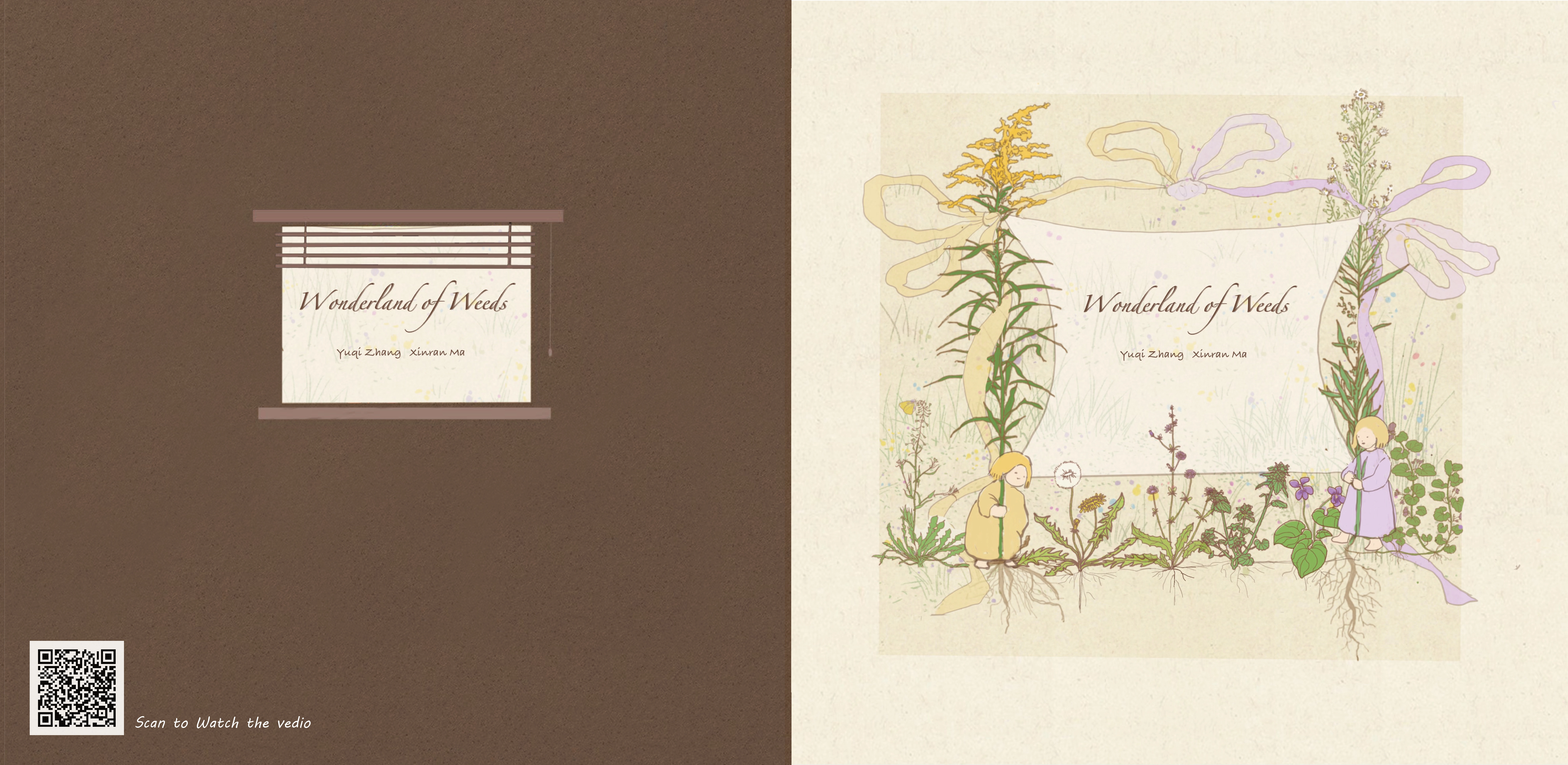
Wonderland of Weeds
Yuqi Zhang, Student ASLA; Xinran Ma, Associate ASLA


-
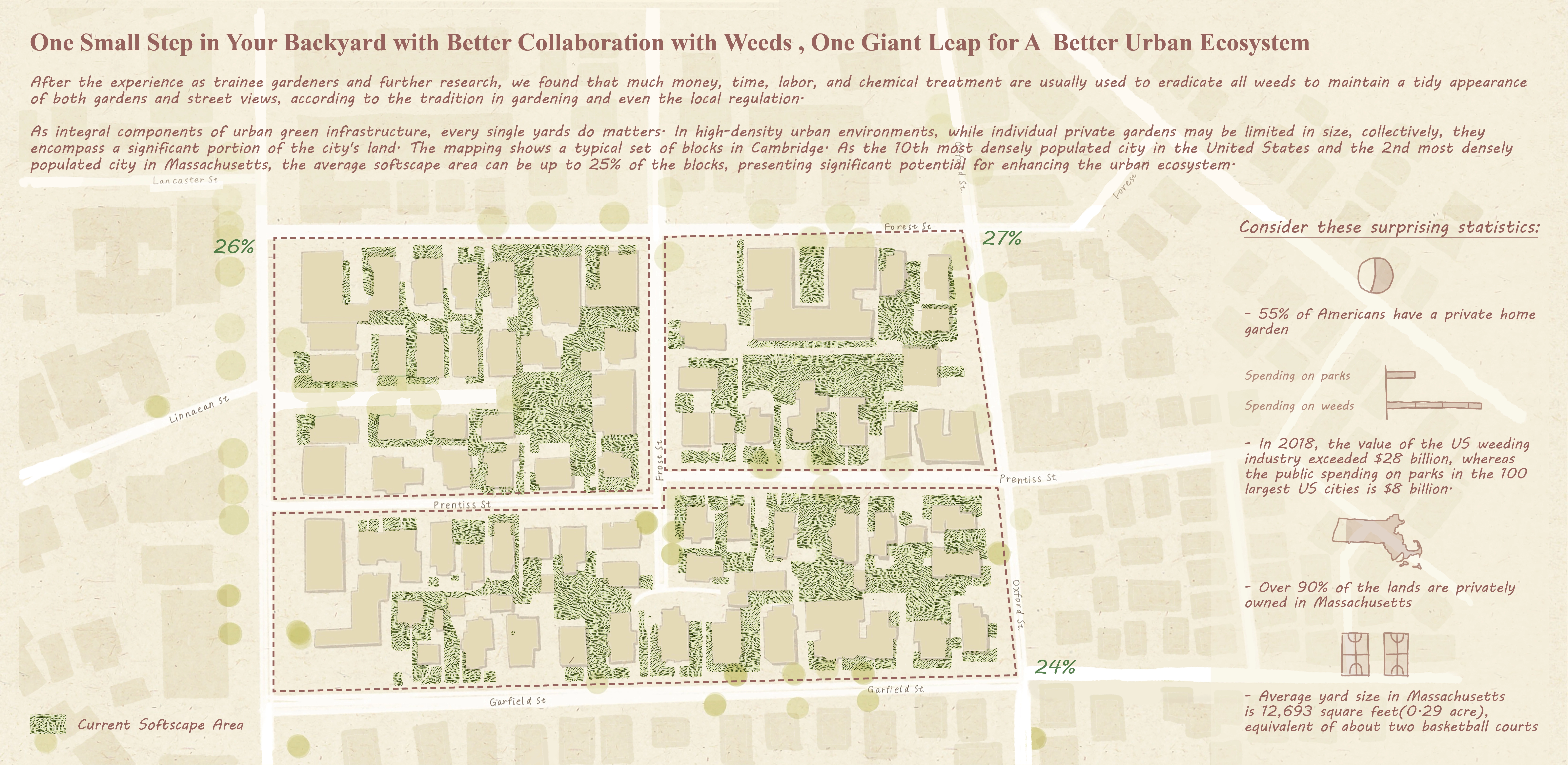
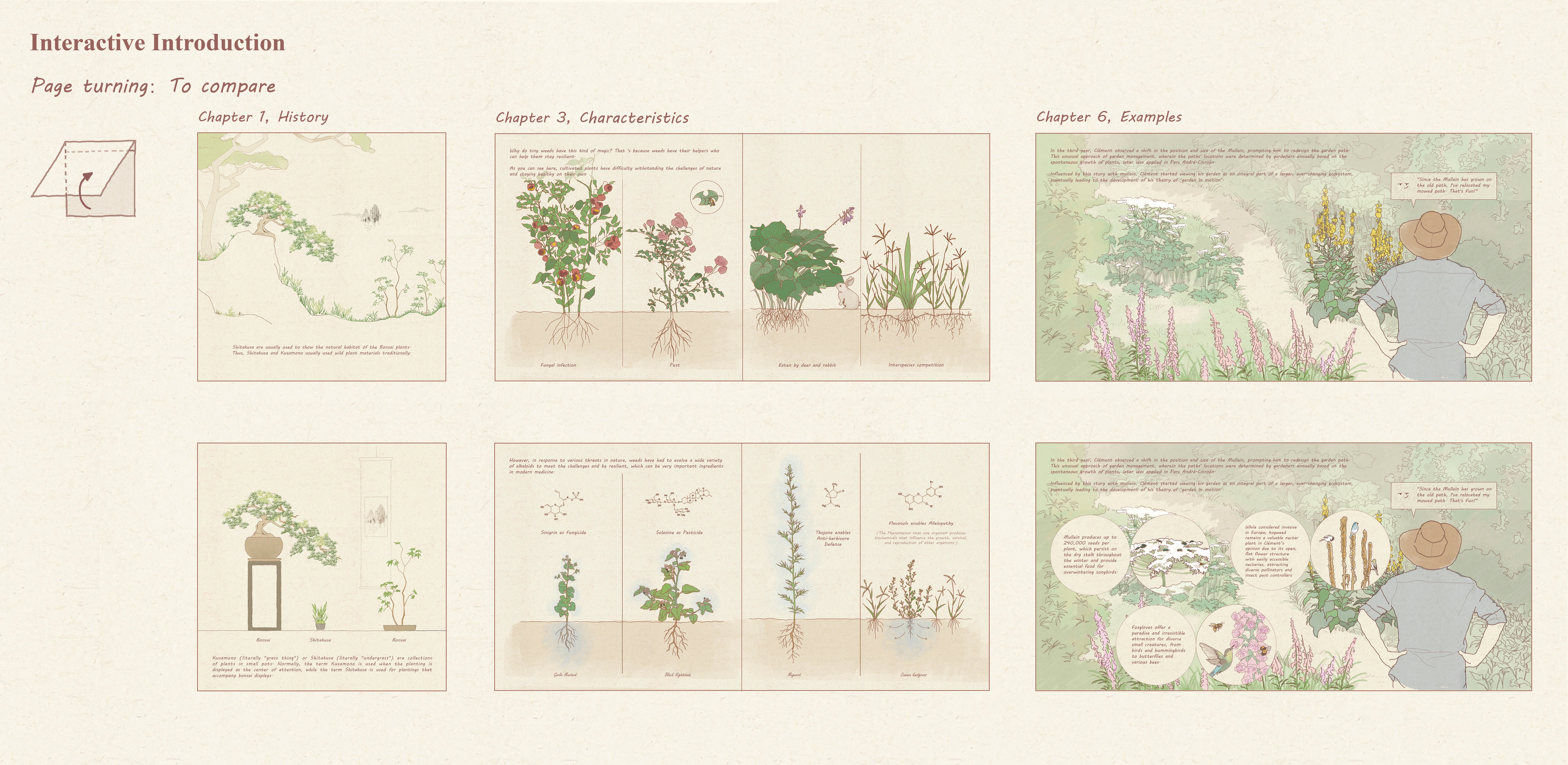
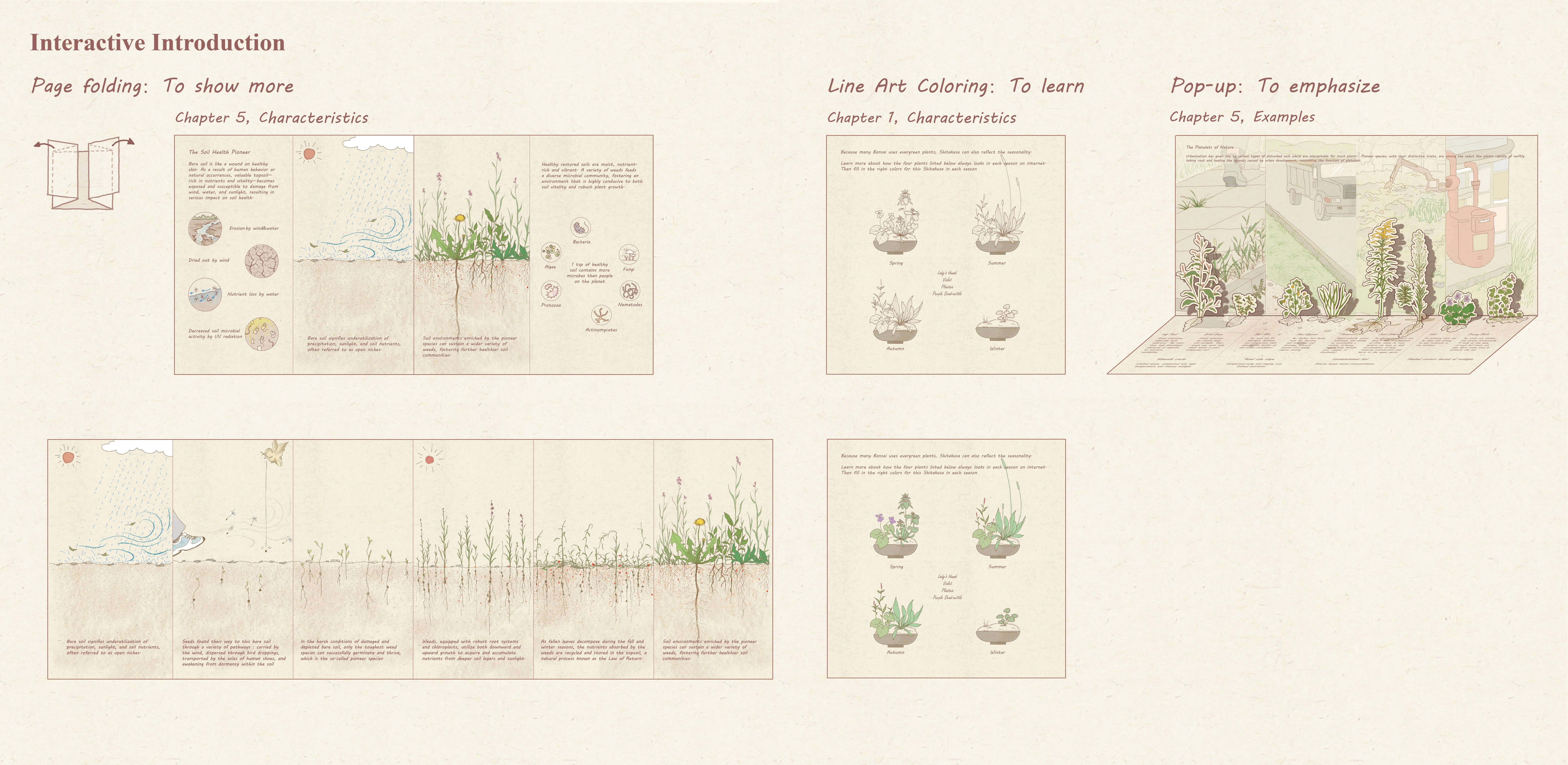
As important components of urban green infrastructure, the ecological potential in domestic gardens is not taken seriously by the landscape architecture academia nowadays. The widely used methods of weed control are highly resource-intensive, unhelpful, or even harmful to our urban ecosystem. By targeting teenagers who are more open to new perspectives and will become future garden owners, our picture book Wonderland of Weeds is an exploration of the participatory medium to help the public equipped with enough interest, awareness, knowledge, and skills to start managing weeds in a better way so that individual gardens can contribute to the overall urban ecosystem.
-
Spontaneous plants, better known as weeds, can be defined as resilient plants that grow anywhere without humans' help. According to the tradition in gardening and even the local regulation, much money, time, labor, and chemical treatment are used to eradicate all weeds to maintain a tidy appearance of both gardens and street views, which is highly resource-intensive, unhelpful, or even harmful to our urban ecosystem. Received recent attention from ecological and landscape academia but still deemed as aggressive and dominant by the general public, the weeds have surprising ecological values and aesthetic potential, in fact, which requires careful selective management. They can help make the gardens filled with delicate cultivated plants more vibrant and resilient in front of different threats. Thus, how can designers help alter the public consciousness of spontaneous plants, which can contribute to a more resilient and healthy urban ecosystem in a bottom-up manner?
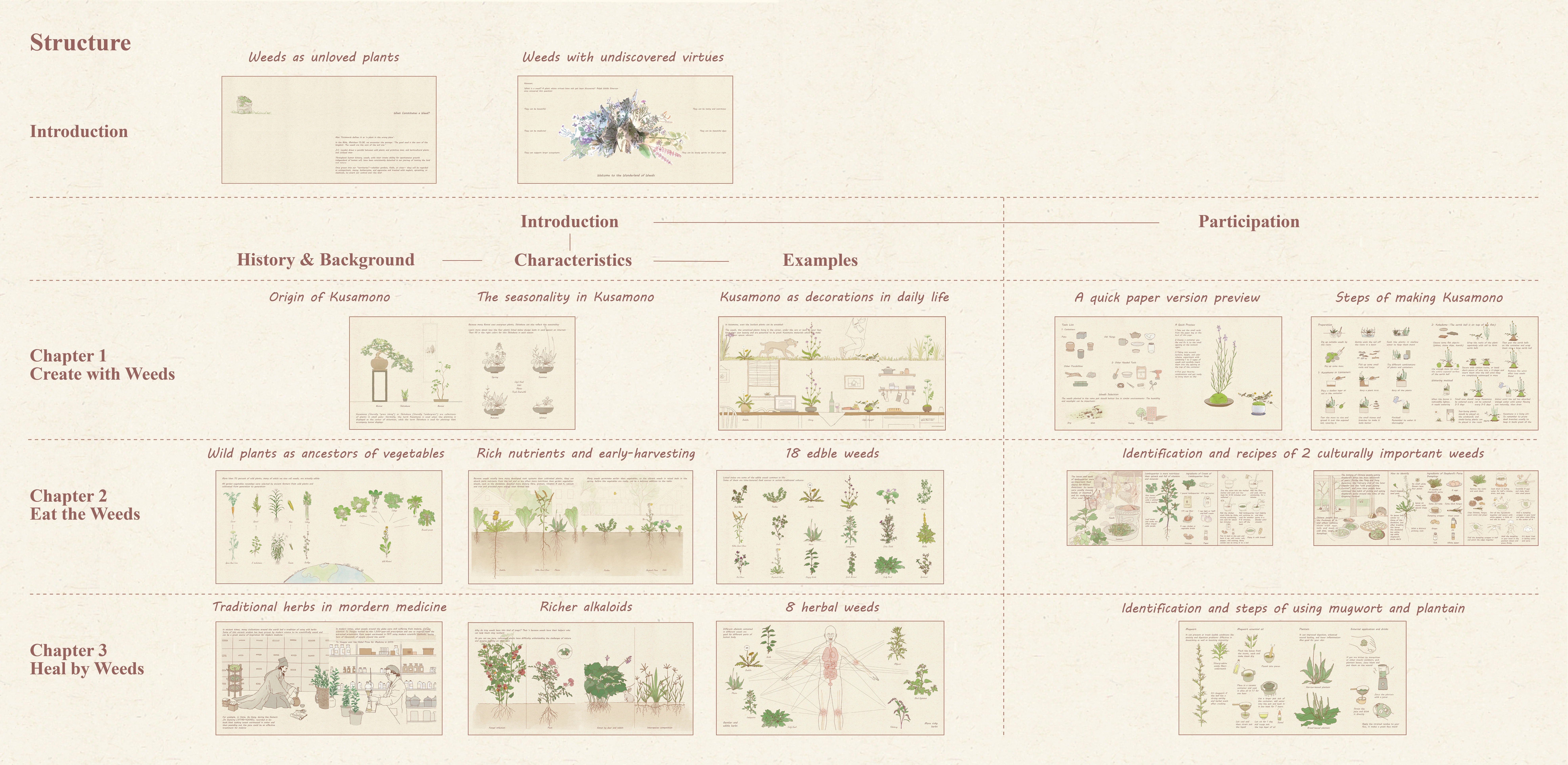
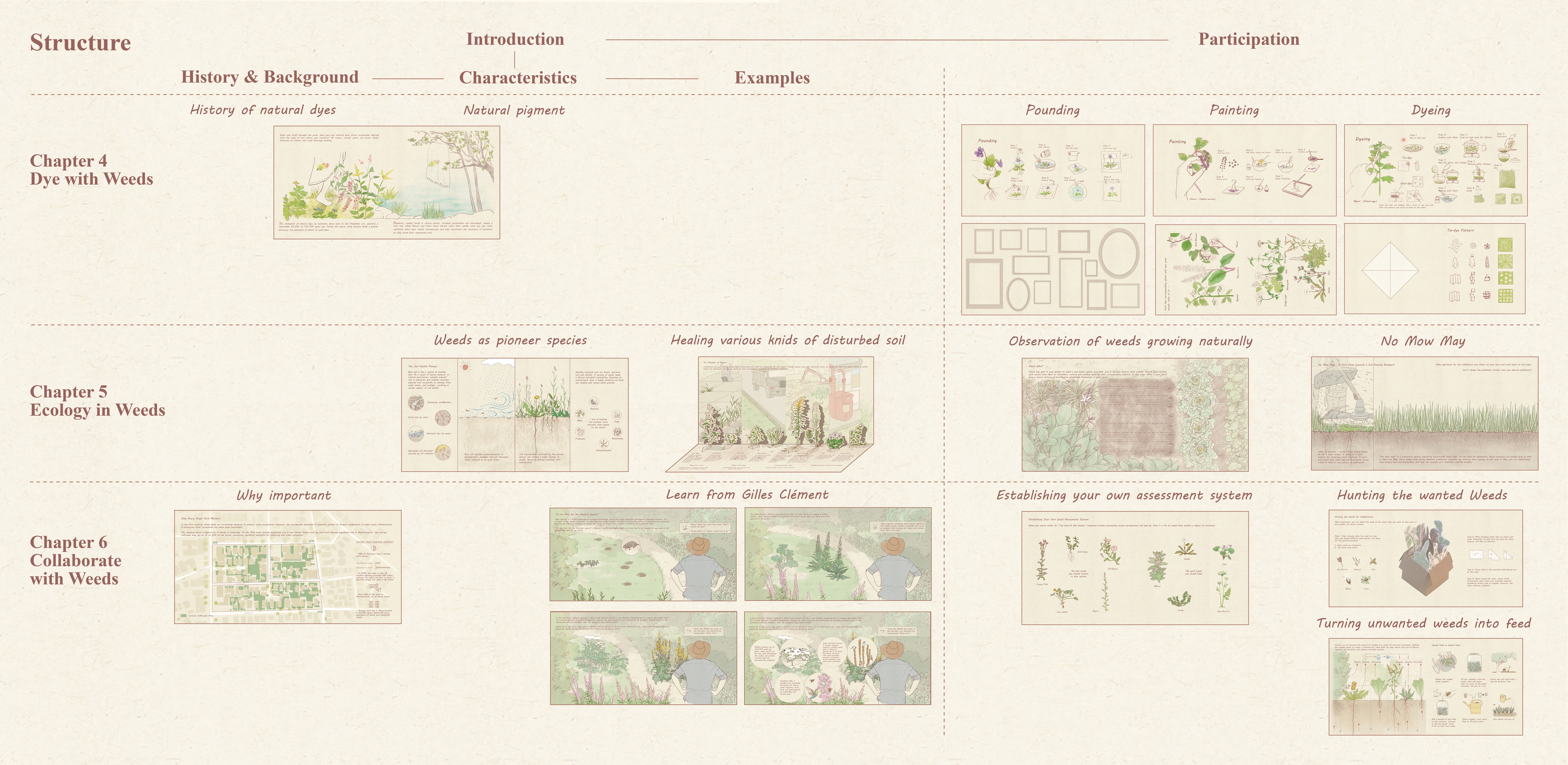
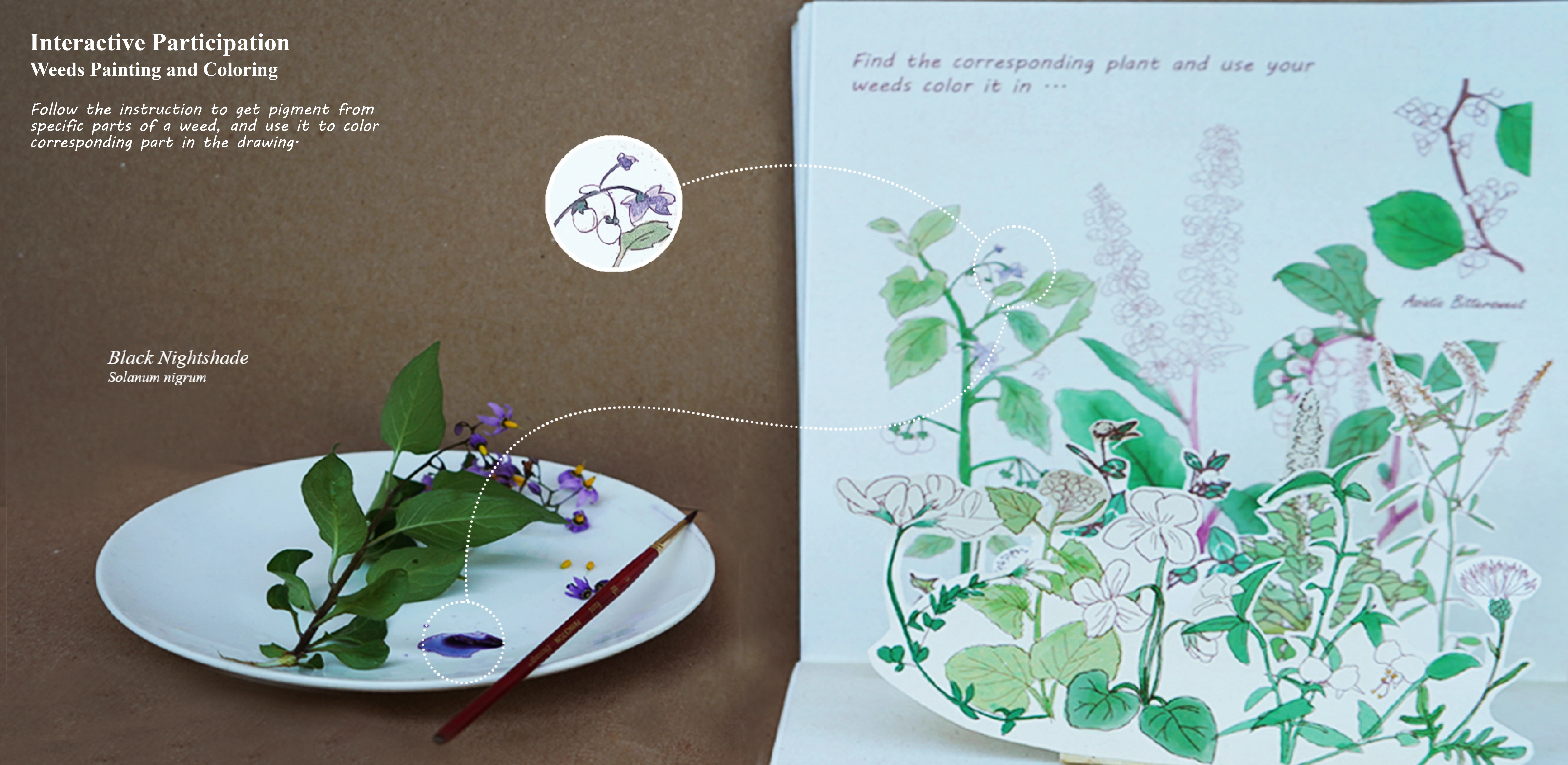
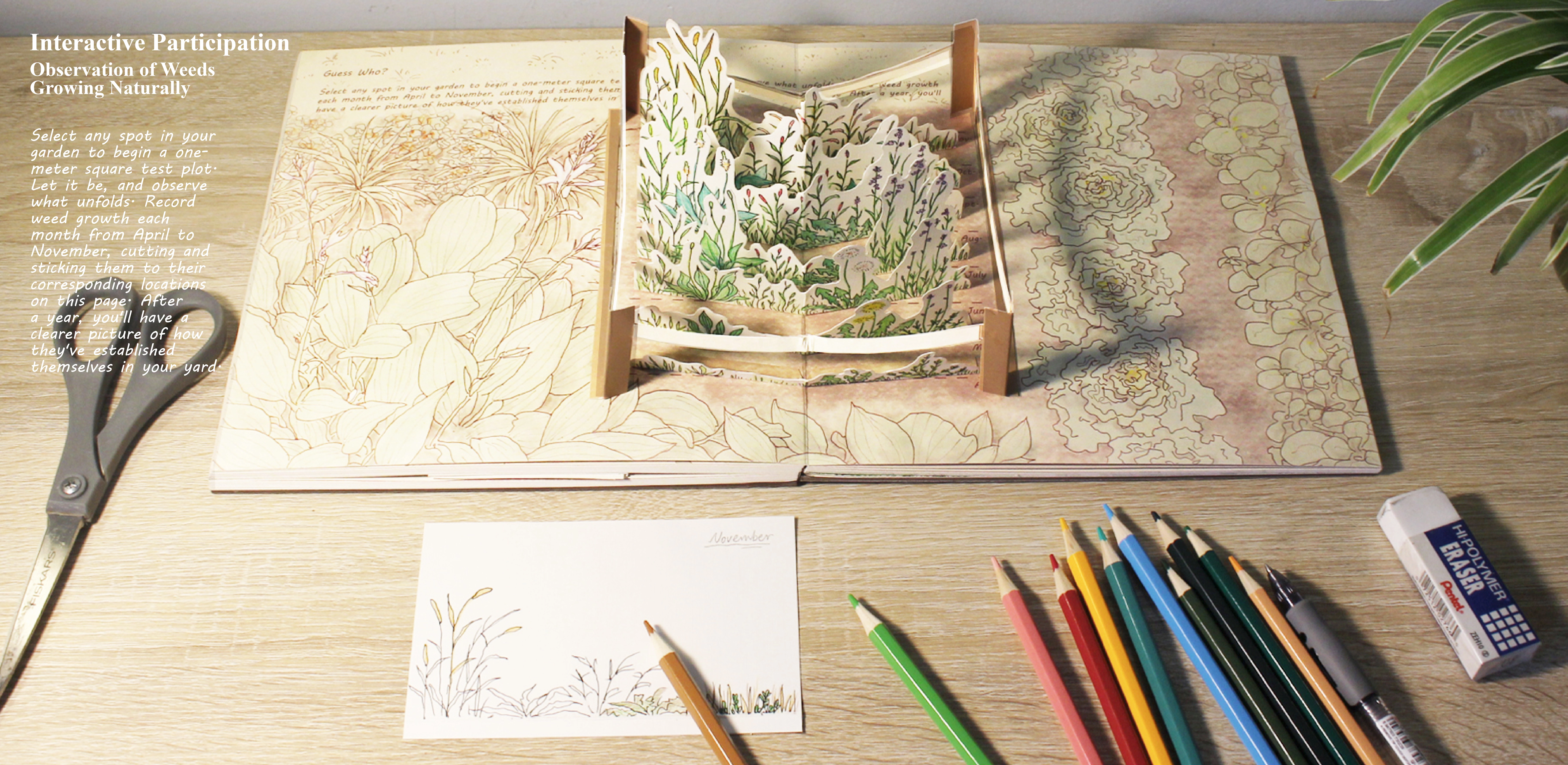
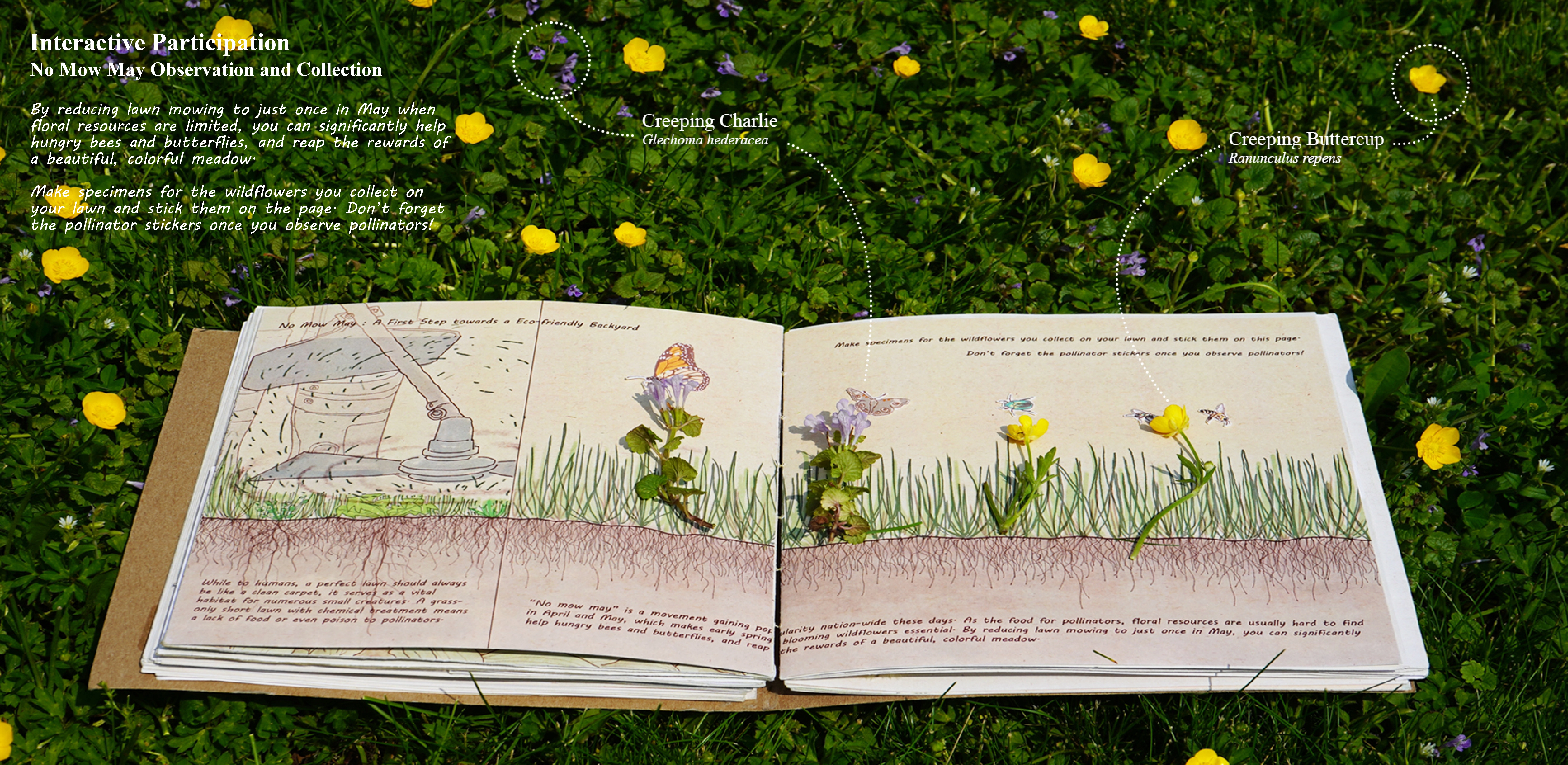
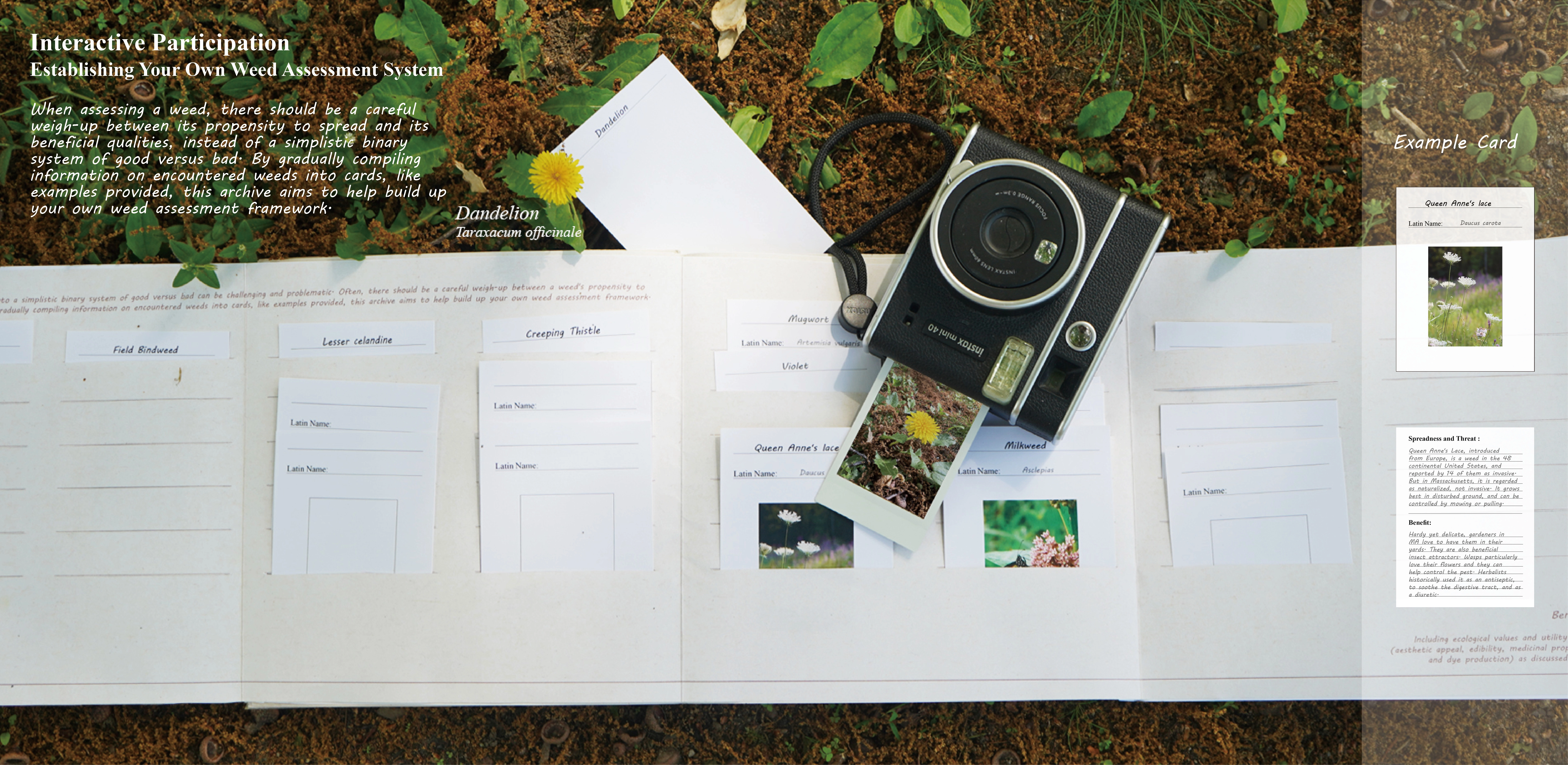
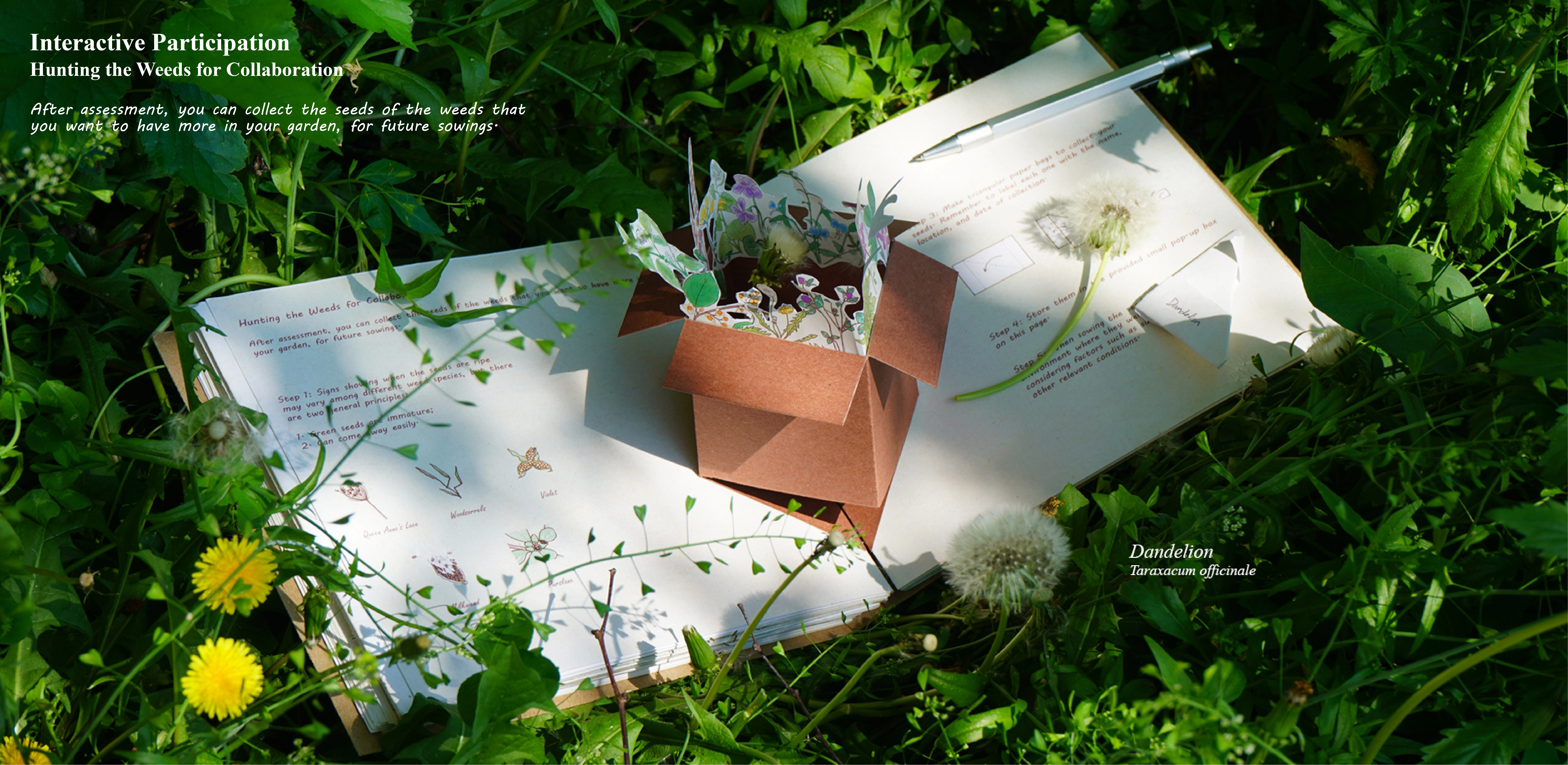
Consequently, Wonderland of Weeds serves as an experiment and a response. Wonderland of Weeds is an interactive picture book of Boston's spontaneous plants with a toolkit included, targeting teenagers from 12-18 years old. By attracting teenagers to interact with these unloved plants and get their hands dirty, the content aims to help them learn more about weeds and their unique values, encouraging each domestic garden to become more eco-friendly.
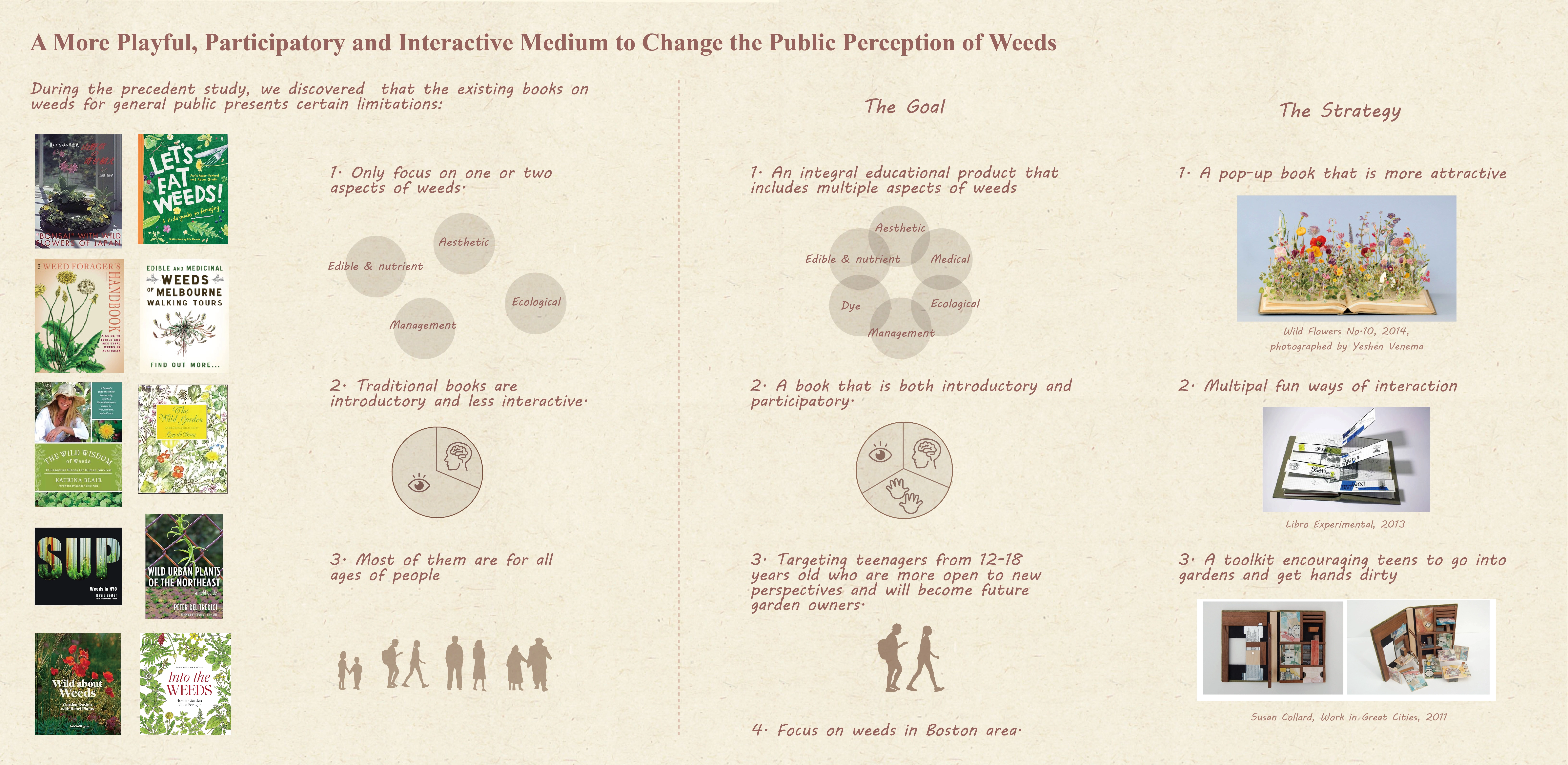
The goal
1. Targeting teenagers from 12-18 years old who are more open to new perspectives and will become future garden owners.
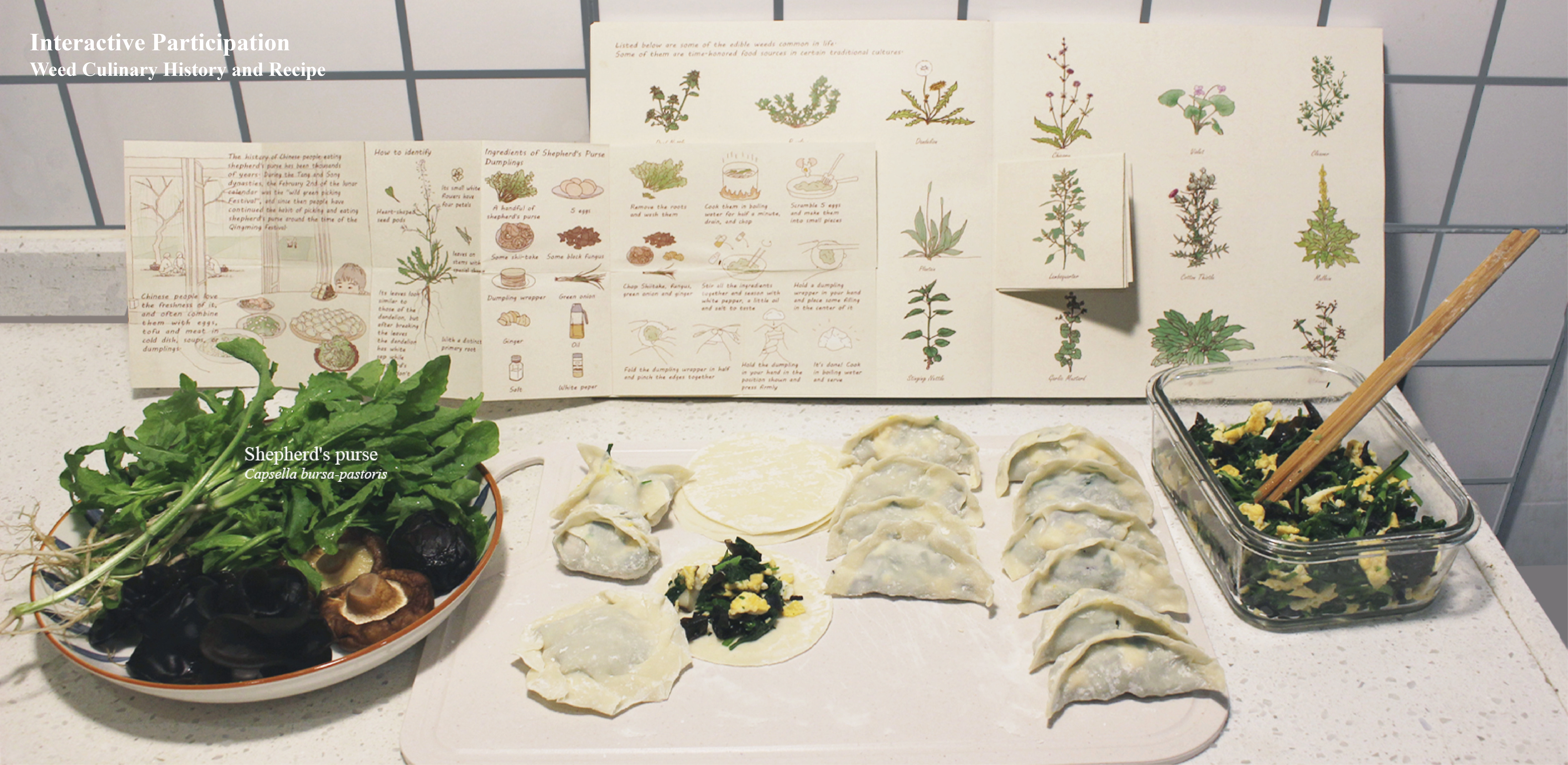
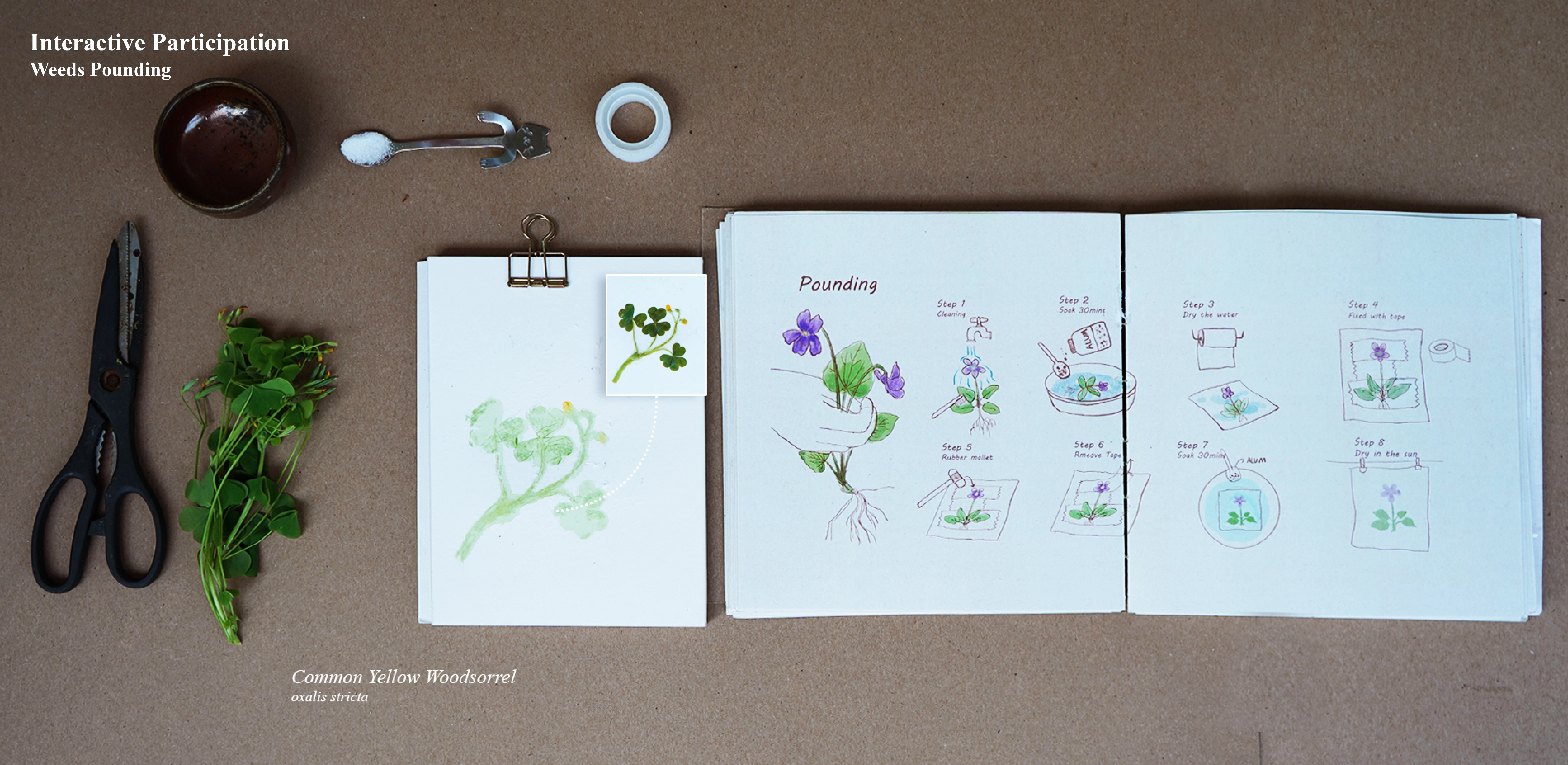
2. An integral educational product that includes multiple aspects of weeds, including aesthetic value, use value (edible, medical, and dyeing), ecological value, and management.
3. A book that is both introductory and participatory.
4. Focus on weeds in the Boston area.
Our strategy
1. A pop-up book that can be more attractive to teens;
2. Offering multiple fun ways of interaction;
3. With a toolkit included in the book to encourage teens to go into gardens and get their hands dirty
The vision
We have now completed a handmade version as well as our first factory-bound hardcover. In the future, if the opportunity arises, we hope to expand our reach by selling in commercial bookstores.
-
- Laura McGrath - President of Cultivar, Inc; Off-campus advisor;
Advertisement
Related Awards
Honor Award, Communications
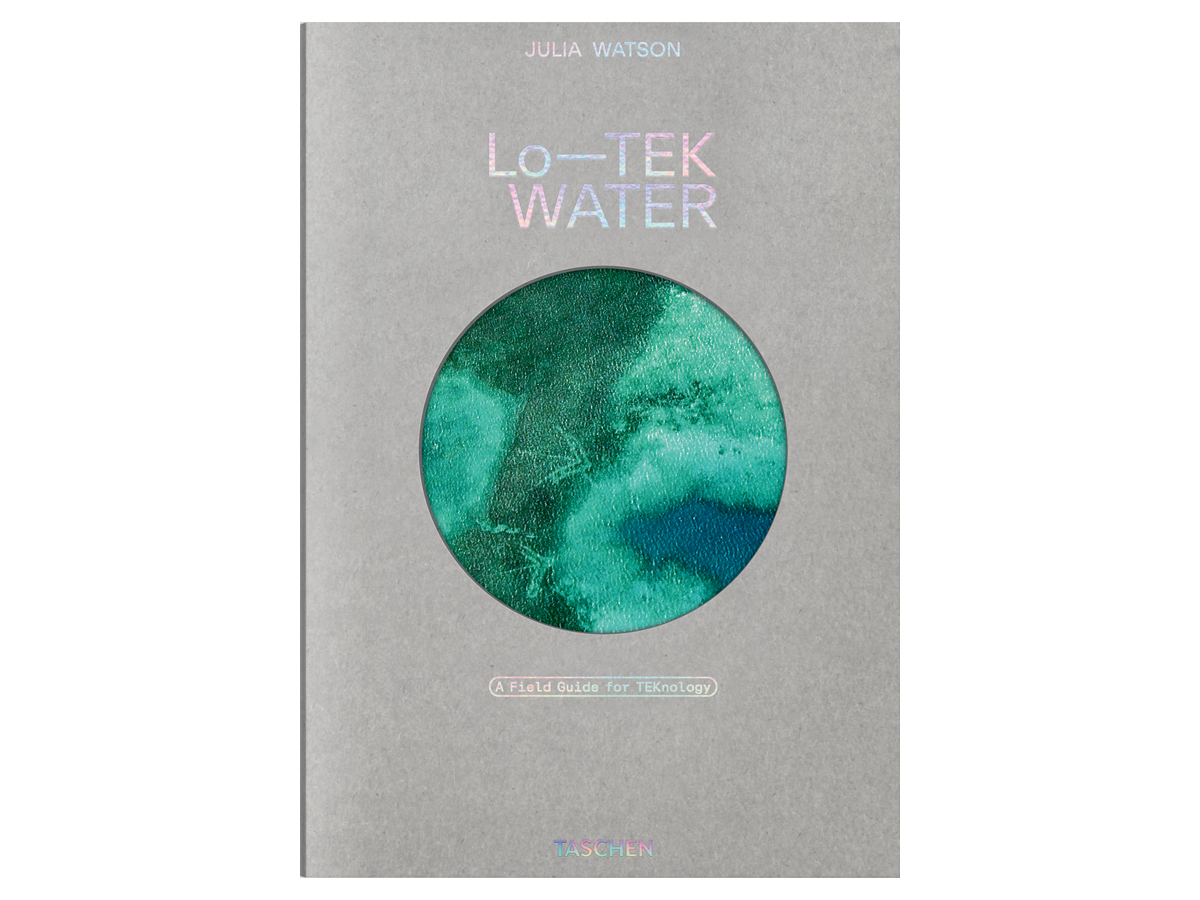
Lo—TEK Water. A Field Guide for TEKnology
Lo—TEK Water is a publication that communicates Indigenous and traditional ecological knowledge as a contemporary framework for addressing global water challenges. Through rigorous research, compelling narrative, and visually driven storytelling, the book translates complex environmental systems into accessible, actionable insights for designers, planners, policymakers, and the public.
Related Articles

ASLA Fund
American Society of Landscape Architects Announces its 2026 Student Awards
39 Student Award winners elevate the future of the landscape architecture profession
Aug 24 2026