

.webp?language=en-US)

.webp?language=en-US)


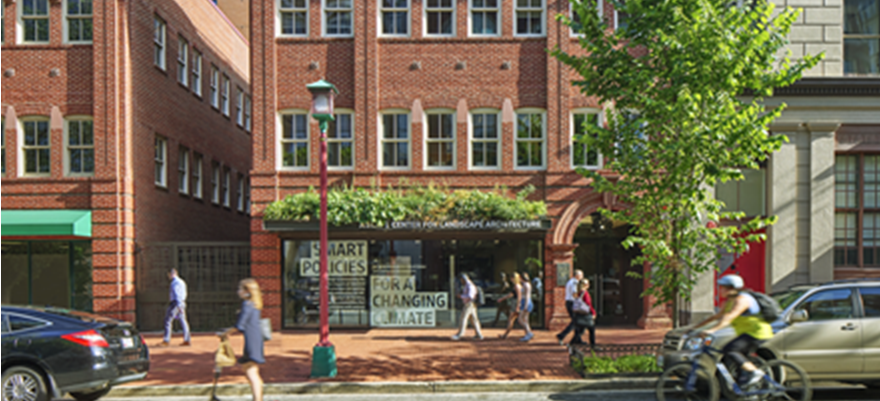
Resources for policy, coalition building, and chapter advocacy
Advertisement
Promote Landscape Architecture
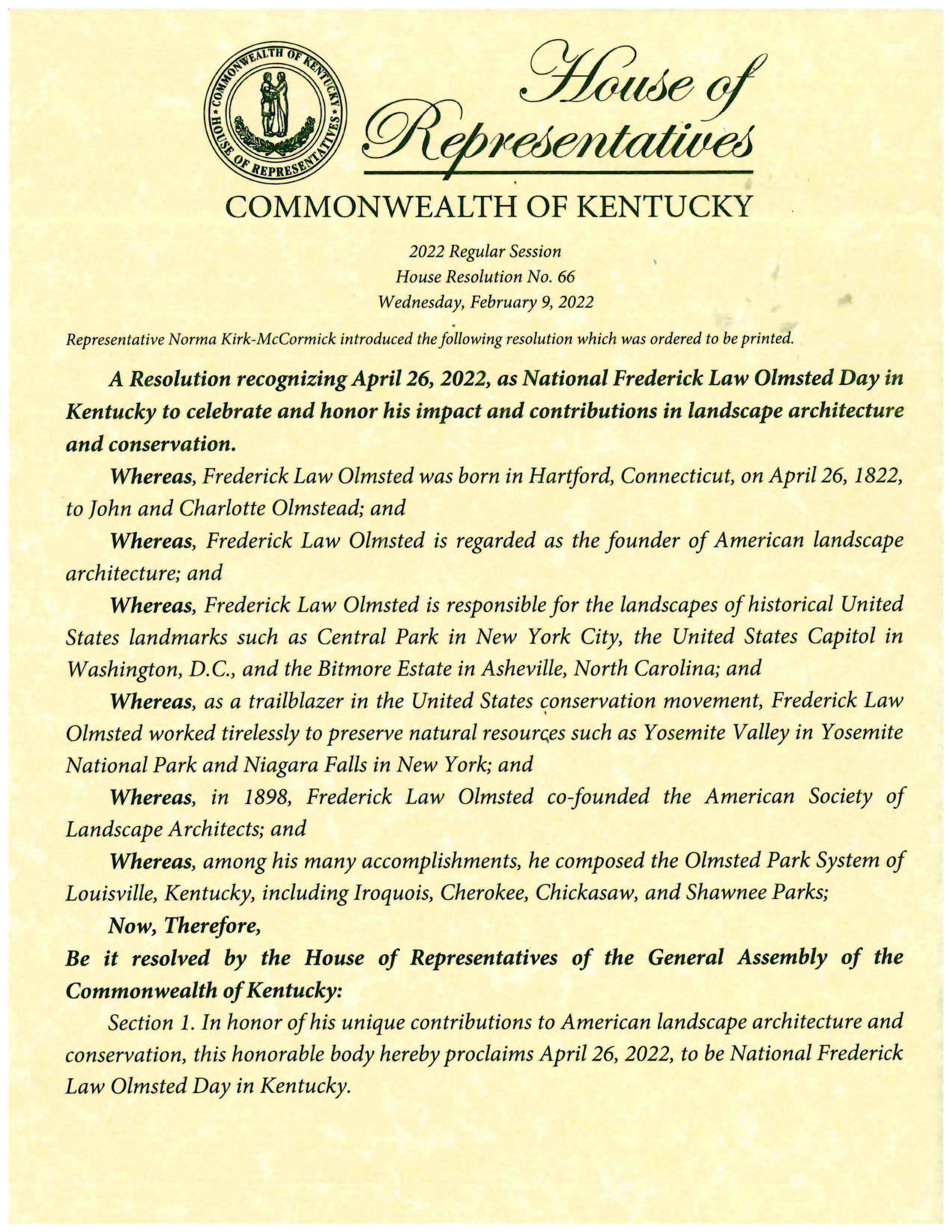
Ready-to-use resolution language for chapters to download and tailor, supporting local outreach and official recognition of landscape architecture’s impact.








BUILDING RELATIONSHIPS WITH ALLIED PROFESSIONS
Why Collaborate?
There are various reasons for collaboration depending on the potential partner and the needs of your chapter. Collaboration provides opportunity to raise awareness of the landscape architecture profession, both within the allied professions and the general public. For advocacy, this unified front can be a powerful presence in support or opposition to legislation, while ensuring the landscape architecture profession remains a part of the dialogue.
In addition to building and bettering the relationships with allied professions, these partnerships create efficiencies for scarce resources, including time and money.
Potential Partners Include
- Arborists & Foresters
- Landscape Designers
- Historic Preservation Organizations
- Architects
- Landscape Contractors
- Green / Sustainability Organizations
- Engineers
- Nurserymen
- Urban Development Organizations
- Geologists
- Planners
- Land / Water Conservation Organizations
- Golf Course Architects
- Bike / Pedestrian Organizations
- Water Usage / Purveyor Organizations
- Horticulturalists
- Smart Growth Organizations
- AARP
- Irrigation Consultants
- Transportation Organizations
- American Water Works Association
- Land Surveyors
- Park & Recreation Organizations
- Complete Streets Coalition
Initiatives and Strategies
Join Existing Coalition
The heavy-lift of creating a coalition has already taken place, now reap the benefits. Most coalitions are willing to work through cost issues to deal with budget limits, in-kind contributions can include using ASLA’s Advocacy Network to generate grassroots advocacy. Joining a coalition is important to ensure that landscape architectural expertise is incorporated into the coalition.
Steps to join:
- Research the coalition to understand what it has done for issues you support and/or oppose
- Understand the coalition’s objectives and how your organization can help reach them — know what resources you can offer
- Contact the leader organization of the coalition to verify membership criteria and process
Create a Coalition
It may be in your best interest to form a new coalition if an existing coalition does not meet your chapter’s needs or goals. Common examples include a design council with other licensed professions, formalizing a green industry coalition, and advocacy initiatives such as Complete Streets coalitions.
Steps to create:
- Establish clear objectives that your coalition supports (usually 1–3 points)
- Write a simple and powerful coalition letter for organizations to sign
- Recruit individuals and organizations to participate
- Invite stakeholders to a kickoff meeting to discuss shared interests
- Plan and hold your first meeting with an agreed schedule
- Follow up on meetings and coalition deliverables
- Examples include Green Industries of Colorado (GreenCo), Alaska Professional Design Council, and the National Complete Streets Coalition
Joint Events
Combining efforts can increase efficiency, save money, and expand visibility. More attendees often lead to more sponsors.
Examples:
- Annual Conferences and Education Sessions: Register sessions with LA CES and other entities to draw outside participants
- State or Local Advocacy Days: Advocate jointly while ensuring the landscape architecture perspective is represented
- Awards Programs: Recognize shared achievements such as public space or conservation work
- Community Service: Support pro bono charrettes and community-based initiatives
Special Invitations
Inviting organizations to participate in your programs signals openness to collaboration and strengthens communication.
- Invite allied professionals as panelists or speakers
- Invite organizations to exhibit at conferences
- Offer discounted conference registration
- Invite jurors for awards programs
- Reciprocal participation is typically expected
Partnerships
Partnerships allow organizations to share costs and expertise while addressing knowledge gaps.
- Share an executive director, lobbyist, or consultant
- Ensure collaboration aligns with ASLA goals
- Clearly define scope of work in consulting contracts
- Co-author technical publications or regulatory reviews
Relationship Outreach
- Identify landscape architects with existing relationships
- Target outreach around specific events or issues
- Create opportunities for collaborative action
Organizational collaboration and relationship building is critical to the work of landscape architects. The overarching goal is to build stronger relationships, expanding the visibility and familiarity of the landscape architecture profession exponentially.
Downloadable PDF version can be found here.
Government Affairs Priorities
ASLA federal government affairs priorities should reflect the professional needs and advocacy concerns of ASLA members. To that end, the federal affairs priorities will be developed through the following process.
ASLA federal government affairs priorities should reflect the professional needs and advocacy concerns of ASLA members. To that end, the federal affairs priorities will be developed through the following process:
In even-numbered years preceding a new congress, ASLA will survey its members to determine member interests and priorities. Member input and potential priority issues will be analyzed by the government affairs staff and Government Affairs Advisory Committee and set of recommended priorities will be developed using the following filters:
Priority Filters
Landscape Architecture Expertise – Landscape architects have specific expertise that will allow ASLA and its members to play a leadership role on the issue or otherwise bring technical expertise to influence the public policy.
Member Relevance – Issues must be relevant and important to a broad segment of the ASLA membership. An issue could be relevant because it relates to fundamental principles or beliefs held by the majority of members or because it has an economic impact on ASLA members.
Federal Nexus – The issue must be one over which the Congress or a federal department/agency has jurisdiction.
Timeliness – The issue will be or is likely to be on the congressional or administrative agenda in the next two years.
The recommended priorities will be presented to the Executive Committee at its summer meeting and to the Board of Trustees at its fall meeting for discussion and input. Input from the Executive Committee and Board will be reviewed by the government affairs staff and GAAC and the recommended priorities will be revised as appropriate. A final set of federal priorities will be presented to the Executive Committee for endorsement prior to the year-end.
Staff lobbying efforts, bill endorsements, written testimony, congressional correspondence, and allocation of the department’s government affairs resources will be made within the context of these priorities. However, ASLA will continue to endorse, as necessary and appropriate, other legislative initiatives consistent with Society policies.
Federal government affairs priorities will be re-evaluated as needed to ensure appropriate allocation of resources and to respond to changes in the political environment.
ASLA Administrative Policy: 2001; R2016
GUIDE FOR CHAPTERS TAKING POLICY POSITIONS
As state legislatures, regulatory agencies, the U.S. Congress, and the administration become more active on issues impacting the profession of landscape architecture, local ASLA chapters may choose to weigh in on critical legislative and regulatory proposals outside the scope of ASLA’s biennial Federal and State Legislative Priorities.
With support from ASLA national staff, ASLA chapters should feel confident weighing in on issues that the chapter and the society identified as priorities through the ASLA Federal and State Legislative Priorities Survey process. However, for chapters that want to weigh in on ancillary issues that are outside of this domain, but are important to the chapter, ASLA recommends utilizing the following checklist to take action:
Policy Position Checklist
- The issue should comport with at least one of ASLA’s Public Policies and should not conflict with ASLA’s National Federal Priorities Agenda.ASLA Public Policies are external documents, developed by the Policy Committee and adopted by the Board of Trustees, reflecting positions on specific issues from the perspective of the society and the profession of landscape architecture. The policies represent the society's beliefs, values, and visions.
- ASLA is a non-partisan organization. As such, ASLA does not endorse political candidates, party platforms, policies, legislation, or regulations intended to promote a particular party or candidate.Nothing in the above statement precludes or inhibits in any way individual members from participating in political action committees and political advocacy groups organized separately from ASLA.
- The chapter should establish reasonable consensus of support or non-support on the issue within the membership.This could be through a formal survey, open forum during in-person chapter meetings, email responses, newsletter announcements with requests for comments, or any other appropriate informational outlet that provides chapter members adequate notice and an opportunity to be heard on the issue.
- After receiving adequate feedback and consensus on the issue, the chapter Executive Committee, or relevant chapter leadership, should review and sign off on supporting or not supporting the issue.
- An appropriate chapter member or leader should draft a letter or statement in support of or not supporting the issue.ASLA national staff requests the draft letter or statement be provided to ASLA government affairs staff for review. This step is mandatory so that national staff can be aware of chapter advocacy actions and assist in identifying any problematic language.
- The statement or letter should be placed on chapter letterhead and signed by appropriate chapter leadership.