


Landscapes Without Irrigation—Doomed to Fail?
We are told landscapes without irrigation are doomed to failure, but is this actually true? A long-term exploration of the real, as opposed to perceived, water needs of plants has sought to answer this question—and to carve out a new vocabulary for landscape creation in the 21st century.
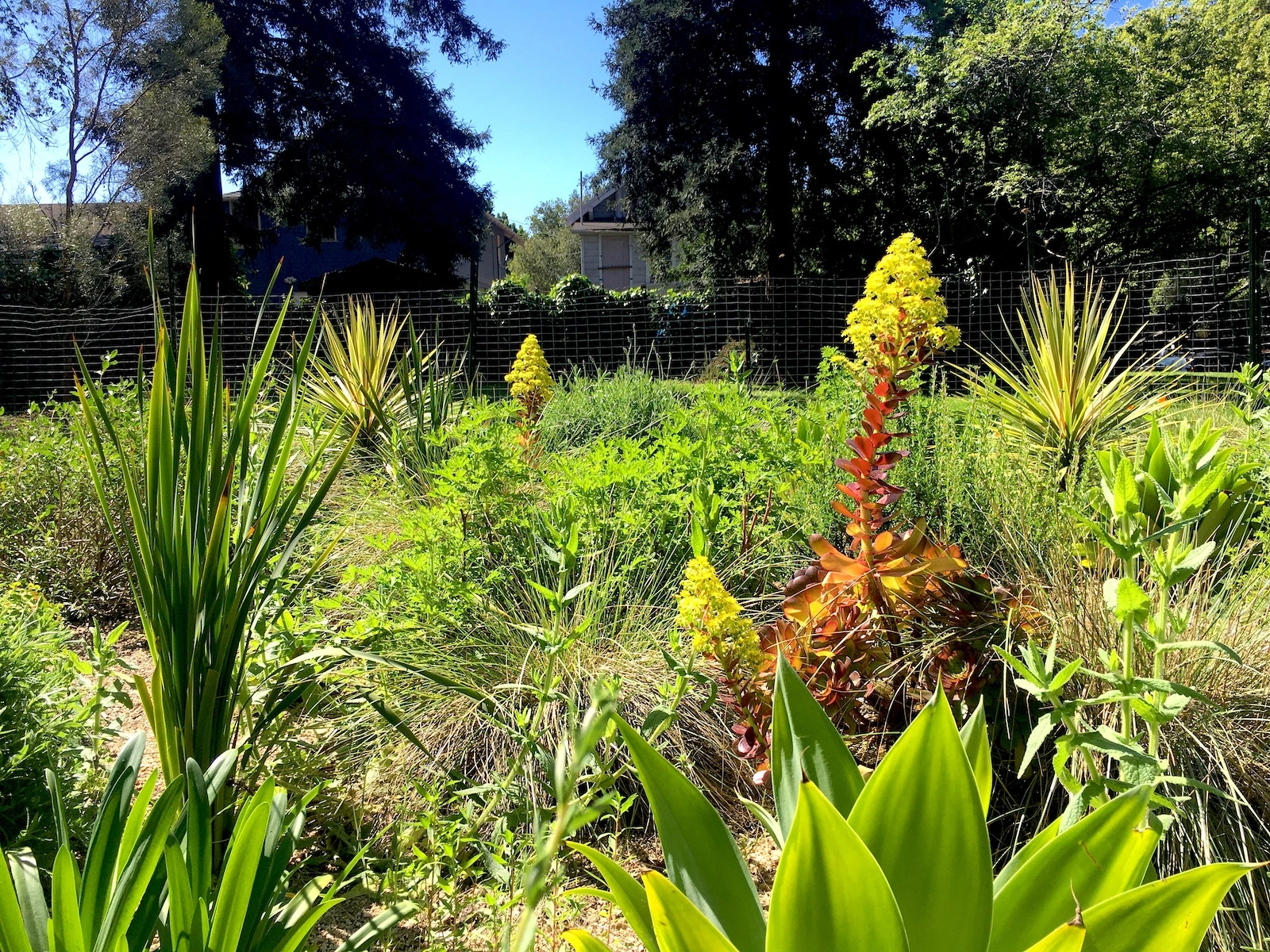
As firms and practices look at the role of their work in both dealing with and tackling climate change, reducing water consumption of our landscapes is a priority, but most would never propose not using irrigation at all. There is much fear within the landscape world about irrigation. It’s become almost an assumed or default that a landscape will have it and will need it in perpetuity, as to not have it means a landscape that won’t thrive long term. And yet we all know of landscapes that have perished because of broken irrigation systems discovered too late. In my landscape work on what I call Climatescapes, I have documented the actual water needs of plants over time to see how much they actually need to get established, and whether and when you can simply stop watering them altogether. The results might surprise you. Read further to see what I've learned and what these lessons might mean for your own landscape work.
Part 1: Minneapolis, MN
Very early on in my landscape career I was told that a landscape with no irrigation is impossible—especially in Mediterranean California, where, at least here in the Bay Area, we have three to four summer months of no rain. Perhaps it’s the Minnesotan in me, being from the Land of 10,000 Lakes and having an understanding of the preciousness of water, but I took the comment not as a definitive fact but rather as a challenge. My brain also couldn’t reconcile the fact that plants have grown and evolved without sprinklers or drip systems for well longer than we’ve been growing gardens.
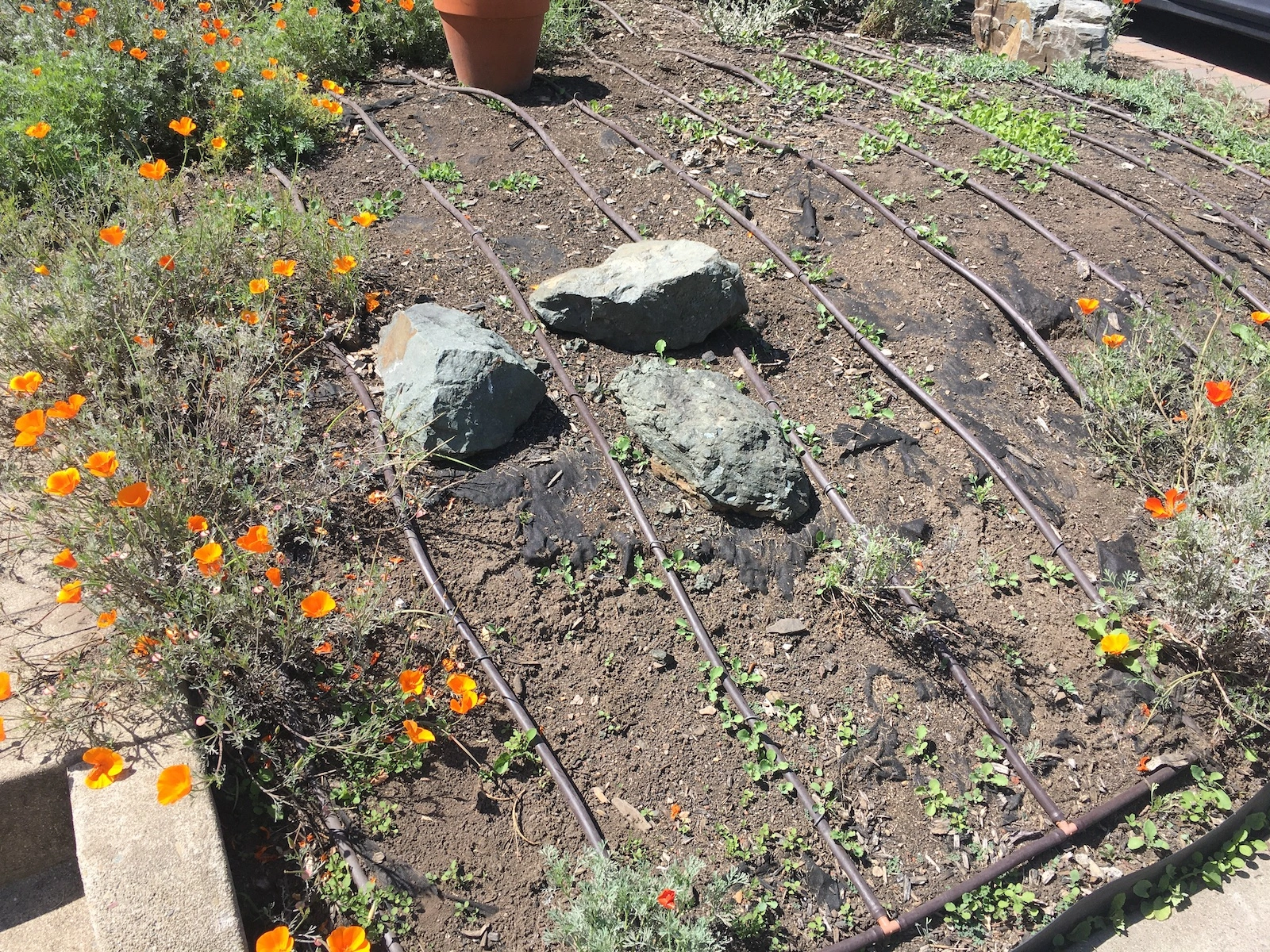
And so in 2008 when I began doing landscape design-build through my practice, Prairieform, I reluctantly entered a world of “water a plant once a week for the first summer,” then less often thereafter, but still water it in perpetuity. Yet a nagging inkling that there must be another way ultimately led me to creating what became the first in a series of experimental-ornamental landscapes that have looked at the real, as opposed to perceived, water needs of plants, and all with the objective of getting each plant to the point where it can survive on rainfall alone and look good (not half dead), too.
I initially called these landscapes “Irrigation-Free Landscapes” but over time changed the name to Climatescapes, as they do much more than just grow and thrive without irrigation. They employ site-prep and maintenance techniques so that they become effective carbon sinks. They harness the growing evidence that plants have the capacity to learn. They are crafted and futureproofed in ways that anticipate ever more erratic weather. And more.
But to get to the point where I could confidently pitch the Climatescape approach to clients and the broader public, I felt I needed sets of data to back up what I was saying would work—especially given the underlying fear within the landscape world that a landscape without irrigation means a landscape with no future. As such, I started to set up the parameters for an experiment, and pitched the idea—then in Minneapolis—to folks who might be interested, ultimately landing on the Longfellow Community Council, who, along with the Mississippi Watershed Management Organization, believed in me and was excited to fund a pilot garden.
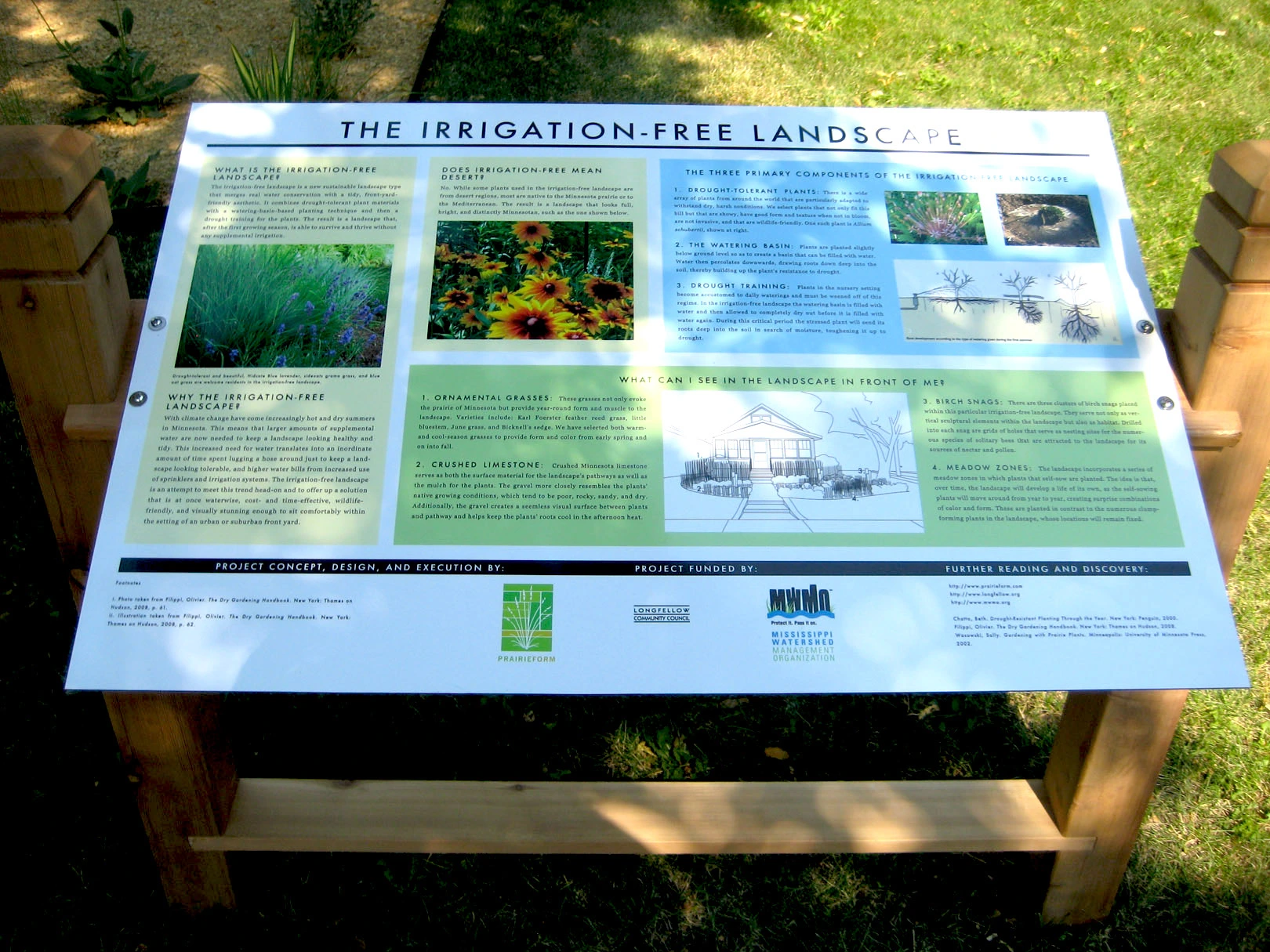
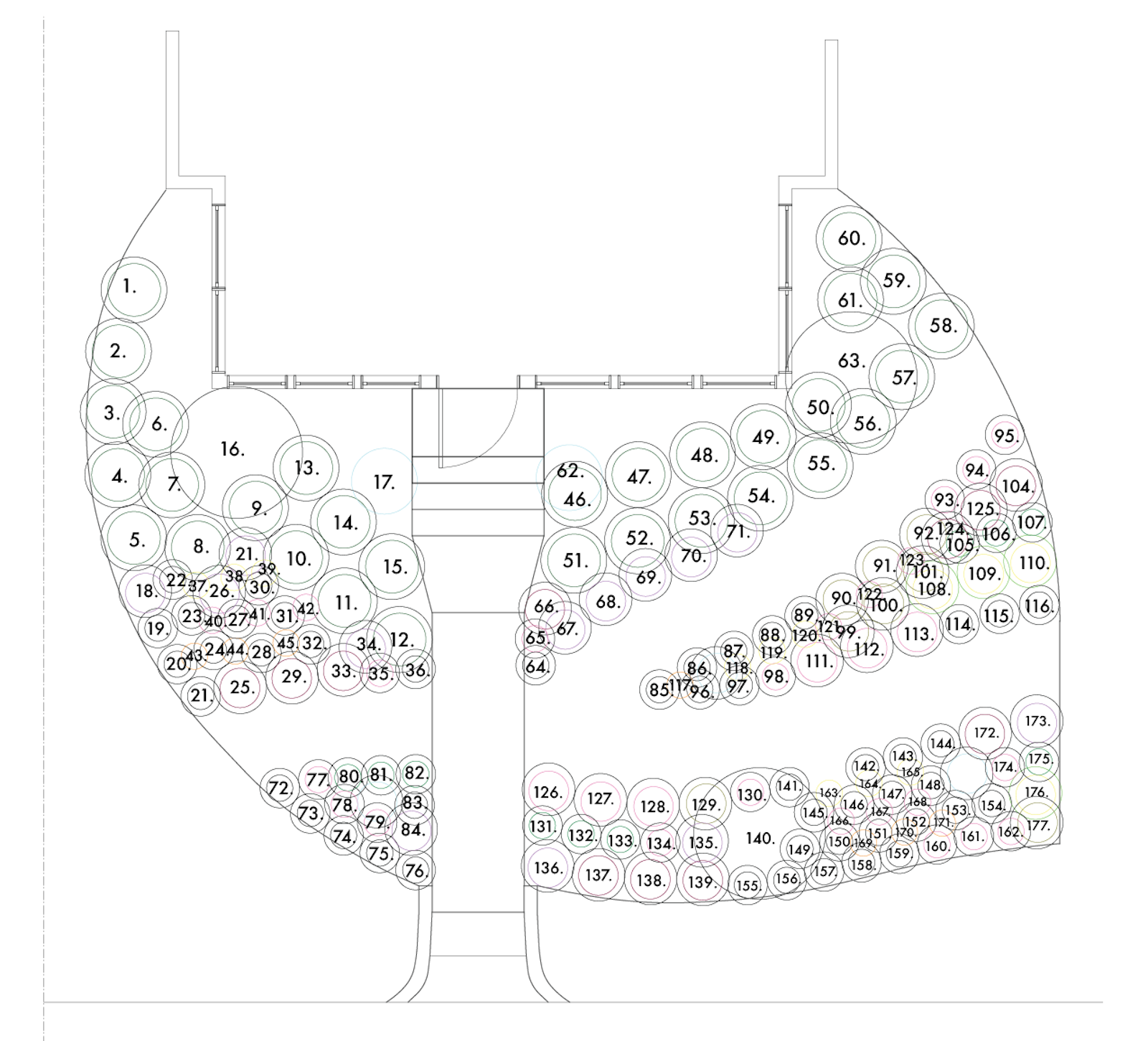
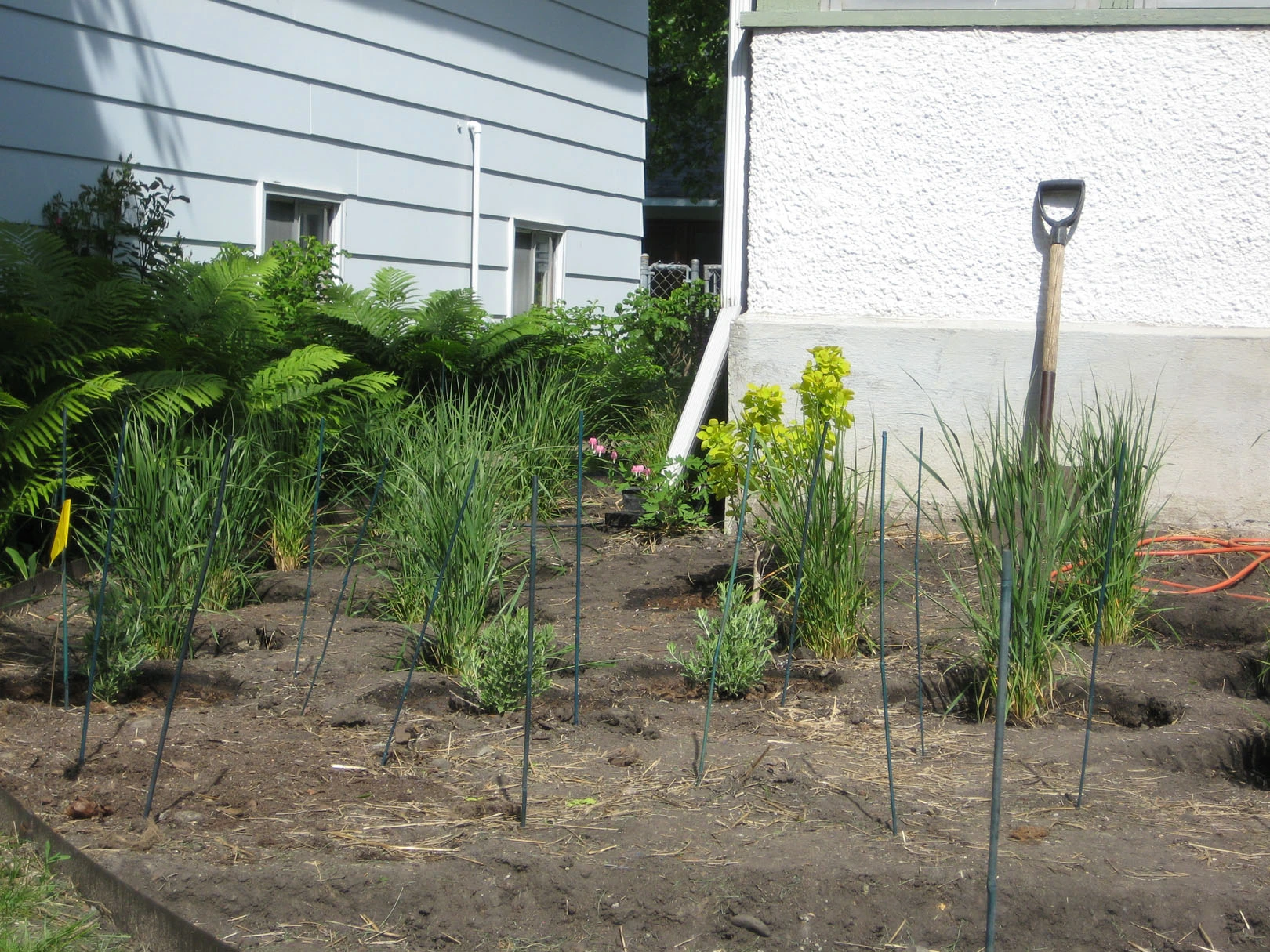
The landscape would be in a front yard where it could be publicly accessible; it would have interpretive signage adjacent to the sidewalk explaining how the landscape worked; it would read as ornamental first and foremost but would be experimental in the sense that each plant in the landscape would have a number, and I would monitor how much water each needed until it didn’t need to be watered at all anymore. I employed what are now a core element of the Climatescapes, which are contours in the site around the plants so that they can both catch rainwater and ensure that any hand-watering stays around the plant, goes straight down, and draws the plants’ roots down with it. And after the initial watering at planting, I only watered if a plant showed signs of stress. Otherwise, I left it alone. To measure accurately, I used empty one-gallon milk jugs. Larger plants (two- to three-gallon specimens) generally received two to three gallons upon planting, while smaller ones (generally half- and one-gallon plants) only received one. And then, I waited to see what would happen.
Indeed, not any old plant would work in this setting or fashion. I had done extensive research to create the plant palette, selecting plants that had a demonstrated track record of drought tolerance—either because of knowledge of their native growing conditions, or, in the case of nursery-bred cultivars, where I had observed them growing. Calamagrostis x acutiflora ‘Karl Foerster,’ for example, seemed to be a good contender because it is much loved by those designing Big Box parking lots in Minnesota and can take those less-than-gentle growing conditions. I also knew I needed to then winnow the list down based on aesthetics: looking half-dead when not in bloom or during a drought wouldn’t cut it; the landscape had to read to the untrained eye as ornamental, thriving, and a welcome respite from our chaotic world.
This first irrigation-free landscape I planted at the end of a May in Minneapolis, and that summer ended up being one of the hottest on record, including an August and September in which it rained almost not at all. These tough conditions aside, what became clear quite quickly was that with the site-prep and planting techniques, proper plant selection, and only watering the plants if they showed stress, the plants were actually needing very little water to get established.
For example, the landscape included two specimens of Nepeta x faasennii ‘Walker’s Low’. One ended up needing two gallons to get established—once at planting and once two weeks later. The other ended up needing four gallons—once upon planting, another four days later, a third four days after that, and a final watering two weeks later. Neither showed signs of drought stress after that and thus was never watered again.
Another plant, Carex bicknelli, we planted quite a few of within the landscape. On average, each plant only required 2.53 gallons of water. And the rhythm of watering ended up being as follows: once upon planting and once four days later, with a few of the specimens needing an extra gallon about two weeks after that.
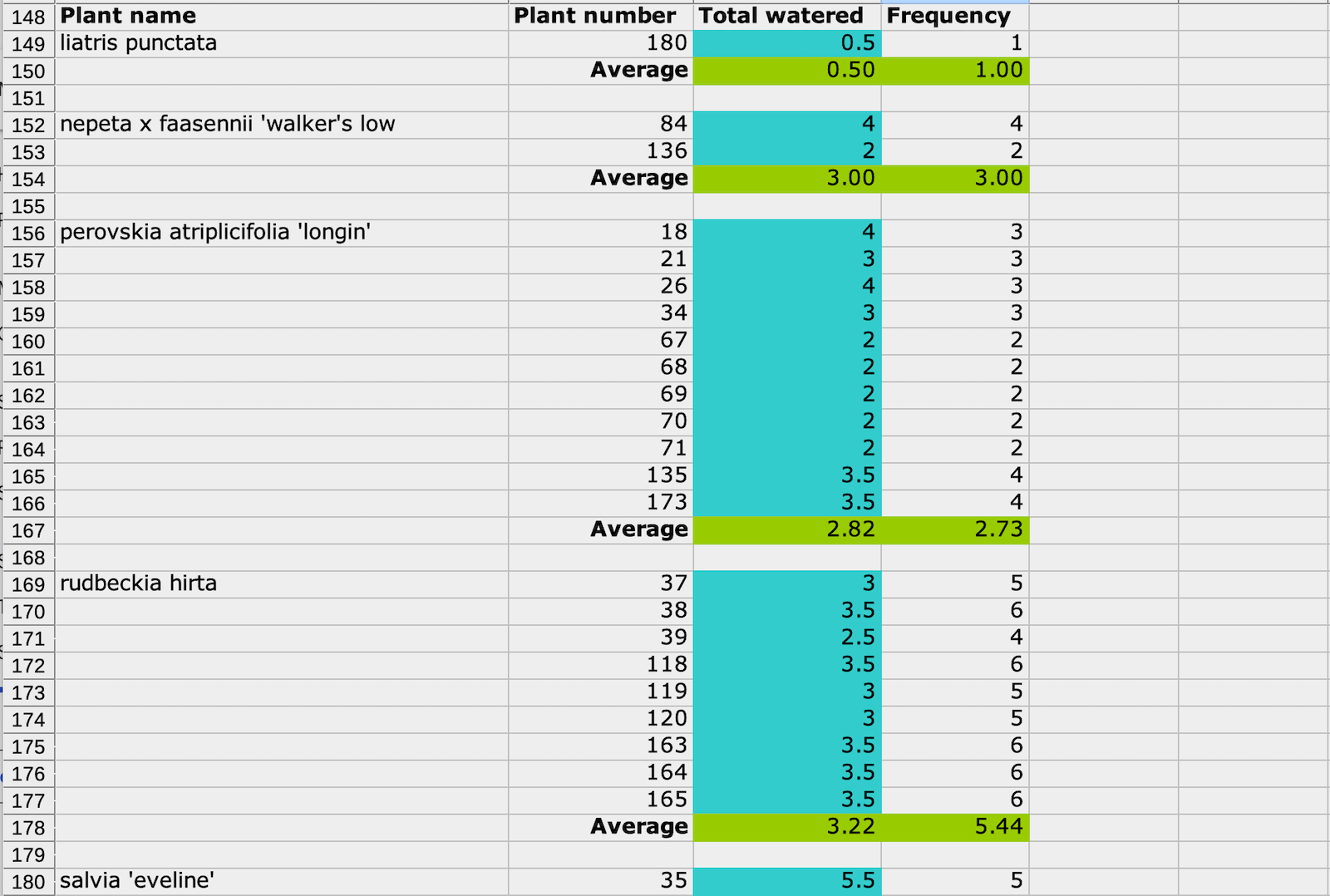
As this was an experiment, we did have some plants that didn’t fare as well. Salvia ‘Eveline,’ while advertised as “drought-tolerant,” simply could not seem to get a foothold within the landscape, continually showing signs of stress and needing to be watered a gallon once a week. One ultimately died, while two others we removed. On the flip side, the contouring we used (and still use) to help catch rainwater and direct water from hand watering toward the plants and their roots ended up being too effective for the Hylotelephium spectabile ‘Autumn Joy,’ which started to rot. As such, we elevated these plants so that water would run ever so slightly away from them, and this did the trick.
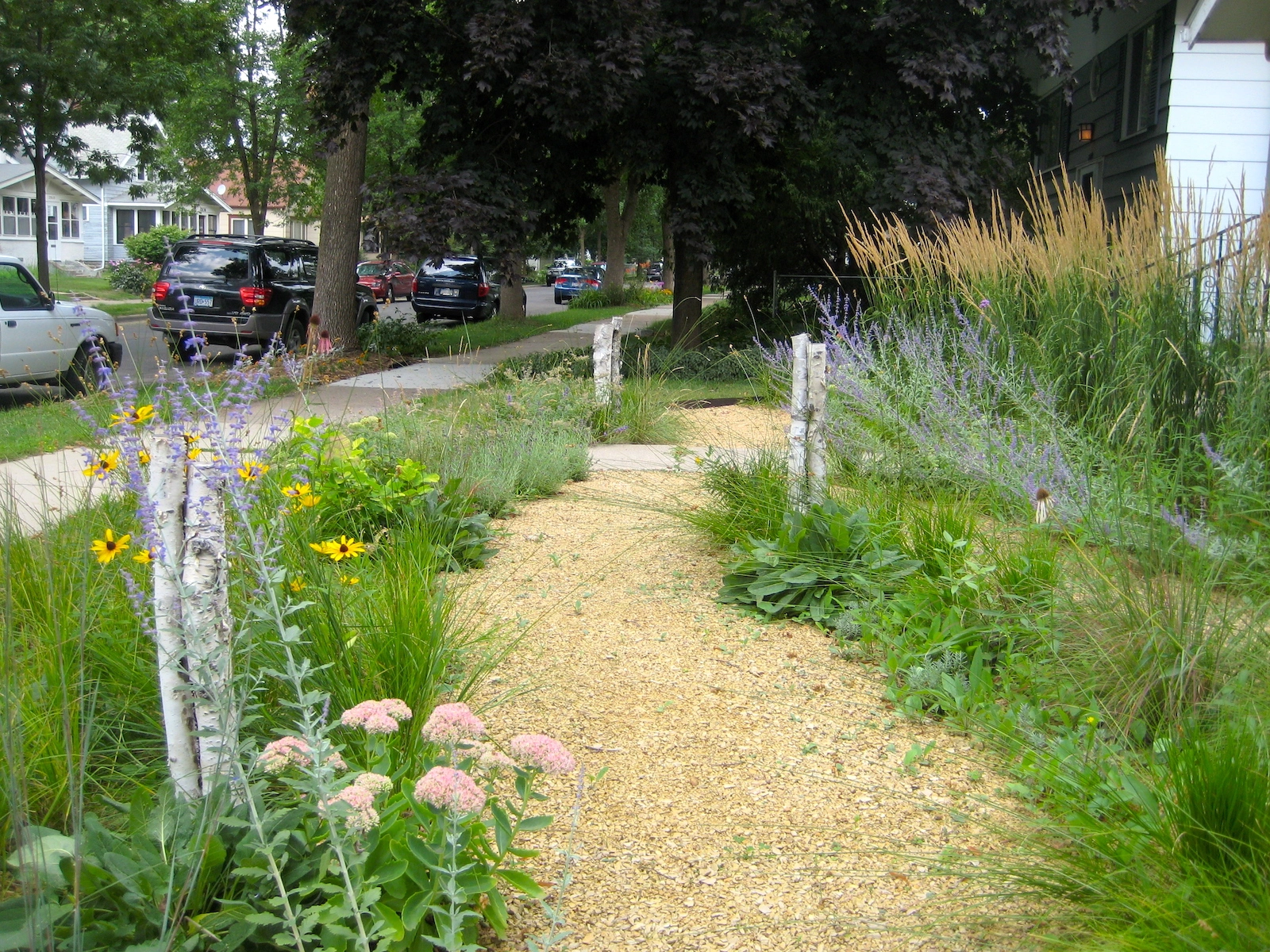
By the following spring, each and every plant in the landscape was on its own, and the landscape really came into its own that following summer, surprising people that it had only been in the ground for a year and that the plants were now only surviving on rainfall alone.
But in Minnesota, in a “normal year” it rains in the summer. Thus the plants are being helped along once they have reached their graduation point into a life without irrigation. What about in a region such as the Bay Area, where it doesn’t rain for four months in the summer?
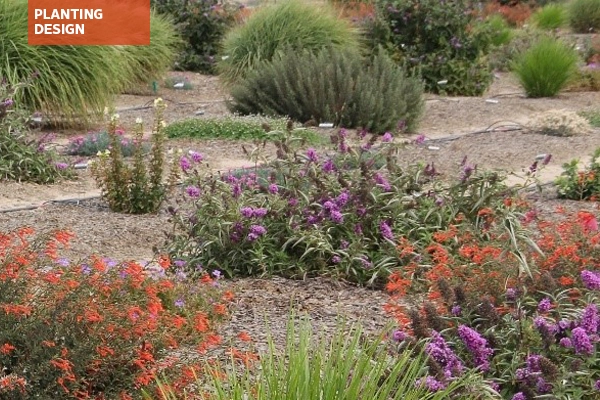
So my next challenge came to me: to see if the same approach I had taken in Minnesota could be used here. Given that the Mediterranean climate zones of the world are ecological hotspots of thousands of species that have evolved to withstand the dry summer, I felt like it could, but the American West is the land of drought-tolerant landscapes whose core component of installation is the drip system. Could we remove the drip system altogether and still have a thriving landscape?
I set up another experimental garden, this time in Oakland, CA, to see what would happen.
This post is the first in a three-part series—stay tuned for Part 2, appearing next week!
Climate & Biodiversity Action Plan (2026-2030)
See Landscape Architecture 2040: ASLA Climate & Biodiversity Action Plan for more on ASLA’s goals for wise water management and designing with water, including recommendations to:
- Capture, use, and/or harvest all available stormwater and gray water.
- Account for increased water scarcity through landscape-scale catchment, aquifer replenishment, passive irrigation, and nature-based water systems management.
- Irrigation should be avoided or minimized to the greatest extent possible as moving water requires energy. (See SITES Prerequisite 3.1 Manage precipitation on site; Credit 3.3 Manage precipitation beyond baseline.)
More from ASLA
Resources on Materials

Materials, Methods, Sourcing
Professional Practice Network
This PPN is for landscape architects specializing in planting design, landscape maintenance, design-build practices, and residential projects—collaborating closely with nurseries, materials suppliers, and other industry partners.

Product Directory | Products & Materials
Find the latest products from our Industry Partners.
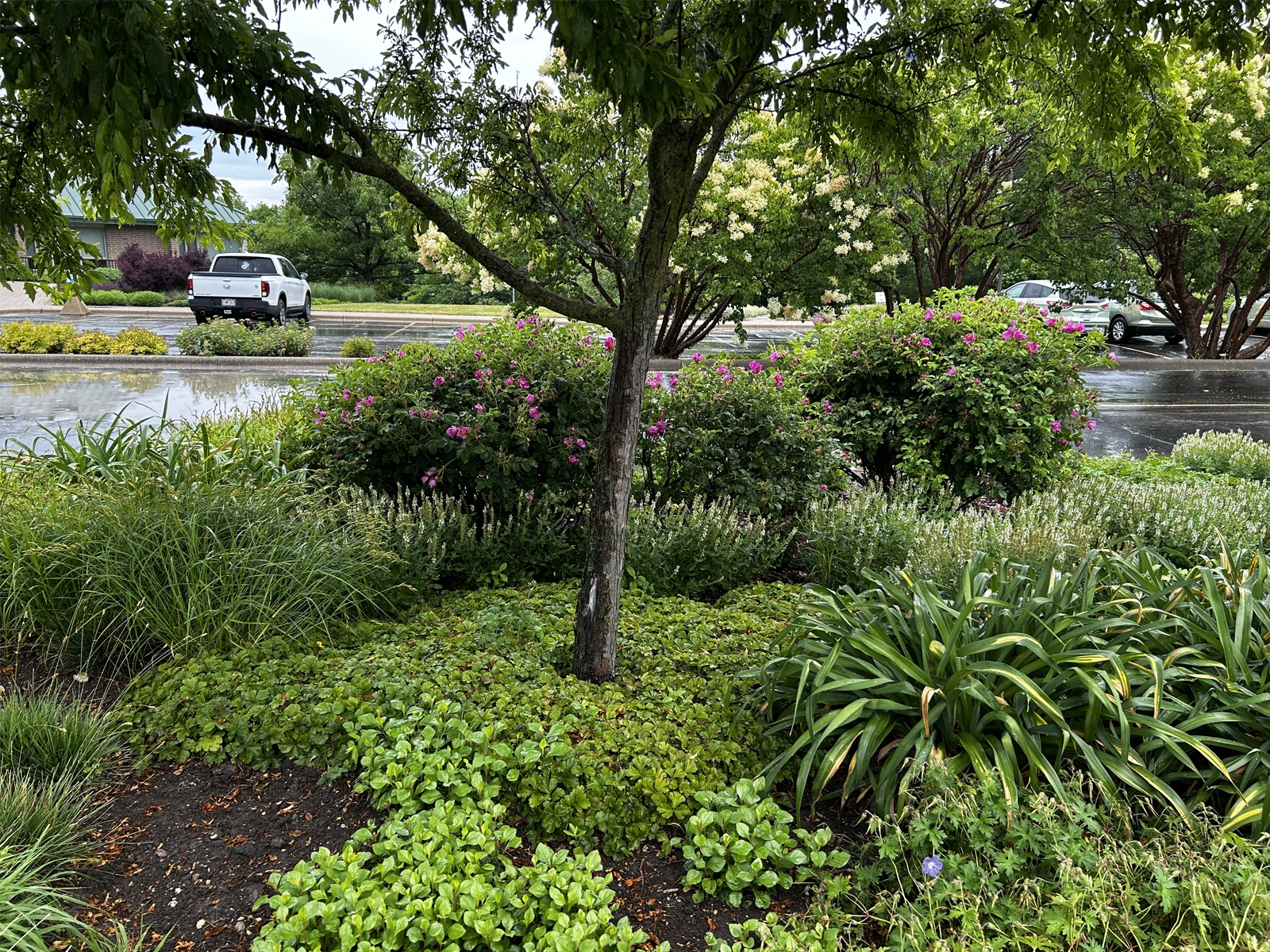
Herbaceous Plants as Living Mulches
Annual mulching is a resource-intensive practice. This article highlights several hardy herbaceous alternatives to wood mulches.