
.webp?language=en-US)


Woodside Residence
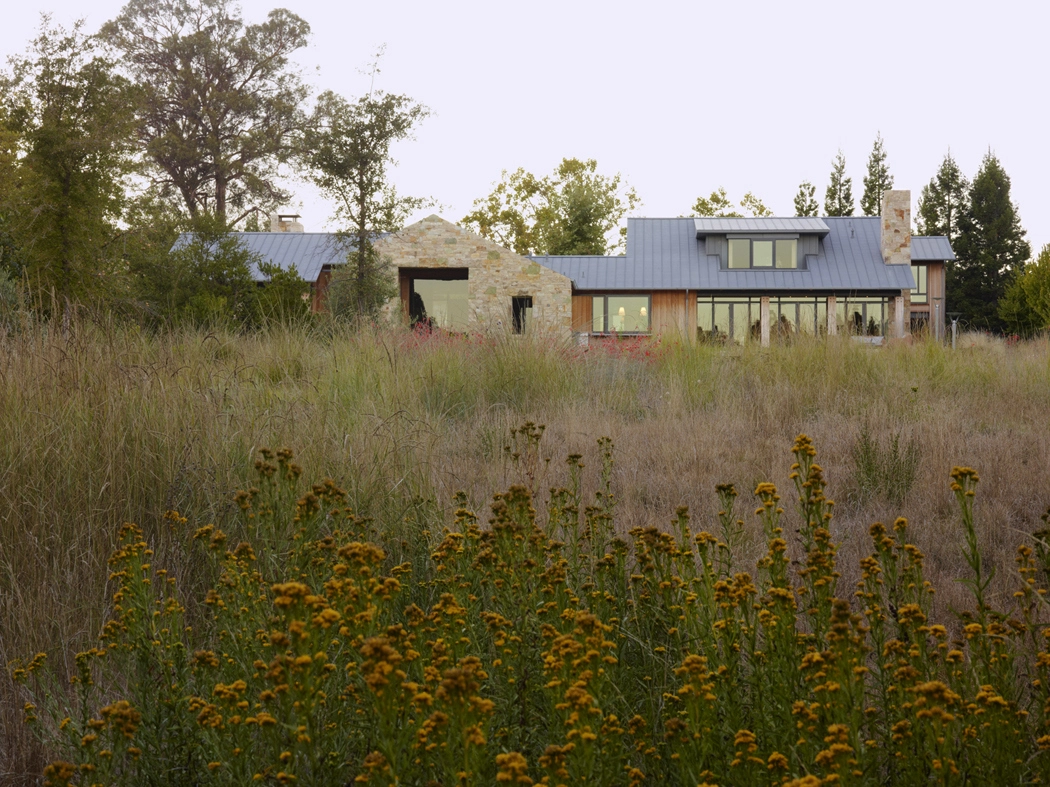
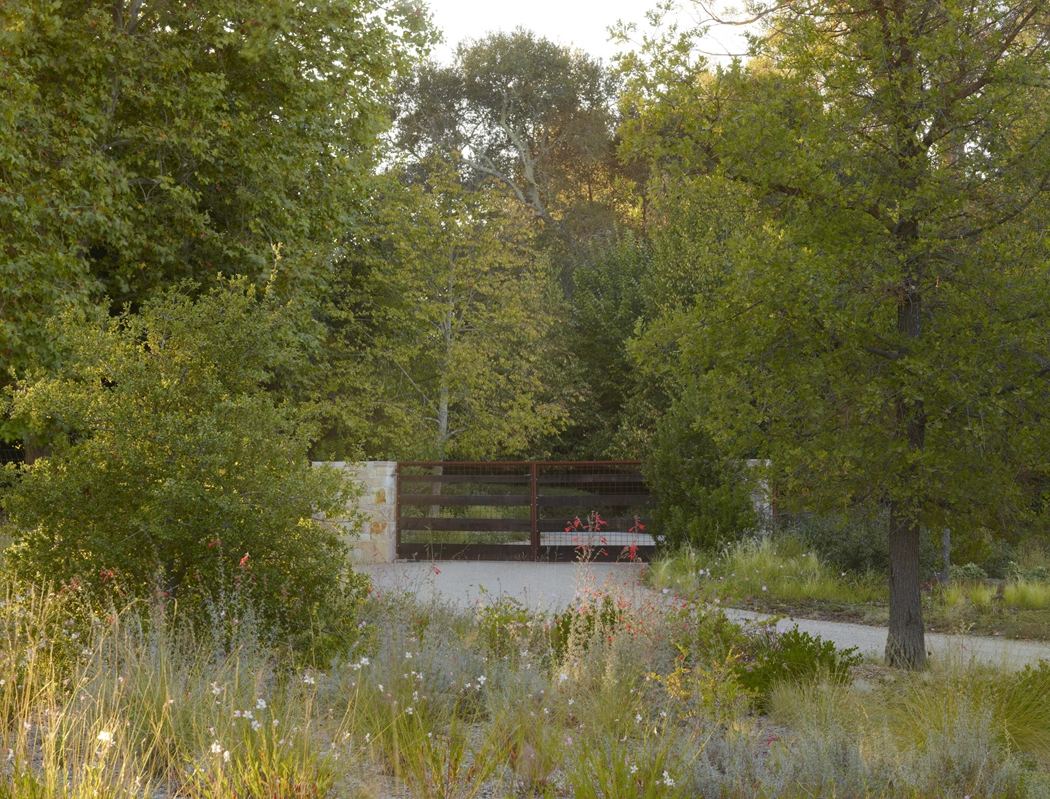
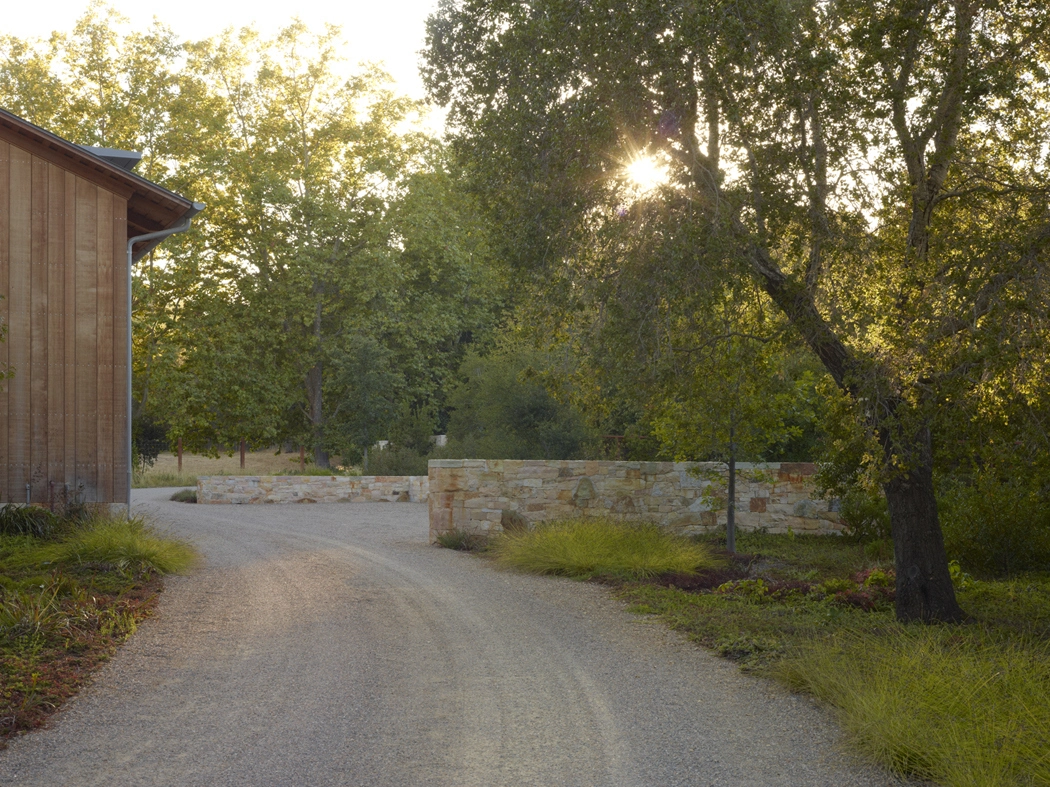
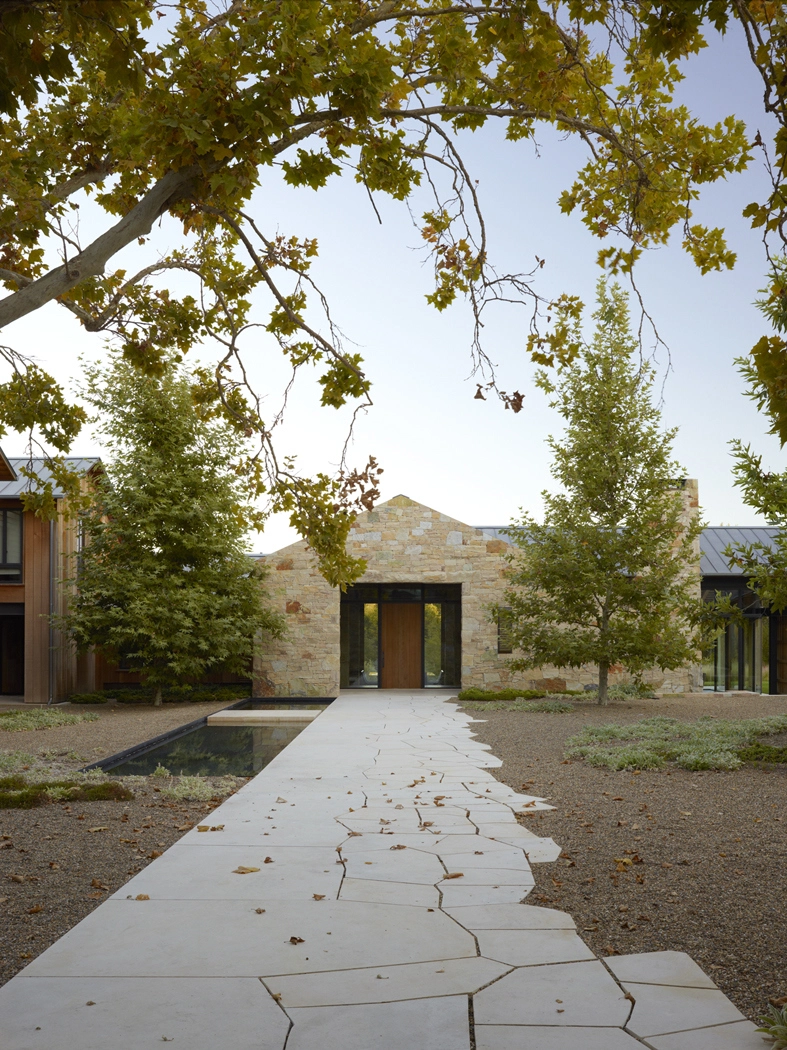
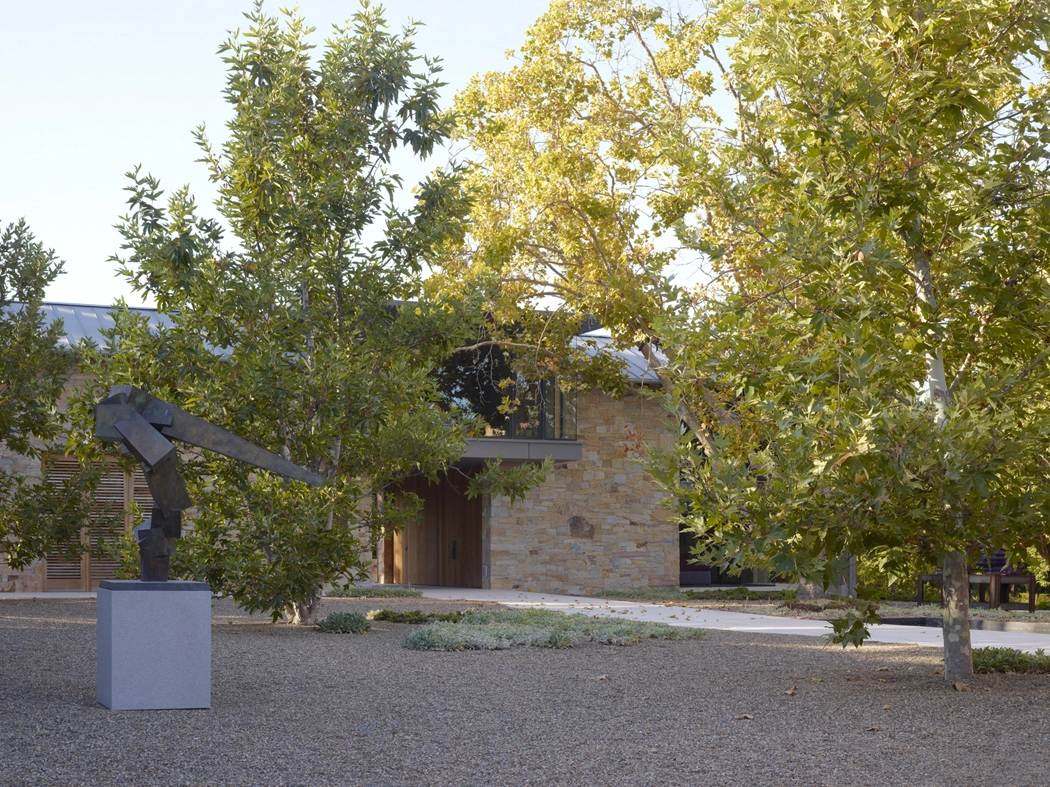
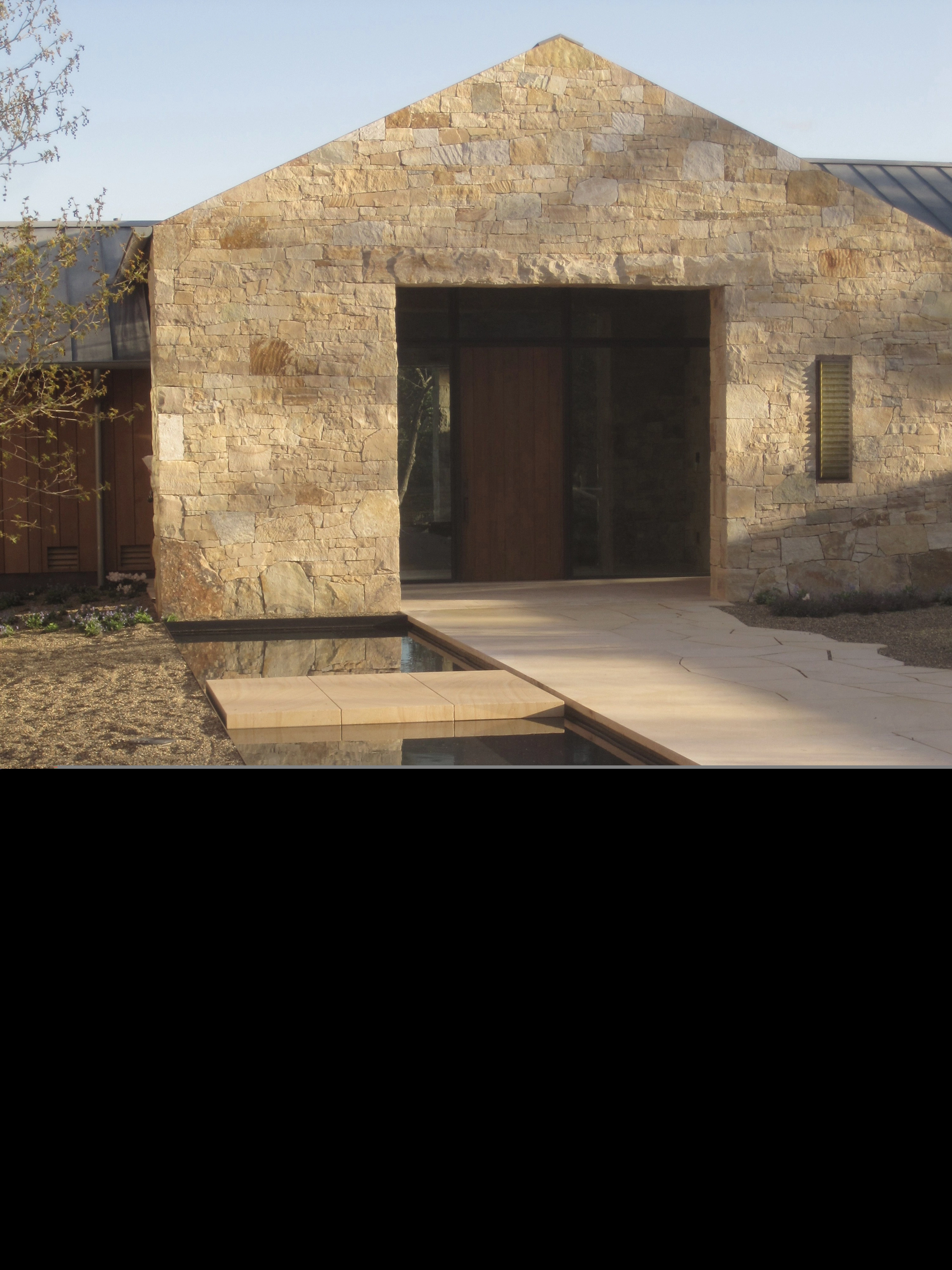
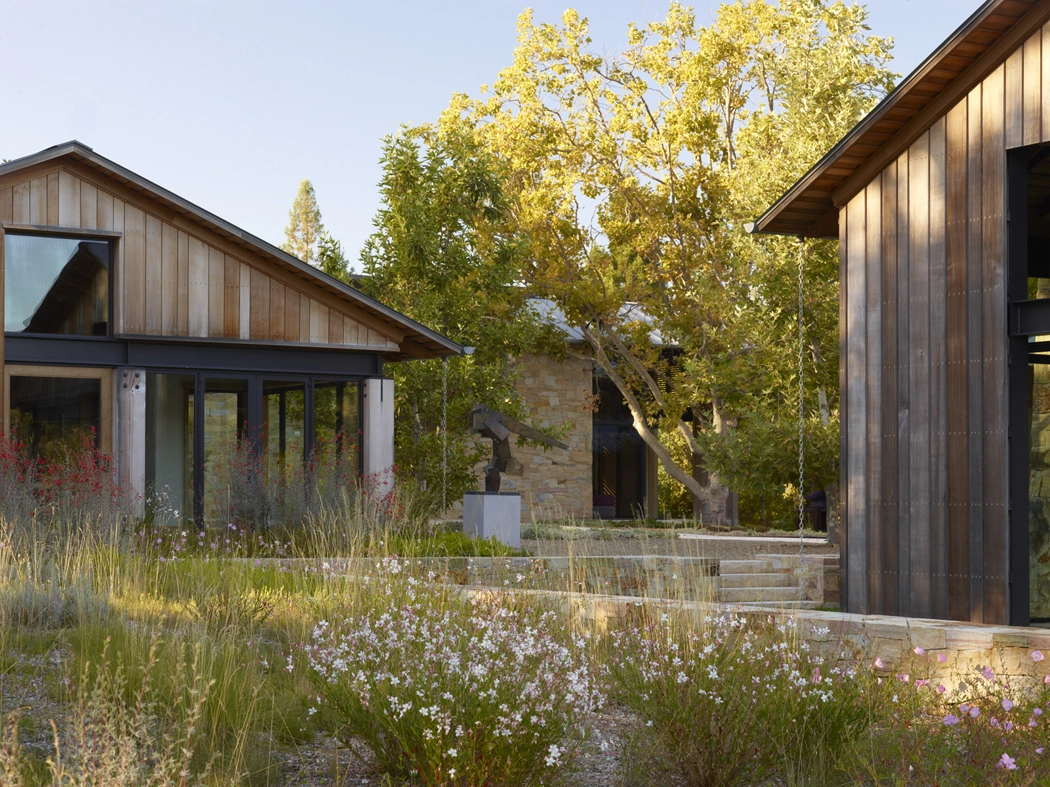
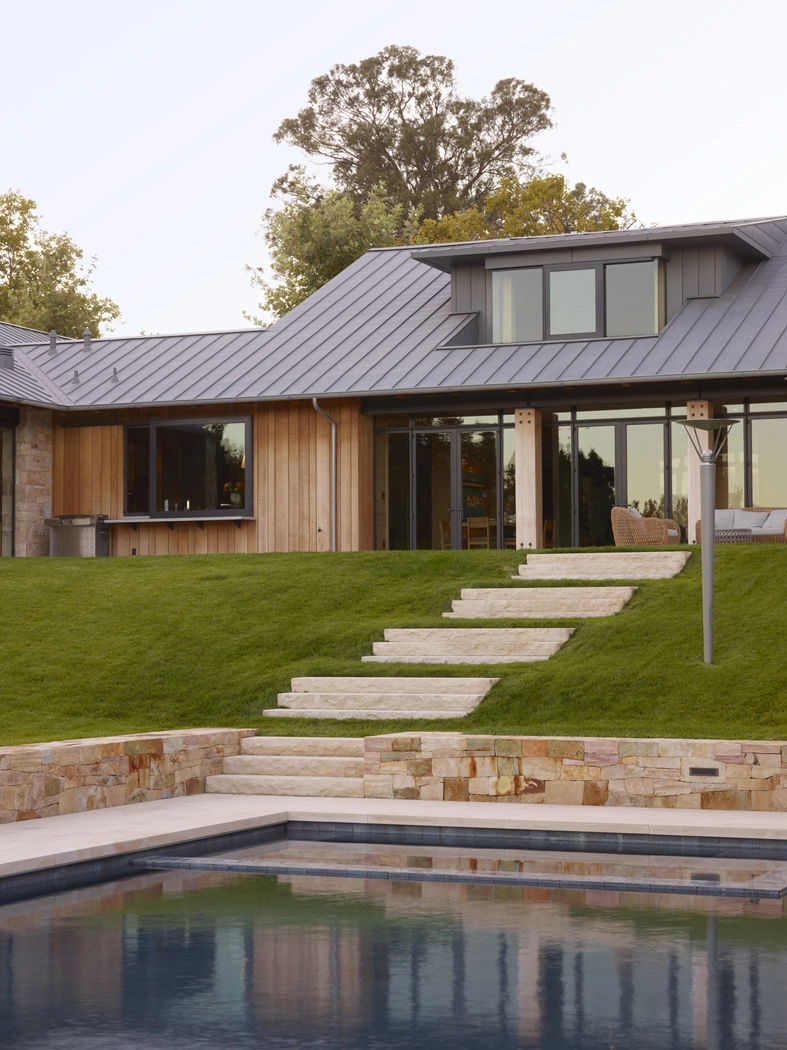
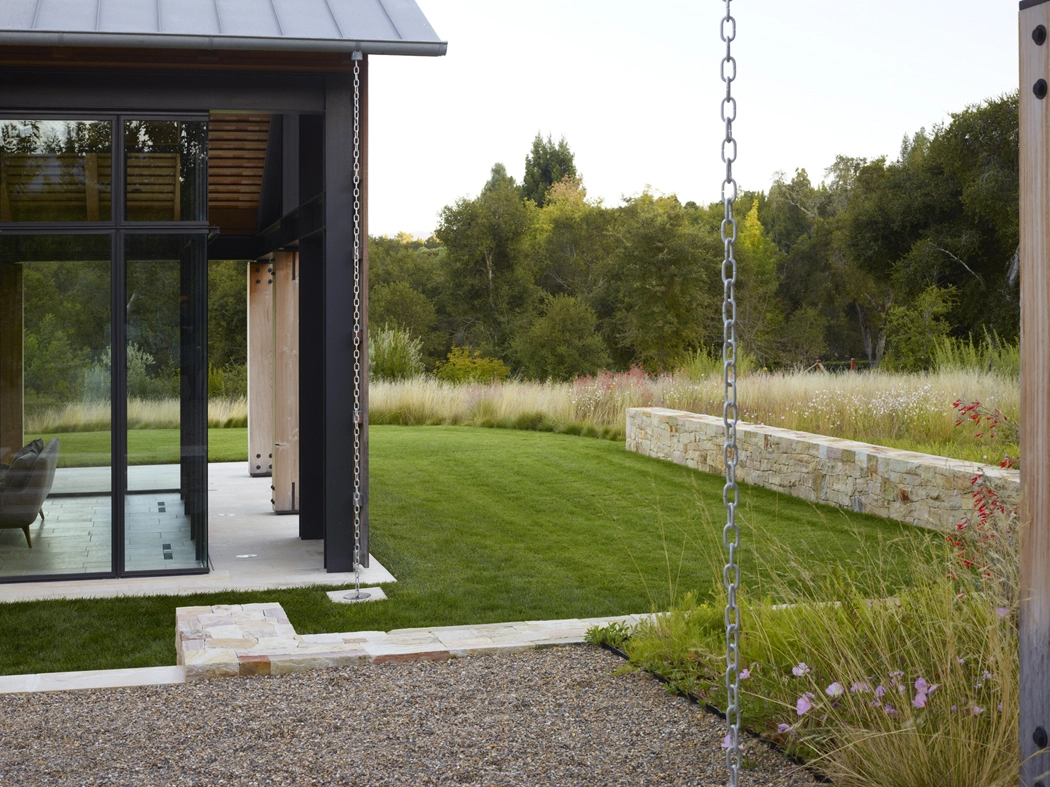
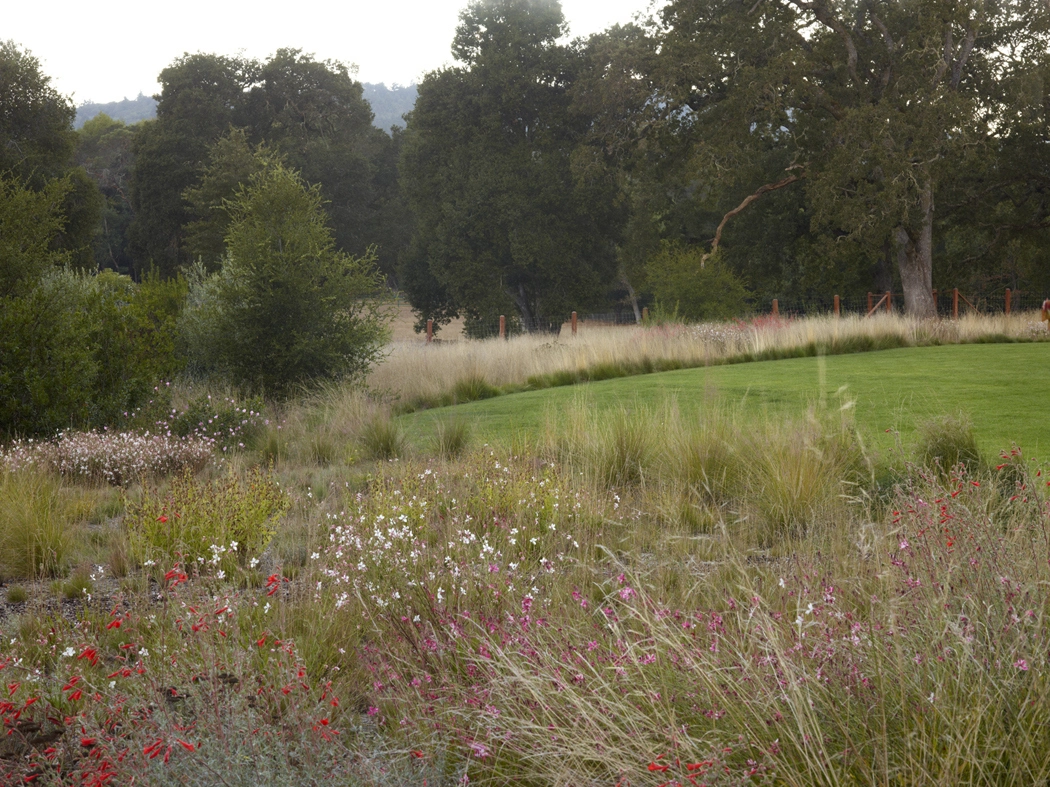
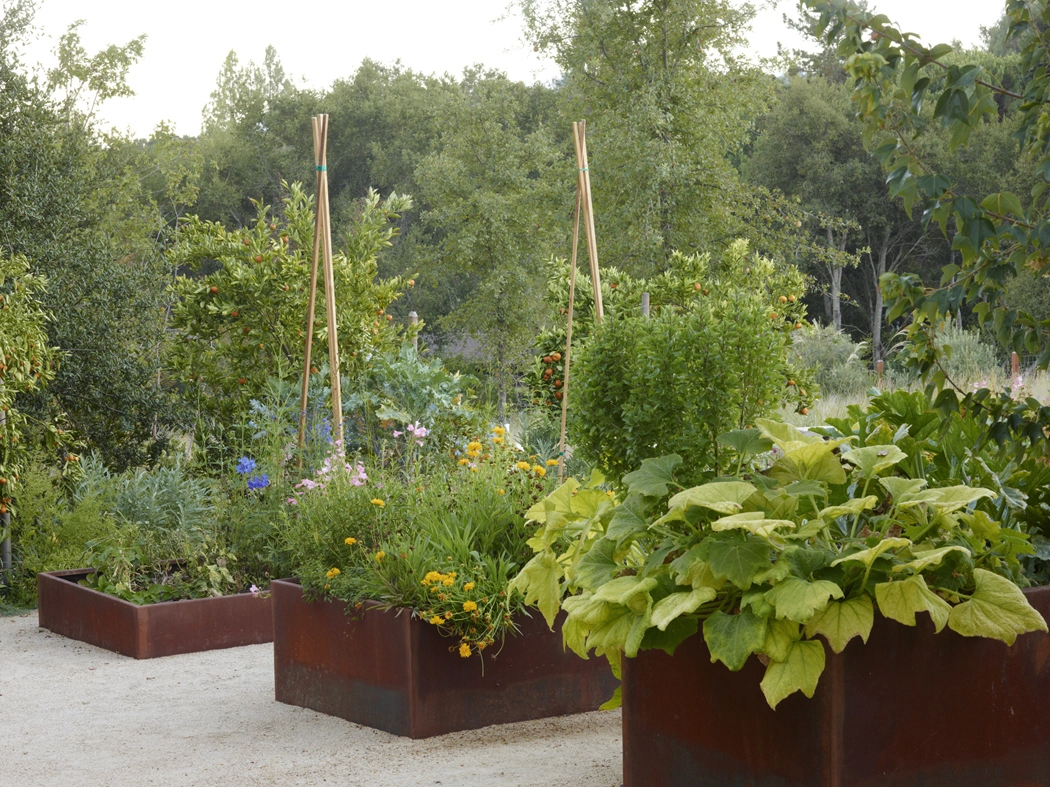
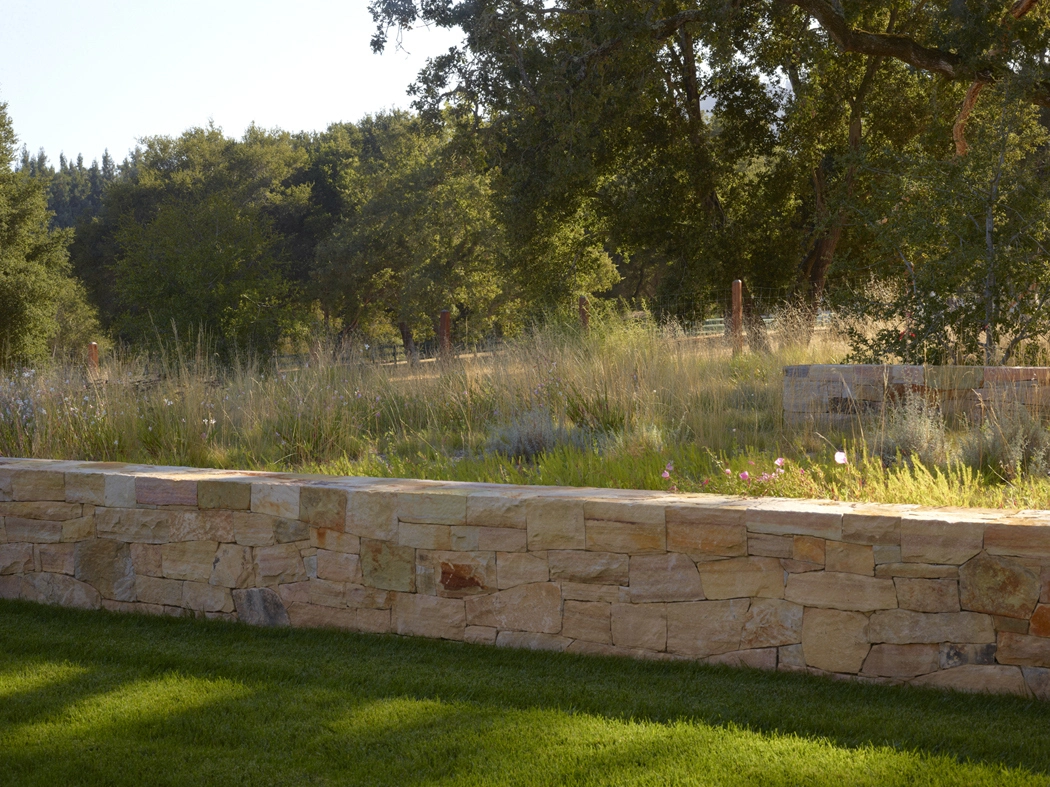
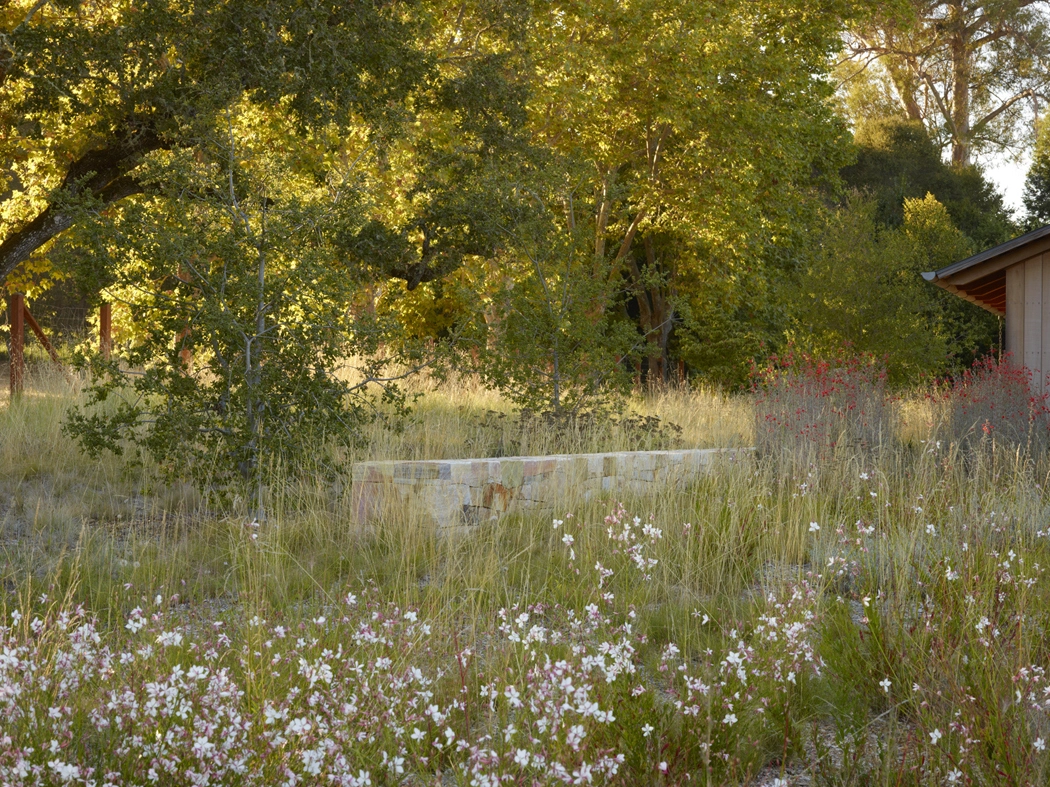
There is a balance between nature, rustication, and modern with the language and materials. It has an unexpected geometry that balances elegantly with the architecture. The architecture and landscape are one composition. The plantings are interesting and the materials are rustic and of the place.
Awards Jury
-
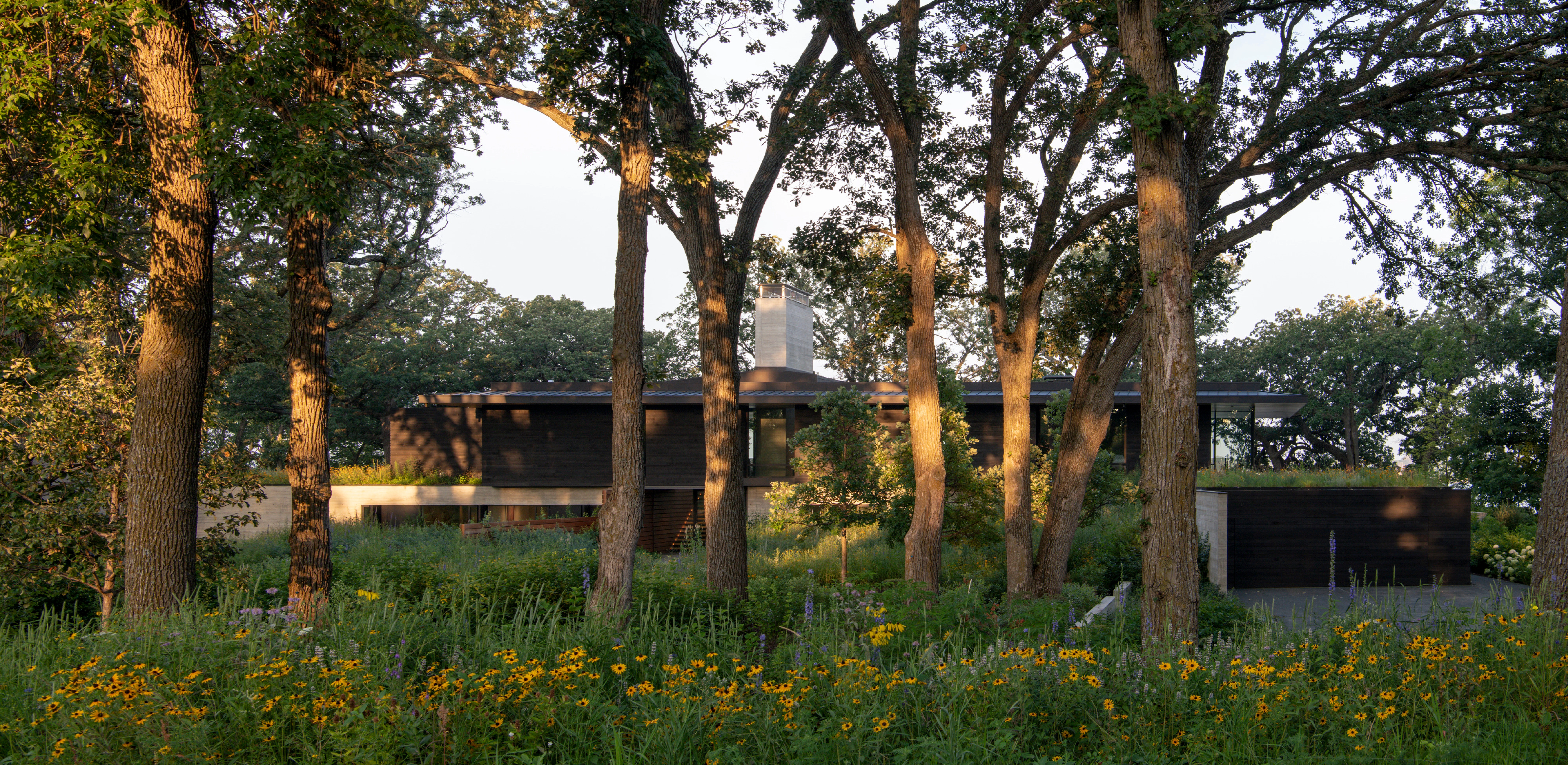
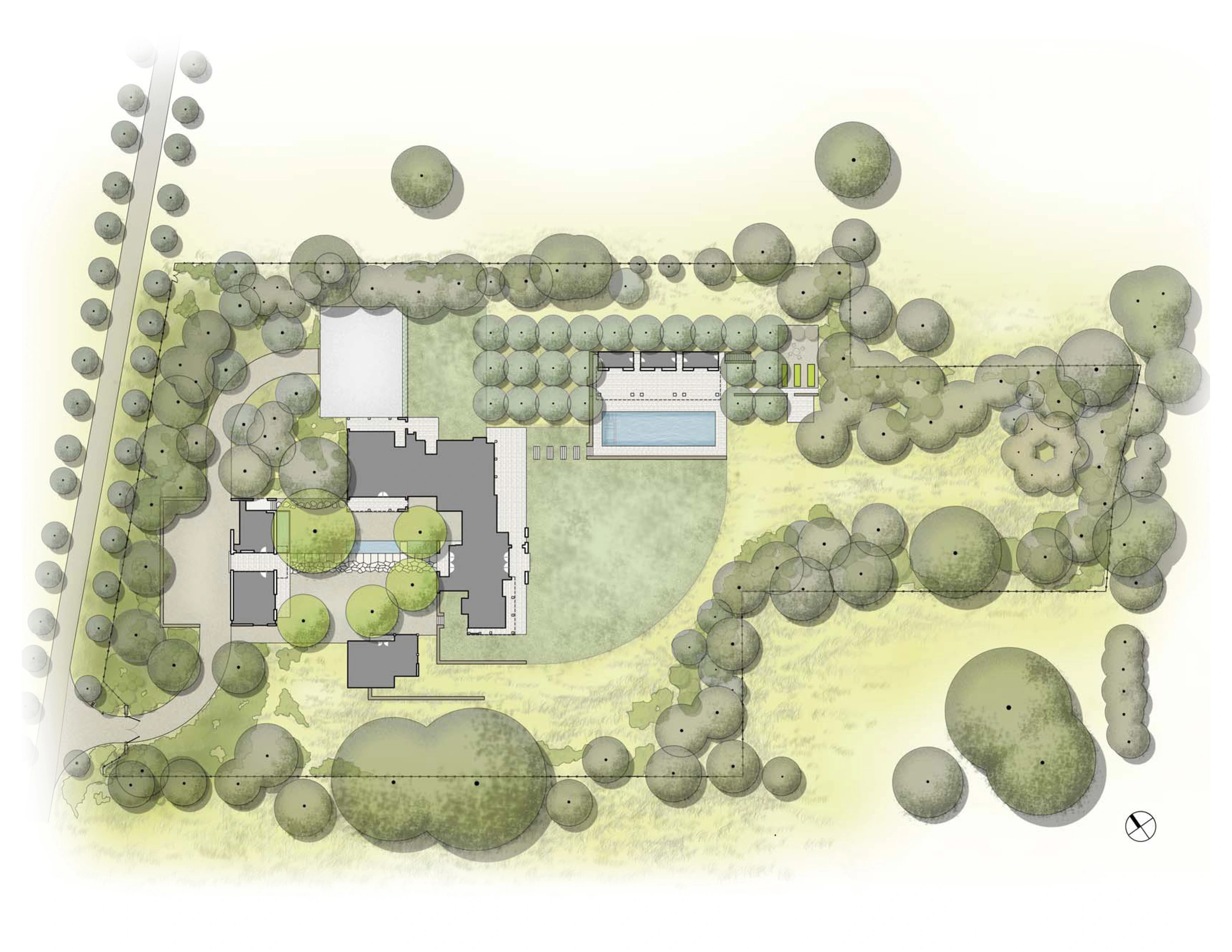
At this residence, the buildings and site were designed together to blur the boundary between landscape and architecture. The buildings, landscape walls and large-scale plantings were placed to create a series of exterior rooms that integrate with the building interiors and create a seamless experience of place. The landscape architect used plant communities from the surrounding landscape to form the site, bringing an experience of the surrounding native California landscape into the residence.
-
Project Background
The project is located in the suburban outskirts of the San Francisco Bay Area. It's situated outside of Woodside, a small equestrian community that backs up to the east of the coastal range.
The clients, a family of five including three young children, had lived in the immediate area since before the children were born. They had outgrown their three bedroom house and were looking for a long term home nearby. Though they originally had hoped to purchase a new house, this site inspired them to take on a larger project. The three acre property had most recently been developed in the 1950's and, with two rundown houses and a neglected formal landscape, was nothing special in itself. Its potential was the surrounding landscape. The property was surrounded by coast live oaks with glorious views out to a historic ranch and the coastal range beyond. The clients envisioned developing the site to live up to the splendor of its surroundings.
Since the clients understood that thoughtful development of the landscape was essential to their goals, they hired a landscape architect and architect with a long-standing collaborative relationship. The design team worked with the client to create a program that included a main residence, a barn/studio, an office, pool and pool house. They decided to keep the buildings relatively small and use them to frame outdoor rooms to function as extensions of the interior spaces. While the clients desired a large lawn for playing, a vegetable garden and large gathering spaces, their primary goal for the landscape was to incorporate the surrounding natural beauty. The buildings would be contemporary interpretations of rural and traditional dwellings set within a native California landscape.
Western Woodside was historically a mix of coast live oak woodland and grasslands over shallower upland soils. Although this area has been developed for over 100 years, large ranches and estates have provided space for great trees from the previously existing woodland to flourish. Although no oak trees existed on the interior of the property, ancient oaks from the remnant forest are found scattered on neighboring lots and visible on the forested hillsides to the west.
The landscape architect used the oak woodland and native meadow communities as the basis for the planting design. An irregular band of oaks wraps the property, pulling in the surrounding woodlands as a framework for the development of the site. Within this glade, a native grass meadow wraps the buildings and domestic spaces, creating a visual connection to the open grasslands to the west. Despite these surrounding grasslands being made of weedy annuals, the meadow on the site was composed of native perennial grasses to bring the historic, wild landscape into the site and actively restore it to a more natural state. The experience of walking from a woodland into a glade, the sense of compression and expansion, became a guiding concept for the arrangement of buildings and landscape.
A grove of oaks and a native understory screen the site from the adjacent road. After moving through the oaks, the visitor arrives in an auto-court, defined by the barn/studio on one side and low stone walls on the other three. The visitor moves through an opening in the barn/studio and steps out into a central courtyard framed by the barn, house and small office. Though the lawn and meadow are partially visible through the house, the extent of space isn't apparent until the visitor steps inside the building with views across the lawn and out to the meadow and trees beyond. At the back of the house, the pool and pool house frame the large lawn.
The design team worked together to blur boundaries between building and landscape. The buildings are one room deep, creating gateways or semi-transparent screens that frame the exterior spaces. The same stone used for building facades and foundation walls was used for low stone walls to define the domestic exterior spaces and reach out into the surrounding meadow.
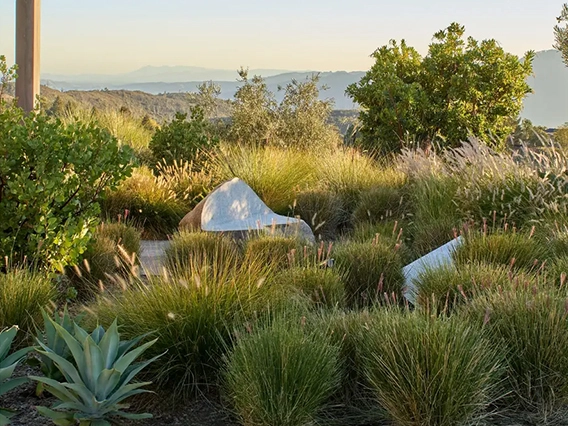
The central courtyard is an interpretation of a traditional California courtyard. Water, the fundamental element in traditional rural California, is used here in simple, contemporary forms. California sycamores, riparian trees with a mature sculptural form and striking white bark, are planted to further emphasize the presence of water. The clean lines and simple palette of trees, gravel, water and stone create a contemplative, inwardly focused space, accented by large sculptural elements. Inspired by the region's historic, rural character and beautiful native landscapes, the residence is a contemporary collaboration that integrates the site into its surrounding environment while truly embodying outdoor California living.
-
Design & Construction Team
Landscape Architect of Record
Ron Lutsko Jr., ASLA
Architect
Walker Warner Architects
Project Manager
Laura Jerrard
General Contractor
Chesler Construction
Civil Engineer
Lea and Sung Engineering
Structural Engineer
Adamo & Associates, Inc
Landscape Contractor
Frank and Grossman Landscape Contractors, Inc.
Pool Contractor
Arborist
Bill and Ned Patchett
Solar Analyst
Davis Energy Group
Plant Nursery
Advertisement
Related Awards
Honor Award, Residential Design
Trinity Road
The story of Trinity Road unfolded over the past five years and is fundamentally a story of fire resilience and succession of the surrounding forest. The garden was designed and the project considered completed when two wildfires ravaged the hills immediately surrounding the site. After the fires the landscape design team was brought in to create a new vision for the site that knit together the original planting and a new series of paths and gardens.