
.webp?language=en-US)



Asphalt to Ecosystems: Design Ideas for Schoolyard Transformation

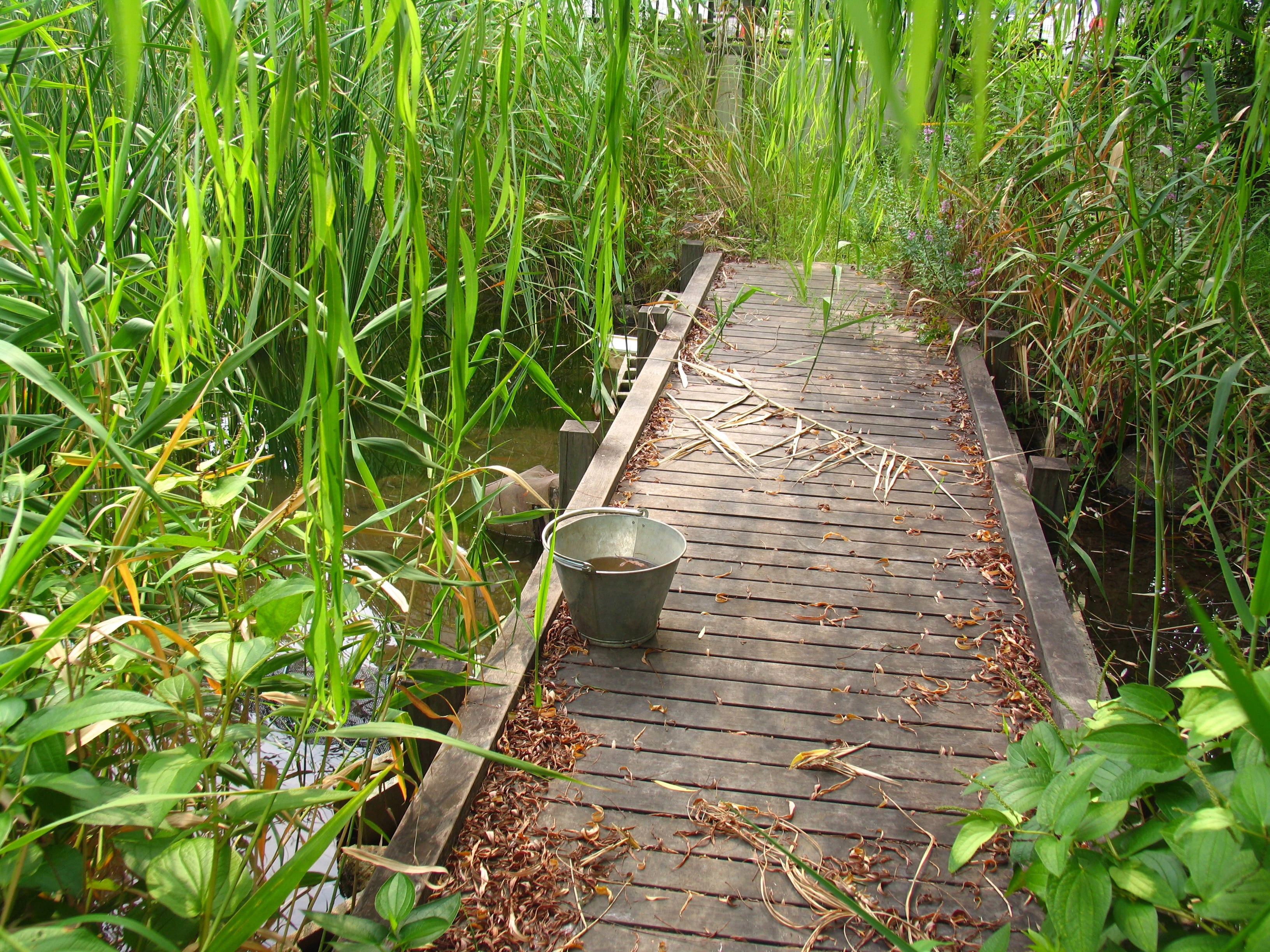
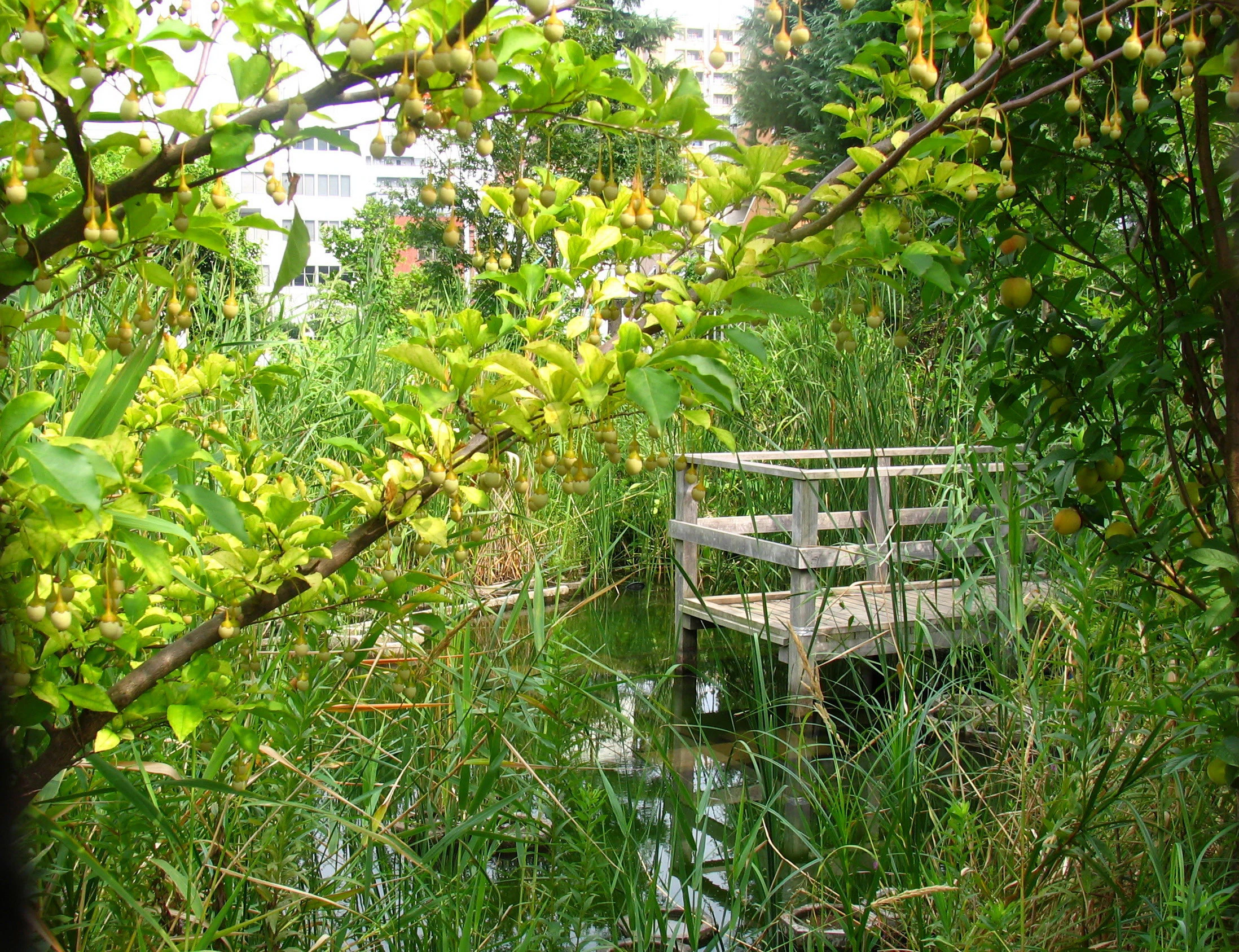
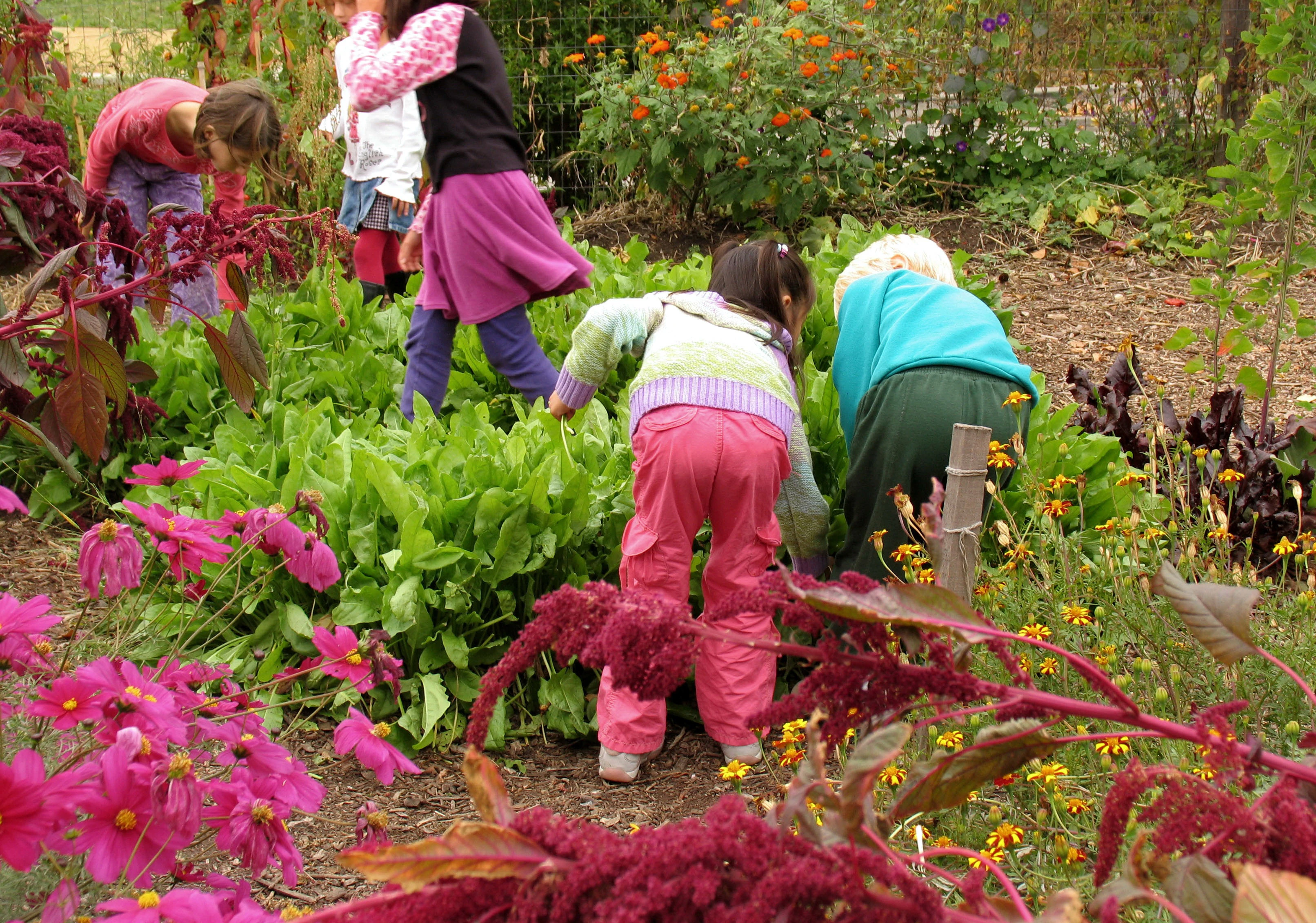
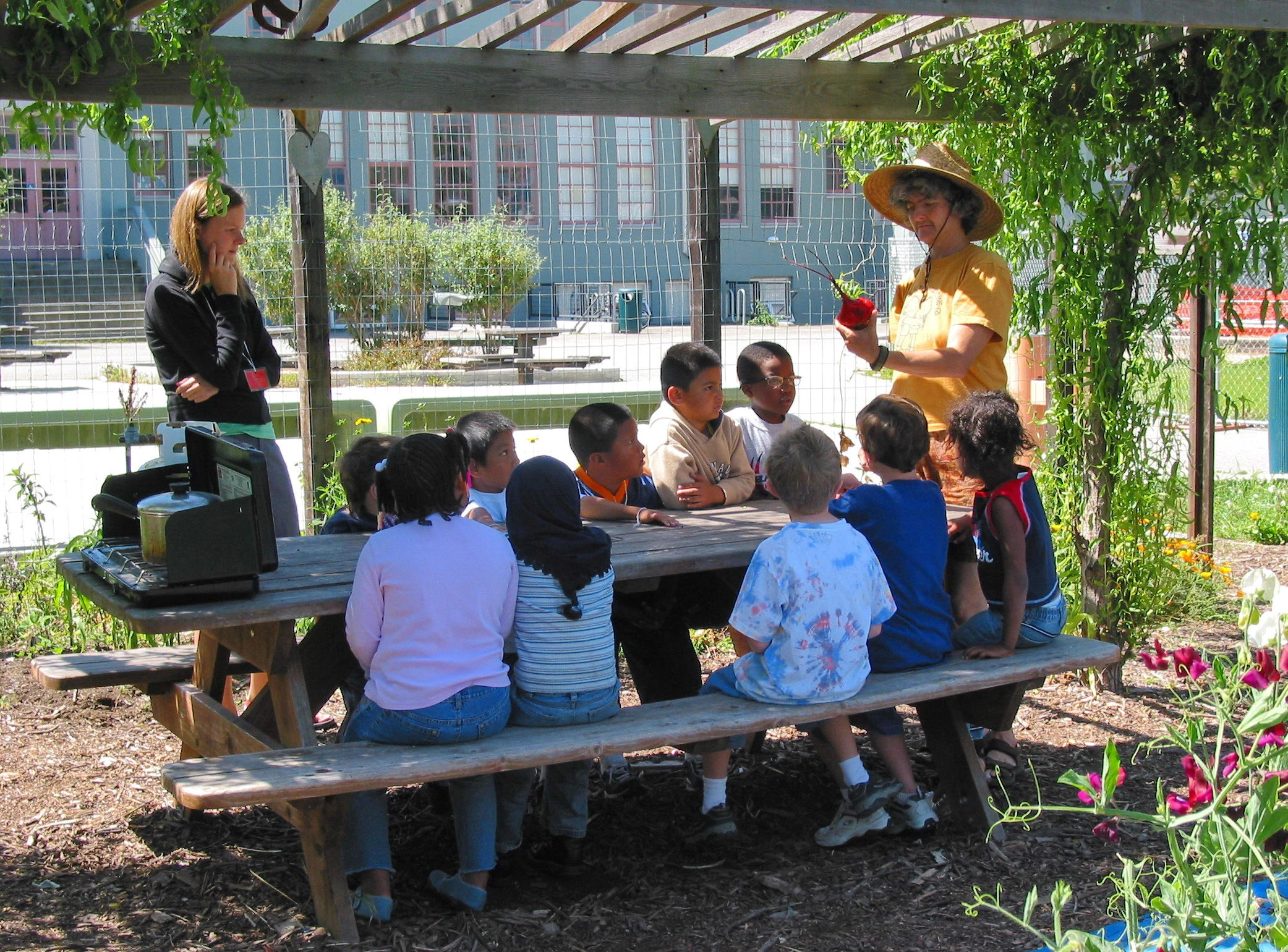
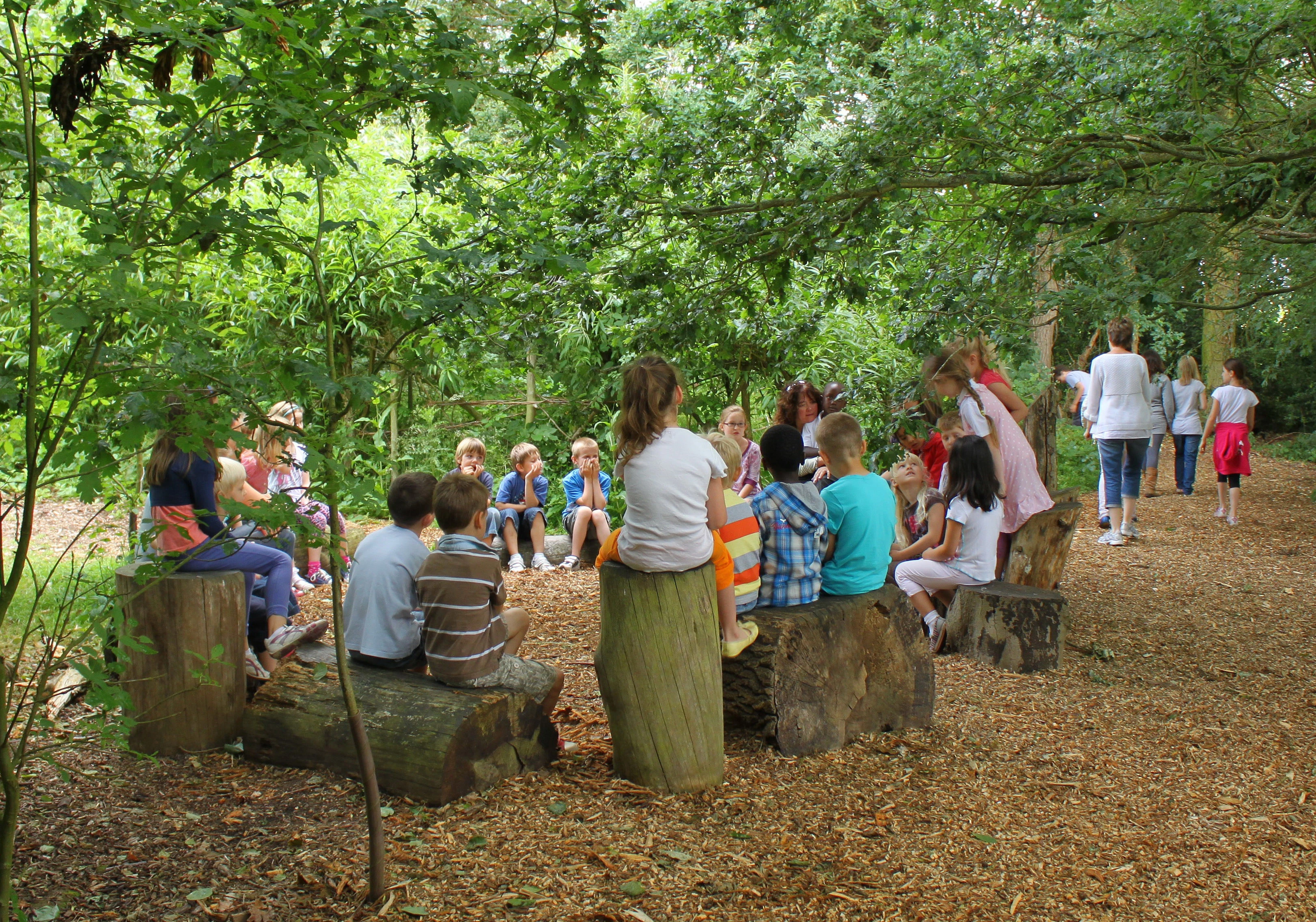
The most comprehensive and usable book. It’s got great ideas that people can actually translate into practice.
Awards Jury
-
This inspiring, comprehensive book about the vibrant, international green schoolyard movement is a call to action to improve children’s school environments for learning, play, and ecology, and a celebration of 150 successful examples around the world. Compiled from the author’s decade of research and experience, the book speaks to both design professionals and community members, and brims with design ideas, practical tips, and strategies for engaging school communities as stewards of their shared public space.
-
When you think about “school grounds,” what type of image first comes to mind? For many people, school grounds are places covered by paved surfaces and uniform sports fields, adorned with a few nondescript shrubs and trees, and one or two ordinary climbing structures purchased from a catalog. Most school grounds in a given city or region look like all of the others, with very little variation to reflect unique aspects of each school community, the neighborhood’s environmental context, or the curricula taught at the school.
Children today experience most of their academic training indoors and spend much of their outdoor play time amidst asphalt-covered surfaces and chain link fences, cut off from nature. The design of environments that surround students as they learn is critical to deepening their understanding of the world around them and to fostering an environmental ethic that will help them to care for the world as adults. Children are also adept at reading the “hidden curriculum” of their school environment, and understand the value adults place on them through the level of care given to their surroundings.
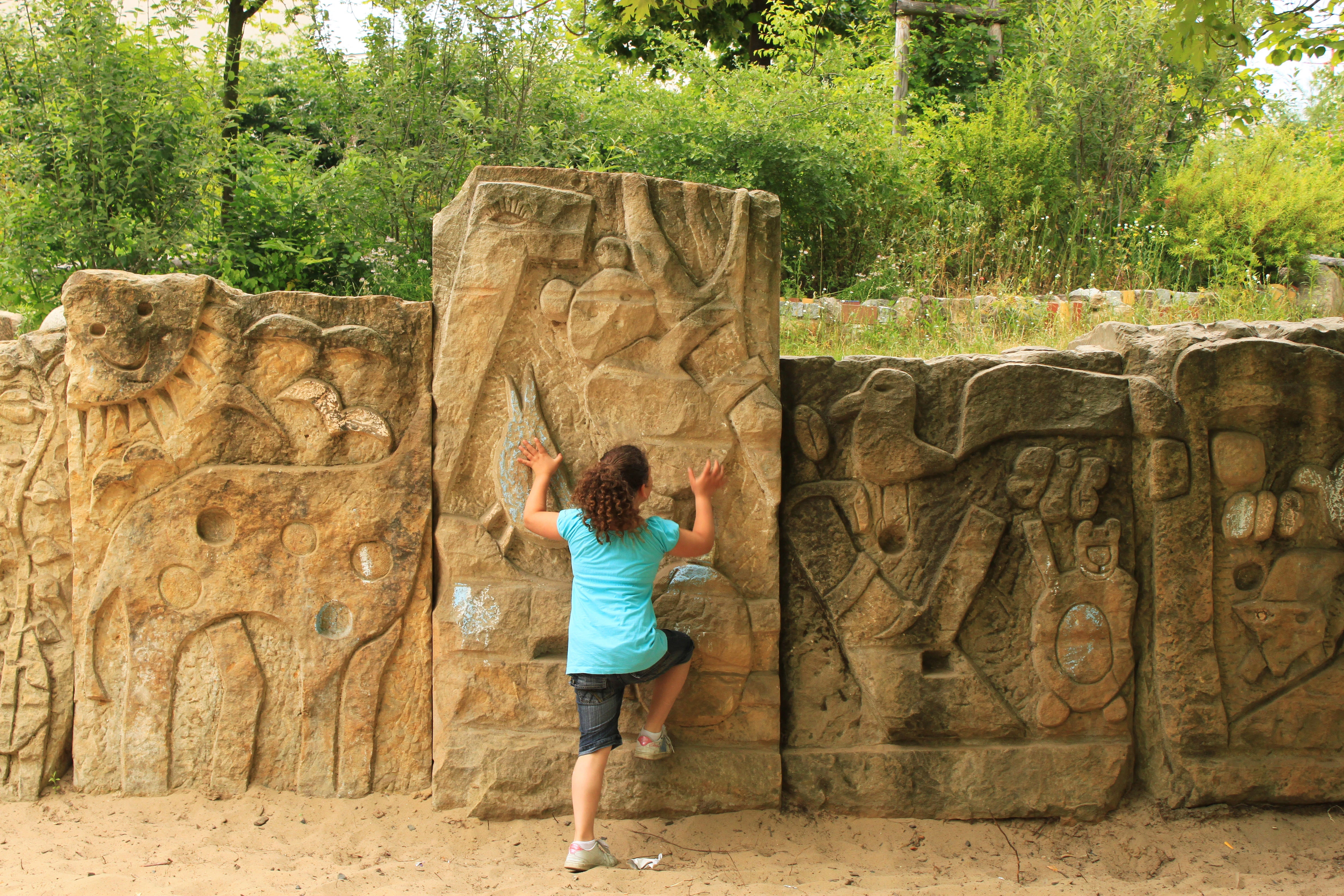
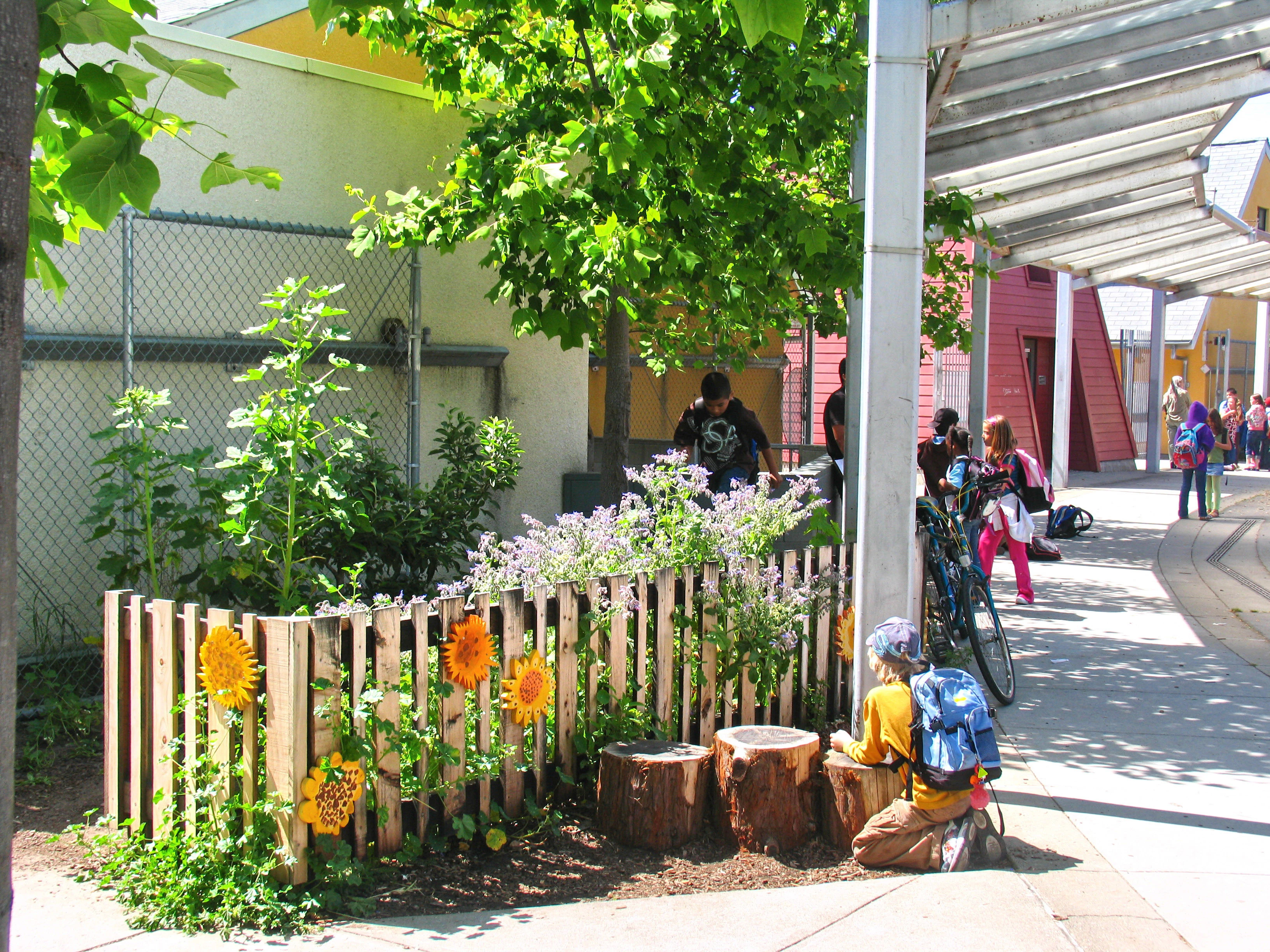
A flourishing, international green schoolyard movement has begun to improve the quality of children’s school environments around the world, and provides the backdrop for Asphalt to Ecosystem’s call for a paradigm shift in the use and management of children’s outdoor space. With a wealth of practical advice and over 500 color photographs, the book is a comprehensive, inspiring, fully-illustrated, system-by-system guide for transforming the traditional school ground’s slab of asphalt into an educational model of sustainable urban design that expands our idea of what schools can be and how they can best be utilized for learning and play. Asphalt to Ecosystems speaks to school design professionals, environmentalists, administrators, parents, teachers, and students, empowering them to be agents of change for their shared public space. Rigorously structured and detailed, the book is also appropriate as a textbook for higher learning.
The research that led to Asphalt to Ecosystems began in 1999 with the author’s master’s degree thesis in landscape architecture and environmental planning. A post-graduate fellowship facilitated additional fieldwork in Canada and Europe. The author has continued the research as a professional, visiting hundreds of schools in the United States, Japan, and Europe and becoming a trailblazer in an emerging international movement. The book combines the author’s decade of research and experience in participatory design, ecological systems thinking, and children’s needs for learning and play and expands on existing literature on these topics, adding new insights to the written dialogue created by John Lyle (regenerative design), Randy Hester (participatory design), Sim Van der Ryn (ecological design), Robin Moore (children’s environments), and others.
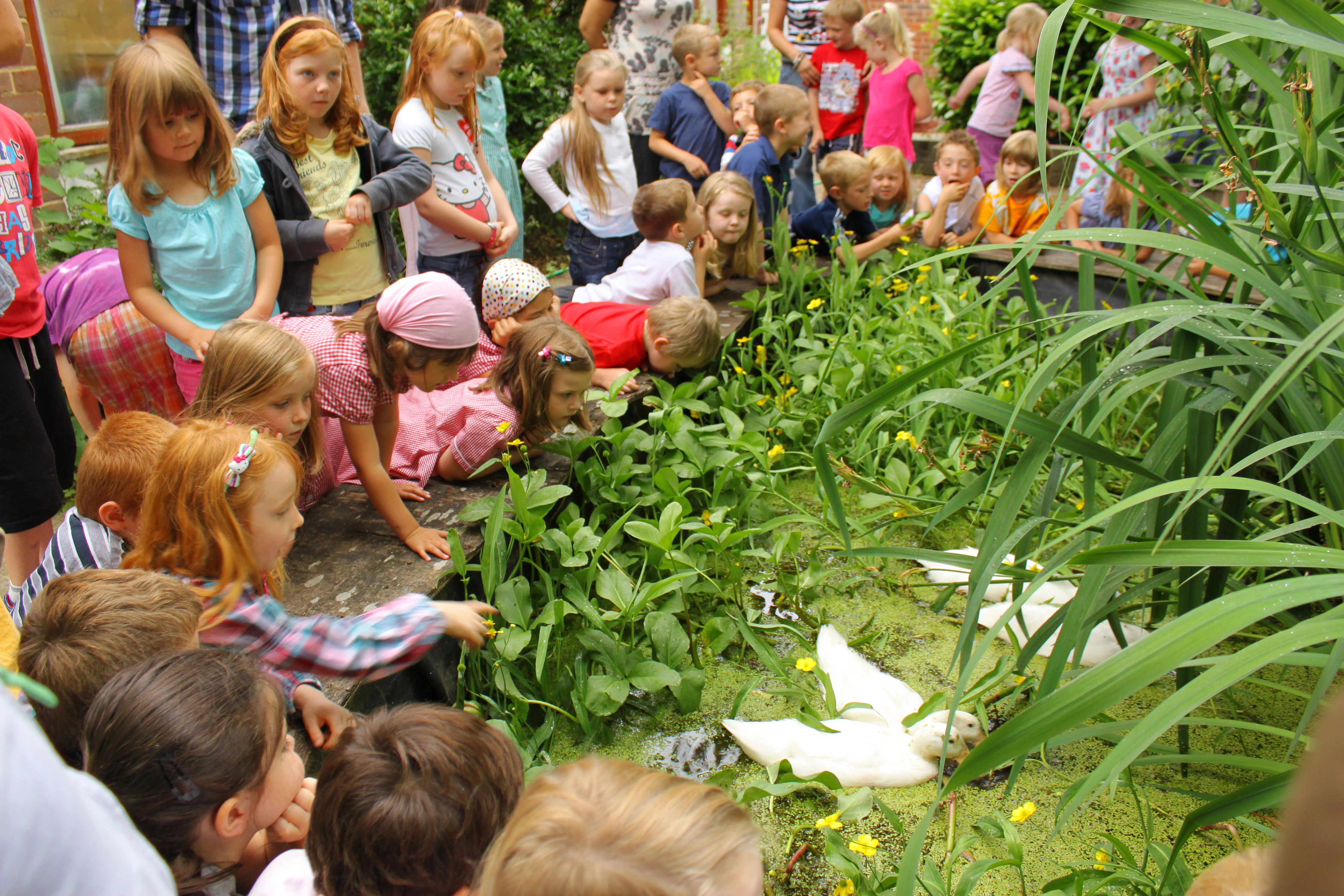
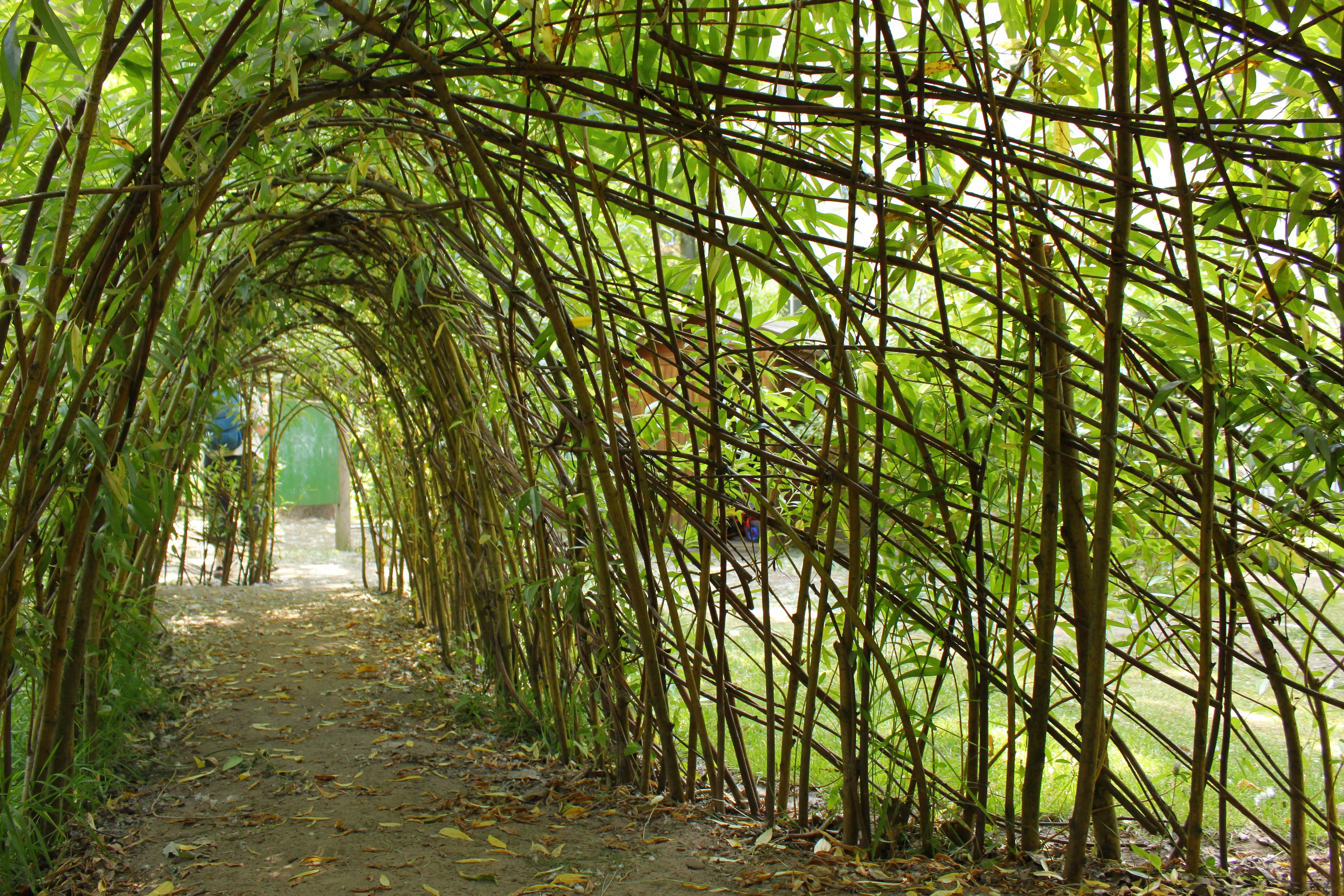
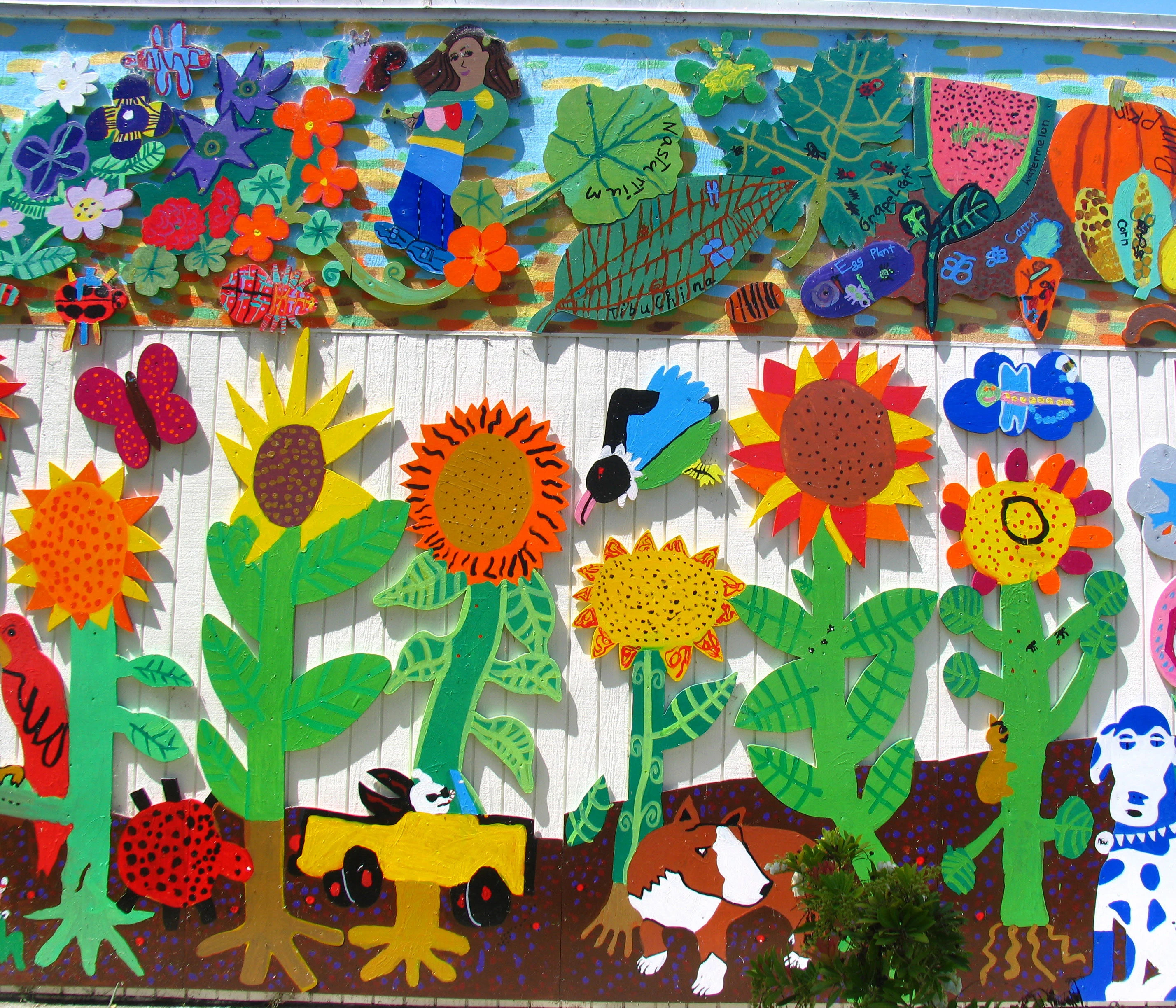
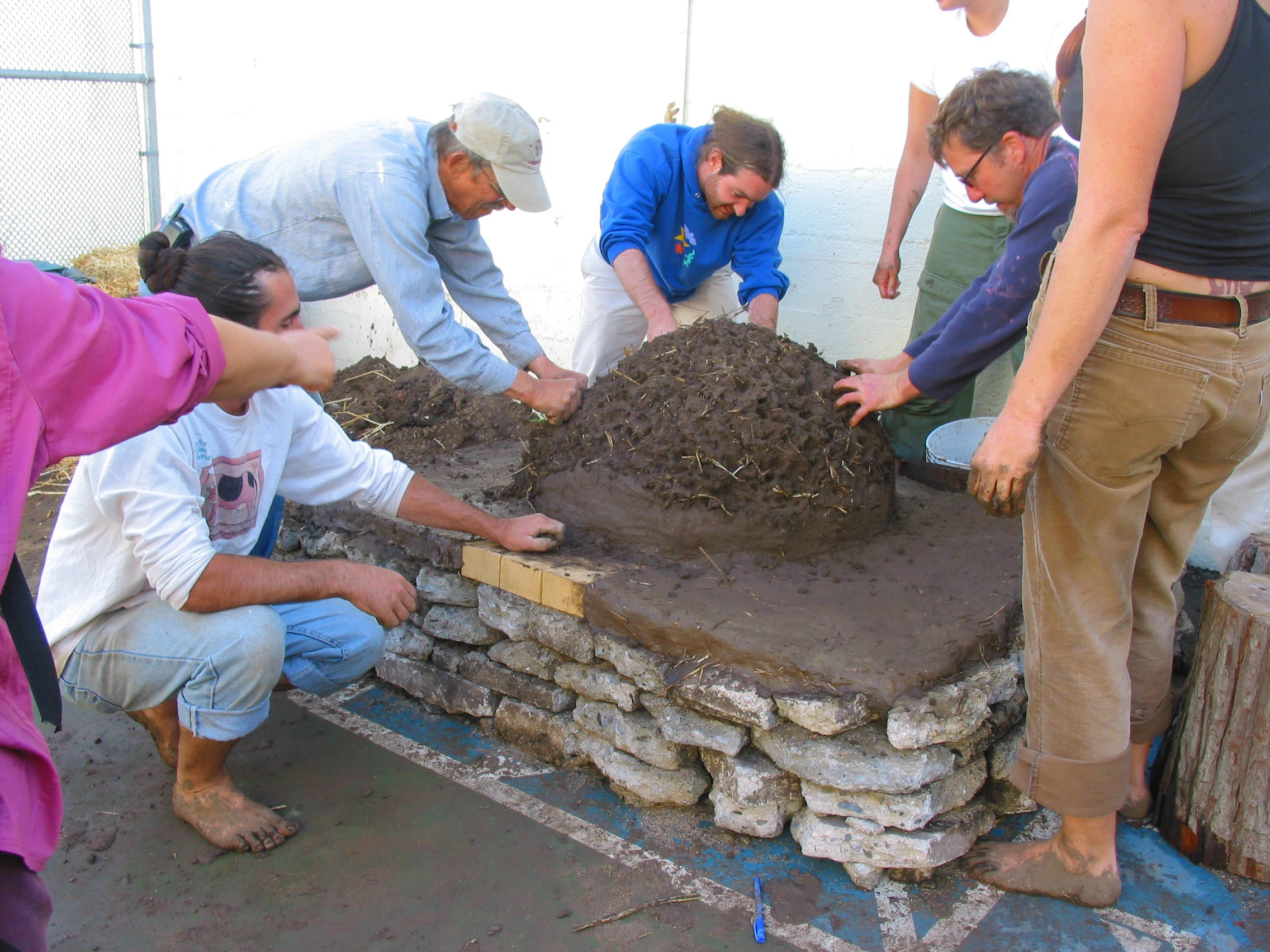
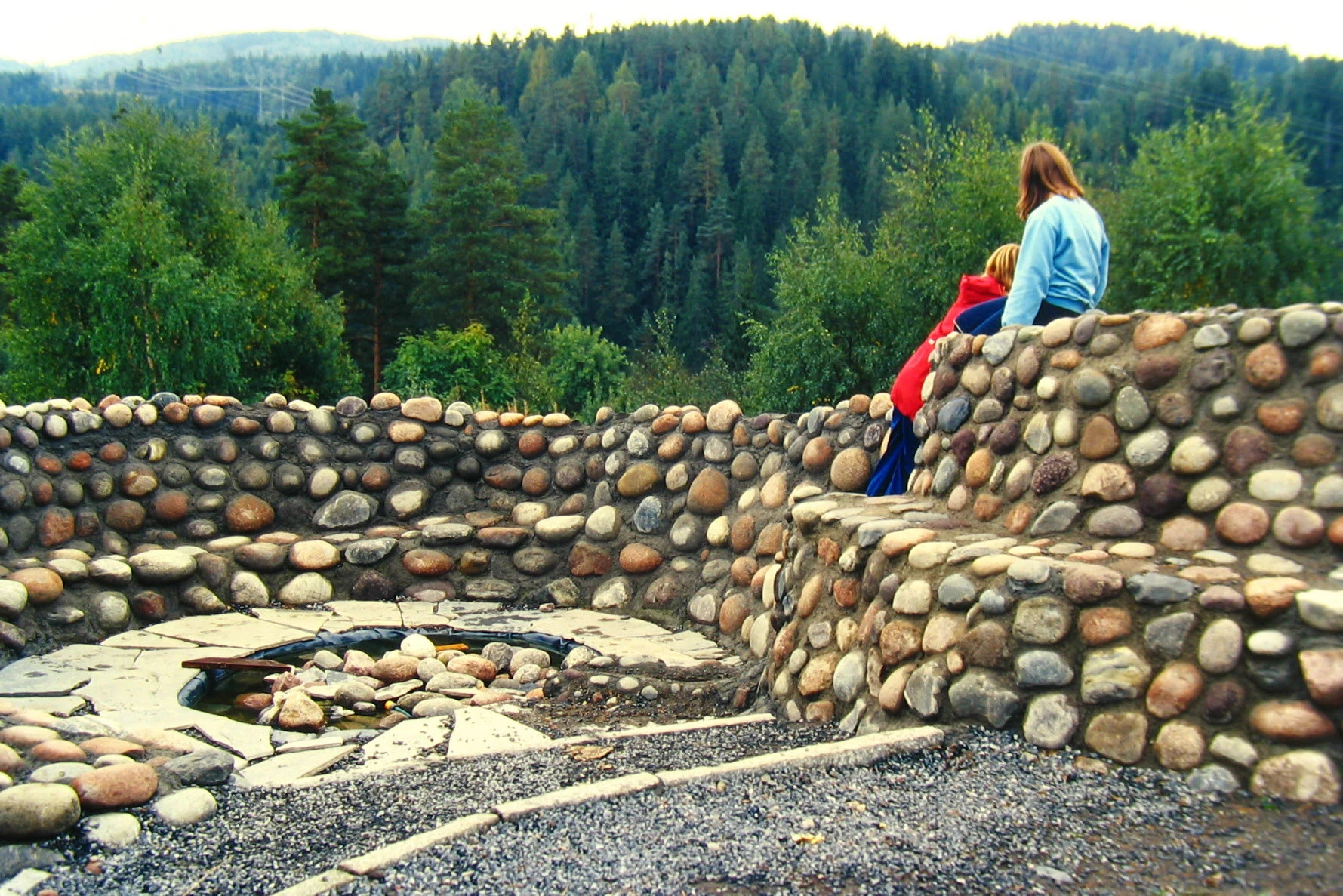
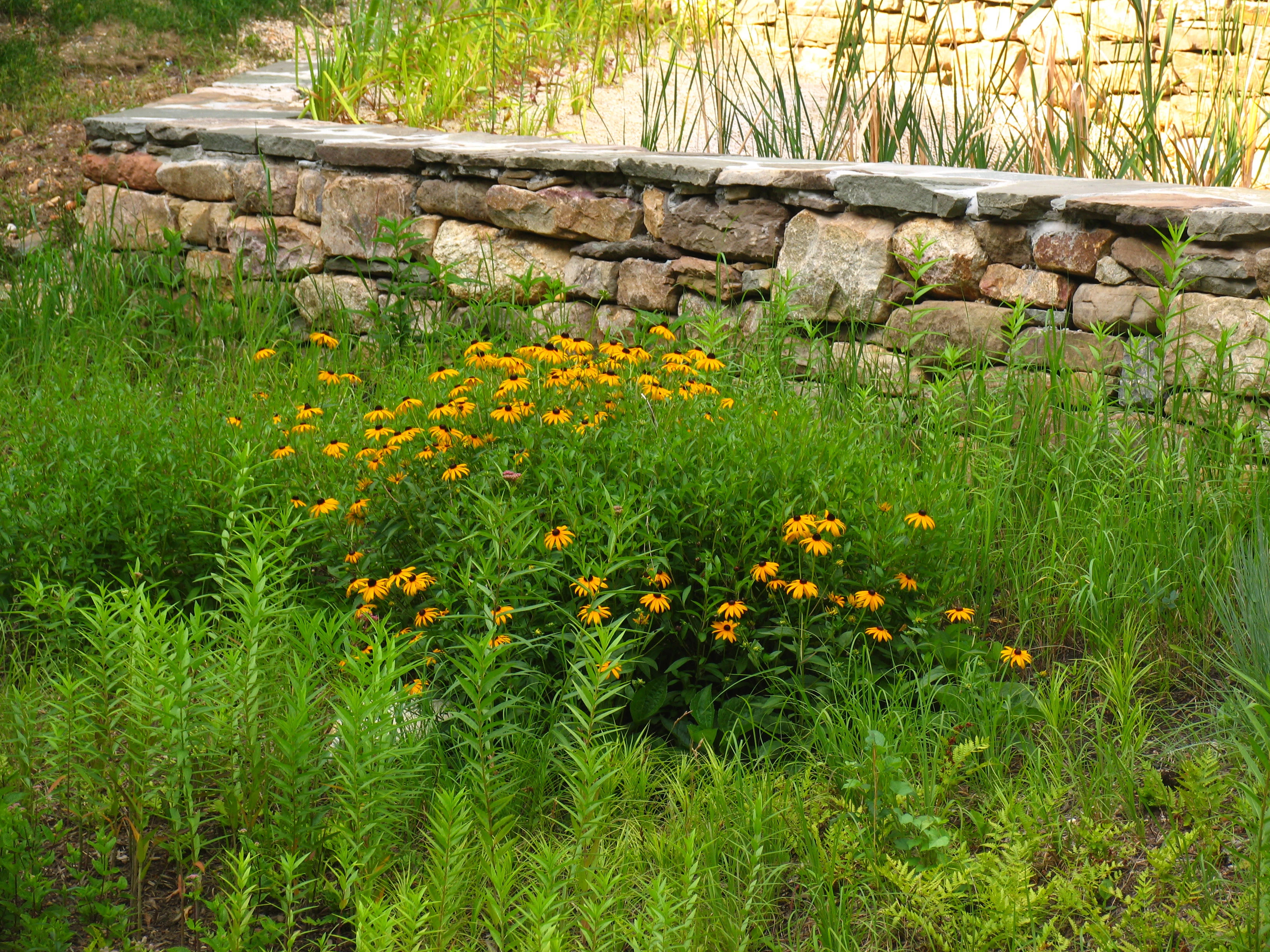
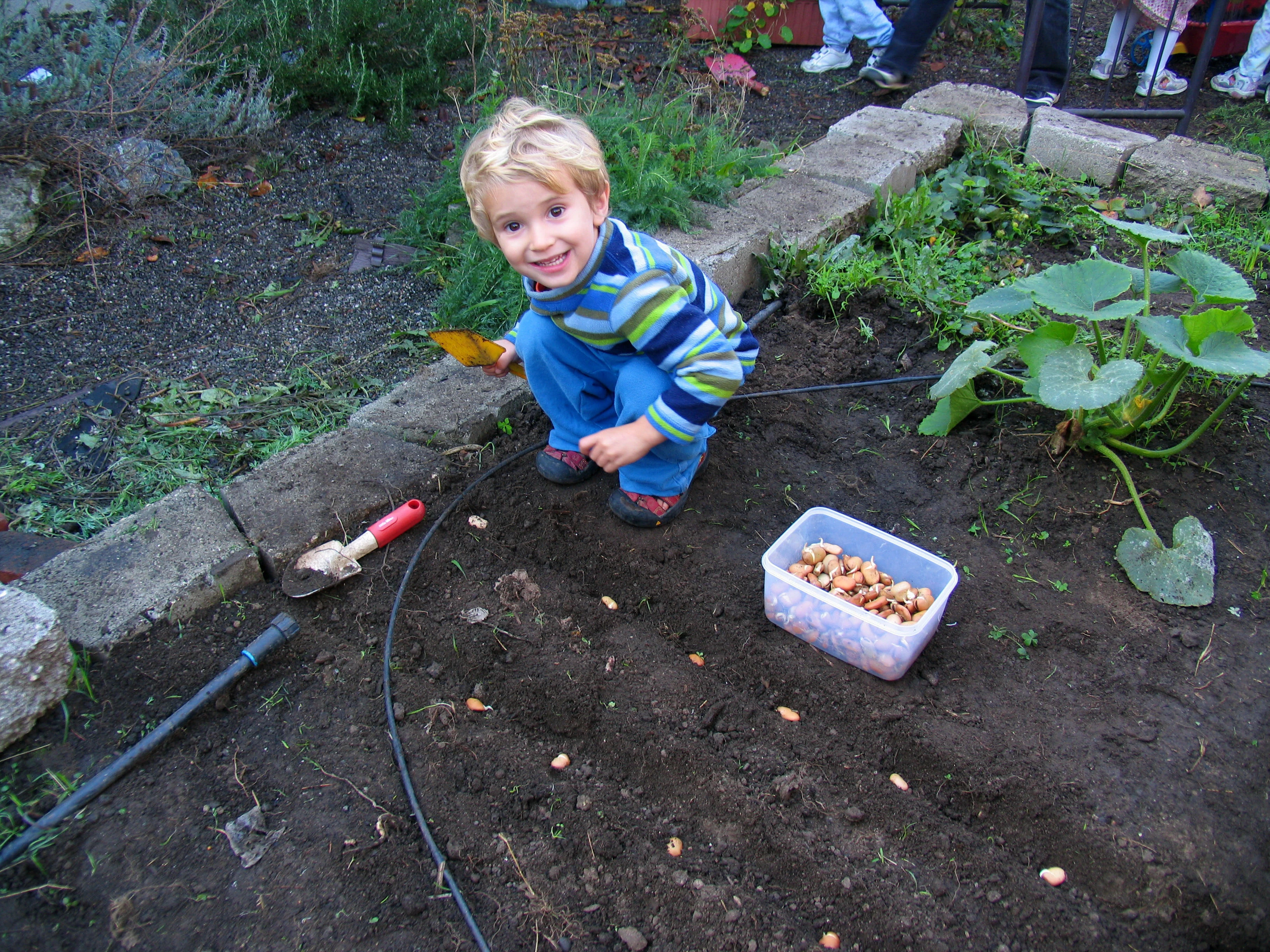
Asphalt to Ecosystems uses real-life examples from over 150 schools in 11 countries to take readers on a tour of successful green schoolyards with vastly different climates and sensibilities: edible gardens with fruit trees, vegetables, chickens, honeybees, and outdoor cooking facilities; wildlife habitats with prairie grasses and ponds, or forest and desert ecosystems; schoolyard watershed models, rainwater catchment systems and waste-water treatment wetlands; renewable energy systems that power landscape features or the whole school; green building examples using natural materials; waste-as-a-resource projects that give new life to old materials in beautiful ways; and creative play opportunities that entice children to explore the natural world. Examples are grounded in carefully organized chapters with a practical framework and associated photographs.
The book includes creative K-12 curriculum ideas designed to entice classes to work outside and embrace experiential learning opportunities that deepen students’ understanding of abstract concepts in a wide range of disciplines from the sciences to the humanities. The book’s abundant photographs and stories demonstrate how ecological schoolyards can improve students’ classroom performance, increase self-esteem, reduce bullying, improve lifestyle practices, and instill a much-needed sense of environmental stewardship in young people.
Asphalt to Ecosystems comes at a time when children’s domain has been shrinking around the world, and their ability to experience the natural world outside of school is at an all time low. School grounds are often the only places where urban children can play freely outdoors, making a rich school environment vitally important for child development. Well-designed green schoolyards foster children’s social, physical, and intellectual growth by providing venues for creative play, exploration, adventure, and wonder. Green schoolyards provide play-based solutions to the problem of childhood obesity, and can promote healthier lifestyles through increased physical activity. The author uses successful examples from abroad to question current American play standards and practices and argues that American schools should also offer greater recreational variety, risk, and physical challenges. Schoolyard design case studies from Germany and Scandinavia serve as examples to illustrate this philosophy of including elements of risk in order to teach children physical and emotional balance and improve their lifelong health.
Asphalt to Ecosystems also emphasizes the importance of place-making, encouraging stakeholders to foster a sense of place on school grounds by tailoring their environment to their own unique physical and social contexts. A theme of “building community” through community participation in the design, construction, and management of school grounds is at the heart of the book, which includes strategies for engaging adults and children in active stewardship of these important shared public spaces.
The author’s research abroad to create Asphalt to Ecosystems has now come full circle: the book inspired an international school grounds conference, held in the San Francisco Bay Area in September 2011, which was attended by 200 people from 20 American states and 6 other countries, including speakers from many of the places she visited on her research travels. The conference, in turn, was the springboard for a new international organization, which the author co-directs, formed to facilitate an ongoing dialogue about school ground design and development.
First published in November 2010 with a print run of 3,000 full-color copies, Asphalt to Ecosystems is professionally published and distributed. It is available in commercial bookstores in the United States and abroad and is offered by numerous online retailers. The book was recently reprinted with a print run of 2,000 copies.
-
Author: Sharon Gamson Danks, ASLA
Publisher: New Village Press
Foreward: Cam Collyer
Interior Design: Leigh McLellan
Cover Design: Lynne Elizabeth
Advertisement
Related Awards
Honor Award, Communications
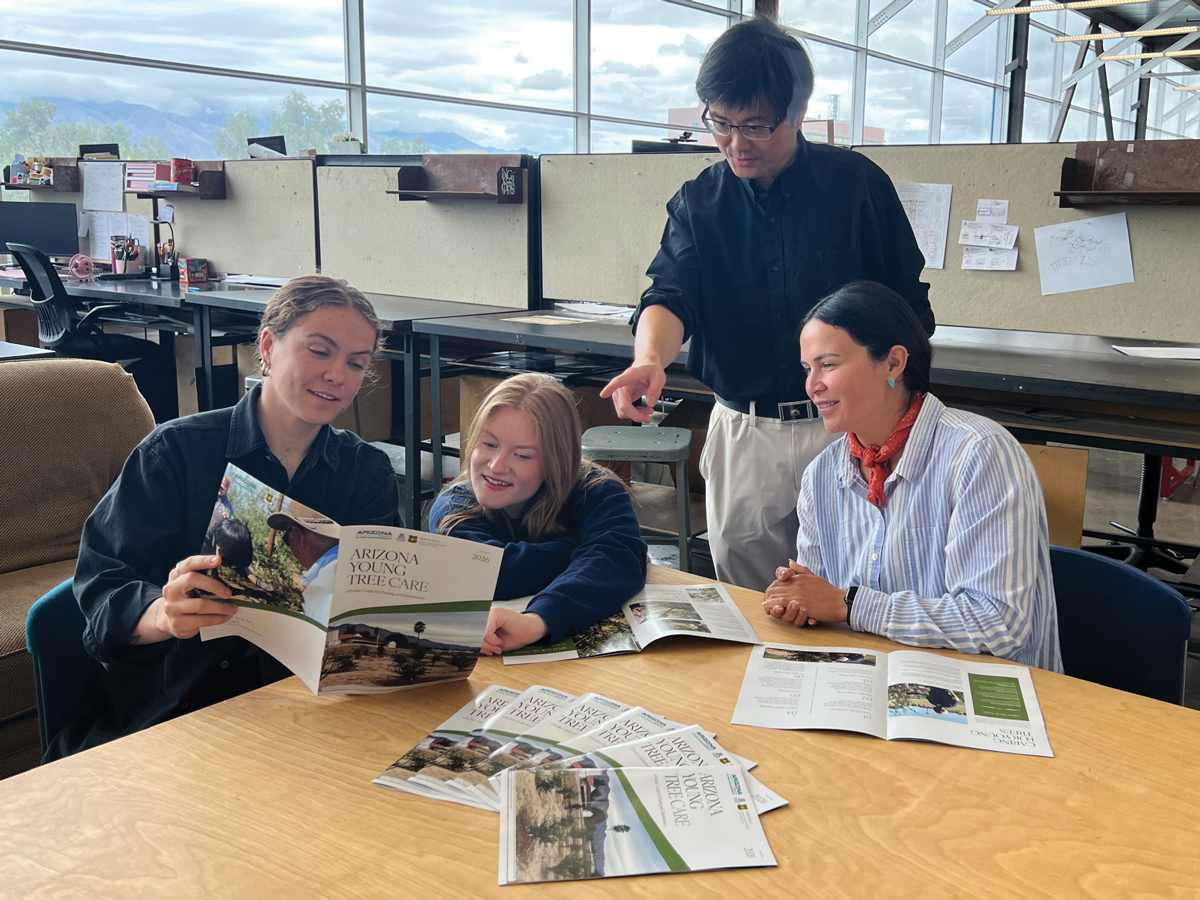
Growing Impact: Advancing Knowledge of Urban Desert Tree Care
The objective of this project is to create a knowledge hub for public education and engagement on tree care and maintenance to increase urban forestry benefits in desert cities of southern Arizona. From 2023-2026, the team has engaged practitioners, government agencies, and the public through workshops, public lectures, and hands-on training on young tree care, smart watering systems, and pruning techniques.