
.webp?language=en-US)


Big Old Tree; New Big Easy, using New Orleans' native trees to structure a new plan for Iberville and the Lafitte Corridor
Karen Lutsky, Student ASLA
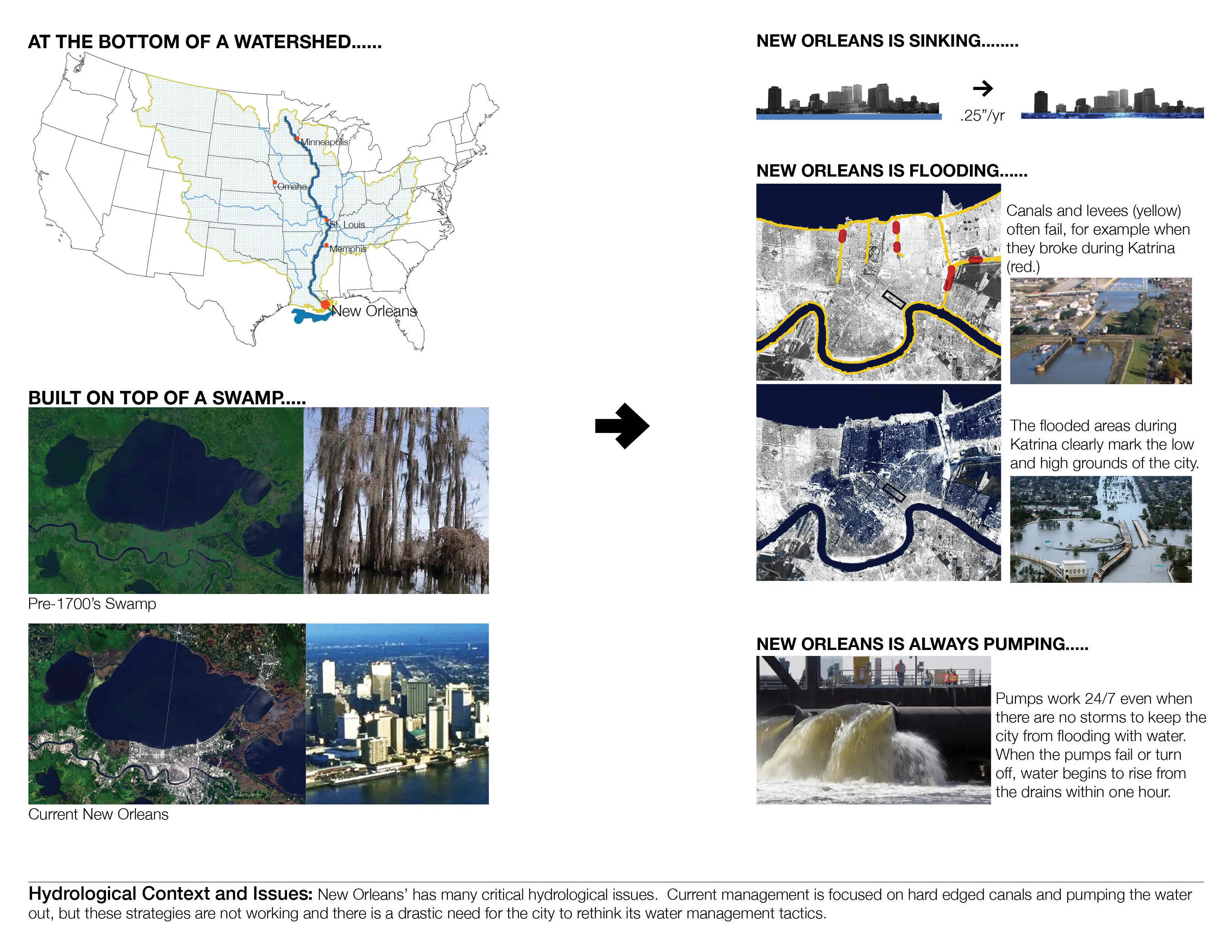
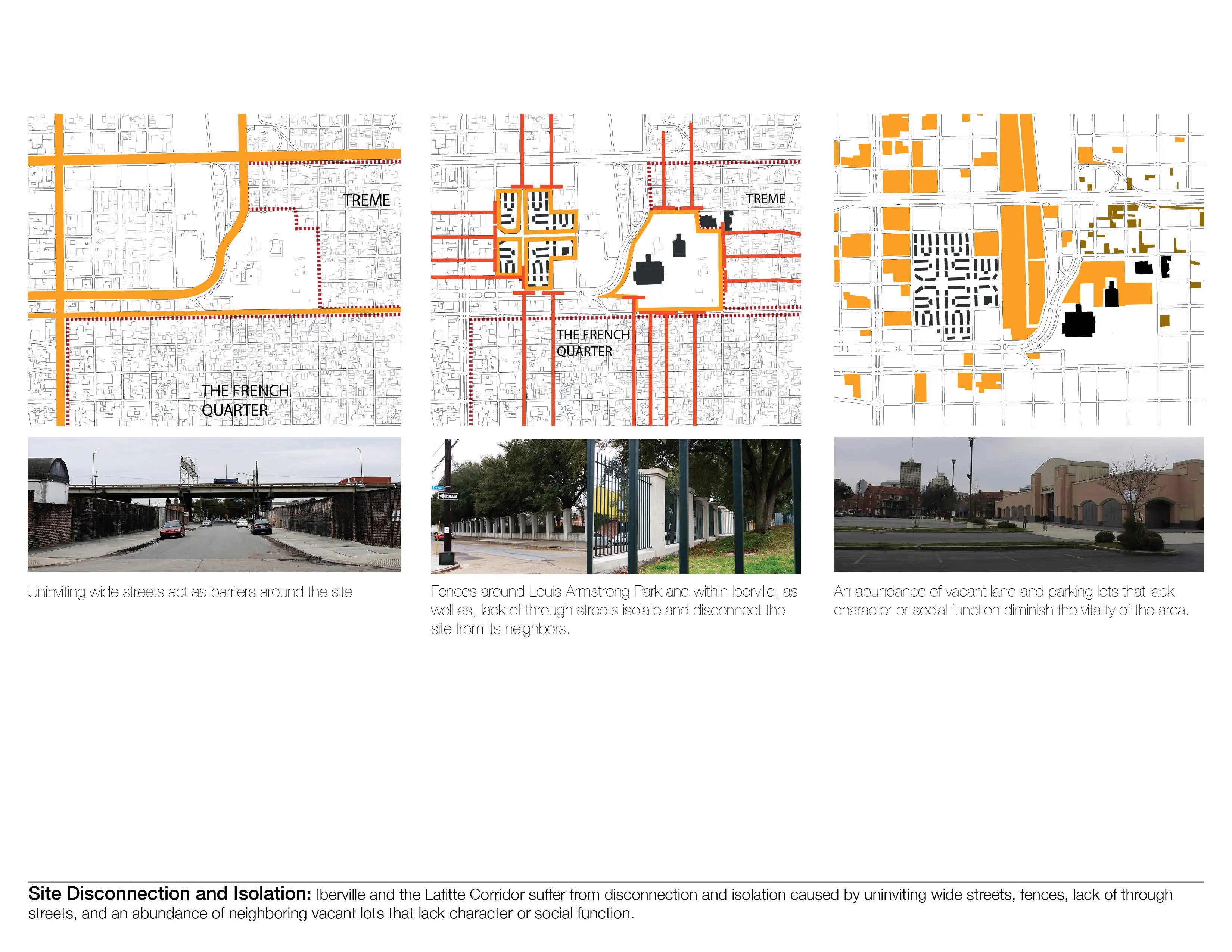
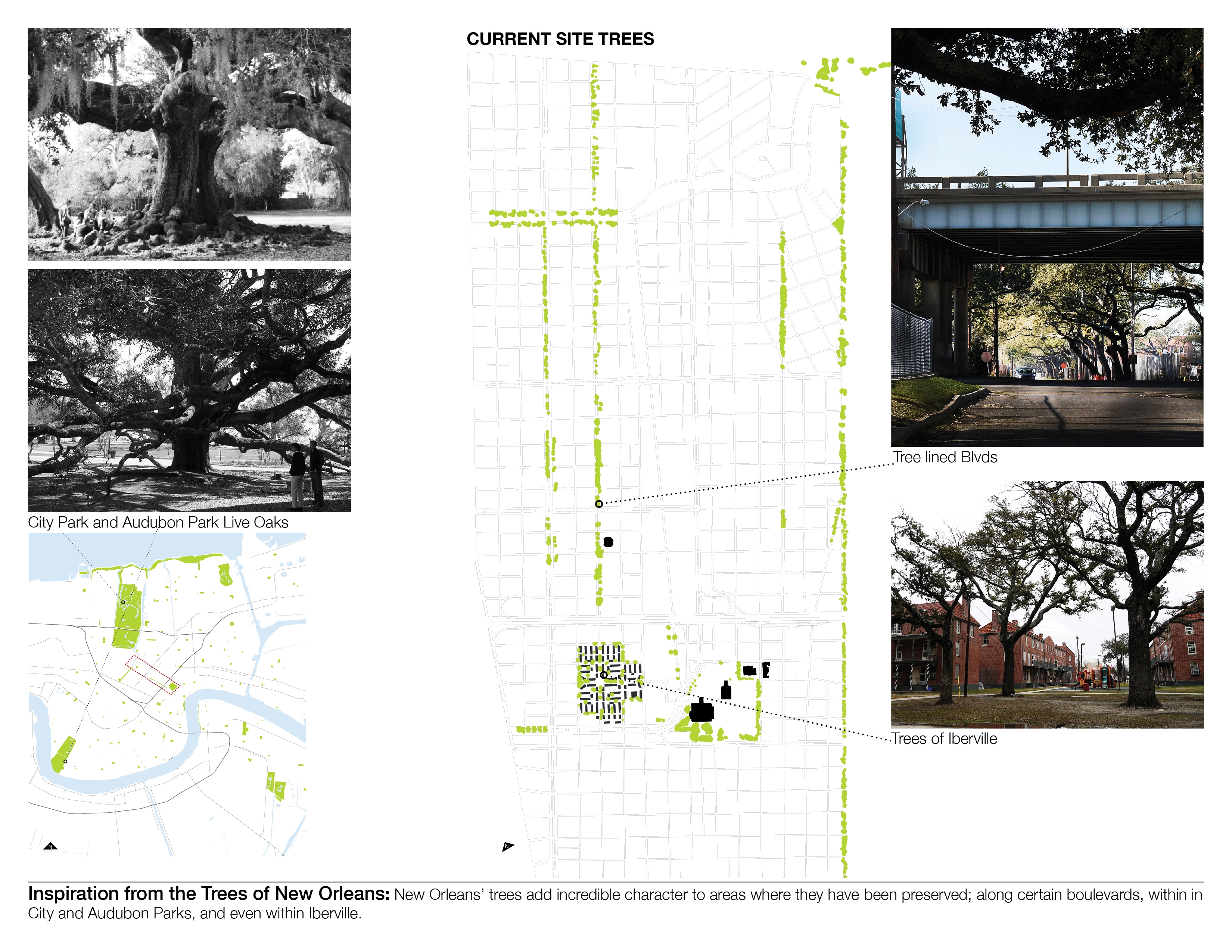
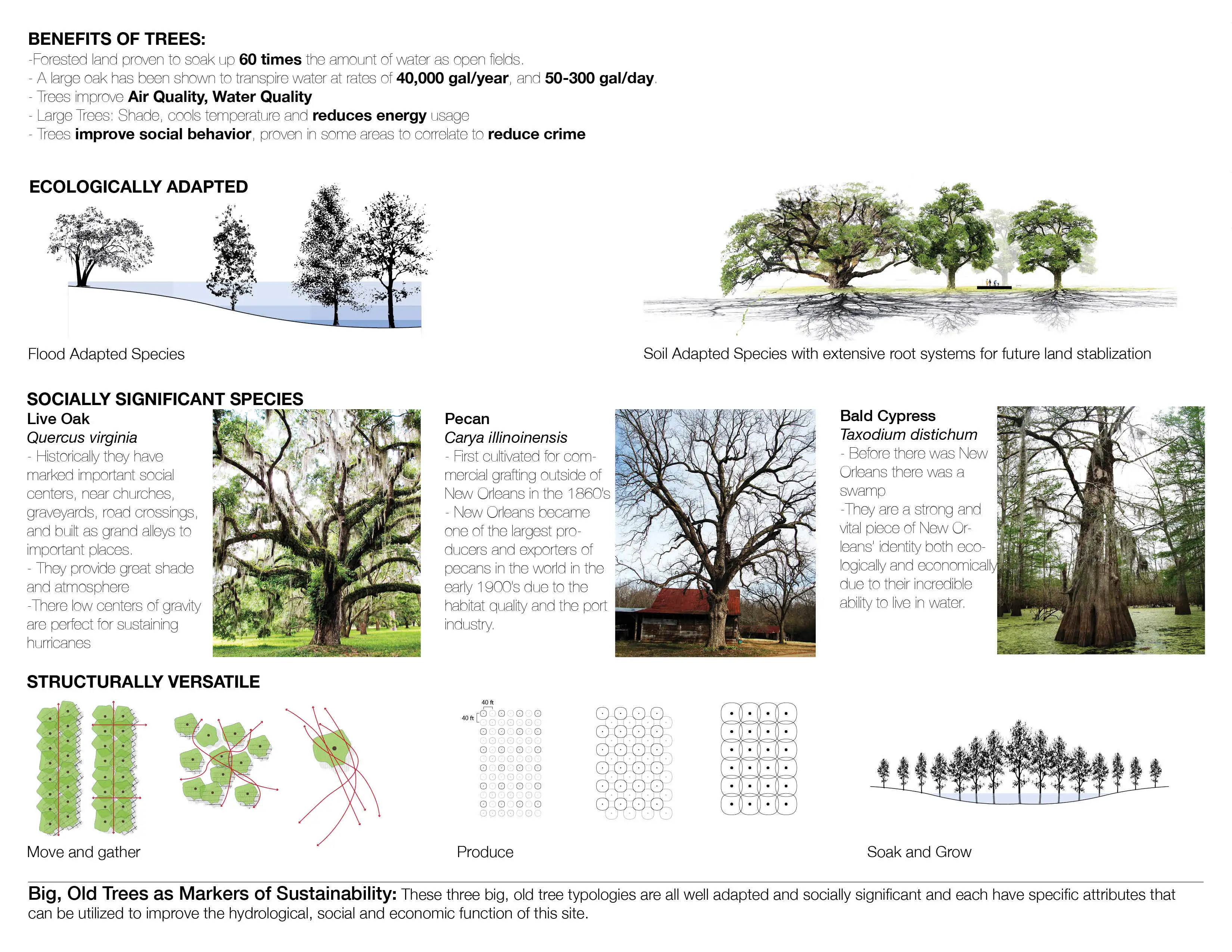
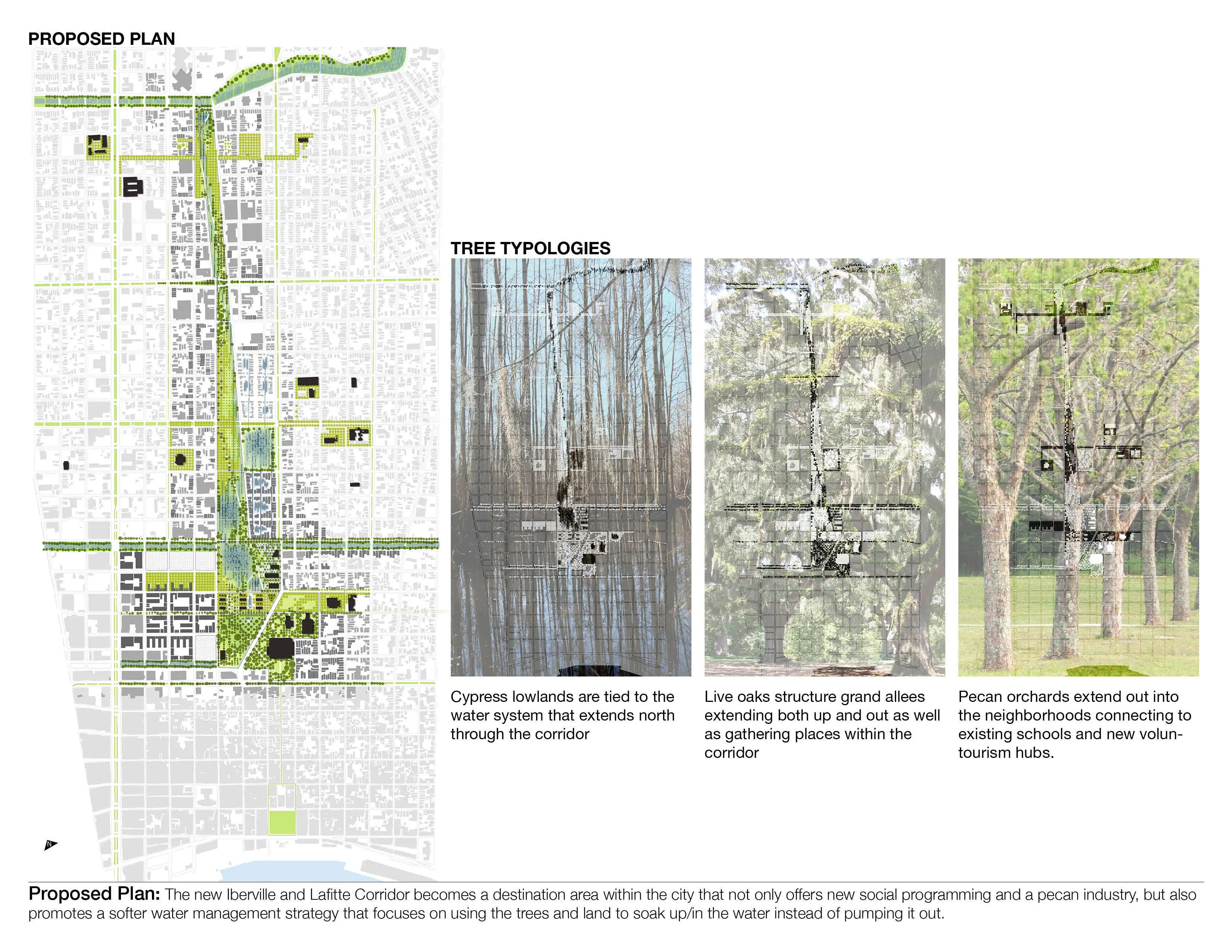
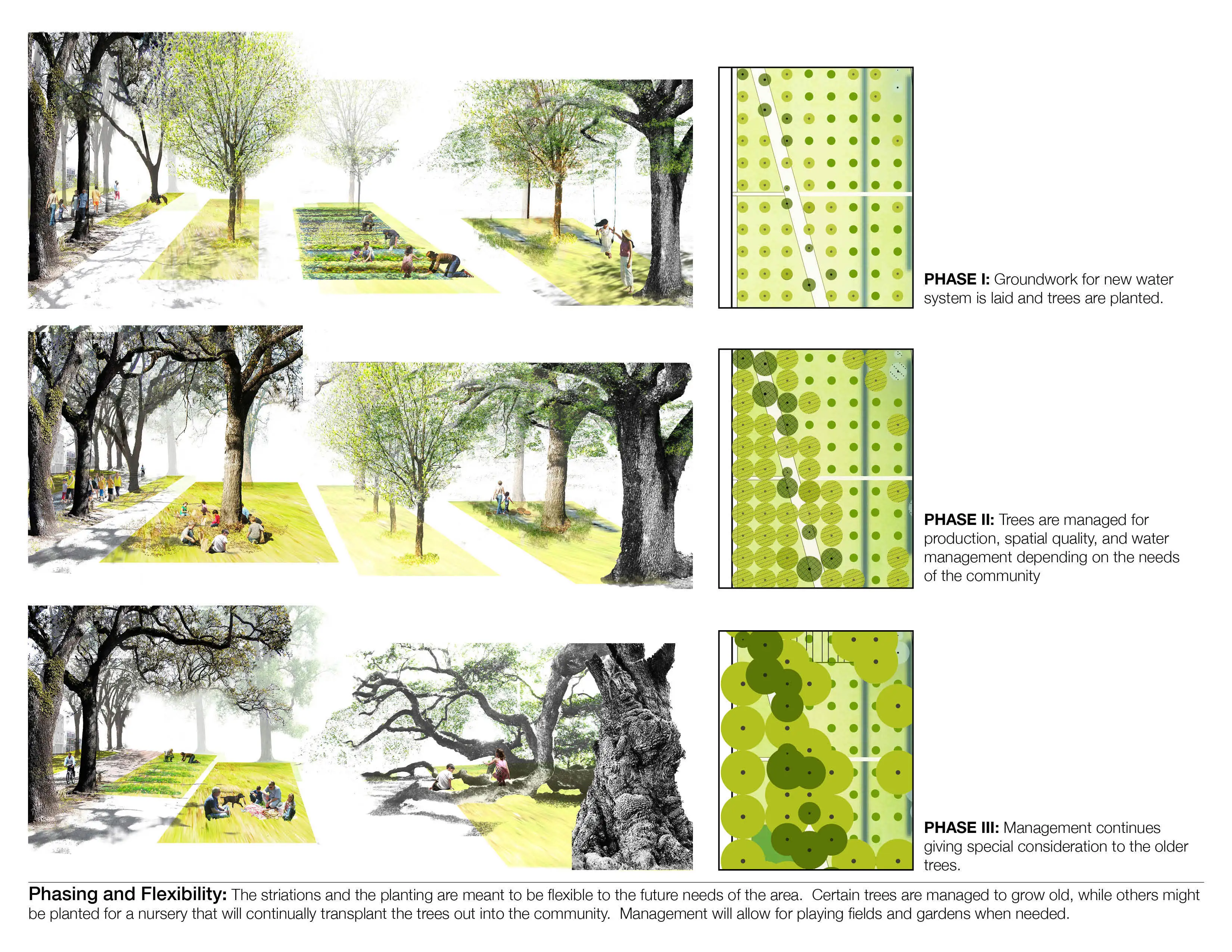
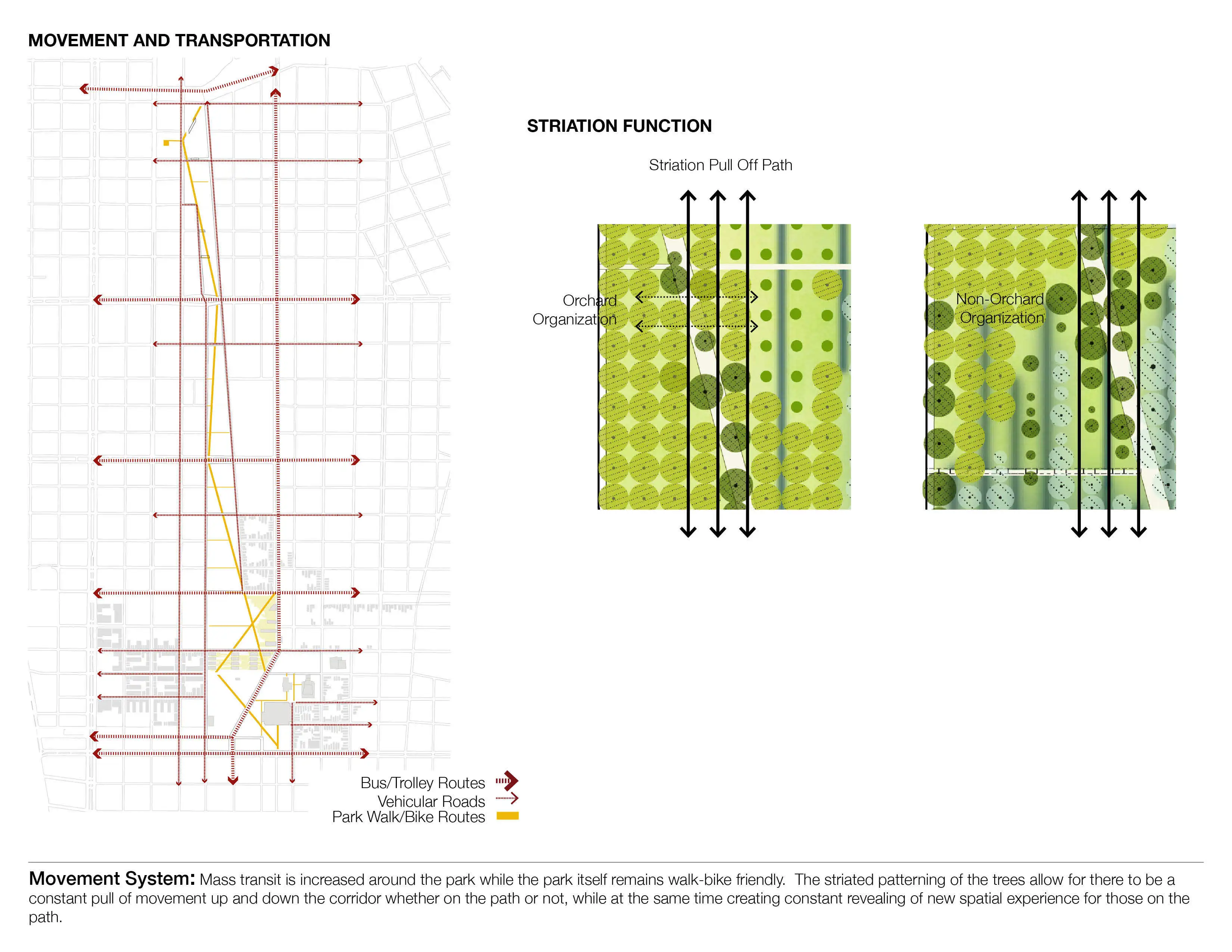
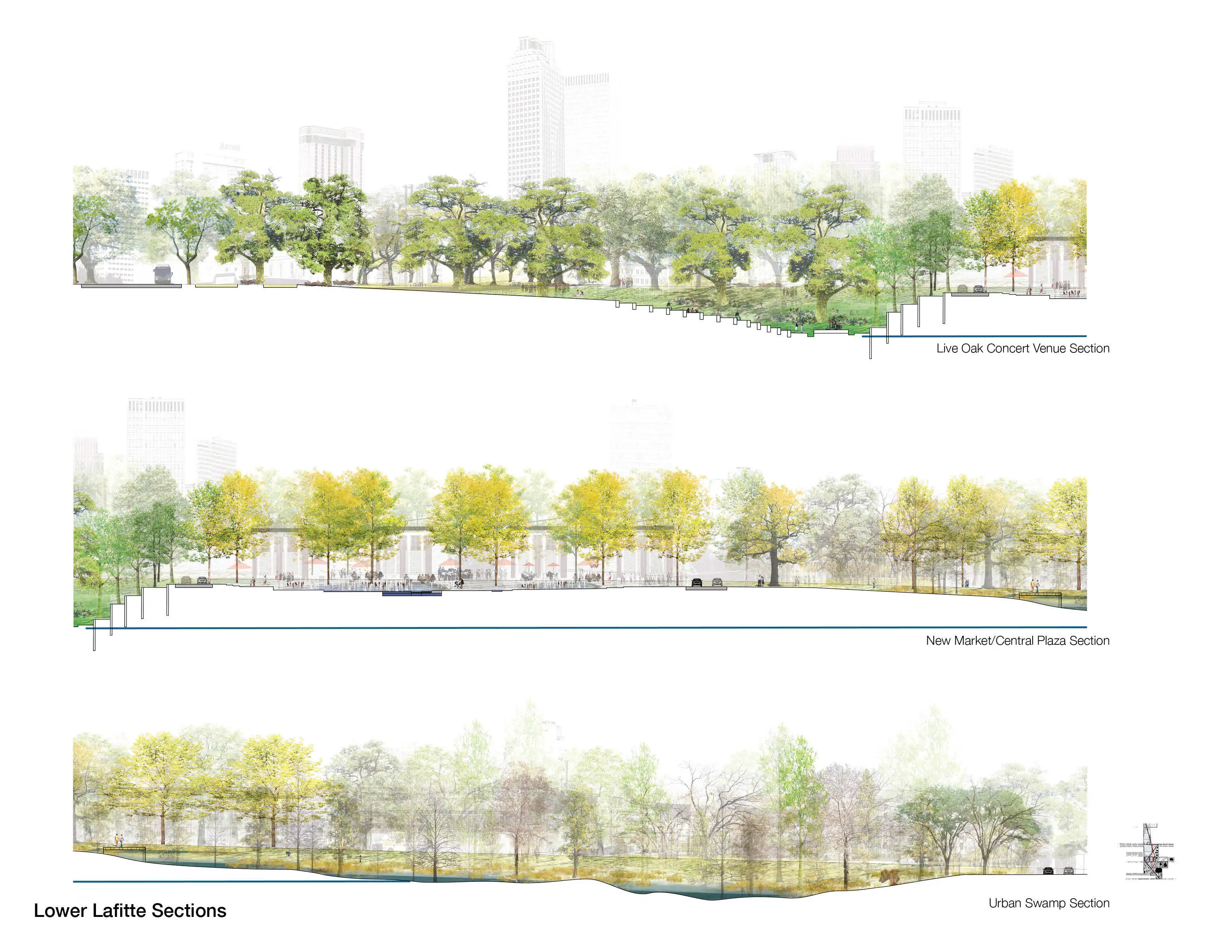
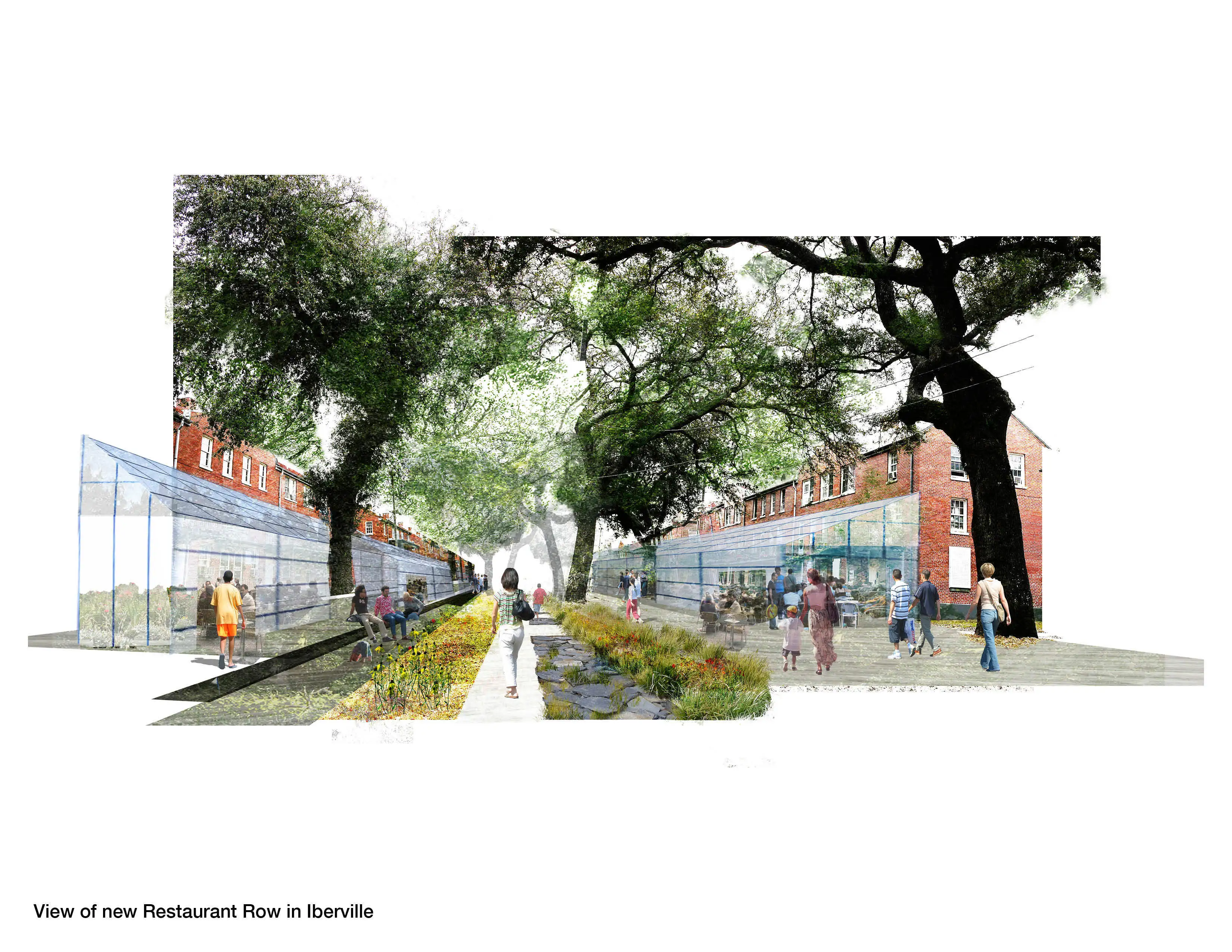
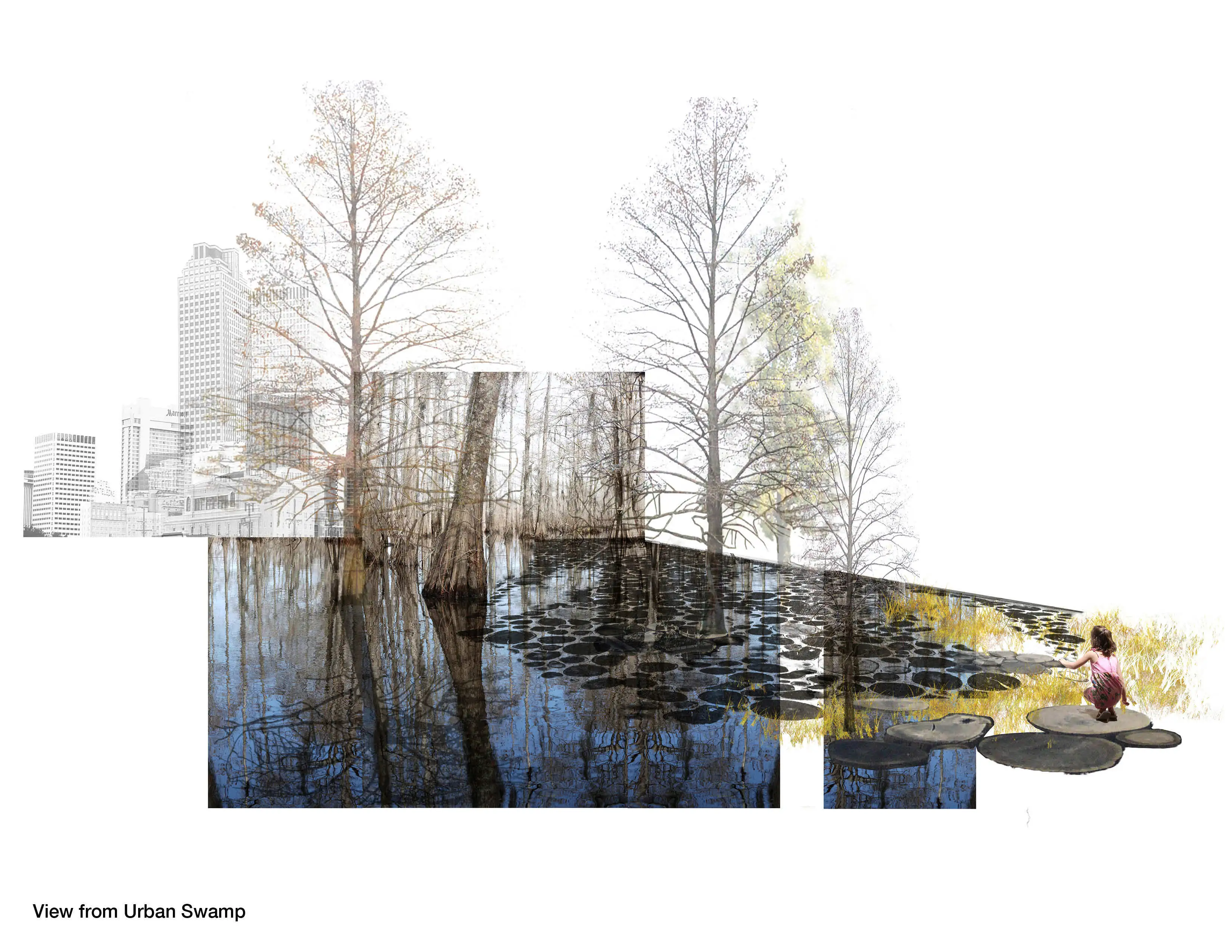
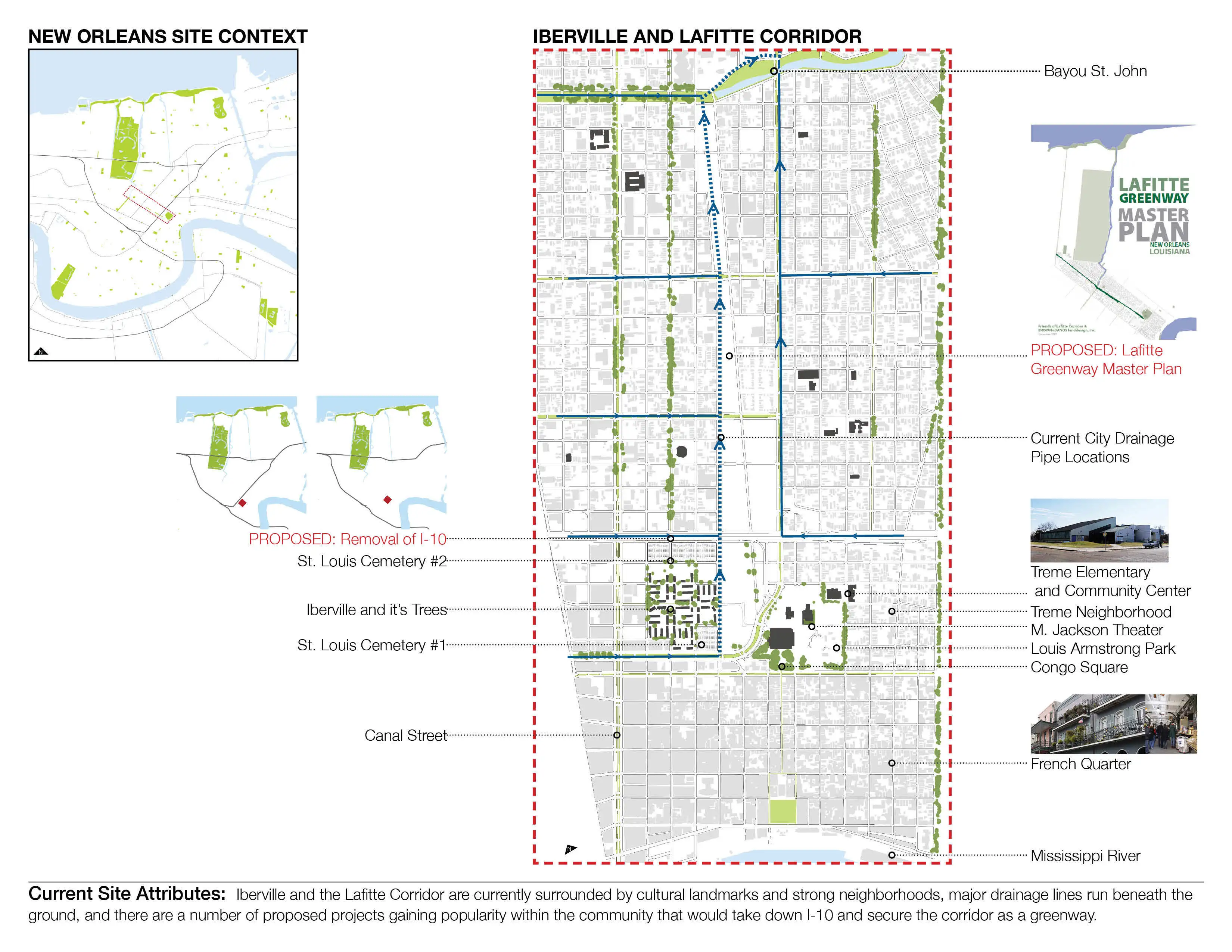
When you see students focusing on these types of issues, it shows elements of reality-based design. The phasing is appropriate and the functional analysis makes a whole lot of sense. The student's awareness of markets and trees as both tools and amenities demonstrates great maturity.
Awards Jury
-
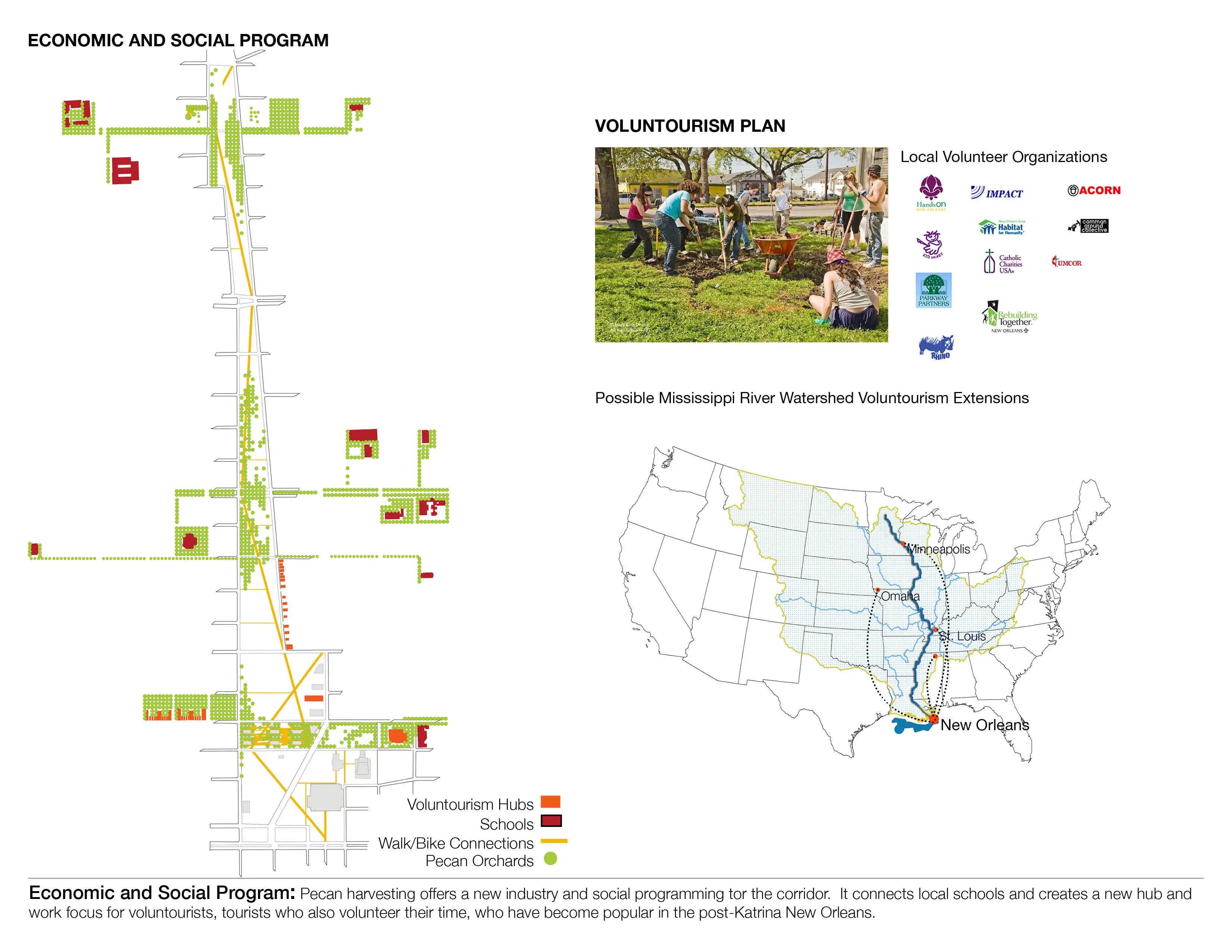
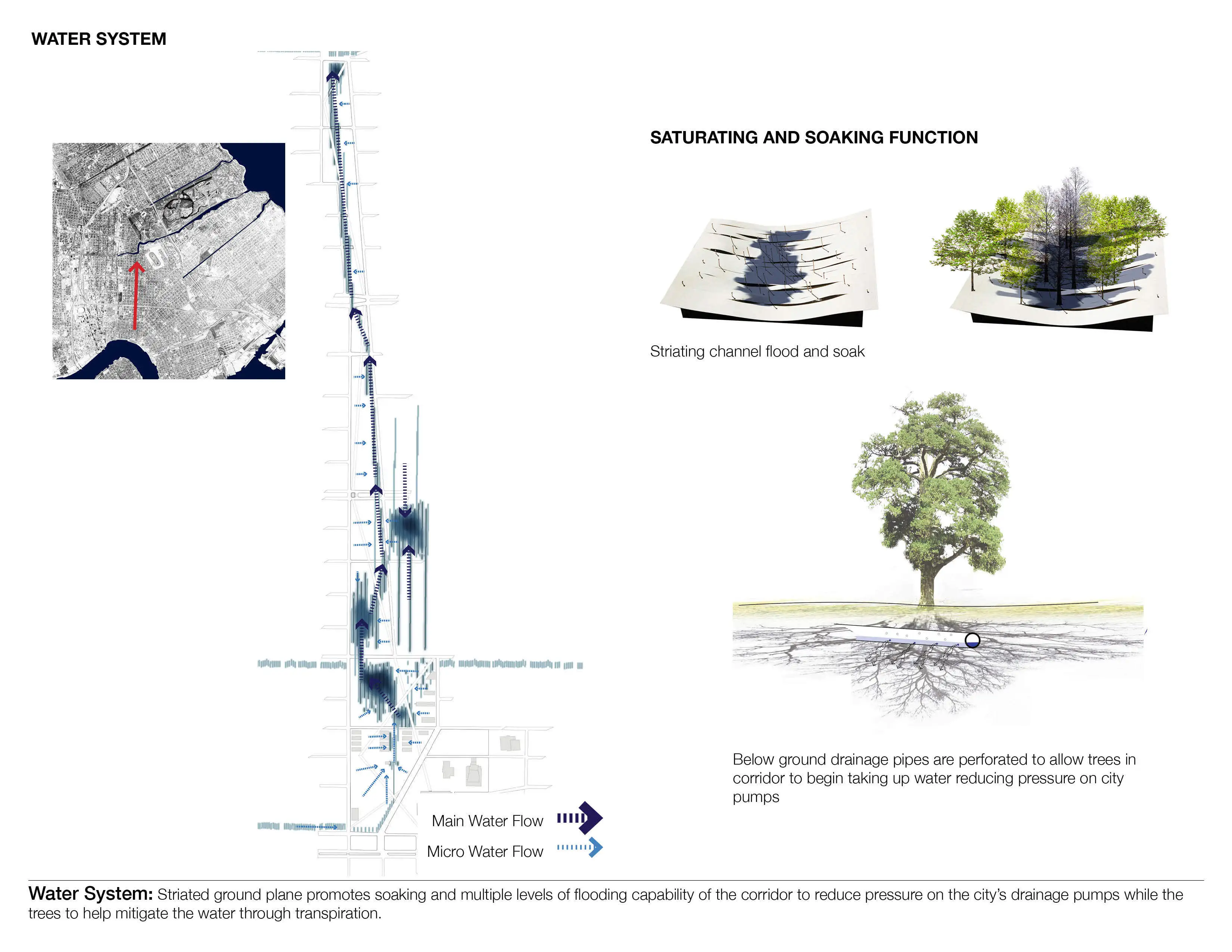
'Big Old Tree; New Big Easy' recognizes New Orleans' old, native trees as purest forms of sustainability and seeks to harness and build upon their inherent ecological adaptations and social significance. By recognizing the trees as mitigators of water, shapers and influencers of social space, and sources of industry, the plan envisions how native trees could be used to revitalize and strengthen the hydrological, social, and economic conditions of Iberville and the Lafitte Corridor.
-
Introduction
Trees have long been a critical piece of New Orleans' identity. From its swamp origins to the enormous members of the 'Live Oak Society' found within its parks, the city has long valued the function, the beauty, and the role these trees have played in its economy and its history. It seems natural then to look to these monuments of sustainability in the designing of a future New Orleans landscape.
Currently Iberville is a run-down, half-empty, public housing project and the Lafitte Corridor is swath of vacant, under-utilized land. In addition to being severely disconnected and lacking vitality, Iberville and the Lafitte Corridor suffer from the same hydrological issues as the rest of the city. Fortunately though, located on relatively high ground and being so close in proximity to strong New Orleans cultural life such as the French Quarter, Congo Square, Treme, and St. John's Bayou, the site offers itself up to be prime for re-vitalization and sustainable development.
Proposal
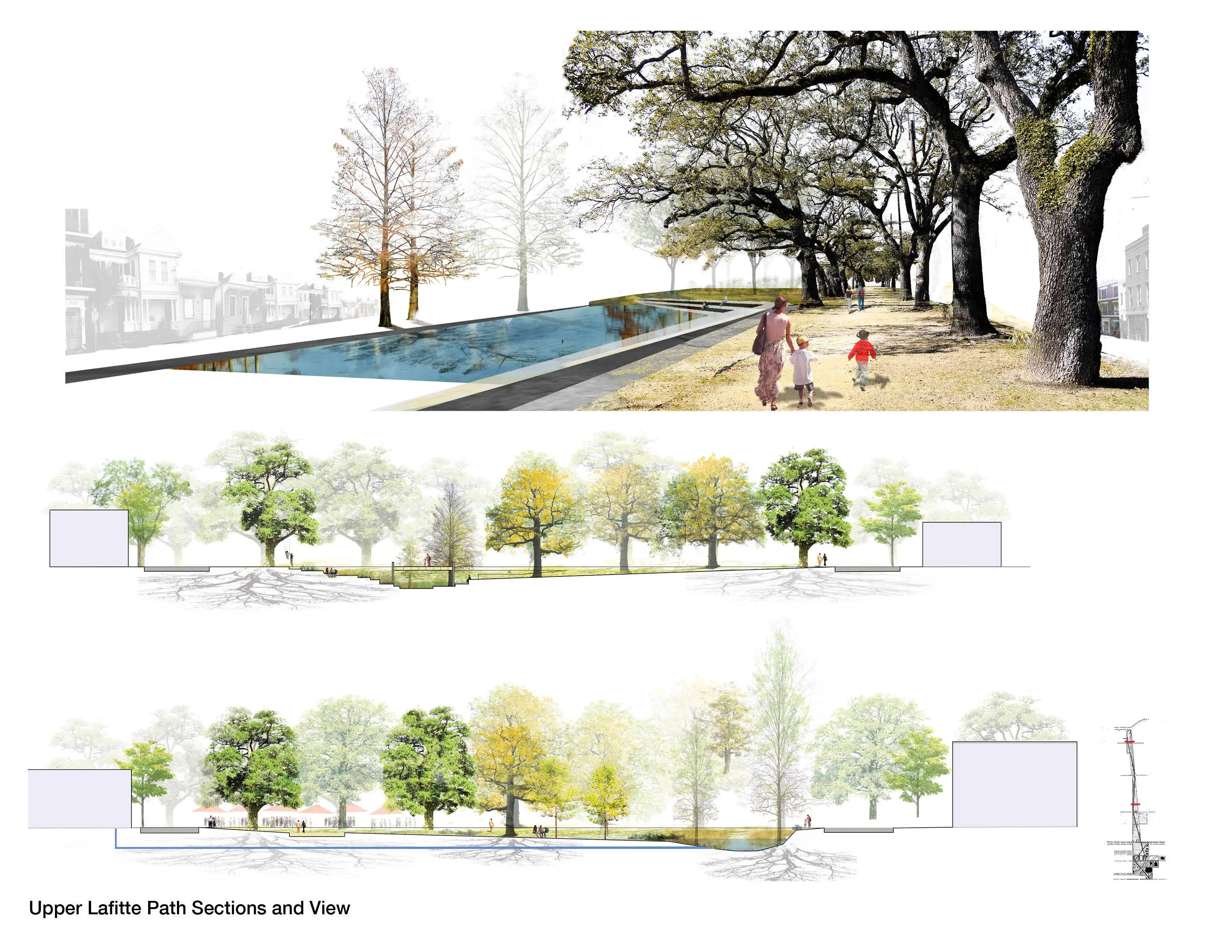
The plan for a new Iberville and Lafitte Corridor begins and ends with the trees; how they can help manage water through high rates of transpiration, stabilize the currently sinking ground with their extensive root systems, connect neighborhoods and promote recreation with shaded alleys, act as outdoor classrooms, be managed for production of valued goods such as nuts and wood, and how they can harbor and nurture the growth of a strong community.
To promote flexibility and adaptability, the striated planting plan allows for typologies to shift and respond to the wetness of the ground plane and be easily managed for needs of the community while keeping a constant structure that visually connects through the whole of the corridor and allows for unique spatial experiences for those on the path. The ground is carved to hold water and promote on-site saturation while also allowing for greater flooding capacity during a large storm event.
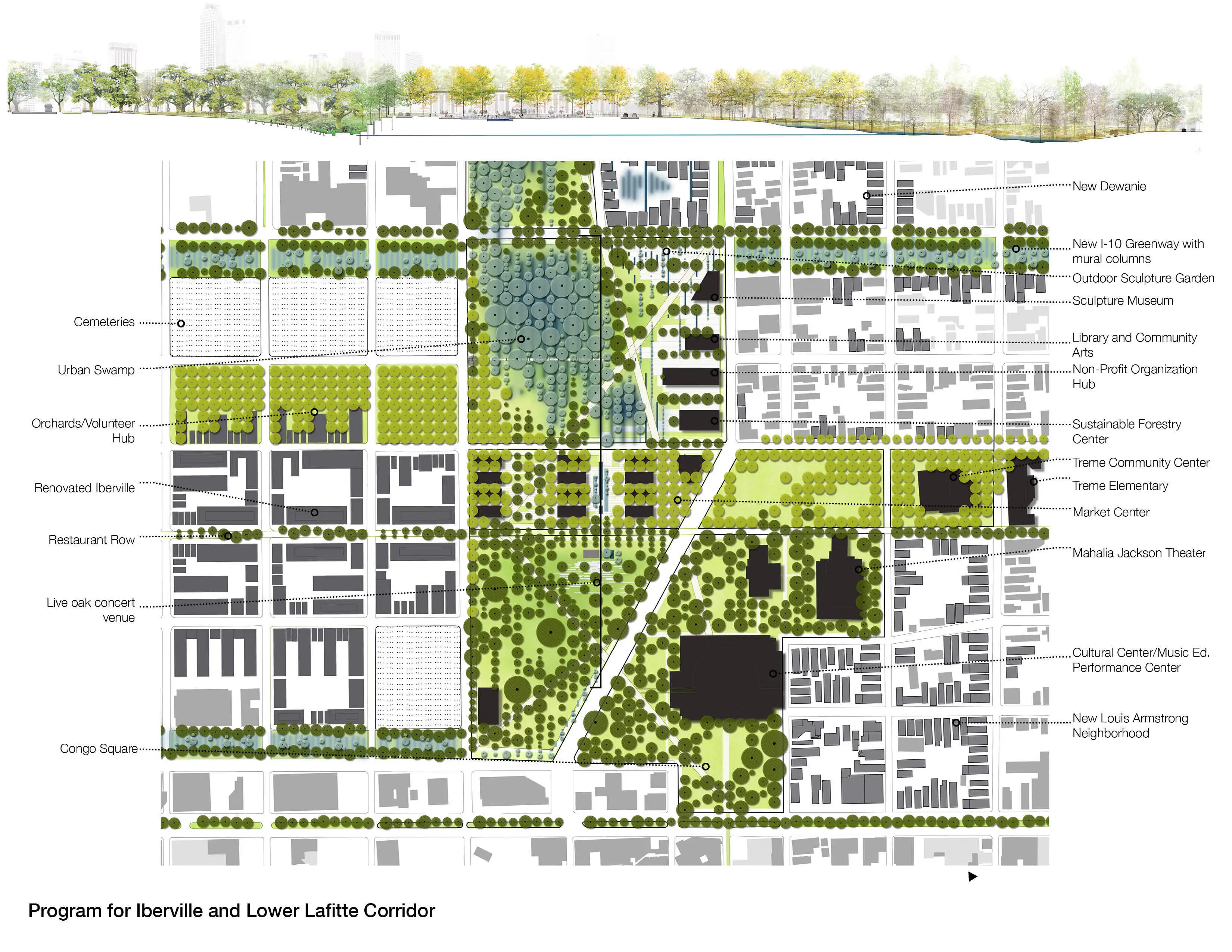
The lower Lafitte Corridor and a renovated Iberville become examples of how these trees also help structure and characterize more cultural program heavy areas such as a large outdoor theater, a sculpture park, a new outdoor market and plaza, and a restaurant row. The versatile structural nature and incredible character of these trees help to give this site a true New Orleans identity while sustaining a highly functional hydrologic, social, economic landscape that can be adapted and developed in the coming decades.
-
Sources
University of Flowrida IFAS Extension School of Forest Resources and ConservationUSGS
Friends of Lafitte Corridor Greenway Plan
Dutch Dialogues
Advertisement
Related Awards
Honor Award, Analysis & Planning
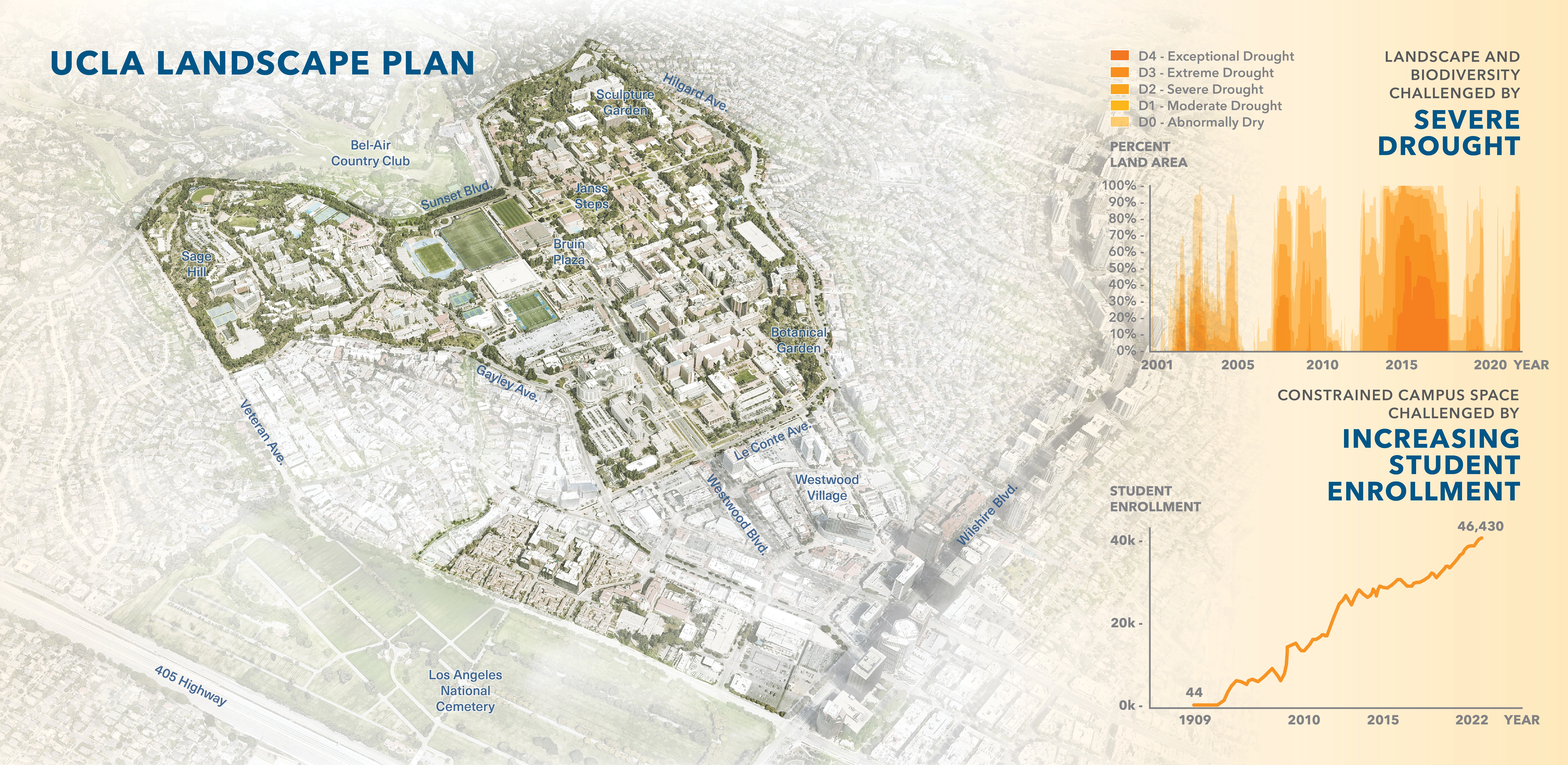
The Resilient Campus: Historic Ecology and Water Conservation at UCLA
California, like all the West, faces mounting pressures to reduce water use. Campuses are hubs for innovation that can lead revolutionary climate initiatives and catalyze cultural shifts through the manifestation of their built environments.