
.webp?language=en-US)
Landscape Invocation
Benjamin Boyd, Associate ASLA; Marco Ancheita, Student Affiliate ASLA; William Ramhold, Student ASLA; James Wheeler, Student ASLA
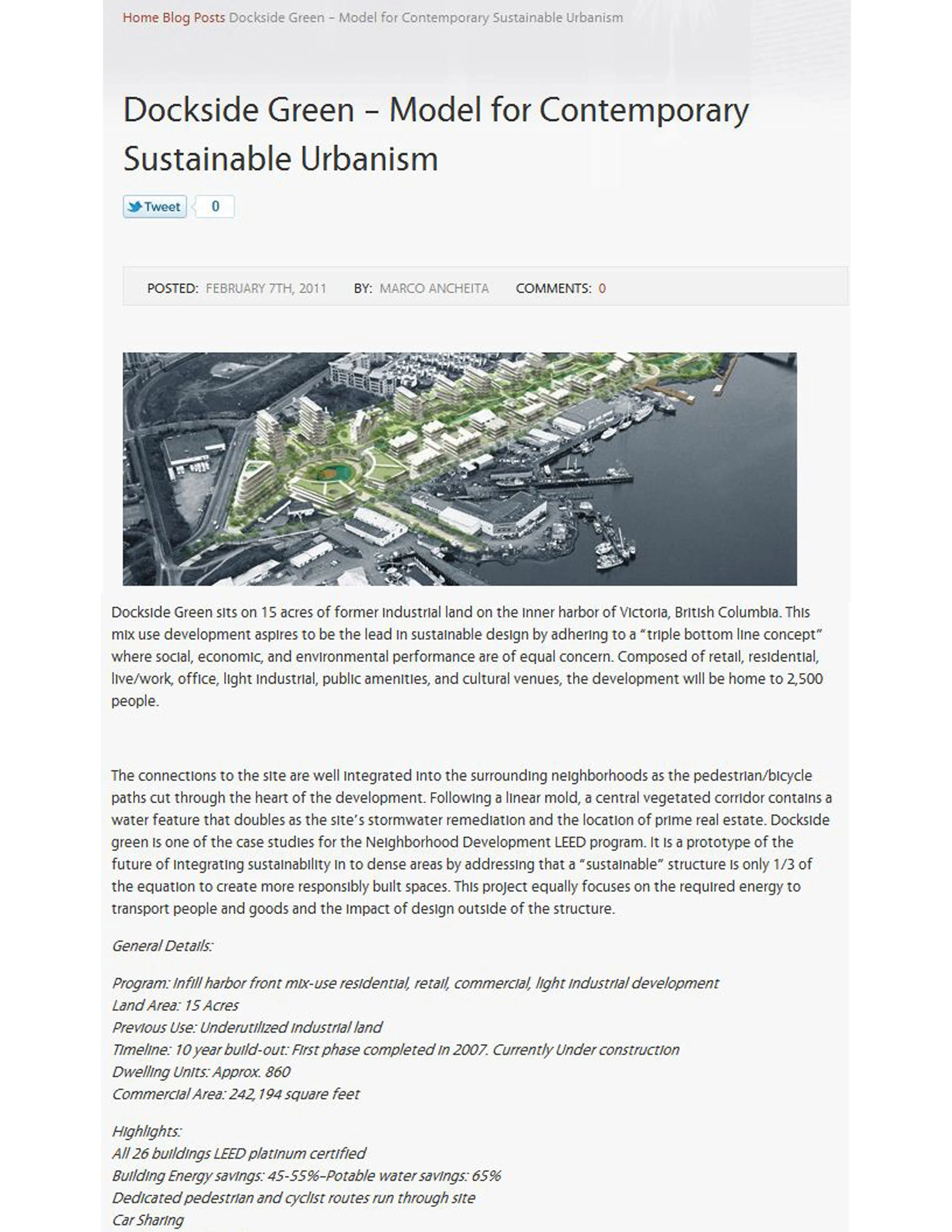
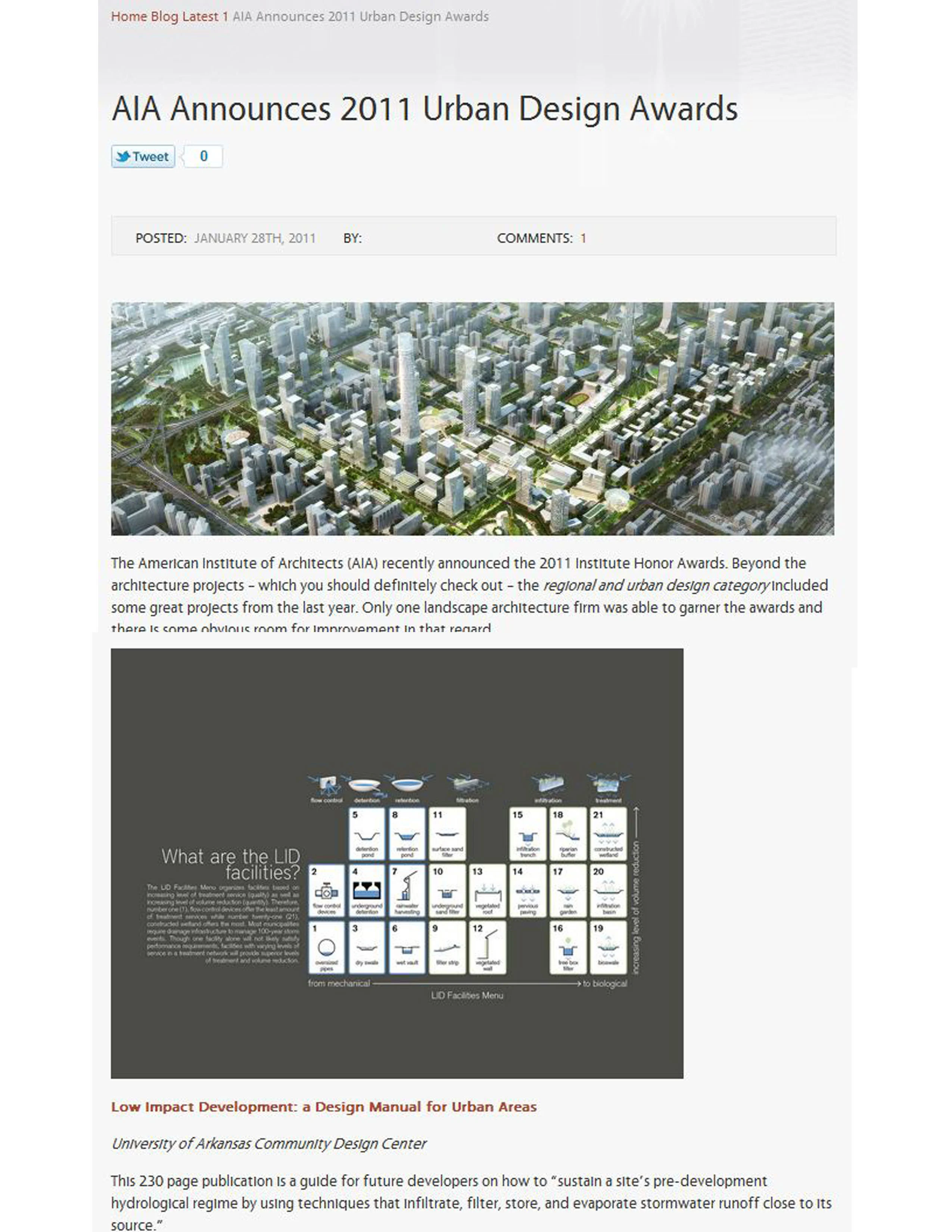
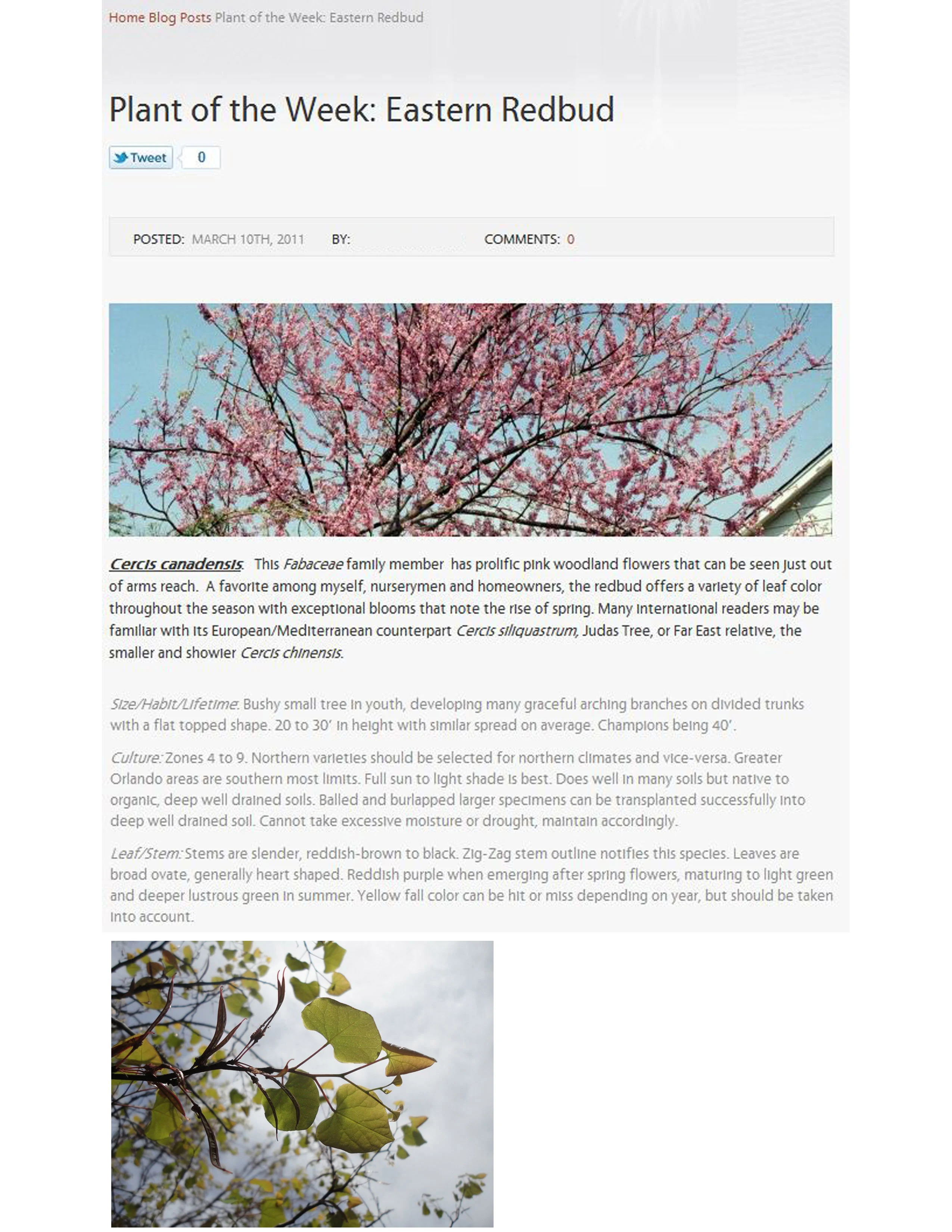
Online news compilations are the lifeblood of the under-30 crowd. Very commendable and meeting a real need for quick access to information.
Awards Jury
-
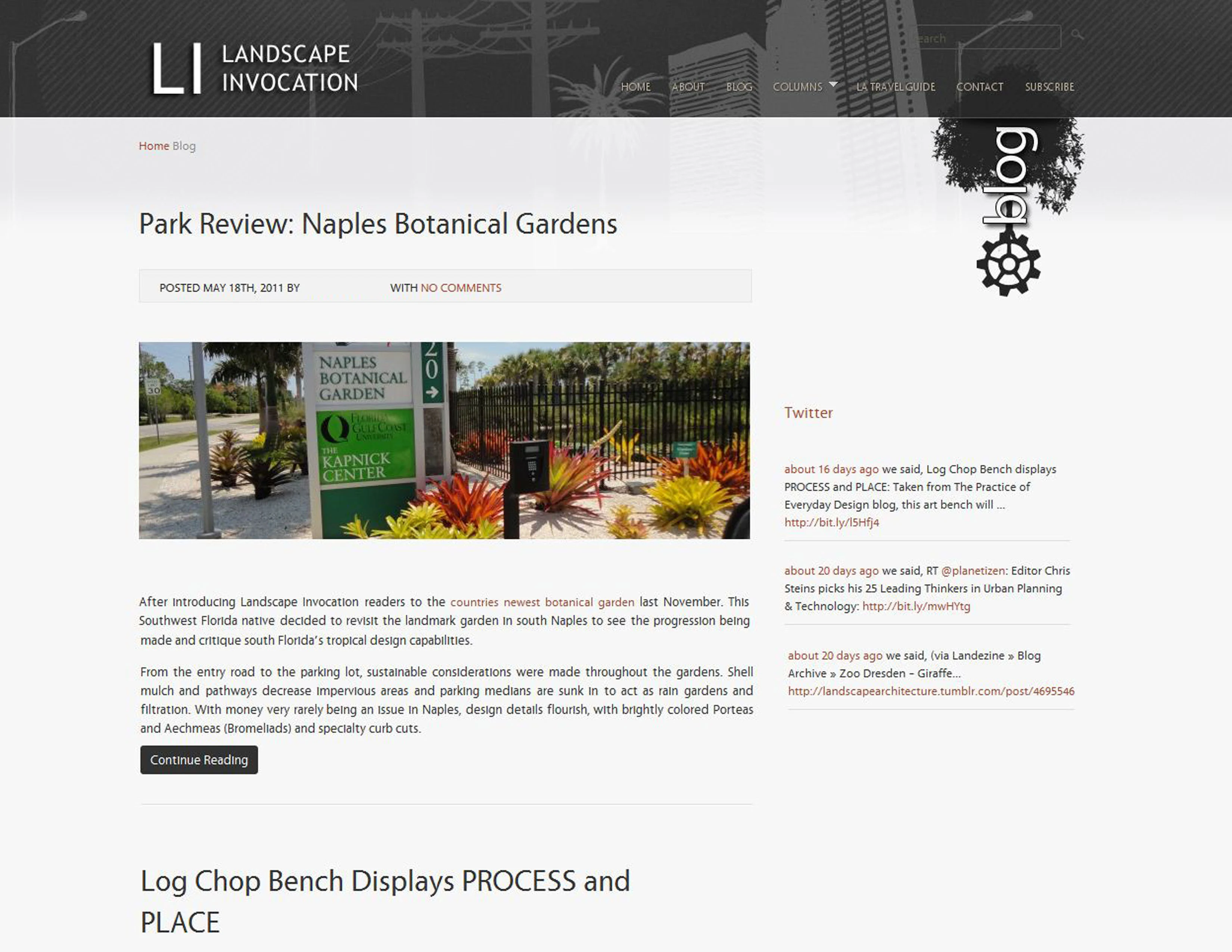
Landscape Invocation is a website devoted to the betterment of landscape architecture students and professionals around the globe as well as the presentation of resources for the enhancement of the field. The website utilizes current event coverage, park, book, and designer reviews, global mapping of projects, as well as editorials to uniquely convey information about the growing profession of landscape architecture in a method that is both interactive and dynamic.
-
Landscape Invocation started as a recreational blog by a group of students in order to expand their education and share tools and insight with other students. After two years, this humble blog has evolved into a diverse website that provides resources, news, and editorials for anyone interested in the field of landscape architecture and its allied professions. Students and professionals alike can access a wealth of information that is constantly growing.
The purpose of LI is to foster growth in the study of the built and un-built world around us and to empower practitioners and laymen alike with tools and information discovered along the way. The evolution of the needs of this audience has created specific site elements that encourage this mission.
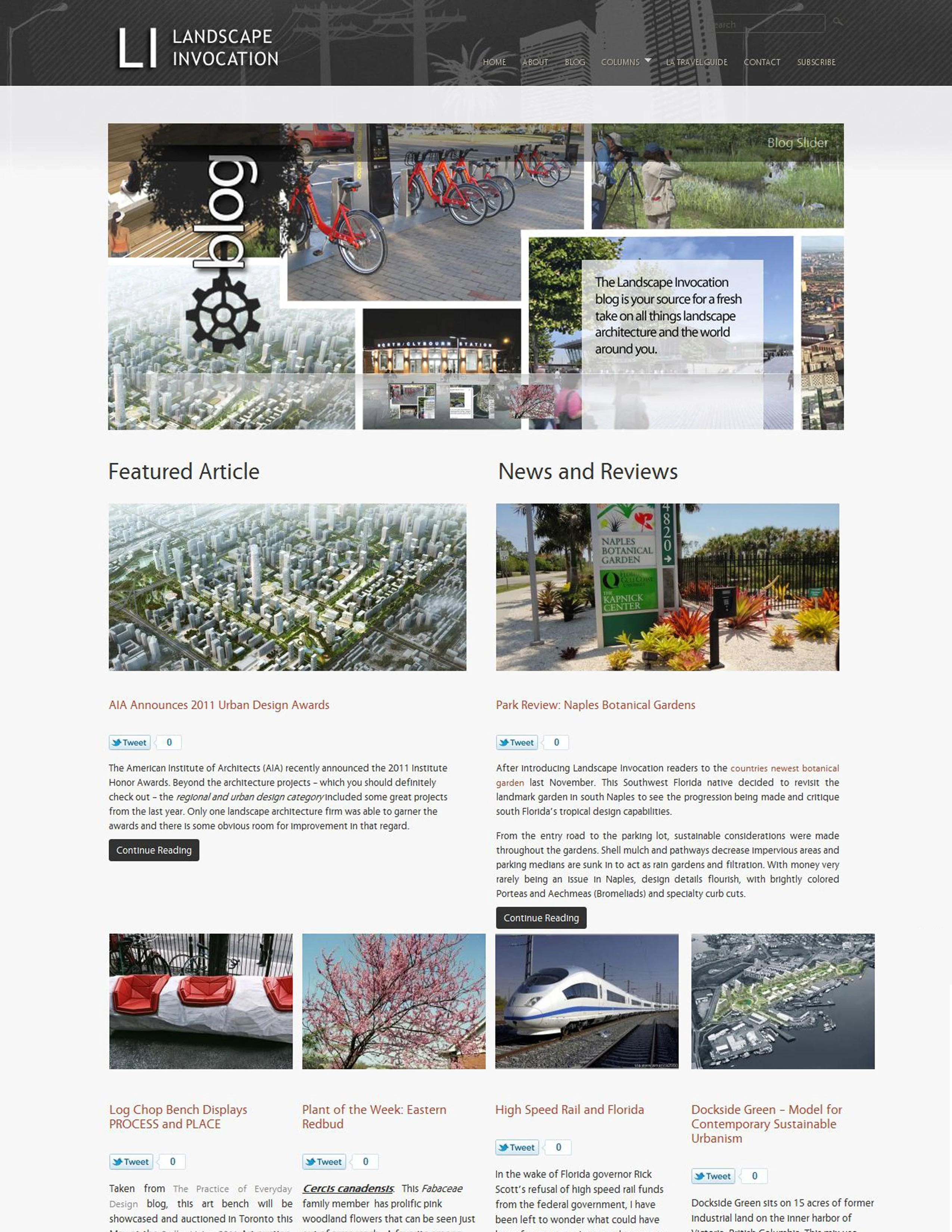
The blog is the heart and soul of the website. A writing team of students, each with differing views of the profession and their roles within it, speak to issues that influence them as well as experiences that have affected their design perception. Each mans a specific column along with their regular writing. The "Plant of the Week" column introduces the specifications and usage of a different plant species each week. The "Contemporary Alternatives" column speaks to sustainable and modern approaches to age old landscape architecture practices. Often the use of such practice is contributed to lack of information or will to apply it. This column seeks to clear some of the mist about such practices encourage new technology. The "Tutorials and Resources" column presents tech inspired knowledge and tips for a wide range of topics from rendering to modeling.
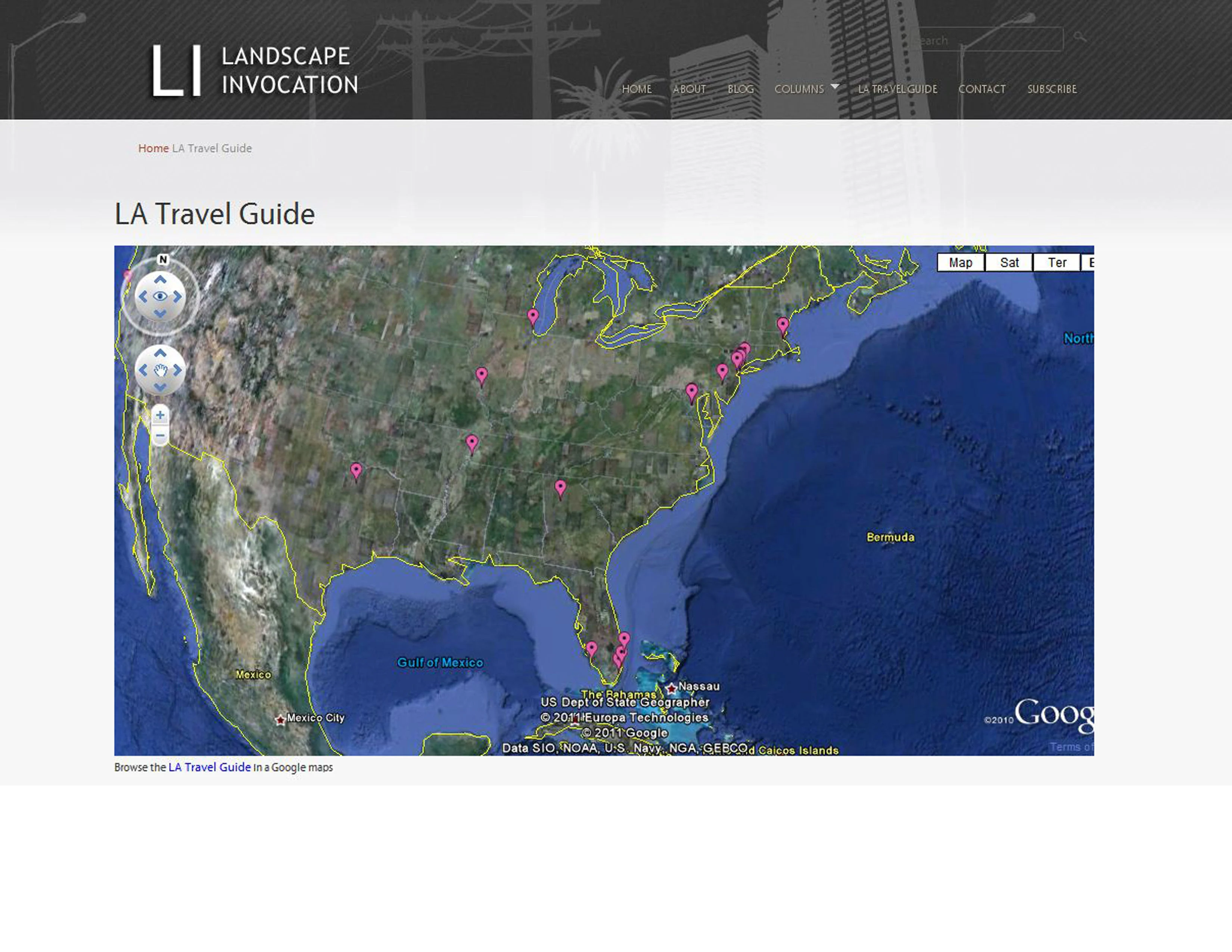
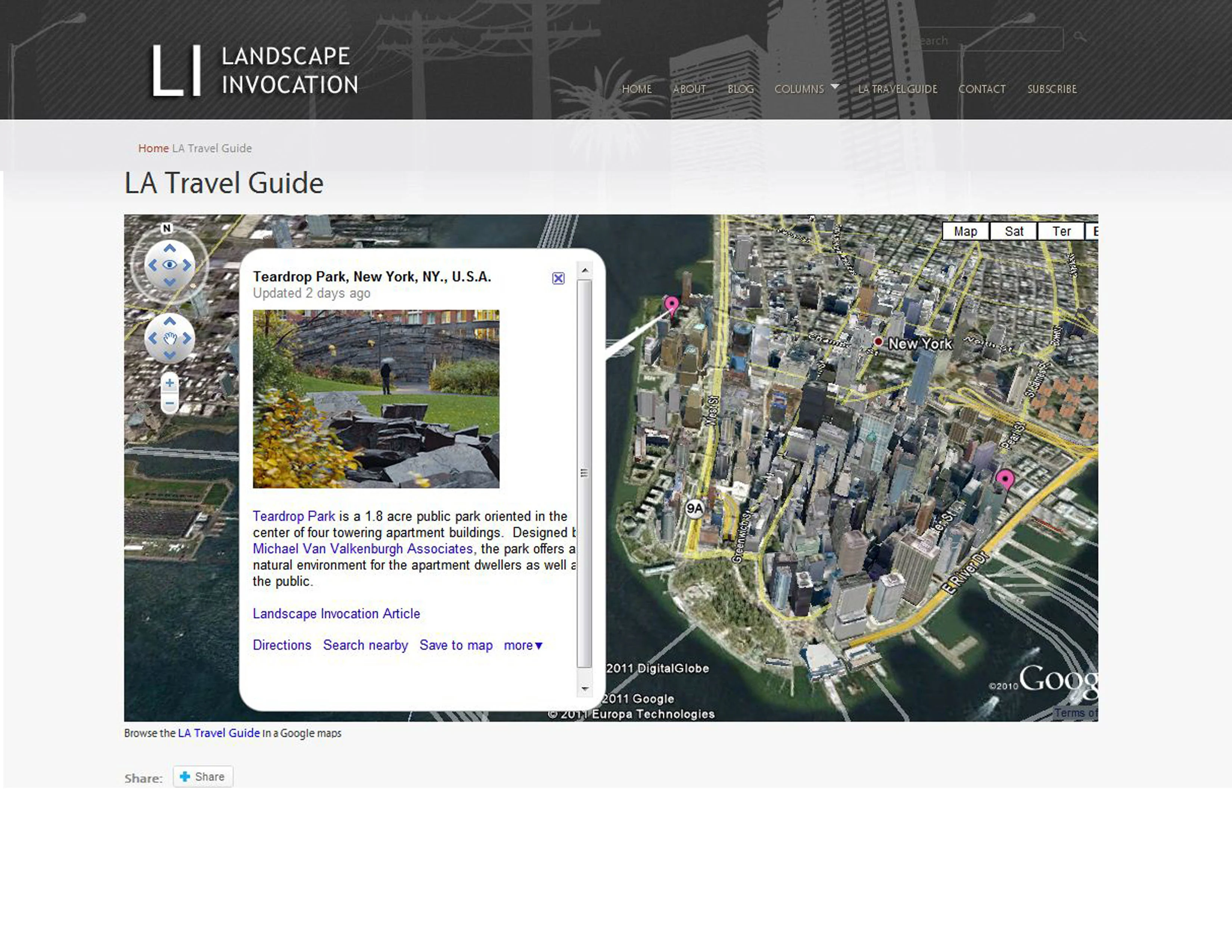
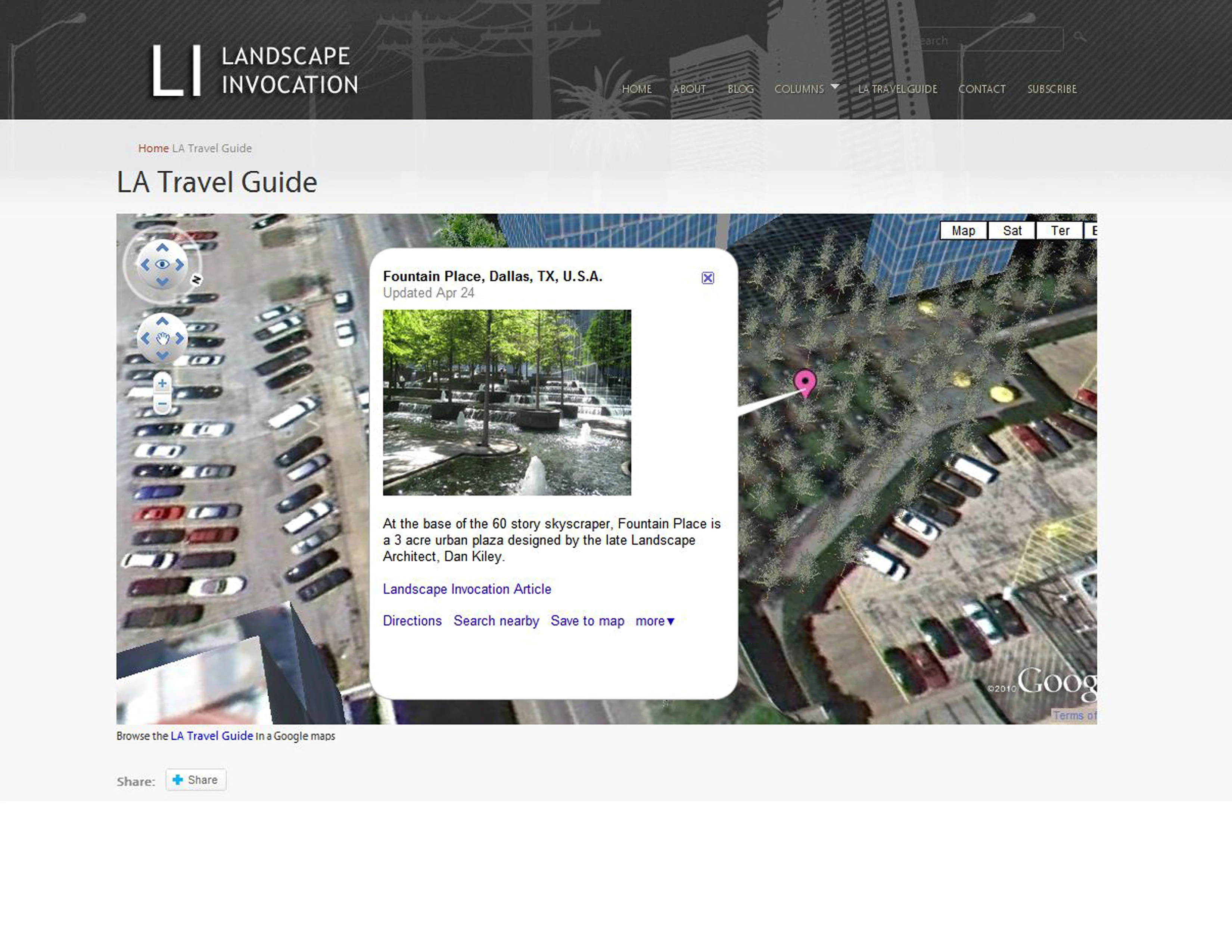
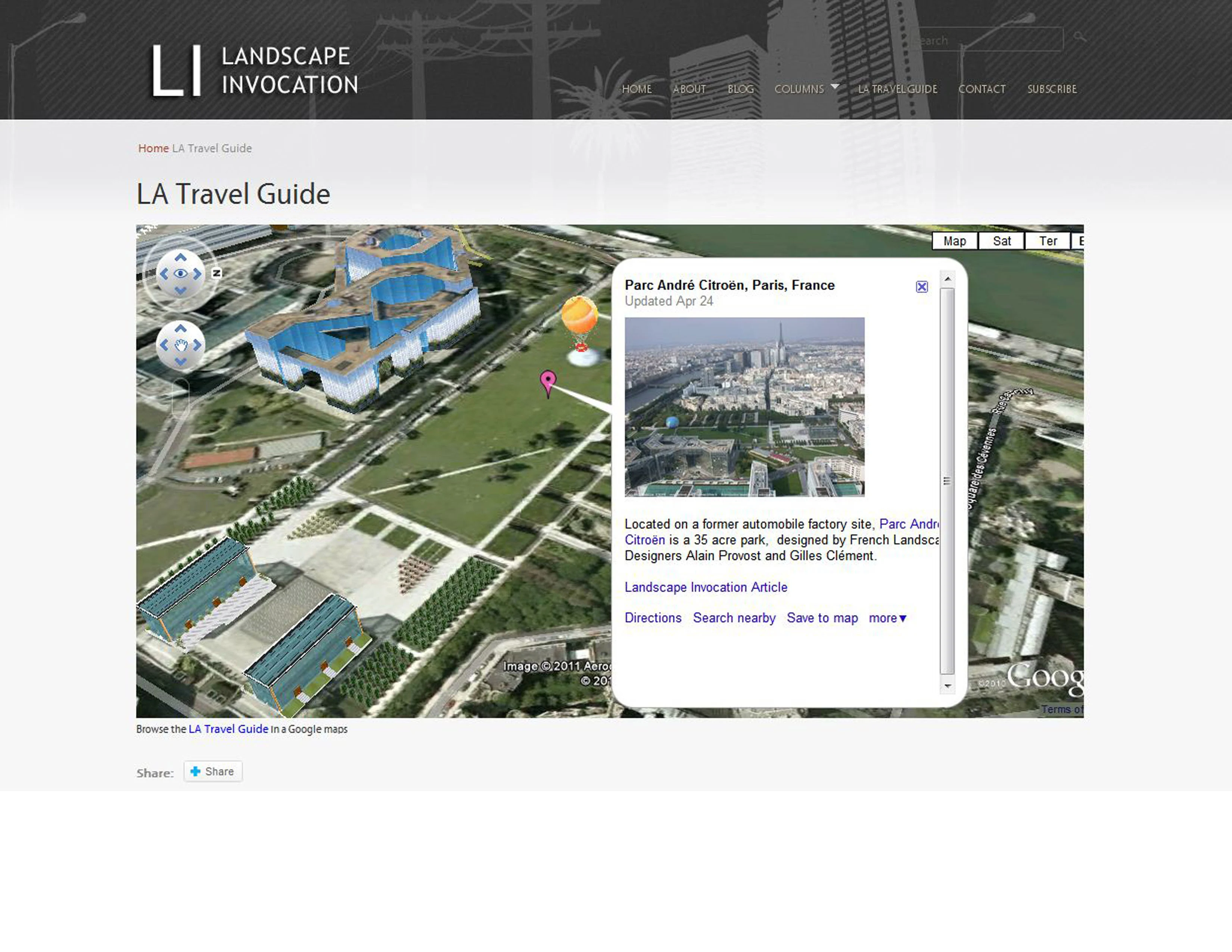
One of the most unique aspects of the website is the "Landscape Architecture Travel Guide." The guide is essentially a collection of projects that the website or other sources such as Landscape Architecture magazine have written about. The integration of Google Maps software gives the projects a context and allows users to search for and explore different regions for projects. The database is still a work in progress and is updated as the site moves from subject to subject. The hope is that, in the future, a reader could find destinations to visit related to landscape architecture all in one place. This also provides students a portal to emerging projects as well as historic locations.
In order to create this medium, the students had to learn HTML and CSS as well as transverse the confusing and sometimes overloaded world of the internet. It was because of this mass of unorganized and unfocused information that the authors chose to take the path of sharing their resources and insight.
Landscape Invocation is not a finished product—nor will it ever be. Located on the web for all the public to see and use, LI is an ever evolving database of information and techniques—dynamically presented—that ultimately hopes to help others become positively exposed to the profession of landscape architecture. -
Google Maps and its contributors
World Landscape Architect
Landscape and Urbanism Blog
ASLA’s The Dirt
Advertisement
Related Awards
Honor Award, Communications
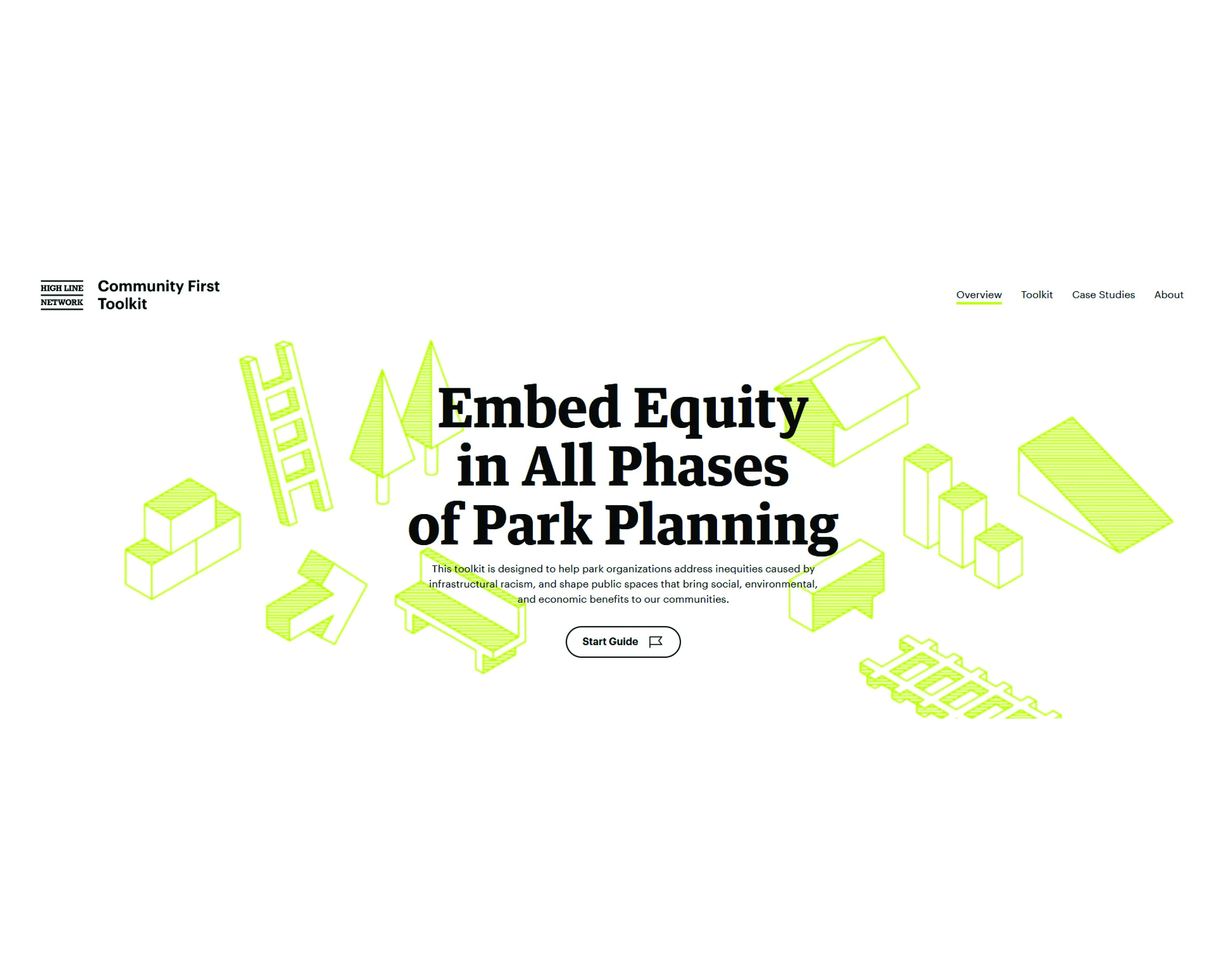
The Community First Toolkit: A Framework for Equitable Public Spaces
Communities across North America have faced uneven development for decades. The Community First Toolkit (CFT) provides a visionary, adaptable framework for public realm advocates to directly tackle infrastructural racism and embed equity at all stages of the design process.