
.webp?language=en-US)

Adams Elementary School Garden for Experiential Learning
Amanda J. Dunlap, Student ASLA
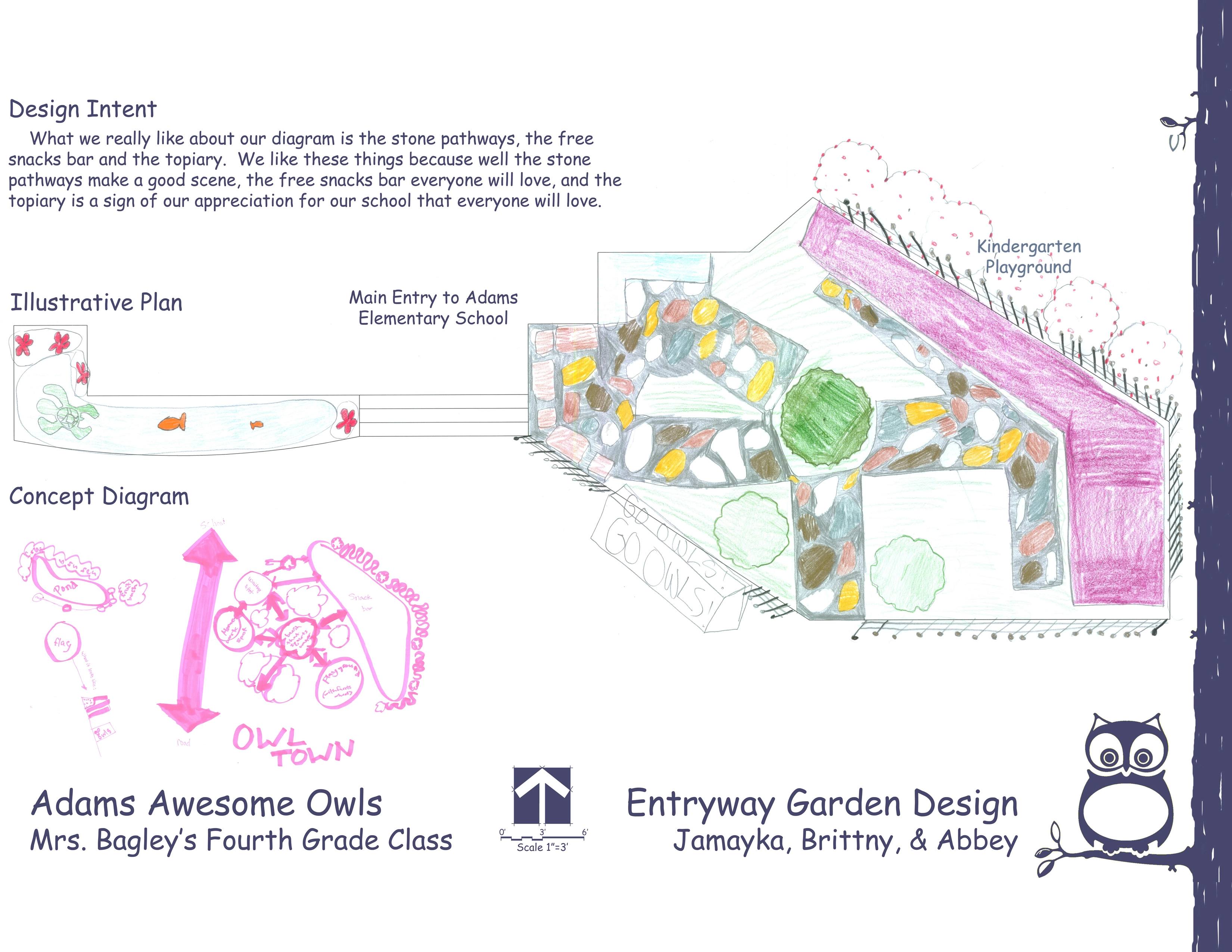
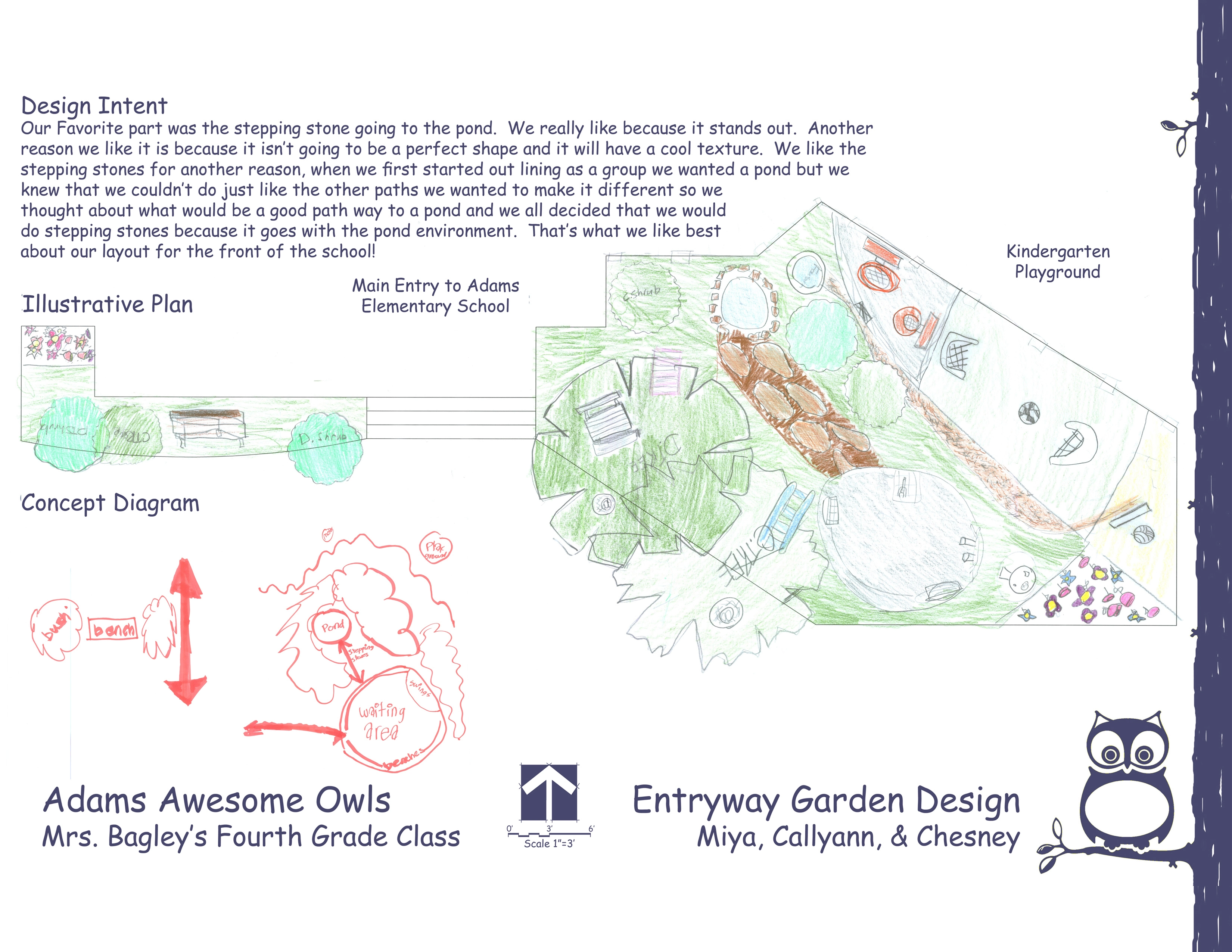
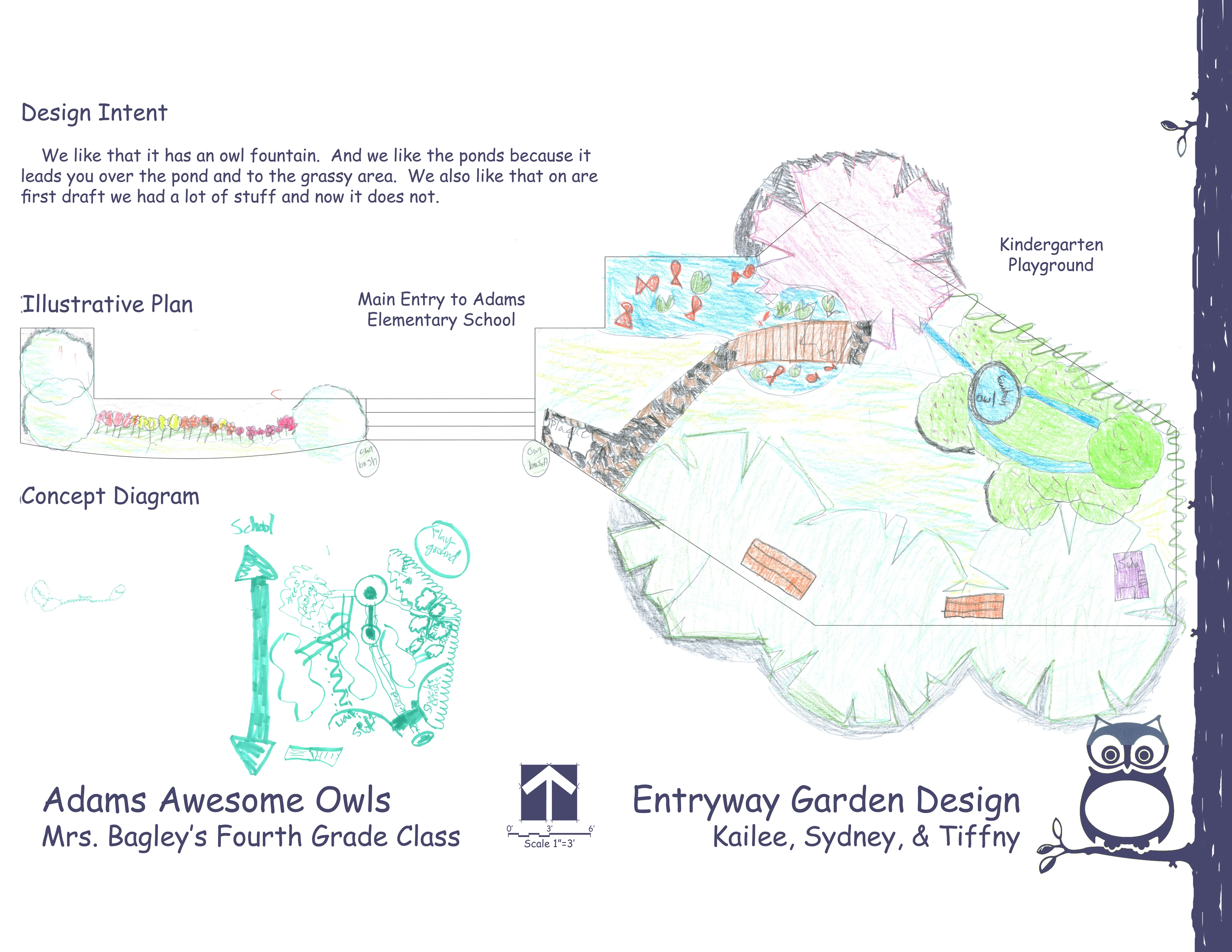
Spot on! This entrant is making a difference at the local level and it could be easily replicated across the country. Environmental literacy is all the rage right now and this project adds a way to teach an appreciation of esthetics.
Awards Jury
-
In a time when art programs are being removed from schools as educational funding is cut short, an opportunity surfaced to combine core elementary school curriculum with the arts through landscape architecture. Based on the hands-on, experiential learning environment of the studio, the creation of twenty lessons integrated landscape architecture, mathematics, creative writing, science, and art into fourth grade curriculum. From inception to implementation, students worked through the design process to create a school entryway.
-
As economic woes continue to threaten educational funding in states throughout the nation, visual arts are often one of the first courses to go in elementary schools. Landscape architecture is an art form which can incorporate many of the core education standards set out by state boards. This project involves the development and implementation of lesson plans based on the design process to teach core academic standards to fourth grade students while introducing them to landscape architecture and keeping the arts in elementary schools. Along with a vocabulary of landscape architecture terms and opportunities to develop presentation skills, the design process of a landscape architecture project created a venue for teaching mathematics, science, history, and creative writing skills. Based on an elementary school principal’s desire to have a native, waterwise garden to beautify the entry of his school, a graduate student from the local landscape architecture program paired with a national program for artists and a landscape architecture professor to provide an experiential learning opportunity for some of his students.
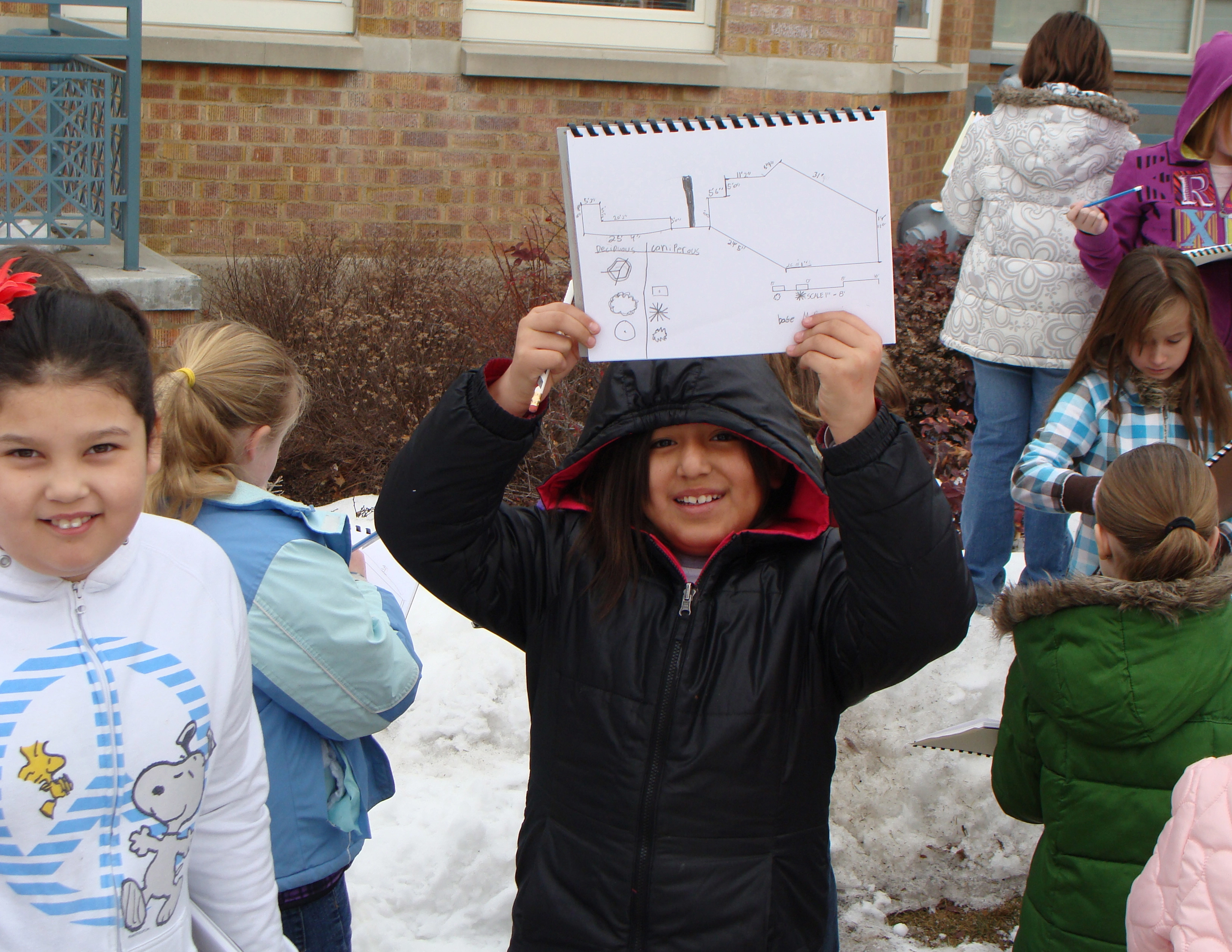
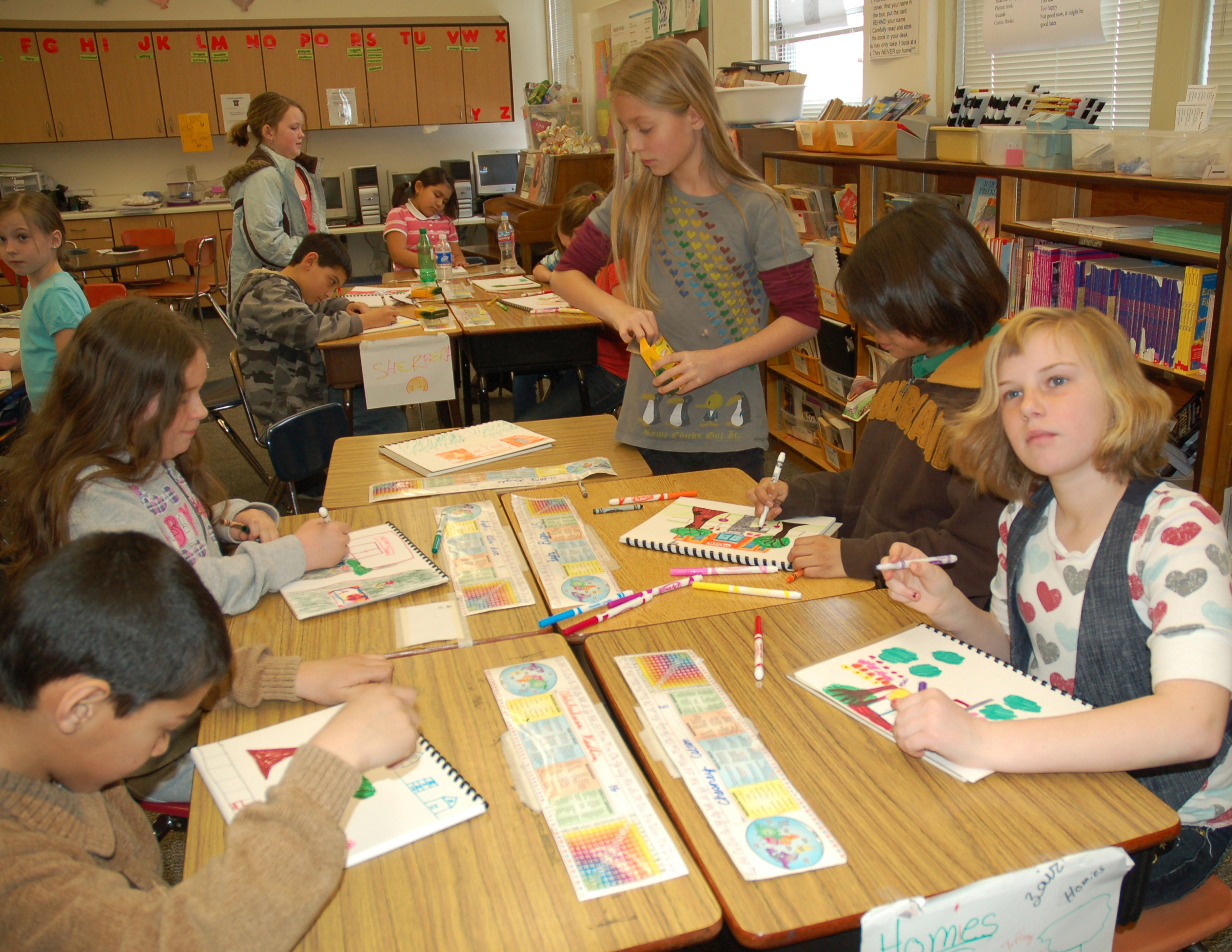
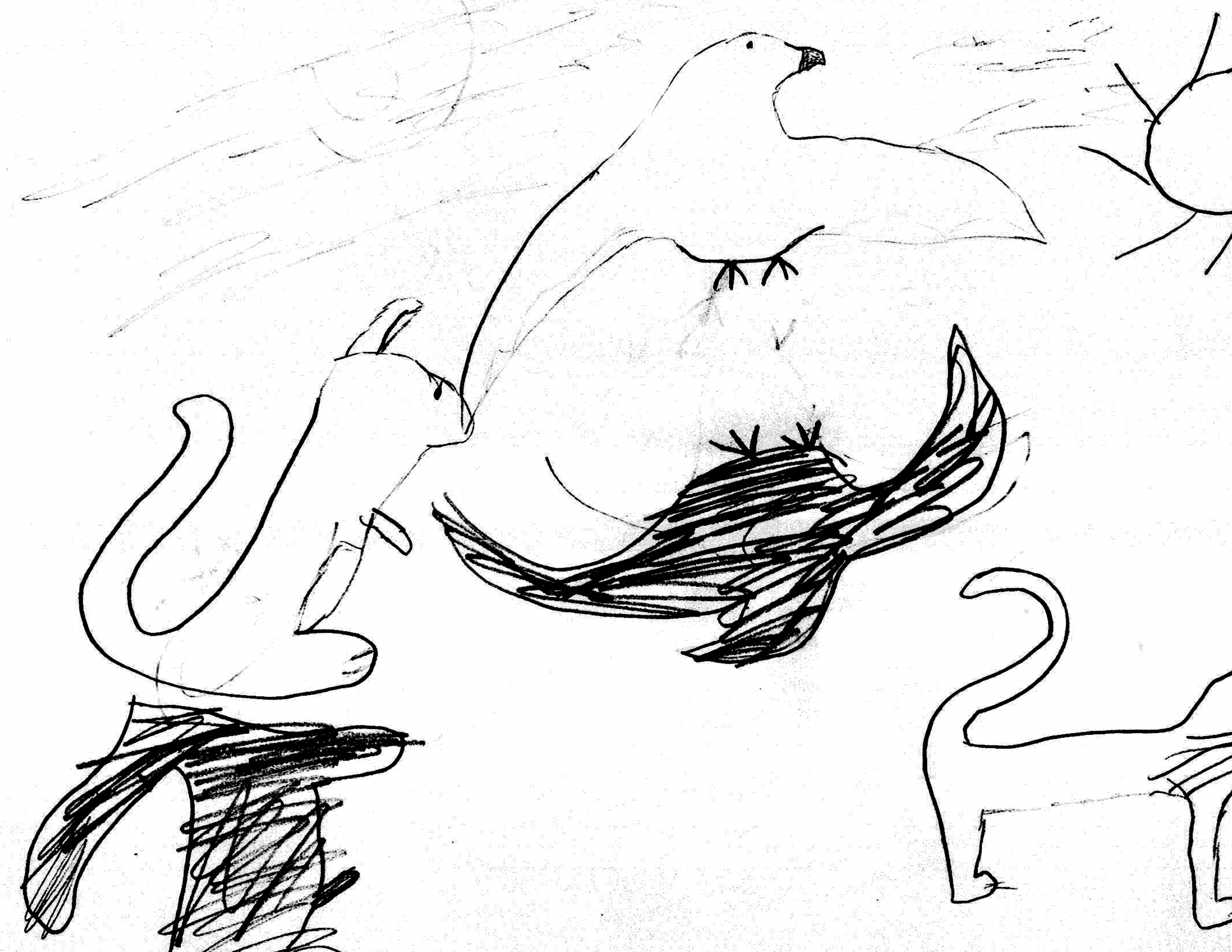
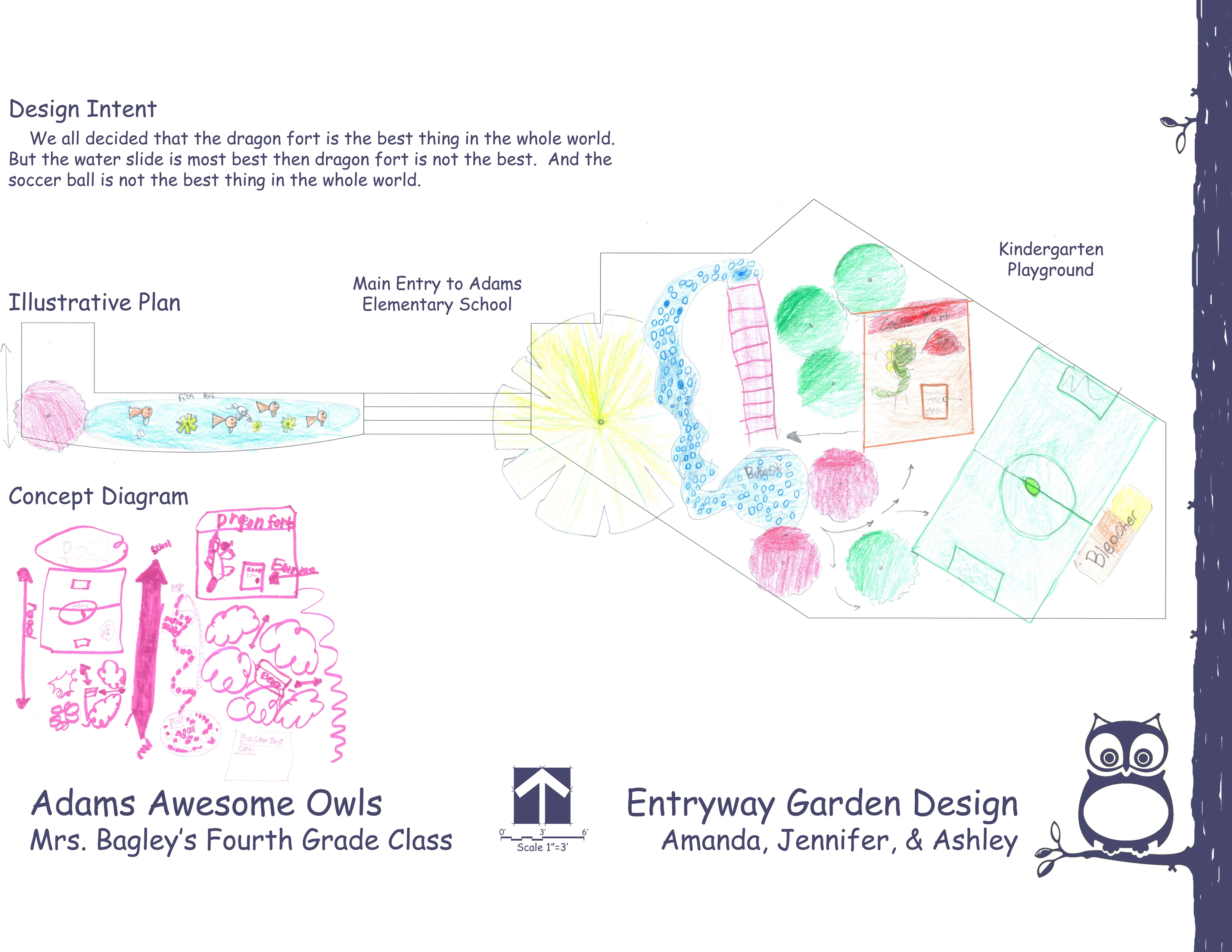
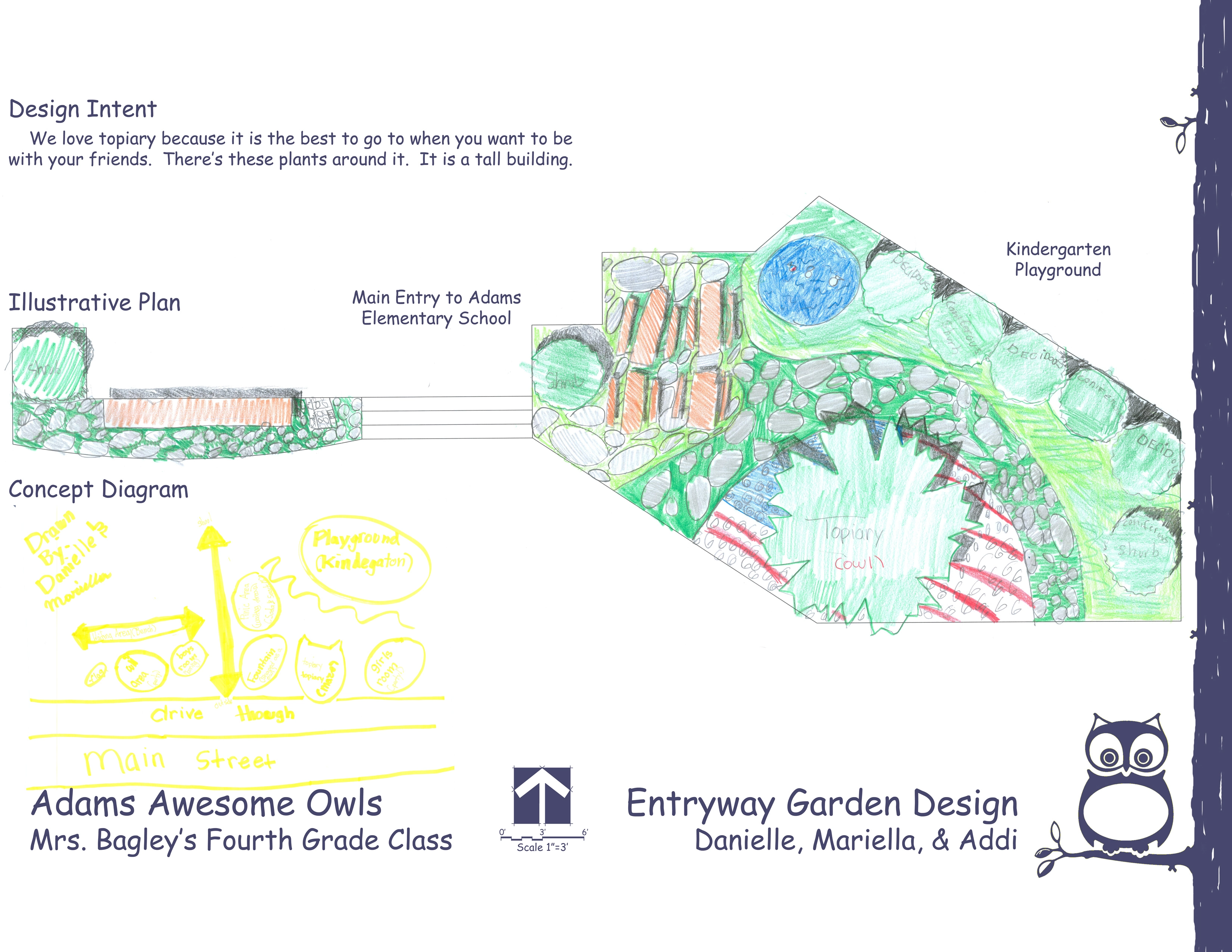
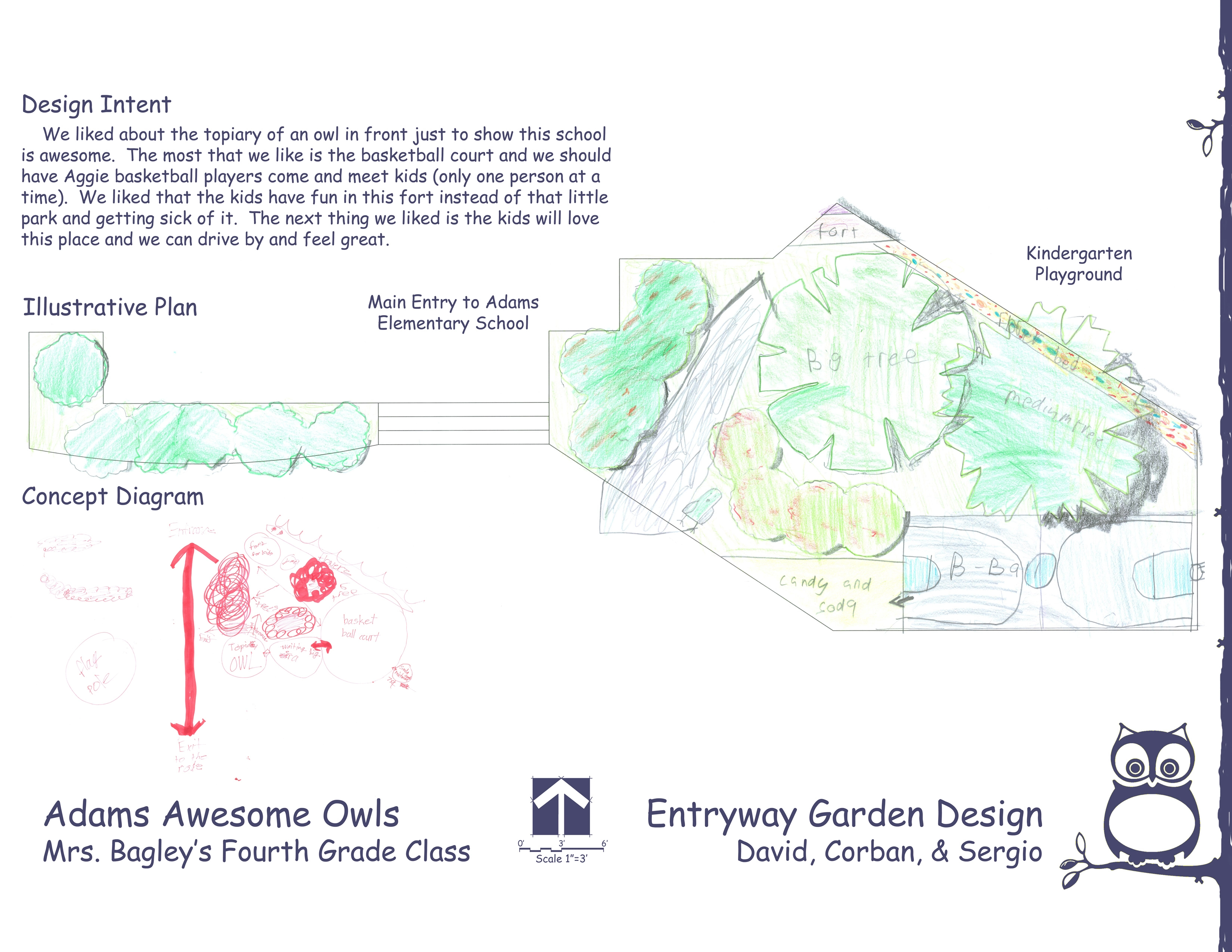
Twice a week for almost an hour, the fourth grade teacher would relinquish her 31 students to the graduate student’s control. Through the steps of the design process, an experiential learning model based on the studio atmosphere was used to create a project familiar and meaningful to the students. Each lesson plan would include goals and objectives for the activity; a list of the core curriculum standards that would be met according to the lesson plan; specific vocabulary for the students to learn; a list of preparation materials and activities; a detailed description of the sequence of instruction including questions, activities, definitions to vocabulary, and minutes to complete each aspect; contingency plans for weather or early-finishers; standards for evaluation; and reflections on the end product of the day. Because of limited space, only one of the twenty lesson plans is included in this submission package, along with some examples of student work from their sketchbooks, photographs from activities, and several of the final illustrative plans created by the student teams.
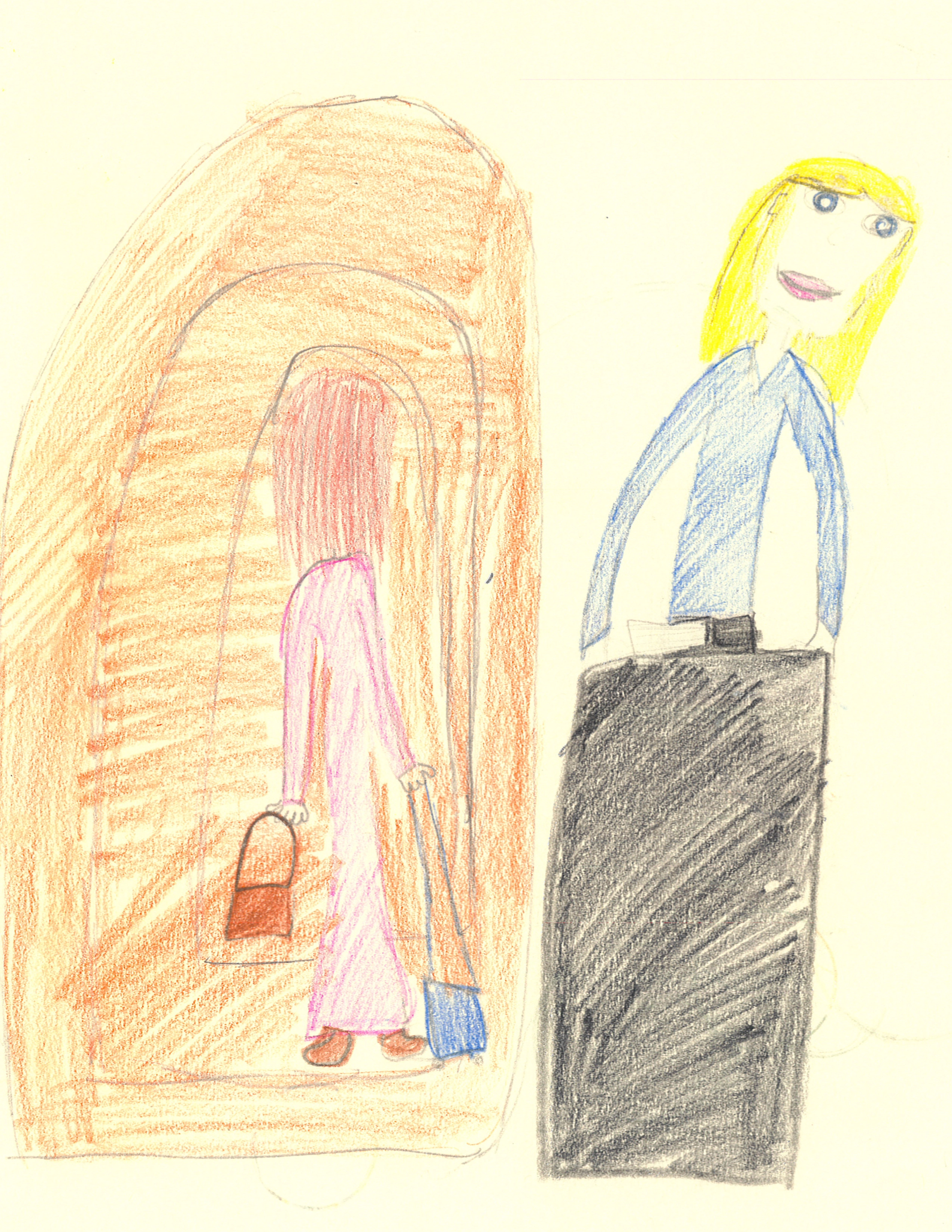
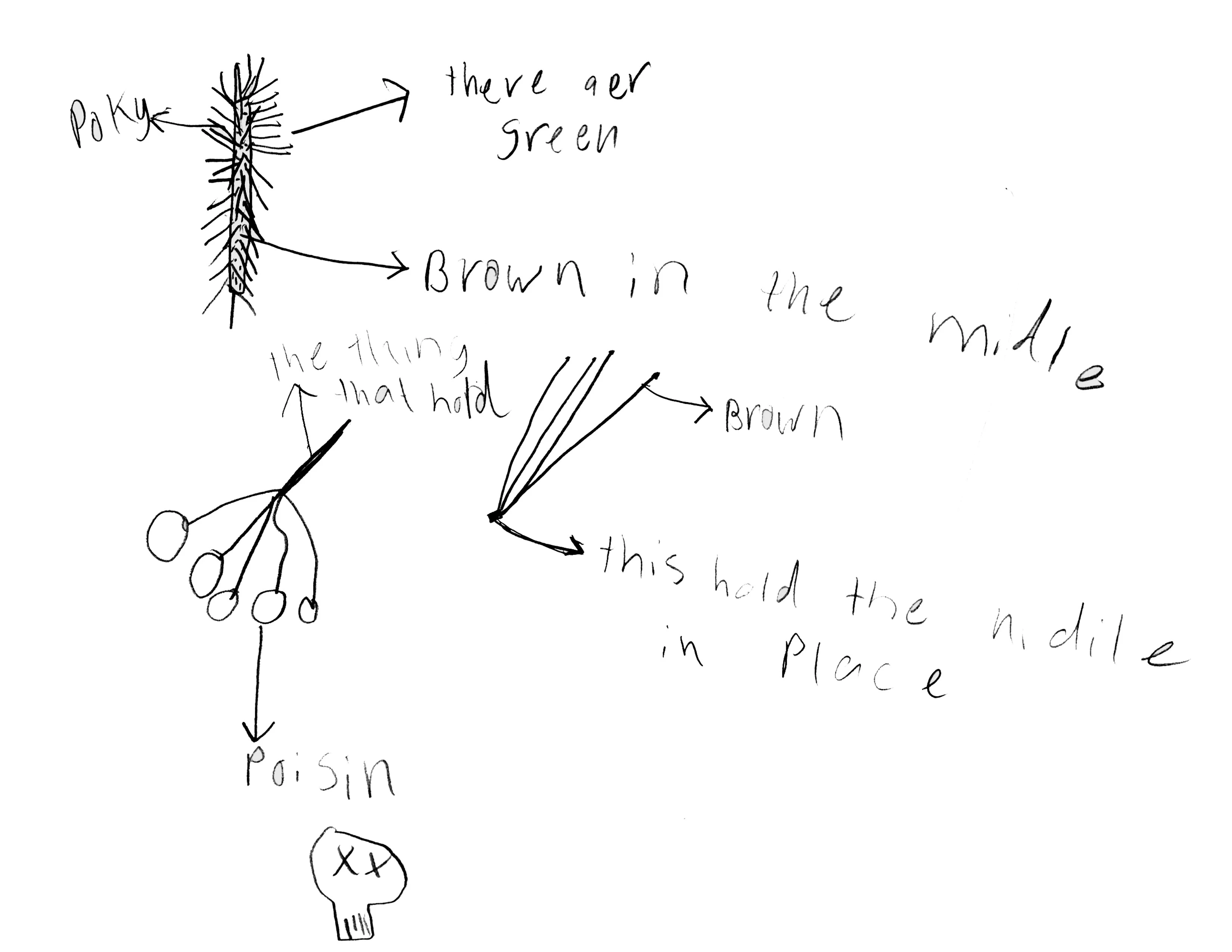
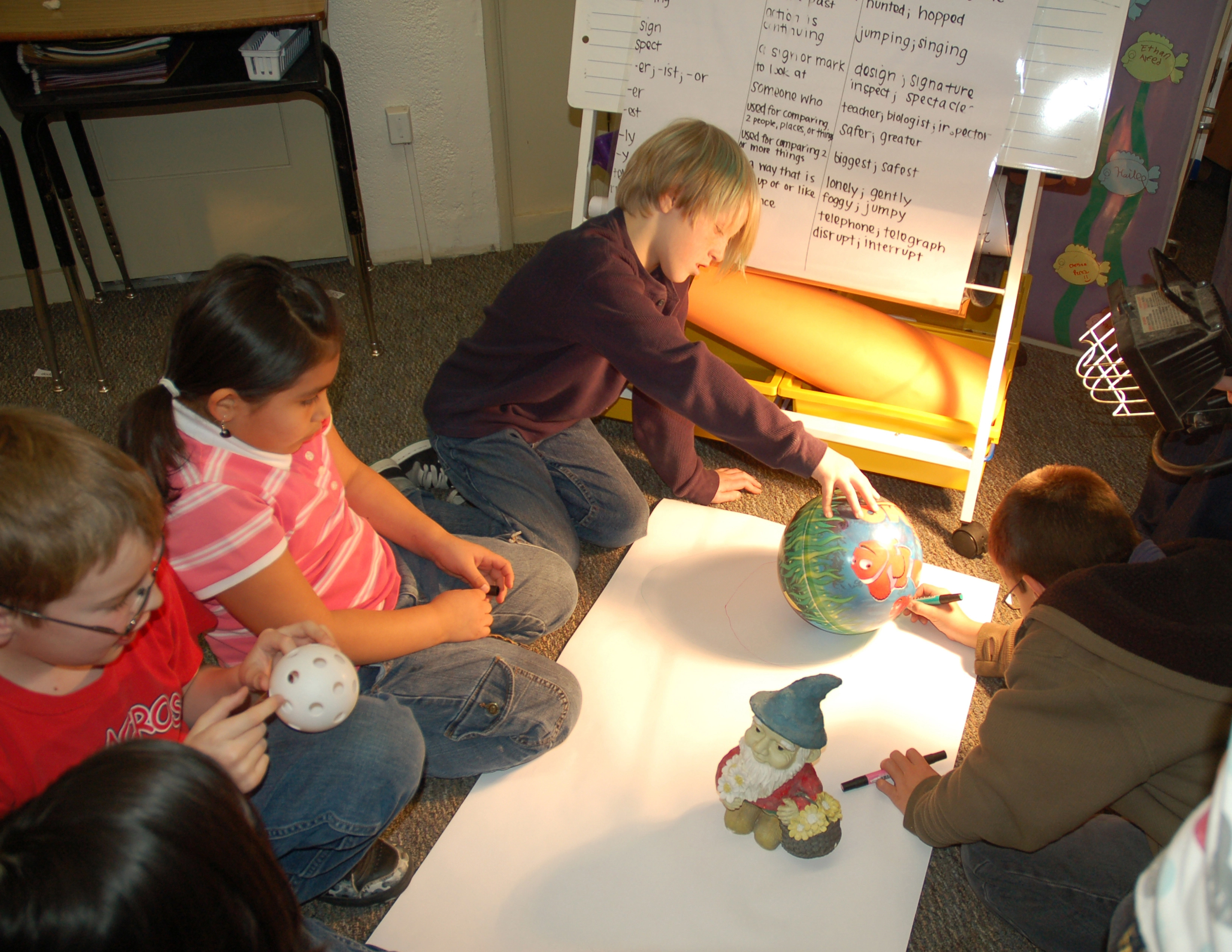
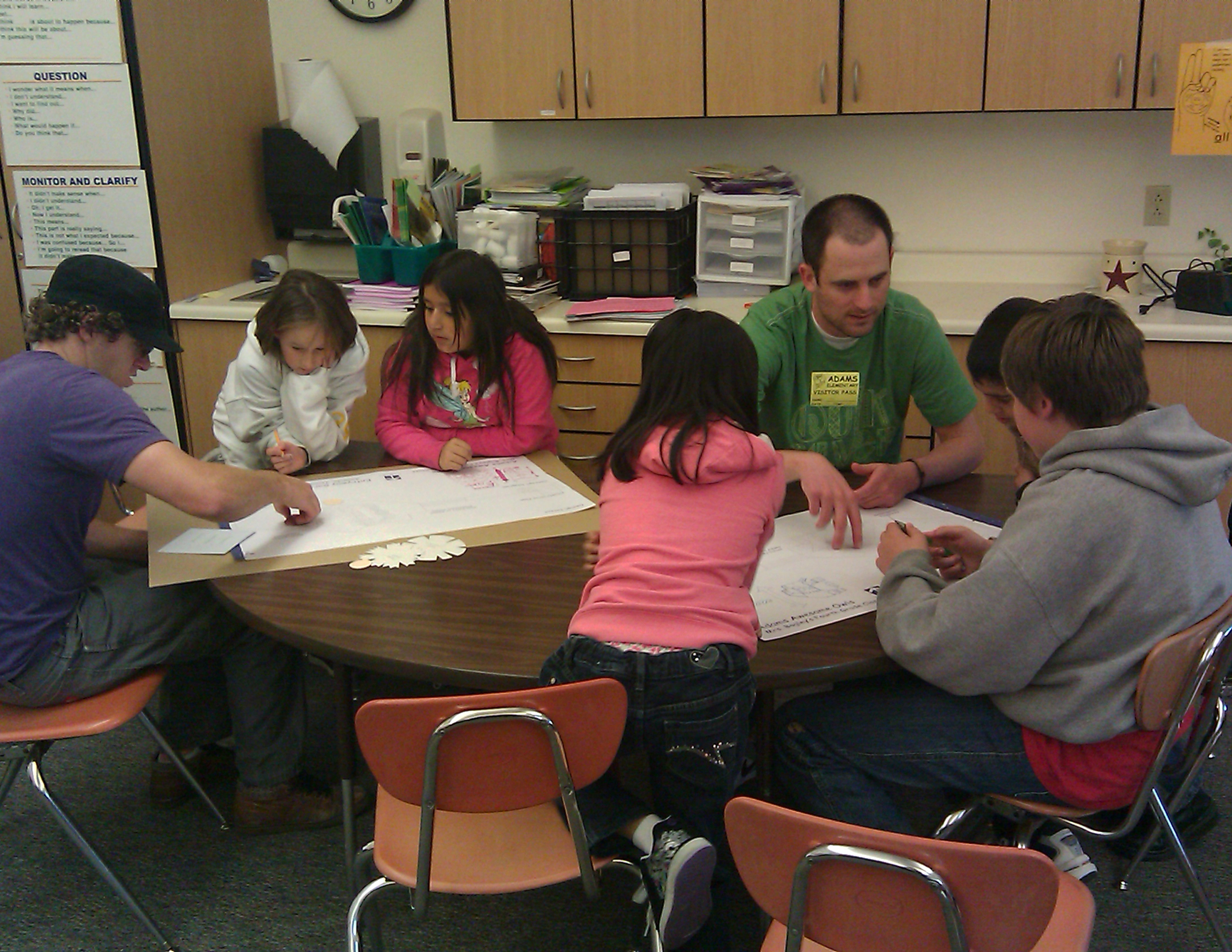
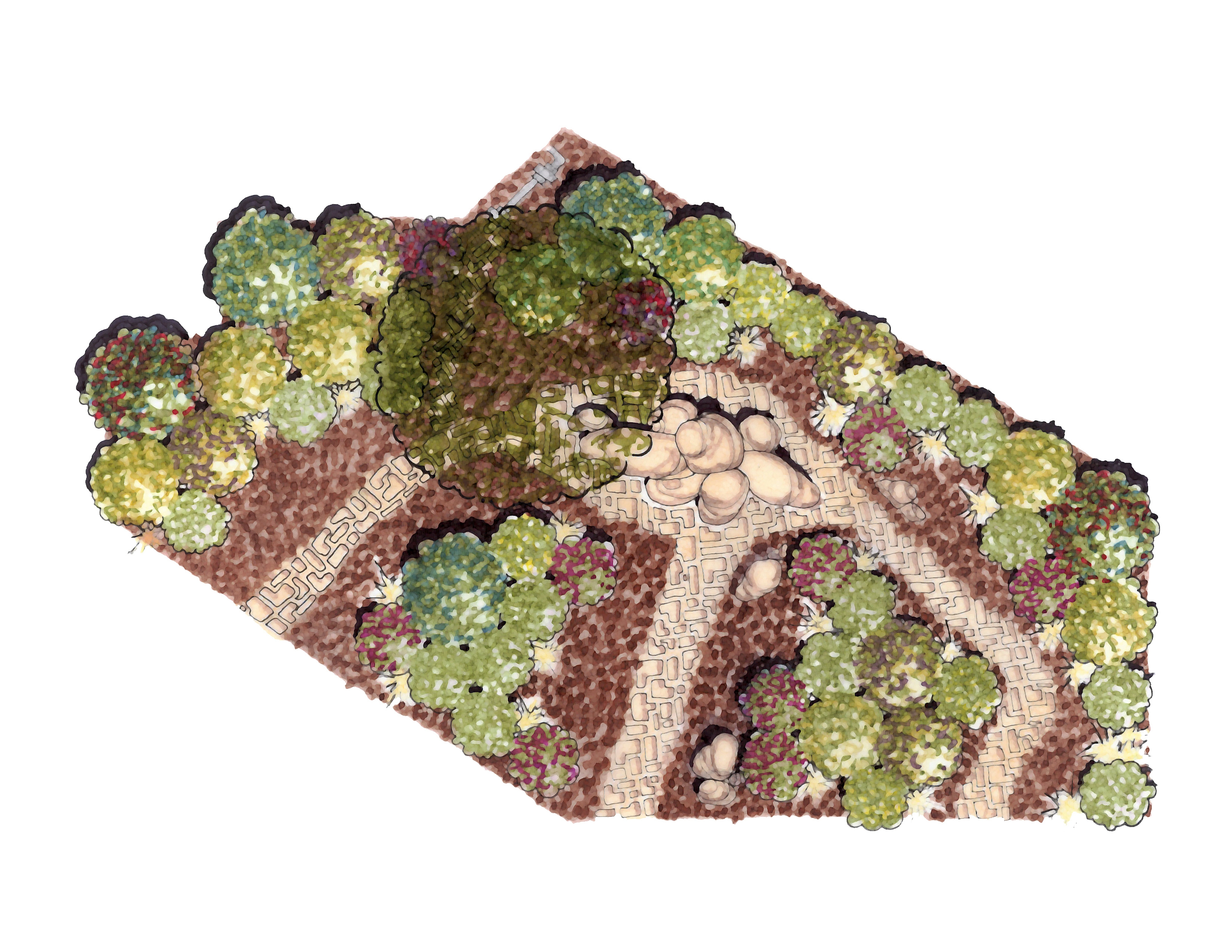
On the first day of class, the students were each given a sketchbook with their name printed on the front cover. They were instructed on how a sketchbook can be much like a journal, a record of their experiences, thoughts, things they learn, and aspirations. To help them to internalize this idea and also help the graduate student get to know them, they were instructed to draw what they wanted to be when they grow up on the cover and then write about it on the inside of the cover. Four future police officers, two doctors, a gardener, an arborist, an airport security guard, a librarian, numerous athletes, a trick horseback rider, a zookeeper, and a comic book writer were among the thirty one students. The second class involved the use of a smartboard which would hold a projection of a Google Earth image and allow students to trace digitally on the marker board the outlines of hardscape, buildings, and vegetation. This was incredibly helpful in teaching students about bird’s eye view and site plans. Matchbox cars were used to understand scale. In another lesson, using their sketchbooks, students had opportunities to go outside and sketch plant details to understand the depth of uniqueness in vegetation within their schoolyard. They conducted site analysis and inventory studies, creating diagrams of the proposed site and its existing vegetation, problems, and other elements. Another day involved sketching their own ideas of what the site should look like when it was complete if they were sitting at the front of the school. One of the most active and exciting class days was based on shade and shadows. Students played a game of shadow charades, taking turns making shapes with their hands and projecting that shadow on the front board. Then, using utility lights for an artificial sun, they traced how shadows change throughout the day. When asked in review what they learned from the exercise, students capitalized on how some plants cannot grow in the shade and other do not like a lot of sun; they recognized that their plans for the site had to incorporate plant tolerances and the effects of the sun. Using a quick sprouting plant, Swedish ivy, students were allowed to propagate their own indoor plants and study how plants grow over time. A lesson on native plants, exotic species, waterwise plants, and historical plants of the area was shared to introduce the goal of a native, waterwise garden for the site. Students then began to lay out their designs. They started with individual concept diagrams and really were creative with their use of space. They had high hopes for the potential of the site. They created collages out of magazine clippings and stencils to create their first illustrative plans. Then they brought their ideas together in nine groups of three and one group of four. They created concept diagrams together, their imaginations soaring. On the last days of the classroom work, students from the nearby university’s undergraduate and graduate landscape architecture programs volunteered to come into the classroom to assist. Each fourth grade student group was paired with a landscape architecture student to layout and render their final illustrative plan. The student final illustrative plans were solely the work of the fourth grade students, using the landscape architecture students as a resource, sounding board, and crowd control. When the drawings were complete, students presented their work with their parents and teacher sitting as the jury. The students’ work was compiled by the graduate student into one plan which incorporated as many of their ideas and lines as possible while still maintaining the integrity of the principal’s initial hopes for the site. After the presentations and before the ground was ready for planting, students were able to take a field trip to the university to see the landscape architecture program’s facilities and visit native plant gardens on the campus.
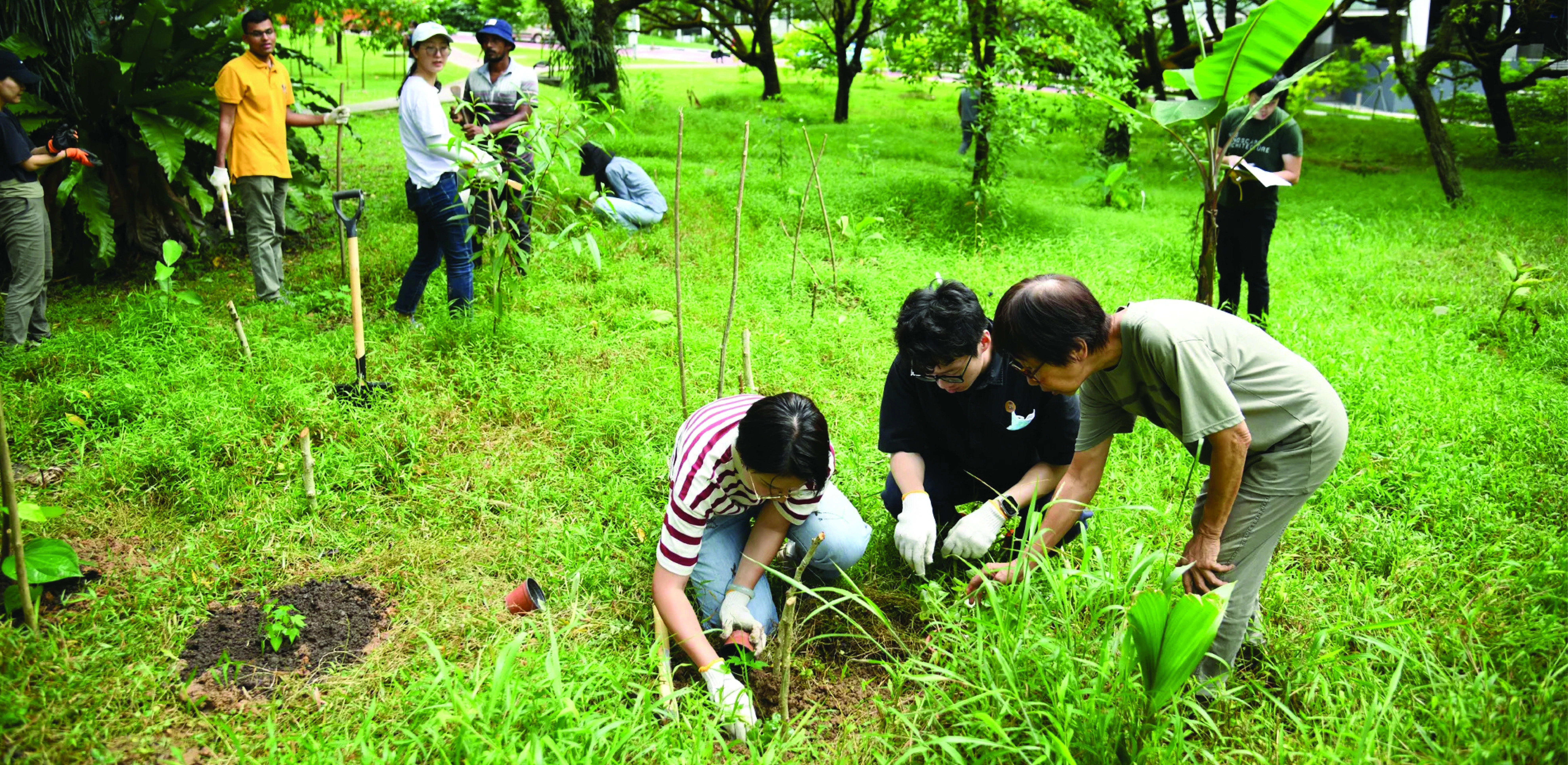
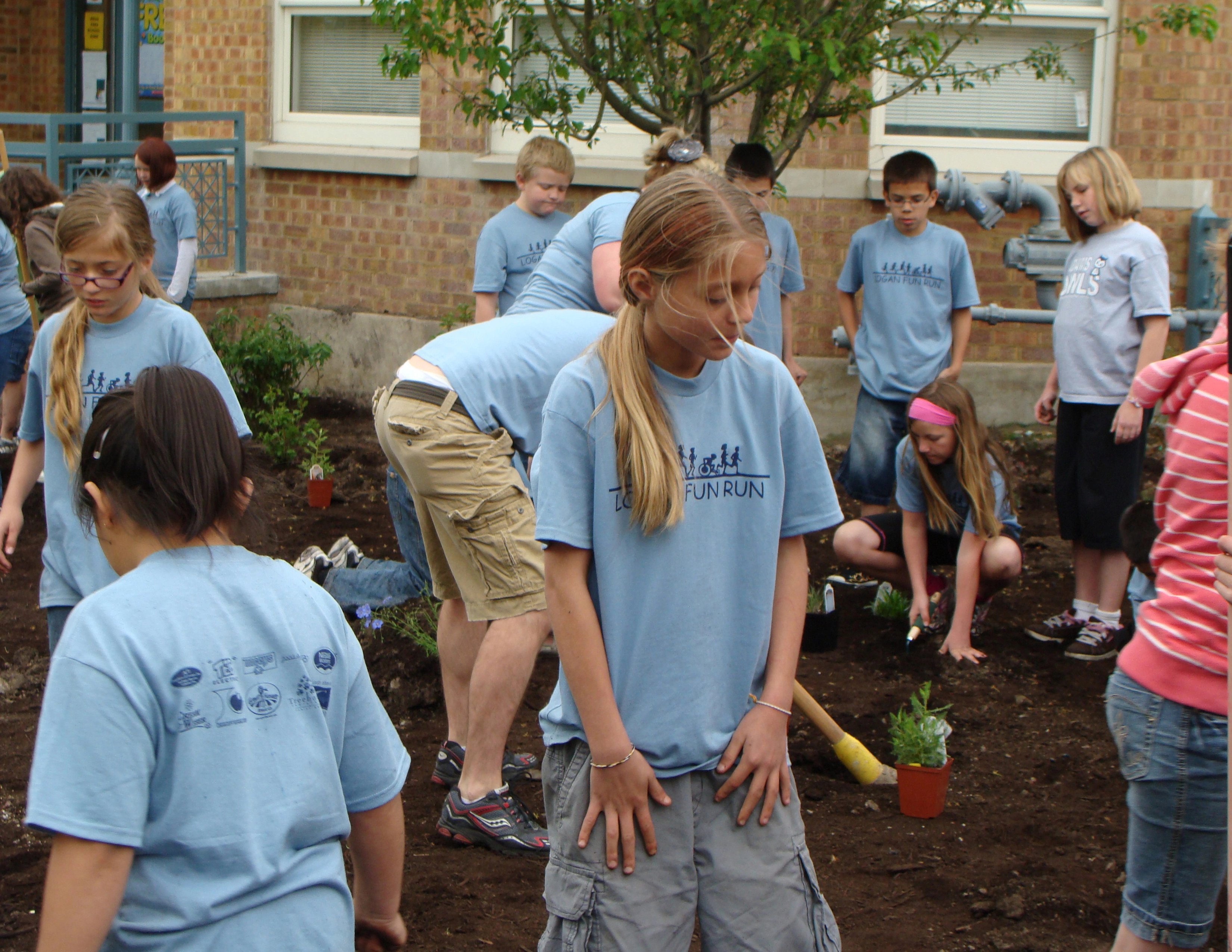
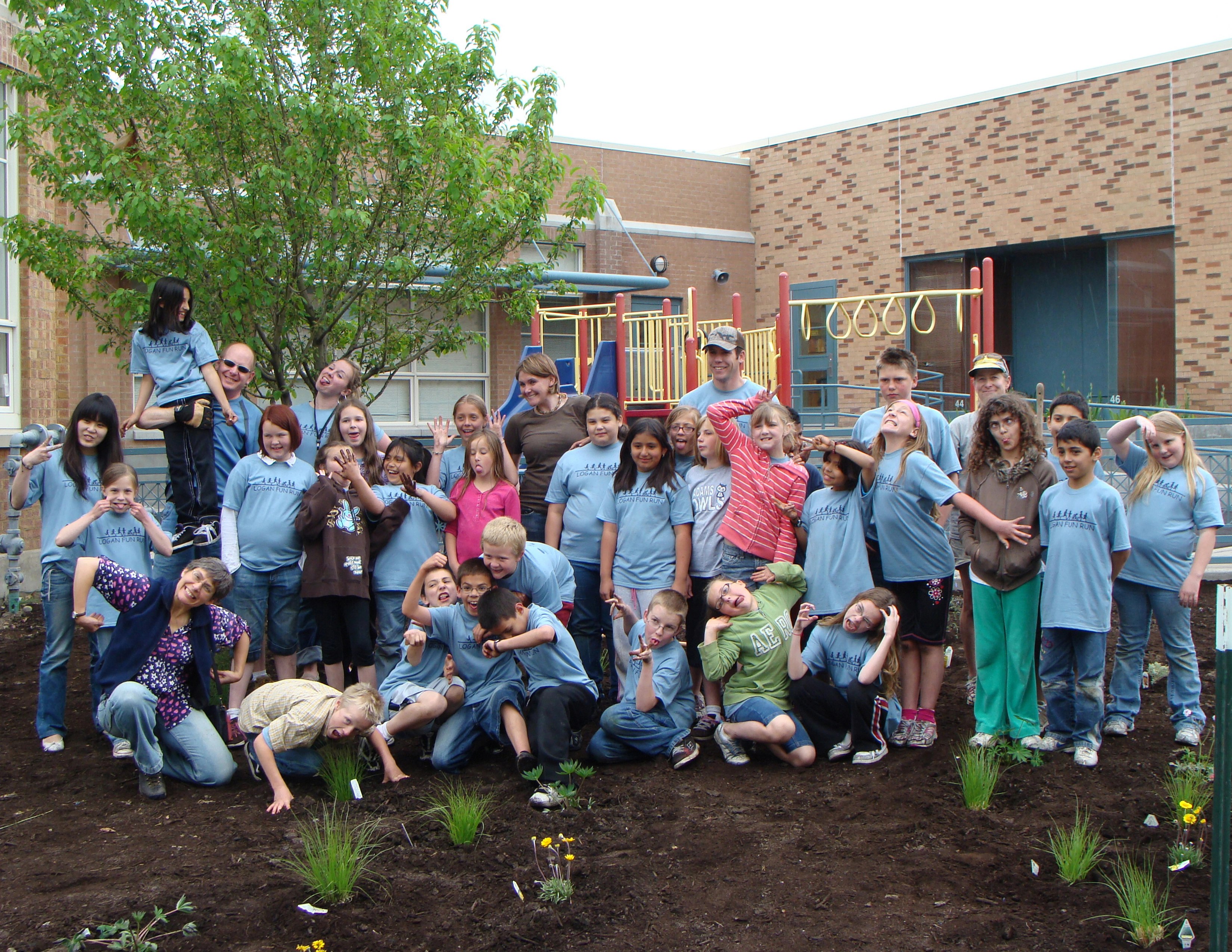
This project provided numerous opportunities for community involvement. Along with the landscape architecture student volunteers, university faculty also provided assistance in lesson plans and classroom control. Parents volunteered time and machinery to prepare the site for planting, stripping the site of the existing dead shrubs and turf. Local businesses donated several plants for the installation, and a few community members dug up plants that were thriving in their own gardens to transplant at the school. On planting day, faculty members from the university assisted the graduate student in placing plants where they needed to be in order to expedite planting. Students were paired in groups of three with a parent, teacher, principal, or university volunteer to dig the holes and install the plants. Within a couple hours, all of the plants were in the ground. Irrigation specialists came later to install the irrigation system. Because of short budget, the implementation of the students’ plan had to be phased in, with a few more elements still to be placed. Eagle scouts came in that fall and added the proposed pathway and replaced any plants that had not survived because of irrigation issues. The fort of rocks that students designed will come as funding permits. A sign has been installed on the school’s steps which records the names of all of the fourth grade students, a series of drawings from their sketchbooks during the design process, and a final site plan.
Publicity for this project helped it become a highly regarded project both locally and nationally. Before the design implementation, twenty posters of the students’ work and photographs of the experiential learning activities were on display for the local Gallery Walk. The university’s newspaper ran a story on the project. The classroom teacher maintained a blog on the project’s progress. On planting day, the local newspaper photographed the process and ran the story in the Sunday news. Also, because of a national program which provided funding for the classroom activities, the project was publicized through their own venues. This program, which generally sponsors projects based in visual arts, drama, and film, holds this project in high regard because of its unique use of the arts in landscape architecture for experiential learning.
The creation of a native, waterwise garden at the entry of this local public elementary school inspired numerous opportunities for exposure to the field of landscape architecture, the values of waterwise and native plants, the history of the site’s area, and the ability to beautify the learning environment. The final site design is a minimal part of the actual project; the focus is on the learning. This approach helped teach students their core curriculum through landscape architecture. Several children with educational disadvantages, including learning disabilities, attention disorders, and learning English as a second language, thrived in the process. Through hands-on, experiential learning, the curriculum developed in this project has enhanced the education of these students and helped bring together a community.
-
Thanks to all those who made this project possible:
ArtsBridge America for funding the project and providing the connection
Marie Eccles Caine Foundation
Nora Eccles Harrison Museum of Art
Utah Arts Council
State of Utah
The National Endowment for the Arts
Utah State University
Laurie Baefsky (representative of USU ArtsBridge) for her aid and mentoring
Keith Christensen (faculty advisor) for his direction, inspiration, and encouragement
Kellie Bagley (Fourth Grade Teacher) for her willingness to incorporate this project in her class time
Jed Grunig (Adams Elementary School Principal) for his excitement for the project and efforts in seeing its completion
Adams Elementary School and the Cache Valley School District for the opportunity and funding
Susan Buffler (faculty member) for her plants and assistance on planting day
Mrs. Bagley’s Fourth Grade Class
Sophie Albee-Scott; Ethan Alfred; David Archibald; Emma Armstrong; Miya Autry; Amanda Benitez; Chesney Colton; Callyann Daniels; Kailee Decker; Alex Delapena; Sergio Diaz-Methvin; Jennifer Garcia; Danielle Graham; Corban Hale; Jamayka Hulse; Abdulrahman Kadhim; Brittny Knight; Tiffny Knight; Ashley Larsen; Jake Lucherini; Sydney Nielsen; Chelsea Perez; Michelle Periera; Zair Puga; Kambrie Rawlin; Sebastian Rodriguez; Mariella Rojas; Jose Velazquez; Abbey Waechtler; Addison Williamson; Caleb YorkUSU Landscape Architecture Graduate and Undergraduate Volunteers
Neal Barth; Jeff Benson, Student ASLA; Kevin Linsley; Tyler Thiessen; Becca Buckley; Dave Runkel
Parent and other community volunteers for their interest and assistance
Walmart for plant funding donations
A & D Landscaping for plant donations
Advertisement
Related Awards
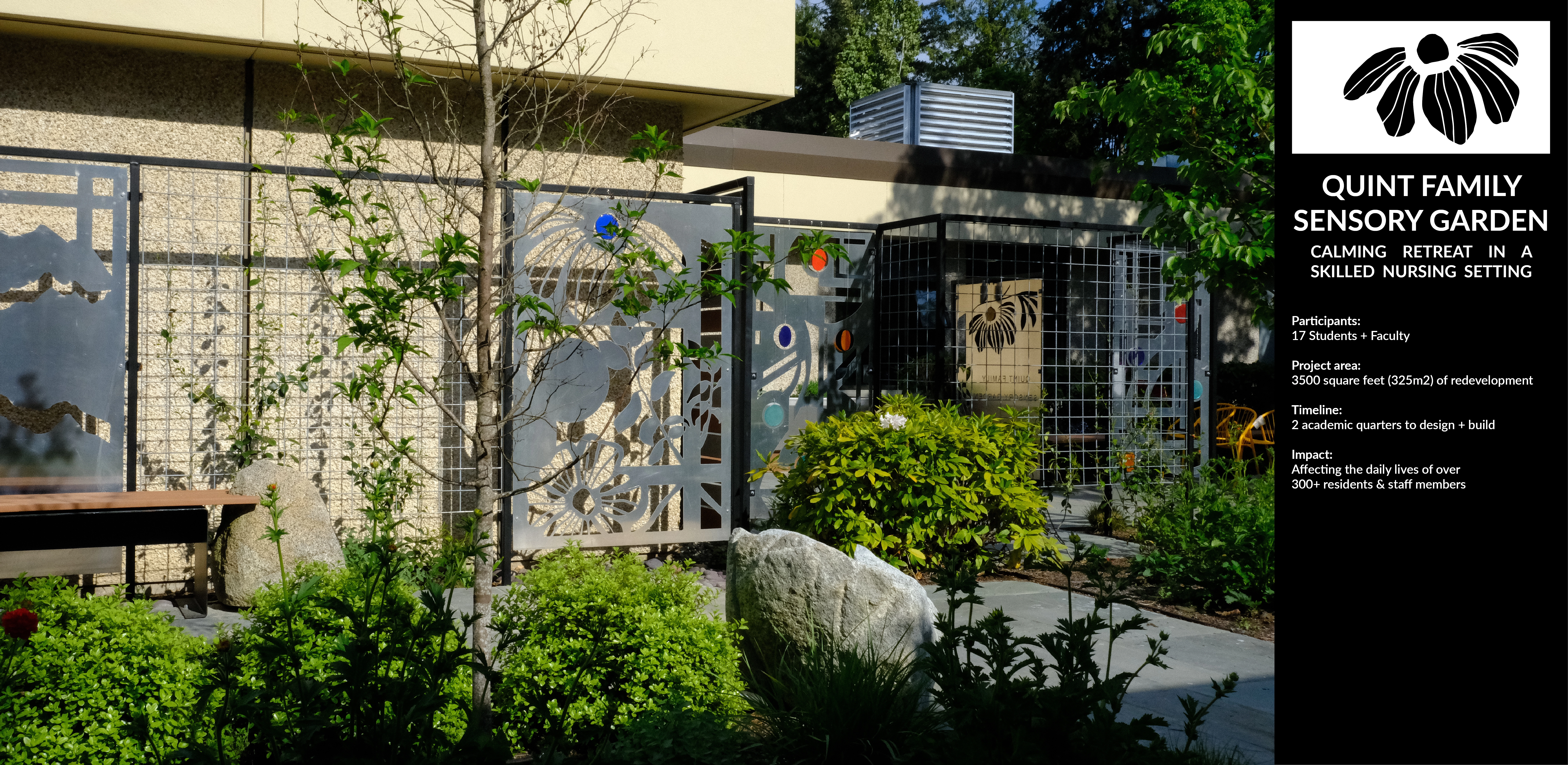
Award of Excellence, Student Community Service
Stimulating the Senses, A calming Retreat in a Skilled Nursing Setting
Those living in skilled nursing facilities run the risk of becoming isolated, depressed, loosing self-esteem and in some cases identity. In addition, this is often the winding down of life for the residents and a challenging and complicated experience for many. Despite these common attributes the experience does not have to be this way but can instead be a celebration of life. When designed properly the garden can be a place of appropriate stimulation, participation, community building, and reconnection to the sacredness and benefits of nature. This responsive garden was informed through a participatory process involving staff and residents and offers two “rooms” for each group and places of shared experience and mutual support.