
.webp?language=en-US)


Daring to Look: Dorothea Lange's Photographs and Reports from the Field
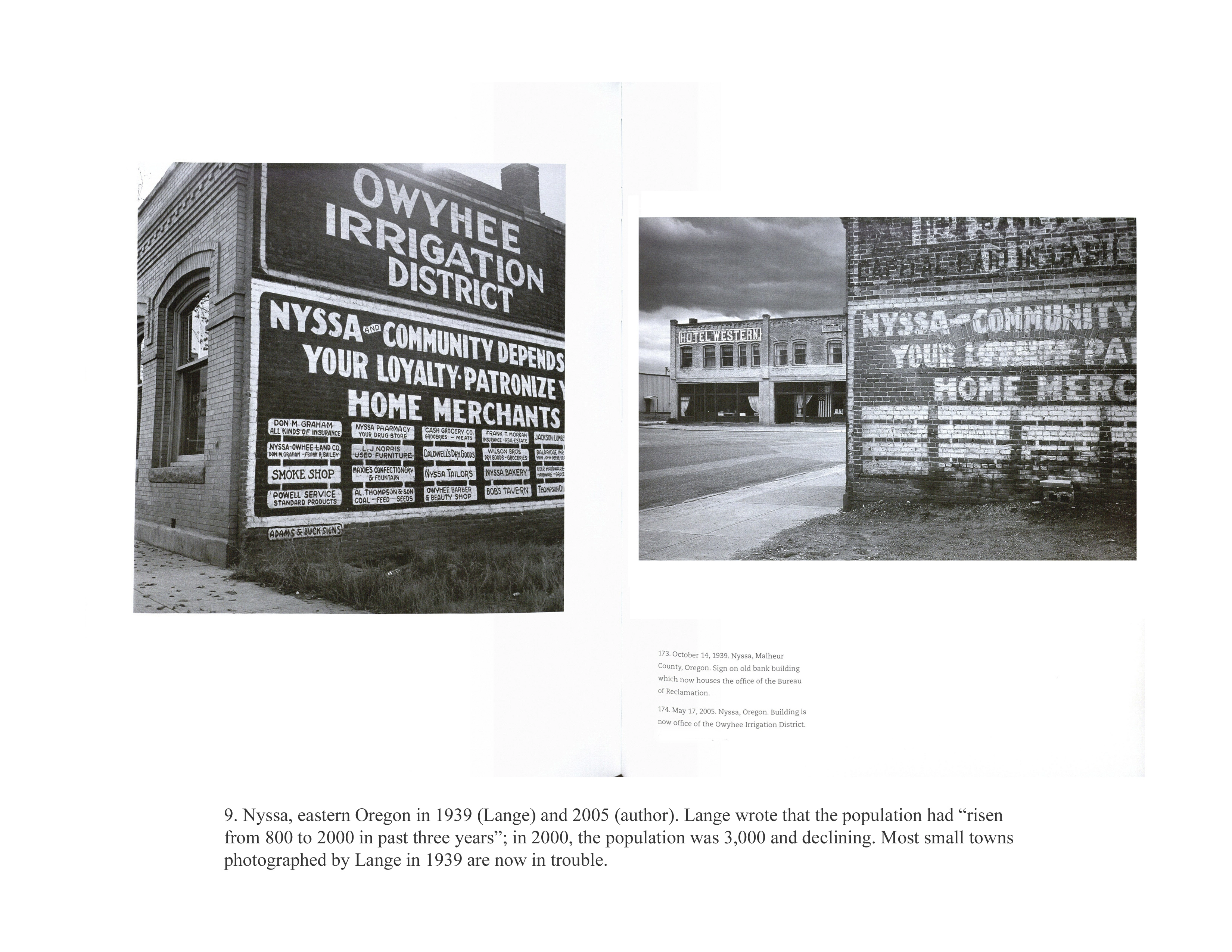
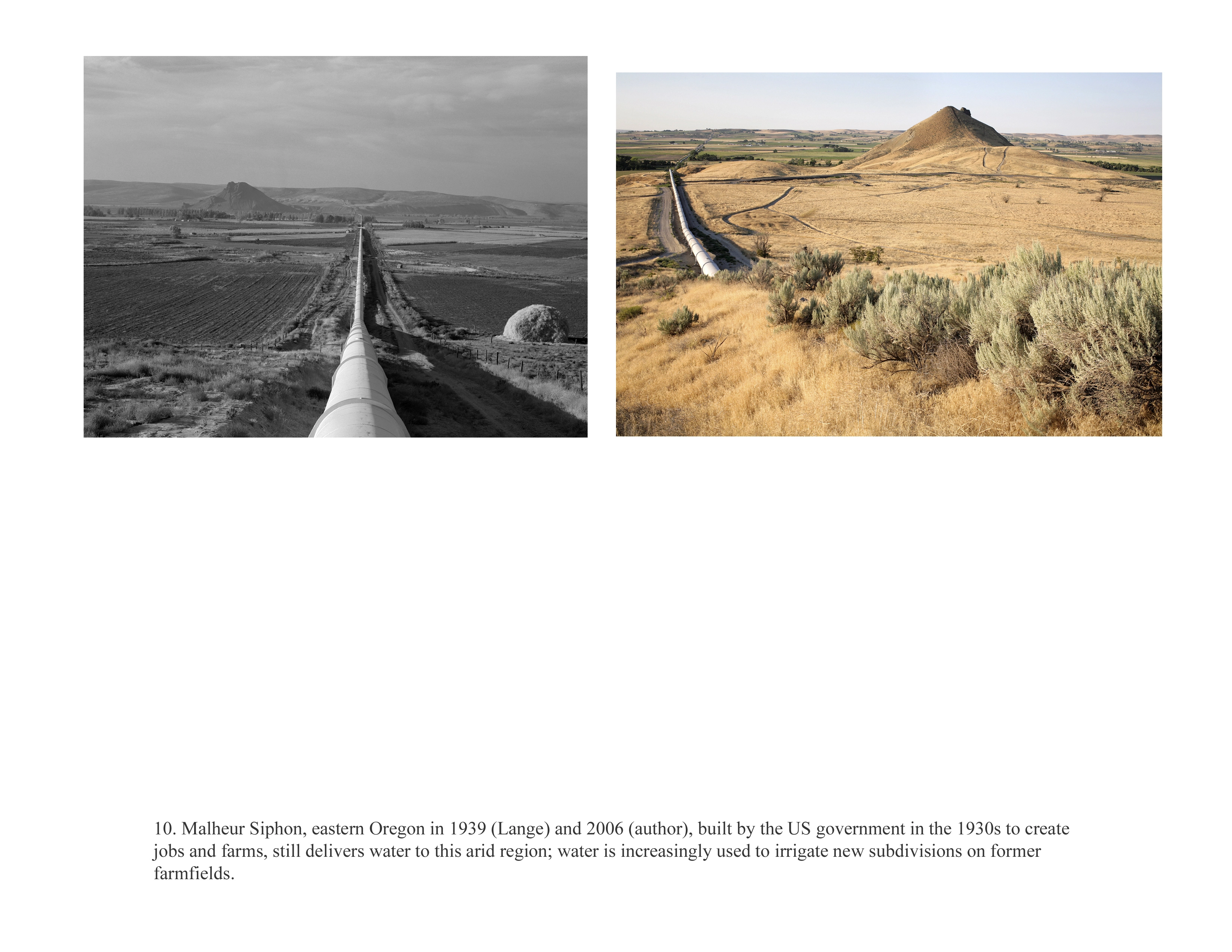
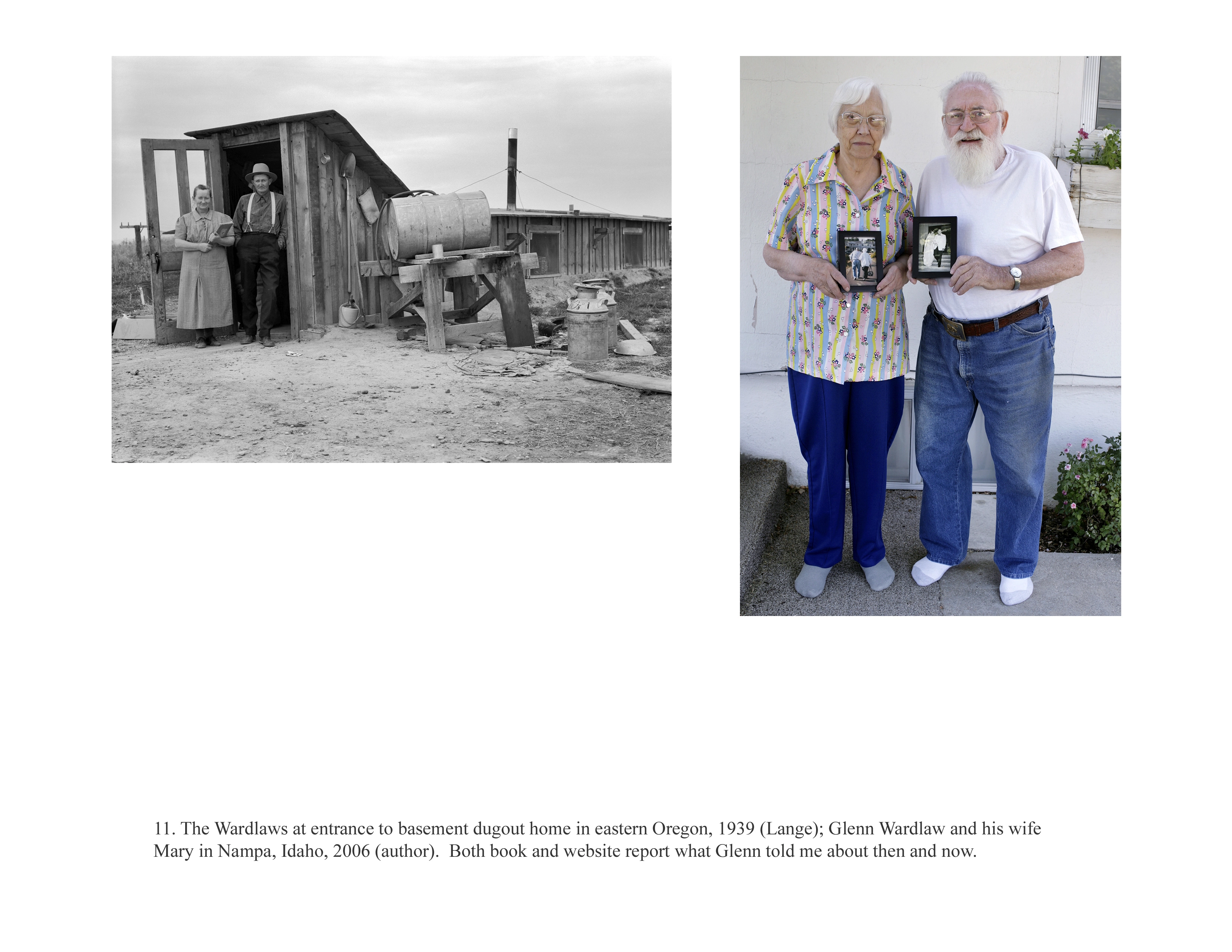
What a wonderful book! Interesting view of a large social movement and the aftermath: what worked and what didn’t. Engaging photography and first rate research. It’s important to bring this work into the context of today.
Awards Jury
-
Daring to Look presents never-before-published texts and photographs by the great American photographer, Dorothea Lange, in which she portrays landscape as the mutual shaping of people and place. Her images and words of 1939 are a mirror that reflects who we were, how we came to be, and what we were in the process of becoming. In them, one can perceive practices and policies of the past as the roots of today's environmental challenges.
-
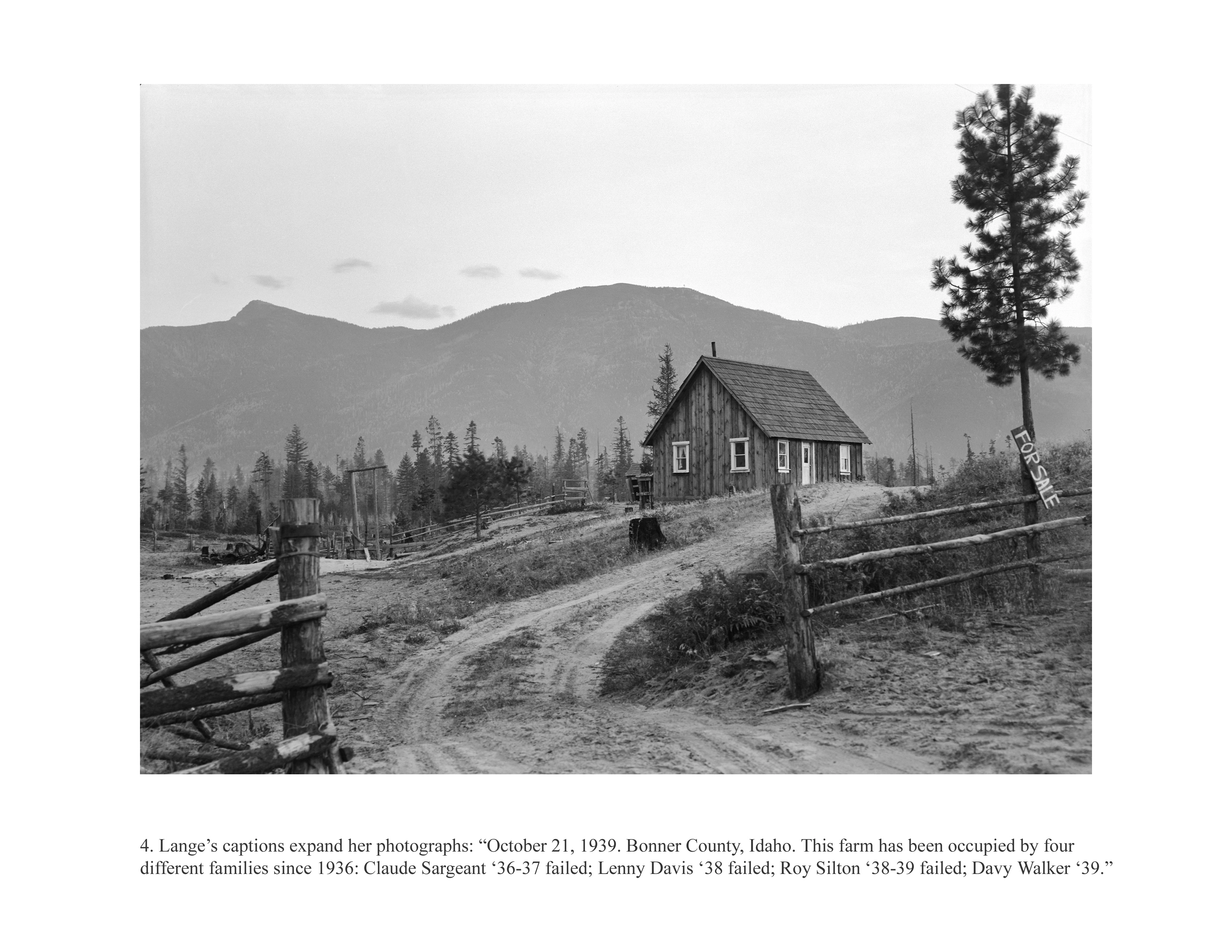
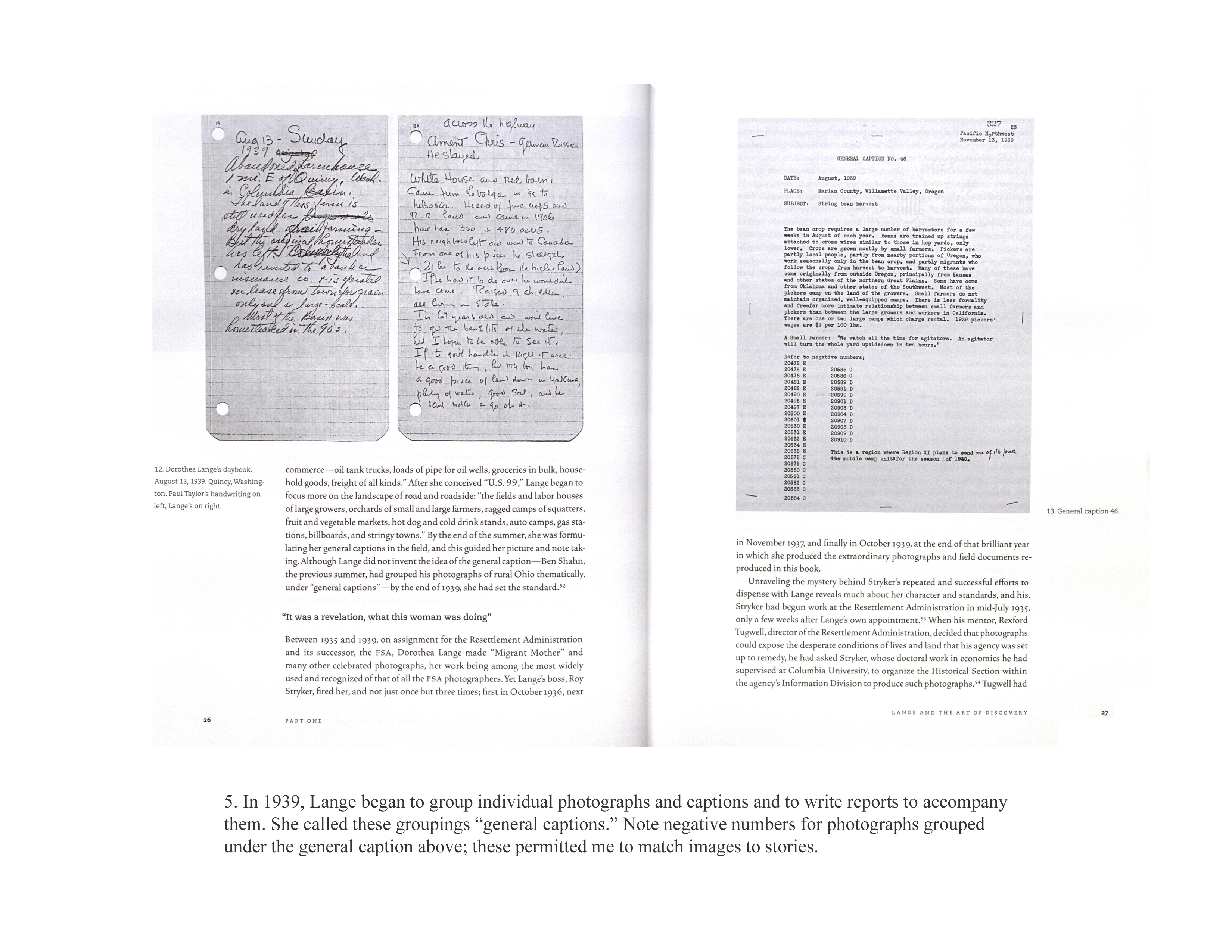
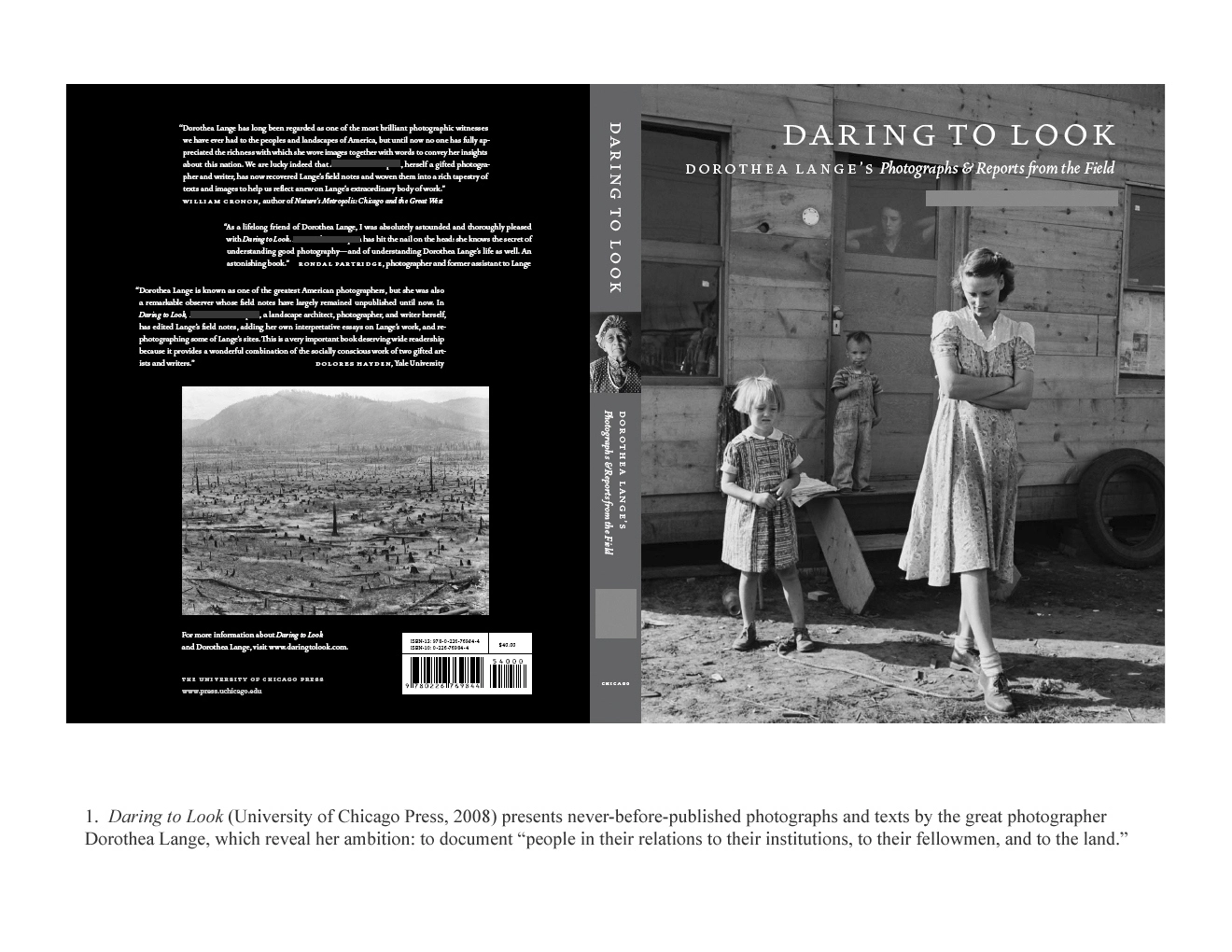
Daring to Look presents never-before-published photographs and texts by the great photographer of America's migrant and displaced people, Dorothea Lange. This book is the first to restore Lange's work to its full context by reproducing the text of her field reports (which she called general captions) together with the images she captured on film. Collectively, Lange's words and images reveal her ambition: to document "people in their relations to their institutions, to their fellowmen, and to the land."
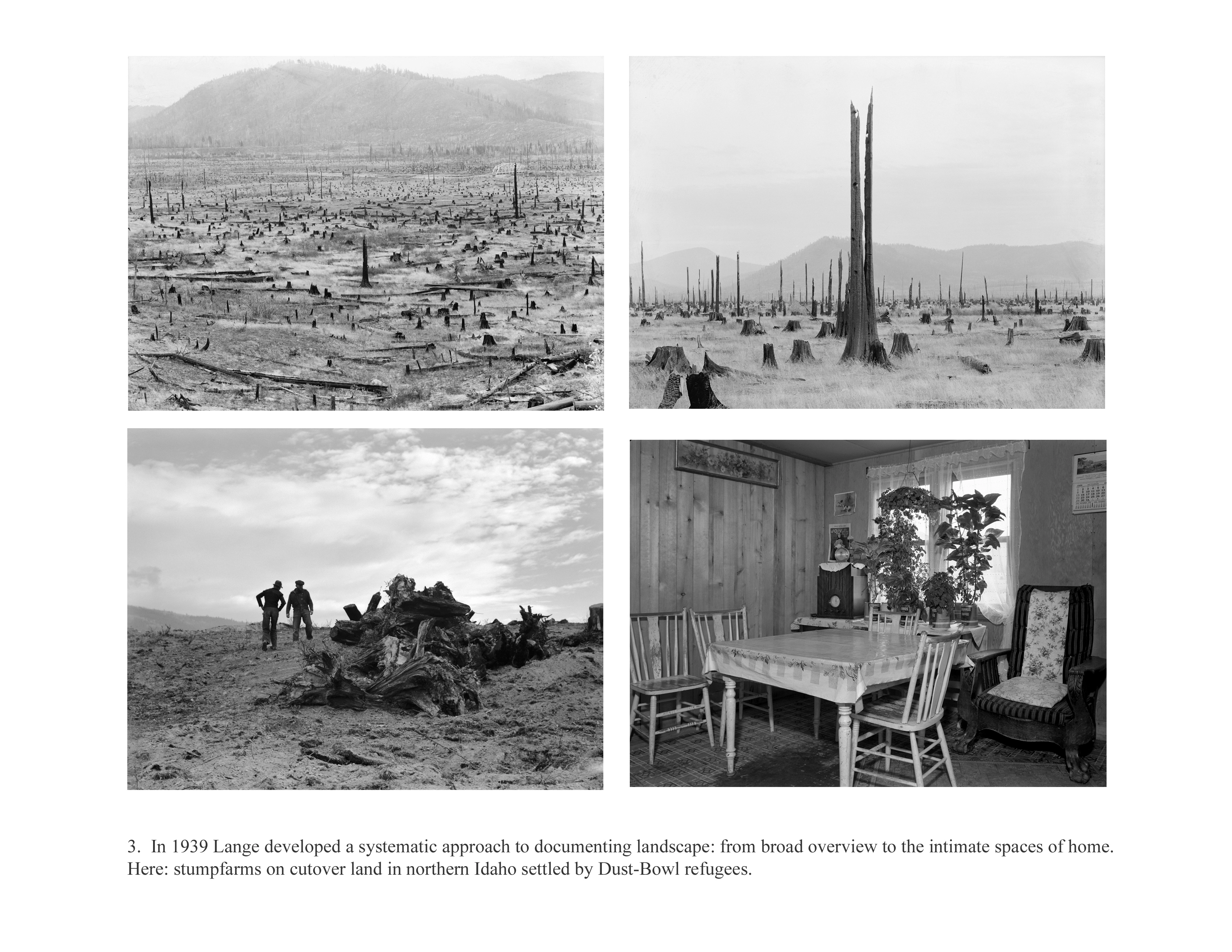
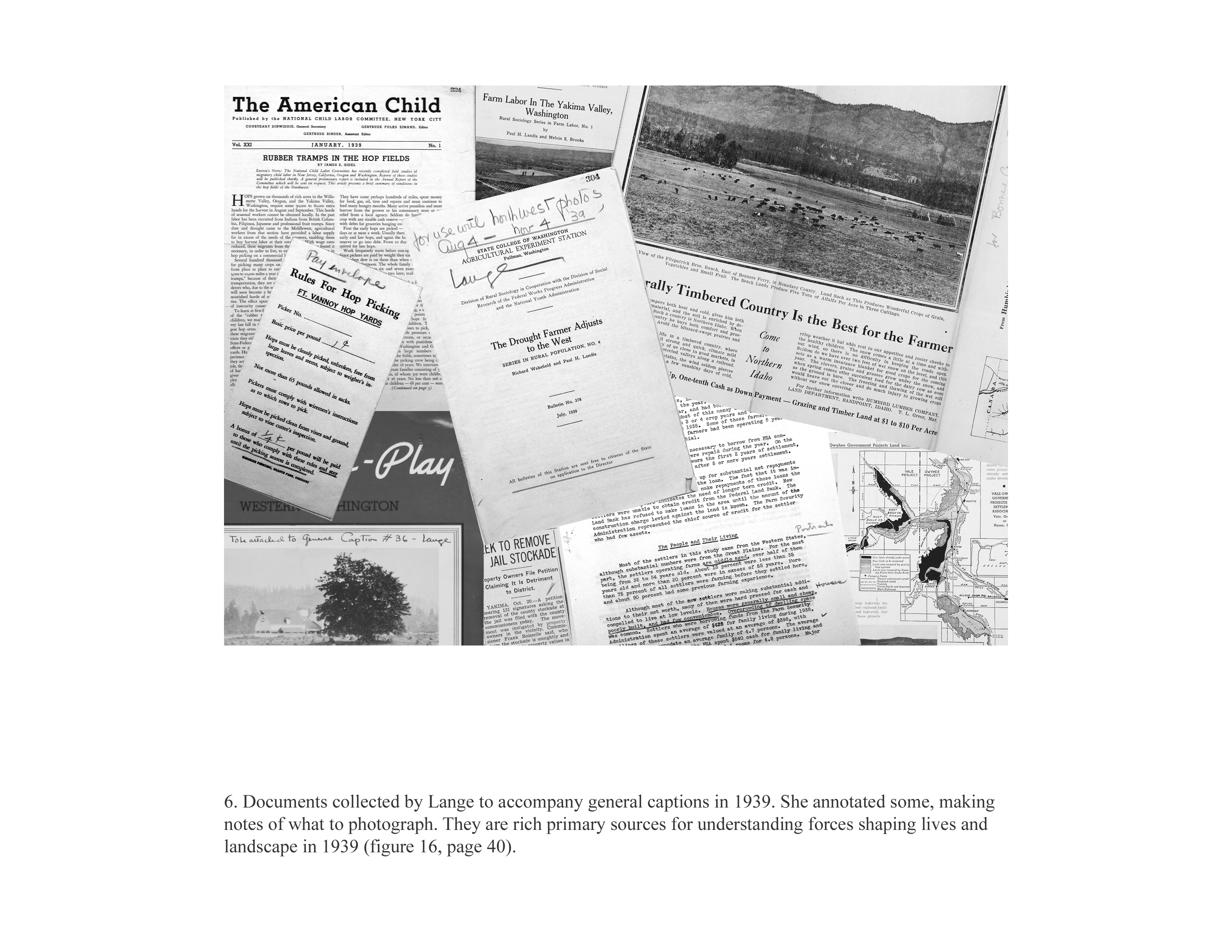
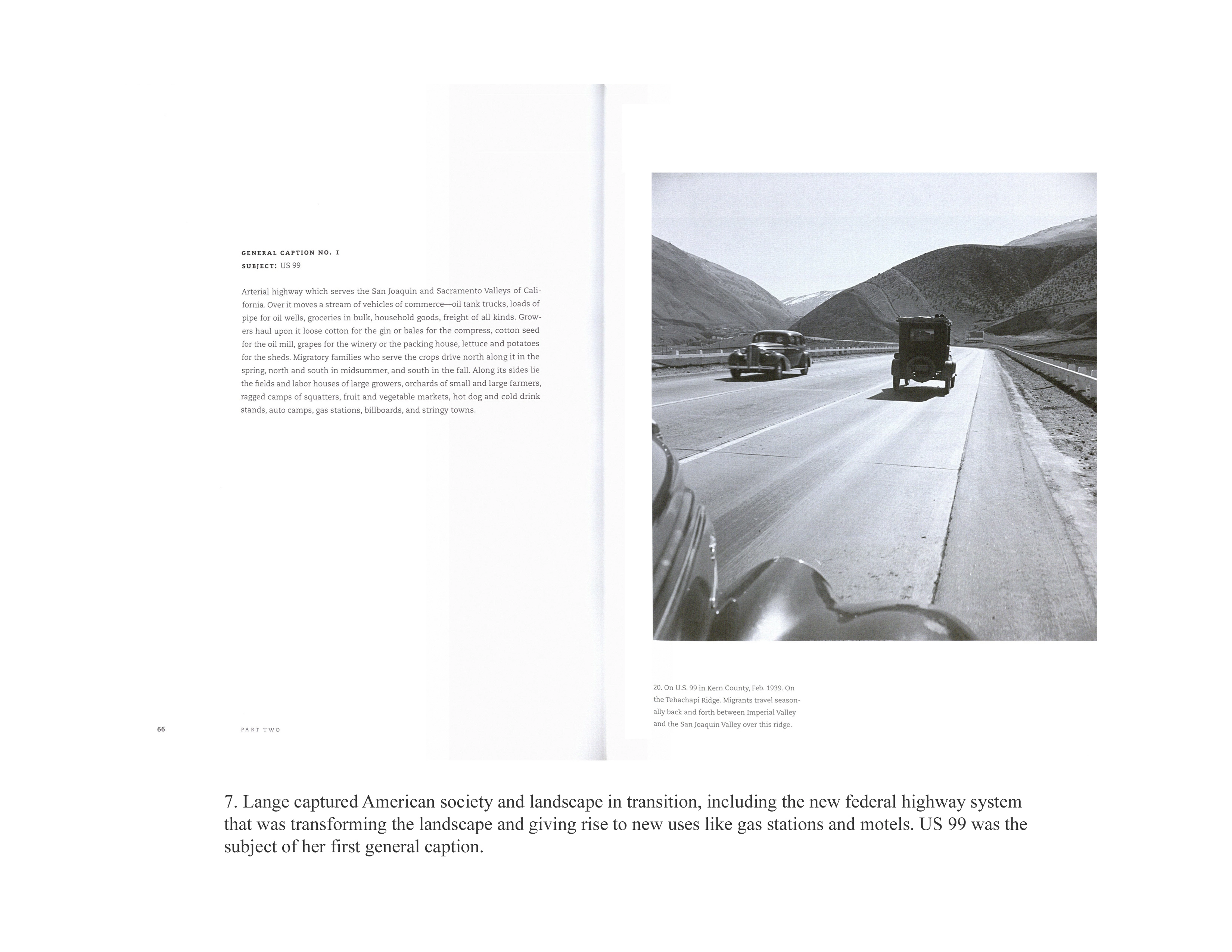
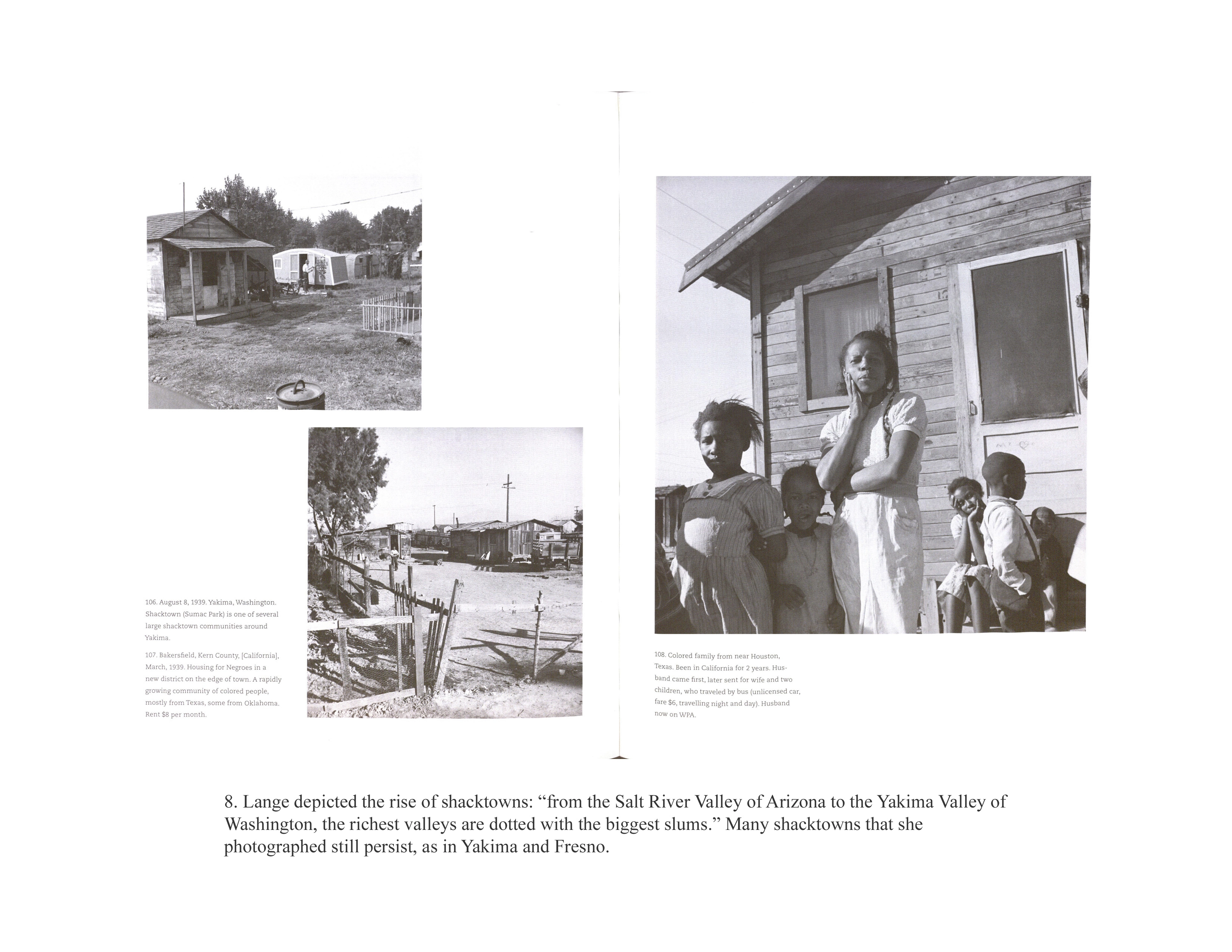
To accomplish this, Lange grouped photographs by subject, then cross-referenced and "buttressed" them with words. She first developed the general caption in 1939 as a framework within which to cross-list individual photographs and captions and give them context. Each of Lange's 75 general captions from 1939 (the year's work presented in Daring to Look) stands as a portrait of a moment, a place, a group of people, a theme; together, they paint a portrait of rural land and society in America and of the forces transforming them at the height of the Great Depression. Lange's words and photographs reveal starkly contrasting Americas: in California, new highways and the spread of large-scale industrialized agriculture; in North Carolina, traditional agriculture centered around tobacco; in the Pacific Northwest, the irrigation of sagebrush desert and the resettlement of Dust Bowl refugees and the abandoned lumber mills and vast acres of cutover forest peopled with pioneers. In all these places, Lange saw and recorded the processes reshaping American lives and landscapes.
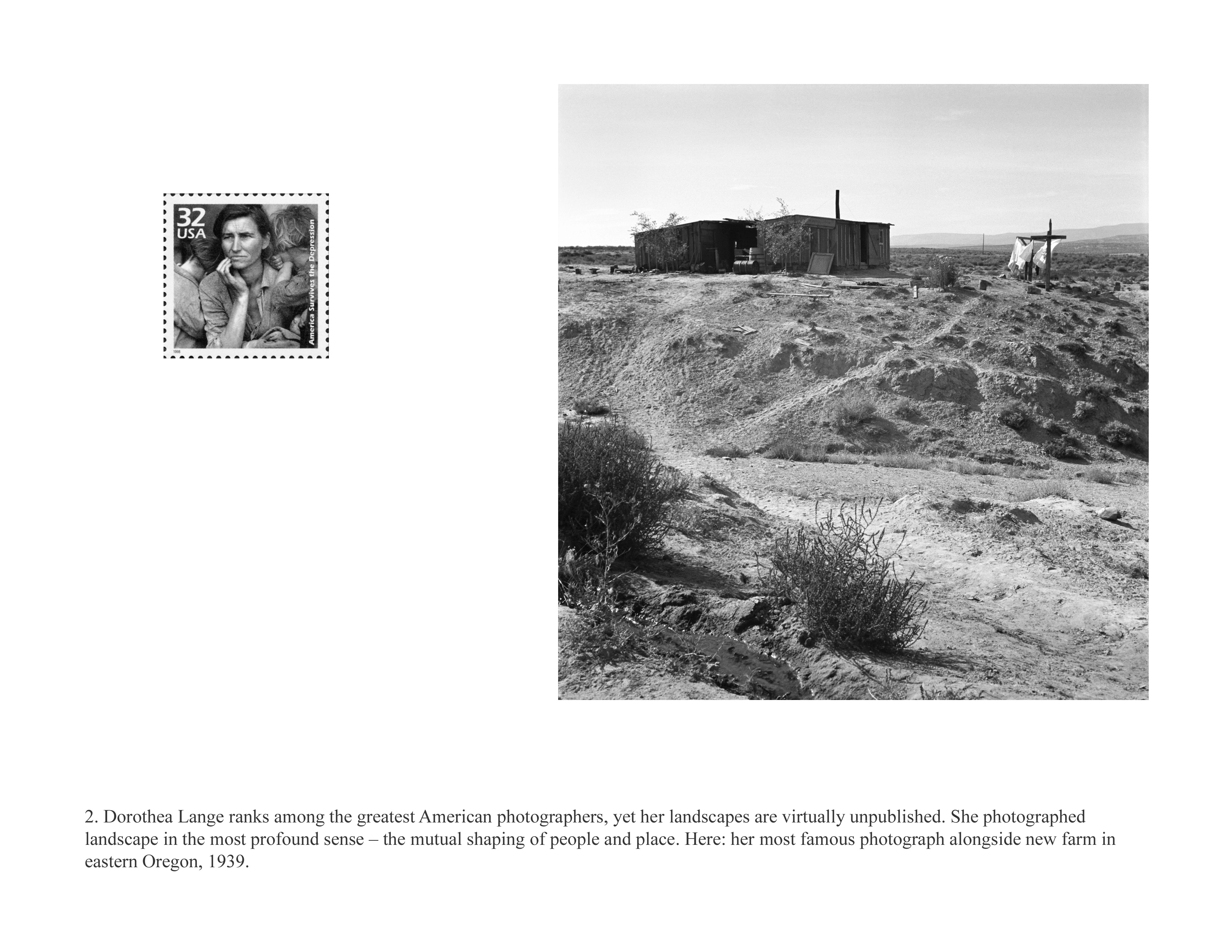
Lange ranks among the greatest American photographers, but, until now, her rich landscape material was virtually unpublished. She has been known almost solely as a photographer of people. Yet, in about half of the photographs Lange took in the Pacific Northwest in fall 1939, no people appear at all. "Nobody ever gave me any credit for making any landscapes," she declared in 1964. "I did make landscapes, loads of them!" Lange's work cannot be separated into conventional categories of landscape or portraiture. The absent people are implicit in the landscapes and buildings they shaped, and the landscapes implicit in people's bodies and in the details of their clothes, homes, and tools. Lange photographed landscape in the original and most profound sense of the word, in the mutual shaping of people and place.
"No country has ever closely scrutinized itself visually," Lange said at the end of her life, "I know what we could make of it if people only thought we could dare look at ourselves." Lange did dare to look. She discovered "what had been either neglected, or not known... things that no one else seemed to have observed in particular, yet things that were...important," and she held up her mirror that we might see who we were, how we came to be, and what we were in the process of becoming. Daring to look, she raised questions that demand answering, still.
The Book and Website: Purpose and Audience
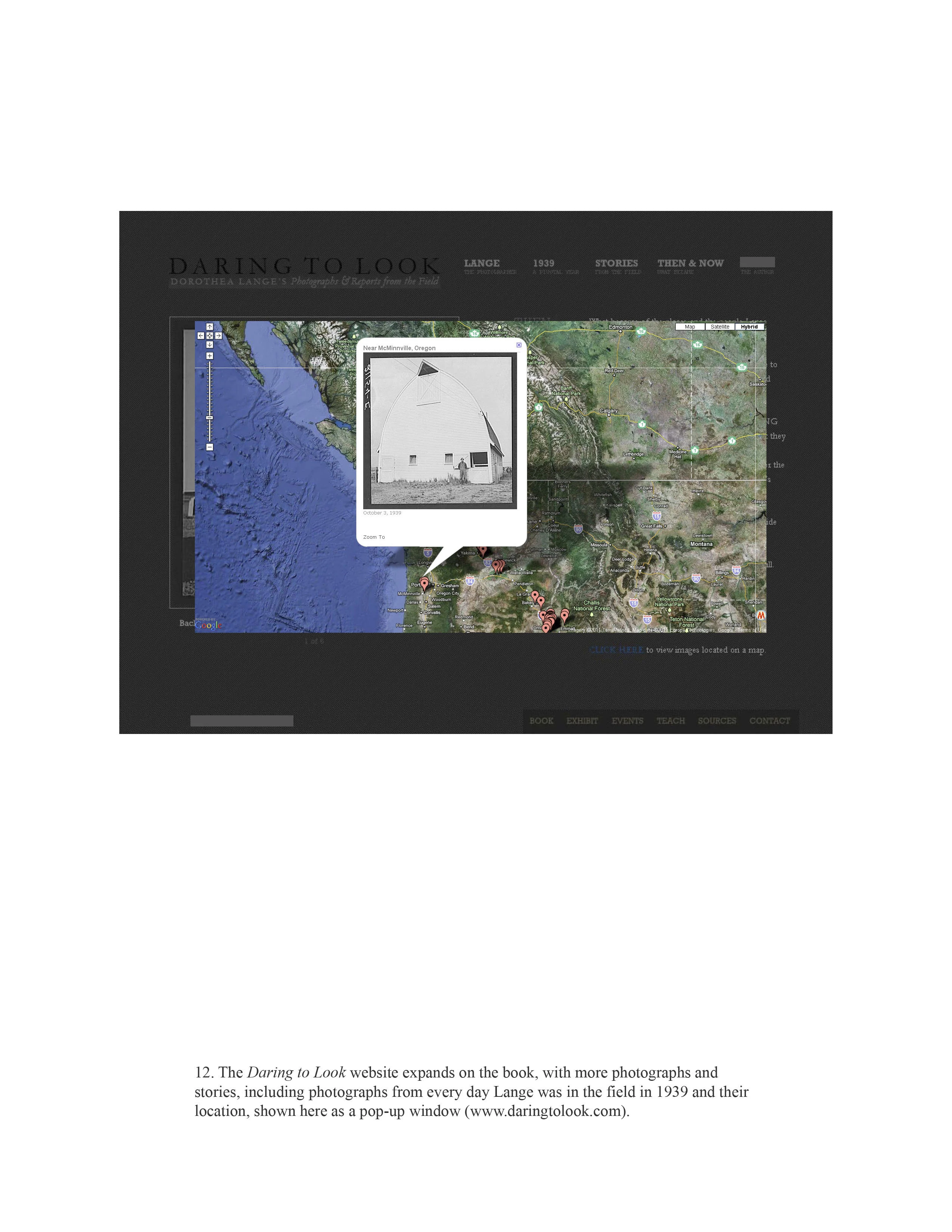
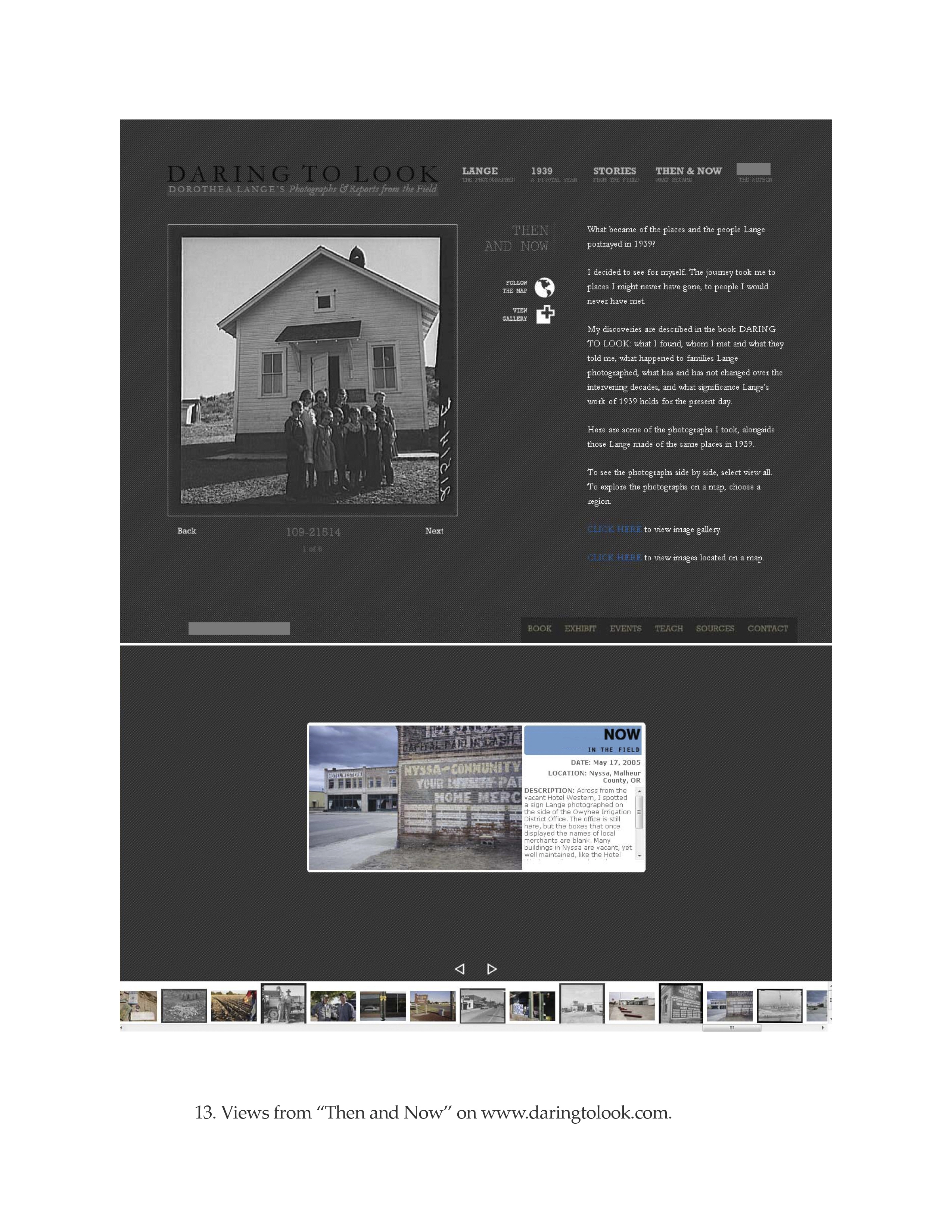
The book has three parts: an analysis of Lange's work and its significance; Lange's general captions of images and words; an account of my own journey to the places she had photographed and what I found. The website expands on the book, with more photographs and stories of then and now. The goals are: 1) to reposition Lange's reputation as author and landscape photographer; 2) to broaden public appreciation for the significance of landscape and for how the roots of environmental challenges today are in policies of the past; 3) to reach a broad general audience, as well as an interdisciplinary academic one.
Value
Lange's words and photographs speak eloquently to the present, for the forces she saw and recorded in 1939 are still in play, of that particular moment, but not of a moment only. Her images have past sources and future manifestations. They reveal the heartrending consequences of shifts in jobs and decline in industry and their impact on the environment, the human stress of migration and resettlement. They demonstrate, too, the human capacity for endurance, resilience, cooperation, and hope. They show that all large-scale events, policies, and plans have a human face. ‘If you see mainly massed human misery in my photographs and decry the selection of so much suffering,' Lange wrote, ‘I have failed to show the multiform pattern of which it is a reflection. For the havoc before your eyes is the result of both natural and social forces. These are my times, and they, too, are my theme,' she said. They are mine as well, which is what drew me to Dorothea Lange, to her "lost" photographs and texts, and led me to revisit all the places where she worked in 1939: to discover what the changes between then and now might reveal about the nation.
Effectiveness
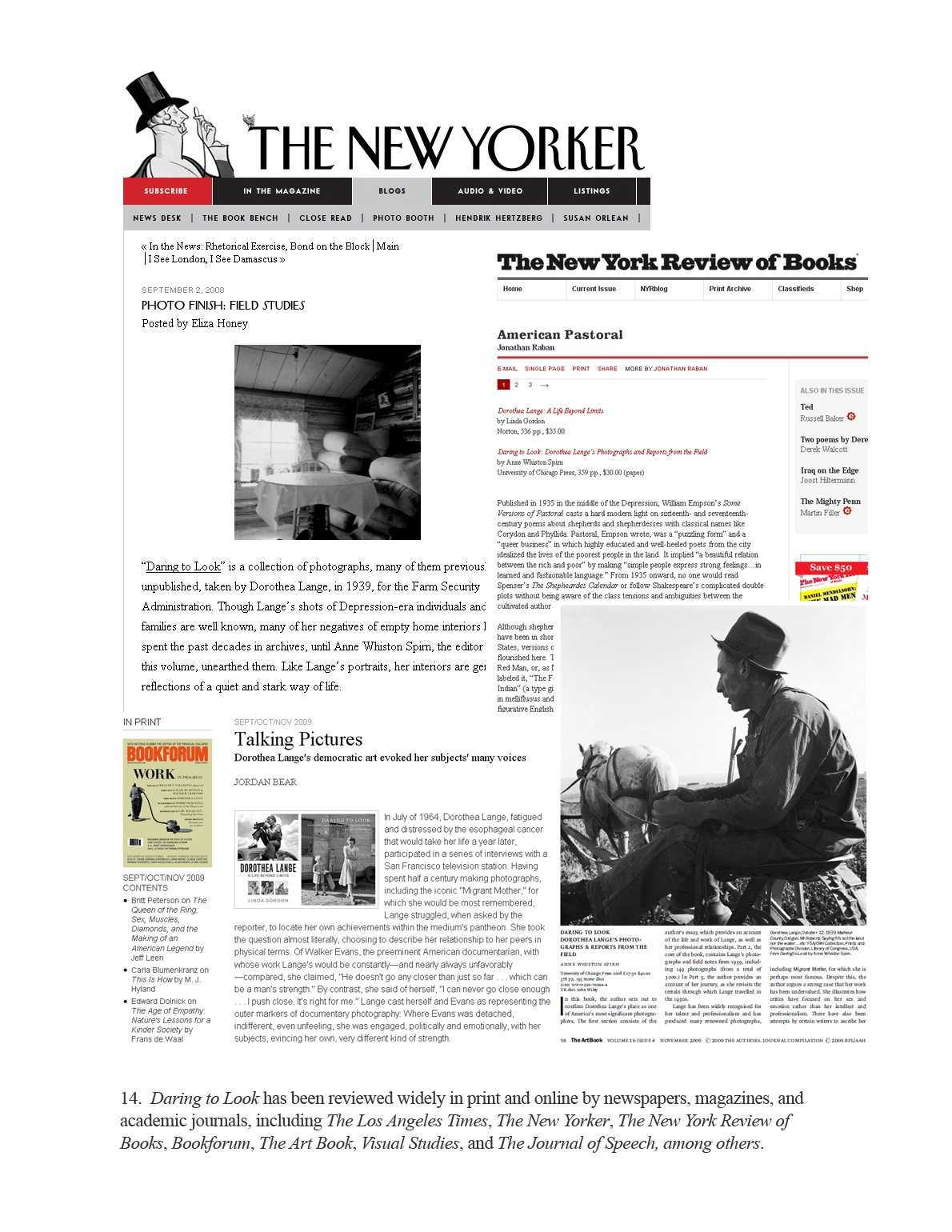
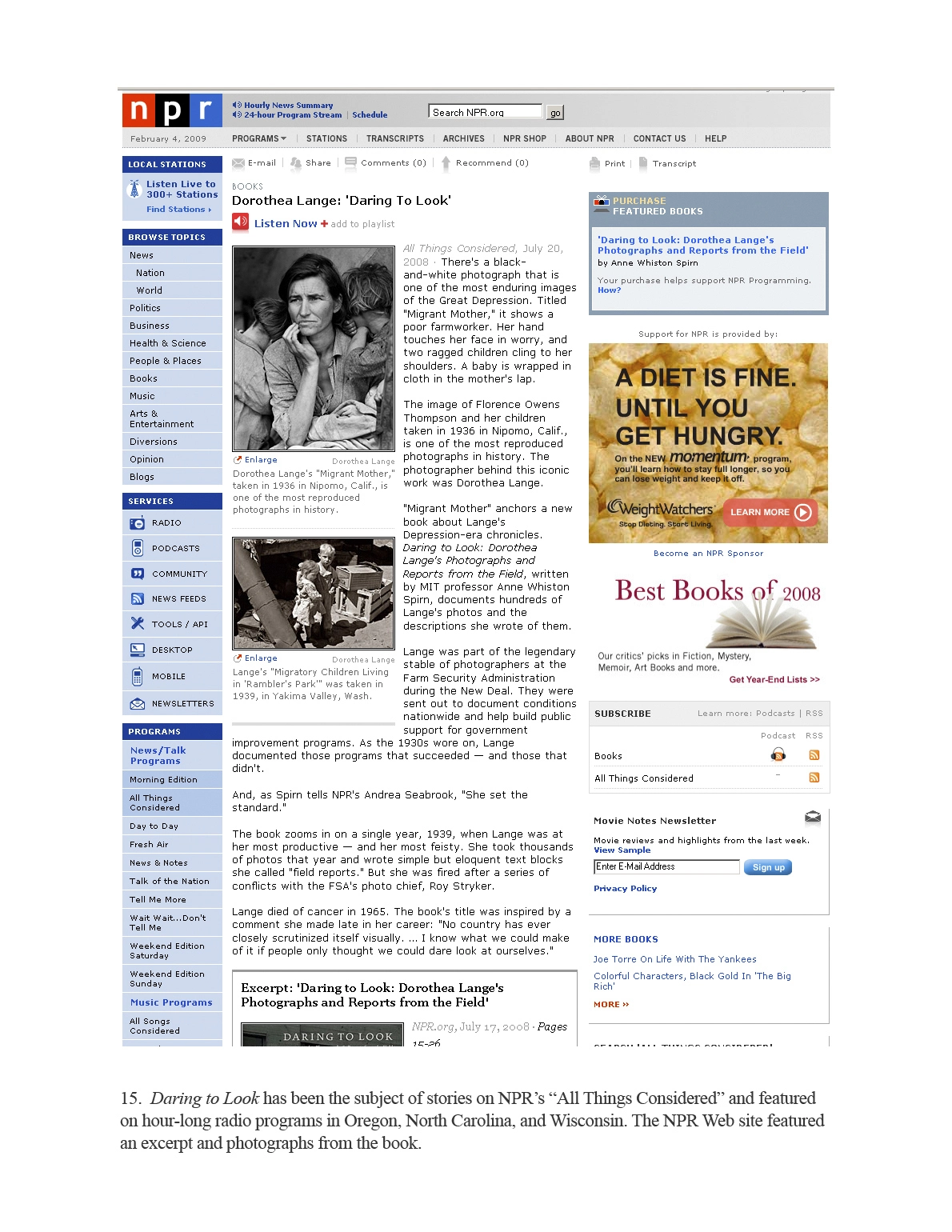
The book was widely reviewed in print (e.g. LA Times, New York Review of Books), online (e.g. New Yorker, Bookforum), and on radio (e.g. NPR's "All Things Considered" and "Here and Now"). The hardcover edition (5,000 copies) sold out within nine months, and the paperback has sold 3,500: 8,500 total. The book has reached a broad audience, including the entire freshman class of Bryant University, who read it for a class required of all freshmen. The website has expanded the audience further, especially among youth, like the high school junior from Maryland who emailed on January 31, 2011:
"I was so moved by this website that I had to write to you. I just wanted to say thank you so much for doing such important work. It is really inspiring—this website is beautiful and was incredibly helpful for my research project on social boundaries and quandaries during the thirties. I was surprised to read that we share all of these interests—photography, but also environmental design and urban design. I am considering both as a major for undergrad!
Your fan, Zane"Innovations
Innovations include: 1) discovery and presentation of never-before-published texts and photographs, which yield a new appreciation for Lange, including her profound understanding of landscape; 2) integration of archival research, fieldwork, and photography; 3) interplay between book and website.
The book has won awards from diverse organizations: EDRA (Great Place Book Award) recognized it as a book that "advances critical understanding of place and helps foster the design of excellent environments"; the Foundation for Landscape Studies (J. B. Jackson Book Prize) honored it for its basis "on original research" and for "breaking new ground in method or interpretation," and the American Association of Publishers for its excellence in scholarship.
-
Advertisement
Related Awards
Honor Award, Communications
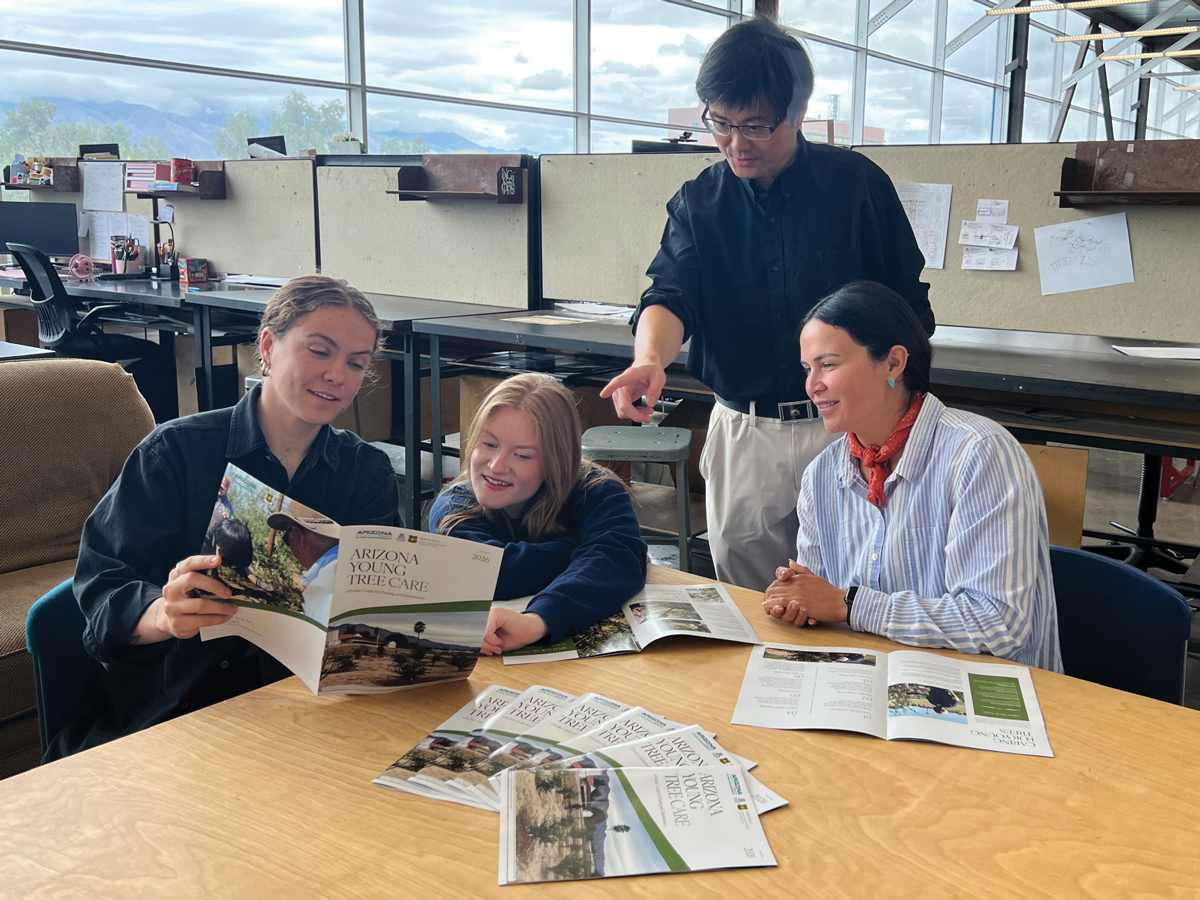
Growing Impact: Advancing Knowledge of Urban Desert Tree Care
The objective of this project is to create a knowledge hub for public education and engagement on tree care and maintenance to increase urban forestry benefits in desert cities of southern Arizona. From 2023-2026, the team has engaged practitioners, government agencies, and the public through workshops, public lectures, and hands-on training on young tree care, smart watering systems, and pruning techniques.