
.webp?language=en-US)


Your Fault
Jonathan Avila, Student ASLA; Travis Gramberg, Student ASLA; Ryan Honeybourne
-
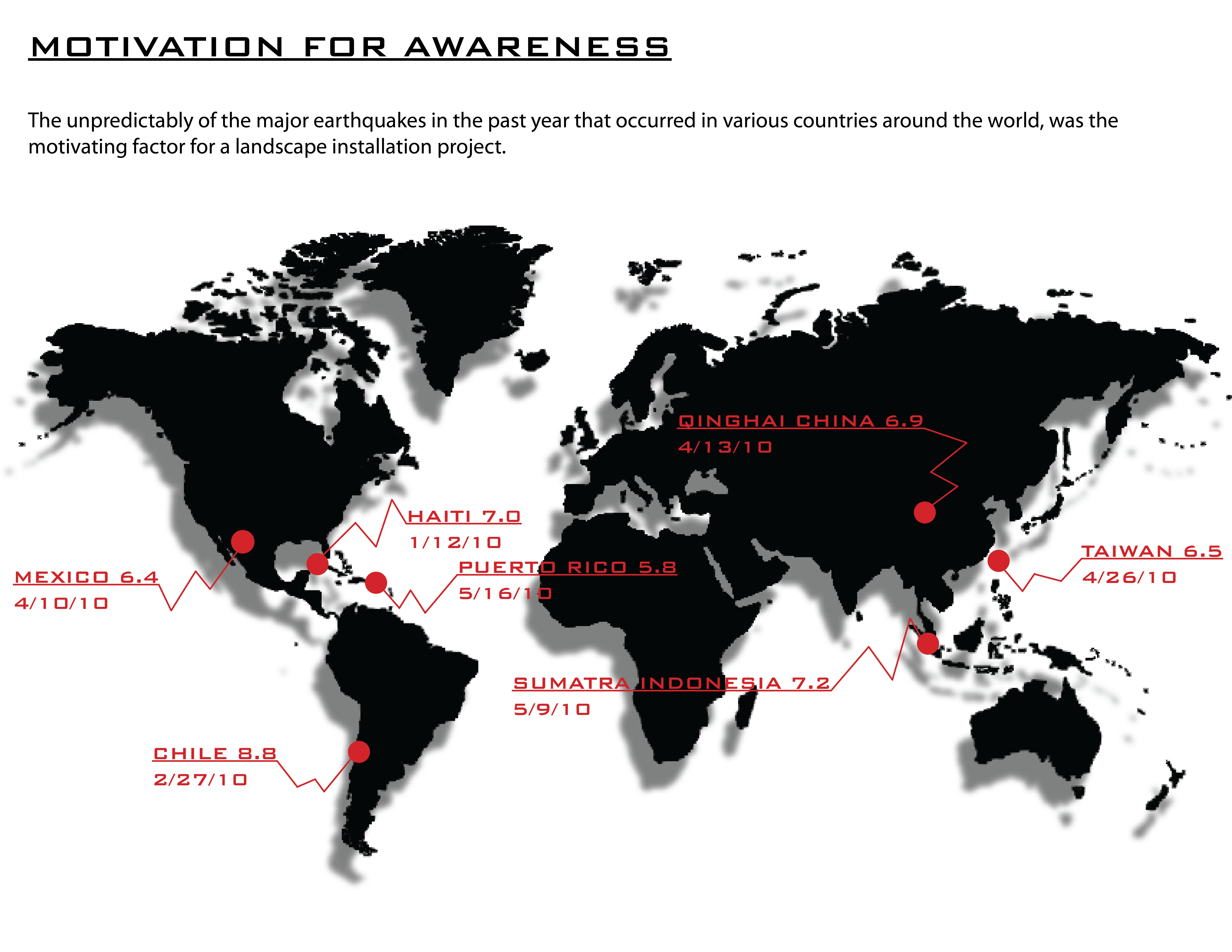
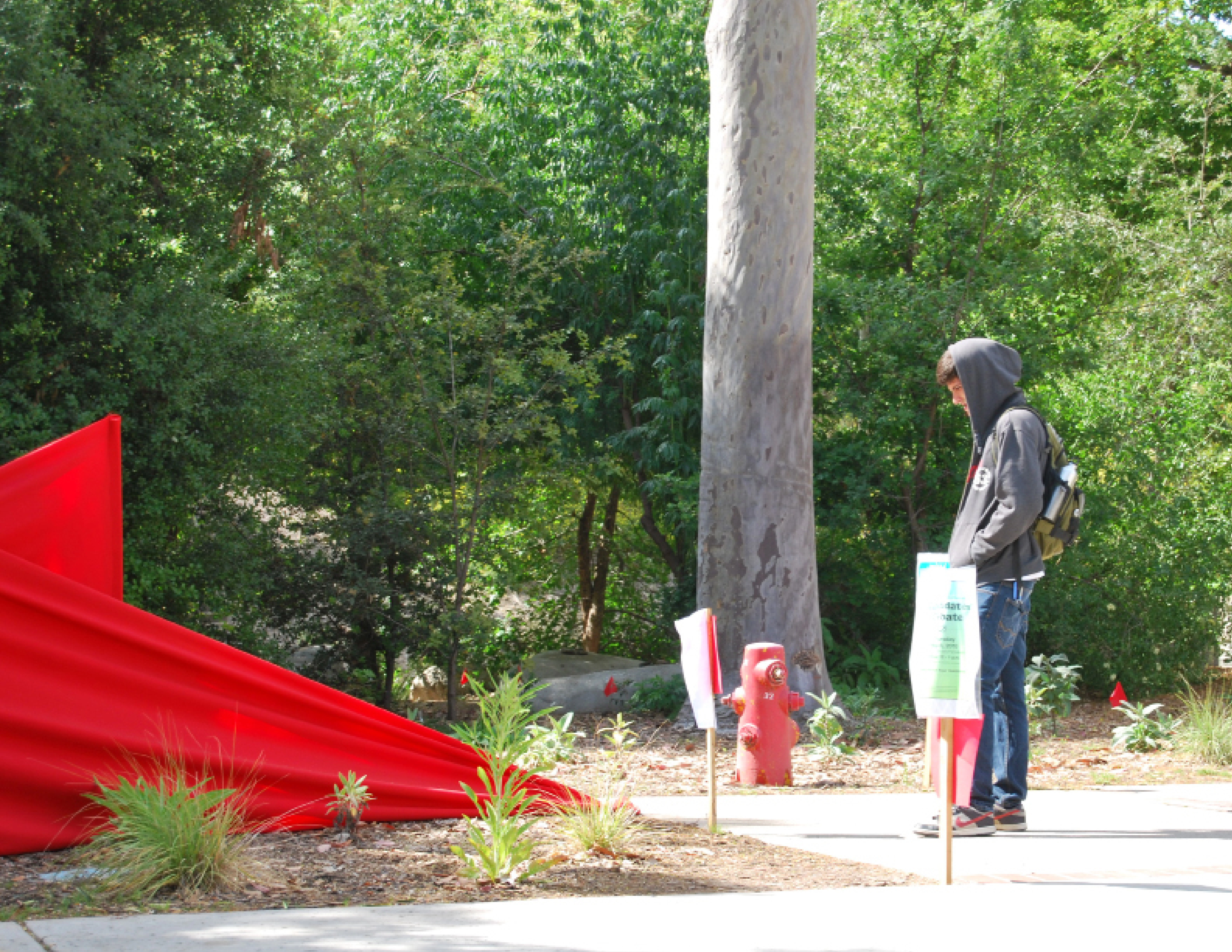
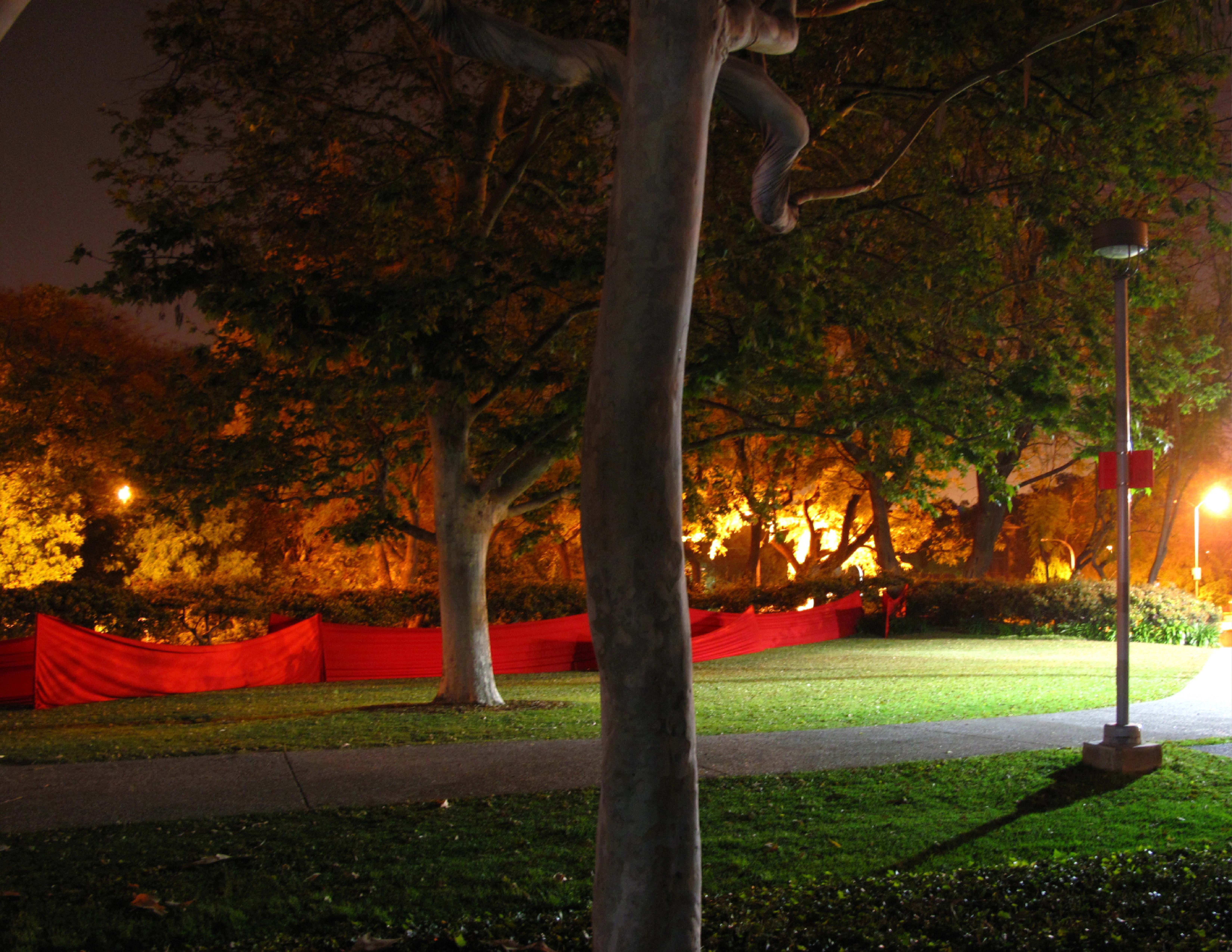
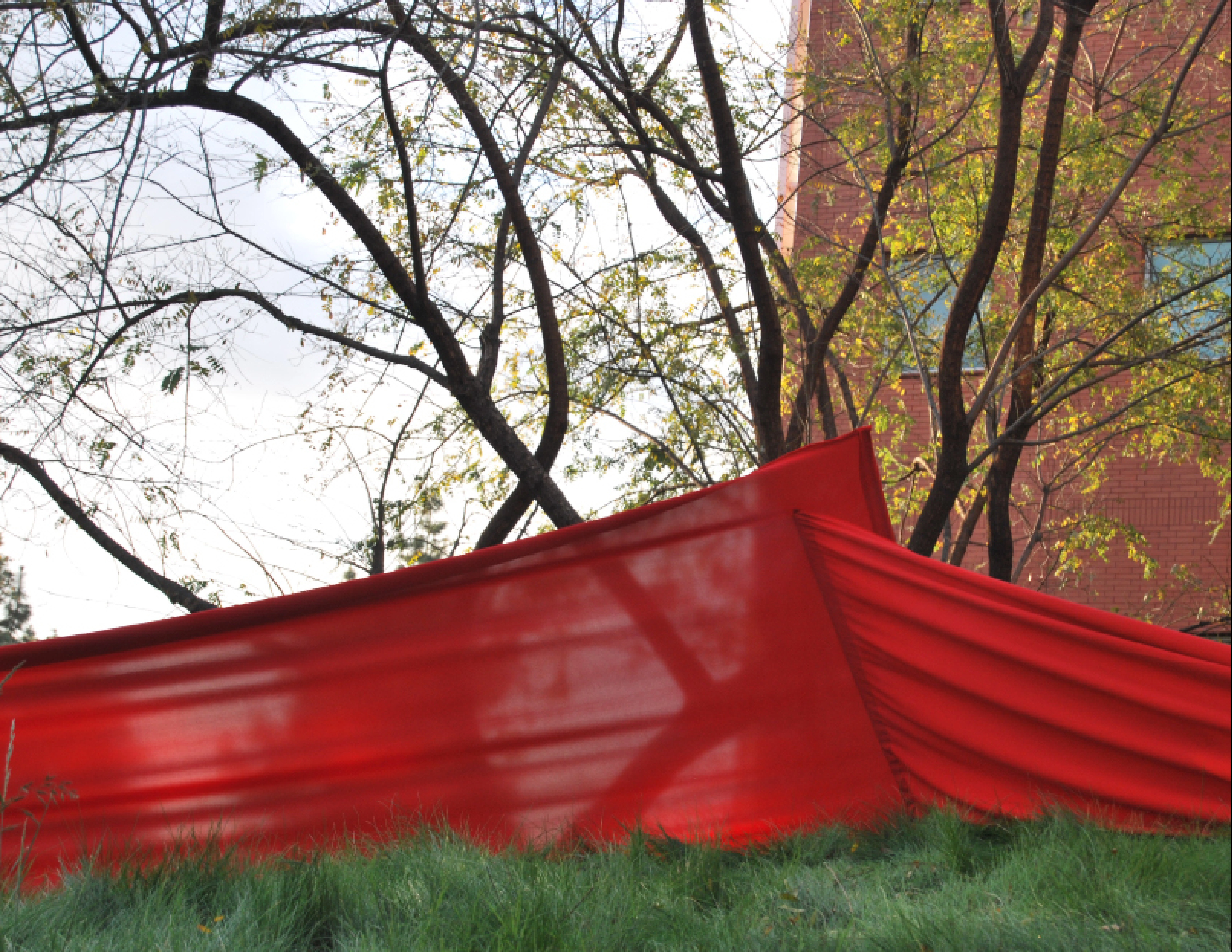
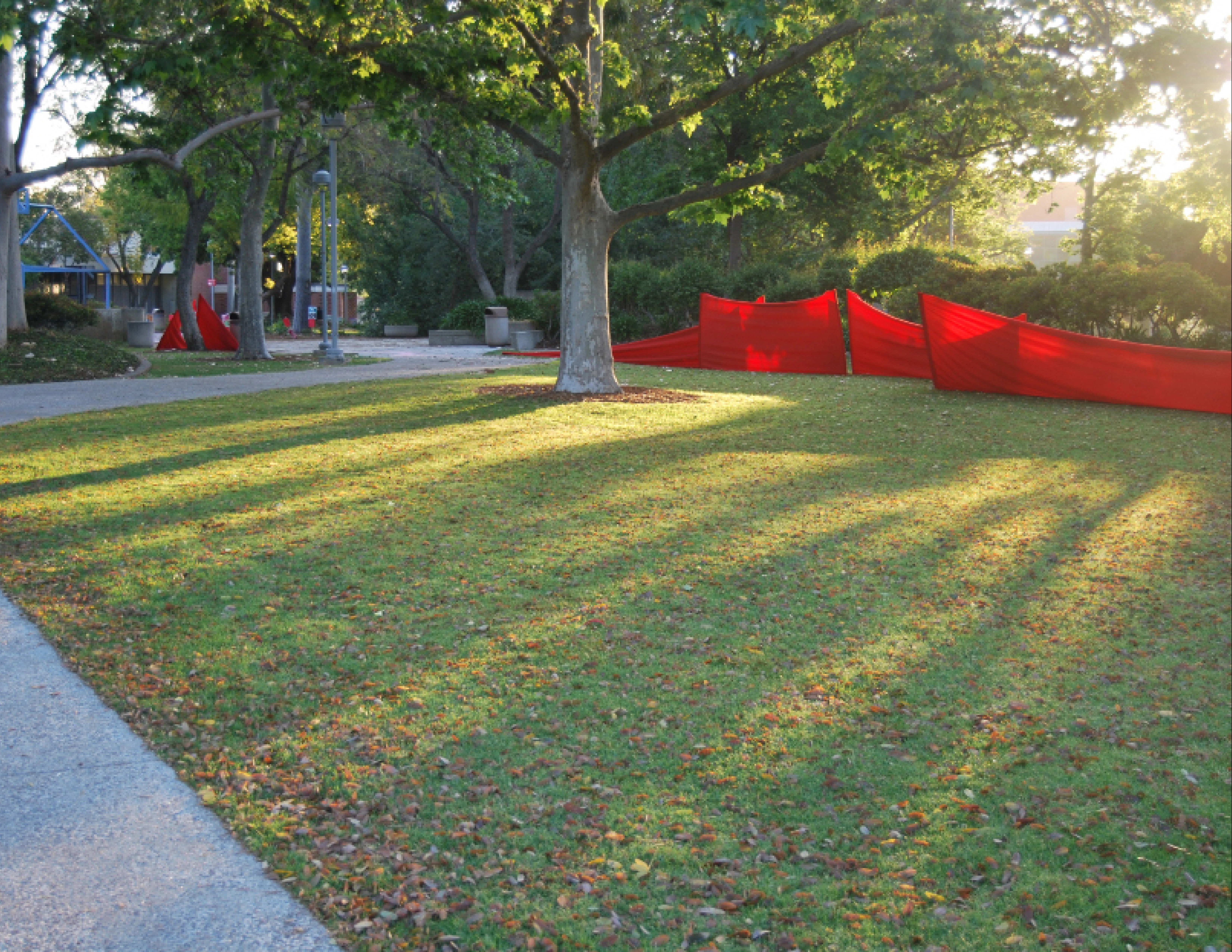
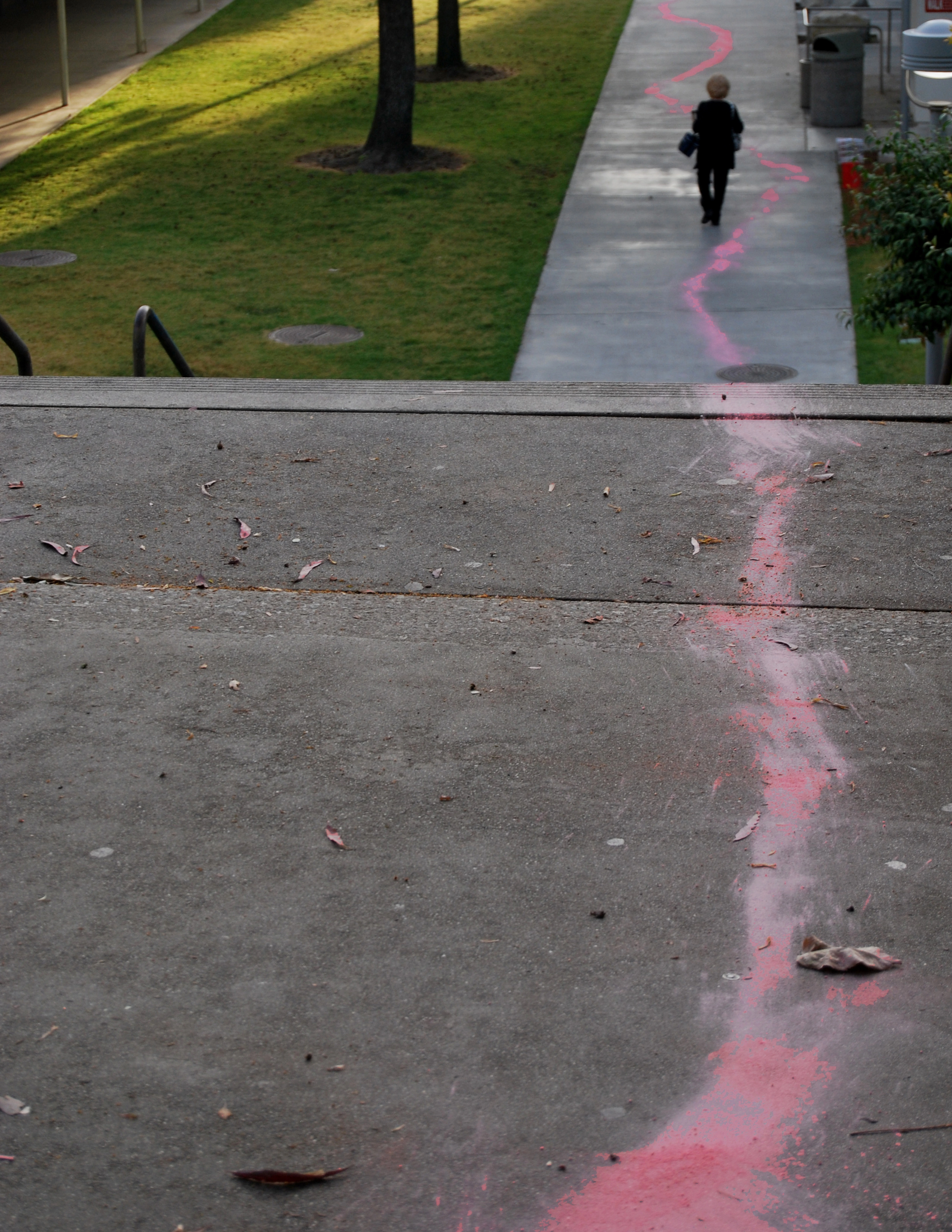
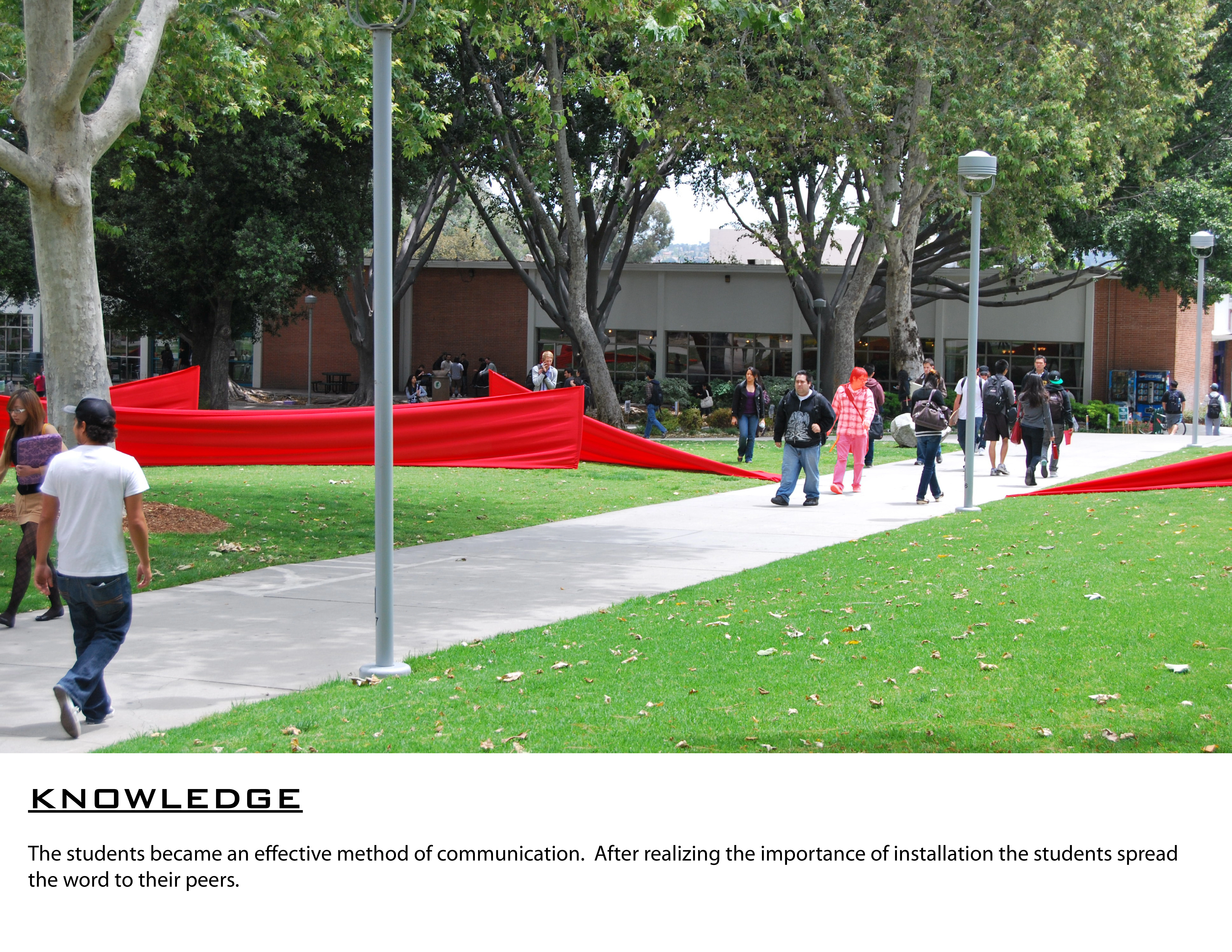
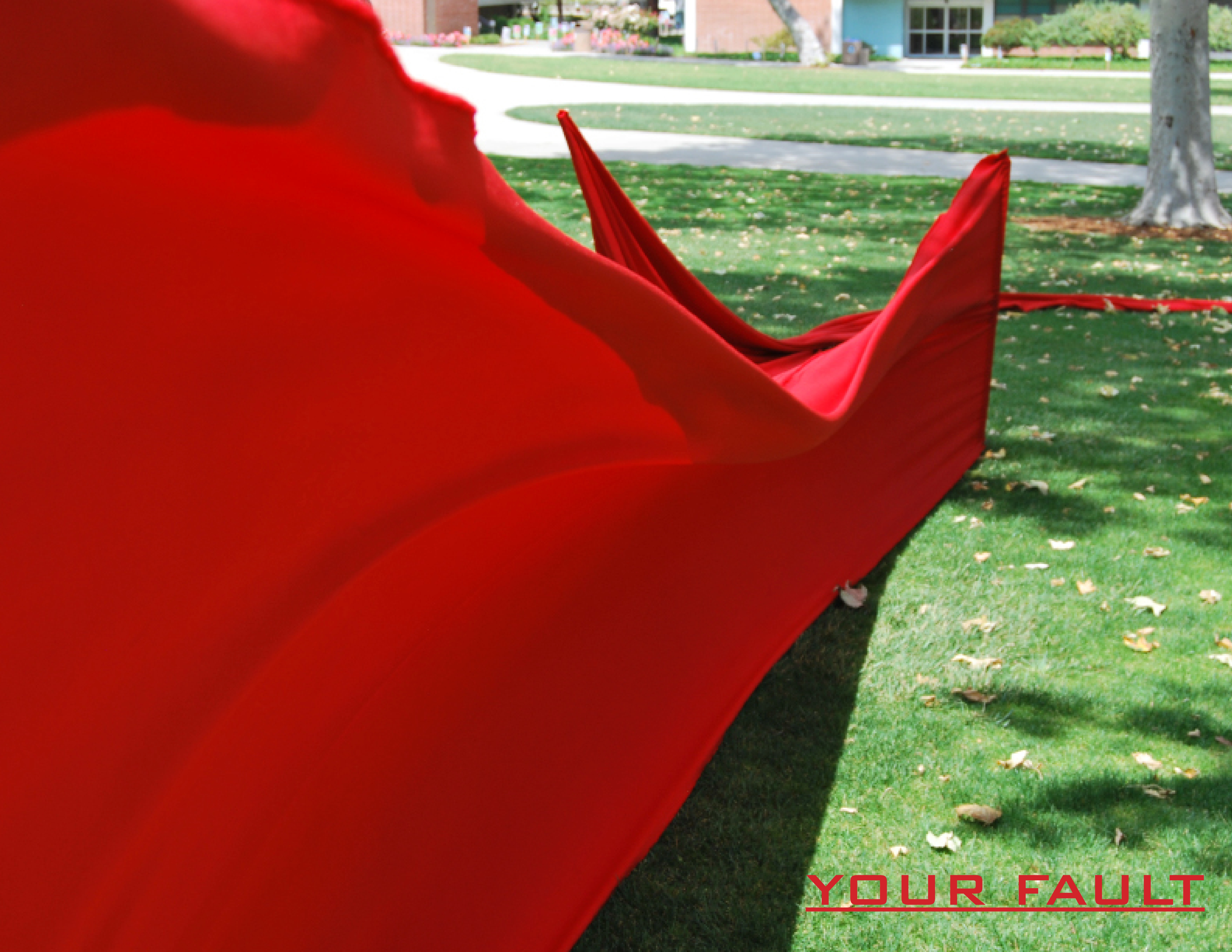
The inspiration for the San Jose earthquake fault project arose from the large amount of high magnitude earthquakes that have been on the rise around the world. The temporary land art installation was designed to bring awareness to a student community about the actual fault lines that run through their Southern California college campus. By revealing the literal fault through a representational structure; the out of sight became a reality.
-
The San Jose earthquake project was based off the tragic earthquakes that recently happened in Chile, Haiti, and China which have taken so many lives. These earthquakes were the inspiration to bring attention to the smaller faults that exist in Southern California. These smaller faults run beneath much of the infrastructure that makes life possible in the Los Angeles region. This infrastructure includes universities, hospitals, roads, and bridges. For this installation the focus was turned towards universities because these institutions house the future politicians, doctors, architects and teachers that could be vulnerable due to an earthquake.
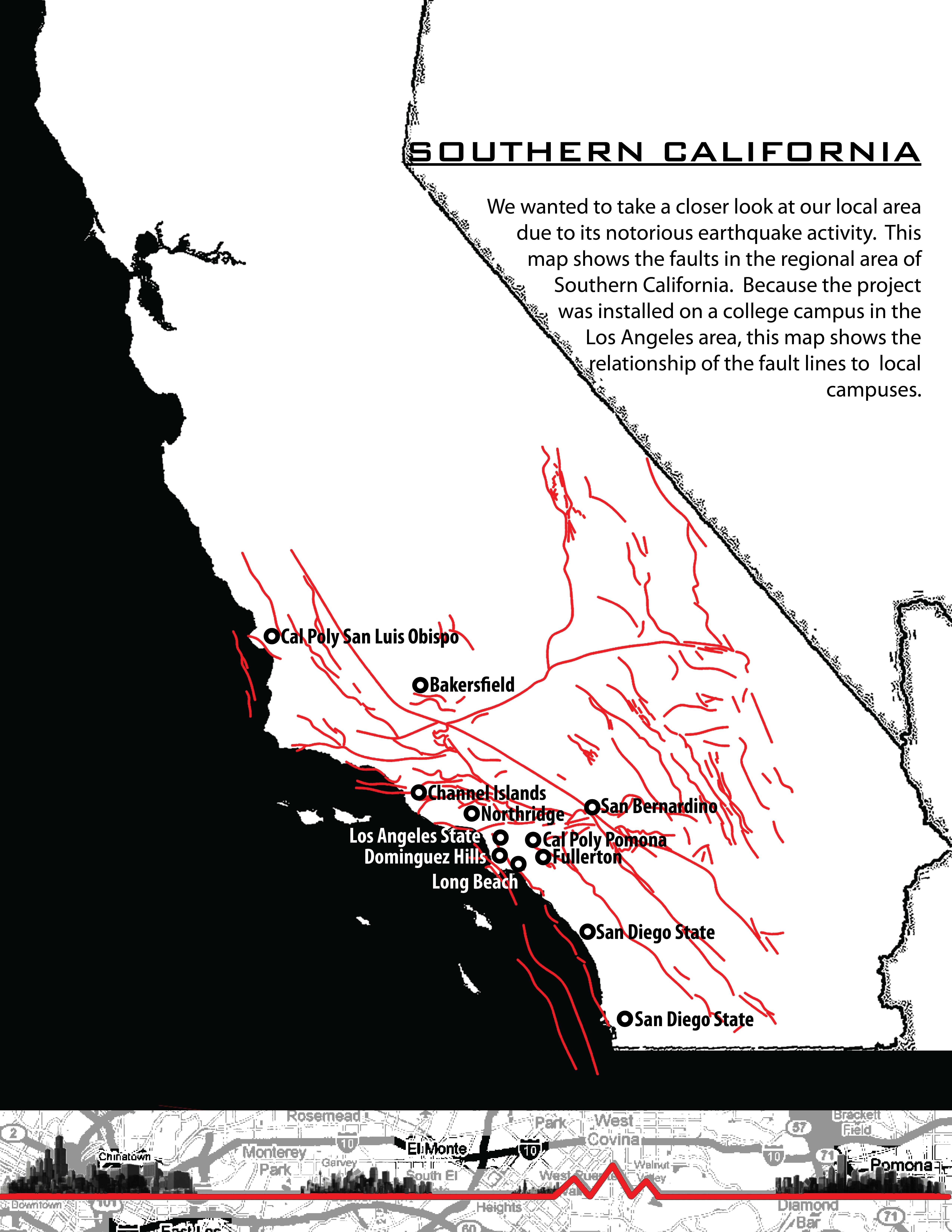
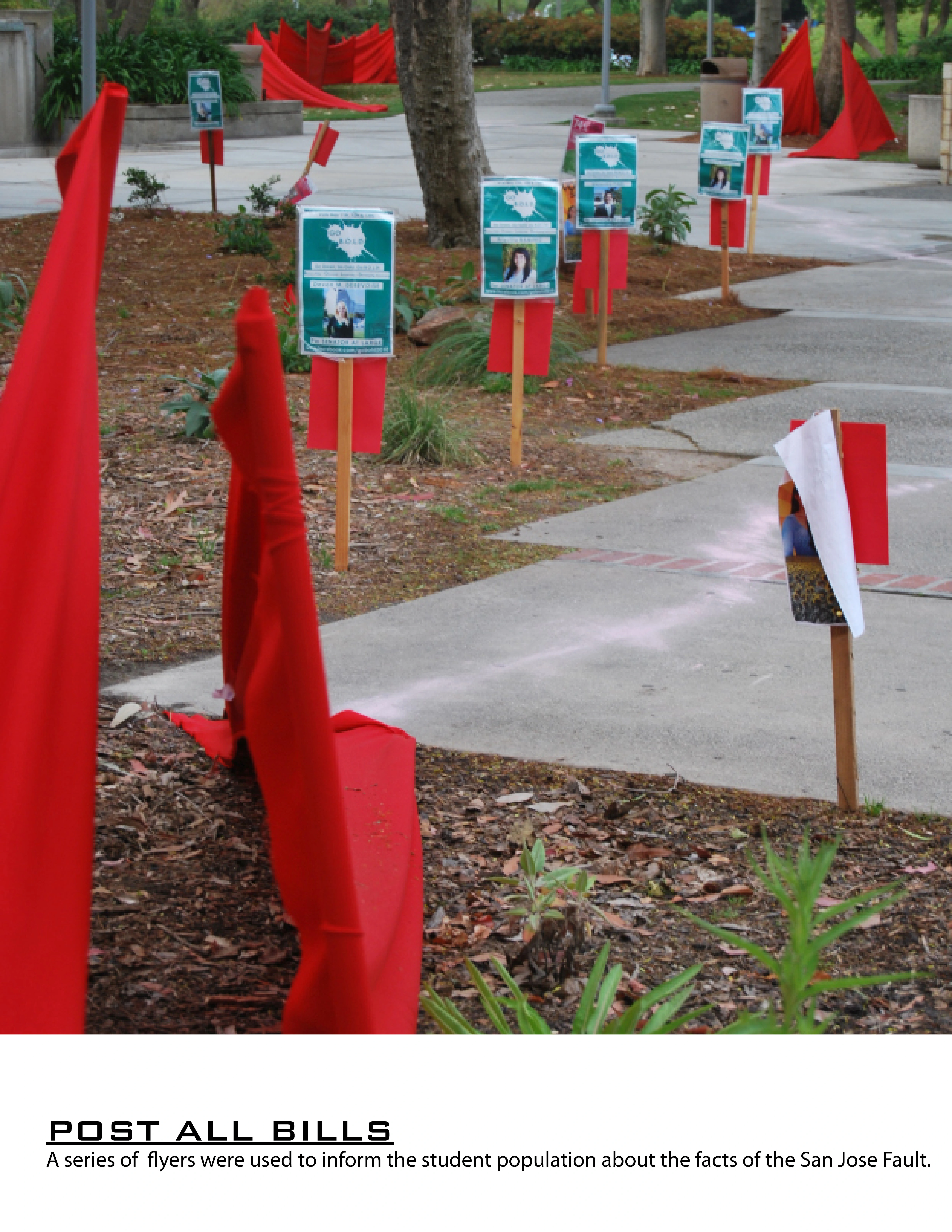
The San Jose fault line is a 12 mile fault that runs through part of Southern California and more specifically, the university that the project was focused on. The last major movement on the fault line was a 5.4 earthquake in 1990; however it has a possible magnitude of 6.5. The San Jose fault is a split fault which means that the ground moves laterally rather than vertically. The approach to this project was to bring the San Jose fault line to the surface where students could see it and interact with it. The goal was to invoke curiosity, and hopefully knew found knowledge among the majority of the universities students.
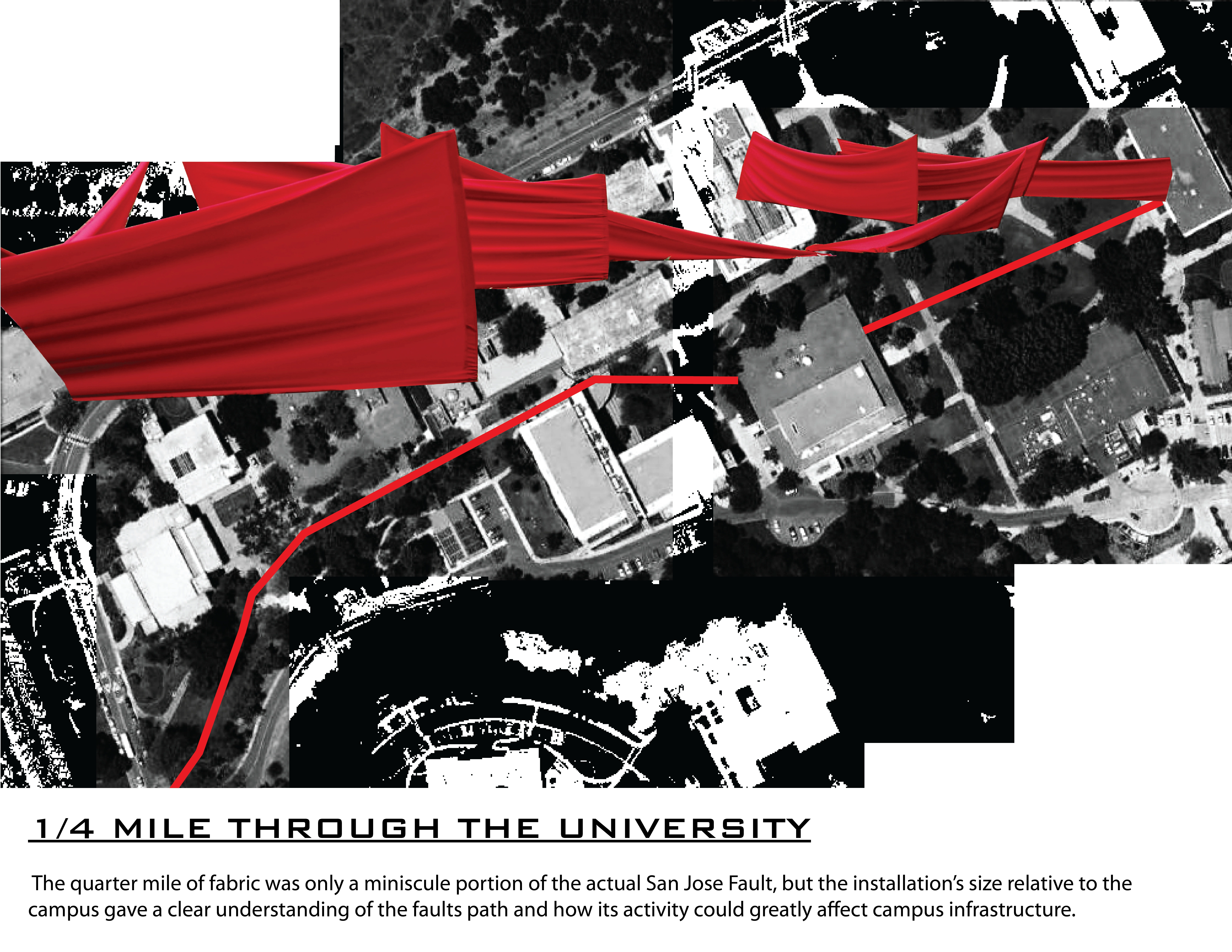
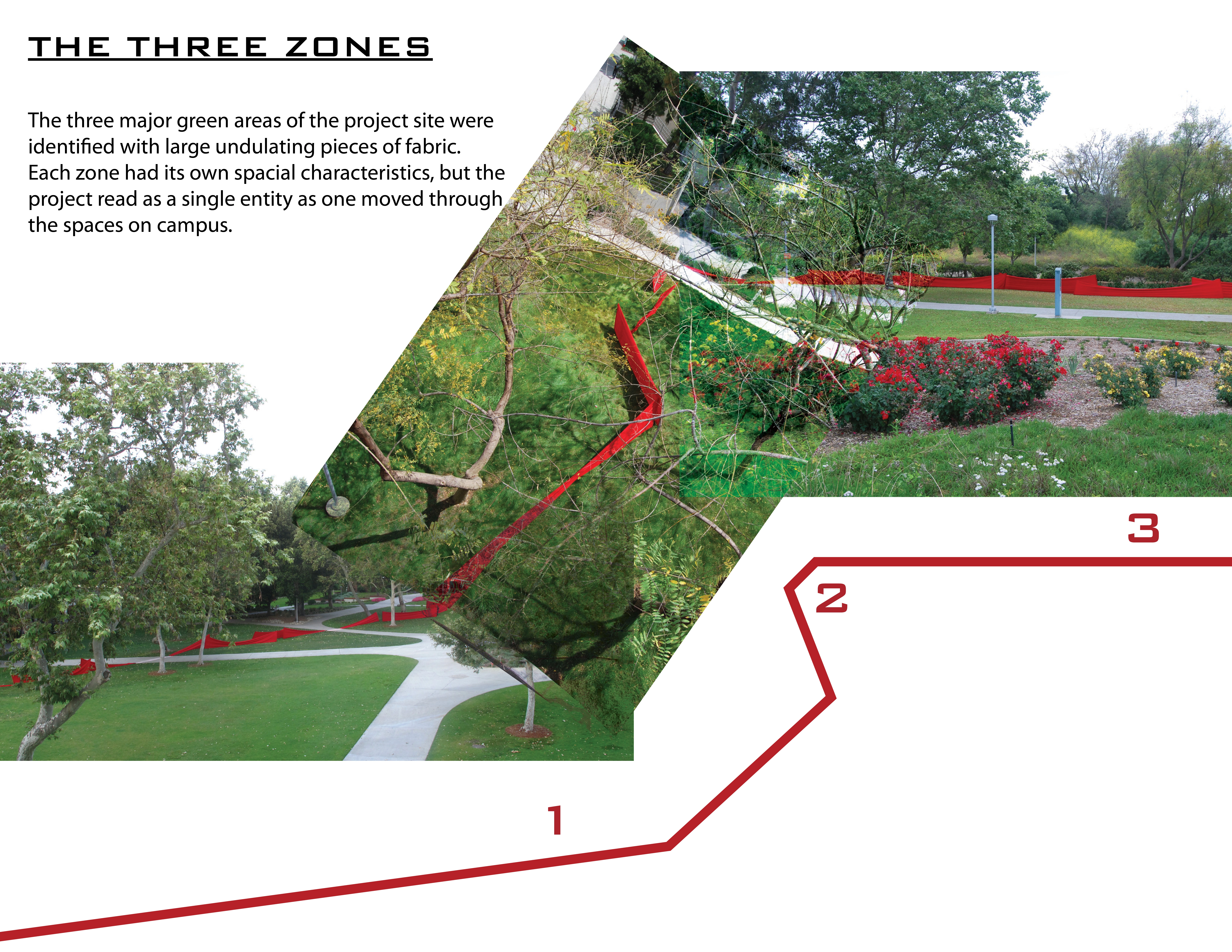
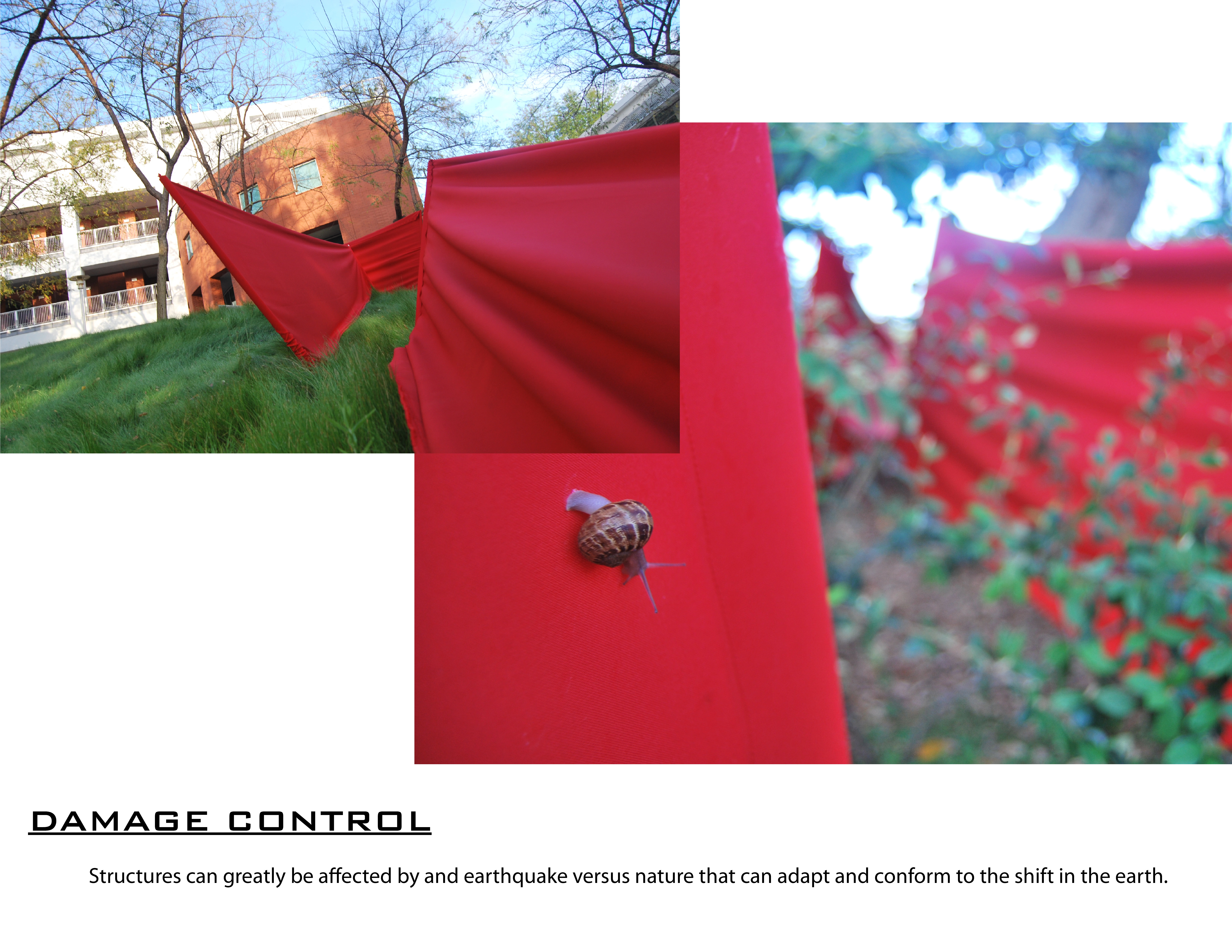
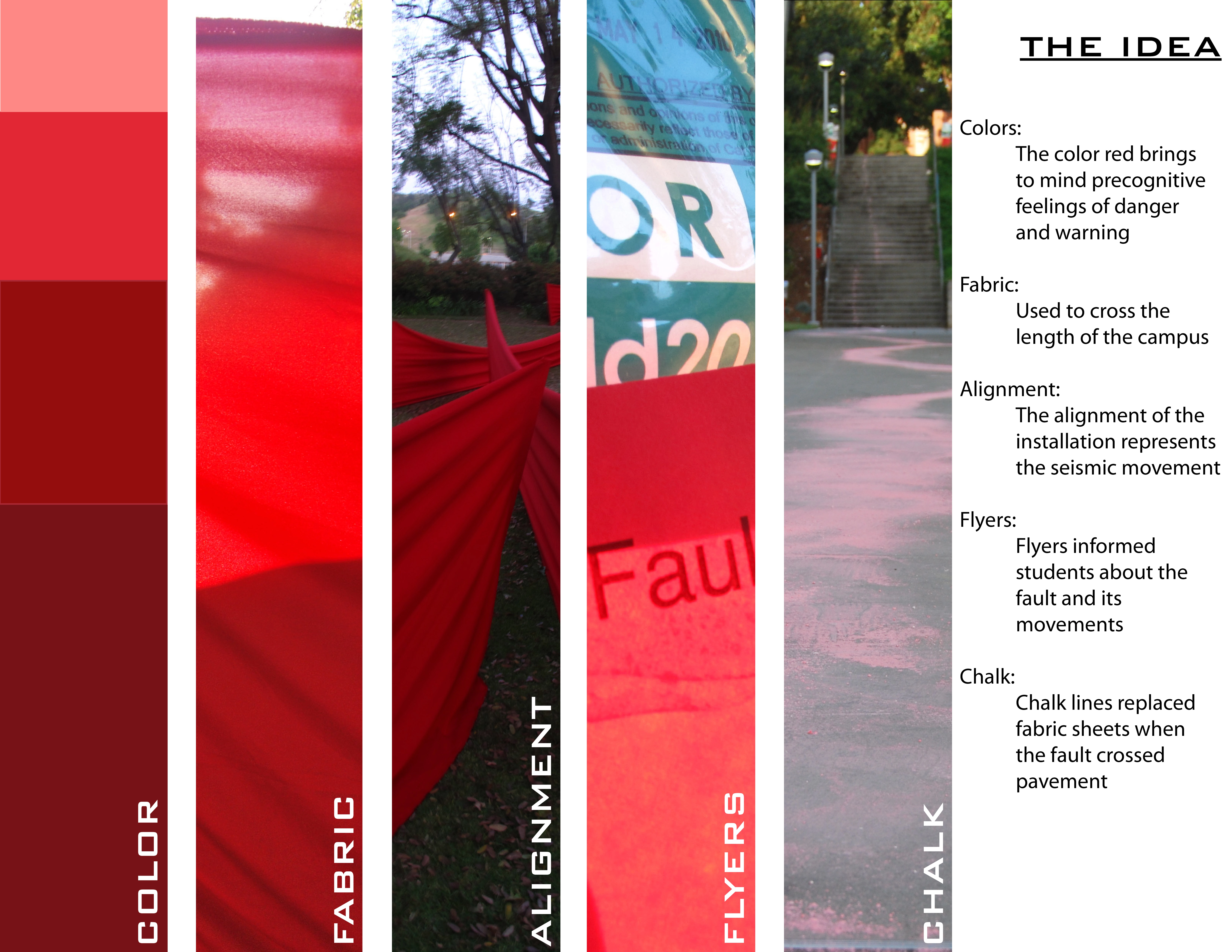
The project dealt with all the characteristics of the literal San Jose fault through artificial mimicry. The materials used throughout the project were chosen for specific purposes. PVC pipe, 300 yards of polyester fabric, and simple sidewalk chalk were the materials chosen to carry out the installation. The fabric was cut into different length sheets and sleeves were sewn at the end. The PVC was pounded into the ground and then inserted into the sleeves at the ends of the fabric sheets. The fabric was strategically positioned in an undulating manner across all of the planter and lawn areas on the campus to give the illusion of two terrestrial plates grinding together. The entirety of the fabric portion of the installation was 900 feet from beginning to end; however, when the fault crossed through pavement, it was replaced by a line of powdered chalk to provide the understanding that the fault is a continuous geological feature.
The core of this project was to inform students about the fault lines that run through the heart of their campus. Fault lines should not be forgotten; rather, they should be understood and made an integral part of urban design. After all, it is Your Fault.
-
Filming & Editing
Richard KrummInstallation Team
Ryan Honeybourne, Travis Gramberg, Jonathan Avila, Alex Casillas, Richard Krumm, Ryan Brisbin, & Coral WithsoskySewing Team
Laurie Honeybourne, Irma Avila, Samantha Avila
Advertisement
Related Awards
Honor Award, Communications
Growing Impact: Advancing Knowledge of Urban Desert Tree Care
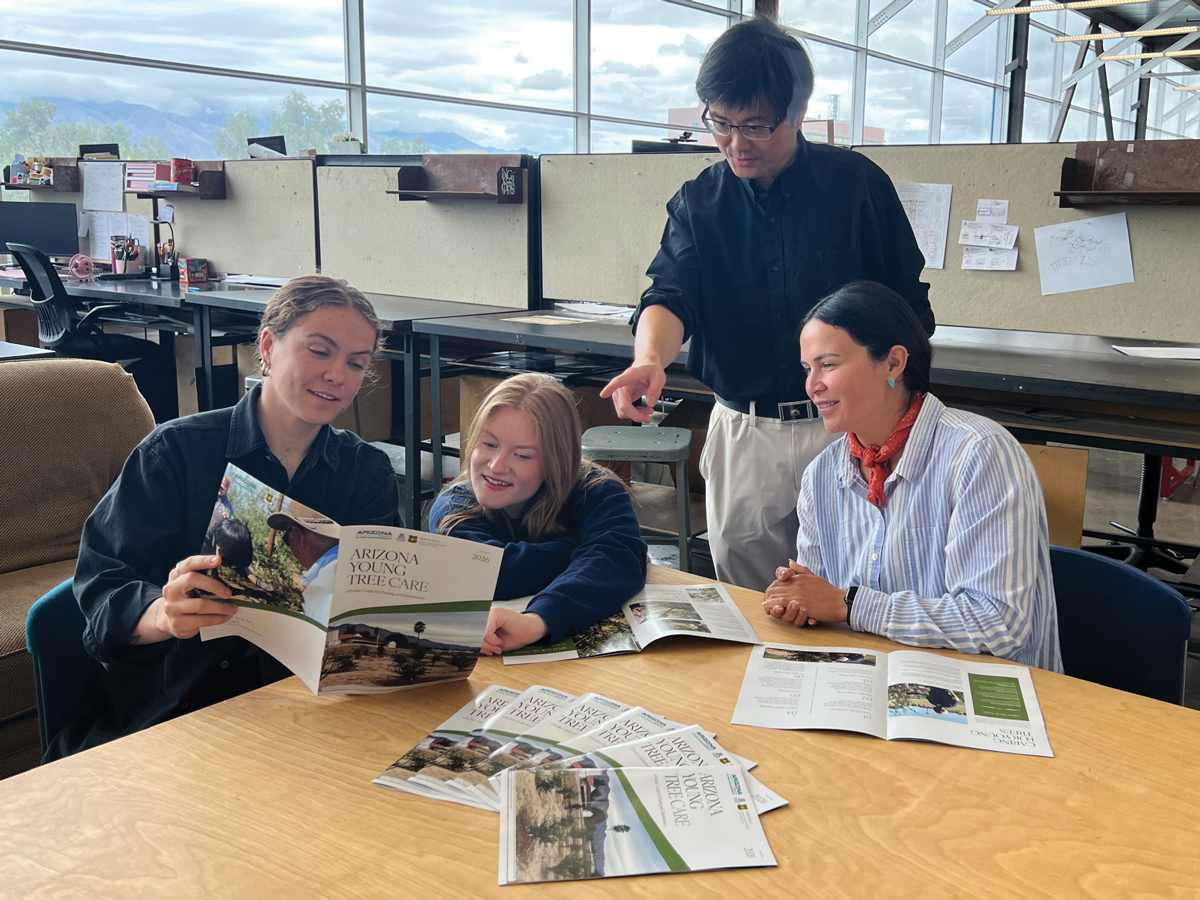
The objective of this project is to create a knowledge hub for public education and engagement on tree care and maintenance to increase urban forestry benefits in desert cities of southern Arizona. From 2023-2026, the team has engaged practitioners, government agencies, and the public through workshops, public lectures, and hands-on training on young tree care, smart watering systems, and pruning techniques.