
.webp?language=en-US)



Grid/Street/Place: Essential Elements of Sustainable Urban Districts
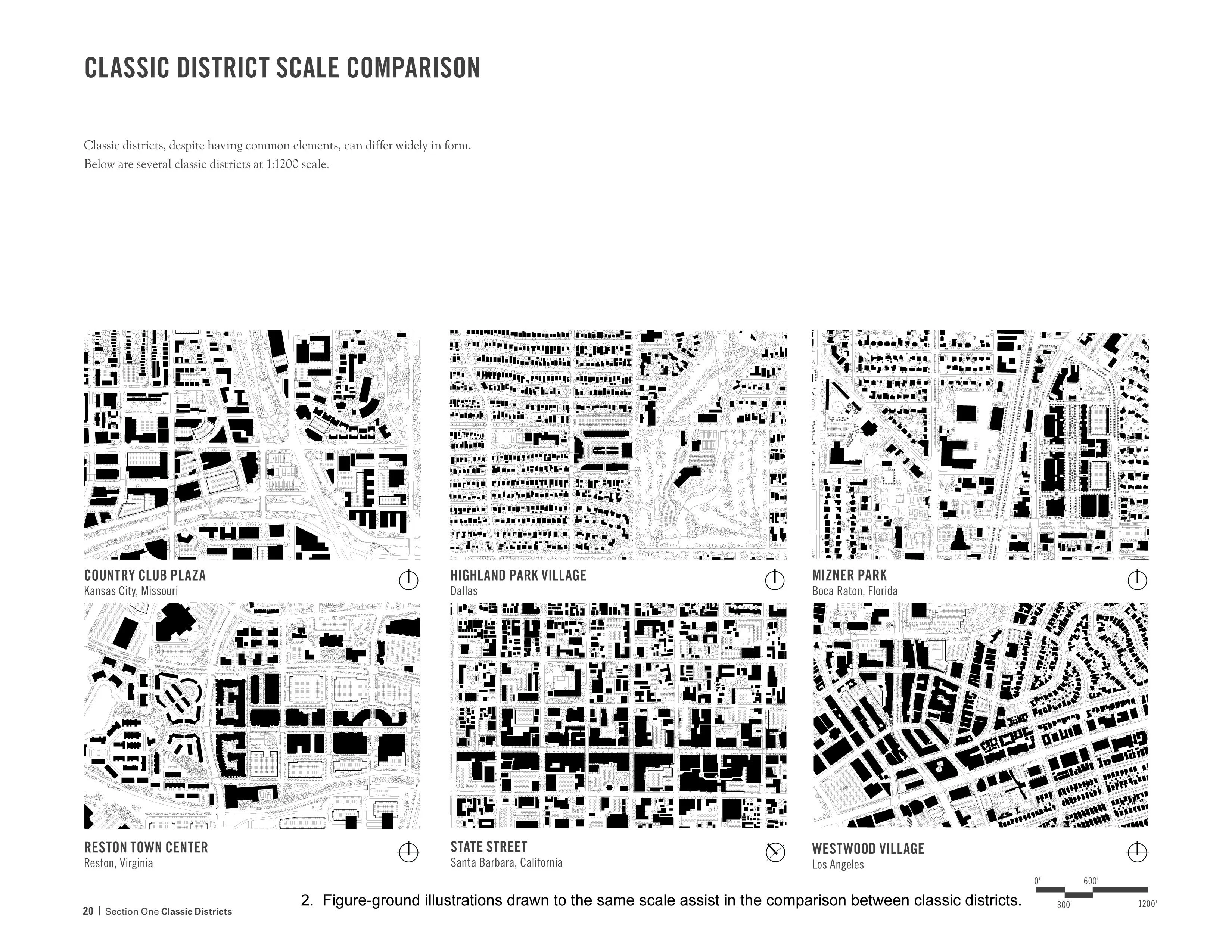
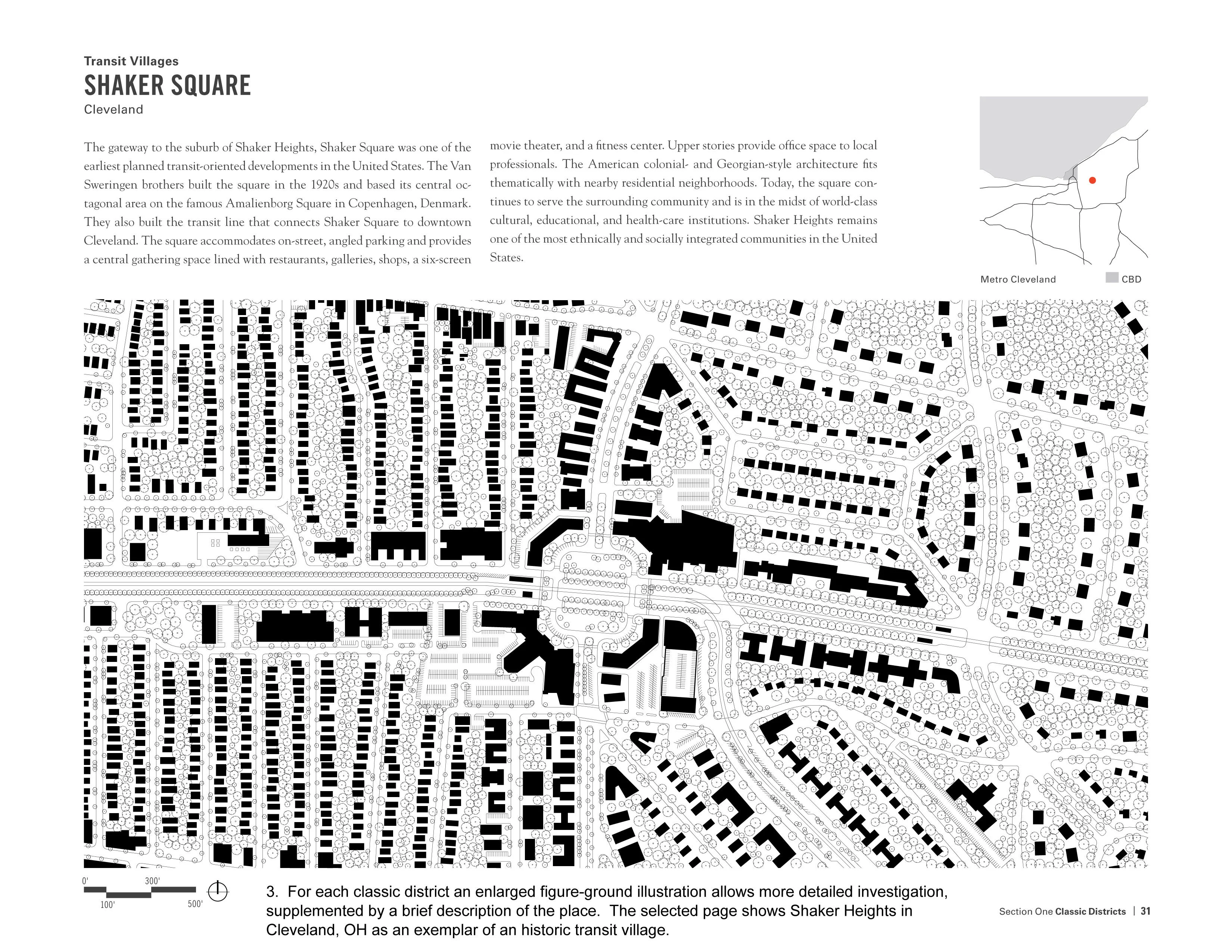
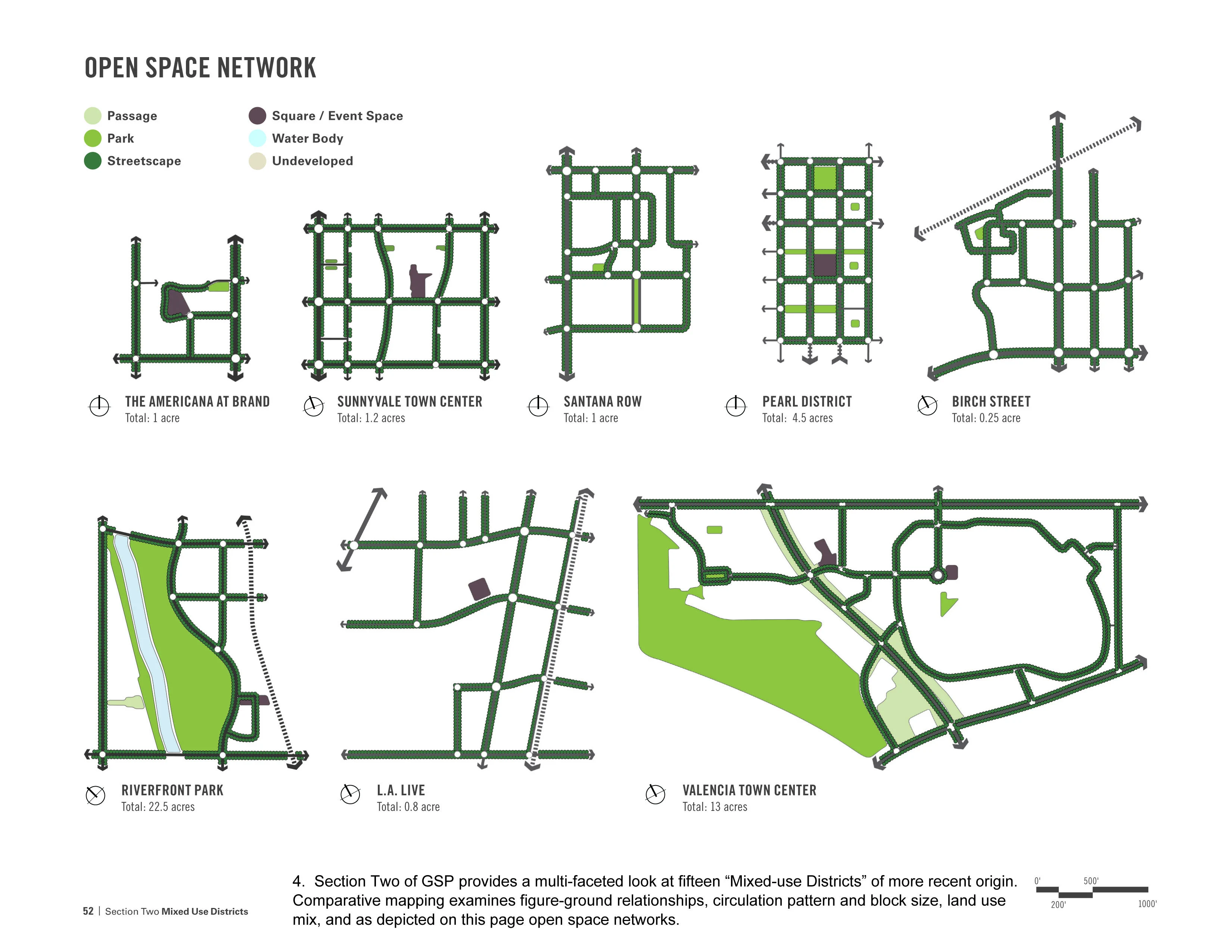
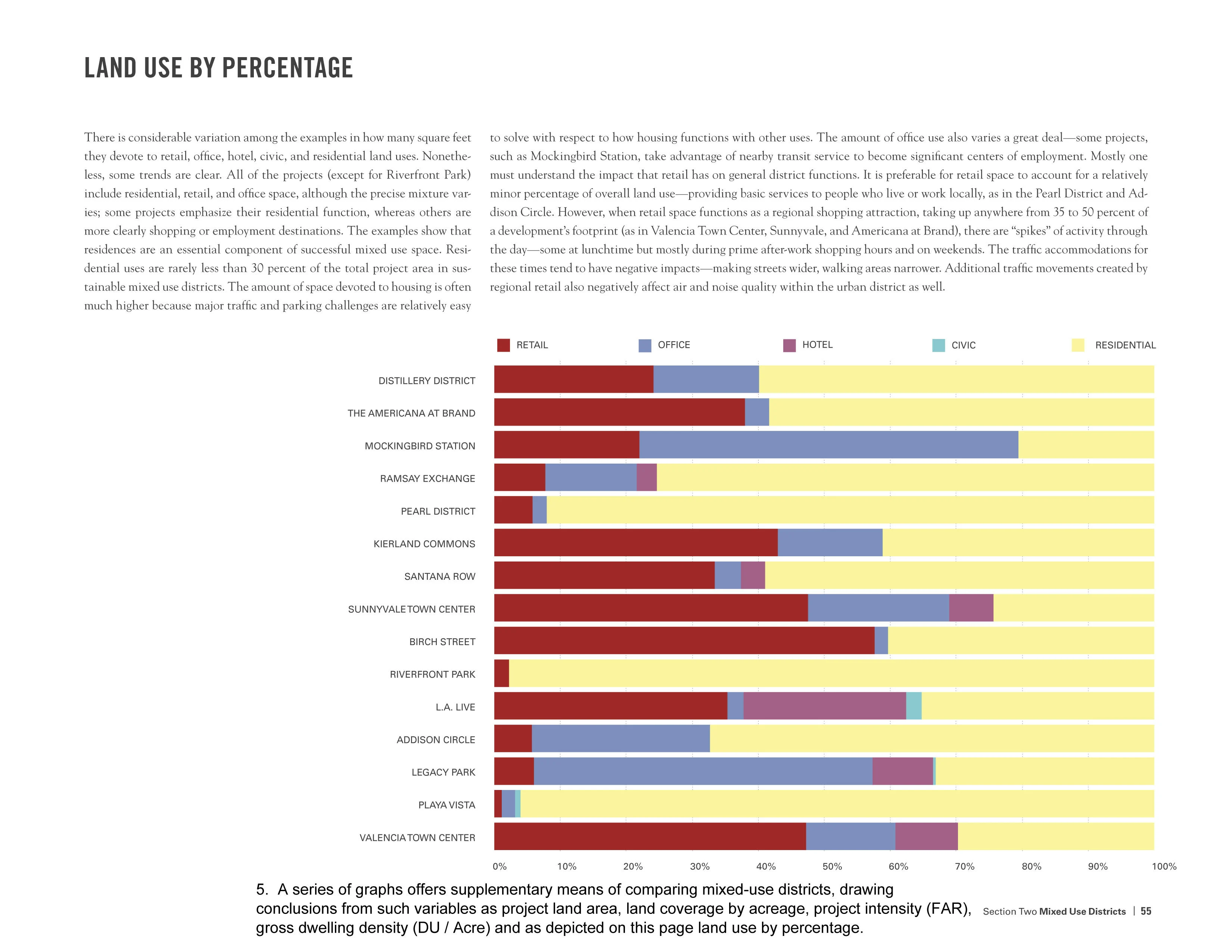
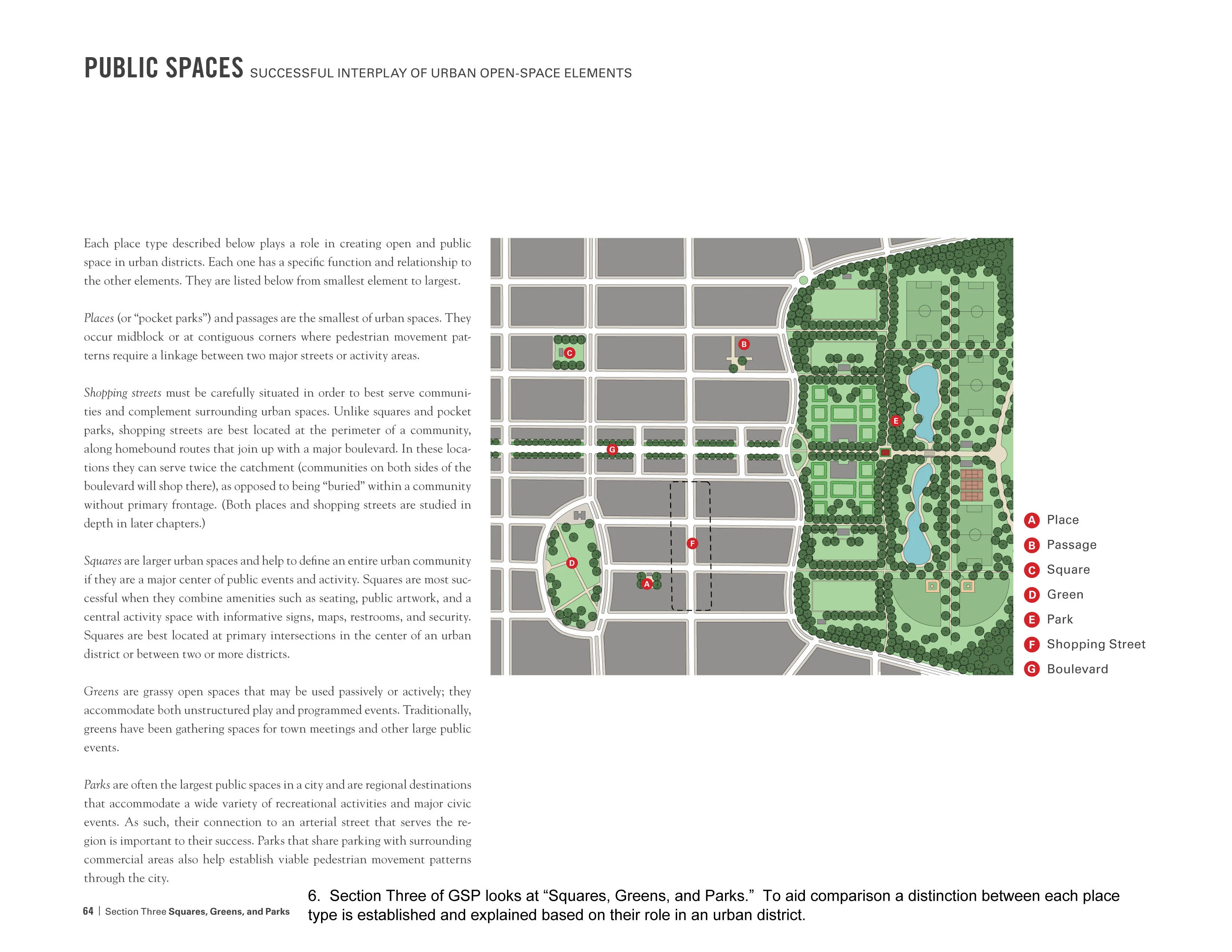
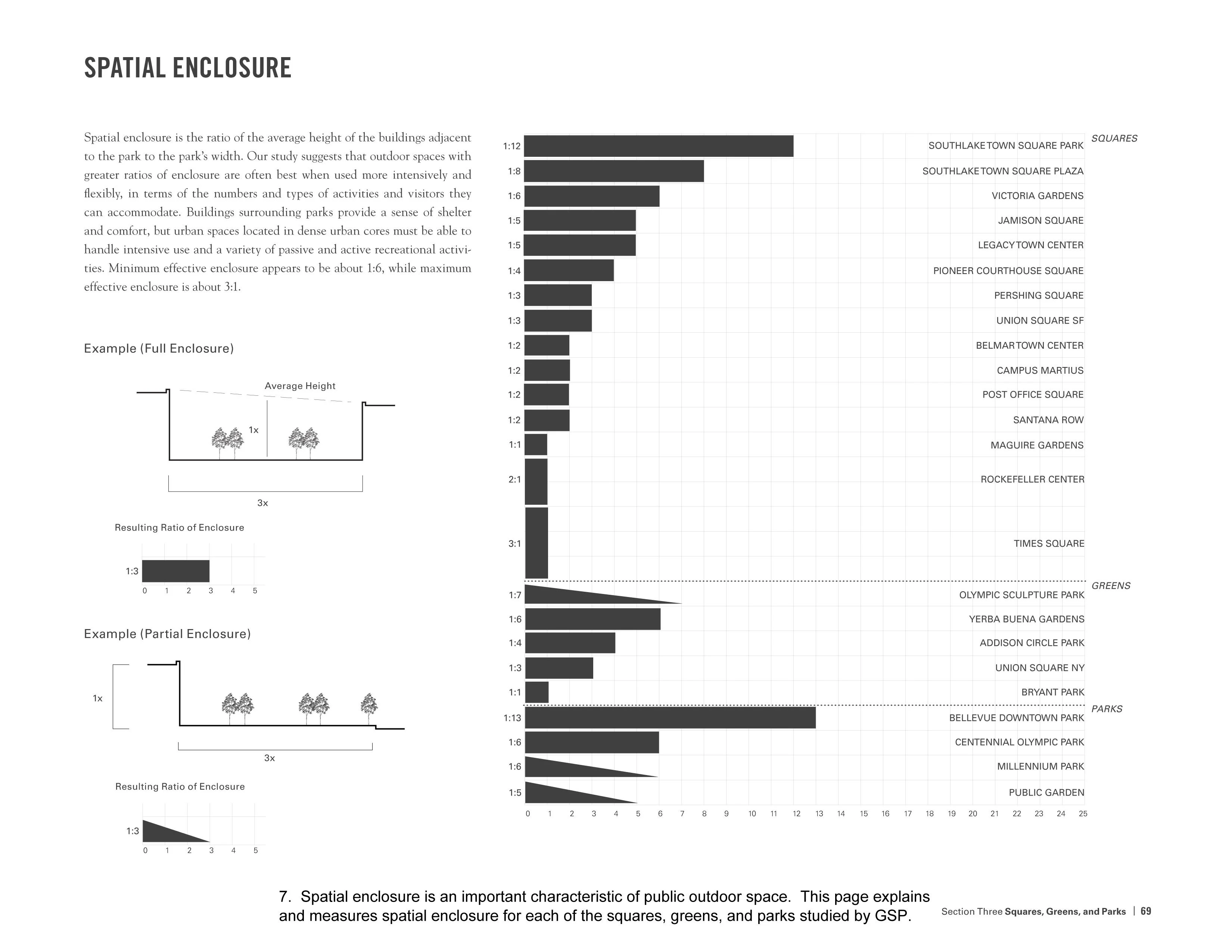
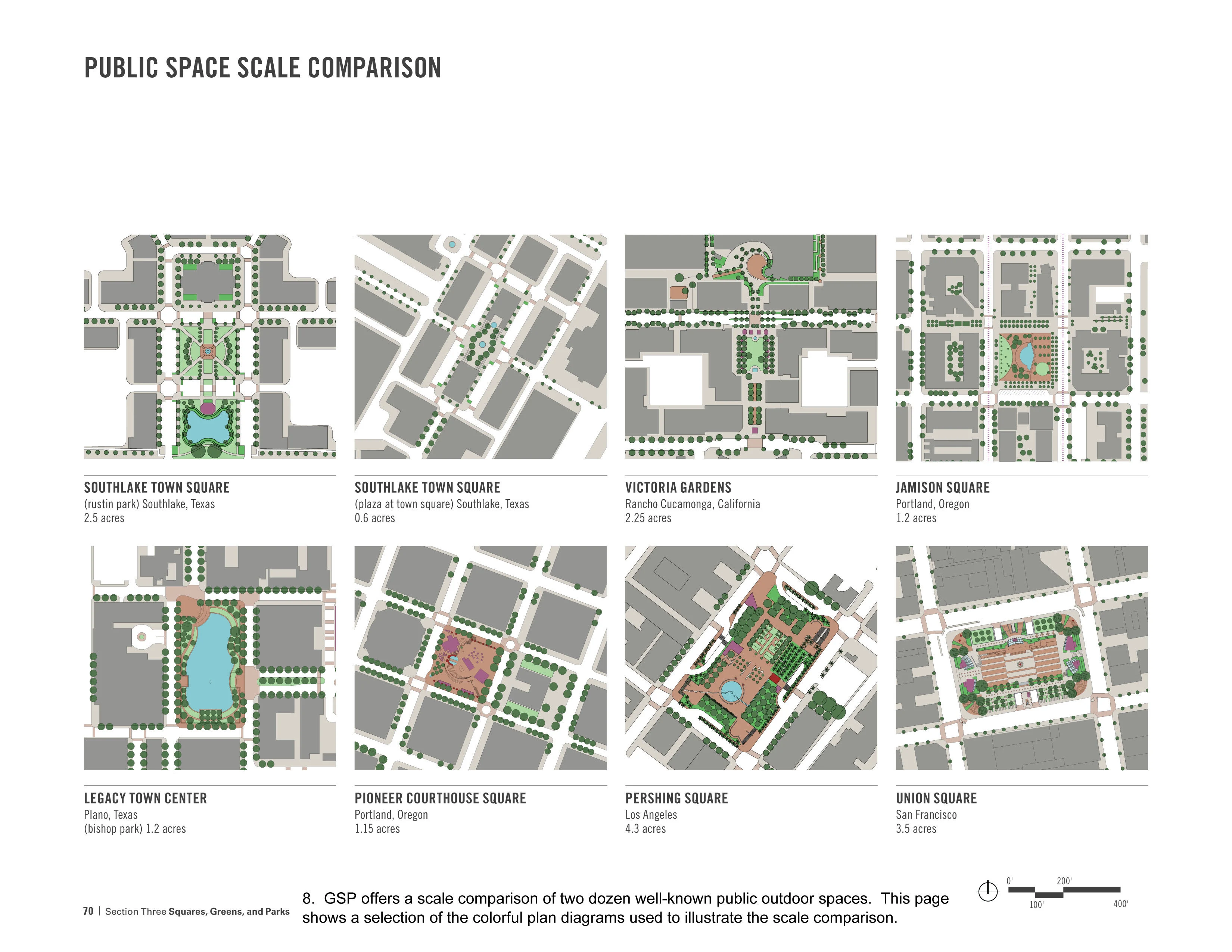
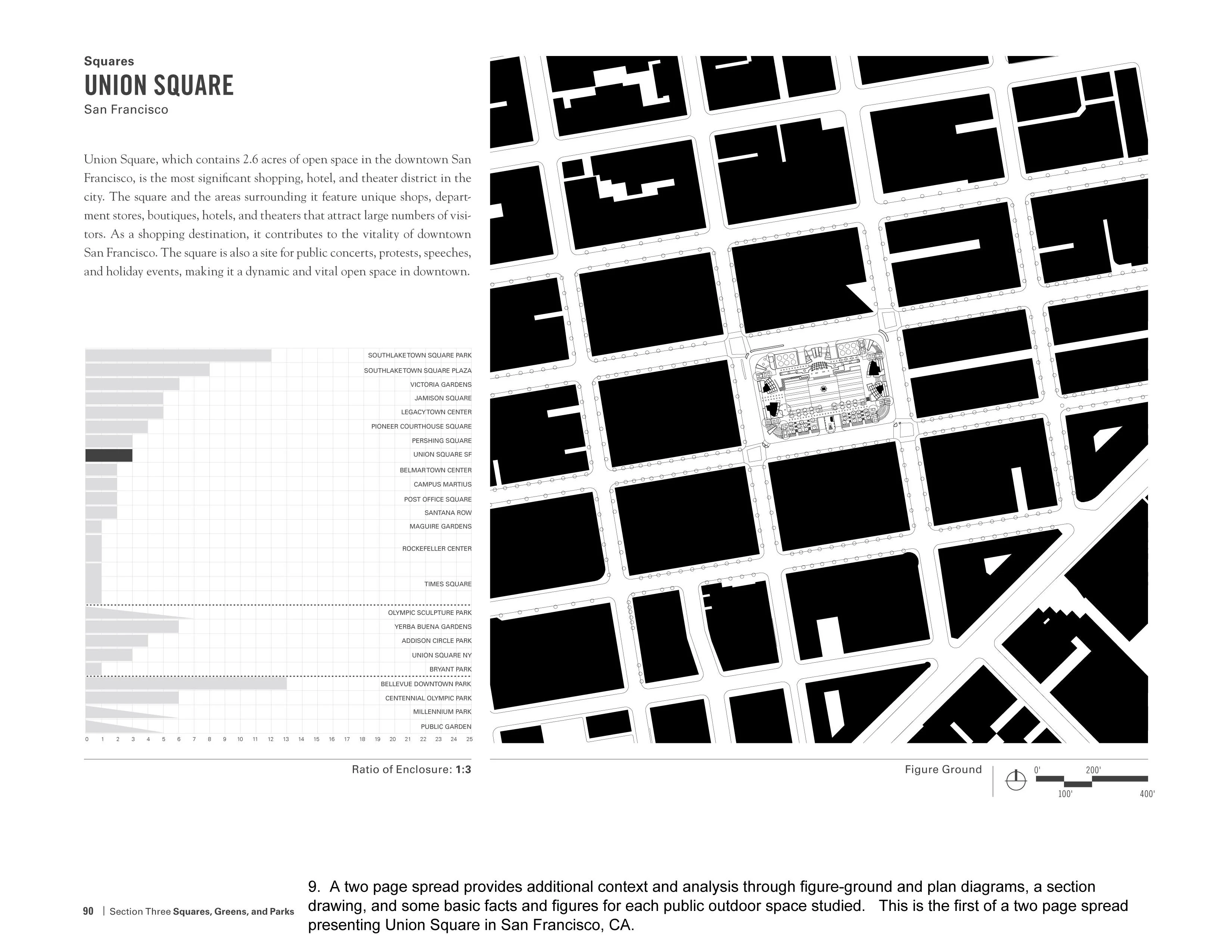
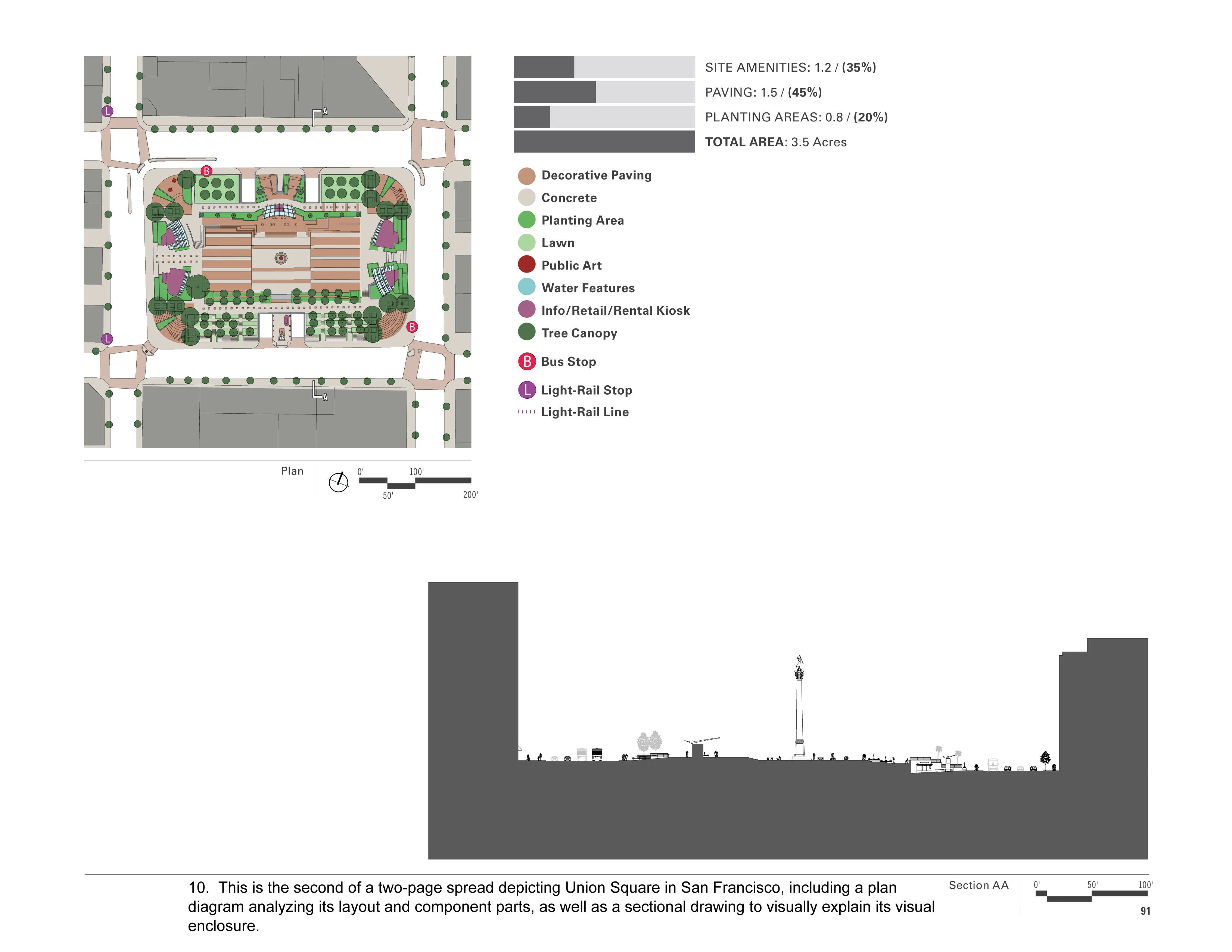
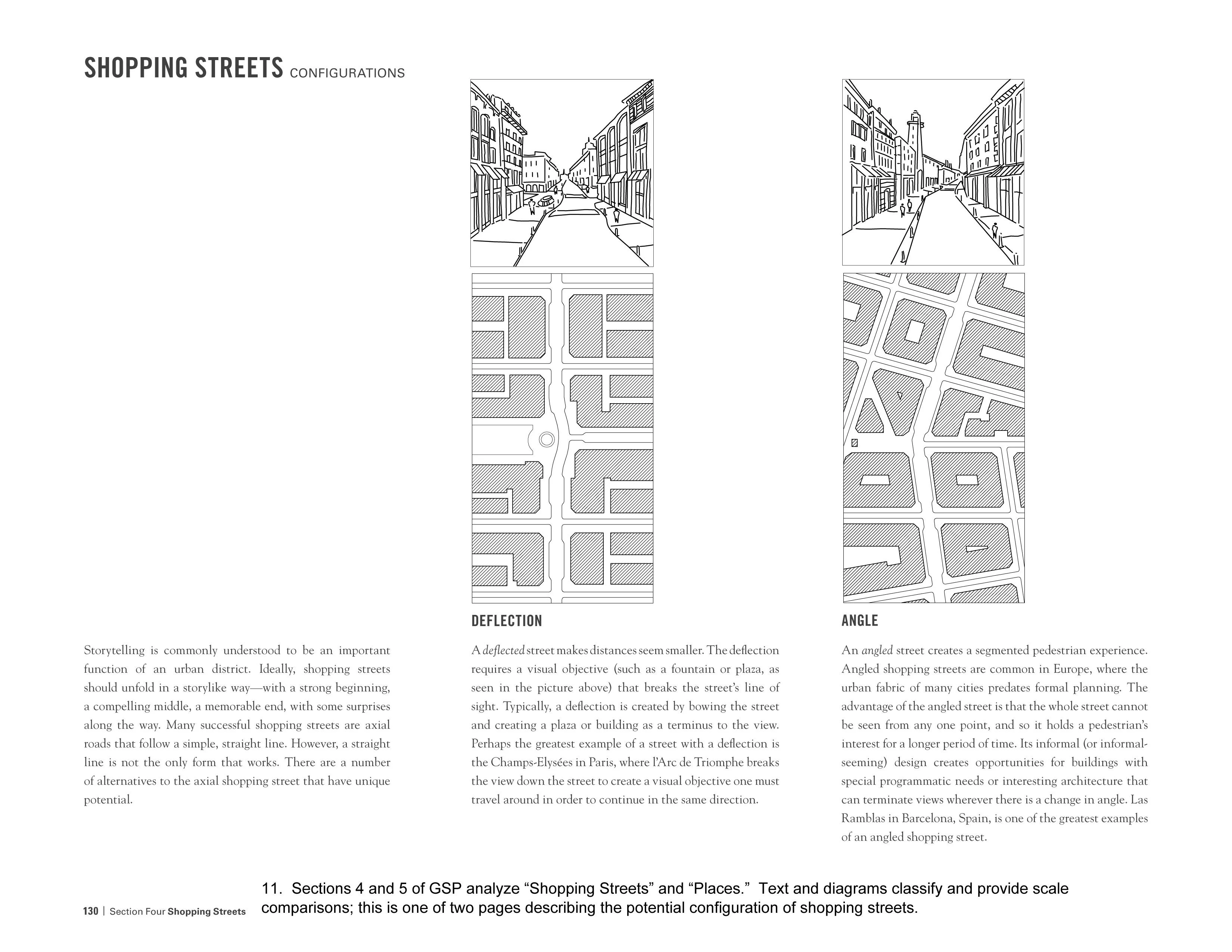
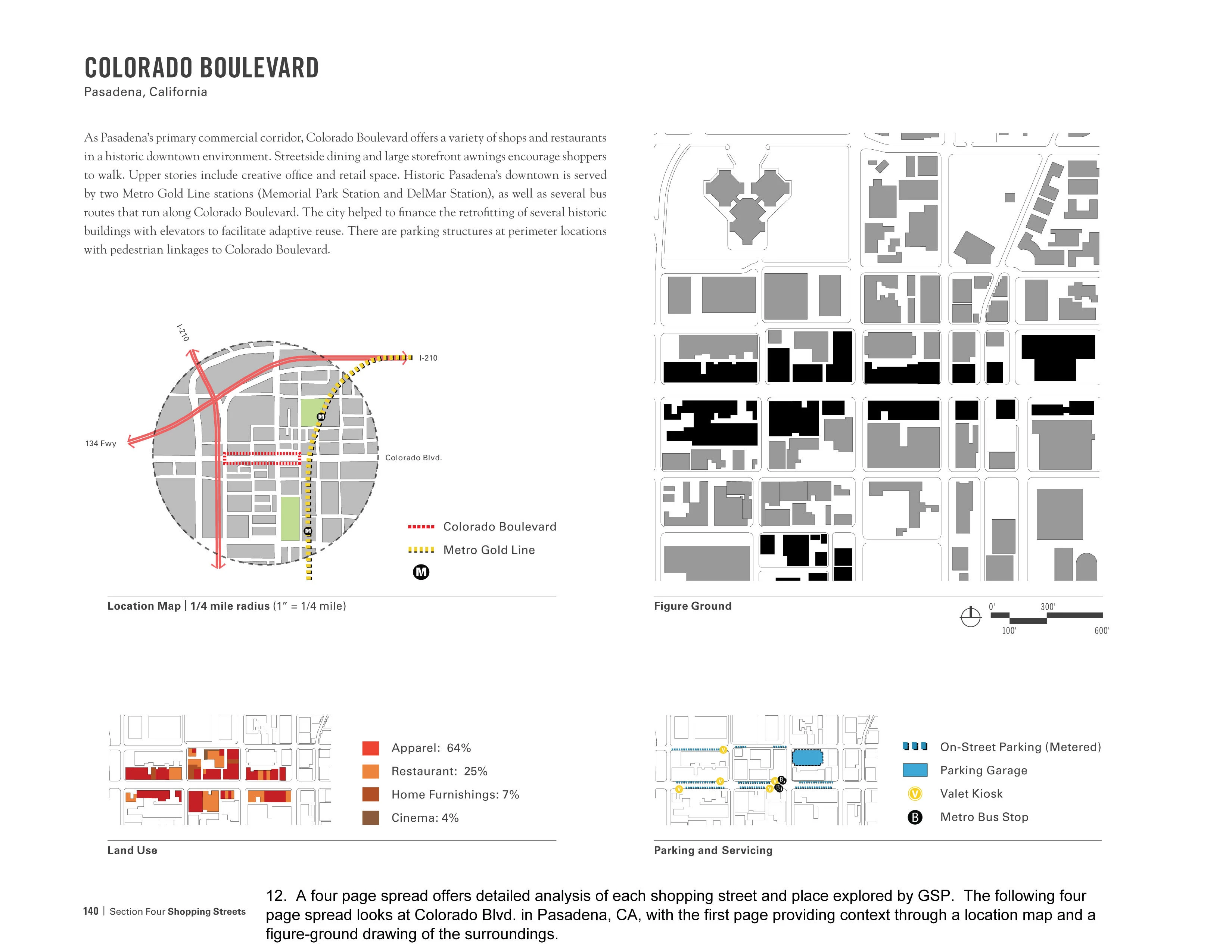
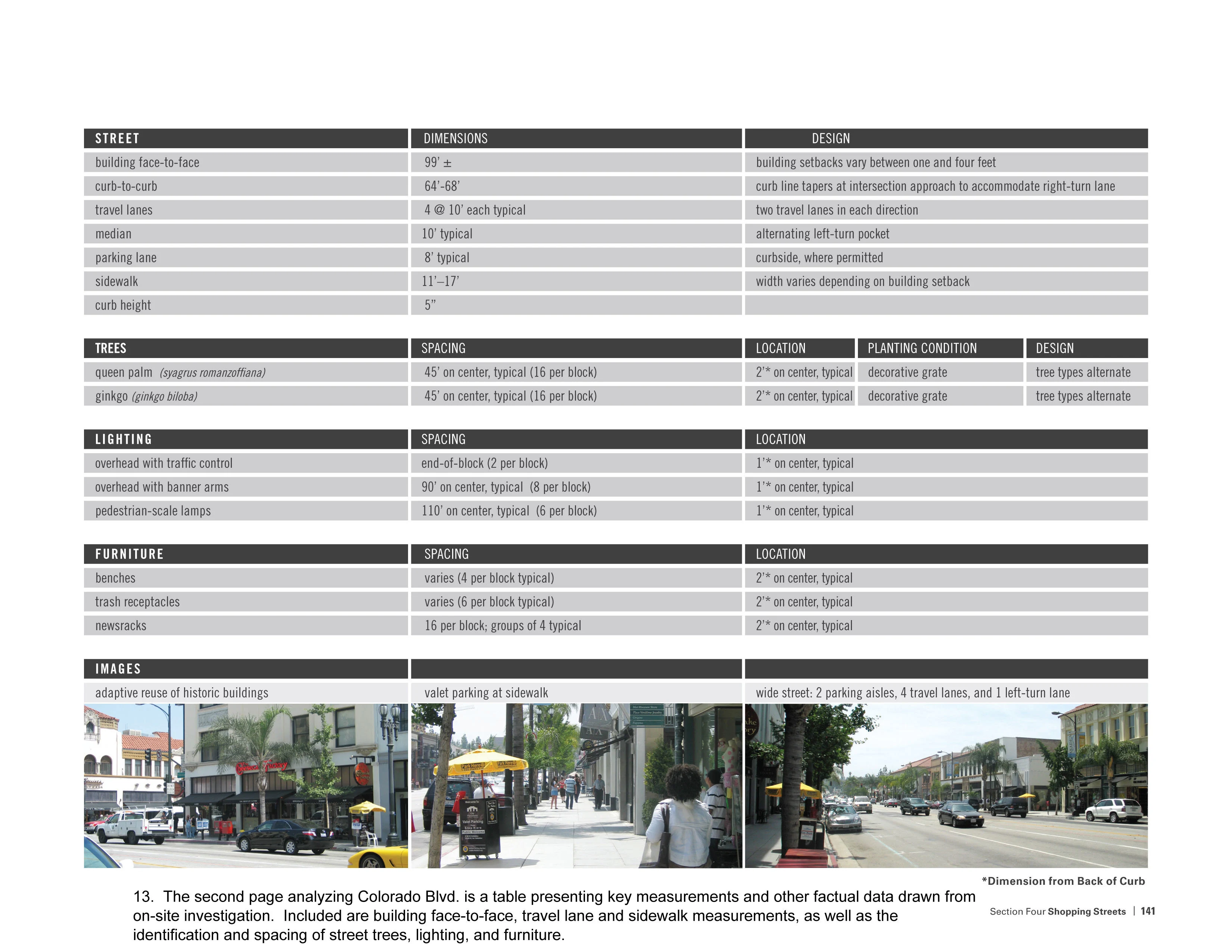
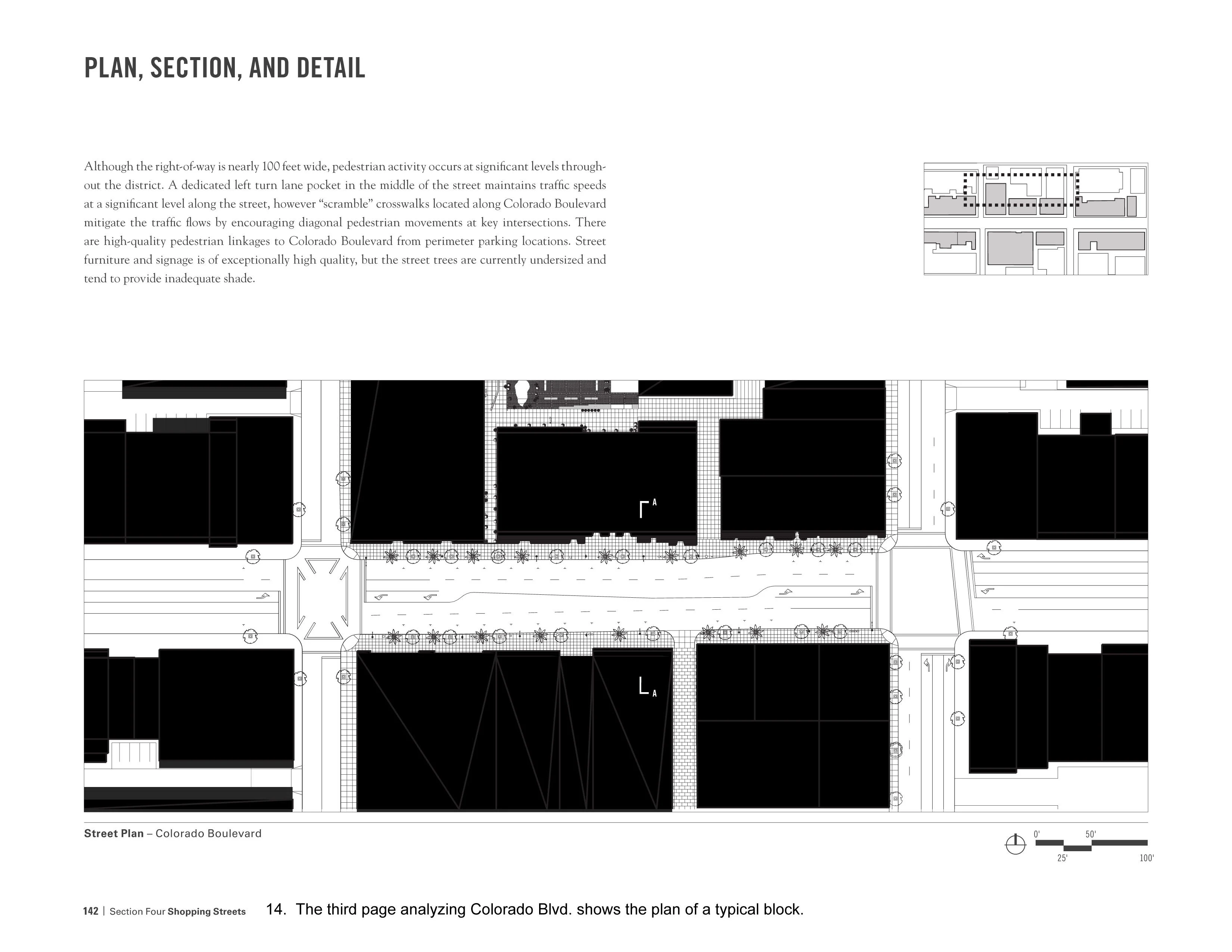
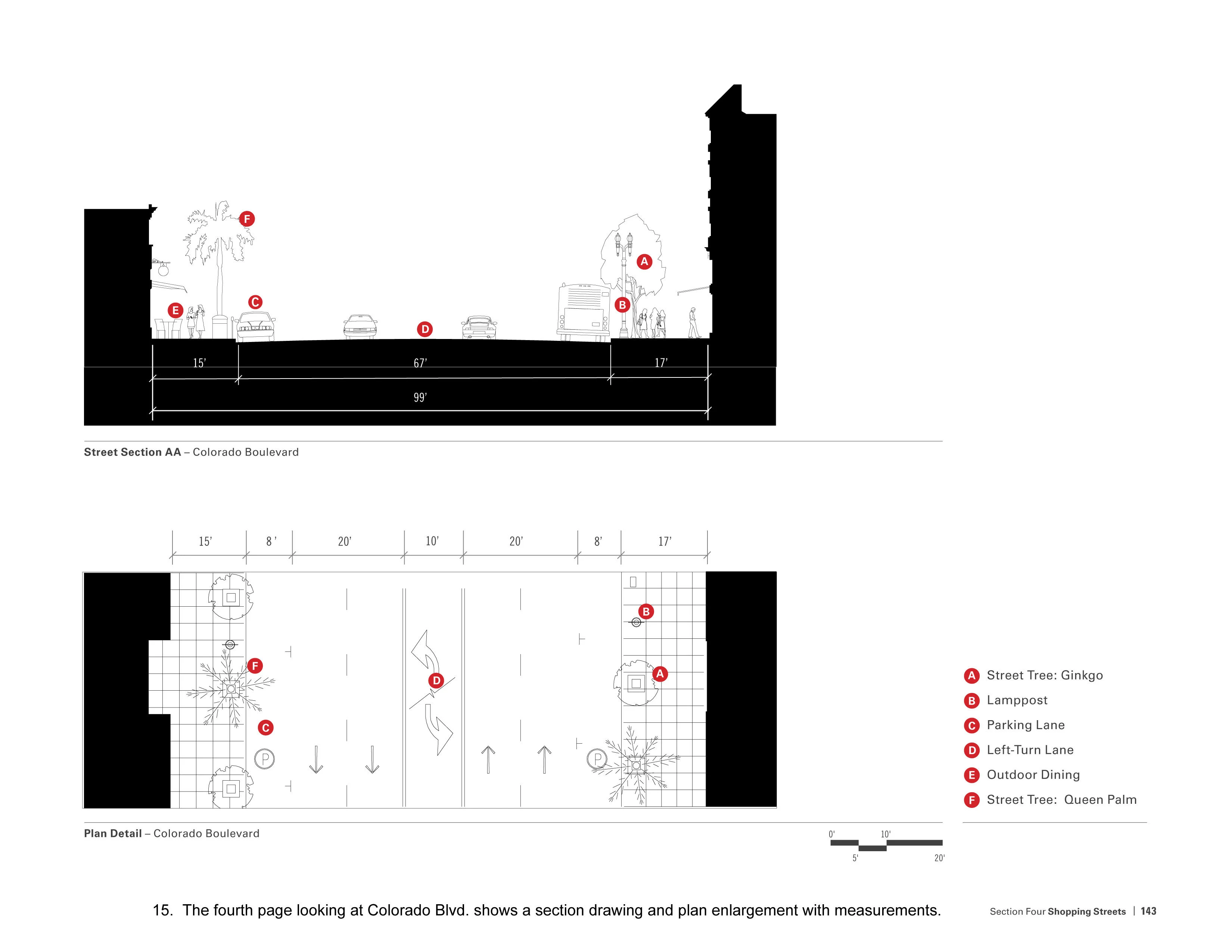
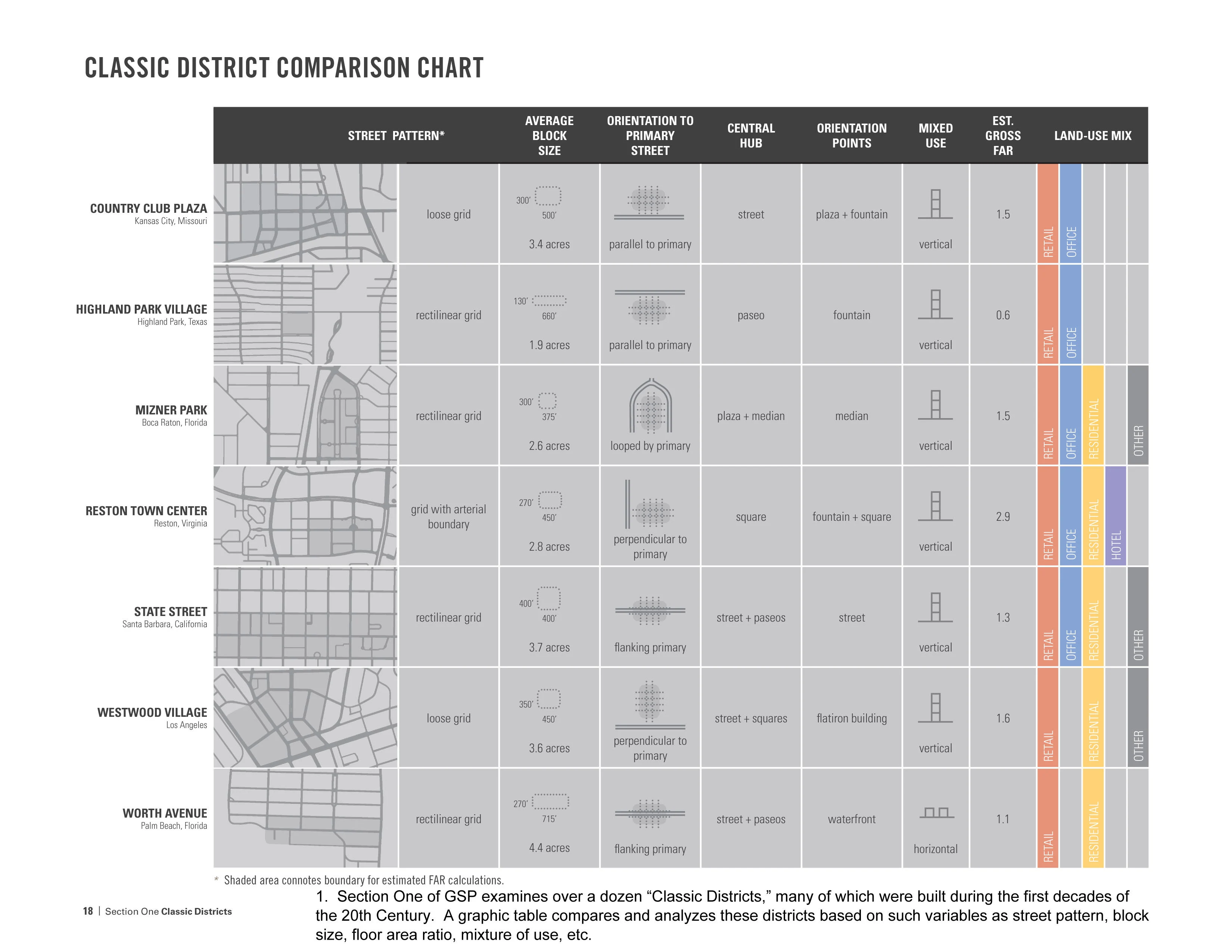
This is the type of book that we so often wish we had at hand in our office. It is simply and profoundly useful as a reference for site analysis, scale comparisons, and comparative urban models. The graphics are wonderfully consistent and unadorned, so that the key variables of urban design may be easily read and compared -- scale, pattern, form, and density. This is the type of work we all do in our offices, usually creating it from scratch with each new project analysis. This book generously compiles someone's finished diagrams into one volume, to share with others and to prevent some redundant work between offices!
Awards Jury
-
Grid/Street/Place: Essential Elements of Sustainable Urban Districts was written by our group of multidisciplinary practitioners (landscape architects, architects, planners) who see research as integral to our work. We set out to more fully understand the elements that make places successful, and began with walking, measuring, and drawing some of the most popular gathering spots in and around our hometown of Los Angeles. In time, we expanded our study to include noteworthy built environments from across North America. Eventually, we came to see the value in sharing our findings, with the results published by APA Planners Press in October 2009.
-
Purpose
How can we evaluate growth and change in the urban environment? How can we use these evaluations to create a more intelligently conceived, more sustainable, and more livable city of the future? These are especially pertinent questions in light of current discourse on smart growth. Working toward answering these questions, the book examines different scales and aspects of urbanism throughout North America, grouped under five chapters as follows: 1) classic districts; 2) mixed-use districts; 3) squares, green, and parks; 4) shopping streets; and 5) places. Numerous maps, diagrams, and charts allow us to assess differences and commonalities. Based on our research, findings are presented that we believe are the essential elements of sustainable urbanism.
Audience
We describe Grid/Street/Place as our "playbook." It compiles the information we now use to begin a conversation with a client and stakeholders about what a project could or should be. By gathering a range of notable projects and analyzing them in a variety of ways, we begin to understand what makes them functionally and aesthetically successful, why they are so memorable, and perhaps most important, why many have withstood the test of time. By sharing this reference material, we are looking to provide an invaluable resource for practitioners, developers, policy makers, students and others with the vested interest in the design, development and well-being of our communities. We also hope this book sparks discussion about its conclusions and encourages further conversation about the critical ingredients of sustainable urbanism.
Message
We believe that the projects explored in Grid/Street/Place reinforce the significance of community building as a core objective of development. Additionally, they present a broader vision of sustainability—one that goes beyond green roofs and recycled materials to look at how successful places adapt and evolve over time. The examples in the book are generally the ones most often referenced by planners and designers in our North American focused practice. They are valuable for detailed study because they are so well known by the industry, being perceived as readily reproducible market-driven examples. They are a reflection of contemporary practice as much as they are a reflection of successful planning and design.
Impact and Effectiveness
Grid/Street/Place is a unique approach to understanding urban design through empirical research. It examines more than 100 successful projects throughout North America to identify differences and commonalities, and as a result, proposes universal elements that characterize sustainable urban districts. We believe that it will become a standard reference book for planners and designers. Prof. Emily Talen described the merits of the book in this way, "Here are the DNA sequences of successful urban places."
Distribution Method & Circulation
Grid/Street/Place: Essential Elements of Sustainable Urban Districts was published by APA Planners Press in October 2009. The initial print run included 2,500 copies and was made available through APA's online bookstore, as well as Amazon.com.
-
Author
Nathan Cherry
with Kurt Nagle, ASLAPublisher
American Planning Association Planners PressContributors
Alice Ockleshaw, Alyce Sparkman, Cody Clark, Crissy Zhou, Dave Kermode, Jenny Zhou, Johan Roa, Katie Sprague, Kelly Farrell, Nasim Yalpani, Nick Gotthardt, Orlando Sanabria, Ricardo Cervantes, Rocio Vidal, Seetha Raghupathy, Steve Knudsen, Thom McKay, Victoria Mendez
Advertisement
Related Awards
Honor Award, Communications
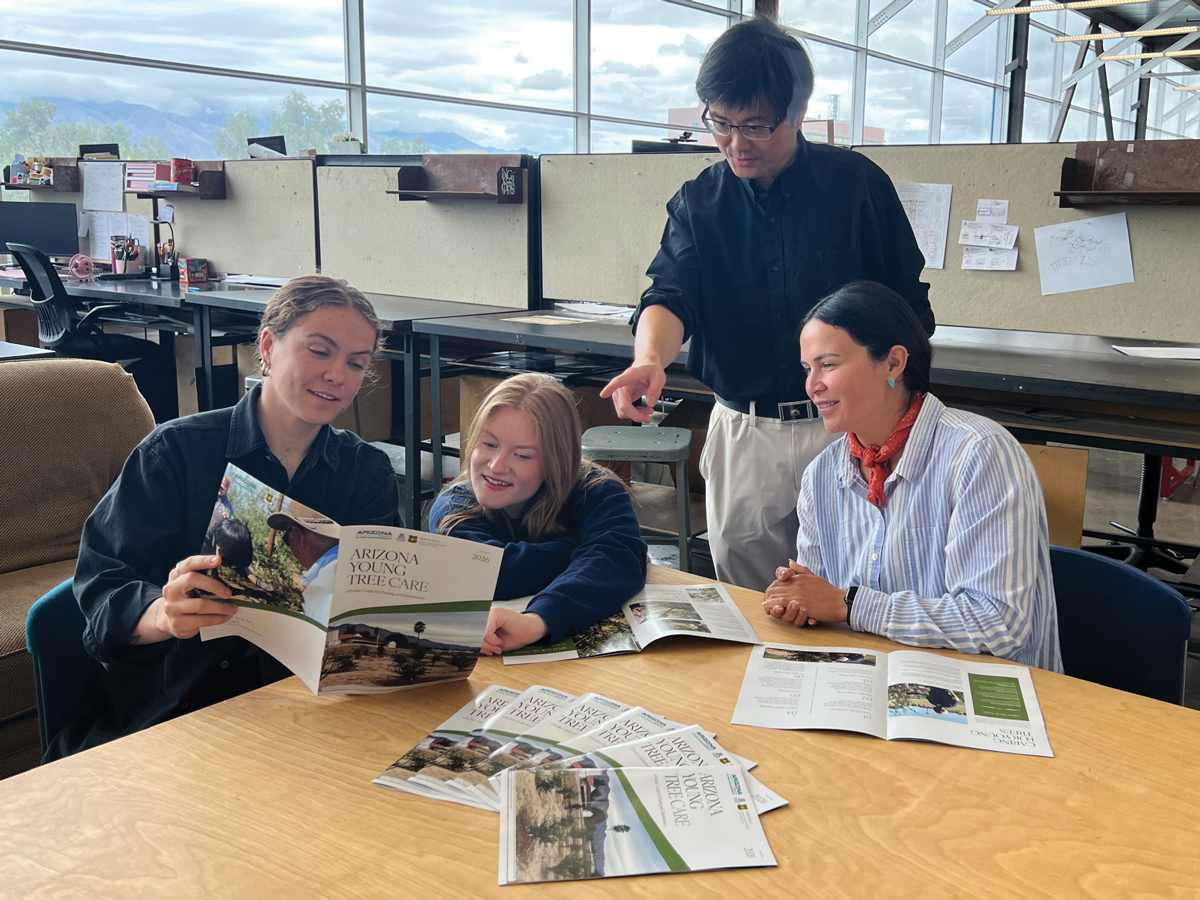
Growing Impact: Advancing Knowledge of Urban Desert Tree Care
The objective of this project is to create a knowledge hub for public education and engagement on tree care and maintenance to increase urban forestry benefits in desert cities of southern Arizona. From 2023-2026, the team has engaged practitioners, government agencies, and the public through workshops, public lectures, and hands-on training on young tree care, smart watering systems, and pruning techniques.