
.webp?language=en-US)

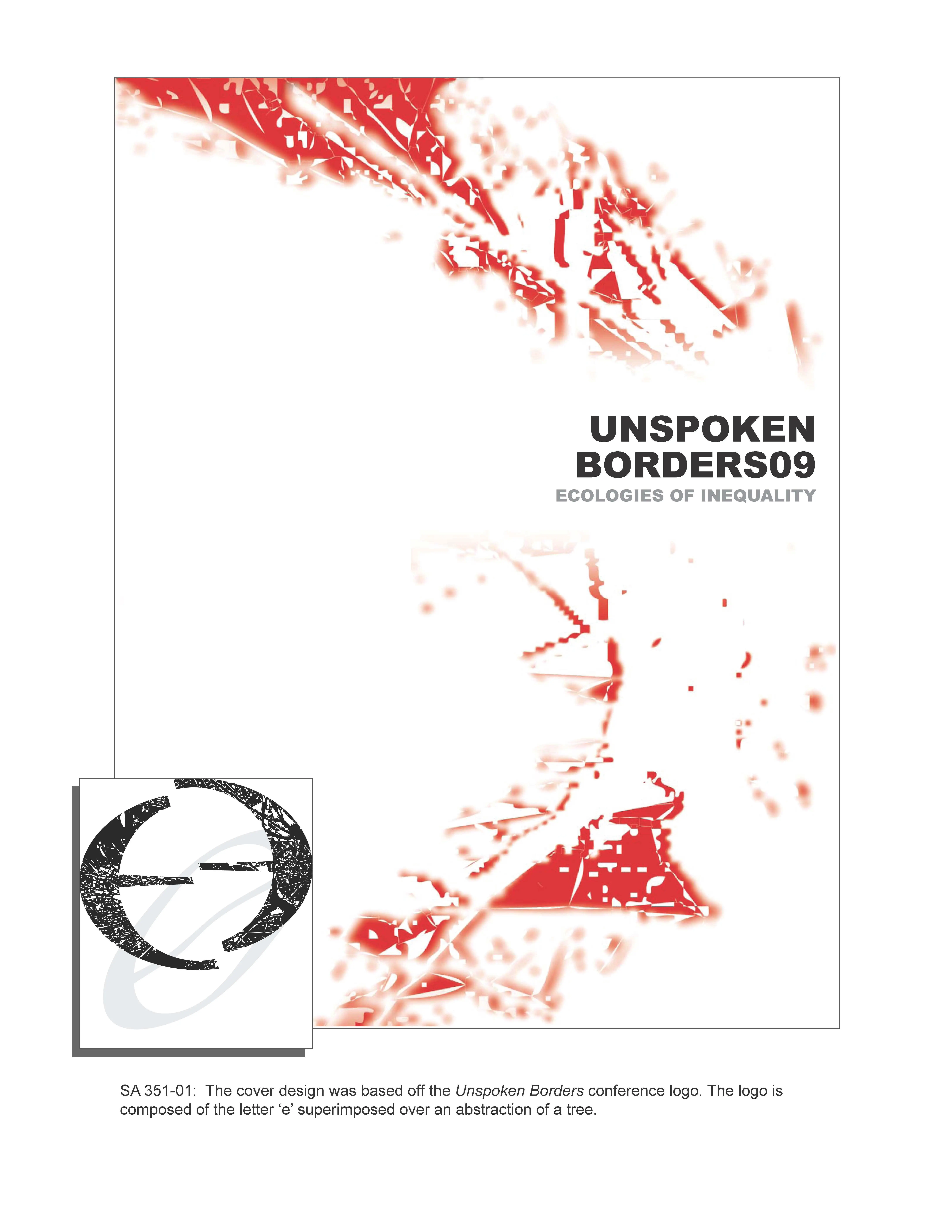
Unspoken Borders 2009: Ecologies of Inequality
Michelle Lin, Student ASLA; Matthew Soule, Student ASLA; Janelle Johnson, Student ASLA; Thabo Lenneiye Student ASLA
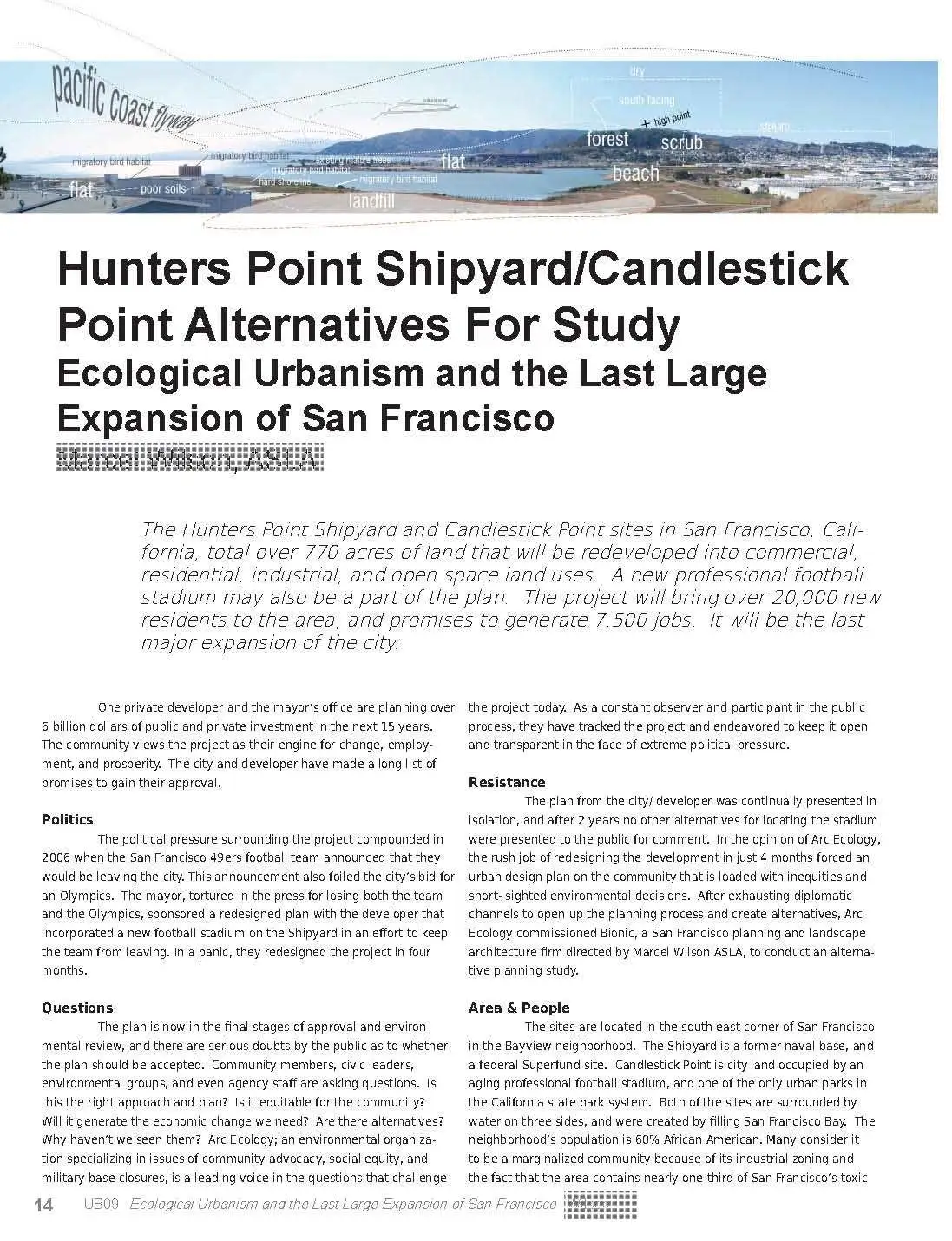
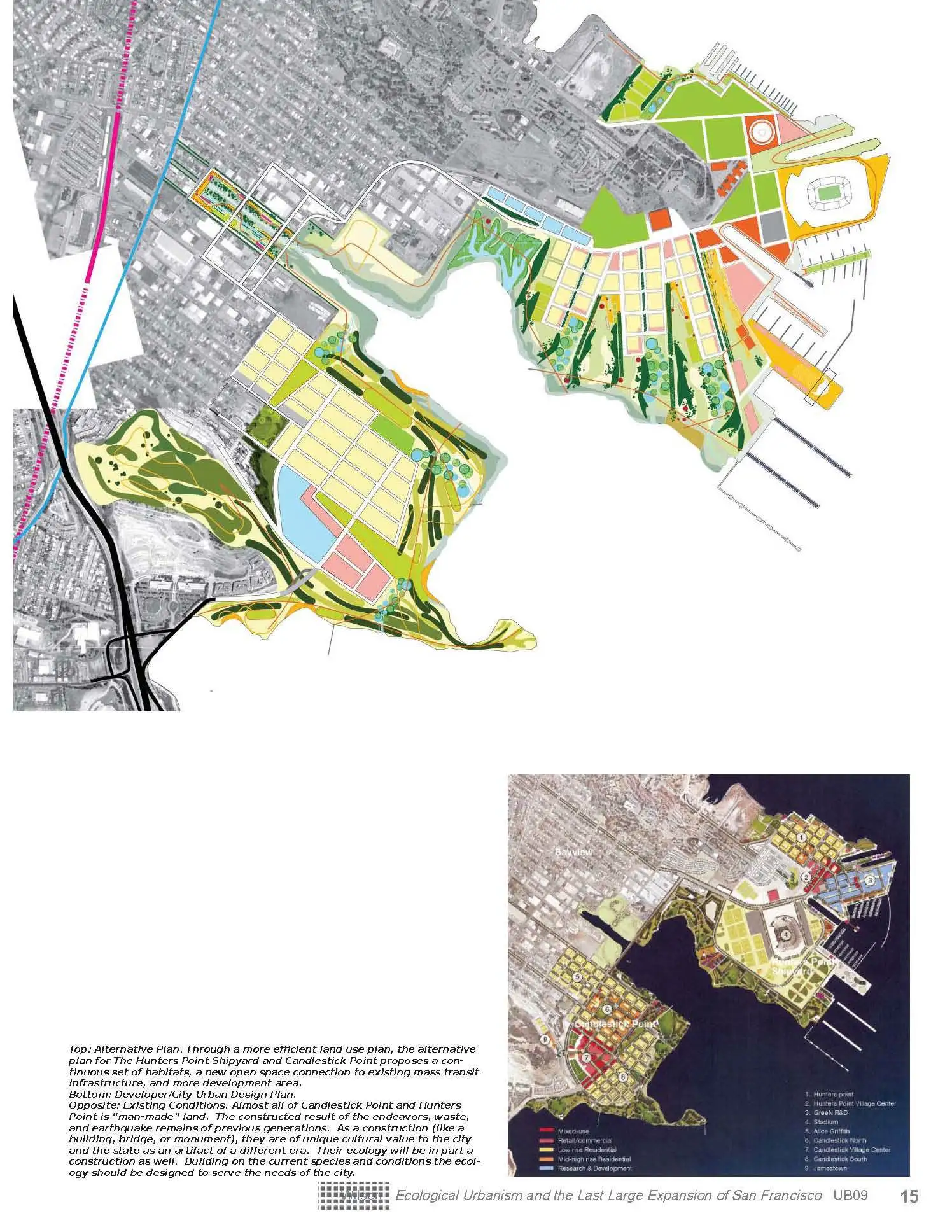
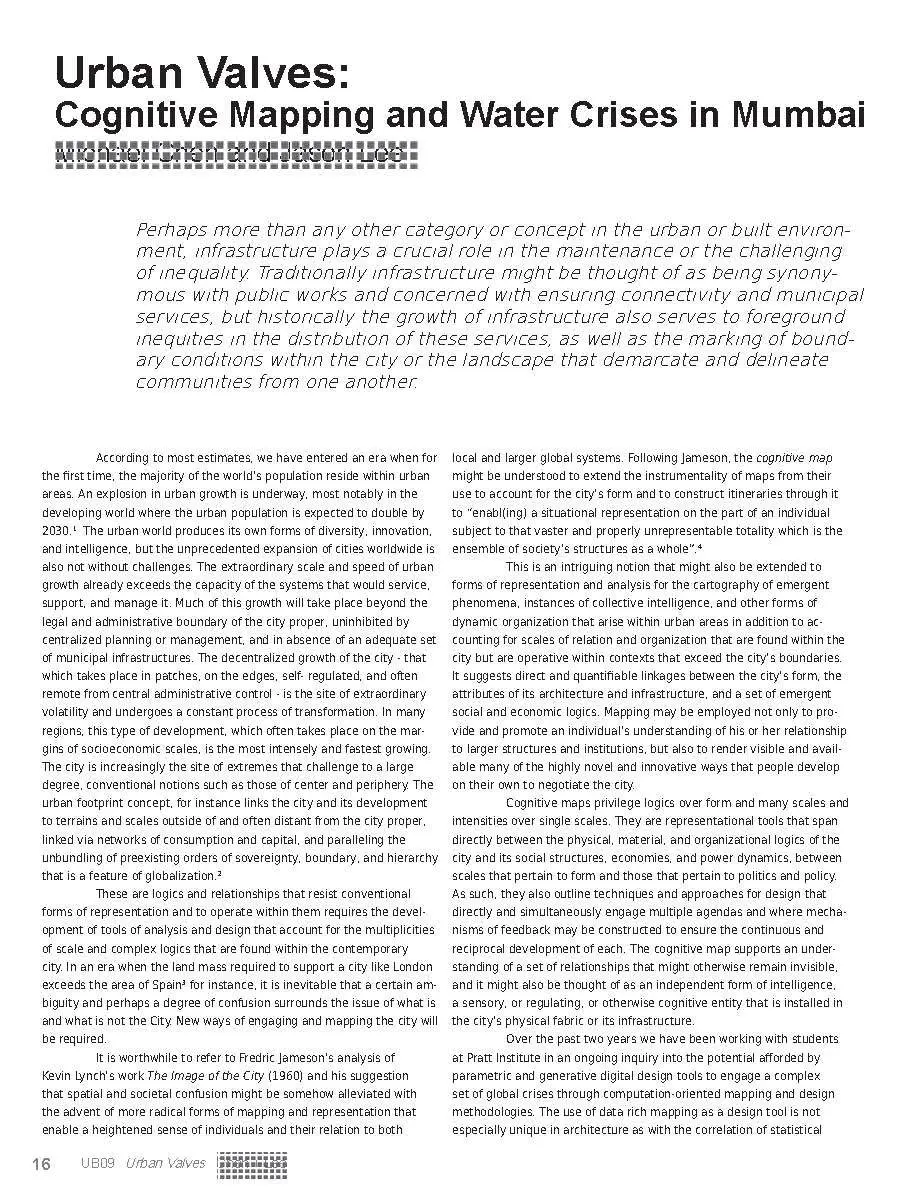
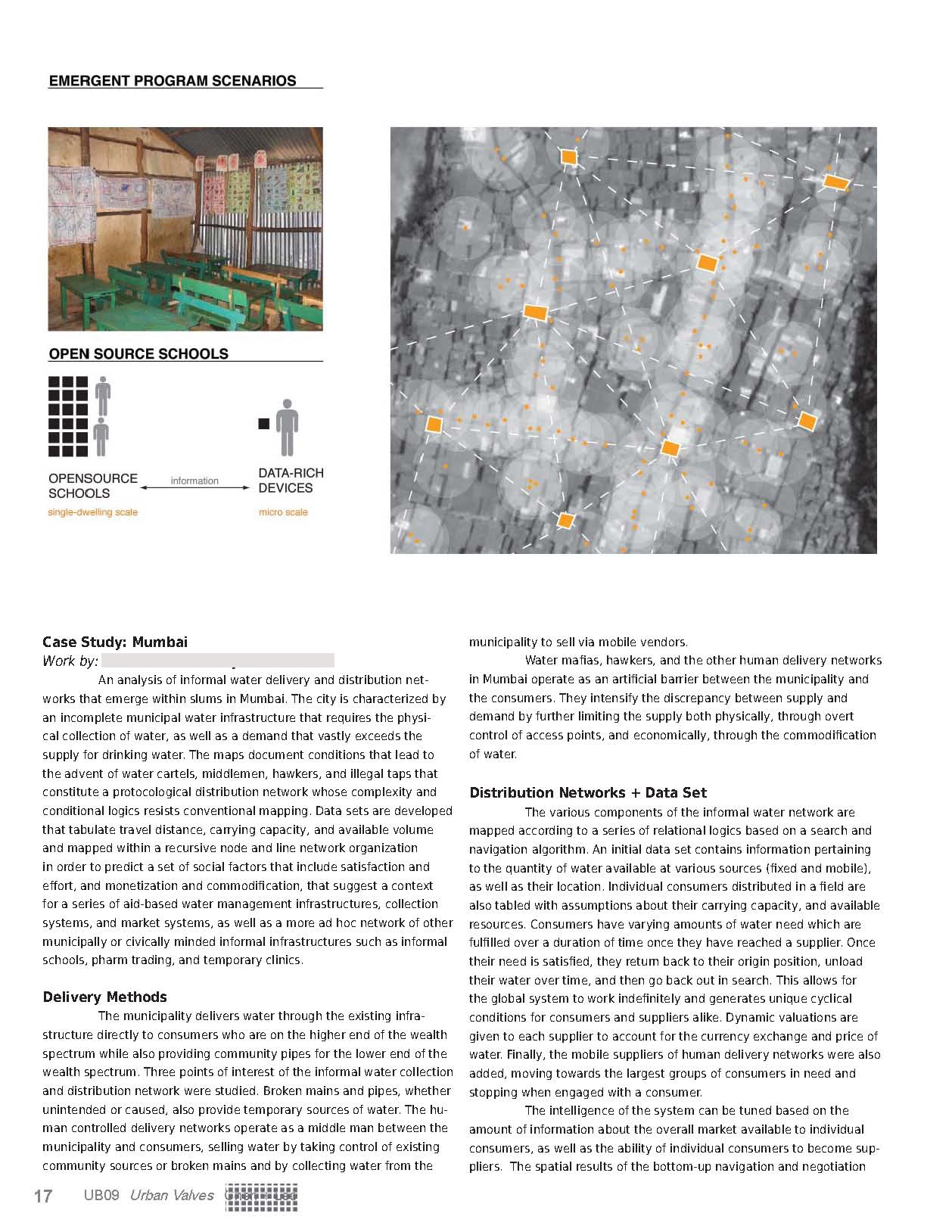
An impressive achievement. It encourages students to take on incredible challenge in intellectual exercise.
Awards Jury
-
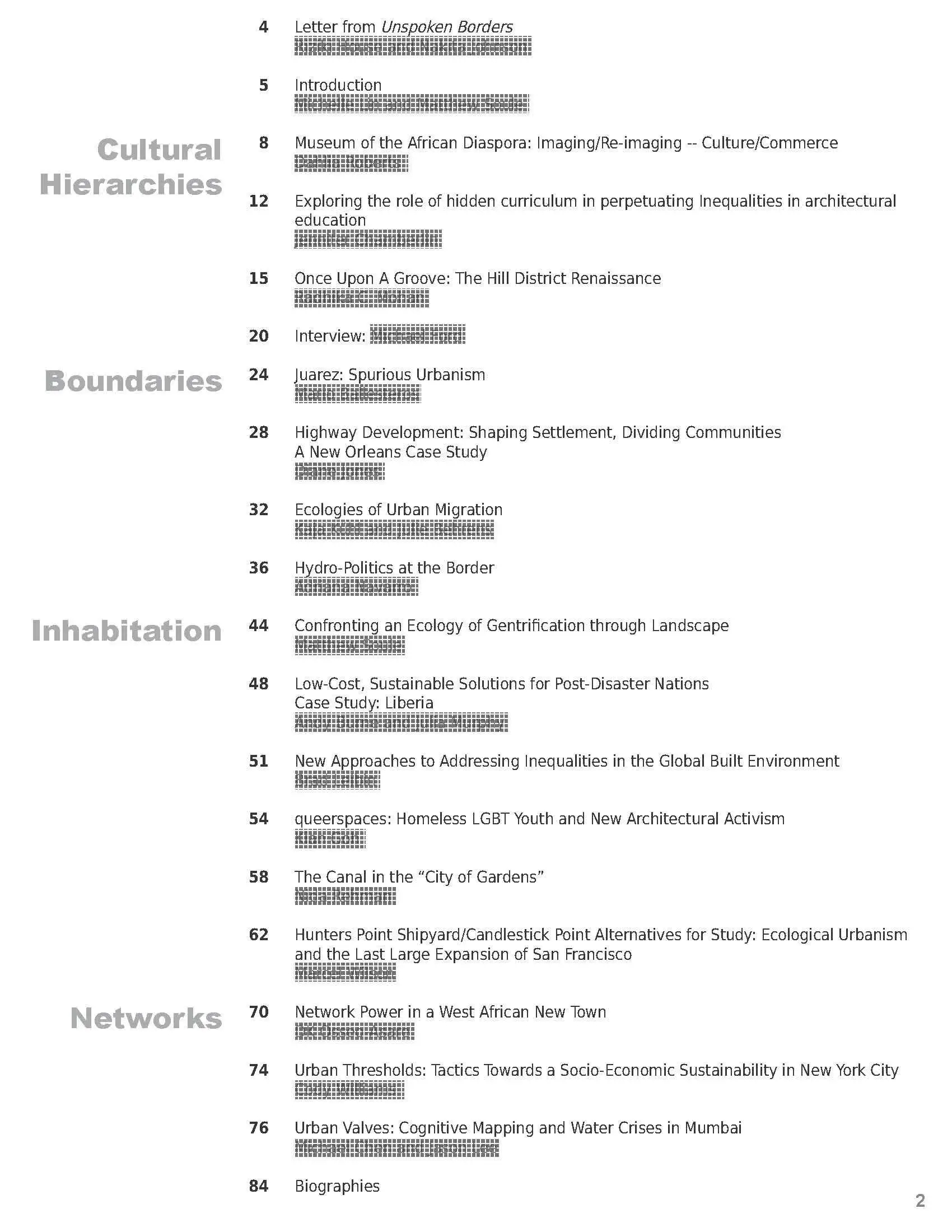
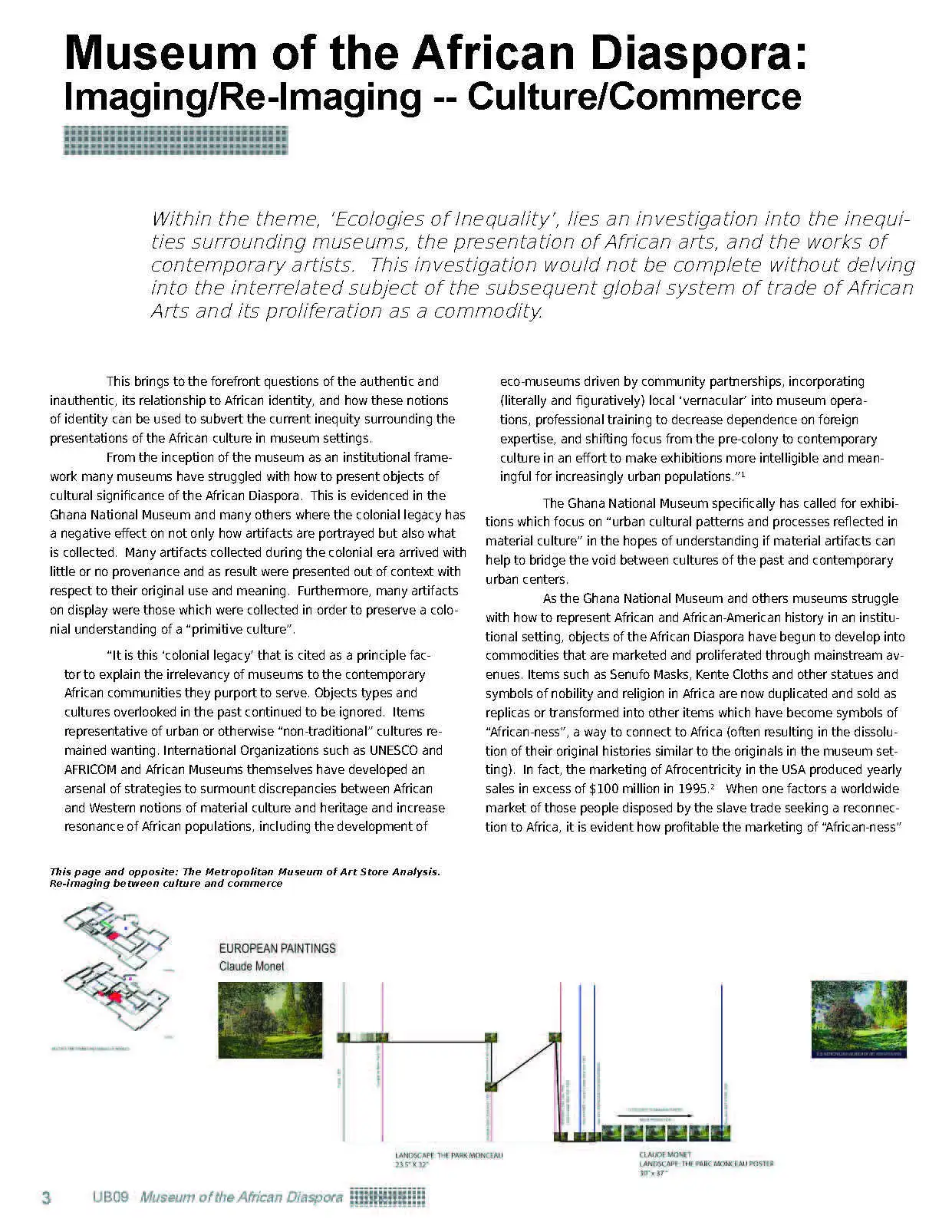
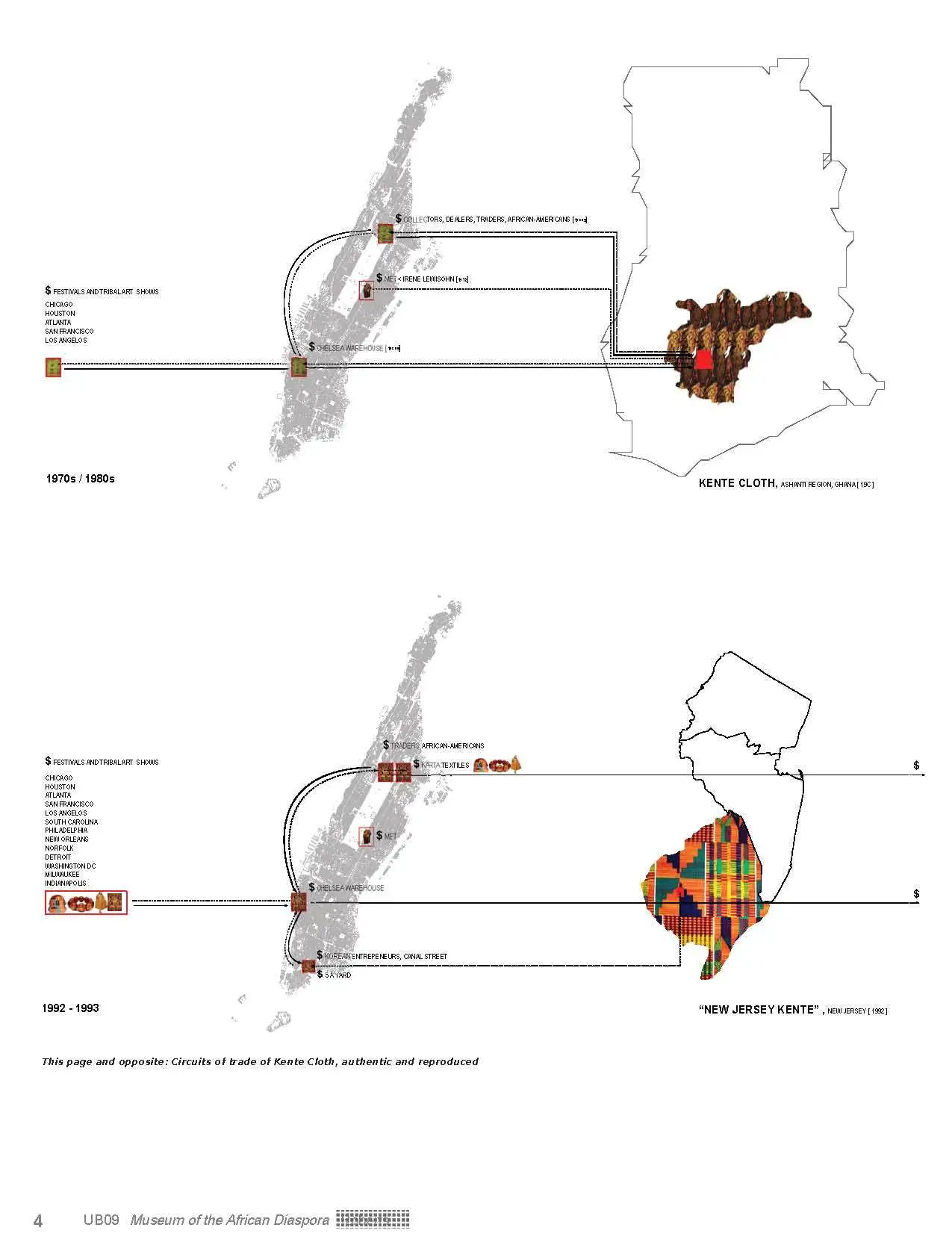
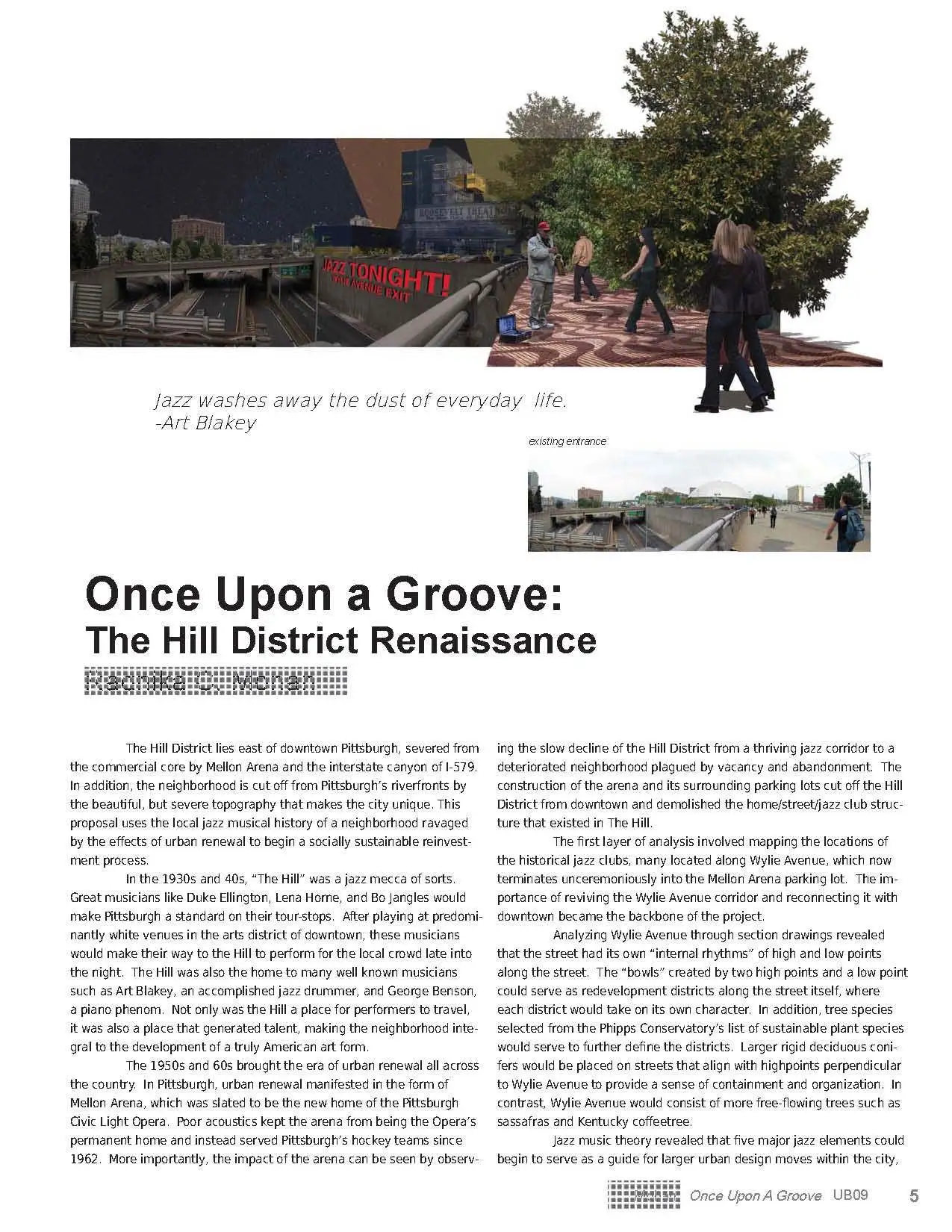
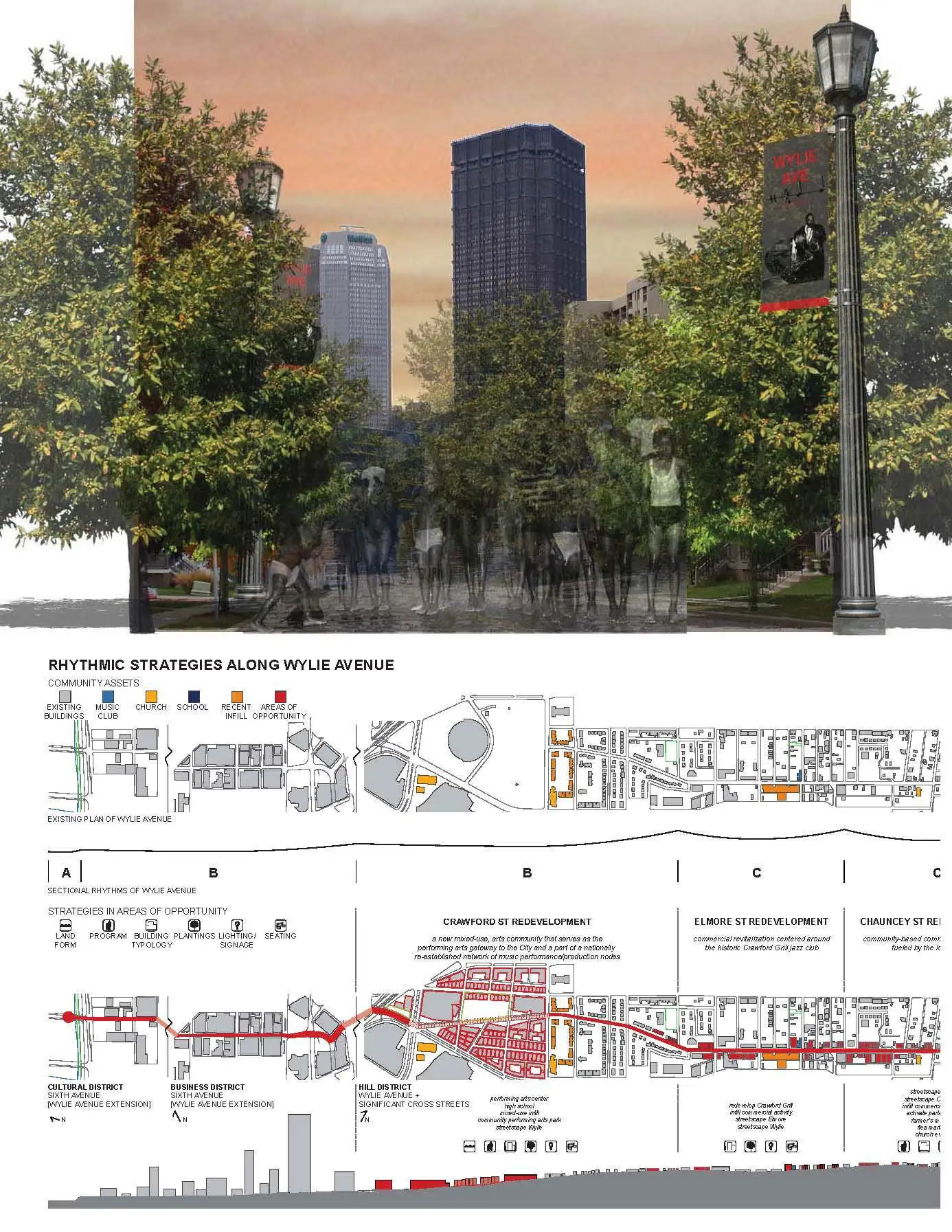
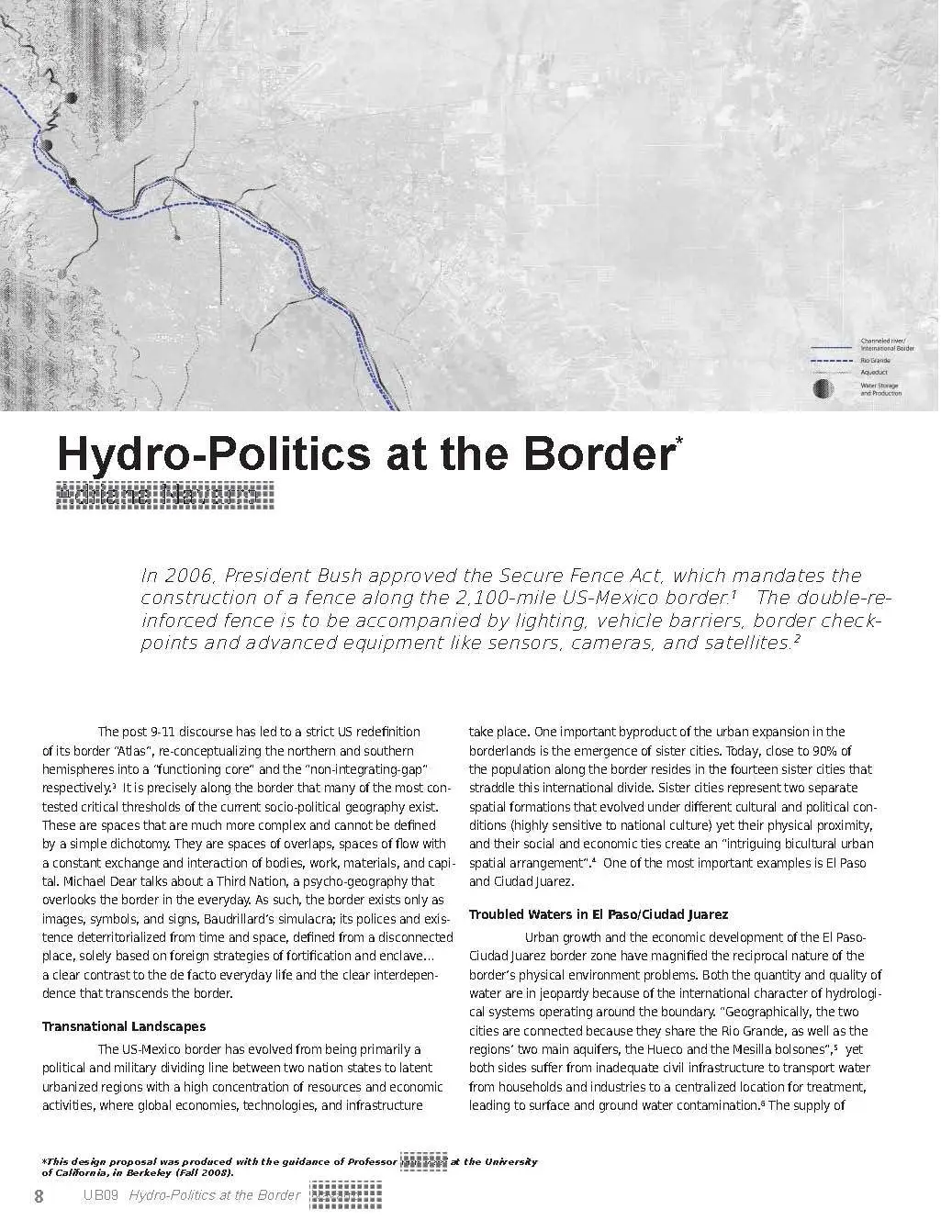
The publication, in conjunction with a design conference, investigated systems that create or maintain inequity within societies and how these systems interrelate. The publication, edited by two MLA students, reflects the underlying conviction of the conference that race, class and cultural issues lie at the heart of good design and that these issues are still under-examined within the design disciplines. The publication and conference were student-led from initial concept to implementation, design, and distribution.
-
"Design has prevailed as one of the world's most powerful forces. It perches us at the beginning of an unprecedented period of human possibility, where all economies and ecologies hold the capacity to merge as global, relational and interconnected. In order to fruitfully grasp these emerging forces, there lives an urgent need to articulate precisely, absolutely, entirely what we're doing to ourselves and our planet." -Bruce Mau, Massive Change
This interdisciplinary publication was produced in conjunction with the fourth annual PennDesign Unspoken Borders Conference: Ecologies of Inequality in April 2009. This theme responded to Mau's call for articulation by investigating systems that create or maintain inequity within societies and of how these systems interrelate. In the face of the growing global necessity for sustainability in all undertakings, the theme asserted that inequalities are unsustainable, not only in terms of socio-economic injustices, but also in regards to the amount of resources invested in maintaining or creating these inequalities.
Now in its fourth year, the annual Unspoken Borders conference aims to provide a critical opportunity to explore the nexus between race, space, and class, and to confront latent biases that may enter into everyday practice and experiences. Spearheaded by PennDesign's Black Student Alliance, the conference committee consisted of a multi-racial, cross-disciplinary team of students. Launching its first ever "Call for Papers", the committee sought to expand the dialogue on social justice and design, helping to bring to light under-examined issues.
The publication is by no means an exhaustive examination of ecologies of inequality. Rather, it seeks to spark an ongoing, expanding investigation and self-evaluation of how the design community impacts our world, from the perspective of theory and experience of practice. We emphasize that race, class and cultural issues are inseparable from the work of designers, at times the harbingers of a failure of design. We have a unique responsibility to rethink existing systems and to help communities reach their potential.
The primary audience is for practitioners, academics, and students in the design professions of landscape architecture, architecture, urban planning, urban design, and historic preservation. The publication is also intended for others, such as policy makers, affordable housing advocates, environmentalists, social workers, and activists, who take interest in the intersection of design and social justice.
Over 40 submissions from around the world responded to the "Call for Papers", examining issues such as the environment (constructed, cultivated or untended), public health, mobility and access, communication, and race, class, and culture. Led by students from the landscape architecture department, a reading committee composed of faculty and students from the design school selected 17 finalists for publication. In particular, the committee sought projects that 1) exposed concealed systems, existing and historical, that reinforce or promoted stratification of society; 2) examined the mechanisms of recognized systems; or 3) recommended proposals to re-engineer existing systems or to create alternative systems that promoted socio-economic sustainability and environmental resilience. Four finalists were invited to present their papers at the April Unspoken Borders conference.
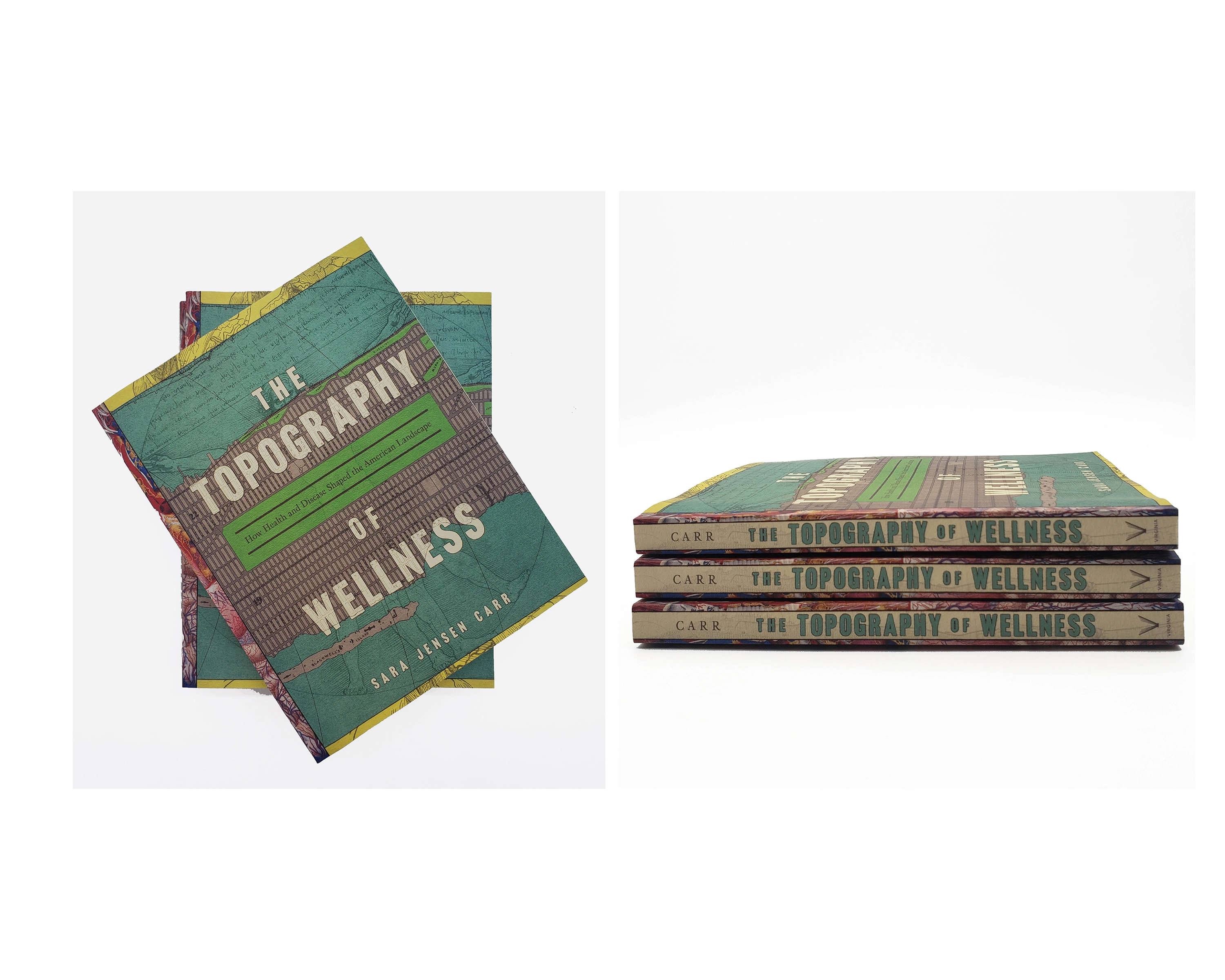
Marketing and distribution for this publication has been conducted through a student-led approach, mostly through web-based networks and listserves, such as Archinect, Bustler, Treehugger, Planetizen, Inhabitat, and other design-related blogs and internet message boards. Announcements have also been distributed among design schools around the country. Because this publication is just off the press, the first wave of distribution (approximately 50 copies) has been sent to based on a pre-orders collected at the April conference. The publication is available for order on Lulu.com.
-
Unspoken Borders 2009 Conference Committee:
Co-chairs
Riziki House
Nakita JohnsonCoordinators
Michelle Lin
Radhika C. MohanMembers
Alia Burton,
Edward Faustin
Janelle Johnson
Thabo Lenneiye
Erika Lindsey
Amina Omar
Hollis Savage
Matthew Soule
Shara D. Taylor
Steven Tucker
Nse-Abasi Umoh
Guy WilliamsReading Committee
Megan Burke
Charles Davis, PhD,
Amy Hillier
Riziki House,
Michael Jacobs,
Thabo Lenneiye,
Radhika C. Mohan,
Nse-Abasi UmohThanks
Marilyn Jordan Taylor
Dean of the School of Design, University of Pennsylvania
Patricia Woldar
Associate Dean
Advertisement
Related Awards
Honor Award, Communications
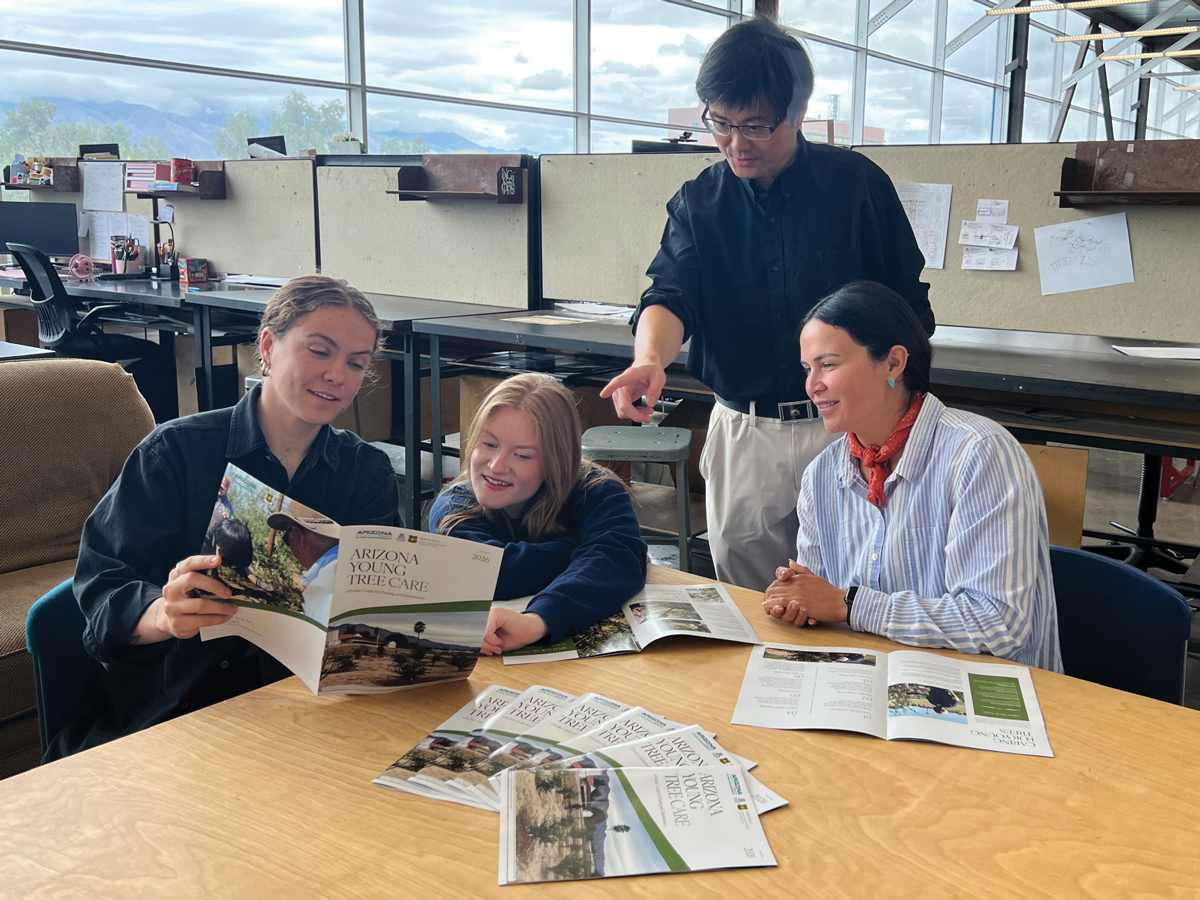
Growing Impact: Advancing Knowledge of Urban Desert Tree Care
The objective of this project is to create a knowledge hub for public education and engagement on tree care and maintenance to increase urban forestry benefits in desert cities of southern Arizona. From 2023-2026, the team has engaged practitioners, government agencies, and the public through workshops, public lectures, and hands-on training on young tree care, smart watering systems, and pruning techniques.