
.webp?language=en-US)

Greensburg Sustainable Comprehensive Plan
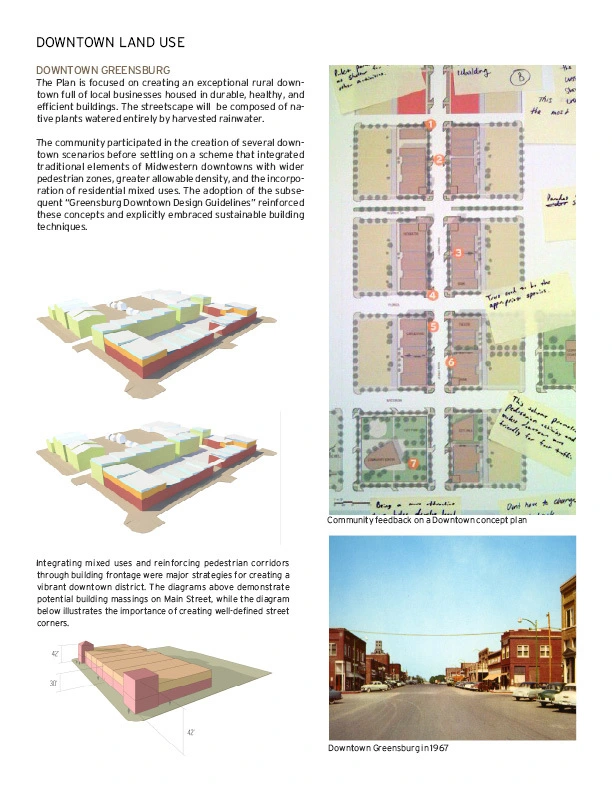
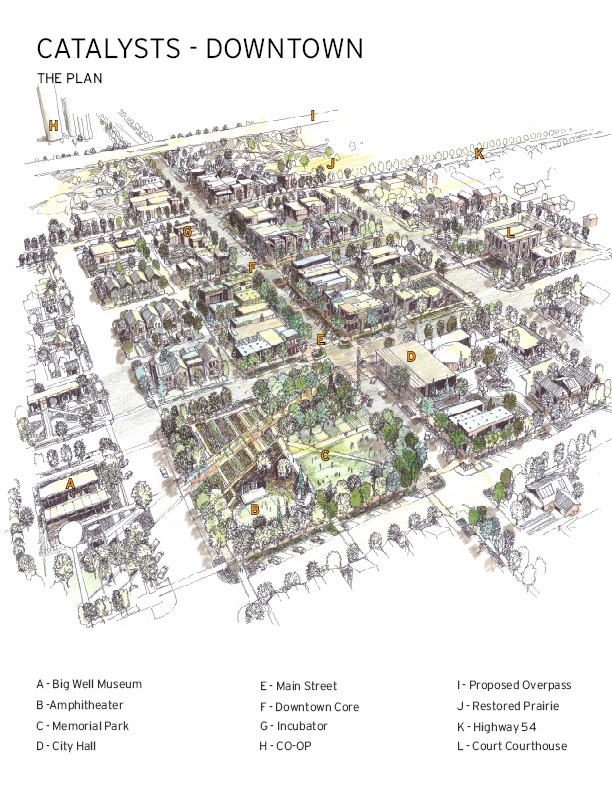
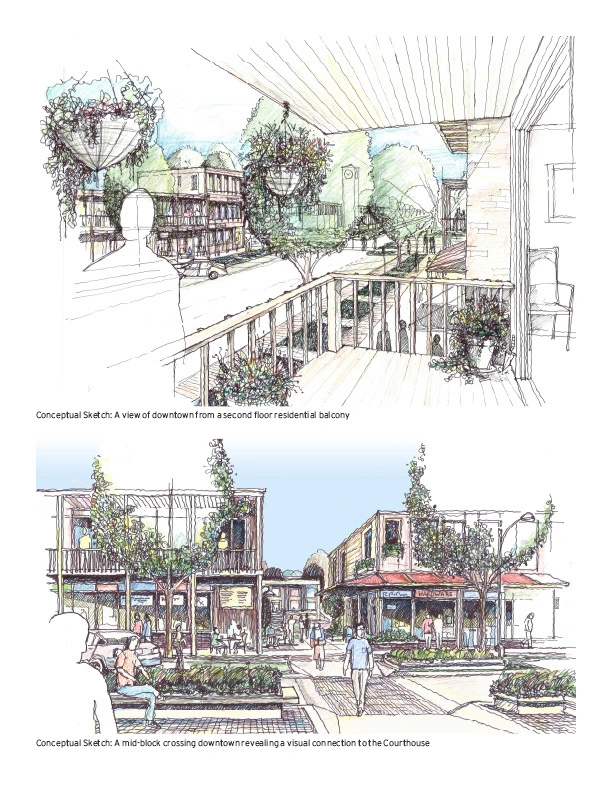
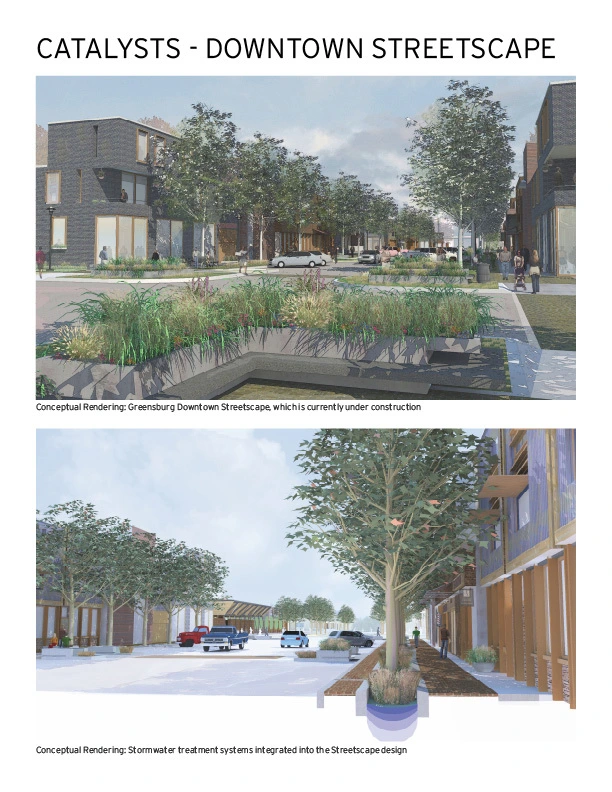
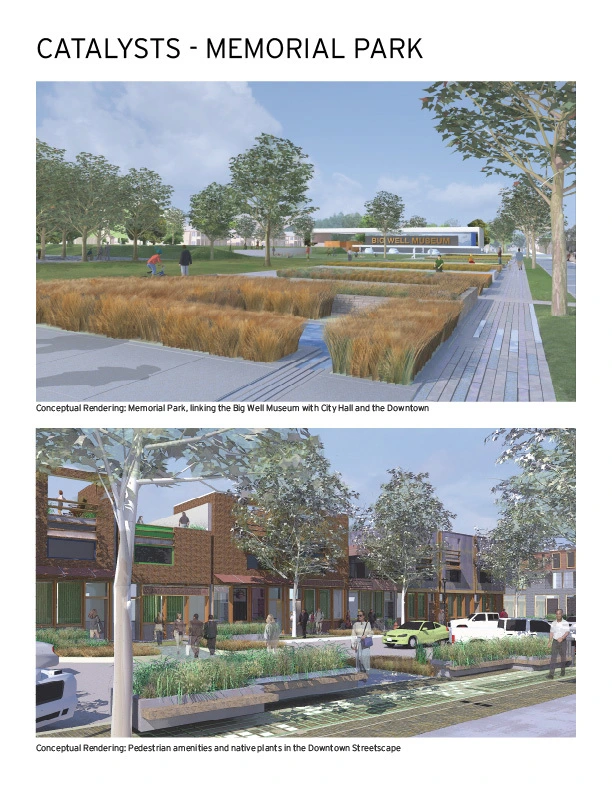
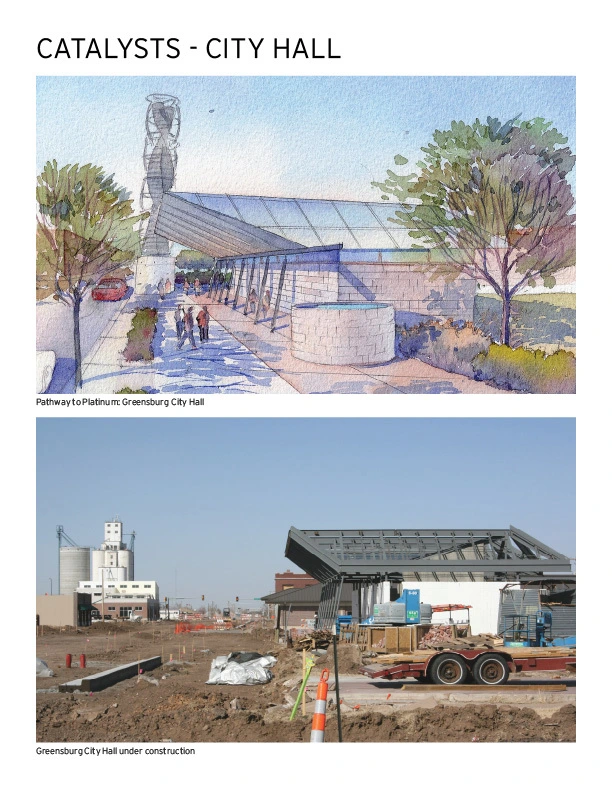
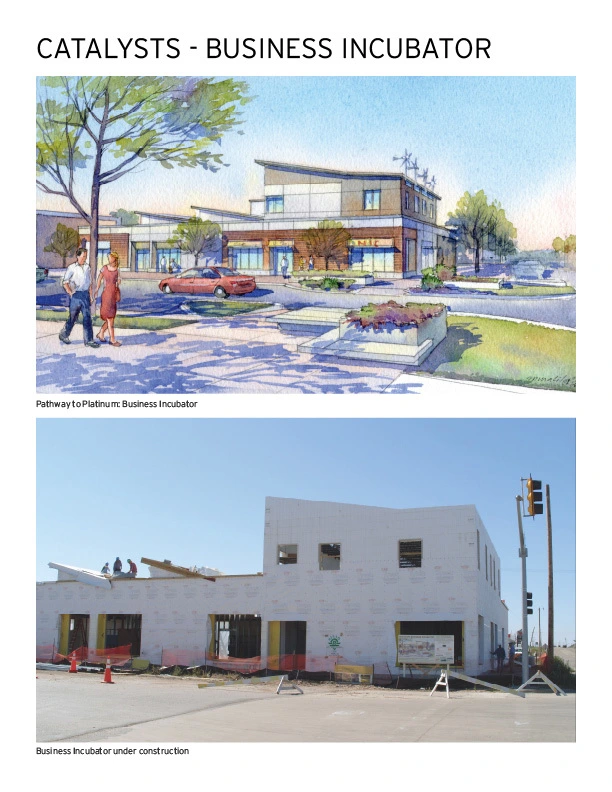
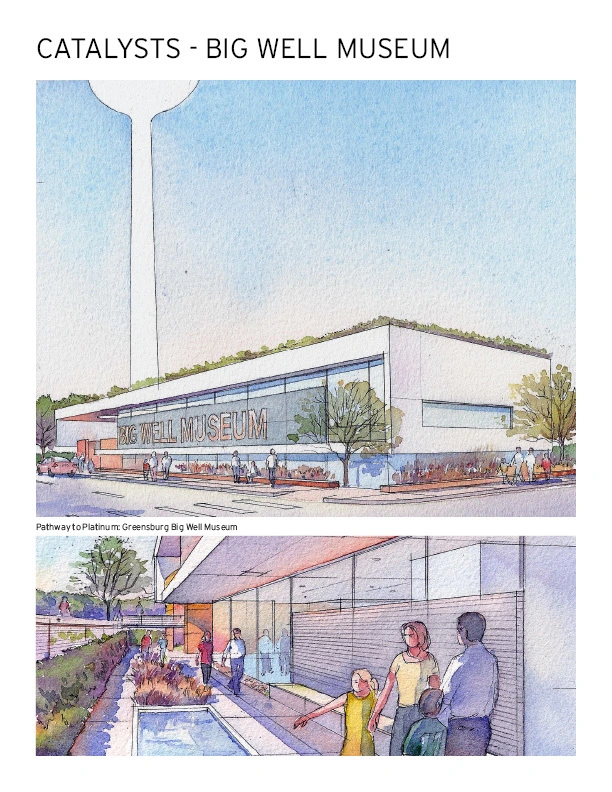
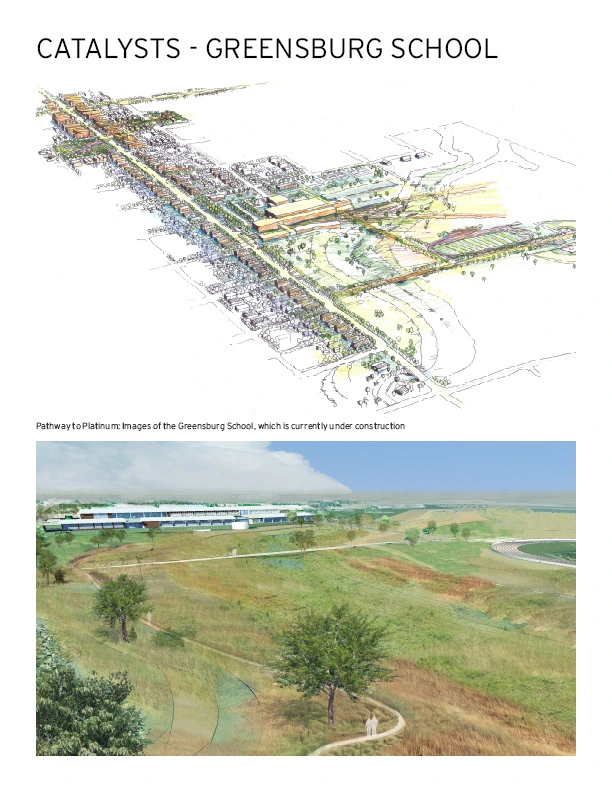
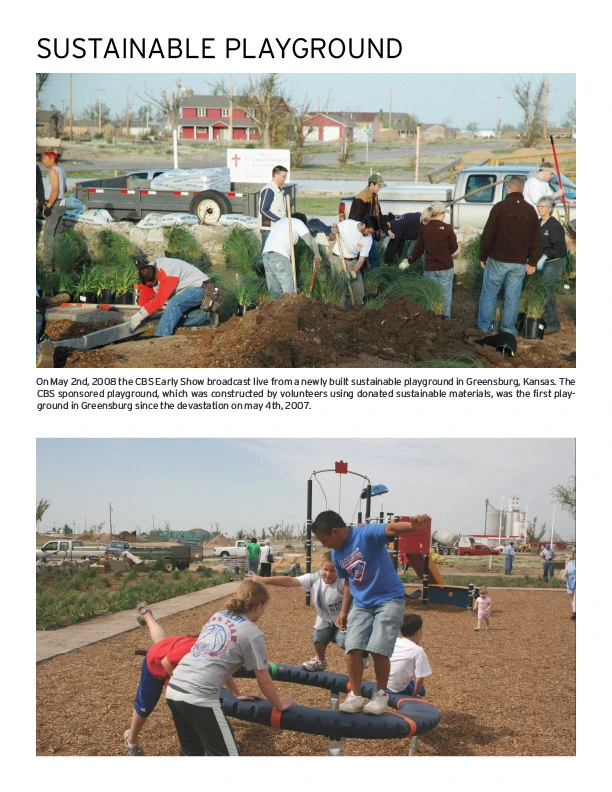
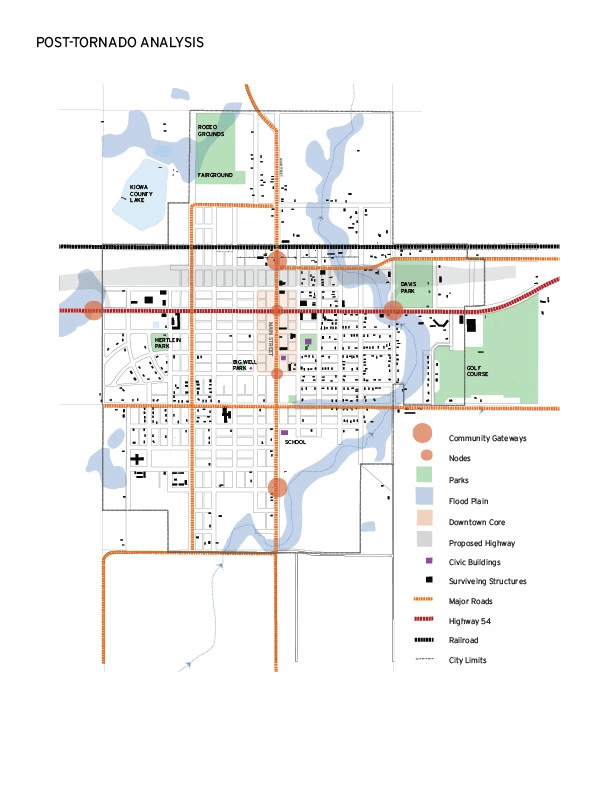
This story has captured the imaginations of the public and the practice. They've created standards that are pragmatic, modest, and achievable. A plan to which other towns should aspire.
Awards Jury
-
It is human nature to revert to survival mode after a devastating event like the tornado that struck Greensburg, destroying over 90 percent of the town's buildings and structures. Despite the physical and psychological strain of the disaster, the people of Greensburg knew that in order to preserve the future of the town, they needed to step back and create a long term vision for rebuilding. That vision came in the form of a Comprehensive Master Planning Process.
-
In the wake of an EF-5 tornado that hit Greensburg on May 4th, 2007, it became apparent that big changes would have to occur to sustain the town for future generations. Greensburg citizens believe they now have the chance to build a stronger, thriving community. With hope of overcoming population decline and a struggling economy, the citizens of Greensburg look towards a sustainable future that will truly make Greensburg a green community.
The immense challenges facing Greensburg’s reconstruction and the desire to embrace common sense green solutions make it an ideal candidate to become a model for the sustainable rural community. Greensburg, a town of 1,574 in Southwestern Kansas, has the opportunity to repair the destruction with a triple bottom line planning approach based on local values and a promising new way of life. Greensburg is a community with strong leaders who reach out to neighbors, a community where new businesses growth is built around sustainability at both a local and regional level.
The design intent of the Greensburg Comprehensive Master Plan underway will help the community become a socially, economically, and environmentally sustainable city. It is a document that emerged directly from the community and is representative of both the planning team’s recommendations, the City’s operational requirements and input from many stakeholder groups. This is not about disaster recovery but instead a strategy to benefit from an opportunity to build sustainable systems with flexibility for future generations from the ground up.
Process
From the start, Greensburg City staff was an integrated part of the planning team. They guided the work of the planners, informed the community and educated City officials about the plan and important next steps. City staff provided ongoing leadership in a time when strong direction was needed and acted as a constant advisor for the planning work.The planning team learned a great deal about Greensburg from discussions with community members. Many of the concerns and issues will be covered in depth throughout the master plan, but a couple of recurring concerns are worth noting at this time because they set the tone for redevelopment.
The community sees the great opportunity that was presented by the disaster. They want to rebuild a progressive, inclusive town that provides jobs, education, and recreation to attract and retain a young generation of Greensburg residents. Like generations of Greensburg citizens before, they want to leave a legacy for their grandchildren and serve as an example for the Midwestern towns of tomorrow.
-
Residents of Greensburg, Kansas
Mayor
John JanssenCity Administrator
Steve HewittRecovery Coordinator/Asst. City Administrator
Kim AlderferPlanning and Zoning Administrator
Michael Gurnee, AICPTreasurer
Pam RevesStreet Department
Mike HayesUtilities Director
Mick KendallOffice Administrator
Stacy Barnes
Christy PyattPlanning Commission
BNIM — Sustainable Community Planning
Bob Berkebile
Stephen Hardy
Rachel Stroer
Aaron Ross
Jim Schuessler
Mark O'Hara
Greg Pfau
Celine Andersen
Tim DugganNational Renewable Energy Laboratories
Lynn Billman
Duncan Prahl
John Thorton
Tom Wind
Gerry HarrowGreensburg GreenTown
Daniel Wallach, DirectorState of Kansas
Steve Weatherford, Governor�s LiaisonKansas Energy Office
Russ RudyKansas Communities
Terry WoodburyUSDA Rural Development
Chuck Banks
Tim Rodgers
Gary Smith
Brandon ProughProfessional Engineering Consultants, Inc.
Tim LenzU.S. Environmental Protection Agency
David Doyle
Chilton �Chet� McLaughlinFederal Emergency Management Agency
Steve Castanar
Benjamin Alexander
Erin Miles
John Boyle
Advertisement
Related Awards
Honor Award, Analysis & Planning
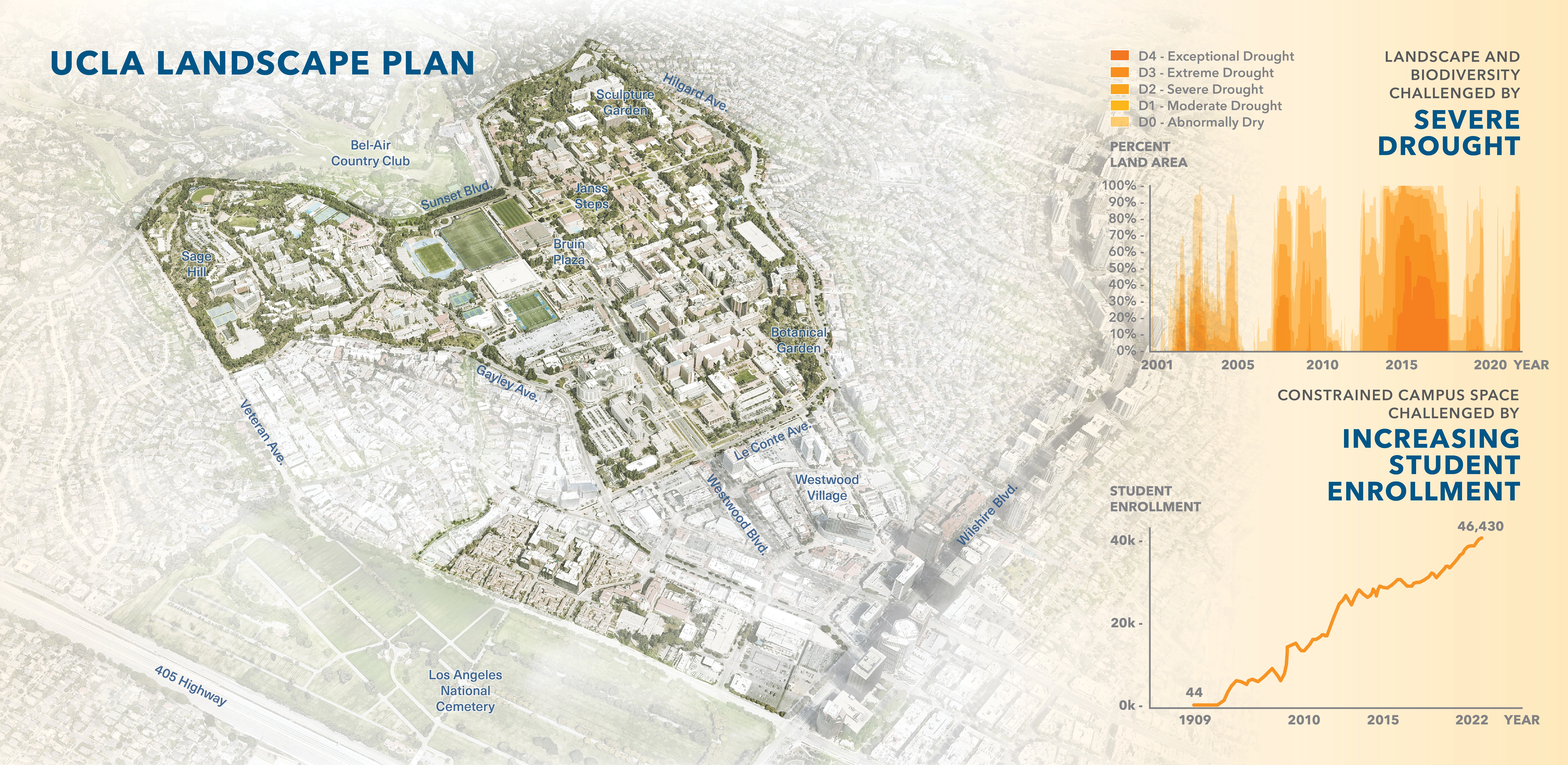
The Resilient Campus: Historic Ecology and Water Conservation at UCLA
California, like all the West, faces mounting pressures to reduce water use. Campuses are hubs for innovation that can lead revolutionary climate initiatives and catalyze cultural shifts through the manifestation of their built environments.