



Bridging Design and Sustainability
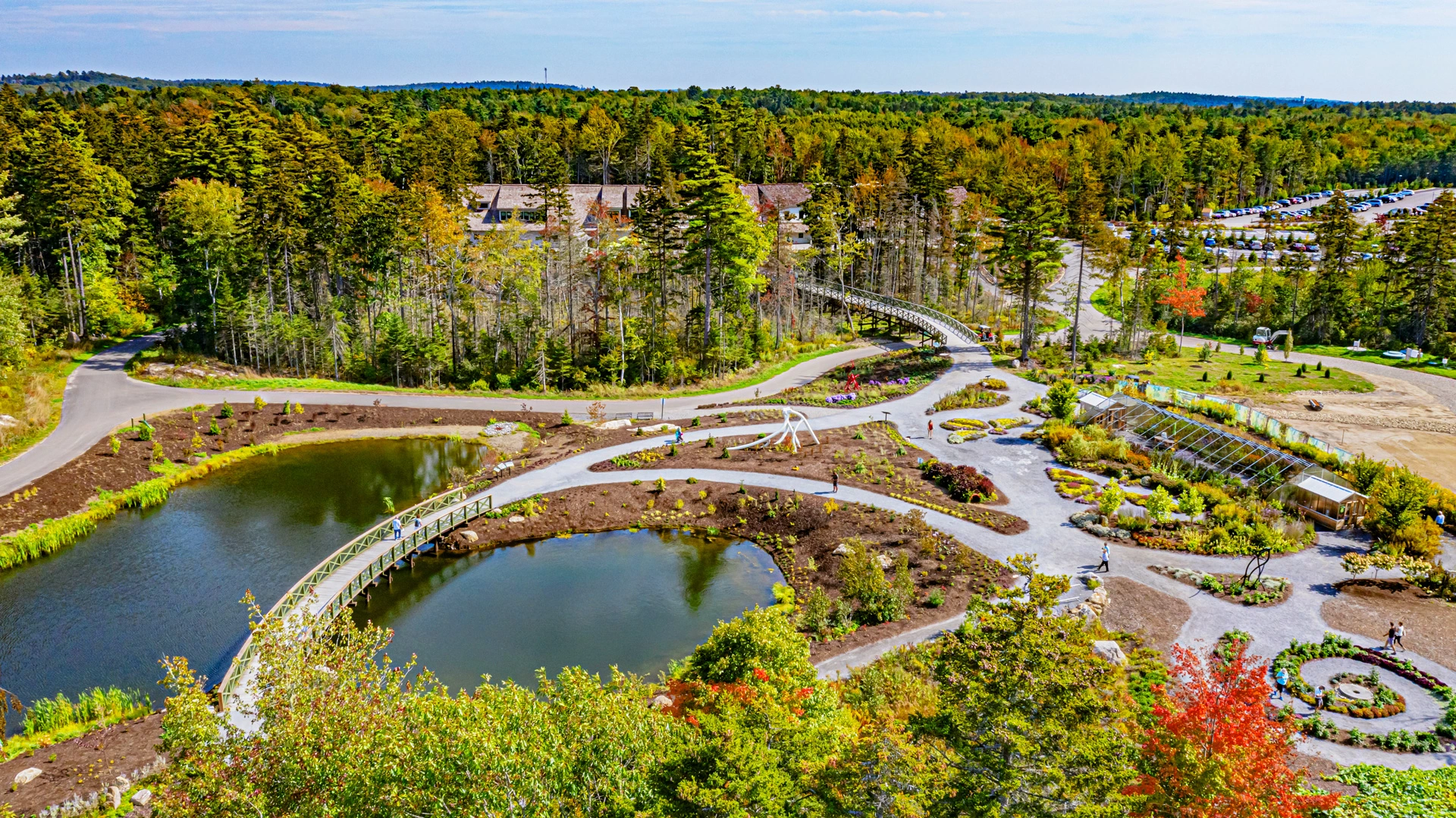
Landscape architecture has the power to connect people with nature while preserving the environments that make those experiences meaningful. At York Bridge Concepts (YBC), this philosophy guides the design and construction of sustainable pedestrian bridges and boardwalks that complement their natural surroundings.
The Discovery Bridges at Coastal Maine Botanical Gardens demonstrate how thoughtfully engineered infrastructure can enhance accessibility, support immersive visitor experiences, and respect ecological character of a landscape.
Rather than treating bridges as purely functional structures, YBC approaches each project as an extension of the surrounding environment. Through its DeceroTM Design Studio, the company collaborates with landscape architects, engineers, and project stakeholders to develop site-specific solutions that balance aesthetics, structural performance, and environmental responsibility.
A defining element of YBC's approach is its proprietary Deck-Level Construction methodology. By advancing equipment and materials along the newly constructed bridge deck, crews can reduce the need for conventional ground-level access. This approach helps to minimize disturbance to sensitive vegetation, wetlands, and surrounding ecosystems.
Material selection also plays an important role. YBC incorporates ecofriendly materials and durable structural components to create bridges designed for longevity, with a typical design lifespan exceeding 75 years. YBC primarily uses timber which stores carbon throughout the structure's service life.
YBC's commitment to sustainability extends beyond materials and construction. Through lifecycle assessment initiatives conducted with Greenly, the company is working to quantify the environmental impacts of its bridge systems and support more informed infrastructure decisions.
For landscape architects, projects like Coastal Maine Botanical Gardens illustrate an important opportunity: infrastructure can do more than connect destinations. It can become an integral part of the landscape experience while advancing broader environmental objectives.