

.webp?language=en-US)

.webp?language=en-US)

Pulse Poll Results: Immigration Enforcement Impacts on Practice
As landscape architects weigh in, ASLA is sharing resources for navigating current operational and workforce challenges.
ASLA has heard, and shares, members’ concerns about the effects of immigration actions across the country on business, the landscape architecture workforce, and the communities our members serve.
Landscape architecture is rooted in the belief that public space is for the public. ASLA’s founders, including Frederick Law Olmsted, established that these spaces must be safe, inclusive, and accessible to everyone. We remain committed to the idea that the places we design should bring people together and strengthen the fabric of our communities. People should not feel unsafe engaging in, utilizing, or living in public spaces designed for their benefit.
Grounded in these principles, ASLA is documenting the real-world effects of these conditions on the work of landscape architecture through data and firsthand accounts. We are committed to supporting the profession with practical resources while upholding the values that have defined landscape architecture for more than a century.
Pulse Poll Results
On January 14, ASLA launched a non-scientific pulse poll to gauge the effect of these immigration actions on business. After two weeks of data collection, 105 total respondents weighed in. More than half — 64 — reported experiencing project delays or disruptions due to workforce availability in the landscape or construction phases of projects in the past six months. Most respondents reported that workforce conditions in the broader landscape or construction industry have resulted in increased project costs, delayed starts, reduced scope, lost work, and schedule disruptions among other challenges.
Are you a member of ASLA?
| 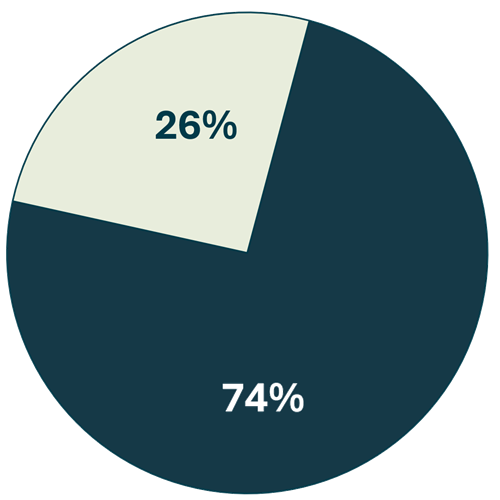 |
Project Delivery Impact: In the past 6 months, has your firm experienced project delays or disruptions due to workforce availability in the landscape or construction phases?
| 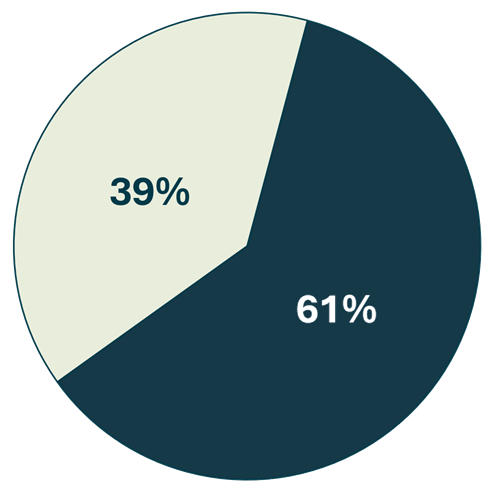 |
Cost & Fee Implications: Have workforce conditions in the broader landscape or construction industry resulted in increased project costs that affected your firm’s fees, contracts, or client negotiation?
| 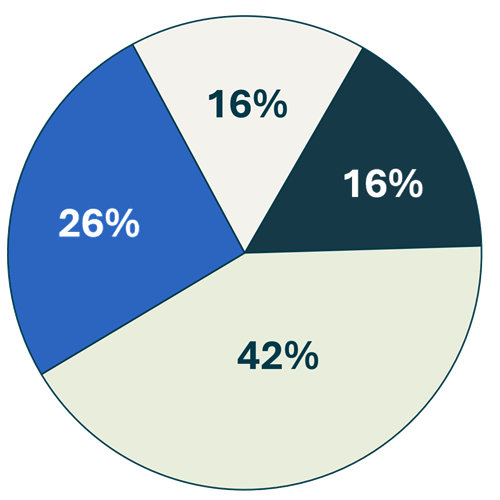 |
Schedule & Scope Adjustments: As a result of workforce-related disruptions, has your firm had to adjust project schedules, phasing, or scope?
| 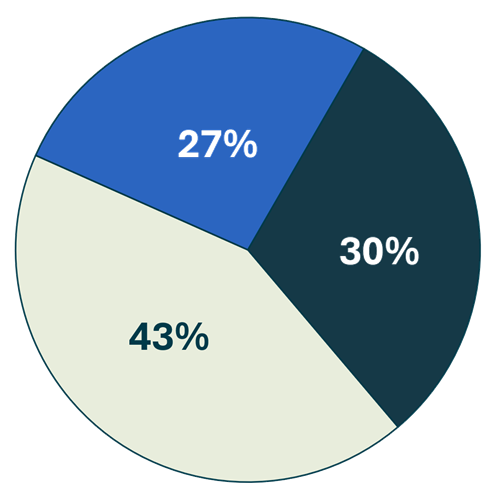 |
Business Development & Revenue Effects: Has your firm experienced delayed starts, reduced scope, or lost work due to workforce instability among contractors or maintenance providers?
| 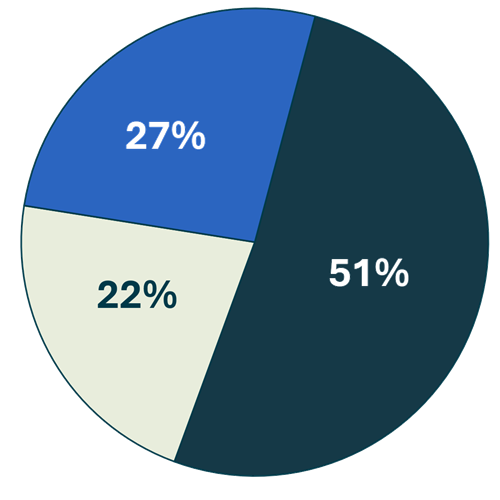 |
Practice Management Responses: Has your firm modified any of the following in response to workforce availability concerns?
| Timelines or Phasing | 65 | |
| Risk Management or Contract Language | 37 | |
| Maintenance / Performance Expectations | 35 | |
| No Changes | 30 | |
| Specs / Material Selections | 29 |
(Respondents were asked to select all that apply.)
Member Voices
In addition to the pulse poll, ASLA has been in contact with many members about their experiences and actions surrounding these immigration actions. The following members’ observations and actions reflect ASLA’s commitment to supporting community welfare.
"My work includes raising the torch of health, safety, and welfare, which I’ve taken to heart,” said Anita Bueno, ASLA, Chair of the Diversity, Equity, and Inclusion committee for ASLA NY Upstate.
She is one of many in the profession responding to the current moment by supporting immigrants and communities of color. Arising from a sense of concern for her community, she’s working with peers to host a series of upcoming webinars to teach people their rights and prepare in advance for pressure from immigration enforcement.
Another ASLA member spoke on the condition of anonymity. This member is an immigrant who employs other immigrants. They are concerned about the consequences of the enforcement activities on their business operations and lives.
“How do I show up every day and try to keep my team motivated?” they asked. Additionally, they expressed concern for on-site workers. “Our projects are out in the field, exposed, and no one is protecting them.”
While this firm owner’s city has not experienced a significant uptick in enforcement activity, they feel external pressure to organize business affairs in case they are detained.
They also noted that while business has not yet slowed, they had felt compelled to take time away from business to spend time on legal matters — such as establishing power of attorney and living trusts — that would not otherwise be necessary.
The specter of drawing unwanted attention has compelled this lifelong activist to stay publicly silent when they otherwise would speak out. They said fear for personal safety and that of their community has driven this reluctance.
Other firms have also worked proactively to protect and empower their teams. “Our profession makes labor invisible in a lot of ways, and that’s a problem,” said David Godshall, ASLA.
Godshall is a principal at Terremoto, a landscape architecture firm with offices in Los Angeles and Berkeley, California.
“Part of our journey has been developing deeper relationships with the people who build our projects,” said Adrian Tenney, Senior Designer at Terremoto. “When [the increased presence] started, as an office, we all sat down and talked,” Godshall added.
The firm’s deep relationships with staff and contractors allowed it to work nimbly to address safety concerns. These actions included
- posting rapid response resources on its website
- designing operational plans to increase worker protections and safety
- supporting contractors who chose to keep crews at home
- alerting crews to locations, such as construction supply stores, where immigration enforcement activity was reported
- discussing on-site safety options and response strategies with clients and property owners
- raising more than $25k in donations.
Those donations went to workers who experienced lost wages and such community organizations as Cultiva LA and Instituto de Educacion Popular del Sur de California that provide resources to migrant workers and day laborers in Los Angeles.
“For that first week [when immigration enforcement increased in Los Angeles], most of our crews elected to self-ground and we let them know that they unequivocally had our support,” Godshall said. “Then we ran interference between our builders and our clients to let them know that this was happening.”
Godshall also emphasized the importance of flexibility and community care to address the current crisis: “Let the people on your staff know that during times of crisis to not worry about their billable hours or let them pause conventional business metrics. We depend on each other economically and creatively for what we do; help the people who feed you."
Related Resources
When asked what members of the landscape architecture community can do to support those harmed by immigration enforcement, each of those interviewed expressed the importance of preparing in advance and working within their local networks to keep people safe. Below is a list of related resources.
- HSI Worksite Enforcement Actions: Employer Rights and Responsibilities
This flier from the American Immigration Lawyers Association outlines legal tips for employers. - Rapid Response Resources from Terremoto
Terremoto created this page of resources for its crews as well as others in the landscape design and construction industries. It includes suggested signage for worksites. - Life in the Time of ICE: Be Prepared
Geared specifically for landscape architects, employees and employers, this webinar will focus on basic information about what to do in case of encountering immigration authorities in the workplace. It will cover individual rights with respect to interacting with federal agents on public and private property, and items one needs to consider when making a workplace or personal preparedness plan in the event you, or someone you know is detained or arrested. - How to Prepare Your Landscape Company for Immigration Enforcement
The Edge, a publication of the National Association of Landscape Professionals, shared how to prepare workers for immigration actions. They also shared an Immigration Enforcement Preparedness FAQ document.