

.webp?language=en-US)

.webp?language=en-US)
The Historic American Landscapes Survey (HALS): ASLA 2027 Call for Submissions
The next theme: Genius of Place: Regional and Vernacular Landscape Architecture.
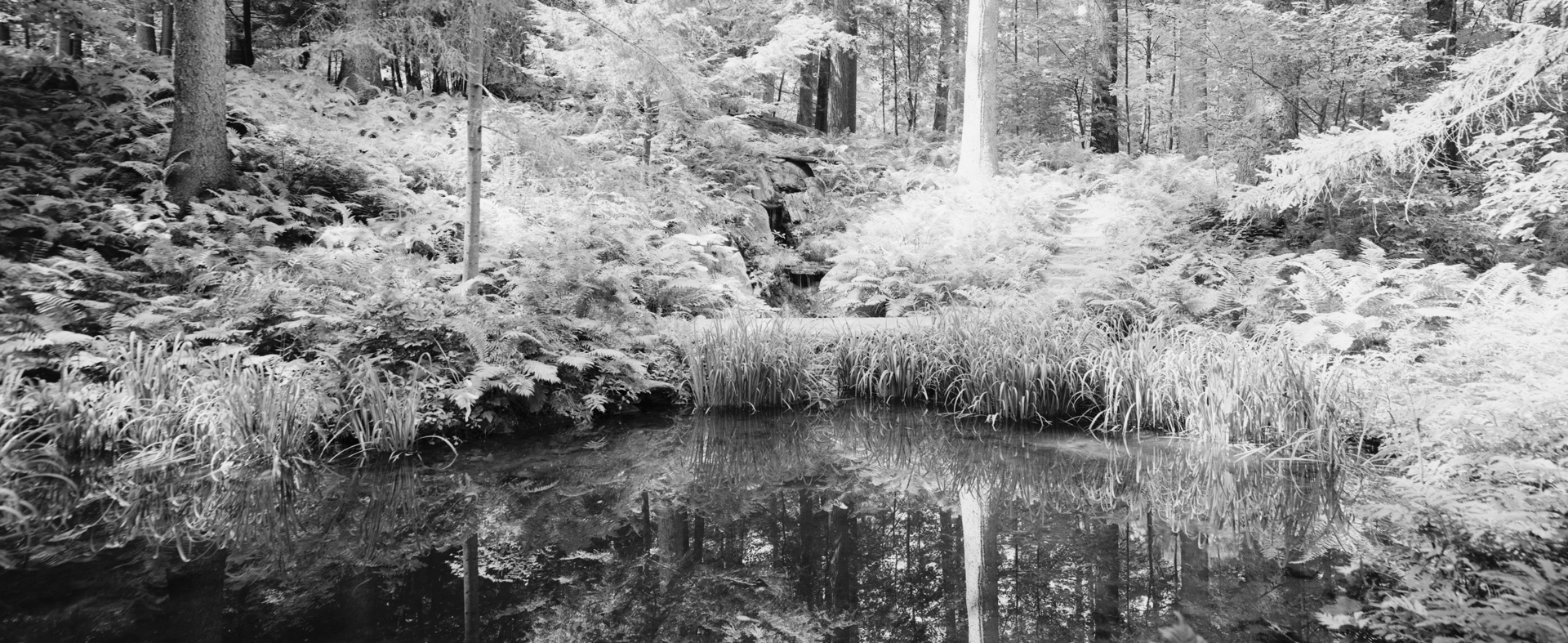
Marsh-Billings-Rockefeller National Historical Park, Woodstock, VT
Highlight the significance of your community’s local landscape architecture works as contributions to a recognizable local or regional style.
What makes a landscape distinctly of its place? Looking at designed and vernacular landscapes of the late twentieth century all the way back to the landscapes that were modified before the nation was formed, what are the stories of these significant landscapes and how were they shaped by regional and cultural factors? How have these regional landscape characteristics endured and transformed on specific sites, in specific projects and resulted in regional styles?
The late nineteenth and early twentieth centuries saw American landscape architects increasingly seek alternatives to imported European landscape traditions. Across the country, designers responded to regional climate, vegetation, geology, topography, cultural traditions, and patterns of settlement. The result was not a single American landscape style, but a range of regional approaches that were not purely professional inventions. Vernacular landscapes—shaped over generations by farmers, gardeners, community builders, and Indigenous stewards—established the patterns that designers would later interpret and carry forward.
Together, designed and vernacular landscapes demonstrate how communities have read and responded to their particular place in the American land: the Prairie landscape of the Midwest, the distinctive landscapes of Northern and Southern California, the pastoral traditions of New England, the woodland landscapes of the Mid-Atlantic, the subtropical and plantation landscapes of the South, the seasonal recreational landscapes of the northern Minnesota lakes, and the arid landscapes of the Southwest, among others.
This is an open call to complete a historical report that highlights the history, significance, and character-defining features of a selected landscape. Optional measured drawings or large-format photographs may accompany the report. All completed reports become part of the HALS Collection at the Library of Congress, contributing to the most comprehensive archive of American designed and vernacular landscapes.
ASLA challenges the larger landscape architecture community to celebrate the plurality of place by contributing to the Historic American Landscapes Survey and build up our national archive in the Library of Congress. To answer the call to action is to strengthen the role and presence of the landscape architecture profession in shaping our country by bringing light to landscape histories and our shared American heritage.
Through this year’s optional theme, we seek to honor the diverse stories that define the American landscape. The theme is meant to serve as a suggestion to help you select a landscape, but this is not a competition, so all historic landscape submissions are welcome. We will recognize all submitted reports at the ASLA Conference on Landscape Architecture in September 2027. All are welcome to submit a report.
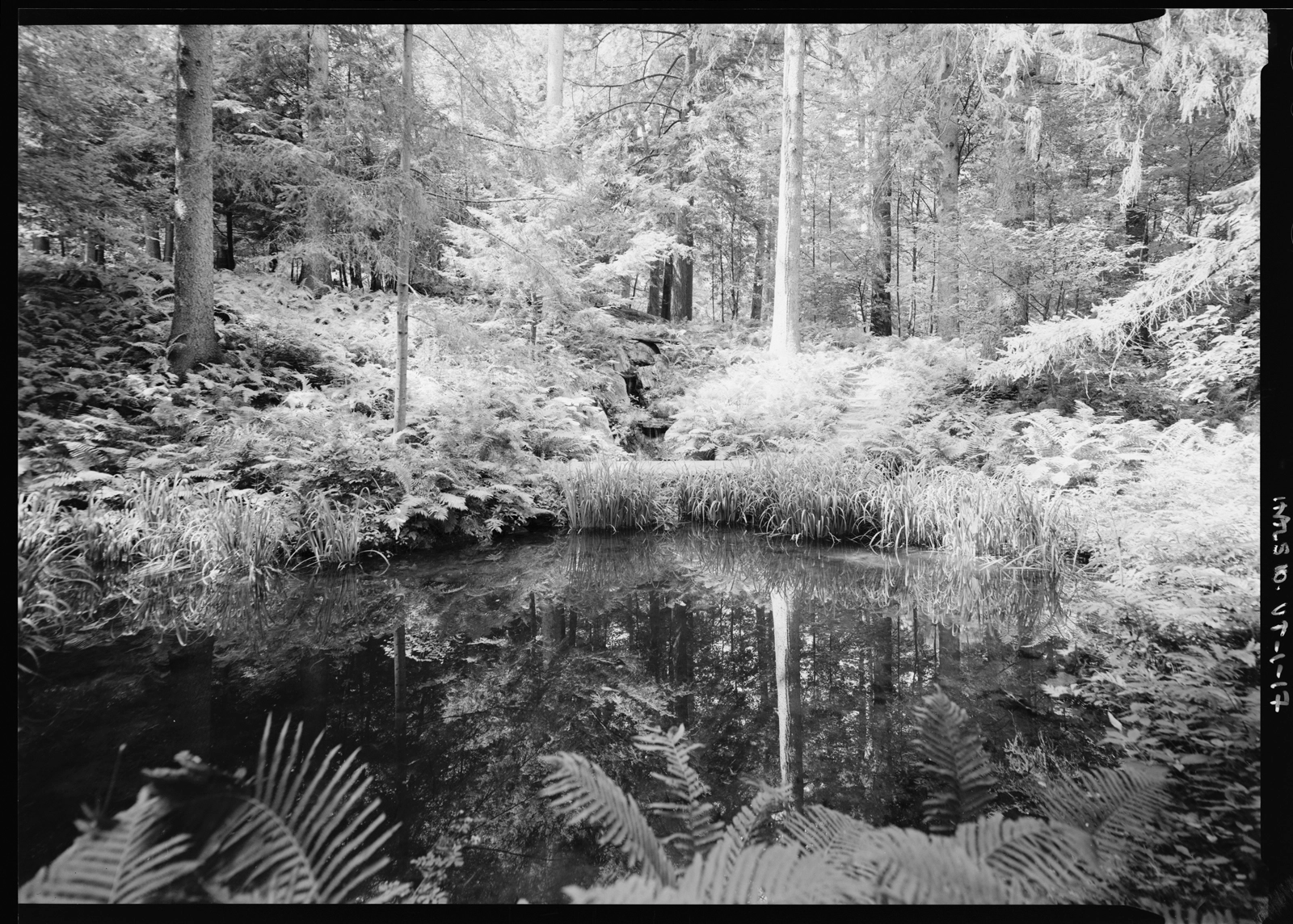
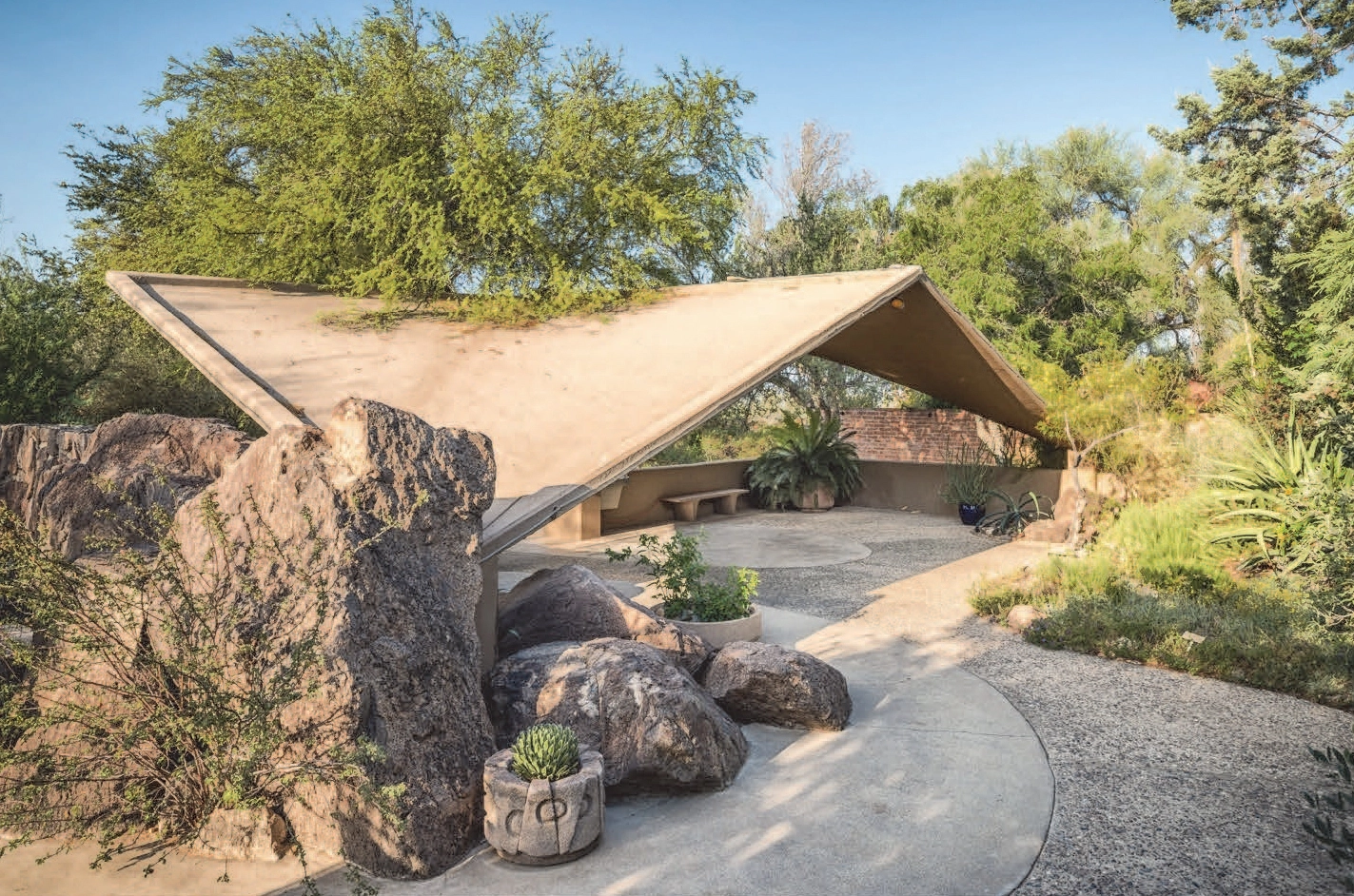
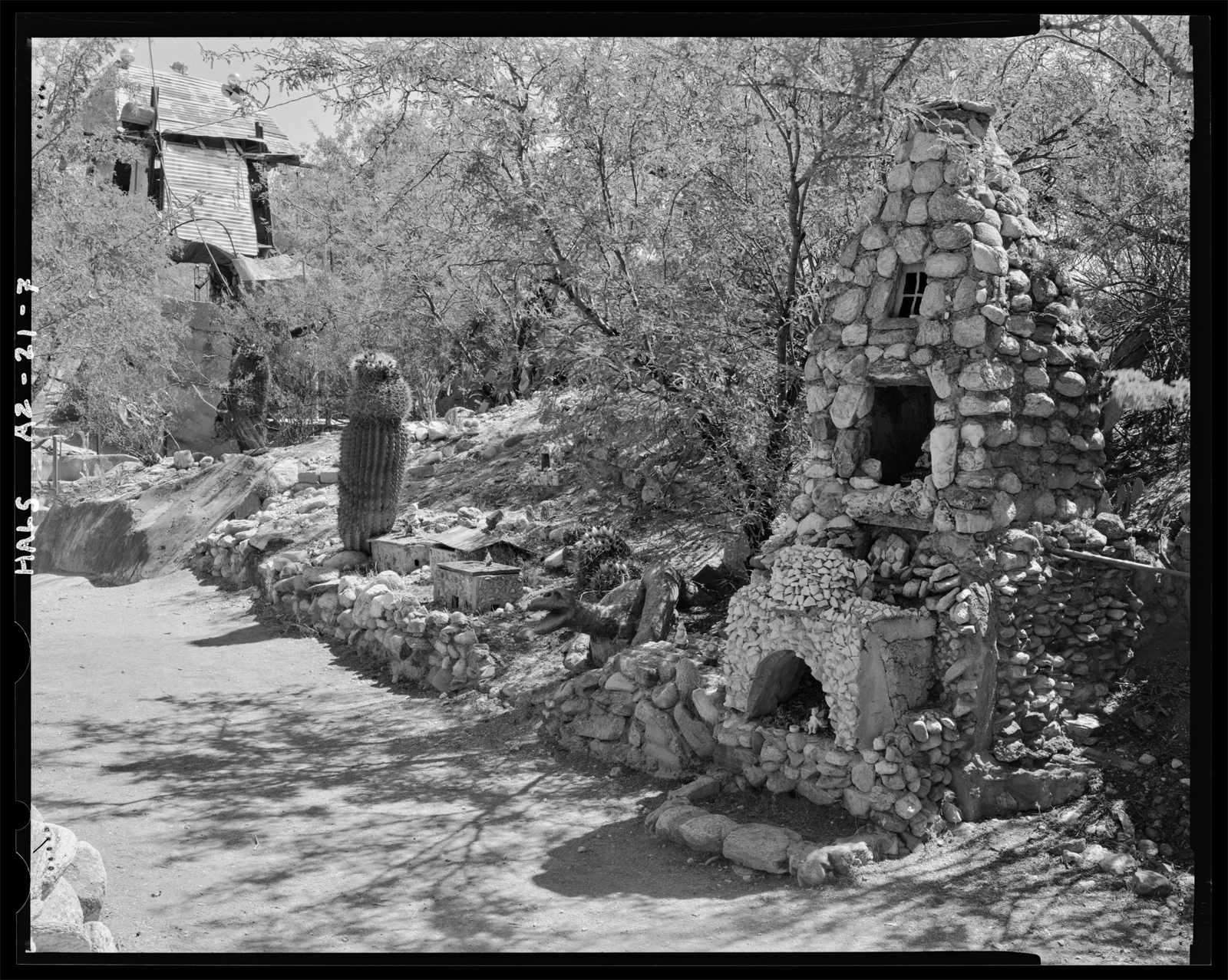
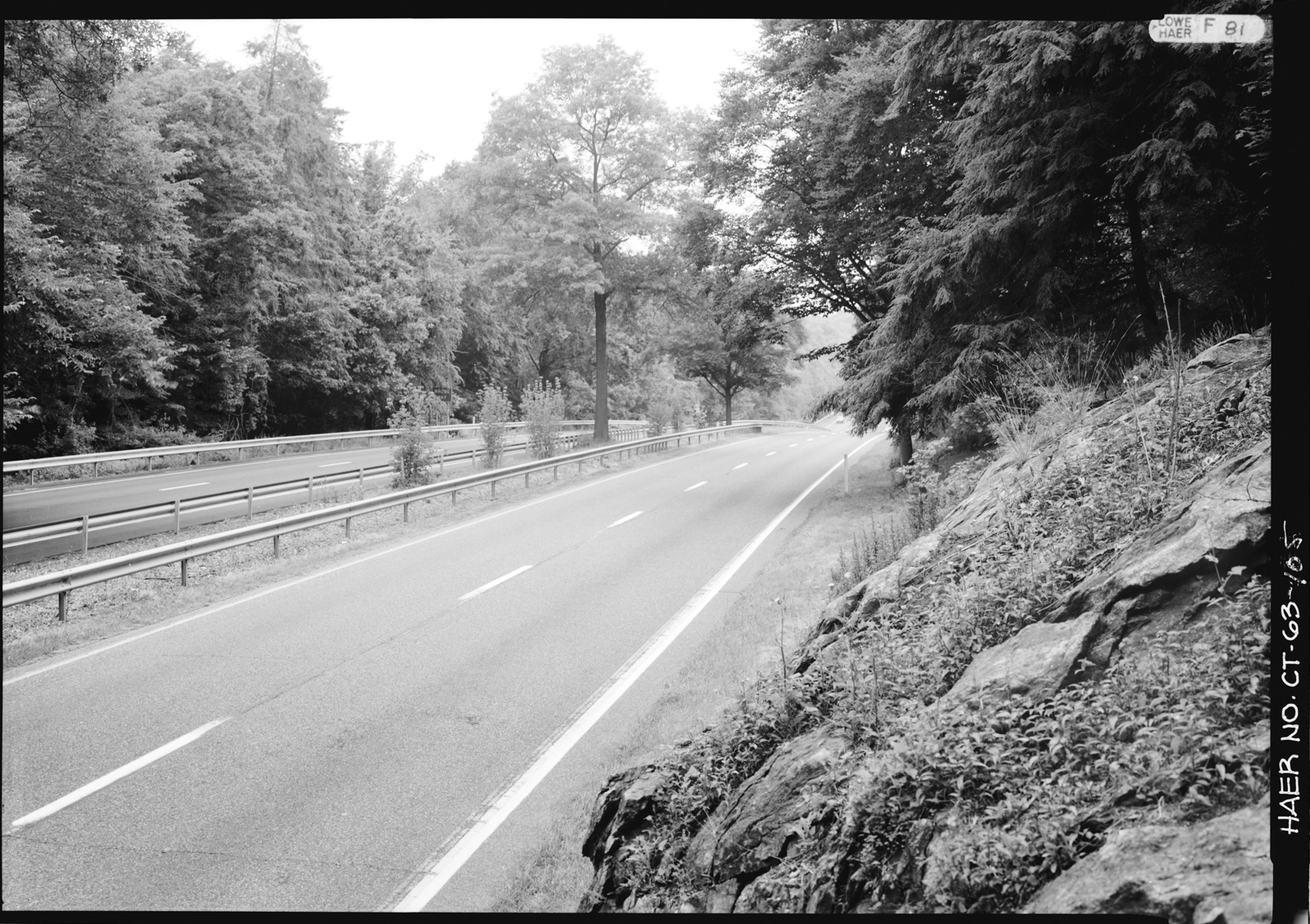
Genius of Place: Regional and Vernacular Landscape Architecture
2027 Call for Submissions for the Historic American Landscapes Survey (HALS)
All HALS reports submitted by August 31, 2027, will be recognized at the ASLA Conference on Landscape Architecture in Chicago and highlighted on The Field.