

.webp?language=en-US)

.webp?language=en-US)
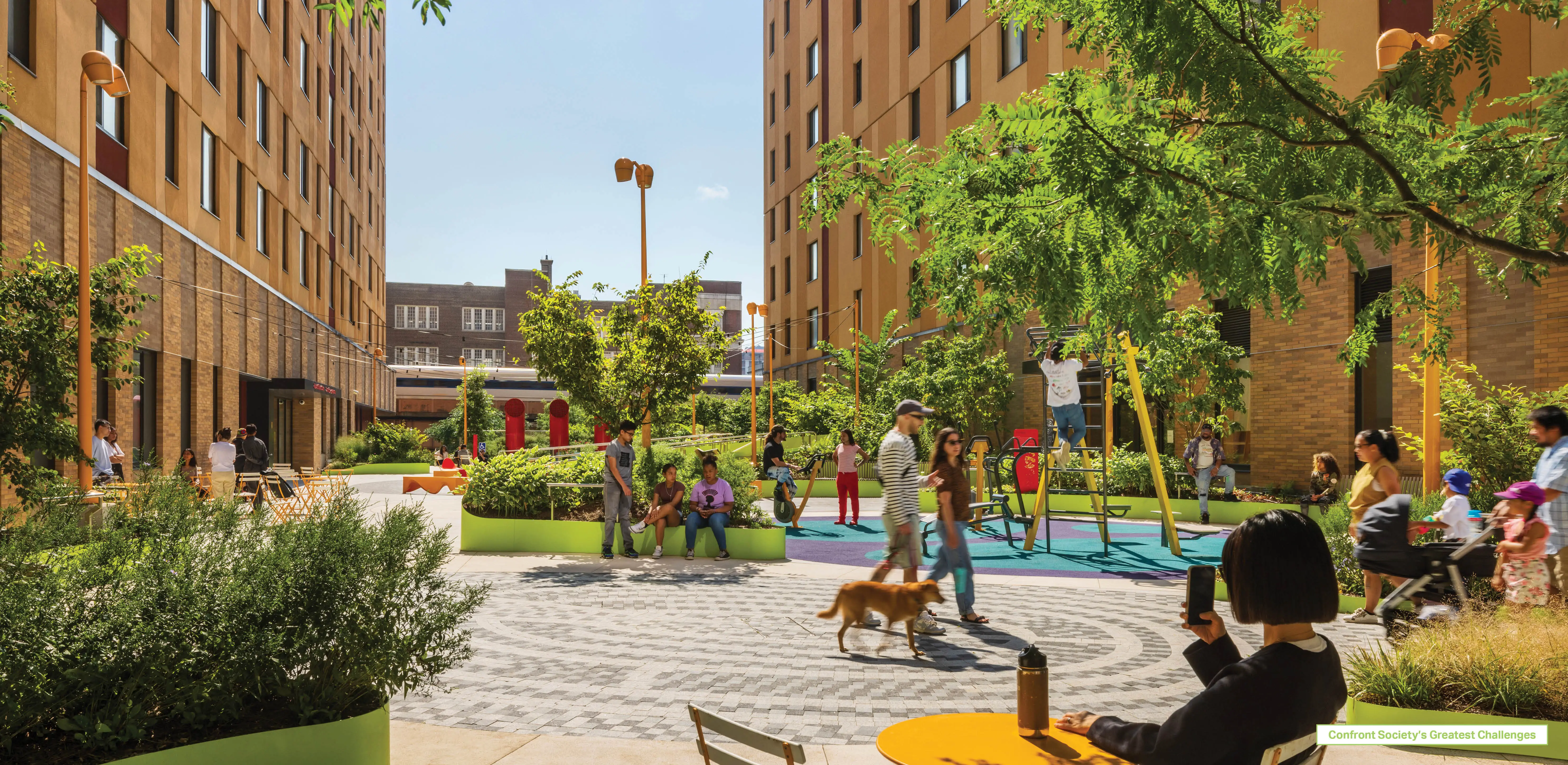
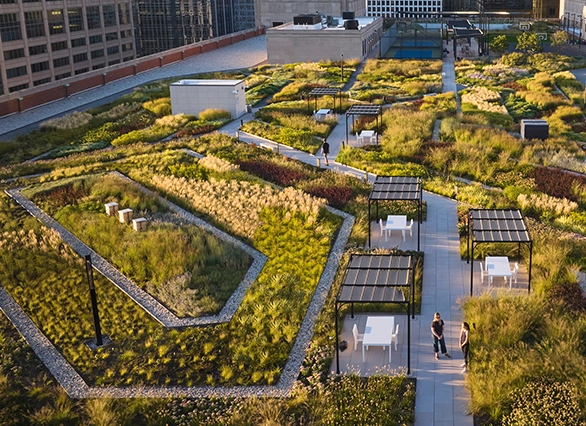
2025 ASLA Professional Award Honor Award, Residential Design. Sendero Verde, AECOM LAUD NYC. The landscape connects users to the environment through a strategy that incorporates native plants resilient to the site’s on-structure conditions.
Your Path to Landscape Architecture
Explore:
What Landscape Architects Do
They design the outdoor places that quietly shape daily life: places you pass through on the way to work, gather with friends, celebrate milestones, mourn losses, and find relief from heat, noise, and stress. Their work isn’t ornamental. It is purposeful, technical, and deeply human.
Check out these Conversations with Landscape Architects to hear more about this profession from their perspectives.
Landscape architecture combines art and science. It is the profession that designs, plans, and manages our land. Landscape architecture has strong roots in the U.S.
Advertisement
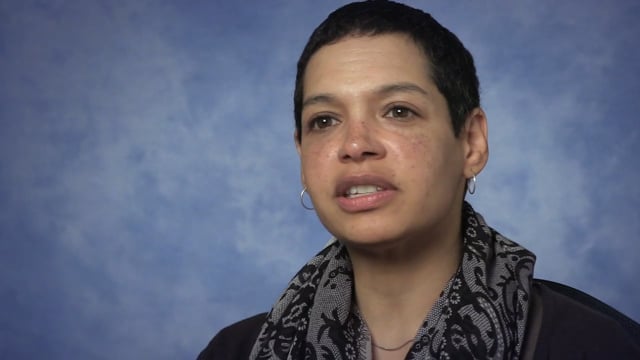
Why Become a Landscape Architect?
Landscape architects and designers explain why landscape architecture might be the perfect profession for you.
The actual term landscape architecture became common after 1863 when Frederick Law Olmsted and Calvert Vaux designed New York's Central Park. Today, landscape architects deal with the increasingly complex relationships between the built and natural environments.
Landscape architects plan and design traditional places such as parks, residential developments, campuses, gardens, cemeteries, commercial centers, resorts, transportation corridors, corporate and institutional centers and waterfront developments.
They also design and plan the restoration of natural places disturbed by humans such as wetlands, stream corridors, mined areas and forested land.
Their appreciation for historic landscapes and cultural resources enables landscape architects to undertake preservation planning projects for national, regional and local historic sites and areas.
Working with architects, city planners, civil engineers and other professionals, landscape architects play an important role in environmental protection by designing and implementing projects that respect both the needs of people and of our environment.
Meeting human needs by making wise use of our environmental resources is work that is in demand today and will continue to be needed in the future.