

.webp?language=en-US)

.webp?language=en-US)
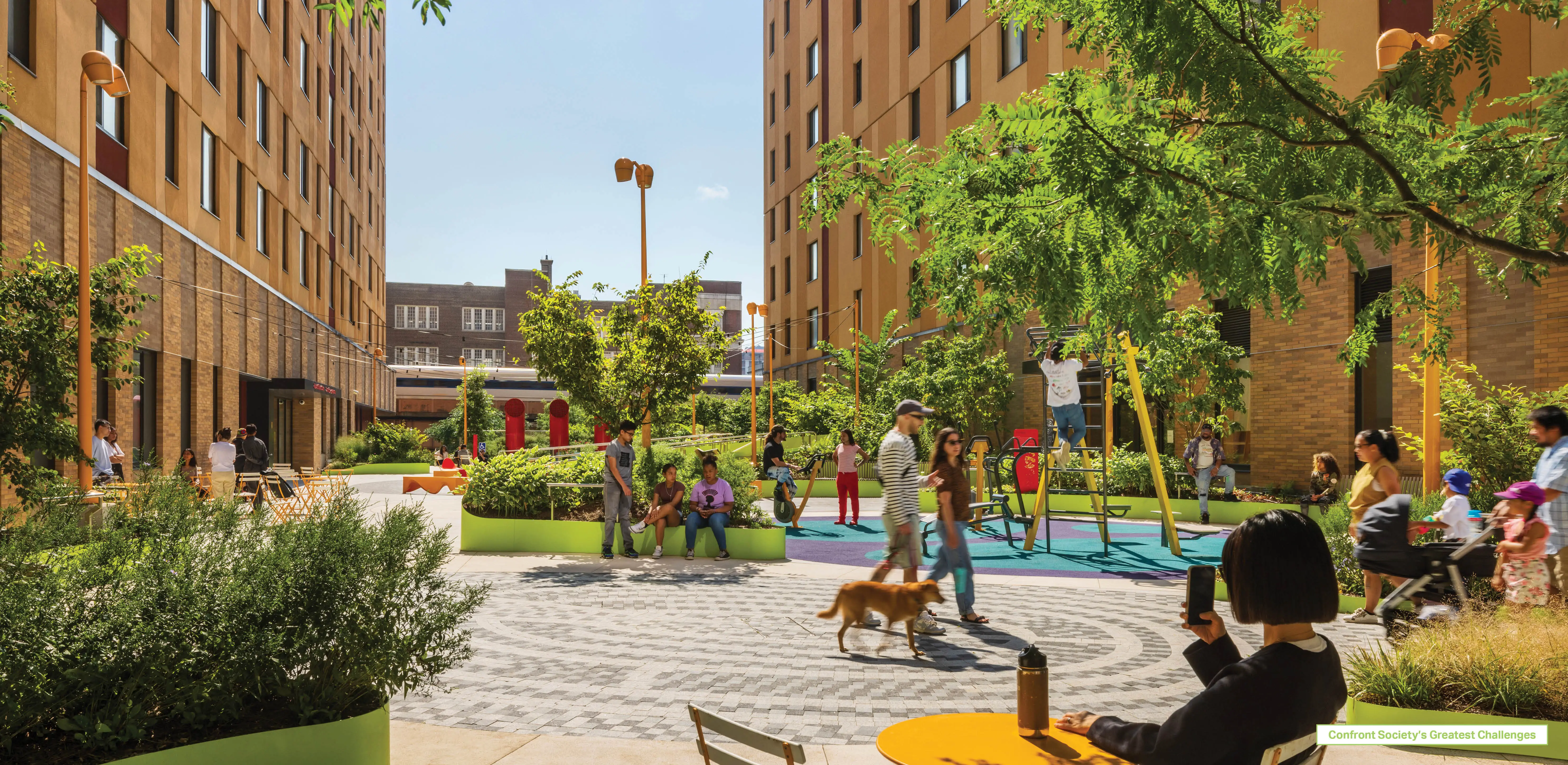
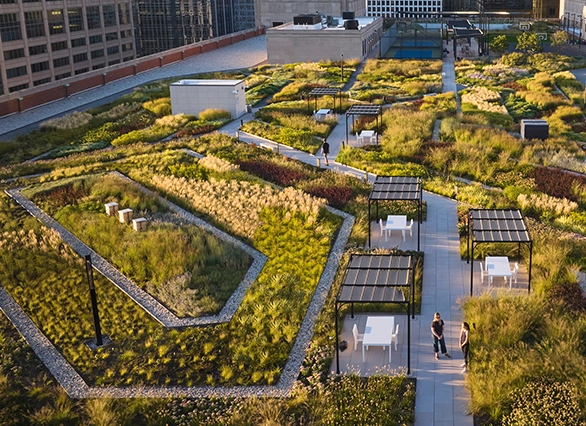
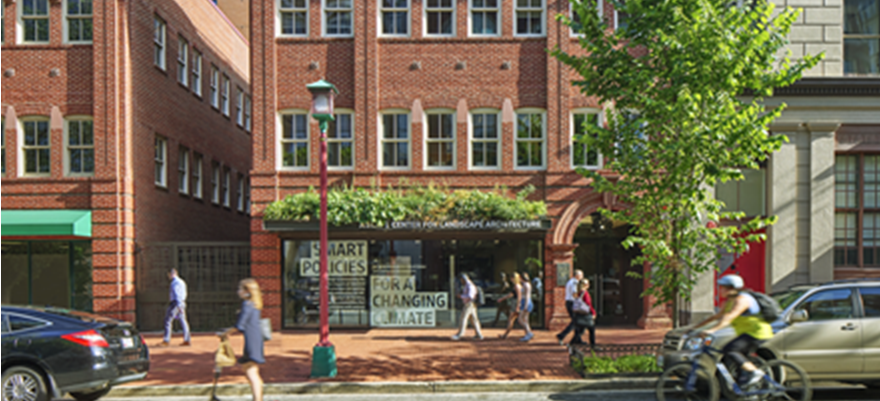
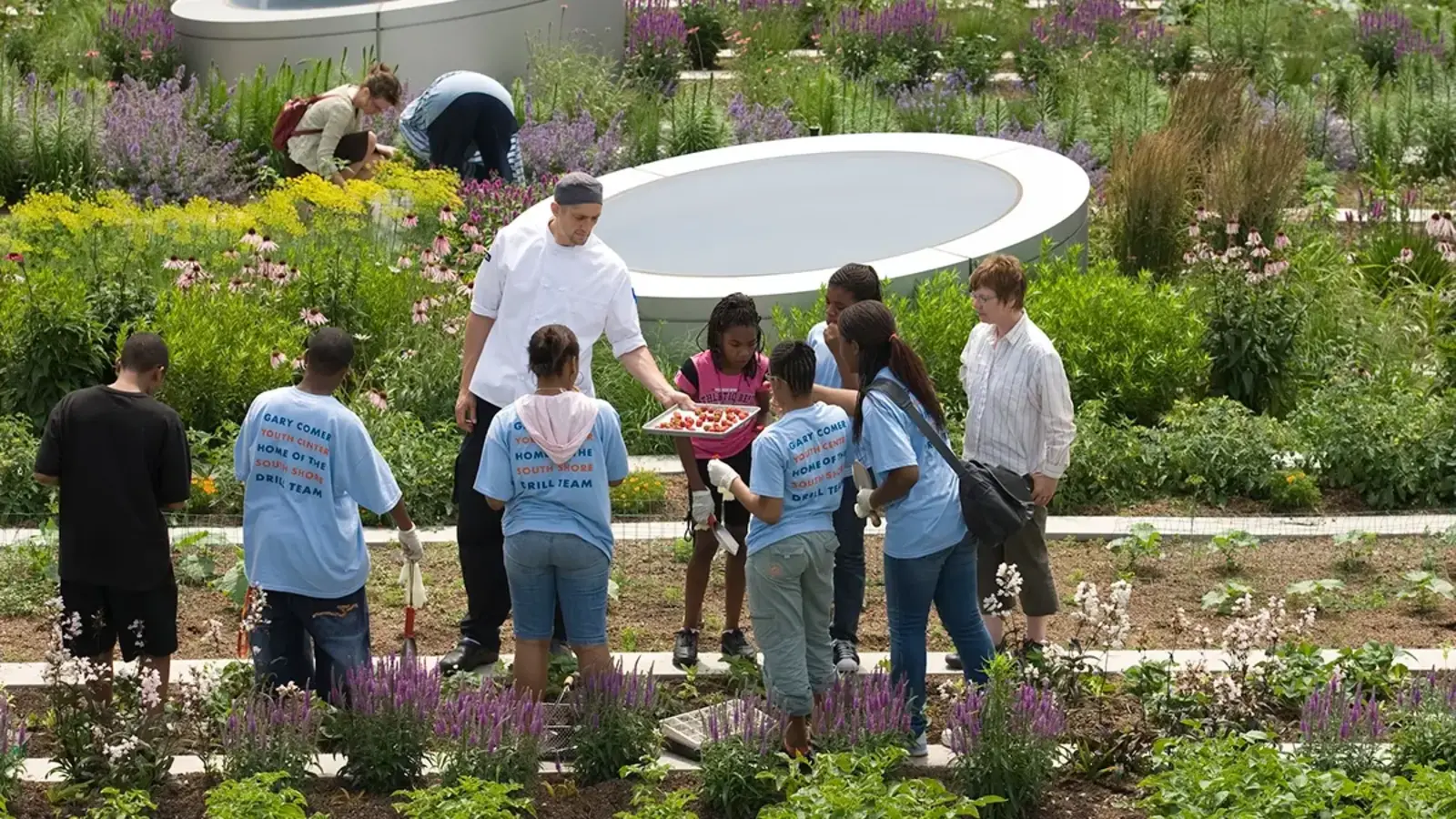
ASLA 2010 Professional Honor Award in General Design, Gary Comer Youth Center Roof Garden
Have you ever wondered who designs parks, green schoolyards, riverwalks, and nature-friendly city streets?
The professionals behind many of these places are landscape architects. They plan and design outdoor spaces that help communities, wildlife, and the environment thrive together.
The American Society of Landscape Architects (ASLA) has collected thousands of real-world examples showing how landscape architects are helping solve big challenges like climate change, flooding, biodiversity loss, equity, and urban heat. These examples are called case studies, and these projects show how cities and communities can work with nature instead of against it.
What Is a Case Study?
A case study is like a detective story about a real project. It explains:
- The problem (flooding, heat, habitat loss, pollution)
- The design ideas used to solve it
- The results for people, wildlife, and the environment
When students study case studies, they learn how professionals solve real-world problems using science, design, and teamwork.
Questions to Guide Your Research
When reading a case study, try asking:
- What problem was the community facing?
- What natural solutions were used?
- How does the design help wildlife or plants?
- Does it help manage water or reduce flooding?
- How do people use this space today?
These questions can help you prepare:
- Research reports
- Poster presentations
- Environmental science projects
- Geography or civics assignments
Case Study Examples
Here are a few projects that are easy to understand and fun to explore.
Case Study #1. Green Schoolyards – Vancouver, Washington
Imagine if your schoolyard turned into a nature park.
Some schools replaced asphalt playgrounds with:
- Native plant gardens
- Pollinator habitats for bees and butterflies
- Outdoor classrooms
These new green schoolyards create places where students can learn outside while also helping biodiversity.
Research ideas
- How do plants help cool schoolyards?
- What animals might live there?
- Would your school benefit from a green schoolyard?
Case Study #2. Buffalo Bayou Promenade – Houston, Texas
Cities near rivers sometimes flood. Instead of building only concrete barriers, landscape architects redesigned this riverfront park using:
- Native plants
- Flood-tolerant landscapes
- Pathways and gathering spaces
The project helps control erosion and flooding while creating a beautiful public park.
Research ideas
- Why are native plants helpful for rivers?
- How can parks protect cities from floods?
Case Study #3. Edmonston Green Street – Maryland
What if a street could help clean water?
This project transformed a flood-prone road into a green street with:
- Bioswales that absorb stormwater
- Trees and plants
- Safe bike and walking paths
These natural features help reduce pollution and flooding while making the street safer and greener.
Research ideas
- What happens to rainwater in cities?
- How can streets become environmental solutions?
Case Study Challenge
Look at 2–3 case studies and ask:
- How could ideas from these projects help improve your school, neighborhood, or city?
- You might discover that the solutions to big environmental problems are already growing in parks, streets, and schoolyards around us.
Learn more: