
.webp?language=en-US)


Restoring a River, Reconnecting a City: Longgang River Blueway
Firms
SWA Group, Houston Office; Shenzhen BLY Landscape, Architecture and Planning Design Institute Co., Ltd.; HASSELL Studio Pty Ltd (Hassell); Shenzhen Urban Planning & Design Institute Co., Ltd. (UPDIS)
-
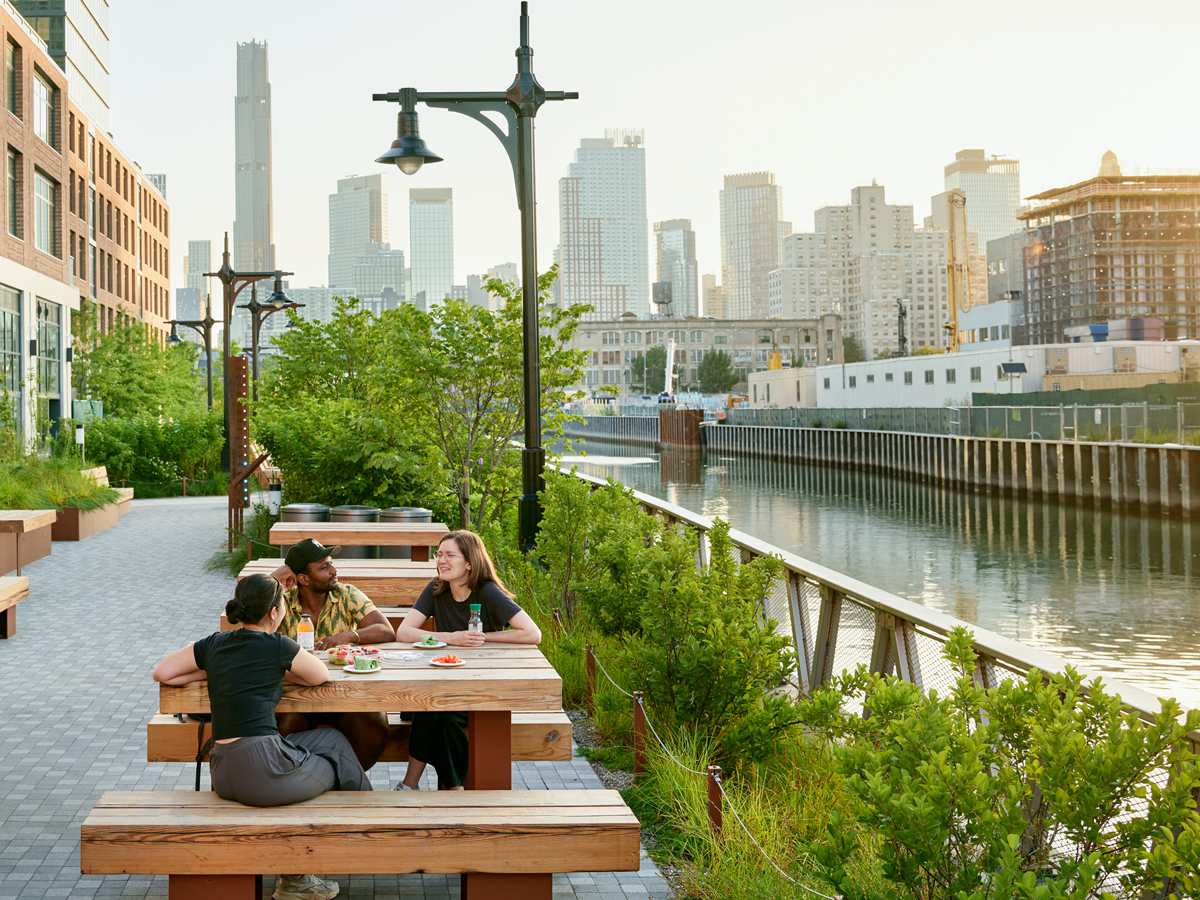
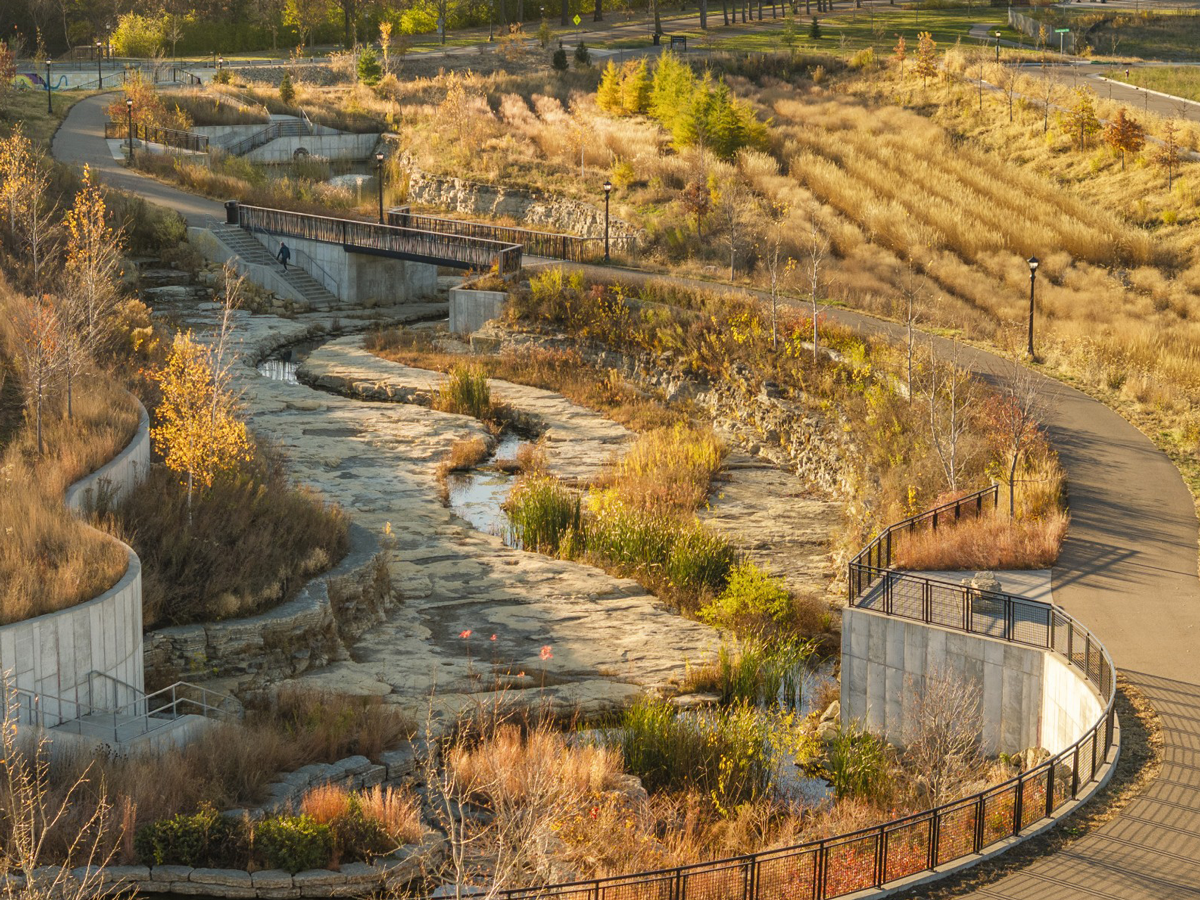
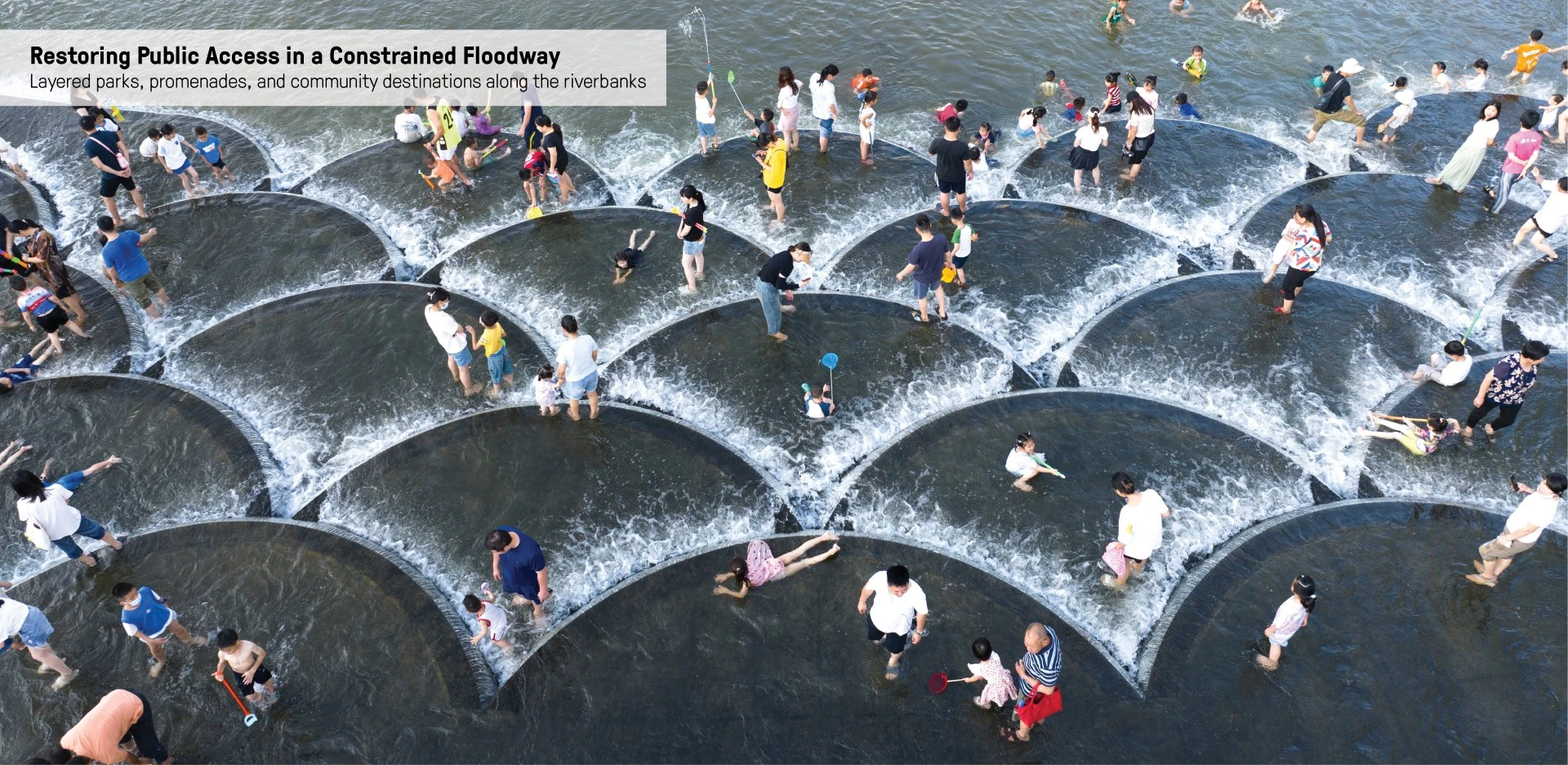
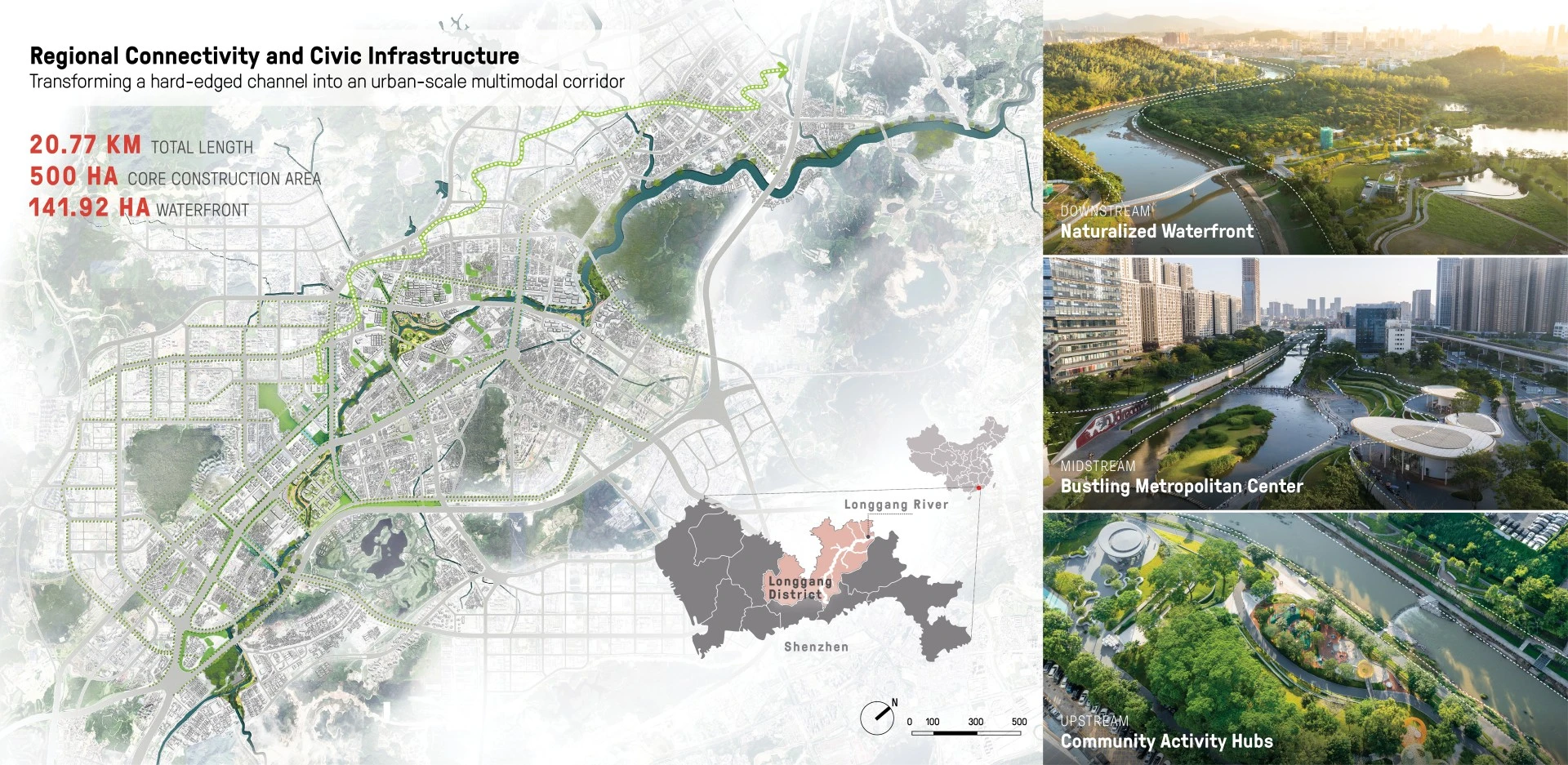
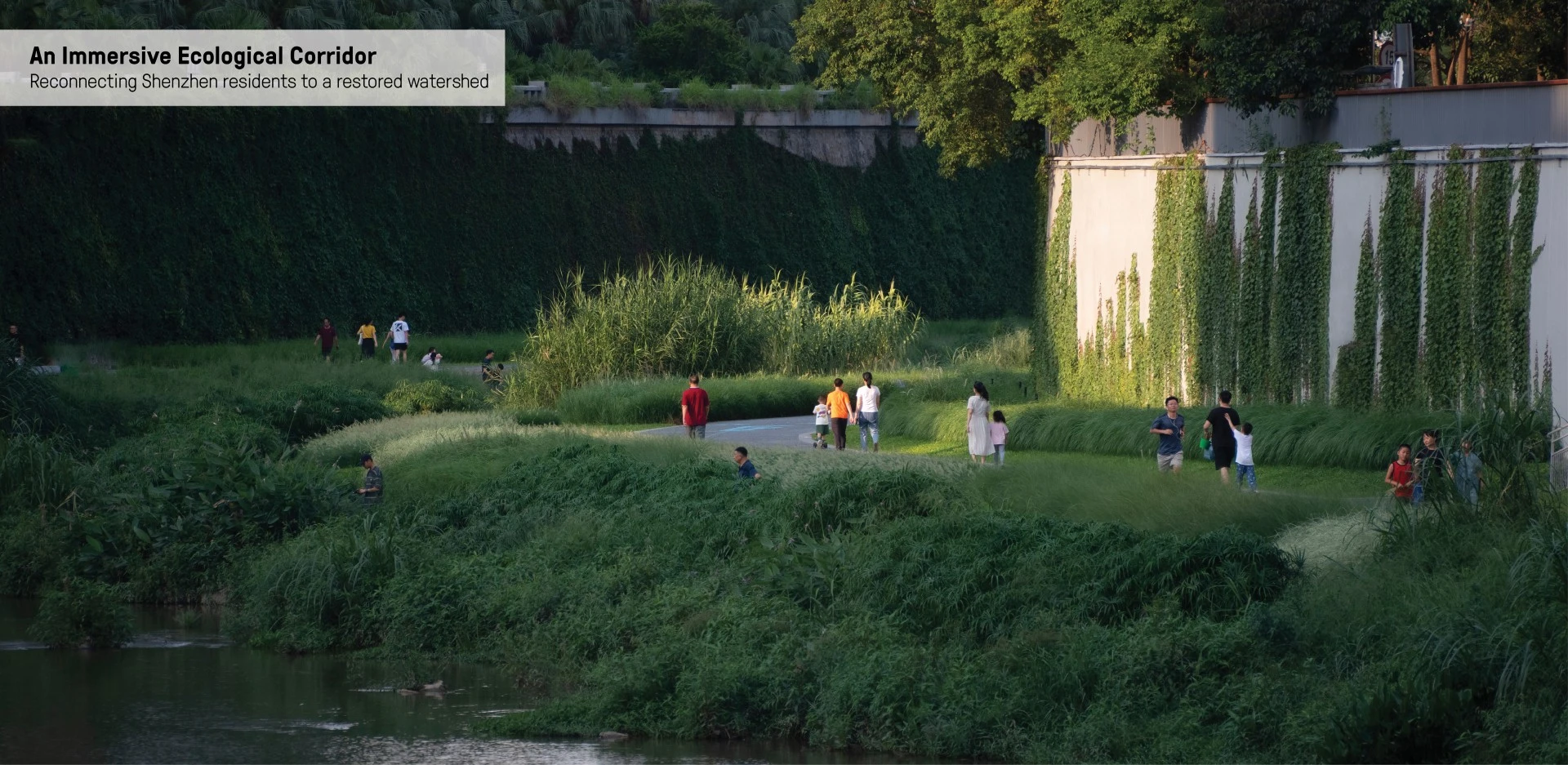
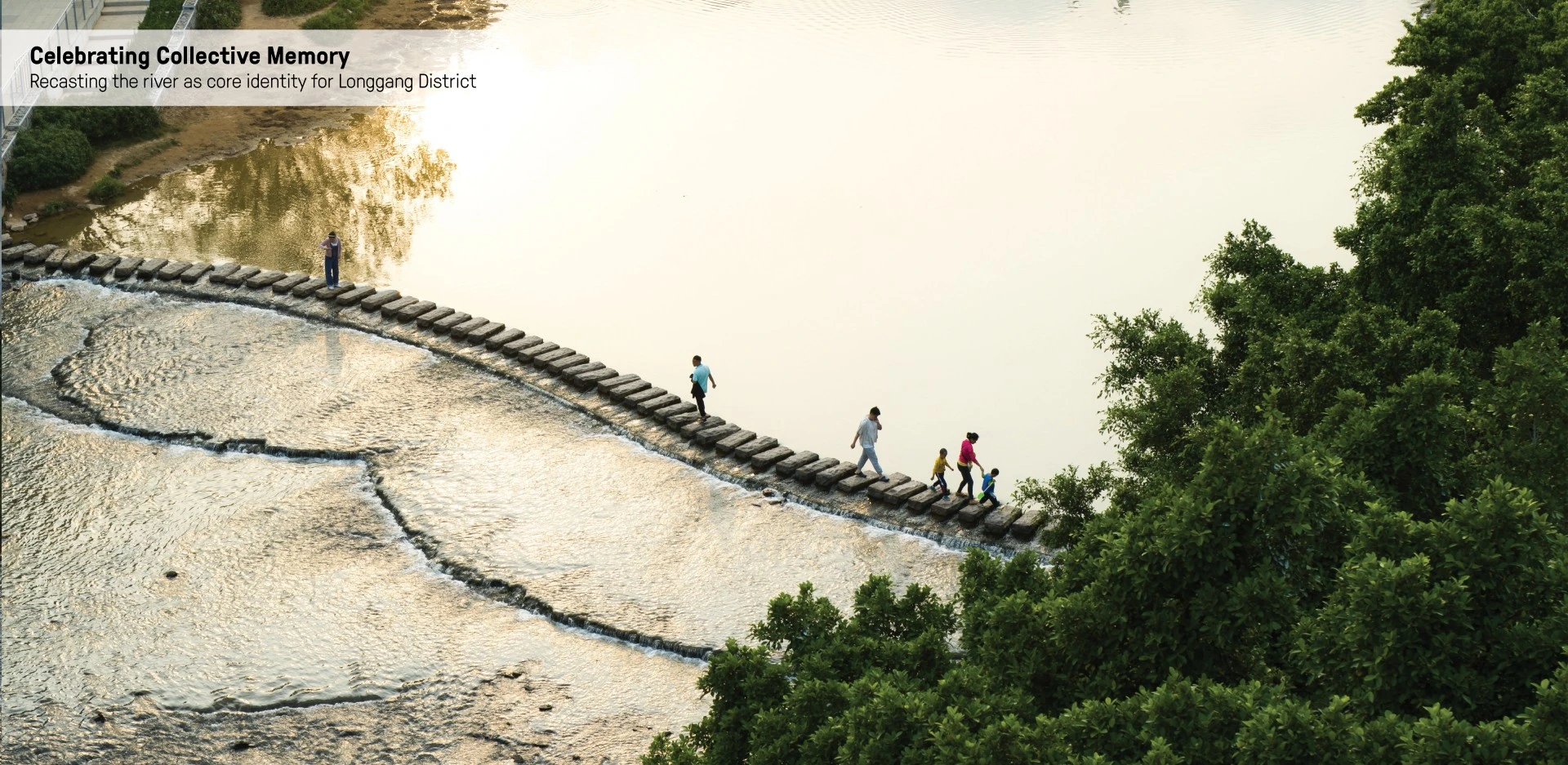
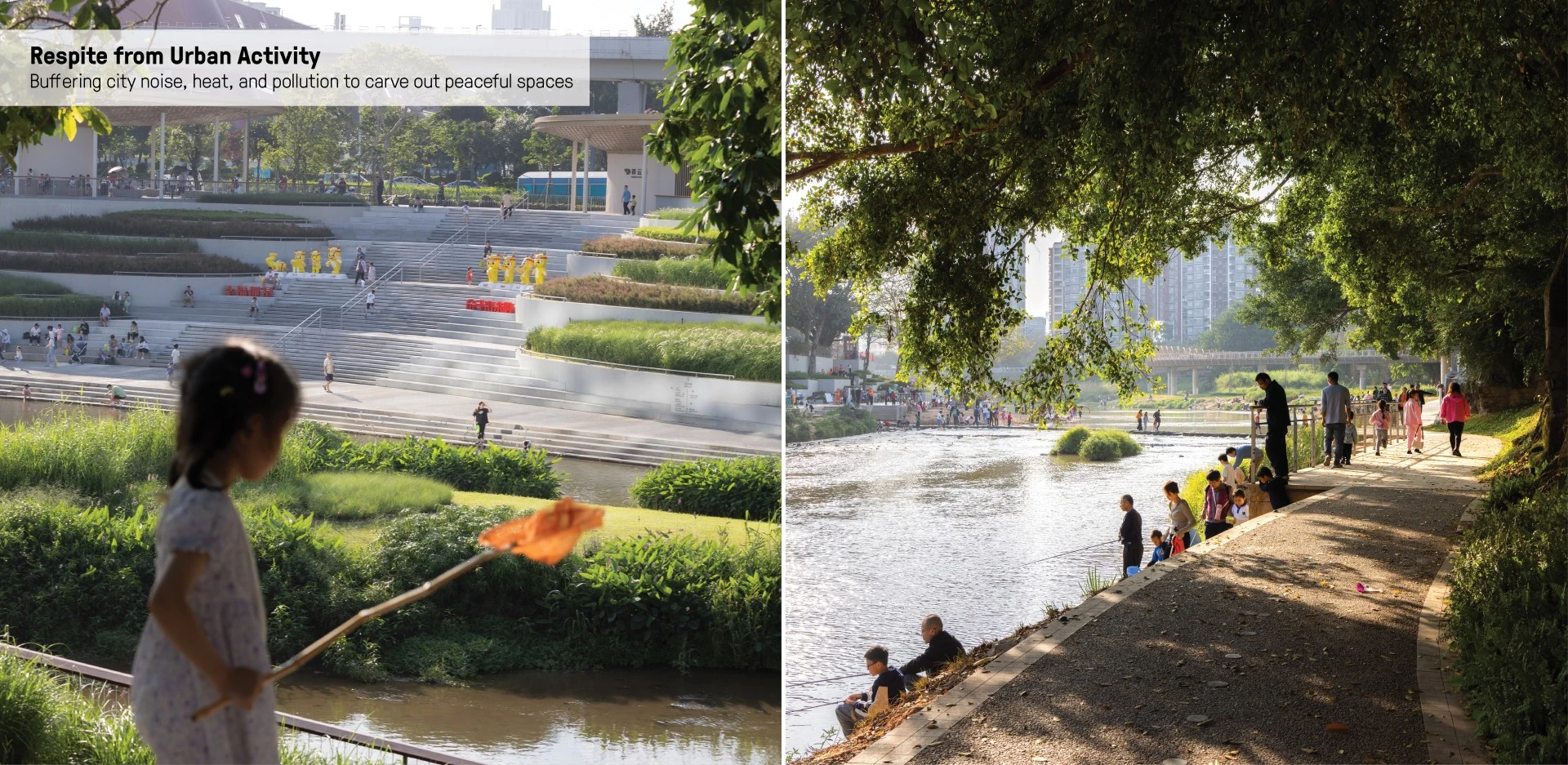
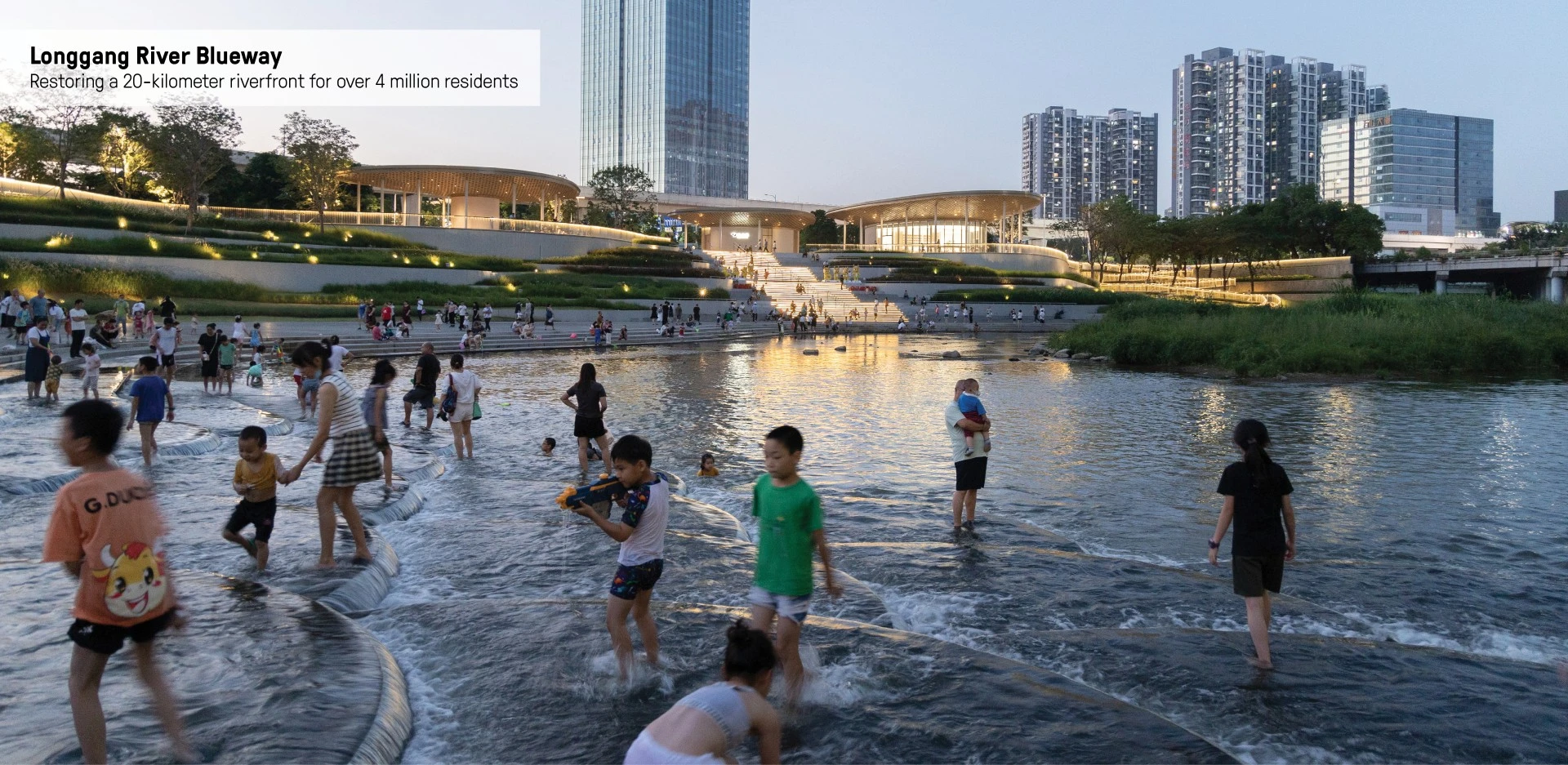
Over the past half century, rapid urbanization forced Shenzhen rivers into concrete channels, cutting communities off from nature and increasing flood risk. Spanning 20 kilometers, the Longgang River Blueway reshapes a former drainage corridor into a resilient, accessible public landscape. River renaturalization, habitat restoration, and integrated flood management restore ecological function while opening the riverfront to daily civic use. Wetlands, shoals, and stepped weirs slow stormwater and support recreation along the entire corridor. As the blueway extends across urban,suburban, and rural districts, the project reconnects residents with urban nature and shows flood infrastructure as a civic and ecological asset.
-
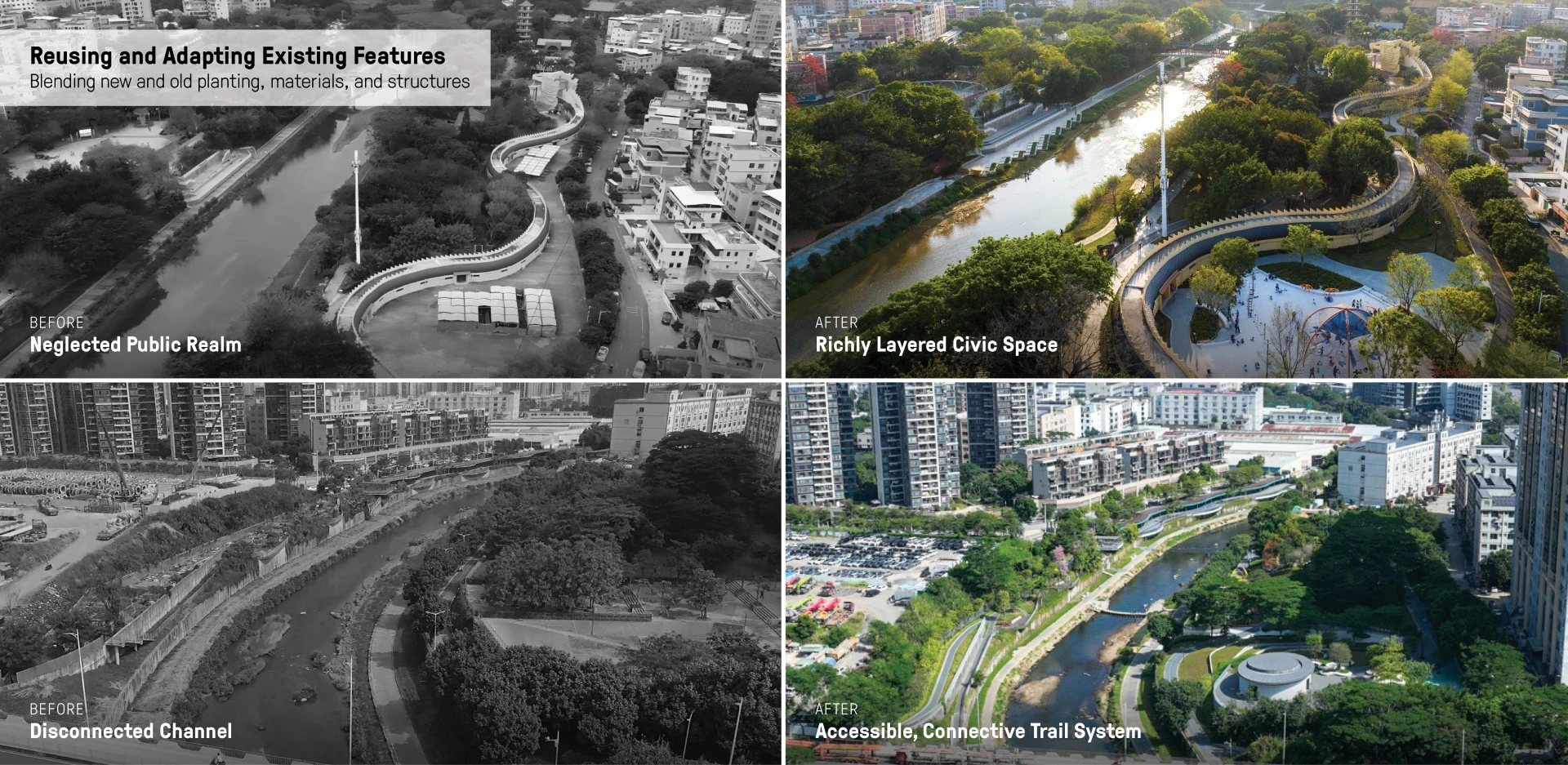
As a major public initiative to restore 20 kilometers of the largest river in East Shenzhen, the Longgang River Blueway transforms a former flood corridor into a resilient civic landscape. Decades of rapid urbanization confined the river within concrete channels, limiting access, degrading ecology, and intensifying flood risk. The Blueway repositions the river as shared public infrastructure, reconnecting communities with urban nature while strengthening flood resilience.
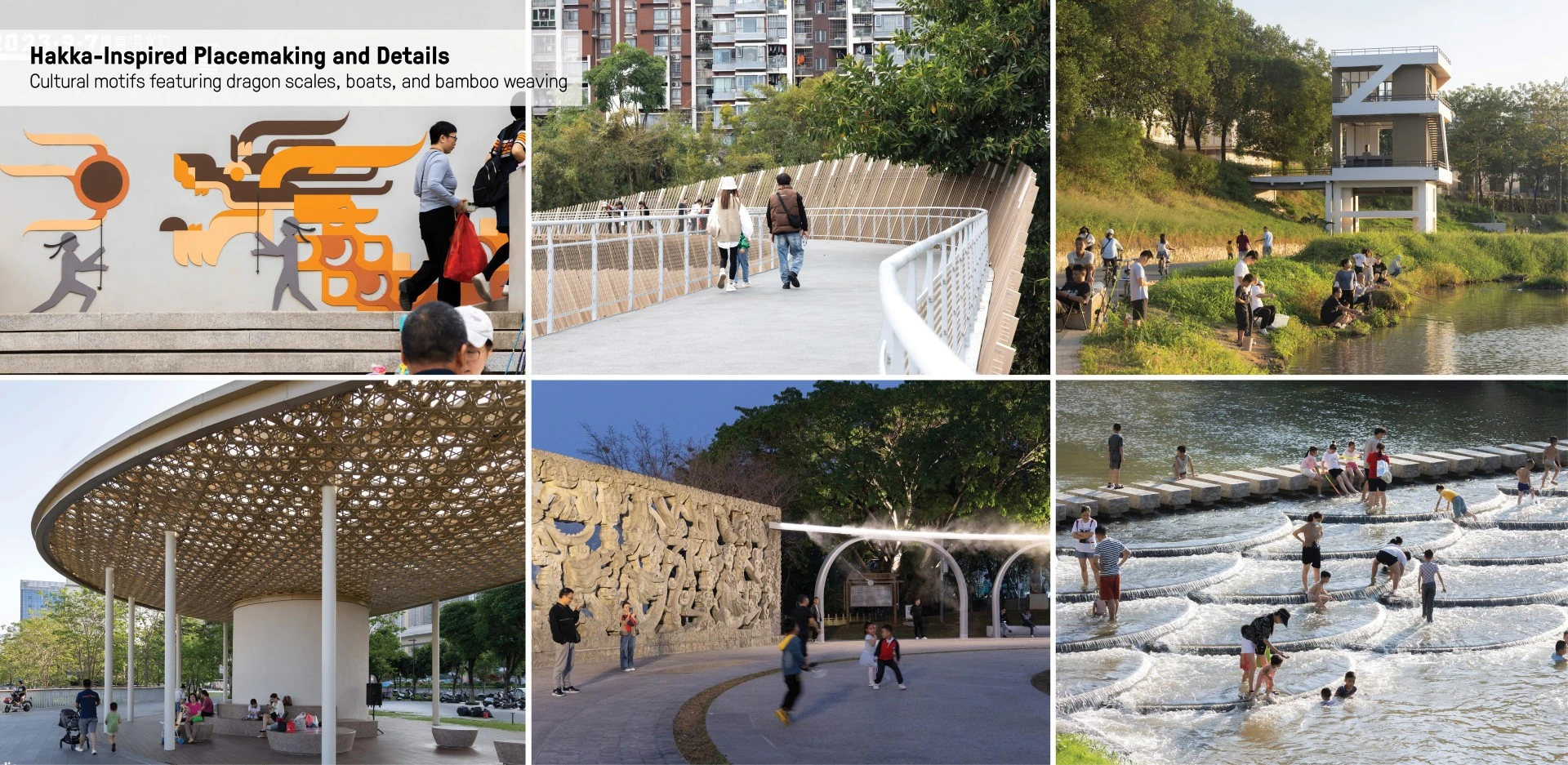
The first phase, a three-mile demonstration segment completed in 2023, tested the integrated approach under highly constrained urban conditions. Delivered during the pandemic, it improved quality of life, neighborhood connectivity, and flood resilience, and set a framework for later extensions. Subsequent phases complete the corridor with expanded trails, riparian restoration, community play and fitness spaces, and public amenities shaped by Hakka culture.
Site Challenges:
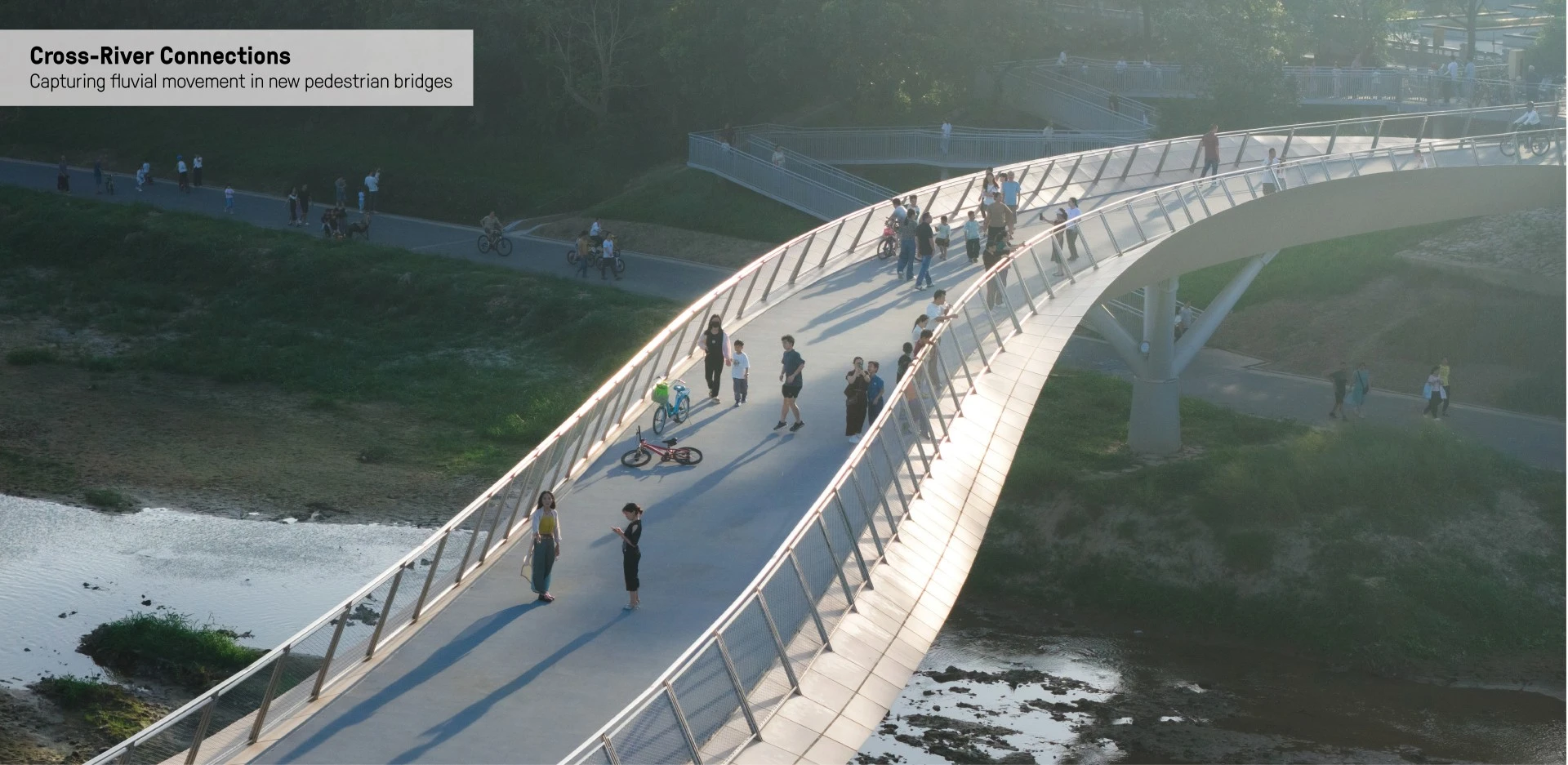
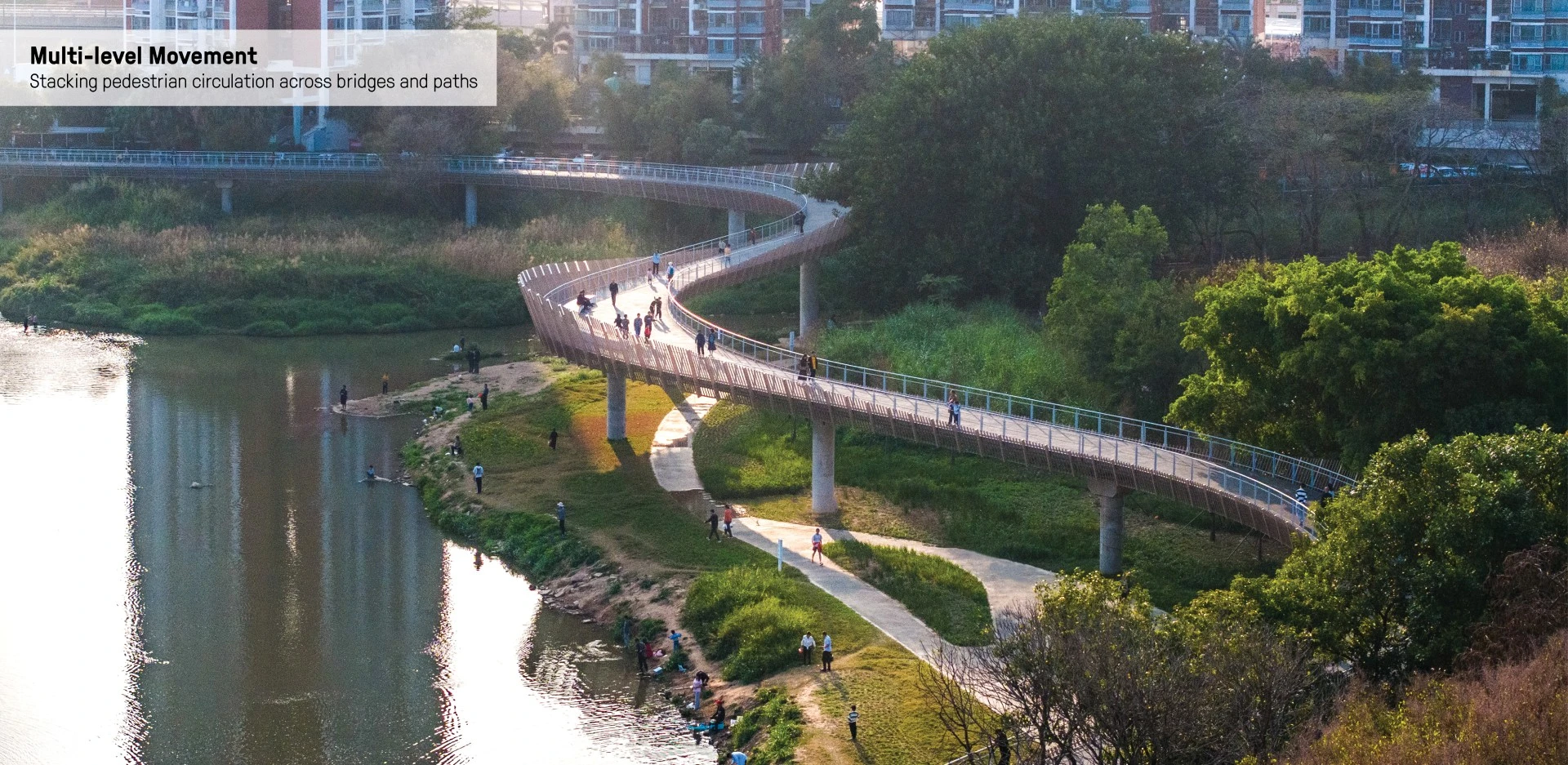
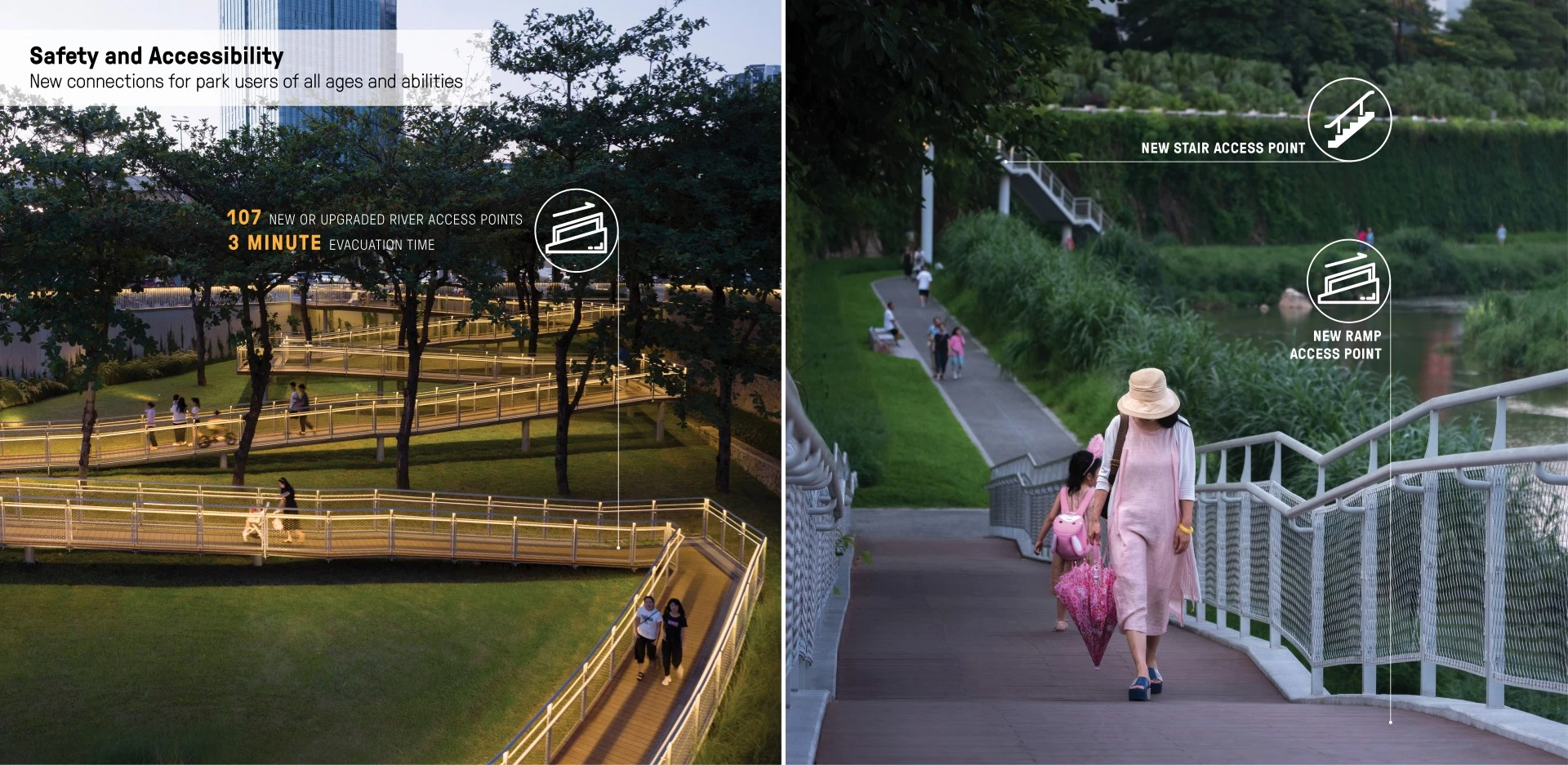
The project applies an integrated strategy that combines river renaturalization, habitat restoration, flood management, and public space design. Continuous trails, civic spaces, and leisure amenities line both banks, allowing residents to engage with the river during daily life while accommodating periodic inundation. More than 100 new or improved access points transform the river from a physical barrier into a connective spine linking surrounding neighborhoods.Sustainability and Carbon Drawdown:
Under pandemic-era budget constraints, the project emphasized reuse of existing infrastructure and preservation of mature trees. This approach reduced embodied carbon while expanding the urban canopy. Ecological systems were prioritized over excessive hardscape, supporting long-term environmental performance rooted in local character.Ecology and Resilience:
At a regional scale, the Longgang River functions as an ecological spine across East Shenzhen, linking dense urban districts with suburban and rural landscapes. Soft shore riverbanks expand the floodplain into a water-tolerant landscape that stores, conveys, and filters stormwater while supporting habitat recovery.Scientific Dredging and Habitat Restoration:
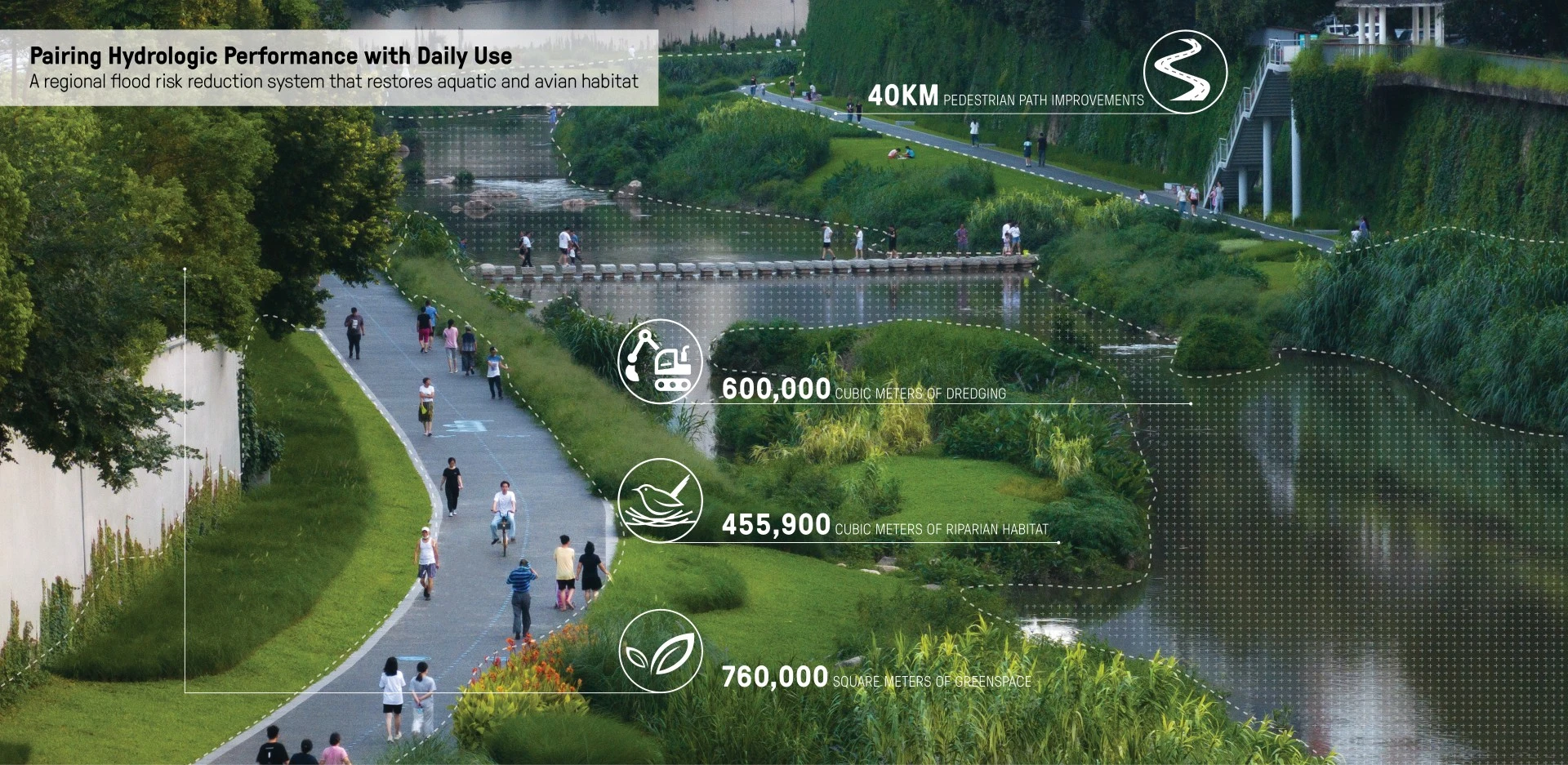
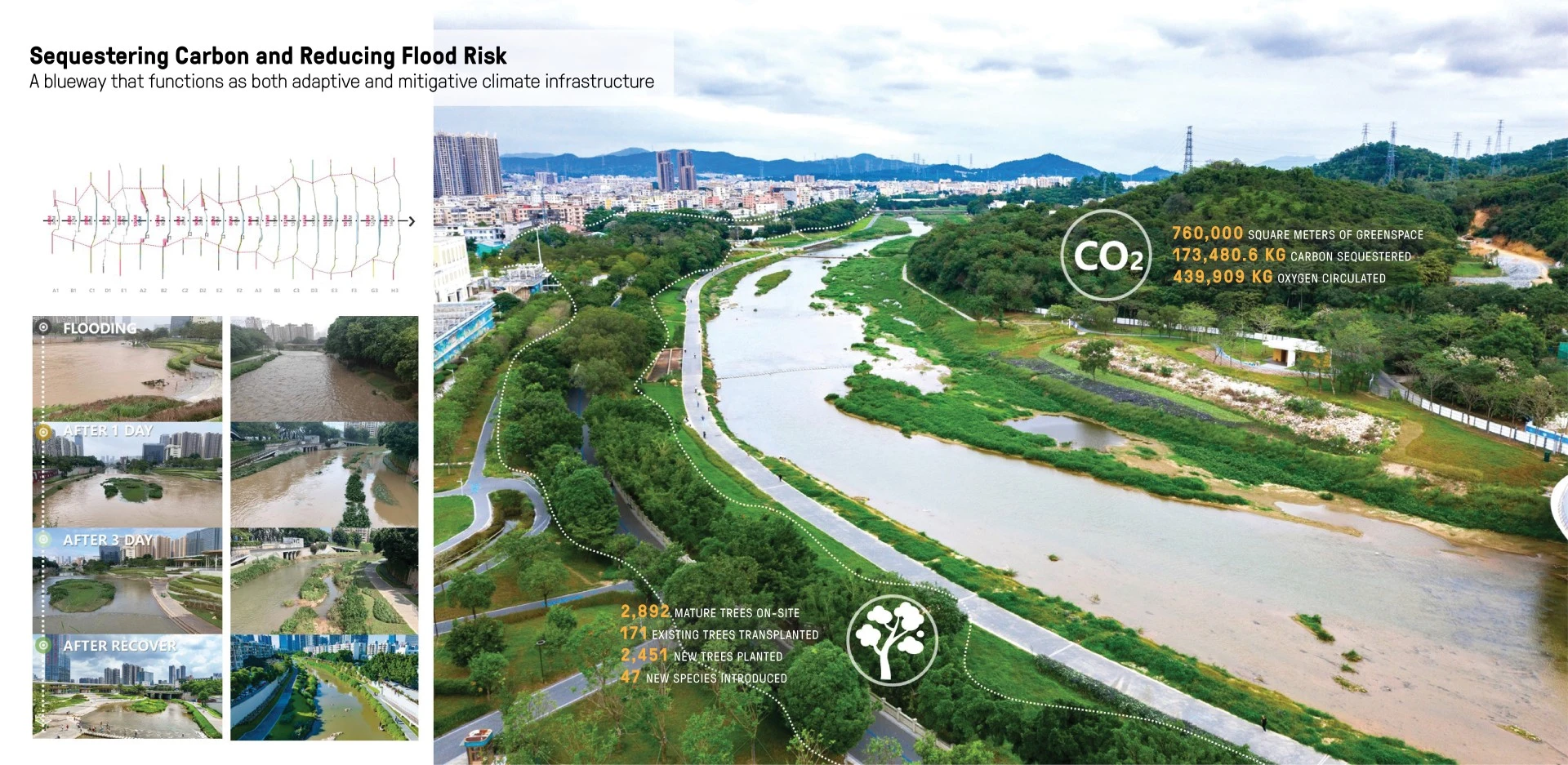
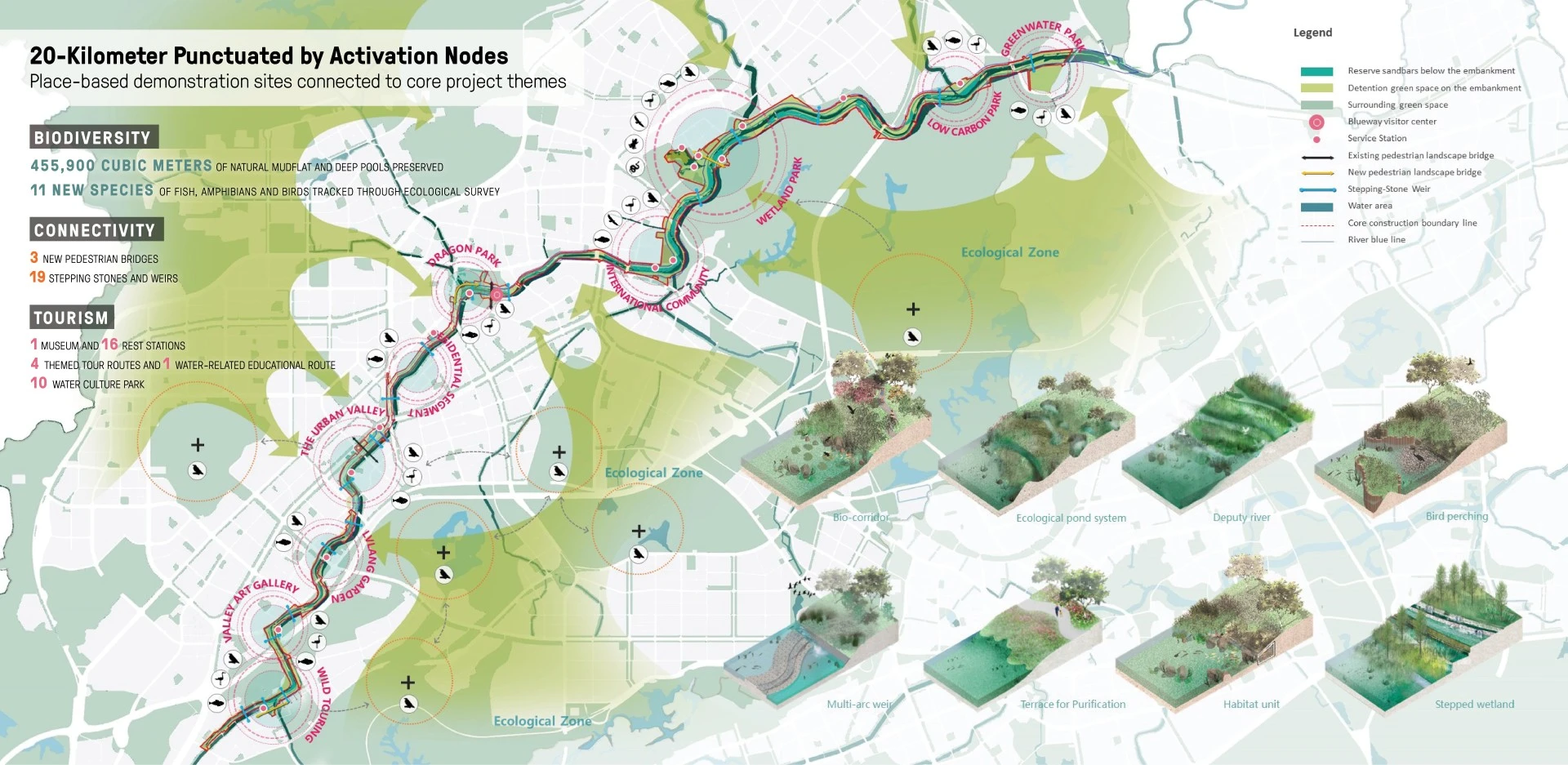
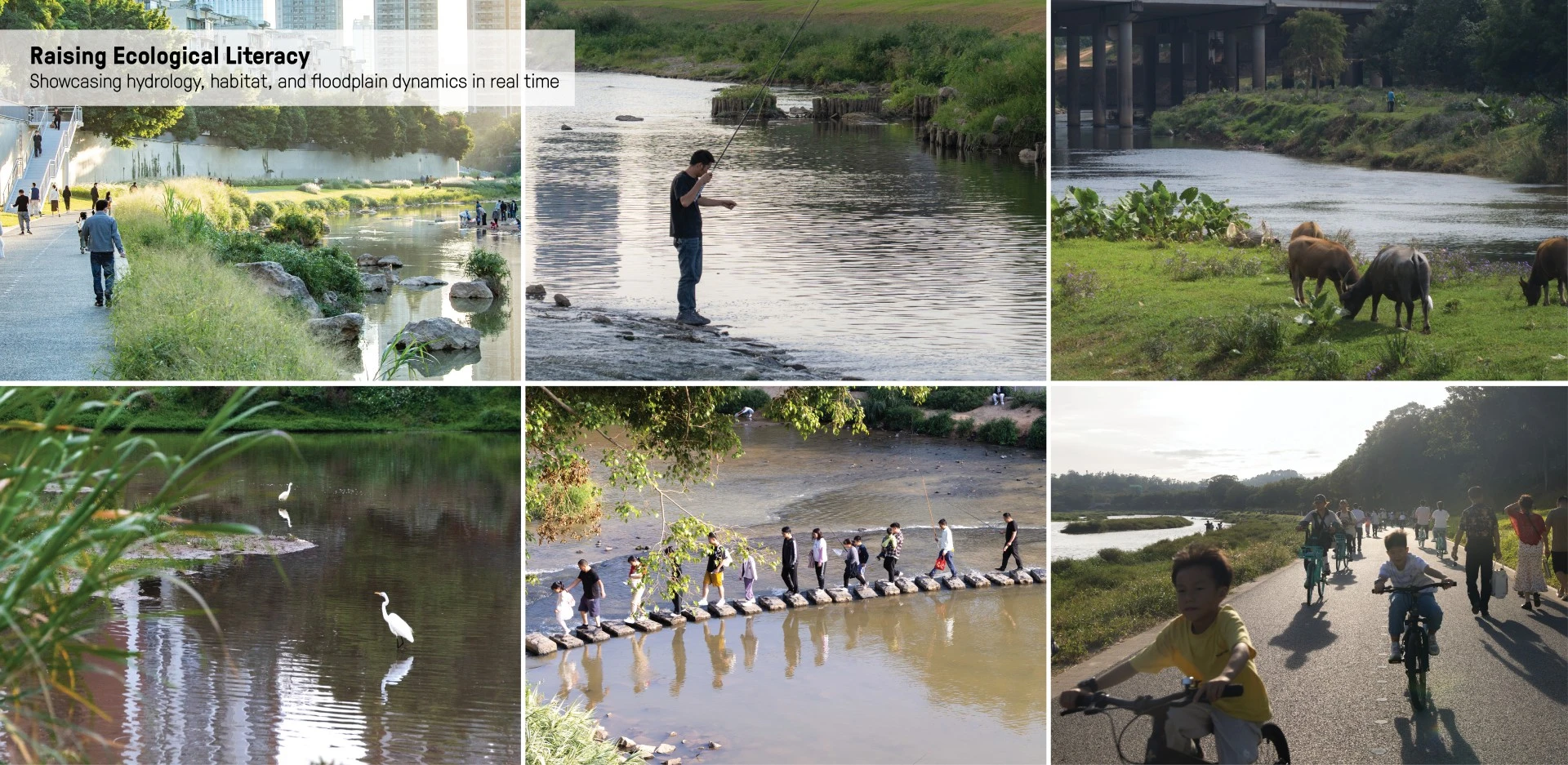
The project removed about 600,000 cubic meters of sediment while avoiding a uniform dredging approach. Precision dredging preserved 455,900 cubic meters of valuable mudflats and deep pools, protecting aquatic habitat and fish breeding areas. Ecological islands support egrets and other waterbirds, while shallow zones support spawning. Habitat design responds to river conditions, with wooded upstream shallows supporting forest birds and small mammals, and downstream reaches restoring wetlands for wading birds, reptiles, and amphibians.Vegetation Enhancement and Placemaking:
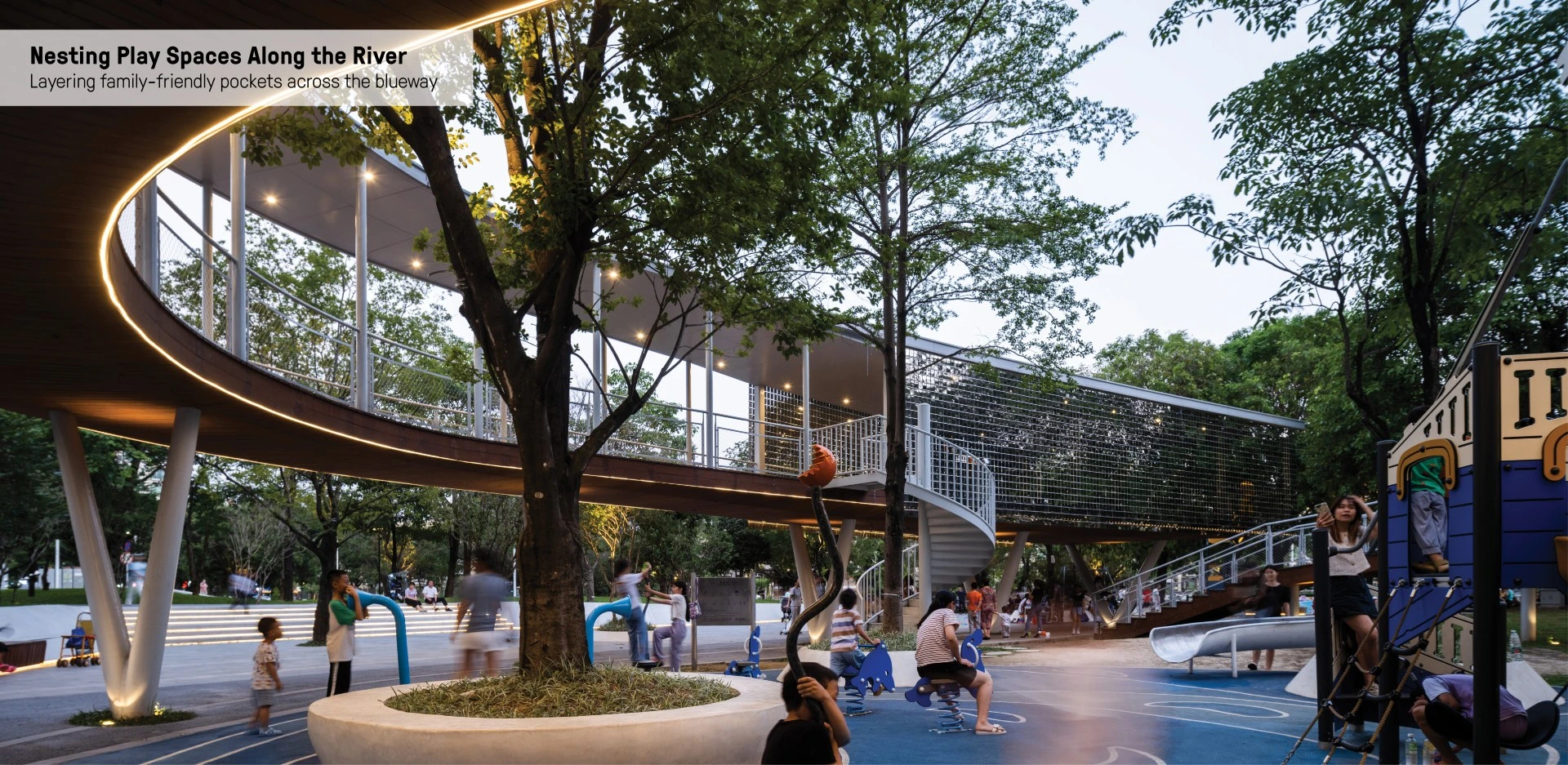
Across the corridor, 47 plant species and more than 2,400 trees were introduced, greening over760,000 square meters of riverfront. Layered planting strengthens biodiversity, improves microclimate comfort, and enhances seasonal experience. A continuous pedestrian and cycling network improves mobility and equity, while park nodes support recreation, fitness, and cultural activity for users of all ages.Completed in December 2025 with a total investment of approximately USD 285 million, the Longgang River Blueway demonstrates how large-scale flood infrastructure supports ecological restoration, cultural identity, and everyday civic life.
-
- Hassell, Consortium member, Landscape Architect of U Meng and Dragon Garden segments
- Urban Planning & Design Institute of Shenzhen (UPDIS), Consortium member, Landscape Architect of U Meng and Dragon Garden segments
- China Municipal Engineering Northeast Design and Research Institute Co., Ltd, hydrology and structural engineer
- E2Designlab, Environmental engineer
- Tongji Architectural Design, bridge design and engineer
- Atelier Liu Yuyang Architecture, Pavilion architect
- SEED Qin Chen Studio, Pavilion architect
- Shenzhen Yishu Architectural Design Consulting Co., Ltd., Park architect
- Flying Eaves Interior Design Studio, Shenzhen, Interior design
- Shenzhen Wander Construction Group Co., Ltd., facade and curtain wall
- Youxing Design (Shenzhen) Co., Ltd., Wayfinding
- Beijing N-Zone Lighting Design Co., Ltd., Lighting design
-
- Playground: Kompan
- Playground: QITELE
- Playground: KAIQI
-
- Barringtonia racemose
- Tabebuia heptaphyllus
- Delonix regia
- Tabebuia rosea
- Bauhinia variegate
- Handroanthus chrysanthus
- Saraca dives
- Triadica sebifera
- Taxodium distichum
- Syzygium jambos
- Syzygium nervosum
- Dracontomelon duperreanum
- Crateva religiose
- Dombeya acutangular
- Viburnum hanceanum
- Woodfordia fruticose
- Rhaphiolepis indica
- Holmskioldia sanguinea
- Hamelia patens
- Vitex agnus-castus
Advertisement
Related Awards
Honors Award, Urban Design
Restoring a River, Reconnecting a City: Longgang River Blueway
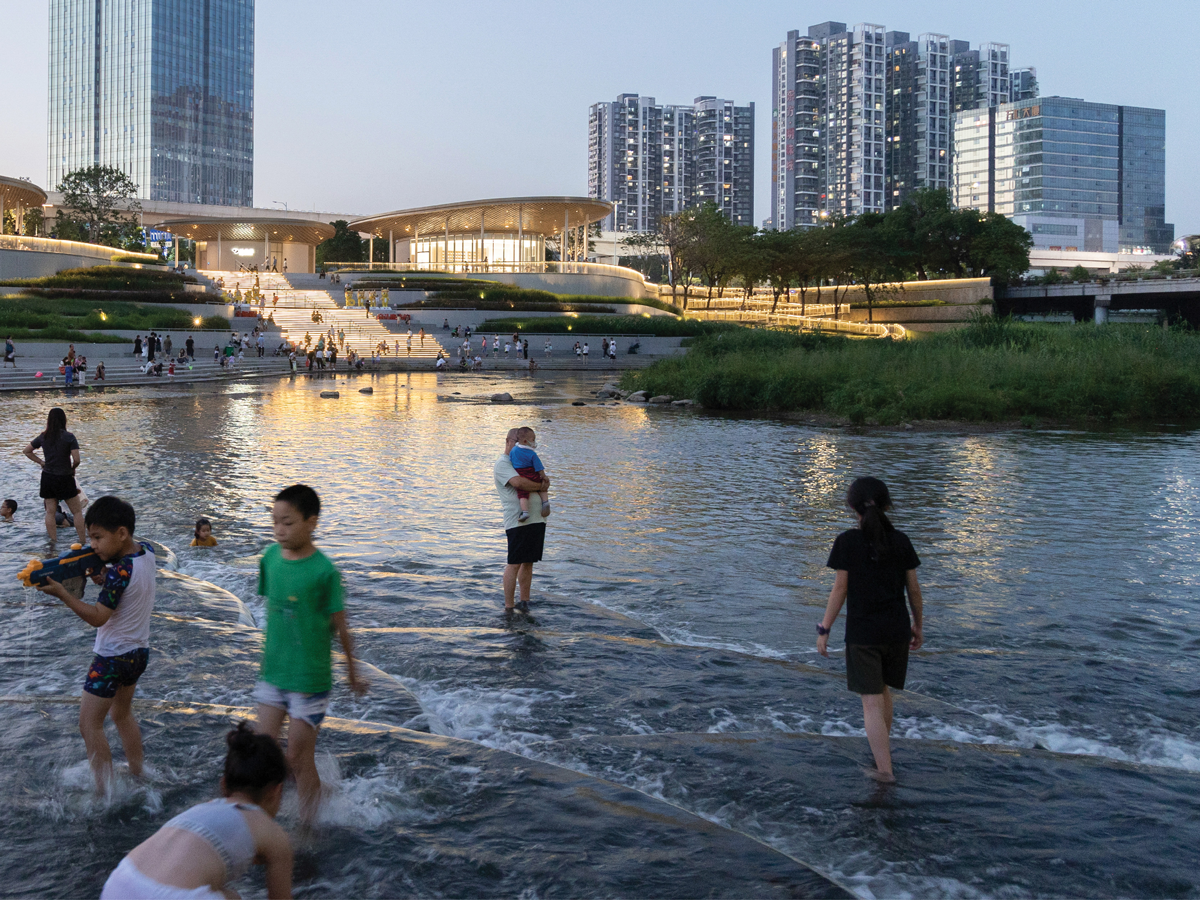
Over the past half century, rapid urbanization forced Shenzhen rivers into concrete channels, cutting communities off from nature and increasing flood risk. Spanning 20 kilometers, the Longgang River Blueway reshapes a former drainage corridor into a resilient, accessible public landscape.